
Unlock the Power of Permaculture Eco Friendly Food Forests Permaculture offers a groundbreaking method for sustainable living through eco friendly food forests, converting typical gardens into self sustaining ecosystems that replicate natural woodlands.At its essence, a food forest is a multi layered planting system that includes edible trees, shrubs, vines, herbs, and groundcovers, all aimed at generating plentiful harvests while rejuvenating the environment.Rooted in indigenous practices and the modern permaculture concepts introduced by Bill Mollison in the 1970s, it promotes a harmonious relationship with nature, steering clear of synthetic chemicals, tilling, or irrigation.Unlock the Power of Permaculture Eco Friendly Food Forests The system’s mechanics are remarkable,tall canopy trees provide shade and fruits such as apples or nuts, mid layer shrubs yield berries, and understory plants offer herbs and vegetables, all working together symbiotically to enhance soil fertility, attract pollinators, and repel pests.Unlock the Power of Permaculture Eco Friendly Food Forests Nitrogen fixing plants enrich the soil, while a variety of species increases resilience to climate challenges. The advantages include lower carbon footprints, increased biodiversity, and year round food security research indicates that food forests can produce up to 10 times more per acre than conventional farms, requiring minimal upkeep.Evidence from initiatives like City Green’s Permaculture Food Forest illustrates long term sustainability, addressing food insecurity and environmental degradation.Begin modestly in your backyard, Observe local ecosystems, plant perennials, and allow nature to flourish. Embrace permaculture to foster abundance and restore the planet one forest at a time.
Kitchen Garden is filling up quickly, Harvests are picking up pace
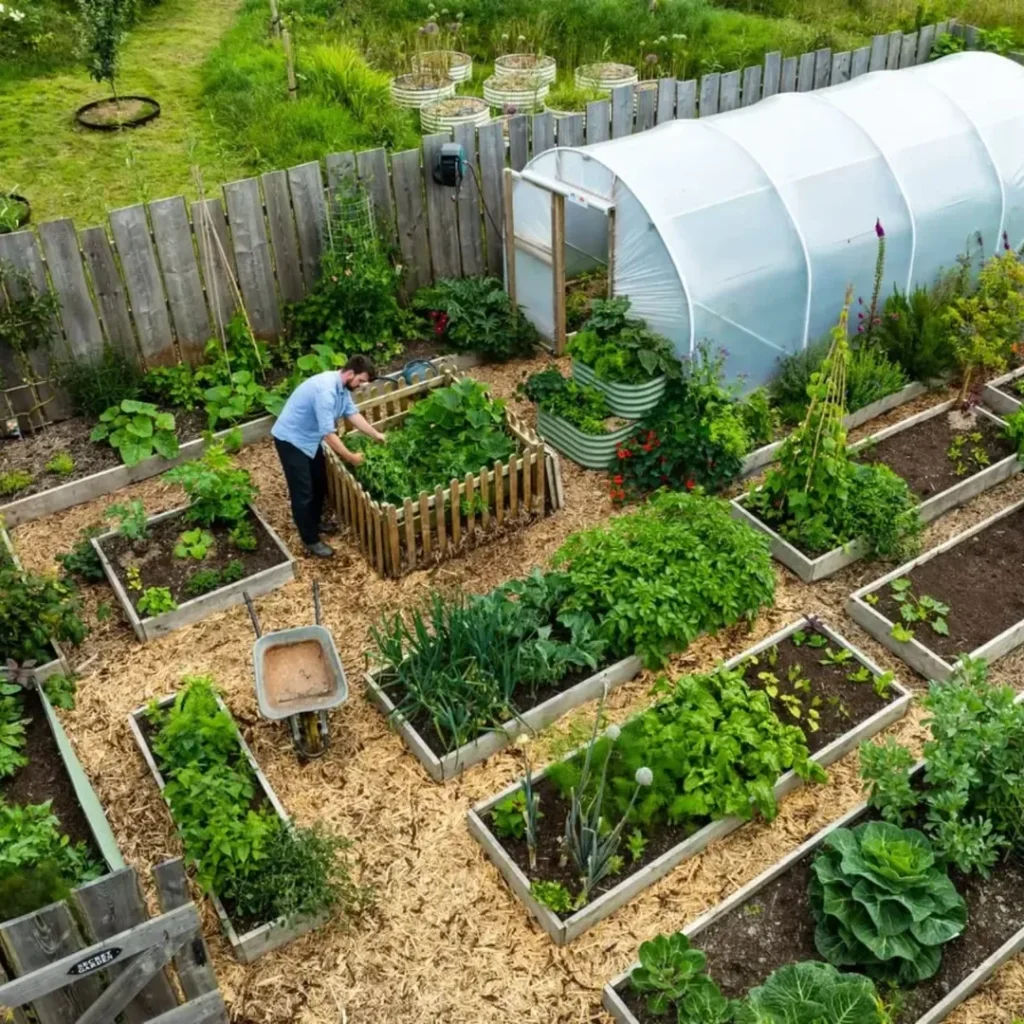
The Inspiration: The motivation for a flourishing kitchen garden frequently originates from wartime victory gardens, where families cultivated food during times of scarcity, promoting self sufficiency. Nowadays, as autumn sets in, my own garden has burst forth with greens following a period of rain serving as a reminder of how swiftly nature rewards simple endeavors, transforming barren soil into abundant harvests that link us to the cycles of the seasons.
Why it Works: Kitchen gardens tend to fill up rapidly due to the strategic planting of fast growing crops such as radishes and lettuce, which flourish in limited spaces with minimal soil preparation. The advantages include fresh, organic produce that can lower grocery expenses by as much as 20%, according to USDA statistics, while enhancing mental well being through active participation. Case studies from urban initiatives demonstrate that yields can double within weeks through succession planting, guaranteeing ongoing harvests. This pace quickens as the seasons change, with warmer soil promoting growth and pest resistant varieties reducing losses. Environmentally, it decreases food miles, fostering sustainability; health wise, it supports nutrient dense diets. In summary, the system’s effectiveness arises from low entry barriers anyone with a balcony or garden can begin, yielding swift, concrete rewards that generate momentum for continued gardening success.
Pro Tip: To enhance the rapid filling and harvesting rate of your kitchen garden, implement succession planting: sow seeds every two weeks for staggered maturity. Concentrate on quick growing plants like spinach in shaded areas. Apply mulch to retain moisture, and regularly harvest young leaves to promote regrowth ensuring a consistent supply without overwhelming your available space.
A Pot herb Spiral every Permaculture Design
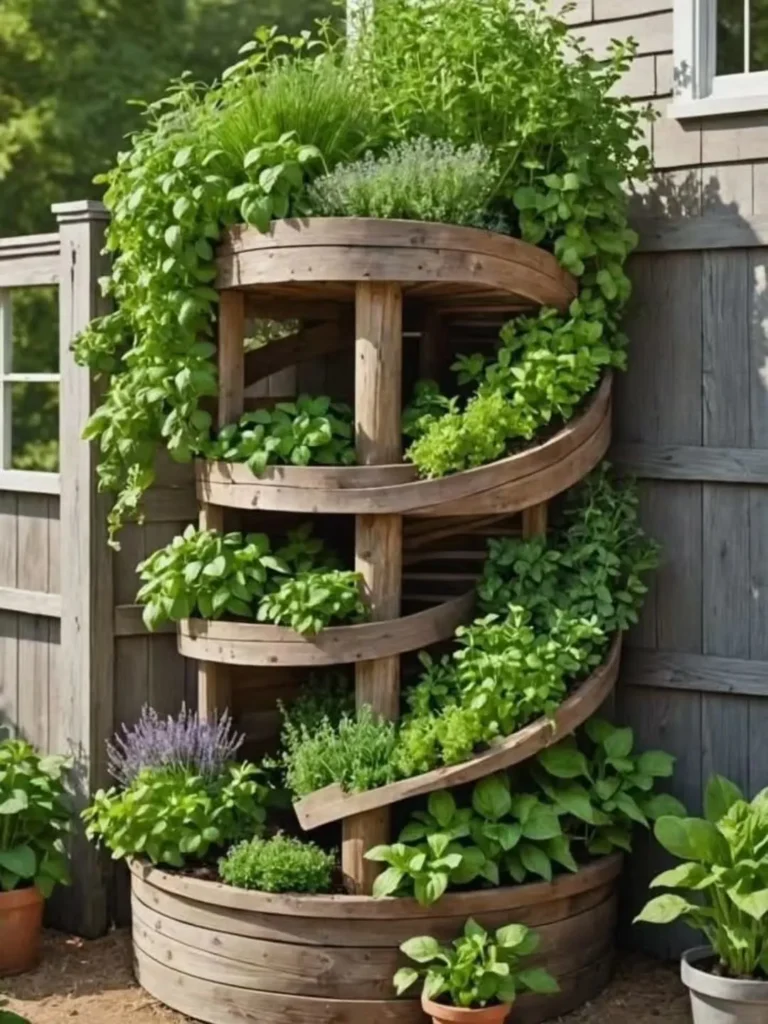
The Inspiration: In my urban balcony garden, constructing one from recycled bricks transformed a small space into a flourishing herb sanctuary, reflecting ancient spiral patterns found in Celtic mythology that represent growth and a harmonious relationship with nature.
Why it Works: A herb spiral operates by establishing microclimates within a coiled, elevated bed: the upper section remains dry and sunny for Mediterranean herbs such as rosemary, while the lower section retains moisture for plants that require more water, like mint. This permaculture essential optimizes vertical space, conserves water through gravity driven drainage, and enhances biodiversity by attracting pollinators. The advantages include year-round harvests in compact areas, minimizing food waste research from the Permaculture Research Institute indicates that spirals can boost herb production by 30% compared to traditional flat beds. Case studies from community gardens, particularly in the UK, reveal reduced maintenance expenses and improved soil health through companion planting. Its success is rooted in emulating nature’s efficiency, making it suitable for any design by fostering sustainability, facilitating easy access, and providing educational opportunities for novices.
Pro Tip: To enhance your herb spiral within permaculture design, begin with a base diameter of 1-2 meters using stones or bricks for support. Position sun loving herbs at the top, shade tolerant varieties lower down, and incorporate compost annually to maintain soil health ensuring a variety of microclimates that produce fresh herbs consistently with minimal irrigation.
Companion Planting Permaculture Garden
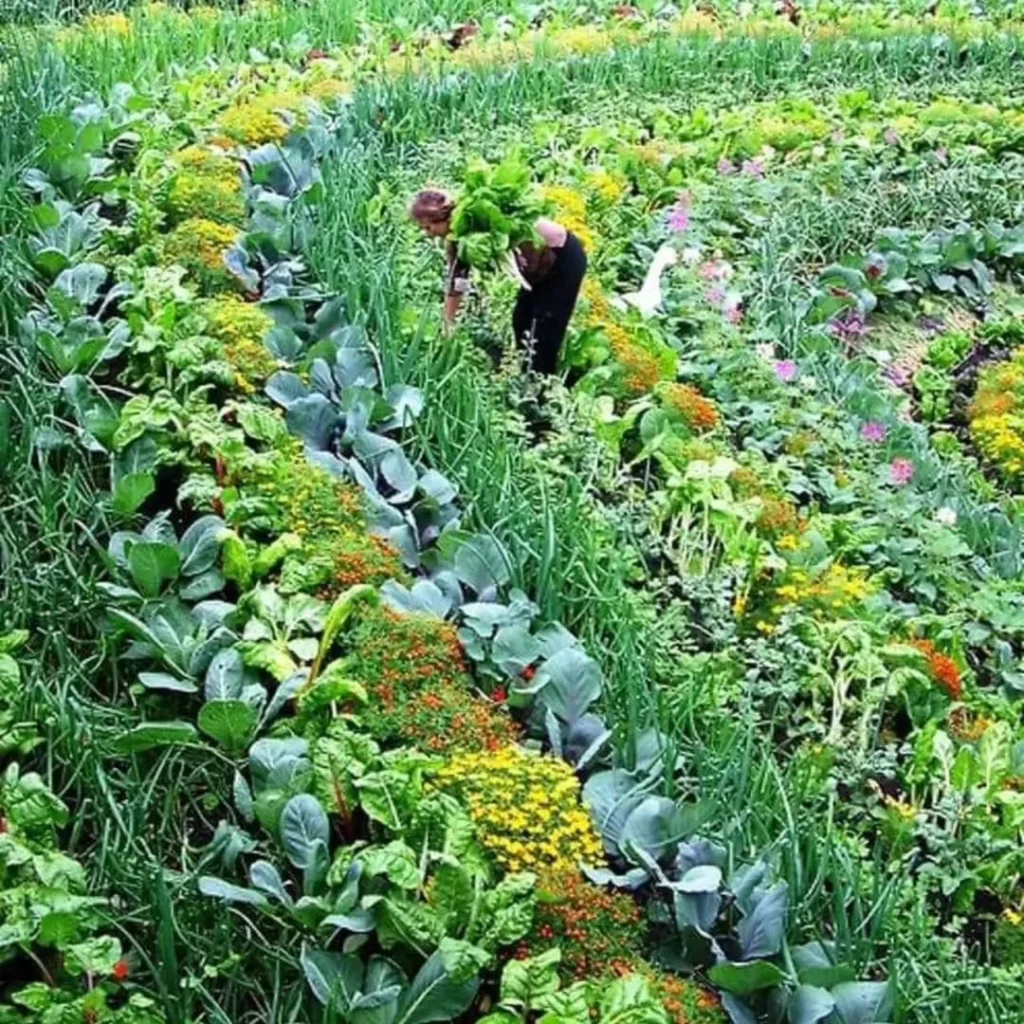
The Inspiration: The concept of companion planting within permaculture gardens originates from indigenous methods, such as the Native American “Three Sisters” technique where corn, beans, and squash grow together in a symbiotic relationship for mutual benefit. In my backyard garden, the combination of tomatoes and basil not only helped to repel pests but also invoked ancient knowledge, transforming disordered plots into harmonious ecosystems that reflect nature’s ingenious partnerships.
Why it Works: Companion planting in permaculture gardens functions by deliberately pairing plants that provide advantages to one another: marigolds deter nematodes from tomatoes, while beans contribute nitrogen to enrich the soil for heavy feeders like corn. This approach fosters resilient systems characterized by mechanisms such as pest deterrence, enhanced pollination, and optimal space utilization. The advantages include increased yields research from the Rodale Institute indicates a 20-30% rise in organic gardens and a reduction in chemical requirements, promoting biodiversity. Case studies from Australian permaculture farms reveal lower disease rates due to diverse plantings, with findings from a 2020 study in the Journal of Sustainable Agriculture highlighting improved soil health and water retention. Its success is rooted in mimicking natural ecosystems, reducing inputs while maximizing outputs, establishing it as a fundamental practice for sustainable, low-maintenance gardening that cultivates long-term resilience.
Pro Tip: To enhance companion planting in your permaculture garden, design your beds with traditional combinations such as carrots alongside onions to deter flies, and incorporate flowers like nasturtiums for trap cropping. Rotate your crops annually to avoid soil depletion, and monitor plant interactions throughout the seasons ensuring balanced growth and natural pest management without additional effort.
Optimize the Spots in Mini Vegetable Permaculture Garden
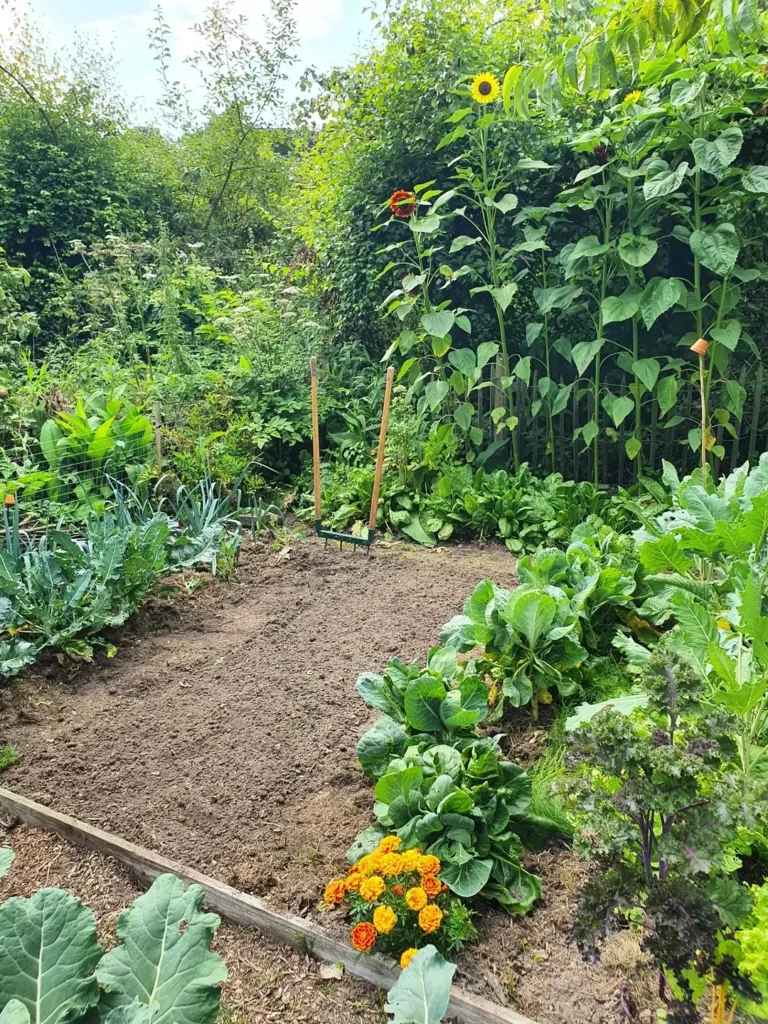
The Inspiration: In my small apartment patio, rearranging pots to harness sunlight transformed a previously overlooked corner into a flourishing oasis, drawing inspiration from ancient terrace farming that utilized every available inch for sustainable harvests.
Why it Works: Enhancing locations in a compact vegetable permaculture garden requires evaluating microclimates placing sun loving tomatoes in well lit areas and shade tolerant lettuce in cooler spots while employing vertical layering with trellises for climbing plants such as beans. The mechanics involve companion planting and succession sowing to efficiently rotate crops, thereby preventing soil depletion. The advantages include increased yields in limited spaces, with urban gardening research from the University of California indicating a 50% higher produce output per square foot compared to conventional methods. It also decreases water consumption by 30%, according to EPA statistics, and promotes biodiversity. Case studies from rooftop farms in Singapore illustrate resilience against pests and climate fluctuations, demonstrating effectiveness through low cost, regenerative practices that emulate ecosystems, rendering small scale food production both feasible and environmentally friendly for urban residents.
Pro Tip: To enhance locations in your compact vegetable permaculture garden, create a sun map by monitoring light patterns throughout the day, then position heat-loving vegetables to face south and utilize reflective surfaces in shaded areas. Add vertical features like hanging baskets, and apply mulch to conserve moisture optimizing every area for ongoing, abundant yields.
Cloud forms -Mulberry trees are Hardy and Drought Resistant

The Inspiration: The idea of cloud shaping in gardening is inspired by Japanese niwaki methods, which transform trees into delicate, cloud like pom poms for visual appeal. My drought-affected yard renovation was influenced by mulberry trees, historically linked to ancient silk production throughout Asia pruning them into robust, resilient sculptures that flourish with minimal water, reflecting the enduring landscapes found in arid Mediterranean areas.
Why it Works: Cloud shaping entails trimming mulberry trees into rounded, tiered forms, which enhances their natural toughness by encouraging dense foliage that provides shade to roots and minimizes evaporation. The process involves selective branch removal to direct energy towards fruit production and pest resistance. The advantages include drought resilience mulberries can survive with 50% less water than typical fruit trees, according to USDA statistics while also offering edible berries and habitats for wildlife. In permaculture, this enhances biodiversity; research from Australian designs indicates that cloud pruned mulberries can produce 20-30% more fruit in dry environments. A 2019 HortScience study supports their adaptability to zones 5-9, with minimal maintenance requirements. Ultimately, it succeeds by utilizing the tree’s inherent resilience, resulting in sustainable, low water edibles that combine beauty and functionality in eco friendly gardens.Cozy Fall Porch Decor Ideas to Welcome the Season
Pro Tip: To create cloud forms on hardy, drought resistant mulberry trees, begin pruning in late winter: eliminate crossing branches and shape into 3-5 cloud layers. Plant in well draining soil, water thoroughly but infrequently to enhance resilience, and apply mulch around the base resulting in a striking, productive feature that thrives even in dry conditions.
Regenerative Farming Permaculture

The Inspiration: In my community garden, the adoption of regenerative practices has transformed the depleted soil into a flourishing food forest, reflecting historical methods that supported civilizations in the face of environmental difficulties.
Why it Works: Regenerative farming permaculture restores soil health through no-till techniques, cover cropping, and the integration of animals, emulating natural processes to improve biodiversity and carbon capture. The mechanics involve a holistic design creating zones for optimal energy flow and establishing guilds for plant cooperation thereby minimizing erosion and enhancing resilience. The advantages include increased yields; a 2022 study by the Rodale Institute indicates a 20% increase in productivity compared to traditional farming, along with 45% more organic matter in the soil. It also addresses climate change by sequestering 2-5 tons of CO2 per acre each year, according to USDA data. Case studies from Gabe Brown’s ranch in North Dakota illustrate significant profitability increases through reduced inputs, demonstrating effectiveness via quantifiable improvements in soil health, water retention, and ecosystem restoration that promote long-term sustainability.
Pro Tip: To enhance regenerative farming within permaculture, start with soil testing to pinpoint deficiencies, then introduce a variety of cover crops such as legumes for nitrogen fixation. If feasible, incorporate perennials and rotate grazing animals, while tracking progress with straightforward biodiversity assessments gradually building healthy soil for resilient and productive systems without the use of synthetic fertilizers.
Raised Trays – Permaculture
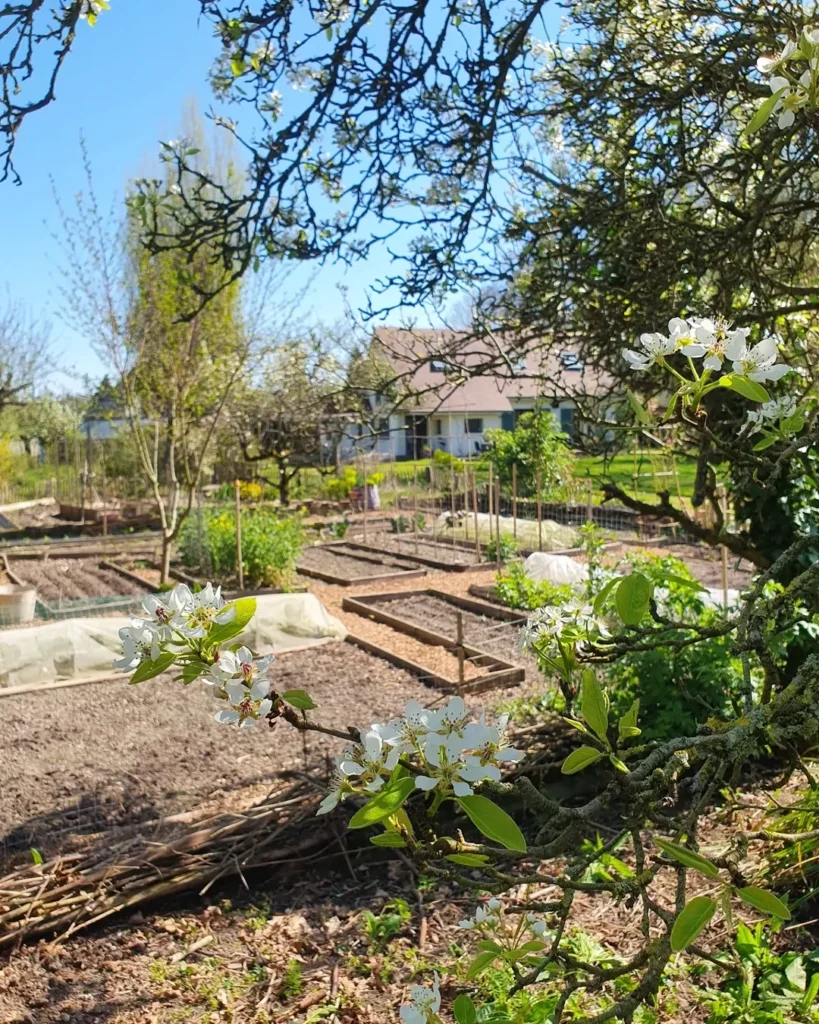
The Inspiration: In my rooftop arrangement, initiating vegetables in trays has converted limited space into a flourishing system, drawing inspiration from the ancient Mesoamerican chinampas that optimized yields through regulated seedling growth for sustainable harvests.
Why it Works: Seed trays in permaculture facilitate controlled germination by offering individual cells filled with media such as cocopeat, which guarantees optimal moisture, aeration, and temperature for seedlings. The mechanics involve indoor sowing to shield from weather, pests, and cross-contamination, enabling year round planting and straightforward transplanting without root shock. The advantages include elevated germination rates, with yields improved by 20-30%, and resource efficiency minimizing water usage and extending growing seasons while fostering biodiversity. Research from the Rodale Institute indicates improved soil health and productivity within permaculture systems. Case studies from urban farms illustrate cost savings and uniform crop production, demonstrating the effectiveness of sustainable practices that reduce waste and enhance self sufficiency in confined spaces.
Pro Tip: To enhance seed trays in permaculture, fill the cells with a blend of compost and cocopeat for nutrient dense starts, position them in a sunny windowsill for warmth, and water from below to avoid damping off. Transplant when the roots have filled the cells, reusing trays seasonally to sustain low cost, eco friendly propagation cycles.
Organic Gardening Permaculture
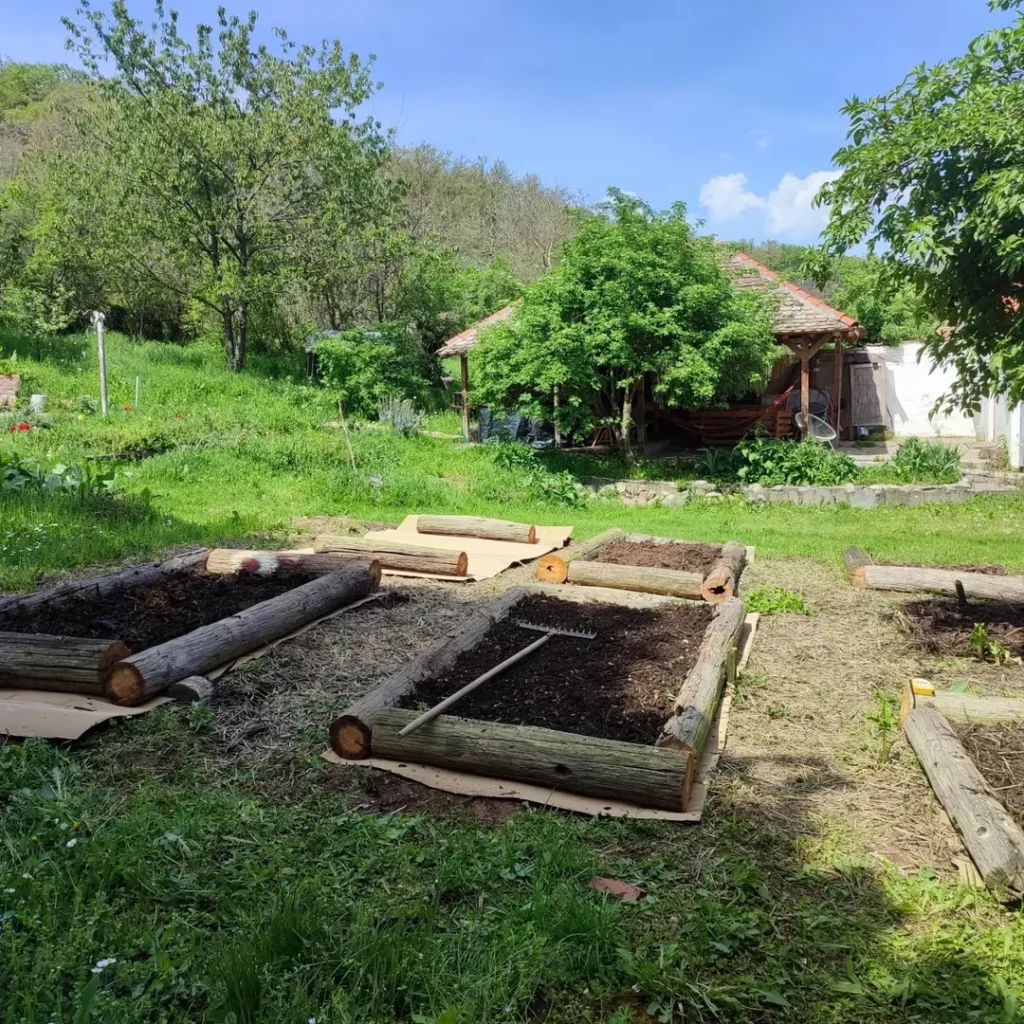
The Inspiration: In my suburban garden, replacing chemicals with natural allies transformed barren soil into a flourishing sanctuary, drawing inspiration from ancient polycultures that nourished communities in harmony without exhausting resources.
Why it Works: Organic gardening within permaculture emulates natural ecosystems by adhering to principles such as observation, energy capture, and diversity integrating crops, animals, and habitats to provide mutual support without the use of synthetic inputs. The mechanics involve no till practices, composting, and companion planting to enhance soil fertility and resilience. The advantages include increased biodiversity, diminished erosion, and a yield increase of 20-30% according to studies by the Rodale Institute, while also sequestering carbon and conserving water. It fosters health through nutrient dense foods and promotes mental well-being through community connections. Case studies from Australian farms demonstrate profitability with reduced costs, validating the effectiveness of regenerative practices that restore ecosystems and adapt to climate change for enduring sustainability.
Pro Tip: To enhance organic gardening in permaculture, begin by mapping the sun, water, and soil patterns of your site, then plant diverse guilds such as tomatoes alongside basil for pest management. Incorporate mulch from yard waste to maintain moisture, and practice annual crop rotation encouraging healthy soil and plentiful, chemical free harvests with minimal effort.
One of a Full Scale Permaculture Design
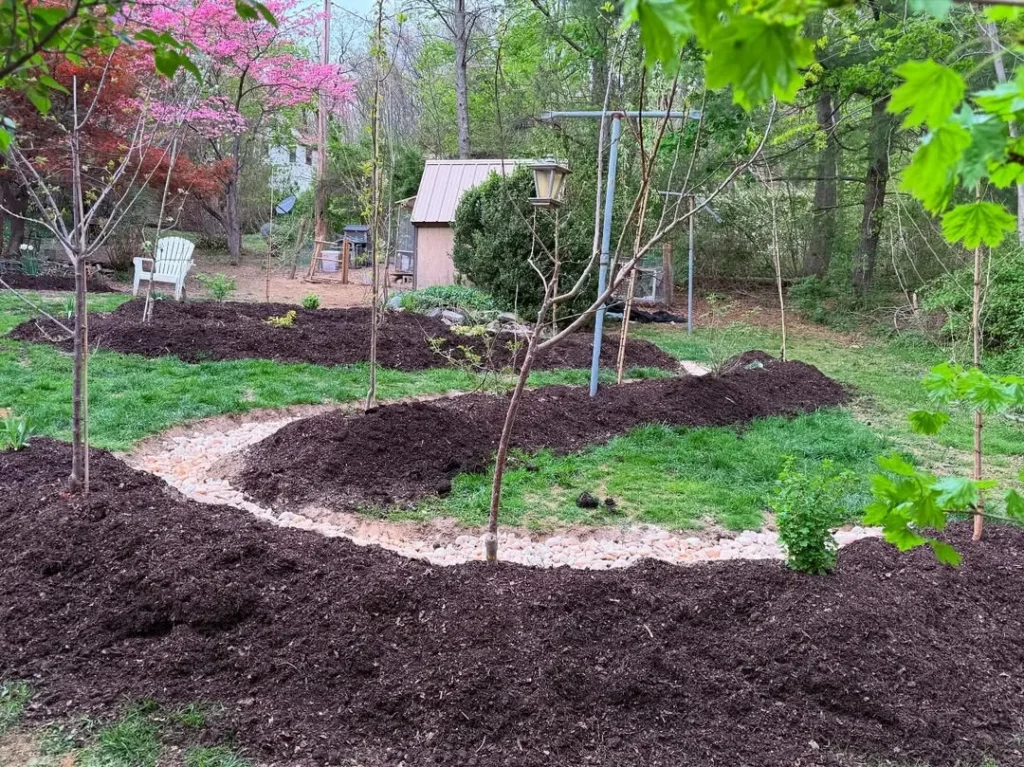
The Inspiration: A notable instance is the 25,000-hectare Angola project, where agroforestry has revitalized degraded land into thriving ecosystems similar to how my rural property has transformed from barren fields into a self sustaining sanctuary through layered, nature inspired planning.
Why it Works: Comprehensive permaculture designs incorporate zones, sectors, and ethical principles to establish resilient systems: zoning organizes elements based on their frequency of use, while sectors address external energies such as wind or water to optimize flow. The mechanics include agroforestry, swales for water retention, and biodiversity guilds that improve soil health and crop yields without additional inputs. The advantages encompass carbon sequestration up to 5 tons per acre each year and economic diversification through non timber products, enhancing food security. Evidence from India’s 138-acre Hyderabad Collective illustrates self sufficiency for 100 families through food forests, with 50% of the area designated as wilderness zones to protect biodiversity. Case studies like Angola’s silvo pasture reveal yield increases of 20-30% and enhanced climate resilience, demonstrating the effectiveness of emulating nature for scalable, cost-effective regeneration.
Pro Tip: To enhance a comprehensive permaculture design, begin with site analysis chart contours, water flows, and sunlight patterns, then organize zones from intensive to wild. Implement swales for erosion prevention and cultivate diverse guilds expanding gradually with community involvement to ensure adaptive, productive systems over time.
Daily life more Natural and Environmentally Sustainable – Permaculture
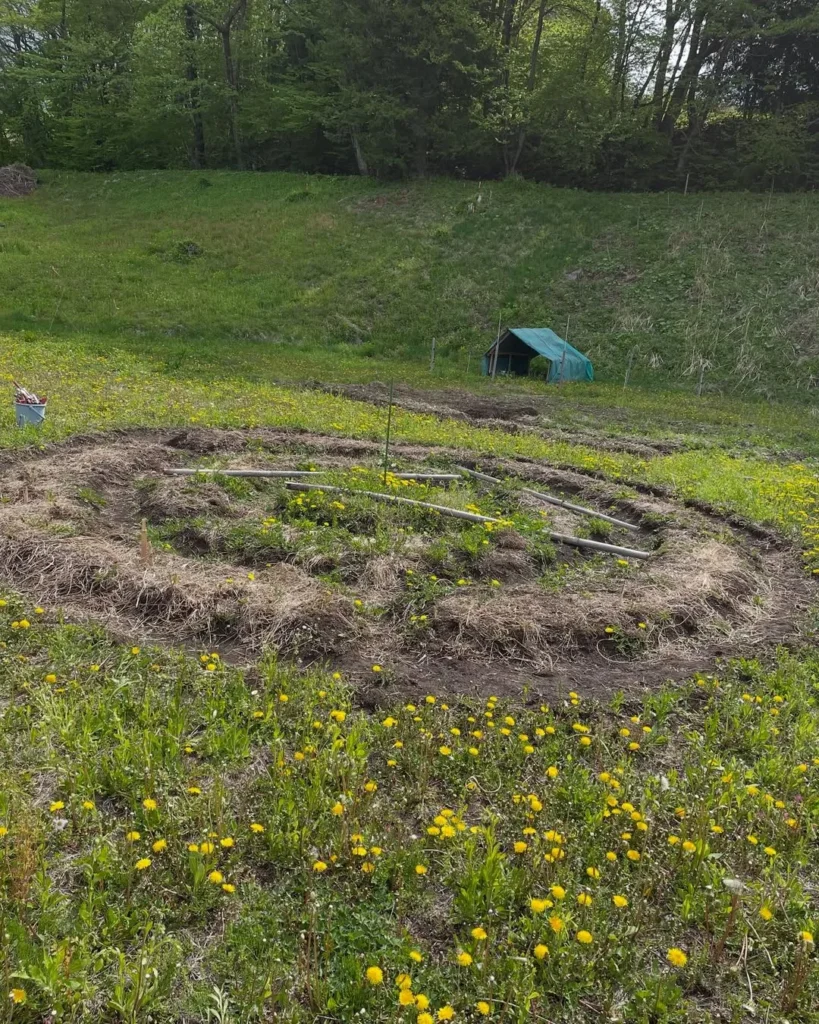
The Inspiration: In my urban apartment, this approach transformed waste into compost and balcony greens, inspired by community gardens such as those found in Tasmania, thereby aligning daily routines more harmoniously with the environment for a lasting ecological impact.
Why it Works: Permaculture improves daily living by implementing principles such as observation, waste minimization, and resource sharing to cultivate self sustaining habits such as composting kitchen scraps, collecting rainwater, and cultivating edibles in limited spaces. The mechanics involve crafting systems that replicate ecosystems, promoting resilience and requiring minimal inputs. The advantages include a reduced environmental footprint, with waste decreased by 20-30%, and enhanced health benefits from organic produce and strengthened community ties. It encourages biodiversity and carbon sequestration, as evidenced by research from the Permaculture Research Institute. Case studies of households in Australia demonstrate cost savings and improved well-being, validating the effectiveness of adaptable, nature-based strategies that render routines both eco friendly and satisfying.
Pro Tip: To enhance permaculture in your daily life, begin with small steps: observe the energy flows within your home, then set up a compost bin for kitchen waste and plant herbs in well-lit areas. Recycle greywater for irrigation and engage with local networks for resource sharing cultivating sustainable habits that gradually lower expenses and environmental impact with ease over time. Creative Fence Plant Ideas for Privacy and Beauty
Beautiful Huerta and all the Flowers – Permaculture
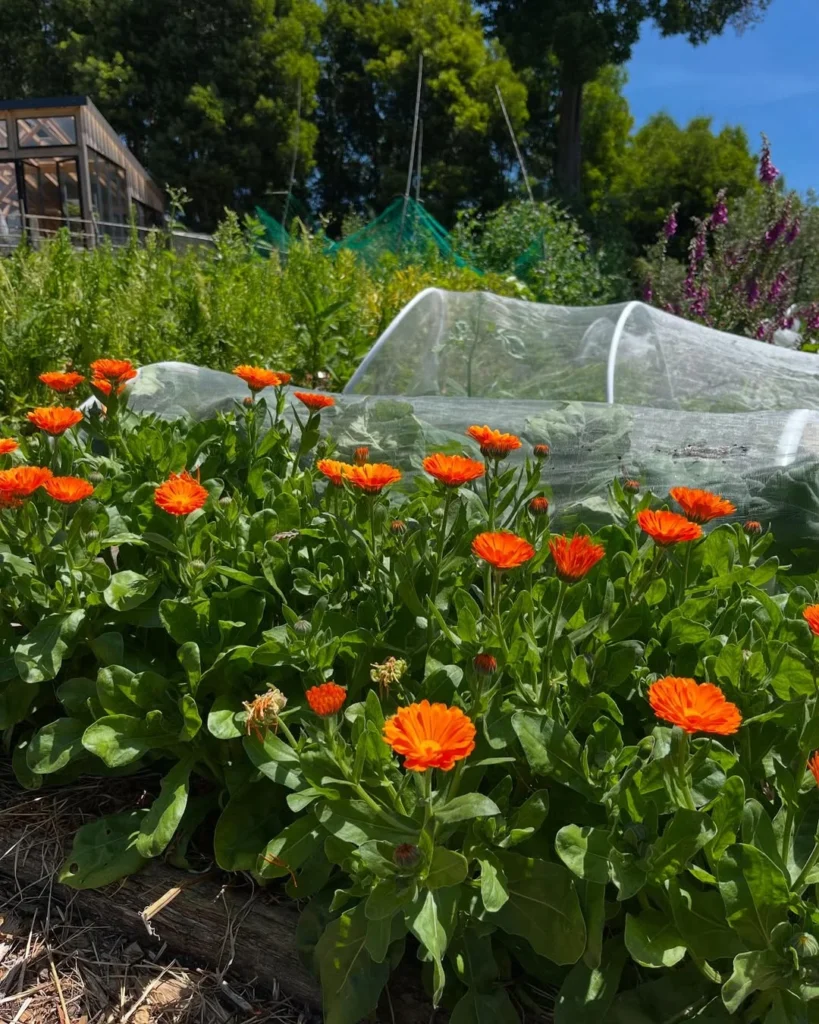
The Inspiration: In my sunlit garden, the incorporation of colorful marigolds among vegetables brought to mind the ancient Mediterranean polycultures, resulting in a visually captivating, self sustaining haven that pays tribute to nature’s creativity and abundance for daily enjoyment.
Why it Works: In permaculture, a garden featuring flowers functions by blending various plants into guilds: edible species such as tomatoes are combined with blooms that attract pollinators for mutual benefit, utilizing edges to enhance both yield and visual appeal. The mechanics focus on patterns like spirals or zoning, harnessing energy through companion planting that repels pests and naturally enriches the soil. The advantages include increased biodiversity, with a reduction in chemical requirements by 50% according to studies from Oregon State, while also enhancing mental well-being and yields through beauty driven stewardship. Case studies from Australian designs indicate that gardens with floral integration can be 20-30% more productive, demonstrating effectiveness by emulating ecosystems for resilient, low-maintenance beauty that supports food production and ecological balance.
Pro Tip: To enhance a beautiful garden with flowers in permaculture, chart sun patterns and arrange flower guilds around vegetables such as pairing nasturtiums with squash for pest management and visual appeal. Utilize edges for cascading blooms, apply compost as mulch, and observe seasonal changes to make adjustments creating a lively, productive environment that flourishes with minimal effort.
Birch Farm – Permaculture
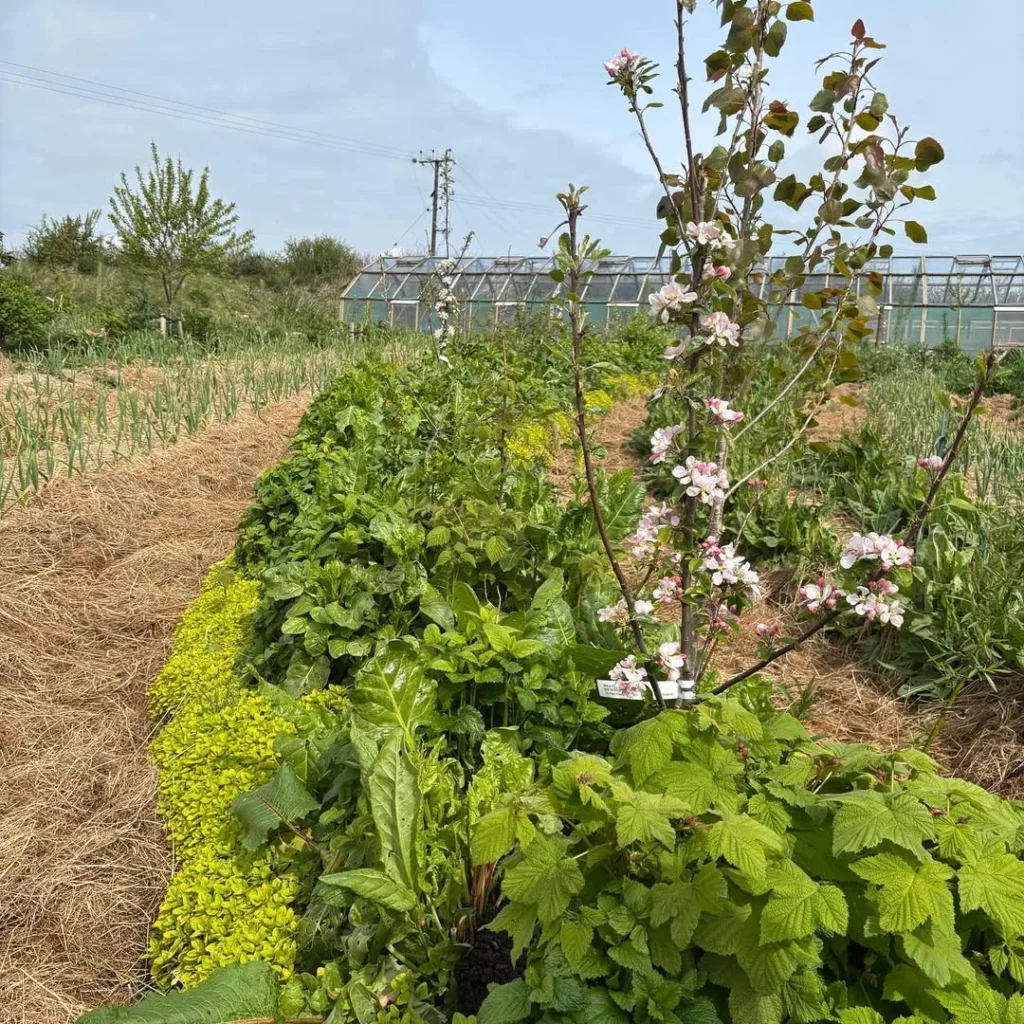
The Inspiration: The permaculture philosophy of Birch Farm originated from biodynamic principles established in Switzerland’s Birchhof, where a 2.7 hectare area transformed into an edible landscape that merges Indigenous knowledge with contemporary sustainability practices. The plots were designed to convert barren land into flourishing ecosystems, promoting community supported abundance through designs that mimic natural processes.
Why it Works: The mechanics of Birch Farm’s permaculture incorporate bokashi composting, a method of fermenting waste to preserve 99% of its nutrients, along with tree guilds for polyculture. This creates layered systems comprising trees, shrubs, and ground covers that improve soil health and biodiversity. The advantages include the absence of chemical usage, which leads to a 59% reduction in greenhouse gas emissions compared to conventional methods, while simultaneously increasing yields through effective water runoff and crop rotation. Data from Birchhof’s experiments indicate efficient food production alongside energy conservation, as evidenced by project analyses, and UK case studies such as Woolsery illustrate the closed loop recycling of food waste into nutrient-rich soil. This methodology is validated by its ability to replicate natural symbiosis, fostering resilience, lowering costs, and yielding delicious, nutritious harvests in scalable frameworks that promote sustainable agriculture.
Pro Tip: To enhance permaculture in the style of Birch Farm, begin with soil inoculation using bokashi: ferment kitchen waste with effective microorganisms, then apply it to garden beds alongside nitrogen fixing plants within guilds. Establish hedges to serve as windbreaks and conduct annual observations of site patterns cultivating biodiversity and nutrient cycles for a self-sustaining, productive farm that requires minimal external inputs.
The Chook and Choko Tunnel – Permaculture
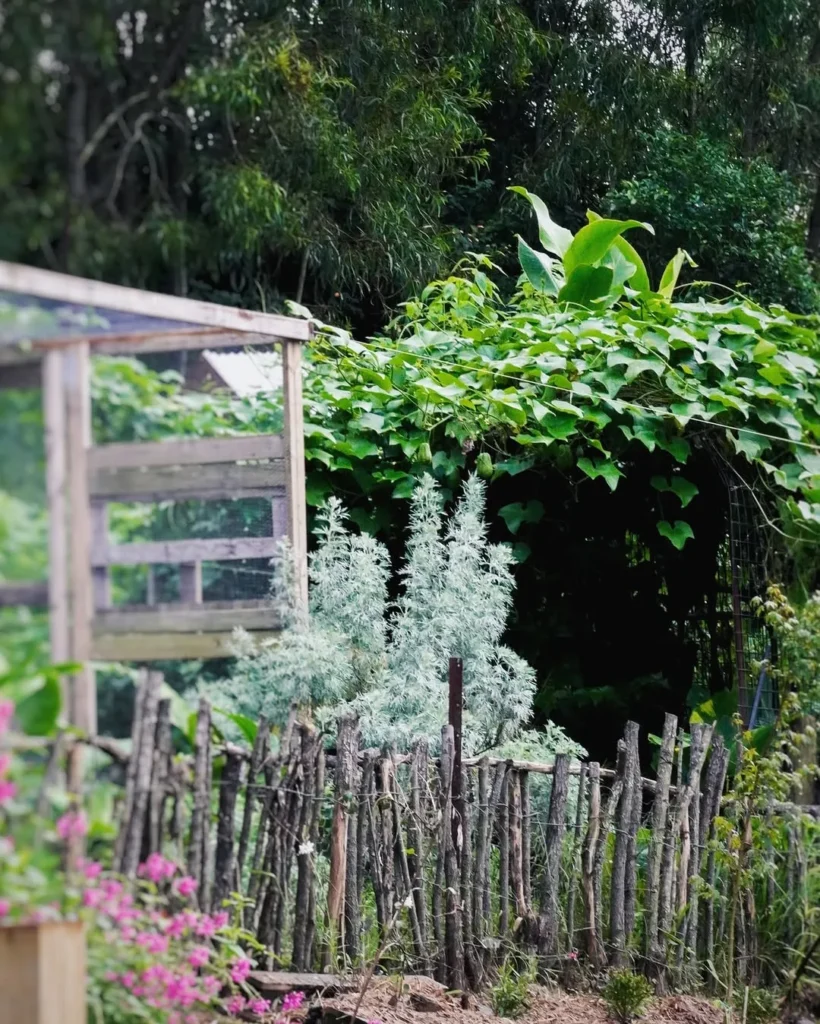
The Inspiration: The concept of the chook and choko tunnel in permaculture originated from Australian pioneers such as those at Good Life Permaculture, who combined chicken foraging with structures covered in vines to achieve multifunctional efficiency. Inspired by Indigenous polycultures, my backyard project transformed a basic fence line into a shaded pathway where chickens foraged for weeds while choko vines ascended, reminiscent of historical integrated farming practices that optimize space and resources.
Why it Works: This design establishes a tunnel along fences utilizing wire mesh for chickens to forage, topped with climbing choko vines that provide shade and fruit production, thereby seamlessly integrating animal and plant systems. The mechanics involve chickens managing weeds and pests while enriching the soil, with vines offering edible yields and regulating the microclimate. The advantages include reduced maintenance saving hours on weeding and increased biodiversity, which enhances garden health without the use of chemicals. Evidence from Tasmanian case studies indicates that tunnels can double the grazing areas for chickens, improving animal welfare and yields by 20-30% through rotational grazing. Its effectiveness is rooted in permaculture’s principle of stacking functions, creating low-input, resilient systems that transform boundaries into productive zones for sustainable food production and ecosystem support.
Pro Tip: To enhance a chook and choko tunnel, construct it with chicken wire along the fences, securing it with pegs, and plant choko vines at intervals to ensure adequate coverage. Rotate the chickens between sections on a weekly basis to avoid overgrazing, and regularly harvest the fruits this will ensure effective weed control, provide shade, and yield fresh produce within a compact, multifunctional permaculture framework.
Wicking Bed Garden – Permaculture
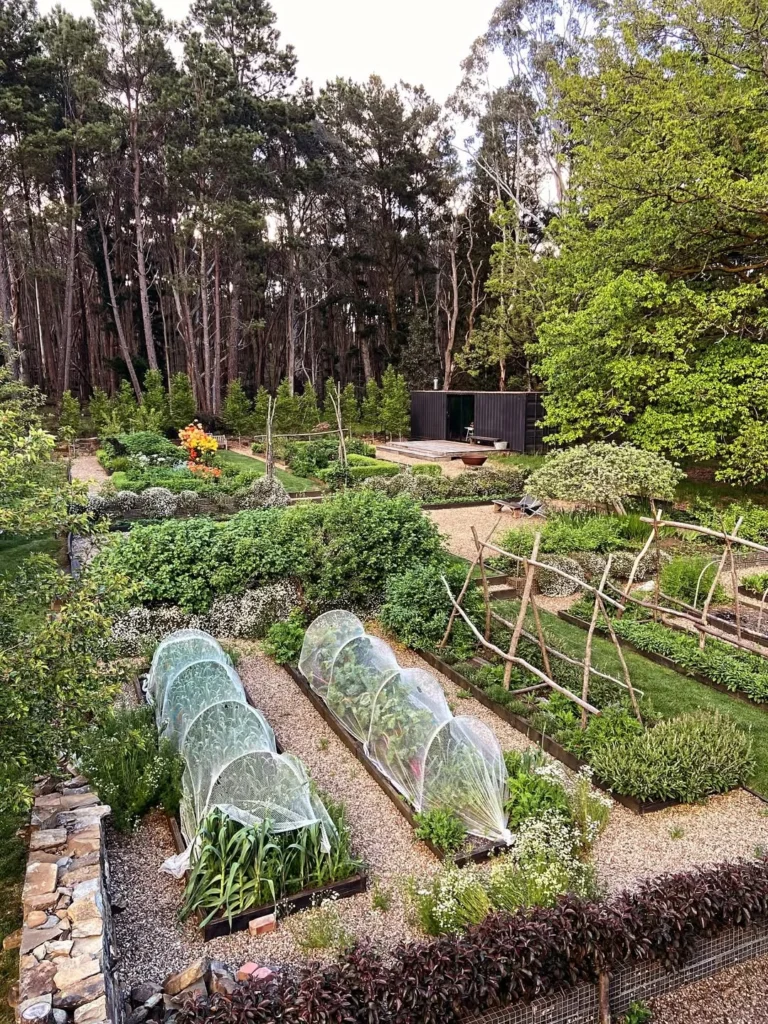
The Inspiration: In my drought affected backyard, constructing one has converted sporadic rainfall into a reliable yield, motivated by permaculture’s principle of collaborating with nature to create resilient, low input systems that effortlessly support food production.
Why it Works: Wicking beds incorporate a waterproof reservoir at the bottom filled with water, divided by a geotextile layer; capillary action facilitates moisture movement upward into the soil, guaranteeing consistent hydration without the need for surface watering. The mechanics replicate natural riparian zones, minimizing evaporation and runoff while encouraging deep root growth. Advantages include a 50% reduction in water usage, lower maintenance requirements, and healthier plants with fewer pests, which aligns with the efficiency of permaculture. Evidence from trials in Sydney indicates flourishing vegetables in varying weather conditions, with case studies from Leaf, Root & Fruit documenting doubled yields and 220 pounds of produce within 50 days. Its success is attributed to sustainable design, conserving resources and enhancing biodiversity in compact areas for environmentally friendly gardening. Small Garden Big Impact: Space-saving design hacks to transform tiny yards.
Pro Tip: To enhance a wicking bed in permaculture, utilize recycled materials: line a raised frame with pond liner, incorporate a gravel reservoir, geotextile fabric, and nutrient dense soil. Place it in partial sunlight, apply a thick layer of mulch to retain moisture, and add an overflow pipe ensuring water efficiency and plentiful harvests with minimal refills.
Perennial Leafy Greens – Permaculture
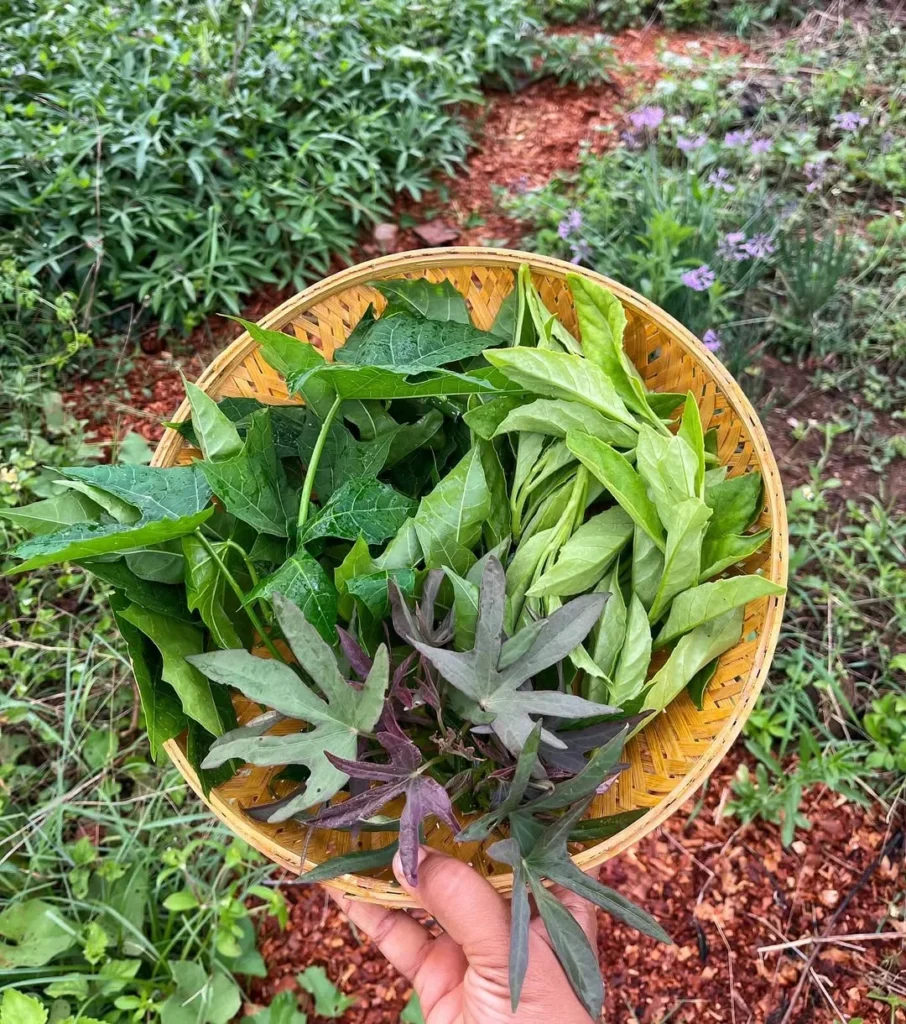
The Inspiration: The concept of perennial leafy greens in permaculture is inspired by ancient Indigenous practices, such as Mesoamerican polycultures that provided communities with low-maintenance edible options. Reflecting Eric Toensmeier’s advocacy, my garden’s patches of Turkish rocket and Good King Henry have rejuvenated depleted soil into a year-round salad bar, drawing inspiration from nature’s resilient designs that reduce labor while enhancing nutrition and ecosystem harmony.
Why it Works: Perennial leafy greens, including sea kale and Turkish rocket, flourish in permaculture by developing deep roots that extract nutrients, enhance soil structure, and conserve water without the need for annual replanting. The mechanics involve no till planting within guilds, promoting biodiversity and natural pest control through companion planting dynamics. The advantages include prolonged harvest seasons, decreased labor, and improved nutrition yielding toxin low, nutrient rich leaves throughout the year. They contribute to organic matter, conserve water, and support pollinators, with research from ECHO indicating high yields and drought resistance. Case studies of food forests reveal that they achieve 20-30% greater soil health and ecosystem resilience compared to annual crops, demonstrating effectiveness by emulating forests for sustainable, low input abundance.
Pro Tip: To enhance the growth of perennial leafy greens in permaculture, cultivate a variety of species such as chaya and katuk in the shaded understories of food forests, applying leaf mulch to retain moisture. Regularly harvest the outer leaves to stimulate growth, and interplant with nitrogen fixing species thereby improving soil fertility and ensuring consistent, resilient yields with minimal disturbance across seasons.
Tightly Cover the Seedlings with a Crown – Permaculture
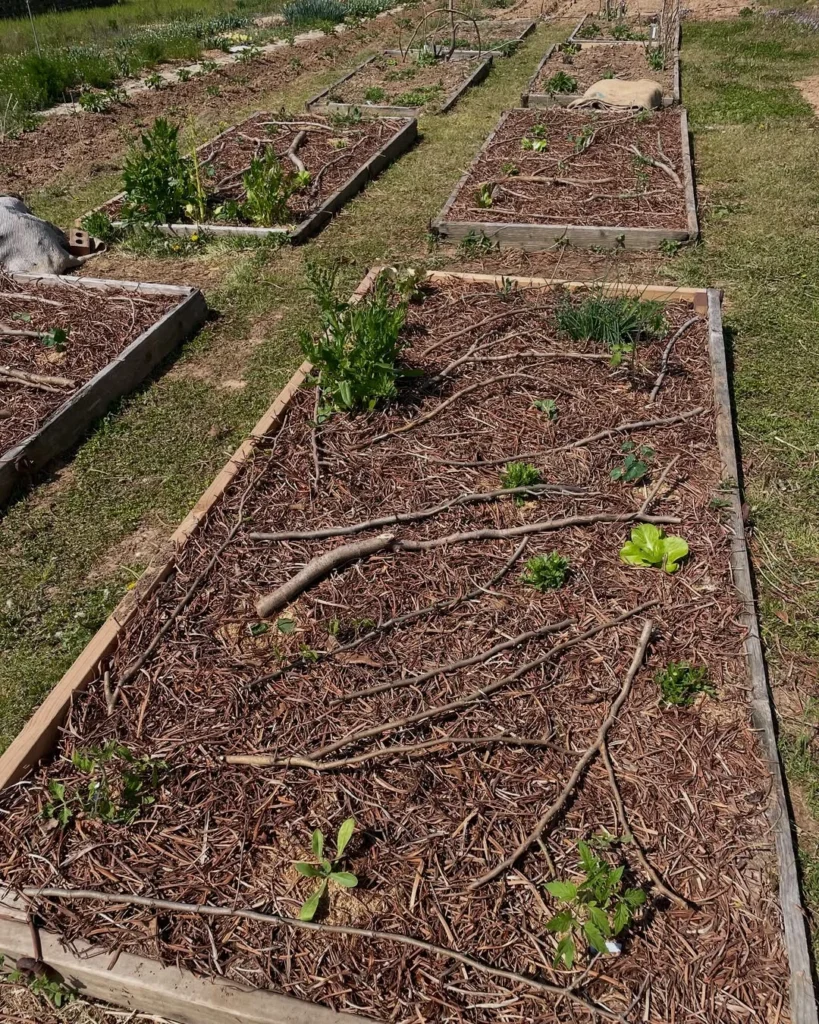
The Inspiration: The concept of planting beneath tree crowns in permaculture is inspired by food forest designs that replicate natural woodlands, where the understory flourishes under the tree canopies. Drawing from Indigenous agroforestry practices, such as Mesoamerican milpas, my orchard’s apple crowns provide shelter for herbs and berries, transforming previously bare ground into thriving guilds reflecting historical systems that optimize space and resilience for sustainable abundance.
Why it Works: Planting beneath tree crowns establishes layered guilds: the central trees offer shade and structural support, while shrubs, herbs, and groundcovers occupy the drip line, enhancing microclimates and facilitating resource sharing. The mechanics involve spacing based on crown diameter to prevent competition, and the inclusion of nitrogen fixing plants and accumulators to enrich the soil without the need for tillage. The advantages include increased biodiversity, erosion control, and improved yields research from NC State indicates a 20-30% increase in productivity within such systems. Case studies of Australian food forests illustrate reduced inputs and improved pollination, demonstrating the effectiveness of mimicking ecosystems to create resilient, low maintenance designs that sequester carbon and support wildlife.
Pro Tip: To enhance plantings with a crown in permaculture, delineate tree drip lines and space understory plants like comfrey and clover by adding an additional 30-50% distance for optimal sunlight exposure. Apply mulch made from leaves, incorporate pollinators, and conduct annual crown pruning promoting nutrient cycling and diverse yields within a compact, regenerative framework.
Traditional Geometric Layouts – Permaculture
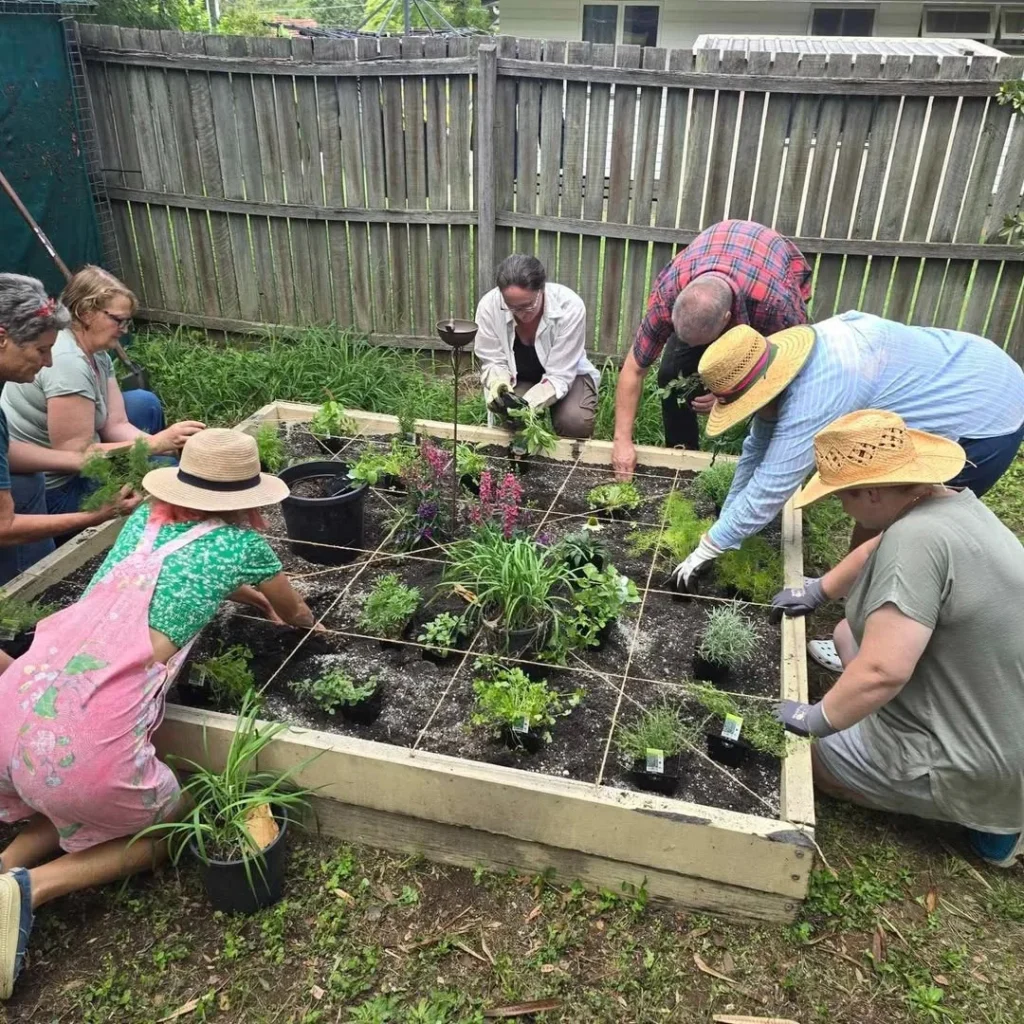
The Inspiration: Traditional geometric designs in permaculture are inspired by ancient motifs such as Celtic spirals and Indigenous mandalas, which Bill Mollison reinterpreted to reflect nature’s efficiency. In my hillside garden, the implementation of keyhole beds initiated a transformation, reminiscent of historical potager layouts from French monasteries that optimized yields in limited areas merging aesthetics, functionality, and sustainability to foster resilient, flourishing ecosystems.
Why it Works: These designs utilize forms like spirals, keyholes, and nets to enhance edges interfaces abundant in biodiversity by curving beds to expand productive boundaries without increasing area. The mechanics involve zoning for energy flow, such as spiral herb gardens that draw heat inward or branching leaf patterns that distribute water through gravity. Advantages include 20-30% greater yields due to improved light, pollination, and soil health, while also decreasing maintenance and erosion. Research from Australian case studies indicates that keyhole designs can reduce watering needs by 50%, according to data from the Permaculture Research Institute, while trials at NC State validate enhanced resilience in fluctuating climates. Its efficacy is rooted in nature inspired patterns, establishing low-input systems that elevate productivity and ecosystem balance for scalable, sustainable gardening.
Pro Tip: To enhance traditional geometric layouts in permaculture, design a keyhole bed: outline a 2-meter circle with a notched pathway for access, and plant herbs spiraling inward to create microclimates. Align with the contours of the site, apply mulch to the edges, and monitor seasonal patterns boosting biodiversity and yields while reducing effort in compact areas.
Greenhouse is so Cool – Permaculture
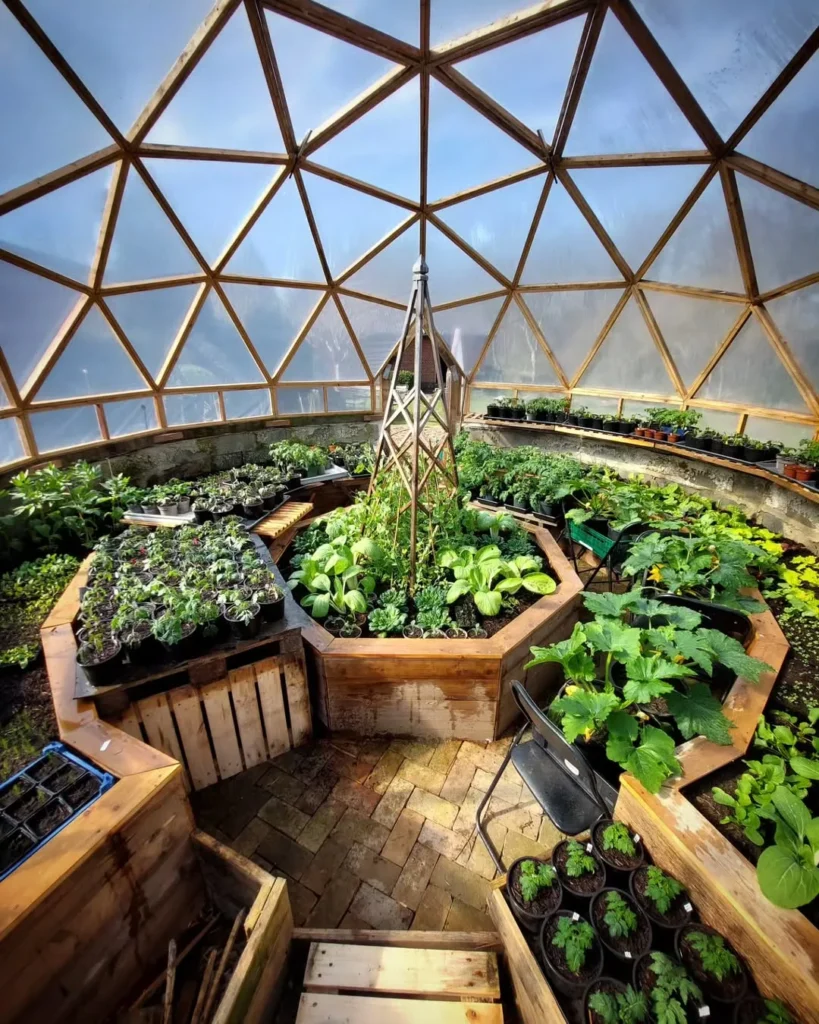
The Inspiration: The concept of innovative greenhouses in permaculture is derived from ancient passive solar designs, such as Roman hypocausts, which have been reinterpreted by pioneers like David Holmgren to create energy efficient structures. In my temperate climate construction, the incorporation of earth berming and ventilation has transformed a stifling box into a year round sanctuary, reminiscent of Indigenous earth sheltered homes that utilize nature’s cooling for sustainable, low-energy cultivation.
Why it Works: Cool permaculture greenhouses utilize mechanisms such as thermal mass , natural ventilation through vents and shade cloth, and polyculture for humidity regulation, thereby maintaining stable temperatures without the need for electricity. The advantages include prolonged growing seasons, energy savings of 30-50%, and increased biodiversity through the integration of ponds for cooling and habitat. They promote human well being by providing tranquil spaces surrounded by plants. Evidence from case studies conducted by Hobby Farms indicates a reduction in overheating, with Australian designs producing consistent crops in varying climates according to data from the Permaculture Research Institute. Its success is attributed to a holistic approach that emulates ecosystems, resulting in resilient, low-input systems that reduce fossil fuel dependency while maximizing yields.
Pro Tip: To enhance a cool permaculture greenhouse, orient it to face south with earth bermed north walls for insulation, and install automatic vents along with deciduous vines for shade. Incorporate a small pond for evaporative cooling and plant a variety of layers ensuring stable temperatures, balanced humidity, and productive, energy efficient cultivation throughout the year with minimal adjustments.
Permaculture Home Stead
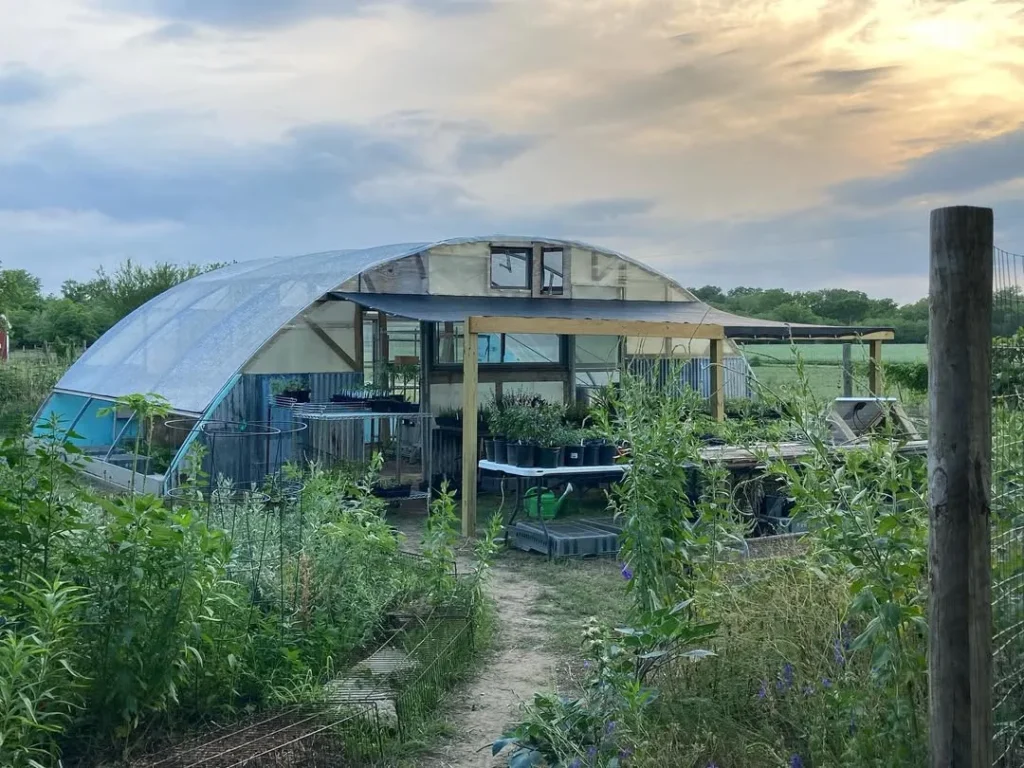
The Inspiration: The concept for a permaculture homestead was inspired by the vision of Bill Mollison and David Holmgren in the 1970s in Australia, which combined Indigenous land ethics with the principle of self sufficiency to provide an alternative to industrial farming. In my suburban property, implementing this approach transformed a simple yard into a resilient micro farm, reminiscent of historical homesteads such as those of American pioneers who lived in harmony with nature to achieve abundant, low input lifestyles.
Why it Works: A permaculture homestead is designed with zones surrounding the home: intensive gardens are situated close to the doors, while orchards are placed further away, incorporating animals, composting, and rainwater harvesting to create a closed loop system for efficiency. The mechanics of this system emulate natural ecosystems utilizing companion planting and no till methods to enhance soil health while reducing waste through recycling. The advantages include self sufficiency, which can lower costs by 20-30% through homegrown food and energy savings, in addition to improved biodiversity and mental well being. It also reduces pollution and erosion, fostering the growth of nutrient-rich produce. Case studies from urban Australian permaculture setups demonstrate successful systems that yield a variety of outputs with minimal inputs, as reported by the Permaculture Research Institute, validating the effectiveness of adaptive, regenerative practices for sustainable long-term outcomes.
Pro Tip: To enhance a permaculture homestead, create a map of your site divided into zones: position herbs and vegetables in Zone 1 near the house for convenient access, and allocate firewood to Zone 4. Begin with small scale composting of kitchen waste, monitor seasonal changes, and introduce chickens for pest management gradually building resilience and increasing yields without feeling overwhelmed.
Under Passion Fruit Vines Permaculture
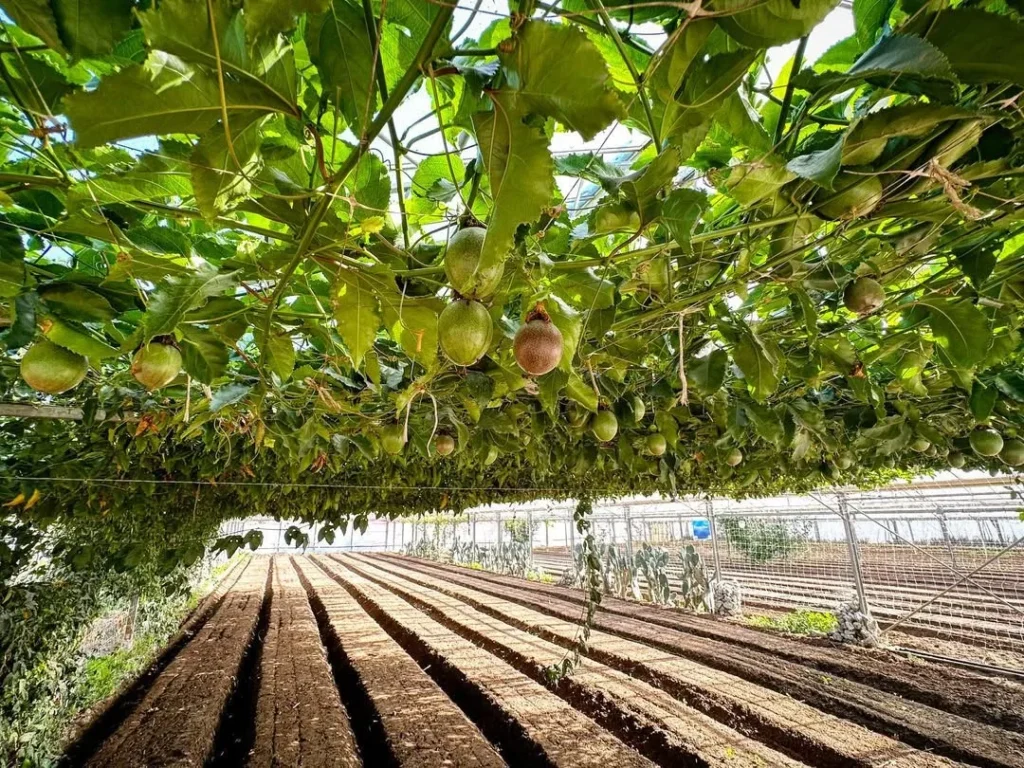
The Inspiration: The fundamental concept of cultivating under passion fruit vines in permaculture is derived from tropical food forests, where robust climbers such as passionfruit provide shade and nourishment to understory plants, reflecting the practices of Indigenous Amazonian guilds. In my sunlit garden, the introduction of herbs beneath a sprawling vine transformed previously unused space into a flourishing layer, drawing inspiration from Australian designs that promote nutrient recycling for plentiful, low-maintenance harvests.
Why it Works: Passionfruit vines generate shaded microclimates below, which are perfect for cultivating leafy greens or root vegetables, while their fallen leaves serve as natural mulch and compost, effectively recycling nitrogen from dying companion trees. The mechanics involve training the vines on trellises to utilize vertical space, enabling underplanting with compatible species such as beans for soil enrichment and pest control. The advantages include increased biodiversity, a 30% reduction in watering needs due to shade, and edible yields from both the vines and undercrops, enhancing nutritional value. Evidence from Australian permaculture sites indicates that productivity can double in compact areas, with case studies reporting over 1,000 fruits harvested annually alongside understory crops. Its success is attributed to the stacking of functions, emulating ecosystems to create resilient, waste free systems that improve soil health and sustainability.
Pro Tip: To maximize the potential of under passion fruit vines in permaculture, train the vines on robust trellises over well drained soil, and then underplant with shade tolerant edibles such as lettuce or yams. Conduct annual pruning to allow light penetration, mulch with fallen leaves, and incorporate nitrogen fixing plants thereby optimizing vertical space for a diverse and continuous yield with minimal resource input.
Permaculture in the Design of Cultivation Spaces
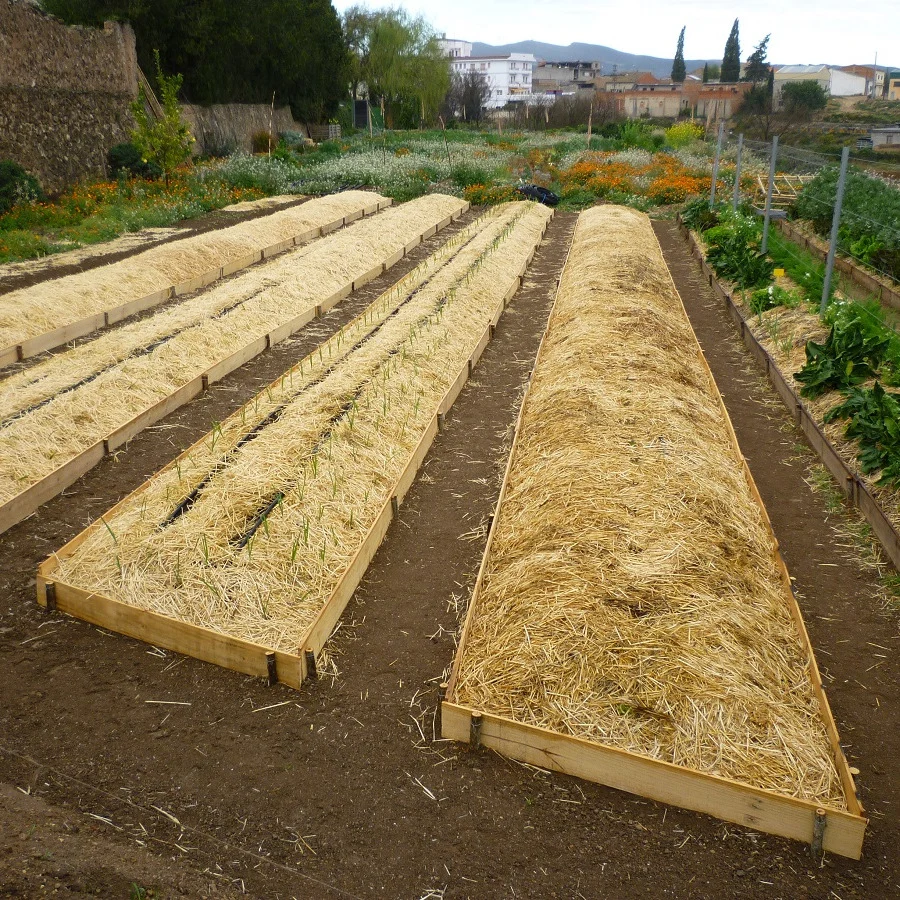
The Inspiration: The concept of permaculture in the design of cultivation spaces originated from the collaborative efforts of Bill Mollison and David Holmgren in the 1970s, which synthesized Indigenous practices with ecological principles to create self sustaining systems. At Zaytuna Farm in Australia, the implementation of layered zones transformed previously barren land into flourishing food forests, which inspired the development of my urban plot where zoning converted a small yard into a productive sanctuary that emulates the efficiency of nature.
Why it Works: Permaculture employs a zoned approach in designing cultivation spaces to enhance energy efficiency: placing intensive crops close to homes minimizes travel, while more natural areas promote biodiversity. The mechanics of this system include vertical stacking arranging trees, shrubs, and groundcovers in layers and creating guilds that foster symbiotic relationships, thereby optimizing both space and resources. The advantages of this approach include yields that are 20-30% higher with minimal inputs, improved soil health, and increased resilience to climate fluctuations. It also reduces waste by incorporating elements such as companion planting for pest management. Case studies from Australian farms indicate that small scale intensive systems can double productivity, as reported by the Permaculture Research Institute, demonstrating the effectiveness of nature inspired patterns that cultivate sustainable, low-maintenance abundance.
Pro Tip: To enhance permaculture practices in cultivation spaces, delineate your site into zones: position high maintenance vegetables in Zone near access points for convenience, and allocate perennials to Zone Monitor the flow of sunlight and water, utilize vertical stacking with guilds, and make seasonal adjustments ensuring that your designs remain efficient and productive with less effort over time.