
Long, narrow gardens represent one of the most prevalent and challenging outdoor spaces that homeowners encounter. Whether you have inherited a slender side yard, acquired a townhouse with a rectangular plot, or are managing an awkwardly shaped backyard, that tunnel like garden can often feel more constricting than freeing. However, here is the thrilling reality: by employing innovative layout ideas, you can transform your long garden from what appears to be a design flaw into your most significant landscaping opportunity. This is important because your outdoor area should not resemble a bowling alley or be treated as an afterthought. A thoughtfully designed long garden can serve as an extension of your living space—a venue for entertaining, cultivating food, unwinding, and engaging with nature. The appropriate layout can convert a narrow strip into several functional zones that cater to your lifestyle while also enhancing the overall value of your property.
Cape Cod greenhouse Layout
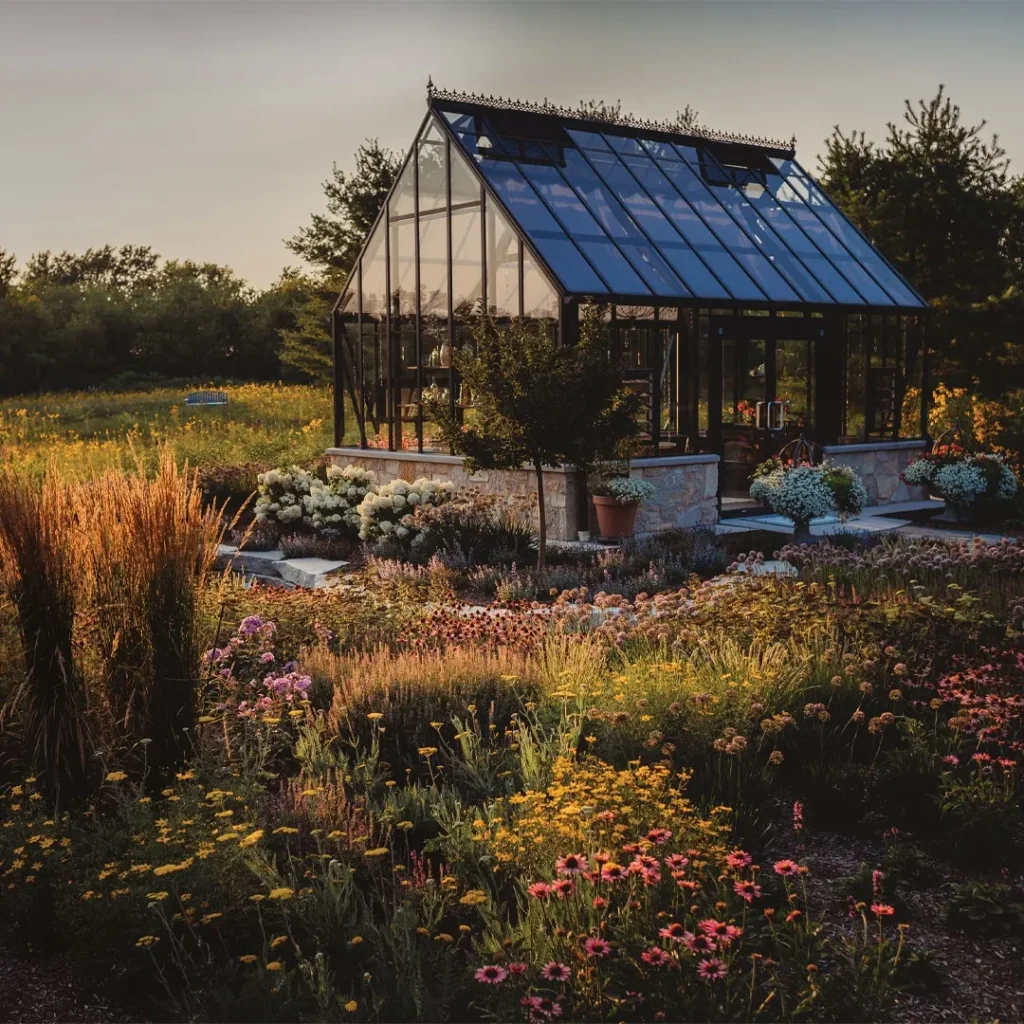
The Inspiration : Cape Cod greenhouse designs are inspired by classic New England architecture, characterized by steep 45 degree pitched roofs that resemble traditional coastal cottages. This enduring style originated in snowy northeastern regions, where steep rooflines effectively shed heavy snow while maximizing sunlight through tall glass walls, creating an elegant garden centerpiece.
Why it Works : Cape Cod greenhouse designs stand out due to their steep 12/12 roof pitch and tall straight eaves, offering ample vertical space for hanging baskets, young trees, and vertical growing systems. The pronounced slope efficiently sheds snow during harsh winters while enhancing sunlight capture in shaded or wooded locations. This structure promotes superior airflow and heat distribution through natural convection, allowing warm air to rise through roof vents. The spacious interior accommodates taller plants without sacrificing floor space, and the architectural beauty increases property value. Year-round climate control supports off-season production and continuous growth cycles, regardless of external weather conditions.
Pro Tip : Place your Cape Cod greenhouse in a location that receives six hours of winter sunlight, focusing on southern exposure. Install zenithal roof vents at the peak to facilitate natural hot air exhaust through the steep pitch, and incorporate a solar-powered exhaust fan for temperature management without incurring electrical costs.
steel raised garden beds
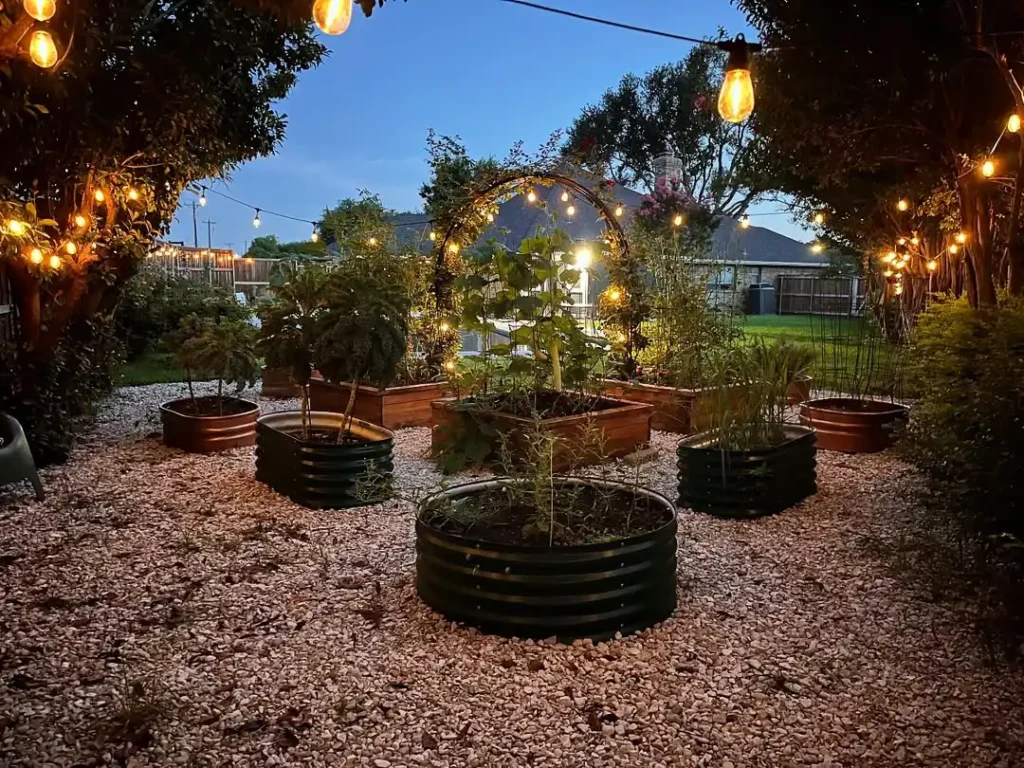
The Inspiration : Steel raised garden beds came from industrial farming, where galvanized metal containers lasted for decades. Modern homesteaders loved this practical look, turning sleek corrugated panels into stylish garden pieces. The material’s natural charm weathered corten steel with rich rust colors or shiny galvanized finishes showcases the beauty of functional design in gardening.
Why it Works : Steel raised garden beds last much longer than wood, resisting rot, termites, and warping without harmful chemicals leaching into the soil. Metal heats up quickly, warming the soil earlier in spring for longer growing seasons while offering strong support for deep roots. Its durability allows for taller beds without bowing, maximizing growing space in smaller areas. Galvanized steel stays neutral in soil chemistry, while corten steel’s natural rust forms a protective layer that stabilizes without breaking down. They need little maintenance aside from occasional cleaning, keeping their shape and function for 20-30 years, unlike wood frames that usually need replacing every 5-7 years.
Pro Tip : When lining steel beds, use landscaping fabric on the sides only, not the bottom, to avoid drainage issues. Opt for galvanized steel with a zinc coating for food gardens, steering clear of painted finishes that can chip. Fill beds at least 12-18 inches deep to manage temperature changes and protect roots.
contemporary garden design
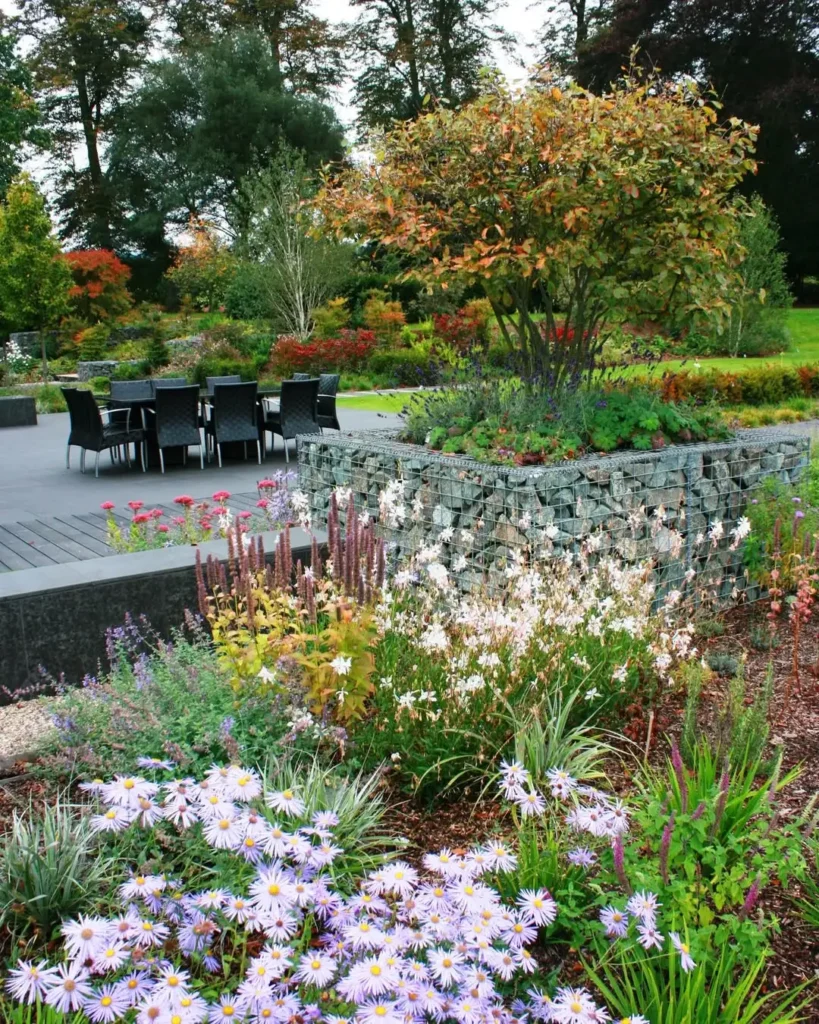
The Inspiration : Contemporary garden design has taken cues from minimalist architecture, merging Japanese Zen vibes with Scandinavian simplicity. The Chelsea Flower Show has highlighted this shift since the 2000s, encouraging homeowners to craft outdoor havens featuring clean lines, eco friendly materials, and organized planting that brings modern living outdoors.
Why it Works : Contemporary gardens shine through smart minimalism and practicality. With clean lines and geometric features, they offer year round structure and demand less upkeep than traditional ornamental gardens. By using native, drought resistant plants like ornamental grasses and architectural succulents, water use is minimized. Hardscaping with reclaimed materials and automated irrigation cuts long term costs while promoting sustainability. Emotionally, these gardens create peaceful, uncluttered spaces that help reduce stress. Plus, the smooth transition between indoors and outdoors expands usable living areas, boosting property value and providing great spots for relaxation and entertaining no matter the season.
Pro Tip : For a contemporary look that keeps the minimalist vibe, layer architectural plants in odd numbered groups. Try three clipped boxwood spheres next to bamboo as focal points or five ornamental grasses at different heights. This “rule of odds” adds visual interest while preserving the clean, structured lines that define modern garden design.
well maintained garden
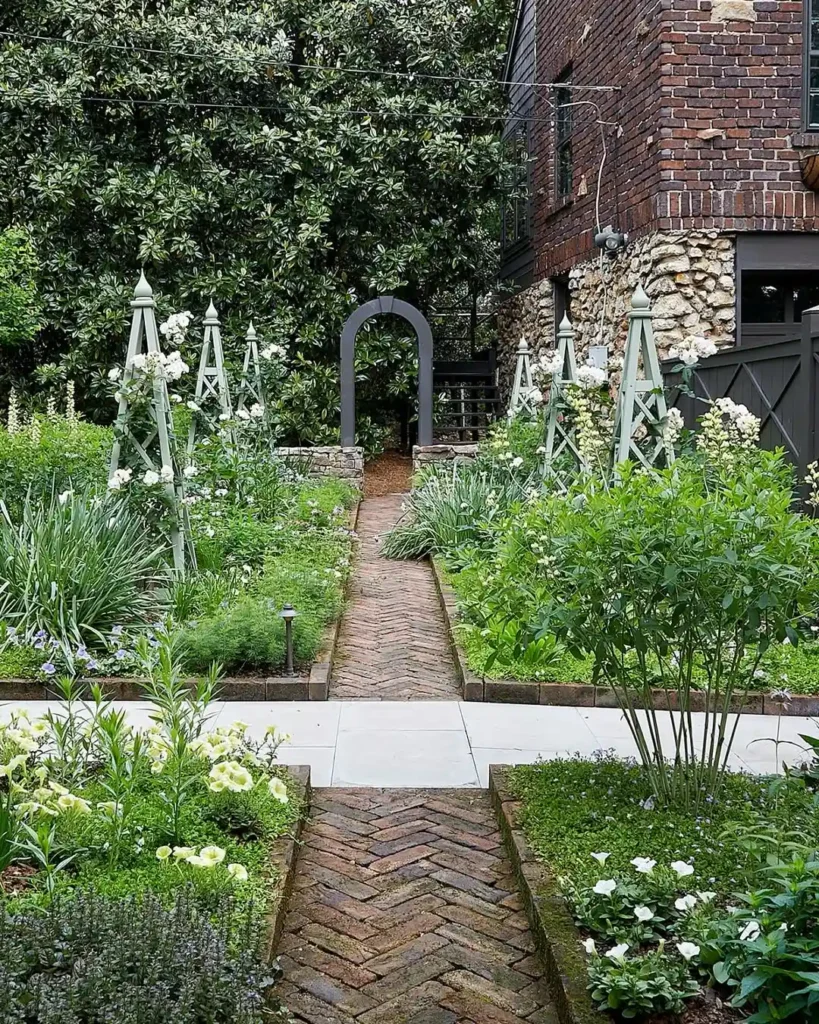
The Inspiration : Well kept gardens have their roots in European estate gardening, where Victorian head gardeners mastered seasonal maintenance to keep properties looking great year-round. This tradition lives on in famous places like Kew Gardens and Sissinghurst, where daily tasks like deadheading and pruning turn neglected yards into beautiful outdoor sanctuaries.
Why it Works : Keeping up with regular maintenance stops small issues from turning into expensive problems, saving a ton on landscape replacements. Consistent weeding, pruning, and fertilizing boosts plant health, cutting down pest issues and diseases by up to sixty percent compared to neglected gardens. Plus, well maintained landscapes can boost property values by fifteen to twenty percent and lower cooling costs through smart shade management. Beyond the money side, taking care of gardens offers mental health perks through regular outdoor activity, lowering stress and lifting your mood. The shift from messy to organized beauty fosters pride, while seasonal blooms add year-round visual appeal that enhances community vibes.
Pro Tip : Try the “Sunday morning walkthrough” routine: spend fifteen minutes each week checking your garden with pruning shears, removing dead blooms, inspecting irrigation, and spotting any issues. This proactive habit helps catch problems early like diseased leaves or pests before they get worse. Combine this with monthly tasks like fertilizing for best results.
Charlotte’s Garden
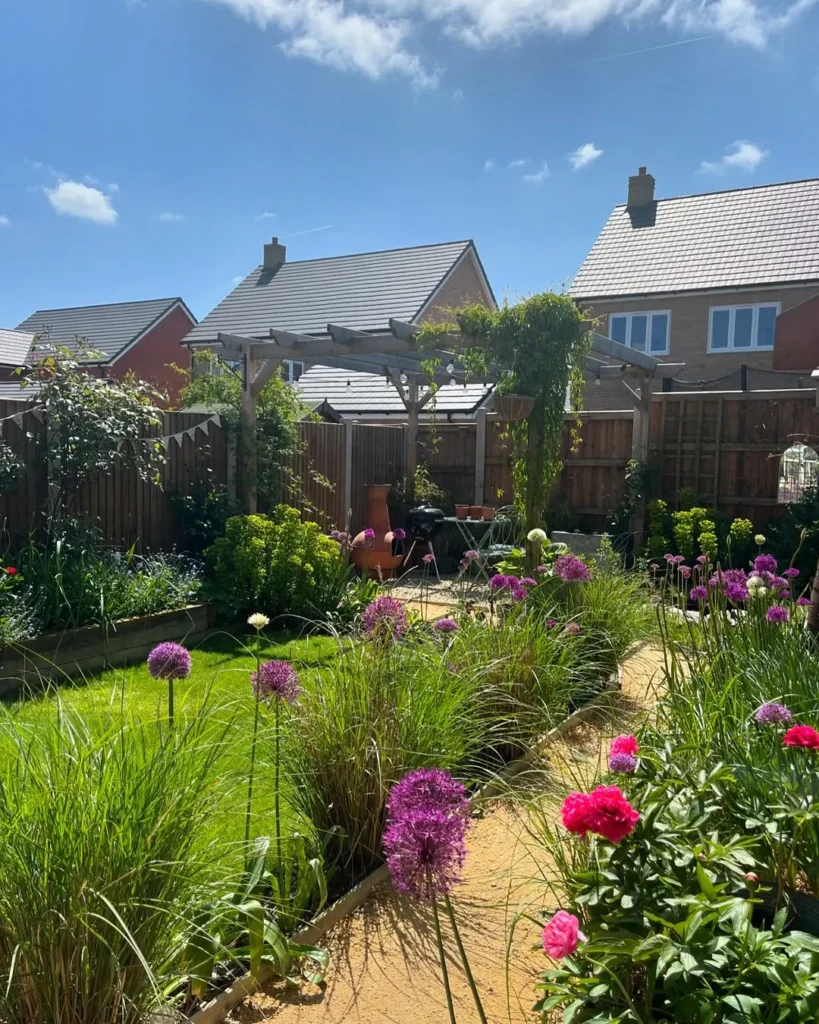
The Inspiration : Charlotte’s Garden is inspired by Queen Charlotte’s makeover of Kew Gardens in the 18th century, turning it into a hub for botanical research where science and beauty meet. Her love for collecting plants and promoting studies set a standard for gardens as both educational spaces and peaceful retreats. This legacy lives on in Charlotte’s UNC Botanical Gardens, blending learning with conservation.
Why it Works : Charlotte’s Garden stands out because of its educational focus and accessible beauty. It acts as a living classroom, offering hands-on learning for students and community members while protecting rare plant collections, including original orchids from its first greenhouse. This versatile approach benefits researchers, students, and garden lovers all at once. It promotes plant conservation through active involvement instead of just keeping things safe. Visitors not only gain scientific insights but also enjoy the beauty, fostering emotional ties that encourage them to care for the environment. Partnerships with local rhododendron societies enhance botanical networks and ensure varied expertise helps with garden growth and species protection.
Pro Tip : Embrace Queen Charlotte’s plant collecting philosophy by creating specialized collections that balance beauty and education. Start with one plant family like native orchids or rhododendrons and build expertise through careful observation, documentation, and propagation. This focused strategy adds depth to your garden while supporting conservation efforts and offering structured learning for visitors and family alike.
Winding Path Garden Layout
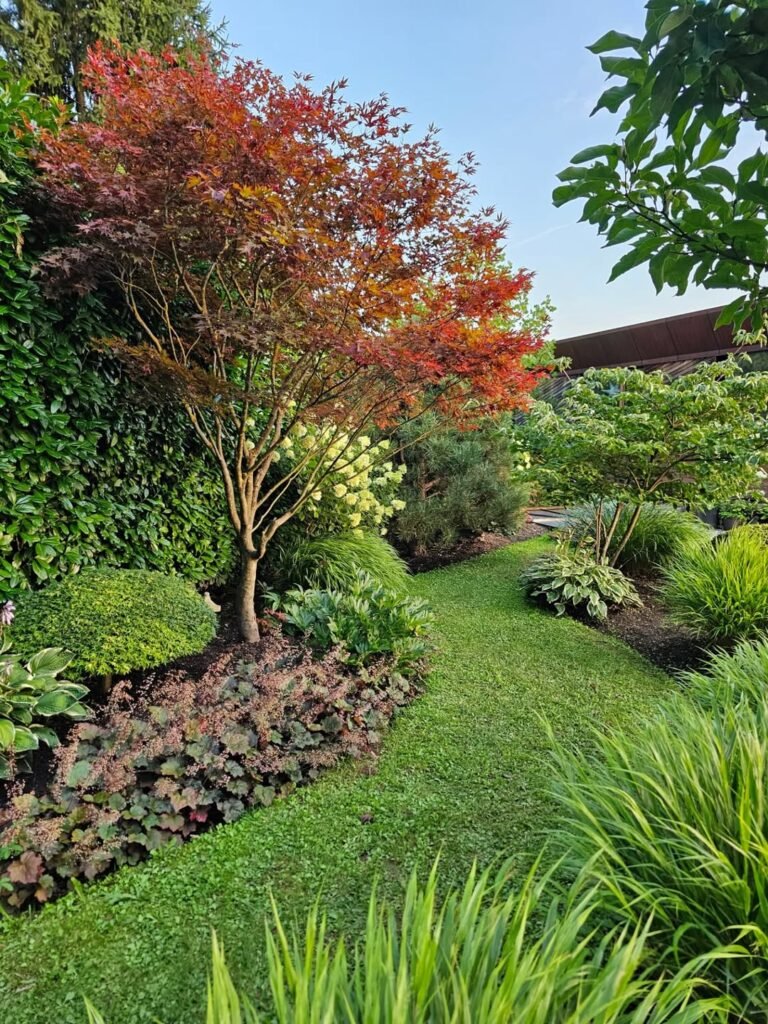
The Inspiration: Curved paths started in ancient Chinese gardens, turning walks into poetic journeys of exploration and reflection. This idea inspired 18th century English landscape designers, who favored natural, flowing lines over rigid geometric designs. Tudor era spiral mounts and Japanese garden styles further developed the art of guiding visitors through evolving views.
Why it Works : Winding paths spark curiosity by hiding and slowly unveiling garden spaces, making even small yards feel larger and more intriguing. The curves slow down visitors, prompting reflection while framing lovely views of plants, water features, and architecture like living art that changes with each step. Unlike straight lines that highlight boundaries, curved pathways guide the eye along sweeping lines, suggesting gardens are bigger than they seem. The design mirrors natural land shapes, promoting harmony with nature while symbolizing adaptability. Curved edges soften stark hardscaping like fences and patios, creating smooth transitions between built and natural elements, offering great design flexibility for oddly shaped properties.
Pro Tip : To create your winding path, start with the “desire line” the route people naturally want to take then subtly expand it with garden beds, raised mounds, or focal points that visitors need to navigate around. This makes the curve feel intentional, while lush plants on either side enhance the flow and visual appeal.
Formal Garden

The Inspiration : Formal gardens trace their roots back to ancient Persian walled gardens and medieval monastic spaces, evolving through Italian Renaissance estates into the stunning French jardin à la française. André Le Nôtre’s masterpiece at Versailles for Louis XIV showcased this “power gardening,” with precise geometry symbolizing humanity’s control over nature.
Why it Works : Formal gardens grab attention with their symmetrical layouts and clear geometric designs, showcasing order and transparency. The structured approach demands ongoing upkeep, highlighting Stoic values of discipline and care while also radiating impressive grandeur. Axial views and focal points lead the eye through carefully planned vistas, making spaces feel larger and more deliberate. Unlike natural gardens, formal designs work well at any scale from the vastness of Versailles to cozy urban courtyards because geometric principles are universally effective. This timeless style stands the test of time, with clipped topiaries, parterres, and water features adding year round elegance and boosting property value.
Pro Tip : Begin with a strong central axis a pathway leading to a focal point like a fountain or striking tree. Use identical boxwood hedges or topiaries on either side for symmetry while keeping maintenance manageable. This basic structure creates instant formality, allowing you to gradually expand geometric patterns and parterres as you gain confidence.
landscaped backyard garden
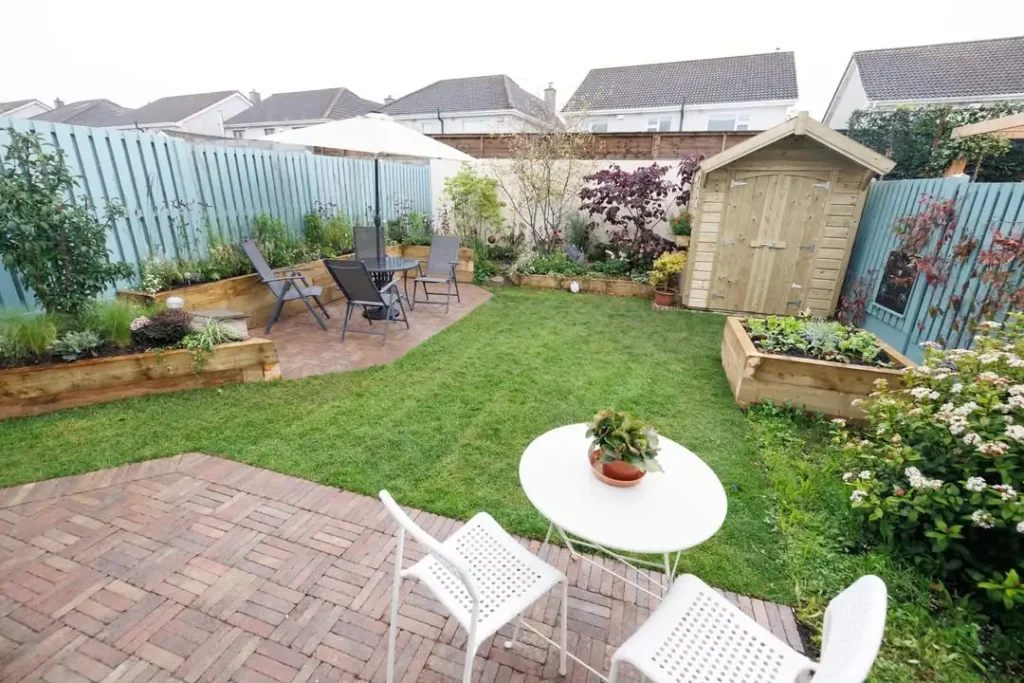
The Inspiration : Inspired by English cottage gardens and landscape architects like Frederick Law Olmsted, homeowners began to see backyards as extensions of their homes. This shift introduced design principles like layered plants and functional zones into everyday life.
Why it Works : Landscaped backyards make the most of limited space by creating separate areas for dining, play, gardening, and relaxation. Smart plant choices can provide privacy, reduce noise, and help with climate control, boosting home values by seven to fifteen percent, according to real estate studies. A structured layout avoids messy plant placement, allowing for easy pathways, irrigation access, and seasonal beauty. Designed outdoor spaces encourage families to spend time outside, cutting down on screen time while connecting them to nature. Unlike front yards, backyards offer a chance for personal expression. Layered plants add depth and attract wildlife, while perennials lower yearly replanting costs compared to container gardens.
Pro Tip : Split your backyard into thirds using the “room” idea: one-third for hardscaping with furniture and activities, one-third for planted beds for beauty and privacy, and one third for lawn or ground cover for versatility. This balance keeps maintenance manageable while providing enough space for various functions without overcrowding or awkward gaps.
private residential terrace garden
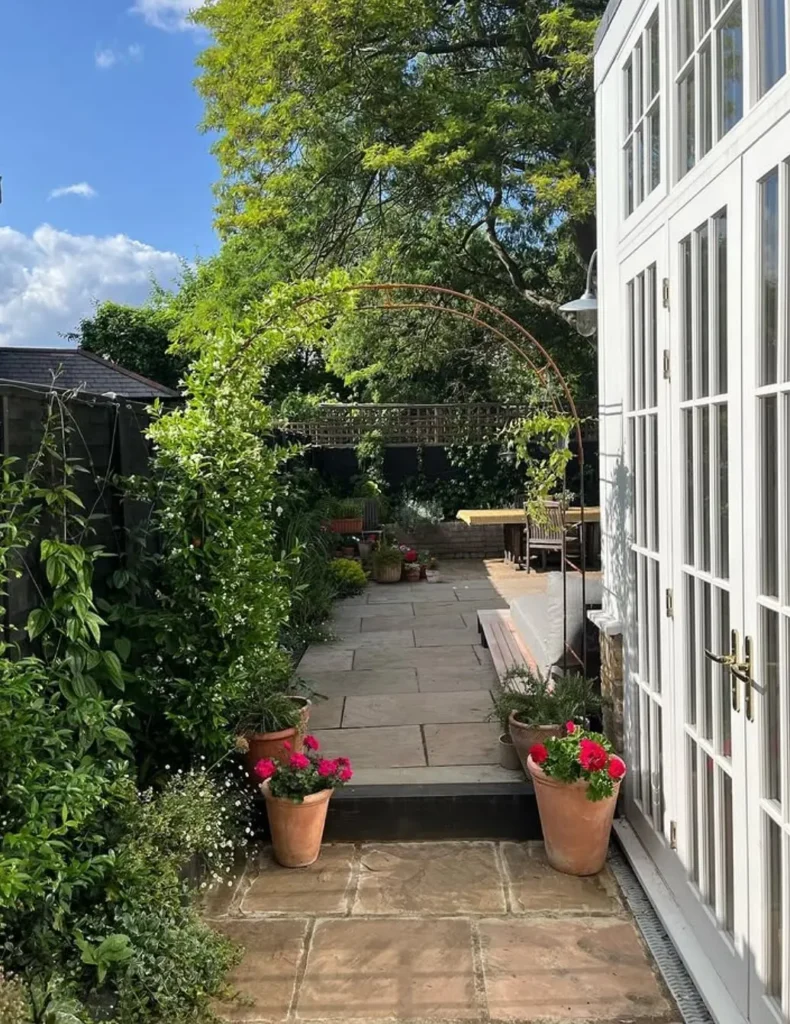
The Inspiration : Private terrace gardens have roots in the ancient Hanging Gardens of Mesopotamia and Roman rooftop farming, adapted for today’s crowded cities. NYC’s High Line and Parisian balcony styles motivate apartment residents to turn concrete spaces into green havens. This gardening trend brings nature upward, where ground-level yards are often a luxury.
Why it Works : Terrace gardens make the most of unused space, turning dull concrete into lively outdoor areas without needing extra land. Being elevated offers natural privacy from nearby buildings and great views for relaxation and entertaining. Using containers allows for better soil management, avoiding the issues of poor urban ground conditions. Plus, they’re close to indoor areas for easy access to fresh herbs, morning coffee, or quick breaks outside. Research shows that urban green spaces lower stress and improve air quality. Terrace gardens also boost property values and help with insulation, making heating and cooling more efficient year round by balancing temperatures.
Pro Tip : Before you start planting, check with a structural engineer to ensure your terrace can handle the weight of soil, containers, and water. Opt for lightweight potting mixes like expanded shale or perlite to cut weight by 40% and enhance drainage. Place heavy planters over beams and walls to prevent damage.
potager garden
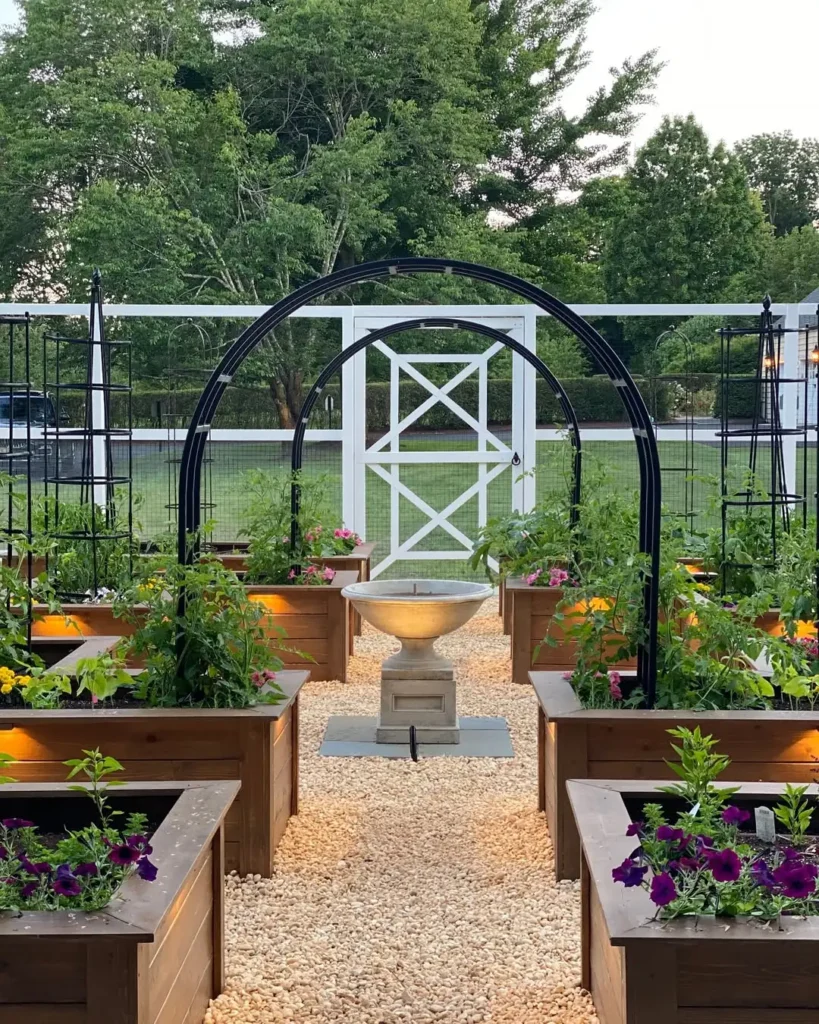
The Inspiration : Potager gardens started in medieval monastery gardens, where monks grew food and medicinal herbs out of necessity. The name comes from “potage,” the French word for soup, as gardeners collected fresh ingredients for meals. King Louis XIV’s Potager du Roi and Château de Villandry turned this practical idea into beautiful designs.
Why it Works : Potager gardens blend beauty and productivity, creating spaces that nourish both body and soul. The formal geometric layout, with symmetrical beds, offers year round structure while maximizing growing space through intensive planting. Placing the garden near the kitchen makes it easy to grab fresh ingredients and encourages daily care. This direct garden-to-table link cuts down on food waste and transportation needs while enhancing flavor and nutrition. Mixing edible crops with flowering plants attracts helpful pollinators and adds visual appeal beyond standard vegetable rows. Historically, potagers supported self-sufficiency by providing excess produce for trade or market sales, a benefit that still matters today.
Pro Tip : Create your potager with geometric shapes like squares, rectangles, or triangles, and add a central feature like a birdbath or herb centerpiece. Use permanent pathways to divide beds into quadrants for easy access and maintenance. Mix vegetables with edible flowers like nasturtiums and calendula for a classic French look that attracts pollinators and keeps pests away.
Diagonal Pathway Layout

The Inspiration : Diagonal pathways take inspiration from modernist ideas, breaking away from traditional garden layouts. Designers Darryl Moore and Adolfo Harrison highlighted this at the Chelsea Flower Show’s St Mungo’s Garden, using diagonal lines in fencing and flooring to create a sense of movement and exploration, turning simple yards into exciting visual experiences.
Why it Works : Diagonal pathways make the most of the longest side of any rectangular space, instantly giving the illusion of more depth and distance. This visual trick makes small gardens seem much larger and adds a lively energy that straight layouts don’t offer. The angled design helps shift focus away from strict property lines, drawing attention to the natural surroundings and key features instead. Diagonal layouts also optimize usable space, allowing for bigger patios, ample planting areas, and enough lawn space in smaller yards. They create interesting views from different angles, ensuring there’s visual appeal from all sides. Plus, diagonal lines lead the eye upward, making gardens feel more open and airy.
Pro Tip : Place your main diagonal pathway at a forty-five-degree angle from the house to make the most of its length while keeping it easy to access. Carry the diagonal theme into hardscaping elements like paving, decking, or fencing to enhance the visual flow. This unified approach boosts the spacious feel and adds sophistication.
landscaped tiered rear garden
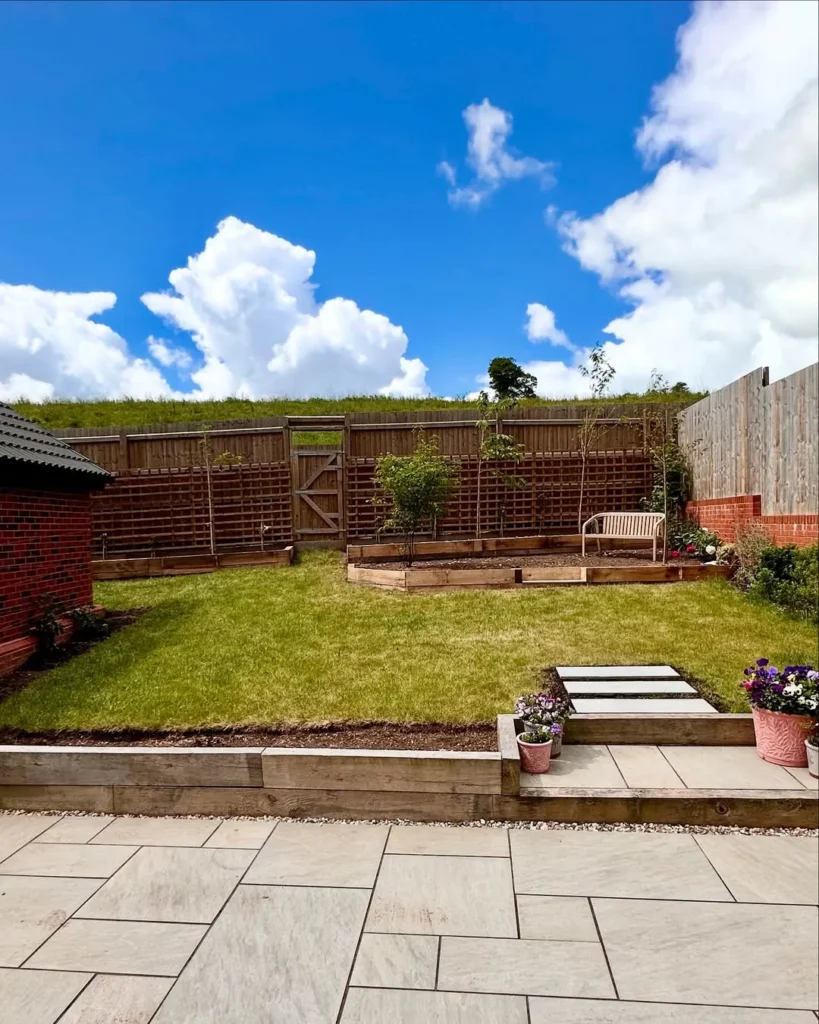
The Inspiration : The tiered gardens we see today were inspired by Italian Renaissance villas, turning steep hills into stunning landscapes. Villa d’Este in Tivoli, built in 1550, showcased this idea with its flowing gardens, fountains, and lookout points. These terraces broke away from medieval gardens, inviting views of the beautiful surrounding scenery.
Why it Works : Tiered gardens make sloped land usable and help prevent erosion by creating flat areas that are easy to navigate. The terraces manage water runoff and protect soil while offering different planting zones for varying sun and drainage needs. Each level gives unique views, adding visual interest that flat areas can’t achieve. The elevation changes create separate garden spaces for dining, play, or growing veggies without walls getting in the way. Terraced designs make the most of sloped land that would otherwise go unused or cost a lot to level. Plus, the multiple levels improve sightlines from inside the house, letting you enjoy the garden all year.
Pro Tip : To create terraces, cut into the hillside instead of using fill material to lower erosion risks and costs. Keep terrace levels spaced ten to fifteen feet apart, with four foot-high retaining walls and gentle grass slopes at a forty five degree angle. This setup balances stability and looks while providing good planting space.
wooden panel fence garden
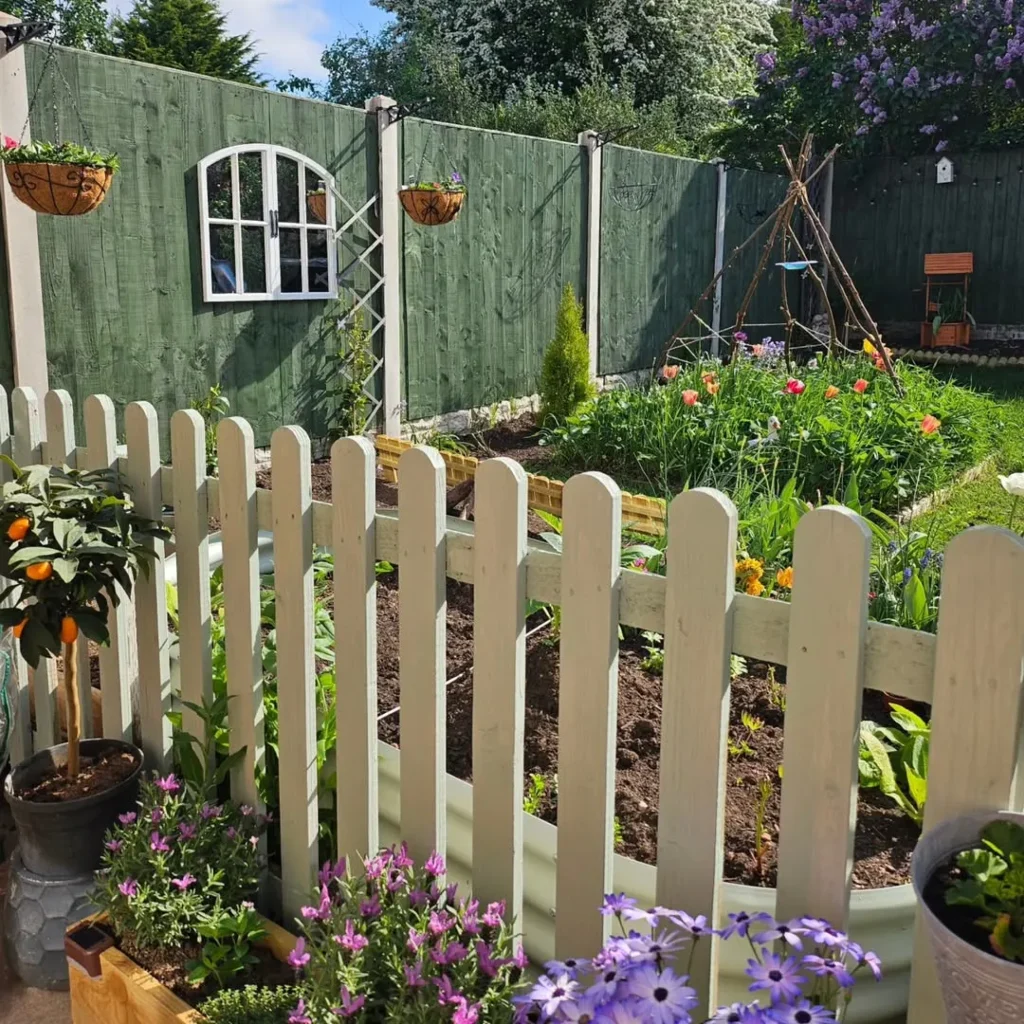
The Inspiration : Wooden panel fences for gardens take cues from Japanese bamboo and cedar fencing traditions from the medieval era, where craftsmen made privacy screens that blended with nature. In the nineteenth century, English cottage gardens embraced rustic timber fencing, marking boundaries while keeping a warm, natural look. These wooden barriers turned yards into cozy retreats, shielding from city noise and celebrating natural materials.
Why it Works : Wooden panel fences offer instant privacy and security while creating garden boundaries that feel more inviting than metal or vinyl options. The natural material ages beautifully, developing a weathered look that fits right into planted landscapes. Wood also provides better wind protection compared to open fencing, creating microclimates that help extend growing seasons and protect delicate plants. The vertical design supports climbing roses, clematis, and fruit trees, maximizing growing space. Cedar and pressure-treated pine can last fifteen to twenty years with little upkeep. Plus, the warm look boosts property values and reduces noise from traffic and neighbors. You can also stain or paint them to match your home’s style.
Pro Tip : When installing wooden panels, make sure the smooth side faces your yard for the best view you paid for it, after all! Before installation, treat all sides with wood preservative or stain, especially post ends in the soil, to extend their life. Leave a quarter-inch gap between the ground and panel bottoms for drainage, preventing rot.
pergola garden
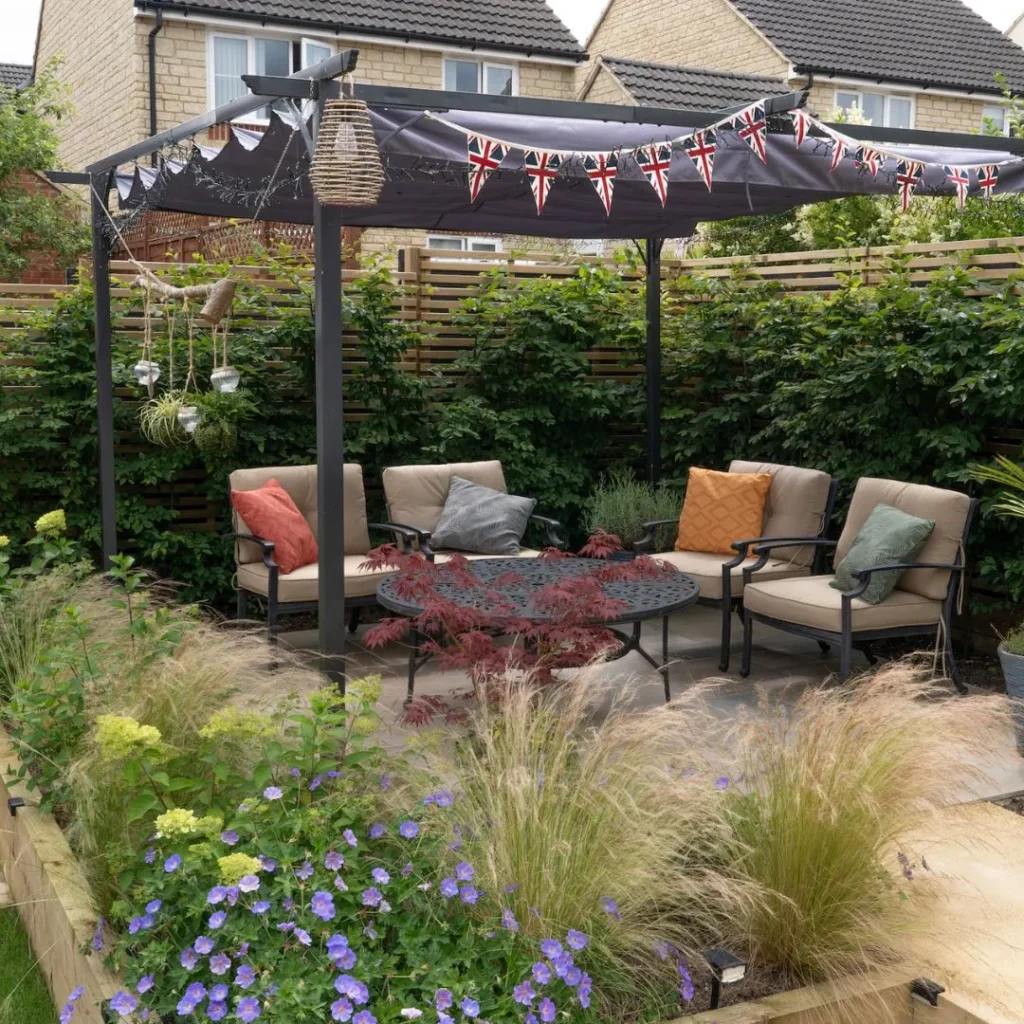
The Inspiration : Pergola gardens have roots in ancient Egypt and Rome, evolving during the Italian Renaissance when vineyard growers built overhead arbors for grapes. Tuscany’s villa gardens featured these beautiful wooden structures draped in wisteria and climbing roses, blending function with charm. This Mediterranean style turned outdoor areas into cozy, shaded retreats where nature and architecture connect.
Why it Works : Pergolas define outdoor spaces without enclosing them, creating cozy gathering spots while keeping things airy. The overhead beams offer filtered shade, cooling temperatures by ten to fifteen degrees while letting in helpful light for plants below. This partial cover shields from the harsh midday sun without making areas feel dark or unwelcoming. Pergolas add vertical flair and architectural appeal to flat gardens, serving as eye-catching features year round, even in winter. They significantly boost property values and support climbing plants like grapevines and kiwi. Plus, they extend outdoor enjoyment by providing weather protection and help lower cooling costs when shading windows and walls in summer.
Pro Tip : Position your pergola with beams running east west to get the most afternoon shade when it’s hottest. Space the overhead beams twelve to sixteen inches apart for the best dappled shade too close makes it too dark, while too wide leaves you exposed. This setup strikes a nice balance for comfy dining and chatting underneath.
Kid Friendly Large Lawn
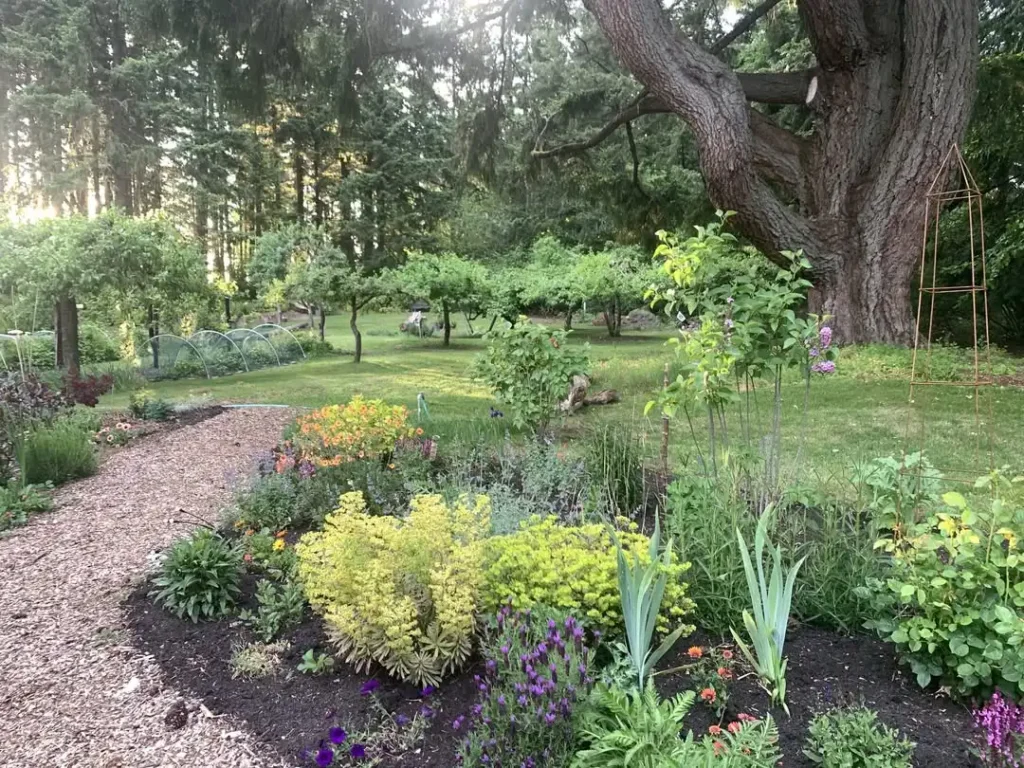
The Inspiration : After World War II, big lawns became a staple of suburban life, giving families safe spots for outdoor fun. Frederick Law Olmsted’s public parks showed how open green spaces help kids grow and families bond. This trend took the spacious English lawns and made them a reality in American backyards.
Why it Works : Large lawns offer soft surfaces that cushion falls during play, making them safer than hard surfaces. Parents can easily keep an eye on their kids from windows or patios while allowing them to explore freely. Grass supports various activities like soccer, tag, or picnics without needing special gear or strict schedules. It’s tough enough to handle lots of foot traffic and bounces back from wear, unlike fragile flower beds. Research shows that playing outside on natural grass boosts fitness, coordination, and social skills while cutting down on screen time. Large lawns can be enjoyed year-round and adapt as kids grow from toddlers to teens.
Pro Tip : Opt for turf type tall fescue or perennial ryegrass for kid-friendly lawns; they handle heavy traffic well, bounce back quickly, and stay vibrant during play. Keep the grass mowed to three to four inches to develop strong roots that resist wear and drought. Overseed any bare spots in spring or fall to prevent muddy areas.
Residential backyard garden
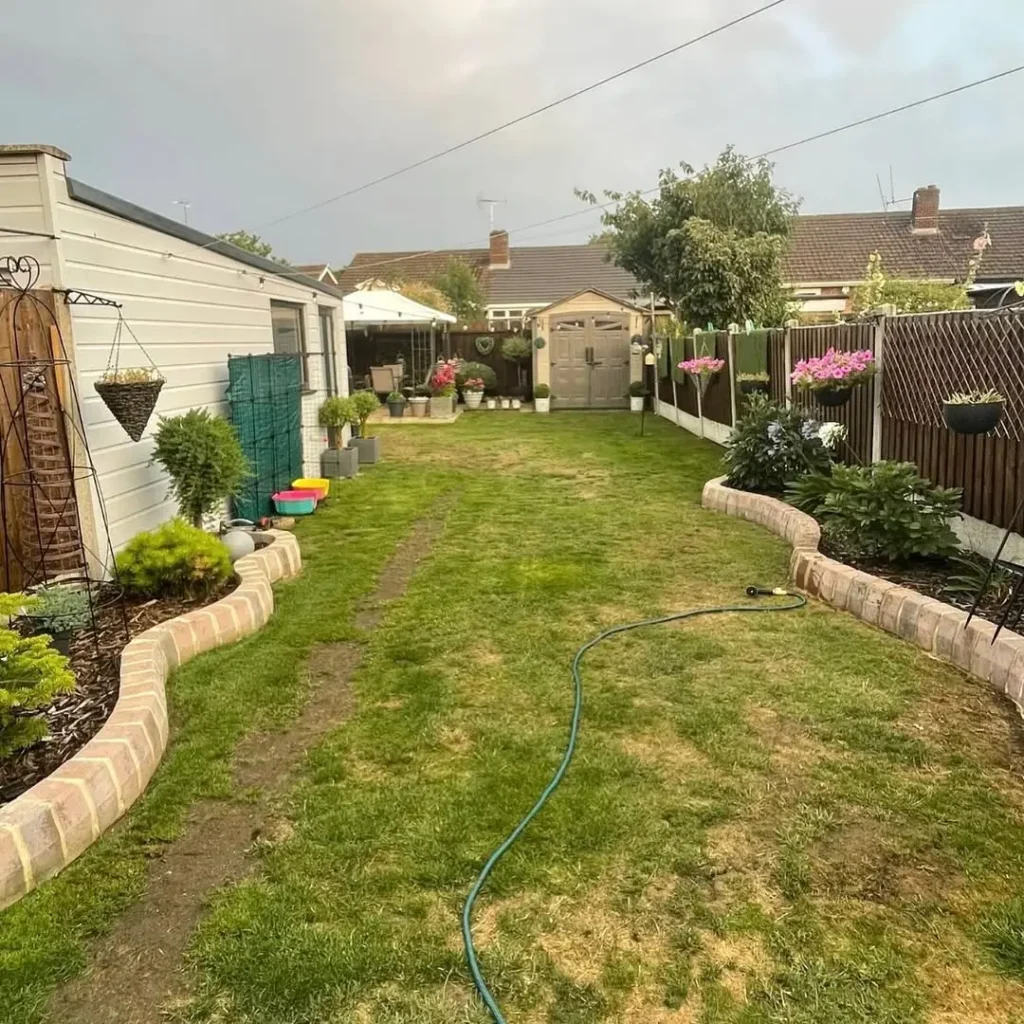
The Inspiration : Backyard gardens really took off after World War II, as homeowners turned plain yards into their own outdoor havens. Mixing English cottage styles with American design, families made these spaces their own. This trend showed a desire for self expression, homegrown food during victory gardens, and private spots away from prying eyes.
Why it Works : Backyard gardens make the most of your property by turning unused space into functional outdoor areas that expand your living space seasonally. They offer creative freedom that front yards can’t, thanks to neighborhood rules and curb appeal. These gardens can serve multiple purposes growing veggies, play areas for kids, spots for entertaining, and habitats for wildlife all in customizable designs. Thoughtful plant choices give you natural privacy, reduce noise from neighbors, and help with climate control, cutting down energy costs. Research shows that gardening boosts mental health, promotes exercise, and strengthens family ties through shared outdoor fun. Plus, it can increase property value by seven to fifteen percent!
Pro Tip : Before you start planning your backyard, check out how the sun moves throughout the day. Notice which spots get full sun, partial shade, or deep shade in the morning, noon, and evening. This info helps avoid mistakes, like putting shade loving plants in direct sun or placing veggie beds where buildings block light.
Dead End Garden
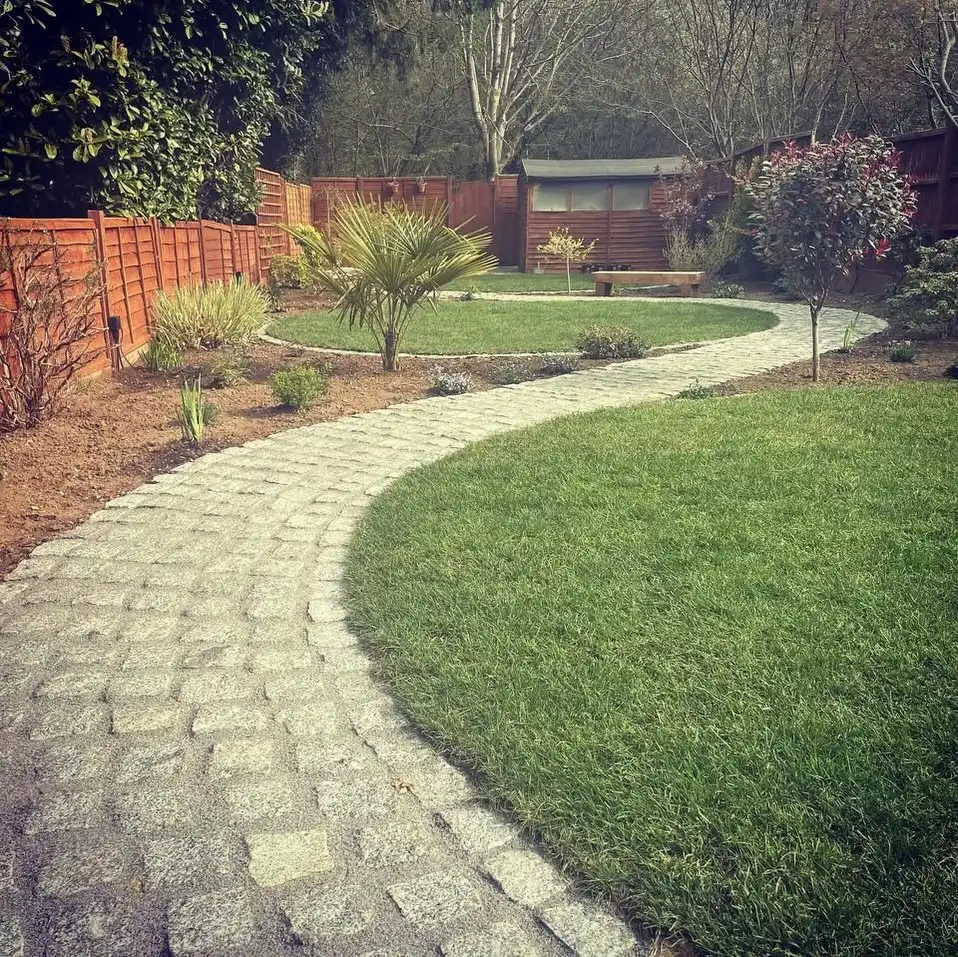
The Inspiration : Dead end gardens take inspiration from the secret gardens of Victorian estates, where paths ended at cozy alcoves or hidden courtyards. Persian walled gardens used similar ideas, creating inviting spaces that encouraged exploration. This design approach turned awkward corners and narrow yards into charming retreats, transforming limitations into delightful garden features.
Why it Works : Dead end garden designs create purposeful spots that spark curiosity and excitement. The way they end allows for striking focal points like unique trees, water features, or seating areas to shine without distractions. These designs make the most of tricky narrow or corner spaces that paths can’t fit into, maximizing garden use. The enclosed vibe offers comfort and privacy, making perfect spots for meditation, reading, or chatting. Plus, these layouts cut down on maintenance by removing unnecessary paths while focusing design efforts in key areas. They create natural boundaries that guide movement, protecting plants and ensuring every element has a clear purpose.
Pro Tip : Make your dead end garden stand out with a strong focal point that makes the journey worthwhile a bench surrounded by fragrant roses, a lively fountain, or a unique sculpture. Gradually narrow the path as it leads to the end for added anticipation, and plant tall greenery along the sides for that “secret garden” vibe.
cottage garden
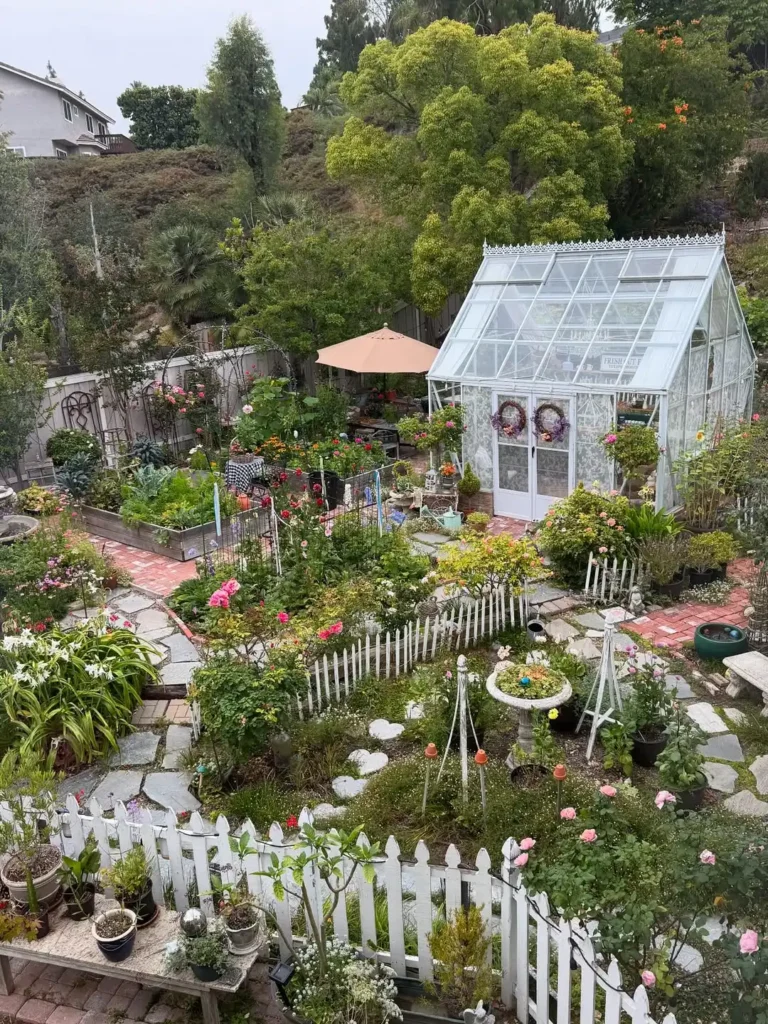
The Inspiration : Cottage gardens started in 15th-century England when working class folks grew small plots outside their homes, mixing veggies, herbs, and flowers out of necessity. Gertrude Jekyll romanticized this style during the Victorian era, inspiring places like Sissinghurst and Great Dixter. The lovely mix of hollyhocks, foxgloves, and roses won hearts, celebrating abundance over formality.
Why it Works :Cottage gardens thrive on a kind of beautiful chaos that mimics nature, needing little upkeep once they’re set. Dense planting keeps weeds at bay while self seeding perennials like forget me nots and foxgloves fill in gaps without extra costs. Mixing edibles with ornamentals boosts productivity in small spaces roses grow alongside runner beans, lavender borders veggie beds. This diversity attracts helpful pollinators and pest predators, cutting down the need for chemicals. The relaxed look embraces imperfections, letting plants grow freely without strict schedules. With blooms from bulbs to perennials, there’s color all year round. Emotionally, cottage gardens bring nostalgic comfort and charm while offering fresh herbs, cut flowers, and homegrown produce.
Pro Tip : Try the “planting in drifts” method by grouping odd numbers of the same plant like five lavenders or seven catmints rather than planting singles randomly. This creates a striking visual effect. Use self seeding biennials like foxgloves, hollyhocks, and sweet Williams as your main plants, ensuring easy regeneration with little effort or cost.
mediterranean style garden
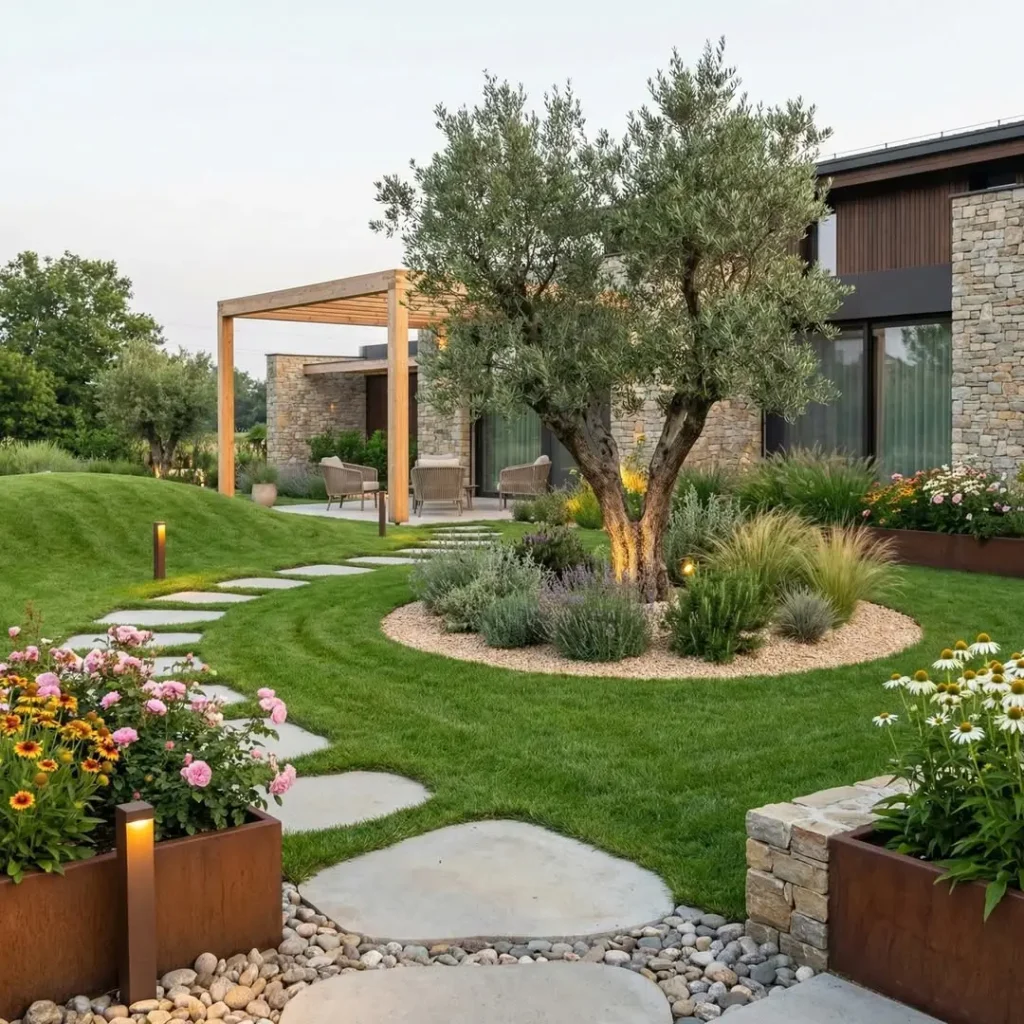
The Inspiration : Mediterranean-style gardens originated from ancient Greek and Roman cultures, showcasing sunny courtyards filled with drought-resistant plants, terracotta pots, and gravel paths. Over time, Spanish patios and Italian villa gardens have refined this look, celebrating outdoor living, fragrant herbs, and earthy textures reminiscent of coastal towns from Provence to Santorini.
Why it Works : Mediterranean gardens are great for conserving water, needing little irrigation once they’re established, thanks to drought-tolerant plants like lavender, rosemary, olive trees, and succulents. The design focuses on hardscaping with gravel, stone pavers, and terracotta, which cuts down on lawn care and helps manage water effectively. Aromatic herbs offer culinary benefits, pleasant scents, and natural pest control all at once. The warm color palette of ochres, terracottas, and sun-faded whites reflects heat while creating cozy outdoor spaces ideal for entertaining. This style shines in hot climates but can easily adapt to milder areas through smart planting and microclimate management.
Pro Tip : To create a genuine Mediterranean vibe, mix different textures: pair smooth walls with rough stone paths, glossy citrus leaves with silvery olive trees, and fine gravel with striking agaves. Group herbs in clusters instead of neat rows for a more natural look. Arrange seating to enjoy the morning sun and evening shade, promoting year-round outdoor living.
Modern style garden
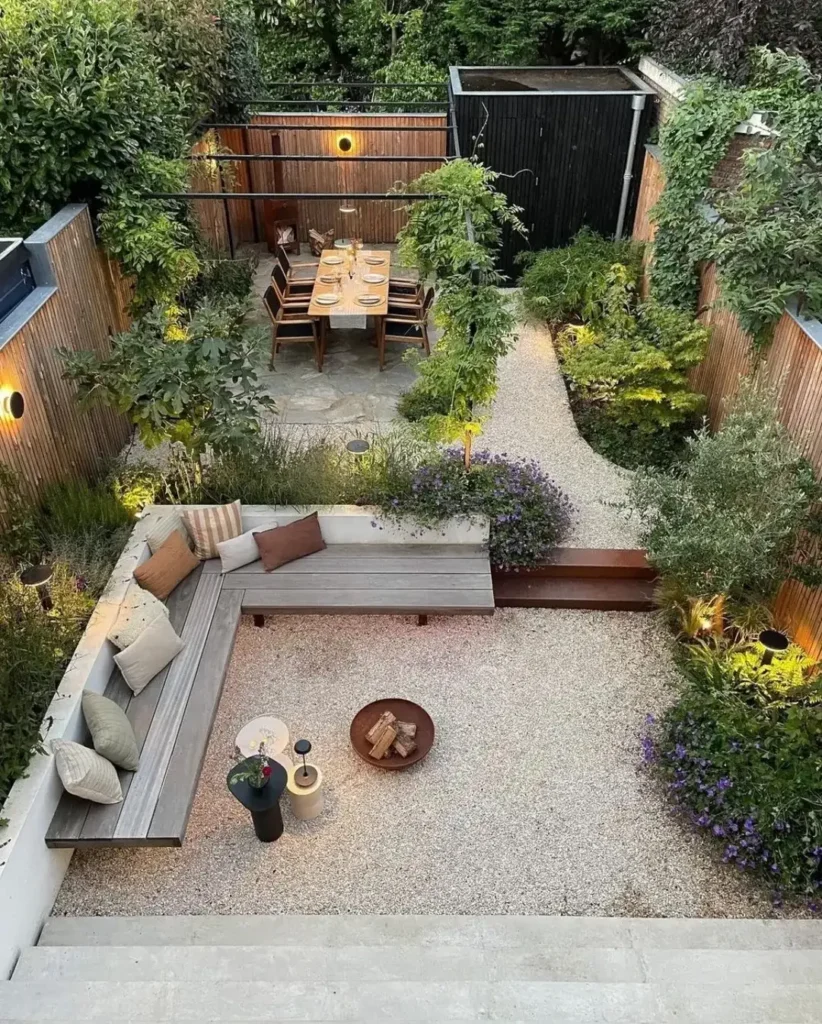
The Inspiration : Modern gardens took shape from the Bauhaus and mid century modernist movements in the 20th century, where architects like Mies van der Rohe embraced the “less is more” idea. In the 1950s, California designers Thomas Church and Garrett Eckbo led the way in creating residential gardens that blended indoor and outdoor living.
Why it Works : Modern gardens focus on functionality and simplicity, making low maintenance spaces through smart minimalism and durable materials like concrete, steel, and composite decking. A streamlined plant selection featuring architectural specimens like ornamental grasses, sculptural agaves, and clipped hedges offers year round structure without the hassle of constant upkeep. Clean geometric lines and tidy layouts make small urban areas feel larger while fitting seamlessly with contemporary designs. The style promotes outdoor living with defined spaces for entertaining, built in seating, and integrated lighting for nighttime use. Quality hardscaping materials age well over decades, ensuring the timeless look stays relevant and maintains property value through sophisticated design and thoughtful restraint.
Pro Tip : Stick to five or fewer plant species repeated throughout the garden for a unified modern look. Opt for plants with bold architectural shapes like phormiums, bamboo, ornamental grasses, or boxwood spheres arranged in geometric patterns. This approach not only makes a strong visual impact but also simplifies maintenance and shopping, achieving that sleek modern vibe.
Stylist garden
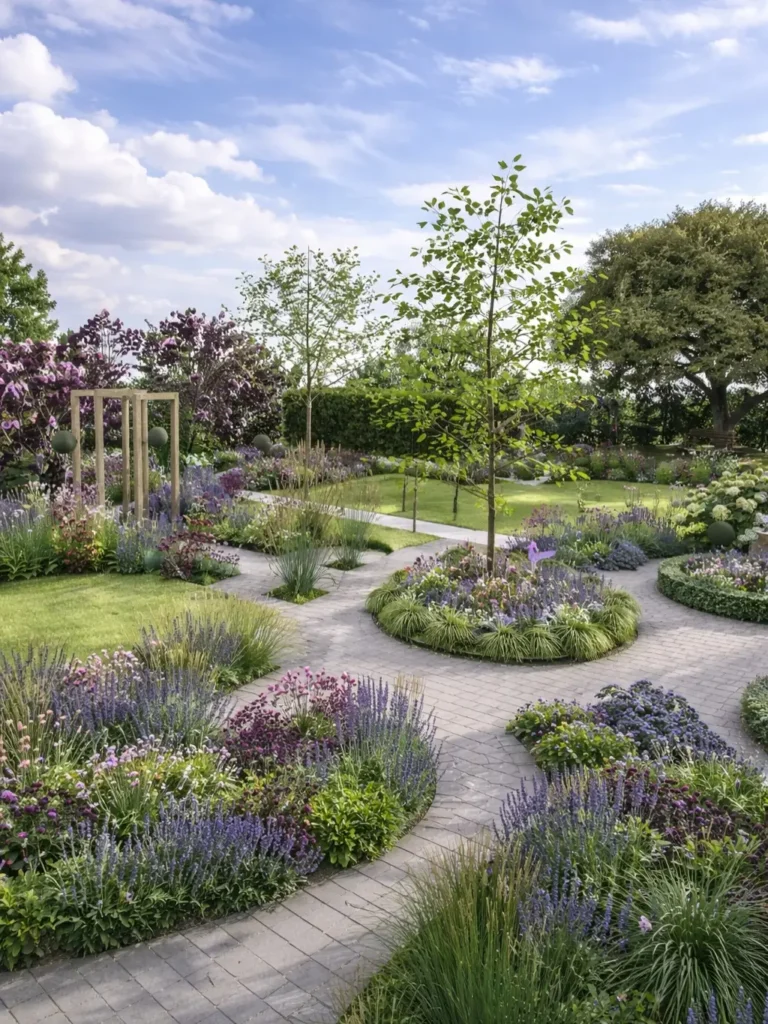
The Inspiration : Stylish gardens have popped up thanks to social media, especially Instagram and Pinterest, turning outdoor spaces into curated visuals. Garden influencers and lifestyle bloggers made this trend popular, treating backyards like photo shoots with matching colors, trendy decor, and seasonal updates. It’s all about cohesive aesthetics and personal style.
Why it Works : Stylish gardens thrive on careful curation, creating a unified look with furniture, containers, plants, and accessories that feel like coordinated outfits. This method invites seasonal tweaks with trendy colors and patterns, keeping the vibe fresh without needing a full redesign. It allows for experimenting with new styles while staying budget-friendly with interchangeable decor. The Instagram ready look boosts enjoyment and pride in ownership, possibly even increasing property value. These gardens focus on eye-catching focal points and layered textures that photograph beautifully, promoting outdoor fun and social sharing. This curated style encourages thoughtful purchases, cutting down on impulse buys and crafting personalized spaces that evolve with individual tastes.
Pro Tip : Pick a signature color scheme with three matching shades for containers, cushions, and accessories that go well with your plants. Update this palette each season using budget friendly items like throw pillows, painted pots, or annual flowers while keeping permanent plants. This method gives a big visual impact without breaking the bank.