
There is always one awkward corner in every garden that odd triangular plot where two walls intersect, the skinny patch alongside your garage or the tiny wedge of shade beneath a tree. These are areas that I find most homeowners neglect by leaving either empty or full of junk. But corner gardens have untapped potential to help change the entire look of your outdoor space. Corner areas are natural focal points in a room as they disrupt straight lines and make appealing use of the space. When done right, they become charming centerpieces that keep your garden from looking haphazard and incomplete. Whether you have a bright spot ideal for brilliant blooms or a shady space filled with ferns, corner gardens make the most of every yard nook and cranny.
brownish-pink shrub garden
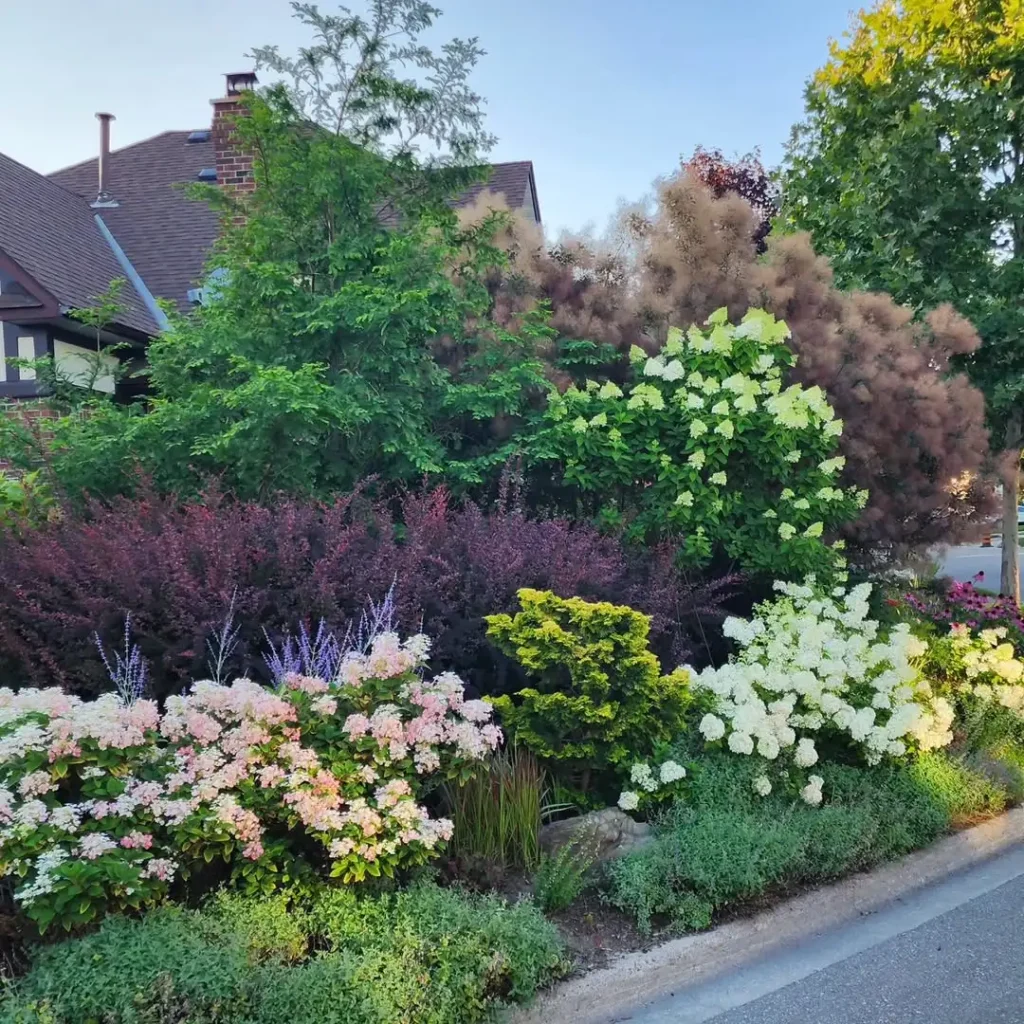
The Inspiration : The brownish-pink shrub palette stemmed from cottage garden lores, when roses and smoke bushes and copper foliage established romantic or nostalgic backdrops. Victorian gardeners appreciated these muted tones because they mellowed a strong crinoline of flowers, and offered all year interest. Citing it’s instagrammable aesthetic and how well it matches the modern home, today’s designers are fully on board with this color scheme.
Why it Works : Brownish-pink shrubs, they are as versatile as any in their green-ness. Plants such as Coppertina ninebark and Ruby Slippers oakleaf hydrangea deliver spring blooms, depth in summer foliage and color transitions into fall that sustain visual interest in gardens. These colors function as both neutral background or accent, complementing contemporary minimalist schemes and also decorate cottage style gardens. The warm colors establish serene settings that are further low-maintenance, visually at least, than cool palettes. Drought-resistant plants such as desert willow flourish in tough conditions, so this palette is gorgeous and pragmatic. They also photograph particularly well in natural light, for photographs shared online when you transform your garden and want to inspire others.
Pro Tip : Plant brownish-pink shrubs in layers according to height and bloom time for constant appeal. Put tall smoke bush or weigela in the back, medium hydrangeas in the middle and low heuchera or coral bells in front. This adds layers and keeps something in bloom at all times of the year.
rustic garden corner
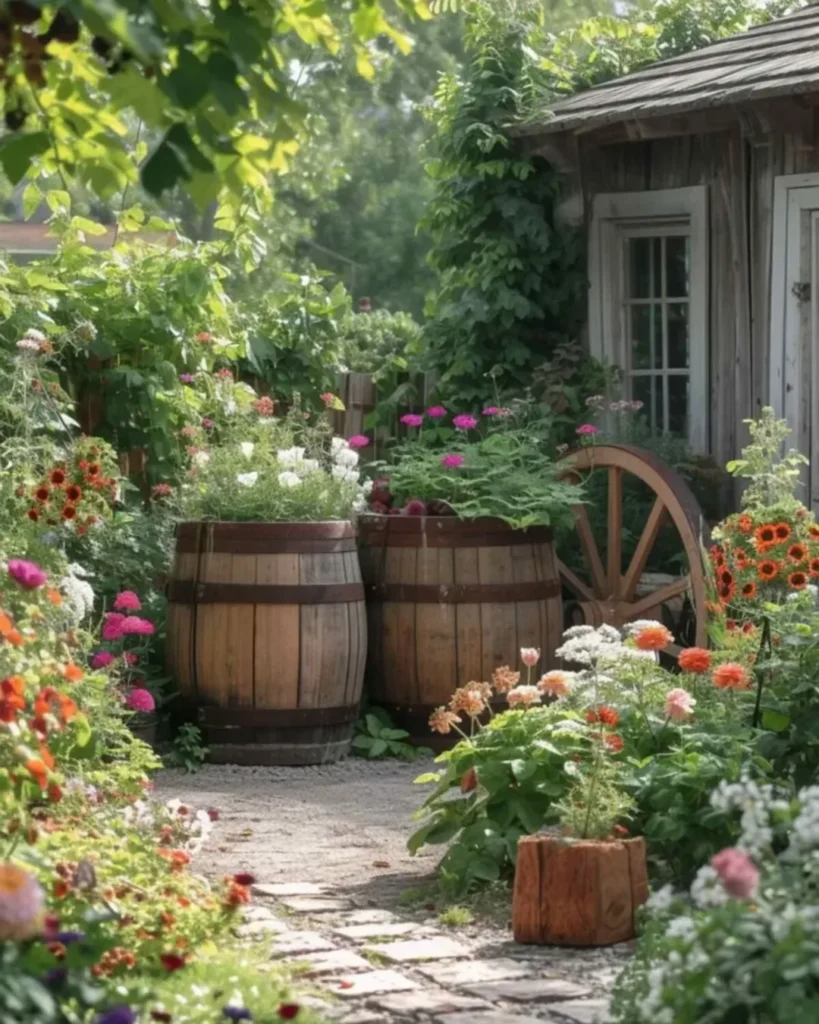
The Inspiration : Rustic garden nooks find inspiration from European farmhouse courtyards where time-coarsened wood, stone and wildflowers worked together as functional beauty. French potager gardens and English cottage traditions celebrated imperfection chipped pots, old wheelbarrows, salvaged materials whispered stories of generations past. This retro vibe is there for us in our moment of need, but also maintains a sense of nostalgia that harks back to simpler times: it pays homage to those sustainable practices of re using what we already have.
Why it Works : Country nooks turn neglected areas into inspired spaces with the help of thrifty materials such as reclaimed wood, galvanized buckets, and Old World crates. This method minimizes waste and results in character-filled areas that are personalized and genuine. The informal style offers mercy on imperfect plants and asymmetry when arranging them, which is a boon for the time-strapped gardener. Rustic touches merge sweetly with nature, tempering rigrid lines and guiding the eye from house to land. Research has proven that worn and weathered materials are more effective in reducing stress than sleek, polished modern looks. These corners get even more lovely with age flaking paint and moss growth don’t feel shabby, they add to the charm. There’s something about them that gives a garden a timeworn quality.
Pro Tip : Begin with one big anchor piece, such as a worn ladder, old wheelbarrow or tall pile of wooden crates. Surround it with smaller elements terracotta pots, watering cans, mason jars full of herbs. This layered look gives visual depth and helps keep the rustic theme from looking too busy.
eclectic garden corner
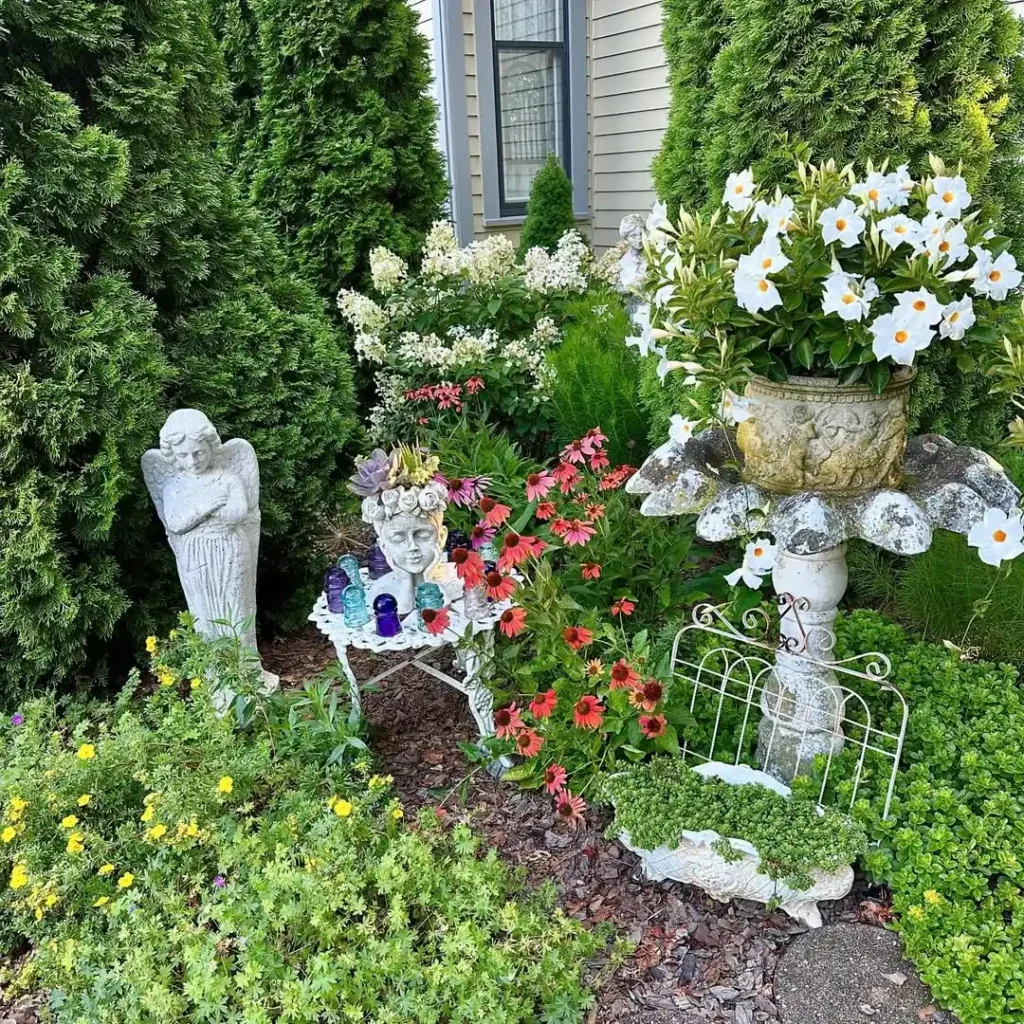
The Inspiration : Quirky garden nooks reflect the bohemian natural of artists’ studios and world travelers’ collections. Think Frida Kahlo’s colorful Casa Azul courtyard that mixed Mexican folk art with exotic plants, or Moroccan riads mixing Islamic tiles and Mediterranean greenery. This brave let’s try it and see how it goes combination glorifies personal taste above all else and turns gardens into open air galleries that mirror the unique journeys and discoveries of those who created them.
Why it Works : Eclectic spots relieve you of the need to match sets and serve as a design playground where you can play with contrasting colors, textures and styles. This sense of flexibility both underpins and encompasses: the house is inexpensive to decorate because you can accommodate thrift store finds, travel souvenirs and inherited pieces that would look vulgar in more mannered designs. The diverse visual rhythm ensures its corners remain interesting all year, with every element bringing something new to the surface. Studies have demonstrated that personalized spaces such as family photos displayed on a mantle or children’s artwork taped to a refrigerator can improve mood more than catalogue-perfect design. Salad bowl arrangements, too, beautifully mask garden imperfections — who can tell when you get uneven plant growth all of a sudden or the wrong plant takes off amid containers jumbled up so much they look like an accident. This look naturally takes shape as you accumulate pieces over the years, turning your corner into a living scrapbook of memories.
Pro Tip : Stick to the rule of three for cohesion: Have at least three colors, materials or shapes that are spread around your eclectic corner. For instance, use terracotta in pots, sculptures and decorative accessories; or echo blue around the space in painted furniture, clay tiles and flowering plants. This brings visual harmony to the joyous jumble.
purple flower spikes garden
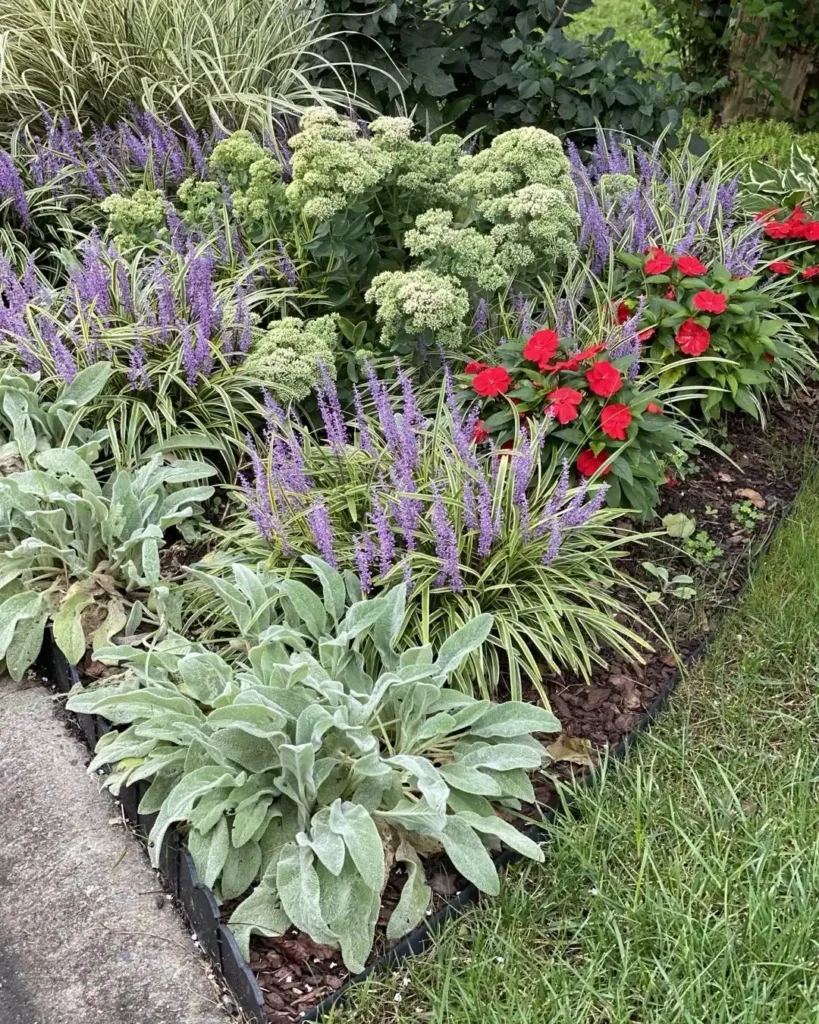
The Inspiration : Violet purple spikes mimic English lavender fields and Mediterranean hillsides, with the salvia, veronica and lupines that create epic swaths of available vertical drama. Monet’s architectural trumpets, which he painted from his Giverny garden, grew right above gaze level, and were colossal. Victorian gardeners loved spiky purples for their “upward aspiration,” convinced that tall plants would lift spirits and symbolize ambition, a tradition that resonates with today’s wellness gardens.
Why it Works : Vertical purple spikes provide dimension that flat flower beds lack, leading the eye upward and helping small spaces seem bigger. “If you deadhead, it blossoms nonstop,” Lencioni said. Plants like salvia, liatris and delphinium bloom for so long that you get reliable color from spring through fall with minimal deadheading. The cooler tones of purple visually recede, and in so doing, give a sense of depth perception, which in turn can make gardens appear as though they are larger. These flowers are pollinator magnets studies have shown that purple draws in bees and butterflies better than other colors, bolstering local ecosystems. The spiky shape lends a natural rhythm and movement, particularly beautiful as it sways in the breezes. Once established, the majority of purple spike varieties are drought-tolerant and will thrive in less-than-ideal soil conditions, serving as low-maintenance workhorses for gardeners who want big looks with minimal effort.
Pro Tip : Plant purple spikes in odd numbered clumps of three, five or seven for the most natural looking drifts. Stagger heights with this grouping of tall delphinium, medium salvia and short ajuga ground cover. This multi-stepped approach emulates the wildflower meadow while providing a succession of bloom as different types come into their peak over seasons.
Butterfly Haven garden
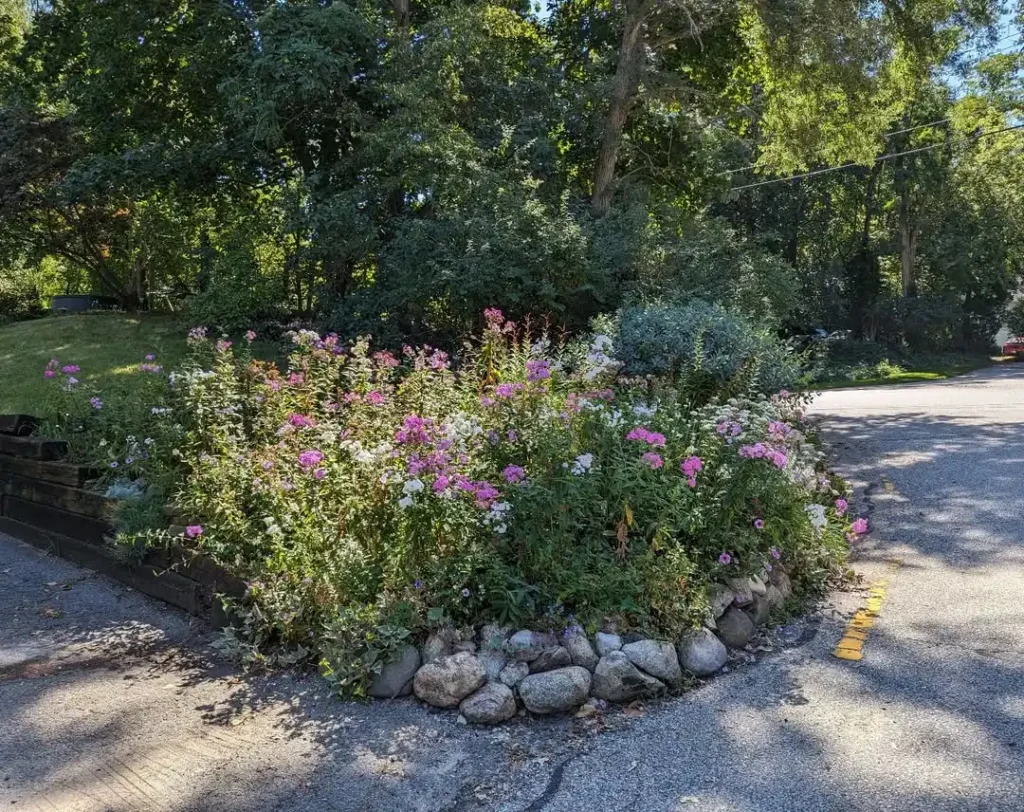
The Inspiration : Butterfly Haven gardens are rooted deep in heritage of early environmentalists like Dr George Mathew who made the first butterfly garden in Kerala; recognizing ecological importance of these pollinators. The idea marries artisan-inspired landscape design with naturalist-led Victorian traditions to create living sanctuaries where monarchs flit around the milkweed and swallowtails dapple upon sun warmed stones turning every backyard into a lively ecological refuge.
Why it Works : Dual purpose garden design is the secret to the success of Butterfly Haven gardens that allow all butterfly lifecycles. They mix nectar rich flowers , to feed adults with the necessary host plants milkweed for monarchs; parsley for swallowtails to survive as caterpillars. This diversity increases the efficiency of pollination and provides yearlong visual interest with sequential blooming. Cold-blooded butterflies regulate their body temperature by basking in the sun, making gardens located in sunny, wind-protected spots ideal. The emotional value is attesting directly to nature’s renaissance, and the practical benefits are improving garden pollination, controlling bug populations and planting perennials that make minimal demands on a gardener.
Pro Tip : Butterflies encounter host plants and nectar sources in clusters, rather than spreads of singles it’s easier to spot a color patch from the air. -Place flat stones in the sun to create basking spots for butterflies, and set aside areas for “messy” host plants such as fennel where they can munch without befouling your plantings.
decorated corner garden
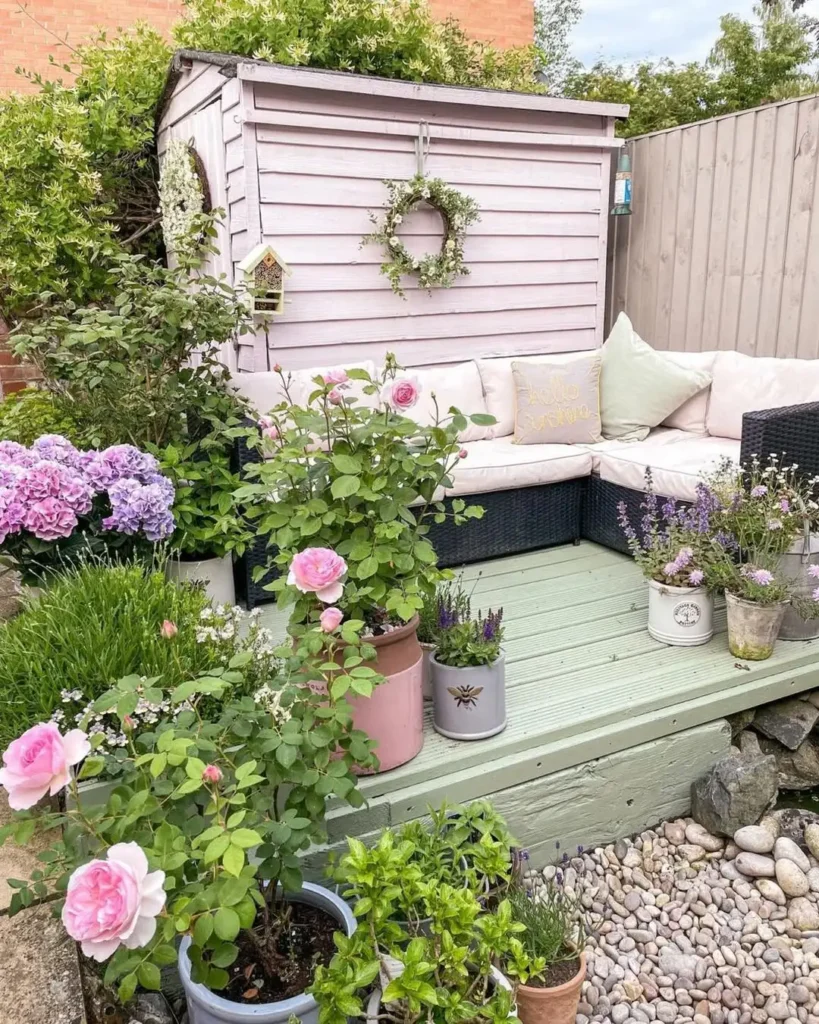
The Inspiration : A corner of a small garden is decorated in the style of cottage courtyards and diminutive European alley gardens, where every spare spot turns into a jewel box of color and texture. Think lanterns, stacked pots and trailing vines turning an overlooked nook into a secret retreat what it’s like to stumble upon your very own minuscule public square at home.
Why it Works : A festooned corner garden can transform dead space into busy, beautiful square footage, particularly useful if your outdoor area is not that big or you’re working with a balcony. It holds your eye a bit visually, so outdoor spaces look purposeful rather than just littered with stuff. Columns, stacked pots and trellises that stand out give height, depth and privacy while not requiring a great deal of ground space. Sharp lines and common materials unite disparate elements as a single vignette. Emotionally, it conjures the feeling of a “secret spot,” one that could lend itself to quiet coffee moments, evening fairy lights, or children’s play. And functionally, it can be planted with herbs, pollinator plants or shade-lovers: They all tend to take up more space than they do light. Even the most awkward corner can feel curated and alive.
Pro Tip : Begin with a single, powerful vertical anchor an obelisk, narrow trellis or tall potted shrub and then build downward in three layers: medium-size planters, ground covers and a small stool or lantern. Keep it to two main colors, one material and voilà! Takeaways: The corner is intentionally styled, not just visually loud or busy or like a toss-in.
perennial flowering corner garden
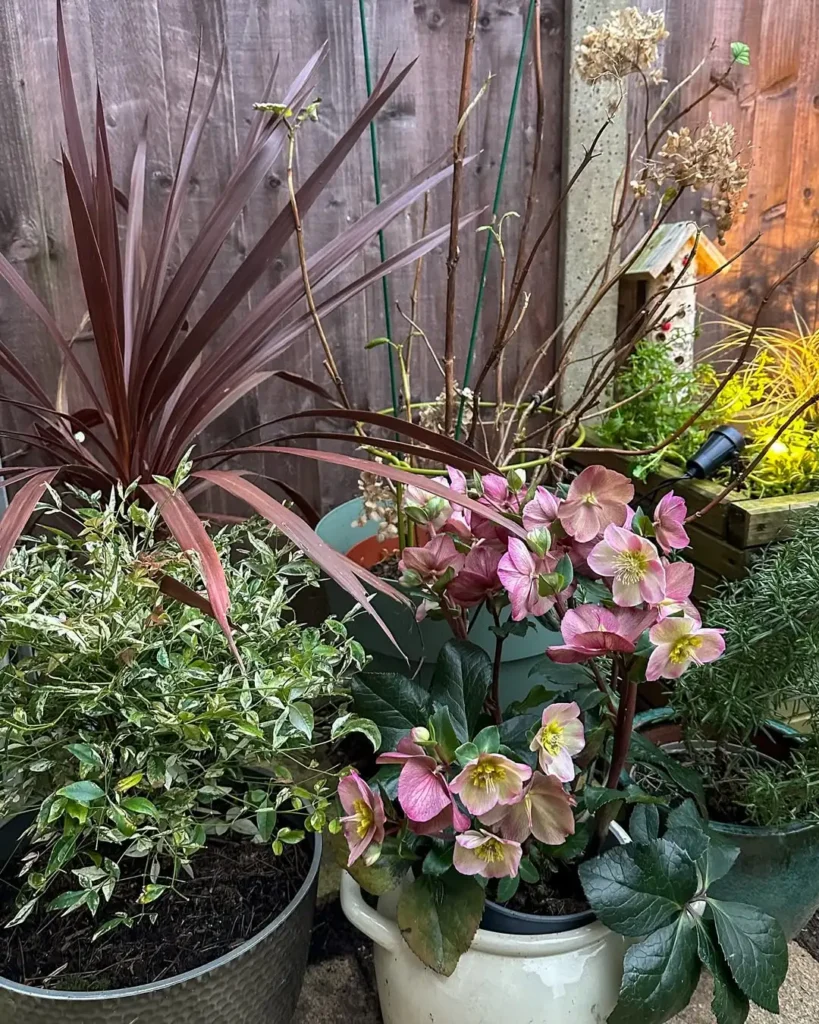
The Inspiration : A perennial corner flowering garden replicates the traditional English borders, with faithful loved ones who come back to visit each year. It’s a worn edge that has been made into a seasonal storybook, with peonies, salvias and daylilies abounding in layers that make one quiet corner of your garden into a reliable but ever changing stage for color and memorabilia.
Why it Works : A perennial flowering corner garden works because it offers long term beauty for relatively little effort each year. Once in, perennials return every year, lowering the cost and time of replanting and gradually spreading into larger drifts over time. Deep-rooted plants help create good soil structure and soil resilience, often better able to cope with heat and short dry spells than many annuals. Arranging tall perennials at the rear of the bed and shorter ones in front is a great way to maximize the vertical potential of a corner, resulting in a lush, three dimensional look. Emotionally, the reliable reappearance of favorite flowers in a favorite place establishes family rituals the first iris of spring followed by coneflowers through summer and transforms into a barely noticed corner an still life with living color.
Pro Tip : Select three to five main perennials that bloom at different times and use them in small drifts across the corner for rhythm. And plant at least one evergreen or grass for winter structure so the spot never looks empty, even when flowers fade; it helps to keep the corner visually grounded all year round.
elegant corner garden
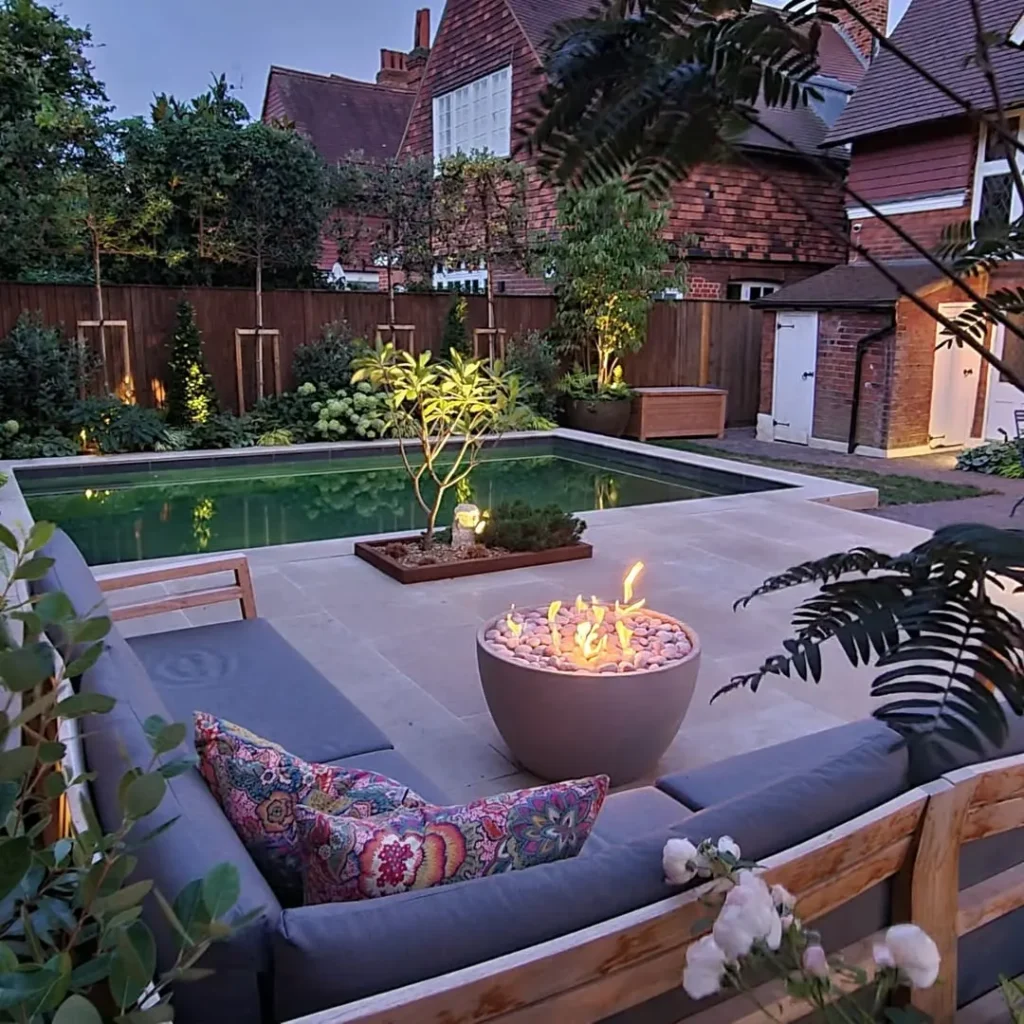
The Inspiration : A polished corner garden, steals its spirit from classical courtyards and Japanese pocket gardens, where every stone, leaf and line seems intentional. Not especially, and instead it’s a slip of an angle that becomes a quiet sculpture boxwood, clipped grasses out front, a single sweet pot murmuring luxury not through too much but through the right amount: balance, calm and control.
Why it Works : A well-done corner garden functions by bestowing clarity and order on a space that can often feel accidental or littered. Strong geometry sharp edging, repetitive shapes and a controlled plant palette immediately makes the corner feel designed, not leftover. Tall architectural plants, or clipped shrubs provide the vertical framework, ground covers and compact perennials fill in at ground level to create a multi-tiered, harmonious shape. Since the design is all about texture, foliage richness and some long blooming highlights, it looks good 12 months with little turnover. Emotionally, the quiet symmetry and negative space produce a tiny sanctuary that feels restful and timeless.
Pro Tip : Choose one visual “language” and remain faithful to it: either soft, flowing curves with feathery plants or crisp, straight lines with clipped forms. In that corner, repeat those same two or three plants and one hardscape material the eye will read it as a single, thoughtful composition rather than random gildings.
lush shade garden
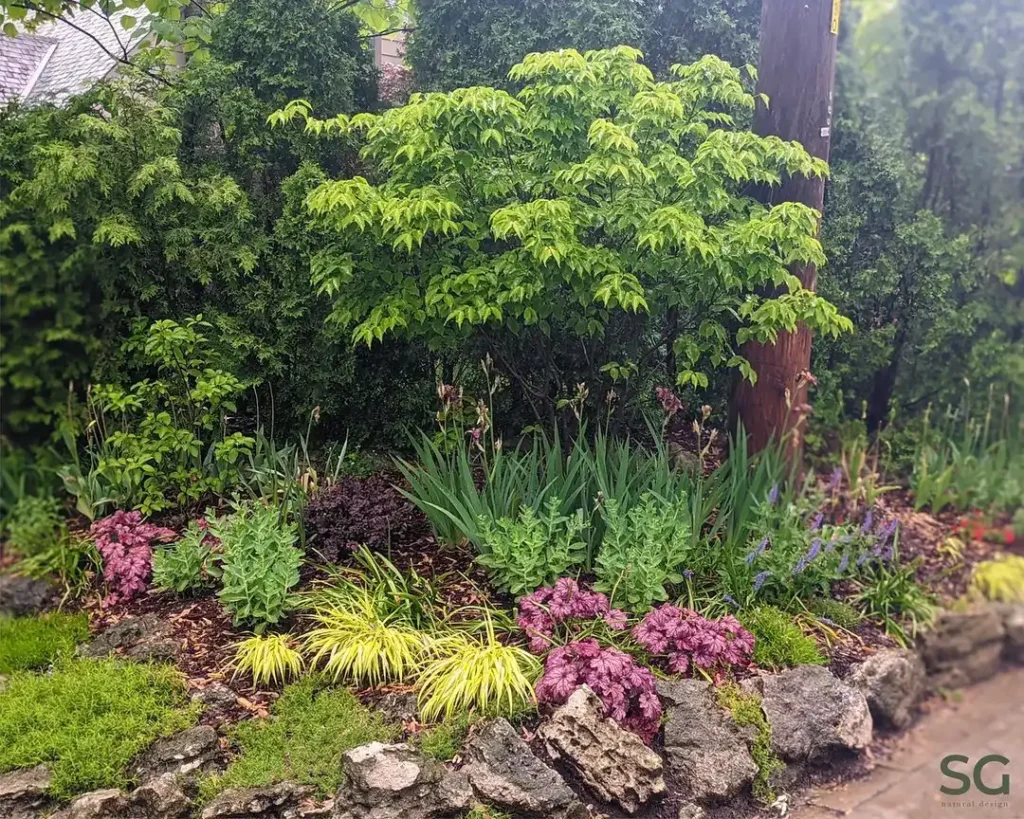
The Inspiration : A lush shade garden is forest floor-inspired: filtered light, mossy trunks and layered greens that read as instantly cooler and calmer. It turns “problem” dark areas into woodland getaways, with hostas, ferns and textured foliage that conjure monsoon damp paths; they’re like a secret hillside trail post-summer storm.
Why it Works : A dark shade garden is a lush one that embraces the low light rather than fighting it. The few hours of light available to shade-tolerant plants with big, deep-green leaves are hoovered up by those leaves, leaving sun lovers wilting. By growing thick, and with organic mulches to preserve soil moisture while preventing weeds, the more you grow them and thus the less you water and weed each season the better off it all becomes. Foliage-based design tromp l’oeil of leaf sizes, shapes and variegation keeps interest percolating even with fewer flowers. In regions where the weather is hot, shade gardens make cooler microclimates, allowing for better use of outdoor space. Emotionally, the deep greens, layered textures and pockets of dappled light conjure refuge and retreat, transforming forgotten nooks into restful sanctuaries.
Pro Tip
Before you stick a plant in a hole, observe the shade it will grow in for at least one week and then group plants by real light levels not guesses. Mix one bold “hero” plant with finer ferns and groundcovers, repeating them in drifts to form unified, truly lush-looking shade.
landscape corner garden
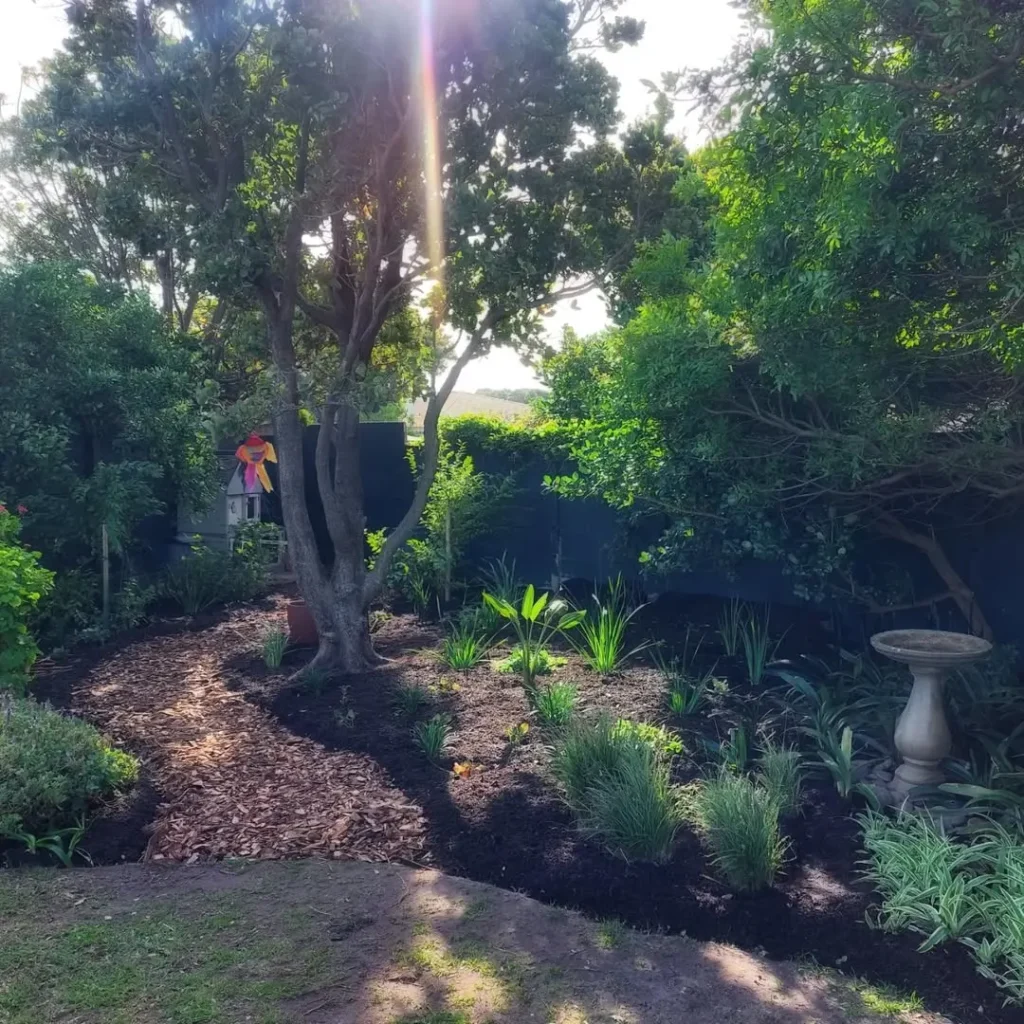
The Inspiration : A landscape corner garden takes its cues from park designers who pummel hard edges into softness with trees, shrubs and flowing lines. It takes a hard right turn into a mini landscape painting foreground, middle and background so that every view from the house is as though looking out at a framed but living horizon.
Why it Works : A landscape corner garden succeeds because it compacts an awkward, underused space into clear layers as at professional parks and estates. Tall shrubs or small trees hold the corner, mid height perennials and grasses fill in the middle and groundcovers reach outward, sewn together like some crazy quilt whose pattern blur the edges the size of a room. This form assists in hiding fences, utility lines or a neighbor’s wall whilst directing the eye to something beautiful and intentional. Curved bed edges and mirrored plant shapes encourage movement around the yard. Psychically, it shifts a visual dead end into something that feels like a place, and makes the entire garden seem bigger, more cohesive and carefully considered.
Pro Tip : Choose one “hero” anchor a small tree, tall grass or large shrub for the actual corner and ripple out in triangles, not straight lines. Set medium plants halfway between the edge, shortest to the front and use the same small handful of species on each side so that across a corner it feels balanced, not lopsided.
Sweet William plant
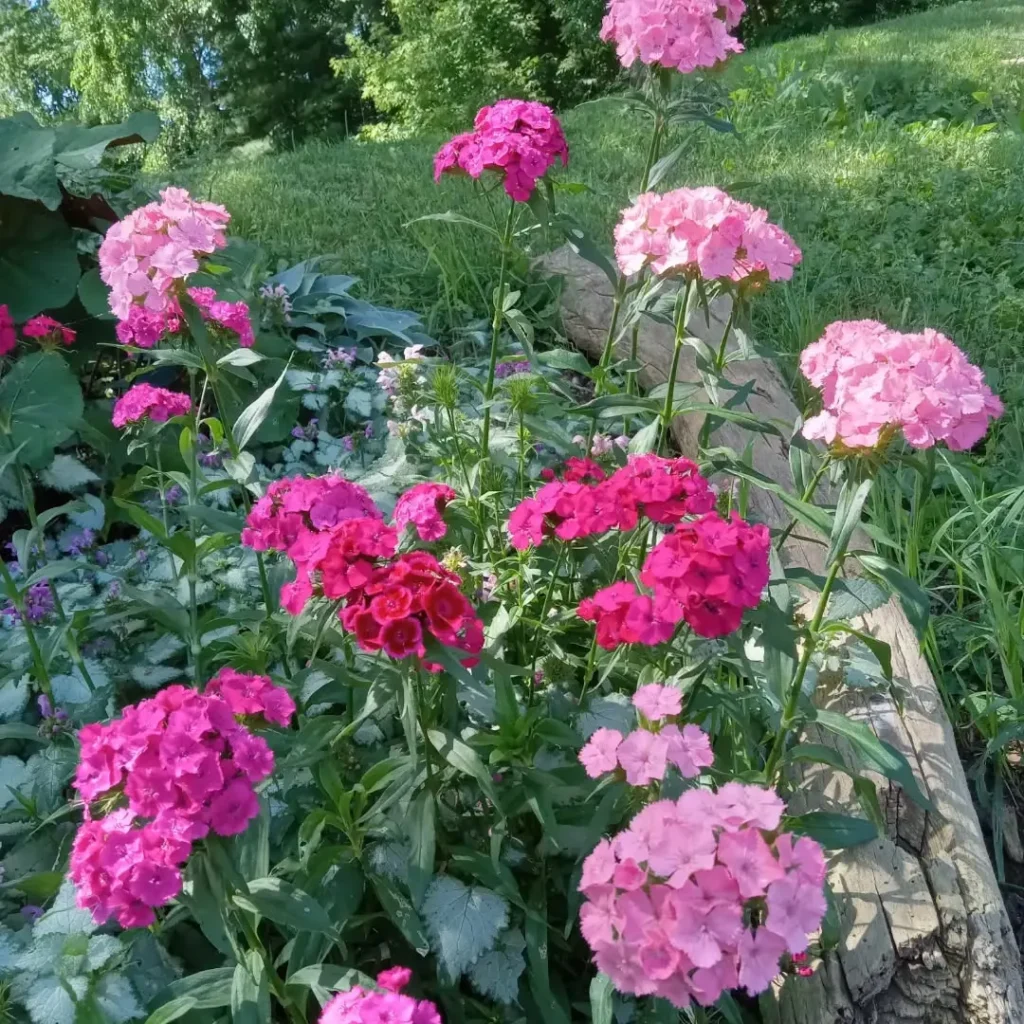
The Inspiration : Sweet William, which dates to at least a millennium ago from southern European mountains and boasts the vaguely mystical name in botanist John Gerard’s 1596 catalogue. The Athenians termed it “divine flower,” and grew it in Henry VIII’s gardens at Hampton Court. Its clustered, fringed flowers represent gallantry in the Victorian flower language and suggest cottage garden romance.
Why it Works : Sweet William is easy-to-grow biennial’s charming blooms provide vibrant color to garden borders and containers with little effort. And its tight flower clusters both attract bees, butterflies and birds which is perfect for pollinator gardens. The plant will also self seed, coming back up that season with no further planting. 1 It tolerates a wide range of conditions from full sun to partial shade, and can succeed in container culture and diverse garden types. Bake with flowers for added taste variety, and vivid aroma will lend a sensory aspect. Nostalgically, its old world charm and Victorian romanticism enrich the emotional connection and turn a mundane bed into a timeless wagon wheel of romance straight out of grandma’s farm house or the charming master suite from an old cottage.
Pro Tip : Sow seeds indoors 6 to 8 weeks prior to the last frost; lightly cover with a quarter inch of soil and germinate in about two weeks. Grow in slightly alkaline well-drained soil with lime added. Deadhead faded flowers to promote continued blooming, or let them go to seed and come back next year.
Rosette carner Garden
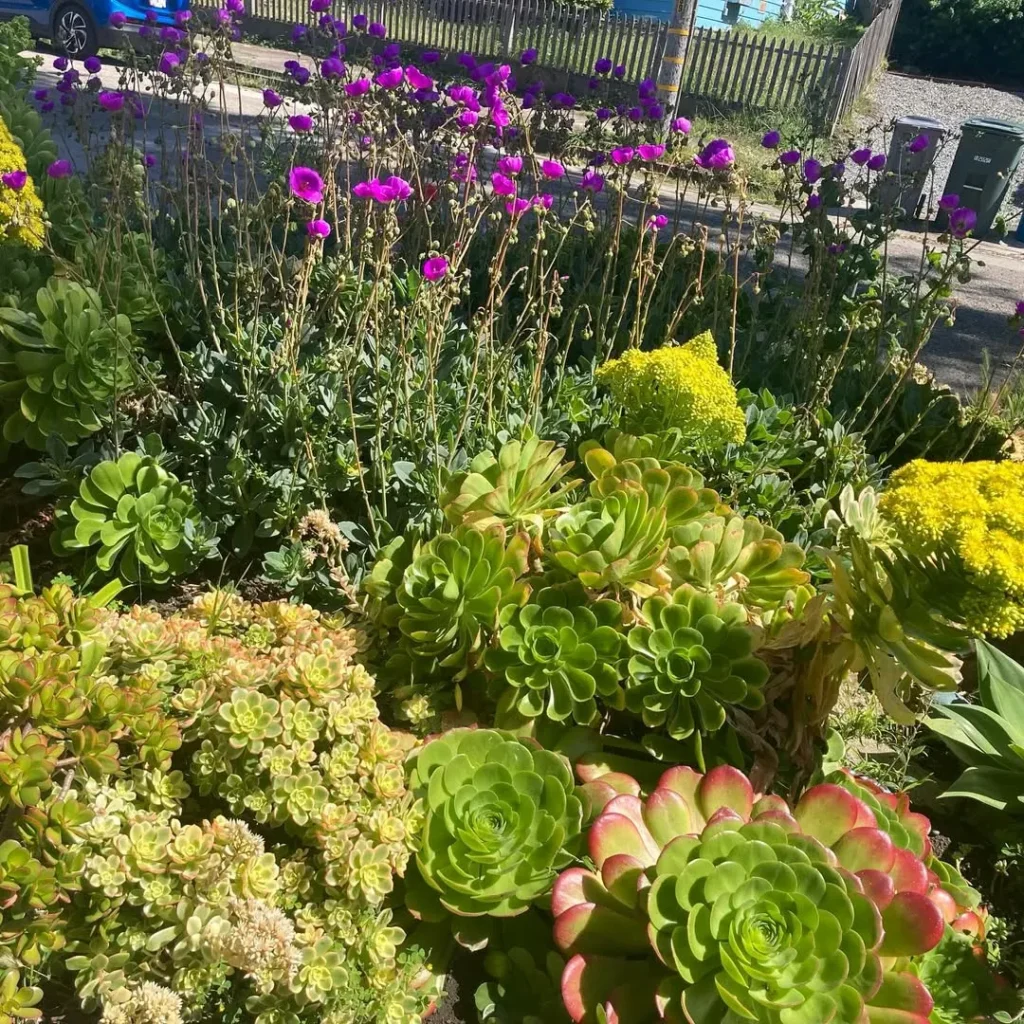
The Inspiration : Rosette corner garden Take the lead from succulent artisans and cottage gardeners who group plants with circular, petal shaped leaf patterns echeverias, sedums, hens and chicks into living bouquets. Frozen as they are in sculptural rosettes, like so many floral arrangements with the volume turned up to 11, then turned off completely, Cardenas’s forms become forget-me-nots that could take on wildflower arcs and desert minimalism at once.
Why it Works : A rosette corner garden works very well, however, as having maximum visual interest with minimal care. Rosettes of succulents are naturally mounded, spooning through rocks to shade younger leaves as the sun passes overhead, which cuts water and sunburn. Density Tightly packed plants leave no room for any gaps in the border, inhibit weeds, and create bouquet-like density without necessitating constant replanting. The mix of textures velvety echeverias, spiky agaves, cascading sedums bring year-round structural interest to even the smallest spaces. And because they’re drought-tolerant, they work well in those crusty corners of the yard where soil is poor or irrigation is scant. The sculptural rosettes are emotionally alive, with permanent “blooms” that are simultaneously so modern and so timeless.
Pro Tip : Fill a wide pan or corner bed three-quarters full with well-draining soil, then tuck in rosette succulents snugly root balls touching one another, added from center out so outer plants rest their “chins” on the rim and create a mounded effect. Plant at ten per square metre for all over coverage and to eliminate exposed soil once plants have established.
mulched corner garden
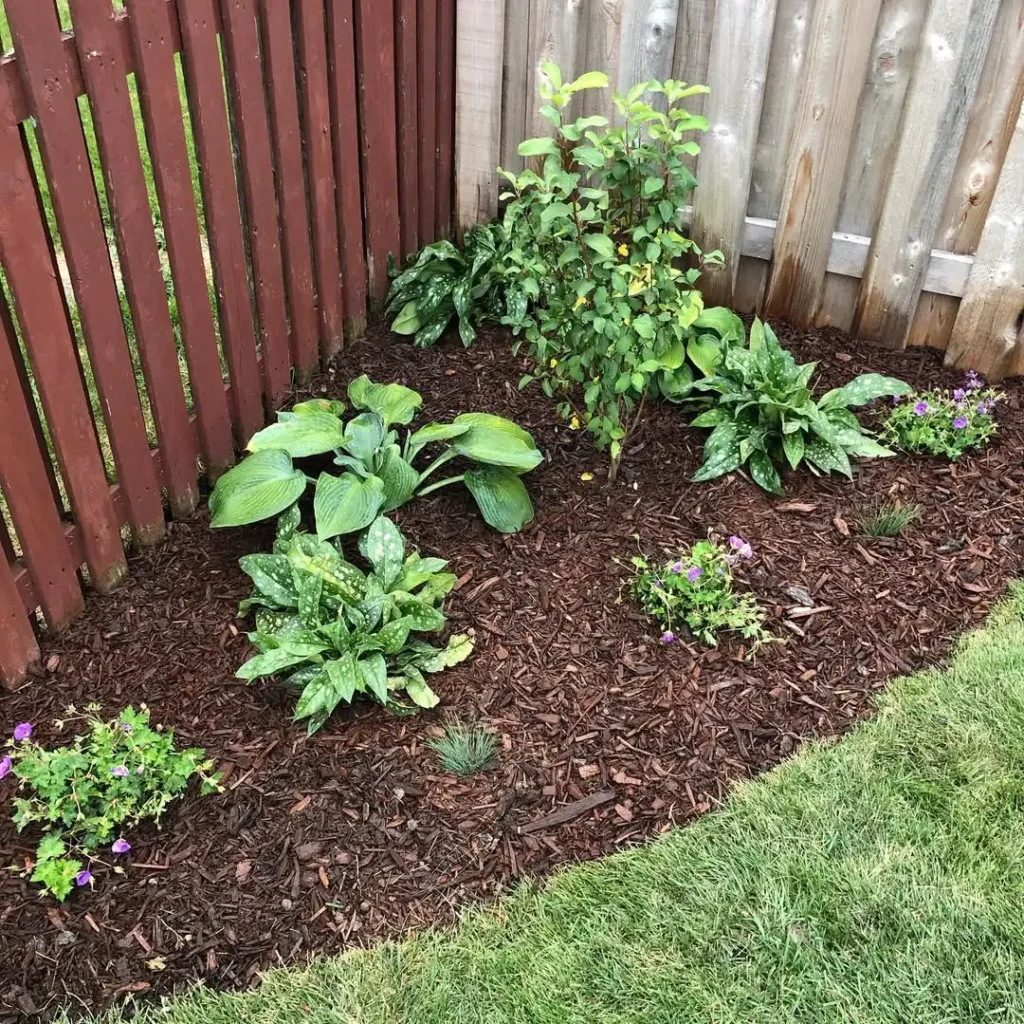
The Inspiration : A mulched corner garden takes inspiration from forest floors and Japanese zen gardens, where natural ground covers insulate roots and quiet the eye. It turns an afterthought of an angle into a neat, finished canvas plants emerging from wood chips or stone in the style of those on a pedestal, conjuring up woodland trail serenity.
Why it Works : A mulched corner garden operates on the principle that the best way to solve several problems is with just one layer. Mulch inhibits weeds by blocking light, saving time from weeding and has no need for harmful herbicides. It slows evaporation and water waste, reducing the watering frequency by up to 50%. Organic mulches, such as wood chips, decompose slowly, releasing nutrients and helping to build good soil structure. The uniform surface provides visual continuity, which is effective in helping mixed plantings look purposeful instead of chaotic, and in defining clean lines that distinguish garden beds from lawn or hardscape. Emotionally, the neat, natural texture feels tidy and maintained, so abandoned corners are turned into polished-garden rooms that look professionally attended.
Pro Tip : Add a 3-inch to 4-inch layer of mulch after planting (keep the mulch about two inches away from plant stems and tree trunks to avoid rot). Consider the shredded hardwood bark for slopes or pine straw for plants that like acidity, such as azaleas. Rejuvenate the surface once each year for continued weed control and appearance.
composted carner garden
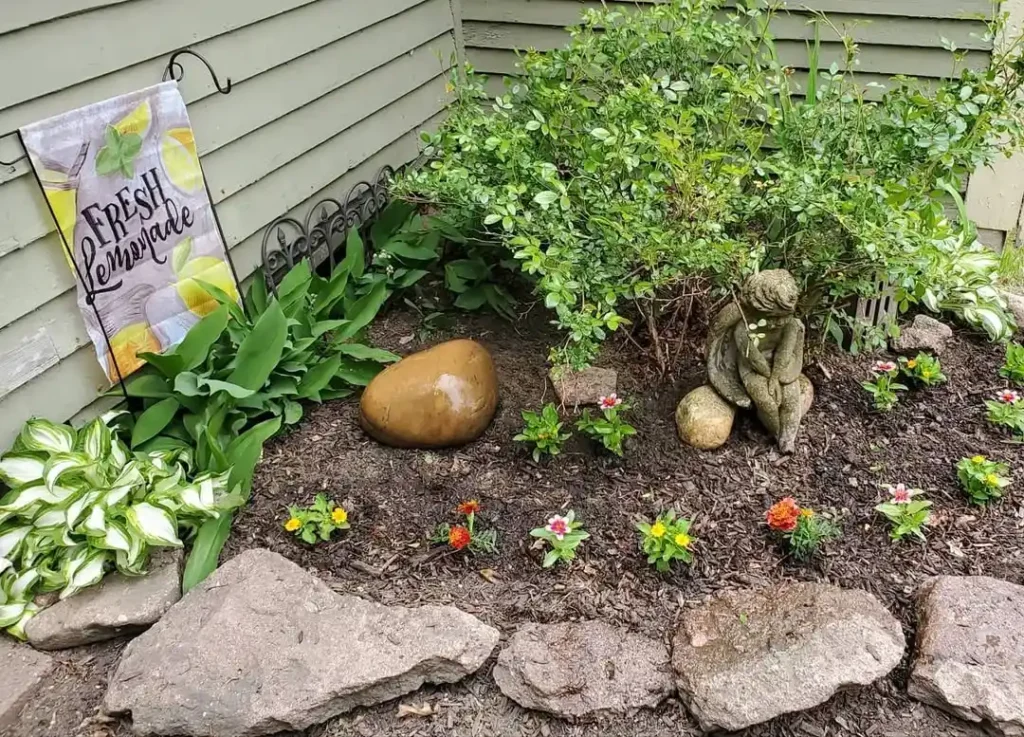
The Inspiration : A composted corner garden reflects age-old farming traditions, where kitchen waste and yard debris were transformed into valuable compost in secluded areas. It turns an often neglected space into a productive source of nutrients, where banana peels and fallen leaves break down into rich, dark humus paying homage to the principles of frugality, natural cycles, and soil restoration.
Why it Works : A composted corner garden functions by turning organic waste into high-quality soil enhancement while addressing waste disposal issues. Compost bins placed in corners conserve landfill space, lower methane emissions, and eliminate the need for purchased fertilizers. The resulting compost enhances soil structure, improves water retention, and increases microbial activity, thereby promoting plant health naturally without the use of chemicals. The corner location ensures that the decomposition process remains unobtrusive, making use of otherwise unused space while allowing easy access for kitchen waste and turning. This closed-loop system fosters self sufficiency nourishing gardens with their own waste while imparting lessons on sustainable practices. On an emotional level, caring for compost links gardeners to the natural cycles, transforming waste into growth and completing the cycle between consumption and creation.
Pro Tip : Combine “greens” (nitrogen-rich kitchen scraps, fresh grass clippings) with “browns” (carbon-rich dry leaves, cardboard) in equal proportions, ensuring the pile remains as moist as a squeezed sponge. Turn the compost every two weeks with a pitchfork to accelerate decomposition. Place your bin in a partially shaded area to avoid drying out, ensuring it has direct contact with the ground for earthworm access.
succulent corner garden
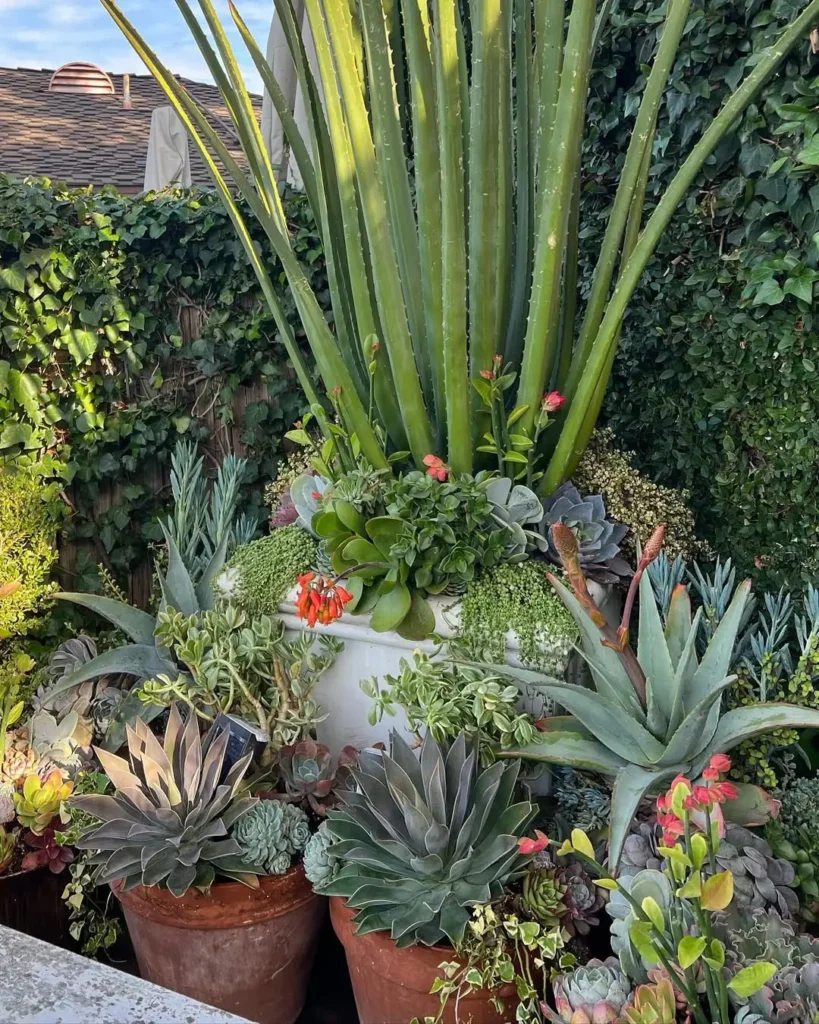
The Inspiration : A succulent corner garden draws from ancient desert survival wisdom and modern minimalist aesthetics. It transforms forgotten angles into living sculptures, where echeverias, sedums, and jade plants cluster like jeweled cabochons. Think California hillsides, Mexican rock gardens, and artisan terrariums resilient beauty thriving on neglect, proving that less water creates more drama.
Why it Works : A succulent corner garden excels through extreme drought tolerance and minimal maintenance requirements. Thick, water-storing leaves allow weeks between watering, surviving neglect that kills traditional plants. Shallow root systems thrive in poor, rocky soil where other plants fail, making them ideal for problem corners with limited depth or drainage. Their architectural forms rosettes, spikes, trailing stems create year-round sculptural interest without seasonal replanting. Propagation through leaf cuttings or offsets makes expansion nearly free. Pest and disease resistance eliminates chemical treatments. Emotionally, their alien beauty and forgiving nature build gardening confidence, transforming harsh, inhospitable corners into thriving displays that reward minimal effort with maximum visual impact.
Pro Tip : Mix fifty percent regular potting soil with fifty percent coarse sand or perlite for fast drainage that prevents root rot the number one succulent killer. Plant in morning sun locations with afternoon shade protection, especially in hot climates. Water deeply but infrequently, only when soil is completely dry two inches down, promoting strong root development.
climbing rose bush garden
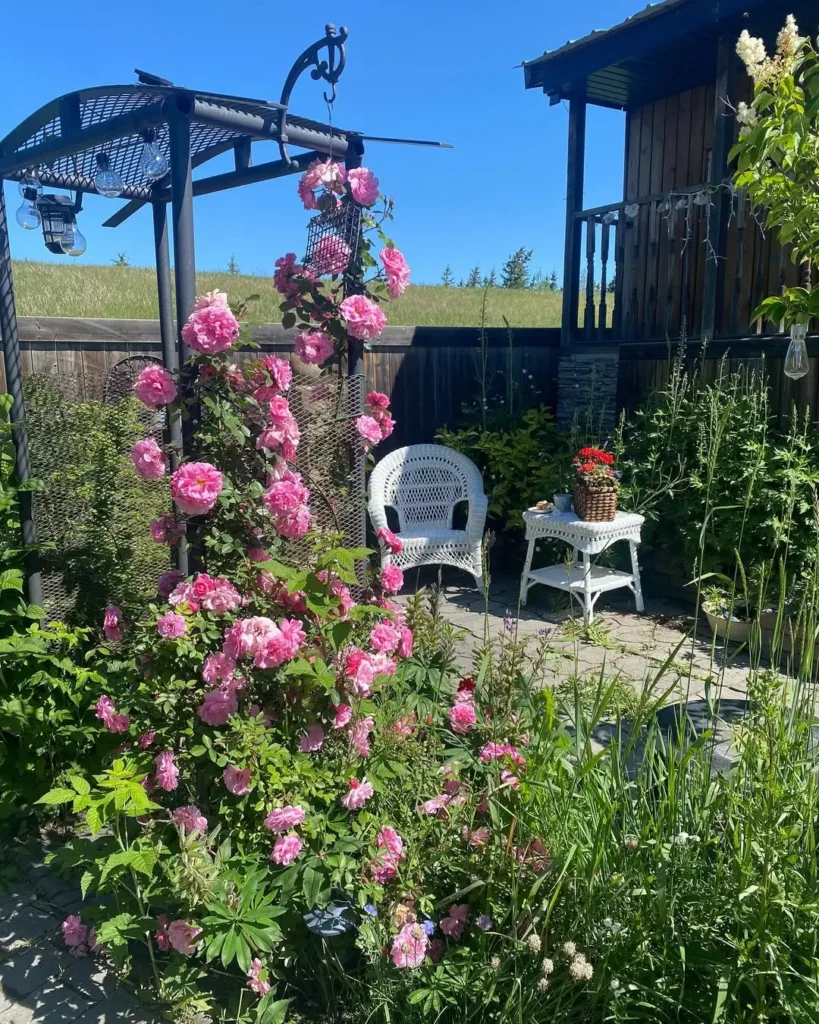
The Inspiration : Climbing roses turned the gardens of medieval monasteries into living tapestries, as blooms spilled over stone walls and archways. These vertical beauties offered a solution to space limitations and an addition of romance and fragrance. Victorian gardeners refined the technique, entwining roses through pergolas and trellises. Modern gardeners are now rediscovering this classic beauty and converting their fences into floral works of art that pay homage to country cottages and the old world charm of European countryside.
Why it Works : Rose and Climbing Rose Gardens Vertical growing spaces are topped up and overflowing with the heady fragrance of climbing roses. They are excellent privacy screens and produce prolific flowers from spring through to fall. The rose flowers are held on longer stems, yielding fewer flower clusters but improved air circulation which makes them resistant to disease like shrub roses. They soften hard edges of architecture and issues of design, they add the curb appeal that increases value. Their aroma scents the outdoors organically. Once installed, climbing roses take up virtually no space on the ground yet deliver a breathtaking theatrical display, which is handy for city garden where trellises and walls are key features or where you can use roses to create living garden rooms with flowery walls.
Pro Tip : Train new canes horizontally on supports not vertically up this stimulates more lateral growth and flowering side shoots. Tie canes with soft ties every 12-18 inches to form a gentle arch. This trick, known as “bending,” diverts growth hormones away from forming a single top bloom and toward creating multiple flower clusters, multiplying your display by three.
backyard vegetable garden
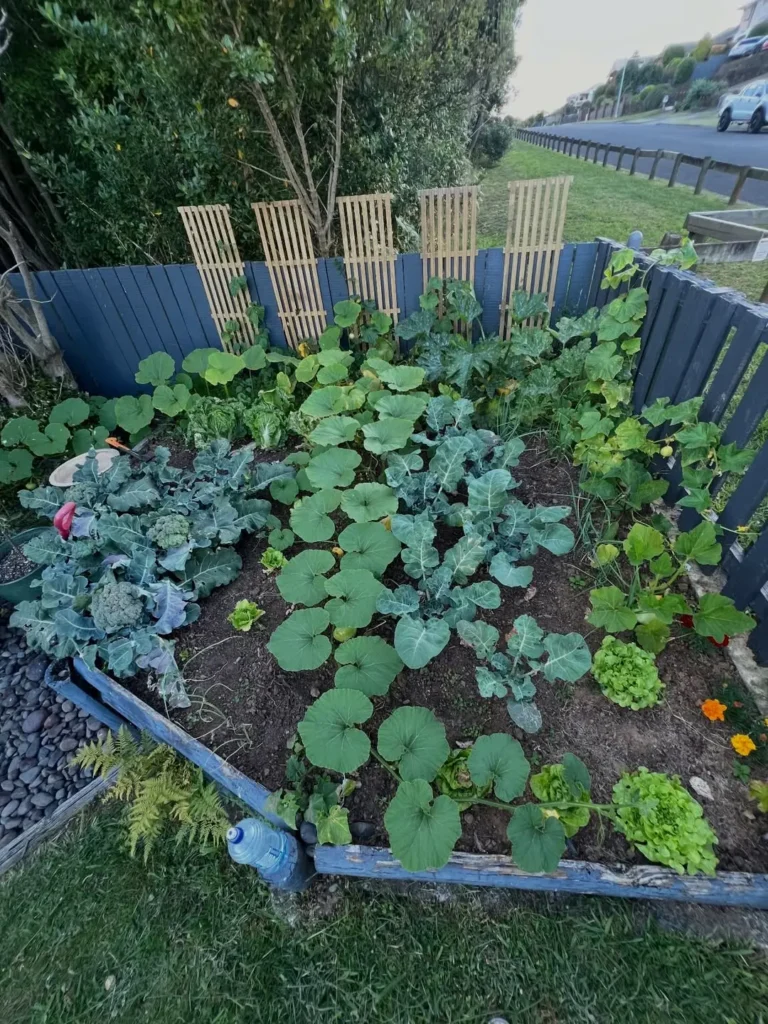
The Inspiration : During World Wars, victory gardens fed millions and made lawns productive. ICYMI: Today’s backyard vegetable gardens are the legacy of this self-sufficiency movement, generated by concerns about food quality and sustainability. Think of running outside for sun-warmed tomatoes or crisp lettuce a few minutes before dinner. Urban homesteaders and suburbanites are rediscovering the pleasantness of soil under their fingernails and basketfuls of homegrown bounty.
Why it Works : GROWS GREENER VEGGIES by up to 50% with no pesticides: You can also reduce your grocery bill makes fresh vegetables more accessible than ever, there are no water or herbicides full scale pressure of tank is perfect for pumping minor crops under trees or vines. They may be more nutritious than store-bought varieties (which lose vitamins during shipping and storage). Gardens enhance mental well-being by providing outdoor, stress-reducing physical activity. They help educate children about sources of food and responsibility. A 10×10 foot plot can easily produce $500-700 worth of vegetables a year. Environmental pros foraging Wild food literally follows the circular idea of using no packaging, having a lessened number of ‘food miles’ and supporting local pollinators. Gardens also enhance community bonding by sharing their harvests and exchanging knowledge.
Pro Tip : Begin with “anchor crops” that are sure to be a success cherry tomatoes, zucchini, lettuce and herbs like basil. Start with these surefire crops, then move on to more challenging vegetables once you have the basics down: watering schedules and soil preparation. This provides security that you’re getting something delicious even during your learning season.
well-designed small corner garden
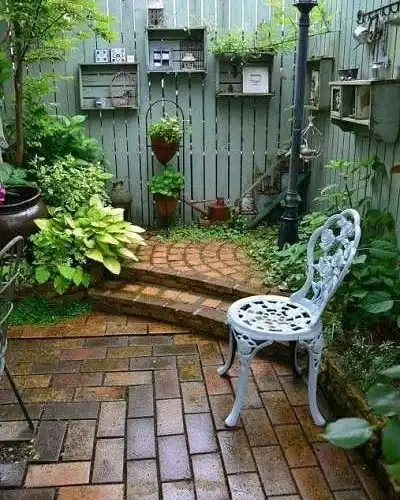
The Inspiration : Japanese tea gardens excelled at turning overlooked corners into contemplative retreats. These intimate zones showed how even the most forgotten corners could be turned into garden jewels. Modern urbanites have similarly limited spaces and realize that awkward corners where fence lines converge, patios finish are just wasted potential. A well pulled together corner garden transforms a dead zone into a lively focal point and elicits surprise and delight from unexpected quarters.
Why it Works : Corner gardens take advantage of otherwise wasted space that is hard to furnish or picture. The 90 degree angle offers natural support for vertical elements such as trellises or tall plants, and increases planting depth without taking up too much space in the yard. Corners with its various sun exposures throughout the day provide microclimates for different plant requirements. They pull your eye through the garden, providing visual interest and depth. Plantings at corners soften hard architectural lines, and form privacy screens at property edges. The tiny corners-they need no more than 4-6 plants-usually make the biggest difference in appearance on a much larger scale for entire outdoor spaces.
Pro Tip : In corners, employ the “thriller, filler, spiller” formula: plant one tall focal plant at the back corner point, surround it with shorter companions and trail plants over the edges. Basically, with this three-layer system, you can add some professional-looking depth and the corner looks like it was purposely designed rather than haphazardly accommodated.
residential corner garden
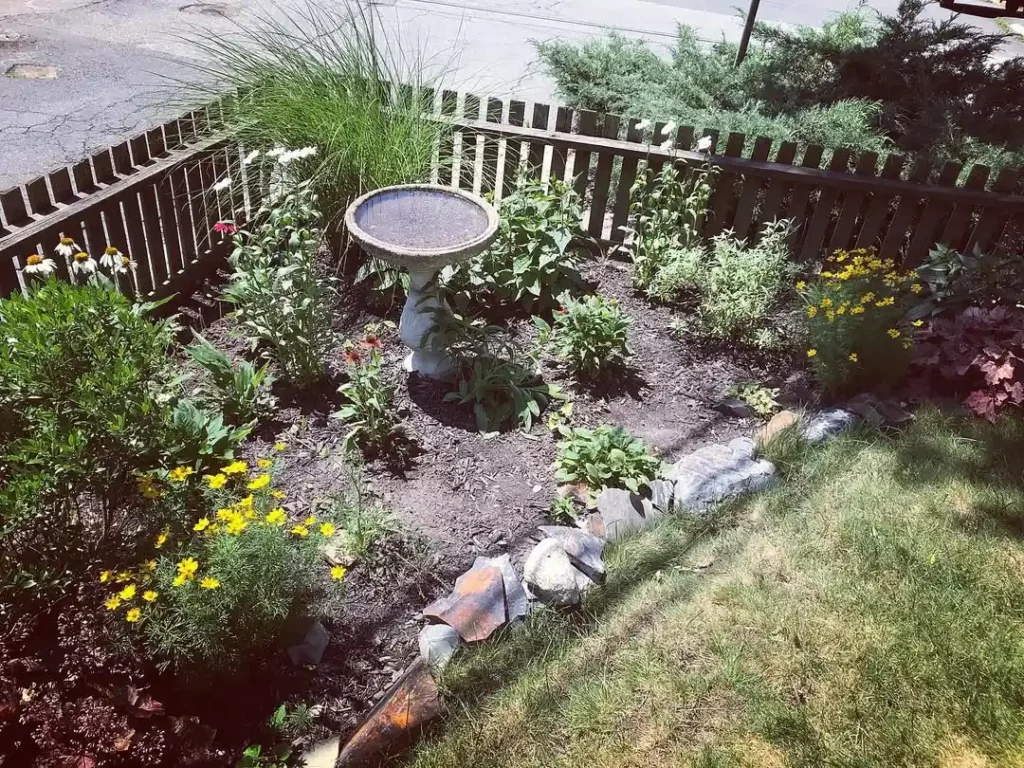
The Inspiration : English cottage gardens have historically blurred the harder transition points at a property’s edge, where homes meet streets, offering gentle matrimony between public and private. These were plantings that made a statement to everyone who passed by: “a gardener lives here.” The corner lots and street-facing homes of today owe something of a debt to this approach by turning unwieldy intersections into community anchors. A well-planted residential corner soothes the eye and becomes a gift to everyone bright, inviting, a conversation starter.
Why it Works : Homes with corner home gardens have 5-15% higher curb appeal and higher property value according to landscaping studies. They offer two sided beauty that can be seen from any direction for maximum appeal. Corner plantings act as buffers to street noise, filter dust and provide privacy without imposing heavy fences, which feel less than neighborly. They also solve the drainage problems often found at property corners and prevent erosion. They are also gentle markers of territorial boundary lines, using beauty instead of barriers to define space. Filling gardens in corner locations or along fence lines with sun-loving perennials and blooming shrubs also benefits from extra hours of daylight. Well-tended corner gardens inspire pride in the neighborhood and a sense of community.
Pro Tip : Select plants with year-round interest evergreen structure, seasonal flowers and winter berries because corner gardens are passed by all year. Layers between 6 inches and 5 feet, with the highest at the upper corner. Because of this, a graduated display can be achieved that looks purposeful from all angles by so prohibiting “flat” appearance”.
green metal garden
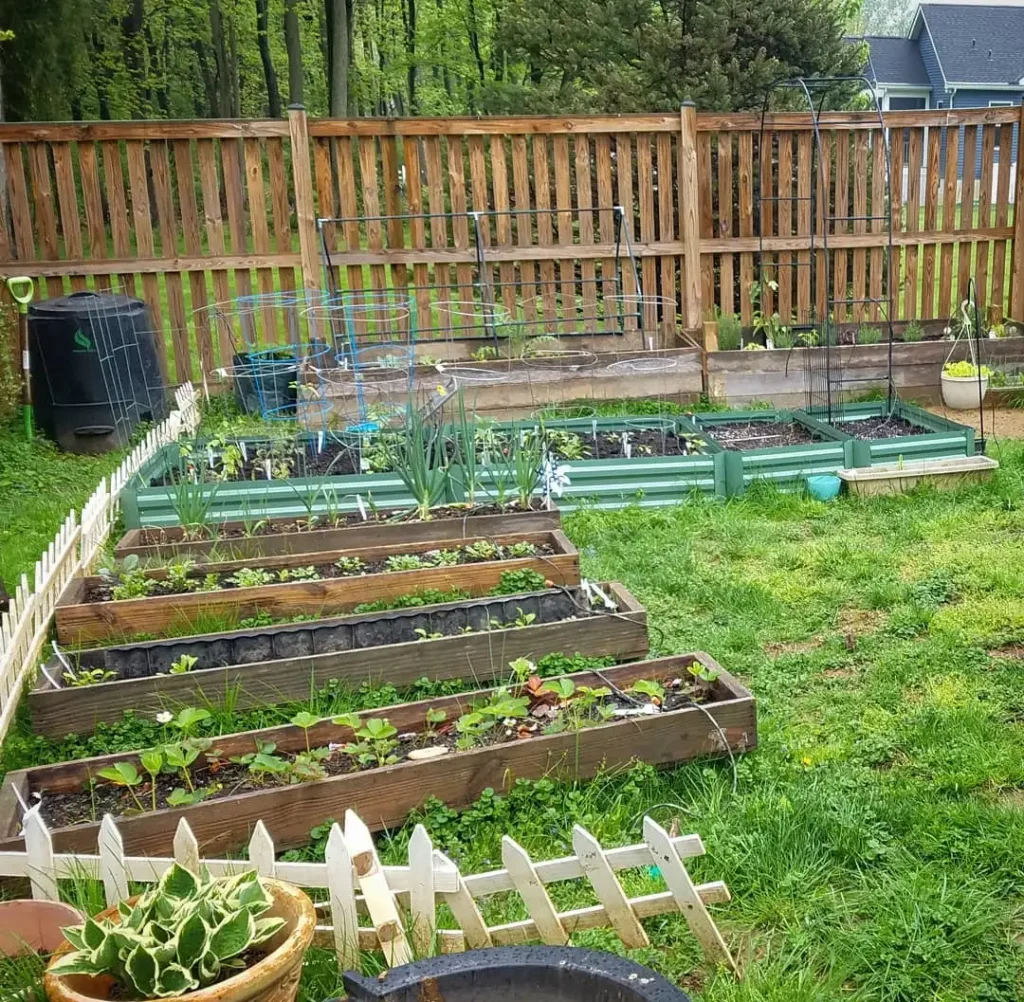
The Inspiration : Victorian ironwork ornamented botanical gardens with trellises and arbors painted emerald, camouflaging structural support within the living landscape. In French formal gardens the use of a patina on copper features often gives an overall balance between metallic and natural elements. Modern green metal gardens revive this tradition with powder-coated steel or natural weathering copper that forms structures that vanish into plantings yet stand as strong elements. The effect is at once industrial and organic.
Why it Works : Green metal garden structures disappear into the plantings for supported rather than distracting design. Green powder coated steel won’t rust and comes in color for 15,000-20,000 cycles. When climbing plants are used metal provides a much stronger support compared to wood. Green finishes cut down on glare and heat, preventing plant damage from reflected sunlight. Metal structures also require very little maintenance no rot, termites or annual staining. They are good for raised beds, trellises and edging because they crisply define spaces but look light in packaging. The psychology of color, and its impact on emotions is well known when it comes to green which is also the color that stimulates tranquility and a sense of balance.
Pro Tip : Opt for sage green or forest green powder coating instead of a bright lime one these colors age well and mimic the look of natural patina as plants grow in and show unique foliage colors. Coordinate your metal’s green undertone (warm olive, say, versus cool blue-green) with your existing plantings for a coherent look that also photographs well.
Vibrant Sunflower Garden
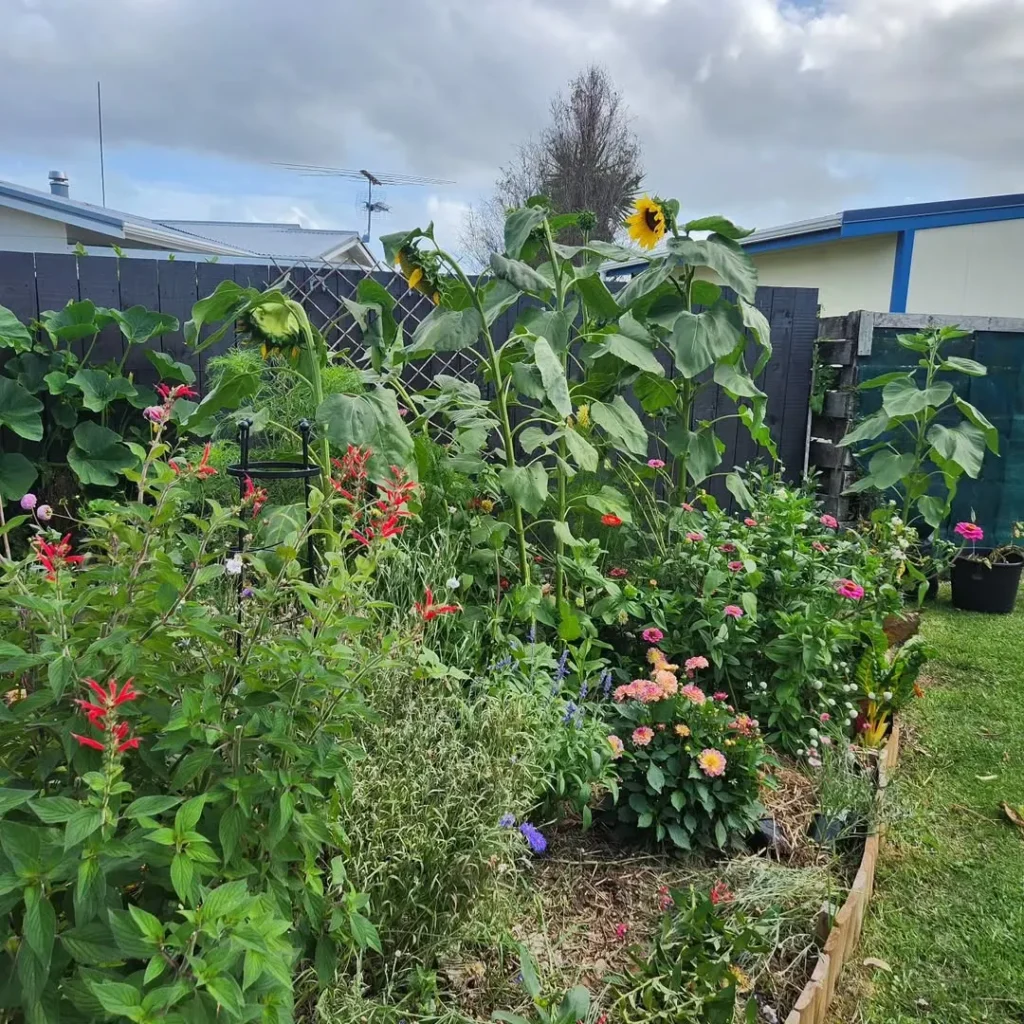
The Inspiration : The ability of sunflowers to lift spirits with their raw joy was famously captured in Van Gogh’s paintings of the flowers. Native Americans cultivated these solar trackers for hundreds of years, thanking them for the life-giving seeds and the heliotropic wonder. Kansas chose sunflowers to represent the state, in honor of its fields that lie like golden seas. A field of bright sunflowers is inspired by this same hopefulness, and becomes a living piece of art that moves with the sun, bringing smiles to our faces.
Why it Works : Sunflower gardens are a dramatic way to have a beautiful impact in your back yard with very little work growing takes minimal effort new growth will appear right before their eyes. They also draw pollinators like bees, butterflies and songbirds for high-protein seeds. Sunflowers also enhance soil by pulling nutrients from deep roots, as well providing natural compost material. They are tall enough to provide privacy screens and windbreaks up to 12 feet high. Research has even shown that the bright, symmetrical blooms of sunflowers make you happy and decrease stress. Once established, they’re drought-tolerant and can grow in infertile soil. A single packet of seeds is valued at less than $3 but in return produces more than two dozen flowers worth at least $50 as cut flower arrangements.
Pro Tip : Succession plant sunflowers every two weeks in spring to early summer to keep the blooms coming from July to October. Mix types plant tall ‘Mammoth’ ones in back, medium sized ’Autumn Beauty’ mid-garden and dwarf ‘Teddy Bear’ types up front. This results in constant waves of color and several harvesting opportunities for cut flowers.