
There exists a unique charm in a cottage vegetable garden that goes beyond simple food cultivation. Envision this: meandering pathways flanked by lush clusters of purple catmint, lively tomato plants ascending rustic wooden trellises, and joyful sunflowers swaying over patches of crisp lettuce and aromatic herbs. This encapsulates the spirit of cottage gardening where beauty and abundance merge in delightful unison. A cottage vegetable garden provides more than just fresh ingredients for your meals. It establishes a captivating outdoor sanctuary that nourishes both the body and the spirit. In contrast to the orderly rows of conventional vegetable gardens, cottage gardens adopt a laid back, romantic style where vegetables coexist harmoniously with flowers, herbs, and decorative plants. This philosophy transforms your garden into a destination rather than merely a task.
enclosed vegetable garden
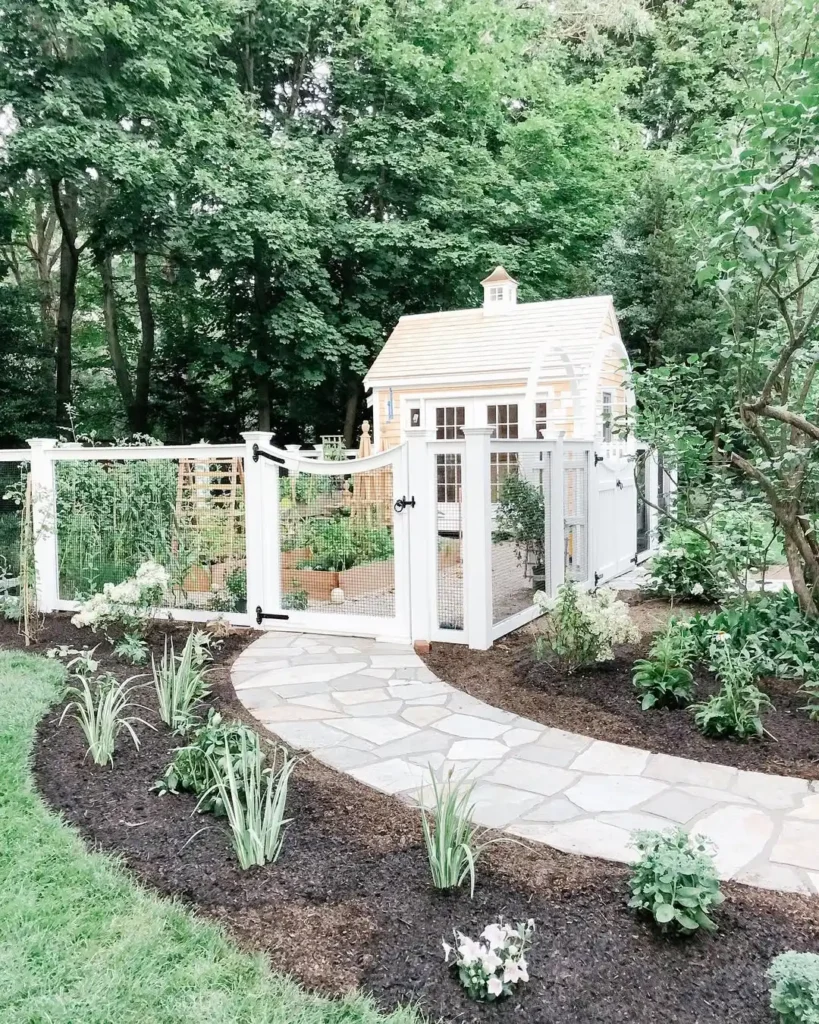
The Inspiration : The concept of a walled vegetable garden originates from traditional kitchen gardens, which were safeguarded by brick walls, wattle fences, or neatly trimmed hedges. In these spaces, food, flowers, and delightful scents were cherished within a hidden green sanctuary. It evokes the sensation of entering a personal refuge, a living pantry enveloped in protection, security, and thoughtful purpose.
Why it Works : Enclosed vegetable gardens are effective because their boundaries establish microclimates that shield crops from severe winds, foraging wildlife, and neighborhood pets, while also prolonging the growing season. Walls, fences, or hedges provide vertical space for climbing plants, thereby maximizing yield in limited areas and enhancing organization. Clearly defined borders facilitate the management of irrigation, crop rotation, and soil maintenance over time. On an emotional level, an enclosed garden plot resembles a retreat an intentional, nurtured space that is distinct from everyday chaos. This feeling of “stepping inside” encourages gardeners to maintain consistency, transforming upkeep into a ritual rather than a task, which ultimately results in healthier plants and more abundant harvests.
Pro Tip : Select your enclosure with both functionality and ambiance in mind: pair a sturdy windbreak on the side most exposed to wind with open lattice or mesh on other sides to allow for airflow. Incorporate a simple gate adorned with an arch and climbing plants; this modest entryway psychologically “invites” frequent visits, which is the true key to flourishing vegetables.
several raised beds Garden
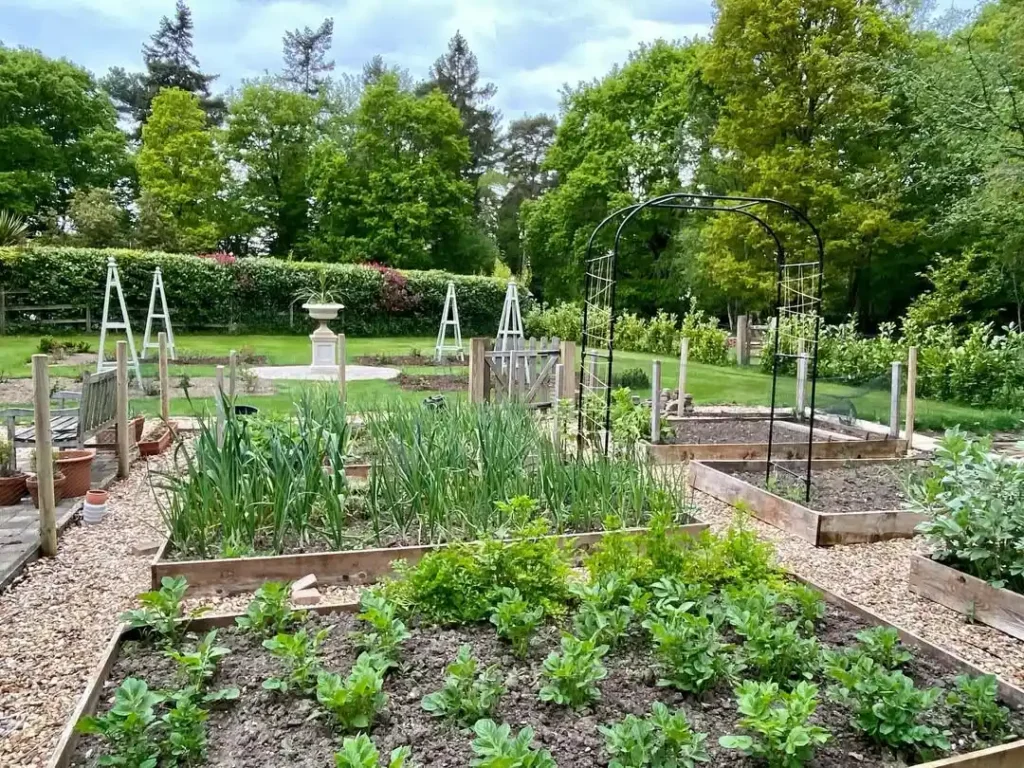
The Inspiration : The concept of multiple raised beds in a garden reflects the traditional layouts of old monastery gardens and potagers, where orderly rectangles brimmed with vegetables, herbs, and flowers, with each bed representing a meticulously curated ecosystem. Gardeners appreciate the pleasing geometry: timber frames, gravel pathways, and vibrant greenery, resembling a living patchwork quilt that one can enter and harvest from.
Why it Works : Multiple raised beds are effective as they establish distinct, manageable areas where soil quality, moisture levels, and crop rotation can be more easily controlled and optimized. Organizing crops according to their requirements minimizes disease transmission and soil compaction while facilitating intensive planting for greater yields in limited spaces. Clearly defined paths help avoid trampling, making maintenance more convenient and accessible, particularly for individuals with mobility challenges. Aesthetically, the arrangement conveys a sense of calm and purpose, transforming an empty yard into a wel -ordered, productive landscape. This feeling of organization enhances motivation, encouraging gardeners to remain engaged, experiment with confidence, and foster a deeper connection to the food they cultivate.
Pro Tip : Construct all beds to a uniform width generally around 1.2 meters so that you can easily reach the center from either side without stepping on the soil. Standardizing dimensions streamlines the use of netting, irrigation, and row covers, allows for the reuse of boards or hardware across different beds, and simplifies the planning of efficient crop rotations year after year.
white framed greenhouse
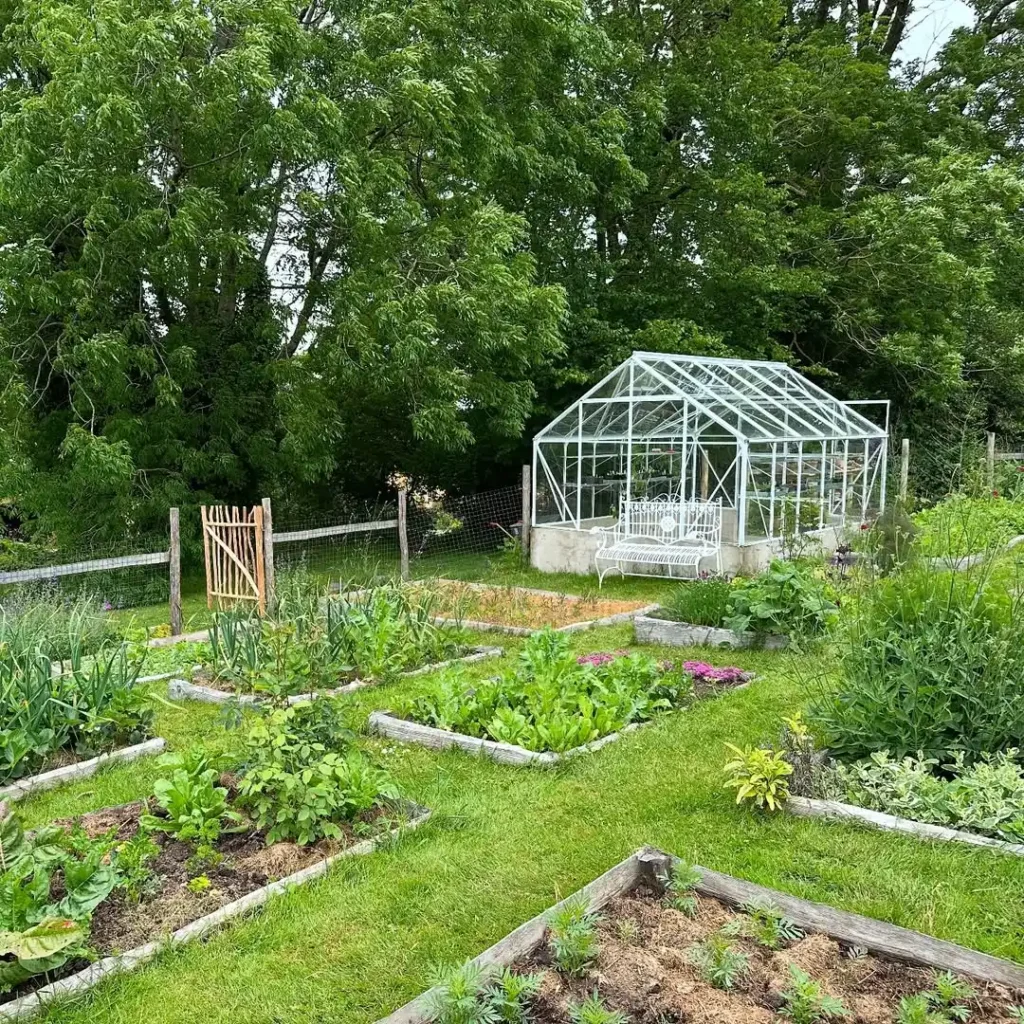
The Inspiration : White framed greenhouses draw their elegance from the Victorian glasshouses of the 1800s, where crisp white paint embellished cast iron structures such as London’s Crystal Palace. The choice of color was not solely for aesthetics gardeners found that white frames captured and reflected valuable light, fostering luminous environments where exotic plants thrived. This tradition continues to enchant contemporary gardeners in search of timeless beauty.
Why it Works : White frames are exceptional at managing light by reflecting sunlight throughout the greenhouse’s interior, enveloping plants in diffused illumination instead of absorbing heat like darker hues. This reflection aids in temperature regulation, preventing overheating in warm climates while optimizing light exposure for photosynthesis. The bright surface ensures uniform light distribution, eradicating harsh shadows and guaranteeing that all plants receive sufficient energy. White frames also beautifully highlight the natural colors of plants, creating a sense of spaciousness and openness. Furthermore, white harmonizes with any garden style from quaint cottage aesthetics to sleek modern minimalism while enhancing property value through its classic, lasting appeal.
Pro Tip : Annually apply a plant-safe wood preservative such as linseed or tung oil to white wooden frames, concentrating on the lower sections where moisture tends to accumulate. Clean the panels seasonally with an oxygen bleach solution to ensure maximum light transmission. Plan frame treatment during dry spring or early autumn conditions for optimal absorption and protection against decay.
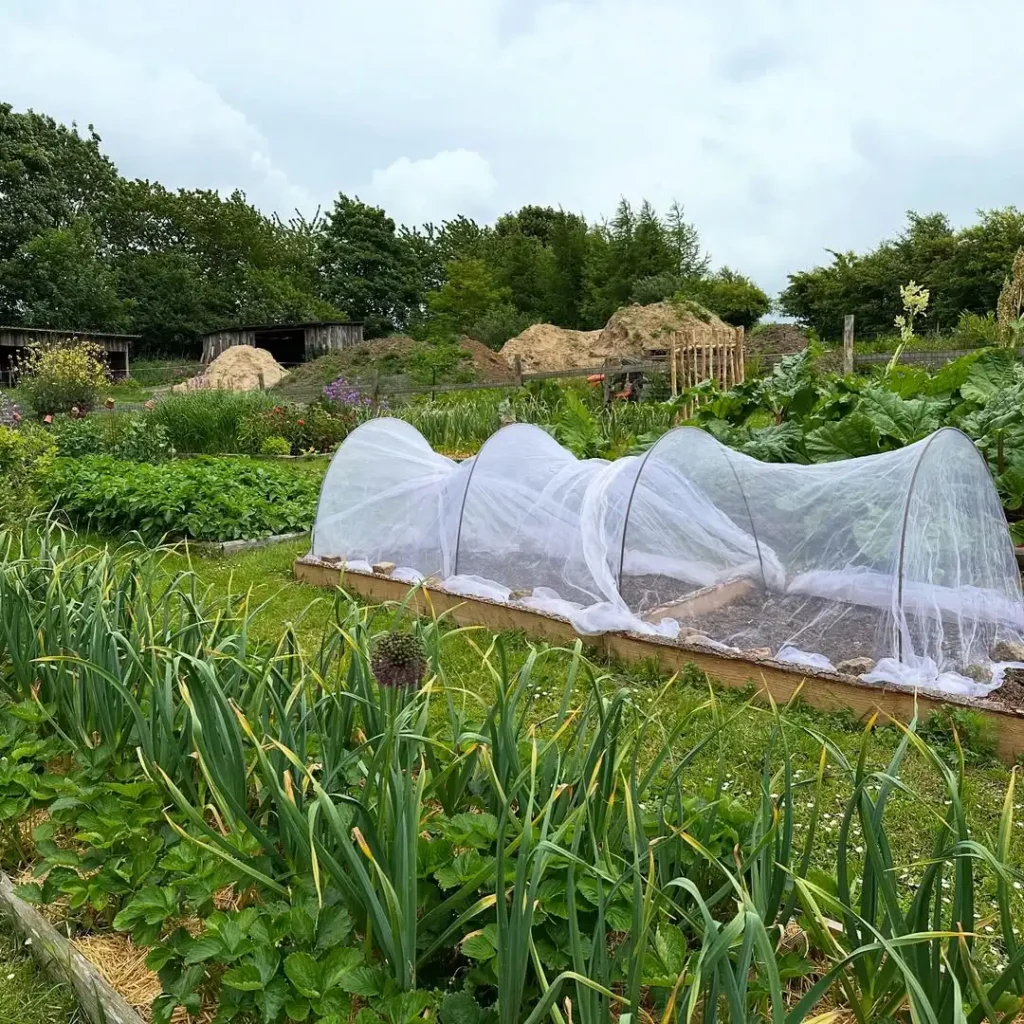
raised beds Garden
The Inspiration : White framed greenhouses draw their elegance from the Victorian glasshouses of the 1800s, where crisp white paint adorned cast-iron structures such as London’s Crystal Palace. The choice of color was not solely for aesthetics—gardeners found that white frames captured and reflected valuable light, creating bright environments where exotic plants thrived. This tradition continues to enchant contemporary gardeners in search of timeless beauty.
Why it Works : White frames are exceptional at managing light by reflecting sunlight throughout the greenhouse’s interior, enveloping plants in diffused light rather than absorbing heat as darker colors do. This reflection aids in temperature regulation, preventing overheating in warm climates while maximizing light availability for photosynthesis. The bright surface ensures uniform light distribution, eliminating harsh shadows and guaranteeing that all plants receive sufficient energy. White frames also beautifully highlight the natural colors of plants, making the space appear larger and more open. Furthermore, white complements any garden style from cottage charm to modern minimalism—while enhancing property value through its classic, enduring appeal.
Pro Tip : Annually apply a plant safe wood preservative such as linseed or tung oil to white wooden frames, concentrating on the lower sections where moisture tends to accumulate. Clean the panels seasonally with an oxygen bleach solution to ensure maximum light transmission. Schedule frame treatment during dry spring or early autumn weather for optimal absorption and protection against rot.
active backyard vegetable garden
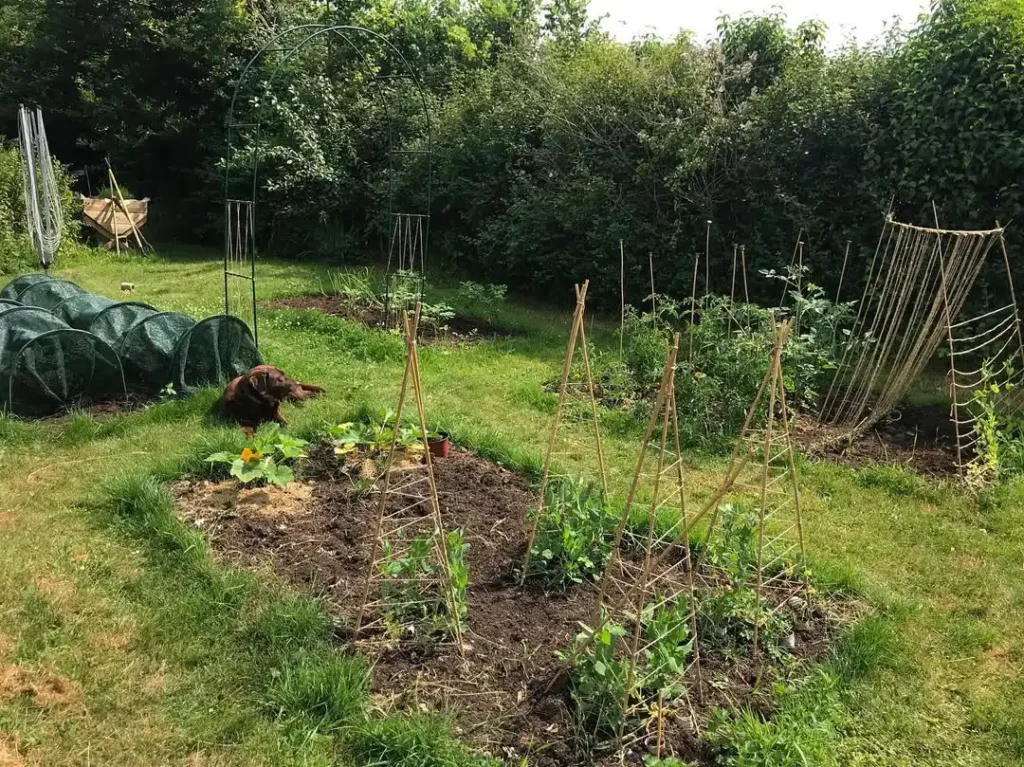
The Inspiration : A vibrant backyard vegetable garden evokes the nostalgia of the kitchen plots our grandparents depended on, where meals commenced at the back door. Each seed symbolizes a small promise, enticing you outdoors each day to water, observe, and harvest, transforming mundane evenings into delightful, sunlit rituals filled with color, aroma, and taste.
Why it Works: A vibrant backyard vegetable garden converts unused lawn into a fruitful area, reducing grocery expenses while providing fresher, more nutrient-rich produce than what is available in stores. Regular maintenance watering, staking, and harvesting ensures healthier plants by identifying pests and diseases early. The short distance from garden to kitchen minimizes waste, as you only gather what you require. Frequent outdoor visits enhance physical activity, sunlight exposure, and stress relief in a more gentle manner than a structured workout. Children and visitors witness the entire journey of food, from seed to plate, often fostering healthier eating habits. Over time, the garden evolves into a stabilizing routine that marks seasons, celebrations, and cherished family memories.
Pro Tip : Plan your garden beds based on your weekly meals: identify five favorite recipes, then plant essential ingredients in ample, repeating clusters near your most frequented path. Position high-maintenance crops closest to your home and water source, ensuring that quick five-minute check-ins occur naturally whenever you step outside for other activities.
The Woven Garden
The Inspiration : The woven garden revitalizes age-old wattle craftsmanship from Neolithic Britain, where pliable willow branches were intertwined to form fences, shelters, and living boundaries. Craftsmen realized these constructions could take root and flourish, turning lifeless branches into lush archways and hedges. It is architecture that breathes, blending basketry heritage with garden enchantment.
Why it Works : Woven garden constructions merge artistry and utility through living willow that embeds directly into the earth, forming self-sustaining screens, arbors, and whimsical dens that require no nails or hardware. The lattice pattern enables new growth to merge organically, thickening over the seasons while offering immediate definition to garden areas. These structures soften harsh edges, gently filter wind, and attract beneficial wildlife through varied branching habitats. Emotionally, observing your fence sprout leaves links you to ancient coppicing practices that have endured for millennia. The adaptable, forgiving method invites novices while yielding sculptural elements that age beautifully, changing shape with simple summer pruning.
Pro Tip : Position willow rods at forty-five-degree angles in opposing directions, spacing them twenty-five centimeters apart, and inserting each at least thirty centimeters deep using a screwdriver to create pilot holes. Secure crossover points with biodegradable string to promote natural grafting where stems meet, resulting in stronger joints as the structure develops.
unripe green tomatoes
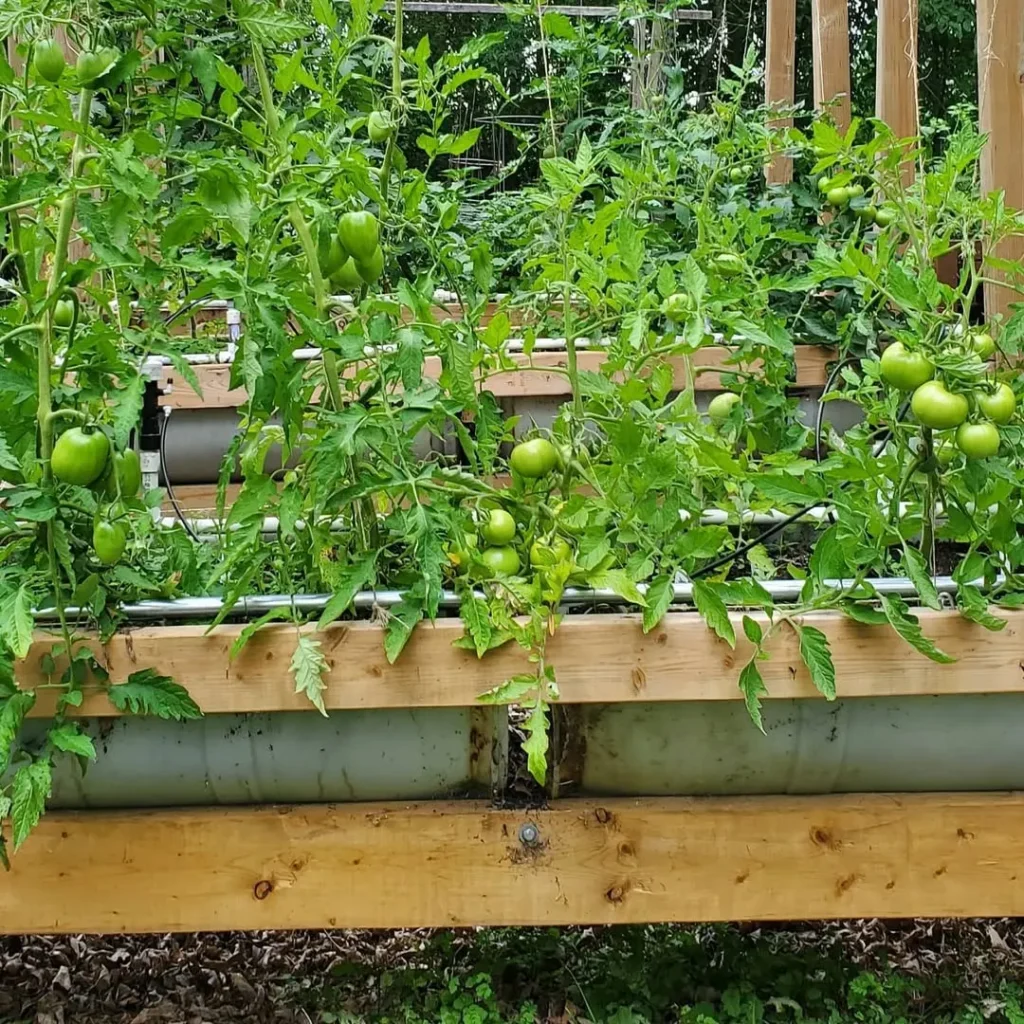
The Inspiration : Unripe green tomatoes resemble the incomplete sentences of summer tart, firm, and brimming with potential rather than sweetness. Southern chefs transformed harvests threatened by weather into crispy fried slices, chutneys, and relishes, turning nearly lost fruit into cherished comfort food. They exemplify resourcefulness, minimizing waste while highlighting a vibrant, edgy flavor unique to them.
Why it Works : Unripe green tomatoes are effective because their firm texture endures during frying, grilling, or pickling, resulting in slices that maintain their structure instead of collapsing. Their elevated acidity and reduced sugar provide a tangy, refreshing bite that complements rich batters, cheeses, and meats, beautifully balancing heavier dishes. They enhance the plant’s utility, salvaging late-season fruit before frost and decreasing garden waste. Pectin levels contribute to excellent chutneys and relishes that set well and store securely. Emotionally, cooking with them evokes a sense of rescuing potential acknowledging every phase of the plant’s effort and transforming “not ready yet” into a highlight rather than a disappointment.
Pro Tip : Select firm, uniformly green tomatoes devoid of any yellow or red blush, slice them thickly, then lightly salt and let rest for fifteen minutes to extract excess moisture. Pat dry, coat in seasoned cornmeal or semolina, and pan-fry in a shallow layer of hot oil for an ultra-crisp, non-soggy crust.
pepper raised garden
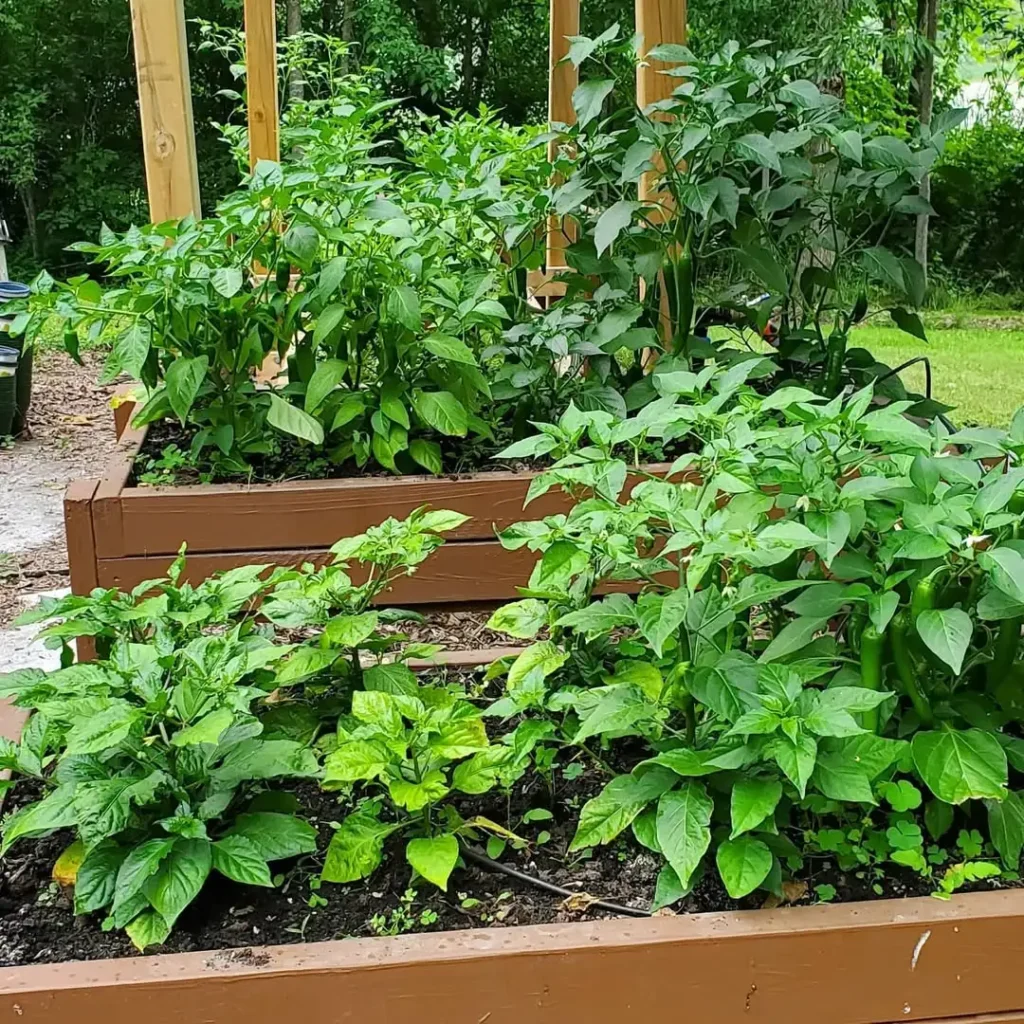
The Inspiration : A garden with raised beds for peppers evokes the sun-drenched terraces of Central America, where various Capsicum species flourished in well-drained volcanic soil. By elevating peppers, one transforms an ordinary backyard into a heat-retaining environment where roots can expand freely and fruits mature vibrantly, making each shiny bell or spicy chili a treasure worth reaching for.
Why it Works : Raised beds are ideal for growing peppers as the soil warms more quickly in spring, which is essential for these heat-loving plants that thrive at temperatures between seventy and eighty degrees Fahrenheit. Enhanced drainage helps prevent root rot in dense clay, while maintaining a soil pH of 6.0 to 6.8 maximizes nutrient absorption. The confined area makes it easier to amend with compost and fertilizers, ensuring consistent fertility throughout the growing season. Improved airflow between plants minimizes the risk of fungal diseases such as powdery mildew, particularly when spacing is ample. The raised edges facilitate earlier planting, prolonged harvests, and simpler maintenance without the need to bend down, making daily inspections for ripe peppers truly enjoyable.
Pro Tip : Position bell peppers eighteen to twenty four inches apart and hot peppers twelve to eighteen inches apart in a grid layout within your raised bed. Ensure beds are at least twelve inches deep with loose, compost-rich soil, and install stakes early for support, securing plants before the weight of the fruit causes branches to sag.
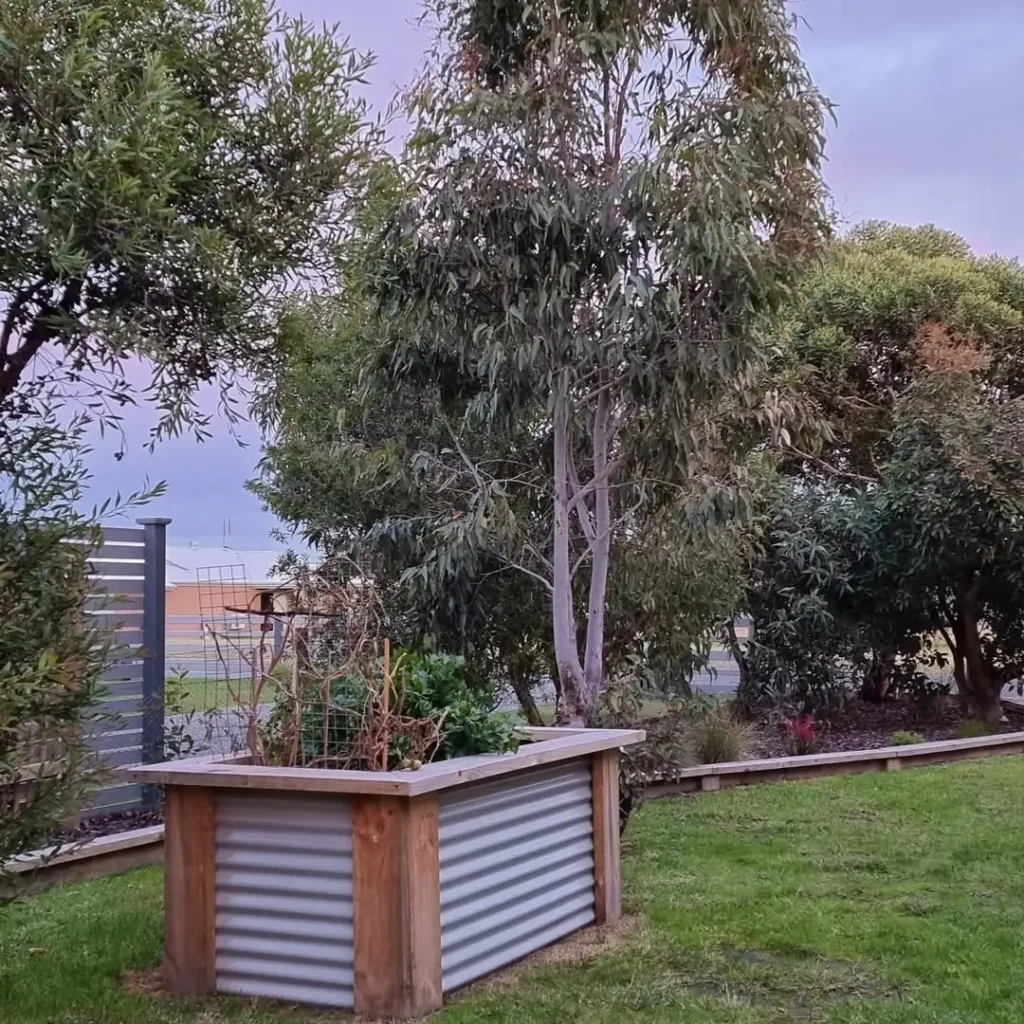
raised wooden bed garden
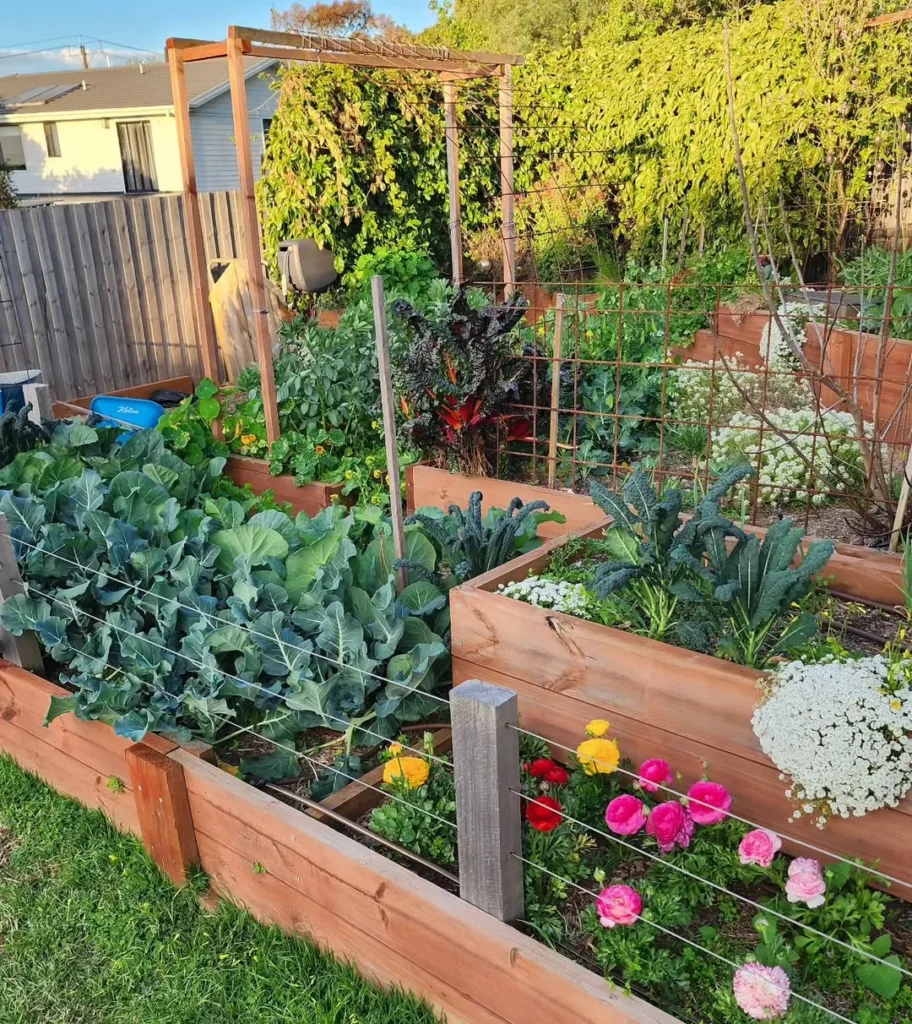
The Inspiration : Elevated wooden garden beds reflect the structured parterres found in European monastery gardens, where monks cultivated medicinal herbs within wooden confines. The inherent warmth of wood encourages tactile interaction tracing fingers along the aged grain before planting feels both grounding and sincere. These straightforward boxes convert disorder into serene geometry, rendering gardening accessible, inviting, and aesthetically pleasing within easy reach.
Why it Works ( : Wooden raised beds are effective because timber insulates soil more efficiently than metal or stone, moderating temperature fluctuations that can stress roots during the transitions of spring and fall. This natural material integrates effortlessly into garden designs while being cost-effective, easy to cut, and accommodating for DIY assembly without the need for specialized tools. The weight of wood offers stability without necessitating deep footings or permanent foundations, allowing for repositioning as garden plans change. Untreated cedar or redwood naturally resists decay for years, alleviating chemical concerns near edible plants. The elevated design reduces bending strain by fifty percent compared to ground-level gardening, making cultivation genuinely sustainable for older individuals while establishing defined, weed resistant boundaries that simplify maintenance tasks.
Pro Tip : Line the interiors of wooden beds with landscape fabric secured halfway up the sides, avoiding the bottom this prevents soil contact that hastens rot while permitting drainage. Employ corner brackets or rebar inserted through pre-drilled holes to secure beds firmly, averting warping as soil settles. Opt for boards at least two inches thick for structural durability lasting over five years.
thriving vegetable garden
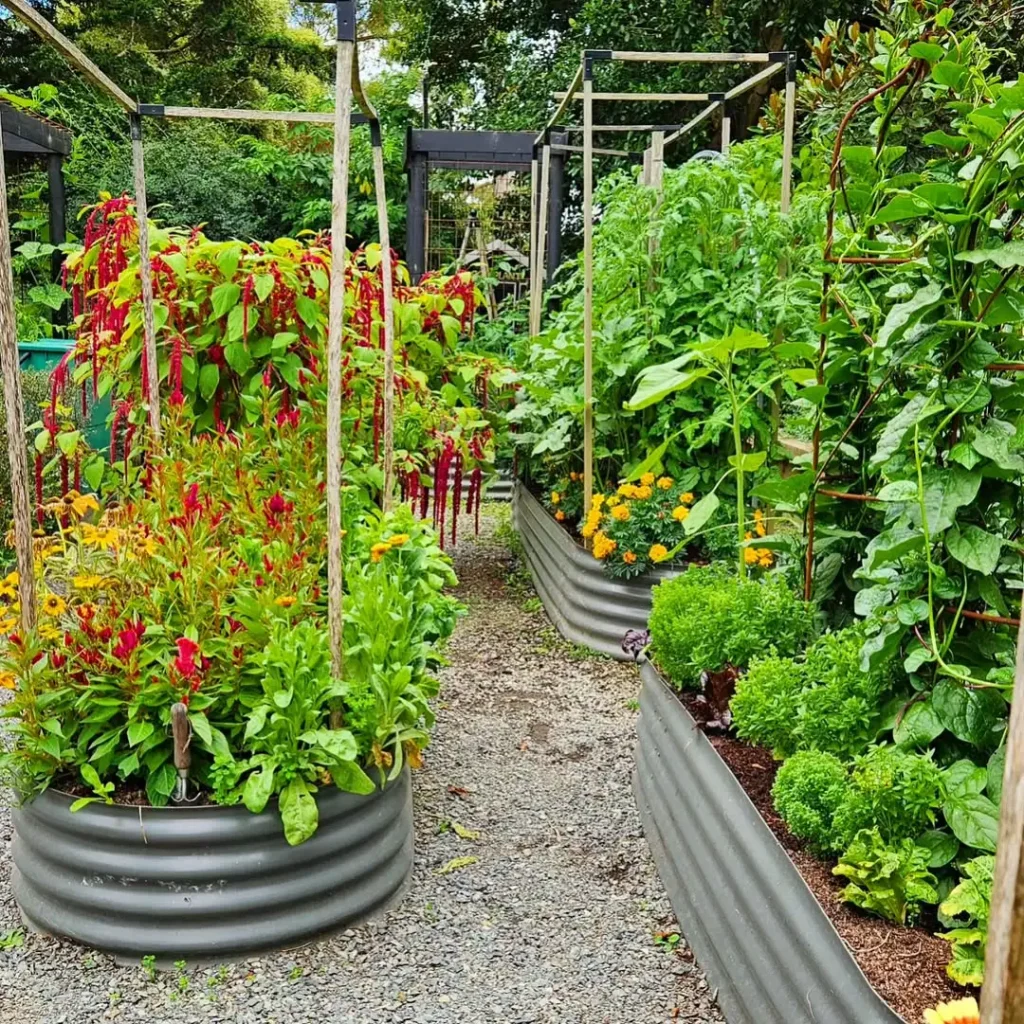
The Inspiration : A flourishing vegetable garden embodies the generosity of cottage plots and victory gardens, where abundance is not merely a stroke of luck but a result of careful partnership. Observing the unfurling of leaves, the thickening of stems, and the swelling of fruit each day resembles witnessing subtle miracles. It serves as evidence that small, consistent acts of care such as watering, weeding, and feeding—accumulate into overflowing baskets that nourish both bodies and spirits.
Why it Works : A flourishing vegetable garden is effective because healthy soil biology and consistent moisture establish conditions that allow plants to focus their energy on production rather than survival stress. Adequate spacing and succession planting optimize yields per square foot while prolonging harvests over months instead of weeks. Regular harvesting encourages plants to produce more, transforming the act of picking into a self-reinforcing cycle of abundance. Varied plantings draw in pollinators and beneficial predators that naturally control pests, minimizing the need for chemical interventions. On an emotional level, caring for a productive garden fosters a sense of competence and pride each successful harvest affirms your efforts and enhances ecological understanding. This routine establishes a rhythm, drawing you outdoors into sunlight, movement, and purposeful activity that counters the disconnection of modern life.
Pro Tip : Nourish the soil rather than the plants apply two to three inches of finished compost as mulch each spring, allowing earthworms to incorporate it naturally. Combine this with weekly deep watering to a depth of eighteen inches instead of daily shallow sprinkling, encouraging roots to grow deeper for drought resilience. This approach maintains fertility and structure, making robust growth effortless year after year.
A frame trellis garden
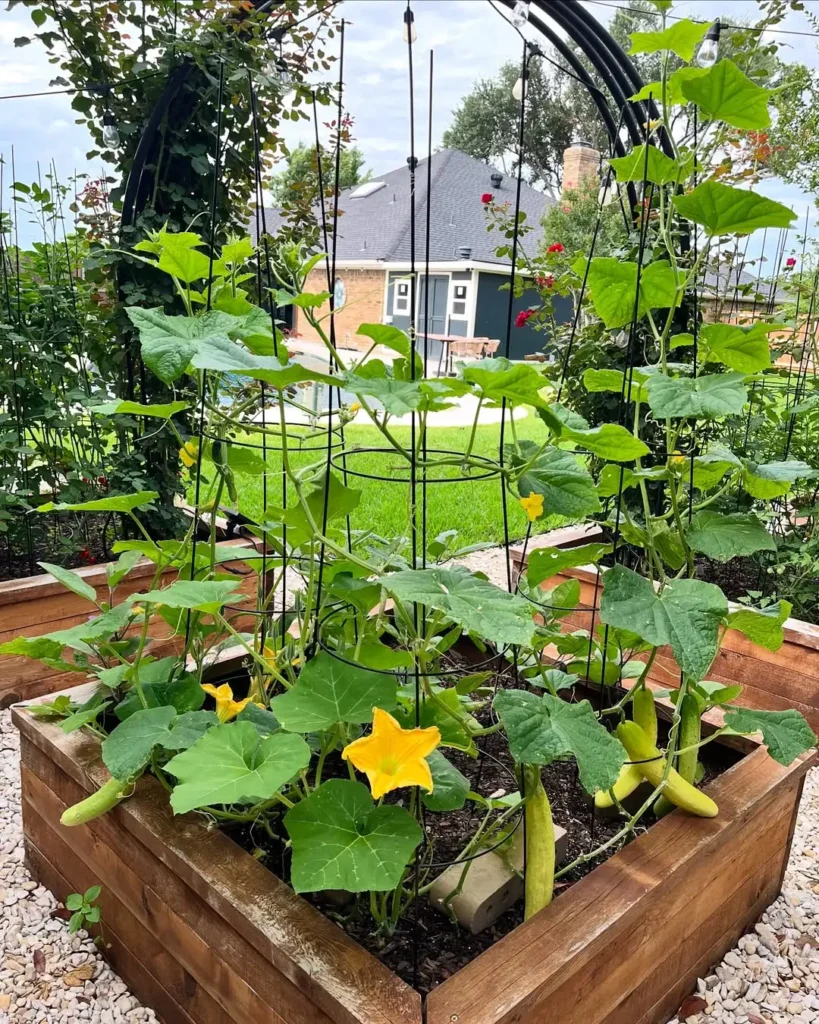
The Inspiration : The A-frame trellis reflects the design of tipi structures and traditional hop yards, where vertical cultivation transformed scarcity into plenty. Its triangular shape introduces architectural interest in modest gardens, turning beans, cucumbers, and peas into vibrant green tunnels. Strolling beneath the draping vines is enchanting like reimagined childhood forts, where shade, harvest, and play harmoniously unite.
Why it Works : A-frame trellises are effective due to their self-supporting triangular design, which eliminates the need for a fence or wall, allowing placement in various locations while providing double-sided planting areas that optimize yield per square foot. The slanted sides efficiently capture sunlight in the morning and afternoon, ensuring uniform ripening on both sides. Robust bracing supports heavy crops such as squash and melons without collapsing, while the open design promotes excellent airflow, minimizing fungal diseases that often affect flat trellises. The walk-through tunnel facilitates harvesting from both sides without damaging plants or straining to reach. On an emotional level, the structure delineates garden spaces, creating shaded havens and focal points that transform practical gardening into artistic landscape elements cherished by both children and adults.
Pro Tip : Construct your A-frame to a height of five to six feet and a width of four feet at the base, utilizing two by two lumber or durable bamboo poles. Attach wire, twine, or netting horizontally every six inches between the uprights, forming ladder-like rungs for the vines to ascend naturally. Plant quick growing beans on one side and slower-growing cucumbers on the opposite side, strategically staggering the harvest times.
Verdant Visions Garden
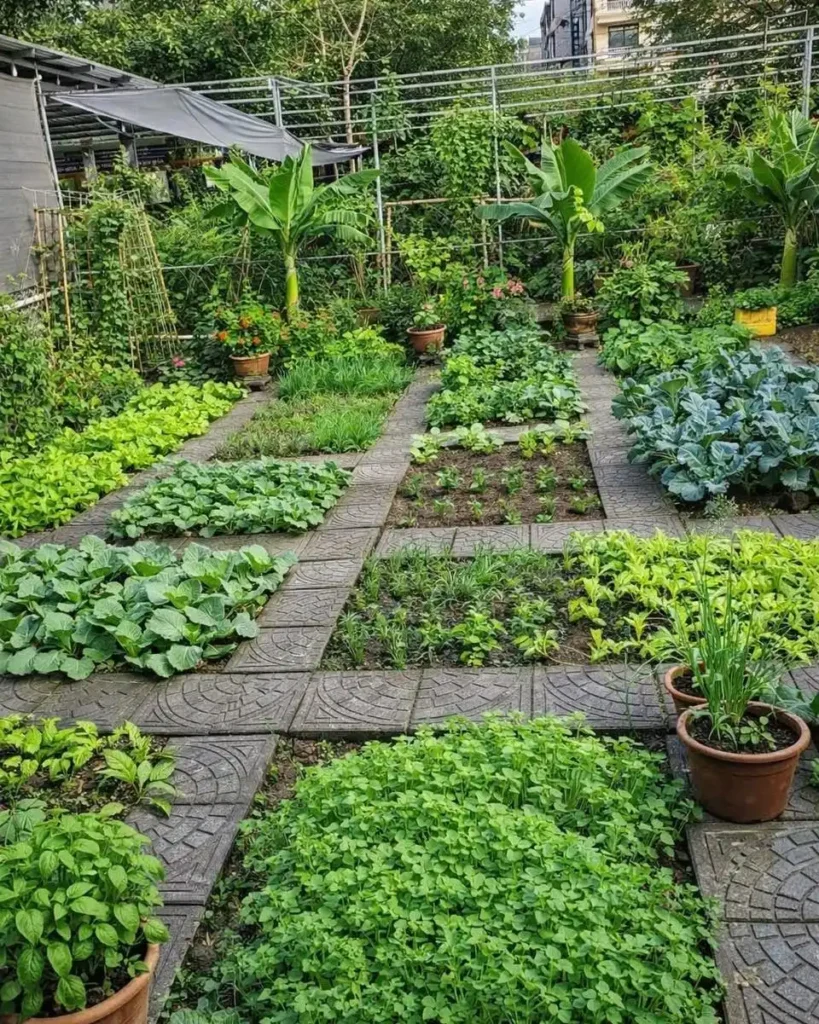
The Inspiration : Verdant Visions Garden honors the rich, layered abundance inspired by English cottage gardens and the understories of tropical forests, where each vertical layer is filled with intentional green life. It reinterprets gardens as living tapestries instead of flat beds ferns under fruit trees, vines ascending arbors, groundcovers softening borders. Every glance uncovers depth, texture, and the unfolding of verdant potential.
Why it Works : Verdant Visions Gardens function by optimizing photosynthetic surfaces through vertical layering canopy trees, understory shrubs, herbaceous plants, groundcovers, and climbers coexist like natural ecosystems, yielding more food and oxygen per square foot than monoculture rows. Dense planting naturally suppresses weeds while creating microclimates that conserve moisture and moderate temperature extremes. The biodiversity attracts beneficial insects, birds, and pollinators that help maintain pest balance without the use of chemicals. Multiple harvest periods across layers ensure continuous yields rather than boom-bust cycles. Emotionally, these gardens feel vibrant and welcoming immersive green sanctuaries that alleviate stress, purify air, and reconnect inhabitants to flourishing natural systems. The density provides privacy, sound insulation, and cooling that flat lawns cannot offer.
Pro Tip : Design your garden in layers akin to a forest: start with nitrogen-fixing trees, add shade-tolerant shrubs below, then perennial herbs and vegetables, concluding with edible groundcovers. Plant densely but consider mature sizes utilize successive planting over two years instead of immediate crowding, allowing roots to establish before competition heightens for sustainable, self sustaining abundance.
healthy and productive vegetable garden
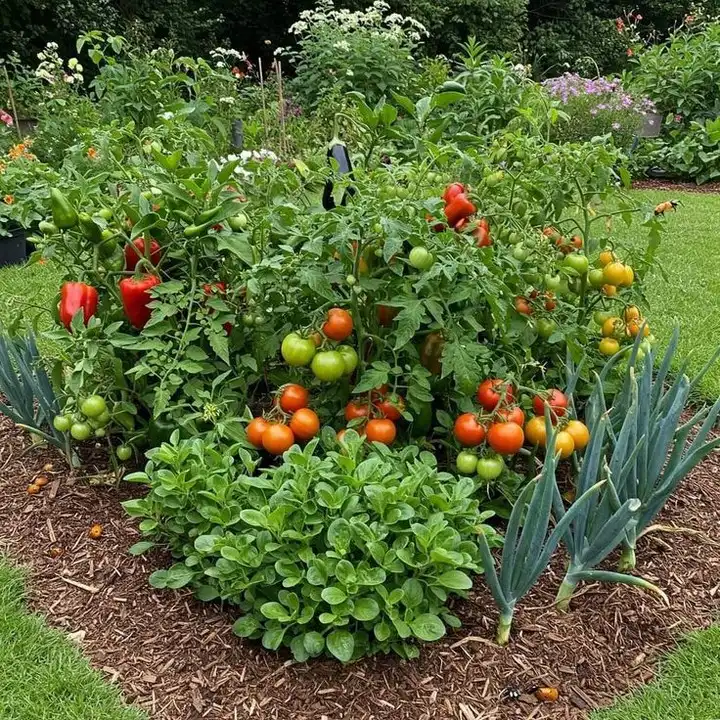
The Inspiration : A thriving and fruitful vegetable garden reflects the insights of traditional market gardeners who achieved remarkable yields from limited spaces through careful observation and diligent soil management. It embodies the gratifying process of providing plants with precisely what they require light, nutrients, water, and space before allowing nature to reward patience with lush leaves and abundant stems.
Why it Works : The effectiveness of healthy and productive vegetable gardens lies in the balanced soil biology that promotes robust growth, which inherently resists pests and diseases, thereby minimizing inputs while enhancing yields. Thoughtful crop rotation averts nutrient depletion and disrupts pest cycles, preserving soil fertility throughout the seasons. Regular watering and mulching help to stabilize moisture levels, preventing stress that can lead to bolting or splitting. Adequate spacing guarantees sufficient airflow and light penetration, optimizing photosynthesis while reducing fungal risks. Routine monitoring identifies issues early when remedies are straightforward—handpicking caterpillars is preferable to applying pesticides. The emotional benefits accumulate: each successful harvest enhances confidence and understanding, transforming gardening from uncertain experimentation into dependable sustenance that links effort directly to nourishment and self-sufficiency.
Pro Tip : Implement drip irrigation or soaker hoses equipped with timers to provide consistent moisture directly at the root zone without wetting the foliage, thereby decreasing disease risk by seventy percent. Combine this with three-inch layers of organic mulch to inhibit weeds, regulate soil temperature, and conserve moisture. These two strategies establish stable growing conditions that significantly enhance health and productivity with minimal ongoing maintenance.
Botanical Sanctuary Garden
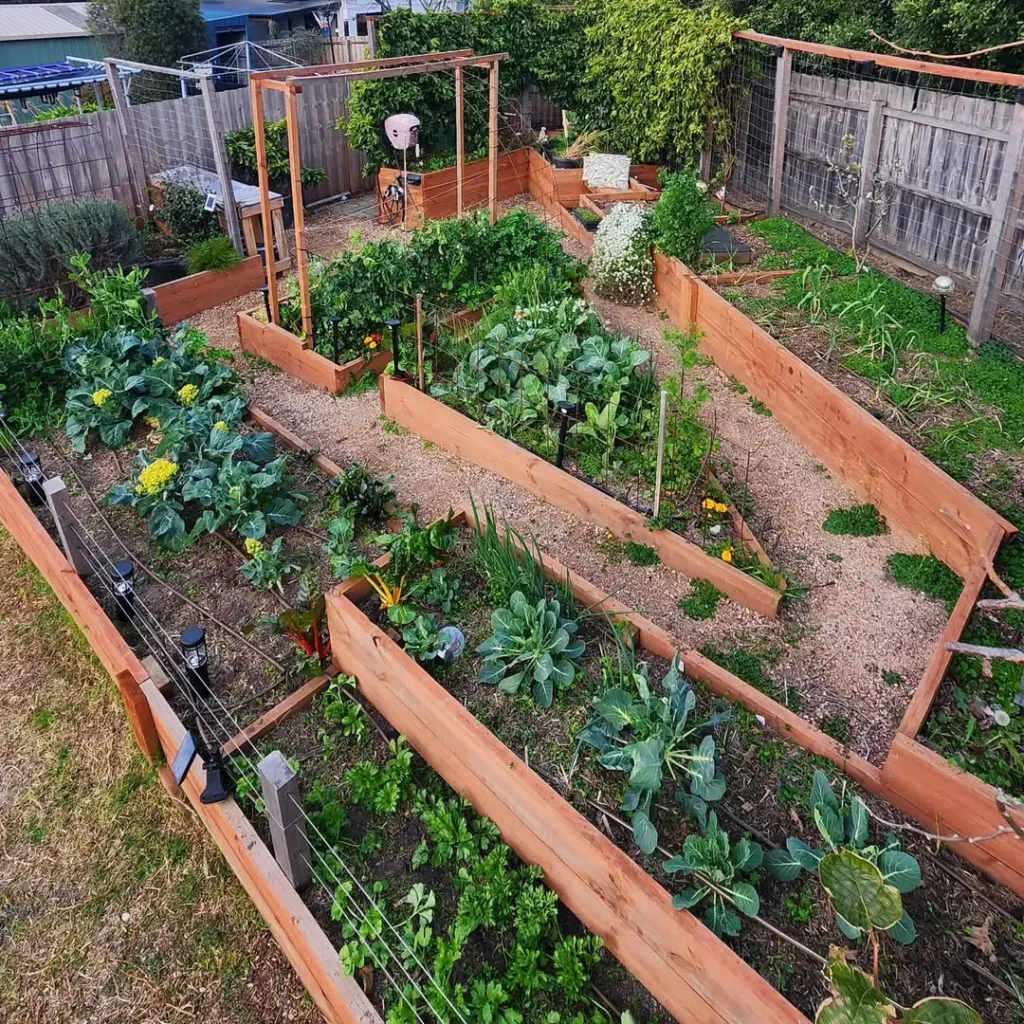
The Inspiration : Botanical sanctuary gardens emerged from Victorian conservatories and Japanese healing gardens, where plants were not simply beautiful objects but the same as medicine for the soul. Think of stepping into Monet’s Giverny–where colors are carefully arranged as melodies and scents are laid on top of one another just as poetry’s verses overlap. In these sanctuaries, modern biophilic design and old cloister herb gardens unite people with habitats. Here, stressed minds decompress naturally while the concept also upholds traditions where gardeners were not only skilled in the cultivation of plants but made yards into their own retreats as well.
Why it Works : According to environmental psychology studies, botanical sanctuaries reduce cortisol levels by 15-20% within minutes. Different from the normal style of garden, they put together a combination of sensory layers: rustling grass for auditory input, lavender for smell input, bark to touch. Their dense planting provides microclimates that attract beneficial wildlife whilst simultaneously acting as a barrier to urban noise pollution. In practical terms, this means that once established these gardens require minimal maintenance plants adapted to your area’s climate will flourish with little input from you. Emotionally, after seasonal transitions there’s something of interest year-round in these gardens. Thus, your sanctuary remains always fresh. The canopy structure maintains a high level of oxygen production while creating many people-oriented niches from very limited space.
Pro Tip : Start with three anchor plants: one evergreen for the framework, one scented plant to please the senses, and one fern that attracts pollinating insects. Position seating where light comes through the morning leaves, creating patterns of shade. Use winding paths rather than straight lines moving along a roundabout path actually changes the psychology of space and encourages calm, meditative movement through your garden.
Dewdrop Hollow Gardens
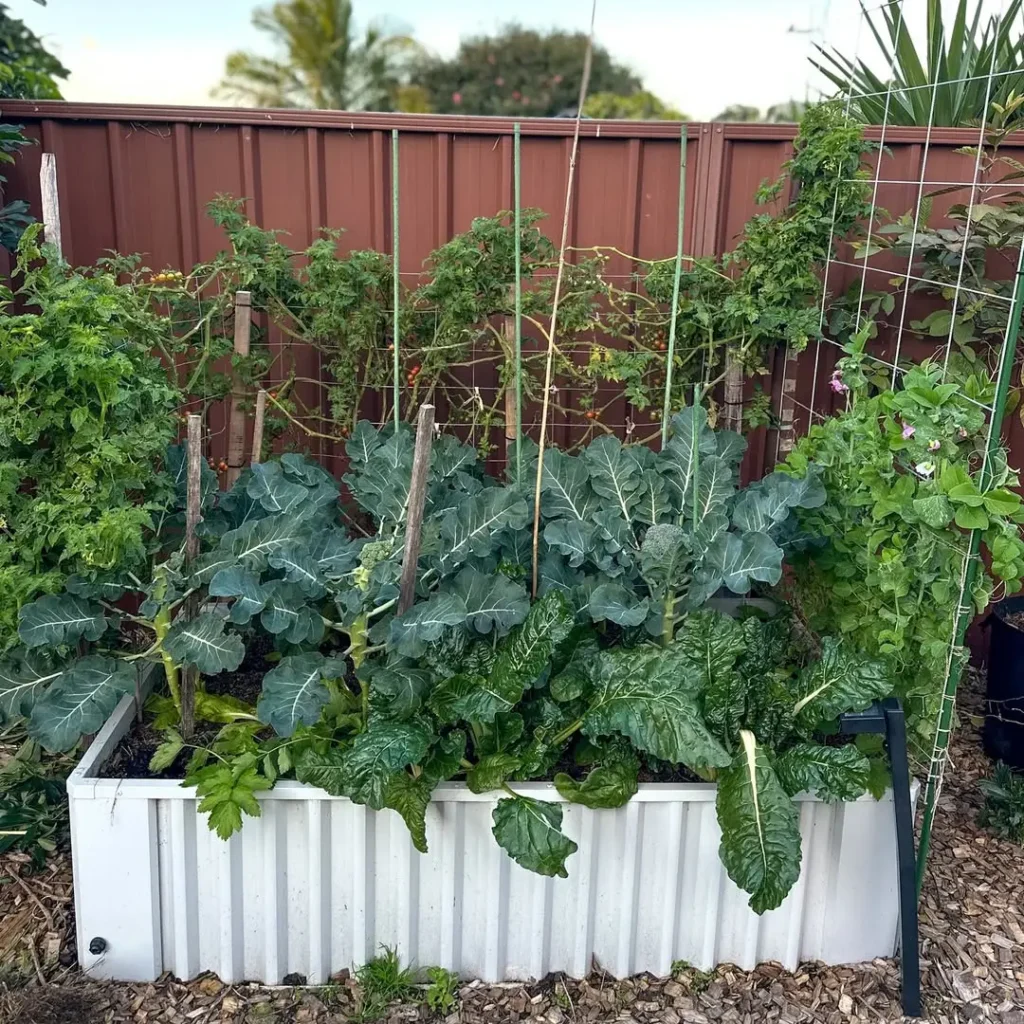
A Little Inspiration : The dewdrop hollow gardens draw from the landscapes of an English dell and the sunken tea garden of Japan where moisture naturally pools in gentle depressions. Imagine the morning mist settling in a quiet basin, leaves brilliant with captured dew -such sanctuaries reflect perfectly well what nature’s water collecting wisdom is. This model, which produces water in the hollows where garden plants grow, was first found in England. Drainage problems are thus transformed into self-sustaining ecosystems full of moisture-loving plants. In a cold climate, such hollows create a frost-free microclimate and extend the growing season for everything in them.
Why It Works : Hollow gardens are exploiting natural physics: cooler air and moisture sit in the depressions. As a result they have their own microclimate cooler by 3-5°F and richer in water-holding capacity for potting media 40% more than raised beds! This means that watering frequency is reduced greatly while frost protection in spring becomes an easy matter. Sunken design lowers wind velocity, which lowers plant stress and prevents moisture loss. Functionally speaking, these gardens extend the growing season by trapping humid air that benefits ferns and hostas not to mention shade perennials. Emotionally speaking, on the other hand, the surrounding walls give a sense of enclosure and intimacy; the whole space becomes like one’s secret garden instead of open to all. At the same time natural moisture retention means there is less need for irrigation equipment and cheaper water bills.
A Useful Piece of Advice : Before you plant, lay down 3 inches of organic compost mixed with coconut coir on the base of your hollow and spread it out across the whole area-this mixture acts as a moisture sponge, absorbing rain water that falls during heavier rains then gradually releasing it again through evapouration during drier periods. Add 2 inches of mulch on top to hold moisture and keep everything at a constant dampness level year-round.
urban garden
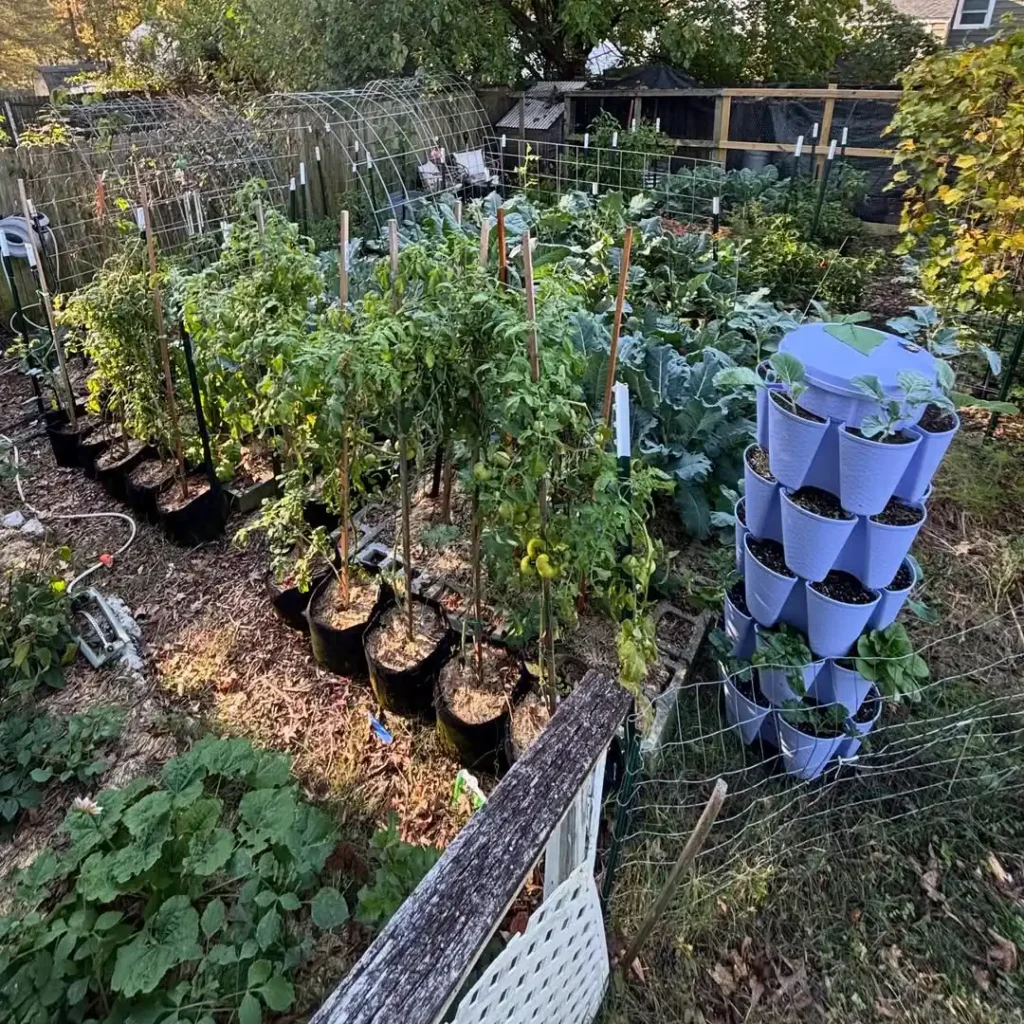
The Inspiration : Urban gardens reflect the wartime victory gardens and rooftop sanctuaries found in cities such as New York and Tokyo, where the concrete jungle has not entirely muted nature’s presence. Envision tomatoes maturing above bustling traffic and bees flitting between balconies, transforming neglected ledges, alleys, and terraces into personal green retreats for daily reconnection and subtle defiance.
Why it Works : Urban gardens convert underutilized rooftops, balconies, and courtyards into fruitful, climate-mitigating areas that cool the surrounding atmosphere and minimize heat accumulation. They reduce food miles by placing herbs and vegetables just steps away from the kitchen, thereby decreasing packaging and transportation needs. Vertical and container gardening methods maximize limited spaces by stacking productivity vertically rather than horizontally. Plants act as filters for particulate pollution, mitigate urban noise, and create essential nectar pathways for pollinators navigating crowded neighborhoods. On an emotional level, caring for a small garden provides a tactile escape from screen-dominated lifestyles and encourages community interaction when neighbors exchange cuttings or harvests. From a practical standpoint, modular systems can be relocated with renters, safeguarding both time and investment.
Pro Tip : Before purchasing plants, monitor the sunlight and shade on your balcony or rooftop every two hours for an entire day, while also observing wind exposure and reflected heat. Utilize this mini climate assessment to categorize sun-loving, shade-tolerant, and wind-resistant species, which will lead to fewer plant losses, improved yields, and more efficient use of limited container space.
charming backyard garden
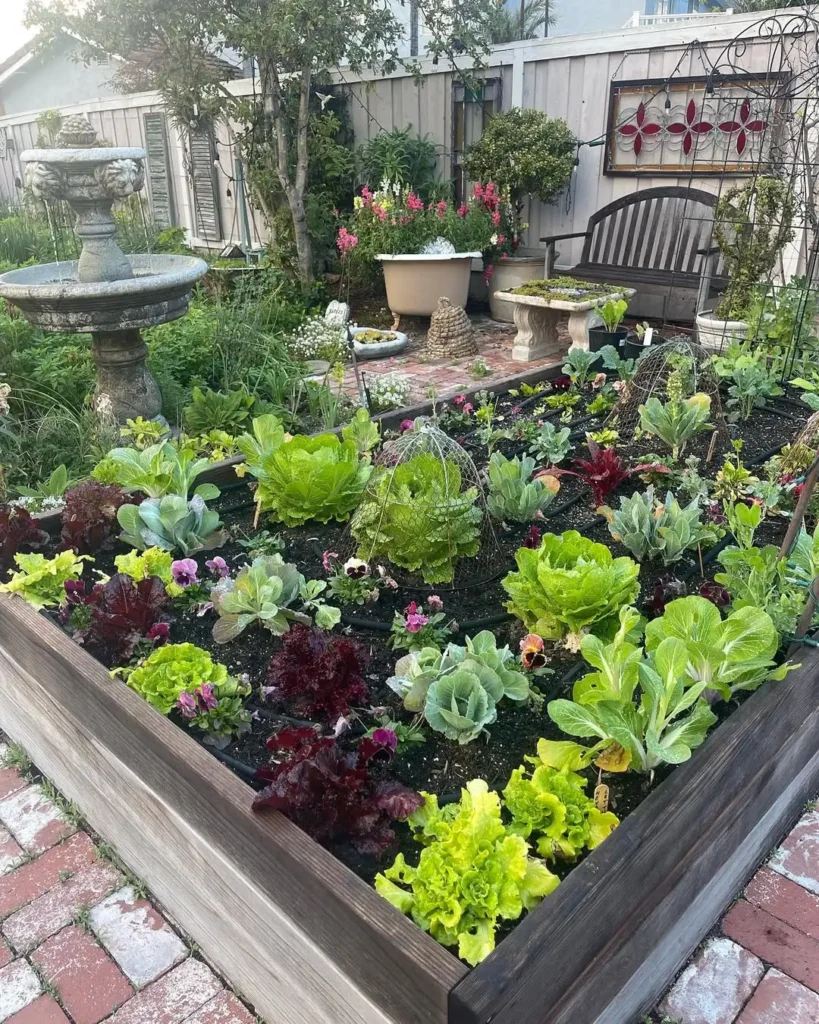
The Inspiration : Charming backyard gardens draw inspiration from cottage plots, grandmother’s borders, and quaint European courtyards brimming with geraniums. Envision stepping outside to the sound of clinking teacups, roses caressing weathered fences, and lanterns illuminating the dusk. The magic lies in transforming neglected grass into a lived-in storybook nook that feels handcrafted, intimate, and subtly enchanted.
Why it Works : A delightful backyard garden succeeds because it harmonizes functionality and emotion within a compact, inviting space. Layered planting softens harsh lines, enhancing privacy, cooling the area, and attracting pollinators that bolster local ecology. Curved beds and pathways visually expand small spaces, while seating areas extend living space without extensive construction. Studies associate regular interaction with plants to lower stress and elevate mood, making frequent backyard visits a gentle form of self-care. Personal elements vintage pots, handmade signs, heirloom roses—foster a sense of identity and belonging. This blend of practicality, beauty, and nostalgia transforms a simple yard into a cherished retreat.
Pro Tip : Select one “hero corner” near a window and prioritize its design: incorporate a small bench, one flowering shrub, and three repeating plants for visual rhythm. Ensure everything is within easy reach of seating. This concentrated charm guarantees your favorite view remains stunning throughout the year, even as the rest of the yard gradually changes.
Harvest Moon Garden
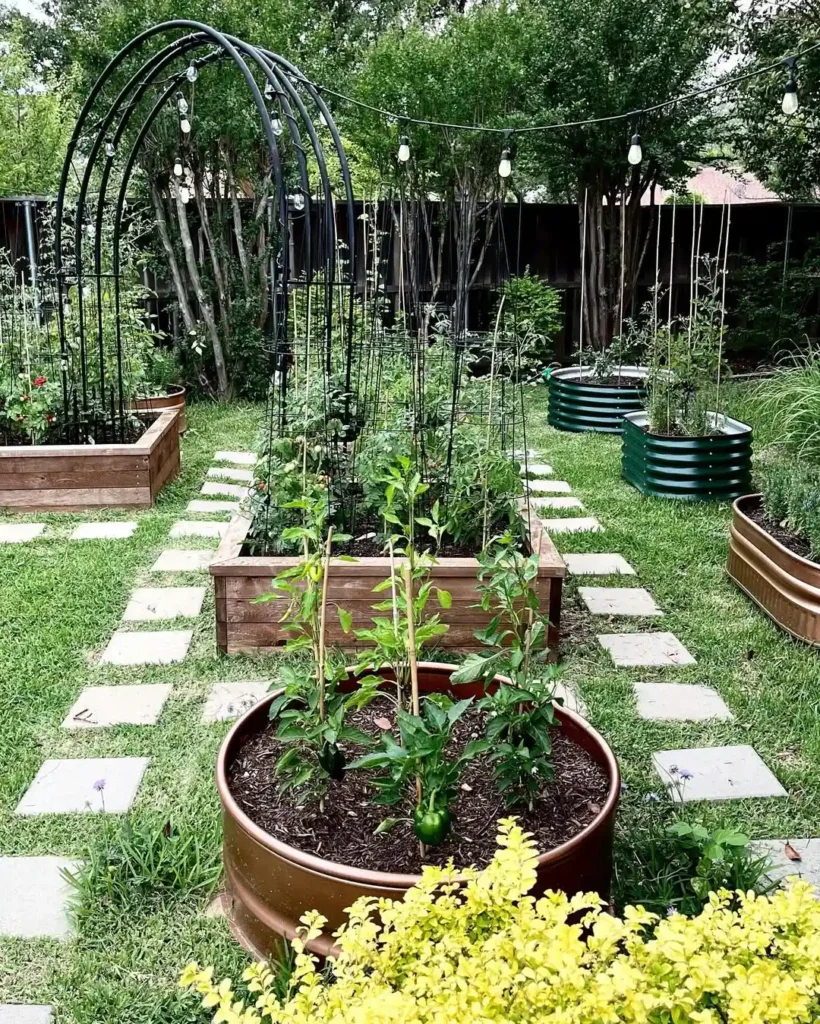
The Inspiration : Harvest moon gardens pay tribute to the traditions of the autumn equinox, a time when farmers toiled under the moonlight to harvest crops before the frost set in. Envision fields shimmering silver beneath September’s most radiant moon, with baskets brimming with pumpkins and late-season berries. This idea celebrates the peak of harvest abundance through warm-hued plantings, flowers that reflect moonlight, and areas crafted for twilight gatherings and rituals of gratitude.
Why it Works : Harvest moon gardens enhance usability during the cooler months by incorporating late blooming plants such as asters, sedums, and ornamental grasses that thrive when most gardens begin to wane. Warm color schemes golds, oranges, russets effectively capture the diminishing sunlight, providing visual warmth as temperatures decline. The design prioritizes edible ornamental plants like purple kale, Swiss chard, and berry bushes, merging aesthetics with practicality. Reflective white and silver foliage (such as lamb’s ear and artemisia) enhances moonlight, transforming evening garden visits into enchanting experiences without the need for electricity. Emotionally, these gardens commemorate completion and rest following summer’s fervor, offering a reflective space that honors cycles, seasons, and the fulfillment of abundance before winter’s stillness.
Pro Tip : Incorporate white-flowering perennials like ‘Honorine Jobert’ anemones and silver-leaved plants along pathways they radiate luminously under moonlight, providing natural navigation without the use of solar lights. Combine these with late-blooming sedums and asters in shades of bronze and burgundy. This blend guarantees your garden remains visually captivating and functional during the extended evenings of autumn.
No dig garden
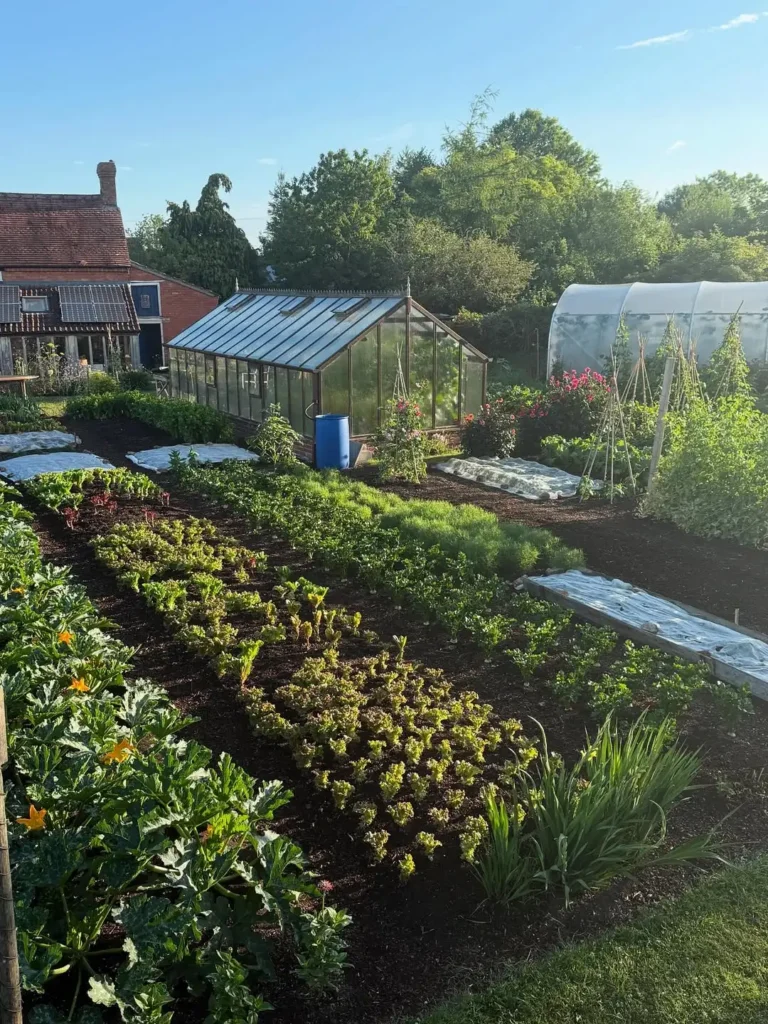
The Inspiration : No dig gardens pay tribute to ancient farmers who recognized soil as a living entity rather than mere dirt. This technique, popularized by Ruth Stout in the 1950s in Connecticut and further developed by Charles Dowding in English allotments, relies on nature’s subterranean workforce. Picture spreading compost like a blanket, allowing earthworms to enhance fertility while you reap the rewards—minimal effort, maximum reverence for soil ecosystems.
Why it Works : No dig gardening maintains soil integrity by avoiding tilling, thereby safeguarding beneficial fungi, earthworms, and microorganisms that establish nutrient pathways and natural aeration. Research indicates that undisturbed soil retains 30% more moisture and diminishes weed germination by keeping dormant seeds buried. Applying compost directly on the surface nourishes plants while inhibiting weeds, significantly reducing maintenance. This approach enhances yields over time as soil biology flourishes, in contrast to traditional digging which disrupts these networks annually. On an emotional level, it shifts gardening from arduous labor to gentle stewardship—Ruth Stout’s book title aptly promised “a green thumb without an aching back” for a valid reason.
Pro Tip : Initiate your no dig bed in the autumn by layering cardboard directly over grass or weeds, followed by six inches of high quality compost on top. Allow winter to decompose the cardboard while worms work underneath. By spring, you will have loose, weed-free soil ready for planting no digging necessary.
Enchanted Garden
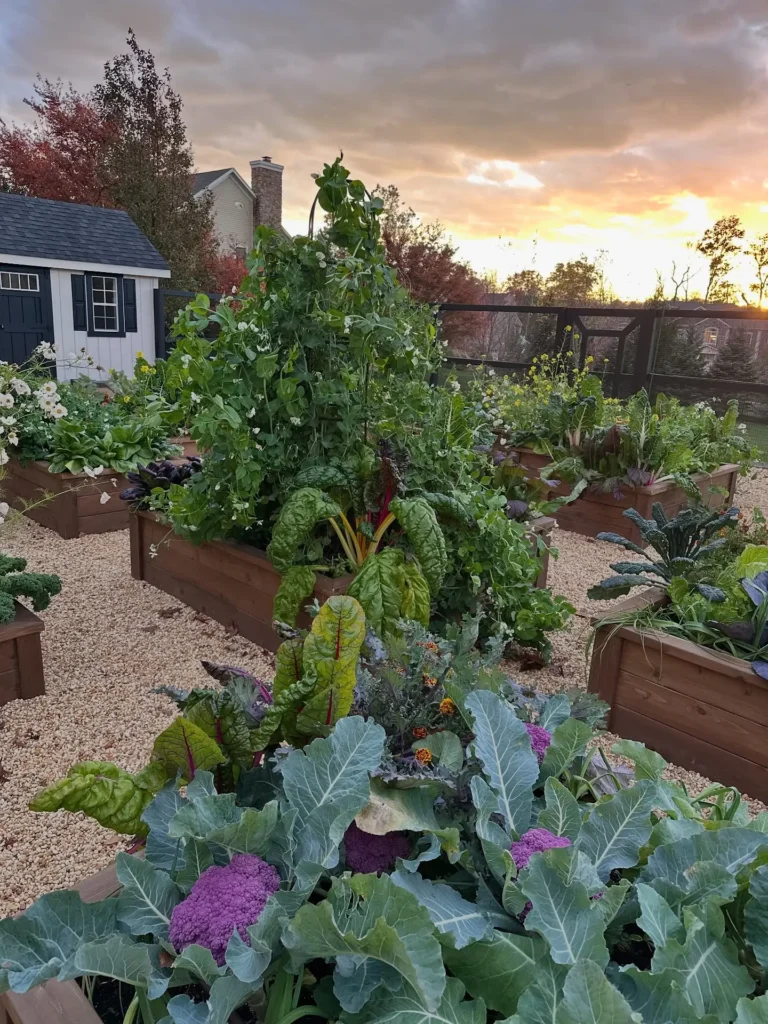
The Inspiration : Enchanted gardens emerge from fairy tale illustrations, secret gardens within Victorian estates, and Celtic sacred groves where nature appears mystical. Picture stepping through an arbor into dappled light, uncovering hidden benches, murmuring fountains, and winding paths that lead to unpredictable destinations. These gardens rekindle childhood wonder, turning ordinary yards into storybook realms where imagination flourishes freely.
Why it Works : Enchanted gardens employ intentional mystery curved pathways, layered plantings, and concealed focal points that stimulate curiosity and promote slow movement, fostering exploration and mindfulness. The design blurs boundaries, allowing small spaces to feel vast and limitless. Psychologically, partial concealment triggers dopamine responses, rewarding discovery with joy when visitors encounter hidden benches or unexpected blooms. Practically, dense layering creates habitats for wildlife while minimizing lawn upkeep. Emotionally, these gardens offer an escape without leaving home, providing adults with a break from routine and children with natural play areas that ignite creativity. The whimsical features—fairy doors, mossy stones, twinkling lights reconnect visitors with the playfulness often lost in structured, conventional landscapes.
Pro Tip : Instantly create enchantment by establishing three “discovery zones” along a winding path: place a mirror behind foliage to imply hidden rooms, incorporate a small water feature that can be heard before seen, and position a weathered bench where dappled morning light shines. Strategic concealment turns ordinary elements into magical surprises.
lush Garden

The Inspiration : Lush gardens evoke the essence of tropical rainforests, Balinese temple grounds, and Claude Monet’s flourishing Giverny environments where abundance is unconfined. Envision leaves overlapping, colors merging, and vines ascending freely as if nature orchestrated extravagance. These gardens dismiss minimalism, instead honoring the generous, almost reckless fertility found in monsoon valleys and Victorian conservatories teeming with ferns.
Why it Works : Lush gardens optimize photosynthesis per square foot, establishing cooler microclimates that can lower temperatures by 10-15°F through transpiration and shade layering. Dense planting naturally curtails weeds by covering bare soil and blocking light, thus minimizing maintenance despite appearances. The multilayer canopy structure groundcovers, perennials, shrubs, climbers—fosters diverse wildlife from soil microbes to nesting birds, cultivating resilient ecosystems. In practical terms, mature lush gardens necessitate less watering as plant communities develop self-mulching systems through leaf drop and interconnected root networks. Emotionally, the sensory immersion—rustling leaves, varied textures, shifting light patterns creates restorative environments that have been shown to reduce cortisol and enhance mental clarity through biophilic design principles.
Pro Tip : Accelerate the achievement of lushness by planting in “guilds” companion arrangements where taller plants provide shade for moisture-loving species below. Combine a small tree or large shrub with mid height perennials, then underplant with groundcovers. This vertical layering emulates forest edges, quickly fills space, and fosters the layered abundance characteristic of truly lush gardens.