
Beautiful garden design does not just happen, but through careful planning that combines aesthetics with function. The more space and visual appeal you get out of your garden, the more its outdoor room will seem larger in reality than it is on paper–with countless layers of interest at any given time during year. In this way, even small yards can become extraordinary places. This layout approach turns your garden into an outdoor living room for parties in summer before it gets dark, a vegetable patch where you can work year-round without getting wet or cold from the rain and a place for restful retreats all at once, come rain or come shine. The difference between a garden that merely exists and one that truly shines is how well it makes use of any piece of available land at all. With smart layout and design choices, even small areas can appear much bigger than they really are; where necessary provide natural focal points for the eye to take in; houses several functions seamlessly in one space without ever feeling crammed or cluttered; marries form and function so that beauty and practicality coexist unobtrusively together.
private backyard vegetable garden
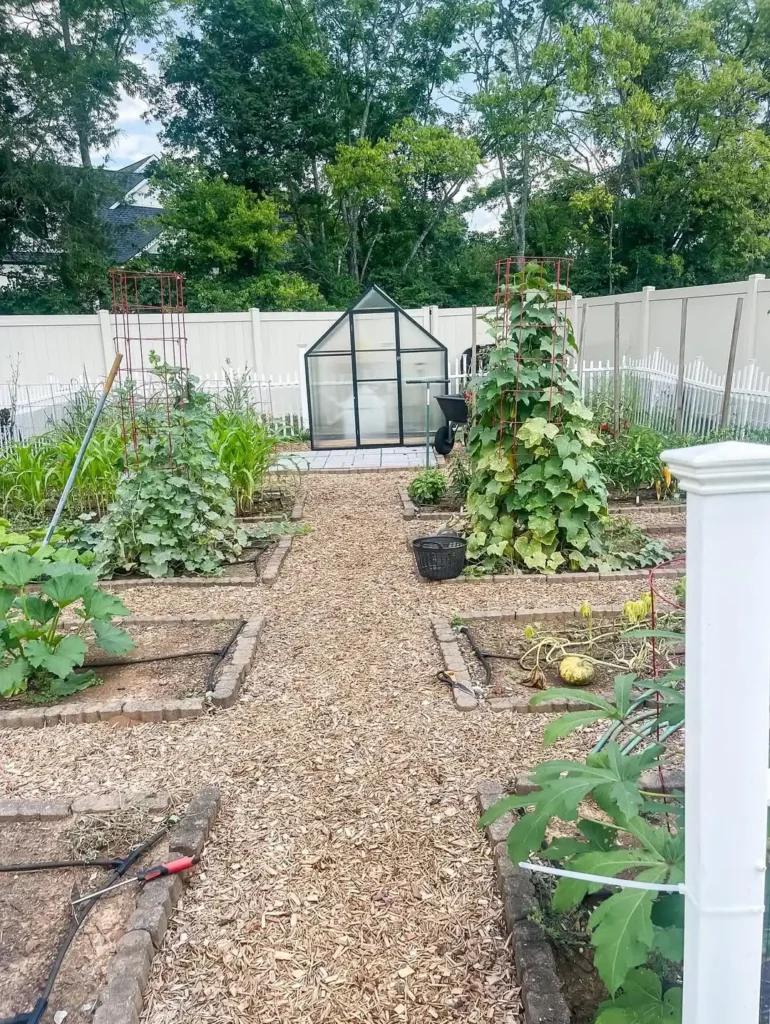
The Inspiration : Backyard gardens go all the way back to World War II victory gardens, in which families grew their own vegetables during rationing. The current revival is tied to concerns about food security, provenance of ingredients and fleeing industrial agriculture. It’s deeply satisfying to be picking sun warmed tomatoes on your way back into the kitchen all summer, converting lawns into productive and beautiful places.
Why It Works : Private backyard vegetable gardens pay off in many ways that container or community gardens can’t provide. You control the quality of the soil, pest management and when things get planted. Vegetables harvested in season have higher nutrient content than those shipped across the country and left to ripen on store shelves. Financially, a properly cared for garden produces hundreds of dollars worth of vegetables each year, following modest setup costs. Psychologically, caring for these plants can be a stress reducer, a way to engage in purposeful outdoor activities and a method of teaching children about food systems. Privacy is gardening in pajamas, and experimenting without judgment, and harvesting whenever it’s convenient. The closeness prompts daily checking, nipping problems in the bud and avoiding over-ripening while you’re away.
Pro Tip : Begin with a 4×8 foot raised bed instead of tilling up your current lawn. Measuring 12-square feet, this garden is large enough to yield huge harvests and still fit in small spaces, while allowing the entry level gardener to get their green thumb. Container Gap construction makes tilling with a tractor or full size tiller unnecessary and are the perfect height for impeding pests such as slugs and snails from consuming the plants. It thrives in full sun but make sure to place it where you can water it easily.
Potager Garden
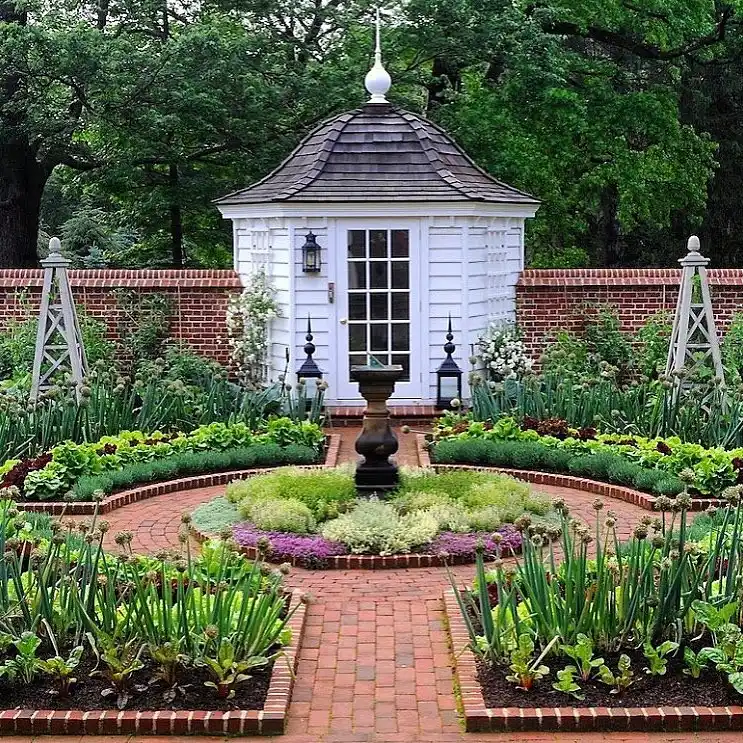
The Inspiration : Potager gardens sprung up in French monasteries and Renaissance chateaux, where monks working alongside gardeners turned vegetable growing into an art form. In contrast to working gardens that are purely utilitarian, potagers intermix edibles with flowers in angular patterns edged by herbs or boxwood. The legendary potager at Versailles provided King Louis XIV’s table and delighted visitors proving that food production need not sacrifice beauty.
Why It Works : Potager gardens utilize the garden space to the max in beautiful structures that add value to your property and your enjoyment every single day. A formal design with tidy beds and paths makes crop rotation, pest control, and harvesting easy. Interplanting flowers brings in pollinators and beneficial insects, but also cuts blooms. The decorative pattern encourages regular upkeep because it’s seen as landscape, not a domestic labor. Herbs planted along the edges of beds are not only culinary accessories but also natural pest repellents. Whereas discreet vegetable gardens hint of hidden chambers, potagers are significant garden rooms that deserve equal footing with entertaining spaces. French intensive (the method of producing extra large yields in a small space) supports potagers, by its succession planting, vertical elements and soil fertility.
Pro Tip : Install permanent pathways with gravel, brick or wood chips that are a minimum of three feet wide. This effort prevents compacting the soil, allows you access with a wheelbarrow and maintains a neat look to your garden all year long when your beds are empty. Permanent paths will also help delineate your planting areas so that beds won’t continue to sprawl out of control indefinitely.
formal garden
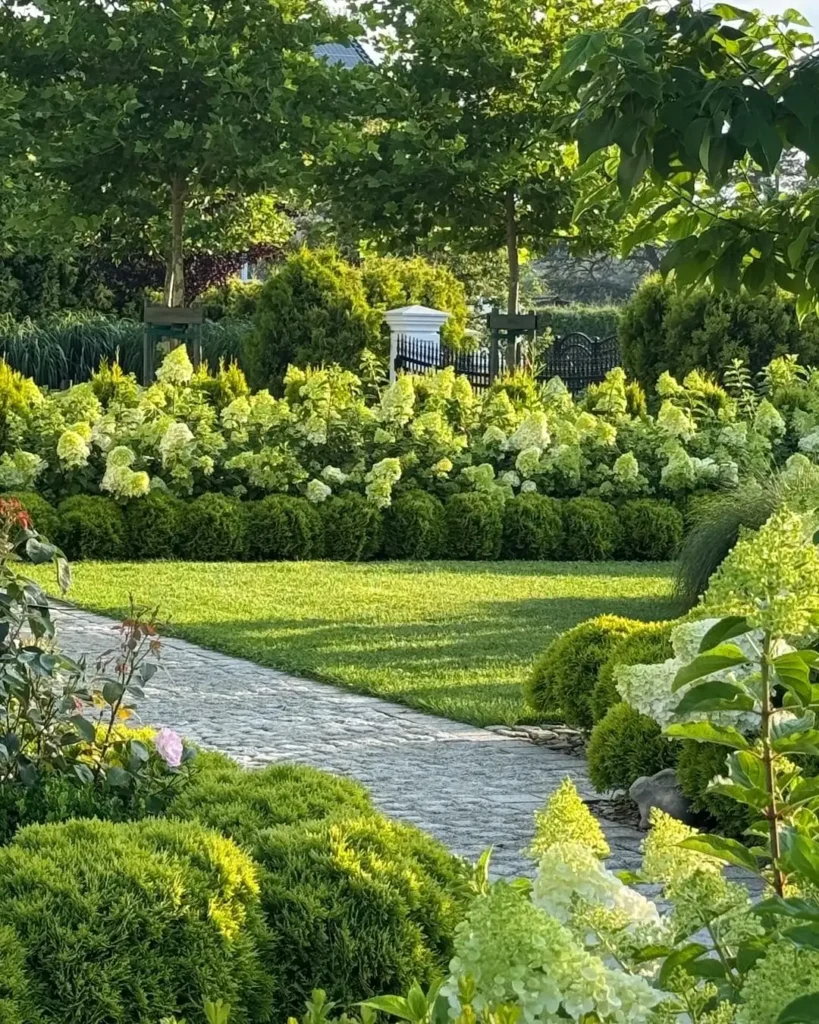
The Inspiration : Formal gardens derived from Italian Renaissance villas and French baroque palaces, a testament to mans control of nature. The grand parterres at Versailles exhibited geometric precision, the symmetrical knot gardens with clipped hedges of English manor houses and so on. They were designs that could be held up as order, as Enlightenment principle, as aristocratic sophistication they turned landscapes into outdoor architecture of mathematical perfection that you had to look at and respect from an imprecise viewpoint.
Why It Works : Structured gardens add formality and elegance with devices such as geometric patterns, neatly clipp ed hedges and plants in equal numbers under control throughout the year. Currently, I have a very defined layout which makes maintaining the yard simple As the planter box draws distinct lines between itself and lawn space, keeping it trimmed up is easy; Repetition also comes into play here, This style of gardening makes things predictable for me so whenever something needs doing it gets done in record time. Given that perennials die back in the winter, evergreen hedges and topiaries provide year round structure. This look is perfect for classically styled buildings that require complementary landscaping, and can increase property values through polished curb appeal. The psychology of formal gardens tends towards calm and order, in that the very symmetry or ordered growth patterns are intended to offer quiet retreats. The permanency of the design requires less replanting, less deciding where to place things when something new is bought, since plants are inserted within beds already formed.
Pro Tip : Begin modestly with a single symmetrical feature, such as a central pathway bordered by twin boxwood hedges, rather than aiming for complex parterres right off the bat. Maintain perfect geometry: Even if a string line and stakes isn’t your thing you’ll have no choice here formal gardens require brutal exactitude, and even slight shadows out of alignment become quite noticeable. Invest in good hedge shears to keep clean crisp lines throughout the year.
Edible Garden
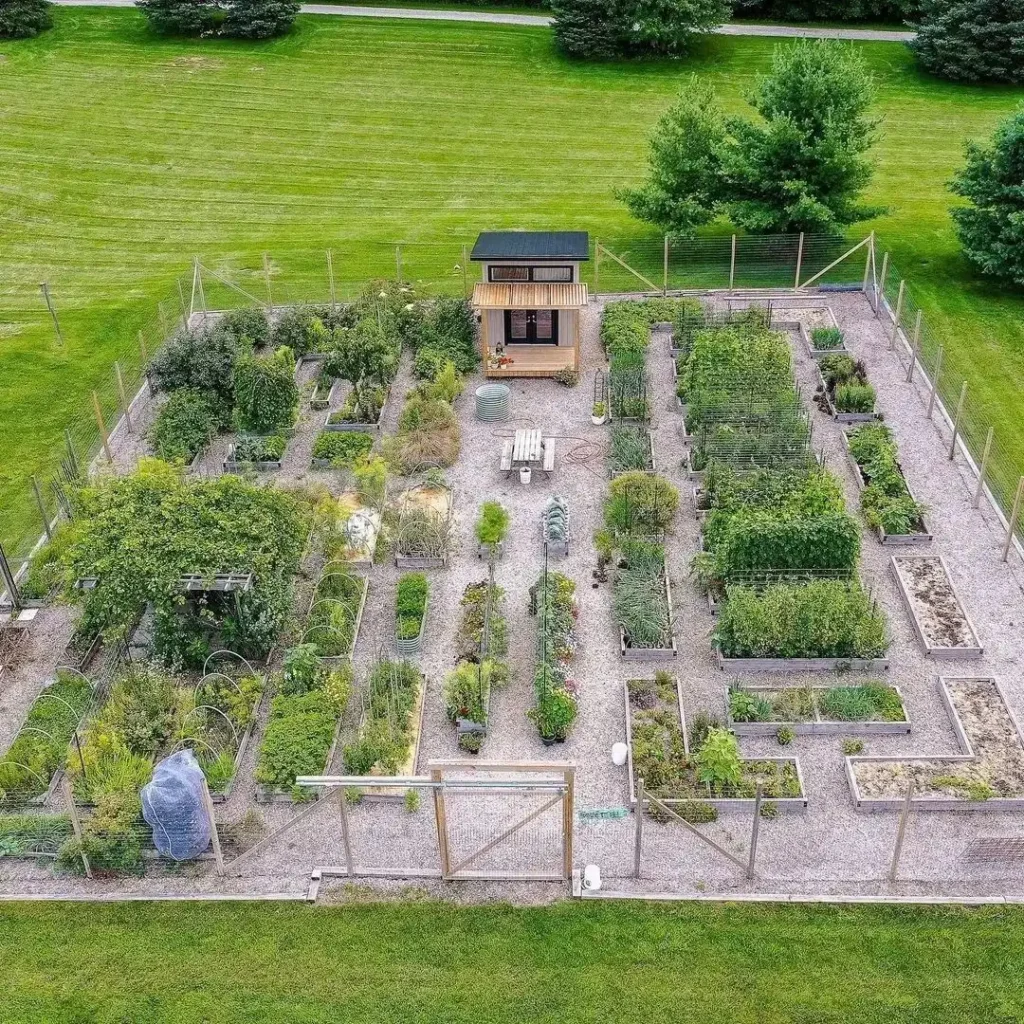
The Inspiration : Edible landscaping was born when Rosalind Creasy demonstrated that vegetables could be as beautiful as flowers. Medieval monastery gardens and French potagers have a rich history of mixing edibles with the ornamental. Today’s designers elevate purple cabbage, rainbow chard and blueberry bushes planted front and centre; yards become productive showpieces in which every plant satisfies body and soul.
Why It Works : Edible gardens do away with the false choice between beauty and productivity both are provided at the same time. Unlike ranting Dubliners in vegetable beds behind their garages, edible landscaping incoporates food crops into a landscape across your entire yard to produce the best yield possible. Many vegetables and fruits are themselves objects of beauty purple basil, rainbow chard and ornamental kale are as gorgeous as anything you could grow for its looks alone, but also come with the added attraction of harvests. Doing this cuts down the grocery bill significantly but without sacrificing freshness and nutrition. Psychologically, when you are picking-up ingredients meters from your kitchen door, it forges a deep bond to materials source of food. Edible gardens also support food security, reduce transportation emissions and eliminate pesticide worries. Homes with appealing edible landscaping look as good from the curb, but offer functional payoffs that we can’t say about purely ornamental gardens.
Pro Tip : Layer the edibles as you would a traditional ornamental border: fruit trees at the back, berry bushes in the middle and herbs or lettuce along paths. This helps to add visual depth and allows for the most production per square foot. Opt for ones with decorative qualities scarlet runner beans, purple peppers, tricolor sage and your garden will stay lovely throughout the harvest season.
Water Fountain garden
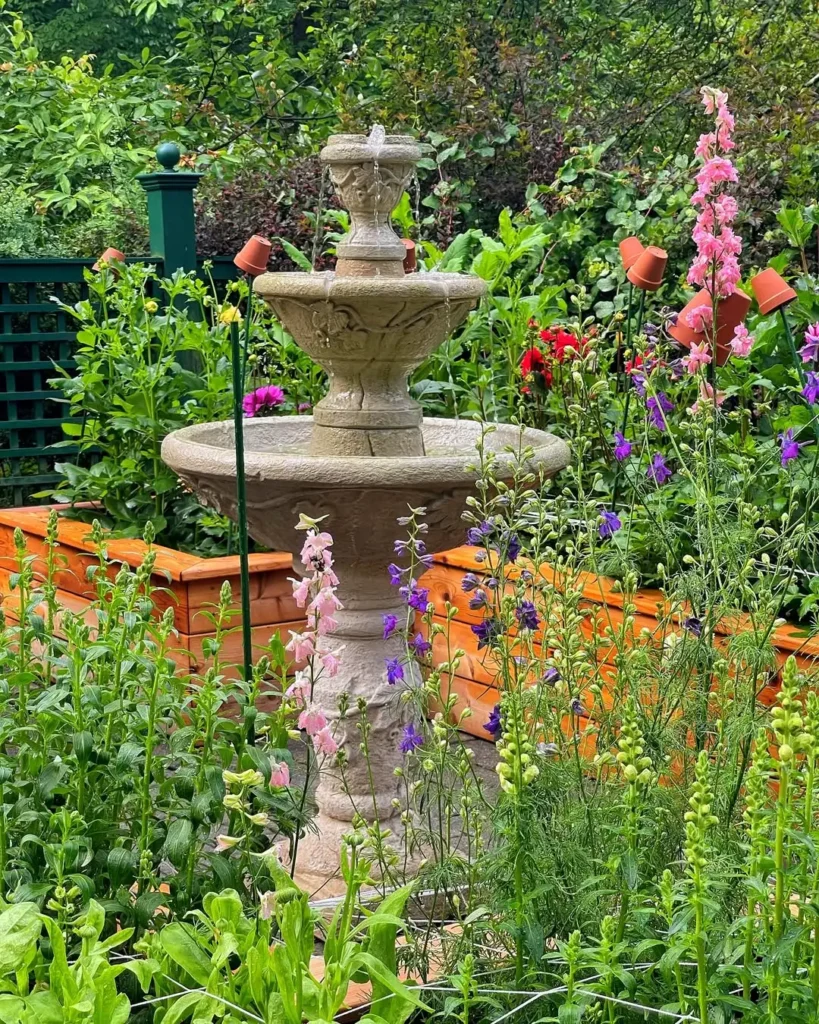
The Inspiration : Water fountains have been embellishing gardens since the time of ancient Persian paradise gardens and Roman Atriums, where they signified life’s bounty and opulence. The Moorish Alhambra and Italian Renaissance villas both had grand waterworks to impress visitors. Neopolitan fountain gardens rain gardens in which people have a reason to spend time, something to look at and relax the mind–elevate the tradition by making it ordinary, banal; yet surprising.
Why It Works : Gardens with water fountains engage several senses at once and provide immersive experiences that visual gardens alone cannot. Our responsibility to the Earth is no longer an option and that’s resonating sound water drowns out street noise, helps us forget the stress hormones in our bodies and allows us to relax from white noise. Moving water draws birds, butterflies and beneficial wildlife to animate and enrich the ecology. They act as natural gathering places and serve to ground the garden design, beckoning visitors down pathways. They make microclimates with extra humidity for surrounding plants, like ferns and shade perennials. Subconsciously, water features reflect luxury and purposeful design, increasing the perceived value of your property. It is also safer to prevent mosquit infestation when water is circulated than stagnant ponds, the latter creating a breeding ground for mosquitoes rather than an attractive pond.
Pro Tip : Place your fountain where you can actually hear it near seating areas, patios or bedroom windows,not far flung corners of the yard. It needs to be hardwired on its own circuit and also have it running through GFCI protection for added safety. Select recirculating models with sufficiently powerful pumps: undersized pumps result in lackluster trickles, not relaxing sounds. Clean filters once per month to prevent the hose from clogging.
patio garden
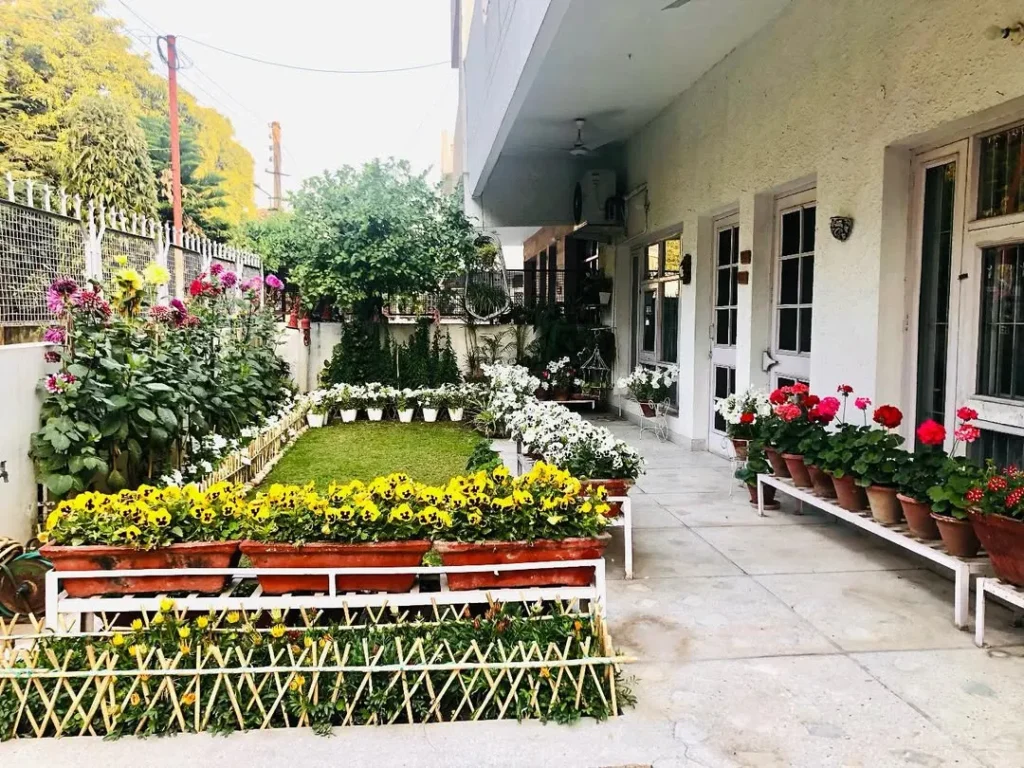
The Inspiration : Courtyard gardens have evolved from Roman courtyards and Spanish hacienda atriums, where container plantings were used to turn small outdoor spaces into intimate exterior rooms. That was not the case in European balcony gardens, which showed that a lack of hardscape didn’t have to translate into a dearth of green. Gone are the sterile expanses of concrete and hardscaping; in their place openings for water efficient lawns, habitats to attract bees, butterflies and birds and enough space for an outdoor playhouse or bocce ball court. Today’s patio gardens offer living space no constraint. So there it is: A paved patch becomes something much lusher than green paint applied with roller on concrete would suggest; creativity flourishes here with surprisingly little real estate.
Why so Good : They’re a new standard in convenience and control, putting greenery right inside high-traffic living spaces where you interact with it daily. Growing in containers eliminate worries about soil quality, gives you complete control over drainage and your own mix of soil amendment. Its proximity to the kitchen door makes fetching herbs and vegetables at meal times simple, so they are likely to be used more often and produce is less likely to go to waste. Patio gardens stretch usability with microclimate advantages hardscape steals heat, walls block winds and containers heat up faster than ground soil. Visually, they obscure the line between inside and out, helping to unify entertaining areas. It’s easier to care for when everything is within arm’s reach , and detailed watering can be used to avoid wasting water.
Pro Tip : Employ different heights of containers to create visual layers tall planters at the corners, medium heights mid-space and low bowls along edges. This up and down dynamic helps small patios feel bigger and less one note. Select containers a size larger than you think you need as sufficient room for roots means less frequent watering and strong, healthy plants.
raised bed vegetable gardens
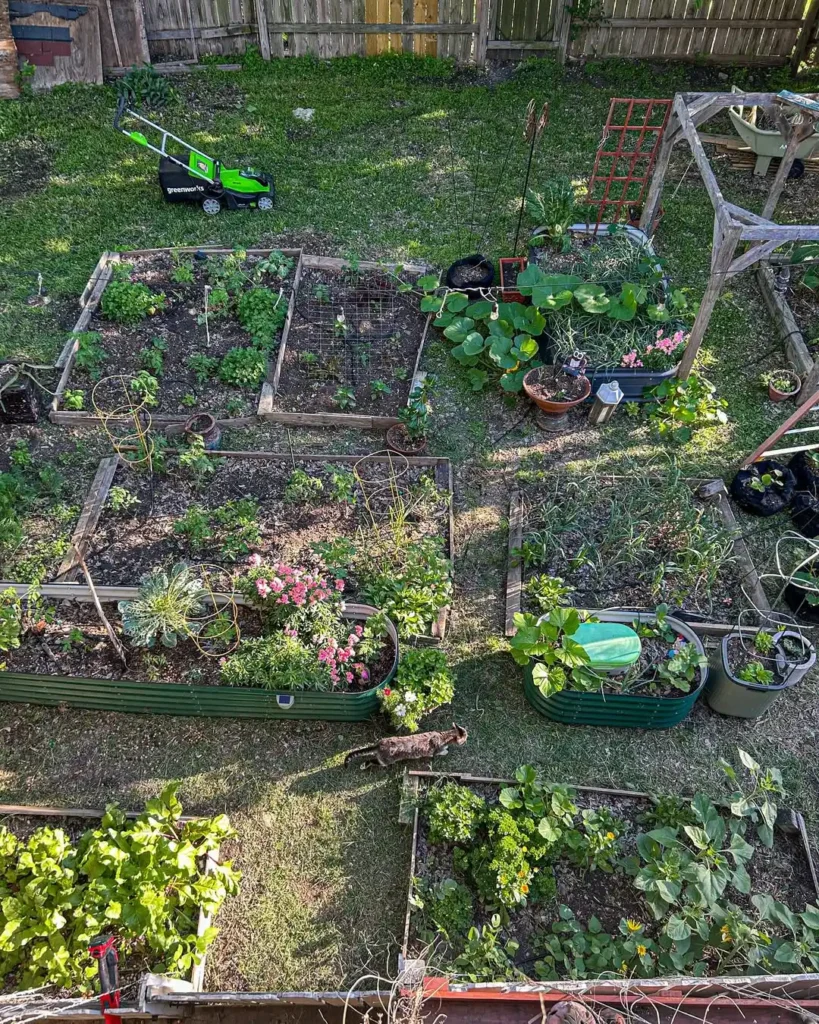
The Inspiration : Raised bed vegetable gardens can be traced back to ancient agricultural terracing and monastery gardens, where monks would raise planting beds off the surface of the land for better drainage. Accessible, intensive gardening methods developed during wartime victory gardens caught on. The modern raised bed democratizes gardening by turning problematic yards with bad soil, poor drainage and accessibility or rental apartments into gardens whose low effort robustness make them manageable by almost anyone.
Why It Works : Elevated square-foot gardens eliminate a lot of the problems associated with traditional gardening. Elevation also offers excellent drainage to help ensure root systems never find themselves susceptible to their most feared enemy: water. Add a soil amending substrate of your choosing, with native soils you’ve got a mix that is just what the roots ordered. In spring, beds heat up more quickly, pushing growing seasons ahead by weeks. The set up structure eliminates tilling, cuts down on weeding and keeps plants off the ground for a better yield by insulating heat for an earlier crop and protects from pathway weeds. Especially ergonomically, higher levels prevent back ache to make the gardening job possible for everyone. Intensive planting with In raised beds is known to: Increase the yield per unit area. The vessel provides a manageable space for crop rotation, pest control and water accuracy. Structured beds for visual appeal, organized growth and higher property values with big yields.
Pro Tip : Make beds no wider than four feet to enable easy access from either side without treading on the soil. Opt for untreated cedar or composite lumber and refrain from pressure treated wood where edibles are present. Fill with good quality mix: one third compost, one third peat moss or coconut coir, and one third vermiculite. This works great for drainage, nutrition and retaining moisture.
Smoke Tree Garden
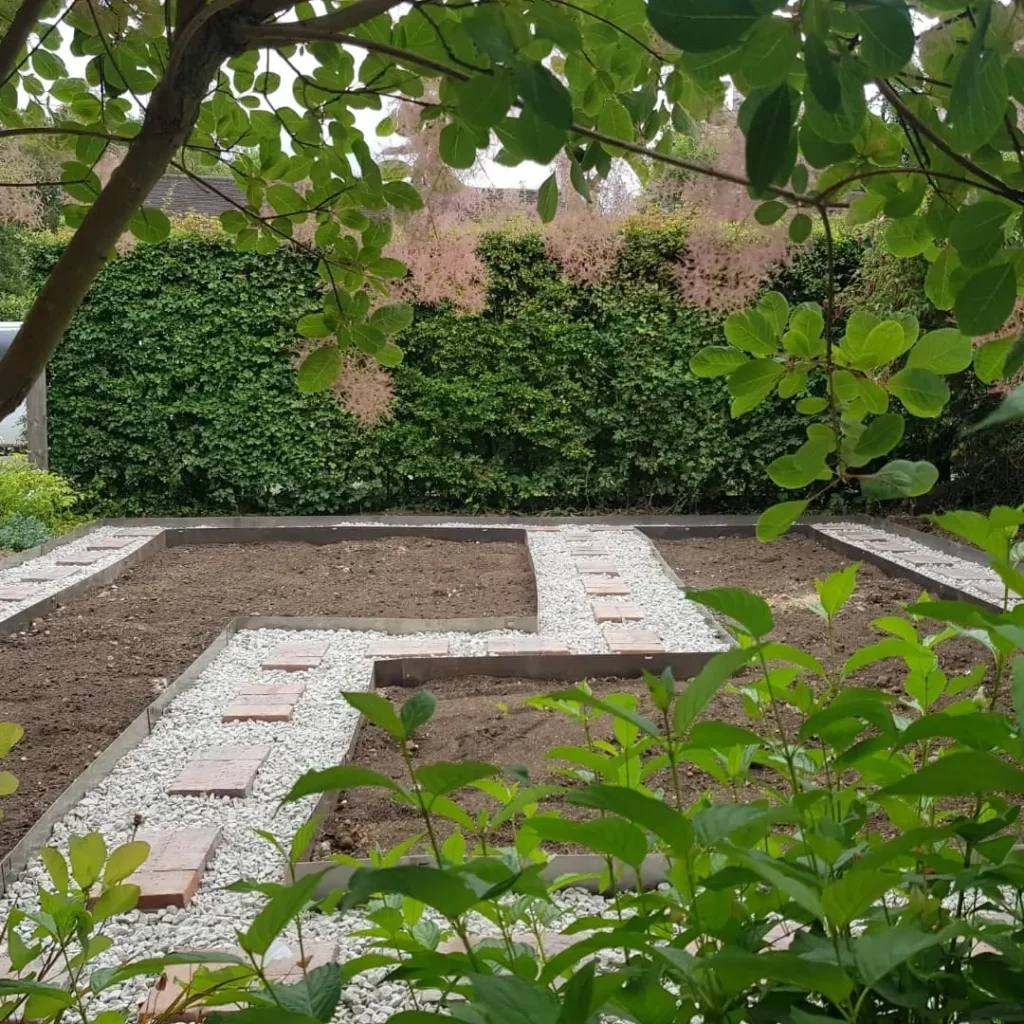
The Inspiration : Smoke trees meanwhile, found favor in Victorian gardens when specimens from distant lands conferred status. Their roiling, pink-purple plumes that appear to be made of clouds of smoke, provide ethereal drama unrivaled by conventional shrubs. The sculptural form of the plant is highlighted in Mediterranean and contemporary xeriscape designs. That seasonal turning from spring greens to smoky summer blooms and fiery autumn foliage, all year-round visual poetry.
Why it works : Smoke tree gardens offer plenty of interest and curb appeal throughout the year requiring less hands on care compared to other fills that cannot handle poor soils. The unique, smoke-like flower panicles are borne in Summer and their soft texture contrasts beautifully with stiff, evergreen shrubs or architectural features. Varieties with purple leaves, such as Royal Purple’ provide always on color, no flowers required. Once established, these drought resistant plants require little water making them perfect for xeriscaping. Their relatively small size makes them perfectly suited to the residential garden without taking up too much real estate. The open growth habit cates dappled shade for plantings below, yet remains airy. Dramatic oranges, reds and purples in the fall foliage challenge those of maples. Smoke trees are attractive to pollinators and resistant to most pests and diseases.
Pro Tip : Set smoke trees out in full sun and well draining soil . Do not over fertilize, as this will reduce bloom and color. Cut back hard to stimulate compact growth and coloring of the foliage in late winter. Space them 10-12 feet apart so there’s enough air movement
Private garden
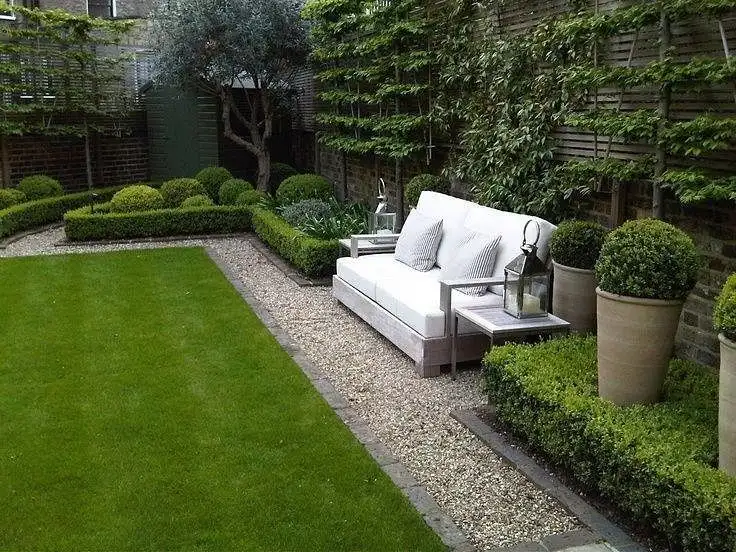
The Inspiration : Private gardens descend from Persian paradise gardens and medieval monastery cloisters, where high walls carved out sanctuaries protected from the surrounding chaos. Japanese tea gardens and English walled gardens perfected the notion of intimate retreats. Private gardens today respond to modern desires for personal sanctuary: sheltered outdoor rooms where you can escape and families can unwind, unwatched, making real refuge in neighborhoods that feel more crowded than ever.
Why It Works : Private gardens offer psychological rewards that public or visible yards can never match. Strategically planted with screening of hedges and fencing, or living gates that are an effective design element around a courtyard it will provide real privacy. freedom to relax without prying members of the neighbourhood looking on.” You can use numbers one, two and four lose the freaky neighbours for a spicy barbecue. Privacy allows a certain freedom of expression without fear of criticism try something unusual, over the top, or low key maintenance. The enclosed space feels obviously safer and more intimate, and thereby will likely be used more often and enjoyed as an extension of outdoor activity. Tangibly, privacy prevents noise and eyesores, while defining borders of private property. Wind breakage screening elements prolong growing seasons and produce comfortable microclimates. That, along with increased property value (which can spike an average of 28 percent when a home features a private garden), is one way to get outside and derive the mental health benefits of being in nature on a daily basis.
Pro Tip : Layer privacy screening at different heights, with tall evergreens to block upper-story views, dense shrubs for primary screening and foliage or other low plantings for below coverage. Combine evergreen varieties for year-round privacy with deciduous flowering types for seasonal interest. Screen inside the property line to prevent any issues with neighbors or access for maintenance.
Cutting Garden
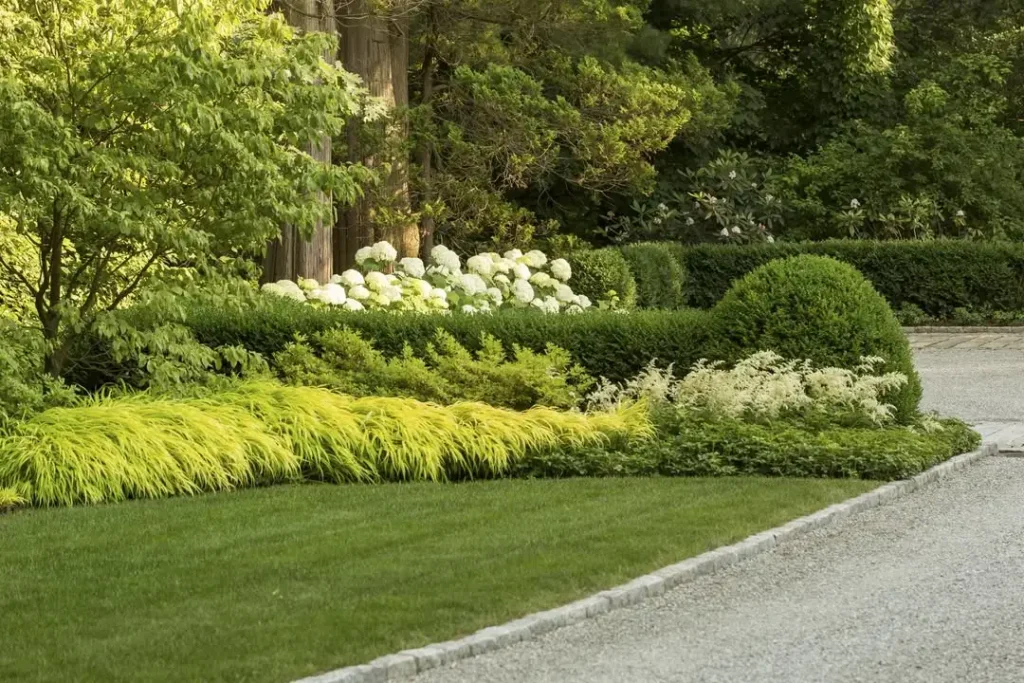
The Inspiration : Cutting gardens trace their roots back to English country estates, where gardeners tended separate production plots that kept manor houses supplied with fresh flower arrangements on a weekly basis. Gertrude Jekyll and Vita Sackville-West helped to popularise dedicated cutting areas, freeing up ornamental borders by not harvesting from them. Modern day cutting gardens continue this tradition, filling vases with blooms without feeling guilty about cutting back those prized specimens and sacrificing displays in the larger landscape.
Why It Works : Cutting gardens break the flowers as performers out from their prettiness perform where they do best in utilitarian rows for maximum season of production and ease of care. Sow thickly in rows for straight stems and convenience, not beauty. This dedicated patch means there’s no fear of harvesting from the main borders, which in fact encourages little and often cutting and better bushier growth for even more constant blooms. Raising your own cutting flowers costs pennies, versus florist bouquets, and it allows you to choose from among unusual varieties unavailable at florists, not to mention pesticide and chemical-free blooms. The garden provides arms full of flowers for home and gifts and events throughout the season. Succession planting to ensure a continual supply determines the new dwarf varieties, and experimental colours are trialled for their performance before they are added to the high profile landscape beds.
Pro Tip : Plants should be grown in rows like vegetables and not in ornamental groupings. Opt for “cut and come again” varieties of summer blooms like zinnias, cosmos and dahlias that put out new flowers over many weeks when harvested often. Gather flowers early in the morning when stems are full of moisture, then place stems into water as soon as you can. Add greenery to arrangements, too with the leaves of plants and trees like eucalyptus.
Woodland Garden
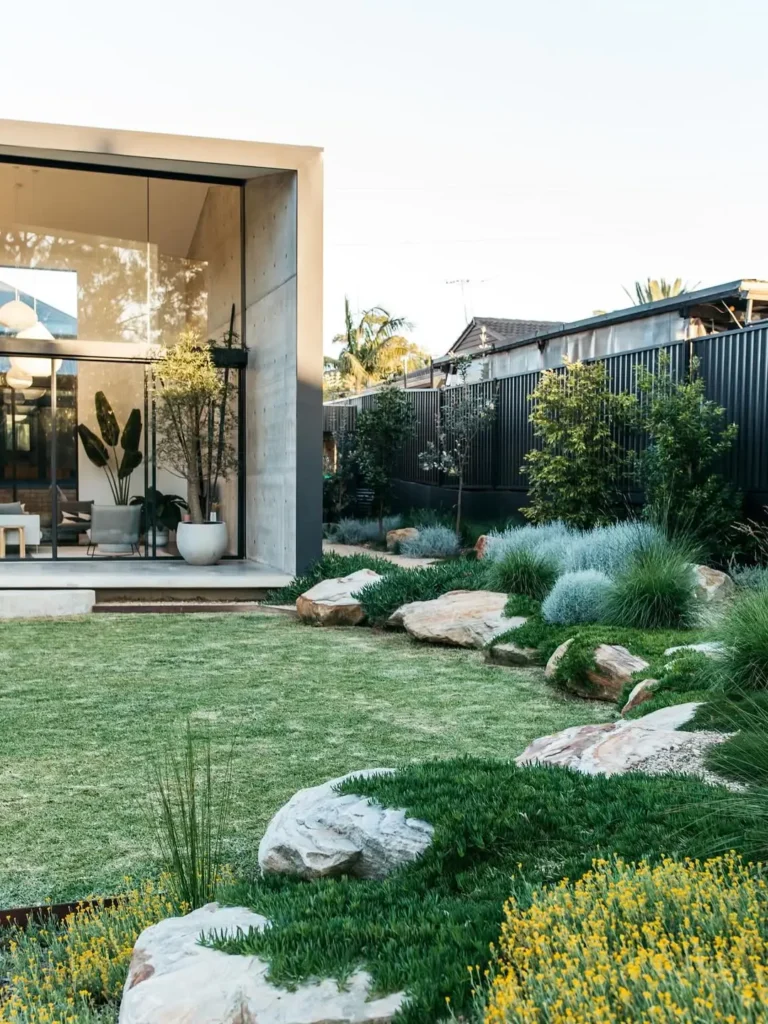
The Inspiration : Woodland gardens evoke nature’s forest ecosystems, the result of a blend of English landscape garden style and British wood floors carpeted with wild bluebells. Such naturalistic woodland plantings were the passion of William Robinson. Open light in ancient forest, fern grottos and spring ephemerals flowering before canopy closure makes for magical settings. New woodland gardens bring the verdant tranquility of shade to life with foliage and flowers that catch bright light slivers, sudden leaf flashes or delicious blooms under the canopies of larger trees.
Why It Works: Woodland gardens address the timeless problem of what to grow in shade, successfully turning low light areas into bright spots of your property. Shade tolerant plants that are native once you get them in their spot, you hardly ever have to even look at them; they grow where sun-lovers do not. The three tiered canopy understory ground cover formation emulates nature, resulting in low maintenance gardens that require less watering. Woodland gardens offer cool summer getaways and support biodiversity through the use of native plantings that draw wildlife. Emotionally, they call to mind peaceful forest walks and primitive nature connections. How can gardeners add length to spring by extending early flower shows, before trees leaf out and gardens don’t seem as interesting? The naturalistic style is lower in formality to maintain and feels quite posh.
Pro Tip : Plant in layers by height to recreate forest structure: canopy trees up top, understory shrubs such as rhododendrons at middle level, perennials such as hostas or ferns down below, ground covers like wild ginger bring up the rear. Dust on leaf mould once a year, to simulate the natural layer of leaf litter it holds moisture, smothers weeds, nourishes soil and provides genuine woodland conditions for beneficial fungi and micro-organisms.
Fence Garden
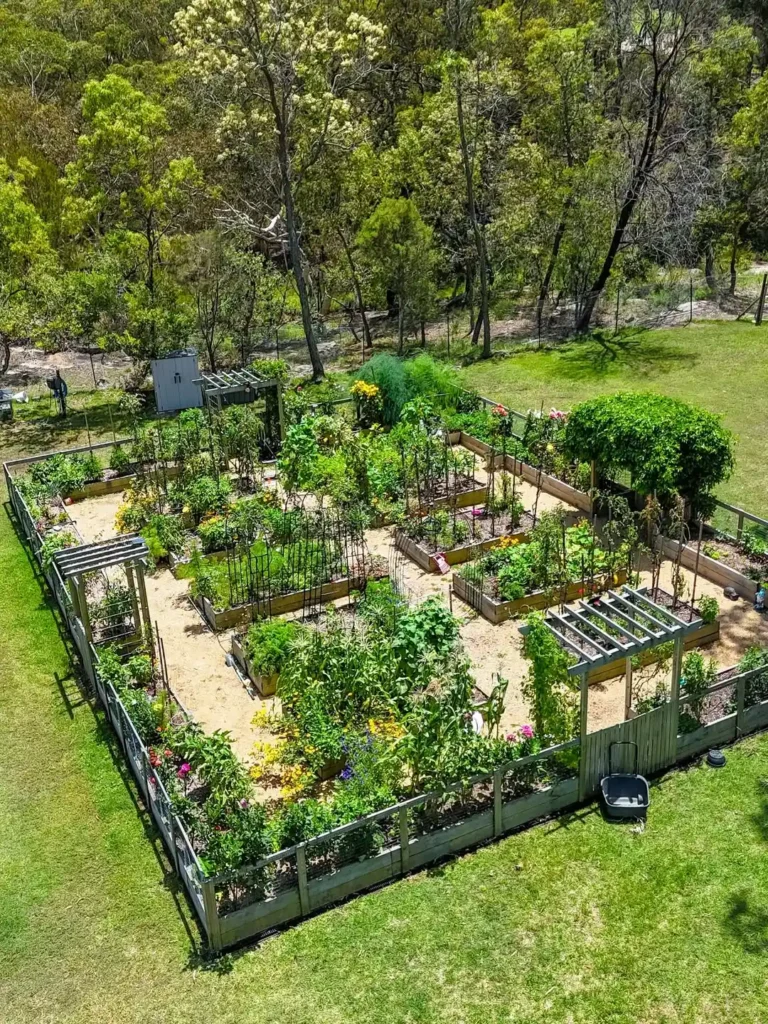
The Inspiration : Fence gardens grew out of European espalier traditions in which fruit trees were trained against walls and fences to capture heat and save space. Cottage gardeners always helped to camouflage boundary fences with climbing roses and climbers. Vertical fence gardening was piloted by urban gardeners to demonstrate that mundane fences can be transformed into living productive walls transforming wasted vertical space into growing trellises of lush plants.
Why it works : Fence gardens make the most of growing space while using zero ground area, an excellent option for small yards where every inch counts. A fence offers ideas for climbing vegetable, vines and flowers a structured support system that don’t require trellis costs. The soaring south wall harbors microclimates exposed fences facing due south radiate retained day heat and warm up surprisingly faster than even the ground, helping you grow early-crop plants. Plantings hide ugly chain-link or weathered wood and make the fence, and yard, part of the landscape. Layered plantings help them create natural privacy screens and noise barriers. As an added bonus, maintenance is easier on standing level, rather than ground hugging plants. Fence gardens also serve as a beautiful way to delineate property lines, and provide pollinators with some love by showcasing vertical blooming displays that add to the interest of your garden.
Pro Tip : Instead of planting directly against wood, put in place horizontal wires or narrow trellis panels 6″ away from the fence. This space also prevents the problem of moisture damage, promotes air circulation to minimize disease problems and supplies aeration for your plants so they can climb with tendrils. Use hardware that won’t rust, and set supports in place before planting. Pick climbers that suit fence sun exposure clematis if it’s a shady fence, jasmine if sunny.
Bog Garden
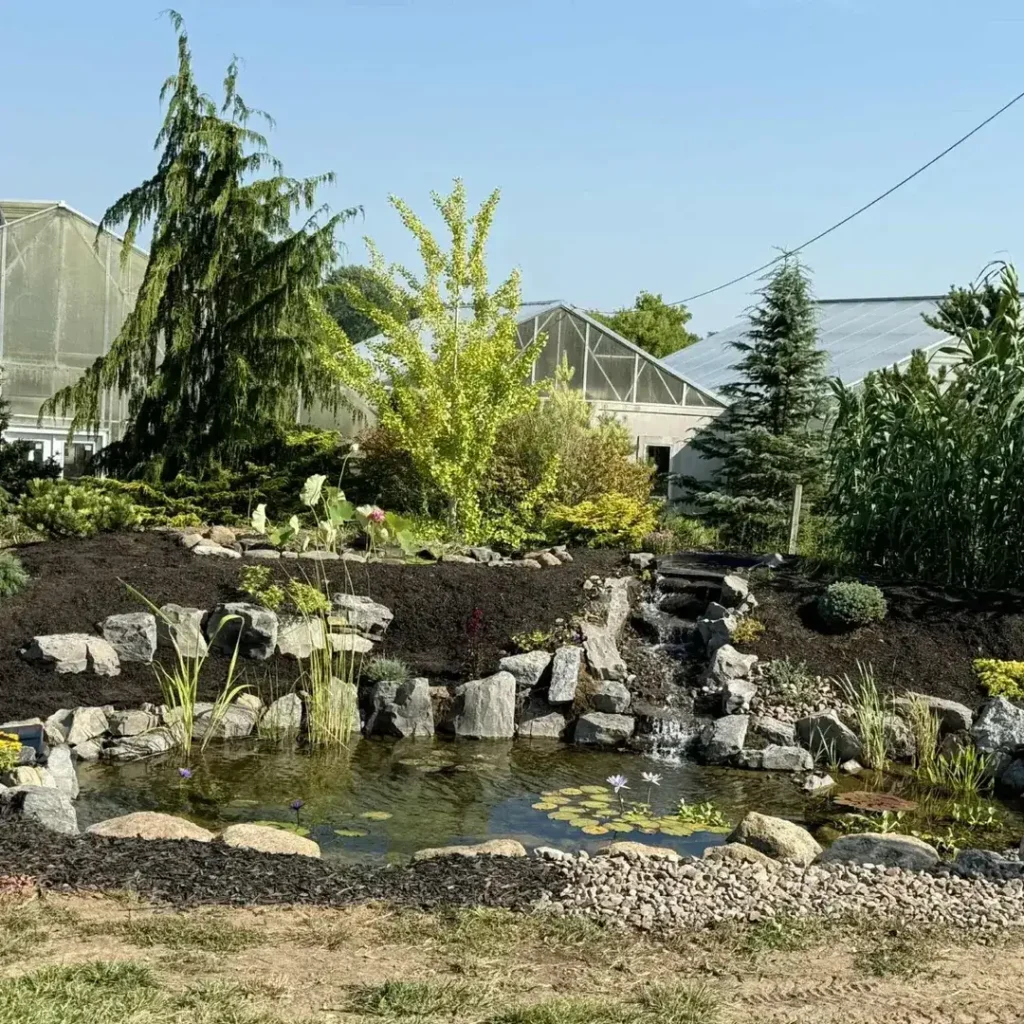
The Inspiration : Bog gardens are inspired by the types of ecosystems that these carnivorous pitcher plants, sundews and other rare orchids inhabit. Victorian plant hunters were fascinated with these distinctive habitats, and returned from bog expeditions toting exotic specimens. Bog gardens Now a days themed bog garden Passes turn off damp areas places where it never really dries out, where regular plants would drown and Get Them To display interesting collections of water loving plants that thrive in situations where all else utterly fails.
Why It Works : Bog gardens offer the solution to drainage nightmares, opting to work with waterlogged settings. You grow things that love to have wet feet without the costly drainage systems carnivorous plants, primulas, irises and marsh marigolds. These specific habitats are havens for diverse wildlife such as dragonflies, frogs and beneficial insects. Bog gardens offer a low maintenance alternative to year-round damp areas that drive traditional gardening to its knees. Oddball plant selection big, carnivorous plants are well represented offers conversation generating specimens you’d never find in a regular garden. Bog gardens relate to our hearts, too, traveling emotionally across trails of vanishing wetland. They only need occasional fertilizing because bog plants grew without much of that, and mature beings don’t require anything more than the right amount of water.
Pro Tip : Make artificial bogs by digging down 18 inches, lining with punctured pond liner for slow drainage, and filling it with a fifty fifty mixture of peat moss and either sand or perlite. This simulates the conditions of a real bog with constant moisture and low nutrients. Eliminate fertilizer altogether bog plants are acclimated to having too little for nutrients and actually do harm.
Knot Garden
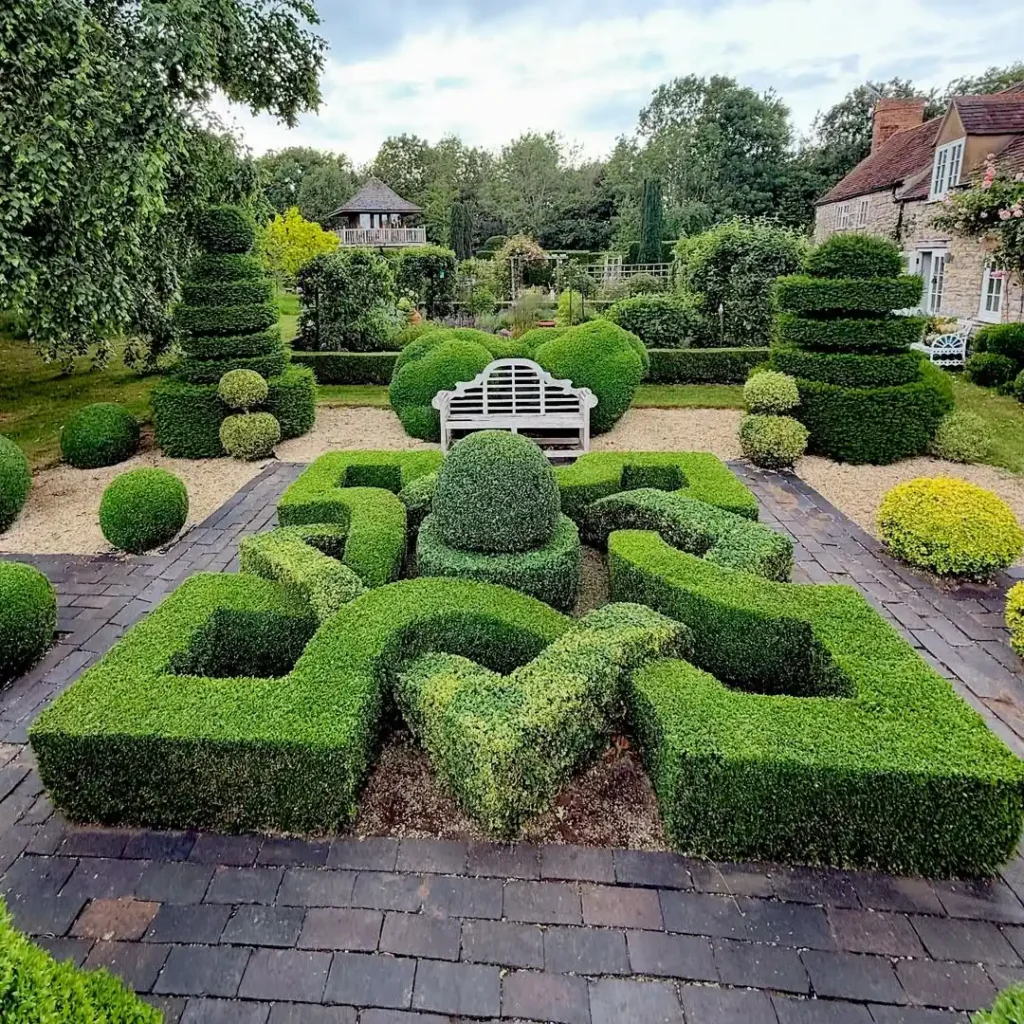
The Inspiration : Tudor England was where knot gardens began, based upon designs from intricate embroidery motifs and Celtic plait work. Tightly clipped boxwood knots denoted wealth and sophistication at Hampton Court Palace and Elizabethan manor houses. These worked-out physics became living tapestries which converted geometry into horticultural art entwining, wrapping over and tucking under themselves inky green polygons best viewed from above or an upper story window.
Why it’s Great : Knot gardens give all year round structure and visual interest, evergreen hedging still looks beautiful at any time of the year. This tight, formal pattern is very formal and surprisingly space saving even small yards will fit a simple knot. Once installed, maintenance is a meditative and familiar: regular trimming ensures sharp lines and clear patterns. The interstices or chicane between hedge patterns would traditionally be filled with coloured gravel, aromatic herbs or seasonal flowers giving a degree of freedom within tightly bound systems. In fact, formal architecture and knot gardens are a perfect match, adding history and value to the property. From a psychological perspective, the exactitude of mathematics and artful complexity afford meditative spaces that honor both time and labor. These gardens simply get better with age, growing more elegant and impressive as borders become robust hedges over the decades.
Pro Tip : Sketch out your knot design to scale on graph paper before planting, making sure intersecting lines are distinct and the pattern reads well from likely angles. Highlight the over-under weaving illusion with opposing foliage colors dark green boxwood next to silver santolina or golden thyme. “Start with the four strand ones; they’re easy to manage.” The more complex you get, he says, the more maintenance your beard requires and the more potential for it to look like a visual mess.
container garden
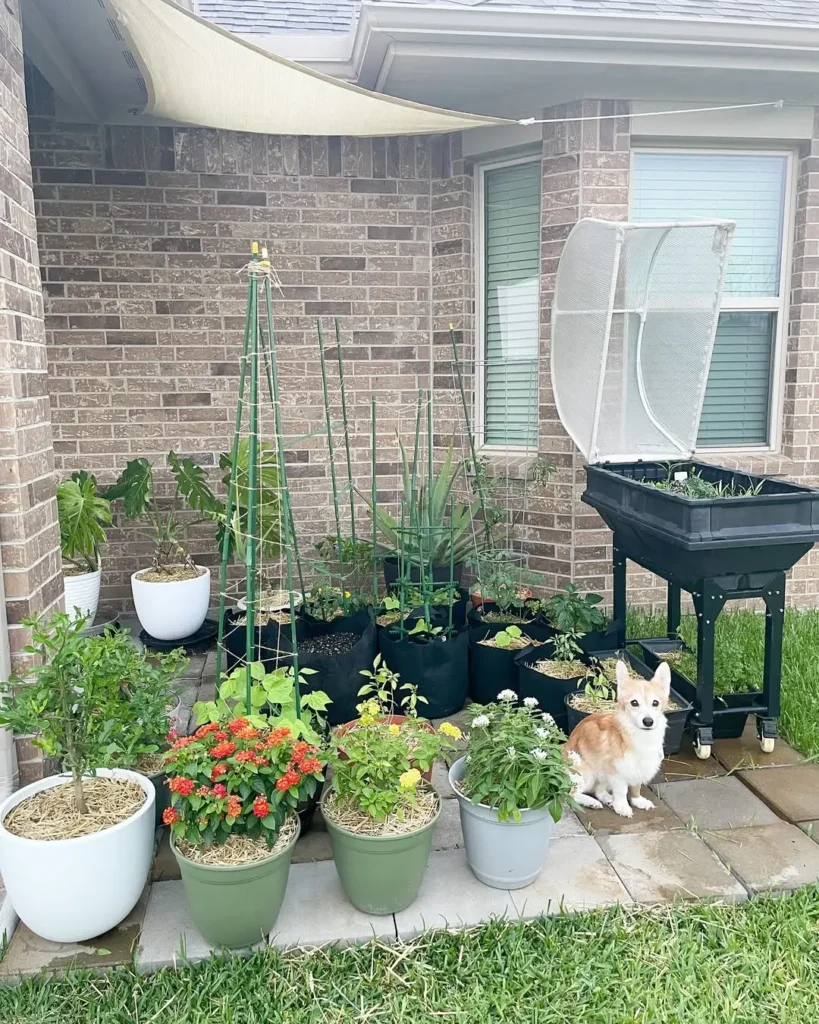
The Inspiration : Container gardens date back to ancient Roman atriums and Babylonian rooftop plantings, in which portability allowed growing anywhere. European balcony gardens proved that soil less spaces need not be devoid of greenery. Modern city folk perfected container gardening, demonstrating that apartments and patios, balconies and rooftops could actually grow food. The advent of containers democratizes gardening anyone with sunlight and pots can garden even with no access to ground.
Why This Works : Container gardening provides unparalled flexibility and the ability to control growing conditions. With wheels, you can easily position the unit in just the right spot for maximum sun exposure or to change up your look, as well as move it out of extreme weather. Potting mix avoids problems with poor native soil by offering custom blends for each type of plant. They make gardening possible for tenants who don’t want to permanently alter the landscape, seniors who prefer not to bend down to ground level and city folk without yards. Container gardening can utilize a broad array of plants and fruits that aren’t hardy in your specific growing environments, when it’s too cold to plant them outside. Good drainage also helps eliminate some water-logging problems associated with planting plants in the ground. In fact, the restricted root space is actually beneficial to some plants; it concentrates flavor in herbs and curbs the enthusiasm of aggressive spreaders. Containers also improve maintenance ease watering, feeding and pest control are all done at ergonomic levels.
Pro Tip : Make sure your container has drainage holes; if not, drill some. Do use a quality potting mix never garden soil. Mix in a slow release fertilizer at planting time containers leech nutrients more quickly than ground plantings and will need steady feeding through the growing season.
Flower Garden
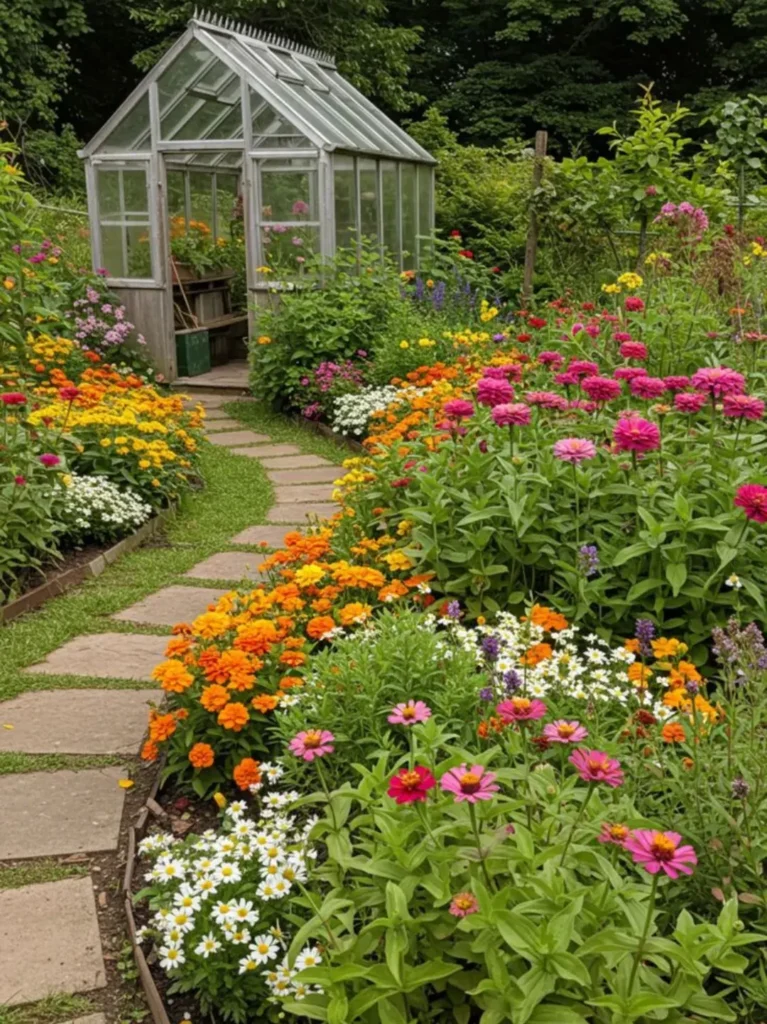
The Inspiration: Flower gardens are humanity’s oldest aesthetic ambition, and yet it is beauty without purpose that we pleasure in. From Monet’s impressionist Giverny to English cottage gardens spilling over with delphiniums and roses, flower gardens celebrate the vibrant senses of color and shape. In medieval monastery gardens, the healing and decorative grew side by side. Today’s flower gardens are part of that tradition, and they transform yards into seasonal kaleidoscopes that feed souls as surely vegetables feed bodies.
Why It Works : Flower gardens provide deep emotional and practical rewards beyond their appearance. Studies show that looking at flowers can reduce stress, elevate mood and even enhance creativity and productivity. This diverse mixture of flower plantings enhances food sources for important pollinator populations bees, butterflies and other beneficial insects that aid in maintaining healthy natural ecosystems and contribute to food production. A flower garden will offer season-long interest if you plan the bloom sequence properly: color from spring bulbs to fall asters. They provide a continuous supply of cut flowers for arrangements, which can save money while also making the beauty of outdoors indoors. Property values are known to increase with eye-catching flower plantings as they add impressive curb appeal. The creative outlet of flower gardening, trying different color combinations, textures and heights is as rewarding in personal therapeutic return as is the usefulness of a vegetable garden for food production.
Pro Tip : Design for extended flowering by choosing plants that bloom in sequence: spring bulbs, early summer perennials, mid-summer annuals, late season asters and sedums. Plant in odd numbers (threes, fives, sevens) for a more natural look rather than single specimens. Deadhead spent blooms frequently one simple chore greatly extends bloom time and keeps gardens looking fresh while encouraging new blossoms.
gravel garden
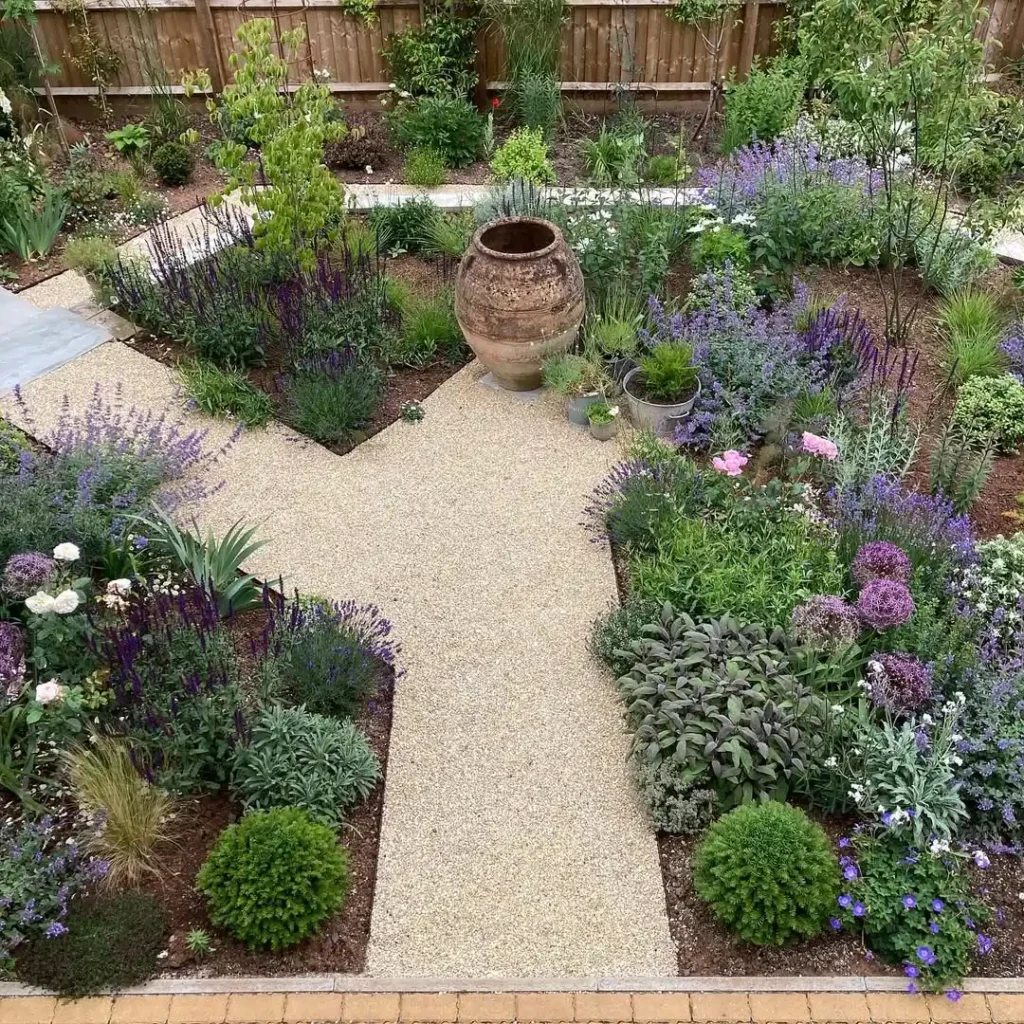
The Inspiration : By 1960, pioneer nurserywoman Berth Chatto had already turned a fruitless Essex farm into the famous Gravel Garden. She showed vividly that water wise beauty does not need to be watered. People who know British gardens best praise it as the most original garden of the twentieth century. Her “right plant, right place” philosophy still stands today.
Why It Work : Gravel gardens work because they have an extreme good drainage, preventing waterlogging but holding water underneath. With a layer of permeable stone, weeds are banished naturally. Chemical treatments are abolished and maintenance is greatly decreased. These gardens are not watered or fed after they become established, so they are ideal for regions short of water and time-pressed gardeners. From Mediterranean plants to native perennials, gravel offers great aesthetic flexibility. It comes in a variety of colors and textures, easily suiting any design. Economically sound as well as environmentally friendly, gravel gardens support extremes of temperature and need little interference for interest throughout the year.
Pro Tip : A five to seven-centimeter thick layer of gravel mulch is placed directly on the ground without using landscaping fabric beneath, which would prevent natural sowing. Before planting, one lets water soak into the pot for five minutes; then each plant has a small shallow bowl around it by using a trowel or your hands, and water in plenty. Choose local gravel wherever possible.
fountain sculpture garden
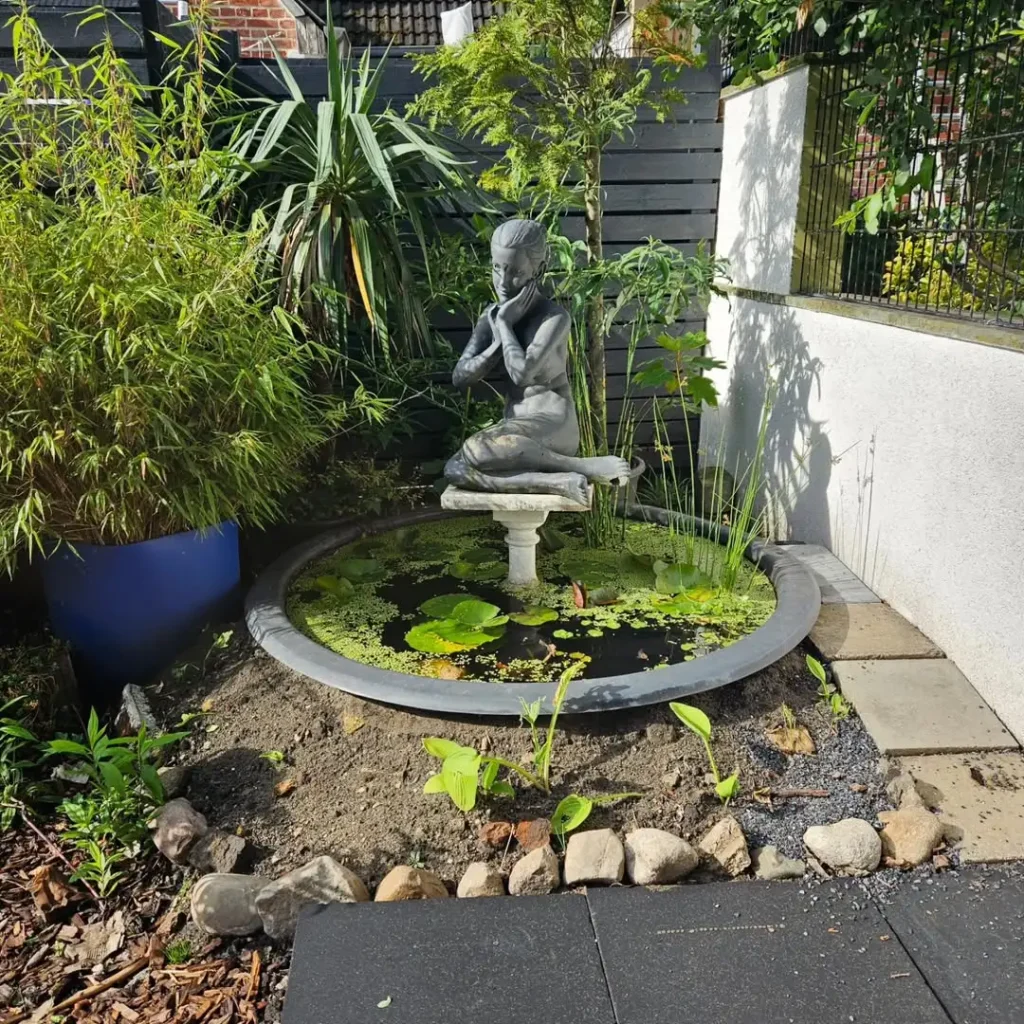
The Inspiration : The Villa d’Este of Renaissance Italy fascinated guests with hundreds of descending waterworks that together with sculpture became living art, converting the garden into a theater. This mingling goes back to ancient Roman courtyards where bronze nymphs poured eternal streams and, in Moorish Spain’s Alhambra, where geometric fountain sculptures formed an oasis sanctuary. Water becomes art in a timeless fashion.
Why It Works : Fountain sculpture gardens involve multiple senses at once, providing immersive experiences that it is not possible to achieve in a static garden. The moving water creates white noise that helps block out street sounds while providing a “cool oasis” in the warmer months with an ambient temperature five to ten degrees cooler than the subway. Sculptural components act as year round visual anchors, allowing interest to remain when seasonal plants die back. To this point, those basic water motion dynamics draw a variety of beneficial animal species such as birds and butterflies, in turn expanding biodiversity. Not only do those installations act as a natural humidifier for dry climates, but art and nature combined lead to verifiable stress reduction and enhanced mental clarity. Properties are valued that much more, and water features typically add fifteen to twenty percent in a value of your landscaping when assessed.
Pro Tip : Position the fountain sculpture where sound will be reflected in order to optimize auditory effects situate it approximately fifteen to twenty feet from sitting areas and near walls or hedges that allow water sounds to resonate. Utilize recirculating pumps with VFD’s to modulate flow by the season and save power thereby maximizing aesthetics. Opt for frost proof materials in cold climates to eliminate winter cracks.
rock garden
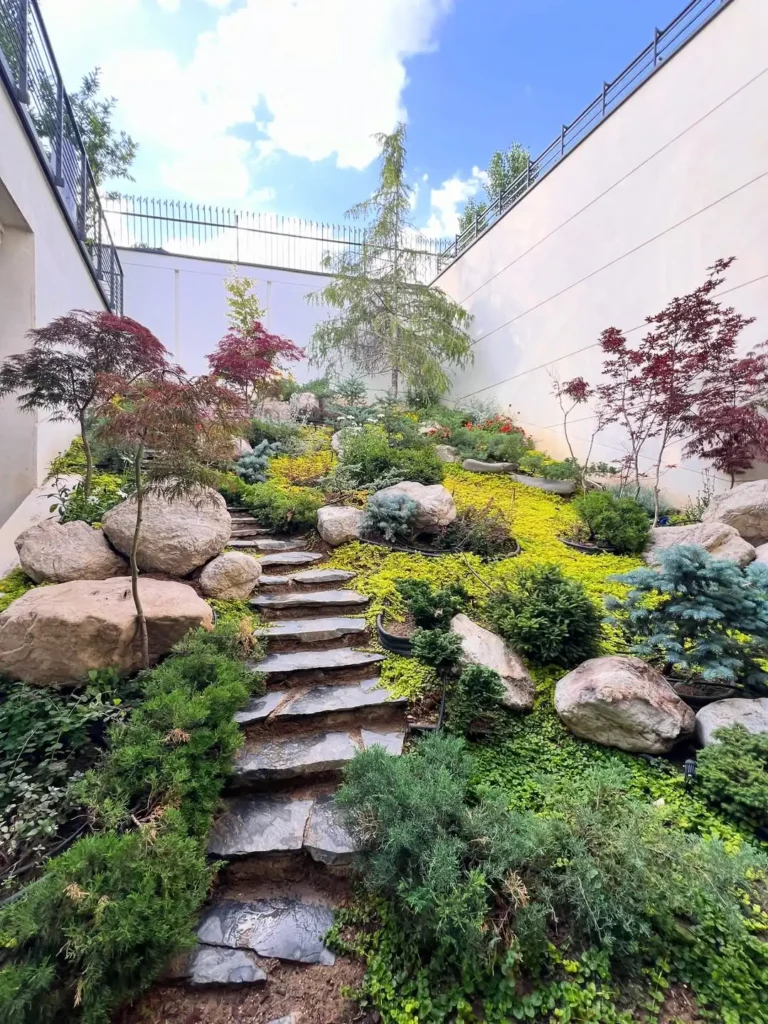
The Inspiration : Japanese Zen monks pioneered karesansui gardens centuries ago, raking gravels around ancient stones to symbolize cosmic flow and mountain essence. Meanwhile, Victorian-era adventurers returned from Alpine expeditions consumed with re creating windswept mountain peaks in miniature. These cultures coalesced into rock gardens dedicated to overcoming struggle to beauty that blossoms in the face of harshness, turning adversity itself into something beautiful.
Why This Works : Rock gardens succeed where other landscaping fails, cascading over hillsides and perched on rocky soil to establish scenery in drought-prone settings. Using raised stone beds creates excellent drainage and negates the chances of root rot whilst also cutting hillside soil erosion by 40-60%. Once established, these gardens need to be lightly watered with rocks developed during the day serving as mini-heaters that moderate night-time temperatures, and protect alpine plants from extreme hot and cold. Maintenance requirements plummet no mowing, minimal weeding, and lean adapted plants do not require fertilization. The stacked-stone construction varies throughout the year and offers dimension, while also serving as habitat for beneficial insects and lizards. You will be shocked at the low price of installation, compared with conventional gardens and you increase property value intensely.
Pro Tip : Place the rocks in odd number clusters, two out of three quarters each rock should be buried to make look like natural geological formations. Start by laying the largest stones as the anchors and fill with smaller ones. Instead, tilt stones slightly backward to direct rainfall toward plant roots and leave irregular planting pockets of gritty, well draining soil.
Tropical Garden
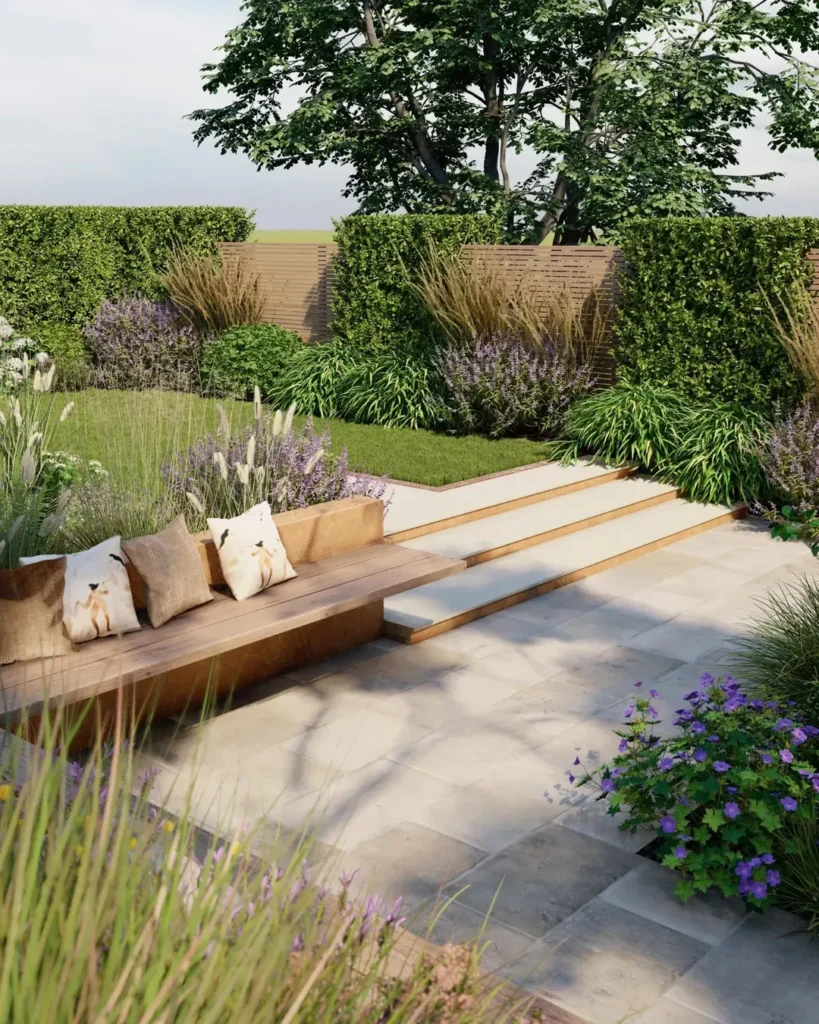
The Inspiration : In the 1930s the Brazilian landscape designer Roberto Burle Marx revolutionized tropical design, treating gardens as living paintings in which huge patterns of foliage were charged playfully with bold colors. Victorian conservatories such as the Palm House at Kew captured exotic jungle magic under enormous glass domes. These opulent sanctuaries bring to mind primordial memories the steamy embrace of rain forests, where emerald canopies strain golden light and brilliant blooms offer endless summer.
Why It Works : Garden of Eden type tropical gardens form densely layered, weed-free environments and make the most of limited space with vertical planting. The lush vegetation levels are high in the oxygen department and soak up urban noise pollution for these quiet escapes within even our most bustling quaters. Plants with big leaves, like bananas and elephant ears, offer instant screening privacy that’s different from but more effective than fencing. They are gardens that thrive in wet areas where conventional landscapes falter, turning ecological liabilities into luxuriant opportunities. There is no need to be disappointed by a seasonal dormancy. Studies have shown that exposure to tropical plants decrease cortisol levels markedly and that the resort style ambience boosts property appeal. Bromeliads and succulents bring tropical looks into drier areas among water–wise plantings.
Pro Tip : Impression of being in the tropics This one’s easy: Layer cold-hardy plants that people traditionally associate with the warm-weather landscape and you’ll create a convincing tropical illusion even in temperate zones think Trachycarpus fortune, and banana plants that resprout from the mother root and large leafed hostas. Cover plants with a thick layer of organic mulches to conserve moisture and insulate roots through the winter. Place tender plants within microclimates near south walls of buildings where they will benefit from reflected heat and so you can extend your growing seasons.
Wildflower Garden
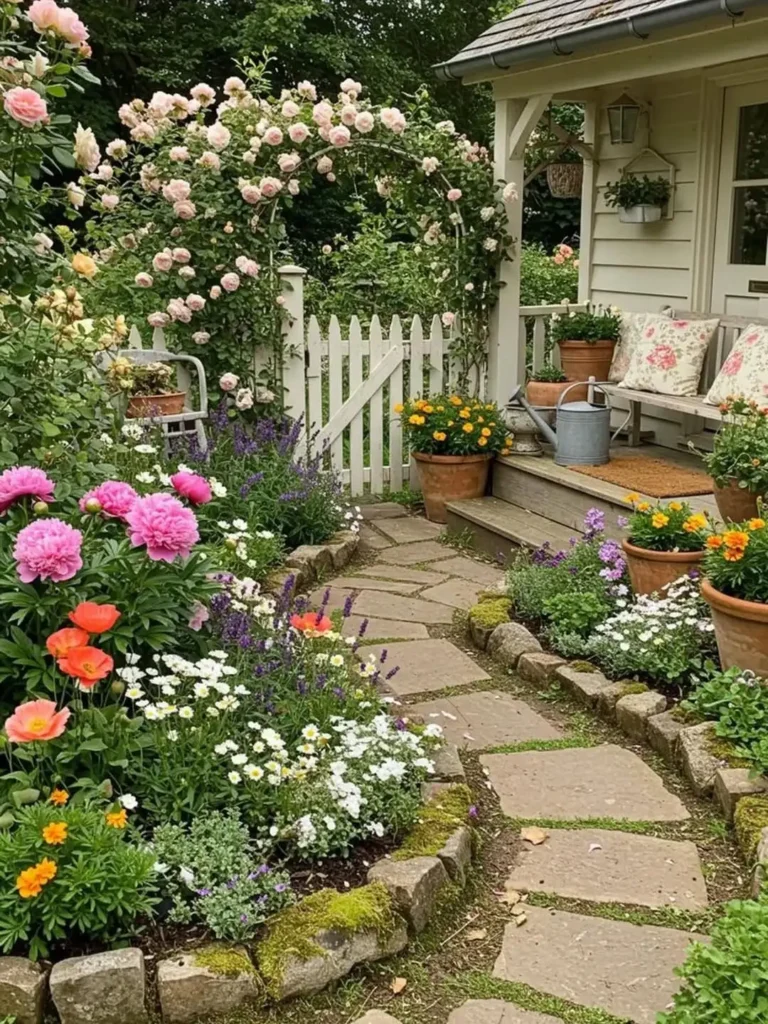
The Inspiration : Lady Bird Johnson’s 1960s campaign to beautify the nation’s highways by scattering millions of wildflower seeds across America turned road edges into rainbow ribbons. English meadow traditions going back to medieval commons are wild about freeform beauty; the Dutch designer Piet Oudolf has reinvented them as high art. These impromptu flowers are a homage to wild and free childhood memories racing through the sunlit countryside, where nature unfurls without limits or constraints.
Why It Works : Wildflower gardens can help those plummeting pollinators, with water wise natives giving 30 times as much value to bees and butterflies as exotic ornamentals. They’re self-sustaining, so offer significant annual savings of time and money: From the moment they are installed, nearly all inputs are eliminated Grambionic water consumption next to nil fertilizing is unnecessary which means Exemplars require no more than a single mowing per year. They can potentially reduce maintenance costs by up to seventy percent less than a traditional lawn. The self-seeding characteristic aids in an endless cycle without reseeding costs. These gardens work on inhospitable soils where fussy perennials die, and they turn liabilities into assets. Seasonal succession offers changing color from spring to fall and produce adapted for robust yet evolving landscapes. Research has demonstrated that wildflower meadows store more carbon than mown grass while stopping soil erosion and filtering stormwater runoff, providing tangible environmental benefits as well as aesthetic pleasure.
Pro Tip : Remove existing grass completely before planting solarize with clear plastic for six weeks and/or strip sod. Fall is the best time to plant, because most wildflowers require cold stratification. Blend with sand and sow evenly at suggested rates; thick sowing leads to lanky, weak growth. Mow annually in late winter to keep woody plants in check while permitting self seeding.