
Transforming a modest backyard into a flourishing vegetable garden demonstrates that size does not constrain abundance. Small Backyard Vegetable Garden: Big Harvests from Tiny Spaces examines how even the tiniest areas balconies, patios, or small yards can yield fresh, nutritious vegetables throughout the year. This method is significant as it enables anyone, irrespective of their space or experience, to reap the benefits of homegrown produce, sustainability, and self-reliance. With escalating food prices and a growing interest in organic lifestyles, optimizing limited space has become increasingly essential. Through intelligent design, vertical gardening, and effective planting methods, gardens in small spaces can provide unexpectedly bountiful harvests. In addition to the practical advantages, caring for a compact garden fosters creativity, alleviates stress, and reconnects individuals with nature. Whether you are a novice or an urban resident longing for greenery, this guide illustrates that every square inch of soil or even a few pots can transform into a source of nourishment and happiness.
raised bed vegetable garden
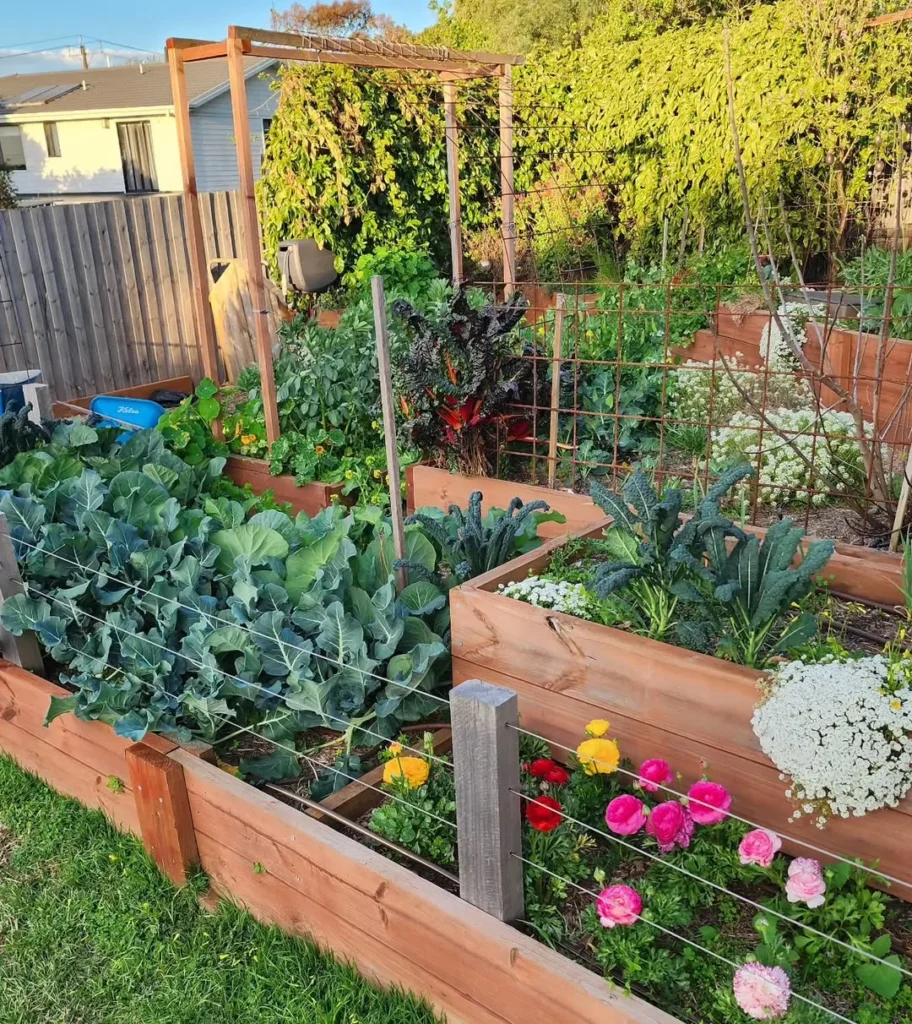
The Inspiration : The elevated vegetable garden originated as a pragmatic answer for cultivators dealing with poor soil, flooding, or restricted space. Drawing inspiration from ancient terrace farming and contemporary urban gardening, it combines tradition with modernity transforming even challenging terrain into a well-organized, fruitful area brimming with lush greens and vibrant, nourishing produce.
Why it Works : A raised bed vegetable garden is effective because it enhances soil quality, drainage, and temperature key elements for robust growth. By raising the soil level, gardeners can better manage conditions, lessen compaction, and prolong growing seasons. Research indicates that raised beds can produce yields up to four times greater per square foot compared to conventional plots. Their distinct structure reduces weed growth and provides ergonomic access, minimizing strain and upkeep. In addition to their practical benefits, raised beds offer emotional advantages organization, aesthetic appeal, and a connection to nature. They transform backyards or patios into flourishing micro-farms, demonstrating that efficiency and beauty can harmoniously coexist.
Pro Tip : Construct raised beds with a minimum depth of twelve inches, using an equal mix of compost, topsoil, and organic matter. This combination optimizes nutrient availability and promotes root health. Implement drip irrigation beneath mulch to ensure consistent moisture levels. Refrain from creating walkways on the growing soil to maintain its structure and ensure uniform aeration.
creative container garden
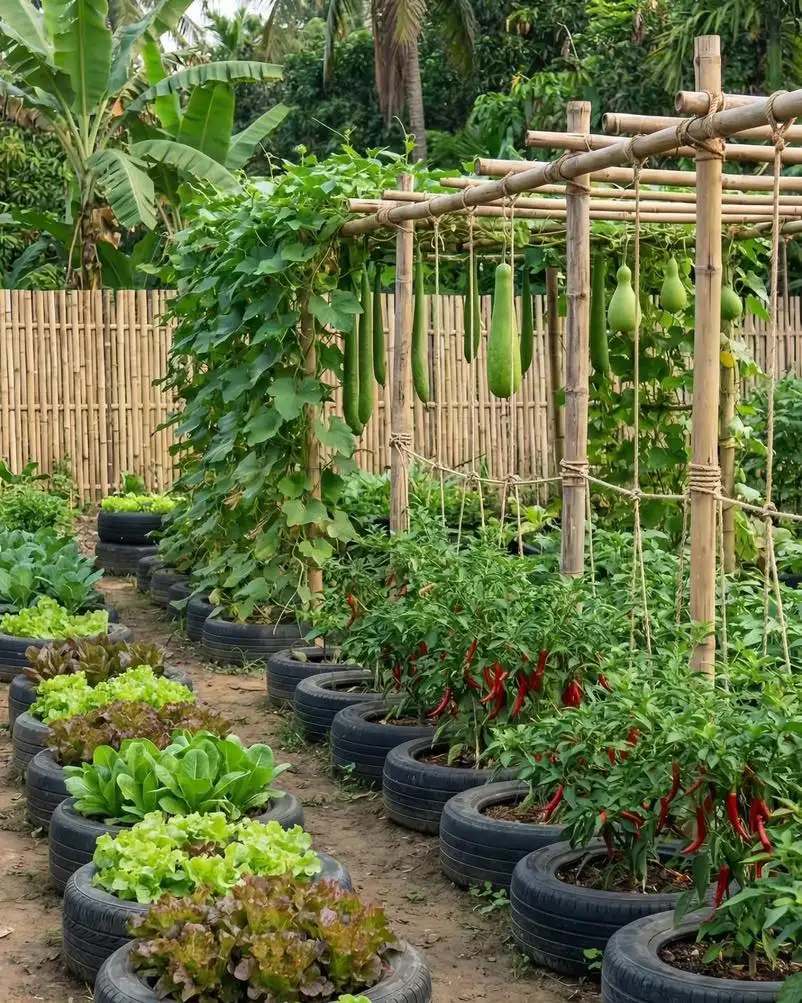
The Inspiration : The creative container garden emerged from the concept of cultivating beauty in any location balconies, rooftops, or doorsteps. Drawing inspiration from cottage window boxes and urban patios, it embodies personal expression in every pot. Each container serves as a blank canvas where color, texture, and imagination converge to create miniature landscapes of joy.
Why it Works : A creative container garden is effective because it converts limited or unconventional areas into thriving oases. Containers provide precise control over soil, moisture, and sunlight, which minimizes pests and enhances plant health. Studies indicate that herbs and vegetables grown in containers can yield as effectively as those in raised beds when properly cared for. Flexibility is another significant benefit plants can adapt to seasonal changes or shifts in décor. On an emotional level, container gardening stimulates creativity and mindfulness, delivering immediate satisfaction through visible growth. Its aesthetic appeal and portability make it particularly suitable for renters, seniors, or busy urban gardeners who desire a manageable and rewarding connection to nature within compact, personal spaces.
Pro Tip : Select containers that have drainage holes and line the base with coarse materials such as gravel to promote airflow. Combine plants with similar water requirements, and utilize a lightweight potting mix enriched with compost. For visual harmony, apply the “thriller, filler, spiller” principle tall focal plants, mid-level fillers, and cascading edges.
beautifully landscaped kitchen garden
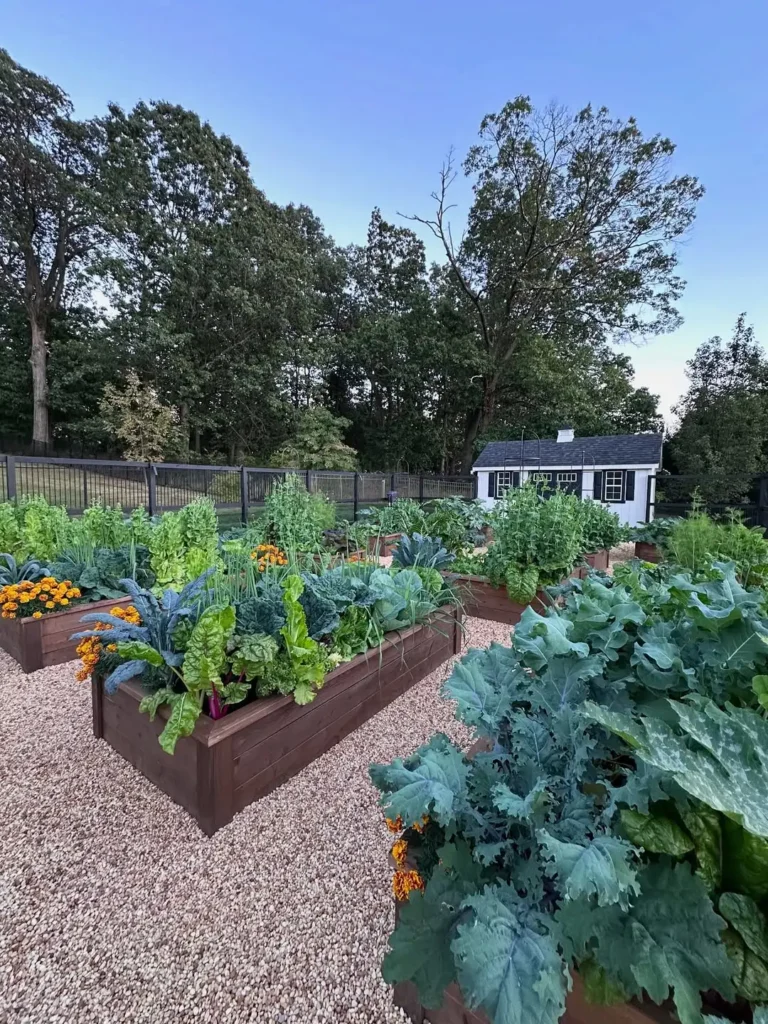
The Inspiration : The kitchen garden, meticulously designed, draws its inspiration from European potagers and traditional homesteads where functionality meets artistry. It celebrates the balance between taste and aesthetics raised beds arranged like intricate tapestries, herbs lining the pathways, and vegetables interspersed with flowers. Each harvest serves as a living testament to thoughtful design and the abundance of the seasons.
Why it Works : A well-designed kitchen garden is effective because it combines productivity with visual appeal. Careful planning incorporates edible plants into organized layouts, boosting biodiversity and aesthetic beauty. Studies indicate that mixed planting attracts beneficial pollinators and naturally repels pests, thereby minimizing reliance on chemicals. From a practical standpoint, clear pathways and distinct zones enhance accessibility and ease of maintenance. On an emotional level, this style of gardening fosters a sense of pride and tranquility merging the sensory delights of aromas, colors, and textures with the joy of homegrown produce. Whether situated in classic estates or contemporary backyards, the landscaped kitchen garden elevates everyday food cultivation into an artistic, sustainable, and profoundly fulfilling experience of living beauty.
Pro Tip : When designing your kitchen garden, center it around a focal point such as a main pathway, a fountain, or a grid of raised beds. Integrate perennial herbs with seasonal vegetables to provide structure and facilitate crop rotation. Employ companion planting such as pairing basil with tomatoes to naturally boost growth while adding texture and year round vibrancy to your edible landscape.
well-organized backyard vegetable garden
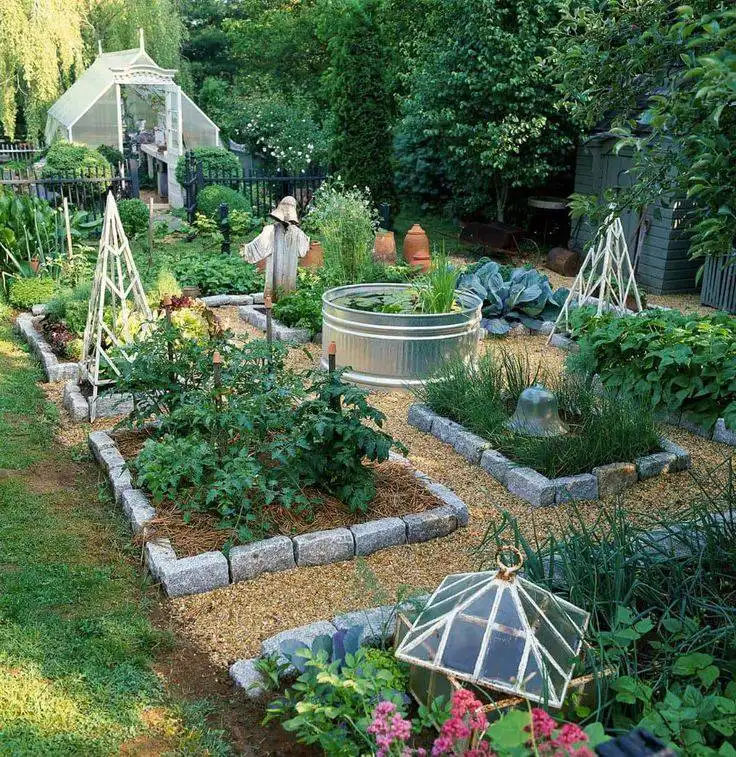
The Inspiration : The meticulously arranged backyard vegetable garden draws inspiration from both traditional potager designs and contemporary homestead efficiency. It represents a balance of structure and intent where geometric planting beds, orderly pathways, and vibrant crops create a living tapestry. Serving both functional and aesthetic purposes, it mirrors the gardener’s rhythm, transforming order into continuous nourishment.
Why it Works : A meticulously arranged backyard vegetable garden is effective because it optimizes space, time, and yield through careful planning. Well-defined layouts featuring distinct beds, pathways, and crop zones enhance airflow, sunlight exposure, and accessibility thereby minimizing disease and maintenance efforts. Research indicates that organized gardens can boost productivity by as much as 30% through improved spacing and crop rotation. This structured approach also streamlines watering, composting, and harvesting routines while enhancing visual appeal. On an emotional level, it promotes tranquility and pride, turning routine tasks into opportunities for mindful engagement. By merging efficiency with beauty, an organized garden elevates a simple backyard into a sustainable, fulfilling, and visually pleasing food source throughout the year.
Pro Tip : Begin with a scaled garden design prior to planting. Organize crops according to their growth habits and sunlight requirements, positioning taller plants to the north to avoid casting shade. Incorporate designated zones for compost, tools, and irrigation to enhance efficiency. Clearly label the beds it conserves time, facilitates crop rotation, and maintains a polished and purposeful appearance in your garden.
leafy greens vegetable garden
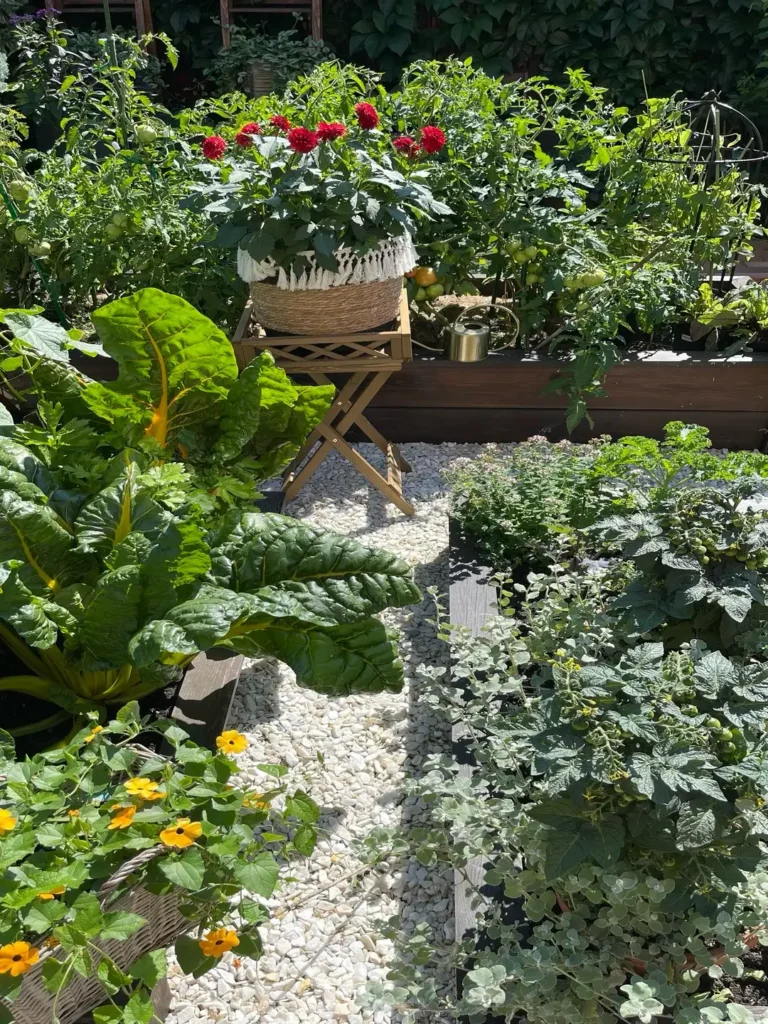
The Inspiration : The vegetable garden dedicated to leafy greens draws its inspiration from traditional kitchen gardens and the urban farm to table movements, celebrating the concept of freshness right at one’s doorstep. From crisp lettuces to vibrant kale, these gardens symbolize renewal and health. Each harvest is akin to nature’s gift colorful leaves radiating vitality and flavor throughout every season.
Why it Works : A leafy greens vegetable garden is effective because these crops flourish in compact areas, regenerate quickly, and provide high nutritional value. Scientifically, leafy greens thrive best in cooler climates and can be harvested multiple times, ensuring ongoing yields from limited soil. Their shallow root systems make them suitable for containers or raised beds. Functionally, they optimize efficiency while offering rich sources of vitamins A, C, and K. Emotionally, caring for greens promotes mindfulness and fosters a connection to simple, nourishing routines. Whether situated on a balcony or in a backyard, the daily act of harvesting fresh leaves turns healthy eating into a fulfilling, sustainable lifestyle ritual.
Pro Tip : To cultivate leafy greens, plant them in nutrient-rich, well-draining soil that has been enhanced with compost. Maintain consistent moisture in the bed without allowing it to become waterlogged. Regularly harvest the outer leaves to promote regrowth, and provide partial shade during warmer months to prevent bolting. Rotate varieties seasonally to ensure color diversity, balanced nutrition, and continuous, vibrant harvests.
lettuce vegetable garden
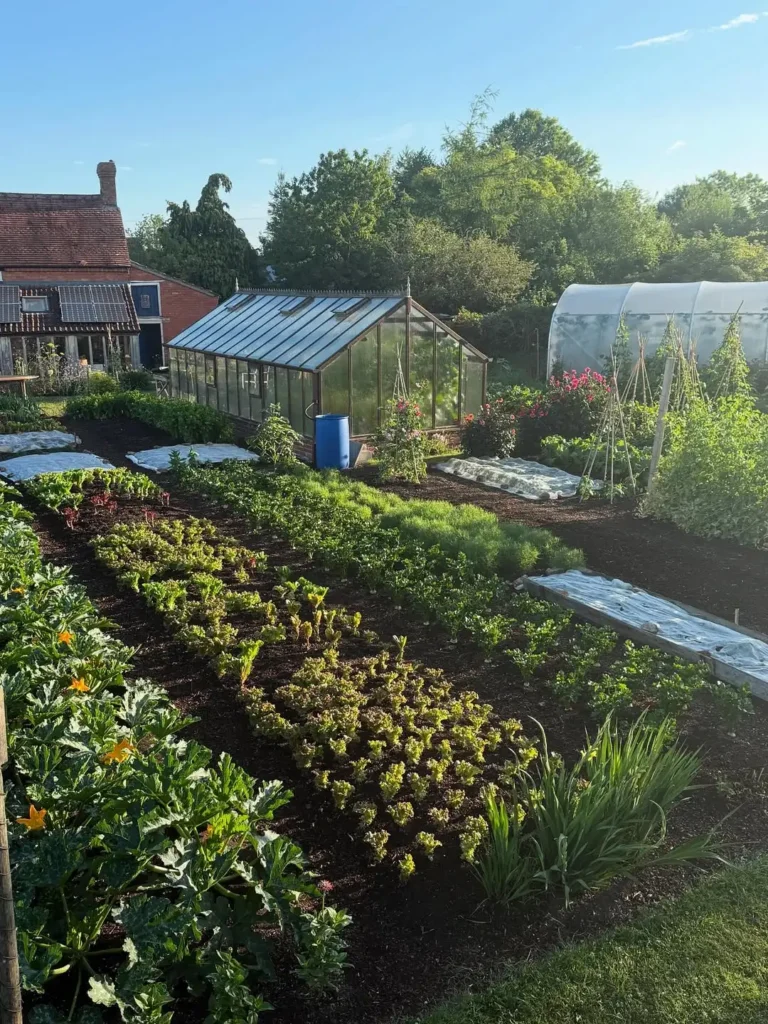
The Inspiration : The cultivation of lettuce in vegetable gardens traces back to ancient Mediterranean regions, where fresh greens represented vitality and renewal. Cherished by both chefs and gardeners, lettuce presents a variety of textures and colors from buttery to crisp, ruby to lime. Cultivating it brings forth simplicity, freshness, and the daily joy of harvesting beauty.
Why it Works : A lettuce vegetable garden is effective because lettuce grows rapidly, occupies minimal space, and flourishes in mild climates. Its shallow root system makes it ideal for containers, raised beds, or compact backyard rows. With adequate moisture and partial shade, lettuce can be harvested in as little as 30 days, providing continuous yields through succession planting. Rich in nutrients and versatile, it promotes healthy living while enhancing the visual appeal of any garden. Research indicates that leafy greens enhance soil biodiversity when rotated appropriately. Beyond its practicality, observing the tender leaves unfurl creates a soothing rhythm, linking growers to nature’s consistent cycle of growth and renewal.
Pro Tip : To achieve crisp, vibrant leaves, sow lettuce in staggered batches every two weeks. Maintain consistent soil moisture and apply a light mulch to retain coolness. Water early in the morning to avoid wilting, and harvest just before full maturity to ensure the sweetest flavor and a continuous supply of tender new leaves.
Vego Garden raised beds
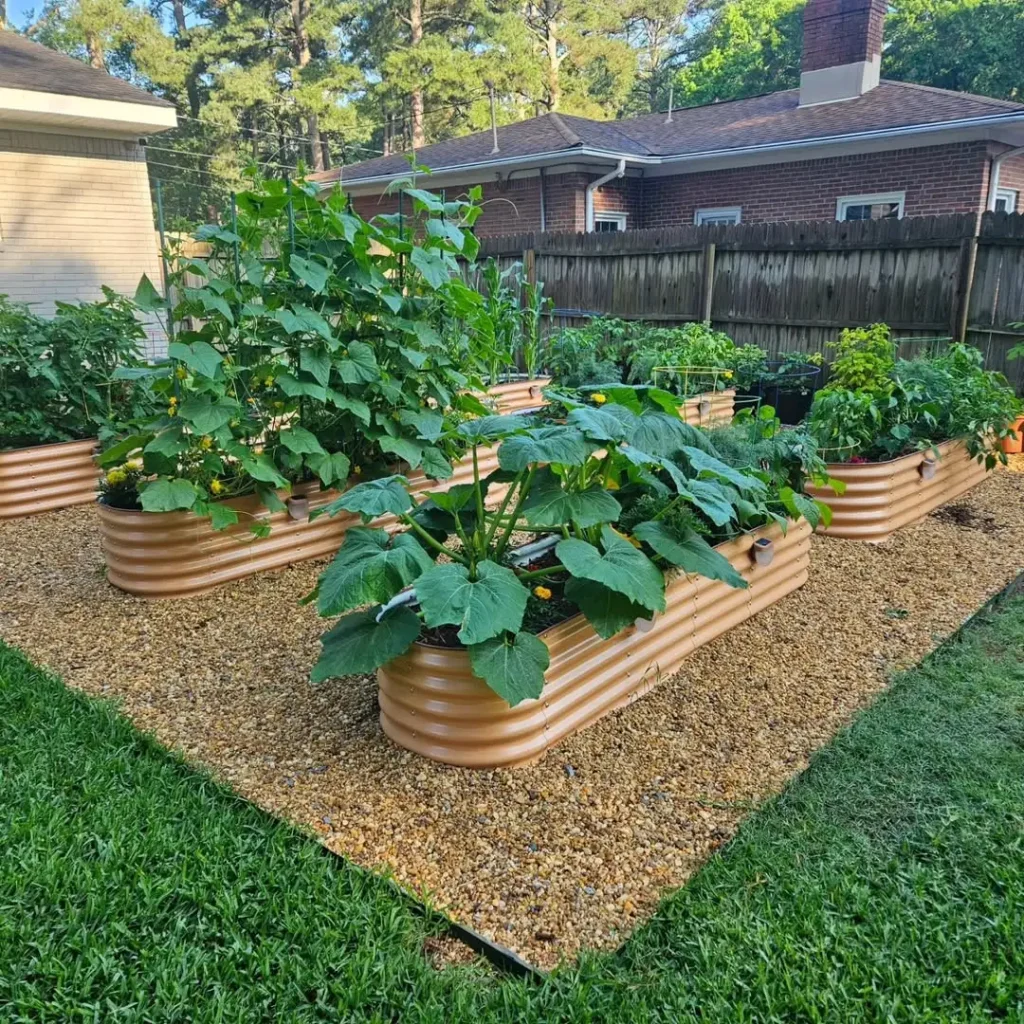
The Inspiration : Vego Garden raised beds were conceived to address the demand for durable and stylish gardening solutions within the constraints of urban spaces. Drawing inspiration from modern homesteading and European metalworking traditions, these beds combine sleek Aluzinc steel with modular elegance—evoking robust, timeless frames filled with vibrant vegetables, encouraging gardeners to cultivate joy with ease.
Why it Works : Vego Garden raised beds stand out due to their Aluzinc-coated steel construction, which provides rust resistance and a lifespan exceeding 20 years compared to wood or plastic. They promote soil health by preventing compaction, enhancing drainage, and warming up more quickly to prolong growing seasons—research indicates that raised beds can yield up to four times more produce per square foot. Their modular designs accommodate any space, reduce the presence of weeds and pests, and ergonomic heights facilitate access for individuals of all ages, thereby minimizing back strain. On an emotional level, their contemporary aesthetic transforms patios into flourishing oases, nurturing pride and sustainability while ensuring fresh harvests with minimal maintenance.
Pro Tip : Choose Vego’s 17-32” height beds according to your mobility requirements; assemble them on level ground using the provided caps for safety. Fill the base with a 50% compost-topsoil mixture to ensure optimal drainage and nutrient availability. Install legs for elevation to deter pests and enhance airflow plant densely to achieve maximum yield and suppress weeds.
collard greens garden
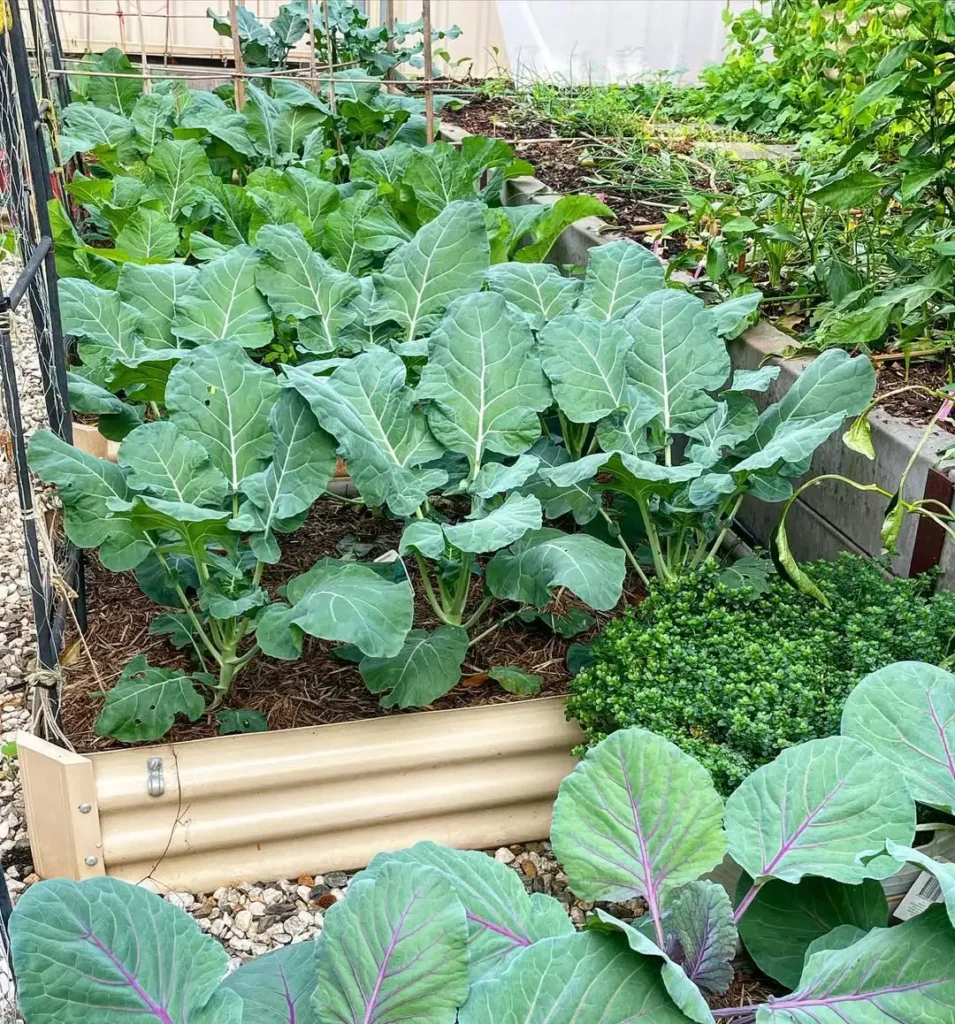
The Inspiration : The garden of collard greens has its origins in the soul food traditions of the Southern United States and the agricultural practices of African heritage, where robust leaves represented resilience and communal gatherings. Envision expansive, crinkled green fans dancing in the wind each harvest encapsulating a warm embrace of history, flavor, and the enduring joy of cultivating soul-nourishing abundance.
Why it Works : A collard greens garden is effective because these plants flourish in cooler climates, endure poor soil conditions, and yield plentifully for several months. Their sizable leaves are rich in vitamins and versatile for culinary uses, with minimal pest problems due to their inherent toughness. Studies indicate that collards can produce up to 10 pounds per plant even in limited spaces. They are capable of overwintering, which prolongs the harvest season, and they enhance soil health through their deep root systems. From a practical standpoint, they are ideal for novices due to their low maintenance requirements. On an emotional level, cultivating collards connects individuals to their cultural heritage, nurturing a sense of pride and sustenance transforming a small backyard area into a source of hearty, comforting meals throughout the year.
Pro Tip : Begin collards from seeds indoors 6-8 weeks prior to the last frost, transplanting them 18 inches apart in a location that receives full sunlight. Employ row covers for protection against frost and harvest the lower leaves first to encourage ongoing growth. Enrich the soil with compost to enhance flavor; ensure to water deeply on a weekly basis to maintain tender and productive leaves.
Cherry Tomato vegetable garden
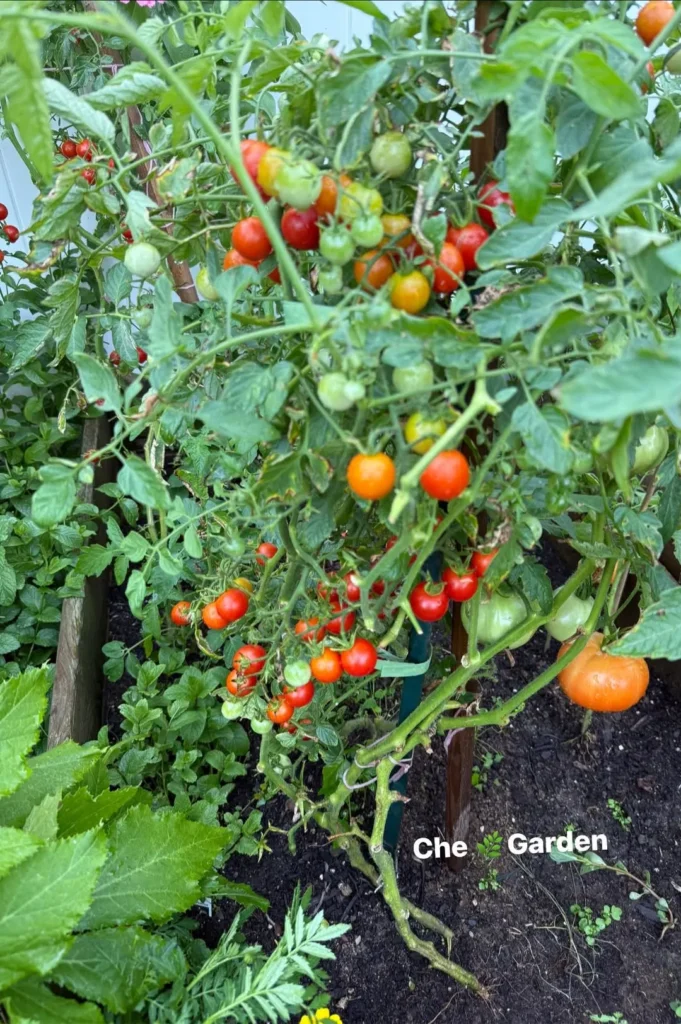
The Inspiration : A garden of Cherry Tomatoes starts with the recollection of sun-kissed tomatoes plucked directly from the vine. Bunches of shiny red, yellow, and orange fruits hang like miniature decorations, turning ordinary trellises and pots into lively, vibrant garlands filled with flavor, childhood memories, and the carefree abundance of summer.
Why it Works : A Cherry Tomato garden is effective because these compact powerhouses yield abundant harvests in limited spaces and containers. Their naturally vigorous growth and smaller fruits mature more quickly than larger varieties, prolonging the season for fresh picking. Resistant to cracking and often exhibiting greater disease tolerance, cherry tomatoes cope with heat and fluctuating conditions better than many slicing varieties. Their sweetness promotes healthy snacking, enhances the appeal of salads, and transforms children into enthusiastic garden helpers. On an emotional level, the daily practice of gathering handfuls of jewel-like fruits is both joyful and profoundly satisfying, making even a small patio or balcony resemble a fruitful Mediterranean courtyard.
Pro Tip : Cultivate cherry tomatoes in deep, well-draining containers or beds with robust support such as cages, trellises, or strings. Trim lower leaves, plant stems deeply to encourage additional rooting, and regularly nourish with a balanced, organic fertilizer. Prune excessive side shoots on indeterminate varieties to enhance airflow, minimize disease, and concentrate energy on ongoing fruit production.
permaculture kitchen garden
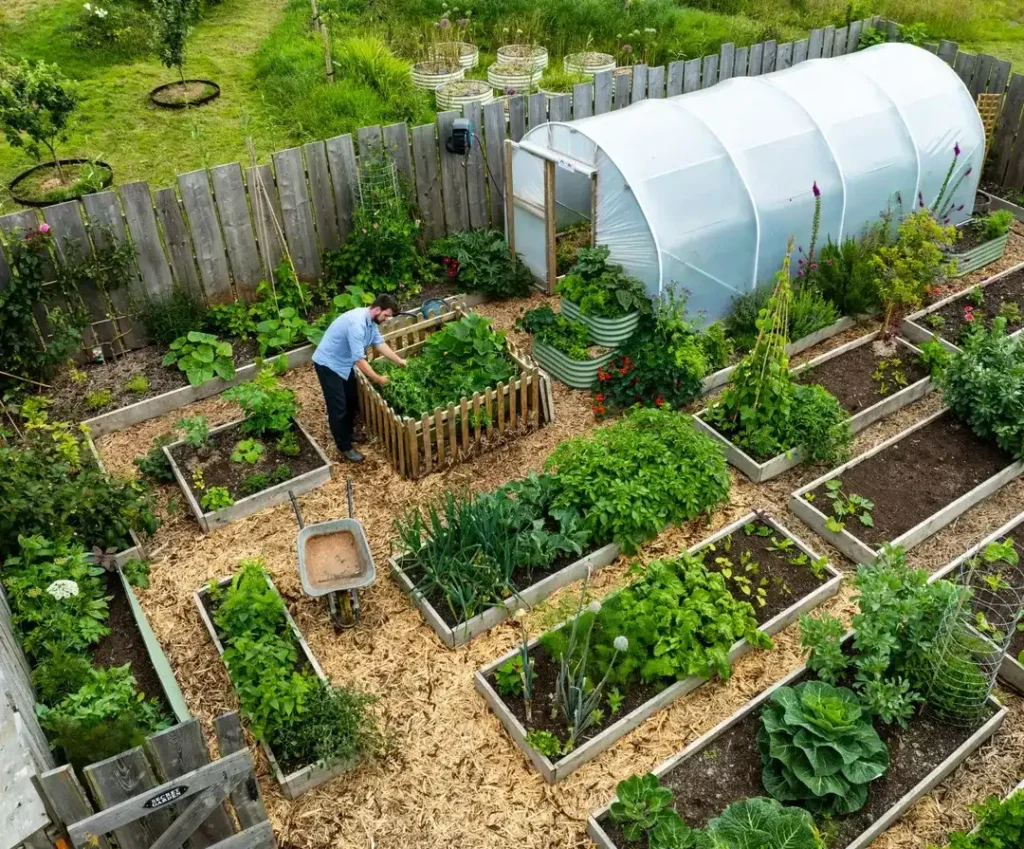
The Inspiration : The permaculture kitchen garden originated from the vision of Bill Mollison and David Holmgren in the 1970s in Australia, designed to replicate the resilient ecosystems found in nature. Drawing inspiration from Indigenous practices and medieval potagers, it integrates edibles, herbs, and perennials into cohesive guilds, reminiscent of a flourishing forest edge where abundance flows ceaselessly, nurturing both the body and the earth.
Why it Works : A permaculture kitchen garden functions by imitating natural ecosystems to achieve self-sustaining productivity. Companion planting enhances biodiversity, naturally deters pests, and boosts soil fertility research indicates yields that are 2-3 times greater than those of monocultures while requiring 50% less labor. Perennials and mulch help conserve water, and the diverse layers optimize vertical space. Notable benefits include resilience to climate changes and no-till practices that gradually enrich topsoil. Practically, it reduces costs and waste; emotionally, it fosters a sense of stewardship and awe, transforming a backyard into a legacy of abundance that nourishes families and cultivates a profound connection with the rhythms of nature.
Pro Tip : Begin by mapping the sun, wind, and water patterns of your site. Establish “guilds” position nitrogen-fixing plants like beans near tomatoes, incorporate herbs for pest management, and apply a generous layer of mulch using leaves. Utilize perennials as foundational plants for annuals to naturally enhance soil quality and ensure continuous harvests with minimal replanting effort.
rustic vegetable garden
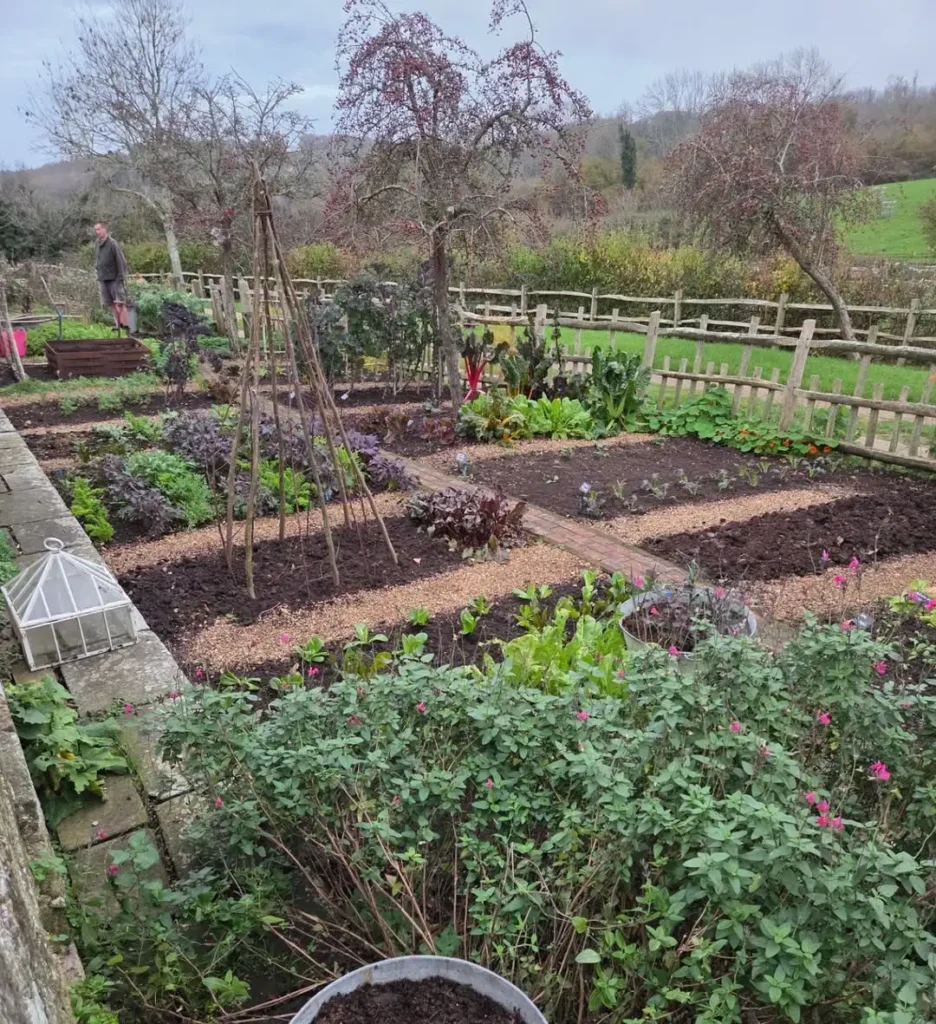
The Inspiration : The rustic vegetable garden reflects the essence of timeless cottage plots and pioneer homesteads, characterized by weathered wood, stone pathways, and wildflower borders that frame abundant harvests. It embodies the allure of hand crafted fences nurturing heirloom tomatoes and beans that ascend twig teepees evoking feelings of nostalgia, simplicity, and the genuine joy derived from the earth’s unrefined generosity.
Why it Works : A rustic vegetable garden is effective because it embraces natural materials and organic layouts that promote soil health and biodiversity. Timber frames and straw mulch help retain moisture, suppress weeds, and decompose into nutrients, while a variety of plantings naturally deter pests. Research indicates that such informal designs enhance yields through improved pollination and resilience. Notable benefits include low-cost maintenance using reclaimed wood and forgiving growth patterns. From a functional perspective, wide paths facilitate access; from an emotional standpoint, the handmade aesthetic encourages creativity and tranquility, transforming a backyard into a cozy, storybook retreat where cultivating food resembles a blend of art and tradition.
Pro Tip : Obtain reclaimed timber or logs for raised borders stack them securely without nails to achieve authentic charm. Layer pathways with cardboard, straw, and gravel to naturally inhibit weeds. Plant in drifts instead of rows for a more natural appearance; intersperse herbs and flowers to attract pollinators and foster effortless, thriving abundance.
suburban backyard vegetable garden
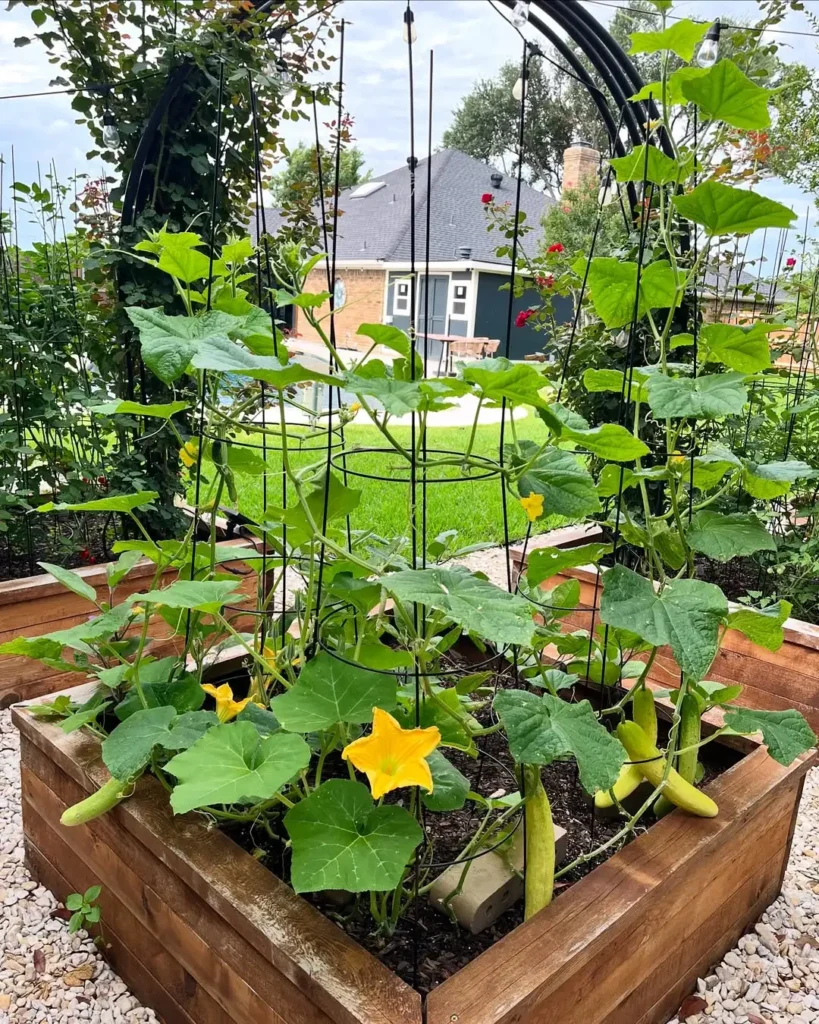
The Inspiration : The vegetable garden in suburban backyards originated from the post-WWII Victory Gardens, where families transformed their typical lawns into food havens amidst urban expansion. Envision orderly rows of tomatoes and herbs situated between swing sets and fences merging neighborly warmth with fresh produce, invoking family connections, self-sufficiency, and the delightful flavor of homegrown summer.
Why it Works : A suburban backyard vegetable garden is effective as it integrates effortlessly into fenced, standard-sized lots with efficient designs such as raised beds or containers. It optimizes sunlight exposure and adheres to zoning regulations, producing fresh crops while enhancing property value research indicates that edible landscapes can elevate home attractiveness by 10-20%. Practical advantages include pest management through companion planting and lower grocery expenses. Distinct benefits encompass accessibility for children and community sharing. On an emotional level, it cultivates joyful harvesting traditions with family, promoting health, pride, and a sense of belonging in the fast-paced suburban environment, transforming ordinary yards into lively, nourishing heart spaces.
Pro Tip : Begin by measuring your sunny area target for 6 or more hours of sunlight each day. Utilize 4×8-foot raised beds along fences to conserve lawn area. Grow vertically using trellises for tomatoes and cucumbers; organize plants according to their water requirements. Apply a thick layer of mulch to retain moisture and prevent grass encroachment for neat, high-yield growth.
vibrant vegetable garden
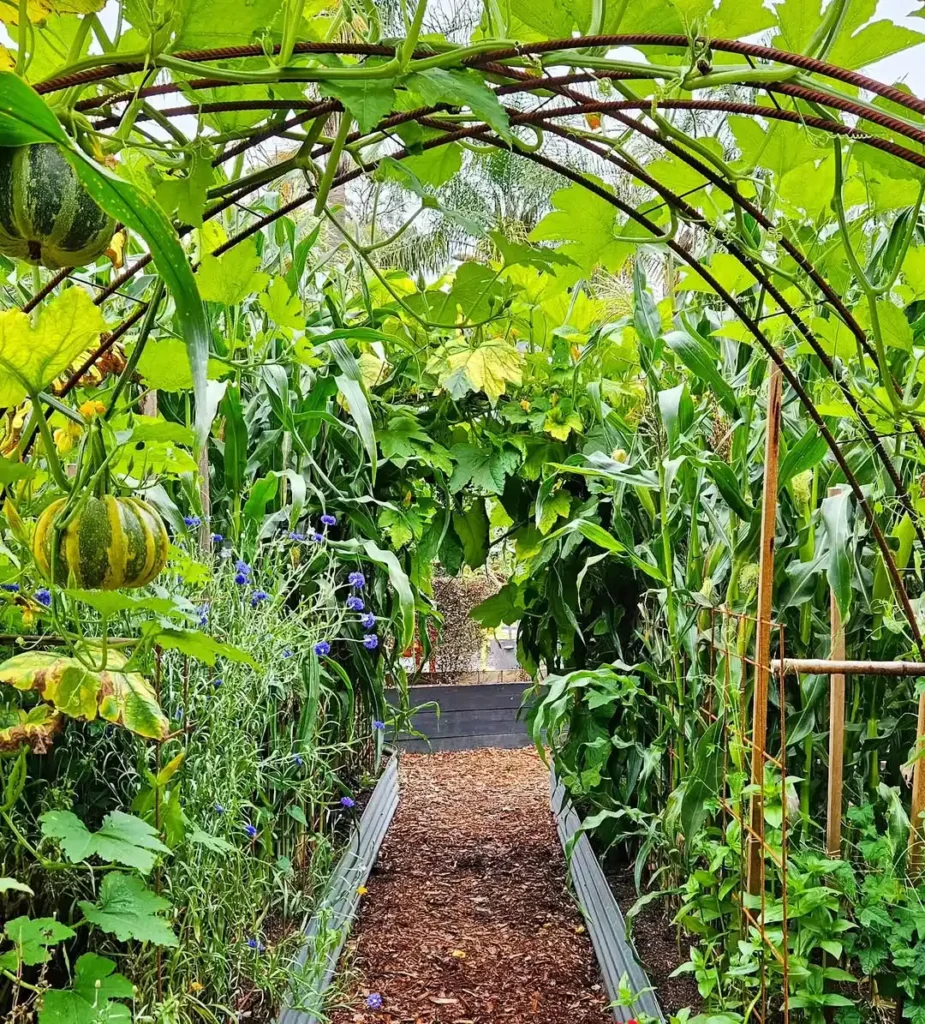
The Inspiration : The lively vegetable garden was inspired by the impressionist painters’ passion for color and the medieval kitchen gardens filled with a variety of colorful edibles. Envision rainbow chard, purple beans, and golden tomatoes shimmering in the sunlight each color a stroke of life, evoking joy, wonder, and the primal excitement of gathering nature’s vibrant palette.
Why it Works : A lively vegetable garden functions by utilizing a range of colors to promote health, enhance pollination, and deter pests through companion planting. Heirloom varieties are rich in antioxidants red foods increase lycopene, while purple foods are high in anthocyanins meanwhile, visual diversity attracts bees, potentially boosting yields by up to 25%. From a practical standpoint, color-coding aids in crop rotation and harvest scheduling. The unique benefits include aesthetic charm that encourages upkeep and improves mental health through biophilic design. On an emotional level, the display of living gems turns ordinary gardening into a form of artistic expression, nurturing creativity, pride, and daily joy in a flourishing, ever-evolving canvas of taste and beauty right at your doorstep.
Pro Tip : Establish a “rainbow row” radishes (red), carrots (orange), Swiss chard (yellow/green), cabbage (purple), and striped beets. Arrange them by height, with the tallest at the back. Intermix marigolds for pest management and additional visual appeal. This arrangement provides immediate visual impact, balanced nutrition, and companion planting advantages for robust, aesthetically pleasing growth.
lush vegetable garden
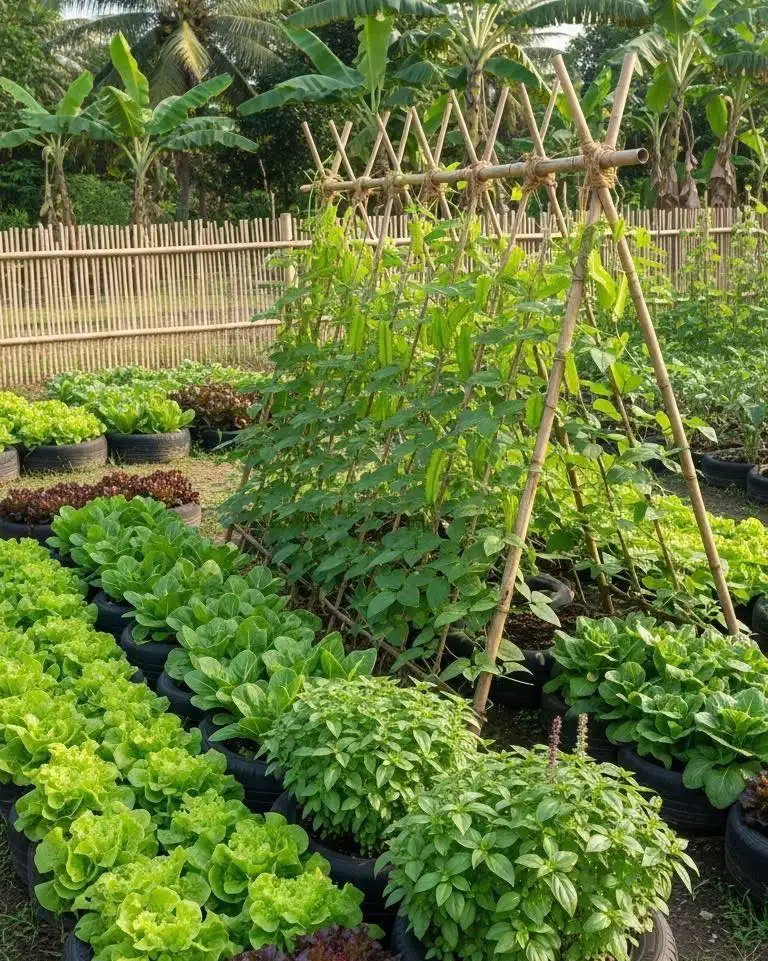
The Inspiration : The vibrant vegetable garden reflects the essence of Victorian kitchen gardens and tropical permaculture sanctuaries, where thick foliage and tiered canopies form edible jungles. Envision dew-laden leaves overlapping in shades of green, heavy vines sagging with fruit a sensory experience of abundance that evokes profound tranquility, vitality, and the enchantment of nature’s bountiful generosity.
Why it Works : A vibrant vegetable garden is effective by optimizing biomass through close planting, vertical layering, and organic mulching, which conserves moisture and enhances soil fertility naturally. Thick canopies provide shade to the soil, inhibiting weeds and evaporation while creating microclimates for prolonged harvests. Research indicates that intensive planting can yield 3-4 times more produce per square foot compared to sparse rows. Distinct benefits include pest deterrence through diversity and increased resilience to drought. Practically, it transforms small areas into food forests; emotionally, the surrounding greenery alleviates stress, inspires calmness, and rewards with abundant harvests that make each moment of care feel like nurturing a flourishing, living paradise.
Pro Tip : Enhance lushness using the “forest gardening” technique: layer tall trellised beans, medium-height tomatoes and peppers, followed by sprawling squash beneath. Apply a 4-inch layer of mulch using grass clippings or leaves. Water deeply at the roots on a weekly basis; this fosters self-shading microclimates conducive to humidity loving, vigorous growth and continuous summer abundance.
The Salad Garden
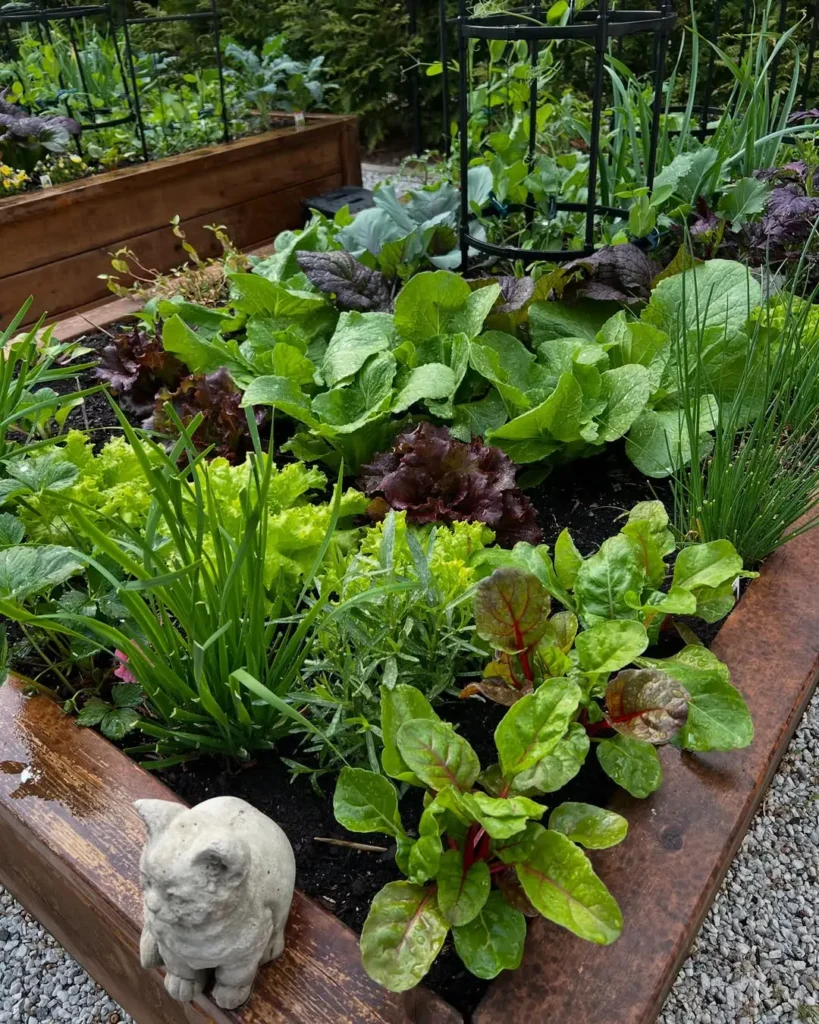
The Inspiration : The Salad Garden is inspired by the plots of Roman villas and French potagers, where fresh greens contributed to both feasts and vitality. Envision a jewel-box filled with ruby lettuce, peppery arugula, and crisp radishes each cut a vibrant splash of color and crunch, reminiscent of the simple pleasure of farmstand-fresh salads just steps away from your kitchen.
Why it Works : The Salad Garden is effective due to its quick-growing, cut-and-come-again greens that provide daily harvests from compact spaces. Shallow-rooted varieties flourish in containers or garden beds, requiring minimal maintenance while allowing for easy rotation to avoid soil depletion. Succession planting guarantees a consistent supply; a variety of leaves enhances nutrition with vitamins A, C, and K. Notable benefits include pest resistance through interplanting and efficient use of space yielding greens for up to 12 months each year. On an emotional level, the immediate satisfaction of vibrant, living salads cultivates health pride and mindfulness, transforming everyday meals into fresh, lively rituals of self-sufficiency and flavor.
Pro Tip : Allocate a 4×4-foot bed or window box for “cut-and-come-again” greens: sow a mix of lettuce, spinach, and arugula weekly. Harvest the outer leaves when they reach 4-6 inches; water gently on a daily basis. Using shade cloth during hot weather helps prevent bitterness. This rotation produces tender baby greens continuously, allowing for effortless, restaurant-quality salads throughout the entire season.
vertical vegetable garden
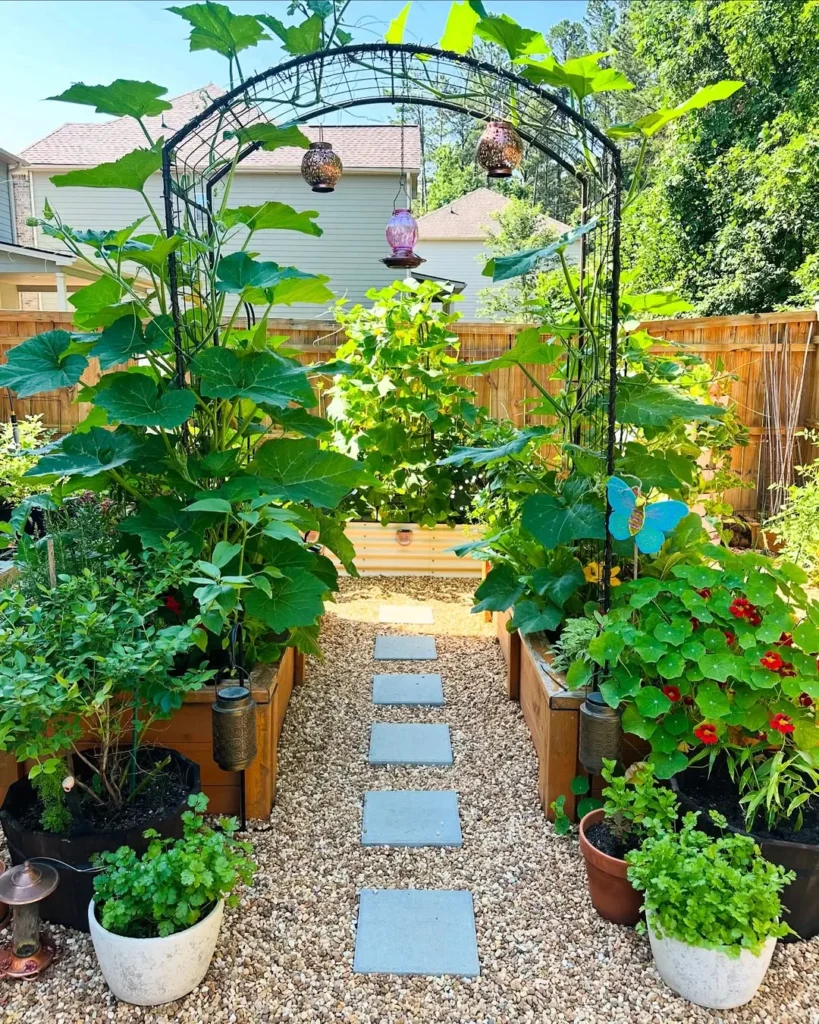
The Inspiration : The vertical vegetable garden ascended from urban rooftops and suspended Roman baskets, where space-constrained cultivators stacked their harvests towards the sky. Climbing beans ascend twig structures, while strawberries cascade from pockets streams of greenery and fruit that defy gravity, igniting awe at nature’s upward growth and the excitement of abundance in the most confined spaces.
Why it Works : A vertical vegetable garden functions by increasing the growing area without expanding the footprint, making it perfect for patios, balconies, and walls. Vining plants such as tomatoes and cucumbers flourish on trellises, enhancing airflow and reducing disease by 50%. Gravity facilitates drainage; varying heights maximize sunlight exposure. Research indicates that vertical systems produce equal or greater yields per plant due to effective pollination. Distinct benefits include pest deterrence and simplified harvesting. On an emotional level, the aesthetic of a living wall elevates moods, provides privacy screens, and transforms desolate areas into vibrant, productive art offering fresh produce with minimal effort and maximum visual delight.
Pro Tip : Construct a robust trellis or pocket system oriented southward for optimal sunlight. Position lightweight trailing plants like cherry tomatoes, peas, and lettuces at eye level for convenient harvesting. Ensure pots are securely anchored; water from the top down. Incorporate reflective mulch underneath to enhance light ensuring guaranteed vertical abundance in 4 square feet or less.
DIY vegetable garden
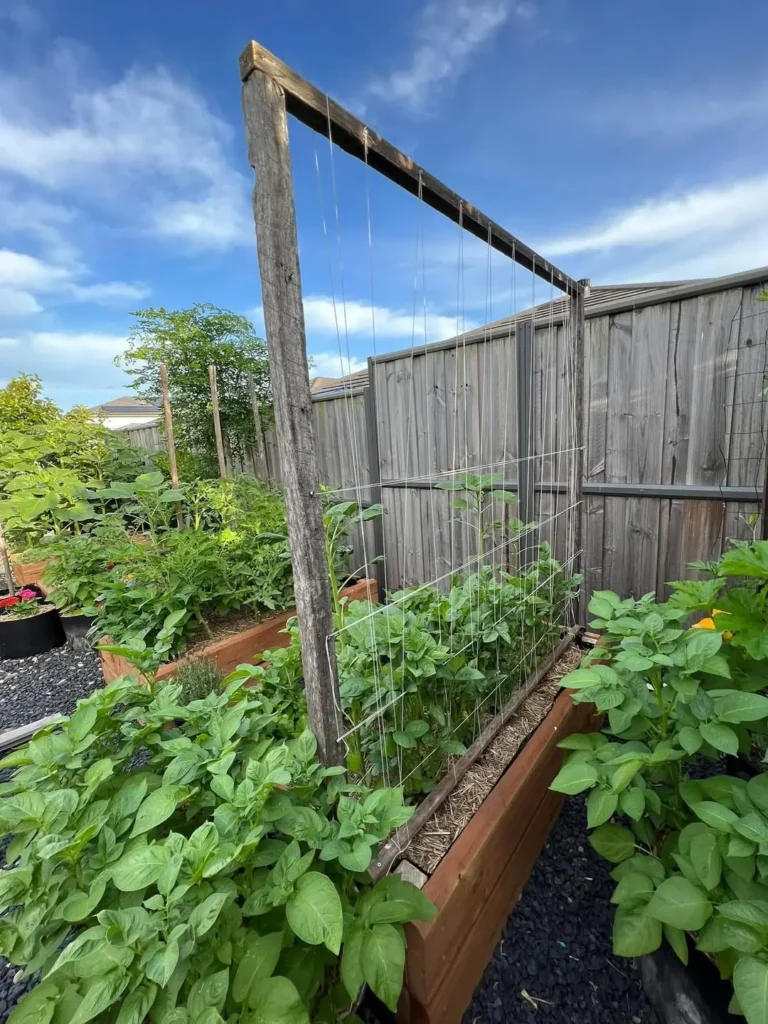
The Inspiration : The concept of a DIY vegetable garden draws its roots from wartime Victory Gardens and the makeshift plots created by pioneers, where individuals transformed pallets, buckets, and scrap materials into lush green spaces. Structures made from hammered frames overflowing with tomatoes and recycled gutters filled with herbs exemplify the exhilarating experience of creation, with hands immersed in soil, hearts brimming with joy, and witnessing discarded items evolve into a vibrant feast.
Why it Works : A DIY vegetable garden is effective because it utilizes cost-effective, repurposed materials suitable for any budget or skill level, while also encouraging sustainability. Custom-built frames enhance space utilization and ergonomic design; research indicates that homemade raised beds can achieve yields comparable to commercial ones, benefiting from improved drainage through gravel bases. Distinct advantages include the ability to personalize designs such as angled beds for individuals with back issues or vertical pallets for those living in apartments and the elimination of shipping waste. From a functional perspective, it reduces expenses by 70% compared to store-bought options; on an emotional level, the construction process fosters confidence, alleviates stress through hands-on creation, and instills a profound sense of pride in each harvest, transforming backyards into distinctive, self-created havens of flavor and ingenuity.
Pro Tip : Repurpose a 4×8-foot wooden pallet: secure the slats using screws, line it with landscape fabric, and fill it with a mixture of 50% compost and 50% topsoil. Plant trailing strawberries along the edges and herbs in the pockets. Elevate the structure on cinder blocks to allow for airflow. Water it using a drip hose threaded through this quick and sturdy tower can produce yields year-round without incurring any costs.
modern raised garden
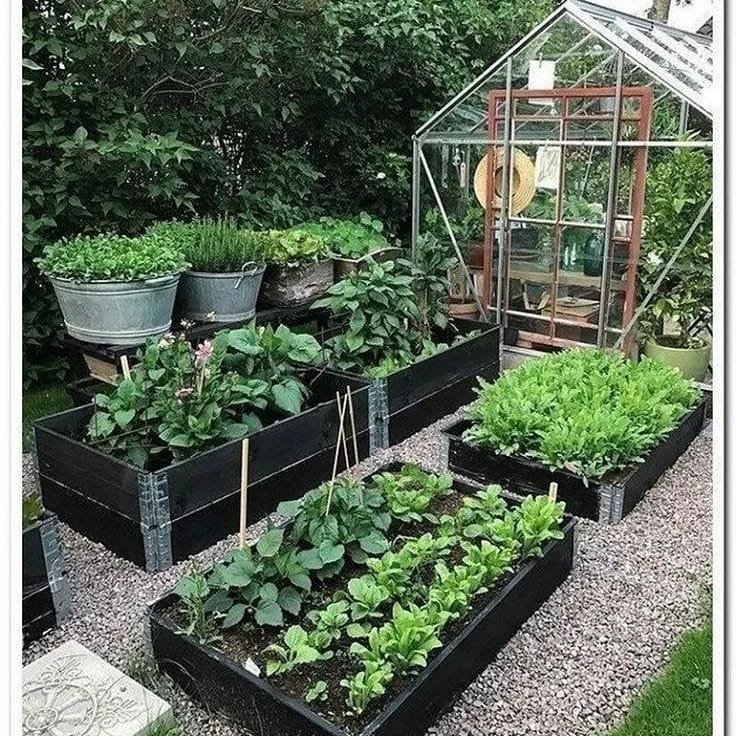
The Inspiration : The contemporary raised garden reinterprets ancient terraced fields alongside mid-century modernist aesthetics, merging sleek lines with functional beauty. Envision powder-coated steel beds radiating against pristine white gravel, overflowing with vertical greens a blend of Scandinavian minimalism and urban agriculture that guarantees effortless elegance and the subtle excitement of daily fresh harvests.
Why it Works : A contemporary raised garden operates through elevated, modular designs that enhance soil warmth, drainage, and root depth for optimal yields research indicates a 25-40% increase in productivity compared to ground plots. Durable materials such as galvanized steel are resistant to decay, while built-in irrigation systems provide precise watering. Distinct advantages include ergonomic heights that alleviate strain and slim profiles that accommodate compact spaces. Functionally, they incorporate smart technology like timers; aesthetically, the architectural design transforms backyards into tranquil retreats, promoting mindfulness and a sense of pride. This method yields abundant, organic produce with a modern flair, turning routine gardening into a refined, low-maintenance lifestyle choice.
Pro Tip : Select 12-18 inch deep, modular metal beds for enhanced stability and heat retention. Place them in full sunlight with 1-foot pathways; install soaker hoses beneath mulch for consistent moisture. Combine with companion herbs such as basil near tomatoes. This arrangement optimizes airflow, reduces weeds, and results in a sleek, high-yield modern gardening masterpiece.
structured vegetable garden
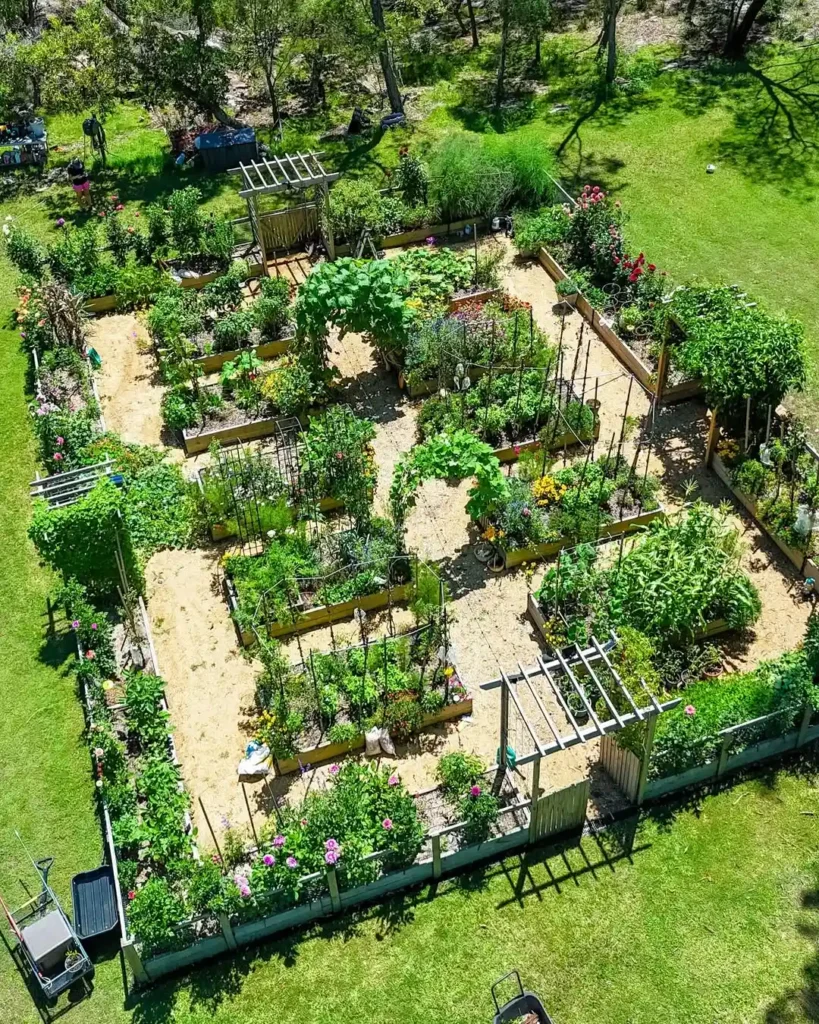
The Inspiration : The organized vegetable garden is inspired by French potager parterres and monastic herb gardens, where geometric precision harmonizes with nature’s abundance. Tidy beds bordered by gravel paths, fruit trained on trellises sharp lines of order embracing vibrant crops, evoking a sense of timeless elegance and the pleasing rhythm of harmony between human intention and the earth’s generous yield.
Why it Works : A structured vegetable garden is effective due to its clearly defined beds and paths that enhance sunlight exposure, airflow, and accessibility while reducing weeds and soil compaction. Intensive block planting increases yields studies indicate 2-3 times more produce per square foot through efficient rotation and companion planting strategies. Well-planned layouts facilitate crop succession and pest management. Distinct advantages include ergonomic harvesting and visual encouragement for upkeep. Functionally, it optimizes irrigation and composting; emotionally, the orderly beauty fosters tranquility, pride, and a sense of control, transforming chaotic growth into a peaceful, productive symphony where each row narrates a tale of planning, care, and abundant reward.
Pro Tip : Arrange 4×4-foot beds with 18-inch pathways using string lines and stakes to achieve perfect geometry. Fill with Mel’s Mix (46% compost, 25% peat, 25% vermiculite) to ensure proper drainage and fertility. Edge the paths with bricks; trellis the north sides tall. This grid maximizes sunlight, simplifies crop rotation, and creates effortless, magazine-worthy precision.
tennel shape vegetable garden
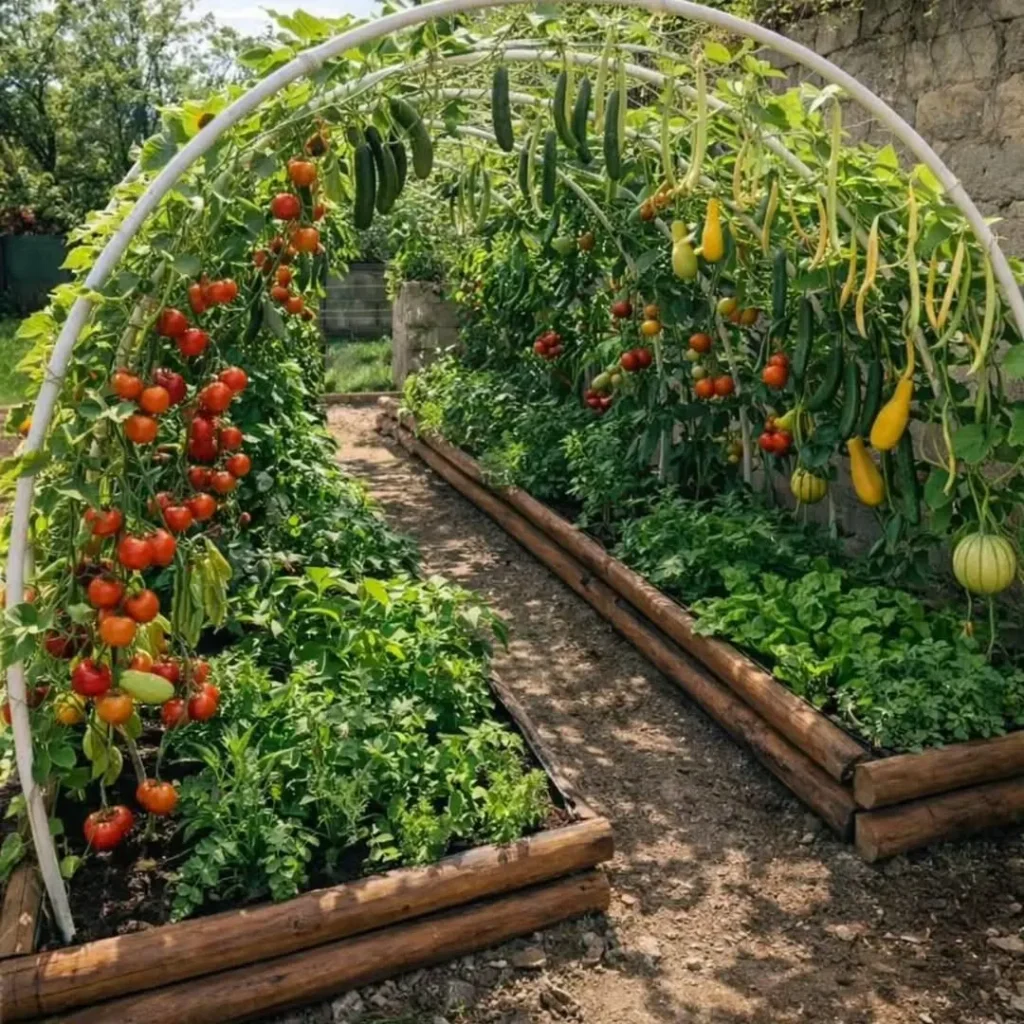
The Inspiration : The tunnel-shaped vegetable garden has its origins in the walled gardens of medieval monasteries and the French potager arches, where monks cultivated vines overhead to provide shade and yield. Strolling beneath the cascading beans and cucumbers is a captivating experience a hidden, verdant corridor brimming with color, movement, and harvest, transforming each garden path into a whimsical edible passageway.
Why it Works : A tunnel-shaped vegetable garden is effective because it optimizes vertical space while establishing a clear, functional growing corridor. Arched cattle panels or wire frames support climbing plants such as beans, cucumbers, and squash, significantly reducing the ground footprint. Research indicates that vertical growing enhances airflow by 50%, which diminishes fungal diseases and increases pollinator access. Tunnels naturally shade walkways, cool the soil during summer, and create microclimates that prolong growing seasons. The unique benefits include visual drama and ergonomic harvesting from both sides. Emotionally, traversing through a lush, food-laden tunnel evokes feelings of wonder and happiness, transforming an ordinary backyard into a vibrant, enchanting green sanctuary.
Pro Tip : Construct tunnel arches using cattle panels bent over paired raised beds, anchored with rebar stakes. Plant cucumbers on one side and pole beans on the opposite side to maintain shade balance. Train the stems to grow upward with clips on a weekly basis. Harvest easily from both sides; this straightforward arch effectively doubles the space while providing striking, walk-through abundance at a minimal cost.
organic farm garden
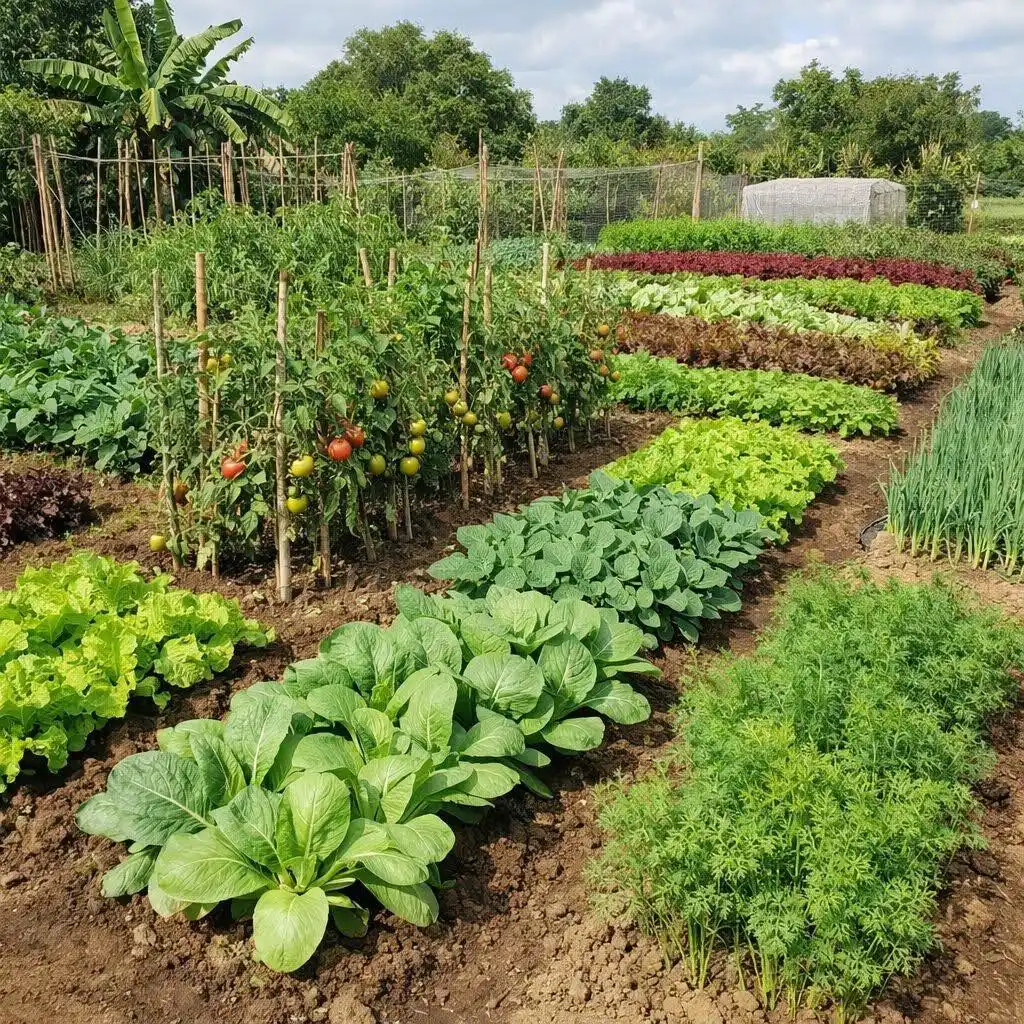
The Inspiration : The organic farm garden has its origins in ancient Indigenous practices and the observations made by Sir Albert Howard in India during the 1920s, where natural cycles contributed to the development of resilient soils. Envision sunlit fields filled with tomatoes nourished by compost, herbs intertwined with flowers each leaf symbolizing harmony, inspiring a profound sense of stewardship and the heartwarming pride that comes from pure, earth-nurtured abundance.
Why it Works : An organic farm garden operates by enhancing soil biology through the use of compost, crop rotation, and cover crops, which naturally improve fertility and pest resistance. Research indicates that organic methods produce yields comparable to conventional farming over the long term while increasing soil carbon by 20-30%. The distinct benefits include food free from chemicals, the promotion of biodiversity that supports pollinators, and drought resilience achieved through healthy microbiomes. Practically, this method reduces input costs; emotionally, it nurtures a connection to heritage traditions and environmental stewardship. This approach results in nutrient-rich harvests, healthier ecosystems, and a deep sense of fulfillment transforming farming into a sustainable practice that nourishes families, communities, and the planet for generations to come.
Pro Tip : Begin with a “no-till” bed: layer cardboard, six inches of compost, and then straw mulch. Rotate nitrogen-fixing plants like beans after heavy feeders such as tomatoes. Brew compost tea weekly to introduce microbes. This method rapidly builds living soil, naturally suppresses weeds, and promotes vigorous growth without the need for synthetic amendments from the very first day.