
In a world of stress and overstimulation, indoor Zen gardens provide an unusual remedy for digital burnout and perpetual pressure. These small landscapes are able to turn an entire room into the owner’s own private meditation retreat without requiring that they have any garden, or any special knowledge of gardening at all. Because zen gardens were created as places to train and discipline oneself, the process of raking sand directly ties your hands into its rituals. The sensation of running through your fingertips adds further depth and texture to this experience completely beyond sight or sound. This ancient method cuts anxiety, focuses the mind and teaches mindfulness in the doing not just by reading about such things. && It’s accessible and it works. For less than twenty dollars and five minutes a day, you have a powerful tool to soothe your frenzied state when necessity requires. It’s wellness for all that brings untold benefits to your mental health and at the same time makes the earth a better place.
Bonsai Tree Garden
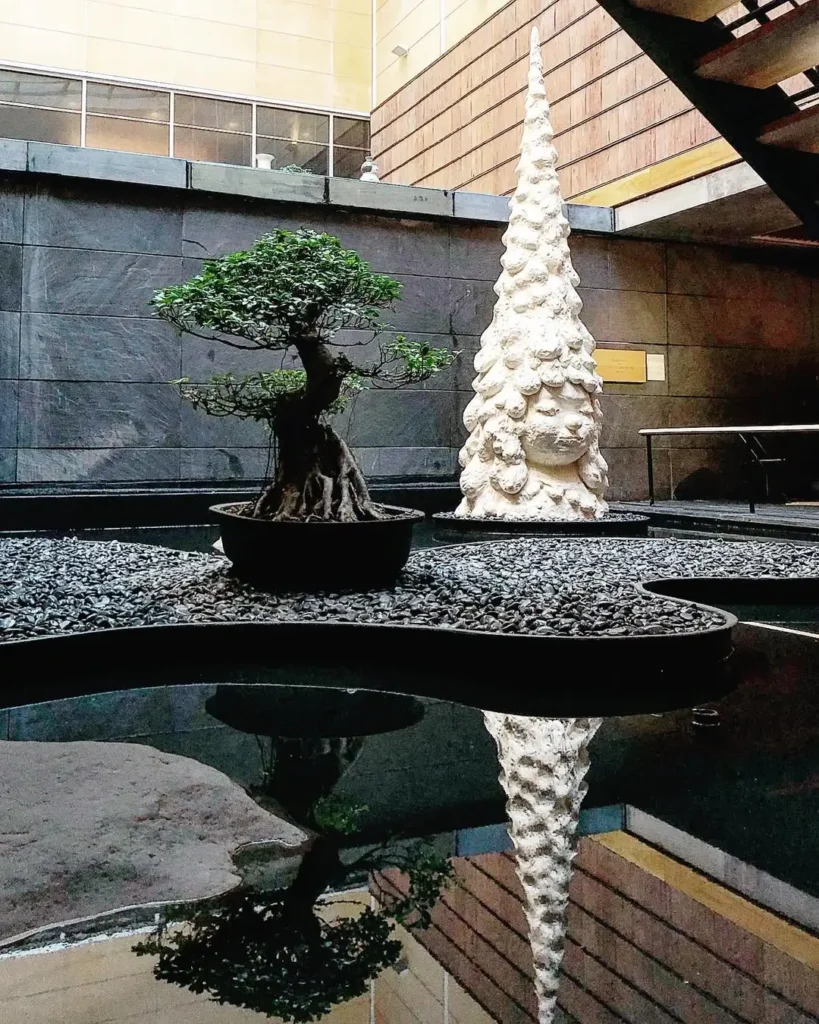
The Inspiration : Bonsai cultivation began over a thousand years ago when Chinese monks miniaturized trees to represent vast landscapes in meditation gardens. Japanese artisans refined this practice into living art, believing each tree tells a story of patience and harmony with nature. Today, the bonsai gardens bring ancient philosophy into modern homes as peaceful focal points evolving with care.
Why it Works : Bonsai tree gardens bring multiple benefits on a silver platter. They purify indoor air, while the spiritual practice of pruning and shaping has a calming effect. Unlike conventional indoor plants, bonsai is something pretty to look at no matter the season. Even its bark, leaves and flowers change with the times. Hands on tending establishes de facto sitting practices without requiring meditation experience. Nurturing living things is proven to be a boost for happiness; coupled with parens vitae. Its compact size makes bonsai suitable for apartments, while the aesthetic appeal of the trees enhances any space where they are displayed. The longevity of bonsai trees some have lived over a thousand years provides a meaningful inheritance from one generation to the next, increasing in value and beauty with age how can it not be good?
Pro Tip : Start your first bonsai garden with sturdy species such as Ficus, Chinese Elm, and Jade. Place near east facing windows to get soft morning light without the strong afternoon sun. Water only as the top soil begins to dry more bonsai die due to too much watering than neglect. Rotate the planting weekly for even development across all sides.
Whispering Rock Sanctuary Garden
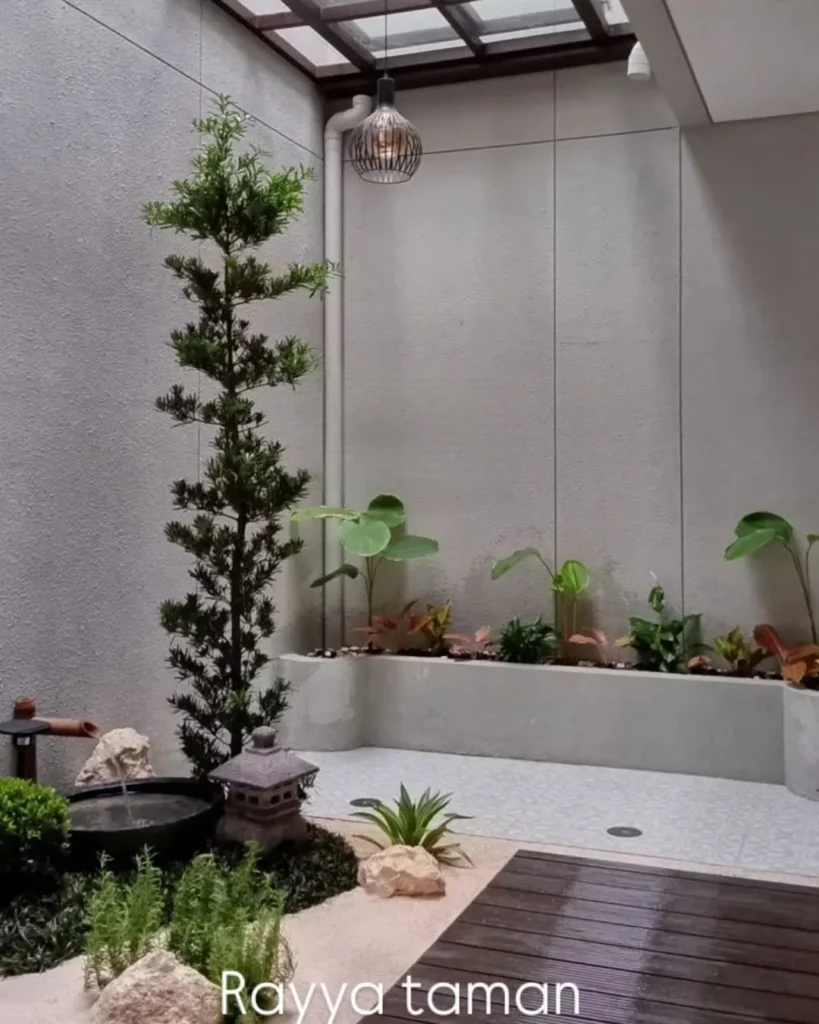
The Inspiration : In the 11th century, ancient Japanese monks made karesansui rock gardens, carefully arranging stones to simulate mountains rising from oceans of raked gravel. Such sacred spaces converted temple courtyards into meditation sanctuaries where silence spoke louder than words. The Whispering Rock Sanctuary Garden captures this timeless tradition while bringing centuries old contemplative wisdom into modern homes seeking peace.
Why it Works : Whispering Rock Sanctuary Gardens use tactile meditation methods to reduce cortisol levels and anxiety. The simple design is aimed at removing extraneous visual distractions, thus allowing the mind to reach a state of focused awareness and mental clarity. Research has shown that people who view natural rock formations can benefit from calming brain effects and improved sleep quality, not to mention decreased stress levels. By keeping the jerky rake motion purely as a meditative exercise, attention training skills are imparted with this which can then be applied to various other aspects of daily life. Unlike decorations that remain passive, these interactive gardens offer a creative space and chance of achievement in their very arrangement The timeless look fits into any environment whether modern apartment or tradition home, and demands minimal maintenance compared with living plants.
Pro Tip : Use three stones of various heights to form the sand formula. Tall and straight suggests high mountains, while stable ground can be represented by a stone placed long and low. A third stone should be set in such way as to balance the two others. Place these architecturally in your sandtray then rake concentric circles round each rock symbolising ripples of water flowing around islands
Balanced Mind Garden
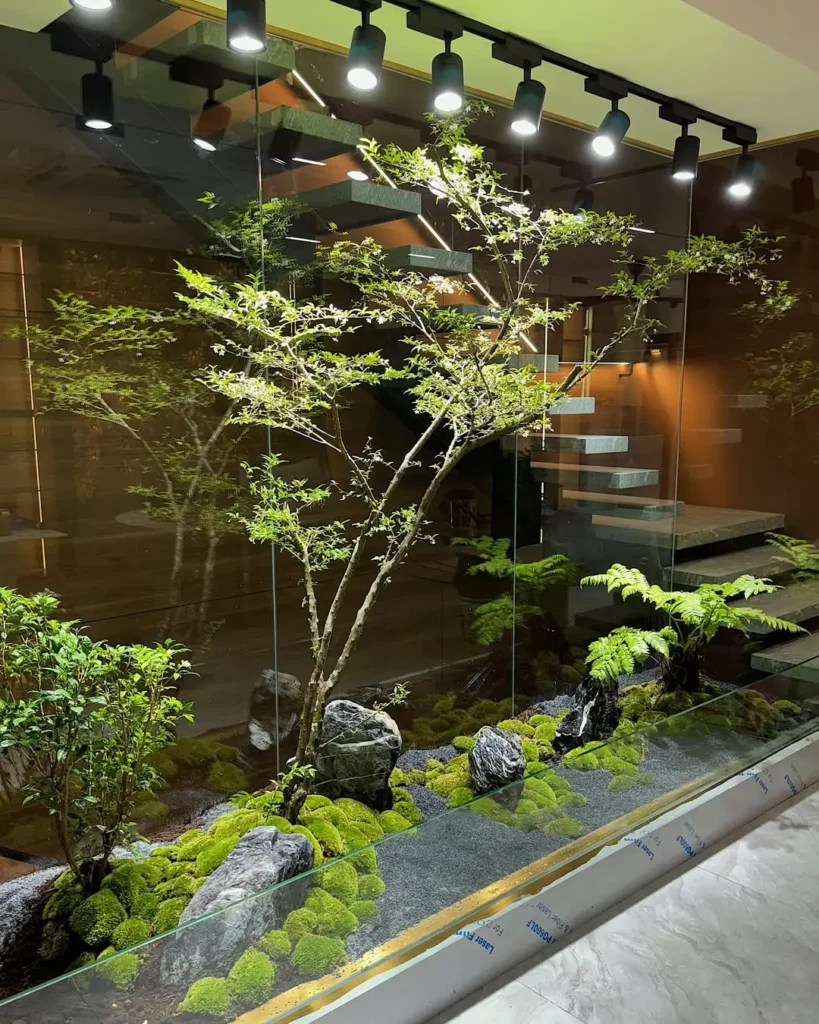
The idea : Balanced Mind Garden originates from the Zen Buddhist Philosophy. In appreciation of the man ideal found only when there is no thing, and mental balance which comes of simplicity certain Japanese monks had the porridge that lessons could be learned by creating bonsai landscapes Round. This technique makes times of ordinary life important opportunities for recovering clarity in one’s thinking and emotional tranquillity through relaxed attention and this is something worth doing.
Why it Works ; Balanced mind gardens have been tested to lower cortisol levels and enhance brain derived neurotrophic factor, a protein necessary for memory and cognitive function. Repetitive strokes of raking stimulate the rekindling of attention needed to recover from mental exhaustion and digital fatigue. Research indicates that gardening activities are significantly related with decreases in inflammatory markers associated with anxiety and depression, while also raising concentration as well as problem solving abilities. The very simplicity of this design gives no mental clutter-distraction need be present to break you away from focus. Unlike more passive forms of relaxation (such as lying in bed), these gardens engage both hands and mind working together; the resulting dynamic meditation sharpens your concentration while enhancing patience and emotional regulation. They also cultivate a spirit of “going with the flow,” essential for mental nimbleness.
Pro Tip : Devise morning and evening rituals for your Balanced Mind Garden. In the morning spend five minutes raking new designs and formulating your plans for the day, then at night return to make the sand smooth over thus releasing all tension of that day symbolically. By reinforcing the transition between active states of mind and the quietude which comes with rest, this practice trains you how to rest your tired nerves as soon as they are needed.
Serene Sand Garden
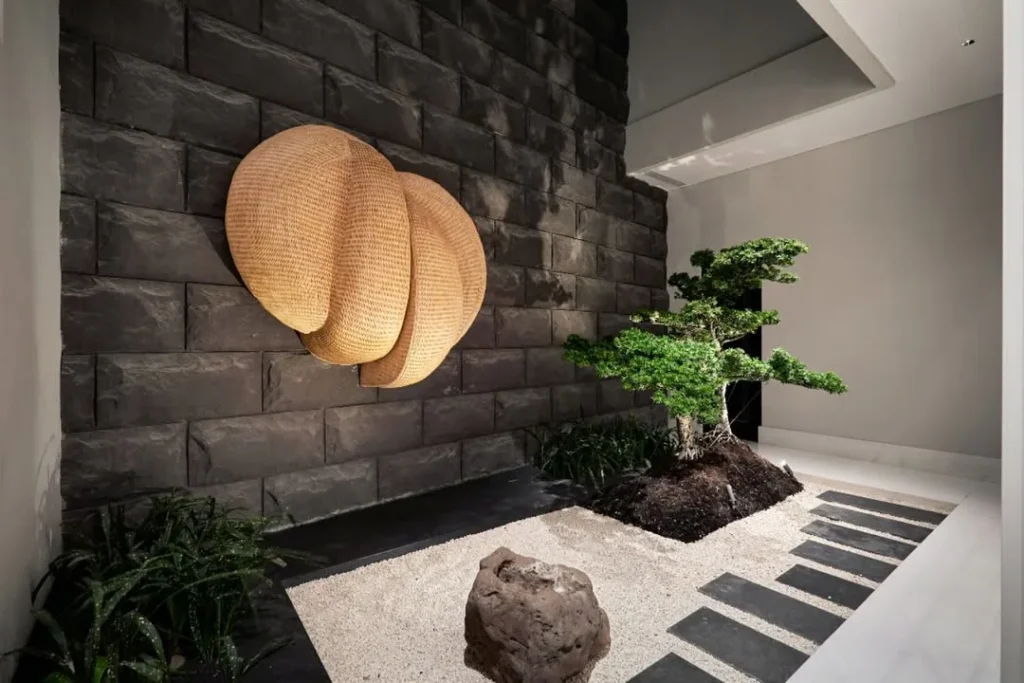
The Inspiration : Serene Sand Gardens trace their origins to ancient Japanese temple practices, where monks daily raked gravel to symbolize life’s transience and the flow of water. The intricate designs of Kyoto’s Ryōan ji Temple sparked global intrigue, turning meditation into a tactile craft. Each stroke erases past burdens, crafting fresh patterns that reflect our evolving emotions.
Why it Works : Serene Sand Gardens offer a dynamic meditative experience, requiring focused attention that quiets mental noise. The rhythmic raking aligns with breathing, fostering relaxation and lowering stress hormones. Their granite sand retains detailed designs for days, ensuring ongoing visual serenity. With a minimalist aesthetic, gardens reduce distractions, sharpening focus and enhancing clarity over time. Unlike static decorations, they encourage creativity through traditional patterns, such as soft waves or flowing streams, each carrying profound symbolism that deepens reflection. The act of raking connects you to nature’s cycles, rooting you in the present and providing a calming sensory experience like no other.
Pro Tip : To achieve ideal patterns, select crushed granite with a 2-6mm particle size—its angular shape holds crisp lines better than smooth gravel. Choose gray white tones to reduce glare while maintaining an authentic temple-inspired look. A three-inch sand depth offers perfect resistance for deliberate raking and long lasting, satisfying designs.
Tranquil Stone Haven Garden
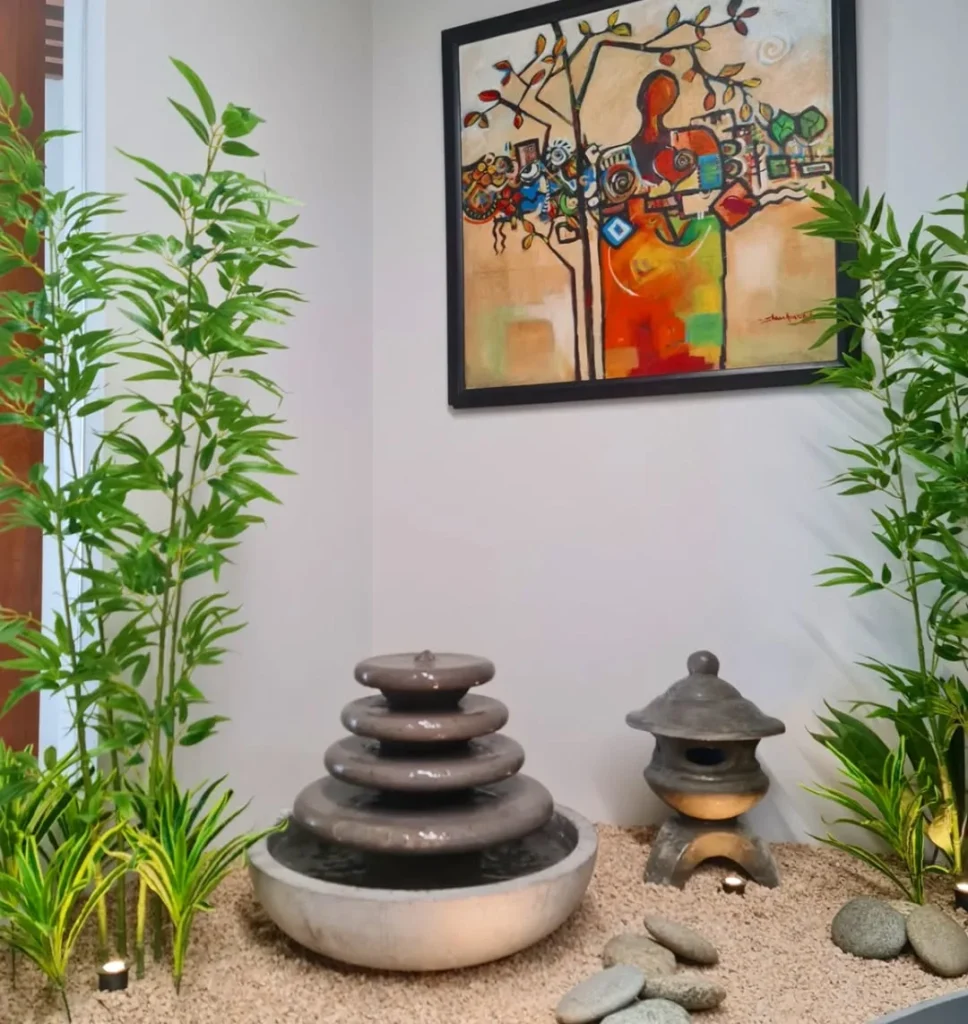
The Inspiration : Stone Haven Gardens, in particular Tranquil, followed the directions of the ancient Japanese art of ishi wo tateru koto setting stones upright. For the master gardeners the rocks were mother nature’s “bones,” representing mountains rising from seas and islands locked in stillness. The Sakuteiri gardening manual warned stones misarranged would bring misfortune, and in this way elevated rock layout to spiritual practice.
Why It Works : Tranquil Stone Garden not only zoned off wind and rain, it also utilized stone’s symbolic power to create psychological anchoring and emotional stability. Upright rocks meant enduring and strong, stopping a meditation caper that is floating all over the place from becoming like sand slipping through fingers. These harmoniously composed assemblages of natural stones inspire meditation and foster tranquillity without being too much; they encourage continued rumination over time without causing overwhelm or irritability. Studies show that viewing a rock garden relaxes anxiety–bringing the individual into contact with the enduring days of earth. Stones, unlike tempura, actually become more beautiful over time. Over many years they acquire patina and character depending on their surroundings. By purposely arranging these triads so that two objects are opposed with a middle ground of restful balance, the third and best is achieved.
Pro Tip : Arrange stones in odd-numbered groups of 3,5 or 7 for natural balance. Insert one vertical stone representing a mountain, with two shorter stones at either side. Bury them to at least one third under ground; this gives a weathered, natural look rather than an artificial one. Always show off the most attractive facet.
miniature zen garden
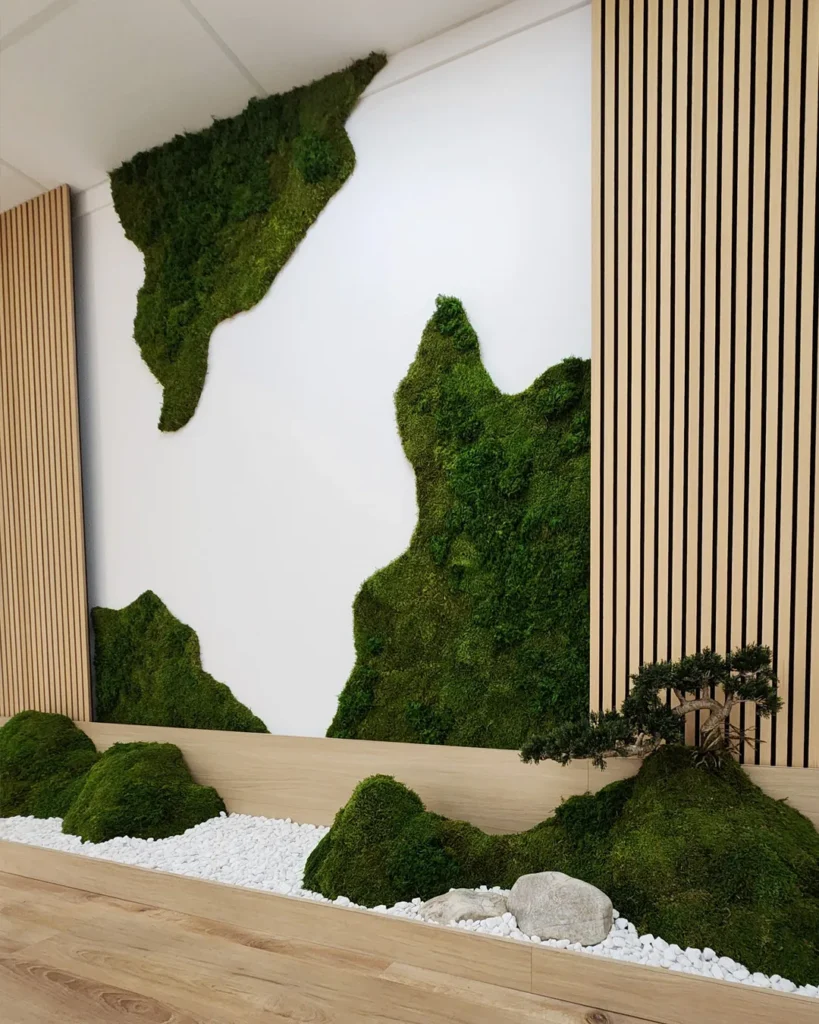
The Inspiration : Small zen gardens grew out of the Japanese temple grounds, which has lead age-old spiritual practices into palm sized retreats. Urbanites and busy executives needed tools that would fit into modern work spaces, without losing the relaxed feeling of traditional meditation these desktop adaptations of 1990s type product provided exactly what they were after. These mobile havens generalized ancient wisdom, proving that true tranquility needs only a few inches, not acres of landscaped ground.
Why it Works : Mini zen gardens can reduce levels of cortisol by even a brief five-minute “session” during your hectic day. Because everything is compact desk size, you can reach your desktop sand garden from any direction without moving your hand away from the mouse. And studies show that these little things allow you to turn your eyes off for 20 seconds or so, vastly improving focus and extending productivity as well as feeling good. People who use their hands here practice with novelty fidget devices in addition; this provides another layer of contemplative depth. As excited people work down their long rows on each side, they breathe in the aroma of hot tea. Finally there is the matter of break through. From just this short repeating motion one’s creativity is stimulated, but the mind remains clear. This makes it easier to find solutions during breaks. Unlike meditation apps that use screens, physical gardens are calmness and stillness based on nature, counteracting digital fatigue. Their affordability often under $20 allows everyone to participate in the therapeutic benefits.
Pro Tip : Mini zen garden should be within arm’s length of your desk, so you do not have to get up when under tension. Set an alarm on your computer to remind you at 90-minute intervals every 2 minutes., approximately in keeping with the natural rhythm of human productivity. Seeing the rake acts as a physical cue to take a pause and offload stress.
biophilic design zen garden
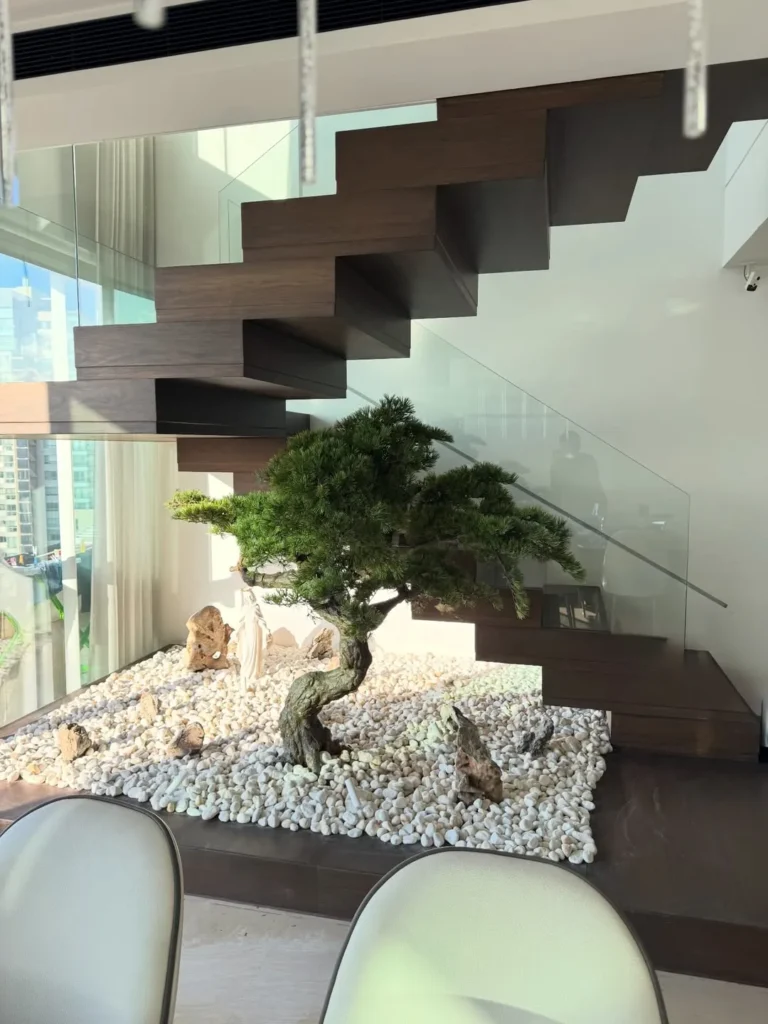
The Inspiration : Biophilic design zen gardens combine ancient Japanese meditative practices with modern neuroscience. It shows that mankind has an inherent need for nature connection. This blending was pioneered by architect Stephen Kellert, who saw that city dwellers in general suffered from “nature deficit disorder”. By using 14 documented patterns, such gardens meet our biological background and their natural elements restore mental health, linking age-old wisdom with today’s science of health.
Why it Works : Biophilic design zen gardens meet our biological need for nature contact both cognitively and physically. Such gardens have been found to reduce stress hormones; lower blood pressure; and provide direct natural element interaction improving concentration. Incorporating biophilic principles into building spaces natural materials, organic forms, living plants results in a 15% productivity increase studies. Tactile sand, visual greenery, natural textures: Through multisensory engagement, the brain restores itself in ways that computer monitors cannot replicate. Japanese-style biophilic designs are particularly attractive to alpha waves which in the brain relate to relaxed alertness. Unlike passive decoration, these interactive gardens create a deep emotional tie with the space itself and can help reduce employee absenteeism.
Pro Tip : Combine three features to layer biophilic patterns: direct contact with nature through living moss or succulents, analogues of the natural world using river stones and wood textures, and a sense of refuge made visible. Place near windows for natural light to enter the most crucial biophilic element. Add gentle water features too, prompted by auditory nature connections which will be enhanced by benefits from stress reduction.
mini tabletop zen garden
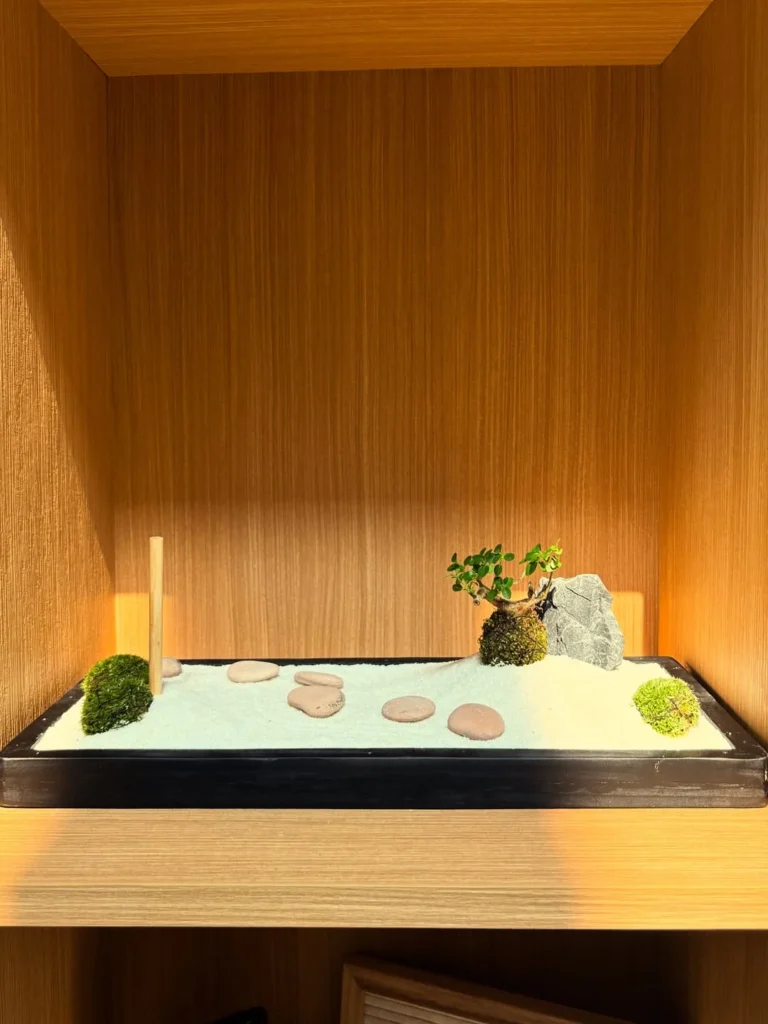
The Inspiration : Mini tabletop zen gardens stem from ancient Japanese temple practices, transforming vast contemplative landscapes into compact, portable sanctuaries. Designed for modern professionals seeking accessible meditation tools, these crafted pieces condense centuries of spiritual wisdom onto desk surfaces. They showcase that tranquility isn’t about space but about cultivating intentional presence right at your fingertips.
Why it Works : Mini tabletop zen gardens effectively reduce anxiety through tactile interaction, stimulating mindfulness and focus. Compact enough for desks, nightstands, or shelves, they make brief meditative moments convenient during busy days. Studies reveal that raking patterns improve attention and lower stress hormone levels by channeling thoughts into calming rhythms. These small-scale gardens serve as contemplative alternatives to fidget tools, offering depth without screen reliance. By blending tactile mindfulness with nature inspired elements, they provide a welcome break from digital overload. Their portability ensures consistency in meditation practices, making them a versatile tool for maintaining peace at home, in the office, or while traveling.
Pro Tip : Opt for gardens with 2-3 inch depth for satisfying resistance while raking without cramping your space. Place it on your dominant hand side for easy access during tense moments. Begin each day with a new pattern before checking devices to seamlessly integrate mindfulness into your routine and set a calming tone for the day.
Simplicity Garden

The Inspiration : Simplicity Garden draws from the Japanese concept of kanso, emphasizing the elimination of excess to unveil inherent beauty. Zen monks embraced minimalism in their gardens, believing clarity arises from simplicity. Paired with wabi sabi’s celebration of imperfection, these spaces remind us that less fosters more more serenity, insight, and connection to what truly matters.
Why it Works : Simplicity Gardens ease cognitive strain by eliminating visual clutter that overwhelms modern minds. Featuring only sand, three stones, and perhaps moss, their minimalist layouts encourage focus over distraction. Studies reveal that pared-down settings reduce stress, enhance clarity, and aid decision-making. The subtle use of ma, or empty space, enables thoughts to naturally settle. Unlike intricate, high-maintenance gardens, these designs are simple yet deeply calming, requiring little upkeep while offering profound tranquility. Every element is deliberately chosen with purpose, fostering mindfulness through the art of thoughtful simplicity rather than accumulation.
Pro Tip : Follow the “rule of three” for genuine simplicity opt for three primary components one style of stone, one sand shade, and one natural touch like moss. Avoid the urge to add decorative extras for visual fullness. The intentional spaciousness promotes stillness and harmony, serving as a foundation for deep meditation.
staircase Mini Zen Garden
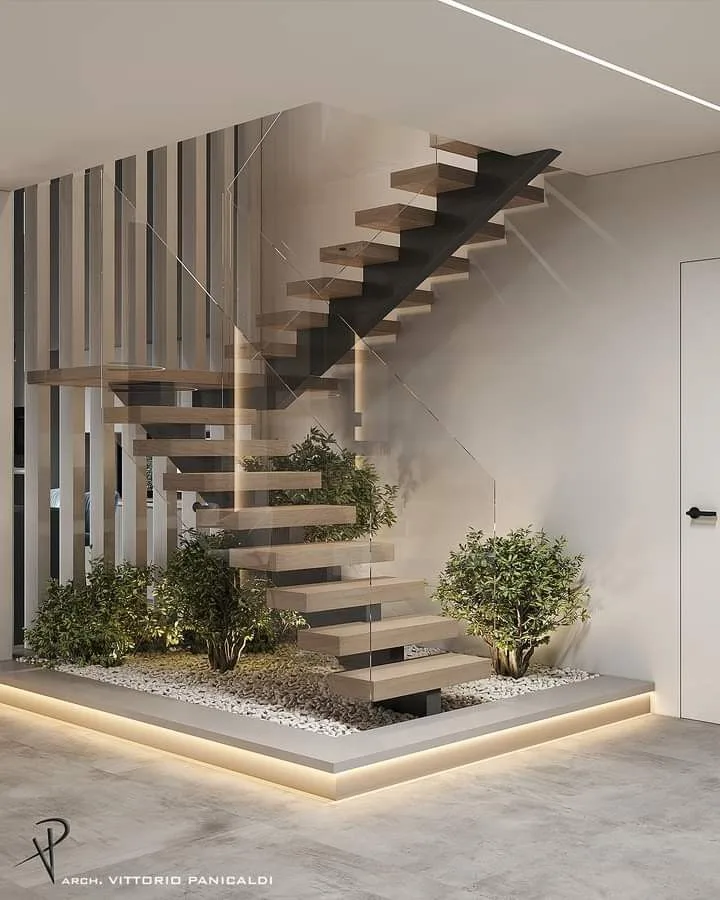
The Inspiration : Staircase Mini Zen Gardens take cues from Japan’s terraced hillside temples, where monks crafted serene landscapes across varying heights. These layers symbolize natural mountain patterns, embodying spiritual ascension. By utilizing under-stair spaces creatively, the staircase format transforms overlooked corners into tranquil sanctuaries, demonstrating how upward design turns spatial limits into creative possibilities.
Why it Works : Staircase Mini Zen Gardens cleverly utilize vertical space to establish tiered meditation areas ideal for compact living spaces. Their progressive design directs the eye upward sand on the lower tier, stones midway, and plants above offering a visual and contemplative journey akin to natural landscapes. Studies reveal multi level environments foster deeper engagement and longer contemplation than flat layouts. Each level becomes a unique meditation focus point, enabling gradual mental clarity for users. Installed within previously unused staircase areas, these gardens turn wasted space into functional wellness zones. Their layered design mirrors traditional hillside Zen gardens, bringing a sense of outdoor tranquility indoors.
Pro Tip : Design your staircase Zen garden following the “low to high” rule: position heavy river rocks at the base, medium weight sand in the middle, and lighter elements like moss or air plants at the top. Include a small upward angled spotlight at the bottom to cast dynamic shadows for added depth and visual intrigue.
Modern zen garden
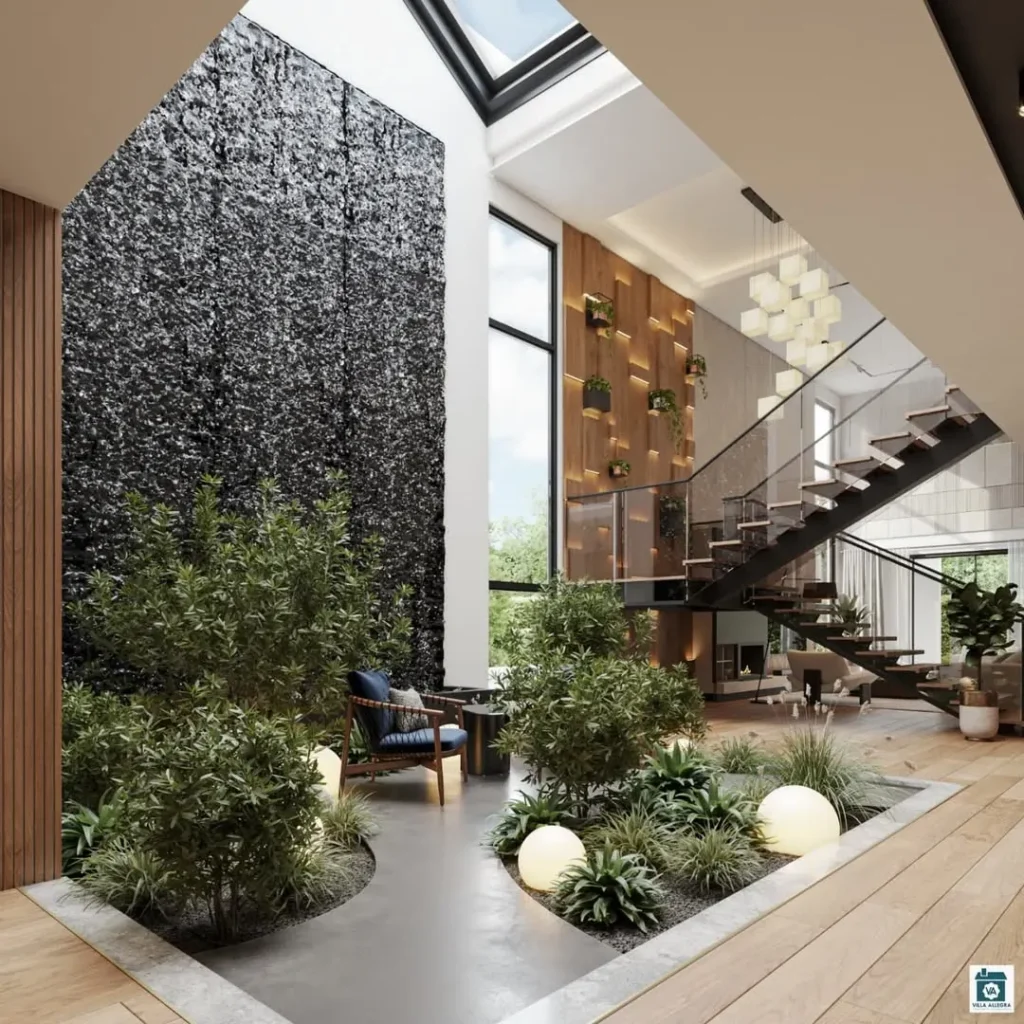
Modern Zen gardens extend from the ancient Japanese karesansui tradition founded in 14th century Kyoto temples, where raked gravel and carefully placed stones simulated water and mountains for meditation. Pioneering examples such as Ryoanji, created in 1450, express deep mental conations through minimal layouts that convert stone and sand to sublime landscape.
Why It Works : Modern Zen gardens provide an outlet for stress relief through leisurely gazing at them, which promotes an atmosphere of relaxation, self sufficiency, and purpose. The seven key principles simplicity, asymmetry, naturalness, austerity, subtleness, quietness, and not being bound by conventional wisdom command visual harmony while still blending effectively into today’s living spaces. Unlike traditional gardens that require a great deal of plant care, Zen gardens use low maintenance materials such as gravel, rocks, and minimal vegetation, making them convenient for people with busy lifestyles. The rake patterns representing ripples in water serve as focal points for meditation. Natural substances allow users to find serenity where there was none. Not surprisingly, the price of their property goes up. Regular maintenance is seen as part of the daily thoughtful practice.
Pro Tip : Use grayscale colored gravel or sand as your basic material and position one large statement stone or composition at the point of greatest philosophical interest. Use asymmetric groupings with an odd number of rocks to maintain visual interest and stay true to the tenets of Zen. When raking the pattern on the ground, ensure proper drainage and filtering so that overflowing water does not disturb gravel.
contemporary zen garden
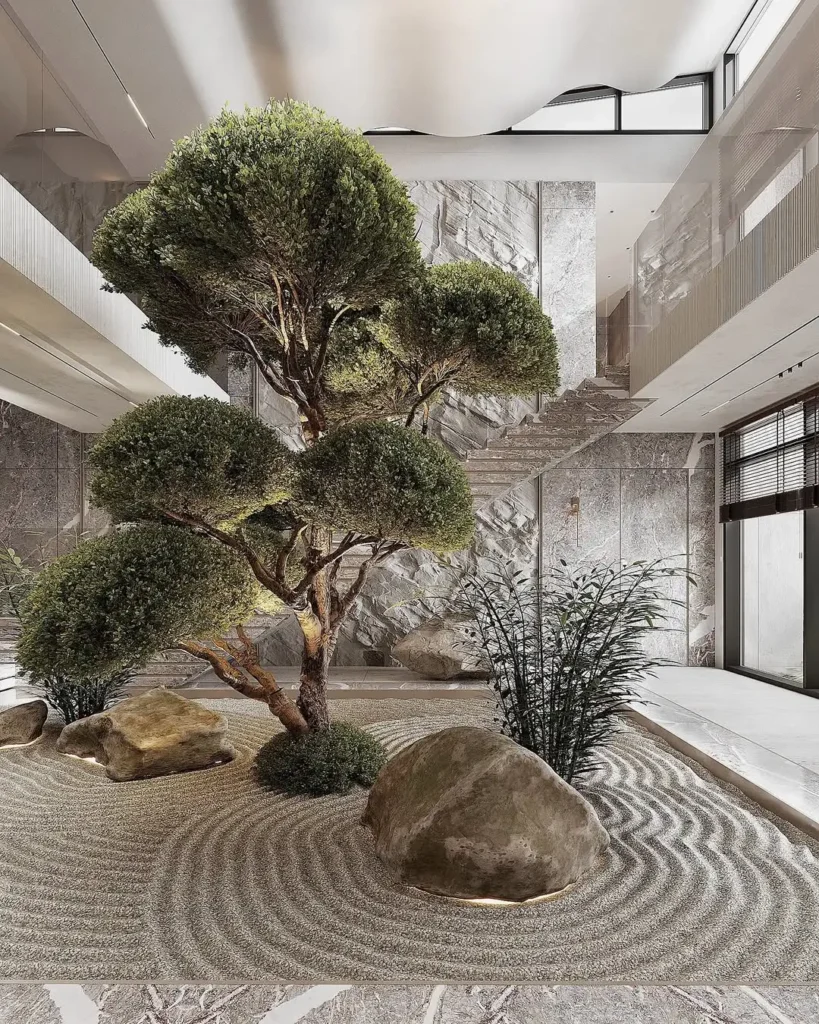
The Root Tradition : Inspired by wabi sabi’s ancient aesthetic philosophy of beauty in natural simplicity, contemporary zen gardens blend traditional 14th century karesansui symbolism with modern materials such as concrete and metal. Unlike the classical, dry landscapes that were nothing more than rocks and sand, today’s interpretations adapt holy meditation spaces for urban balconies to provide centuries-old mental and physical training to modern life
Why it Works : One of the most important features is its minimalism. Still fewer materials combined with sustainable, low maintenance native plants not only achieves this balance but also requires less work to maintain. The result: receptive to urban settings where traditional gardens cannot be accommodated without re styling. Paving, rock, and one or two plants for accents are all they need. Gardening has been shown to reduce stress and improve health. In cutting-edge, contemporary zen gardens this is complemented by actions like raking gravel. By aims knowledge nature coexists art and man made structures, its abstract symbolism leaves room for personal interpretation instead of following prescribed meanings. Asymmetry and open space add up to a tranquil balance in which well-being can grow.
Pro Tip : For a contemporary edge created by unifying the best of both worlds, mix modern sculptural elements with sleek planters and corten steel in your garden. Keep as strict an eye on spaces between plants as you would for the plants themselves (bearing in mind that a single specimen, like a Japanese acer, or bamboo will suffice if surrounded by meticulously raked gravel
balcony zen garden
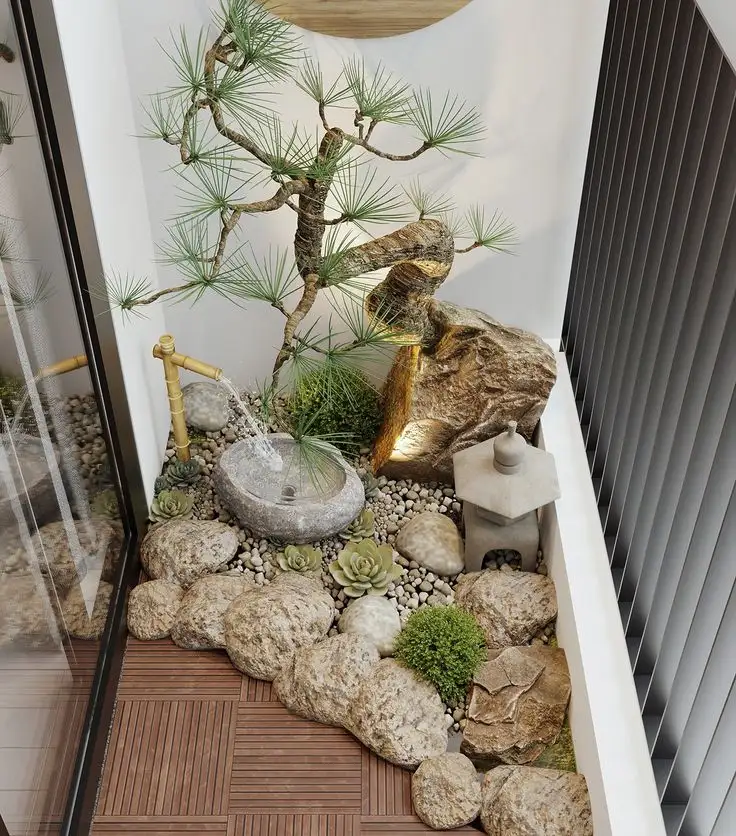
Inspiration : A balcony style house zen garden is a distillation of the courtyards of temples and karesansui rock gardens mingled with the nearby sky into some personal space sanctuary; river stones river-stone pools, raked gravel beds and a single lantern in this quiet environment echo centuries of Japanese minimalism. The contrast between the racket of the city below and this elevated, serene scene seems like stepping into a private monastery above the streets.
Reasons for Its Success : A balcony style house zen garden converts wasted square footage into a tiny sanctuary mobile enough to fit renters and apartment dwellers. Gravel, pebbles, several rugged plants, all with low maintenance: keeping the mass low while still offering contact with nature is what makes it work. The confined living environment forces focus, forcing focused design and mindful habits such as slowly watering or carefully raking away sediment. This slow, patient work is the reason stress goes down and goal oriented attention proceeds while still allowing even workers to temporarily rest in their exacting tasks. Evening lamp lighting, swaying bamboos, bound sky views: these sensory cues all serve to tell the brain that it is time relax. In tight spaces they support better mood and more freedom of thought after labor.
Professional Tips : Before putting any decorations into place, use lightweight interlocking deck tiles to map out functional areas such as a “dry stream” zone, the seating corner and a narrow planting strip near the railing. Choose shallow, rectangular containers filled with bamboo or small topiary evergreens. Then place a single raised gravel tray at eye level, raked in the direction of your favorite skyline view.
dry zen garden
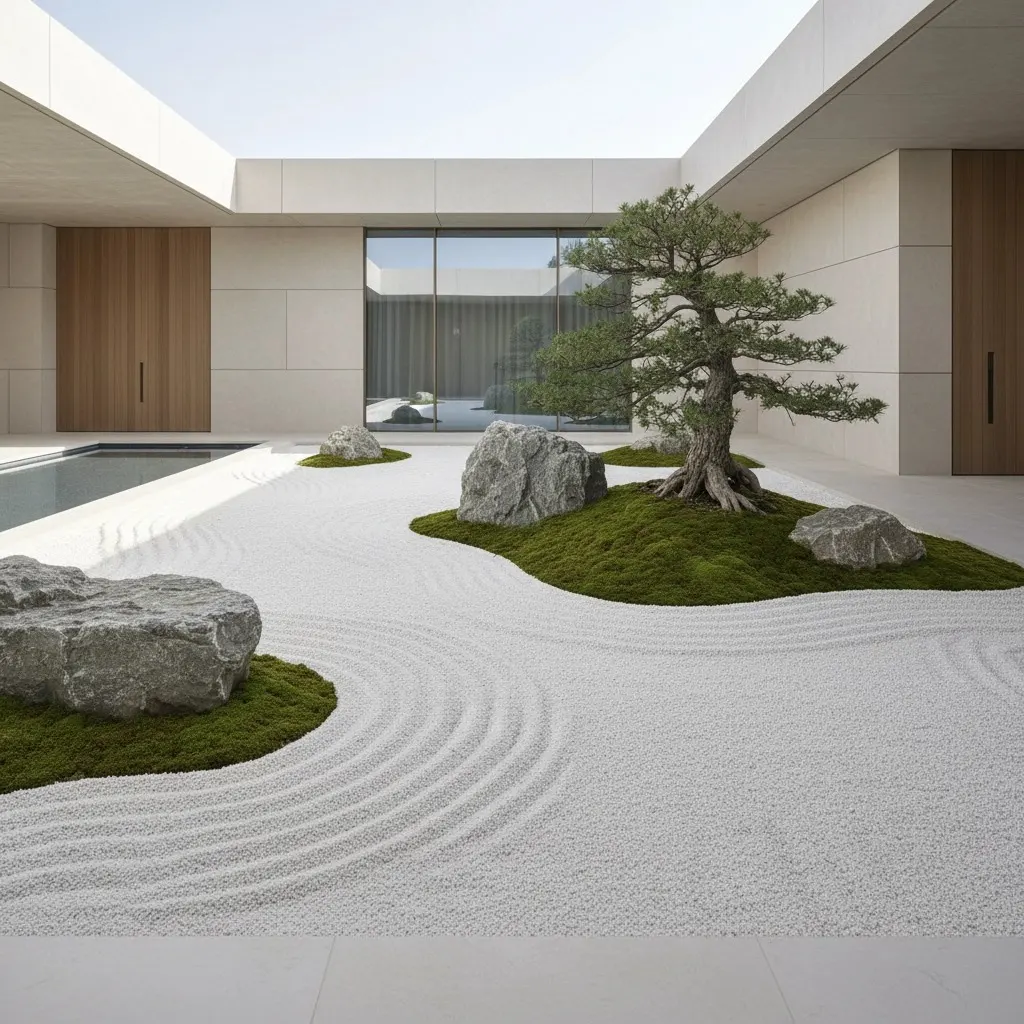
The Inspiration : In the karesansui tradition, Japanese monks created the dry zen garden you see today using only rocks, gravel, and sand for islands at sea or old mountain ranges beneath misty rain. Here: image making helped them picture an ocean biggest in history (smallest on earth) yet quite without water.Boats of pines sailed in silence away from shore and universal calm reigned over all.The next recollection takes us even further back to garden design’s simplest form.A dry zen garden springs from the karesansui tradition, where monks used only rocks, gravel, and sand to suggest oceans, islands, and mountains without a single drop of water. Imagining waves in raked lines and shorelines around still stones feels like painting a silent seascape that never needs to evaporate.
Why it Works : A dry zen garden does not need the lights, water and fertilizer of a nourishing garden, but rather counts on gardeners to cultivate it. If rock falls out or weeds grow in place at their leisure well then no one is going to die from such behavior is he? There are no ponds or bright green plantings to tend in this garden; it changes over the seasons with shadows and texture. Gravel raked into wavy patterns provides a sort of kinesthetic meditation: light physical labor coupled with concentrated thought quiets fingers and mind at once. The abstract imagery encourages you to turn inward; each arrangement of stones can mean anything from thoughts to islands, as you wish shifting with oneself and the times. Together with its perennial structure, this flexible meaning makes a small dry garden a place for both work and reflection.
Pro Tip : If you know what kind of scene you’d like to create river, sea or mountain range before laying any stones at all, then adhere strictly to that theme. Position your bigger ‘island’ rocks slightly off center, burying at least a third of their height; rake gravel in lines flowing continuously and unbroken around each one to reinforce this imagined landscape.
Mindful Miniature Garden
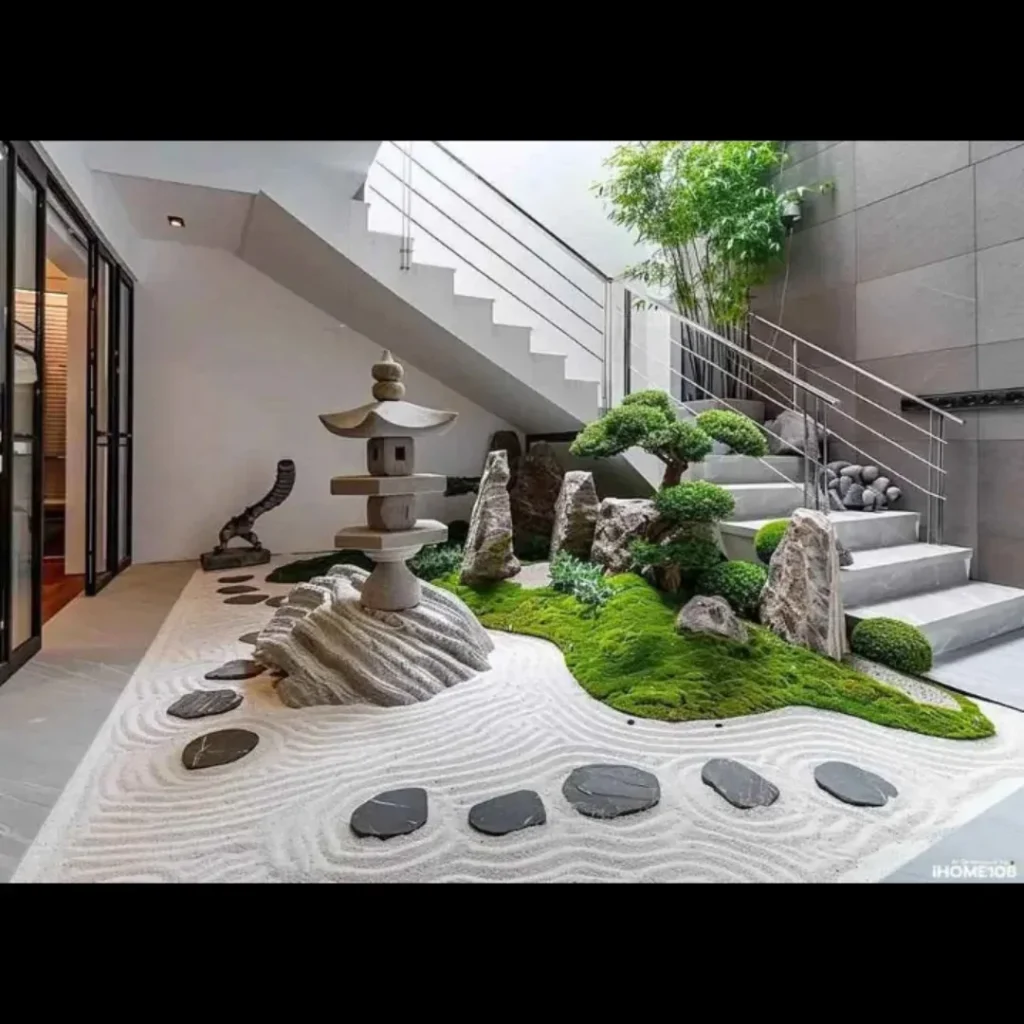
The Inspiration : Mindful Miniature Garden The intimacy of bonsai trays and desktop zen gardens becomes a portable palm sized sanctuary. Tiny moss hills, pebbled paths and a single figurine feel like holding an entire landscape in your hand.This creates an invitation for natural observations and gentle nurturing.
Why it Works : A Mindful Miniature Garden is effective because of its small size which supplies quick care chores along with an easy access point for daily maintenance. Close observation needed to trim miniature plants or line pebbles just so also narrows the field of vision and thus triggers clearer thoughts. Repeating simple actionsmist, trim, rotate and observe makes a grounding ritual that can be done in minutes, in between rushes of fingers. A piece of decor and protocol, the garden provides a constant cue to relax quietly within view on a desk or tucked under one’s pillow before lights out. The very fact that miniature gardens are thus mobile reinforces an idea that one has control over his or her own moods and actions.
Pro Tip : Ground your Mindful Miniature Garden in a slow growing hero plant, such as a dwarf fern or small succulent, and then design everything around it so rather than compete Keeps materials tactile real stone, sand, wood Schedule a two-minute “check in” daily to mist, reposition and note one new detail without other activities.
Traditional zen garden
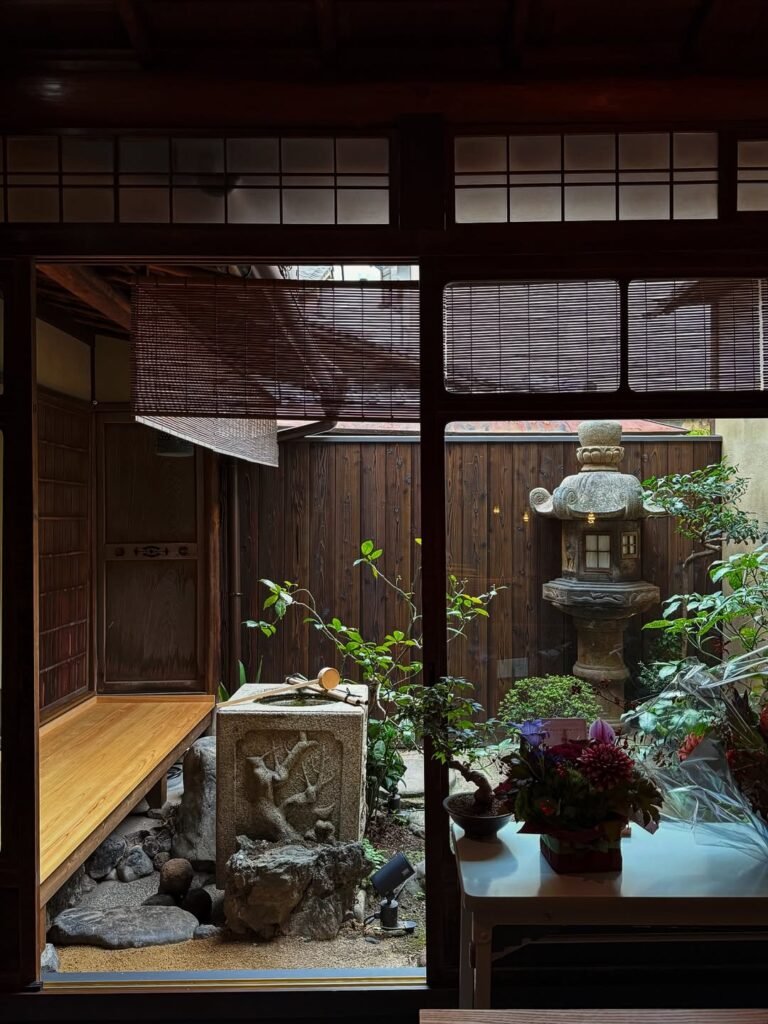
The Inspiration : In the silent courtyard of a Kyoto temple for example rocks, moss and raked gravel are carefully arranged to suggest mountains, islands and water. The restrained landscapes feel like reading small poems in stone; each line of sand forms a pause between thoughts or seasons past, present and future.
Why it Works : A traditional Zen garden succeeds because it drains distractions away, using only basic elements:?rock, sand, moss and pruned branches to concentrate the spirit one pointedly. The restricted color palate reduces visual busyness; it allows ideas time to settle down. Raking gravel walking the path gardeners practise or cutting unwanted growth becomes physical meditations that give the body simple, repetitive tasks to do. This draws off some of its restlessness. Seasonal changes are in small ways which the inhabitants must be carefully shown by means of silhouettes changing and growth of moss, that patience yields acceptance. Gazed at from a pavilion A scene slowly unfolds giving unchanging calm support to thought, calm emotional state without conversation or action required.
Pro Tip : Before placing any rocks, determine the main view point and design it like composing a landscape painting. Use one main “mountain” stone, two supporting “companion” stones, and keep all plantings beneath and sparse. Leave a generous area of empty gravel for restful viewing and visual “water” flow.
moss zen garden
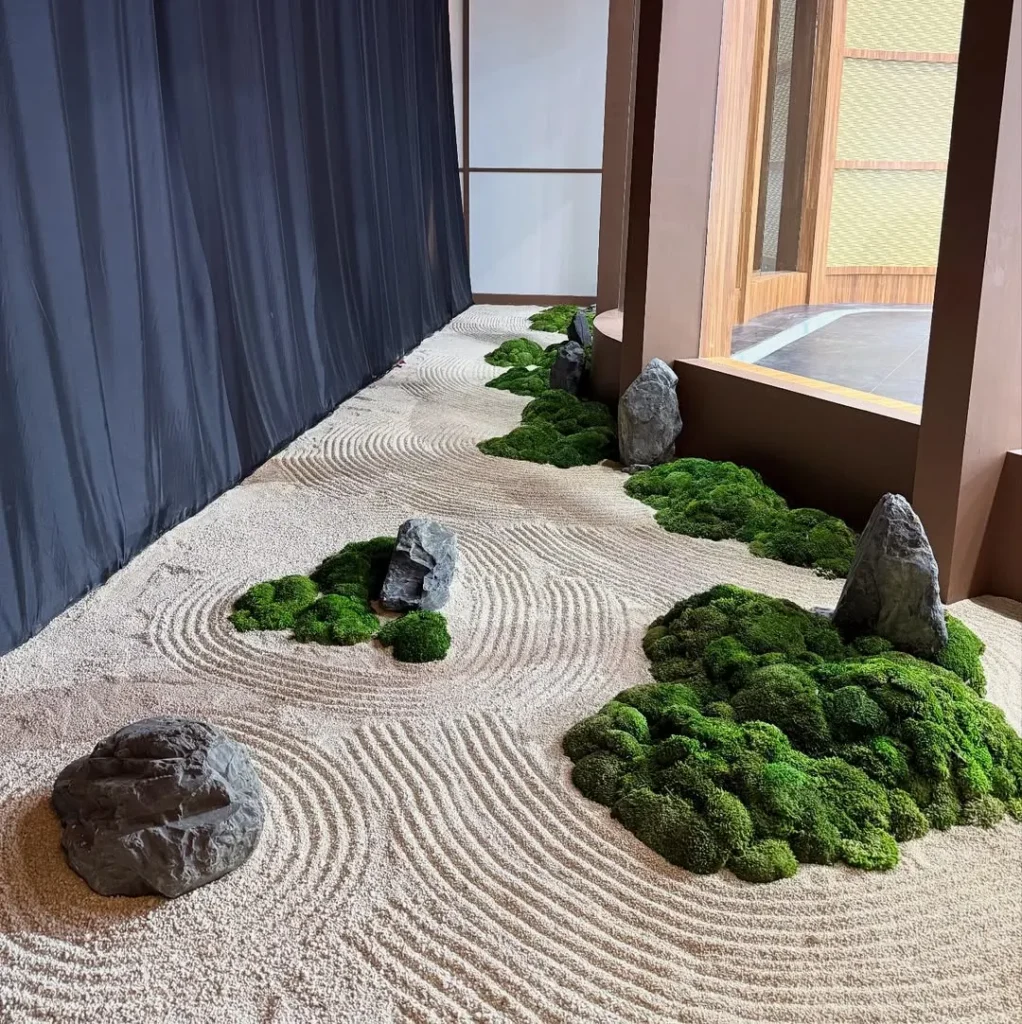
The Inspiration : A moss Zen garden feels like stepping into the forest floor of ancient Japan, where mounds are padded with that clammy washed greenery afterwards rain, each growing fair on this fern-like carpet. It goes back to temple gardens in Kyoto with their solid rock beds and green grass in which stones hide, asking me to come closer to them: lower down my nose against thick moss. With the same today’s rain, each spore is a glistening pearl.
Why it Works : A moss Zen garden is effective because moss naturally softens hard lines, wraps rocks trees roots and soil in a continual, calming green which rests your eyes far away. Its low height keeps the composition peaceful and unified, excellent for contemplative viewing from a porch or chair. Moss grows best in shade and requires very little mowing or pruning; maintenance is light care spraying, weeding and quiet scrutiny and not noisy tools. The way it responds to wetness and sun light encourages mindfulness: subtle changes after rain or across seasons repay slow looking. Interested people with more leisure time can look for meditative benefits in weather patterns of daily life that arise daily, such as how high pressure systems cohere.
Pro Tip : Choose a site that is consistently shaded and calm from the wind; prepare your bed by taking out competing grass with a light rake (a little acid thrown in meanwhile. After packing moss tightly into place, water with a gentle spray and water only lightly every day instead of soaking it. Don’t step through growing grass; step with a guide of stepping stones.
Minimal Zen Retreat
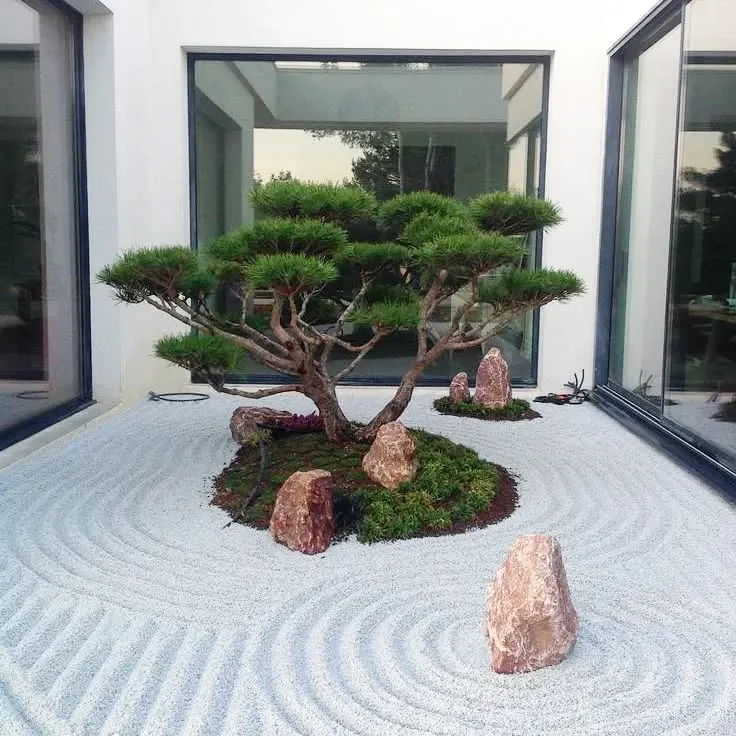
The Inspiration : “Minimal Zen Retreat” drew from the memory of both Kyoto temple verandas while also borrowing their natural light incorporating only a few everyday objects (most of which sit on the floor) and your spoken word. Think naturally warm wood, one plant at knee level: a place that feels like walking into speechlessness itself.
Why it Works : “Minimal Zen Retreat” is effective precisely because it eliminates visual clutter. The nervous system thus has fewer things to process, and relaxation becomes that much easier. Smooth shelves, a lack of accessories and color-thinning laissez faire attitude solve the first two problems; in addition these make for a decompressible living arrangement instead of yet another project to watch out for. Low seating, natural materials and indirect lighting all encourage slow movement and deep breathing, setting the tone of a traditional meditation hall. With only a few meaningful objects cushion, tray, plant or scroll attention naturally lingers instead of jumping back and forth. Mid-morning or tea-time reading cannot help but be encouraged in this environment for mindfulness, focused discussion with friends…”
Pro Tip : Choose one wall or corner to visually “quiet” for consistency: low furniture, no busy patterns and a strict palette of two neutrals plus one natural accent like wood or stone. Then add a floor cushion and single plant nearby, treating this section as a screen free, shoe free micro shrine.
Contemporary lobby zen garden
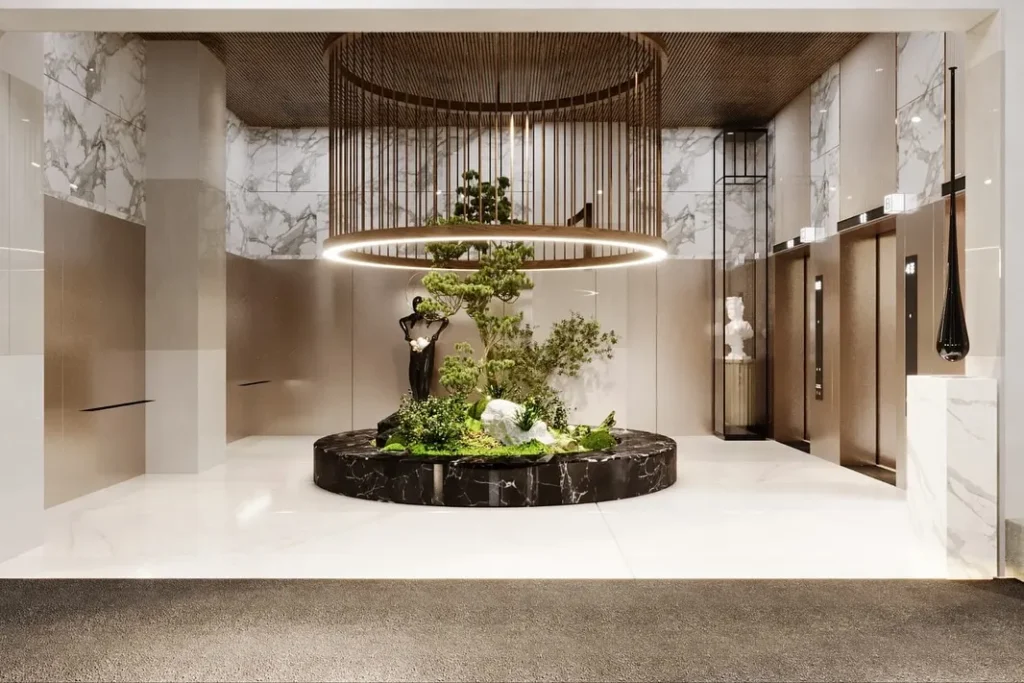
The Inspiration : A modernised lobby garden softly recasts the courtyards of palaces within temples behind glass walls and steel prows. Instead of having them encounter a reception, guests are greeted by refined concrete, carefully groomed layers of dirt, and carefully placed stones. It turns the first step inside in about time to breathe. Calm is framed as the building’s welcome handshake : not another screen or sign, but real human feeling.
Why it Works : An updated hotel lobby zen garden uses a controlled stillness to take the severity out of modern architecture. Visitors can feel their stress lift immediately. Durable materials stone, gravel and a few robust plants offer biophilic benefits without a lot of work. This is perfect for public areas where people touch and go all day. The lines of sight are kept clear and hardly any adjustments were made for safety or usage, but it still provides something to remember. This garden becomes a subtle part of the addressing system and identifying mark for hotel brands: all this effort says DeclUTTER. A pause for soft lighting and whispered sounds ripples of sand leaving the ends behind, swishing back ornamental grass furnish a shield against traffic bedlam and provide time to stop and take notice. It encourages slower breathing in indoor activities while achieving first impressions of real presence.
Pro Tip : Importantly, position the zen garden in high traffic areas where visitors will stop to look at buildings, across from elevators, or near seating. Keep it low, open, and not blocking any light. Create a setting of neutral colored gravel with one or more bold stones and an ornamental sculpture, flanked by resilient but unattractive plants. Install hidden edge light fixtures to gently illuminate the design as evening falls.
Belgrove Zen Garden
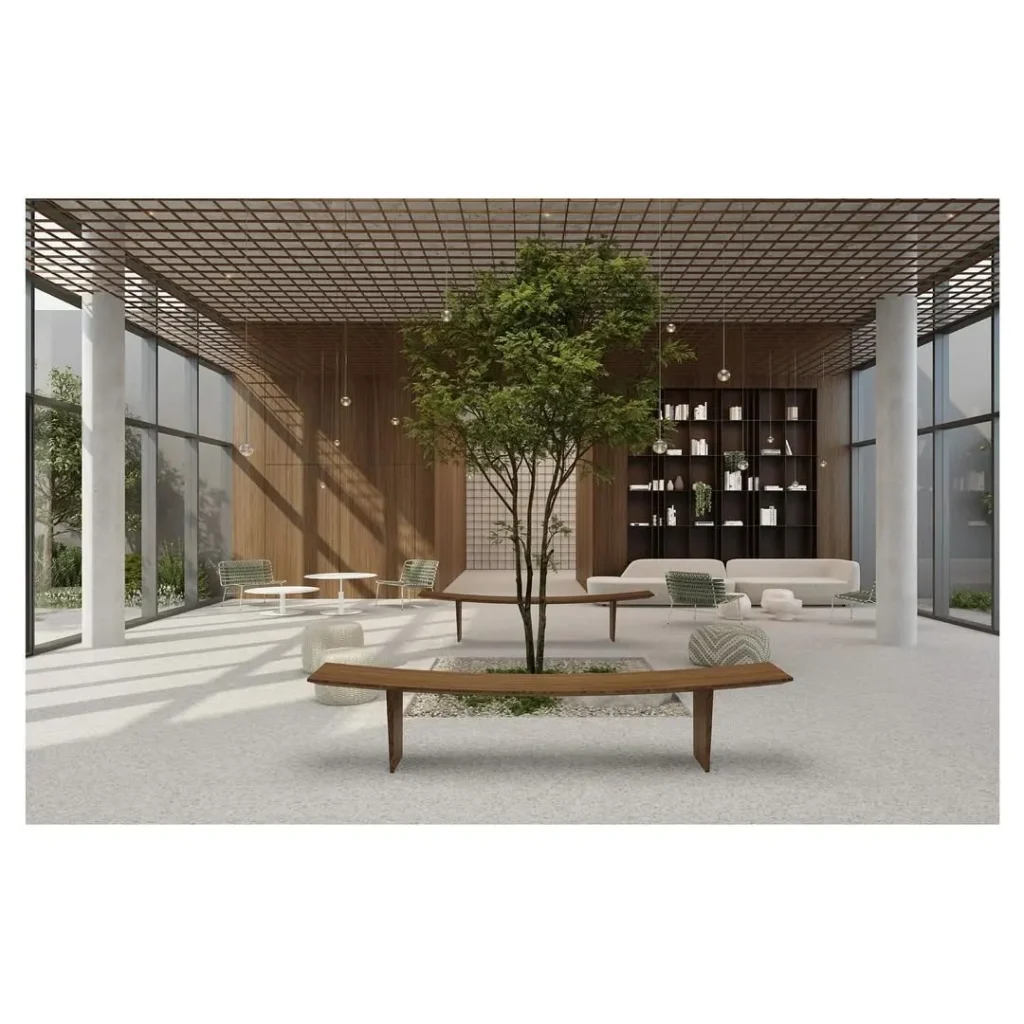
The Belgian garden absorbs the heritage of William Edward Gumbleton’s historical botanical garden on Great Island, near Cobh, where plants from various world institutions once intermingled in experimentation Imagine a collector-loving garden, though lined with curbed from experiments, it talks to itself about collected meditation where every plant is a tale of botanical curiosity and global trade.
Why It Works : Keeping in kind with the daily accounts of plants and classic varieties of bonsai emphasizes subtleness. Trying out all-new rare species promotes careful observation and frequent visits from mature to seasonal planting characteristics, tightening the once joyous connection between garden and gardener. This way not only turns a garden into the wayside but a true laboratory, where study and attention are of equal value. Gumbleton’s historical cooperation with world botanical authorities provides a sense of history for each specimen, making its existence more substantial than mere daisy roll. Perennials requiring little attention and establish structured displays make maintenance less drilling relieve days of seeking beauty all year round.
Beginners : Take one raised bed or bench garden as the method. Locating carefully plotted hotbeds of three plants artfully, put in signs discreetly showing their sources of seed. Then encircle this “test garden” with elements such as gravel and stepping stones which are classic motifs of zen, thus endowing it with a character both Oriental and Western.
Meditation Sanctuary Zen Garden
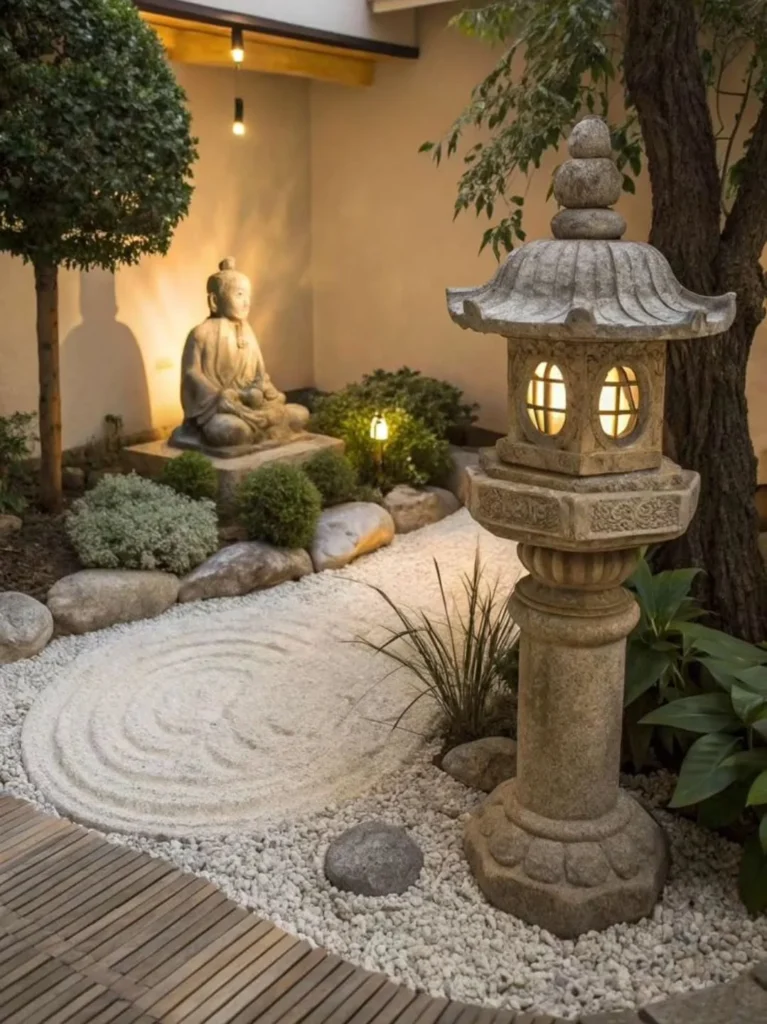
The Explanation : The Meditation Sanctuary Zen Garden has helpful echoes of walled temple courtyards where monks zazed for centuries, deliberately enclosing gravel, stone and silence into a real physical threshold separating every-day noise from one’s own stillness. Imagine a cushion alone facing raked sand; the garden becomes container and means of ritual.
Why it Works : A Meditation Sanctuary Zen Garden is successful because it builds in recognizable environmental cues that can help your mind settle more quickly. Research shows that these gardens help wash away stress through the calm, repetitive movements of tasks like raking, and by fully engaging our outsized thoughts with atmosphere and ground to meet internal diet of thought; indeed, they are all kinds of medicine. The design is clean, visually and also humanly. There aren’t any distractions to pull your focus away from breathing, posture or centered on a single object a stone here and there will remind you directly
Pro Tip : Encircle the sanctuary with low hedges, bamboo screens, or cloth panels to screen sight lines and shield sound, creating psychological separation even in small gardens. Place a weatherproof meditation cushion or bench as a permanent fixture facing your focal point stone arrangement, water feature, etc.so that the space is instantly ready every time without any delay.