
Garden Retaining Wall Ideas to Instantly Upgrade Your Backyard Discover the best designs Regardless of traditional or contemporary design garden retaining wall ideas bring attractive and practical additions to virtually any landscape design. With structure, height and texture, retaining walls do all that just by shaping the garden into easily accessible levels for planting, seating and pathways making it an instant garden organizer and draw. Garden Retaining Wall Ideas to Instantly Upgrade Your Backyard Tiered retaining walls themselves can become terraces for flower beds, herb gardens or vegetable patches to turn wasted vertical space into layered greenery that makes eyes lift from the ground plane. Built in planters soften hard lines of stone, brick or concrete and allow cascading plants such as ornamental grasses or colorful annuals to drape over the edge in a designer look, while setting can also add extra seating. Garden Retaining Wall Ideas to Instantly Upgrade Your Backyard Laying wide capstones or bench-style tops makes your retaining wall a casual spot to sit around a fire pit or patio, and integrated steps improve access between levels and make the yard feel bigger. Add a modern twist for example, combine linear concrete blocks with warm landscape lighting to highlight textures at night and extend the outdoor experience. You don’t have to re landscape completely: even on a shoestring, timber sleepers, reclaimed stone or cost effective block systems can transform the way your backyard looks and functions, as well as increase your home’s kerb appeal in pricier neighbourhoods.
Granite Block Retaining Wall
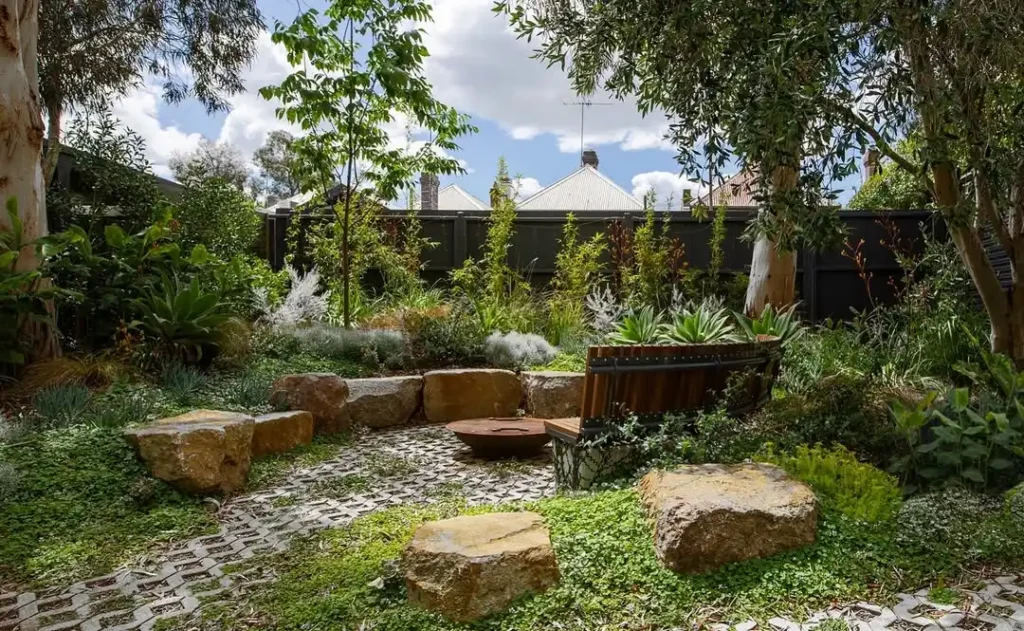
The Inspiration: Granite block retaining walls are inspired by early preservation of old world stone terraces in Greece and out in the country cottages where strength combined with art took place. Every single block is a tale of survival, created by the weather and labor. Their ageless splendor turns coarse paths into beautiful gardens that unify the longevity of nature with human invention and architectural elegance.
Why it Works : This wall, built with granite blocks, is tough as nails and will no doubt outlast its builder. When filled with weight , HDPE swale drains can stabilize, and naturally bind soil to prevent slough even under the harshest of conditions. But beyond function, granite’s richly textured surface and color variation can enhance outdoor beauty, adding depth and character to gardens or hillsides. Environmentally friendly and virtually maintenance free, each wall becomes a legacy of timeless beauty and security. Granite is a favorite of homeowners and landscapers compared with concrete, which ages nicely too but in an entirely opposite way . Research on how long hardscapes last reveals that stone retaining walls hold up for centuries, meaning a granite wall never looks out-of-date when it comes to form and function or aesthetic landscape harmony.
Pro Tip: Make sure your foundation is level and backfill the wall with crushed stone to prevent water from getting behind the granite retaining wall. This inhibits frost heave or moisture accumulation and lengthens the life of the structure. Opt for local, indigenous granite to lower costs and maintain even color and link your brand new designs with the spirit of the land outside.
Garden Wall Design Made Easy
The Inspiration : Garden Wall Design Made Easy Visual cues come from centuries-old cottage gardens and Mediterranean courtyards where walls were not barriers but living backdrops for flowers and stories. It is a celebration of function and flair, the way that stone, brick or greenery create individualized refuges, cozy sanctuaries that are equal parts nature’s canvas as well our own human creativity, personal care and sensibility.
Why it Works : Garden Wall Design Made Easy takes what’s typically a complex experience and makes it an easy to understand, step by step undertaking. It navigates a course between structure and creativity, so that there is nothing to stop anybody shaping space beautifully and confidently. Now, even a beginner can produce a result that shines with the tools of modern materials and precise planning to complement strength against time and weather. Studies show that well thought out garden walls add to curb appeal and property value, as well as cut down on maintenance costs. The approach promotes customization combining colors, textures and layers for visual harmony. Emotionally, it turns outdoor space into meditation space, a proof that practical design doesn’t need to be cold or cookie-cutter or unartful.
Pro Tip: Establish your garden’s focal point before selecting materials or colors for your wall. Coordinating the wall’s color with already in place walkways or planters is a way to easily create unity. Try sketching them out on paper first for money saved, proportions seen and a final design that feels natural, balanced and most definitely your own!
Small Garden Retaining Wall Ideas
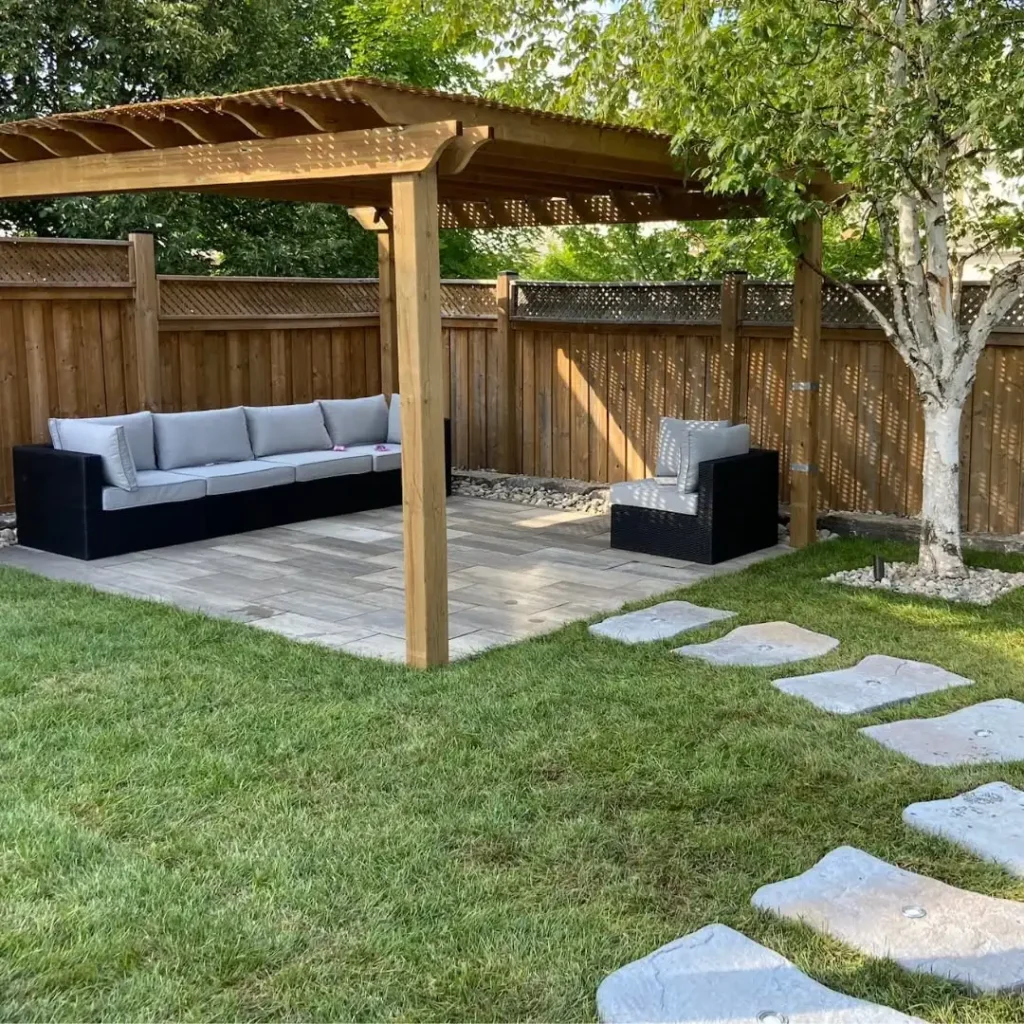
The Inspiration: Small Garden Retaining Wall Ideas are inspired by tidy small European courtyards where every inch of soil and stone was meticulously planned to create beauty out of necessity. These spaces are a fantastic example of how even the smallest patio can weave its own story, all while maintaining balance between structure, greenery and imagination in perfectly balanced harmony.
Why it Works : Small Garden Retaining Wall Ideas work because are the ones that enable you to utilize space more efficiently and make an impression. By taming slopes and defining tiers, they add extra pounds of planting space while improving drainage and circulation in limited gardens that would otherwise have been supersaturated by rain. Strategic construction employs stone, wood or brick to mesh with the natural environment and promises durability without overpowering the area. Case studies have shown that tiered compact walls expand otherwise unusable yard space by 30% percent. Functionally sturdy yet emotionally inviting, these walls make small plots feel like personal getaways that are bigger, greener, and more alive all while exhibiting intelligent craftsmanship and sustainable design.
Pro Tip: In small gardens, shorter segments of wall and varying heights add dimension without overtaking the space. Pair natural stone with low growing creeping plants, or small ferns, for a gentle and organic contrast. Maintain proper drainage beneath each level it will keep soil from washing away, protecting the life of your wall so that its beauty endures.
Block Retaining Wall Construction
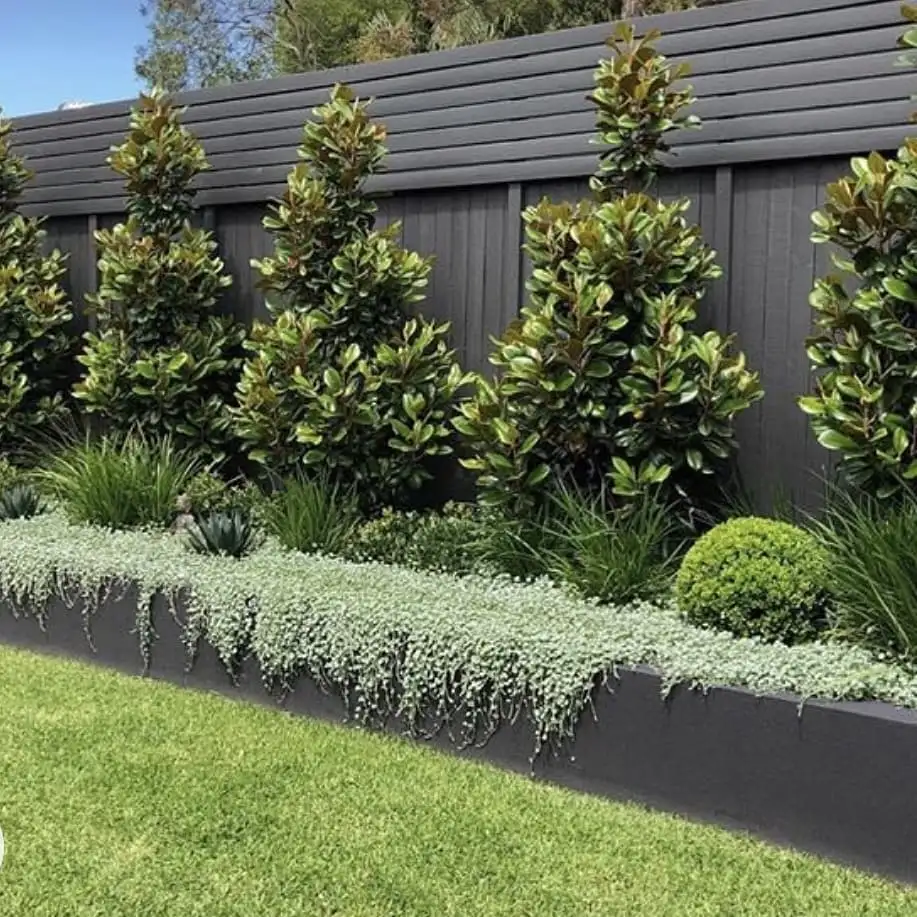
The Inspiration: The construction of our Block Retaining Walls dates back to the ancient craft of masonry, wherein Roman engineers created terraced walls that are still standing. This is a bold dance in which strength is signalled by precision, as one dancer after another piles the raw blocks into sculpted landscapes. It’s about using geometry and gravity to transform necessity into beauty, designing contemporary gardens that look historical and deliberate.
Why it Works: Block Retaining Wall Construction The reason block retaining wall construction works so well is a combination of engineering genius and freedom of design. Pressure-equalizing systems mesh together evenly, which means they’re strong but also simple to put together. Unlike poured concrete, each block seperates to allow for natural water drainage, reducing hydrostatic pressure against your walls which can contribute wood rot & decay. The walls look great in gardens, driveways and uneven or sloping yards and provide durable, long-lasting elegance that helps prevent erosion. Researches on segmental retaining walls reveal lifespans of over 50 years, with little to no maintenance. In an emotional sense, they exude stability and craft every line clearly purposefully placed. They effectively provide homeowners with an economical, modular alternative that can satisfy performance, strength and aesthetic requirements in various locations.
Pro Tip: As you build, work from a level base we used compacted gravel for both strength and drainage. You will want to stagger each block joint for better stability and a higher end finish. For taller walls add geogrid reinforcement between courses. This concealed structure delivers increased support while never obstructing the smooth contours of your foundation.
Simple Brick Garden Wall Projects
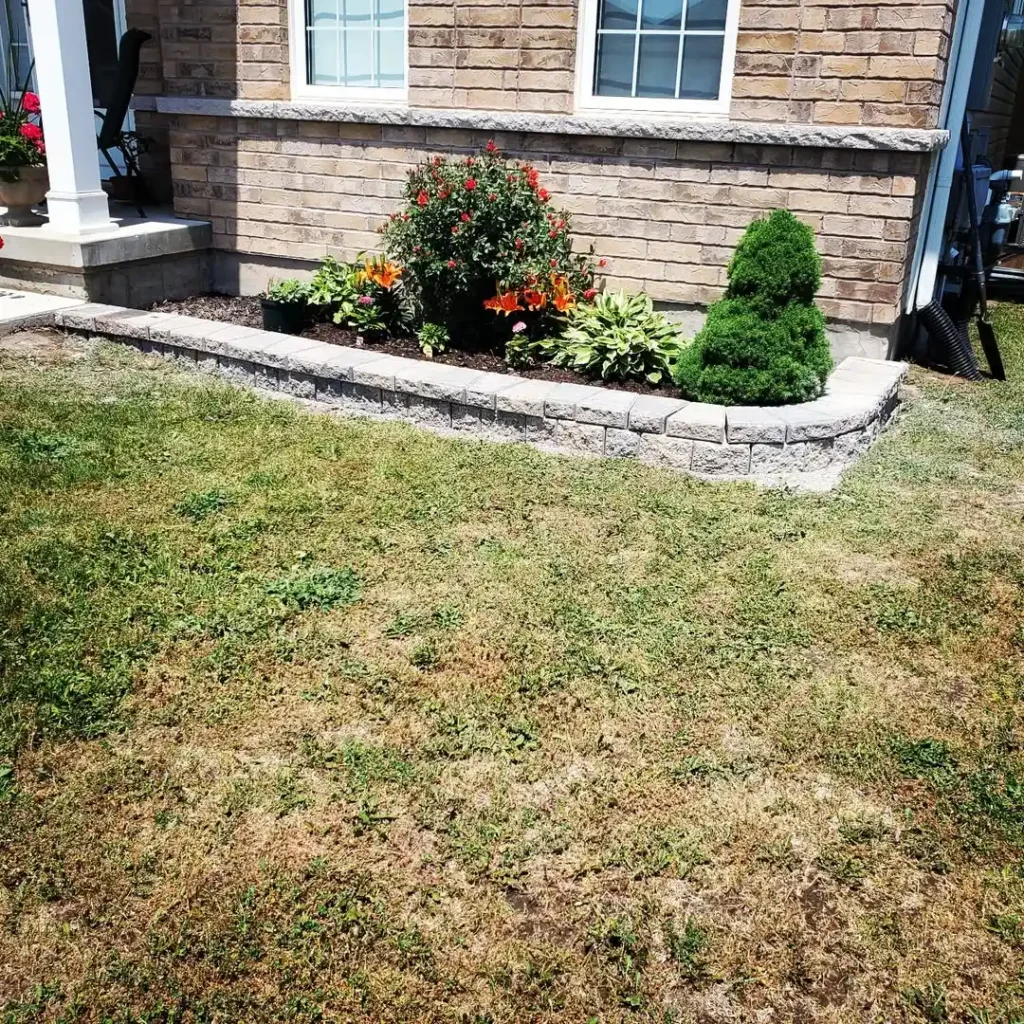
The Inspiration: Simple Brick Garden Wall Projects are inspired by classic English gardens and country cottages, where red brick bordered timeless beds of blooming flowers and walkways were short and sweet. Each wall is a respectful nod to heritage and handcraft, mundane materials made warm and permanent. It is an invitation to act with purpose, and in keeping with tradition, to build beauty.
Why It Works: The Simply Plantable Brick Wall is also by the plants game, adding durability, charm and adaptability into the equation. Brick is resistant to varying weather conditions and is also a timeless choice throughout the centuries. Its modular form is open to endless configurations: Raised garden beds, decorative borders and even outdoor furniture. Research on sustainable masonry suggests that a brick structure with minimal maintenance can last more than 100 years. Homeowners appreciate their tactile warmth and timeless texture that can soften the look of metal or concrete surroundings. Emotionally, brick walls offer a feeling of permanence and comfort, anchoring modern gardens in something familiar, stoutly and beautifully human made the generations old bridge between past craftsmanship and present creativity. Stunning Garden Wall Decor Ideas to Transform Your Outdoor Space
Pro Tip: You’ll want to lay your bricks on a compacted sand and mortar base for steadiness, and verify alignment every few rows. Maintain a constant level and joint thickness with a string line. Sealing it with a top coat keeps out moss and other stains that can discolour your wall over time to keep your garden wall strong and vibrant every season.
Retaining Wall Planting Ideas
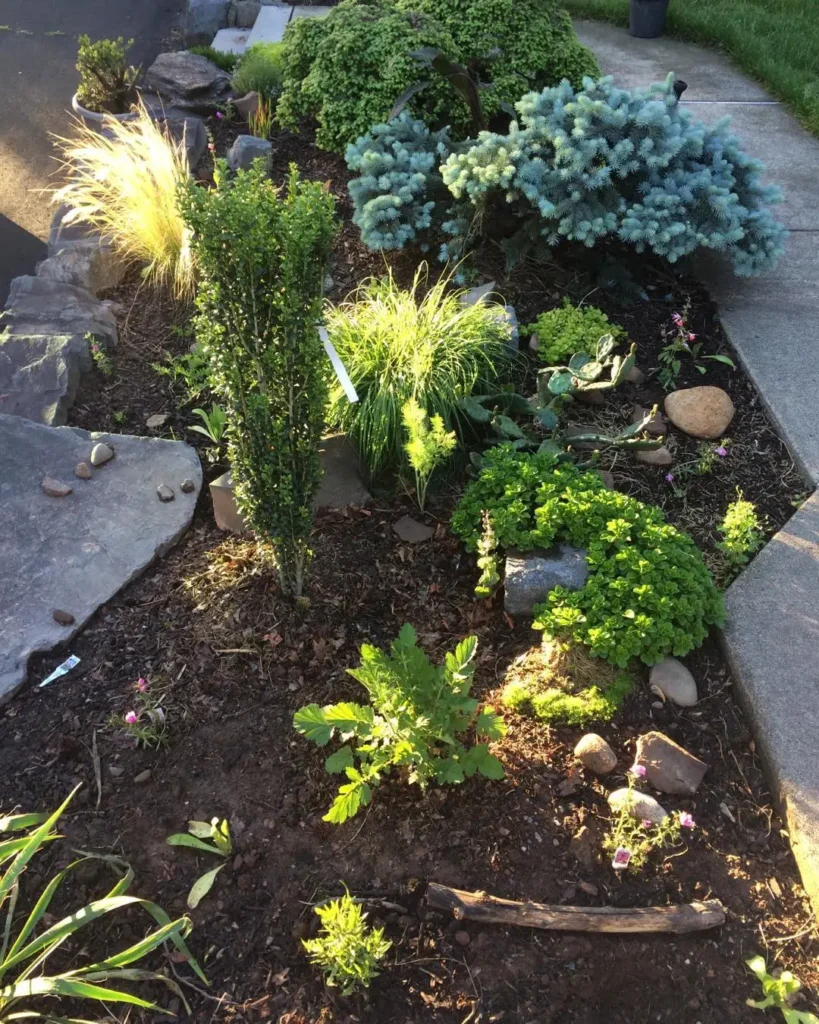
The Inspiration: Retaining Wall Planting Ideas Nature has a way of softening structural elements as seen in cascading blooms spilling gently over stone borders that marry form and life. The design is influenced by the ancient terraces of Tuscany and reminiscent of English hillside gardens, applying simple shape making to instantly transform an everyday wall into a thing of beauty while providing plant pockets that cascade color and light.
Why it Works: Retaining Wall Planting Ideas work as beautifully as they do since they blend the strength of engineering with nature’s ecology. A well planned planting will also serve to bind the soil and provide a filter for rainfall, thereby decreasing erosion as well as improving drainage patterns and biodiversity. Groundcovers, trailing vines and perennials fill in nooks and crannies creating a lush textural layers that make walls appear to breathe. Studies citing landscape design research have found that green walls can reduce soil temperature and enhance runoff absorption by as much as 40 percent. Emotionally, there’s a sense of tranquillity and closeness with nature as they bring life to what would otherwise be dull dividers. They promote sustainable gardening, adding purpose and depth to every outdoor wall with our gardened living walls that last season after season.
Pro Tip: For the top and mid tier of the wall sections, use drought tolerant, shallow rooted plants, Morash says, such as sedum, thyme or trailing lobelia. Combine native species for low maintenance and resistance. Always use organic compost to plant pockets in your retaining wall which encourages healthy growth, moisture balance and stability for the life of your blooming design.
Natural Stone Wall Installation Guide
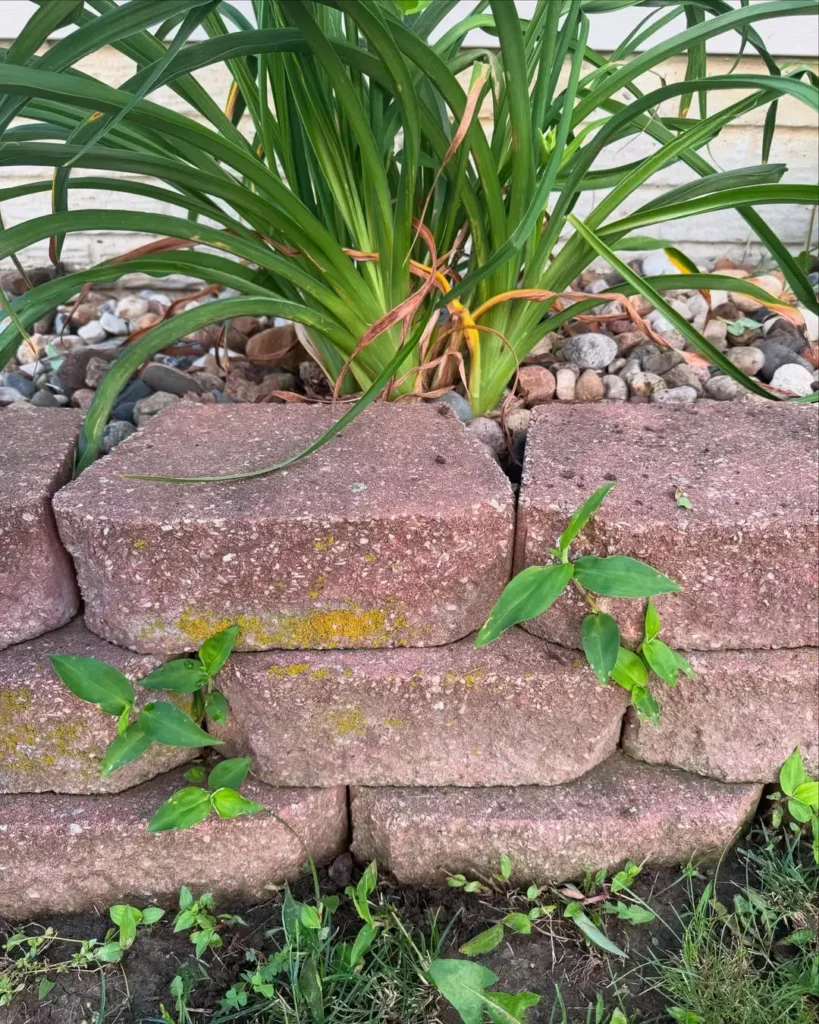
The Inspiration: The Natural Stone Wall Installation Guide finds its inspiration in centuries of human toil found on Scottish crofts and ancient dry-stone terraces. Every stone has been carved by nature and celebrates patience and precision. This classical architectural art form turns wild terrain into permanent testament of harmony, linking contemporary environments to ancient craftsmanship and the integrity of earth itself.
Why It Works: The Natural Stone Wall Installation Guide works because it takes old school masonry skills and combines them with new school technology. From durability to weather resistance to good old fashioned organic beauty, natural stone can’t be replicated by any manufactured goop. Its rough textures settle effortlessly into landscapes; walls that seem to grow, not be thrown up. In sustainable building studies, it has been found that stone structures can stand for hundreds of years with just a little bit of maintenance. Beyond function, each wall bears emotional weight it’s real, it anchors you and makes sense with the land. This guide gives homeowners the means to create not only enduring features but also structures that age over time in a way that follows the natural cycle of nature, combining strength with what can be made from raw materials.
Pro Tip: Sort stones by size and shape before you begin it will save time and help the wall layout to look balanced. It is perennially neat to pile up larger, flatter stones at the base for stability. Use gravel or chippings to fill any small gaps that may appear, both for drainage and to secure pieces together.
Budget-Friendly Retaining Wall Options
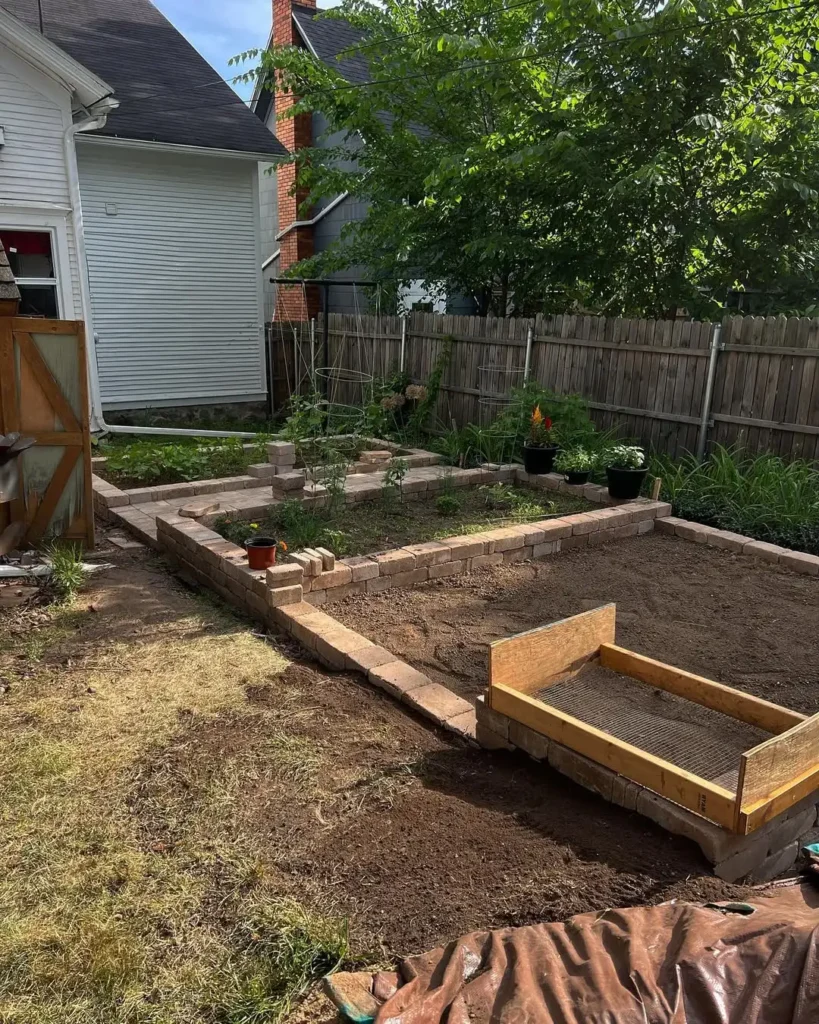
The Inspiration: Retaining Wall Ideas on A Budget is inspired by those homeowners and gardeners who feel beauty should not come at a high cost. From salvaging aged bricks and old timbers to creating walls made from recycled wood or concrete blocks, these inJuldge inspired designs are testimony that imagination, creativity and a good dose of elbow grease can make something magnificent out of something less than magnificent even a pile of rubble.
Why It Works: Budget-Friendly Retaining Wall Options work simply because it is an exercise in cost-effective creativity. Homeowners can save money and the environment by being smart about materials, reducing the amount of waste they generate. Research in sustainable landscaping demonstrates up to 40% of costs can be reduced with recycled supplies and self assembly. There are pre-formed modular systems such as concrete blocks or timber sleepers which can be easily installed without cranes. Identificatory, such choices enable individuals to create valued places through a personal act of self and creativity. Getting technical, they stave off erosion, define garden areas and add personality illustrating how style meets brawn on a tight budget thanks to careful research and design.
Pro Tip: Scour neighborhood construction sites, landscaping suppliers, or salvage yards for leftover stone, bricks or blocks they’re likely to be discounted heavily if not given away. Measure your slope carefully before you buy, and sketch a plan. This is useful to know so you can approximate the materials required and be conscious of what your money is getting you in terms of building a retaining wall when it comes to material volume.
Easy Retaining Wall for Gardens Beds
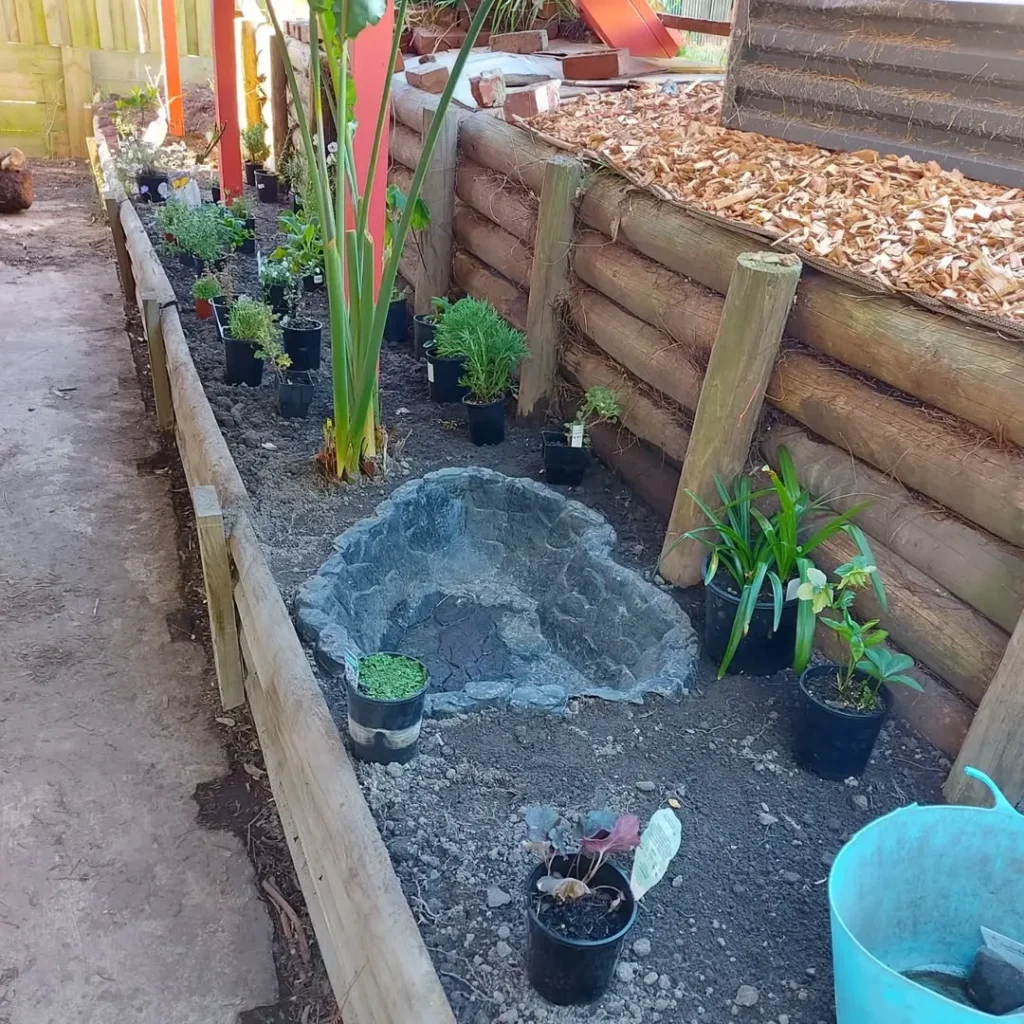
The Inspiration: Easy Retaining Wall for Garden Beds originated with the delight of at-home gardeners who wanted a simple look without giving up charm. View more Expand Beauty meets purpose in this delightful wall system inspired by kitchen gardens, yet equally at home as a decorative integrity wall within the garden a place where vegetables grow and unsightly PVC pipes disappear into timelessly beautiful landscape.
Why It Works: Easy Retaining Wall for Garden Beds works because it makes building easier and success in planting higher. Small scale, easy care designs employ low cost materials such as timber sleepers, concrete blocks or stone edging to define planting areas and improve drainage. Results from garden efficiency trials show that healthier roots are obtained on small, raised tiered beds as well as 20% less water being used. In particular, the walls perform to keep erosion at bay, but also serve to sculpt and visually animate even small outdoor spaces. Emotionally, they inspire pride and motivation allowing gardeners to produce something aesthetically pleasing with their own two hands that promotes soil health and everyday joy in low-maintenance cultivation.
Pro Tip: Consider stacked, lightweight, interlocking stones or pressure treated timber for an expedient install. It’s best to have sturdy, level ground on which to place soil or plants. Include a gentle backward pitch for stability, and line the back with gravel for good drainage no standing water means moist soil doesn’t stay saturated, so you keep your retaining bed healthy through all seasons.
Build a Simple Stone Retaining Wall
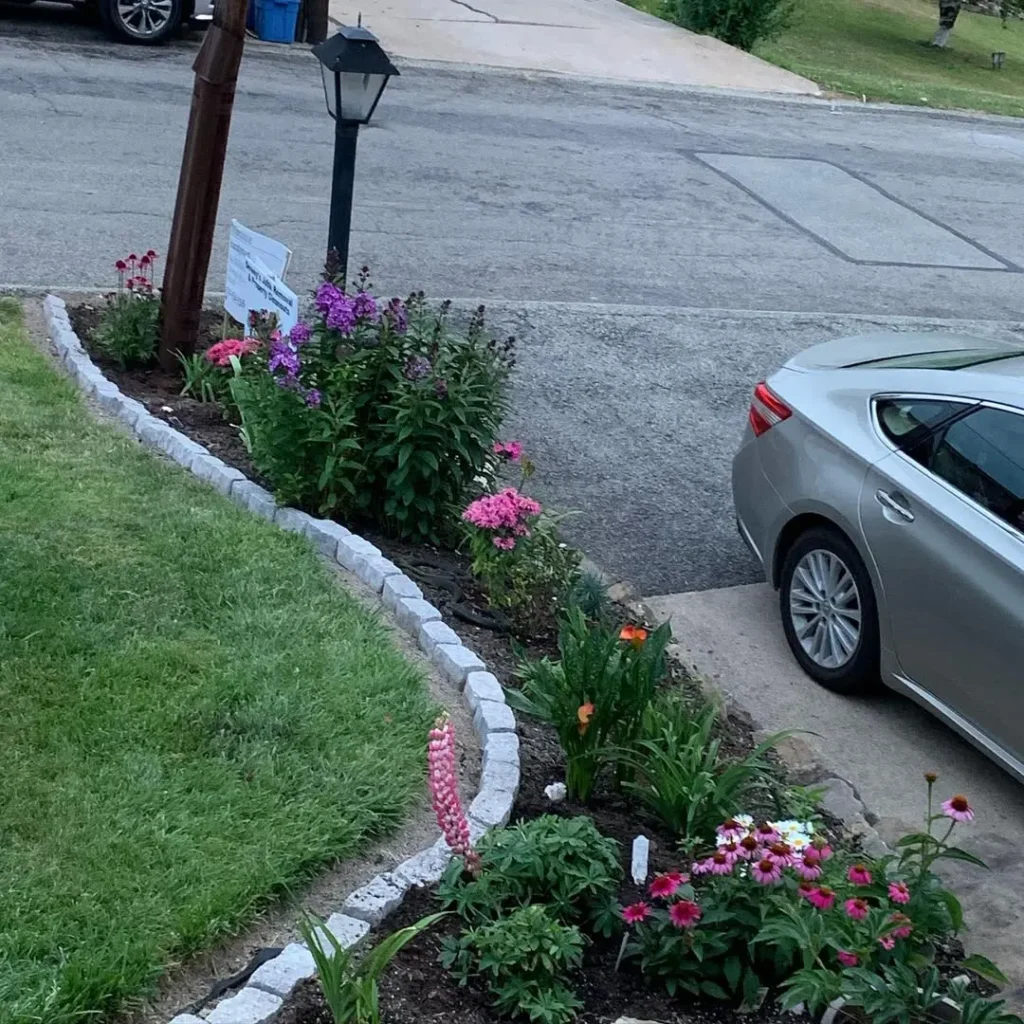
The Inspiration: Every stone all placed by hand is a study in patience and intention. The magic is from the mundane, the natural into order and harmony proof that beauty, strength, and tranquillity can be constructed one stone at a time.
Why It Works: Building a Simple Stone Retaining Wall Why it works: “Building a Simple Stone Retaining Wall” merges pragmatic building knowledge with longevity and respect for one’s environment. When built dry stacked or mortared, the walls allow water to seep through naturally and thus relieves hydraulic pressure from behind. Reports demonstrate that well crafted stone walls can remain in good shape for generations with little care taking and maintaining. And they’re functional too, combating erosion and stabilizing slopes while fitting into gardens, walks or patios. Psychologically, working with stone is profoundly connected to nature every individual block or slab guiding the builder’s hand in a creative process that soothes while it stimulates. In the end, what this project provides is both structure and soul: a landscape element that only becomes richer and more beautiful with time.
Pro Tip: Opt for stones with flat faces; it will be easier to stack them and they won’t roll all over the place. Pitch the wall slightly back at all times approximately one inch per vertical foot for natural strength. Fill in between stones with gravel or small rocks for better drainage and to prevent the larger stone from shifting during frost thaw cycles, giving you a more sturdy, year round structure.
Landscape Walls for Raised Gardens
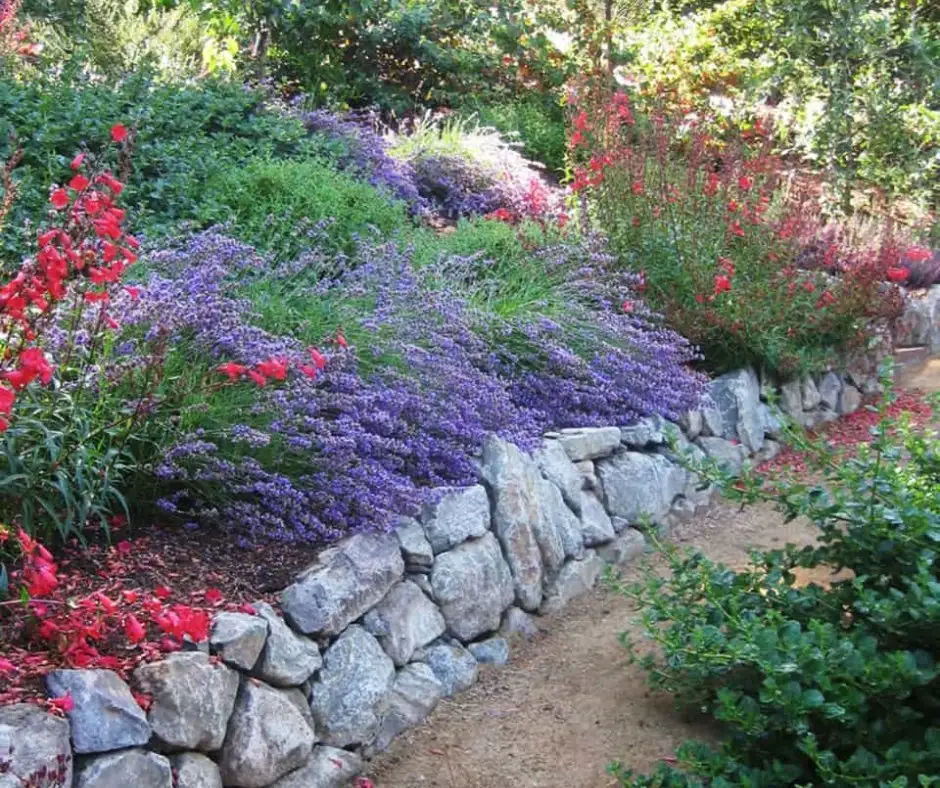
The Inspiration: These Landscape Walls for Raised Gardens are inspired by terraced vineyards and quaint French potagers where form meets function in perfect harmony. These walls make hilly land bloom into vibrant, sculpted levels of growth, evidencing man’s perennial wish to finesse nature turning ordinary gardens into graceful, practical and profoundly personal landscapes.
Why It Works: Landscape Walls for Raised GardensPplot sensitive group like assemblages can be mildly chaotic , or precise such as orderly alliums and chive.’re good for plants because they give structure, create depth, offering great growing conditions. High ground warms more quickly, and drains well; roots can develop more readily resulting in healthier plants and blooms. Research has demonstrated that raised beds can increase yields by as much as 40%, decrease compaction and make for easier maintenance. Meanwhile, the walls themselves ward off erosion, delineate space and bring visual structure to sloping or flat terrain. Brick, stone and concrete work in every aesthetic, from country to contemporary. At an emotional level, raised garden walls trigger the dreams of craftsmanship and care that replaces labor with creative joy, compost into gold dust, ugly ordinary dirt into a scene of beauty and balance.
Pro Tip: To save yourself some time, decide how high your walls need to be before building. Add landscape fabric behind it for better drainage, then fill with soil that doesn’t lack nutrients. Mix in hardscape color that matches the other tones of your garden, and the raised bed feels both warm and inviting yet also serene, elevated, elegant.
Terraced Garden Wall Designs
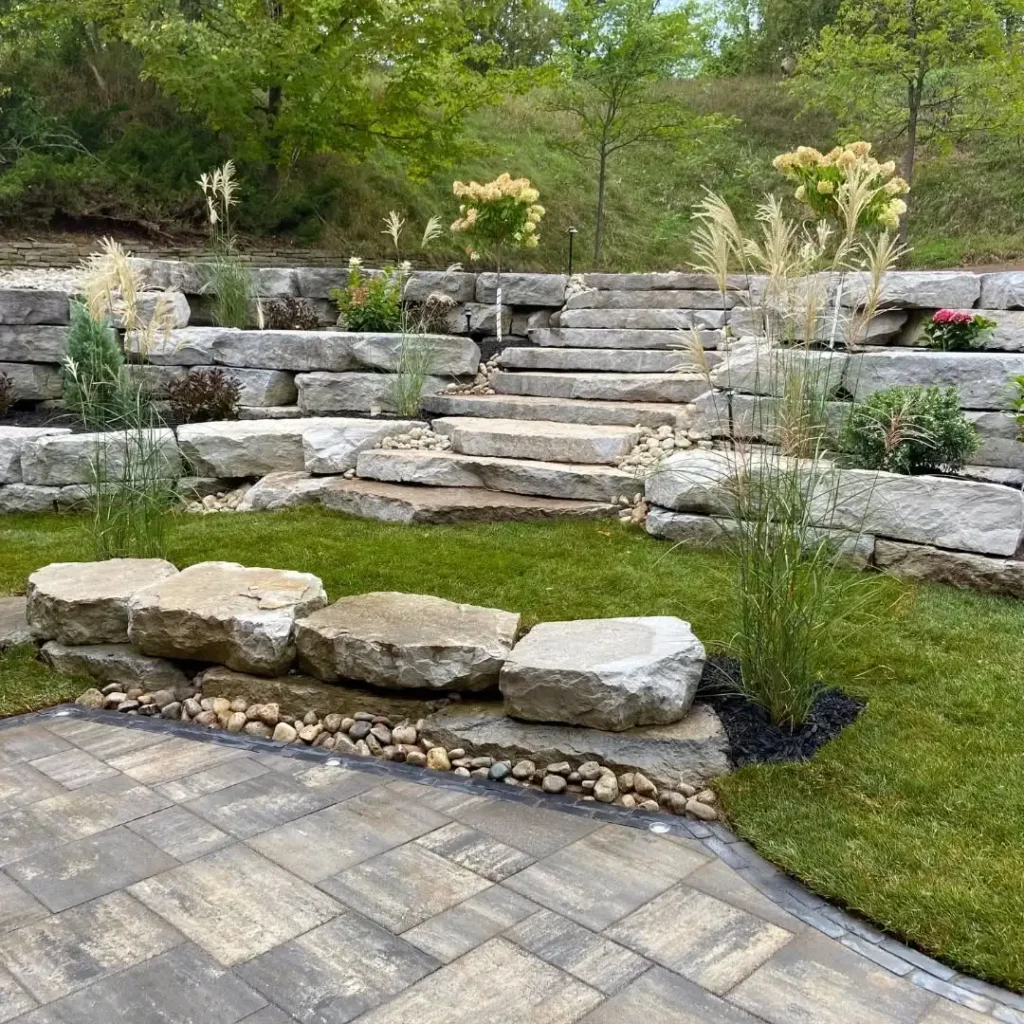
The Inspiration: Terraced Garden Wall Designs are inspired by the magnificent retaining wall farm terraces in Tuscany or Bali, where generations of families carved living spaces into the hillside. These landscapes are inspired by the harmony between human creativity and nature’s shape to create spaces that undulate, breathe, and grow a transformation of every hill into a multiplicity of artistic layers.
Why It Works: Terraced Garden Wall Designs work so well because they are a perfect blend of attractive form and practical function. By levelling out the tiers on a slope, you can make each one exorbitantly more useful; prevent erosion due to runoff when it rains; and create an atmosphere that’s charming and welcoming to boot. In sustainable landscaping terraced systems have been shown to reduce runoff by as much as 50%, preserving not only the water but the nutrients it carries. Structurally, each wall becomes a soil anchor and creates separate garden zones or beds for vegetables, flowers or shrubs. Visually, deft wallslayering adds rhythm and depth as it leads the eye up elevation and down texture. Emotionally, they are the ancient union of earth and endeavor: difficult terrain transformed into lasting, artful gardens that sing tales of effort and love.
Pro Tip: Plan each terrace level before building, using stakes and string to mark the contours for accuracy. Introduce small weep holes or pipes between walls to divert any remaining water out a safe distance. Naturally, however, it’s best to staff your terracing with locally quarried stone or block for the most natural cohesion this provides stability as well as minimizing transport costs.
Create a Beautiful Gabion Wall
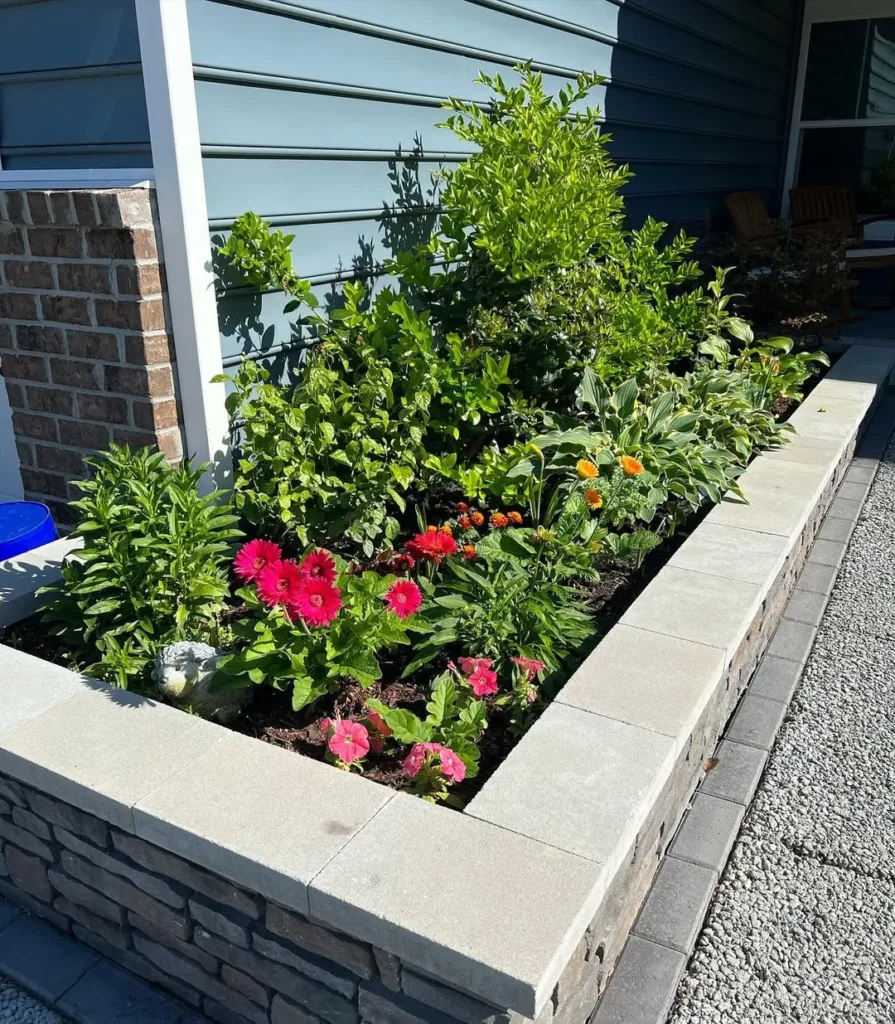
The Inspiration: Build a Stunning Gabion Wall takes its inspiration from the dusty roads and riverbanks of the European countryside, where wire baskets of stone have been used for years on end. Today, those once industrial forms have been transformed into garden art that features natural texture and raw tones coupled with the rustic simplicity of a modern aesthetic garden furniture fashioned from durable materials whose striking visual appeal never fades.
Why it Works: The Build a Gorgeous Gabion Wall works, because when you combine strength with sustainability and style. Crafted from wire mesh cages filled with rocks or recycled materials, gabion walls are also resistant to erosion and support the natural draining of water avoiding hydrostatic pressure common in solid walls. Research has revealed that gabion structures can provide over 75 years of useful life with little to no maintenance. Modularity means that they can be customised to your size and shape, ideal for decorative screens, feature walls or even seats. They act green too, upcycling stones near where they operate so shipping is kept to a minimum and cuts down on CO2. Emotionally, the look conjures balance; it links raw nature and modern architecture to create landscapes that feel grounded and yet beautifully deliberate.
Pro Tip: Select stone sizes that are larger than the openings in your mesh to prevent settling over time. Be purposeful with layering material alternate between tones or materials for visual dimension. Be sure to always line the back with landscape fabric so that no soil seeps through, keeping your gabion wall looking clean, stable and remarkably attractive year after year.
Living Wall Garden Solutions
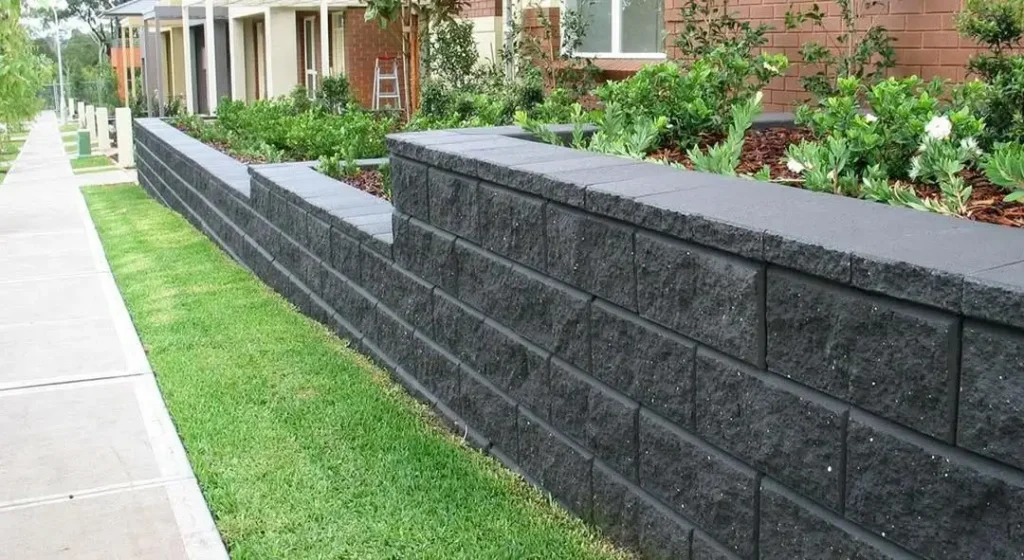
The Inspiration: Living Wall Garden Solutions are inspired by the city, soaring upwards but hungry for plant life. The concept is as old as the hanging gardens of Babylon yet as modern as an urban facade bringing life to where concrete rules. And they turn boring blank spaces into lush ecosystems that show you can grow nature anywhere there’s a wall.
Why it Works: Wall Garden Solutions work because they are a blend of innovation and sustainability. The vertical greens provide natural air filter, help balance of the room temperature and acoustic comfort researches say they decrease surrounding heat up to 10°C Their modular system works as much inside the buildings as outside, using lightweight panels with efficient irrigation. In terms of function, they take advantage of small spaces, which is perfect for apartments, courtyards and even office fronts. On an emotional level, they reattach people to nature in the everyday, softening hard architecture with living beauty. This design is mood lifting, habitat forming and manages to transform barren walls into living art that flourishes, evolves and cleanses whatever space it occupies.
Pro Tip: Choose plant varieties based on the level of light, humidity and wind exposure ferns and pothos can tolerate shade, but succulents like sunny aprons. Let an automatic drip system keep the plants evenly moist, but not overly wet. Prune periodically for balance, airflow and an abundance of lush sculpted foliage throughout the year.
Modern Designs Garden Retaining Walls
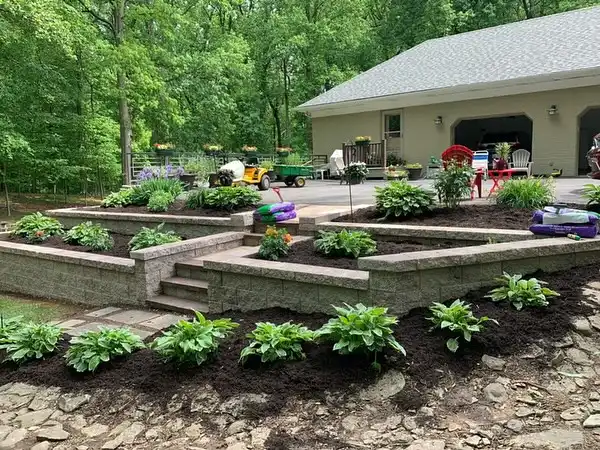
The Inspiration: Modern Style Garden Retaining Walls take inspiration from straight lines and minimalist architecture. They re imagine ancient stone work in contemporary materials polished concrete, steel, composite stone. Implementing multiple layers of texture and detail, each wall becomes sculpture and structure mirroring the random flow of nature’s organic elegance with the sleek sophistication outdoor designers demand.
Why it Works: Modern Designs Garden Retaining Walls work simply because they harmonize function and the highest level of style. Thank you for sharing!The free-standing walls are designed to provide strength and erosion control, however they do much more with outdoor geometry, texture and light. It’s also worth noting that studies have found that contemporary hardscapes can increase property value by as much as 15%, a testament to their practical nature. Poured concrete, gabion steel or modular blocks can provide impeccable surfaces and virtually maintenance free durability. Psychologically, these designs convey easy feelings: gardens as outdoor rooms. Their clean lines dance with foliage, combining art and nature to produce timeless, environmentally friendly spaces that feel deliberate, structured and beautifully modern.Vertical Garden Wall Ideas for Small Yards & Balconies
Pro Tip: Layer materials for strength and a variety of textures. Try to incorporate lighting or built in seating as part of your designs to add lovely night time atmosphere. Maintain clean lines Modern design is all about simplicity, and you want to avoid detracting from surrounding garden features with your retaining wall.
Curved Retaining Wall Designs
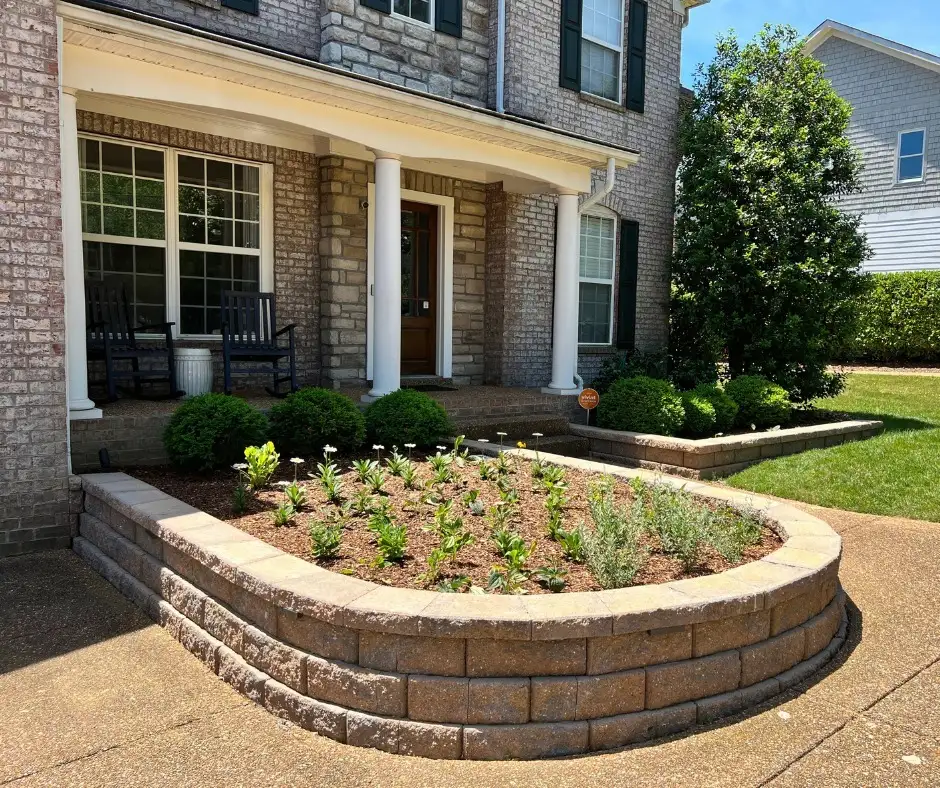
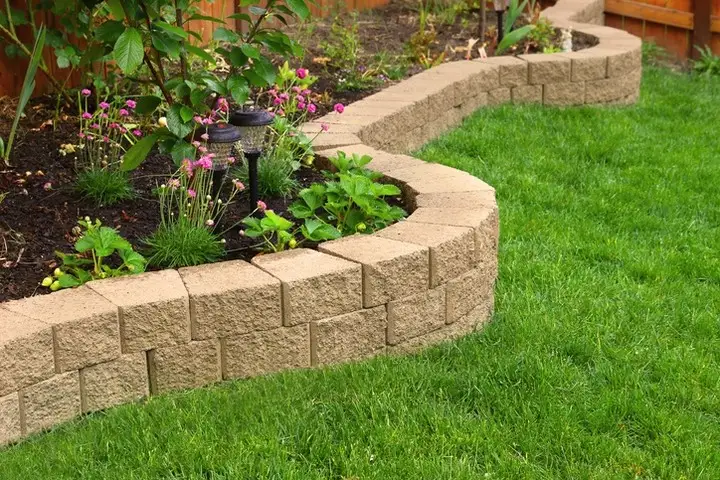
The Inspiration: Curved Retaining Wall Designs are inspired by nature’s simplicity rivers, hills and garden paths never come in right angles. Inspired by age old amphitheaters and honed European terraces, these walls showcase movement and balance. Every curve is an invitation to peace and turns rigid spaces into artful designs that both water and the eye follow.
Why It Works: Curved Retaining Wall Designs are beautiful because they combine precise engineering with organic design. People who like things on the inside of curves don’t understand that curved walls are actually better because they evenly spread out pressure along the wall, giving it more longevity and stability than a straight line. Research on landscape architecture shows that curved walls naturally guide rainwater and runoff, enhancing the life of a structure and soil retention. Visually, they take the edge off hardscapes, effecting smooth, welcoming transitions through gardens and patios. Their liquid like shape works well in modern and natural environments and can be creatively integrated into flower layering or seating spaces. Emotionally, curves bring calmness and flow softening where there’s stiffness and turning functional retaining walls into living sculptures that feel eternal yet man made from the start.
Pro Tip: Before you start building, mark out your curve with a garden hose or flexible rope to get the flow and measure spacing. Smaller rocks or modular blocks create more fluid bends. In order to stiffen the base, keep a uniform radius and curve from there, which will help distribute the load evenly with little “naturally occurring” curves in just the right places.
Multi-Level Garden Retaining Walls
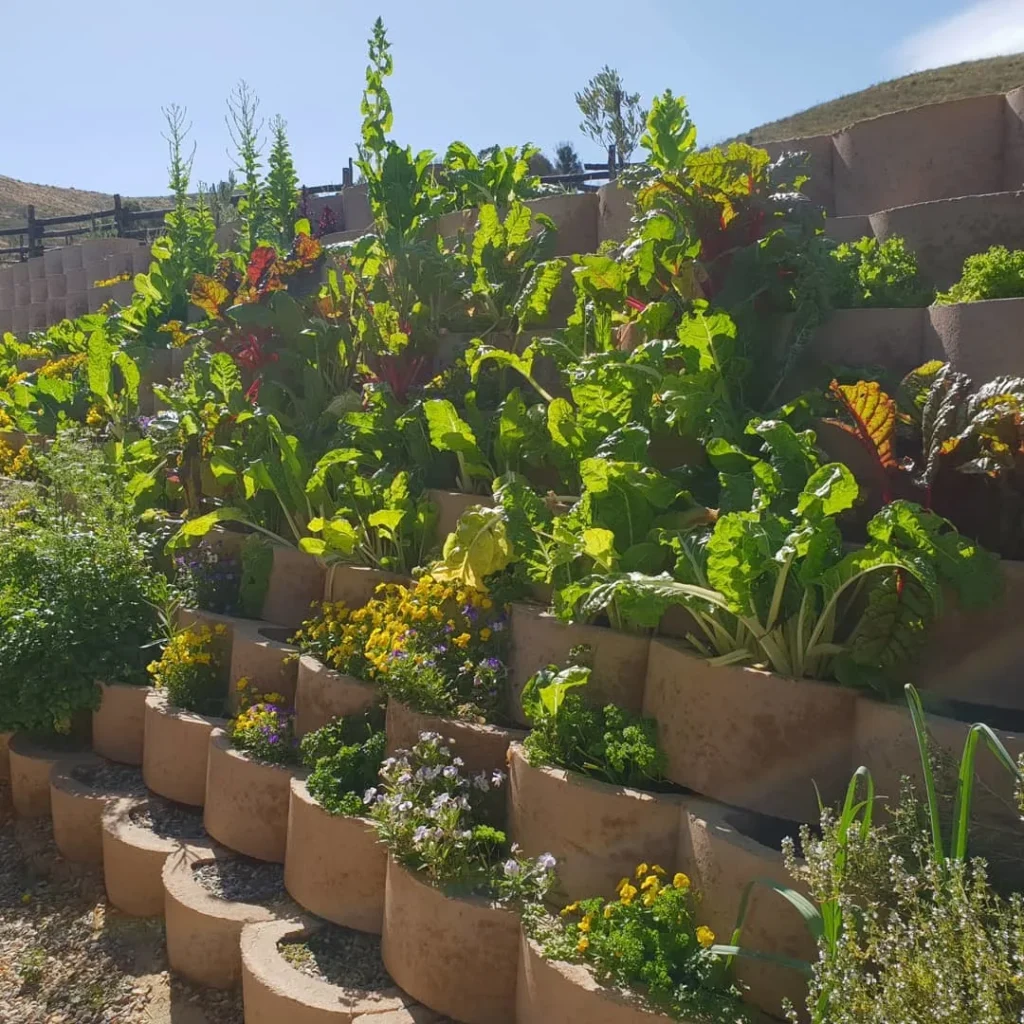
The Inspiration: Multi Level Garden Retaining Walls are inspired by the 1,000-year-old terraced farms of Asia and Europe that shave been around for centuries. Introduced in ancient Persia and subsequently spread throughout much of the world, mountain shaped fields of plenty were created out of bare rock with days upon weeks of manual labor to provide sustenance for their villages. Today, that legacy is expressed as beautiful tiered gardens places to bring purpose and beauty together, transforming uneven ground into interactive layers of color, structure and opportunity.
Why it Works: Multi Level Garden Retaining Walls working It works because it is a way to organize a sloped or hilly terrain into convenient garden areas. By breaking slopes into smaller, manageable areas, they prevent erosion; provide better drainage and allow access for garden maintenance after planting. Studies into landscape design have shown terraced designs can add 40% more effective space! The levels stack to provide greater overall stability and accessibility. Emotionally, these tiered cakes signal plushness and possibility each level as another source of life and a kind of battable-down ballast. Clinging to their historical roots, they invite entrances and exits, give dimension to tiny yards and mirrored our species’ ongoing negotiation between form, function and the living earth.
Pro Tip: Intentionally plan each level plant vegetables on bottom tiers, with flowers or shrubs that prefer drier soil above. Incorporate small risers or handfuls of flat steps between terraces for easy maintenance. Incorporating good drainage perhaps with gravel backfill or perforated pipes keeps water from accumulating, which translates to longer life for the wall and its lush appearance.
‘S’ Shaped Garden Retaining Wall
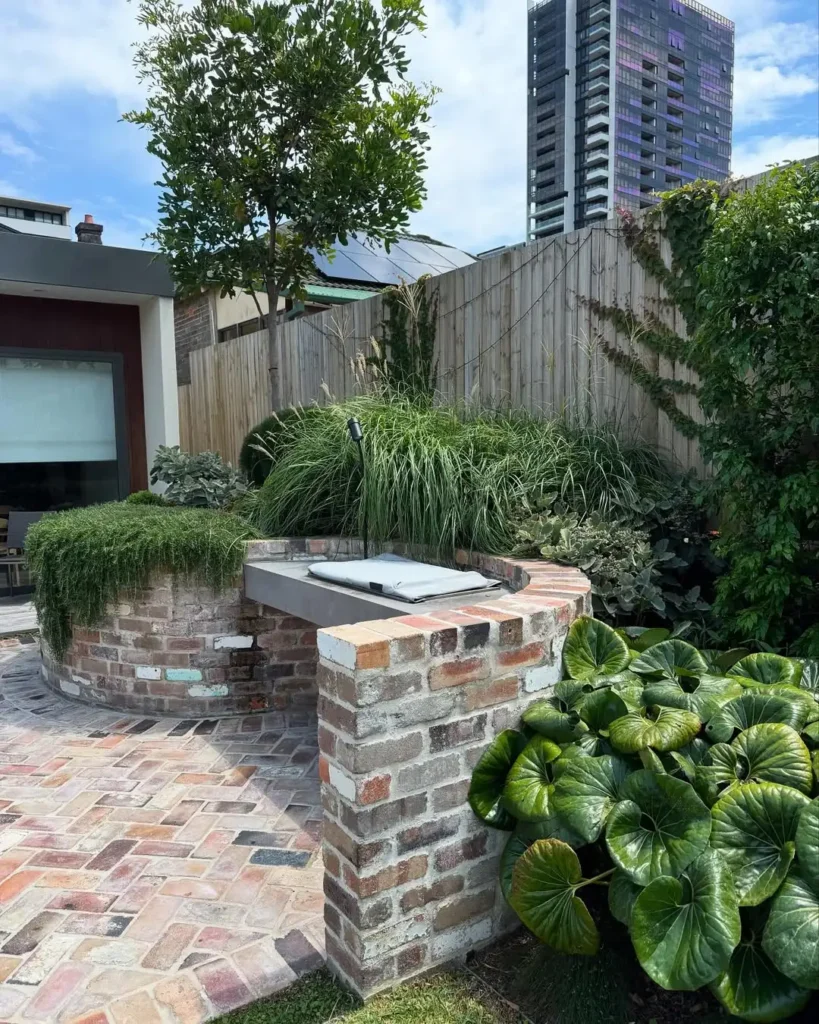
The Inspiration: The ‘S’ Shaped Garden Retaining Wall is nature’s gentle curves the meandering rivers, rolling hills and effortless garden paths. Inspired by modern landscape design, this design combines sculpture and structure to create flexible living patterns that invite movement & balance wherever they live outdoors.
Why It Works: The ‘S’ Shaped Garden Retaining Wall works because it is a structure at the same time as a design and its fluid repeat curves deliver beauty and construction economy. The twists also spread pressure out evenly, which makes the wall strong and creates pockets for natural planting. Research in landscape architecture suggests that curved designs increase the surface area and dispersion of water, promoting stability and soil health. Visually, the form softens hardscapes and echos organic garden shapes as it ti turns eye subtly through motion and symmetry. It works as multi level planting zones, and there are ideally planted flowers visible at every level. Softer on the senses, “S” also conveys emotional tranquility: it is a dramatic and soothing point of focus that fuses grace with purposeful long-lasting design.
Pro Tip: Map your “S” curve with a garden hose or flexible edging prior to construction so you get the balance and flow just right. Con’s: Use smaller matched blocks to ensure a smoother arc, stability. Plant short growing types along the inside of the curves to exaggerate depth and juxtapose color, showcasing the wall’s graceful form as it flows through your yard.
Affordable Retaining Wall Solutions
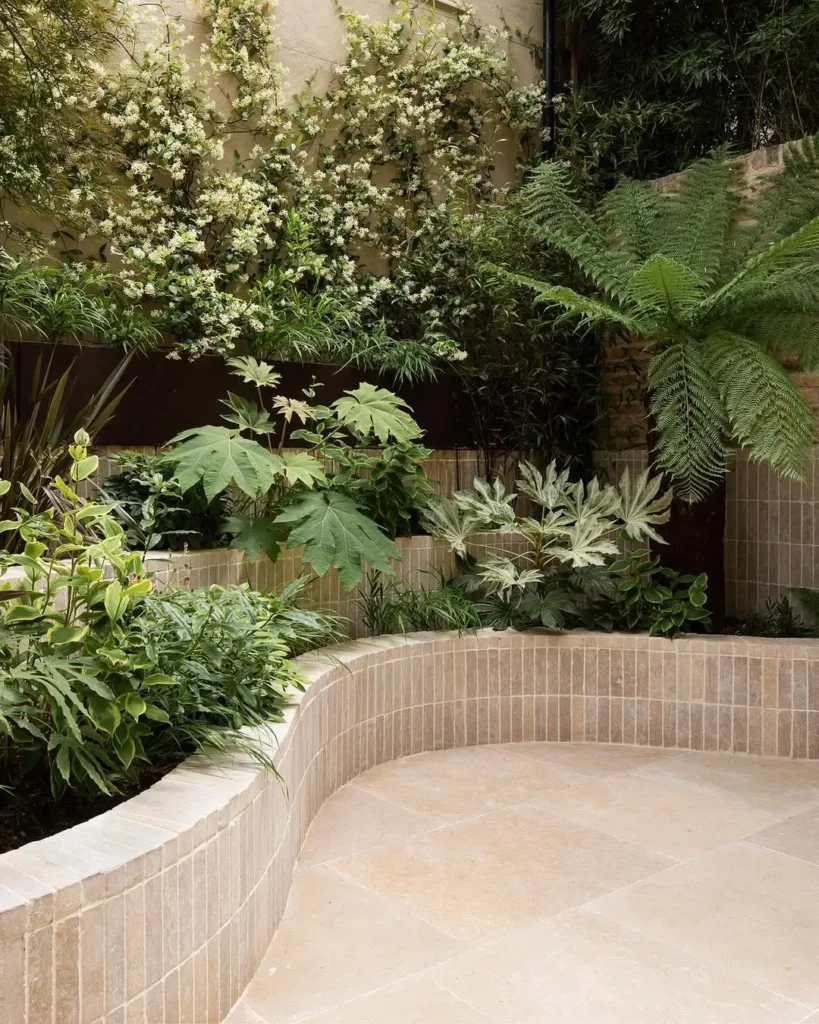
The Inspiration: Affordable Retaining Wall Solutions are born of the inexpensive homeowner’s need to make their landscape and yard beautiful without spending a fortune. From reclaimed block community gardens to DIY simple terraces, these ideas show that creativity and inspiration don’t have to come with expensive price tags and can be just as beautiful as high end builds when they are done.Complete with designs for space saving seating or planters, you name it.Cos make a stylish terrace complete without one?
Why It Works: The reason Affordable Retaining Wall Solutions works, is because it’s design over Structure and high end material, at the average Joe cost. Options such as interlocking concrete blocks, pressure treated timber or stacked stone all create a solid foundation that won’t break the bank compared to professional masonry work. Research demonstrates properly designed DIY remote walls save up to 60% of their costs than traditional structures. Homeowners reduce waste and their environmental footprint because local or recycled material is used again. Economically, they fight erosion, then hold and shape soil like nothing else. Emotionally they empower individuals building with confidence, turning need into ingenuity and transforming personal aspirations into lasting values that balance creativity with conscientious living.
Pro Tip: Determine wall height, drainage requirements and overall volume before buying materials so there are no surprises. You can try to find any local supply yards for leftover blocks or stones that may be discounted. Concentrate on solid footing pound down, add gravel as a base for drainage. Level, solid footing provides stability and prevents costly future repairs.
Garden Edging with Retaining Walls
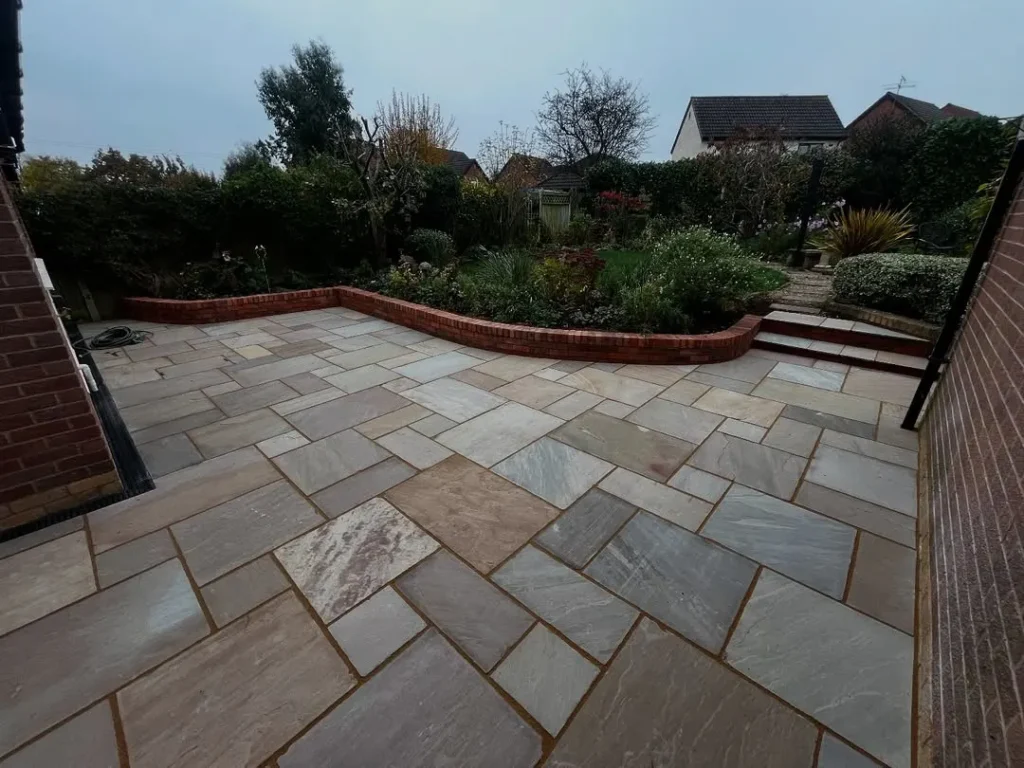
The Inspiration: Garden Edging with Retaining Walls is inspired by the timeless European manor gardens scenes of order and beauty, strength and elegance. “Fused” by decorative border and structural support, this design elevate the ordinary border into a sculptural drawing that contains earth and directs walking while expressing harmony between man-made patterns and plants.
Why It Works: Garden Edging with Retaining Walls works because it is a mix of precision, function and allure. It prevents soil erosion while maintaining neat borders between garden beds, walkways and more. Research in garden design has shown that a clean edge improves visual continuity and delivers a 30% reduction in maintenance. Materials such as brick, stone or concrete allow for traditional or modern customization. Beyond function, edging can provide outdoor spaces with rhythm and flow offering visual anchors that help gardens look tidy and designed. On an emotional level, it appeals to a sensibility of hand crafted caring, making the point that good design helps turn nature in all its rough hewn everyday ness into polished reflections of enduring natural balance and beauty.
Pro Tip: Select materials that work with your home’s style brick for classic appeal, stone for natural color and concrete blocks for contemporary lines. Leave it partially raised, too for definition and good drainage. Grab a level and rubber mallet to line pieces up perfectly, so you have nice, continuous border that looks well connected and polished.
Timber Retaining Wall for Beginners
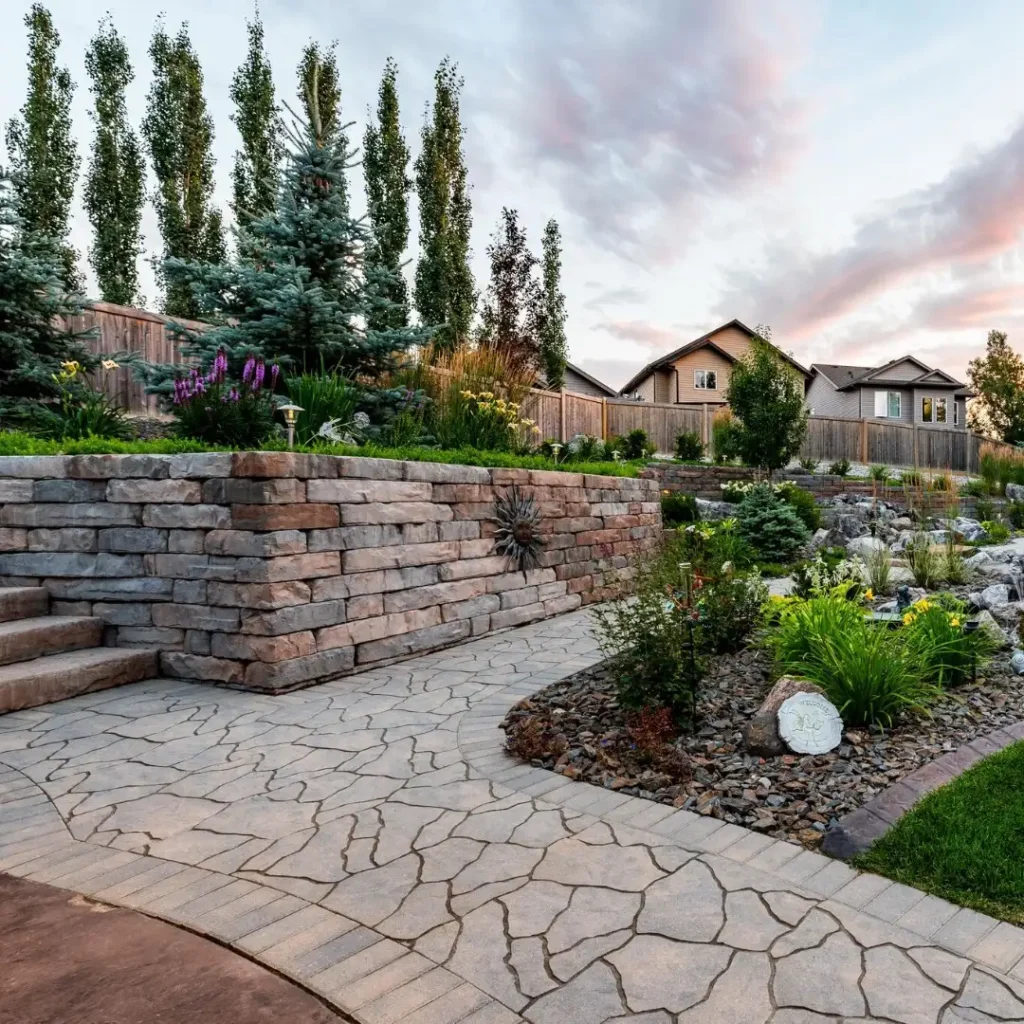
The Inspiration: Design Inspiration for The Timber Retaining Wall for Beginners has come to us from classic country gardens and bushland cottages where wood is used to’tie’ warmth and the practicality of nature. Its raw texture pairs particularly well with foliage, taking humdrum landscaping difficulties and spinning them into fun weekend projects. With simple tools and attention to detail, anyone can make durable, beautiful walls that appear both rustic and innovative.
Why it Works: Timber Retaining Wall for Beginners works because it is accessible, affordable and looks natural. Pressure treated or hardwood timbers are lightweight and easy to work with which make it suitable for those building a bed for the first time. Longevity studies, home landscaping shows a serviceable life of 15–25 years when the wall is constructed properly. As plants, they help to bind soil while enriching and warming the space of gardens, patios, and paths. From an emotional perspective, timber provides a tangible and hands on experience as opposed to beginners sitting behind a computer with an extremely realistic simulation to create something from the natural world. Capable of being a curved or straight retaining wall, Tuscany Plus shows that simple solutions and sustainable design choices can result in both stability and beauty.
Pro Tip: Use treated pine or ground contact rated hardwood to ensure it won’t rot away. Set each post in a concrete footing and backfill with gravel. To make it shine, don’t forget to coat with a weatherproof sealant each year this helps keep its color, forestalls splitting and preserves your timber wall for years ahead.