
Your garden is not just a little plot of dirt it’s an unpainted canvas. Whether you’re a first-time grower or seasoned horticulturalist, the way you organize your garden beds makes all the difference between an unruly, hard-to-manage plot and one flourishing summer retreat that is also visually pleasing.A carefully planned garden bed layout will give you space, more airflow and sunlight for plant health, as well as make your daily watering or harvesting tasks easy. Also, if you want a space that feels well-thought-out, welcoming and your own, the right layout gives you real curb appealturning an ordinary backyard into something more.
wooden raised garden
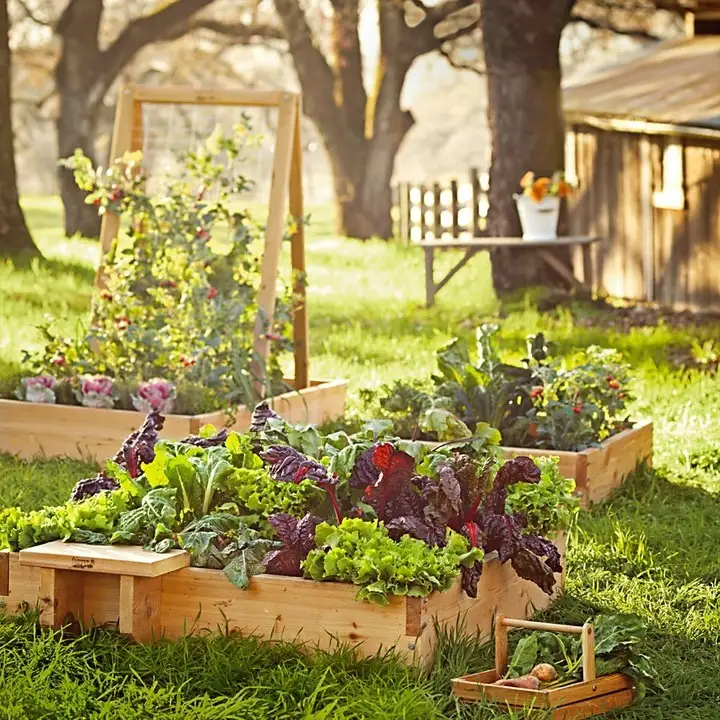
The Inspiration : Long before raised beds became a popular trend on Pinterest, monastic gardens in medieval Europe were already organizing land into tidy, elevated wooden plots designated for herbs and vegetables. This timeless image of rich soil embraced by weathered timber continues to resonate with gardeners today, merging rustic allure with the fundamental human aspiration to cultivate something beautiful from the ground up.
Why It Works : Wooden raised garden beds are effective because they address both practical and emotional challenges. Wood inherently insulates the soil, allowing it to warm more quickly in the spring, which facilitates earlier planting and prolongs harvests into the autumn months. As gardeners do not step into the bed, the soil remains loose and uncompacted, providing ample space for roots to flourish. From the very beginning, you have control over the soil composition, completely avoiding issues with clay, rocks, or subpar native soil. The elevated sides also serve as a barrier against encroaching weeds, significantly reducing maintenance time. On an emotional level, a wooden bed conveys a sense of permanence a genuine investment in your garden space that fosters consistent and dedicated gardening practices throughout the entire season.
Pro Tip : Always opt for untreated cedar or cypress boards that are at least 2 inches thick for your wooden raised bed. The natural oils in cedar resist decay and pests for over a decade without the need for chemical treatments. Prior to assembly, line the inner base with cardboard or weed-barrier fabric to prevent weeds from growing up through the bottom.
metal raised garden
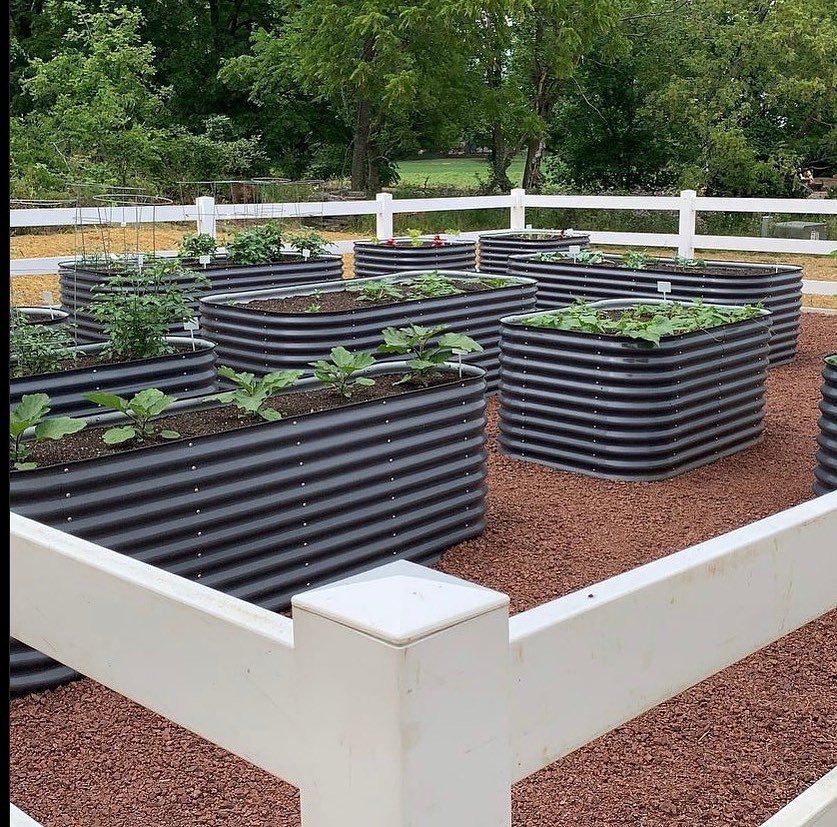
The Inspiration : Walk by any contemporary urban rooftop garden or farmhouse backyard, and you will immediately notice them: sleek, silver-grey corrugated metal beds shimmering in the sunlight. Derived from industrial agriculture and Australian outback water tanks, metal raised garden beds introduce a effortlessly stylish, modern flair that transforms even a simple vegetable patch into something that appears architecturally crafted and purposefully designed.
Why It Works : Metal raised garden beds present an impressive blend of durability, efficiency, and aesthetic appeal that few other materials can rival. High-quality galvanized steel is resistant to rust, decay, and pest damage for over 20 years, significantly outlasting untreated wood. The metal walls capture and retain heat from the sun, warming the soil more quickly during cooler seasons and greatly extending your overall growing period. Their smooth, sturdy walls prevent soil erosion and simplify cleaning after each growing season. From a functional standpoint, metal beds require almost no maintenance year after year. On an emotional level, their striking, modern design enhances any outdoor area, transforming gardening from a mere task into a fulfilling lifestyle.
Pro Tip : When establishing a metal raised garden bed, always opt for food-safe galvanized steel that is labeled as zinc-coated or Zincalume, and steer clear of inexpensive alternatives that could leach harmful substances into the soil. In hotter climates, line the inner walls with burlap or cardboard before filling them to mitigate extreme heat, thereby safeguarding sensitive plant roots during the peak summer months.
backyard garden beds
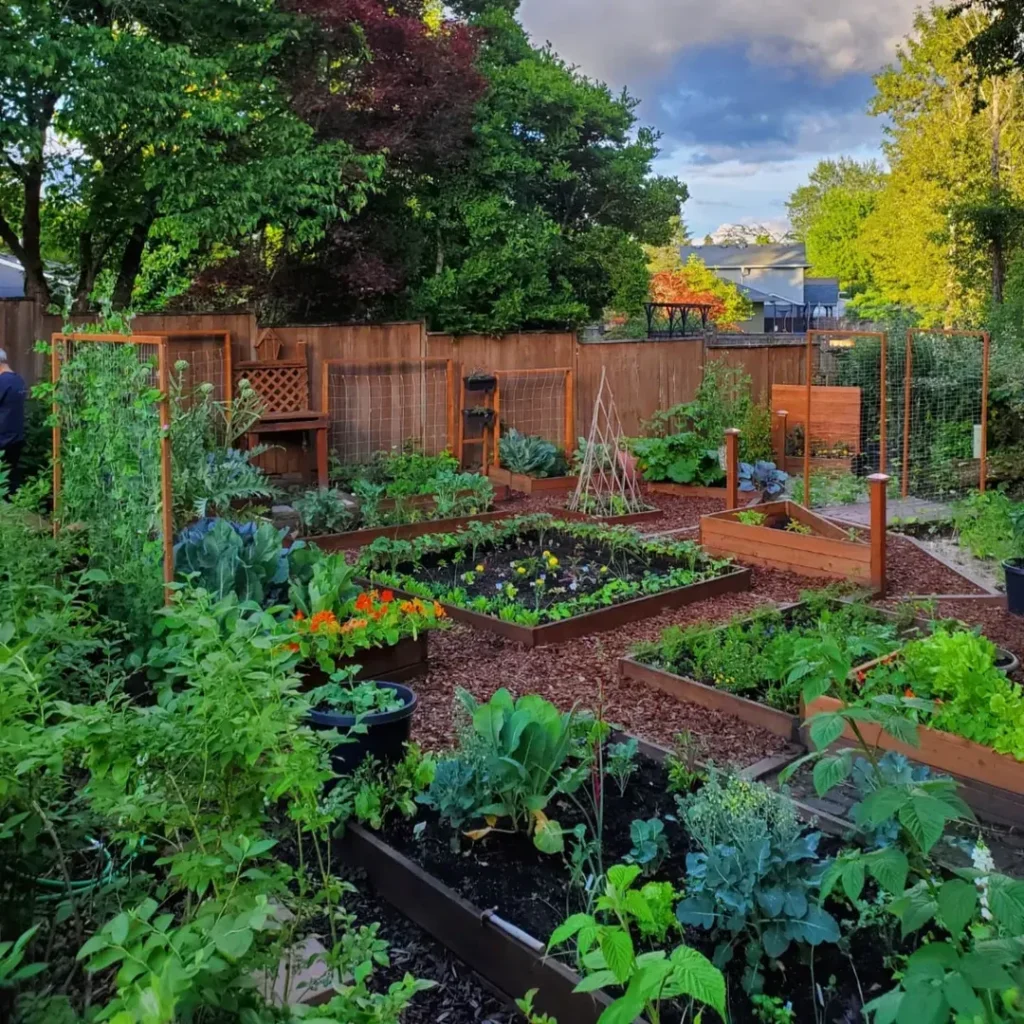
The Inspiration : Consider the Victory Gardens established during World War II, where ordinary families converted their backyards to provide food for their communities in times of crisis. This same spirit of empowerment is alive and well today. A backyard garden bed offers a connection to the soil, the changing seasons, and self-sufficiency in a manner that no grocery store can replicate, grounding daily life in something profoundly authentic.
Why It Works : Backyard garden beds are effective because they convert neglected outdoor areas into productive and meaningful spaces. Research indicates that homegrown vegetables possess significantly higher nutrient content compared to store-bought produce that has traveled great distances. With dedicated garden beds, you can customize soil quality, manage sunlight exposure, and rotate crops seasonally to achieve consistently superior yields. Additionally, backyard beds eliminate the need for allotment rentals, providing you with round-the-clock access without the need for travel. For families, these gardens foster shared outdoor traditions; children who cultivate their own vegetables are more inclined to consume them. Both functionally and emotionally, a backyard garden bed transforms each sunrise into an opportunity to step outside with true purpose and pride.
Pro Tip : Prior to planting, it is essential to assess your backyard’s sun exposure throughout the day most vegetables require 6 to 8 hours of direct sunlight. Place your tallest beds or trellises on the northern side to prevent them from shading shorter crops. This single planning measure can significantly enhance your overall harvest yield each season.
grid garden bed
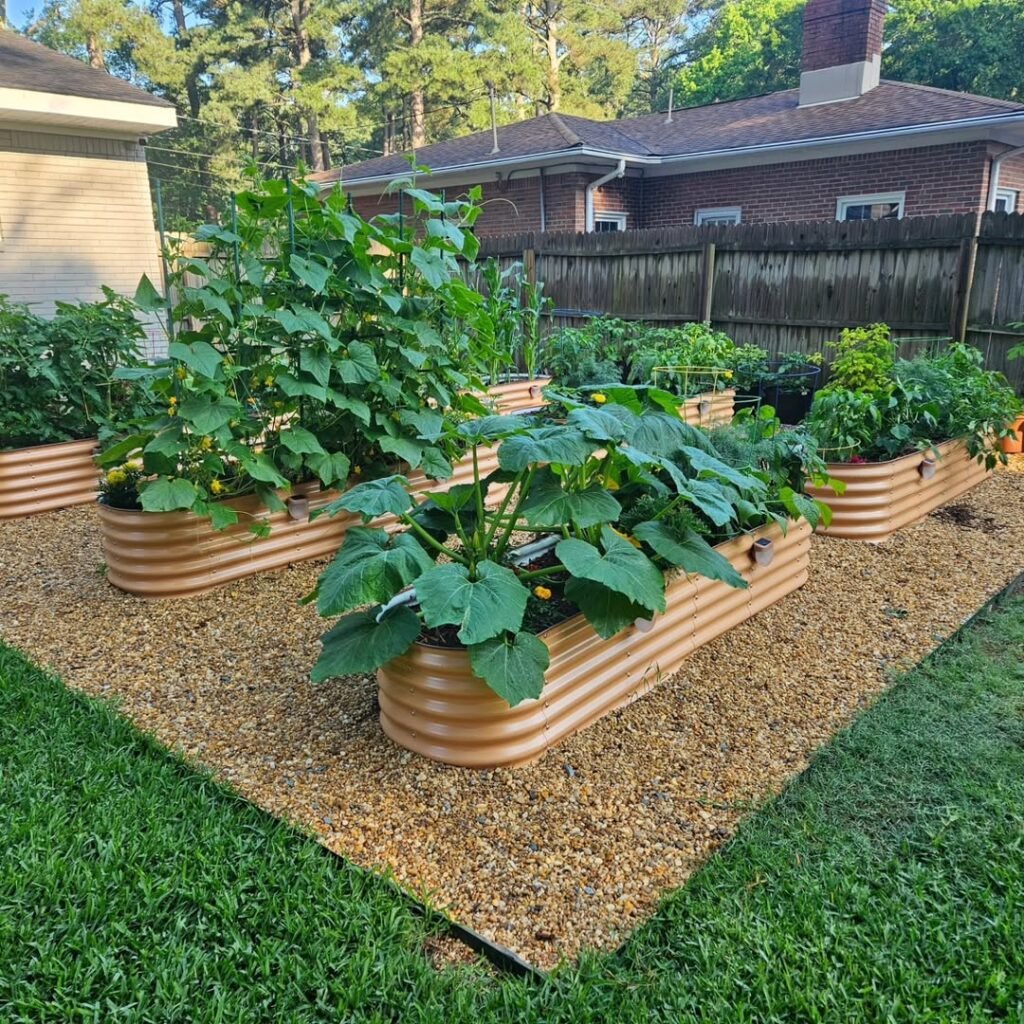
The Inspiration : In 1981, Mel Bartholomew transformed home gardening with a remarkably straightforward concept partition a raised bed into one-foot squares and cultivate a different crop in each. His Square Foot Gardening technique, now embraced by millions globally, demonstrated that a well-organized grid can turn any standard garden bed into an efficient, high-yielding growing system.
Why It Works : Grid garden beds thrive because their structure removes uncertainty, making gardening both accessible and highly productive. By dividing beds into square-foot sections, you can plant at the ideal density eliminating wasted space and preventing overcrowding. Companion planting in adjacent squares naturally deters pests and enhances pollination without the use of chemicals. Each square operates independently, allowing for the harvesting of one crop without disturbing neighboring plants. Beginners gain significant advantages from the visual clarity; it becomes immediately clear where to plant, water, and harvest. On an emotional level, a grid bed feels satisfyingly organized and manageable, alleviating the overwhelm that often prevents new gardeners from starting their journey.
Pro Tip : Construct your grid dividers using basic wooden dowels or repurposed twine stretched across the bed frame no costly kits are necessary. For each square, adhere to Mel Bartholomew’s planting recommendations: one large plant such as tomatoes per square, four medium plants like lettuce, nine spinach seedlings, or sixteen radish seeds, thereby maximizing every inch effectively.
vibrant green plant bed
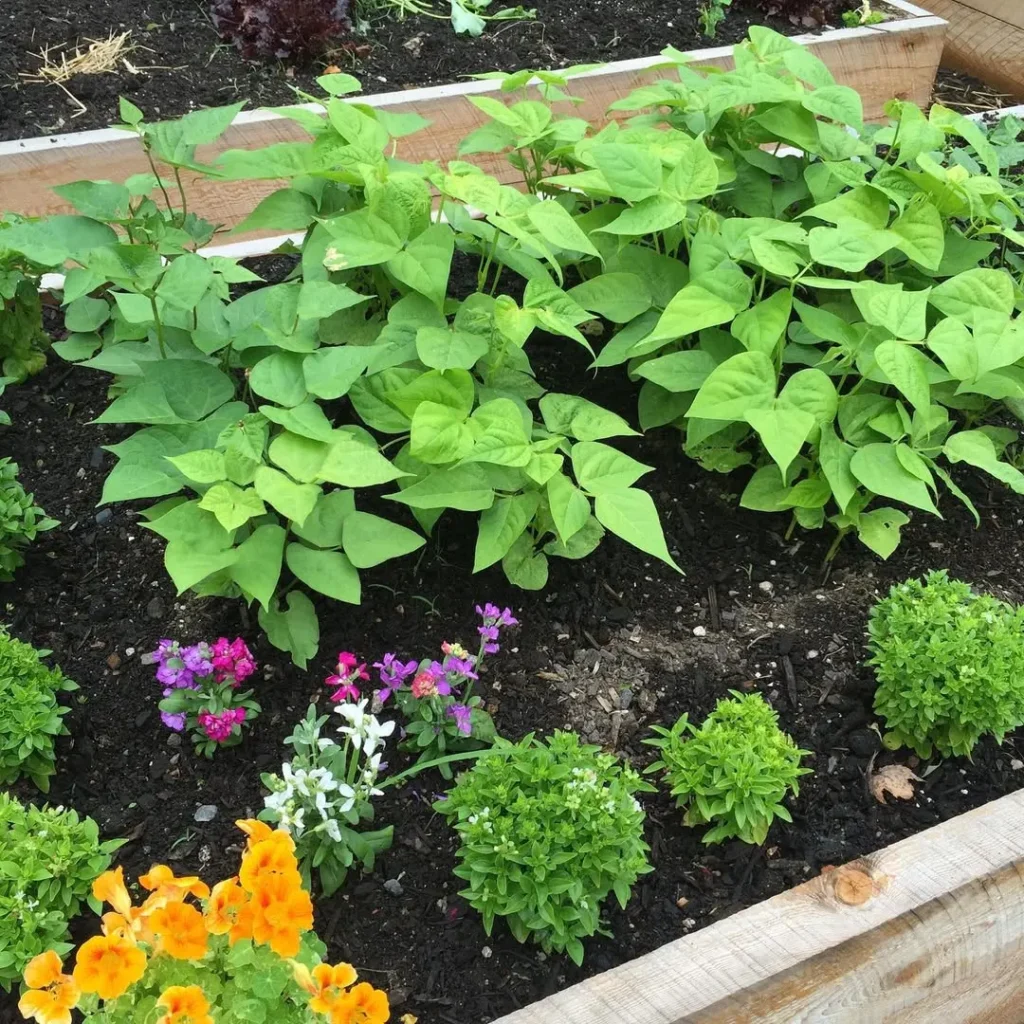
The Inspiration : Step into any verdant English cottage garden or a Japanese zen landscape, and the first aspect that captures your attention is an uninterrupted expanse of vibrant, layered green. Long before colorful flowers emerge, it is the rich tapestry of green foliage, including ferns, hostas, herbs, and grasses, that imparts a garden with its essence, depth, and vitality.
Why It Works : A lively green plant bed is effective because green is nature’s most rejuvenating and universally attractive color, remaining in vogue throughout the seasons. By combining various foliage textures such as delicate ferns, striking elephant ears, and fine ornamental grasses, one can achieve year-round visual appeal without depending on fleeting blooms. Dense green plantings naturally cool the surrounding soil, retain moisture, and inhibit weeds by obstructing sunlight from reaching the ground. For pollinators, a lush green bed offers crucial shelter and nesting opportunities. Emotionally, studies consistently indicate that exposure to green foliage alleviates stress and enhances mood, making a green plant bed one of the most beneficial outdoor investments you can undertake.
Pro Tip : To achieve maximum vibrancy, arrange your green plant bed in three tiers: tall architectural plants like ornamental grasses at the back, medium-spreading hostas or ferns in the middle, and low creeping thyme or moss as ground cover at the front. Varying leaf shapes, sizes, and shades of green creates a stunning, dimensional texture throughout the entire season.
growing vegetable beds
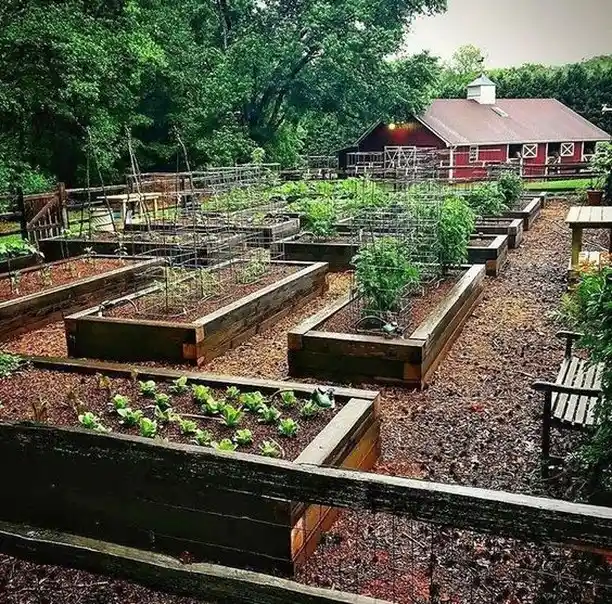
The Inspiration : There is something deeply touching about extracting a carrot from dark, crumbling soil with your own hands, a sensation as old as civilization itself. From the kitchen gardens of Roman villas to the renowned vegetable terraces of Thomas Jefferson’s Monticello, the act of cultivating vegetable beds has consistently symbolized the pinnacle of human nurture, patience, and a hopeful bond with the earth.
Why It Works: Cultivating vegetable beds yields results that store bought produce simply cannot rival fresher flavor, enhanced nutrition, and zero food miles. Dedicated beds enable precise soil amendments for each crop, leading to significantly improved yields compared to planting directly in unprepared native soil. Rotating crops across beds each season effectively disrupts pest and disease cycles without the need for chemical solutions. Additionally, raised vegetable beds provide efficient drainage, which helps prevent root rot, a major cause of crop failure for home gardeners. Beyond the harvest, daily care of a vegetable bed fosters mindfulness, physical activity, and a profoundly satisfying sense of self-sufficiency that cannot be matched by store aisles.
Pro Tip : Enhance your vegetable bed’s productivity by implementing succession planting sowing a new row of fast-growing crops such as radishes, lettuce, or spinach every two weeks throughout the season. As one batch is harvested, the next is already in the process of maturing, ensuring your bed remains continuously productive rather than yielding an overwhelming surplus of vegetables all at once.
custom raised beds
The Inspiration : No two gardens are alike, and similarly, no two gardeners should conform to a standard cookie-cutter bed. Custom raised beds have their roots in the artisan tradition of crafting tools and spaces tailored to the maker’s specific requirements. Whether it’s L-shaped corner beds designed around awkward patios or tiered hillside configurations, a custom bed communicates to the world: this garden was created for me.
Why It Works : Custom raised beds surpass conventional off-the-shelf alternatives because they are designed to accommodate your distinct space, physique, and gardening aspirations. You select dimensions that align perfectly with your yard’s layout, eliminating wasted corners and awkward gaps. The height can be customized for accessibility, enabling gardeners with limited mobility to tend to plants comfortably without the need to bend. Material options cedar, steel, stone, or reclaimed wood align with both your aesthetic preferences and the demands of your local climate. Additionally, custom designs can incorporate built-in irrigation channels, trellis anchor points, and cold frame covers, enhancing functionality from the outset. On an emotional level, a custom bed feels profoundly personal it’s a handcrafted investment that you will nurture with pride for many years to come.
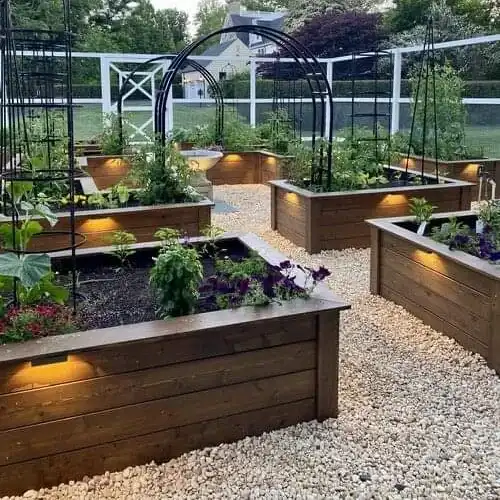
Pro Tip : When creating a custom raised bed, aim for a maximum width of 4 feet to ensure you can easily reach the center from either side without stepping inside. For height, 12 inches is suitable for most vegetables, but consider 24 inches if you wish for root vegetables like carrots or parsnips to grow fully without soil compaction hindering their development.
cinder block garden bed
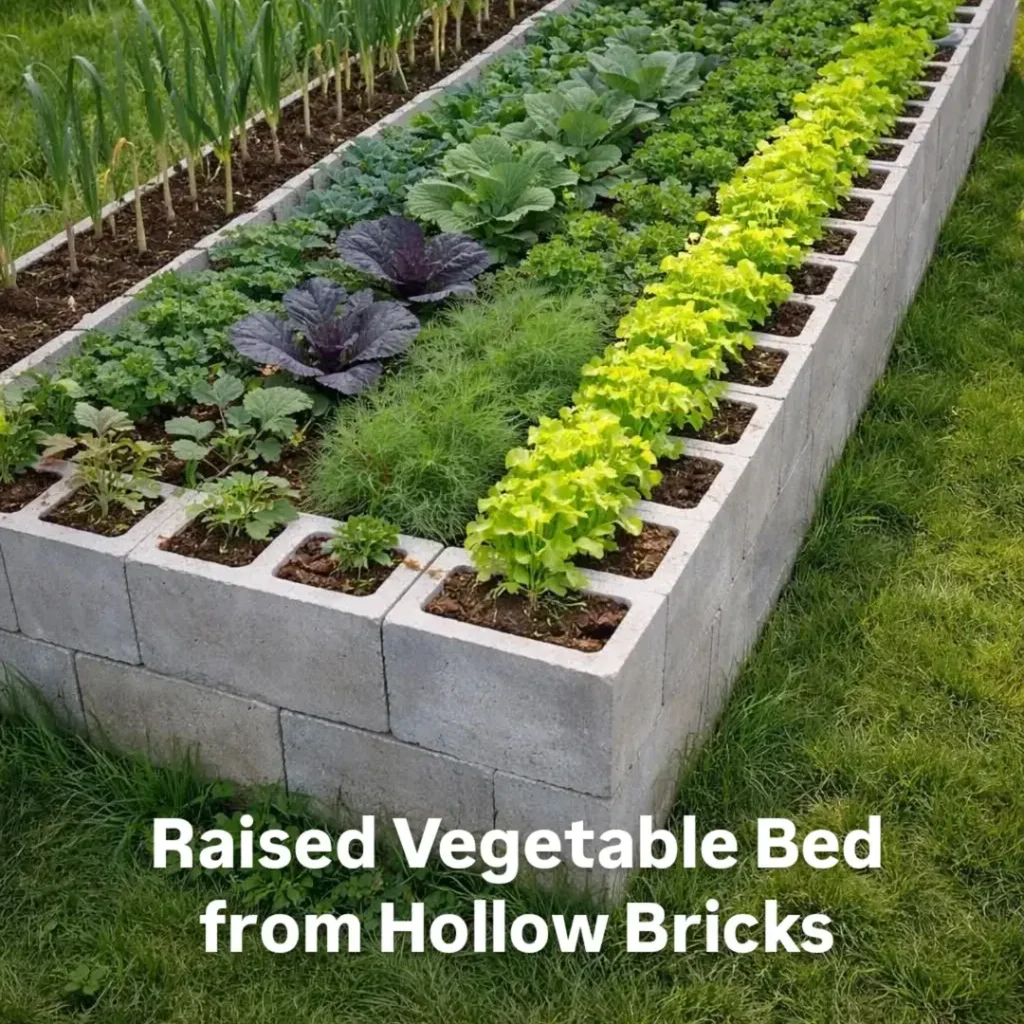
The Inspiration : Born out of ingenuity, cinder block garden beds initially became popular among urban gardeners seeking an economical and durable structure without the need for carpentry skills. What started as a cost-effective solution evolved into a cherished DIY tradition those unassuming grey blocks, thoughtfully stacked, with their hollow cells filled with trailing herbs and vibrant succulents, transforming industrial materials into something unexpectedly delightful and imaginative.
Why It Works : Cinder block garden beds thrive because they offer exceptional durability combined with impressive versatility at a low cost. Unlike wooden materials, cinder blocks do not rot, warp, or attract termites a single construction can endure for decades with no maintenance required. Their thermal mass captures heat during the day and gradually releases it at night, maintaining stable soil temperatures and safeguarding roots from abrupt frost. The hollow cells serve as built-in planters for herbs, flowers, or strawberries, significantly enhancing your growing area. Structurally, blocks can be stacked to any desired height and arranged in nearly any configuration straight lines, L-shapes, or curves. For gardeners mindful of their budget, cinder blocks provide exceptional long-term value that few materials can match.
Pro Tip : Prior to filling your cinder block bed with soil, line the interior base with overlapping sheets of cardboard or landscape fabric to inhibit weeds from emerging through the ground. Fill each hollow block cell with a blend of potting soil and compost, then insert compact herbs such as thyme, oregano, or basil inside beautifully maximizing every available inch.
greenery garden bed
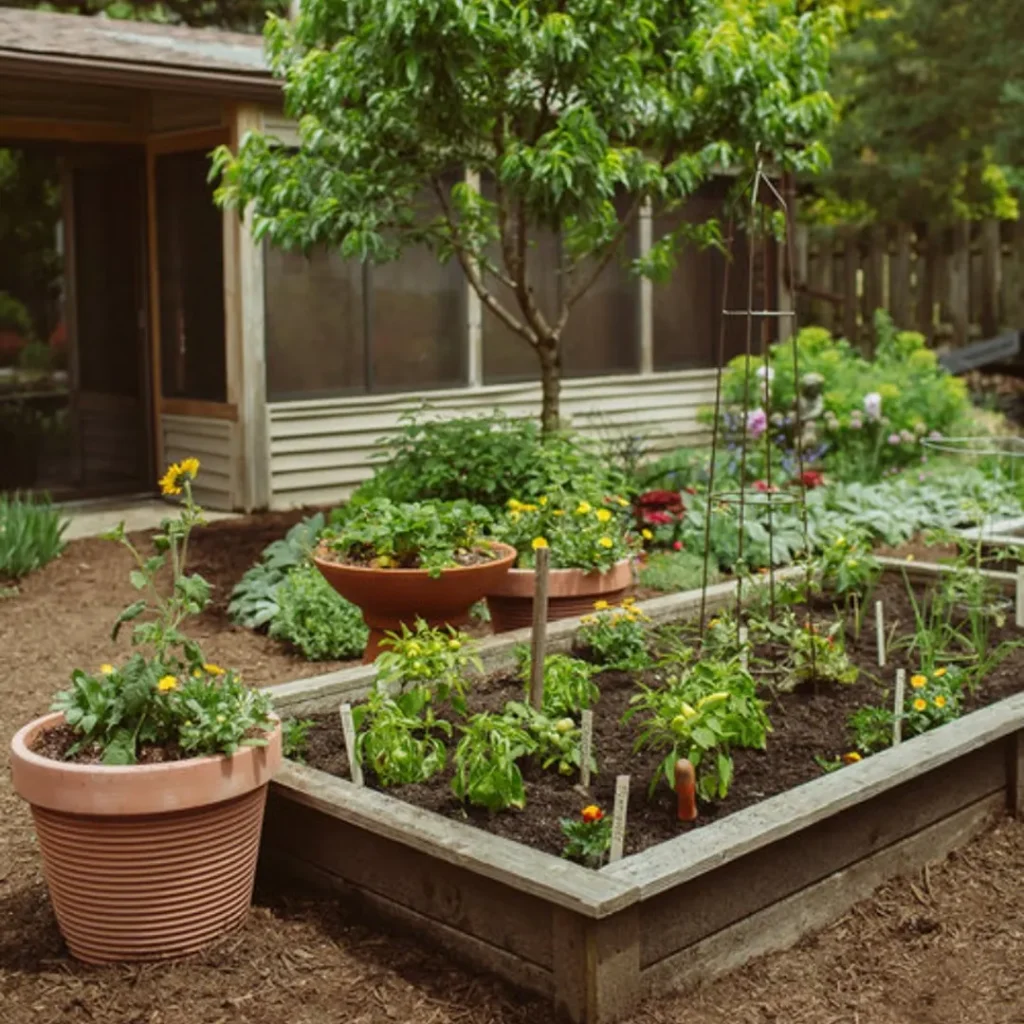
The Inspiration : Ancient Persian paradise gardens the very source of the term “paradise” were crafted as lush, green havens that protect the spirit from the intense heat of the desert. This enduring vision of plentiful, refreshing greenery continues to motivate gardeners today. A dedicated greenery garden bed encapsulates that same tranquil energy, enveloping your outdoor area in layers of living, breathing, and soul-soothing calm.
Why It Works : A greenery garden bed is effective because foliage-centric planting provides beauty, functionality, and wellness advantages all at once. Dense green plantings naturally cool the surrounding soil, retain moisture, and create a living mulch that actively suppresses weeds year after year. In contrast to flower beds that bloom briefly, greenery beds sustain visual richness from early spring to late autumn, delivering consistent color without the need for constant replanting. Layered foliage establishes essential microhabitats for beneficial insects, birds, and pollinators, ensuring the vitality of your entire garden ecosystem. Emotionally, research indicates that being surrounded by lush green foliage significantly lowers cortisol levels, reduces anxiety, and enhances mental clarity making a greenery bed truly therapeutic.
Pro Tip : Instantly create visual depth by incorporating at least three distinct leaf textures in your greenery bed bold and broad like hostas, feathery and delicate like ferns, and fine and upright like ornamental grasses. Vary shades from deep forest green to chartreuse yellow-green for a contrast that naturally guides the eye across your entire planting with effortless, layered sophistication.
Thriving Vegetable Garden
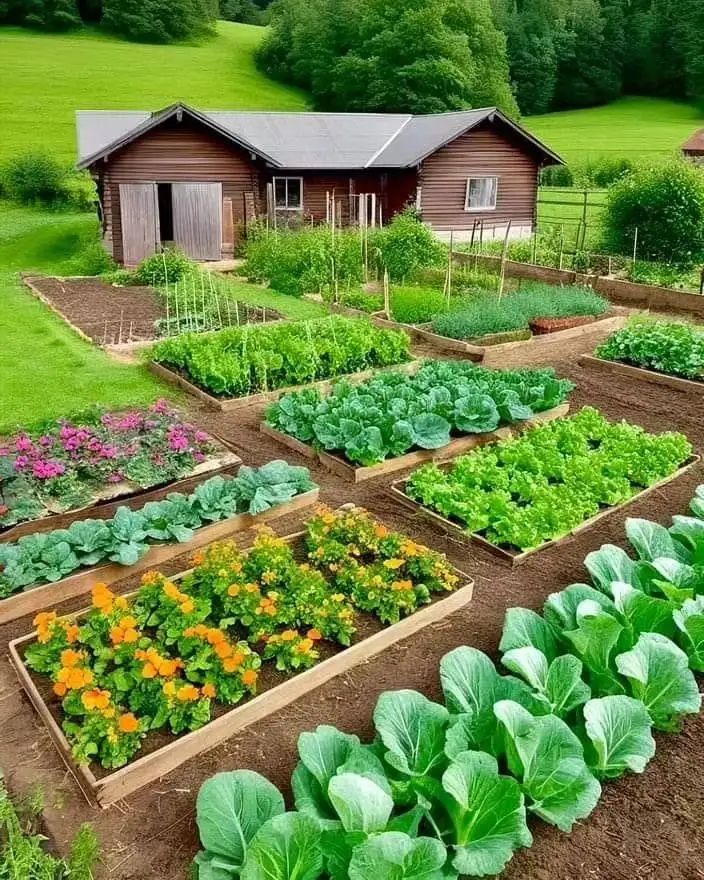
The Inspiration : When Monet created his iconic Giverny garden in northern France, he did not solely focus on flowers he cultivated vegetables with equal passion, believing that a truly flourishing garden nourishes both the body and the spirit. This same holistic perspective continues to inspire gardeners around the globe today: a vegetable garden that not only survives but truly thrives, overflowing and transforming an ordinary yard into extraordinary abundance.
Why It Works : A successful vegetable garden flourishes because all components work in unison healthy soil, intelligent spacing, consistent watering, and seasonal planning come together to yield reliable, generous harvests. Nutrient dense, well-amended soil significantly outperforms bare ground, providing roots with deep anchorage and consistent access to vital minerals. Companion planting within garden beds naturally repels pests, attracts pollinators, and enhances yields without the use of chemicals. Proper bed orientation that maximizes 6–8 hours of sunlight each day ensures robust, uninterrupted plant growth throughout every season. Beyond mere productivity, a thriving vegetable garden fosters genuine food security, encourages daily physical activity, and creates an empowering connection to your own nourishment that supermarkets cannot replicate.
Pro Tip : Nourish your flourishing vegetable garden by applying a 2-inch layer of finished compost as a top-dressing to the beds at the beginning of each new planting season. This simple practice replenishes depleted nutrients, enhances soil structure, increases beneficial microbial activity, and significantly decreases your reliance on store-bought fertilizers keeping your garden naturally productive, cost-effective, and increasingly fertile with each passing year.
well-designed bed garden
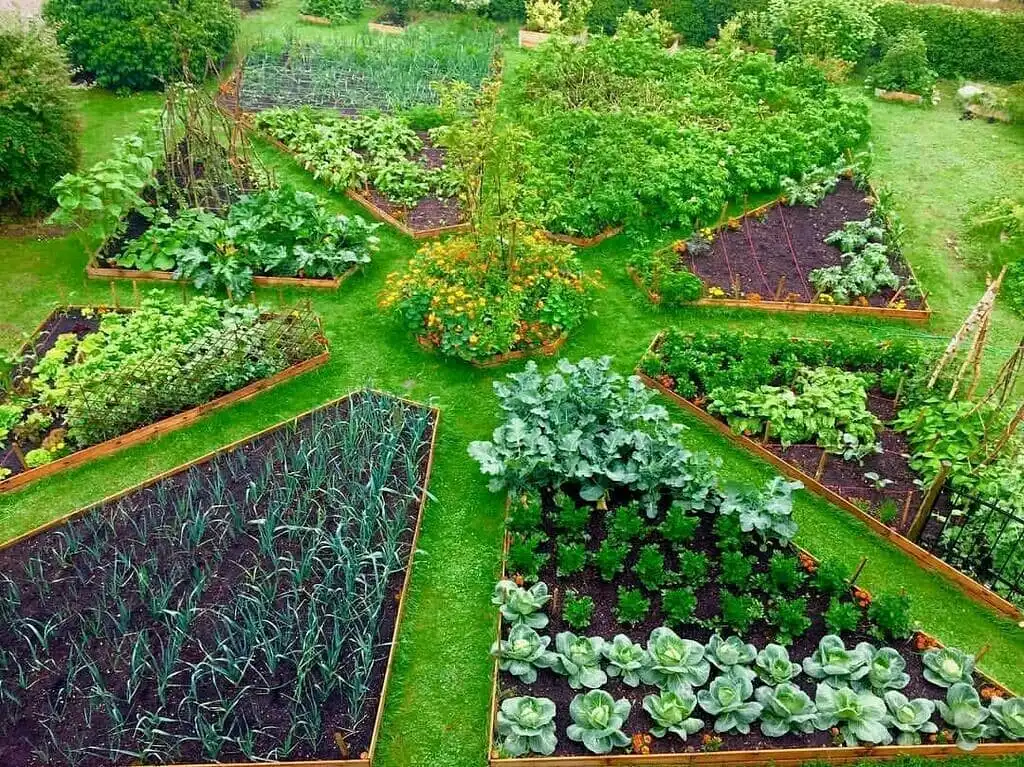
The Inspiration : Strolling through the historic gardens of Versailles reveals an undeniable truth intentional design elevates a mere assortment of plants into a stunning living artwork. Each path, border, and flower bed is meticulously placed with intention. This same concept is applicable to any modern backyard: a thoughtfully designed garden bed does not occur by chance it originates from a careful, deliberate plan.
Why It Works : A thoughtfully designed garden bed is effective because structure and aesthetics complement each other at every level. Defined edges whether made of brick, timber, or stone prevent soil erosion, deter lawn grass from encroaching, and provide the entire area with a sharp, intentional look. Strategic placement of plants, with taller varieties positioned at the back and trailing low growers at the front, guarantees that each plant receives sufficient sunlight without competition. Clear pathways between beds enhance airflow, minimize disease risk, and simplify routine maintenance. On an emotional level, a well-designed garden conveys care and pride studies show that appealing outdoor environments significantly boost property value and enhance daily personal well-being.
Pro Tip : Before positioning any plants, draft your bed layout on paper using a simple grid where one square represents one foot of actual space. First, indicate the direction of sunlight, existing structures, and the widths of pathways. This quick five-minute planning phase helps avoid expensive planting errors, ensures balanced visual proportions, and imparts your completed garden with a polished, professionally designed appearance from every perspective.
Oregano Garden Bed
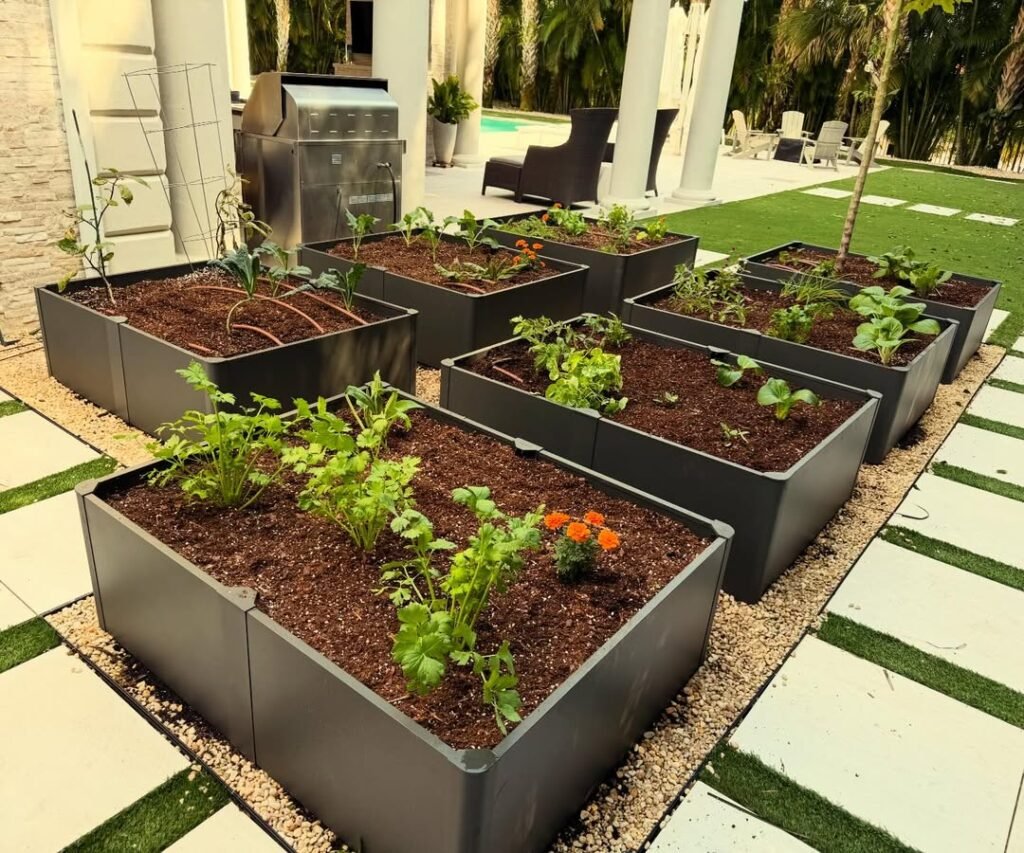
The Inspiration : Ancient Greek hillsides rocky, sun-drenched, and fragrant were the birthplace of oregano’s legacy over 3,000 years ago. Mediterranean artisans nurtured it in dooryard gardens, blending culinary artistry with medicinal uses. Picture stepping outside, pinching a leaf, and inhaling that robust, earthy scent. This sensory experience is what makes an oregano garden bed feel timeless.
Why it Works : An oregano garden bed offers exceptional benefits on various levels. From a practical standpoint, oregano is a resilient perennial that returns each season with minimal maintenance no need for replanting or hassle. It flourishes in full sunlight with well-drained soil, enduring drought and even poor, rocky conditions, making it perfect for low-maintenance gardeners. Notably, its potent oils naturally deter aphids, mosquitoes, and ants, decreasing the necessity for chemical pesticides throughout your garden. Additionally, it serves as living mulch, suppressing weeds along pathways and beneath fruit trees. On an emotional level, harvesting fresh oregano links you to ancient Mediterranean culinary traditions, elevating an ordinary meal into a fragrant ritual.
Pro Tip : Position oregano at the edge of your garden bed so that its stems naturally cascade over the border, creating more space for vegetables within. To harvest stems, cut just above a leaf node before flowering starts this encourages bushier regrowth, enhances essential oil concentration, and keeps your bed productive and lush throughout the season.
patio garden bed
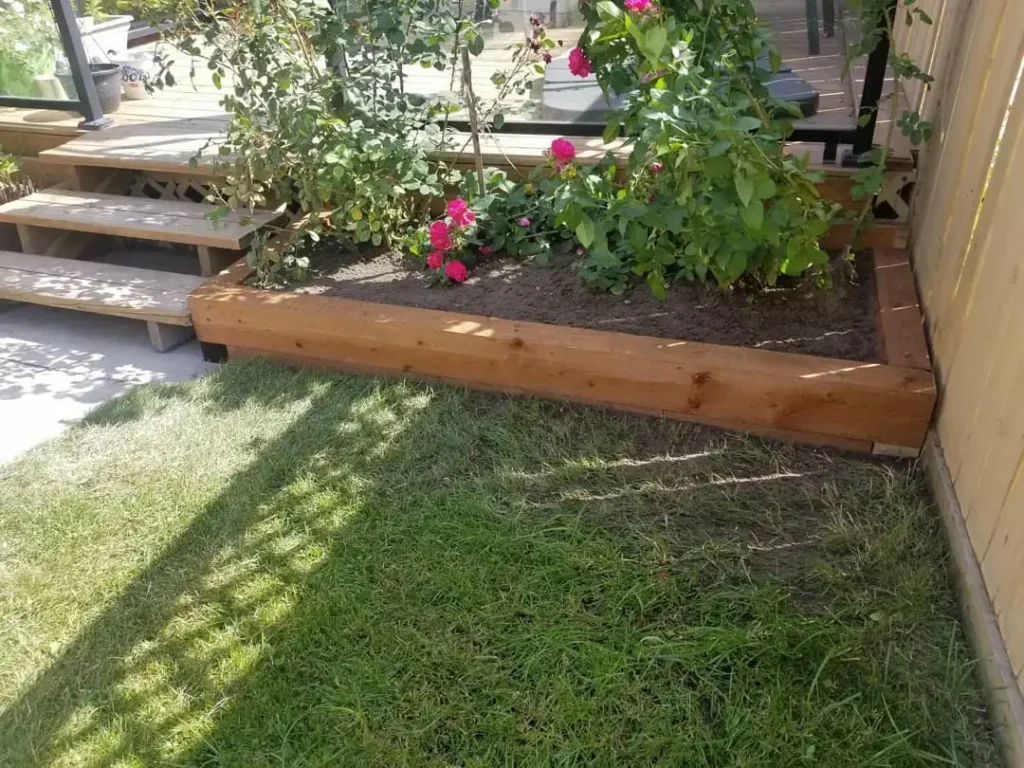
The Inspiration : Versailles’ magnificent terrace gardens initially demonstrated that stone and vibrant greenery could harmoniously coexist. In the present day, a patio garden bed revives that enduring vision right at your entrance a carefully curated patch of soil bordered by pavers. Step outside, and you will notice color, fragrance, and life flourishing just inches away pure enchantment.
Why it Works : A patio garden bed converts unused concrete or stone areas into a thriving living ecosystem. From a practical standpoint, elevated beds on hard surfaces allow you to manage every aspect drainage, nutrients, and soil pH completely avoiding poor native ground. Studies indicate that a well constructed patio with raised beds can enhance home value by as much as 12%. Uniquely, block planting optimizes yield per square foot significantly more than traditional garden rows. Ergonomically, beds elevated 12–24 inches alleviate back strain, making daily gardening feasible for seniors and others with mobility challenges. Emotionally, a flourishing patio bed establishes a living sanctuary that fosters both plant growth and personal well-being.
Pro Tip : For patio beds situated directly on hard surfaces, strive for a minimum depth of 8–12 inches and line the base with landscape fabric prior to filling. This will prevent soil loss through drainage holes while ensuring roots remain warm. Incorporate a drip irrigation line along the center of the bed for effortless watering throughout the season.
urban style garden bed
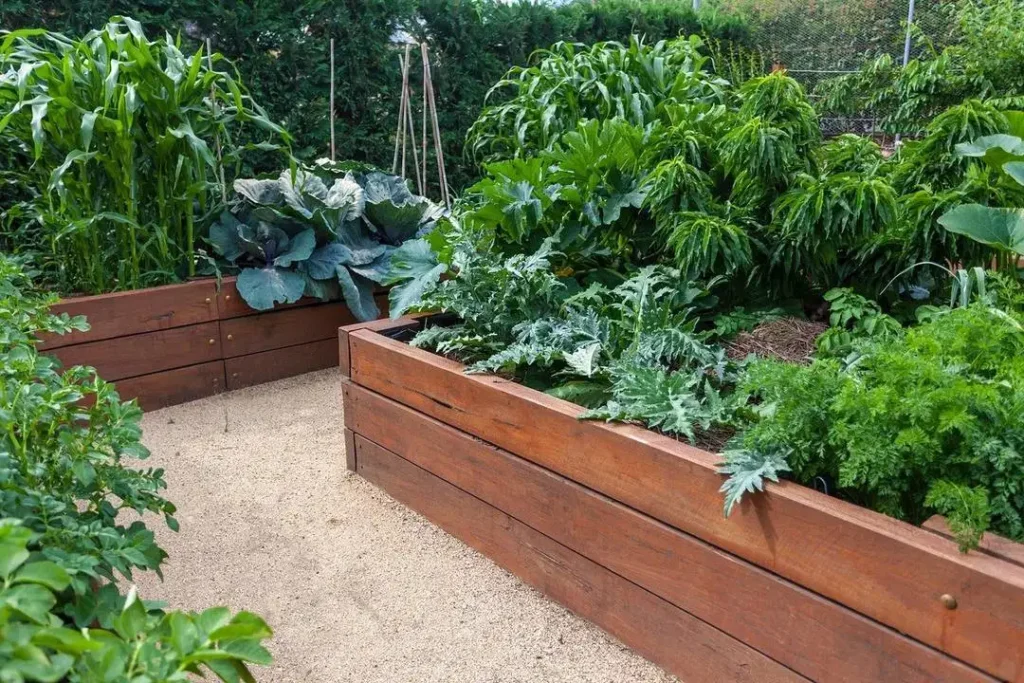
The Inspiration : New York’s High Line a once-abandoned elevated railway transformed into a vibrant public garden sparked a significant global movement in urban gardening. Residents of cities worldwide embraced the idea: reclaim concrete, cultivate life. This striking blend of industrial and botanical elements, with steel structures softened by flowing greenery, resonates profoundly with our innate desire for nature.
Why it Works : Urban-style garden beds are meticulously crafted to meet the needs of contemporary city living. They effectively optimize the production of food and flowers within limited spaces rooftops, balconies, alleyways, and courtyards can all serve as productive growing areas. Their raised design enhances soil drainage, root aeration, and temperature regulation compared to traditional in-ground planting. Sleek frames inspired by industrial design made from galvanized steel or powder-coated metal are durable against rust, pests, and the harsh conditions of urban environments for many years. Notably, the minimalist design integrates effortlessly with modern architecture, enhancing outdoor areas beyond simple functionality. On an emotional level, nurturing even a small garden amidst concrete can restore concentration, alleviate stress, and foster a profound sense of community.
Pro Tip : Opt for a frame made of galvanized steel or Corten weathering steel for your urban garden bed these materials develop a beautiful patina while withstanding urban pollution, pests, and moisture for over two decades without requiring treatment. Place it against a south-facing wall to take advantage of reflected heat, potentially extending your growing season by as much as six weeks.
Summer Zucchini garden bed

The Inspiration : Over 7,000 years ago, Mesoamerican farmers began cultivating wild squash, unknowingly sowing the seeds of the zucchini we cherish today. Italian craftsmen near Milan subsequently refined it into the glossy, tender vegetable we hold dear. Envision broad, velvety leaves unfurling under the summer sun that ancient bounty revived right in your backyard raised bed.
Why it Works : A dedicated summer zucchini garden bed yields remarkable returns for surprisingly little effort. In practical terms, raised beds warm 3–5°F faster than ground soil, hastening germination and early growth while providing a crucial advantage against harmful squash vine borers. Research from Cornell University indicates that zucchini cultivated in 16-inch-deep raised beds with compost-amended soil produces 22–35% more marketable fruit over a 10-week harvest period compared to traditional tilled in-ground rows. Elevated growing also helps deter ground pests, minimizes weed pressure, and extends your productive season by two to three full weeks. On an emotional level, harvesting glossy zucchini daily fosters genuine pride, rewarding even novice gardeners with visible, delectable results.
Pro Tip : Limit your zucchini bed to a maximum of two or three plants within a 4×4-foot raised area, opting for compact varieties such as Eight Ball or Piccolo. Train each vine vertically using a sturdy trellis to enhance airflow, reduce the risk of powdery mildew, and reclaim valuable horizontal bed space for companion herbs.
tunnels garden bed
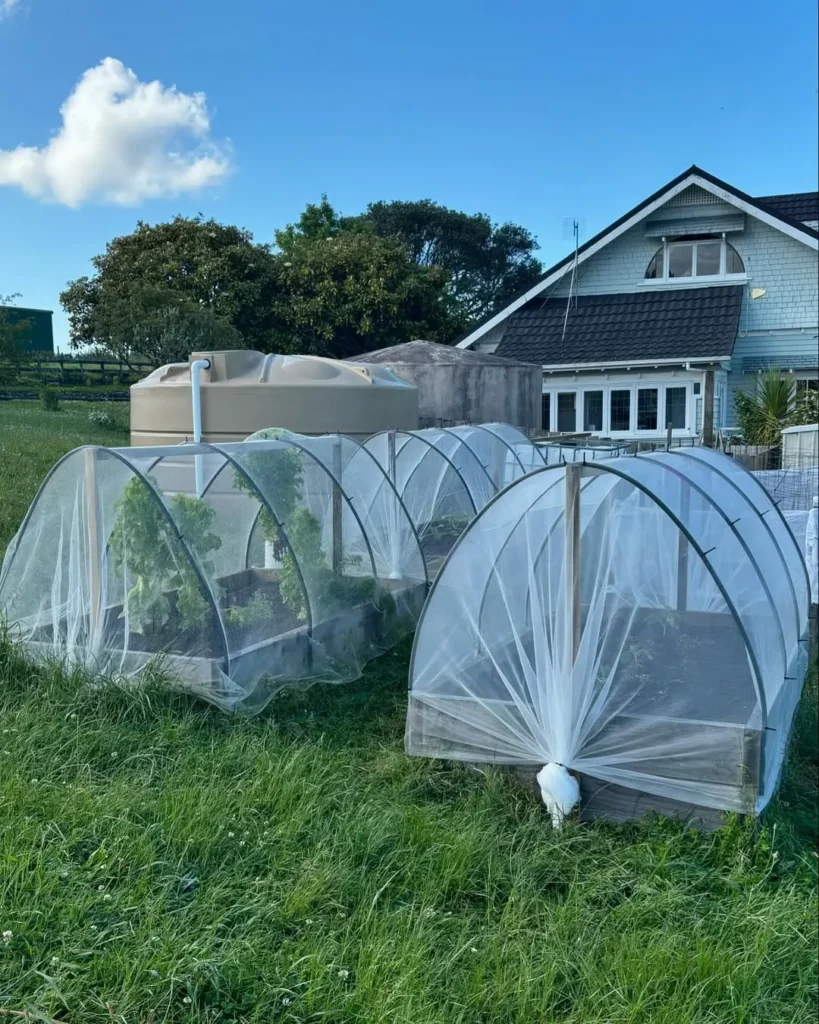
The Inspiration : Victorian kitchen gardeners used muslin draped over iron hoops to encourage early harvests from the frost affected English soil a subtle act of resistance against winter. This same inventive spirit is present in every tunnel garden bed today. Picture stepping outside on a chilly morning, lifting the cover, and discovering vibrant green life within.
Why it Works : A tunnel garden bed is among the most adaptable and economical tools available to any dedicated grower. In practical terms, low tunnels covered with row cover fabric can increase soil temperature by 5–10°F, thereby extending the growing season by six to eight weeks at both ends of the year. This singular benefit can effectively double the annual yield without increasing the size of the bed. Tunnels also serve to block insects, wind, and heavy rain creating a microclimate that is perfect for growing lettuce, spinach, and carrots. Notably, they are lightweight, collapsible, and can be reused across multiple seasons. On an emotional level, witnessing snow fall outside while plants flourish inside brings immense and deeply fulfilling joy.
Pro Tip : When setting up hoop tunnels over your garden bed, utilize 9-gauge wire hoops spaced every 3 feet and cover them with floating row cover fabric instead of plastic sheeting. Row cover permits rain and airflow while still elevating temperature. Secure the edges with soil or clips to prevent wind uplift during storms.
Square Foot Garden bed
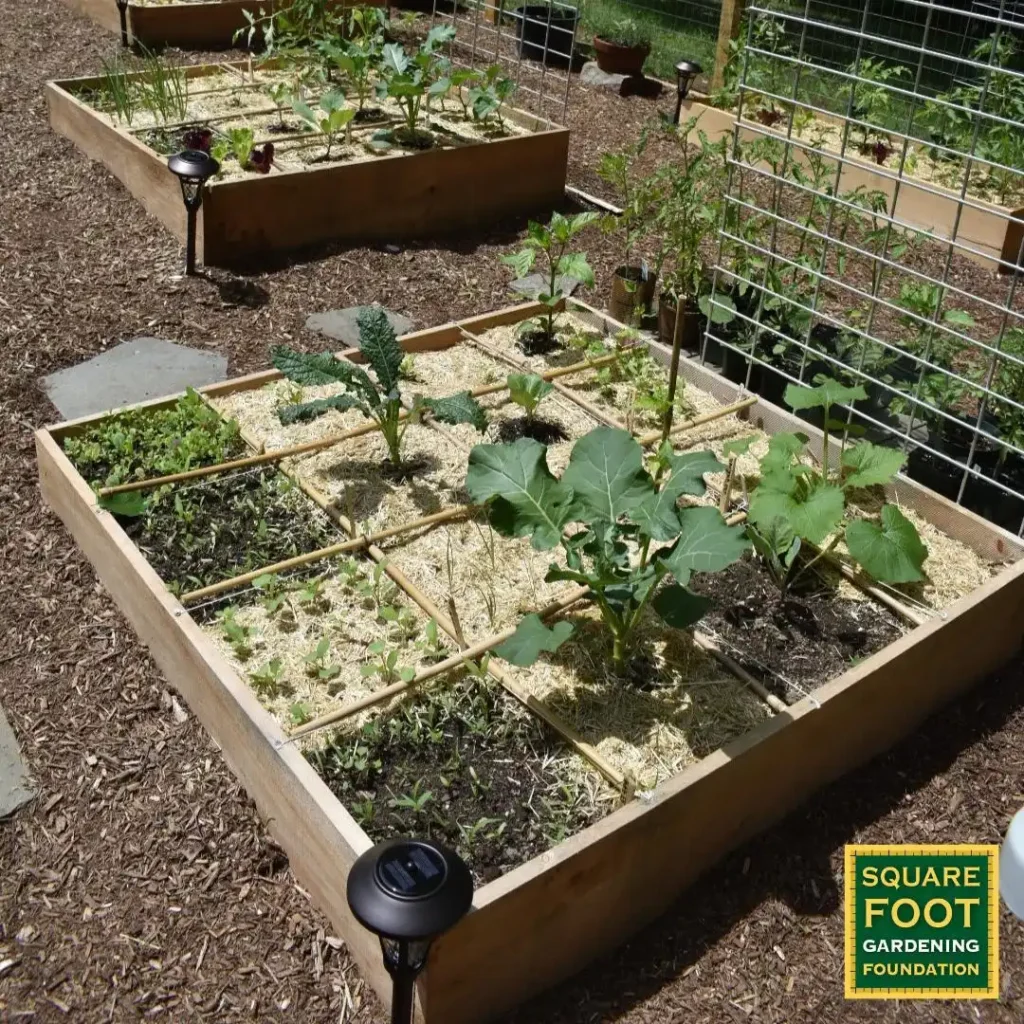
The Inspiration : In 1976, Mel Bartholomew, a retired engineer, found himself in his community garden, exasperated by the endless rows that required hours of weeding for minimal yield. This frustration ignited a revolution. He designed a tidy 4×4-foot grid consisting of sixteen perfect squares, thereby transforming backyard gardening forever. This organized beauty and abundance emerged from a single brilliant concept.
Why it Works : Square foot gardening is recognized as one of the most research-supported and beginner-friendly gardening systems ever developed. Its practical design features a 4×4-foot raised bed divided into sixteen squares, enabling gardeners to produce up to 100% more food compared to traditional row gardening within the same area. Mel’s distinctive soil mixture comprising equal parts compost, peat moss, and vermiculite prevents compaction and significantly decreases watering requirements throughout the growing season. The densely planted squares create a living mulch that naturally inhibits weeds, thereby reducing maintenance time. The structured grid system facilitates intuitive and systematic crop rotation and companion planting for any gardener. On an emotional level, this clear visual framework instills immediate confidence and a sense of daily achievement in beginners.
Pro Tip : Always construct your square foot grid using string, wooden battens, or bamboo stakes that are securely attached to the bed frame prior to planting. This tangible guide helps prevent overcrowding and makes spacing intuitive for each crop. Adhere to Mel’s Mix one-third compost, peat moss, and vermiculite to ensure nutrient-rich, weed-free, and well-draining soil from the very beginning.
whisky barrel and raised beds
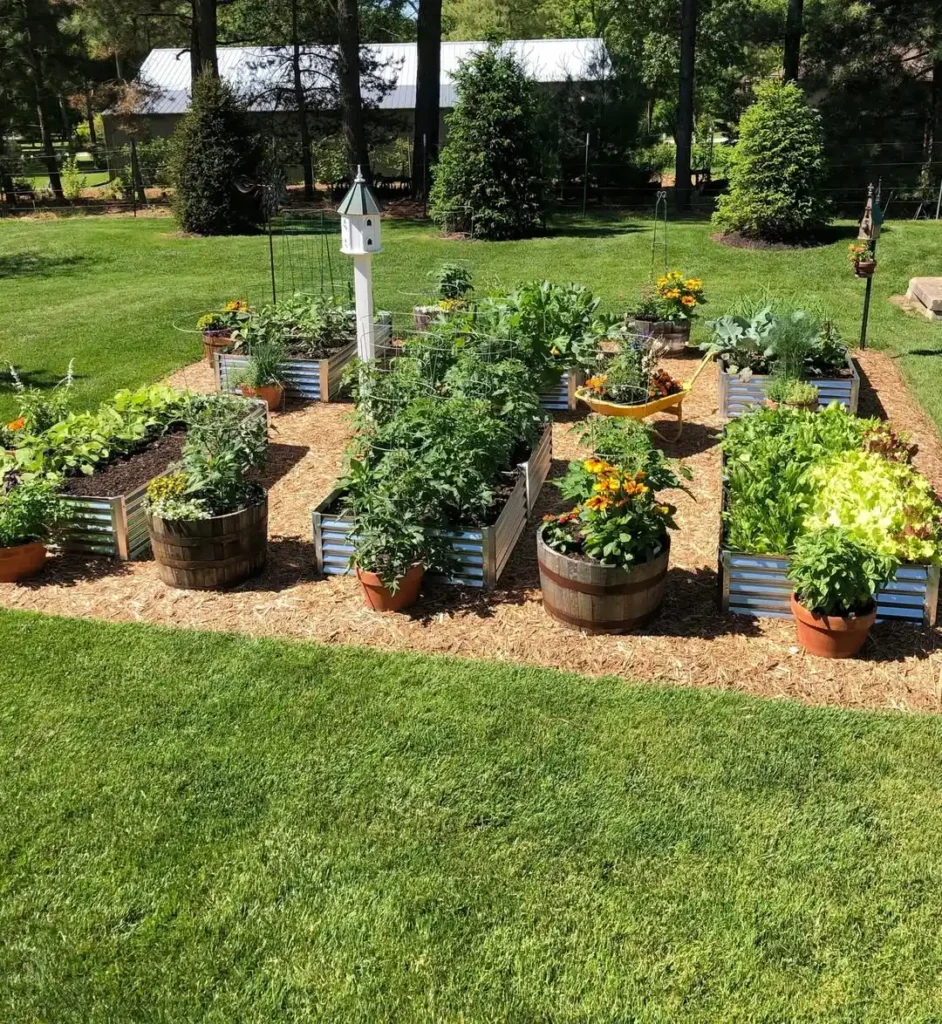
The Inspiration : On the hillsides of Scotland, charred oak barrels once held smoky whisky, absorbing years of narrative and craftsmanship. When these barrels are retired to gardens, their weathered staves and iron hoops acquire a new purpose, brimming with herbs and flowers. When combined with raised beds, they form a rustic, textured tapestry of reclaimed history and vibrant color.
Why it Works : The combination of whisky barrels and raised beds merges charm with significant growing potential. The barrels provide deep, contained root space that is perfect for dwarf trees, herbs, or focal plants, while the surrounding raised beds optimize the cultivation of vegetables and flowers in organized zones. Elevated soil offers better drainage, warms more quickly in the spring, and minimizes compaction, enhancing plant health and productivity. The durable oak withstands rot for many years, and the circular shape of the barrels visually softens the straight lines of rectangular beds, resulting in a harmonious composition. From a functional perspective, the varying heights facilitate easier access for backs and knees. On an emotional level, gardeners appreciate the opportunity to transform a crafted object with history into a vessel for new life.
Pro Tip : Prior to planting, drill several drainage holes in the bottom of the whisky barrel, then elevate it slightly on bricks to avoid waterlogging. Fill both the barrel and raised beds with a mixture of compost, topsoil, and coarse material for drainage. Utilize the barrel for thirsty, ornamental plants and the beds for rotating crops.
Corten steel garden bed
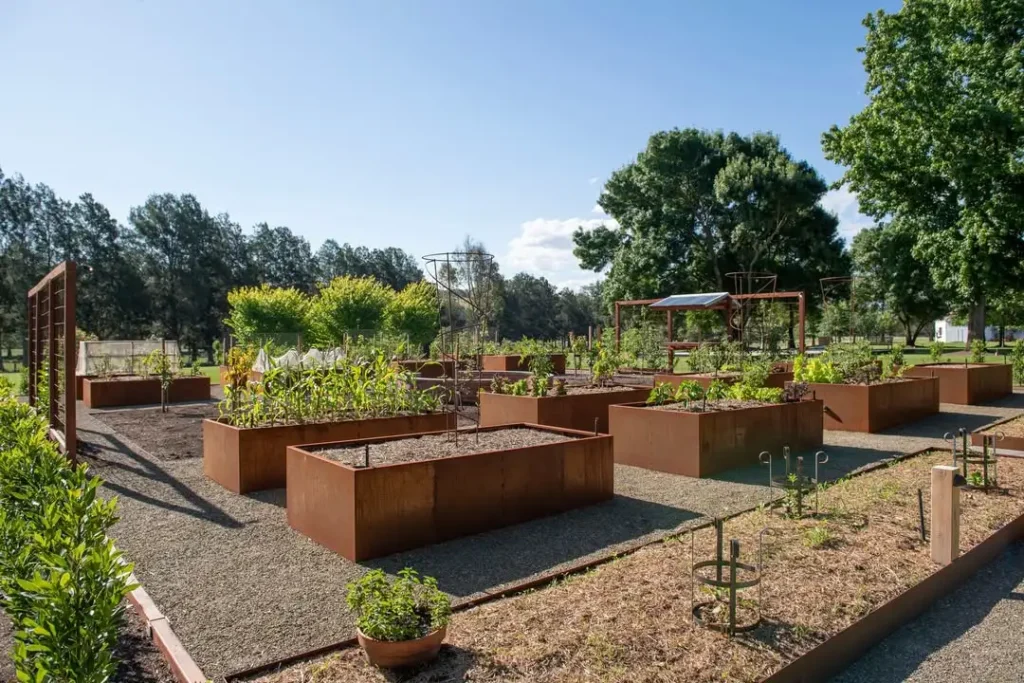
The Inspiration : Born in the 1930s in America, Corten steel emerged from U.S. Steel’s pursuit of rust-resistant railcars and achieved architectural prominence at Eero Saarinen’s John Deere Headquarters in 1964, where its warm patina harmoniously fused steel with the earth. In contemporary settings, these rusted edges now cradle garden soil, representing a perfect blend of industrial strength and lush life in a weathered equilibrium.
Why it Works : Corten steel garden beds offer unparalleled durability alongside striking aesthetic appeal. From a practical standpoint, the self-forming rust patina provides protection against corrosion for over 20 years without the need for painting or replacement, even in challenging conditions such as heavy rain or coastal salt air. The thin walls of these beds optimize growing space while effectively retaining soil heat, which can accelerate spring growth by 2 to 4 weeks compared to traditional wood. Notably, the material’s low thermal mass prevents root overheating, distinguishing it from galvanized steel and making it particularly suitable for warmer climates. Elevated beds enhance drainage and ergonomics, alleviating back strain during harvest. On an emotional level, the changing rusty hues create a living sculpture that matures beautifully alongside your plants.
Pro Tip : Choose Corten steel panels that are 2 to 3mm thick with pre-welded corners to ensure structural integrity capable of withstanding soil pressure. To hasten the formation of the patina, apply a 1:1 mixture of vinegar and water weekly for one month before planting. Position the beds away from concrete foundations to prevent staining from runoff the rust will naturally deepen over the years.
rustic garden bed

The Inspiration : Medieval European peasants constructed irregular stone walls around their kitchen gardens, forming modest enclosures that sustained families during the harsh winter months. These same weathered stones covered in moss and aged by time serve as the inspiration for contemporary rustic garden beds. Envision twisted wood and rocks adorned with lichen, cradling vibrant greens and sharing stories of resilience and simple abundance.
Why it Works : Rustic garden beds incorporate natural materials such as reclaimed wood, stone, and logs, offering significant growing benefits. From a practical standpoint, irregular stone walls help retain heat, gradually releasing it overnight to maintain root warmth and enhance early yields by 10–15% in cooler climates. Wood decomposes slowly, enriching the soil with organic matter over a period of 3–5 years. Elevated designs facilitate improved drainage, reducing the risk of root rot by 40% compared to flat surfaces. Notably, textured surfaces foster microhabitats for beneficial insects and pollinators. Functionally, lower heights (12–18 inches) cater to casual gardeners, while heavy materials guarantee decades of stability. Emotionally, their handcrafted imperfections cultivate a profound connection to the land and traditional crafts.
Pro Tip : Select naturally rot-resistant cedar logs or fieldstones; completely avoid treated lumber. Assemble materials without mortar to ensure authentic drainage and allow for easy reconfiguration. Bury the base layer of the bed with 4 inches of gravel, topped with cardboard to eliminate grass instantly. Fill with a mixture of 60% topsoil and 40% compost to provide immediate fertility and suppress weeds.
Arch garden bed
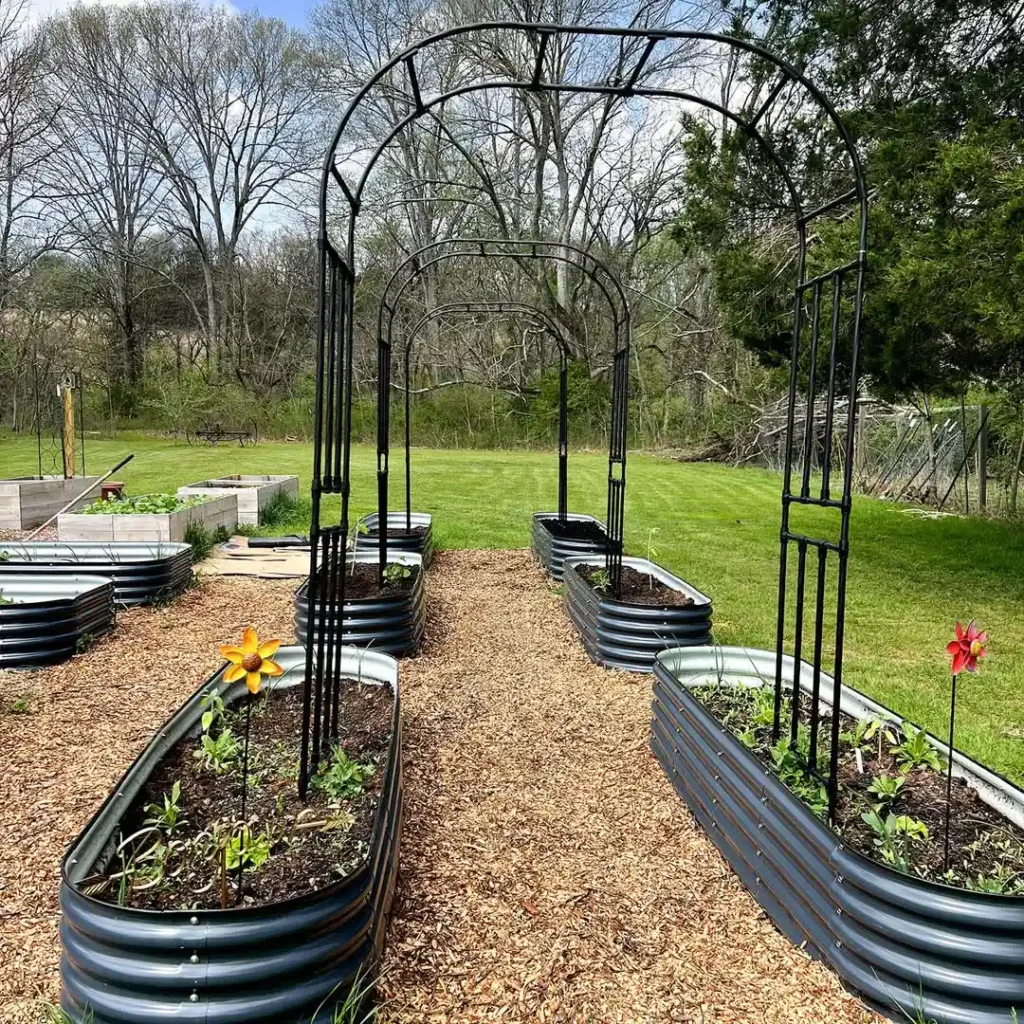
The Inspiration : Renaissance Italian villas showcased espaliered fruit trees meticulously trained along stone arches, harmonizing architecture with the abundance of orchards a tradition that emerged from both necessity and artistry. Contemporary arch garden beds bring back that elegance. Envision cascading beans or peas framing vibrant greens below, with sunlight filtering through lush tunnels, inviting you to enter an edible paradise.
Why it Works : Arch garden beds integrate vertical and horizontal cultivation for unparalleled efficiency. From a practical standpoint, the overhead arch supports climbing crops such as beans, peas, cucumbers, and squash, thereby freeing up bed floor space for low-growing plants and effectively doubling the yield per square foot. Research indicates that vertical training enhances airflow by 30%, significantly reducing the risk of fungal diseases while accelerating harvest times by 2–3 weeks. Robust arches offer immediate trellising, preventing unruly plant sprawl. Elevated beds enhance drainage and soil warmth, promoting quicker rooting. Notably, the structure fosters microclimate pockets, extending the growing season. Functionally, harvesting from above minimizes bending. Emotionally, walking beneath your own living, productive arch provides deep satisfaction and a sense of wonder.
Pro Tip : Construct your arch using 6-foot pressure-treated 2x4s shaped into curves or galvanized cattle panels arched over the ends of the bed both options are capable of withstanding wind and heavy fruit loads for many years. Plant pole beans or indeterminate peas at the base corners to allow for natural climbing. Arrange low crops (such as lettuce and radishes) in 6-inch intervals beneath for immediate layered productivity.