
Enchanting kitchen herb gardens transform the core of your home into a fragrant, living work of art that you will wish you had established years ago. Picture yourself reaching for fresh basil, mint, or rosemary just a few steps away from your stove no longer will you have to deal with sad supermarket packets wilting in the refrigerator. A sun drenched windowsill can become a miniature Eden with tiered wooden crates, vintage teacups, or sleek magnetic tins affixed to the backsplash, each overflowing with vibrant green sprigs. Suspend mason jars from a rustic branch or set up a living wall of pocket planters; the air remains sweetly scented while you prepare meals. For compact apartments, a slender rolling cart or a fold-down wall shelf keeps thyme, oregano, and chives conveniently within reach while also being easy to store away. Do you adore the cottage core aesthetic? Paint terracotta pots in soft pastel shades, label them with elegant calligraphy tags, and let lemon balm or creeping rosemary cascade over the edges. Modern minimalists might opt for matte black rail systems paired with sleek stainless containers an effortless elegance that still provides generous amounts of fresh flavor. Add warm fairy lights or small copper clip lamps at dusk, and your countertop garden will illuminate like a hidden apothecary. The most delightful aspect? Snipping a few leaves actually promotes fuller growth, ensuring that your pesto, mojitos, and roasted potatoes taste fresh from the garden all year long. Once you witness tender new shoots unfurling right next to your coffee maker each morning, you will question how you ever cooked without this daily infusion of green magic. Begin modestly, dream grandly your kitchen deserves to exude the aroma of an Italian hillside.
Parsley Rosemary Thyme And Oregano Herb Garden
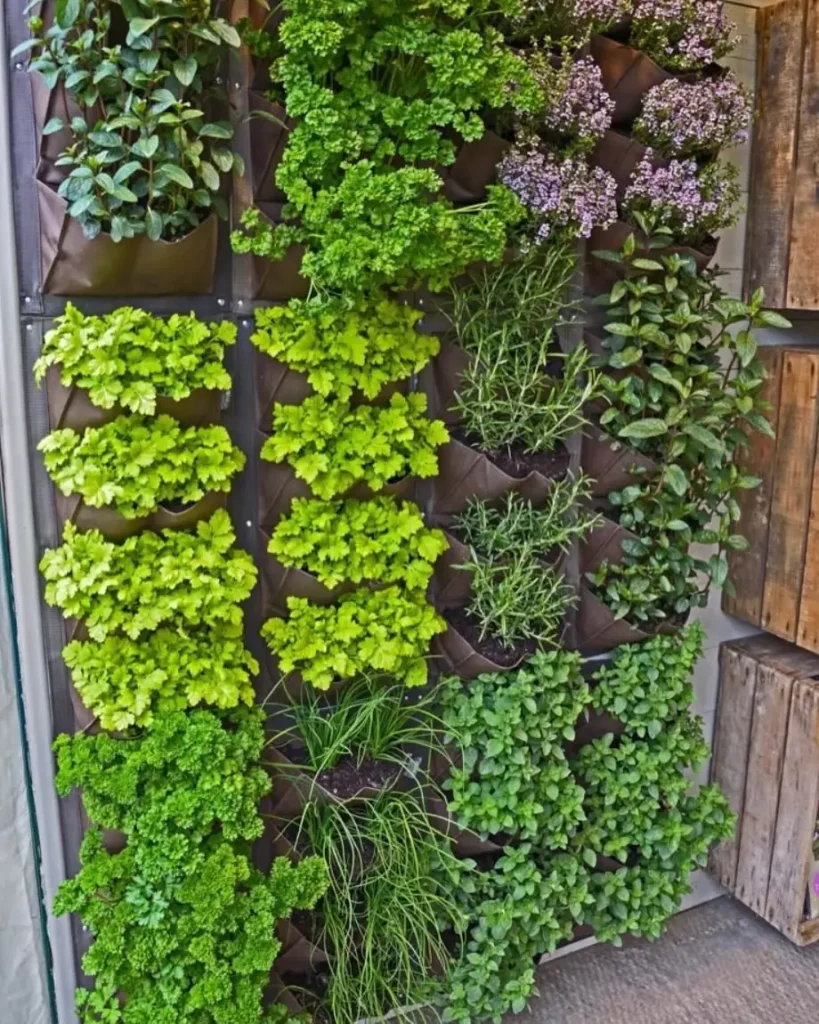
The Inspiration : The herb garden featuring Parsley, Rosemary, Thyme, and Oregano is inspired by the traditional kitchens and gardens of the Mediterranean, where these aromatic herbs thrive in harmony. Their combined scents and flavors provide a rich sensory experience, while their historical culinary and medicinal applications motivate gardeners to create vibrant and functional garden spaces.
Why it Works : These herbs flourish under similar conditions well drained soil, ample sunlight, and moderate watering making them excellent companions. The robust aroma of Rosemary acts as a deterrent to pests such as carrot flies and cabbage moths, thereby safeguarding nearby plants. Thyme and Oregano not only attract beneficial insects but also repel harmful pests, thereby naturally enhancing the health of the garden. Parsley promotes the growth and flavor of neighboring vegetables like tomatoes and carrots while luring predatory insects that help manage pests. Collectively, they establish a synergistic herb garden that fosters resilience, biodiversity, and enhanced plant health, requiring minimal maintenance and providing fresh herbs throughout the year.
Pro Tip : When planting these herbs, ensure adequate spacing in well drained soil and place them in full sunlight. Employ mulch to retain moisture and suppress weeds. Regular pruning is advisable to promote bushy growth and improve airflow, which helps mitigate disease risks. Additionally, rotating crops annually is essential for maintaining soil fertility and pest control effectiveness.
Lavender Salvia Herb Garden
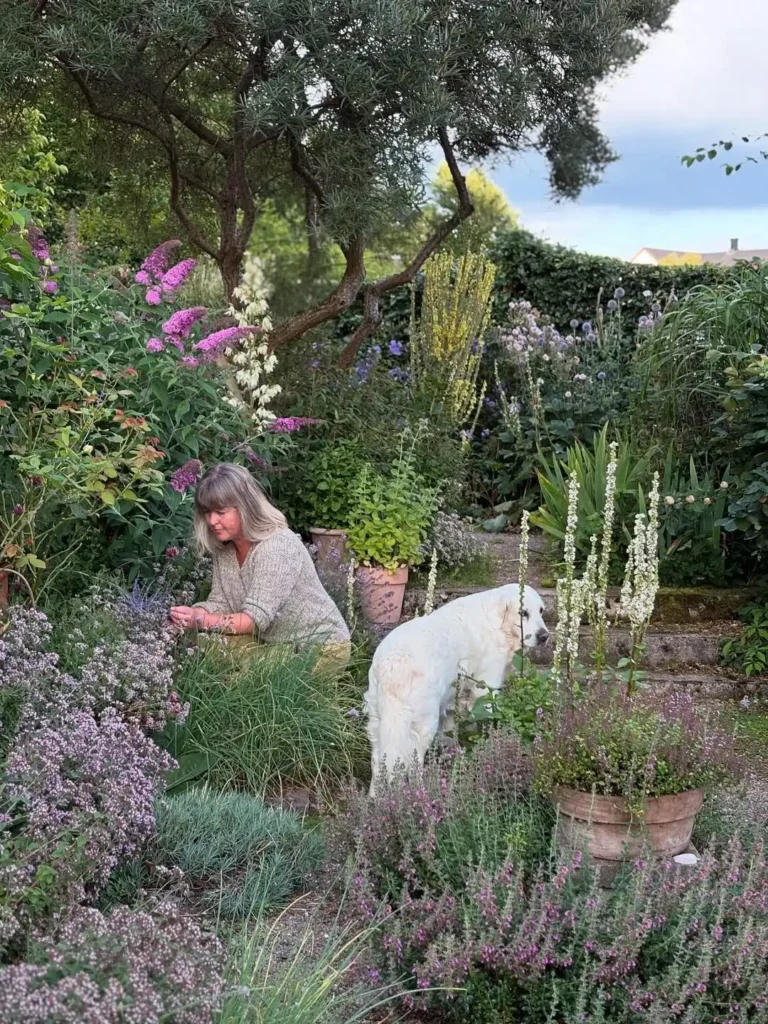
The Inspiration : The Lavender Salvia Herb Garden draws its inspiration from the picturesque Mediterranean landscapes, where the fragrant lavender and vibrant salvia flourish together beneath the warm sun. This garden’s aromatic and colorful harmony fosters a sense of tranquility and timeless beauty, encouraging gardeners to cultivate serene, pollinator friendly havens that please the senses and support wildlife.
Why it Works : Lavender and salvia flourish in well drained, slightly alkaline soils with ample sun exposure, favoring dry to moderate watering. Their complementary blooming periods enhance visual appeal and attract a wide variety of pollinators, such as bees and butterflies, thereby boosting biodiversity. The strong fragrance of lavender acts as a natural deterrent to pests, safeguarding both plants. Both species exhibit drought resistance and require minimal maintenance, making them perfect for sustainable gardening practices. Their differing flower shapes contribute to visual texture, while their aromatic leaves heighten sensory enjoyment. This combination encourages robust growth, pest resilience, and a vibrant, ecologically balanced garden setting.
Pro Tip : When planting lavender and salvia, ensure adequate spacing in full sun and well-drained soil. Water moderately at the base to prevent fungal diseases. Prune annually to maintain shape and promote vigorous flowering. Apply mulch with gravel or sand to improve drainage and avoid moisture retention around the roots.
White Lupines Herb Garden
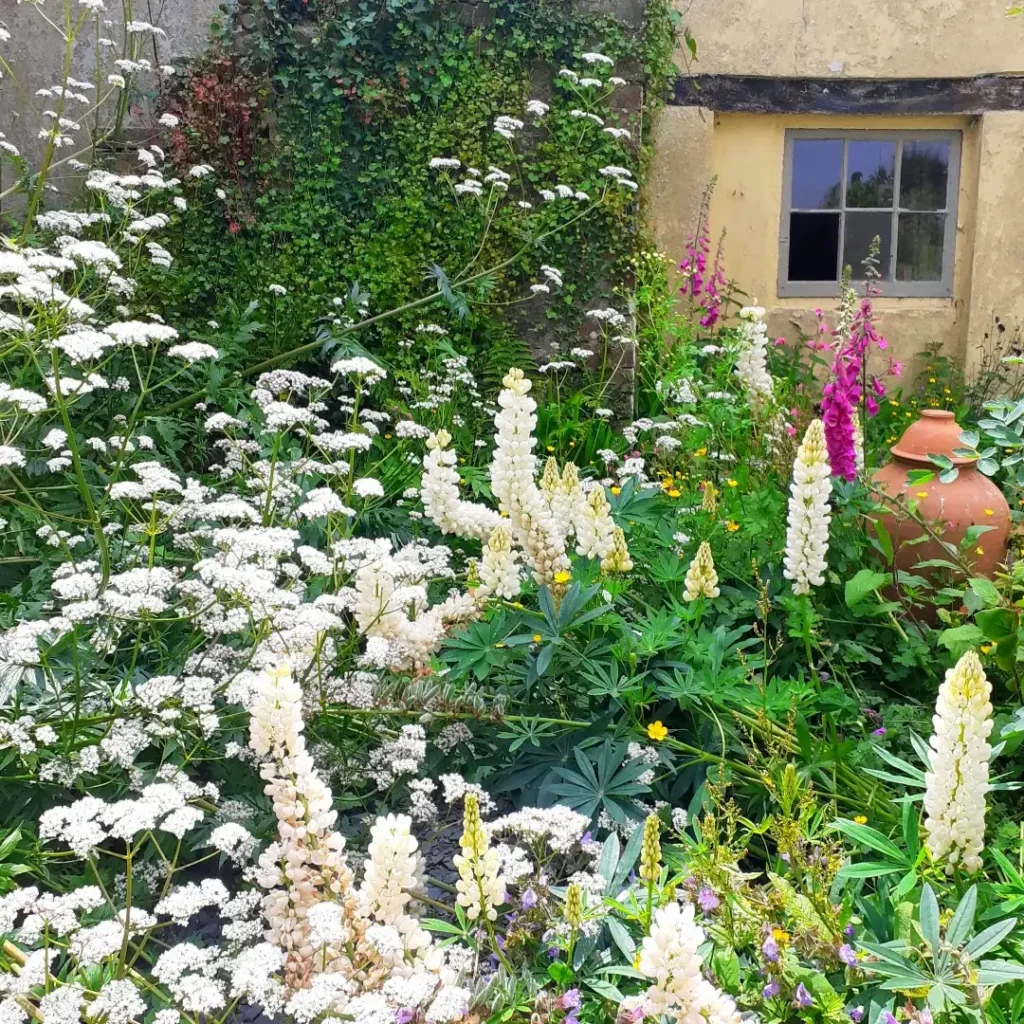
The Inspiration : The White Lupines Herb Garden draws its inspiration from centuries of cultivation practices in the Mediterranean and North Africa, esteemed for both its stunning tall white flowers and its ability to enhance soil quality. This garden encourages gardeners to merge aesthetic appeal with ecological advantages, fostering vibrant, sustainable environments that support pollinators and enrich the soil.
Why it Works : White lupines flourish in well-drained, often nutrient poor soils, where they naturally fix atmospheric nitrogen, thereby enhancing soil fertility. Their extensive root systems break up compacted soil, improving water infiltration and reducing erosion. This legume attracts beneficial pollinators such as bees and butterflies, thereby increasing biodiversity. Their resilience to drought and minimal maintenance requirements render them perfect for sustainable gardening. Additionally, nutrient dense lupin seeds offer essential protein, benefiting both wildlife and human nutrition. The vertical white flower spikes of white lupines contribute architectural interest, while their ecological roles foster healthier and more resilient garden ecosystems.
Pro Tip : Sow white lupine seeds in loose, well drained soil during early spring. Ensure adequate spacing between plants to promote airflow and growth. Refrain from overwatering to avoid root rot. Remove spent flowers to stimulate ongoing blooming and gather seeds for future planting, ensuring a flourishing and sustainable garden year after year.
Sage Basil Herb Garden
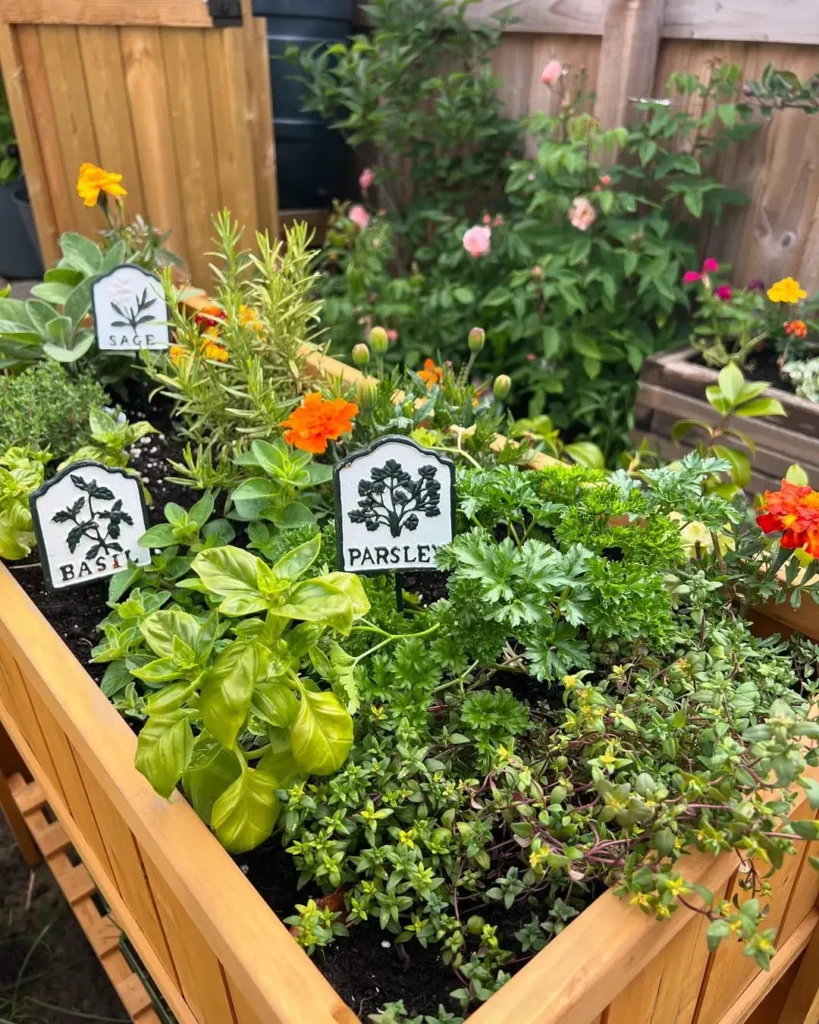
The Inspiration : The Sage Basil Herb Garden draws its inspiration from centuries of Mediterranean culinary and medicinal practices. The aromatic leaves evoke images of warm, sunlit kitchens and healing rituals, motivating gardeners to create fragrant, flavorful environments that nourish both body and spirit while attracting beneficial wildlife.
Why it Works : Sage and basil flourish in similar sunny, well drained soil conditions, enabling them to grow together harmoniously. Sage emits a strong aroma that repels pests such as cabbage moths and carrot flies, thereby safeguarding both herbs and adjacent vegetables. Basil, on the other hand, deters aphids and tomato hornworms while enhancing the flavor of nearby crops. These herbs also attract pollinators, thereby promoting biodiversity. Their low water requirements and ease of maintenance make them ideal for sustainable gardening. Interplanting sage and basil maximizes garden space, improves plant health, and enriches the flavor of the harvest, resulting in a vibrant and productive herb garden.
Pro Tip : Plant sage and basil in full sunlight with well drained soil. Water at the base to avoid fungal diseases. Space the plants 12-18 inches apart to ensure proper airflow. Regularly harvest by pinching the tips to encourage bushy growth and delay flowering, which will extend leaf production throughout the season.
Wild Teasel Herb Garden
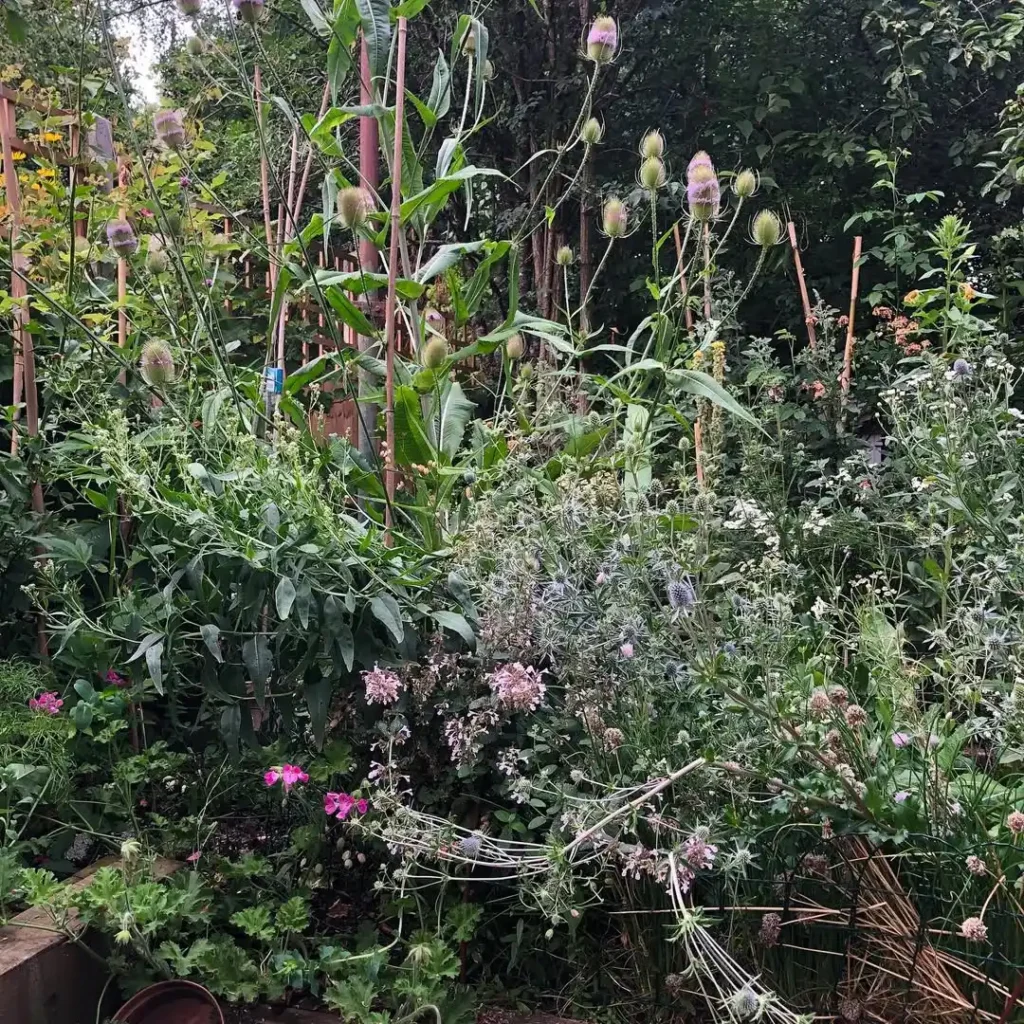
The Inspiration : The Wild Teasel Herb Garden has its origins in untamed meadows and the rich history of herbalism, where this spiky, architectural plant attracted the attention of both foragers and healers. By utilizing its eye catching flower heads and its well known status in folk medicine, gardeners grow teasel for its aesthetic appeal, cultural significance, and benefits to wildlife.
Why it Works : Wild teasel is a resilient biennial that flourishes in well drained soil and full sunlight, often thriving in disturbed or less fertile areas. Its tall, thorny stems and striking thistle like flowers draw in pollinators such as bees and butterflies, while its seeds serve as essential nourishment for birds like goldfinches. Traditionally, teasel roots and leaves have been employed for healing wounds, alleviating arthritis, supporting liver health, and as a supplementary treatment in Lyme disease protocols, although further scientific research is necessary. Caution is advised: teasel can easily self-seed and may become invasive if not properly managed, yet its ecological and ornamental advantages continue to make it a prominent choice in wild or medicinal herb gardens.
Pro Tip : Cultivate wild teasel in a sunny, well drained location, ensuring adequate spacing between plants to promote air circulation. After flowering, remove the majority of seed heads to manage its spread. For herbal applications, harvest roots at the end of the first year, while leaving a few seed heads for wildlife, thus balancing tradition with habitat preservation.
Bacopa Herb Garden
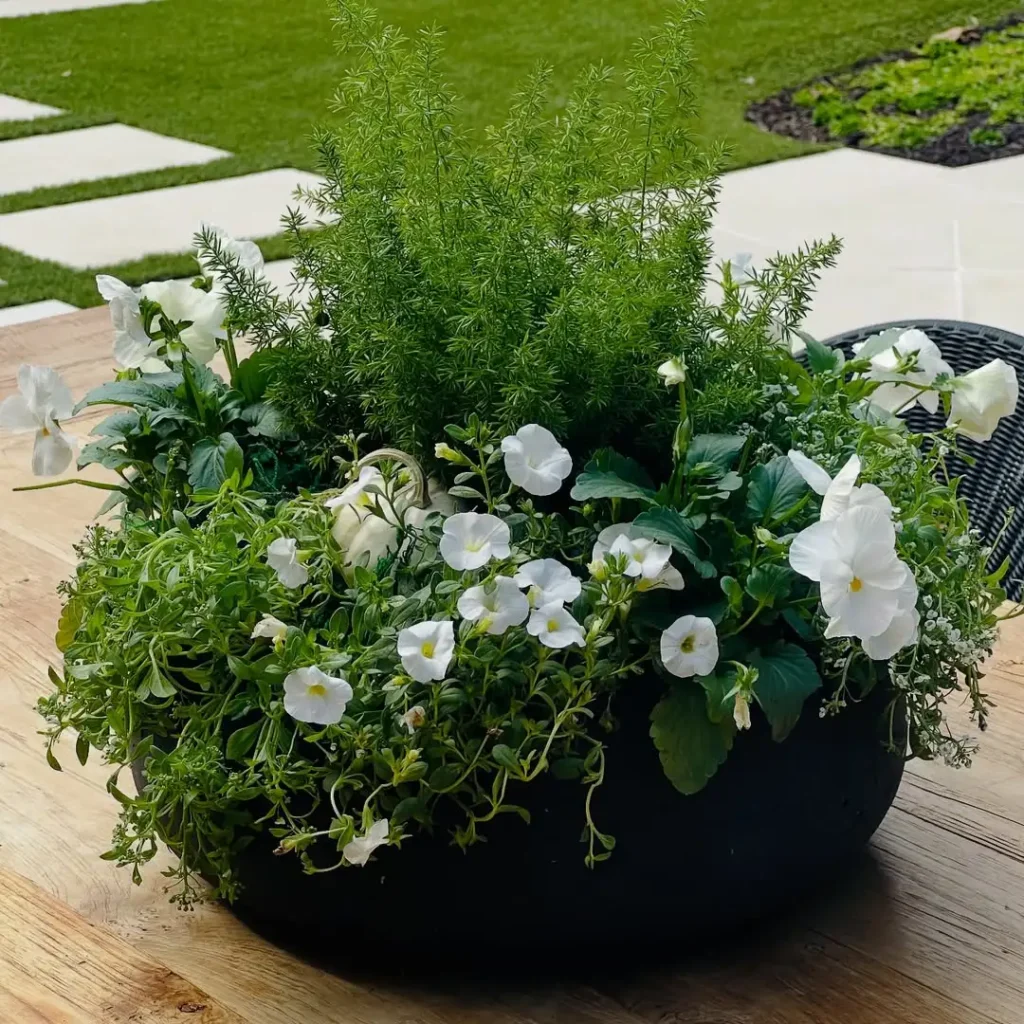
The Inspiration : The Bacopa Herb Garden draws its inspiration from centuries of Ayurvedic practices, where this delicate, creeping plant was esteemed as a “herb of grace.” Its elegant, small flowers and lush green mats encourage gardeners to create calming, restorative environments that respect traditional wisdom and the beauty of nature.
Why it Works : Bacopa flourishes in sunny to partially shaded, consistently moist conditions, often found near water features or in damp soils. Its spreading growth pattern forms a soft groundcover that stabilizes soil and suppresses weeds. In terms of medicinal use, Bacopa is recognized for its neuroprotective and anti inflammatory benefits, traditionally utilized to enhance memory, alleviate anxiety, and boost cognitive function. Its flowers are also known to attract pollinators, thereby fostering biodiversity. The plant’s versatility in containers, ponds, or garden beds, along with its low maintenance requirements and health advantages, make it an excellent choice for both healing and ornamental herb gardens.
Pro Tip : To achieve optimal growth and health, plant Bacopa in nutrient rich, moist soil with partial sun to shade. Ensure consistent moisture without causing waterlogging. Regular trimming is recommended to promote bushy growth and prevent legginess. Position containers or borders near water features to mimic its natural habitat for the best results.
Strawberry Tokens Herb Garden
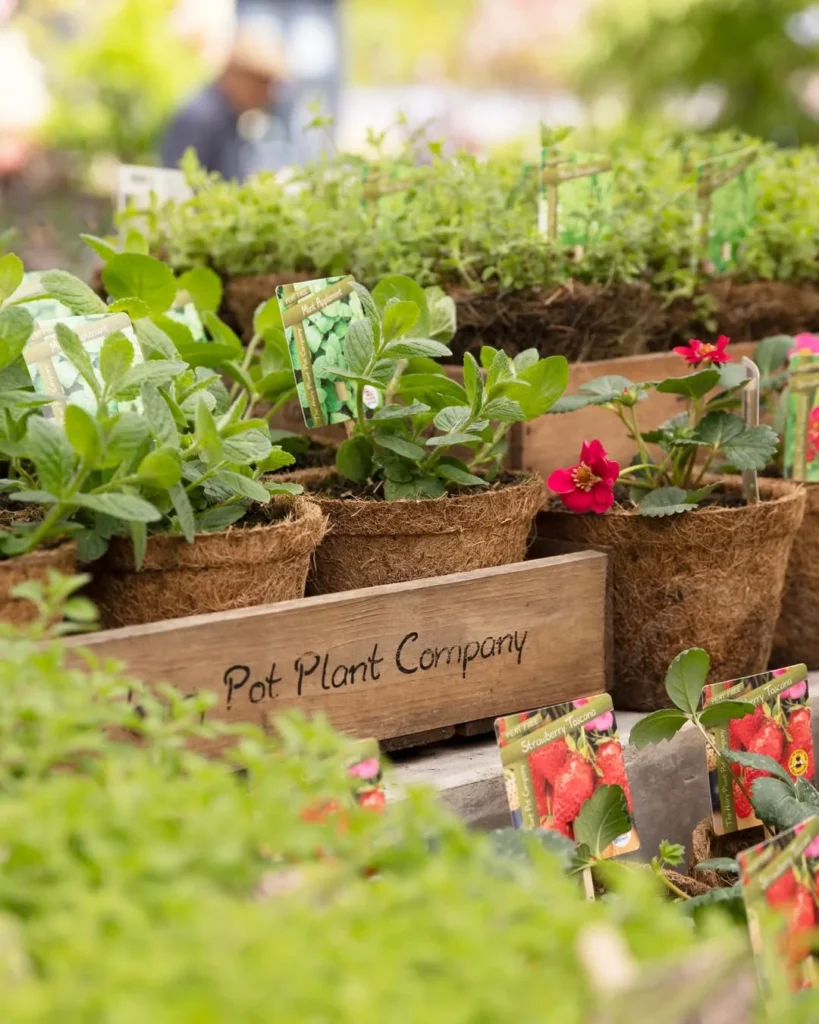
The Inspiration : The Strawberry Tokens Herb Garden combines the delight of cultivating strawberries at home with fragrant herbs, drawing inspiration from both traditional kitchen gardens and contemporary container gardening practices. It encourages gardeners to design compact, flavorful, and lively areas where sweet strawberries and herbs thrive together, enhancing both culinary experiences and the visual appeal of the garden.
Why it Works : Strawberries and their companion herbs flourish in sunny, well-drained soil. The presence of herbs such as mint or thyme benefits strawberries by repelling pests and promoting growth. This partnership improves plant health and the quality of the harvest. Cultivating them together optimizes space usage in small gardens or containers, fostering biodiversity and natural pest management. Herbs add fragrance and culinary diversity, enhancing the sensory experience of the garden. The shallow root system of strawberries is well suited for container and raised bed gardening, making moisture and nutrient management easier. Proper watering, regular fertilization, and the use of mulch help retain moisture and control weeds, ensuring ongoing fruit production and robust herbal growth throughout the growing season.
Pro Tip : Plant strawberries and herbs in soil that drains well and receives full sunlight. Employ mulch to help retain moisture and inhibit weed growth. Water regularly to maintain soil moisture without creating waterlogged conditions. Rotate strawberry plants every three years to preserve soil health and prevent the accumulation of diseases, ensuring optimal yields.
Rose Bush Herb Garden
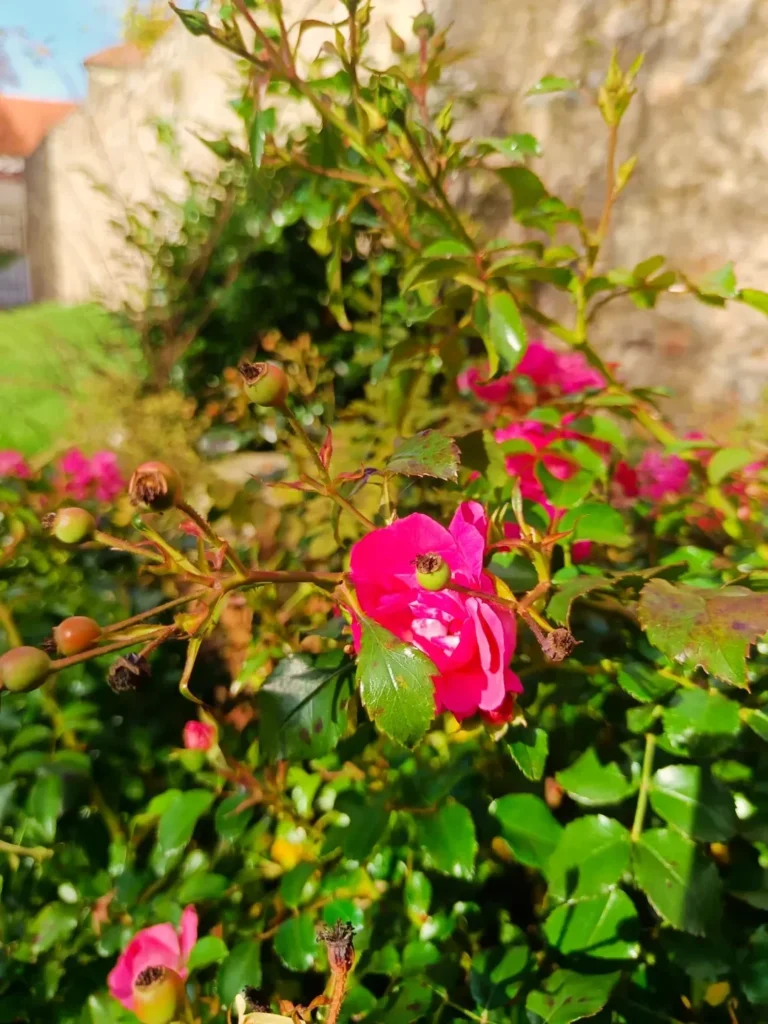
The inspiration : The concept of a rose bush herb garden is inspired by centuries of cultivation, where roses represent love, beauty, and resilience in gardens across the globe. The integration of fragrant herbs such as lavender, thyme, or chives alongside roses results in a sensory rich, aromatic environment that not only enhances visual appeal but also functionality, attracting beneficial insects while naturally repelling pests.
Why it works : The rationale behind this approach Companion planting with herbs bolsters the health and growth of roses through natural pest management and soil improvement. Aromatic herbs like lavender deter aphids and beetles, whereas thyme and chives draw in pollinators. These plants enhance soil fertility through nitrogen fixation and the addition of organic matter, prolong flowering periods, and provide visual diversity. Low growing herbs act as living mulch, suppressing weeds and conserving moisture, which minimizes maintenance efforts. Their fragrances can obscure rose scents from pests and attract beneficial insects that help manage harmful populations, fostering an ecological equilibrium. This thoughtful combination enhances the resilience of roses, improves garden aesthetics, and encourages a healthier, more productive environment.
Pro tip : Position lavender, thyme, or chives near roses, ensuring adequate spacing for airflow. Apply organic mulch around the base to retain moisture and control weeds. Regularly trim herbs and roses to stimulate vigorous growth, and frequently harvest herbs to promote bushiness and enhance their aromatic properties.
Coneflower Herb Flower
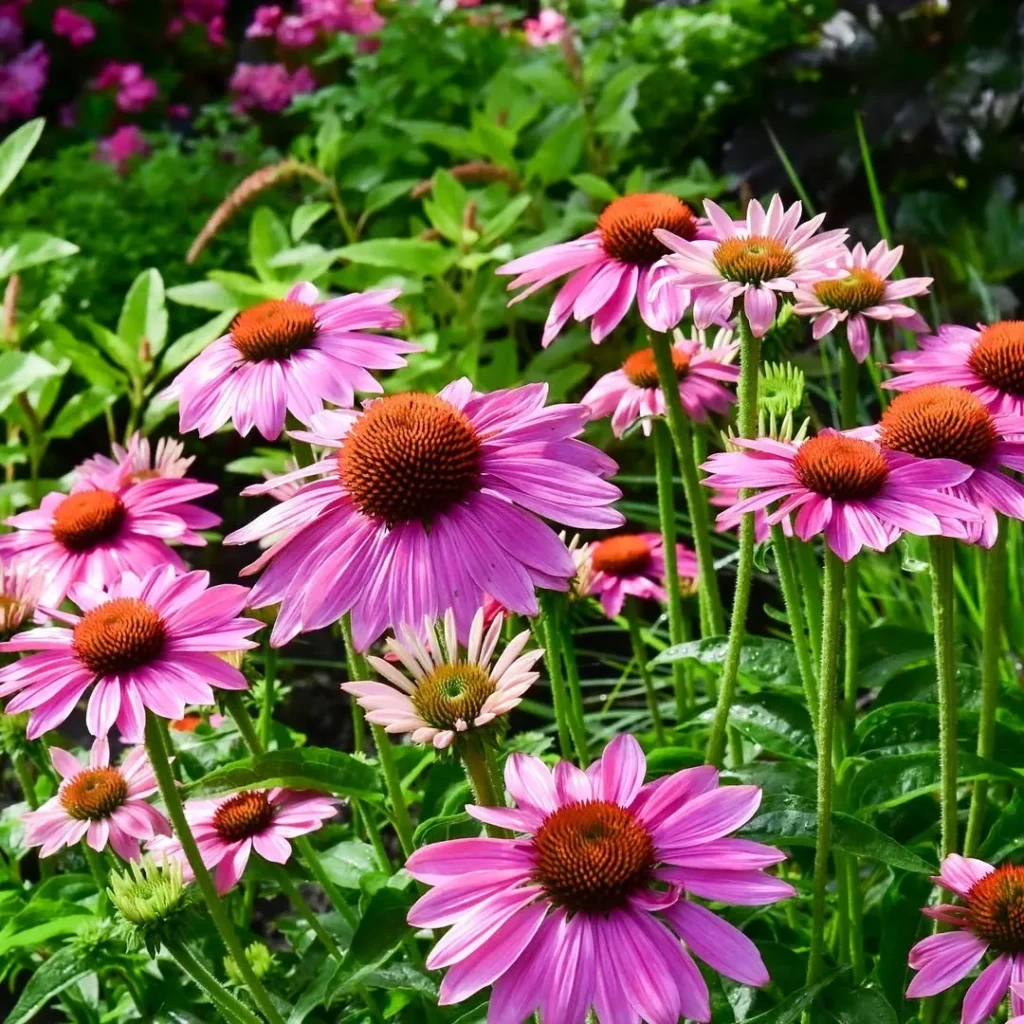
The Inspiration : Coneflower herb flower gardens are inspired by Native American traditions, where the vibrant Echinacea was valued for its medicinal and spiritual properties. The bright petals and robust blooms motivate gardeners to create resilient, pollinator friendly environments that honor both beauty and healing.
Why it Works : Coneflowers flourish in well drained soil and full sunlight, demonstrating drought resistance and requiring minimal maintenance. Their extended blooming period, from midsummer to autumn, offers prolonged visual interest and nectar for pollinators such as bees and butterflies, thereby enhancing garden biodiversity. Medicinally, Echinacea bolsters immune health and alleviates cold symptoms, serving as a dual-purpose garden herb. Its hardy nature and distinctive flower heads contribute texture and contrast to garden beds. Additionally, leaving seed heads intact provides sustenance for wildlife, including goldfinches, during the winter months, thereby enriching ecological interactions.
Pro Tip : Position coneflowers in sunny, well drained soil. Water thoroughly but infrequently to promote drought resilience. Remove spent flowers to extend the blooming period. Consider retaining some seed heads throughout winter to provide food for birds and habitat for pollinators, thus balancing garden aesthetics with wildlife support.
Culinary Herb Gardening
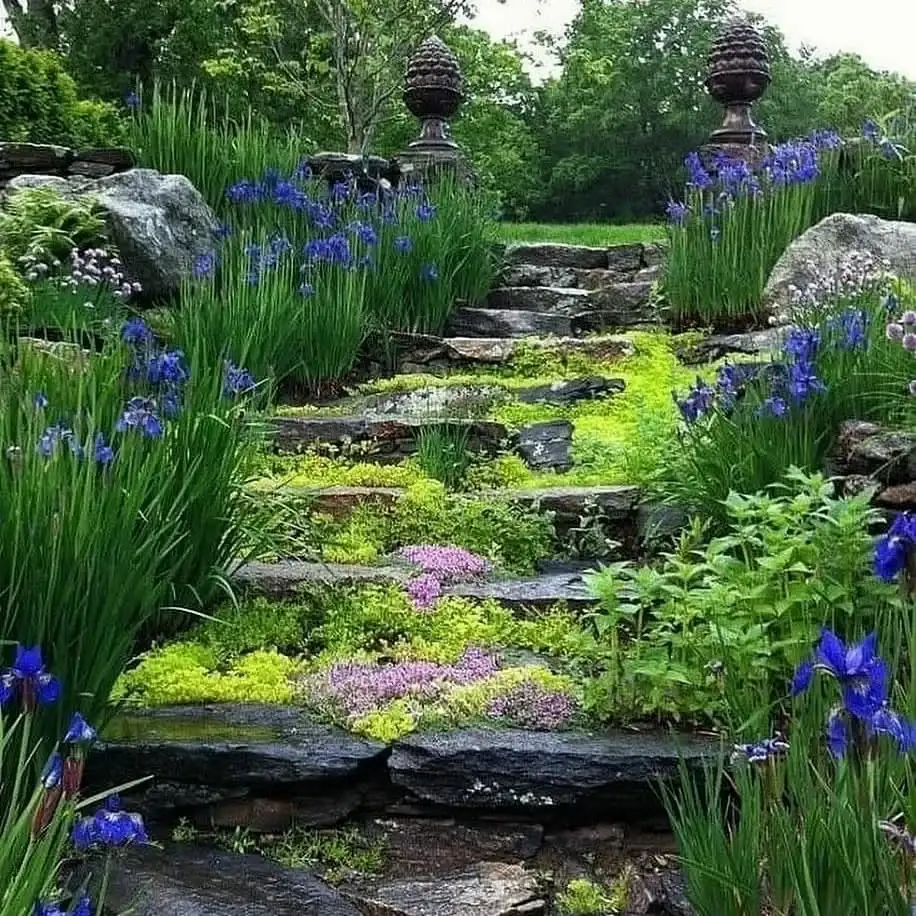
The Inspiration : Culinary herb gardening draws its roots from ancient practices of cultivating fresh, aromatic plants that enhance both culinary experiences and health. Spanning from Mediterranean kitchens to contemporary urban environments, these gardens encourage gardeners to nurture flavorful, fragrant, and practical greenery that enriches meals and fosters a connection with nature’s abundance.
Why it Works : Culinary herbs flourish in sunny, well drained soil, requiring minimal maintenance while providing gardeners with ongoing harvests. They enrich dishes with fresh flavors and scents, lower grocery expenses, and encourage healthier eating habits. Companion planting naturally enhances pest management and soil vitality, promoting biodiversity. Herbs such as basil, thyme, rosemary, and parsley thrive in both containers and garden beds, making them adaptable to any environment. Regular pruning stimulates growth and extends the harvest period. Research indicates that homegrown herbs frequently possess higher levels of essential oils and nutrients compared to those purchased from stores, contributing both flavor and health advantages.
Pro Tip : Select a sunny location with well drained soil or use containers equipped with drainage holes. Organize herbs according to their similar water and light requirements. Water moderately be cautious of overwatering. Consistently pinch back stems to promote bushier growth and prevent flowering, ensuring a continuous supply of leaves and a thriving herb garden.
Garlic Chives Herb Gardening
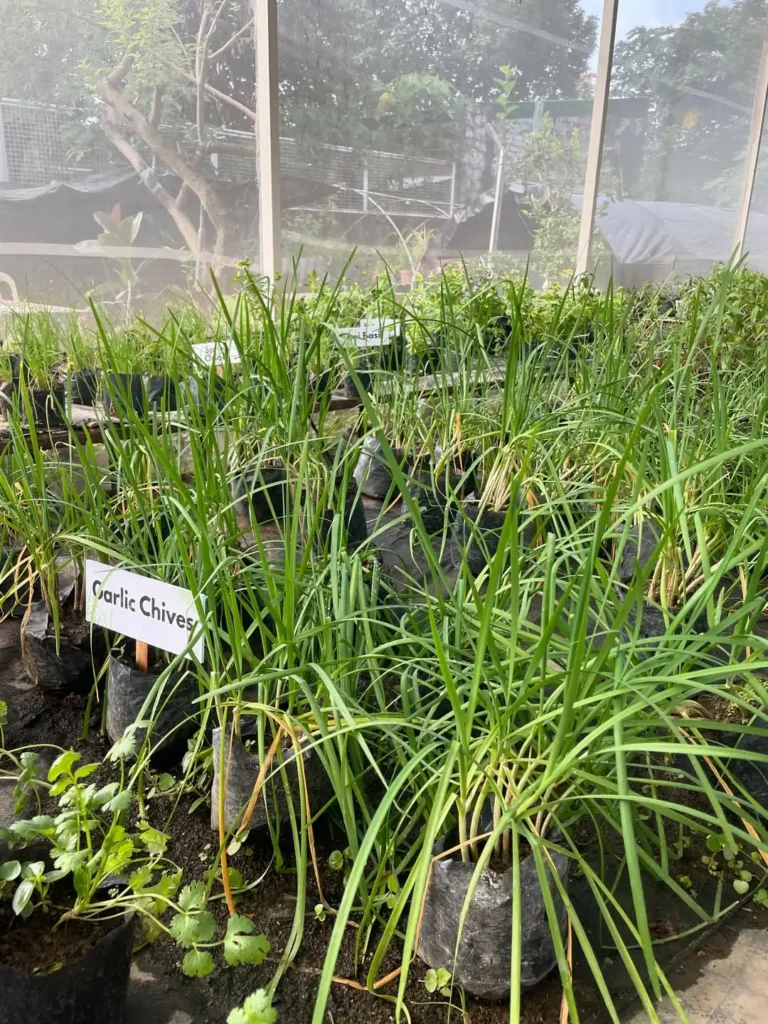
The Inspiration : Garlic chives herb gardening is motivated by the aspiration to combine a subtle garlic taste with easy-to-cultivate, perennial herbs. Appreciated for both culinary applications and natural pest deterrence, these fragrant, grass-like herbs encourage gardeners to grow flavorful, pest resistant greenery that flourishes year after year.
Why it Works : Garlic chives prosper in full sunlight with well-drained, nutrient-dense soil and moderate watering. Their robust, perennial characteristics ensure they return each year, offering ongoing harvests. They repel pests such as aphids and Japanese beetles, fostering healthy garden ecosystems when situated near vegetables and other herbs. The edible flowers of garlic chives enhance both the aesthetic and flavor of dishes. Their clumping growth pattern facilitates easy propagation and efficient use of space in beds or containers. Once established, they require minimal maintenance and are drought resistant, making them ideal for both novice and seasoned gardeners in search of natural flavor and pest resistance.
Pro Tip : Position garlic chives in full sun to partial shade with well drained soil. Space the plants 25–30 cm apart to ensure proper airflow. Water consistently while avoiding waterlogging. Regularly harvest leaves by cutting at the base to promote fresh growth and prevent flowering, thereby extending leaf production.
Rosemary Herb Gardening
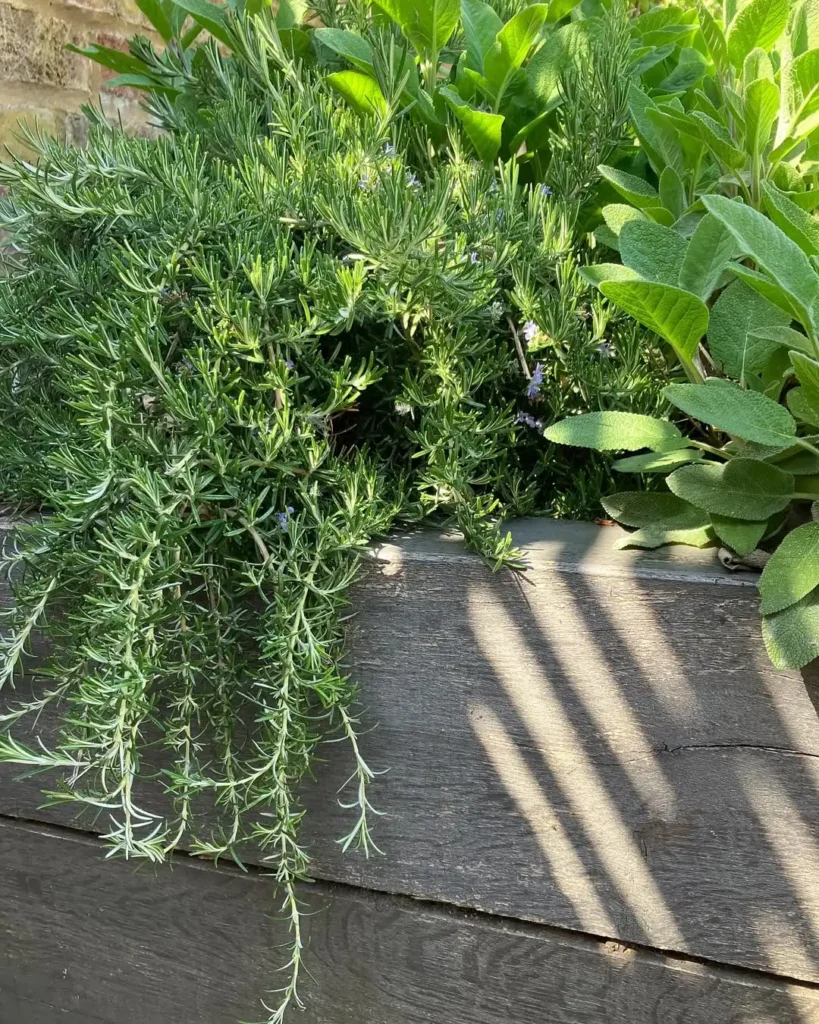
The Inspiration : Rosemary herb gardening draws its inspiration from its ancient Mediterranean origins, where this aromatic and resilient plant represented remembrance and culinary skill. Its fragrant, evergreen leaves and distinctive shape conjure images of timeless gardens brimming with sensory pleasures that nourish both body and spirit.
Why it Works : Rosemary flourishes in warm, sunny, well drained soils and is drought-tolerant, rendering it low-maintenance and robust. Its potent aroma repels pests like carrot flies and cabbage worms, safeguarding both the herbs and surrounding plants. Additionally, rosemary attracts pollinators such as bees and hummingbirds, enhancing garden biodiversity. Its woody form provides year round visual appeal and can be pruned for aesthetic purposes. Employed in culinary practices and traditional medicine, rosemary enriches flavor and promotes wellness. Its ability to thrive in containers or garden beds makes it suitable for various climates and gardening environments, establishing it as a versatile garden staple.
Pro Tip : Cultivate rosemary in full sunlight with well drained, slightly alkaline soil. Regular pruning is recommended to promote bushy growth and prevent the development of woody stems. To avoid overwatering, allow the soil to dry out between watering sessions. Ensure adequate spacing between plants to facilitate airflow, thereby minimizing disease risk and fostering healthy growth.
Turmeric Herb Garden
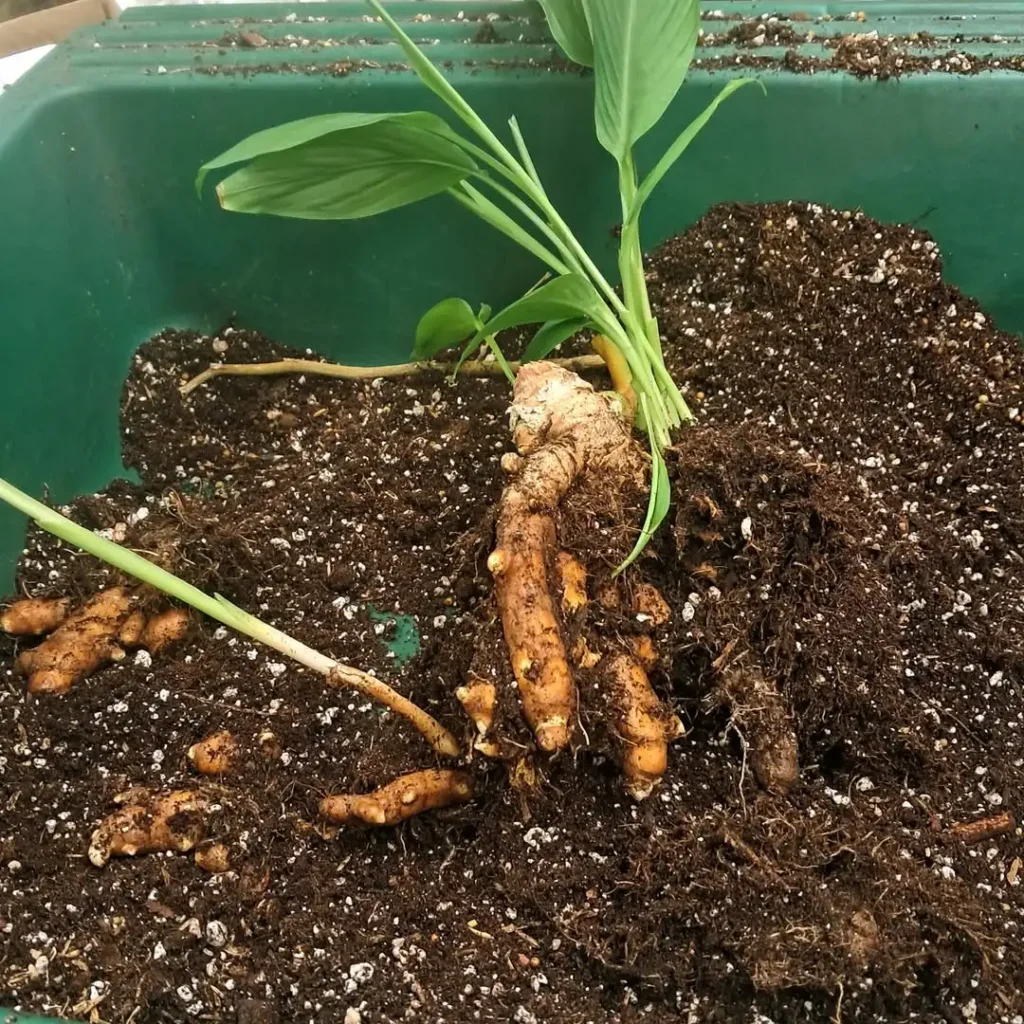
The Inspiration : turmeric’s evolution from an ancient herbal remedy to contemporary gardens serves as the foundation for the Turmeric Herb Garden concept. Deeply rooted in traditional Ayurvedic practices and valued for millennia across Asia, turmeric’s striking golden rhizomes represent health and healing. Gardeners around the globe are rediscovering this herb’s dual function as a potent plant healer and a natural pesticide, merging history, culture, and organic gardening into a vibrant homage to wellness and sustainability.
Why it Works : Turmeric Herb Gardens flourish due to the presence of curcumin in turmeric rhizomes, a powerful antioxidant with antimicrobial and anti inflammatory properties that are advantageous for both plants and gardeners. Turmeric effectively deters pests such as grubs, aphids, and ants, while its antibacterial properties safeguard against fungal infections and soil diseases. Furthermore, it aids in plant recovery following pruning and serves as a rooting agent, enhancing the success of plant propagation. These advantages contribute to a healthier, more robust garden ecosystem. Moreover, cultivating turmeric at home provides fresh produce for culinary and medicinal applications, making it a practical and health-promoting gardening option.
Pro Tip : When cultivating turmeric, ensure the use of well draining soil enriched with organic matter and apply a layer of dry leaves as mulch to retain moisture and enhance soil quality. Position rhizomes in warm, shaded areas and maintain regular watering, taking care to avoid waterlogging to prevent root rot. Initiating the sprouting of rhizomes indoors can prolong the growing season and increase your eventual turmeric yield.
Mint Herb Garden
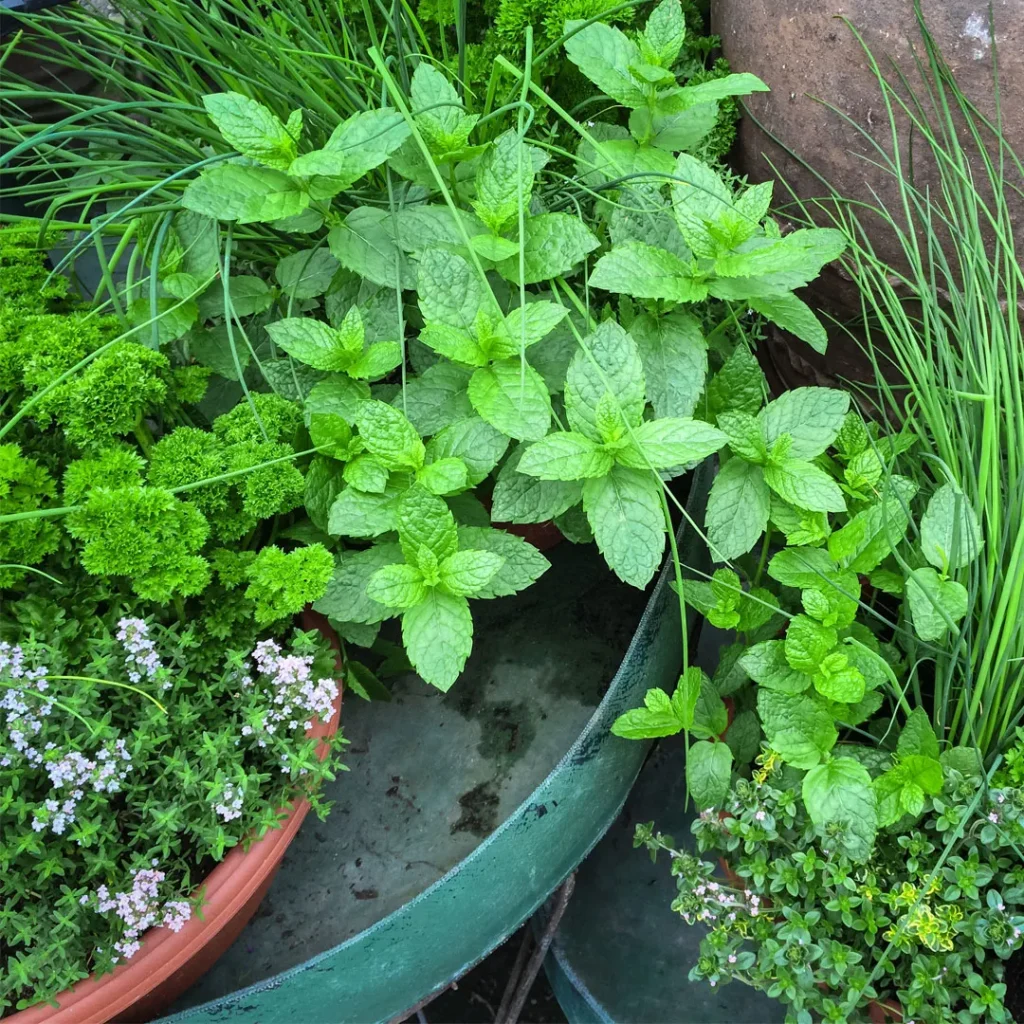
The Inspiration : Mint’s captivating scent and refreshing taste have charmed gardeners for centuries. Emerging from ancient Mediterranean and Asian traditions, mint gardens became emblems of hospitality and wellness. In contemporary times, the Mint Herb Garden offers sensory pleasure and practical advantages, merging tradition with modern herbal practices to establish a lively, invigorating environment that anyone can nurture.
Why it Works : Mint flourishes in a variety of climates and soil types, rendering it exceptionally adaptable and robust for gardeners. Its swift growth and spreading nature result in plentiful harvests for culinary, medicinal, and aromatic applications. The natural oils in mint contain menthol and antioxidants that provide digestive support, alleviate stress, and possess antimicrobial properties. Furthermore, the plant naturally repels pests such as mosquitoes and ants, safeguarding neighboring plants without the use of chemicals. Its aromatic flowers draw in pollinators, enhancing garden biodiversity. With minimal upkeep and versatile benefits, a mint herb garden boosts both personal wellbeing and garden vitality, consistently demonstrating its value in individual and community gardens.
Pro Tip : Cultivate mint in containers to manage its spreading tendencies and prevent it from dominating other plants. Employ nutrient-rich, moist soil with partial sunlight for optimal growth. Regularly prune the plant to promote denser foliage and improve the flavor and fragrance of the leaves.
Tarragon Herb Garden
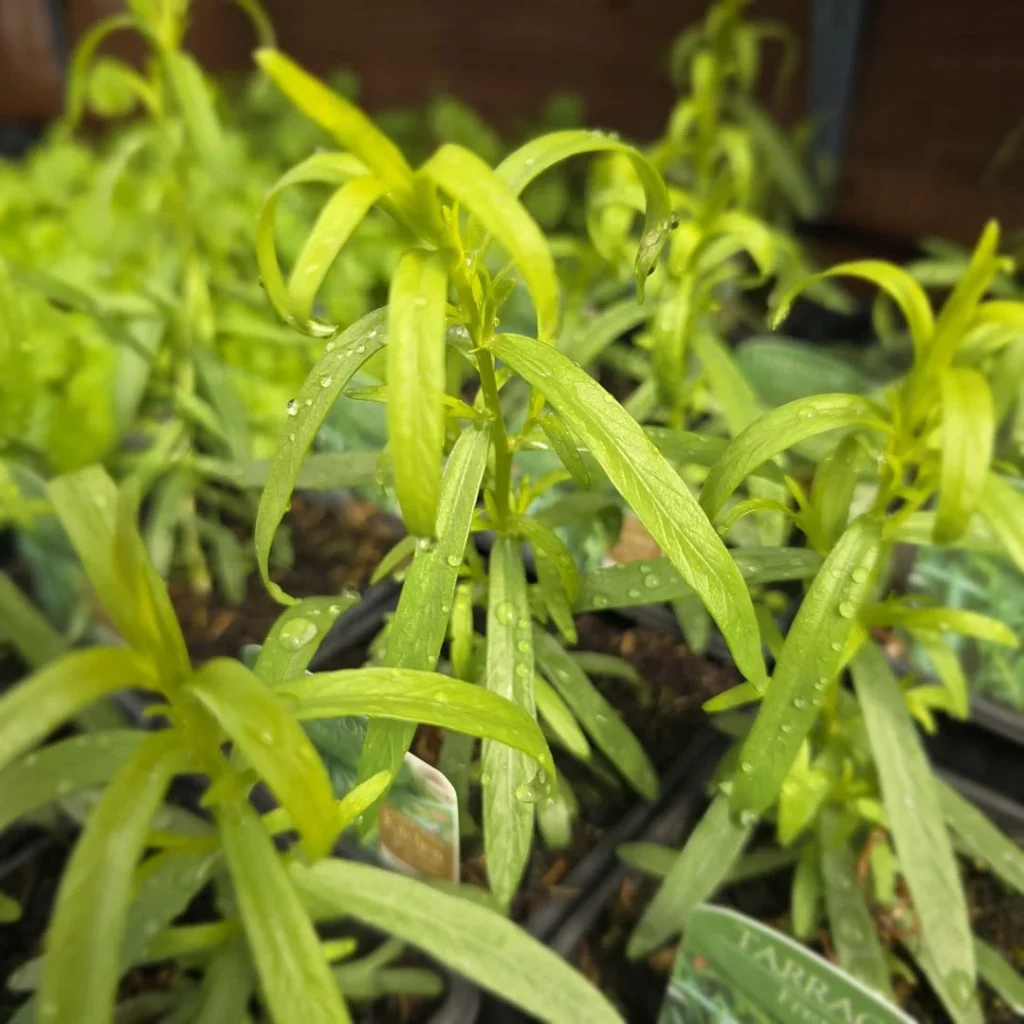
The Inspiration : Tarragon has a rich history as a valued herb in French cuisine and traditional medicine, which inspires the creation of the Tarragon Herb Garden. Renowned for its unique anise-like flavor and health advantages, this herb garden welcomes culinary enthusiasts and wellness advocates to nurture a fragrant, adaptable plant that connects culture, heritage, and natural healing within their own green space.
Why it Works : Tarragon thrives in well drained soil and full sunlight, growing successfully with minimal maintenance. Its fragrant leaves are rich in essential oils that possess antioxidant, anti inflammatory, and digestive benefits, promoting wellness in a natural way. Additionally, tarragon’s inherent ability to repel pests helps maintain the garden ecosystem without the use of chemicals. Its vigorous growth allows for frequent harvesting, providing fresh leaves for enhancing dishes, brewing herbal teas, and creating remedies. Research has shown that the compounds in tarragon support digestion and alleviate inflammation, making it a valuable dual-purpose herb for both gardens and kitchens. This powerful combination of culinary charm and health benefits guarantees the success and popularity of the Tarragon Herb Garden.
Pro Tip : To cultivate tarragon effectively, plant it in a sunny location with well draining soil, and prune it regularly to promote bushy growth. Be cautious not to overwater, as tarragon prefers moderately dry conditions. Dividing mature plants every few years revitalizes growth and prevents overcrowding, ensuring a plentiful and healthy herb garden.
curly parsley Herb Garden
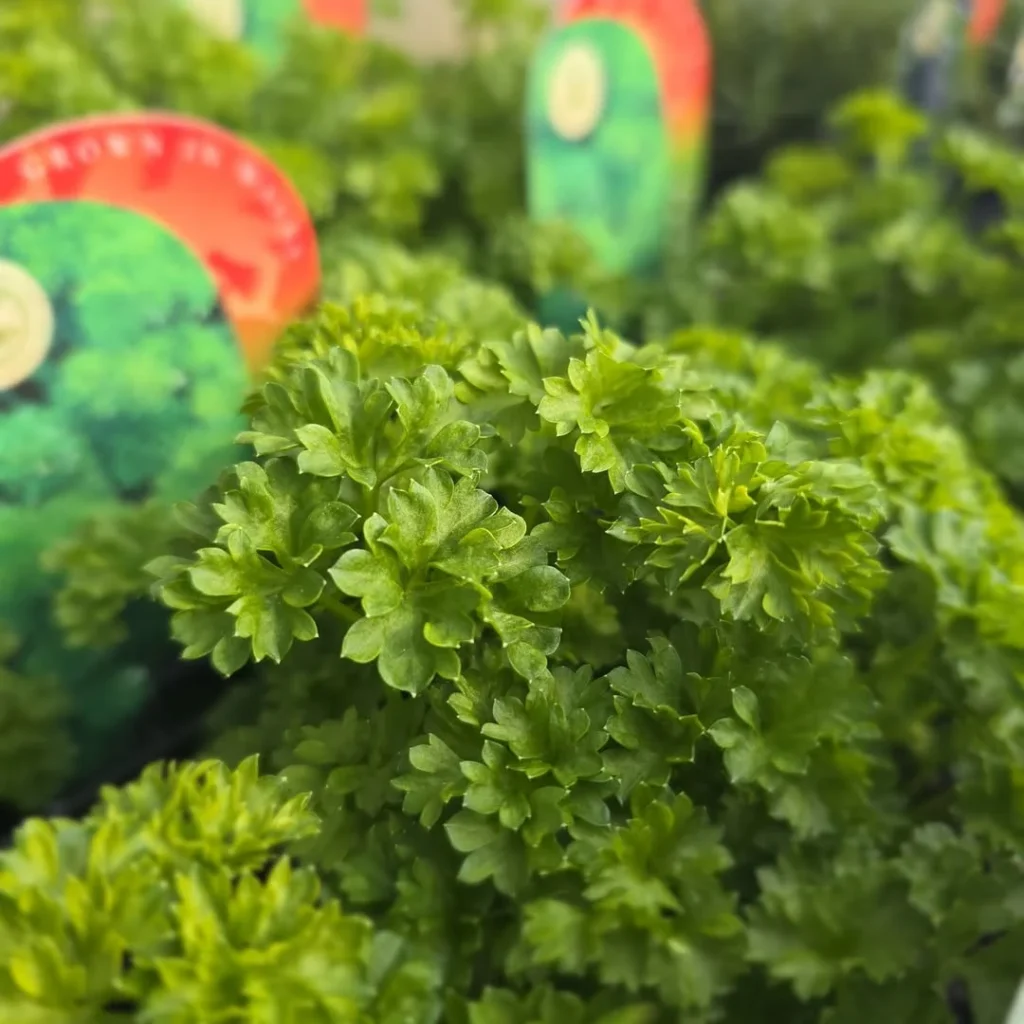
The Inspiration : Curly parsley, with its vibrant and ruffled leaves, has adorned gardens and plates since ancient times, valued for its decorative appeal and fresh taste. Frequently utilized in classical European cuisine and as a garnish, the Curly Parsley Herb Garden merges beauty with practicality, motivating gardeners to cultivate this versatile and nutrient-rich herb at home.
Why it Works : Curly parsley flourishes in well drained, nutrient dense soil with partial sunlight, making it simple to grow both indoors and outdoors. Renowned for its high vitamin K and antioxidant levels, it promotes bone health and mitigates inflammation. Its dense and bushy growth contributes a lush texture to gardens while requiring minimal maintenance. The herb’s inherent pest resistant qualities help maintain healthier gardens without the need for chemical treatments. Consistent harvesting encourages fresh and flavorful growth, providing gardeners with a reliable supply for culinary and medicinal applications. This blend of visual appeal, nutritional advantages, and ease of cultivation renders curly parsley an outstanding choice for any garden.
Pro Tip : Cultivate curly parsley in containers or raised beds filled with rich, moist soil. Ensure the plants receive 4-6 hours of sunlight each day and space them appropriately to allow for airflow. Regularly pinch back the outer leaves to encourage bushier growth and extend harvests, guaranteeing a continuous supply of vibrant and flavorful foliage for your garden and kitchen.
Sage Herb Garden
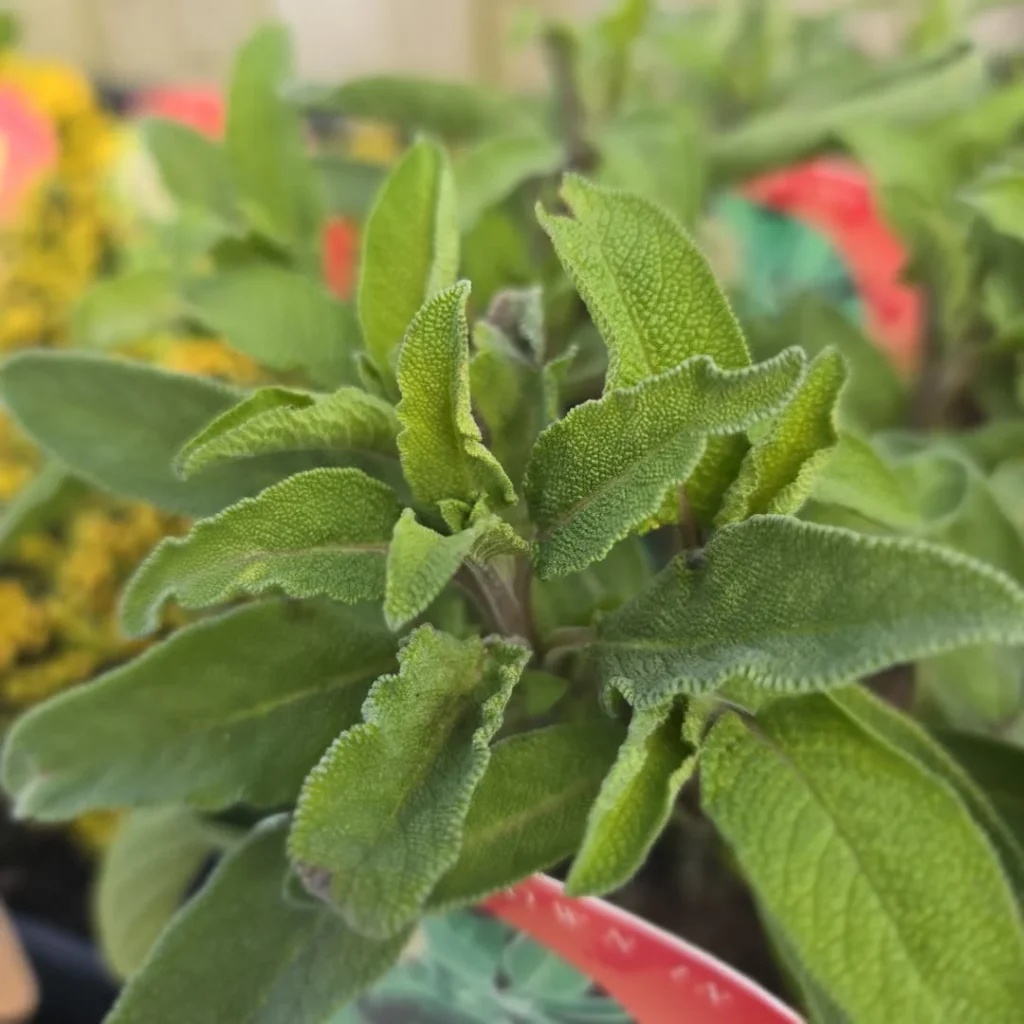
The Inspiration : Sage’s rich heritage as a sacred herb in ancient Mediterranean cultures ignites the Sage Herb Garden. Known for its aromatic leaves and spiritual significance used in rituals, healing, and cooking sage invites gardeners to nurture a plant that blends tradition, health, and beauty with ease.
Why it Works : Sage thrives in well drained soil and full sun, tolerating drought and poor soils, making it low maintenance and resilient. Its aromatic leaves are rich in antioxidants and anti inflammatory compounds, supporting digestion, cognitive health, and oral care. Sage’s natural pest repelling properties protect garden spaces, while its vibrant blooms attract pollinators like bees and hummingbirds, enhancing biodiversity. Studies highlight sage’s potential medicinal benefits including anti-inflammatory effects and blood sugar regulation. The plant’s versatility in culinary, medicinal, and ornamental uses makes it a valuable addition to any herb garden, combining wellness with aesthetic appeal.
Pro Tip : Plant sage in a sunny, well draining site or container with moderate watering. Avoid overwatering to prevent root rot. Regularly trim the leaves to encourage bushy growth and extend the harvest season. Rejuvenate older plants by cutting back hard in early spring for a fresh, vigorous start.
Borage Herb Garden
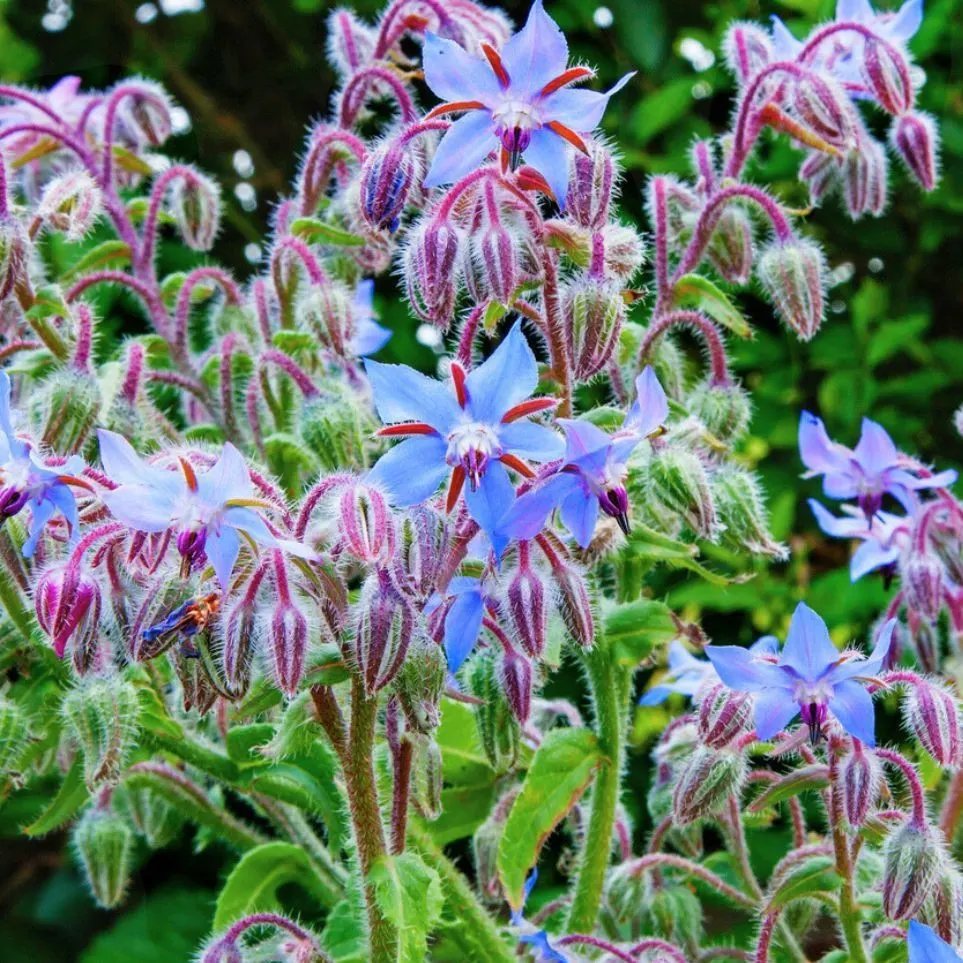
The Inspiration : Borage, known for its captivating star shaped blue flowers, has charmed gardeners for centuries, serving as both a culinary treasure and a natural remedy. Its historical application in medieval gardens for culinary and medicinal uses motivates contemporary gardeners to establish Borage Herb Gardens, merging aesthetics, functionality, and wellness into a single vibrant area.
Why it Works : Borage flourishes in full sunlight with well drained soil, growing rapidly and self-seeding effortlessly, which makes it a low maintenance option. Its nectar rich blossoms draw in bees and beneficial insects, promoting pollination and enhancing garden biodiversity. As a companion plant, borage deters pests such as tomato hornworms and cabbage worms while enhancing the growth and flavor of adjacent crops like tomatoes and squash. It also enriches the soil by contributing minerals such as potassium and calcium. From a medicinal standpoint, borage provides anti-inflammatory properties and supports skin health due to its gamma linolenic acid content, rendering it beneficial for both gardening and health purposes.
Pro Tip ; Position borage in sunny areas with well draining soil and water it moderately. Allow the flowers to fully bloom to attract pollinators, but remember to deadhead occasionally to manage self seeding. Interplant with tomatoes or squash to naturally ward off pests and enrich the soil while enhancing their yield and flavor.
Bright Lights Swiss Chard Herb Garden
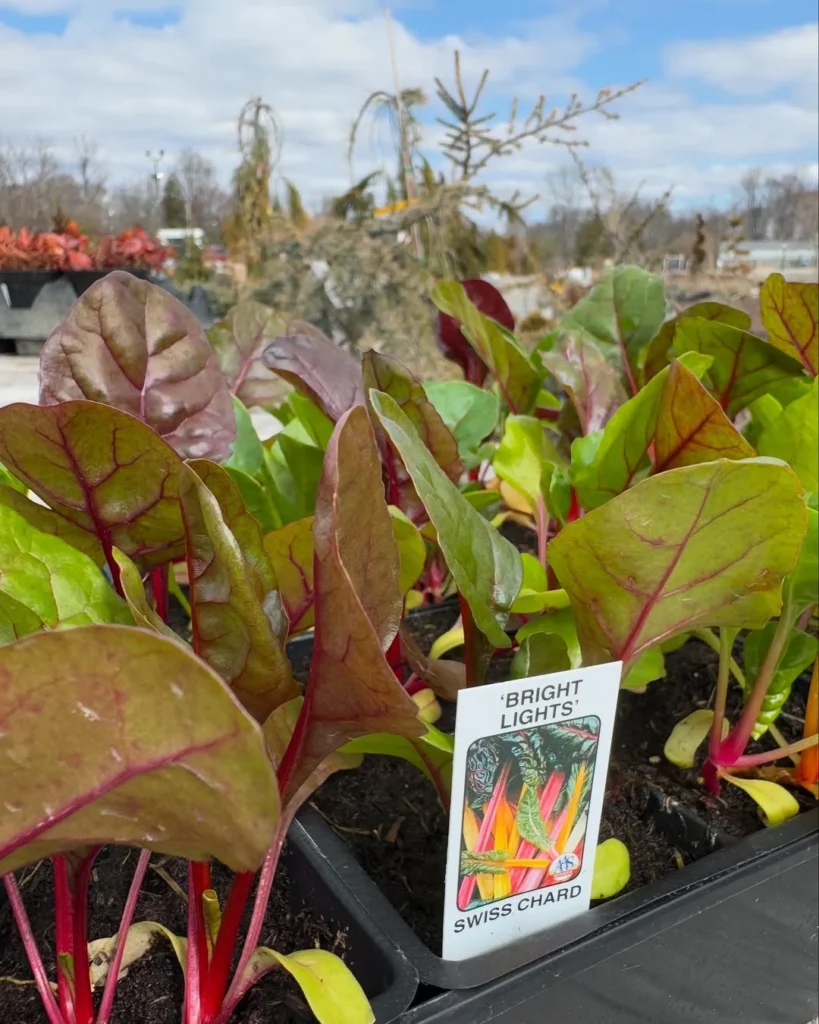
The Inspiration : Bright Lights Swiss Chard enchants gardeners with its striking, multi hued stems and lush foliage, rendering it both a culinary and aesthetic pleasure. Its reputation as an easy to cultivate, nutrient dense leafy green motivates gardeners in search of a beautiful, adaptable plant that enlivens their herb garden with a burst of color and fresh taste.
Why it Works : Bright Lights Swiss Chard flourishes in well-drained, nutrient-rich soil and is tolerant of both full sunlight and partial shade, adapting effectively to a range of climates. It is a cool season crop but withstands heat better than spinach, yielding nutrient-rich leaves abundant in vitamins A, K, and C, along with minerals such as magnesium and potassium. Its vigorous growth and capacity for multiple harvests guarantee a consistent supply, while its colorful stems enhance the visual appeal of the garden. The resilience of this hardy plant, coupled with its nutritional benefits and ornamental qualities, renders the Bright Lights Swiss Chard garden both effective and fulfilling.
Pro Tip : Cultivate Bright Lights Swiss Chard in soil enriched with compost for essential nutrients and maintain consistent moisture without causing waterlogging. Space seedlings one foot apart to promote healthy growth. Practice succession sowing every 2-3 weeks to ensure ongoing harvests and relish vibrant stems and tender leaves throughout the entire season.
Basil Herb Garden
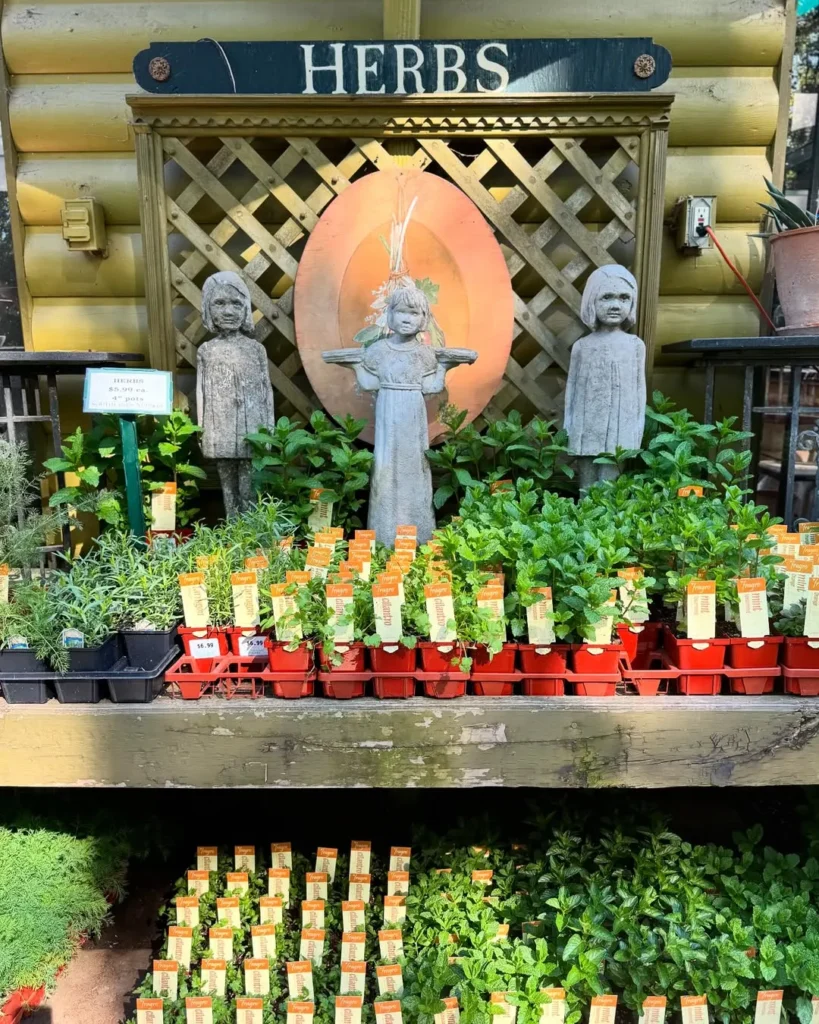
The Inspiration : Basil’s fragrant leaves and its extensive history as both a culinary and medicinal herb serve as the foundation for the Basil Herb Garden. Esteemed in Mediterranean culture for its flavor and healing properties, basil gardens encourage cultivators to honor this adaptable plant’s aroma and health advantages, transforming any area into a fragrant, vibrant sanctuary teeming with life.
Why it Works : Basil flourishes in well draining, nutrient dense soil and requires 6-8 hours of sunlight each day, thriving in both garden beds and containers. Its rapid growth and regular harvesting foster abundant foliage and extend the growing season. Packed with antioxidants, vitamins A, K, and essential minerals, basil aids digestion, alleviates inflammation, and boosts immunity. The herb’s aromatic oils naturally deter pests such as mosquitoes and flies, minimizing the reliance on chemical treatments. Research underscores basil’s anti-inflammatory and antibacterial characteristics, highlighting its health benefits. Additionally, basil attracts pollinators, enhancing the overall vitality and productivity of the garden.
Pro Tip : Regularly pinch off the flowering tops of basil to promote bushier growth and prevent premature seeding. Water thoroughly when the top inch of soil feels dry, but take care to avoid overwatering to prevent root rot. For a more intense flavor, harvest leaves in the morning before the sun becomes too hot.
Rosemary And Dill Herb Garden
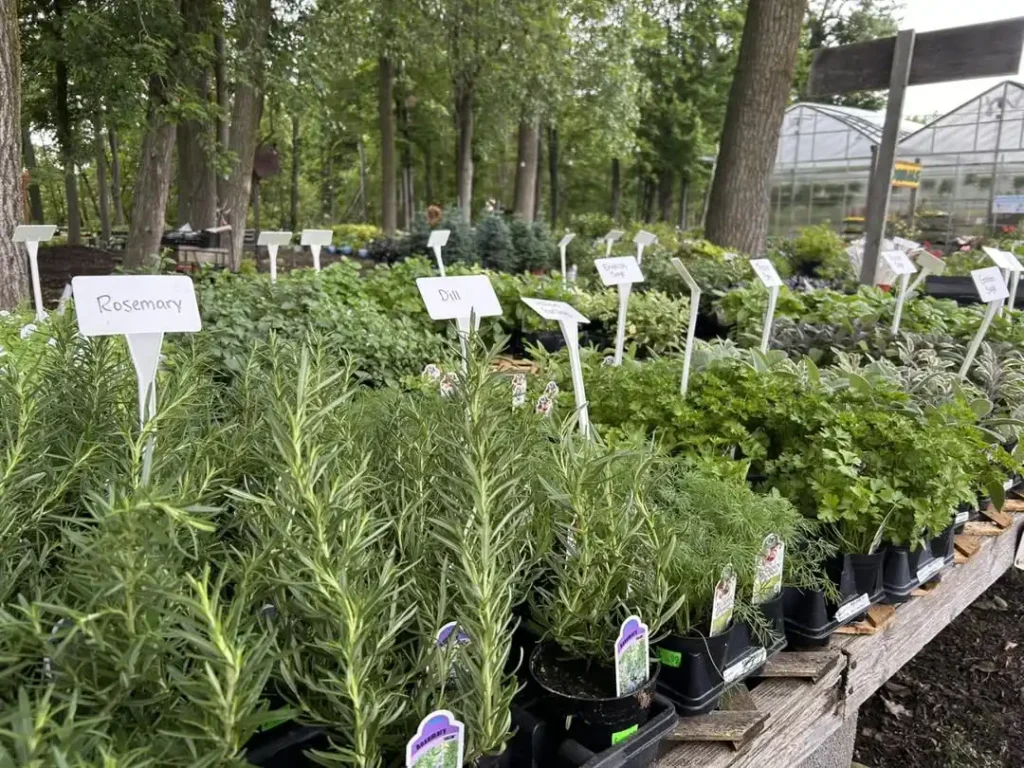
The Inspiration : The Rosemary and Dill Herb Garden merges two historically esteemed herbs celebrated for their aromatic and culinary attributes. With rosemary’s origins in the Mediterranean and dill’s long standing use in ancient European cuisine, this garden is filled with fragrant, healing plants that promote wellness, flavor, and biodiversity within a harmonious green environment.
Why it Works : Rosemary flourishes in well drained soil under full sunlight; it acts as a deterrent to pests such as cabbage moths and carrot flies, thereby safeguarding neighboring plants. Conversely, dill thrives in moist, fertile soil and draws in beneficial insects like ladybugs and hoverflies, which prey on aphids and other harmful pests. Collectively, these herbs create a natural balance for pest control, enhancing the overall health and productivity of the garden. Their potent aromas disorient pests and positively affect soil nutrients. The flowers of dill enhance pollination, while the vigorous growth of rosemary provides shade and stabilizes the soil. This collaboration renders the Rosemary and Dill Herb Garden effective for managing pests, supporting pollinators, and yielding culinary harvests.
Pro Tip : Position rosemary in sunny, well draining areas and plant dill nearby in more moist soil. Ensure adequate spacing between the herbs to accommodate the woody growth of rosemary and the delicate structure of dill. Regularly harvest dill flowers before they set seed to prolong leaf production, and trim rosemary to promote bushiness and prevent the development of woody stems.
Thyme Herb Garden
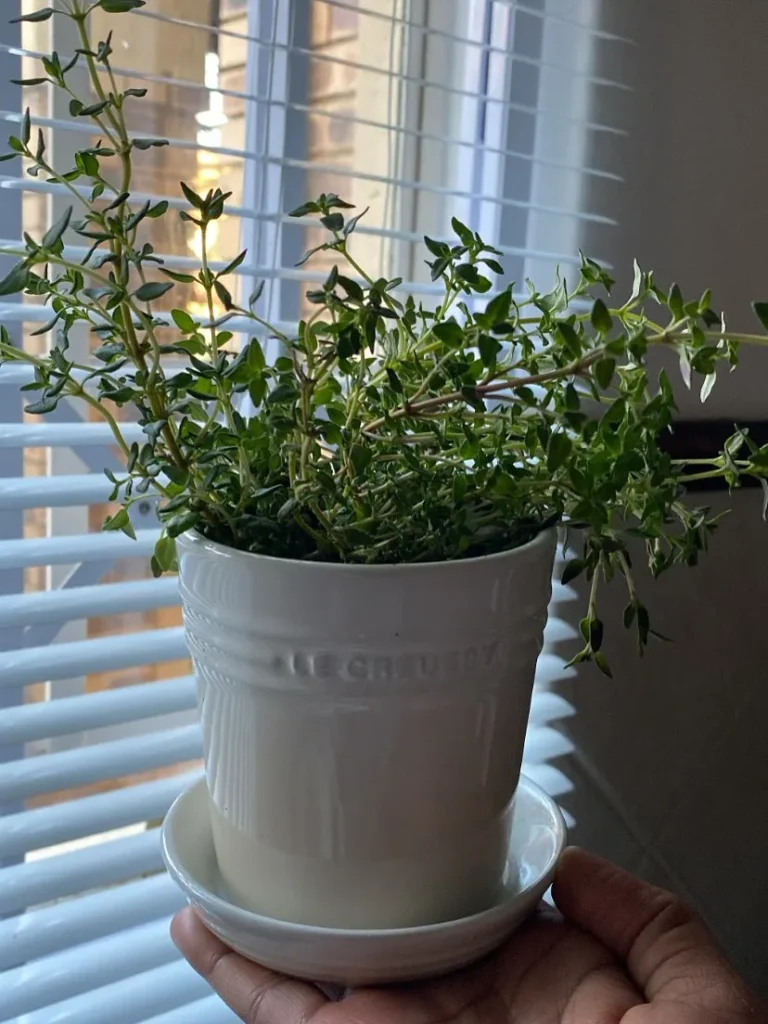
The Inspiration : The Thyme Herb Garden is inspired by the ancient utilization of thyme in Mediterranean cuisine and medicinal practices. Renowned for its robust aroma and adaptable flavor, thyme has been valued for centuries as a fundamental kitchen ingredient and a healing herb, encouraging gardeners to nurture a fragrant, drought resistant plant that enriches both gardens and culinary creations.
Why it Works : Thyme flourishes in well-drained, slightly alkaline soil with ample sunlight, making it particularly suitable for areas prone to drought or with poor soil quality. Its compact, woody structure necessitates minimal maintenance, and it naturally deters pests due to its potent aromatic oils. Additionally, thyme attracts beneficial pollinators, enhancing garden productivity. Packed with antioxidants and essential oils, thyme provides anti-inflammatory and antimicrobial health advantages. Its deep root system helps mitigate soil erosion, thereby promoting soil health. Simple to harvest and enduring, thyme offers both culinary flavors and ecological advantages, establishing it as a resilient, versatile addition to any herb garden.
Pro Tip : To cultivate thyme effectively, plant it in sunny, well drained soil and space the plants 12 inches apart to ensure proper airflow. Limit the use of fertilizers to preserve the intensity of its flavor. Regular pruning after flowering is recommended to avoid the development of woody stems, which encourages lush growth and prolongs harvest periods. Thyme can be utilized as ground cover, in containers, or within rock gardens to fully leverage its benefits.