
Transform any patio into a lively outdoor sanctuary with beautiful container arrangements that radiate color and character. The secret to crafting eye-catching displays is to blend vibrant annuals such as zinnias, begonias, and petunias with colorful foliage plants like caladiums, coleus, and heucheras. Paint containers in harmonious bright hues to enhance the visual appeal, or opt for neutral pots that allow the plants to shine. Adhere to the traditional “thriller, filler, spiller” approach by pairing upright plants like salvia or canna lilies with mounding flowers such as calibrachoa or verbena, and then introduce trailing elements like sweet potato vine or cascading petunias. Do not disregard fragrant varieties like lantana, which brings a cottage-style allure with aromatic blooms available in nearly every conceivable color. To maintain ongoing seasonal interest, include heat-tolerant gomphrena with its globe-shaped flowers, or introduce striking fuchsia plants that draw hummingbirds while creating captivating displays at eye level. These vibrant combinations guarantee that your patio remains a breathtaking focal point throughout the growing season.
Stair Container Gardens
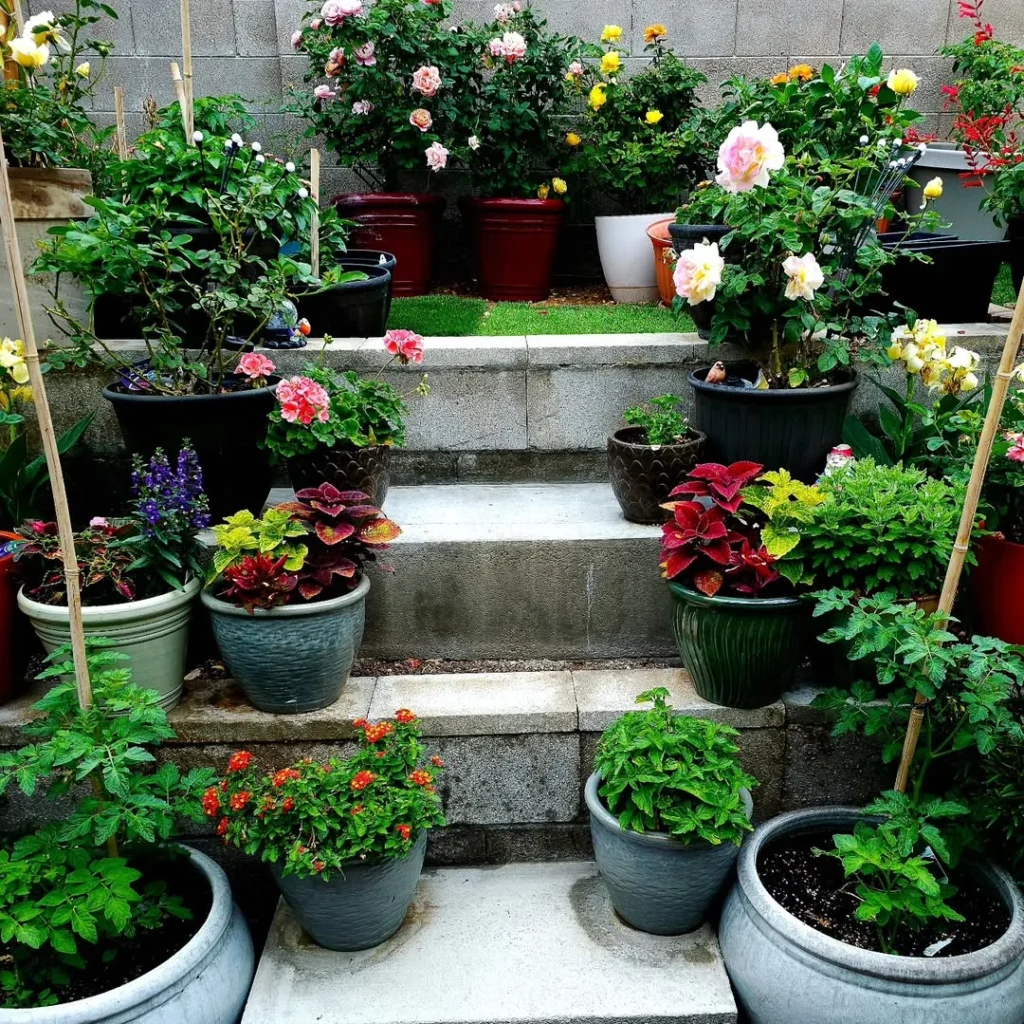
The Inspiration : Ancient Babylonian hanging gardens have served as a source of inspiration for contemporary stair container gardening. By placing containers on each level, ordinary steps can be transformed into lush, cascading green sanctuaries. This vertical gardening method is effective for both concrete porch steps and wooden deck stairs, as it maximizes growing space within minimal footprints. Each tier not only facilitates natural drainage but also displays plants at visually appealing heights.
Why it Works : Stair container gardens make optimal use of vertical space while ensuring excellent drainage due to the natural elevation changes. Each step experiences varying light exposure, which allows for a diverse array of plant combinations, ranging from sun-loving species on the upper tiers to shade tolerant varieties on the lower ones. The tiered design effectively prevents water logging, as excess moisture naturally flows downward. This approach maximizes yield per square foot, making it ideal for compact areas. The visual appeal is significantly enhanced as plants cascade downwards, adding depth and dimension. Furthermore, maintenance is simplified with plants positioned at various accessible heights. Research indicates that vertical gardening can increase growing capacity threefold compared to traditional ground-level plots, rendering stair gardens exceptionally efficient for both urban and suburban environments.
Pro Tip : Begin with lightweight containers on the upper steps to avoid imposing structural stress. Incorporate trailing plants such as sweet potato vines or cascading petunias on the higher tiers to create a natural downward flow. Place the heaviest pots on the lowest steps. Additionally, install drip trays beneath the containers to safeguard the stairs from water damage while ensuring proper drainage systems are maintained.
fragrant Container Gardens
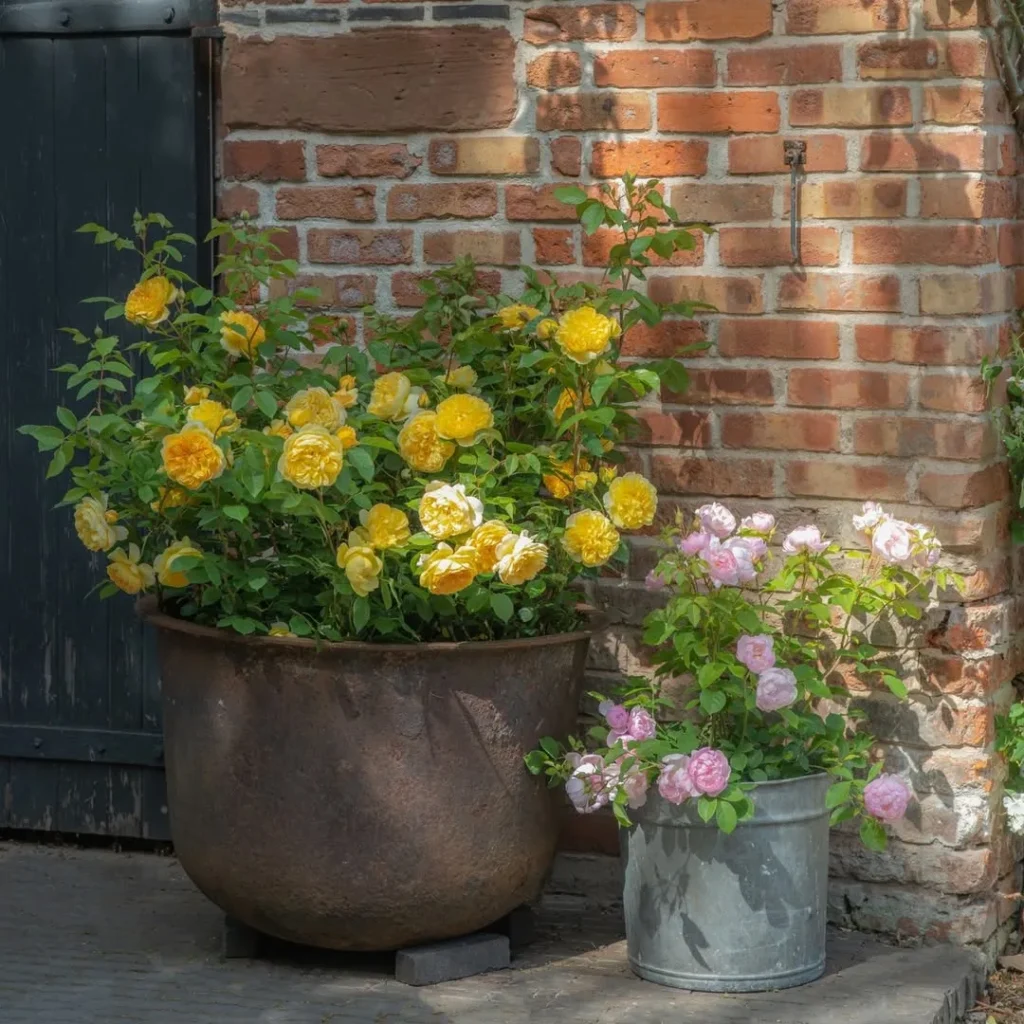
The Inspiration : Medieval monastery gardens were known for their fragrant herbs used in cooking and healing. Today, modern container gardens revive this aromatic tradition on patios and balconies. Picture stepping outside to the delightful scents of lavender, rosemary, and jasmine filling the evening air. Containers help to concentrate these valuable aromas near doorways and outdoor seating areas, where they can be most enjoyed.
Why it Works : Fragrant container gardens are effective because they enhance scent concentration within limited spaces. Unlike expansive garden beds, containers can be strategically placed near seating areas, windows, and doorways, making the fragrances more prominent. The restricted root systems of aromatic plants, such as herbs and scented geraniums, actually boost essential oil production, resulting in stronger scents. Additionally, containers provide the advantage of mobility, enabling gardeners to reposition fragrant plants for optimal sunlight or to bring them closer during gatherings. Studies indicate that certain scents, like lavender, can alleviate stress and elevate mood. Furthermore, fragrant flowers attract beneficial pollinators while naturally repelling pests. This focused aromatic strategy maximizes sensory impact.
Pro Tip : To create a layered fragrance experience, arrange plants by height and blooming times to ensure continuous scent throughout the seasons. Position strongly scented plants like lavender and rosemary as the base, then incorporate seasonal bloomers such as sweet alyssum. Regularly brushing against herb foliage will release their oils. Place containers in locations where evening breezes can carry the scents toward seating areas for the utmost enjoyment.
Galvanized garden
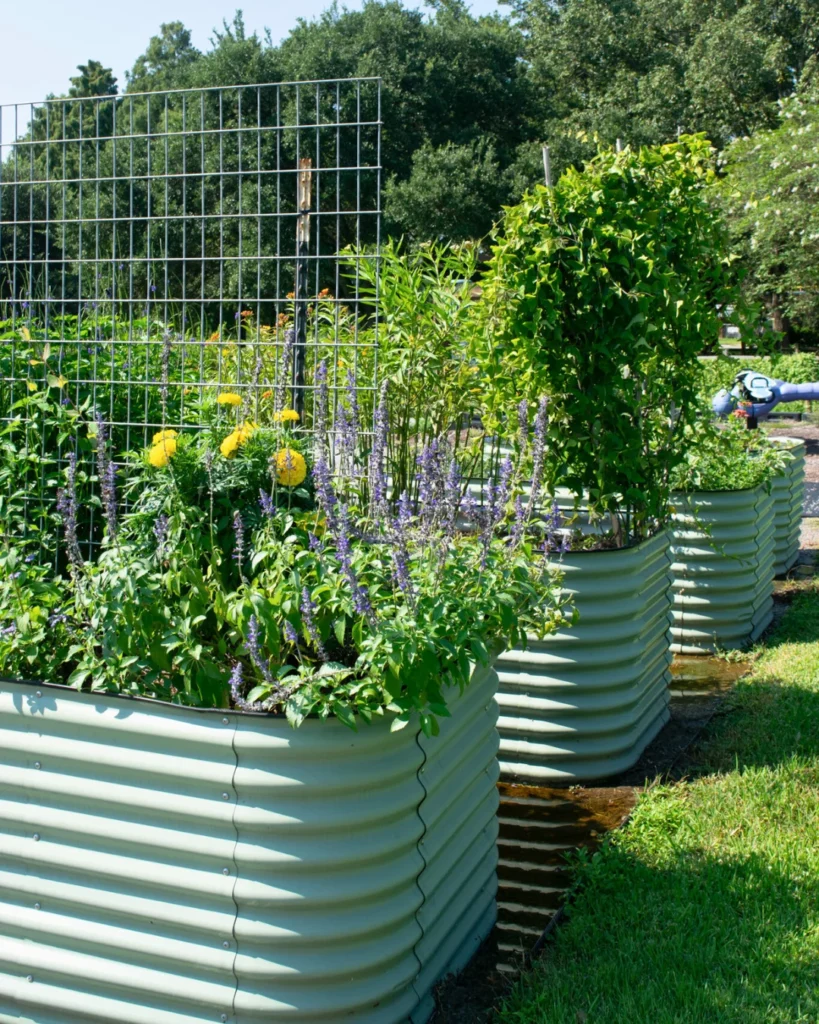
The Inspiration : Industrial farmhouse aesthetics have ignited the galvanized garden trend. Initially utilized for livestock watering troughs and grain storage, galvanized steel containers now adorn contemporary patios and gardens. The weathered patina of the zinc-coated metal develops character over time, achieving the desired rustic meets contemporary aesthetic. Urban rooftops and suburban yards have adopted this durable, utilitarian beauty for cultivating a variety of plants, from herbs to vegetables.
Why it Works : Galvanized steel containers are particularly effective in garden settings due to their zinc coating, which prevents rust and corrosion for many years. The metal efficiently conducts heat, warming the soil more quickly in the spring while offering excellent drainage when designed with appropriate holes. In contrast to plastic or ceramic containers, galvanized planters endure extreme weather conditions without cracking or fading. Their neutral silver gray hue complements any combination of plants and architectural styles. The durability of the material renders it a cost-effective choice over the long term. Research indicates that galvanized raised beds can last between 20 to 30 years with minimal upkeep. The smooth surfaces resist algae accumulation and can be easily cleaned with simple soap and water, preserving both functionality and appearance throughout the seasons.
Pro Tip : To prevent direct metal soil contact, which can influence pH levels, line galvanized containers with landscape fabric before adding soil. Drill drainage holes every six inches along the bottom. Opt for deeper containers for root vegetables and herbs, ensuring sufficient growing space while maximizing the heat-retention benefits of the steel for optimal plant growth.
Petunias Container Gardens
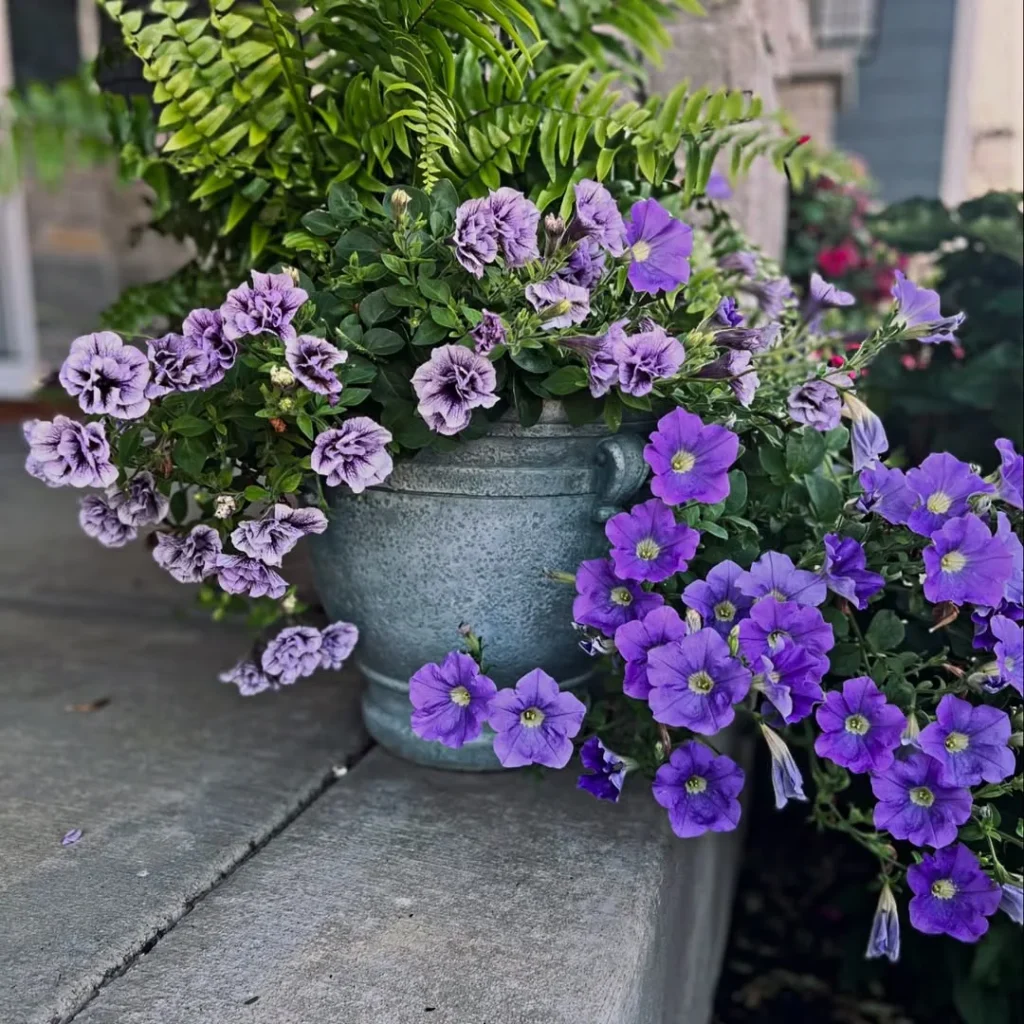
The Inspiration : Victorian era horticulturists were the first to popularize petunias in elaborate urns and decorative planters across magnificent estates. These native South American flowers turned simple containers into flowing cascades of color. Contemporary gardeners have rediscovered this enchantment as space has become limited. A single container brimming with trailing petunias can convert any balcony, porch, or patio into a lively summer retreat.
Why it Works : Petunias flourish in containers due to their shallow root systems, which are ideally suited for confined spaces while yielding a profusion of blooms from spring through frost. Their ability to withstand heat and resist drought makes container maintenance feasible even during the stress of summer. Wave and trailing varieties produce breathtaking spillover effects that enhance visual appeal in compact areas. Growing in containers allows for precise management of soil drainage and nutrient levels, resulting in more vigorous flowering. Studies indicate that petunias grown in containers can yield up to 40% more blooms than those planted in the ground, thanks to the controlled growing environment. Their self-cleaning characteristic reduces the need for deadheading in many varieties, while the wide range of color options provides limitless design opportunities for seasonal displays and themed arrangements.
Pro Tip : Opt for grandiflora varieties to achieve large, eye-catching blooms in focal containers, and select multiflora types for vibrant mass displays. Arrange trailing petunias around the edges of containers, placing upright varieties in the center for a layered effect. Apply liquid fertilizer weekly and ensure that containers have excellent drainage to avoid root rot while sustaining continuous blooming throughout the summer.
Themed Container Collections
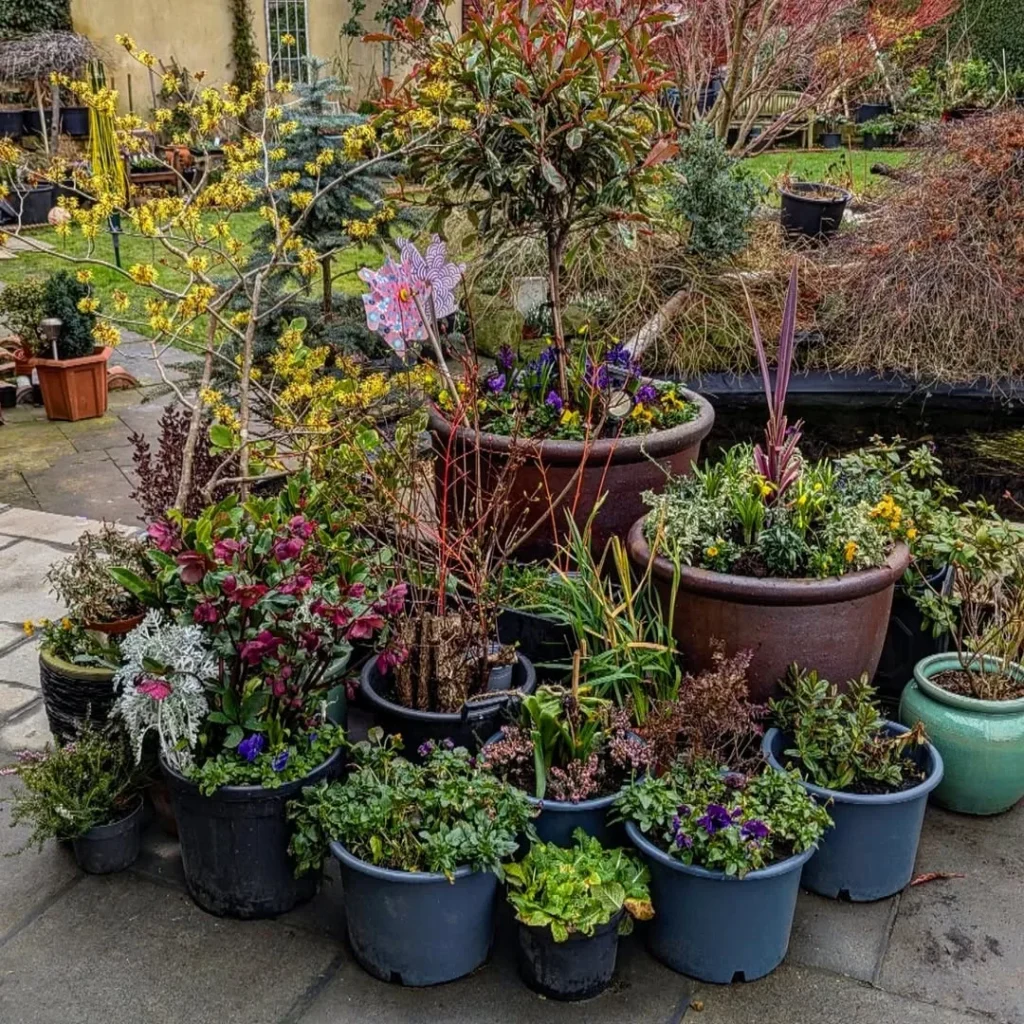
The Inspiration : Formal European parterre gardens arranged plants according to color, texture, and purpose, resulting in breathtaking visual narratives. Contemporary themed container collections apply this curatorial method to compact areas. Whether it is a Mediterranean herb assortment in terra cotta pots, a Japanese zen garden featuring bamboo containers, or a cottage garden collection, these themes weave cohesive outdoor stories that transform patios into curated experiences.
Why it Works : Themed container collections thrive because they establish visual harmony through repetition and variation within set parameters. By restricting color palettes, plant families, or container materials, gardeners can create professional-looking displays without formal design training. Themes simplify the process of plant selection and maintenance, as grouped plants typically share similar care needs. Collections facilitate seasonal rotation while preserving aesthetic continuity. Studies in landscape psychology indicate that themed gardens diminish visual chaos and enhance viewer satisfaction by 60%. Themed strategies also promote the development of plant knowledge as gardeners become specialists in particular categories. The modular aspect allows for gradual expansion while upholding design integrity. Furthermore, themed collections generate focal points that attract attention and serve as conversation starters, significantly enhancing outdoor entertainment areas.
Pro Tip : Begin with three to five containers of varying heights, utilizing odd numbers for visual interest. Select one unifying element such as container material, plant color, or growth habit, and then diversify other attributes. Arrange your collection in a triangular or curved formation instead of straight lines to create natural, flowing displays that appear intentional yet organic.
Small Flower Pot
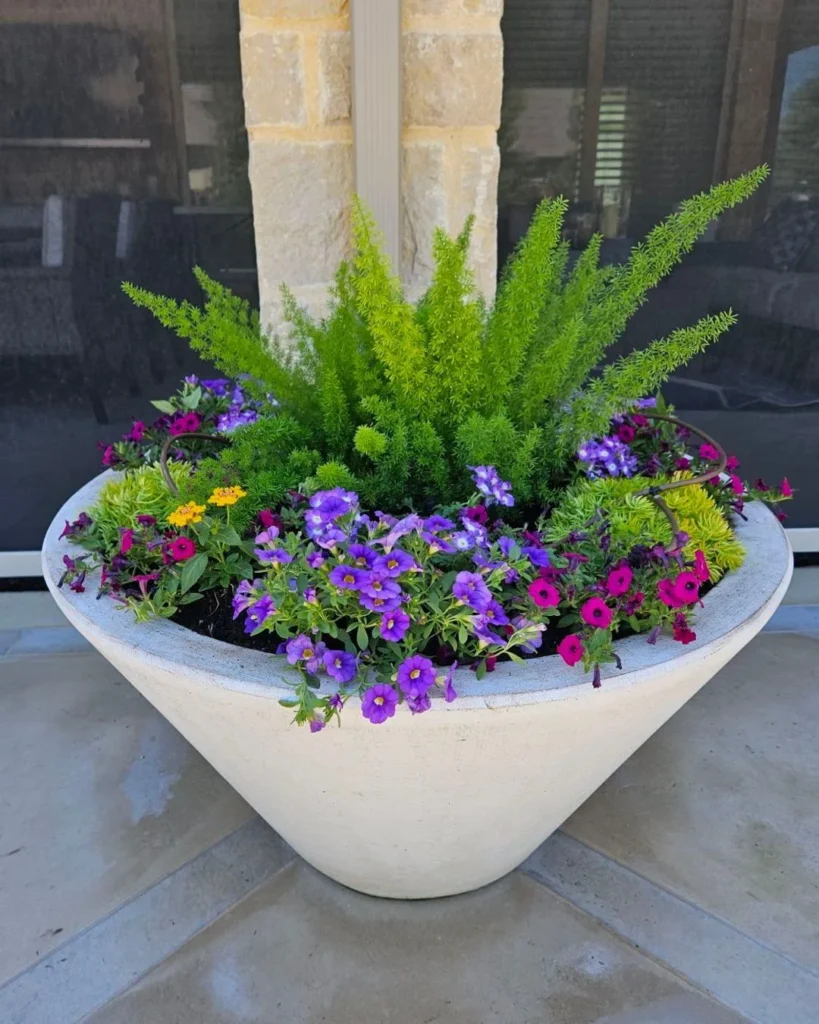
The Inspiration : Japanese windowsill gardens and European apartment balconies have ignited a revolution in small flower pots. The constraints of limited space compelled innovative gardeners to realize that even tiny containers can deliver a significant visual impact. A single 4 inch pot brimming with vibrant blooms demonstrates that size does not dictate influence. These miniature gardens infuse joy into desk spaces, kitchen windowsills, and narrow apartment balconies across the globe.
Why it Works : Small flower pots thrive because they provide precise control over growing conditions while demanding minimal investment and space. Their compact dimensions facilitate better management of soil moisture, thereby preventing the common issues of overwatering and drought stress associated with larger containers. Small pots warm up swiftly in the spring, thereby extending the growing seasons for herbs and flowers. They can be easily relocated to maximize sun exposure or shield from severe weather. Their cost effectiveness encourages experimentation, allowing gardeners to explore new varieties without significant financial commitment. Research indicates that small container gardens boast an 80% higher success rate for novices due to their manageable care requirements. The intimate scale fosters detailed observation of plant growth, enhancing gardening skills. Furthermore, small pots present opportunities for creative arrangements and seasonal displays that would be impractical with larger containers.
Pro Tip : Select plants with naturally compact growth habits, such as dwarf varieties, succulents, or trailing plants that elegantly spill over the edges. Ensure that drainage holes are present and opt for high quality potting mix instead of garden soil. Arrange small pots in odd numbers at varying heights to create visual interest and impact that rivals much larger garden displays.
Mixed Plant Combinations
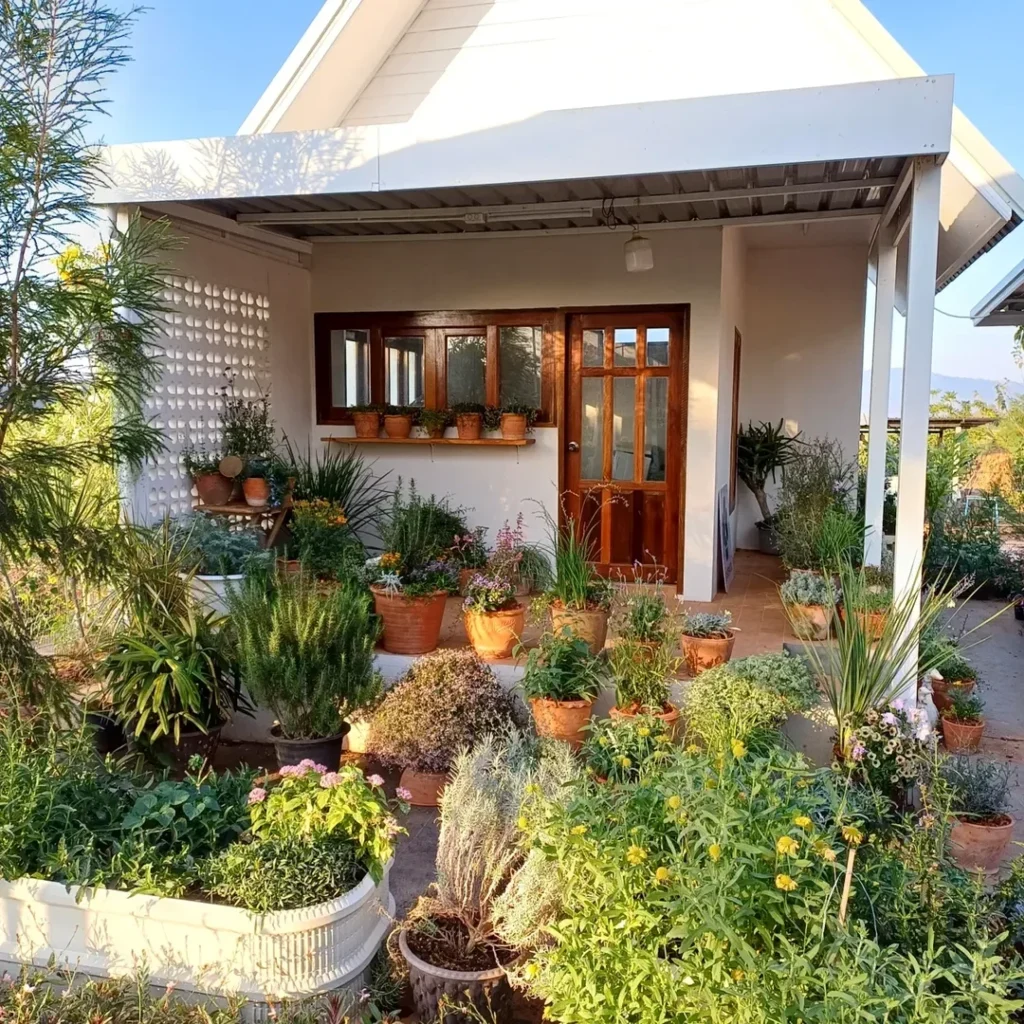
The Inspiration : English cottage gardens were the pioneers of mixed plant combinations, artfully integrating vegetables, herbs, and flowers to achieve practical beauty. The influential garden designs of Gertrude Jekyll illustrated how contrasting textures, heights, and colors can create dynamic living tapestries. This philosophy has been embraced by modern container gardeners, who have found that mixing different types of plants within single containers enhances both visual appeal and growing efficiency, while also fostering miniature ecosystems.
Why it Works : The success of mixed plant combinations is rooted in the principles of companion planting and resource optimization. Varying root depths enable plants to access different soil levels without competing with one another; for instance, shallow rooted lettuce can be paired with deep rooted tomatoes to maximize the efficiency of container space. Complementary growth habits establish natural support systems, such as beans climbing up corn stalks. Certain combinations yield mutual benefits: for example, basil can repel pests from tomatoes, while marigolds can deter harmful insects from vegetables. Research indicates that mixed plantings enhance biodiversity, attracting beneficial insects that aid in pollination and pest control. Variations in height among the plants create microclimates; taller plants can provide shade for heat sensitive varieties, while trailing plants can serve as living mulch. The visual appeal is significantly heightened through contrasts in color, texture, and form, which single species plantings cannot replicate. Additionally, mixed combinations can extend harvest seasons and bloom times, ensuring continuous interest.
Pro Tip : Adhere to the thriller, filler, spiller formula for creating stunning combinations. Select one dramatic centerpiece plant , surround it with medium height plants that fill the space , and then incorporate trailing varieties that cascade over the edges. It is essential that all selected plants have similar water and light requirements to ensure successful partnerships and facilitate easy maintenance.
Bordeaux Petunia plant
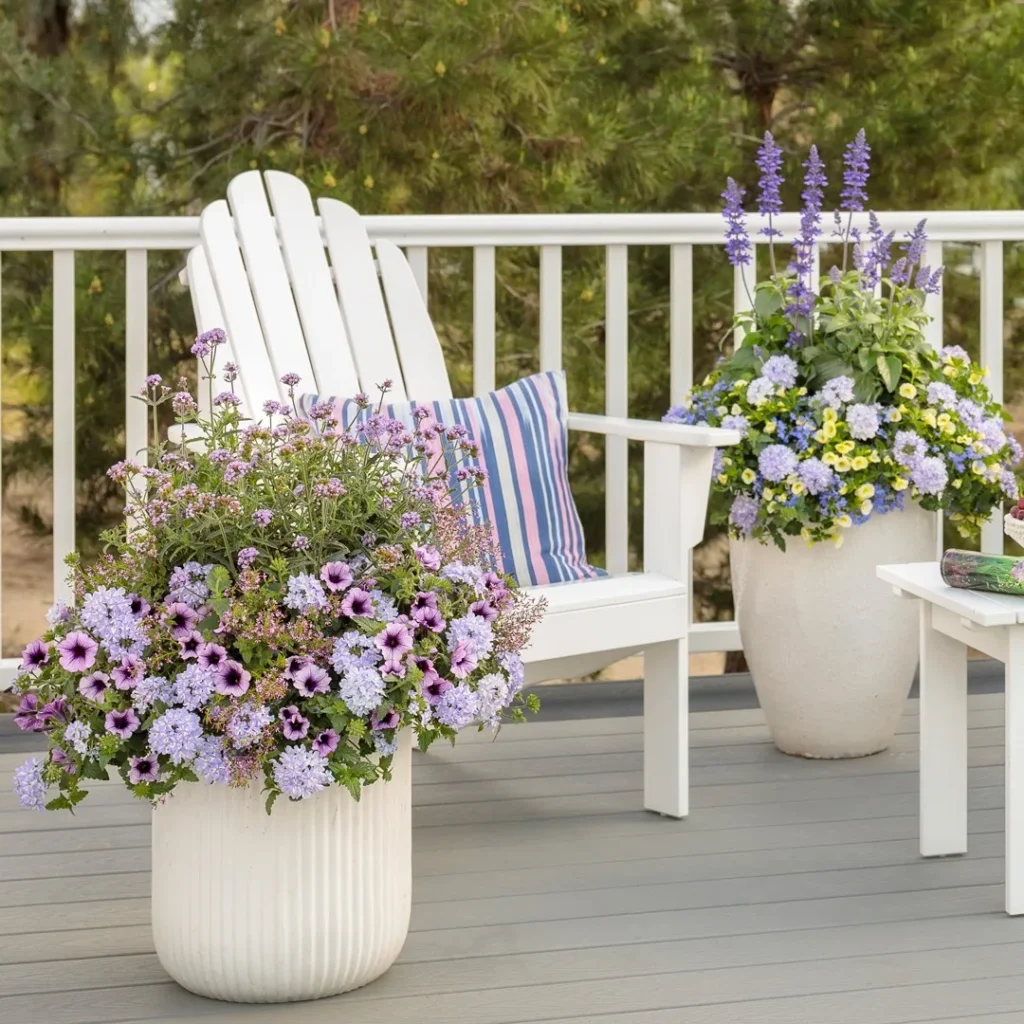
The Inspiration : French wine country served as the muse for the deep burgundy bordeaux petunia, which is named for its opulent wine-hued blossoms that evoke the esteemed Bordeaux vineyards. These striking dark petunias were highly valued by Victorian gardeners for their refined elegance in formal bedding arrangements. Contemporary gardeners are rediscovering their ability to create breathtaking focal points, introducing depth and richness that lighter hued flowers cannot replicate in landscape designs.
Why it Works : Bordeaux petunias stand out due to their deep burgundy hue, which generates dramatic contrast and visual weight in garden layouts. The lush, velvety blooms can appear nearly black under certain lighting conditions, offering a level of sophisticated elegance that lighter petunias fail to provide. Research in color psychology indicates that deep reds elicit feelings of luxury and warmth, enhancing the intimacy and welcoming nature of spaces. These petunias maintain the species heat tolerance and prolific blooming characteristics while delivering unique design flexibility. They pair well with vibrant colors such as yellow and orange for striking contrasts, as well as softer pastels for a more understated sophistication. The dark blooms contrast beautifully with silver foliage plants and can create stunning monochromatic arrangements alongside other burgundy flowers. Furthermore, bordeaux petunias effectively attract pollinators, and their deep coloration conceals soil splashes and minor blemishes more effectively than lighter varieties, ensuring a cleaner appearance throughout the growing season.
Pro Tip : Combine bordeaux petunias with silver leafed plants like dusty miller or artemisia to enhance the dramatic effect of the dark blooms. It is advisable to plant them in locations that receive morning sunlight and afternoon shade to prevent color fading. The deep burgundy hue is most striking against light-colored containers or backgrounds, thereby maximizing the visual impact of your garden design arrangements.
Balcony Plant
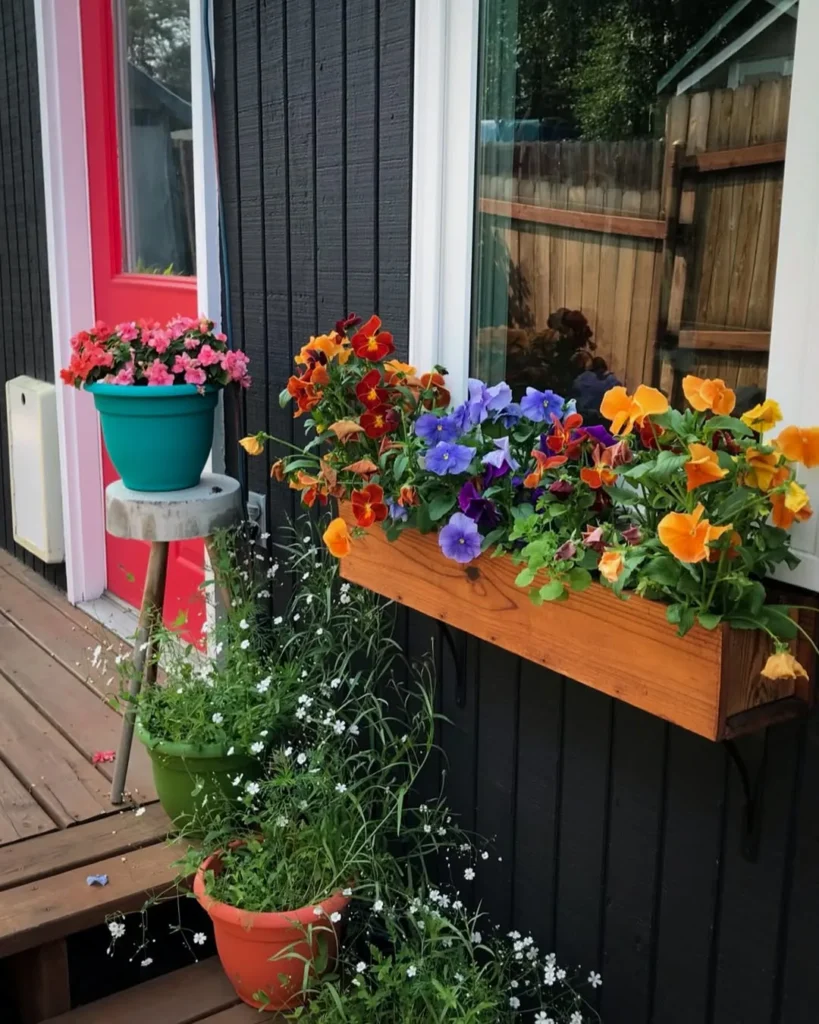
The Inspiration : Residents of urban apartments in densely populated European cities have innovated balcony gardening out of necessity, turning small outdoor areas into lush green retreats. Parisian flower boxes and Mediterranean herb gardens exemplify how even the most limited balconies can yield both food and aesthetic appeal. Contemporary urban living continues to honor this practice, demonstrating that restricted space does not hinder gardening aspirations or the innate human desire to cultivate plants.
Why it Works : Plants on balconies flourish because elevated locations typically enjoy superior light exposure and air circulation, which are often lacking in ground level gardens. The wind naturally mitigates pest issues while enhancing plant vitality through continuous air movement. Container gardening systems facilitate meticulous management of soil quality, drainage, and plant arrangement tailored to the unique conditions of each balcony. Microclimates formed by building walls and railings offer protection from wind and help retain heat, significantly prolonging growing seasons. Research indicates that balcony gardens can yield up to 50% more produce per square foot compared to conventional gardens, thanks to intensive care and strategic placement. Furthermore, the raised setting diminishes the risk of soil borne diseases and pest infestations. Balcony gardening also provides psychological benefits for city dwellers, alleviating stress and enhancing air quality while making fresh herbs, vegetables, and flowers readily accessible from indoor living areas.
Pro Tip : Evaluate the wind patterns and sunlight exposure of your balcony prior to selecting plants. Utilize heavier containers on the windward side for added stability, and opt for compact varieties that thrive in containers. Consider installing a drip irrigation system or using self watering pots to ensure consistent moisture levels in windy conditions that can quickly desiccate plants.
succulent plant
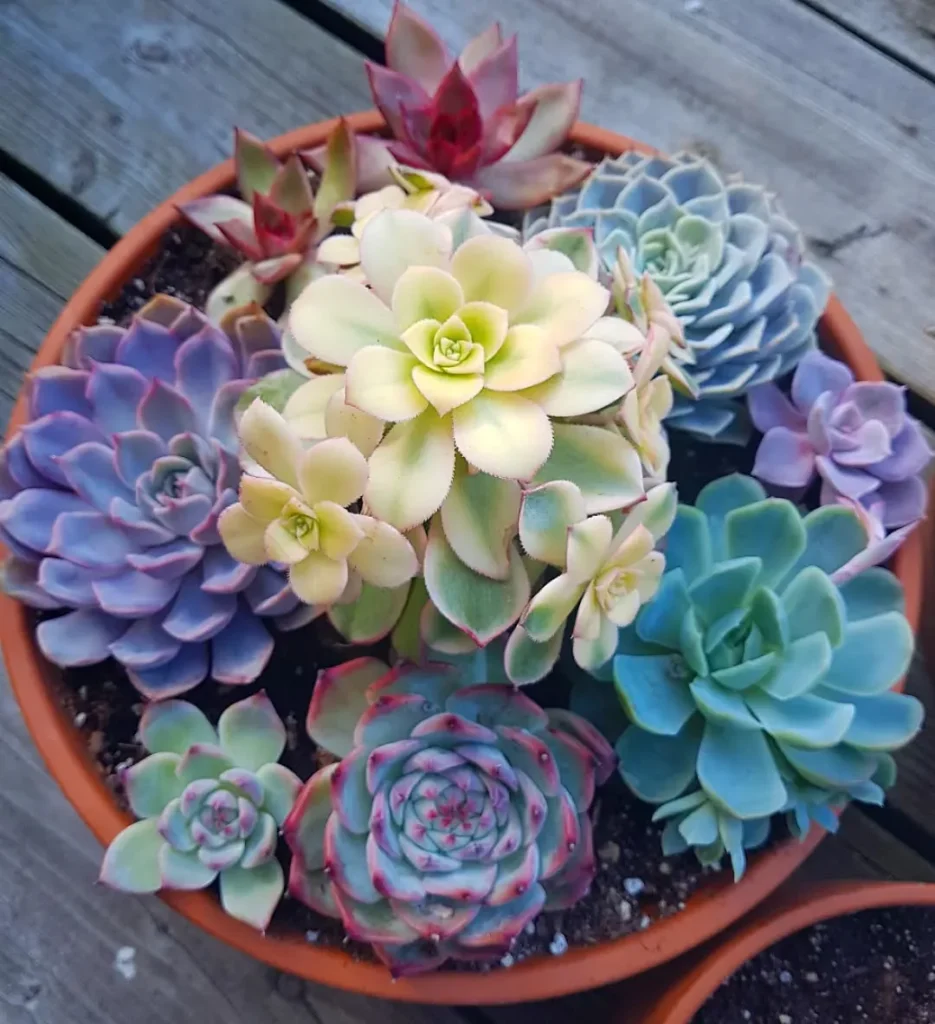
The Inspiration : Desert survival strategies have significantly influenced the rise of succulents in contemporary gardening. These extraordinary plants have developed thick, fleshy leaves and stems to retain water during periods of drought, transforming harsh necessities into sculptural beauty. The culture of Instagram has embraced their geometric shapes and unique textures. Minimalist design trends have found ideal companions in the clean lines of succulents, demonstrating that nature’s most effective water conservation techniques can also result in breathtaking living art.
Why it Works : Succulents thrive due to their specialized tissues that store water in their leaves, stems, or roots, enabling them to endure prolonged dry spells without the need for regular watering. This adaptation renders them perfect for individuals with busy lifestyles and those who are mindful of water usage in gardening. Their shallow root systems flourish in containers that offer excellent drainage, thus preventing the root rot that affects many houseplants. Succulents are more resilient to temperature variations and low humidity compared to tropical plants, allowing them to adapt to a wide range of indoor and outdoor settings. Studies indicate that succulents can survive on 90% less water than conventional plants while still maintaining an appealing appearance. Their varied forms, colors, and textures offer limitless design opportunities, ranging from small jade plants to striking agave specimens. Furthermore, most succulents can be easily propagated from leaves or offsets, making expansion both cost-effective and gratifying for gardeners of all experience levels.
Pro Tip : Employ the soak and dry watering technique water thoroughly until drainage occurs, then allow the soil to dry completely before watering again. Opt for containers with drainage holes and a fast-draining cactus soil mix. The majority of succulents require bright, indirect light instead of intense direct sunlight to avoid scorching while promoting compact, vibrant growth.
Maxime Ceramic Pot plant
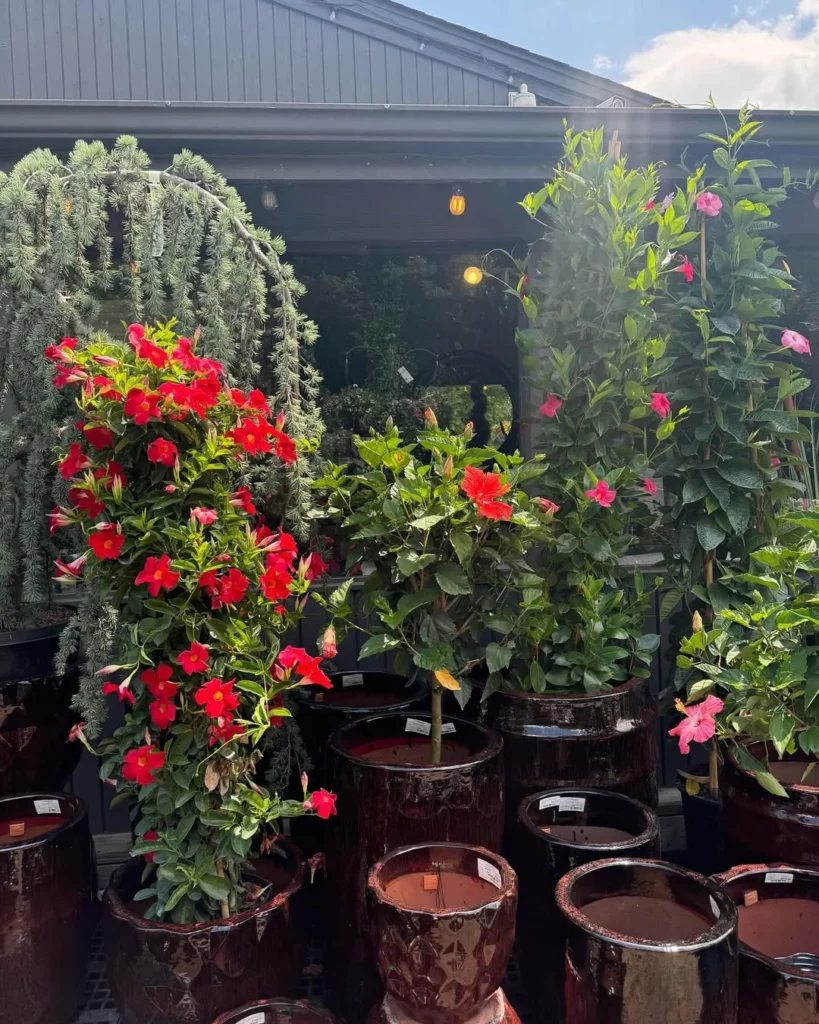
The Inspiration : Artisanal pottery traditions have influenced the design of Maxime ceramic pots, merging handcrafted heritage with contemporary elegance. Each substantial, handmade piece showcases lustrous earth bronze hues against dark surfaces, generating depth and sophistication that evoke the charm of vintage pottery studios. The distinct variations in texture and finish honor the beauty of imperfection, ensuring that every Maxime pot is a unique vessel that elevates ordinary plants into captivating focal points.
Why it Works : Maxime ceramic pots stand out due to their excellent thermal insulation properties, which safeguard plant roots from temperature variations while ensuring stable soil conditions. The high quality ceramic construction guarantees remarkable durability, enduring years of use without degrading like plastic alternatives. Their considerable weight prevents tipping, and the natural breathability of the ceramic material fosters healthy root growth through adequate air circulation. The lustrous bronze finish on dark surfaces adds visual depth that enhances any décor style, whether modern or traditional. In contrast to less expensive materials, these handcrafted pots maintain their aesthetic charm over time, serving as both functional growing vessels and decorative art pieces that enrich plant presentation.
Pro Tip : Given that Maxime pots do not feature drainage holes, they can be utilized as decorative cache pots with plastic liners or you may carefully drill drainage holes using masonry bits. It is advisable to layer pebbles at the bottom for drainage, closely monitor watering to avoid root rot, and select plants that can thrive in slightly moist conditions for optimal success in these elegant vessels.
Fall Container Gardens
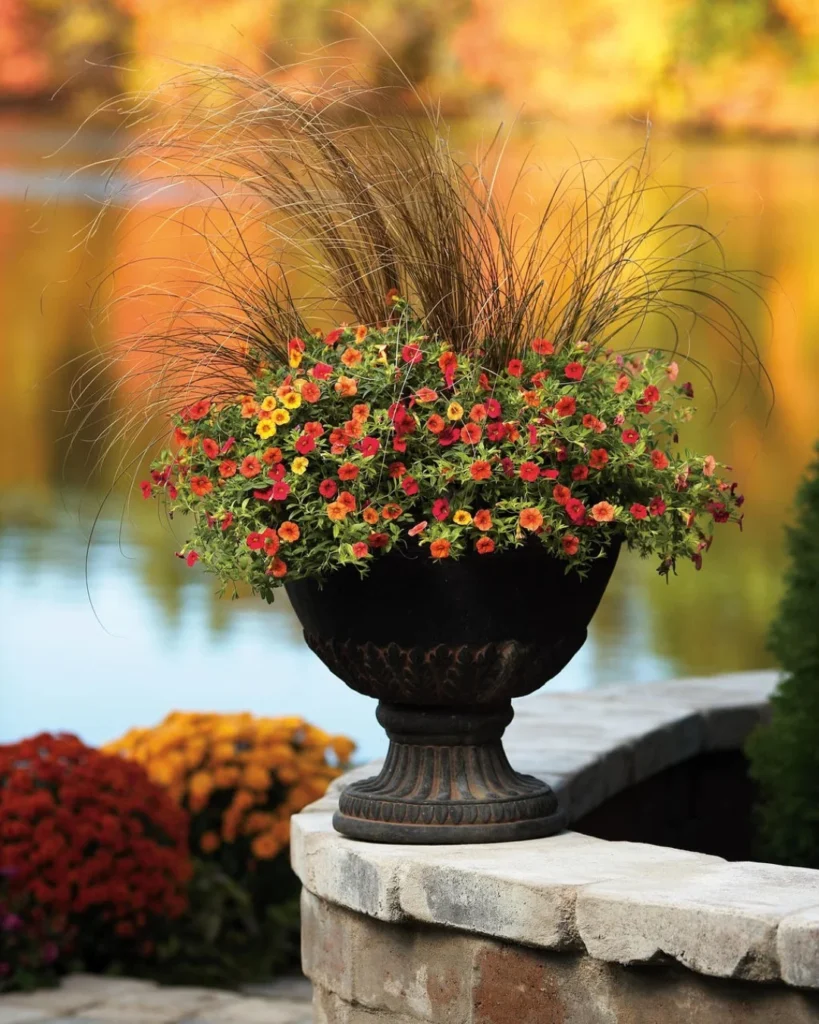
The Inspiration : The autumn harvest festivals served as a source of inspiration for fall container gardening, where farmers showcased their seasonal bounty in decorative vessels. Contemporary gardeners have found that the cool air of September, combined with soil that has been warmed by summer, creates optimal conditions for planting. Container gardens allow for an extension of the growing season beyond the limitations of traditional ground gardening, enabling vibrant mums, ornamental kale, and winter vegetables to thrive on patios, balconies, and porches during the upcoming cooler months.
Why it Works : The success of fall container gardens can be attributed to the cooler air temperatures, which alleviate stress on plants, while the warm soil encourages robust root development until the ground freezes. Containers offer complete control over soil quality, drainage, and plant placement, thereby eliminating concerns about weeding and naturally reducing pest issues. The advantage of portability allows gardeners to reposition plants for maximum sun exposure or protection from harsh weather conditions. This flexibility makes it possible to extend the growing season, as containers can be moved indoors when necessary. Studies indicate that container gardens require less maintenance and provide the flexibility to start small and gradually expand. The controlled environment of containers helps prevent soil borne diseases, while their elevated position discourages ground pests such as slugs and snails.
Pro Tip : It is advisable to plant fall containers six weeks prior to the expected ground freezing, which typically means planting in September for most regions. Opt for containers that have drainage holes and utilize high quality potting mix instead of garden soil. Choose cold hardy plants such as ornamental cabbage, pansies, and mums that thrive in cooler temperatures, ensuring a continuous display of autumn color and interest.
English Rose Plant
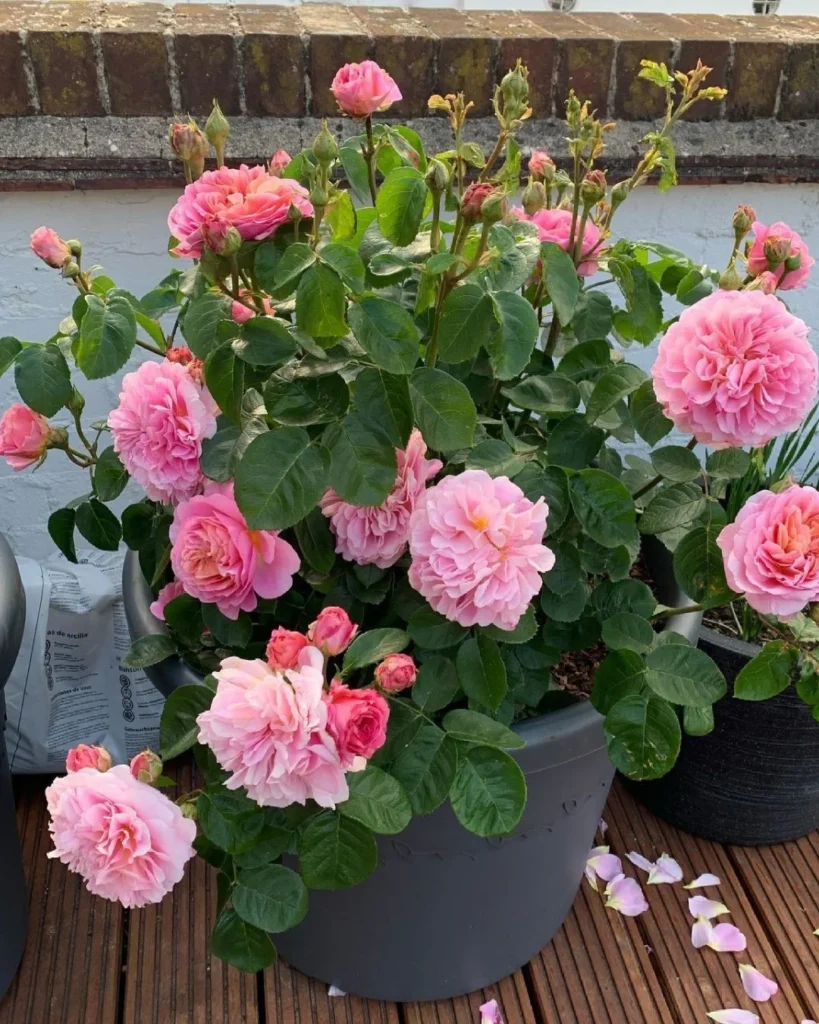
The Inspiration : David Austin transformed the field of rose breeding by merging the enchanting fragrance of old garden roses with the repeat blooming capabilities of modern roses, resulting in the creation of English roses during the 1960s. These hybrid wonders encapsulate the allure of traditional varieties while providing resistance to diseases and the benefit of continuous flowering. Austin’s innovative approach has reshaped gardens across the globe, demonstrating that the elegance of classic beauty can harmoniously coexist with contemporary practicality, thereby inspiring countless generations of rose lovers.
Why it Works : English roses stand out because they integrate the finest traits of both antique and contemporary rose varieties, resulting in exceptional garden plants. Their strong resistance to diseases minimizes maintenance needs, while their ability to bloom continuously from spring through frost ensures prolonged interest in the garden throughout the growing seasons. The remarkable intensity of their fragrance exceeds that of most modern roses, offering sensory experiences that draw in beneficial pollinators and bolster local wildlife ecosystems. Studies indicate that planting English roses in clusters of three or five enhances fragrance strength, visual appeal, and simplifies maintenance compared to solitary plants. Their wide array of colors, growth patterns, and sizes provides flexibility for diverse garden designs while ensuring consistent quality and performance. The enhanced root systems and selective breeding guarantee improved adaptability to various climates and soil types when compared to older rose varieties.
Pro Tip : For optimal visual and aromatic impact, plant English roses in groups of odd numbers, spacing them according to their mature size recommendations. Select varieties that are appropriate for your climate zone and ensure they receive morning sunlight with afternoon shade in hotter areas. Apply organic mulch around the bases to help retain moisture, suppress weeds, and nourish the soil as it naturally decomposes.
Lemon Plant
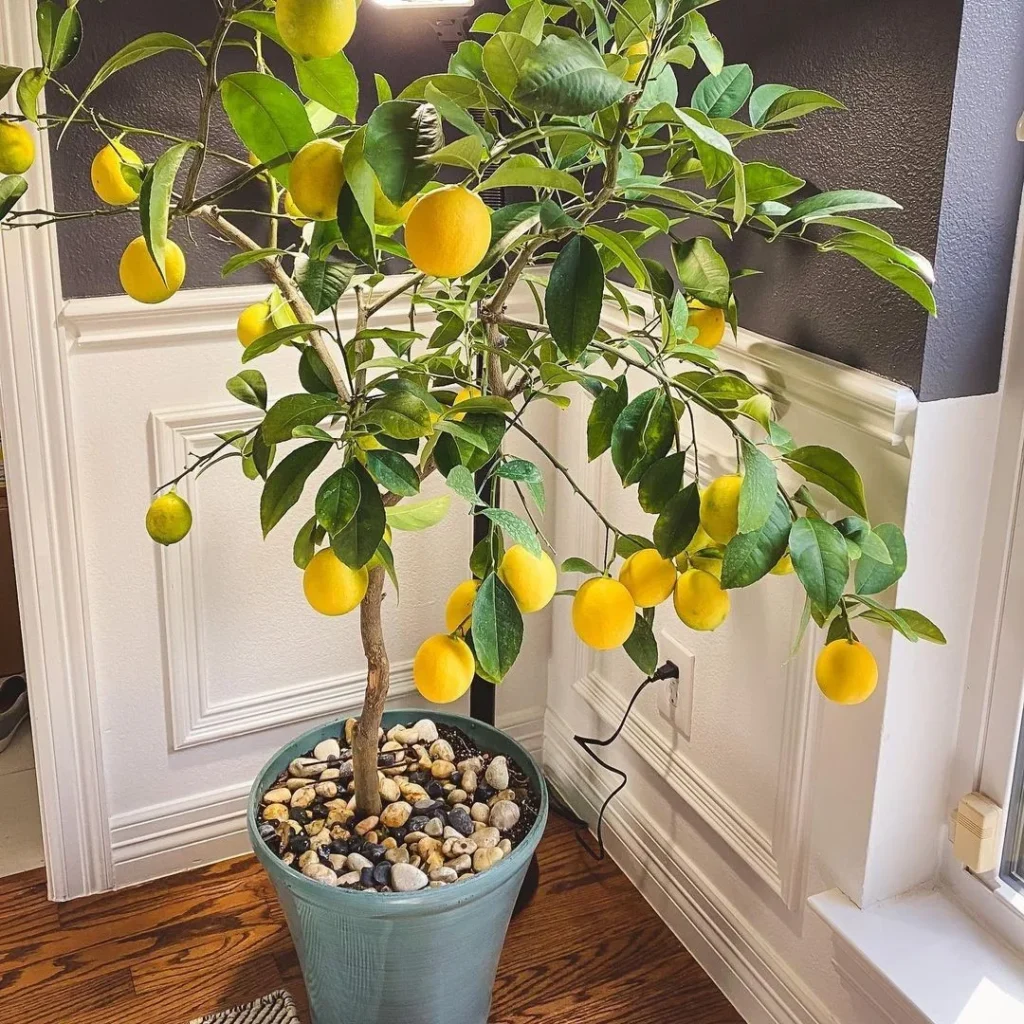
The Inspiration : Mediterranean sailors uncovered the life saving benefits of lemons during their extensive voyages, using the vitamin C rich fruit to ward off the deadly effects of scurvy. Initially regarded as ornamental, similar to tomatoes, lemons evolved from mere decorative items to vital agricultural products by the 15th century. The coastal orchards of Italy became so prized that they necessitated armed protection against thieves, ultimately leading to the establishment of organized security systems across the lemon-growing areas of Southern Italy.
Why it Works : Lemon trees thrive due to their impressive productivity, with mature specimens producing as many as 1,500 fruits each year while continuously flowering throughout the seasons. Their evergreen characteristics allow for harvesting opportunities all year round, with fruit being collected 6-10 times annually. Packed with vitamin C, citric acid, and antioxidants, lemons provide remarkable nutritional value that bolsters immune health and helps prevent nutrient deficiencies. These trees are well-suited to Mediterranean and subtropical climates, flourishing in well-drained soils that receive ample sunlight. The commercial potential remains robust, given their wide ranging uses from fresh consumption to the production of essential oils, citric acid, and pectin. Studies validate their medicinal benefits, which include anti inflammatory properties, support for heart health, and natural antimicrobial effects.
Pro Tip : To cultivate lemon trees successfully, plant them in well drained soil with full sun exposure, spacing them 16-26 feet apart to ensure optimal growth. Anticipate fruit production beginning in the third year, with commercial yields expected by the fifth year. For extended storage life, harvest the fruit while it is still green, allowing it to naturally yellow during the curing process, which can prolong shelf life for up to three months.
Tiered Height plant
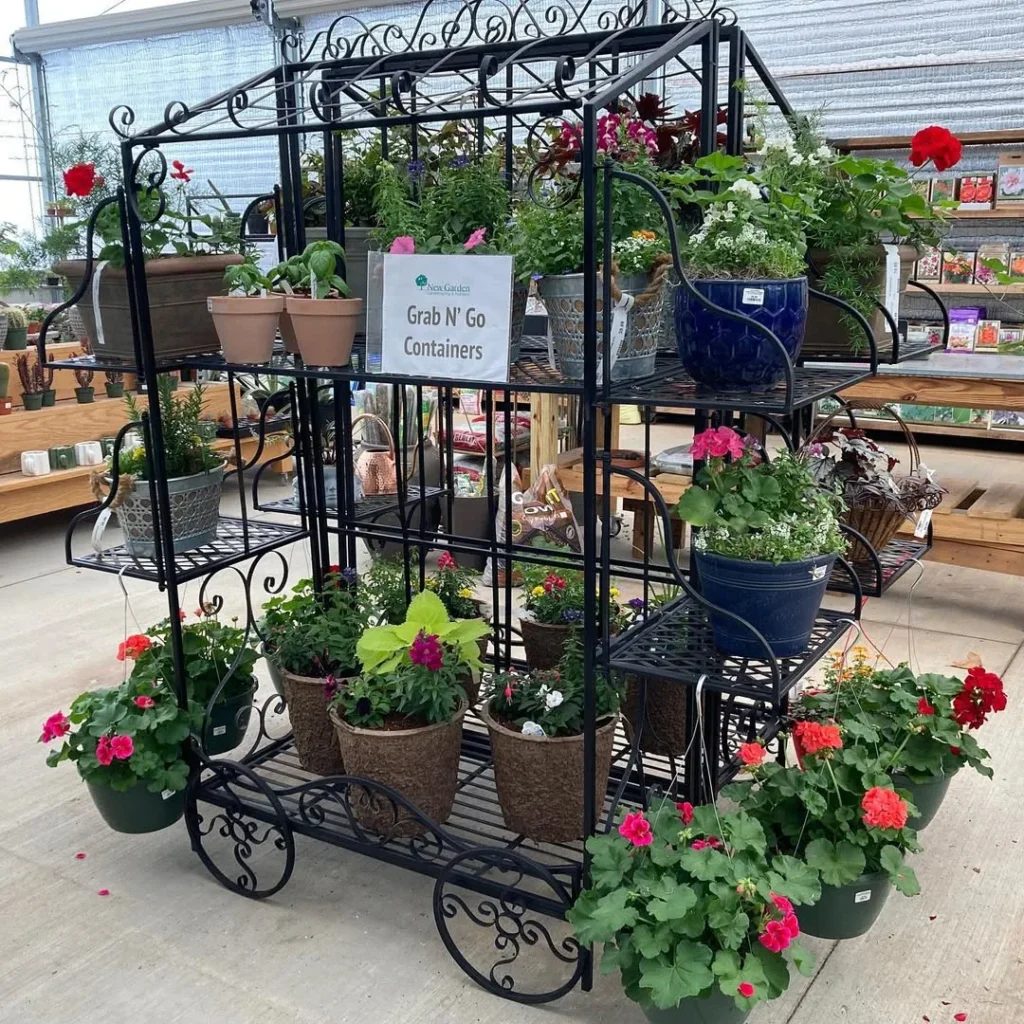
The Inspiration : Ancient terraced rice fields in Asia served as a source of inspiration for contemporary tiered garden design, effectively converting challenging slopes into productive growing areas. European monastery gardens arranged plants in layers according to height, achieving both aesthetic appeal and functionality. Modern gardeners have realized that vertical layering not only enhances visual interest but also optimizes limited space. This method transforms previously unusable sloped regions into striking focal points that display plants at eye level instead of ground level.
Why it Works : The success of tiered height planting lies in its ability to create distinct microclimates at varying elevations, facilitating the coexistence of diverse plant combinations that would not thrive on flat terrain. Each tier benefits from different levels of light exposure, moisture, and air circulation, accommodating plants with varying needs within a single design. This layered system also mitigates soil erosion by controlling natural water flow while maximizing the growing area per square foot. The visual impact is significantly enhanced as plants contribute depth and movement, guiding the observer’s gaze upward through the landscape. Studies indicate that layered designs promote biodiversity by offering multiple habitats for beneficial insects and wildlife. This structural approach converts previously unusable slopes into functional garden rooms, each with unique purposes and seasonal appeal.
Pro Tip : Implement the layering principle of “canopy, understory, ground cover” position tall plants as a backdrop, medium shrubs for structural support, and low plants for edging. Place the heaviest containers on the lower tiers to ensure stability. Ensure proper drainage between levels to avoid water accumulation and to guarantee that each tier complements rather than competes with neighboring plantings for optimal growth.
blueberry plant
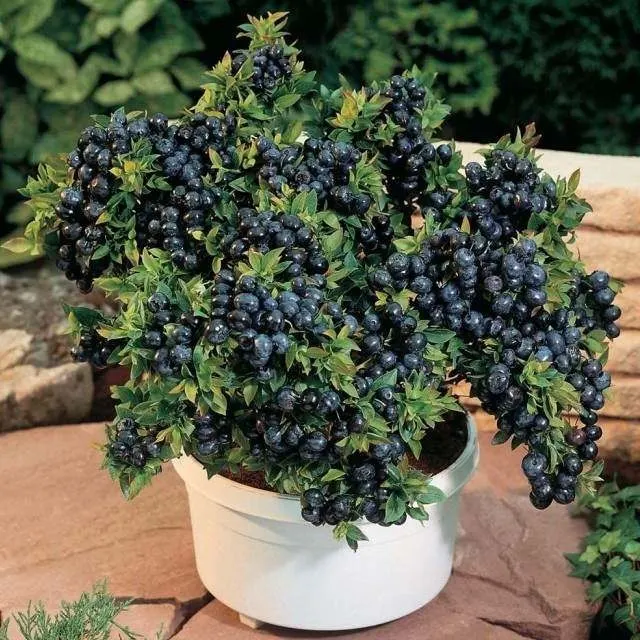
The Inspiration : Native Americans have been harvesting wild blueberries for 13,000 years prior to the groundbreaking work of Elizabeth White and botanist Frederick Coville, who initiated commercial cultivation in 1893. After studying Coville’s experiments with blueberries, White extended an invitation to him at her New Jersey farm, where they successfully produced the first highbush blueberry crop in 1916. Their collaboration transformed a wild forest fruit into a cherished superfood in America, demonstrating that cultivation aspirations could indeed materialize into agricultural success.
Why it Works : Blueberry plants thrive due to their status as nutritional powerhouses, rich in antioxidants, fiber, and essential vitamins, all while being low in calories and sugar. Wild varieties boast twice the antioxidant capacity of their cultivated counterparts, with a higher skin to pulp ratio that provides a more robust flavor and greater health benefits. Studies indicate that beneficial bacteria consortiums can enhance blueberry yields by 14.56%, while also significantly improving fruit quality, including a 21.65% increase in protein content and a 17.31% rise in vitamin C levels. These plants flourish in acidic soils where other crops may falter, rendering them invaluable for difficult growing environments. Their shallow root systems are well-suited for container gardening, facilitating urban cultivation and ensuring decades of harvest from well cared for bushes.
Pro Tip : For optimal growth and fruit production, plant blueberries in acidic soil with a pH range of 4.5-5.5. It is advisable to select at least two different varieties to promote cross pollination, which greatly enhances berry yield and size. Annually apply organic mulch to sustain soil acidity, retain moisture, and suppress weeds, while also nourishing beneficial soil microorganisms that naturally improve plant health and productivity.
Chilli plant
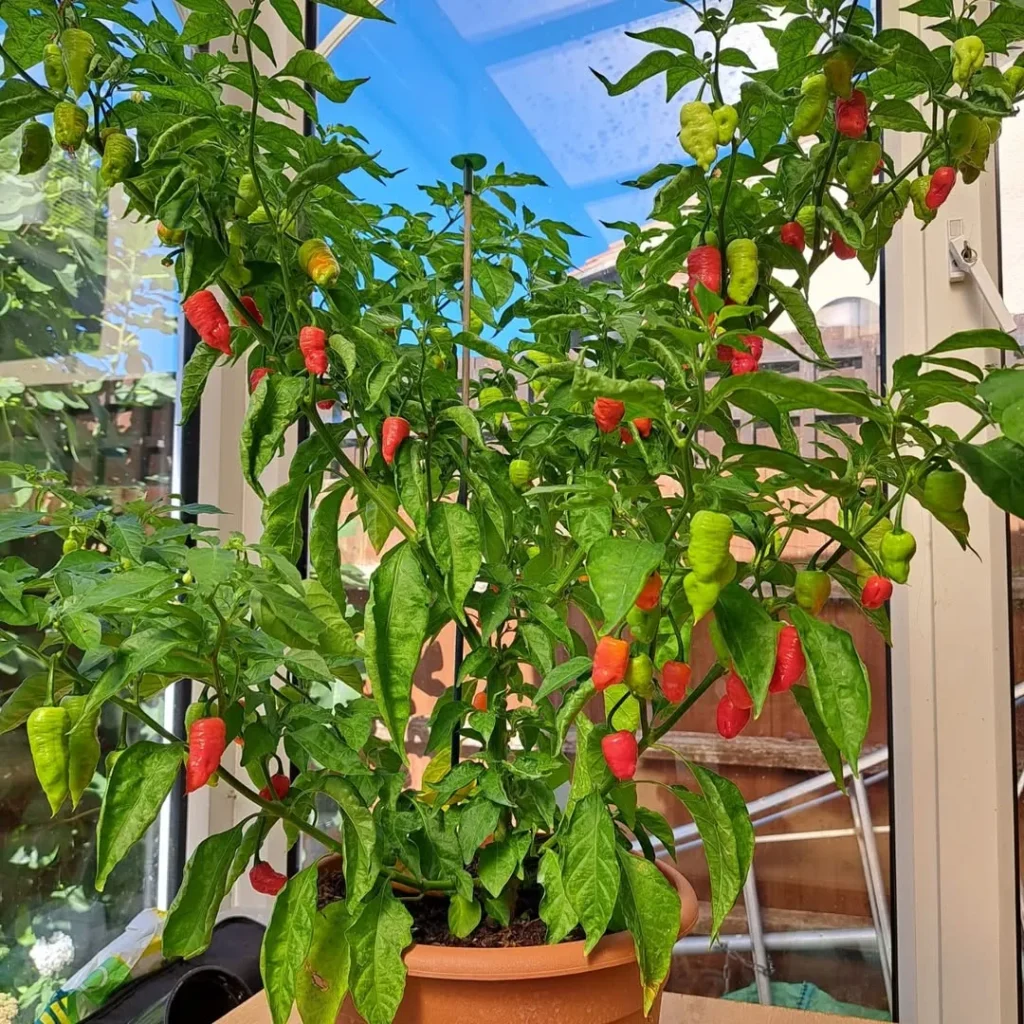
The Inspiration : The fiery charm of the chilli plant can be traced back to the ancient civilizations of Mesoamerica, where the Aztecs held it in high regard as both a sacred spice and a medicinal herb. Picture Christopher Columbus discovering these vibrant pods in 1492, mistakenly identifying them as black pepper, which ultimately transformed global culinary practices. The journey of this unassuming plant from untamed jungles to domestic gardens continues to inspire home growers today, merging historical significance with the excitement of cultivating your own heat laden harvest.
Why it Works : Chilli plants flourish due to their remarkable adaptability and nutritional benefits. They require little space, thriving in pots or gardens that receive full sunlight and have well drained soil, making them perfect for urban horticulturists. The heat-inducing compound, capsaicin, not only enhances metabolism but also offers pain relief, as supported by research from the Journal of Medicinal Food that highlights its anti inflammatory properties. Environmentally, chilli plants naturally repel pests, thereby minimizing the need for chemical interventions. Their yields are substantial; a single plant can yield numerous fruits, providing fresh, organic produce throughout the year in warmer climates. Case studies from Indian agricultural practices illustrate how chilli farming promotes biodiversity and improves soil health through effective crop rotation. From an economic standpoint, growing your own chillies reduces grocery expenses, while the therapeutic aspect of gardening has been shown to alleviate stress, as evidenced by studies on gardening therapy. In summary, the resilience, health benefits, and culinary flexibility of chilli plants make them an excellent and fulfilling choice for sustainable living.
Pro Tip : To enhance the growth of your chilli plant, pinch off the top growth once it reaches 20cm in height this will encourage a bushier structure and increase fruit production. Incorporate organic compost to enrich nutrients, maintain consistent watering while preventing waterlogging, and regularly harvest the pods to stimulate ongoing production, ensuring a plentiful and spicy yield throughout the growing season.
Bloom Container garden
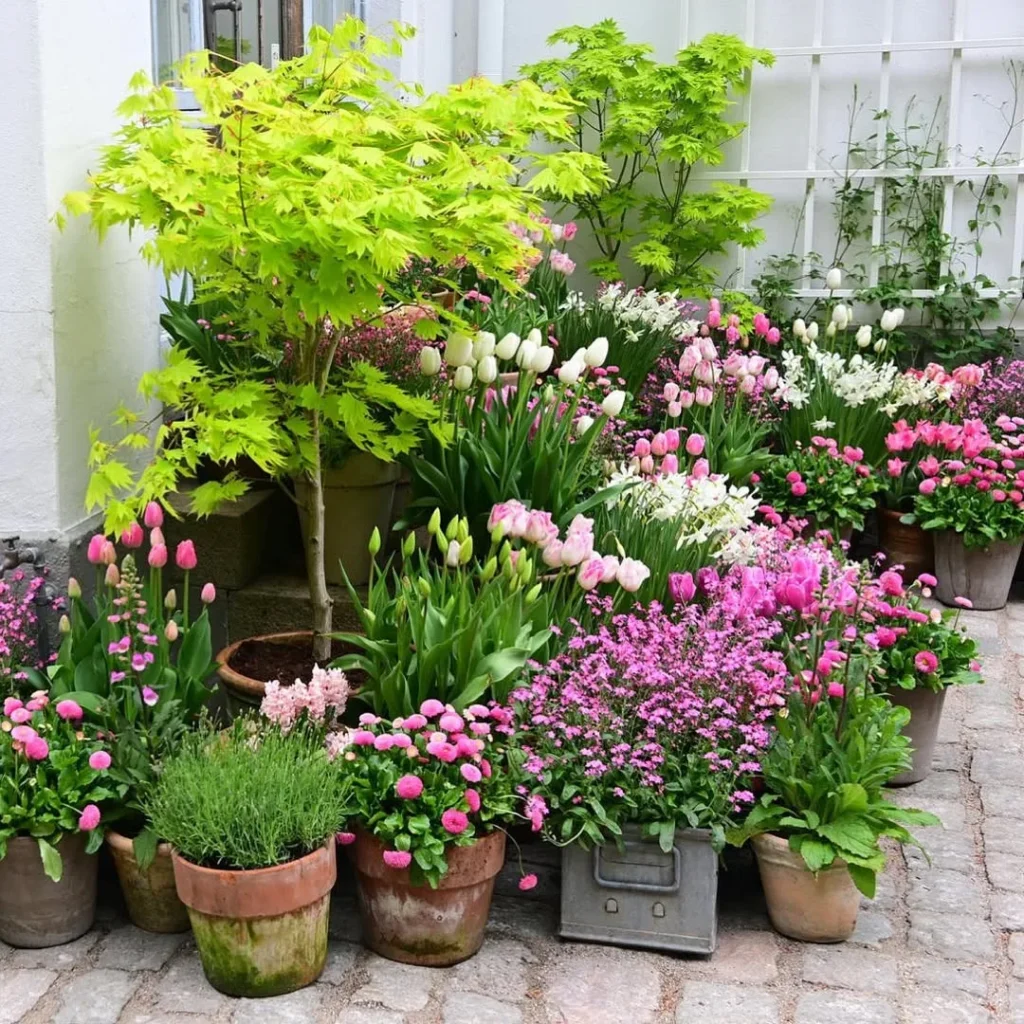
The Inspiration : The bloom container garden originates from urban residents who convert their balconies into lively oases, drawing inspiration from Victorian era window boxes that integrated nature into urban living. Imagine a bustling New Yorker in the 1920s planting petunias in repurposed tins, transforming concrete landscapes into green havens. This concept flourishes today, enabling anyone with limited space to nurture vibrant, soul-soothing floral arrangements throughout the year.
Why it Works : Bloom container gardens thrive due to their effective use of space and controlled growing conditions. By cultivating flowers such as marigolds or geraniums in pots, gardeners can precisely manage soil, water, and sunlight, resulting in plentiful blooms even in confined areas. The advantages include enhanced mental well-being research from the American Horticultural Therapy Association indicates that gardening can lower stress levels by 20%. Environmentally, these gardens benefit pollinators, with findings from the Royal Horticultural Society showing that container gardens boost urban biodiversity. They are also cost effective, requiring minimal investment; a case study from community gardens in Singapore illustrates how these setups can reduce produce expenses by 30% while improving air quality. Mechanically, drainage holes help prevent root rot, and their portability allows for repositioning to maximize sunlight exposure. Ultimately, their adaptability encourages creativity, sustainability, and joy, as evidenced by their widespread use in compact living environments globally.
Pro Tip : To enhance your bloom container garden, opt for self watering pots to ensure consistent moisture levels without the risk of overwatering. Combine blooming annuals like pansies with perennials such as lavender for ongoing color, fertilize monthly with organic bloom enhancers, and rotate containers seasonally to avoid soil depletion, guaranteeing vibrant, healthy flowers all year round.
Small Space Garden
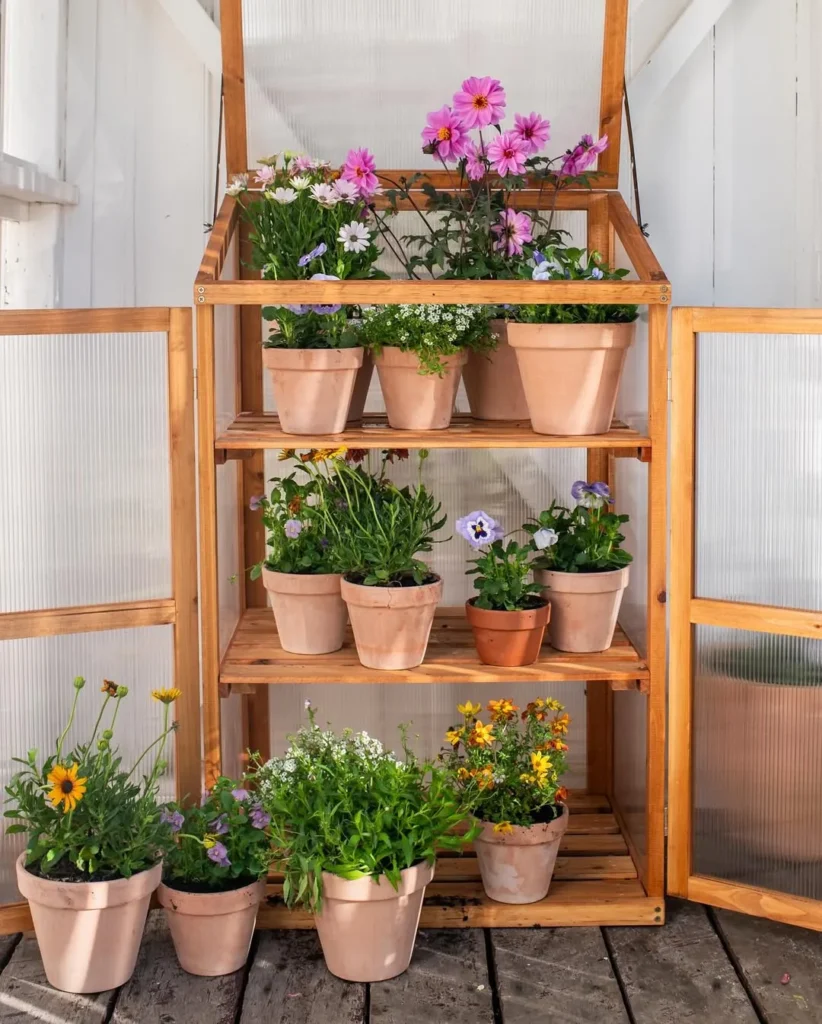
The Inspiration : The compact garden emerges from the creativity of urban dwellers transforming small balconies into verdant havens, reminiscent of the ancient hanging gardens of Babylon that utilized vertical space for the elite. Picture a Parisian in the 1800s nurturing herbs on a windowsill amidst the city’s expansion this resourcefulness motivates contemporary minimalists to reclaim restricted spaces, encouraging innovation and a connection to nature in limited living environments.
Why it Works : Small space gardens thrive by employing vertical and container gardening techniques, enabling cultivation in apartments or patios without the need for extensive land. The approach involves stacking plants upwards using trellises or wall-mounted pockets, maximizing sunlight and airflow for optimal growth. The advantages include enhancements in mental well-being studies from the University of Exeter indicate that urban gardening can reduce anxiety levels by 15%. Environmentally, these gardens boost biodiversity; a USDA report highlights that compact gardens support pollinators in urban settings. Economically, they are cost-effective, with examples from Tokyo’s micro-gardens showing a 25% reduction in food expenses through homegrown produce. Evidence from community initiatives in New York illustrates improvements in air quality and social connections. In summary, their versatility fosters sustainability, accessibility, and happiness, demonstrating effectiveness for those living in space-limited conditions with minimal resources and maximum output.
Pro Tip : To enhance your small space garden, consider installing vertical planters on walls to effectively double your growing area without creating floor clutter. Opt for compact plant varieties such as dwarf tomatoes or trailing strawberries, ensure they receive six hours of sunlight daily, utilize multipurpose soil with slow release fertilizer, and regularly prune to maintain airflow, resulting in plentiful harvests even in the smallest of spaces.
Herb Garden
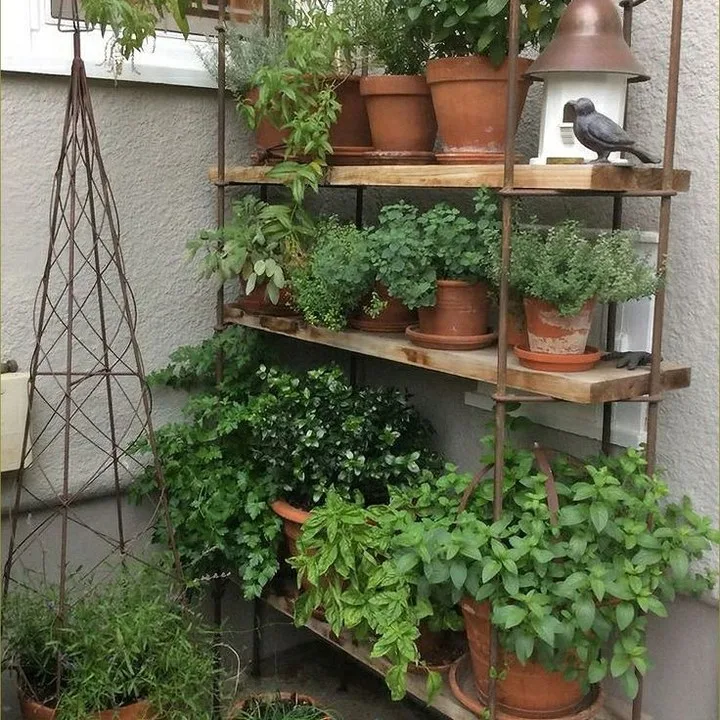
The Inspiration : The herb garden takes its cues from the plots of medieval monasteries, where monks cultivated healing plants such as basil and thyme for their remedies and rituals, merging practicality with spirituality. Imagine a Roman chef in ancient times selecting fresh mint from a pot on a windowsill to enhance his dishes this enduring tradition inspires contemporary enthusiasts to establish aromatic, edible sanctuaries in any small space, enriching everyday life with flavor and freshness.
Why it Works : Herb gardens operate through straightforward, scalable arrangements like pots or raised beds, necessitating minimal space and providing easy access for harvesting. The mechanics involve companion planting, where herbs like rosemary naturally repel pests, thereby improving the overall health of the garden. The advantages include culinary enhancement fresh herbs significantly improve meals and health benefits, with research from the National Institutes of Health indicating that antioxidants found in herbs like oregano help combat inflammation. Environmentally, they foster sustainability; a case study from urban farms in California indicates a 40% reduction in food waste through home cultivation. Economically, starting with seeds costing less than $10 can yield supplies for months. Evidence from the Royal Horticultural Society underscores enhanced mental well-being, as gardening is known to lower stress hormones. In summary, the low maintenance characteristics, versatility in culinary and medicinal applications, and positive environmental impact render herb gardens a fulfilling and effective endeavor for both novices and seasoned gardeners alike.
Pro Tip : To optimize your herb garden, cluster sun loving herbs such as basil and oregano in south-facing locations that receive at least six hours of sunlight each day. Employ well-draining soil combined with compost, water sparingly to prevent root rot, regularly trim the tops to promote bushy growth, and rotate pots seasonally to preserve soil nutrients and deter pests.
Tomato Container plant
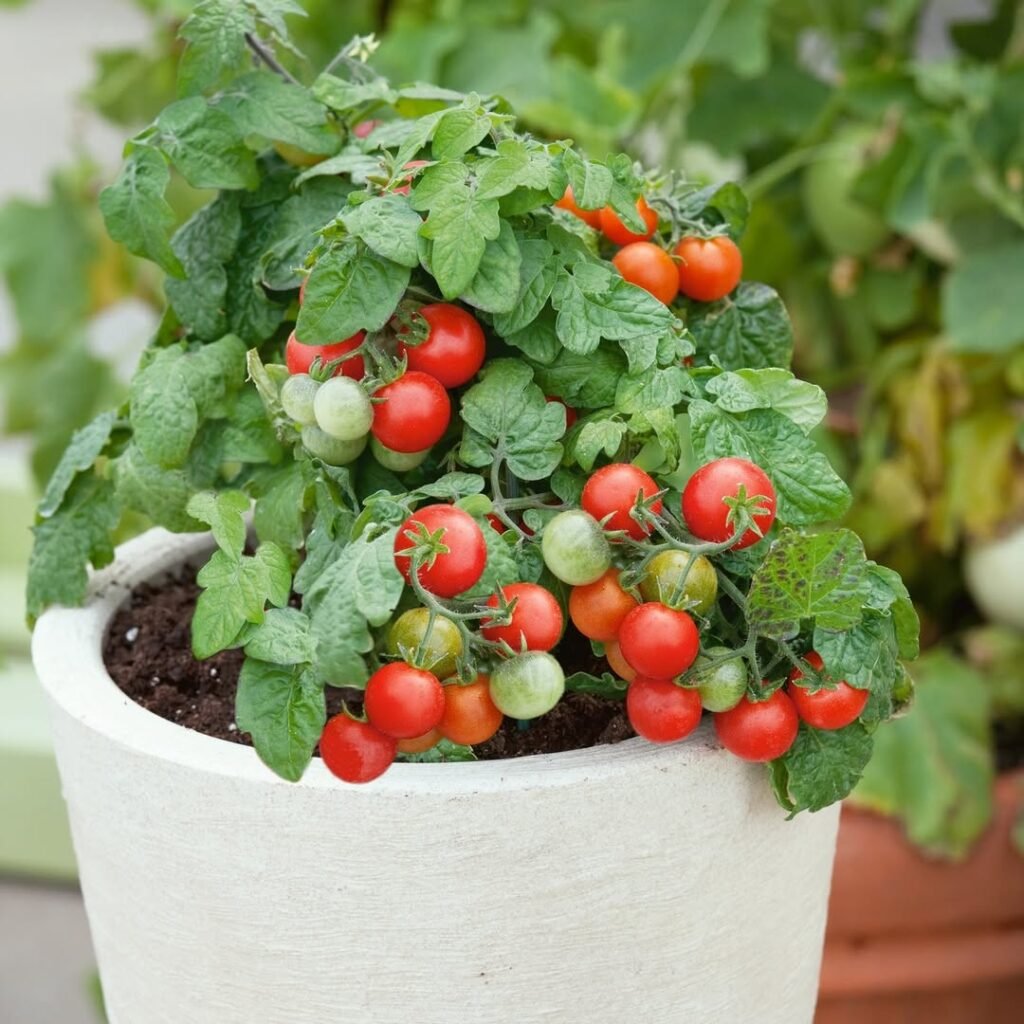
The Inspiration : The tomato container plant originates from the innovative victory gardens of the 1940s, where families cultivated food in pots on rooftops during times of scarcity, representing resilience and self-sufficiency. Envision an Italian grandmother nurturing cherry tomatoes on a sunlit balcony, gathering sun-ripened fruits for family meals this straightforward approach motivates urban dwellers today to grow delicious, homegrown produce in confined spaces, merging nostalgia with practical abundance.
Why it Works : Tomato container plants thrive through the use of portable pots that manage soil quality and drainage, thereby avoiding typical gardening problems such as weeds or subpar soil. The mechanics include staking for support and pruning suckers to direct energy towards fruit production, potentially yielding up to 20 pounds per plant under optimal conditions. The advantages encompass fresh, nutrient-dense produce high in lycopene, which research from Harvard indicates can lower heart disease risk by 30%. Environmentally, they are water-efficient; a USDA study on balcony farming reveals a 50% reduction in water usage compared to traditional in-ground methods. Economically viable for small areas, they flourish in apartments, with evidence from community initiatives in Chicago showing enhanced food security and mental well-being through active gardening. In summary, their versatility, high yields, and health benefits render them effective for sustainable urban agriculture, supported by global acceptance in compact living.
Pro Tip : To maximize the potential of your tomato container plant, select determinate varieties such as Patio Princess for compact growth in 5-gallon pots equipped with drainage holes. Place them in full sunlight for 8 hours each day, apply tomato specific fertilizer biweekly, use cages for support to prevent sprawling, and mulch the soil surface to effectively retain moisture and suppress weeds.