
Envision stepping into your backyard on a brisk February morning and gathering sun-ripened tomatoes, crisp lettuce, and aromatic basil while the gardens of your neighbors remain inactive. A DIY greenhouse turns this aspiration into reality, revolutionizing the way you cultivate food and care for plants throughout the year. Constructing your own greenhouse is not solely for seasoned gardeners with substantial financial resources. It is a feasible and fulfilling endeavor that prolongs your growing season by several months, shields delicate plants from erratic weather, and establishes an ideal setting for seed germination and exotic varieties. Regardless of whether you have ₹2,000 or ₹30,000 to allocate, there exists a greenhouse option that accommodates your space, budget, and level of expertise.
reclaimed windows Greenhouse
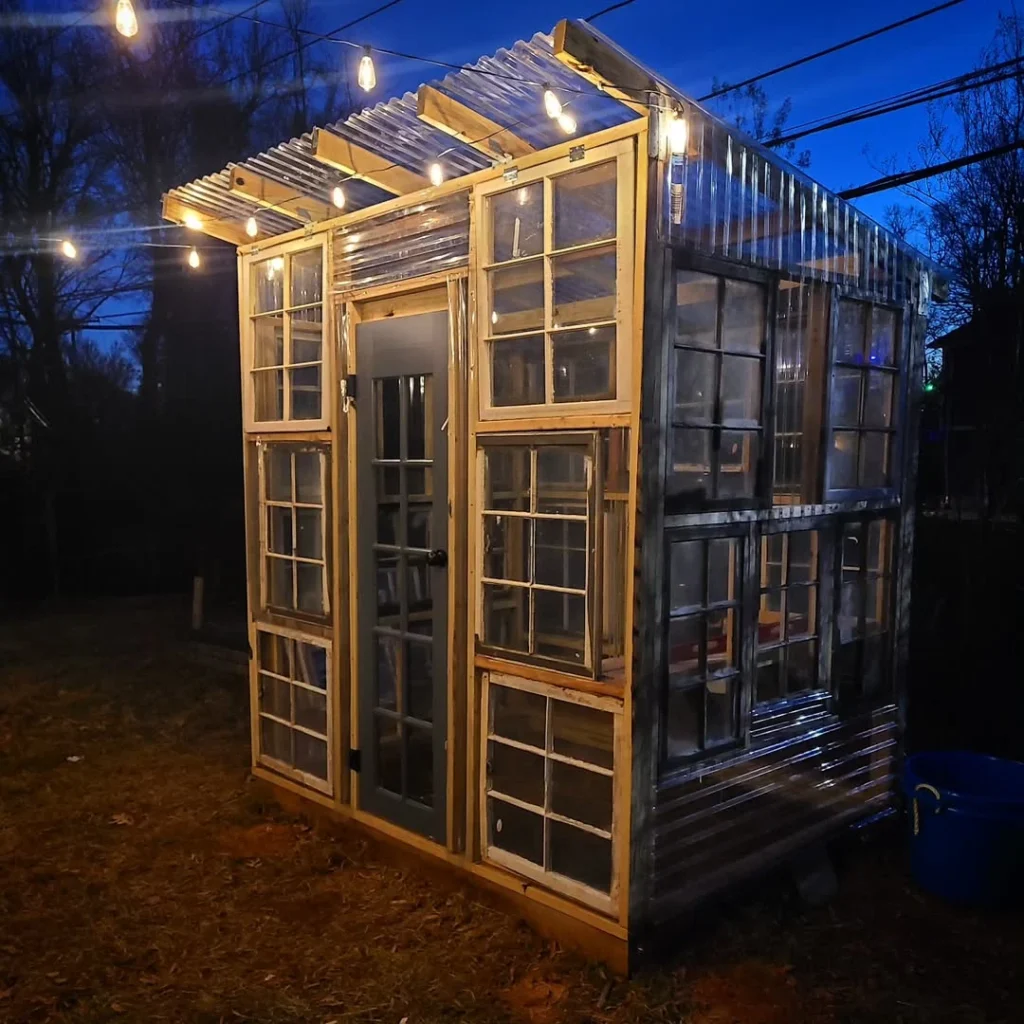
The Inspiration : Old windows narrate tales from Victorian residences, rural cottages, and renovated farmhouses. Once discarded as refuse, these glass paned artifacts found renewed purpose when inventive gardeners recognized their potential. Each unique frame imparts character that is impossible to duplicate. This tradition reflects the resourcefulness of the Depression era, when nothing was wasted. Today’s repurposed window greenhouses celebrate sustainability while embodying vintage charm that contemporary materials cannot replicate.
Why it Works : Reclaimed windows provide threefold benefits: ecological, economic, and aesthetic. You can save 60-70% compared to new materials while keeping waste out of landfills. The diverse pane sizes offer enhanced ventilation options open various windows for tailored airflow. Thick vintage glass delivers superior insulation compared to thin modern alternatives, ensuring stable temperatures. From a structural standpoint, existing frames eliminate the need for cutting and fitting glass, greatly simplifying construction. The unique look adds a garden charm that polycarbonate panels lack. Practically, you acquire pre assembled glazing units at a fraction of the cost. One gardener constructed an 8×10 greenhouse using twenty free windows sourced from renovation sites, spending only ₹5,000 on framing lumber.
Pro Tip : Before designing the frame, measure your collected windows construct around what you possess instead of searching for specific sizes later. Arrange similarly sized windows on each wall for easier framing. Use weatherstripping on older windows to block drafts. Employ eco friendly strippers to remove old paint, avoiding lead contamination near edibles. Position opening windows strategically at roof level to maximize heat escape.
glass Greenhouse
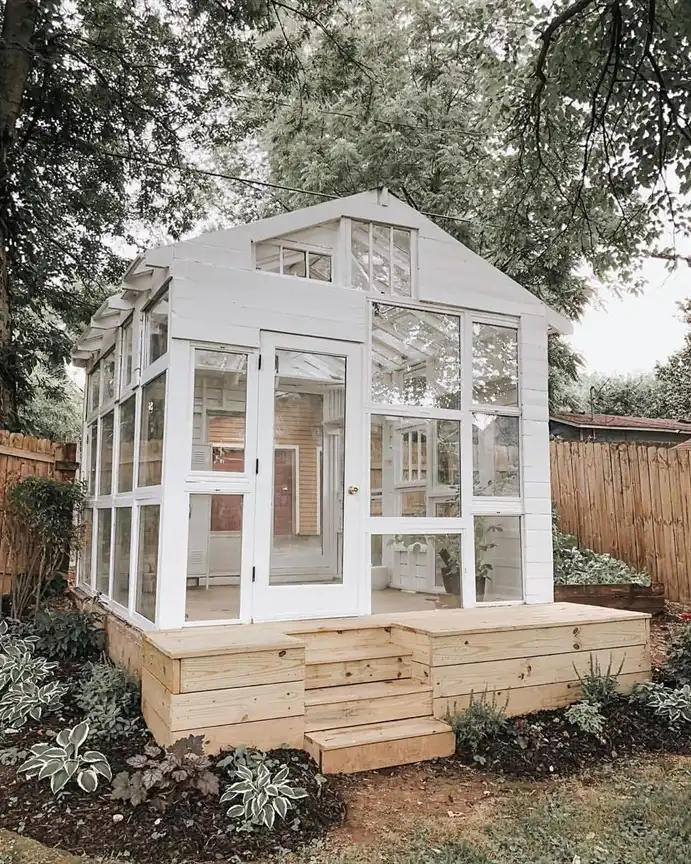
The Inspiration : Glass greenhouses have their origins in Roman times, where affluent individuals cultivated exotic fruits beneath mica sheets. By the Victorian era, magnificent glass conservatories epitomized botanical expertise Kew Gardens’ Palm House remains a stunning example. This crystal palace aesthetic continues to enchant gardeners today. Sunlight pours through clear walls, casting geometric shadows on terracotta pots, forming an ethereal growing sanctuary that links us to centuries of horticultural heritage.
Why it Works : Glass allows 90% of available light to pass through, compared to polycarbonate’s 80%, maximizing photosynthesis for plants. This enhanced transparency enables immediate monitoring of plant health detecting pests or diseases before they proliferate. Temperature regulation is superior, as glass efficiently retains heat while releasing excess warmth at night, avoiding drastic fluctuations that can stress plants. Visually, glass transforms your garden into an architectural feature, potentially increasing property value by 5-12%, as indicated by real estate research. Durability is also significant—well-maintained glass can last over 30 years without yellowing or deteriorating. Its rigid structure can better support heavy snow loads than flexible plastics. For dedicated growers nurturing orchids or tropical plants, glass offers unparalleled environmental control.
Pro Tip : Utilize tempered or safety glass for lower panels where tools, children, or wheelbarrows may pose a risk of breakage it shatters into safe fragments instead of hazardous shards. Employ double pane insulated glass on north-facing walls to reduce heat loss while preserving light transmission from the south. Apply UV filtering film during summer to protect sensitive species from leaf scorch while ensuring visibility and airflow.
Conservatory Greenhouse
The Inspiration : Victorian aristocrats blurred the lines between home and garden by constructing intricate conservatories glass enclosed spaces where families enjoyed tea amidst palms and exotic flowers. These architectural wonders graced grand estates from England to colonial India. The modern conservatory greenhouse revives that sophistication, turning a practical growing area into an extension of the living room where nature and comfort harmoniously blend.
Why it Works : Conservatory greenhouses fulfill dual roles that separate structures cannot provide. Being attached to your home, they utilize shared heating systems, reducing winter energy expenses by 40% while naturally warming adjacent areas. The common wall allows for easy access tend to plants in your pajamas during morning coffee. They contribute an additional 150-250 square feet of usable living space, significantly enhancing property value. Unlike standard greenhouses, conservatories boast finished floors, cozy seating, and decorative elements, making them genuine garden rooms. Plants flourish in stable temperatures without the need for extra heating. Psychologically, having a lush green sanctuary just steps from your kitchen enhances mental health research indicates that daily exposure to nature decreases stress by 28%.
Pro Tip : Place your conservatory on an east or south-facing wall to optimize morning sunlight while minimizing intense afternoon heat. Opt for French doors instead of a single entry to facilitate a smooth indoor-outdoor transition. Incorporate ceiling fans for summer airflow and radiant floor heating for winter warmth. Select heat-resistant furniture and washable fabrics, as humidity levels will be higher than in standard rooms.
wood green house
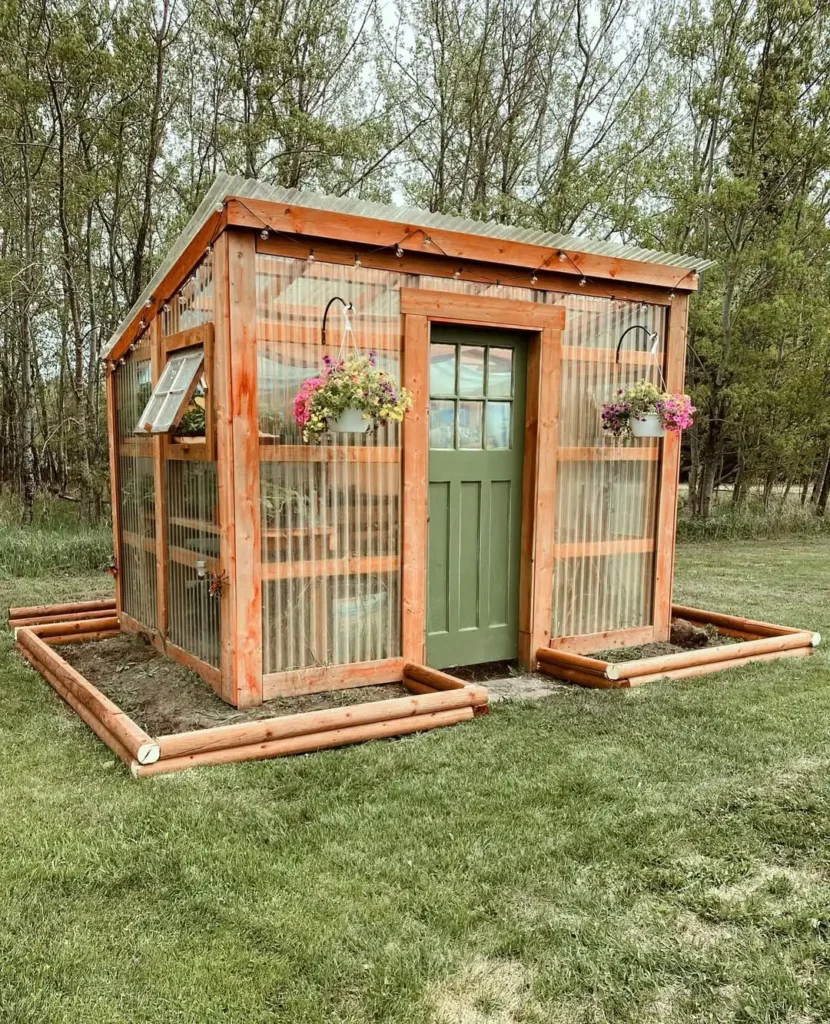
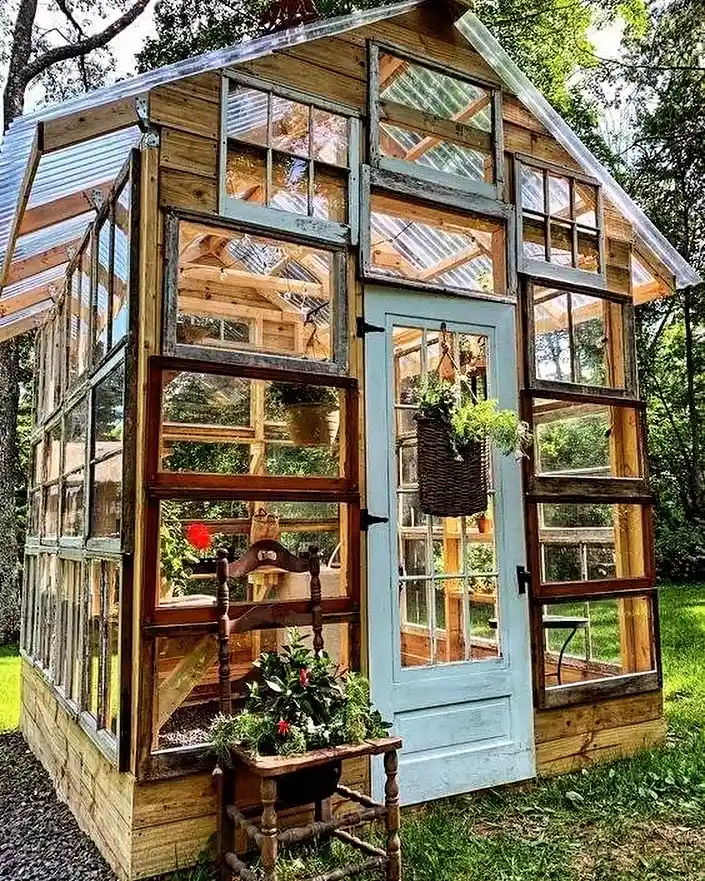
The Inspiration : Traditional Japanese garden houses and English potting sheds are characterized by their enduring wooden construction materials that gracefully age, acquiring silvered patinas and a weathered charm. For centuries, craftsmen have constructed wooden greenhouses, as timber adapts to any design vision. The natural warmth of wood contrasts beautifully with green foliage, forming an organic sanctuary that feels more artisanal and less industrial than metal alternatives.
Why it Works : Wood offers superior insulation compared to aluminum or PVC resulting in a 20-30% reduction in heating costs during winter months. Cedar and redwood inherently resist rot and pests without chemical treatments, lasting 15-25 years with minimal upkeep. This material allows for easy customization: hooks, shelves, or ventilation can be added anywhere without the need for specialized tools. Wood gradually absorbs and releases moisture, buffering humidity fluctuations that can stress plants. Structurally, wooden frames can support heavier glazing materials and endure wind better than lighter alternatives. Aesthetically, timber greenhouses blend organically with garden landscapes, complementing rather than clashing. DIY builders value wood’s forgiving nature errors can be easily rectified, joints adjusted, and modifications made years later.
Pro Tip : Select cedar or treated hardwood for components in contact with the ground; utilize untreated pine for upper structures to reduce costs. Reapply exterior wood stain every three years to guard against UV degradation and moisture infiltration. Raise wooden bases on concrete blocks or metal brackets to avoid soil contact this simple measure doubles the frame’s lifespan by eliminating rot zones where wood meets damp earth.
Hothouse Greenhouse
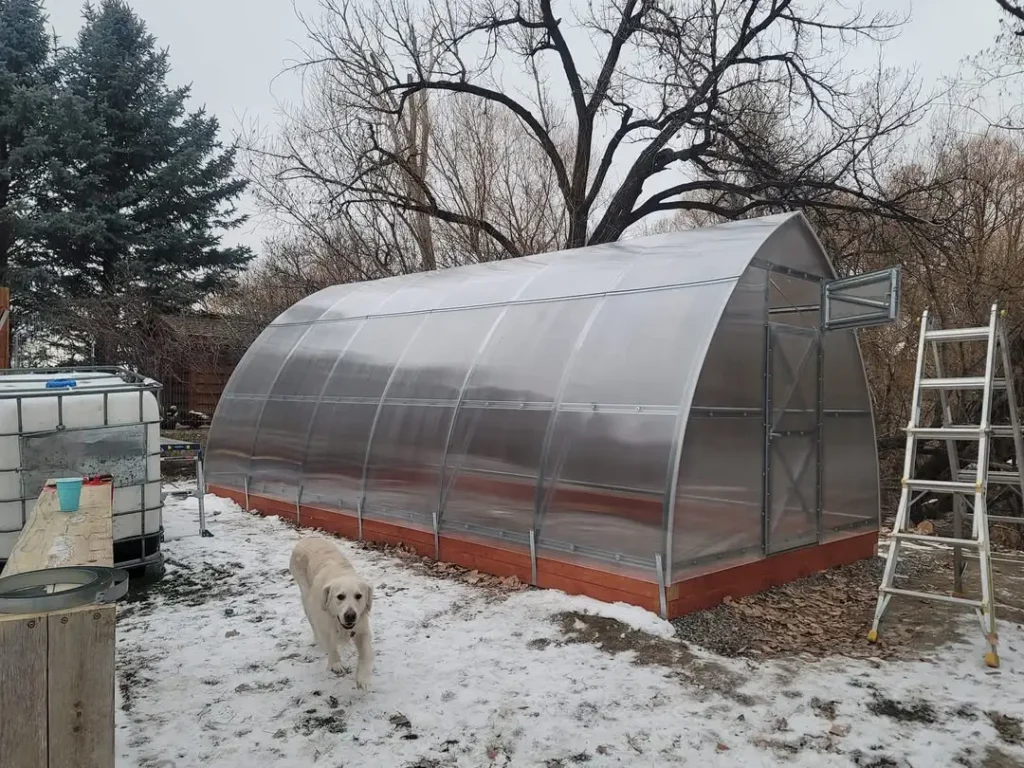
The Inspiration : In the 1600s, Dutch tulip growers were the first to develop hothouses, establishing tropical microclimates in the chilly northern regions of Europe to grow exotic bulbs that were highly valuable. These heated structures expanded botanical possibilities, allowing for the cultivation of pineapples in England and orchids in Russia. Today, modern hothouses carry on this legacy—overcoming climatic challenges to foster extraordinary plants, thereby transforming gardeners into cultivators of the remarkable.
Why it Works : Hothouses create and maintain specific temperatures that are 15-25°C higher than the surrounding environment, allowing for the year round growth of heat loving crops such as peppers, melons, and tropical fruits in any climate. Additional heating systems ensure stable conditions that can enhance growth rates by 40-60% when compared to unheated greenhouses. Professional growers can achieve three harvests each year instead of just one by utilizing hothouses. The regulated warmth mitigates cold stress, thus preventing diseases that often arise in environments with fluctuating temperatures. For specialty growers focused on orchids, carnivorous plants, or rare specimens, hothouses offer essential climate control. Economic advantages are quickly realized winter vegetable production can offset heating expenses while fetching higher market prices. Hobbyists also benefit from the ability to grow plants that would otherwise be impossible in their local climates, significantly broadening their botanical horizons.
Pro Tip : Consider installing a programmable thermostat that allows for a day-night temperature differential most tropical plants thrive with cooler nights of 5-8°C for optimal growth. Organize your hothouse by positioning heat-loving plants near heat sources and placing cooler-tolerant varieties at the edges. Incorporate thermal mass, such as water barrels or stone flooring, to capture daytime heat and gradually release it overnight, which can lower heating costs by 25-30%.
well-stocked greenhouse
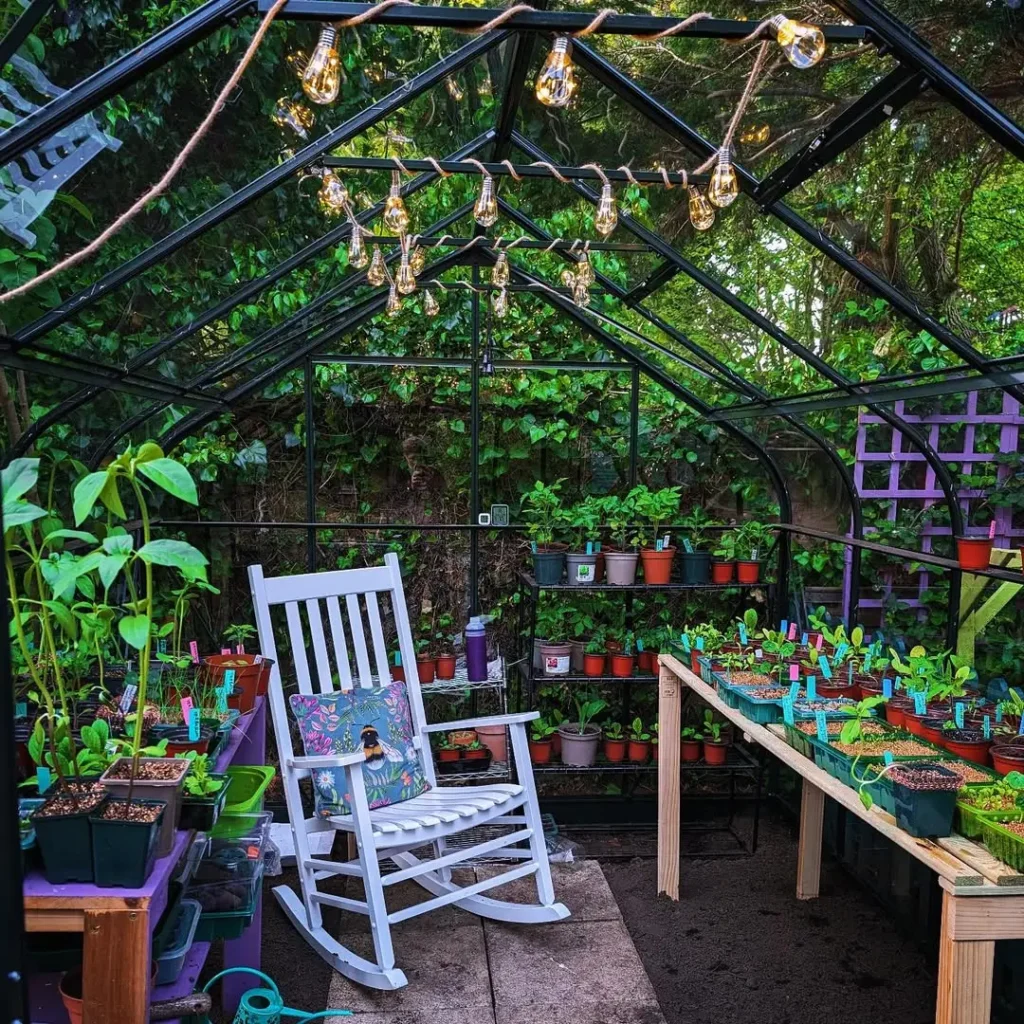
The Inspiration : Expert gardeners understand that unutilized space represents a missed opportunity. Victorian orangeries optimized every square inch with tiered displays, suspended baskets, and vertical arrangements achieving abundance through smart organization. Commercial nurseries honed this efficiency, converting small areas into productive powerhouses. A well equipped greenhouse embodies this principle: strategic density allows plants to flourish in organized layers, forming a lush environment that yields continuously throughout the year.
Why it Works : Enhancing greenhouse capacity significantly boosts productivity while benefiting plant health. Dense planting fosters advantageous microclimates transpiration from numerous plants naturally elevates humidity, decreasing watering requirements by 30%. Vertical staging increases growing space threefold without enlarging the footprint; research indicates that well-stocked greenhouses produce 250% more than sparse configurations. Succession planting guarantees ongoing harvests as lettuce is harvested, tomato seedlings promptly occupy the spaces. This diversity aids integrated pest management; varied plants draw beneficial insects that naturally control pests. Financially, well stocked greenhouses yield quicker returns on investment. From a psychological perspective, abundance encourages regular care vibrant, productive environments inspire daily attention that sparse greenhouses cannot attract. Strategic stocking converts hobby setups into serious production systems.
Pro Tip : Arrange plants according to height and light needs: position tall tomatoes and cucumbers against north walls to prevent shading shorter crops. Implement three-tier staging along the sides for seedlings and herbs. Suspend baskets overhead for trailing plants like strawberries. Ensure 15cm spacing between pots for adequate airflow overcrowding promotes fungal diseases. Rotate crops weekly, relocating specimens outward as they grow.
charming white greenhouse
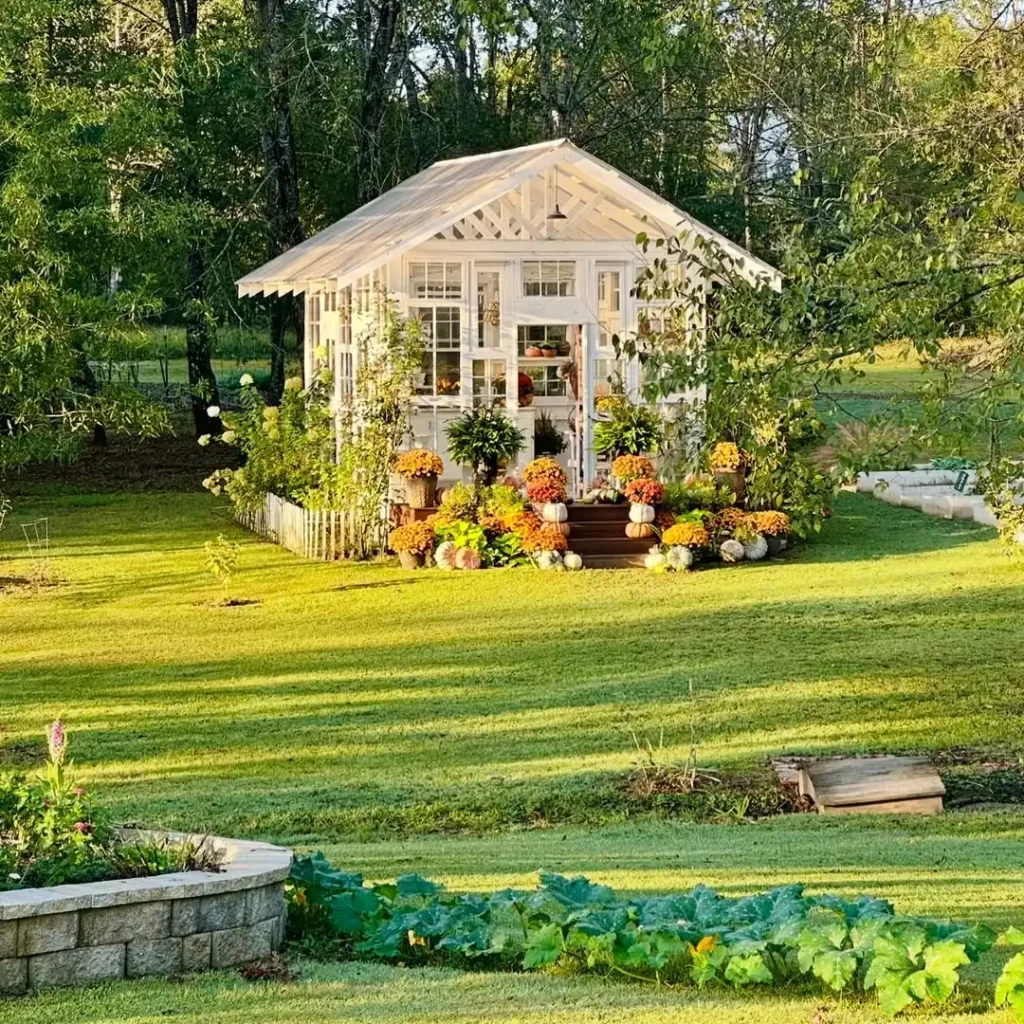
The Inspiration : White greenhouses bring to mind the charm of European cottage gardens and French potagers sleek, pristine structures that resemble garden gems set against lush green lawns. Scandinavian designers have refined this style, crafting light-reflecting havens that optimize valuable sunlight in northern regions. Social media platforms like Instagram and Pinterest have enshrined white greenhouses as coveted garden elements. This classic hue elevates practical structures into architectural masterpieces, merging farmhouse charm with botanical elegance.
Why it Works : White frames reflect 70-80% of sunlight back into the greenhouse, preventing metal parts from overheating and resulting in a brighter interior compared to darker frames. This reflection benefits plants situated near structural components while decreasing summer cooling requirements by as much as 15%. Aesthetically, white provides a striking contrast against greenery, establishing the greenhouse as a central feature that enhances any landscape design. The neutral tone accentuates architectural features and ages gracefully dirt and wear are less noticeable than on colored frames. Psychologically, white symbolizes cleanliness and order, promoting diligent upkeep. Property values see a measurable increase; landscapers indicate that white structures enhance appeal by 8-12% over utilitarian colors during property sales.
Pro Tip : Opt for exterior-grade white paint with mildew-resistant properties designed for humid conditions typical house paint tends to yellow and peel within two years. Select semi-gloss or satin finishes that resist moisture and are easy to clean. Reapply paint every 3-4 years to preserve a pristine look. Combine white frames with natural wood bases or black hardware for an elegant contrast that avoids a sterile, clinical appearance.
hoop greenhouse
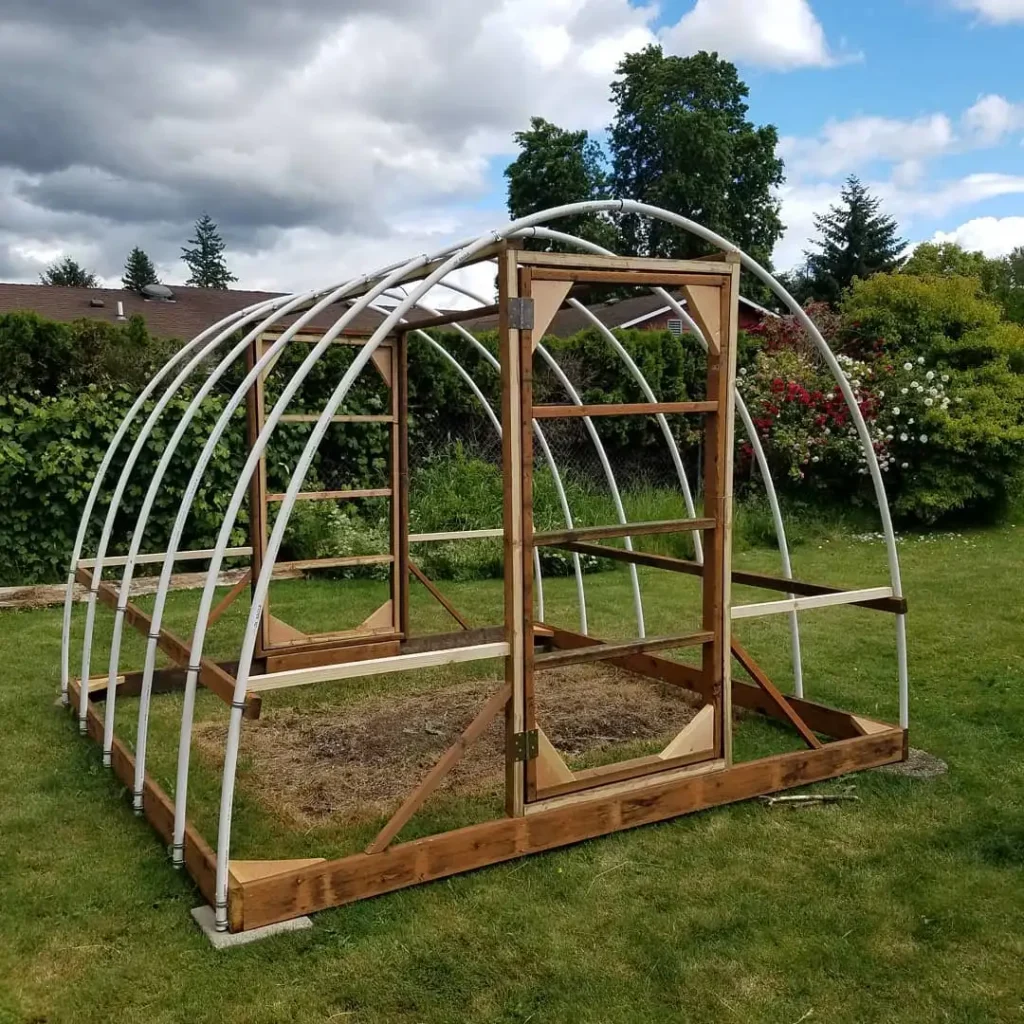
The Inspiration : During the Great Depression, American farmers ingeniously bent surplus metal pipes over rows of vegetables, creating cost effective season extenders when glass greenhouses were still considered luxuries. This innovative simplicity transformed small-scale farming. Modern hoop houses reflect that resourceful spirit—curved structures that require no carpentry skills, constructed over weekends with basic materials. The elegant arches protect plants like nurturing hands, making year-round gardening accessible to all.
Why it Works : Hoop greenhouses are 60-80% less expensive than traditional rigid structures while providing similar growing conditions. Their curved design effectively sheds rain, snow, and debris without needing structural reinforcement, resulting in remarkable durability despite their lightweight nature. Assembly takes only 4-6 hours compared to the days required for conventional greenhouses simply bend pipes, anchor the ends, stretch the plastic, and it’s complete. The low profile is more resistant to wind damage than taller structures. Their flexibility allows for seasonal adjustments: remove plastic covers in summer for open air cultivation, and reinstall them for winter protection. Commercial growers utilize hoop houses to extend harvest seasons by 3-4 months, significantly boosting farm profitability. For home gardeners, the minimal investment and straightforward construction remove obstacles to greenhouse ownership.
Pro Tip : Space hoops 90cm apart to ensure structural integrity wider spacing can lead to sagging plastic and snow accumulation. Utilize 6-mil greenhouse plastic rated for four year UV resistance, avoiding hardware store sheeting that deteriorates within months. Install wiggle wire channels along the hoops for professional grade plastic attachment, allowing for easy seasonal removal and replacement without damaging the covering or frame components.
Timber Greenhouse
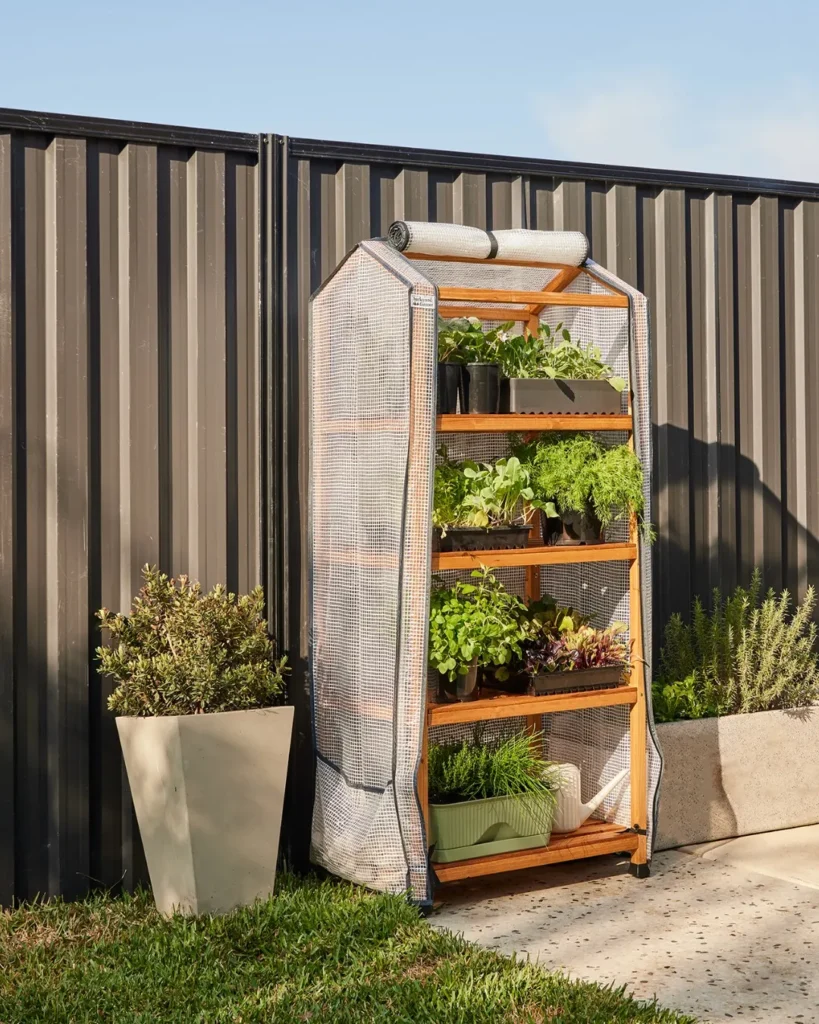
The Inspiration : Traditional English walled gardens included timber-framed glasshouses where head gardeners nurtured valued specimens for aristocratic estates. Craftsmen meticulously hand-mortised joints that endured for generations, resulting in structures that were both aesthetically pleasing and functional. The organic warmth of timber contrasts with the coldness of industrial aluminum—wood adapts with the seasons, develops rich patinas, and links contemporary gardeners to centuries of horticultural artistry. It represents a fusion of heritage and practicality in architectural design.
Why it Works : Timber offers outstanding insulation thermal efficiency that is 400% superior to aluminum frames, significantly lowering heating expenses in colder climates. This material naturally manages moisture, absorbing excess humidity and gradually releasing it, thus preventing the condensation drips that often afflict metal greenhouses. From a structural standpoint, timber can support heavy glazing loads while permitting limitless customization through straightforward carpentry. Cedar and treated hardwoods resist decay for 20-30 years with minimal upkeep. Environmentally, sustainably sourced timber has a smaller carbon footprint compared to metal production. Visually, timber greenhouses enhance garden aesthetics rather than serving as mere functional structures, harmonizing with the landscape. DIY builders value wood’s accommodating nature mistakes can be rectified, modifications are easy, and joinery requires only basic tools.
Pro Tip : Choose pressure treated timber rated for ground contact for base plates and posts; utilize untreated cedar or pine for upper framing to save costs. Before assembly, apply marine-grade wood preservative to all cut ends exposed end grain quickly absorbs moisture, creating potential rot entry points. Ensure a 10cm gap between soil and timber to avoid splash-back moisture damage.
aluminium frame Greenhouse
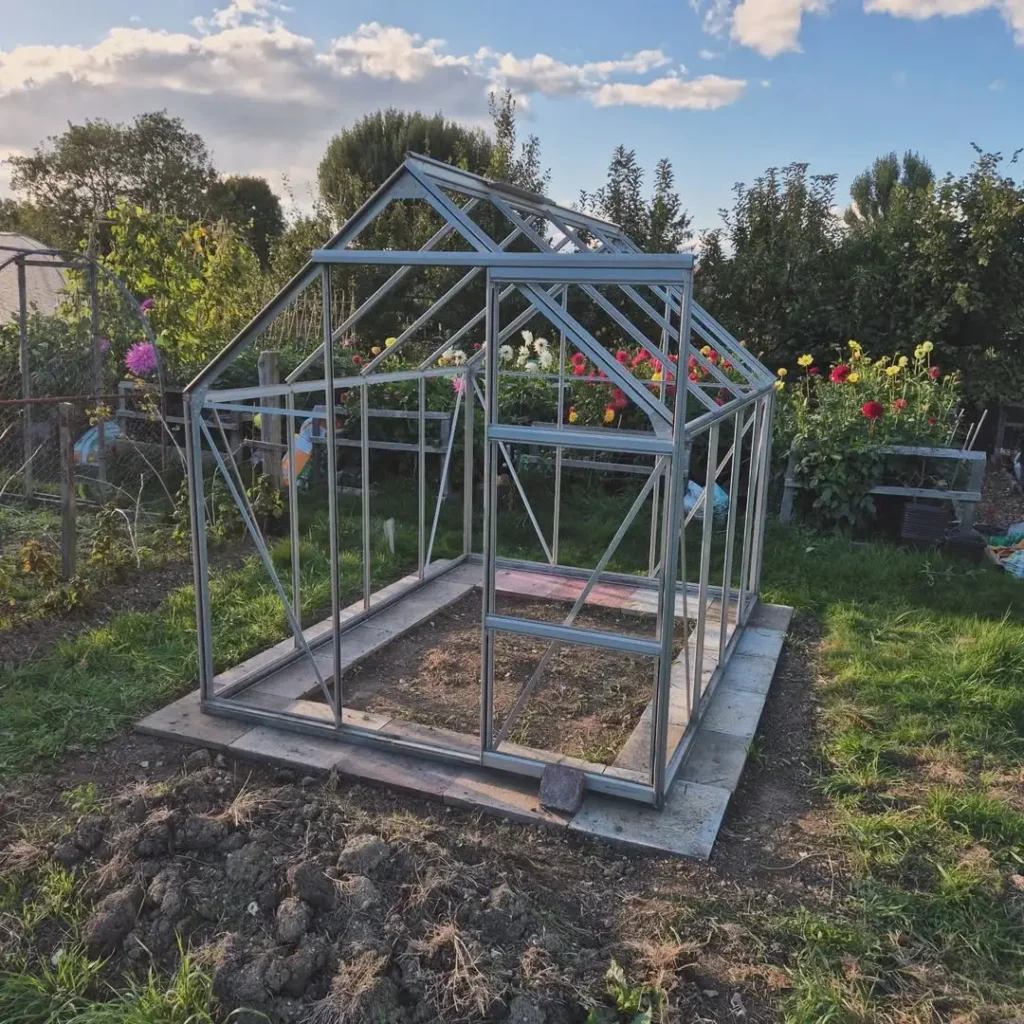
The Inspiration : Post war advancements in industry introduced aluminum from aircraft production to civilian uses. Dutch greenhouse engineers transformed commercial agriculture by substituting heavy steel with lightweight aluminum, resulting in the sleek, contemporary structures that now dominate European horticulture. This material’s futuristic appearance has turned greenhouses from simple sheds into high-precision growing systems. Aluminum embodies the efficiency, durability, and low-maintenance sophistication that modern gardeners increasingly seek.
Why it Works : Aluminum frames are impervious to rust, rot, and do not need painting maintenance is limited to occasional cleaning. The material’s impressive strength to weight ratio enables slim profiles that enhance glazing area, allowing 15-20% more light than bulkier wooden frames. This additional light significantly enhances plant growth and flowering. Aluminum endures extreme temperatures without warping, ranging from -40°C to 50°C, making it ideal for any climate. Pre fabricated kits can be assembled in hours with basic tools no carpentry expertise is necessary. The material is infinitely recyclable, appealing to eco-conscious gardeners. Commercially, aluminum greenhouses have a lifespan of 30-40 years with no structural degradation. For DIY enthusiasts seeking durability without continuous maintenance, aluminum offers unparalleled longevity and performance.
Pro Tip : Opt for powder-coated aluminum instead of anodized finishes powder coating offers enhanced UV and weather resistance while providing color choices beyond natural silver. Examine all rubber gaskets and seals annually; these components wear out more quickly than aluminum frames. Install thermal break strips between aluminum sections in colder climates to reduce condensation and heat loss at frame joints, significantly enhancing energy efficiency.
Pent wooden greenhouse
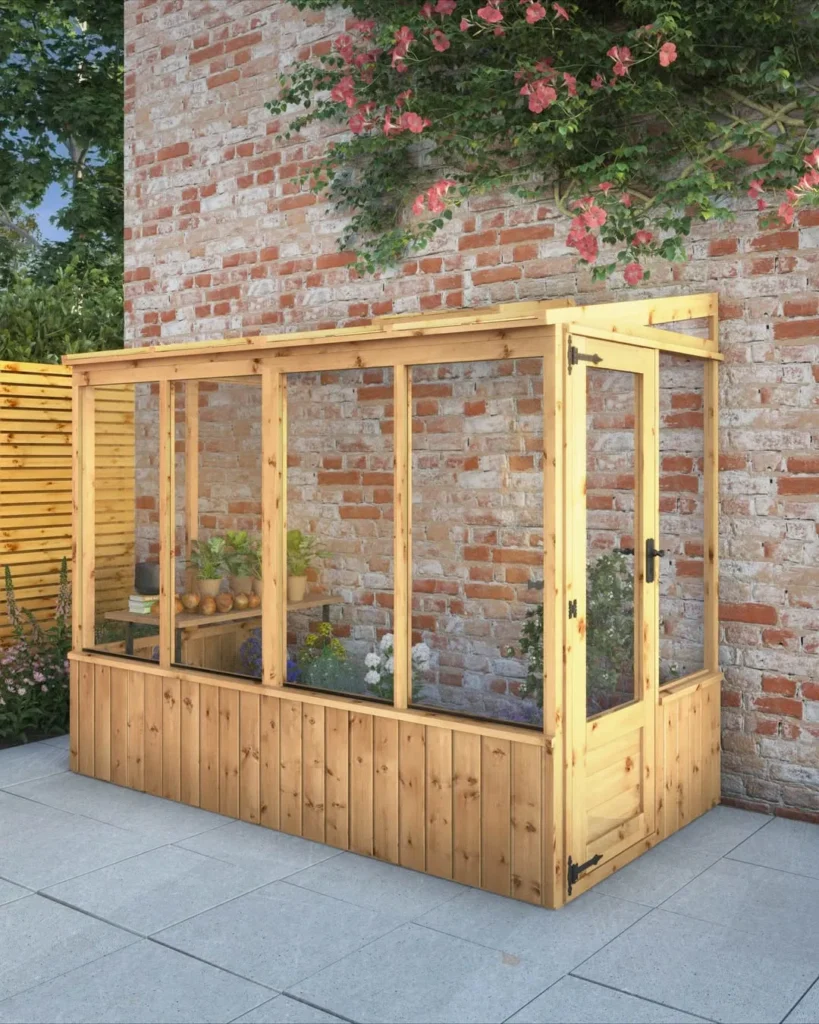
The Inspiration : The design of British garden sheds has evolved to feature a pent roof, characterized by a single sloping plane that optimizes water runoff in consistently rainy environments. Gardeners have adapted this functional geometry for lean to greenhouses positioned against cottage walls. The asymmetrical shape imparts a unique character while addressing drainage issues. Pent wooden greenhouses exemplify utilitarian elegance, where form harmoniously follows function, resulting in compact growing areas that are ideal for small gardens.
Why it Works : Pent roofs are designed to slope at an angle of 15-20 degrees, which ensures that rain and snow slide off effectively, preventing the accumulation of weight that could compromise structural integrity. This single pitch design significantly simplifies construction requiring fewer angled cuts, facilitating easier rafter installation, and minimizing material waste in comparison to peaked roofs. The lower back wall permits placement against fences or buildings without obstructing light to adjacent gardens. Tall front walls enhance southern sun exposure while preserving compact footprints that are perfect for urban settings. Structurally, pent designs utilize 30% less lumber than traditional gable greenhouses while providing comparable interior space. Water management is optimized as runoff is directed predictably to one side, making gutter installation simpler. For DIY enthusiasts with basic skills, pent greenhouses present straightforward weekend projects.
Pro Tip : Position the high side facing south to maximize sunlight capture throughout the day this orientation enhances winter light exposure by 40% compared to a reversed setup. Install guttering along the low edge to gather rainwater in barrels for greenhouse irrigation. Ensure a minimum 20 degree slope to avert water pooling; shallower angles may lead to leaks and structural strain over time.
greenhouse mini greenhouse
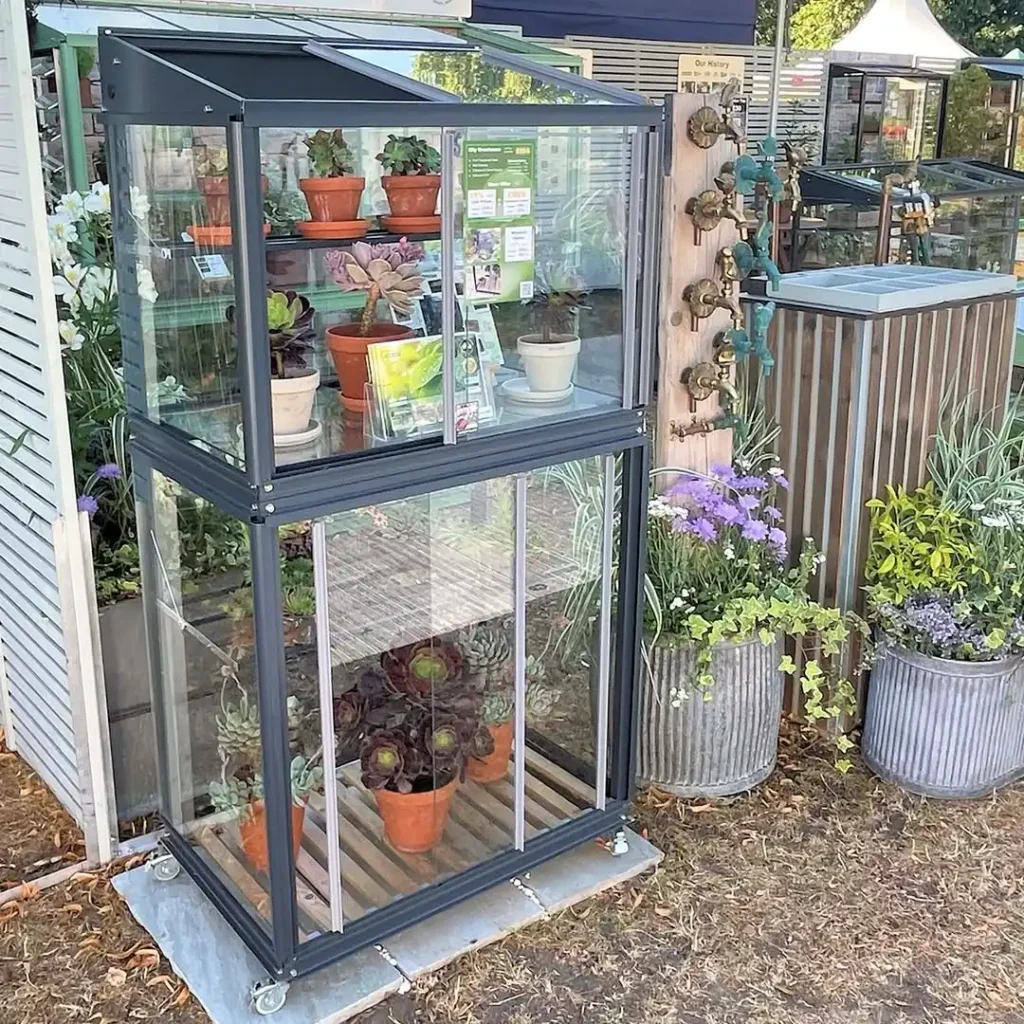
The Inspiration : Urban gardeners with limited balcony and patio space have ignited the mini greenhouse movement, demonstrating that ample land is not a prerequisite for extending growing seasons. Centuries ago, Japanese bonsai artists mastered the art of compact controlled environments. Today, mini greenhouses make protected gardening accessible, fitting comfortably on apartment balconies, small patios, and even windowsills. These diminutive havens illustrate that exceptional gardening can thrive in limited spaces, offering greenhouse advantages to enthusiasts constrained by space everywhere.
Why it Works : Mini greenhouses are priced between ₹500-3,000, removing financial obstacles to protected gardening. Their dimensions of 60-120cm are suitable for balconies, patios, or garden corners where larger structures are impractical. Despite their small size, they can effectively prolong growing seasons by 6-8 weeks, safeguarding seedlings from late frosts and acclimatizing transplants before they are planted in gardens. The enclosed space fosters optimal humidity for propagating cuttings, enhancing success rates by 40-60% compared to open-air rooting. Their portability allows for repositioning throughout the seasons to maximize sunlight or provide shelter from storms. For renters, mini greenhouses do not necessitate permanent installation or landlord consent. Urban residents can enjoy greenhouse benefits without a significant space commitment. Ideal for herbs, seedlings, succulents, and small vegetables, they demonstrate that professional growing methods can be adapted to any environment.
Pro Tip : Place mini greenhouses against south-facing walls to harness reflected heat and shield from wind this microclimate can elevate internal temperatures by 5-8°C. Utilize zip tie fasteners to secure lightweight structures during storms. Incorporate small water bottles inside as thermal mass to mitigate temperature fluctuations. Open vents daily, even in winter; confined spaces can overheat quickly, potentially damaging plants within hours on sunny days.
Sunset Sanctuary greenhouse
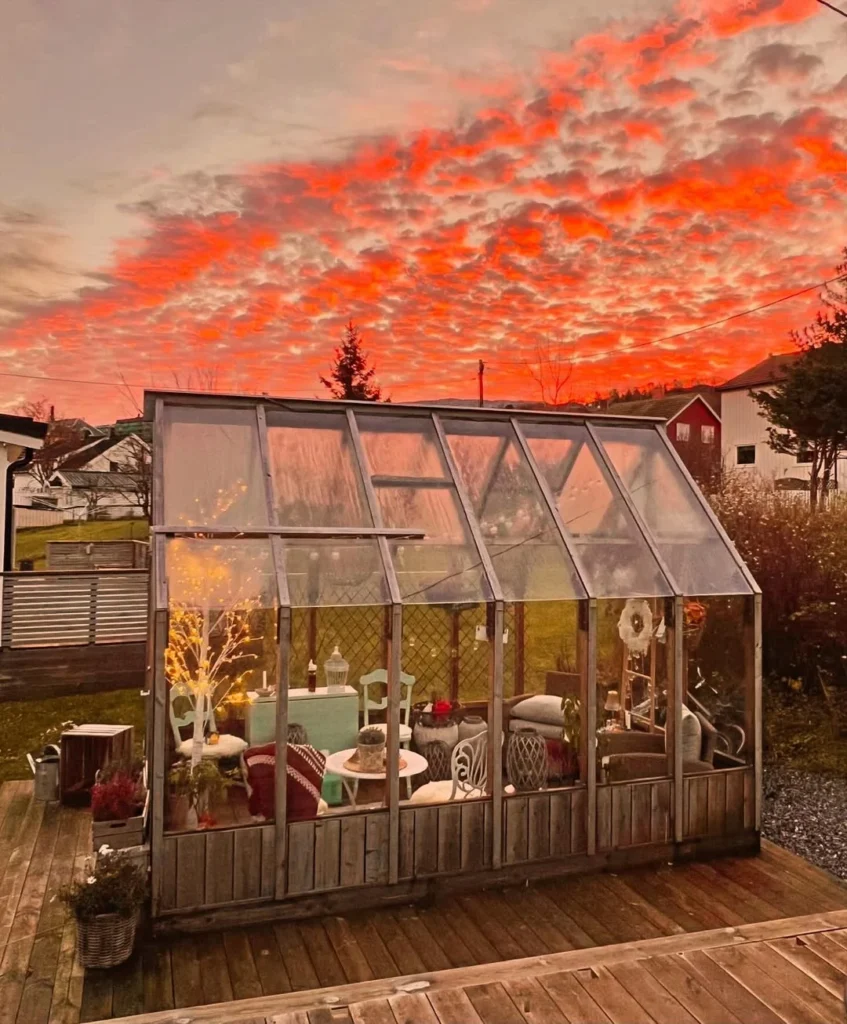
The Inspiration : The evening light turns greenhouses into radiant lanterns golden hour light filtering through glass and greenery fosters a sense of magical calm. Japanese garden designers recognized sunset areas as reflective retreats where day gracefully transitions into night. The Sunset Sanctuary concept embodies this duality: a productive growing area by day, a tranquil meditation space as night falls. It is where horticulture intersects with mindfulness, and plants harmonize with peace.
Why it Works : A west facing orientation captures the strong afternoon and evening light, benefiting sun-loving crops such as tomatoes, peppers, and melons that require over 6 hours of direct sunlight. The stunning sunset views foster an emotional bond, turning routine watering into a therapeutic practice. Psychologically, having a dedicated sanctuary alleviates stress research indicates that spending 20 minutes in plant-filled environments reduces cortisol levels by 25%. Functionally, the retention of afternoon heat results in warmer overnight temperatures, naturally safeguarding frost-sensitive plants. The area serves dual functions: a productive vegetable garden and a serene retreat for reading, yoga, or quiet contemplation. Incorporating comfortable seating, soft lighting, and fragrant herbs like lavender transforms the greenhouse from a mere utility structure into a lifestyle focal point.
Pro Tip : Install shade cloth on automated rollers for the west wall intense afternoon sun can damage leaves even in winter. Introduce a small water feature or fountain; the sound promotes tranquility while boosting humidity for tropical plants. Use warm-toned LED string lights along rafters for evening ambiance without disrupting plant photoperiods. Include a cozy weatherproof chair for optimal sanctuary functionality.
Glass Retreat Greenhouse
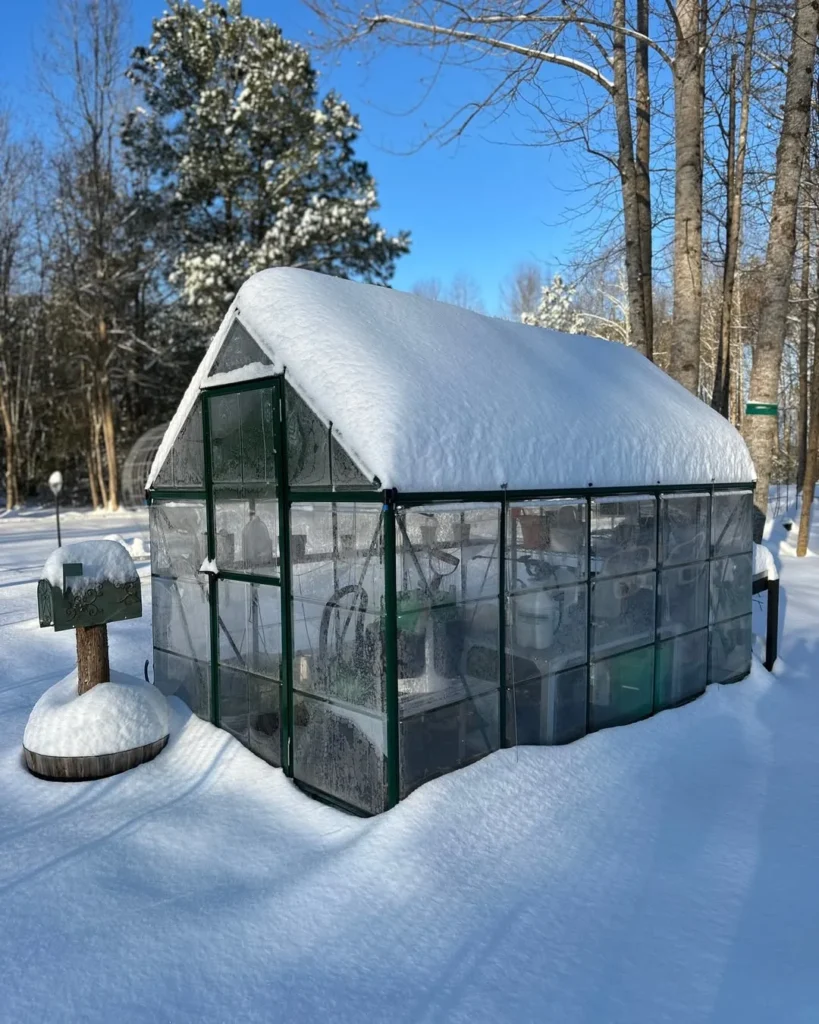
The Inspiration : Victorian aristocrats designed glass garden rooms as personal retreats transparent areas that blur the lines between indoor living and the natural world. Kew Gardens’ Temperate House embodies this concept: architecture that facilitates both reflection and cultivation. Contemporary Glass Retreat greenhouses embody this vision, converting practical growing areas into transparent sanctuaries where crystal-clear walls welcome the sky, stars, and surrounding scenery, fostering immersive botanical experiences.
Why it Works : Glass offers unparalleled transparency 90% light transmission in contrast to polycarbonate’s 80% creating bright, uplifting environments that help alleviate seasonal affective disorder. The expansive visibility nurtures a profound connection with the rhythms of your garden: witnessing storms approach, tracking the sun’s trajectory, and observing wildlife. In terms of durability, tempered glass endures for over 30 years without yellowing, preserving its clarity and enhancing property value by 10-15%. The sturdy material imparts architectural sophistication unattainable with plastic coverings. Practically, glass efficiently retains heat while enabling visual monitoring of plants from outside allowing for early problem detection. Psychologically, glass retreats serve as meditation areas, reading spots, or morning coffee venues. By merging significant growing potential with the comfort of living spaces, they warrant a higher investment due to their dual-purpose functionality.
Pro Tip : Install tinted or low E glass on southern and western walls to decrease cooling requirements by 30% without compromising views. Utilize clear glass on northern walls to optimize available light. Incorporate interior blinds or retractable shade cloth instead of permanent tinting this flexibility allows for seasonal adjustments. Ensure proper foundation drainage; glass structures prominently display water streaks, necessitating effective runoff management.
wall greenhouse
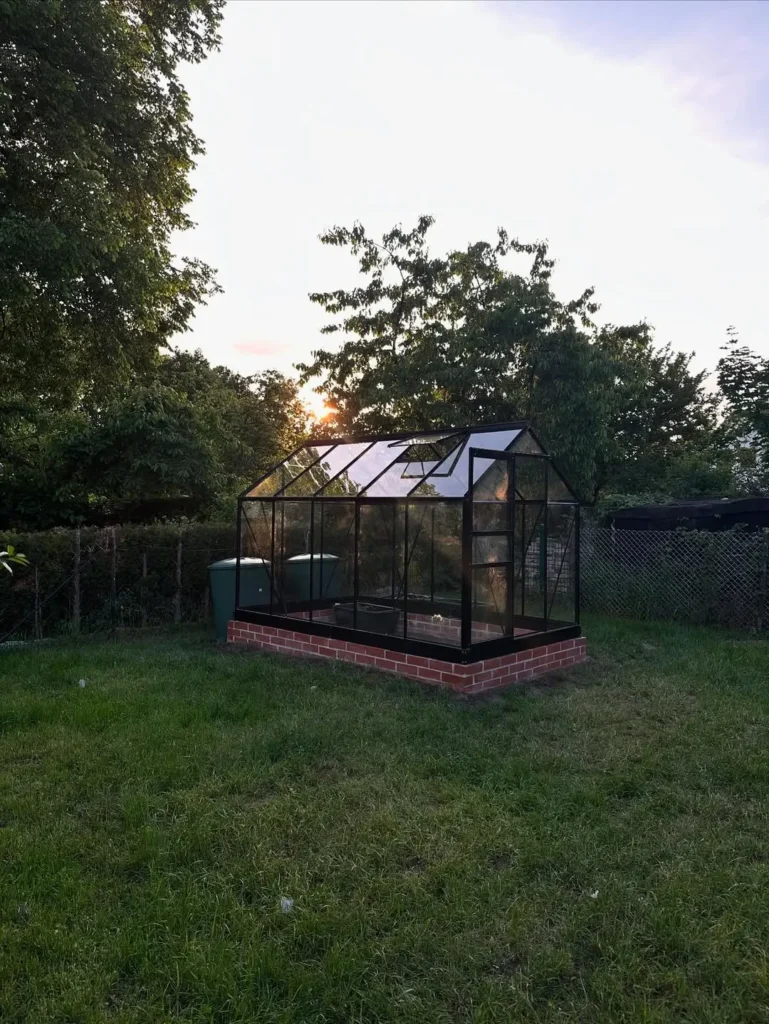
The Inspiration : French kitchen gardeners mastered the concept of “mur à pêches” peach walls that utilized stone to absorb heat during the day, which then radiated warmth at night to facilitate the ripening of otherwise unattainable fruits. Medieval monasteries constructed lean-to greenhouses against south-facing walls, taking advantage of thermal mass and protection. Wall greenhouses pay homage to this brilliant tradition: they capture warmth, shield against wind, and conserve space. This represents an architectural symbiosis where buildings collaborate in the act of cultivation.
Why it Works : Attached wall greenhouses significantly reduce heating expenses by 40-50% through the shared warmth of your home. The sturdy back wall serves as thermal mass, absorbing heat during the day and gradually releasing it overnight maintaining stable temperatures that freestanding structures cannot achieve. Construction costs decrease by 30% since one wall is already in place; you are effectively constructing three sides instead of four. Space efficiency is crucial for smaller properties; wall greenhouses take up minimal space while maximizing the growing area. The building provides wind protection, which lessens structural stress and heat loss. Easy access through doors or windows allows for plant care without needing to go outside manage seedlings in your slippers during breakfast. For urban gardeners with limited yard space, wall greenhouses convert unused building sides into productive micro farms.
Pro Tip : Select south or southeast-facing walls to ensure optimal sun exposure steer clear of north walls that receive inadequate light. Verify that the existing wall has appropriate moisture barriers; greenhouse humidity can infiltrate building materials, leading to mold. Install vents at the roof peak and on the opposite wall for cross-ventilation, as the back wall cannot facilitate airflow. Paint dark walls white on the inside to reflect light deeper into the growing area.
cold frame greenhouse
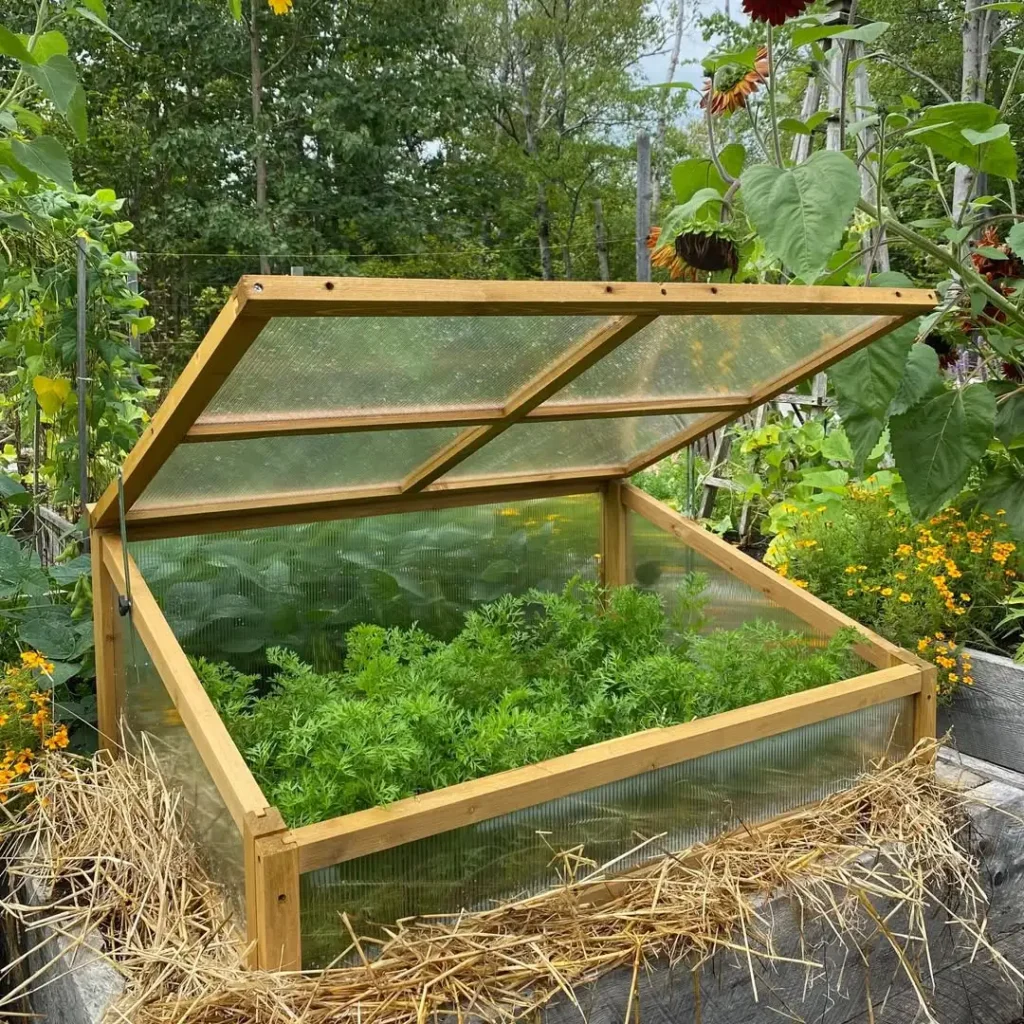
The Inspiration : Colonial American farmers constructed basic boxes using salvaged window sashes to harness the sun’s warmth, safeguarding cabbage and lettuce during severe winters. French market gardeners transformed cold frames into an art form, supplying fresh vegetables year round to Parisian restaurants. These modest structures embody gardening’s fundamental principle: even minimal protection significantly extends growing seasons. In gardening’s most accessible technology, simplicity meets effectiveness.
Why it Works : Cold frames are priced between ₹1,500-3,000 and can prolong growing seasons by 6-10 weeks on both ends spring planting can commence earlier, while fall harvests can be extended. Their low profile captures ground warmth and reduces wind exposure, creating microclimates that are 8-12°C warmer than the surrounding area. No need for electricity, intricate ventilation, or structural engineering just a box with a transparent lid. Ideal for hardening seedlings before transplanting, cultivating cool-season crops like spinach and lettuce throughout winter, and shielding delicate perennials from frost. Their compact size allows for multiple units targeting various microclimates on your property. Success is achievable without prior experience; beginners can attain professional results instantly. Return on investment is realized within a single season through extended harvests.
Pro Tip : Tilt the lid at a 30-45 degree angle facing south to optimize sun capture and facilitate rain runoff. Employ automatic vent openers to avert overheating sunny winter days can rapidly elevate internal temperatures beyond 35°C, potentially damaging plants within hours. Mound soil against the sides for insulation. Embed frames 15cm into the ground to harness geothermal warmth and enhance stability.
potting shed greenhouse
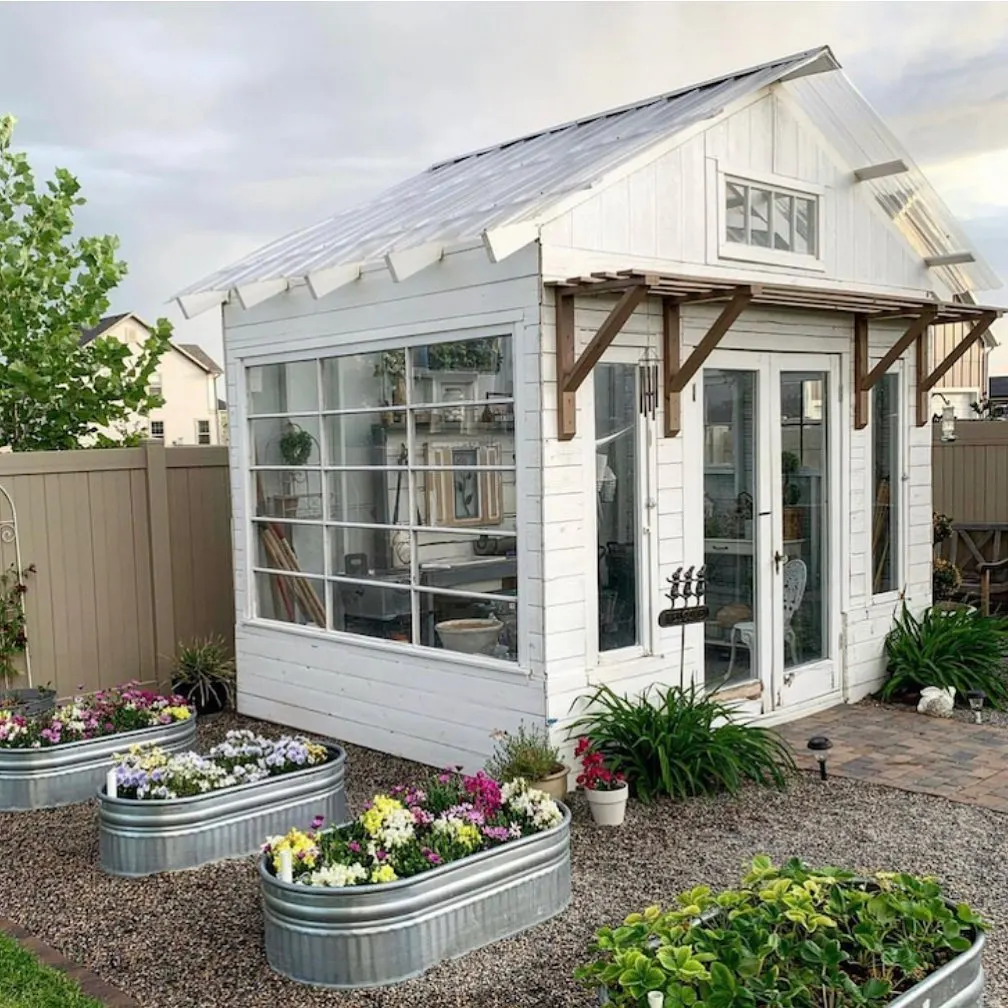
The Inspiration : Potting shed greenhouses have their roots in Victorian England, where under gardeners cultivated seedlings in specialized workspaces linked to opulent estate glasshouses. This artisanal practice combined functional storage with regulated cultivation, forming a gardener’s haven that respected both craftsmanship and the environment. Contemporary designs reflect this same ethos: workspace and growing space coexist in perfect balance.
Why it Works : Potting shed greenhouses offer a dual purpose that independent structures cannot provide. The greenhouse component prolongs your growing season by three months, shielding plants from frost and pests while enhancing germination rates. Simultaneously, the shed area ensures organized tool storage, keeping supplies within reach without cluttering transparent walls. This synergy boosts productivity by consolidating all gardening tasks under one roof eliminating the need to move between buildings. You benefit from a year-round workspace, irrespective of weather conditions, along with the convenience of having soil, tools, and seedlings readily available. The hybrid design optimizes limited garden space while lowering construction expenses.
Pro Tip : Orient your structure with south facing glass panels to maximize sunlight exposure for the greenhouse area. Incorporate adjustable roof and wall vents to facilitate cross ventilation between both sections, mitigating fungal problems while controlling temperature. Install LED lighting above the potting bench to ensure visibility throughout the year during overcast days or evening gardening sessions.
blue garden greenhouse
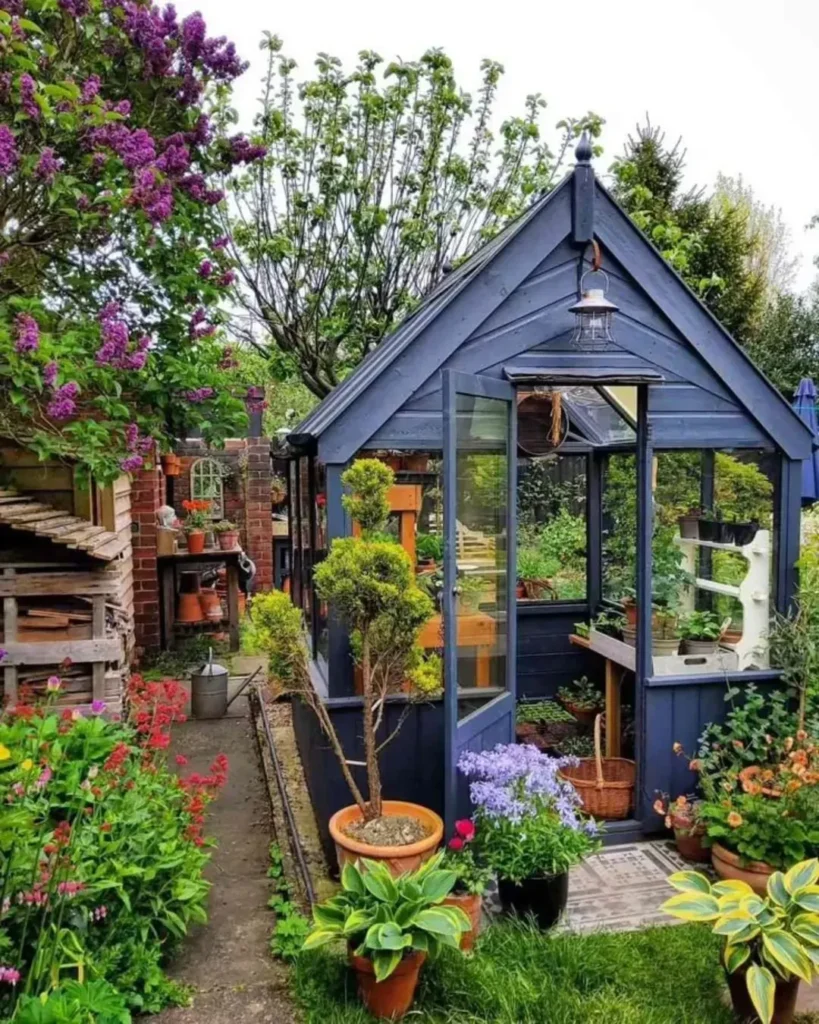
The Inspiration : Blue garden greenhouses take cues from traditional French potager gardens and Scandinavian design aesthetics, where blue structures stand out against lush greenery. The soothing, understated nature of blue enhances the perception of space in smaller gardens, invoking imagery of the sky and water. This design choice elevates practical growing areas into prominent garden features.
Why it Works : Blue greenhouses offer both functional and psychological advantages that surpass conventional models. The hue provides a visual contrast that allows structures to stand out against the surrounding foliage, ensuring the greenhouse does not blend into the landscape. The recessive quality of blue visually enlarges compact garden areas, creating a sense of openness. Furthermore, blue shades are less prone to showing dirt and stains compared to lighter hues, while still offering year round visual appeal. The serene and tranquil attributes linked to blue foster a sanctuary-like atmosphere for plant growth. In contrast to darker colors that trap heat, lighter blue tones effectively balance temperature control with visual charm.
Pro Tip : Opt for lighter blue shades such as French blue or powder blue instead of deep navy hues. Lighter blues enhance contrast without excessive heat retention while preserving a soothing aesthetic. Combine with sharp white trim for a timeless look, or natural wood details for a Scandinavian touch. Annually seal painted frames to guard against weathering and fading.
Tudor style greenhouse
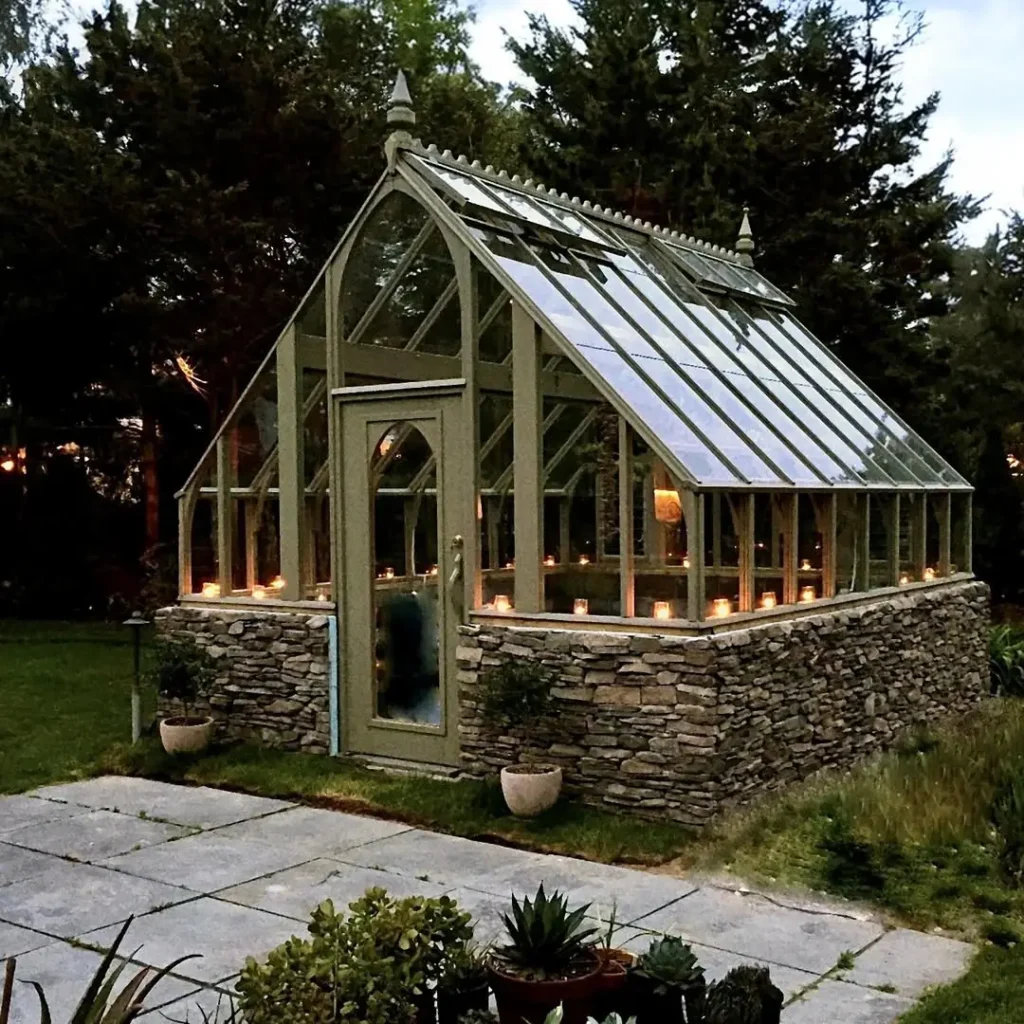
The Inspiration : Tudor style greenhouses reflect the Gothic architectural heritage of medieval England, characterized by steeply pitched roofs and elegant arches that evoke the appearance of cathedral windows. These structures rose to prominence during the Victorian era, when elaborate garden designs became symbols of status. Their striking silhouette elevates practical growing areas into architectural masterpieces, blending traditional craftsmanship with horticultural functionality.
Why it Works : Tudor greenhouses offer remarkable functionality through their unique design. The steeply pitched roofs facilitate the easy runoff of snow and rain, safeguarding the structure from weather related damage. This vertical architecture provides ample headroom for tall plants, climbing vines, and hanging orchids that typical greenhouses cannot support. The arched design negates the need for internal trusses, minimizing material use while enhancing the frame’s strength. In addition to their practicality, Tudor aesthetics create beautiful focal points that enhance period homes, especially English cottages and historic buildings. This classic style boosts property value while ensuring year-round growing potential with appropriate insulation solutions.
Pro Tip : Align your base walls with the existing architecture by using stone, brick, or wood cladding for a cohesive look. Choose clear all heart redwood for its excellent rot resistance and durability in humid greenhouse conditions. Incorporate multiple automatic roof vents along the steep pitch to avoid heat buildup at the highest points. Enhance the design with decorative finials and ridge scallops for authentic period charm.
Urban greenhouse
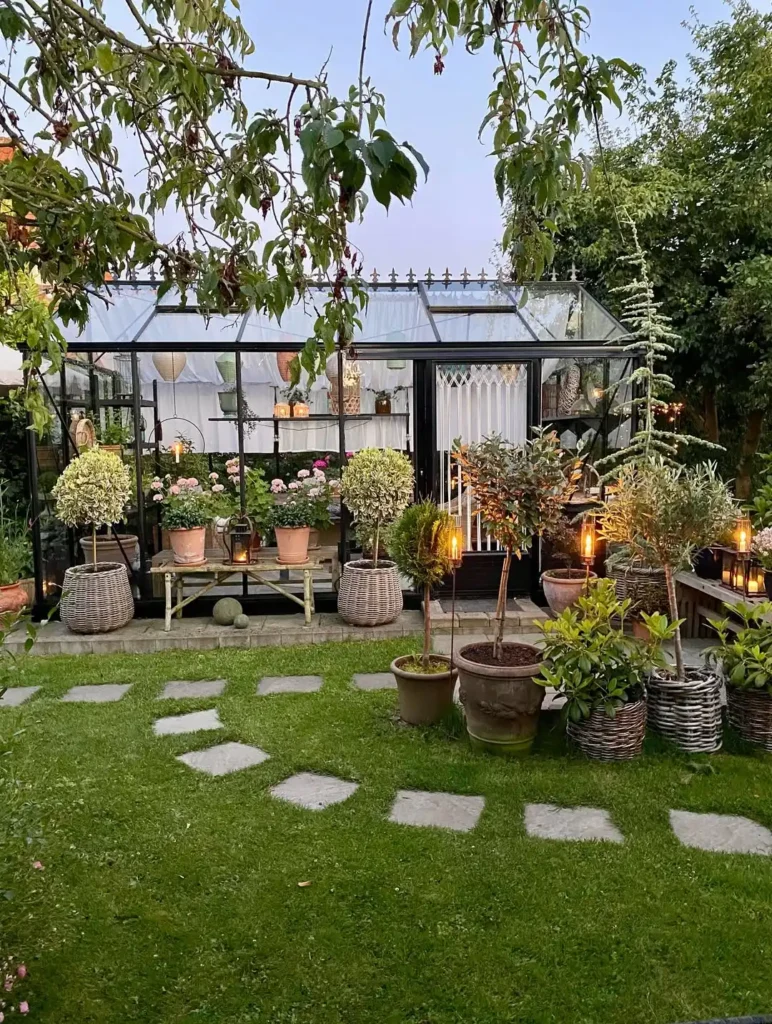
The Inspiration : Urban greenhouses arose from necessity, converting underused rooftops and vacant lots into fruitful green areas. Gotham Greens led the way in commercial rooftop farming in Brooklyn in 2011, although Manhattan had greenhouses since 1969. This initiative reimagines cities as self sufficient ecosystems, delivering fresh produce directly to concrete jungles while reconnecting urban residents with the origins of their food.
Why it Works : Urban greenhouses address significant food security issues while minimizing environmental impact. They reduce transportation emissions by growing food locally, significantly lowering the carbon footprint. The controlled environments allow for year-round crop production, ensuring a steady supply of fresh produce regardless of the seasons. Vertical gardening methods and multi-tier systems optimize limited urban space, enhancing yields per square foot. These structures help mitigate urban heat islands by cooling the surrounding air and boosting oxygen levels. In addition to practical advantages, urban greenhouses serve as community engagement centers, providing educational programs on sustainability and gardening. They create local employment opportunities, stimulate economies, and encourage healthier eating by improving access to nutritious foods.
Pro Tip : Optimize vertical space by utilizing trellises, hanging baskets, and multi tier shelving systems to expand your growing area threefold. Create a U shaped bench layout along walls for better access and workspace efficiency. Implement rainwater collection systems from nearby roofs to lower water expenses. Select compact, vining crops such as herbs, leafy greens, and strawberries for space limited urban environments.
reclaimed wood greenhouse
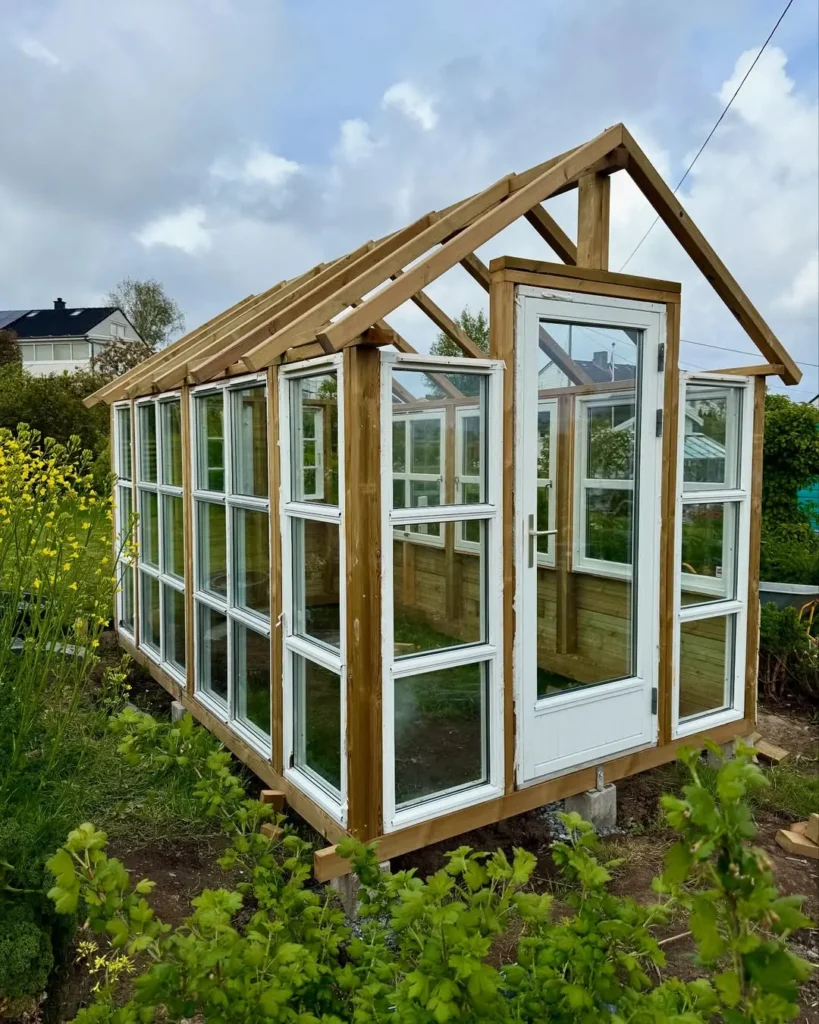
The Inspiration : Reclaimed wood greenhouses pay tribute to the traditional craftsmanship of barn raising while incorporating modern sustainable practices. Salvaged timber from century old barns, warehouses, and deconstructed buildings carries a history and character that cannot be replicated with new materials. This eco friendly method transforms neglected lumber into practical growing environments, celebrating imperfections such as weathered patinas, nail holes, and age rings that narrate stories of their past lives.
Why it Works : Reclaimed wood greenhouses provide both environmental and practical benefits compared to traditional constructions. Utilizing salvaged lumber diverts waste from landfills and decreases the need for newly harvested timber, significantly reducing the carbon footprint. Old growth wood from reclaimed sources boasts greater density and rot resistance than modern fast grown lumber, ensuring remarkable durability in humid greenhouse settings. The natural aging process imparts unique aesthetic qualities with diverse textures, colors, and grain patterns that enhance rustic charm. Cost savings typically range from 20 50% compared to buying premium new wood while maintaining similar structural integrity. These structures integrate effortlessly into naturalistic garden designs, fostering warm, inviting environments that link growers to sustainable building practices.
Pro Tip : Carefully examine reclaimed wood for structural integrity, discarding pieces with severe rot, insect damage, or significant splitting. Lightly sand surfaces to eliminate splinters while retaining character marks. Use penetrating wood sealers specifically formulated for high moisture settings to safeguard against greenhouse humidity without masking the natural patina. Favor hardwoods like oak or chestnut for framing components that require maximum strength.