
Container Garden Design Layout Ideas That Transform Any Patio, making the most of small spaces for plantings in romantic and creative style. It’s all about thinking in three dimensions using different heights, textures and container sizes to add visual interest and functional areas to your outdoor space. Begin with the thriller filler spiller tall, dramatic plants ornamental grasses or small trees for a focal point; medium height flowering décor around them; and cascading versions trailing petunias, sweet potato vines to edge. Using this layered system provides diversity and best uses the square footage for plant life. Container Garden Design Layout Ideas That Transform Any Patio Arrange larger pots as anchors in corners or against walls, and then clump the smaller ones into odd numbered groups for organic flow. Use vertical space with planters that hang on the wall, tiered plant stands and hanging baskets that draw your eye up, tricking you into thinking the area is much larger. Matching colors can make the clutter look like it actually belongs together. Select your vessels in contrasting materials terracotta with reclaimed wood, modern metals with concrete or put matching pots in a single, complementary color. Container Garden Design Layout Ideas That Transform Any Patio Use seasonal rotation zones to swap containers around with little effort and keep displays fresh all year long. When planning the layout, take into account traffic patterns ensuring clear paths but placing high traffic boundary edges with fragrant herbs such as lavender and rosemary for sensory encounters. Plant like water needs together, and watering becomes more manageable. Intelligent layout design makes any patio a lush, functional garden retreat that looks professionally designed.
Adorned Windows Container Garden
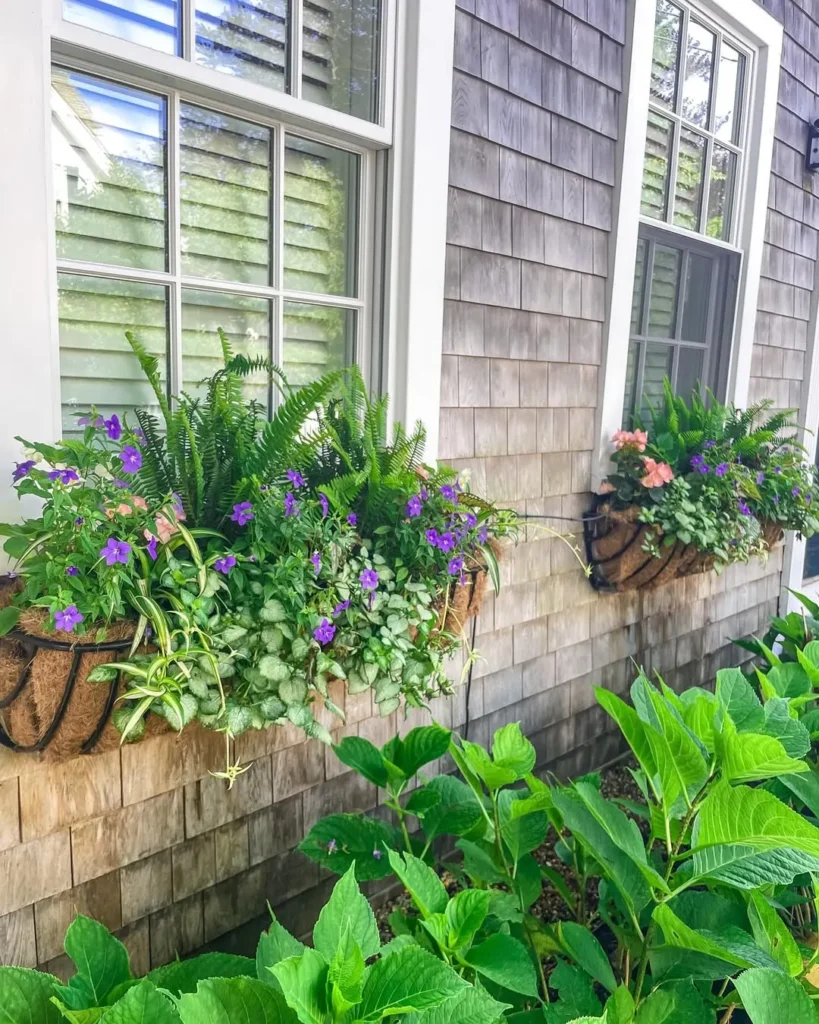
The Inspiration: Window boxes turn ordinary facades into living works of art, a tradition that dates back to Renaissance Italy when affluent merchants decorated their homes with cascading geraniums. Today, container gardens blend this Old World charm with contemporary urban living. Imagine passersby stopping to admire your vibrant windowsill oasis these miniature gardens create beauty in areas where ground space is lacking, transforming architectural frames into botanical displays.
Why it Works: Adorned window container gardens optimize vertical space while providing significant visual appeal. They enhance air quality right where you breathe, lower indoor temperatures by up to 10°F through natural shading, and offer fresh herbs within easy reach. Unlike ground gardens, these elevated planters prevent soil-borne pests and drainage problems. The elevated position beautifully showcases trailing plants while making maintenance easier no bending necessary. Research indicates that greenery facing the street can increase property values by 7-15% and enhance neighborhood morale. They are suitable for rentals, adaptable to seasons, and convert unused architectural areas into productive growing spaces.
Pro Tip: Opt for self-watering window boxes with built in reservoirs to ensure consistent moisture during hot months. Install sturdy brackets rated for double the weight of your filled container, as soil and water add considerable load. Layer lightweight potting mix with perlite for drainage, and choose plants with similar water requirements: for example, pair drought tolerant herbs like rosemary with lavender instead of moisture loving basil.
A Greeting of Tulips Container Garden
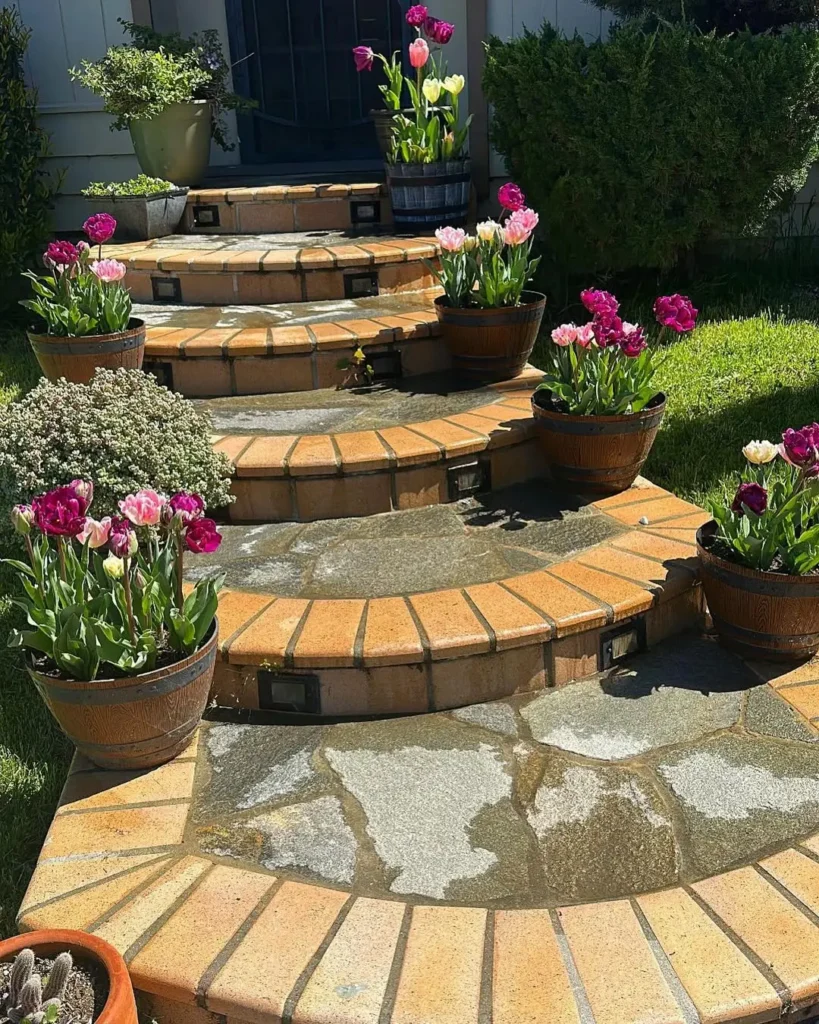
The Inspiration: In Persian poetry, tulips represent perfect love and inspired the renowned “tulip mania” of 17th-century Holland. Container tulip gardens embody this enduring elegance for contemporary entryways, where their bright blooms create inviting first impressions. Imagine guests arriving to vibrant bursts of color framing your doorway these potted arrangements elevate ordinary entrances into seasonal celebrations, joyfully announcing the arrival of spring.
Why it Works: Container tulip gardens provide controlled growing conditions that ground plantings cannot achieve. You can chill bulbs accurately, place containers for optimal sunlight, and move displays as blooms fade. Tulips in pots bloom 2-3 weeks earlier than those planted in the ground due to warmer soil temperatures. Containers keep squirrels and voles away from bulbs while allowing for customized drainage for various types. The portability allows for dramatic color staging at entrances, patios, or events, making it easy to refresh arrangements. Compact spaces achieve maximum impact a single large container filled with 25 or more tulips delivers more visual appeal than scattered garden plantings.
Pro Tip: Plant tulip bulbs closely in containers spacing them just an inch apart creates a lush “bouquet” effect that is unattainable in ground gardens. Use deep pots and plant bulbs in two layers: place late-blooming varieties at the bottom and early bloomers on top. This “lasagna planting” technique extends your display from 2-3 weeks to 6-8 weeks of continuous color.
Concrete With Mixed Flowers
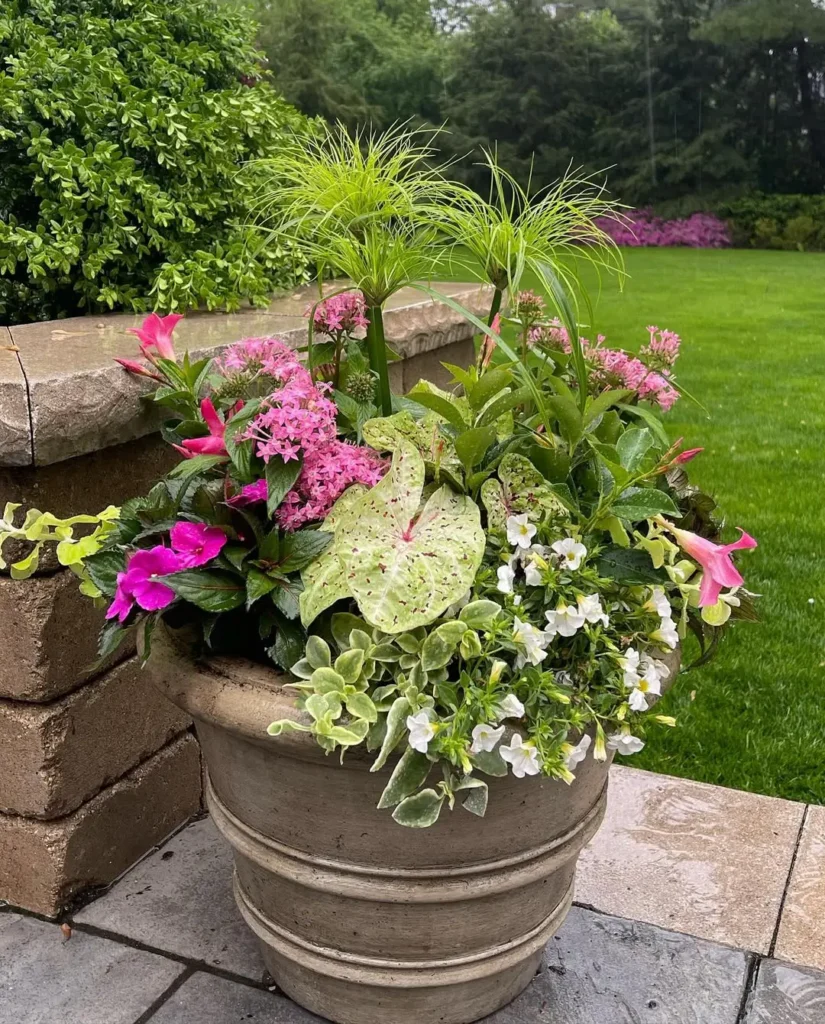
The Inspiration: Brutalist architecture combines with the charm of cottage gardens in this surprising combination. Influenced by urban rooftop gardens where industrial materials frame natural beauty, concrete planters create a striking contrast against soft petals and cascading foliage. This contrast reflects the Japanese wabi sabi philosophy finding beauty in imperfection. Imagine the raw texture of weathered concrete highlighting delicate blooms, turning functional containers into modern sculptural pieces that anchor contemporary landscapes.Container Gardening Flowers Beautiful Combos for Porch and Patio
Why it Works: Concrete planters provide exceptional durability and thermal stability, safeguarding roots from temperature fluctuations that can stress plants in metal or plastic containers. The porous material naturally absorbs moisture while preventing waterlogging, ensuring ideal drainage for mixed flower arrangements. The alkaline nature of concrete supports lime loving plants such as lavender and dianthus. These heavy containers resist wind without tipping, making them suitable for exposed locations. The neutral gray background enhances the vibrancy of flower colors research indicates that concrete can increase perceived color brightness by 30%. They are frost-proof, UV resistant, and develop an appealing patina over time, aging beautifully alongside your garden.
Pro Tip: Apply a water based masonry sealer to the interiors of new concrete planters to prevent lime leaching that can excessively raise soil pH. Allow containers to cure outdoors for 3-4 weeks before planting, thoroughly rinsing to eliminate alkaline residue. When creating mixed flower arrangements, select varieties with similar water requirements combining drought-tolerant zinnias with moisture-loving impatiens can lead to maintenance challenges and unsatisfactory blooms.
Container Corner Garden Design
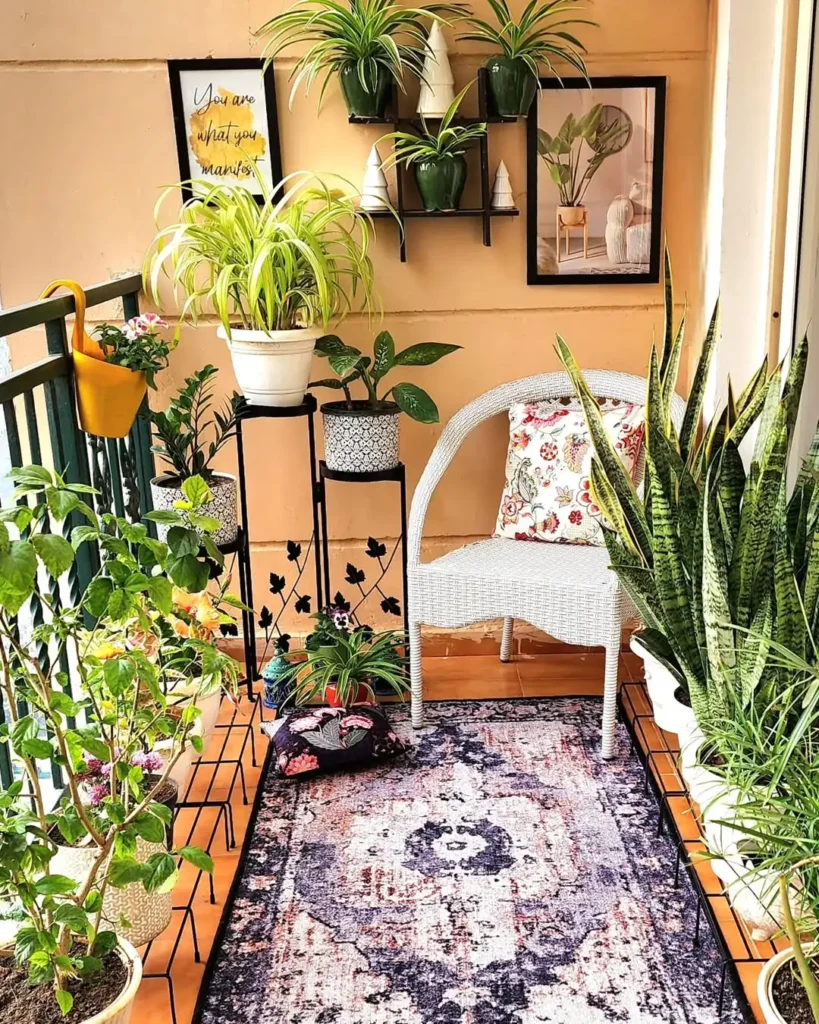
The Inspiration: Forgotten corners possess untapped potential, as demonstrated by European courtyard gardens where tight angles are filled with terracotta pots and trailing vines. Container corner designs can transform awkward, underutilized spaces into vibrant focal points. Picture that bare patio corner or empty deck angle suddenly coming to life with layered greenery and blooms. These strategic arrangements convert architectural dead zones into intentional garden moments that attract the eye and soften harsh edges.
Why it Works: Corner container gardens enhance spatial efficiency by utilizing both vertical and horizontal dimensions. Grouping containers in corners creates microclimates with reduced wind exposure and reflected heat, which can extend growing seasons. The layered arrangement with tall plants against the walls, medium-height plants in the mid zone, and trailing plants at the front creates a professional depth in minimal square footage. Corners naturally frame views, making plantings seem more abundant than scattered containers. Studies indicate that clustered plantings retain soil moisture 40% longer than isolated pots. Additionally, corner positioning simplifies irrigation by consolidating watering zones, while backdrop walls beautifully showcase plant forms and provide structural support for climbing varieties.
Pro Tip: Use the “thriller, filler, spiller” formula when designing corner containers: place one tall focal plant in the back corner, surround it with mounding plants (fillers) at mid-level, and position cascading varieties along the front edges. Odd numbered groupings of containers three or five pots create more visual interest than even numbers and help establish a natural, asymmetrical balance.
Concrete Container Garden Design Layout
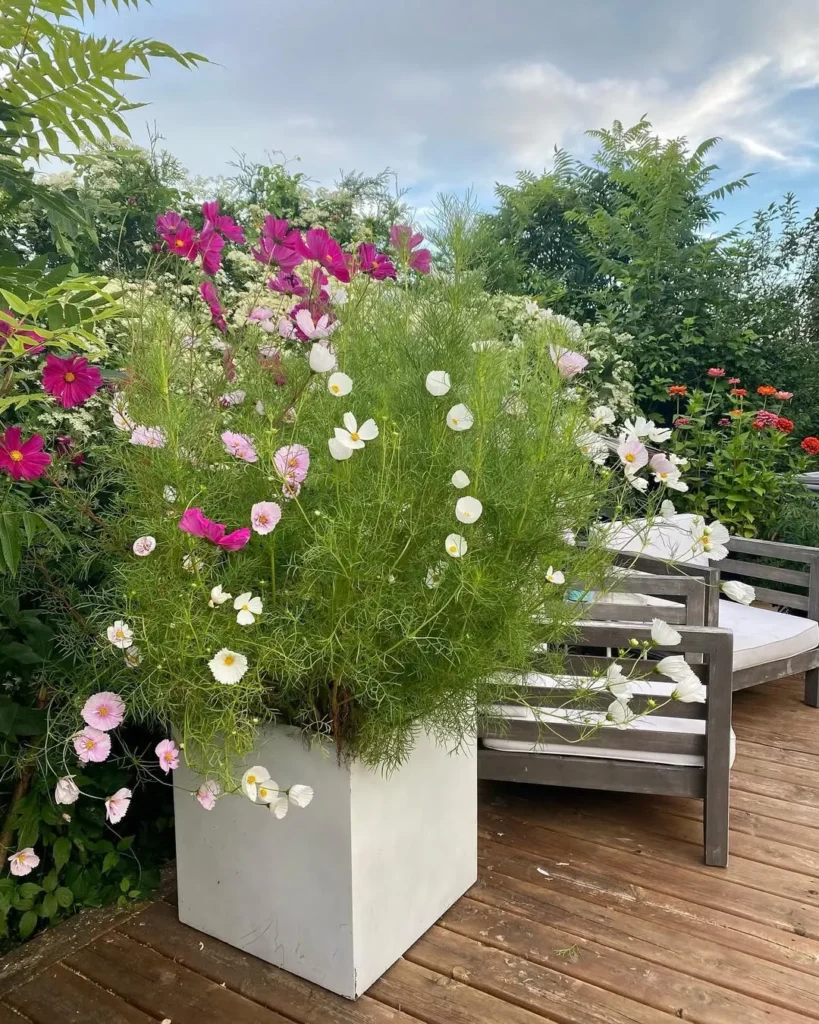
The Inspiration: Minimalist Scandinavian design merges with urban agriculture through concrete container layouts. Drawing inspiration from Copenhagen’s rooftop gardens, where geometric concrete planters form edible landscapes, this method introduces architectural order to organic chaos. Envision clean lines and monochromatic vessels supporting vibrant plantings the combination of industrial strength and natural softness. These intentional arrangements transform patios into curated outdoor rooms, where structure enhances rather than restricts botanical beauty.
Why it Works: Concrete container layouts establish a cohesive visual rhythm through the repetition of materials and forms, achieving a professional polish that mixed container styles often lack. The uniform aesthetic simplifies design choices while allowing plant diversity to shine. The thermal mass of concrete regulates soil temperature fluctuations, safeguarding roots during heat waves and cold snaps. Thoughtful layout positioning maximizes microclimates grouping containers creates humidity pockets that can reduce water needs by 35%. The durability and weight of concrete deter theft in public spaces and resist wind damage. These layouts adapt beautifully from small balconies to commercial installations, and their modular nature allows for seasonal rearrangements without disrupting the overall aesthetic.
Pro Tip: When designing your concrete container layout, use the “rule of triangles” arrange containers so that viewers’ eyes move between three key focal points rather than in straight lines. Vary the heights of containers by at least 6 inches between adjacent vessels to create dynamic elevation changes. Position larger containers as anchors at the edges of the layout, with progressively smaller pots toward the center for balanced visual weight.
Aged Terracotta Pots Container Garden
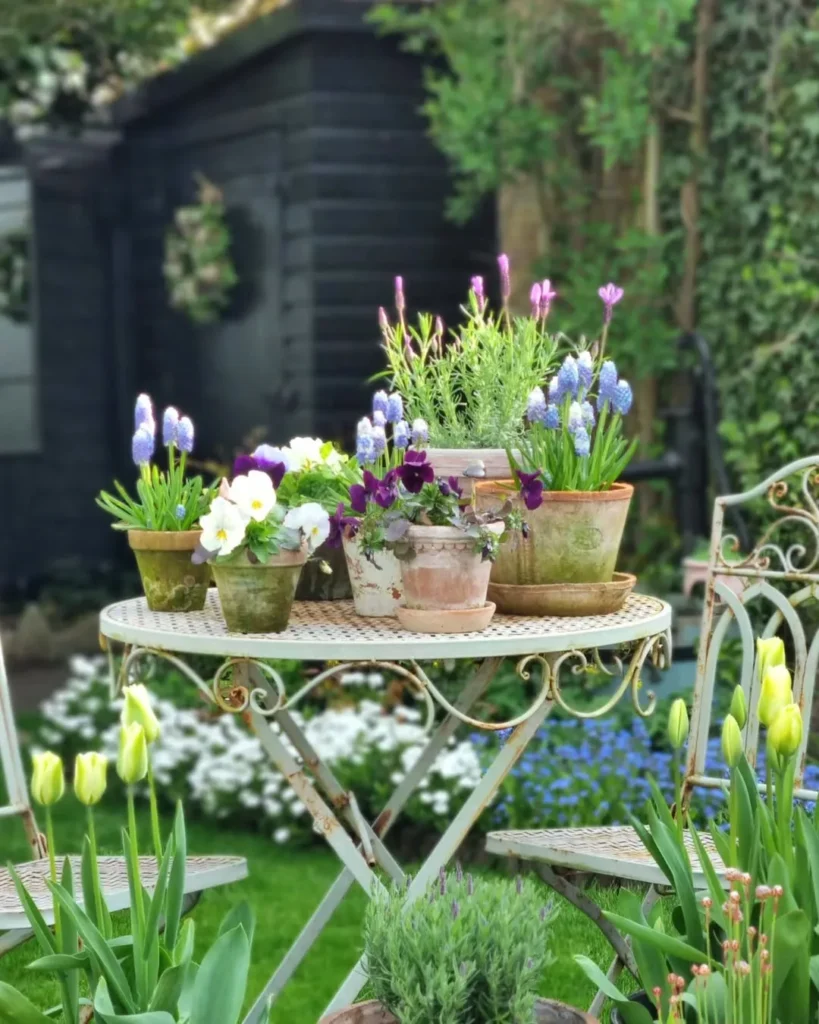
The Inspiration: Mediterranean villages have utilized terracotta for thousands of years sun baked clay vessels that gracefully withstand the test of time. Aged pots hold stories within their mineral deposits and moss covered surfaces, reminiscent of Italian grandmothers’ herb gardens and Greek island courtyards. These containers, rich in patina, link us to ancient horticultural practices. Imagine weathered terracotta glowing amber in the evening light, with each crack and stain serving as a testament to the seasons that have passed they impart an immediate sense of heritage and soulful character that new pots cannot match.
Why it Works: The porous nature of aged terracotta offers excellent breathability, preventing root rot while naturally regulating soil moisture clay absorbs excess water and gradually releases it during dry spells. The weathered patina signifies established mineral seasoning that enhances plant health, especially for Mediterranean herbs like rosemary and thyme that flourish in alkaline environments. These containers foster beneficial microorganism colonies in their porous surfaces, promoting healthier root systems. Visually, aged pots contribute to an instant sense of garden maturity, eliminating the “just planted” appearance. Their timeless charm complements cottage gardens, formal landscapes, and modern spaces alike. Research indicates that weathered materials enhance perceived garden value and produce calming psychological effects due to their connection to natural aging processes.
Pro Tip: To hasten the aging of new terracotta, brush the exteriors with plain yogurt or buttermilk to promote moss and lichen growth in shaded areas. For a quicker patina, combine equal parts water and liquid fertilizer in a spray bottle and mist the pots weekly mineral salts will leach through, forming authentic white deposits. Position the pots where they can receive morning dew and afternoon shade for optimal weathering results.
Variegated Ginger Container Garden
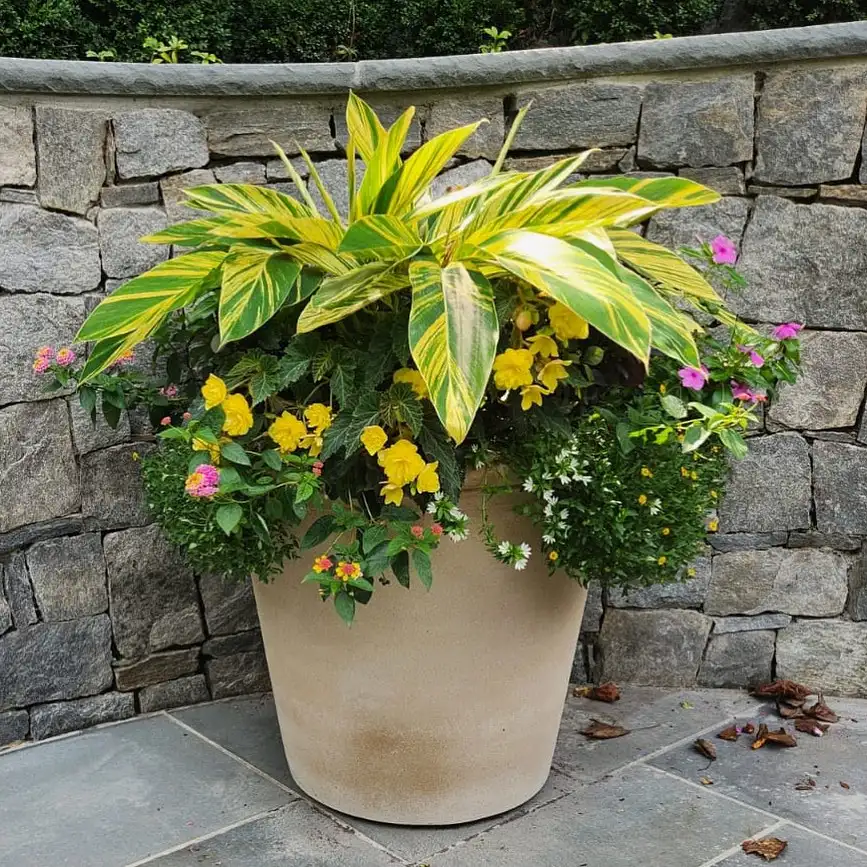
The Inspiration: Southeast Asian temple gardens display the striped foliage of variegated ginger as a form of living art, with creamy stripes dancing across emerald leaves like brushstrokes. These tropical plants add a touch of rainforest drama to everyday spaces without requiring large garden areas. Imagine bold, architectural leaves unfurling in containers, their variegation catching sunlight like stained glass. Hawaiian landscapers have long valued shell ginger and its variegated varieties for providing year-round visual interest, even when blooms fade and foliage remains.
Why it Works: Variegated ginger flourishes in containers, allowing you to control tropical conditions and making exotic beauty accessible beyond hardiness zones. The striking foliage offers constant visual interest unlike flowering plants with short bloom periods, variegated leaves provide color and texture throughout the year. Growing in containers prevents the aggressive spread of rhizomes that can trouble garden beds, and their mobility allows for winter protection in colder climates. These plants tolerate partial shade better than many tropicals, making them ideal for challenging low light areas. Their architectural form adds vertical height (3-6 feet) without requiring much width. Research indicates that variegated foliage plants reduce eye strain and mental fatigue by 23% compared to solid-green plants, making them excellent choices for patios and workspace views.
Pro Tip: Choose containers that are at least 16 inches wide and deep to accommodate the spreading rhizomes of ginger. Combine standard potting soil with 30% orchid bark to achieve the chunky, well draining texture that gingers prefer. Keep the soil consistently moist but not waterlogged; insert your finger 2 inches down and water when it feels barely damp. During the growing season, feed monthly with diluted liquid fertilizer to maintain vibrant variegation patterns.
Mixed Spring Container Garden
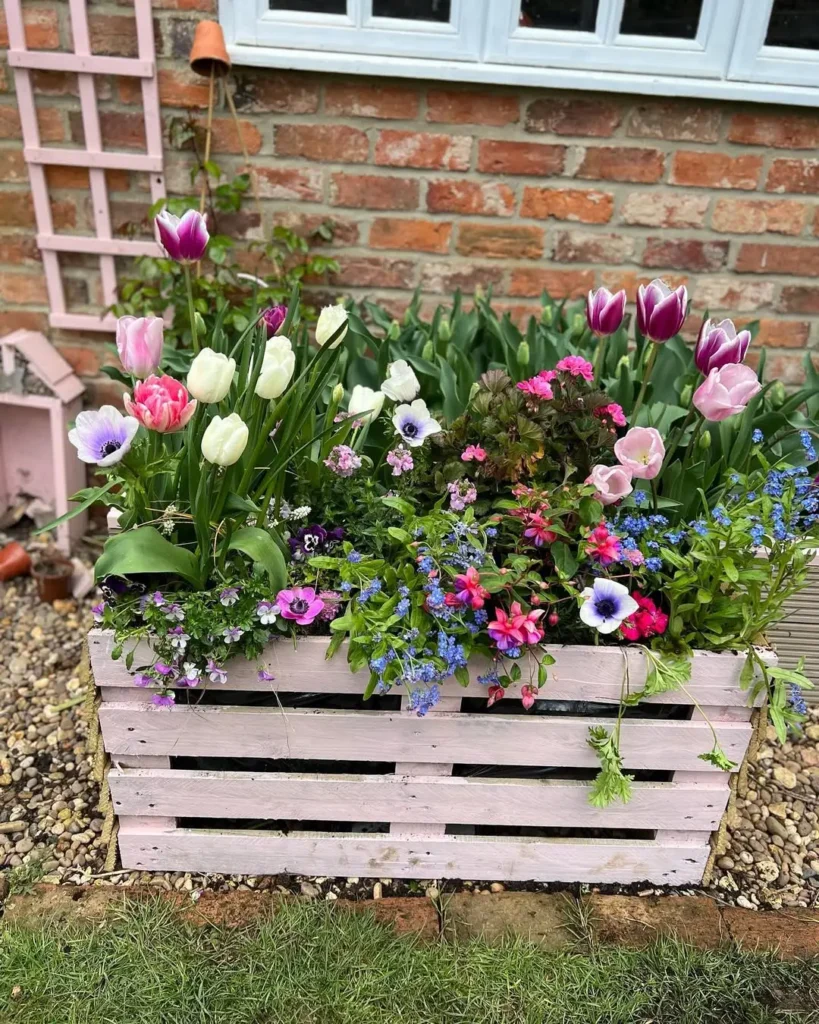
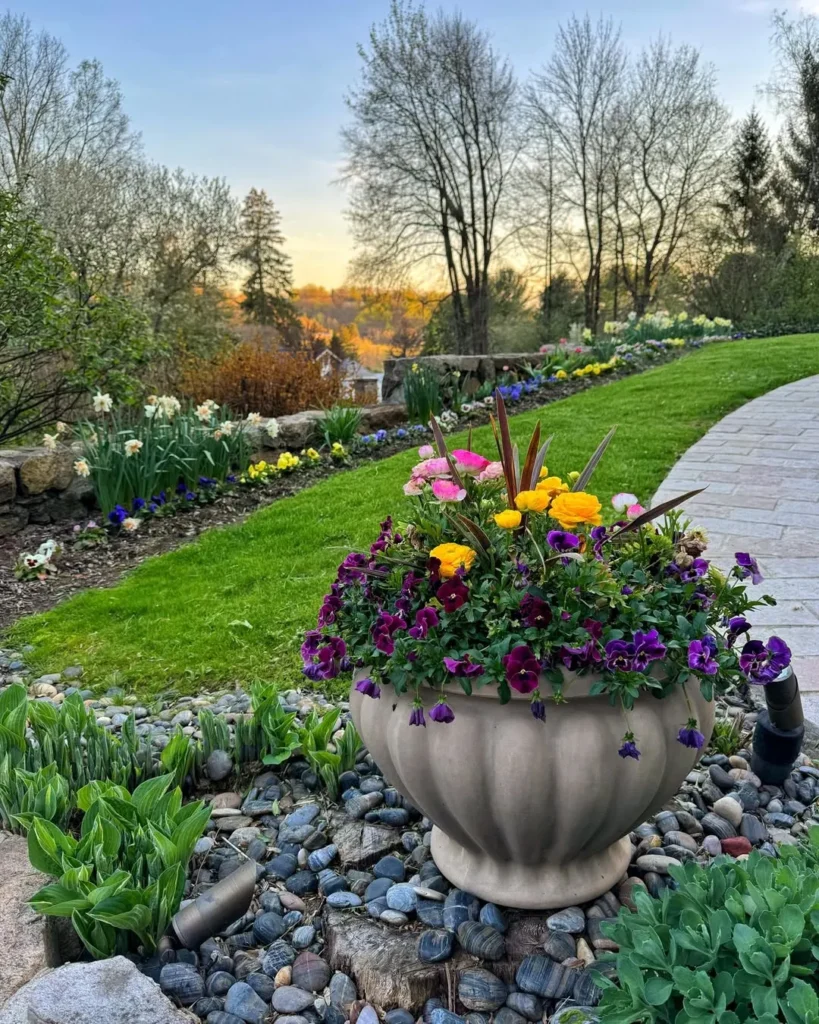
The Inspiration: English cottage gardens inspired the lively mix of colors found in spring containers, showcasing vibrant combinations that celebrate the arrival of spring. Victorian gardeners perfected the art of “promiscuous planting,” mixing daffodils, pansies, and primroses in decorative urns. This tradition encapsulates the joy of spring in a portable format. Imagine cheerful flowers welcoming you at doorways, their blended fragrances and layered textures heralding renewal. These living bouquets condense the excitement of an entire spring border into a single container.
Why it Works: Mixed spring containers extend the blooming period through careful selection of plants early bulbs transition smoothly to mid-season bloomers and cool-weather annuals, offering 8 to 12 weeks of continuous color compared to just 2 to 3 weeks for single-species plantings. This variety enhances natural pest resistance while providing different heights, textures, and bloom times that keep displays engaging. Growing in containers allows for precise control of soil and drainage, which is essential for bulbs that require different moisture levels than annuals. The ability to move containers means you can prominently display peak blooms and relocate them as they fade. The concentrated planting achieves striking beauty in minimal space, making it ideal for patios, balconies, and entrances where ground planting isn’t feasible.
Pro Tip: Layer your mixed spring container according to planting times: place bulbs at the deepest level in the fall, and add pansies and violas at the soil surface in early spring when bulb shoots appear. This “succession planting” optimizes root space while creating staggered bloom periods. Select a color palette of three complementary shades such as purple, yellow, and white to maintain cohesion amidst the variety.
A Garden of Containers
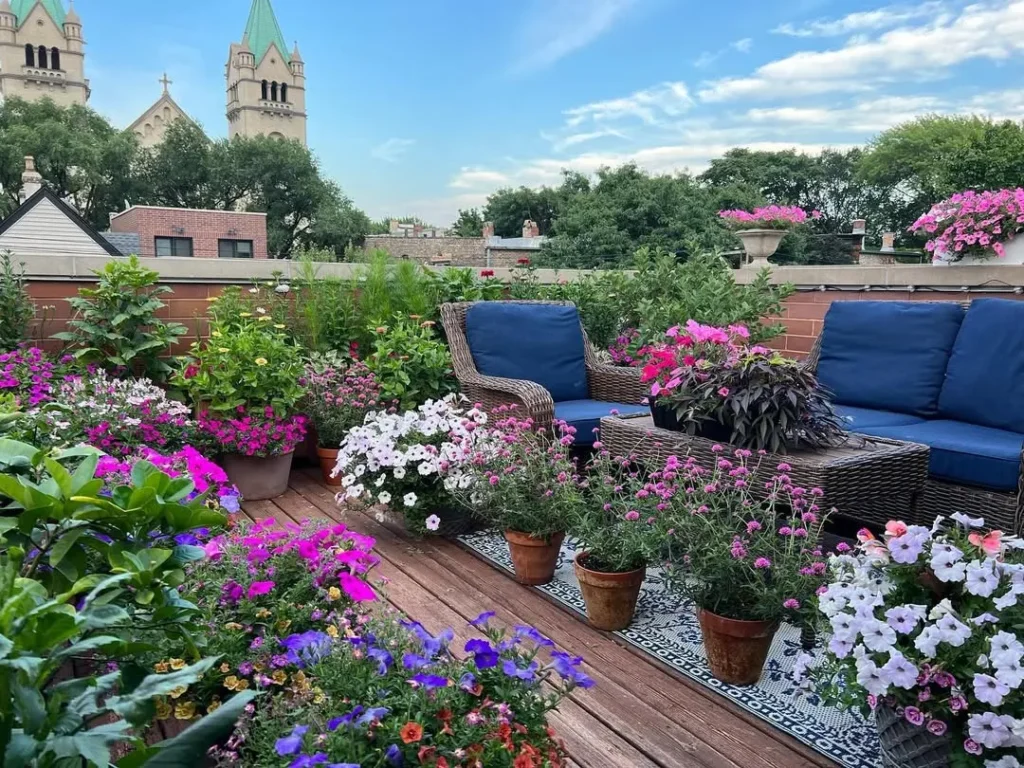
The Inspiration: Parisian balconies demonstrate that gardens do not require ground; entire botanical collections can thrive in containers alone. This idea reflects the Babylonian hanging gardens, reimagined for contemporary spaces. Urban residents and renters have found that container gardens can provide complete gardening experiences without the need for property ownership. Imagine a patio transformed into a lush sanctuary, with each pot representing a chapter in your gardening journey. These modular gardens can adapt, expand, and move with life’s changes while still offering the joy of traditional gardening.
Why it Works: Container only gardens provide unparalleled flexibility you have control over every aspect, from soil composition to sunlight exposure, simply by moving pots. This approach avoids issues like poor native soil, drainage problems, and invasive roots that often affect ground gardens. The ability to move pots can extend growing seasons; delicate plants can winter indoors while resilient varieties withstand outdoor cold. Maintenance is simplified there is minimal weeding, targeted pest control, and consolidated watering. Vertical layering enhances space efficiency, allowing for a variety of plants in smaller areas. Container gardens are ideal for renters, as they can be transported between homes and mature over time. Research indicates that potted gardens use 60% less water than comparable ground plantings due to precise irrigation. The modular design enables ongoing redesign without the need to replant entire beds.
Pro Tip: Achieve visual harmony across multiple containers by consistently including one “anchor” plant, such as trailing ivy, silvery dusty miller, or golden creeping jenny. This unifying element brings together diverse pots into a cohesive garden while allowing for varied focal plants. Arrange containers in odd numbered groups (3, 5, 7) at different heights to replicate the natural layering of gardens and avoid a rigid appearance.
Rainbow Container Garden
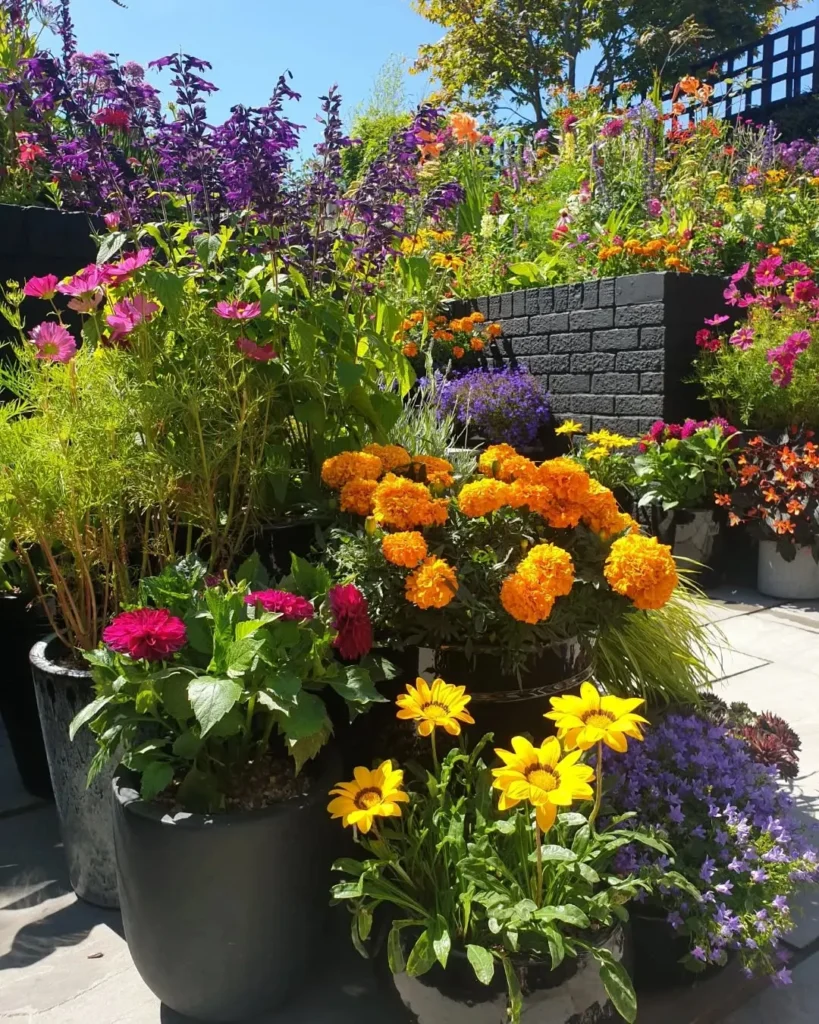
The Inspiration: Brazilian carnival gardens are filled with every imaginable color, creating a celebration expressed through horticulture. Rainbow containers reflect this joyful tradition, capturing children’s delight in vibrant beauty and adults’ desire for playfulness. Imagine a range of blooms transitioning from warm sunset shades to cool ocean tones, with each container representing a unique color note in nature’s symphony. Designers at the Chelsea Flower Show have historically employed color progression to evoke emotional experiences, now easily achievable in your own backyard sanctuary.
Why it Works: Rainbow containers utilize color psychology warm tones invigorate spaces, while cool hues foster tranquility. Thoughtful color sequencing directs eye movement and enhances depth perception, making smaller areas feel more expansive. The diversity helps avoid visual monotony while allowing each plant’s needs to be addressed individually each color group can receive specific care instead of compromising in mixed plantings. Research indicates that exposure to a variety of colors can reduce stress by 31% and improve mood regulation. These gardens are also highly photogenic, ideal for sharing outdoor spaces. The modular design permits seasonal color rotation replace faded blooms with fresh ones without disrupting successful containers, ensuring year round rainbow brilliance.
Pro Tip: Arrange rainbow containers in a warm-to-cool progression instead of random placement. Place warm colors nearest to seating areas for an inviting atmosphere, transitioning to cool tones at the garden’s edges for a sense of visual expansion. Incorporate at least one white or silver container between every three colored pots to avoid overwhelming chaos and provide resting points for the eyes that enhance adjacent hues.
Seed Starters Container Garden
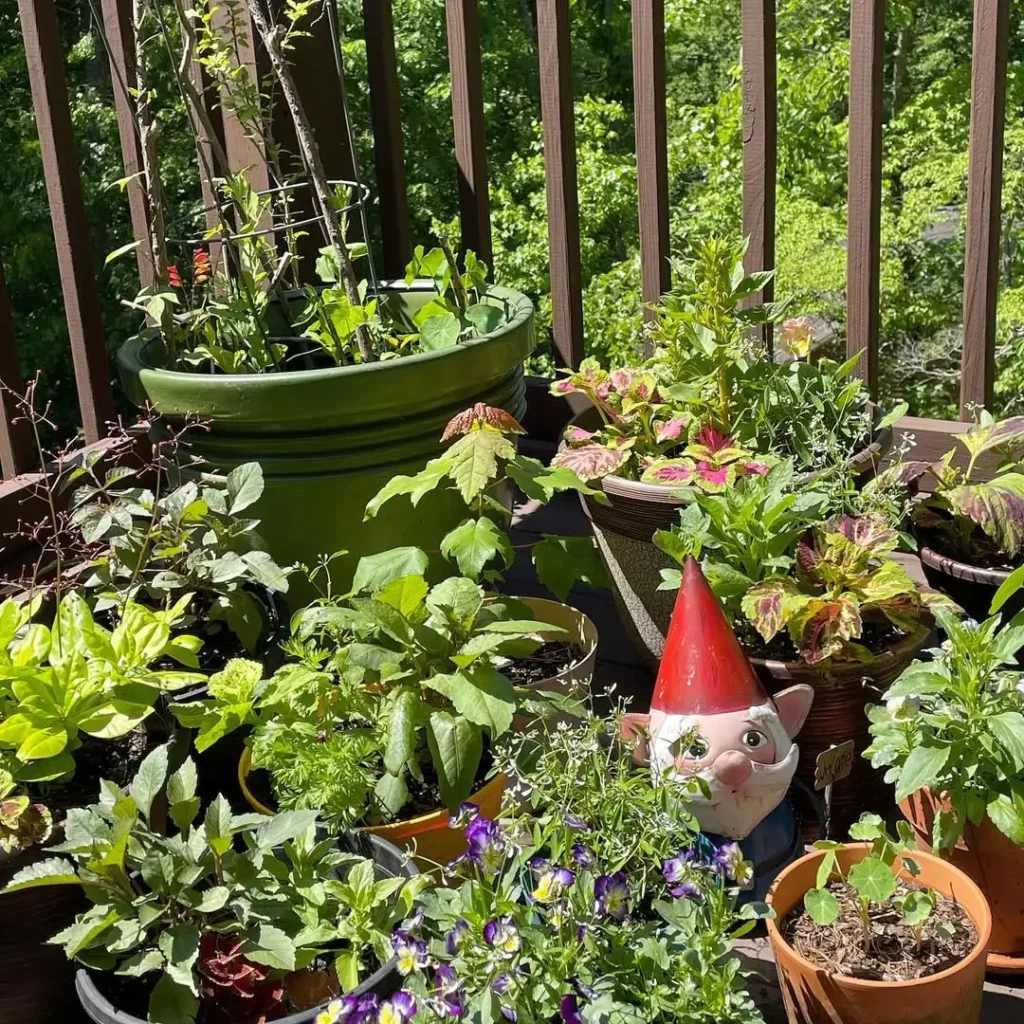
The Inspiration: Monastery gardens imparted lessons in patience through the process of seed propagation, with monks cultivating small promises into fruitful abundance. Seed starter containers pay homage to this reflective tradition, linking us to the foundations of agriculture. Imagine kitchen windowsills adorned with budding seedlings, each green shoot a small miracle you have nurtured into existence. Victory gardeners during wartime understood this sense of empowerment: growing from seed fosters self-sufficiency, preserves heritage, and allows one to witness the entire life cycle from dormancy to harvest firsthand.
Why it Works: Seed starting containers create controlled environments for germination that are unattainable in outdoor gardens, offering consistent moisture, ideal temperatures, and protection from pests during the vulnerable early growth stages. You can save 70-90% compared to purchasing transplants while gaining access to rare heirloom varieties that are not available as starts. The compact system can fit into any space, enabling year-round cultivation regardless of outdoor conditions. Controlled timing ensures that transplants reach the optimal size exactly when the weather is suitable for outdoor planting. Starting in containers prevents damping-off disease and soil borne pathogens that can devastate directly sown seeds. Children and beginners experience rapid gratification as seeds sprout within days, which helps build their gardening confidence. This method promotes stronger root systems than those of store-bought plants, resulting in more vigorous mature plants with higher yields.
Pro Tip: Bottom water seed starter containers by placing trays in shallow baths of water instead of watering from above this helps prevent damping off fungus and keeps moisture consistent without disturbing fragile seedlings. Utilize a heat mat to maintain soil temperatures between 70−75°F for the fastest germination results. Label everything immediately with the variety and planting date; seedlings look alike initially, and you may forget which is which within hours.
Topiary Terrace Container Garden
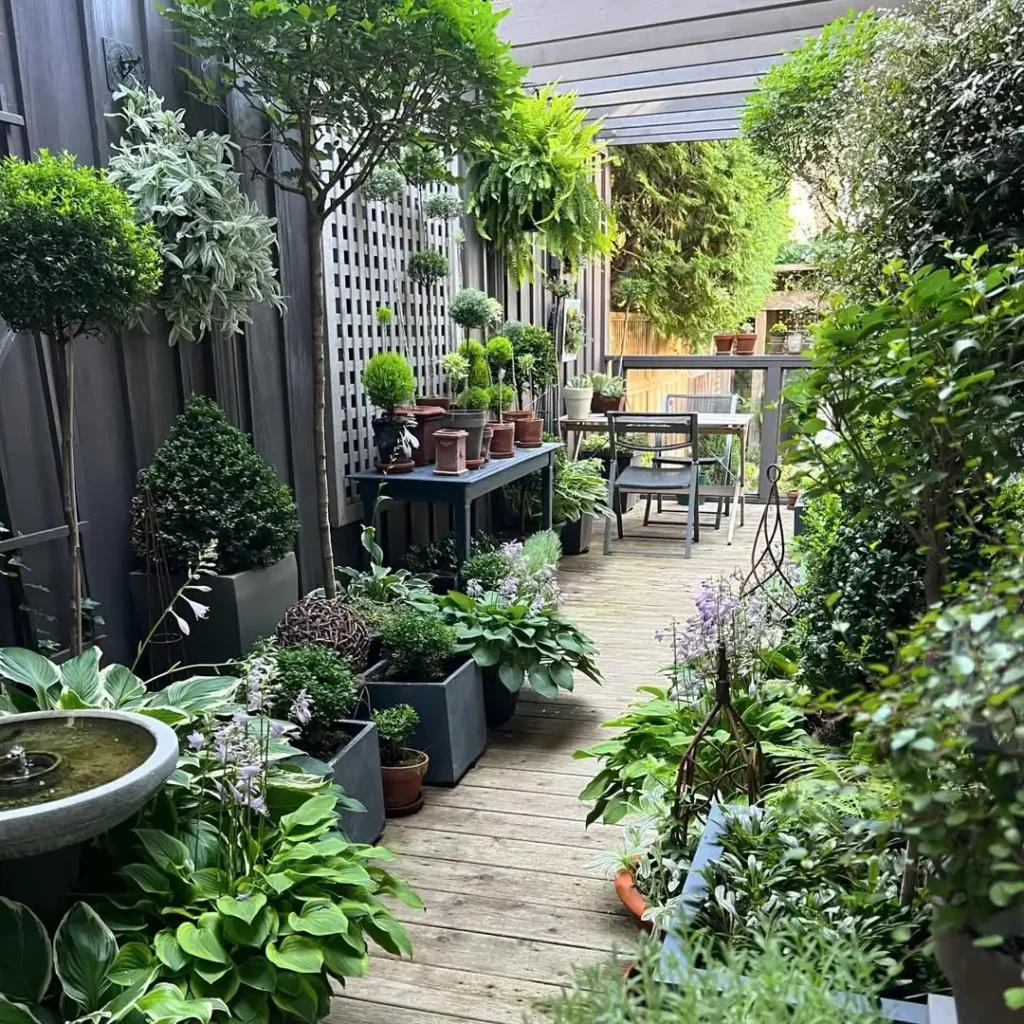
The Inspiration: The Palace of Versailles perfected container topiary, featuring sculpted boxwoods in ornate planters that frame terraces with living architecture. These portable masterpieces enabled French gardeners to rearrange royal displays seasonally while safeguarding delicate specimens during winter. Imagine geometric spheres, spirals, and cones adding classical elegance to modern patios. Contemporary hotels and restaurants are reviving this art, demonstrating that shaped evergreens in containers create a timeless sophistication that transforms ordinary terraces into refined outdoor spaces suitable for entertaining.
Why it Works: Topiary terrace containers provide year round structure when perennials fade, acting as the “bones” of the garden that anchor landscape design. Growing in containers allows precise soil control for acid loving boxwood and holly while preventing root competition from nearby plants. Mobility protects valuable pieces during severe weather, as containers can be moved to sheltered spots or indoors during extreme temperatures. The formal shapes create visual rhythm and symmetry, adhering to the organizing principles that make amateur designs appear professionally planned. According to landscaping studies, topiaries can increase property values by 12-18%, indicating maintained elegance. Containers simplify the meticulous watering and feeding schedules that topiary requires, streamlining care routines. Their elevated nature also deters deer and rabbit damage that can harm ground planted specimens.
Pro Tip: Opt for slow growing evergreens such as boxwood ‘Green Gem’ or dwarf Alberta spruce for low maintenance topiary, as they require trimming only 2-3 times a year compared to weekly for fast growers. Use containers that are at least 18 inches deep with excellent drainage; topiary roots are shallow and do not tolerate waterlogged soil. Rotate pots quarterly to ensure even sun exposure and symmetrical growth on all sides.
Vintage Urn Planters Container Garden
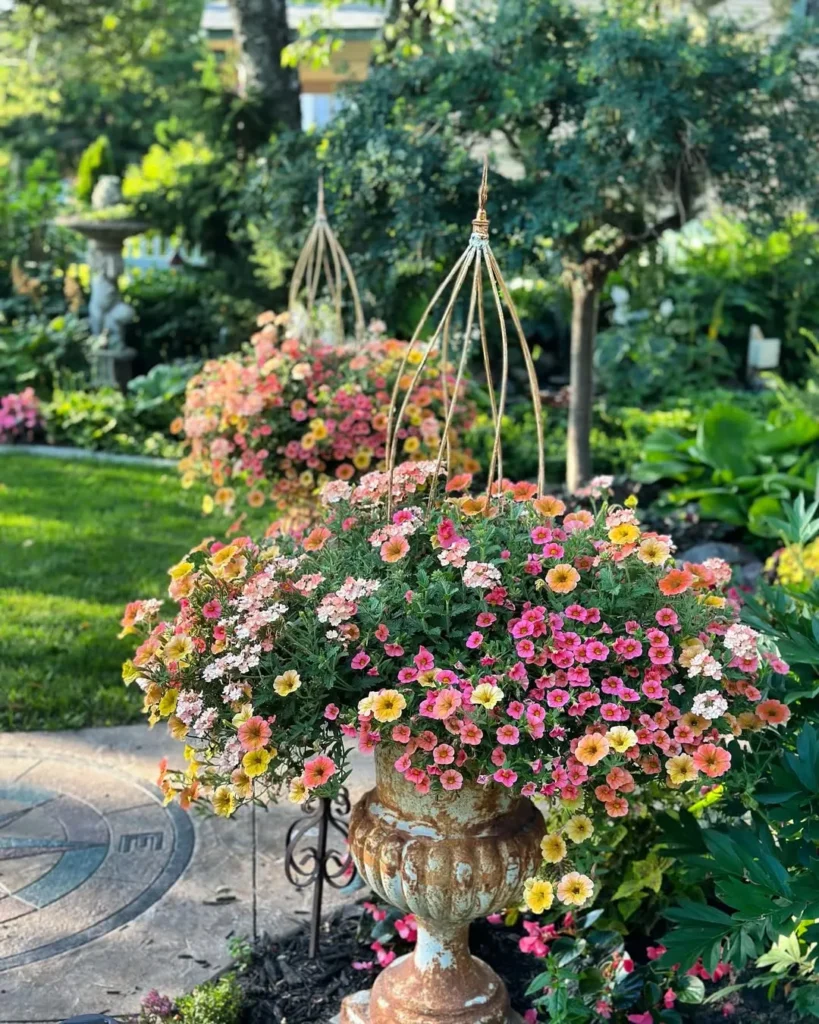
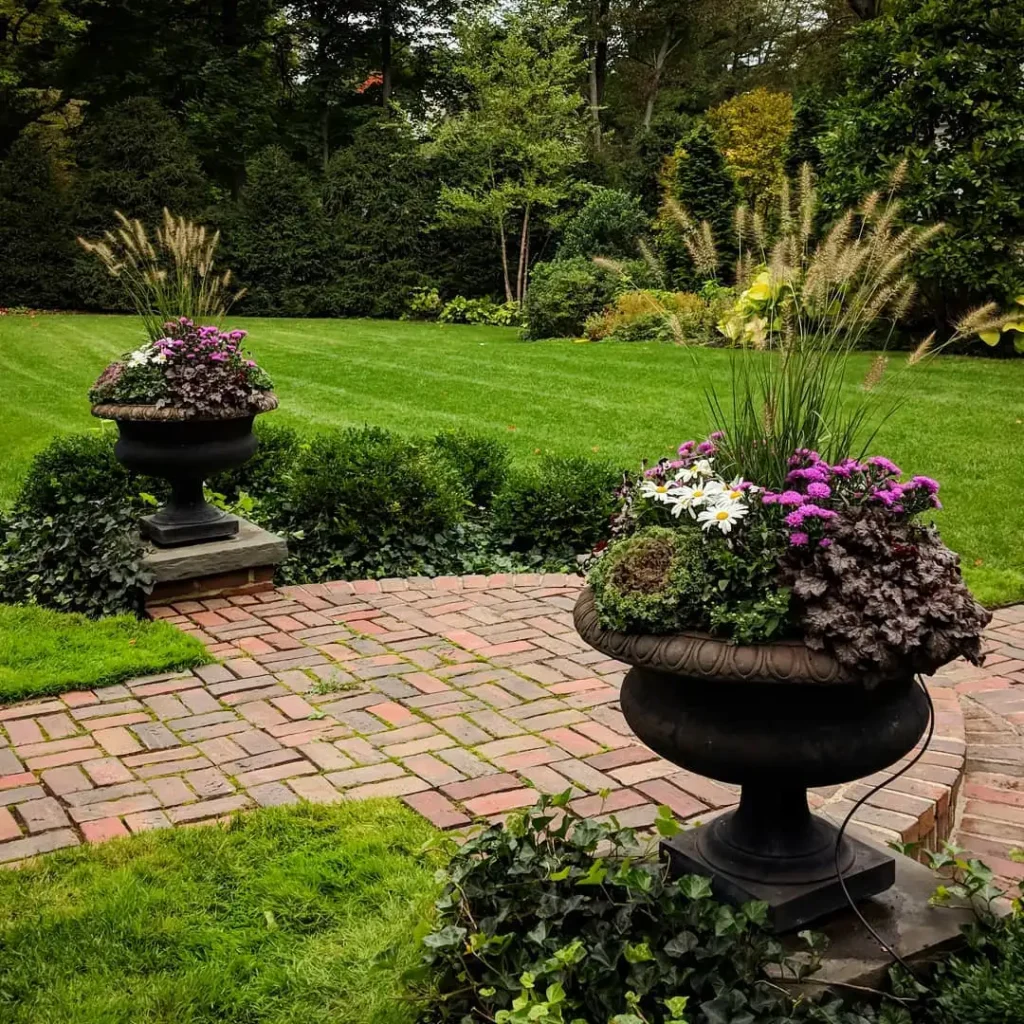
The Inspiration: Ancient Roman atriums featured elaborate urns overflowing with herbs and vines, which symbolized abundance and status. These classical vessels have carried beauty through the centuries, appearing in Renaissance estates and Victorian conservatories. Vintage urns transform gardens into timeless galleries where history meets horticulture. Imagine weathered cast iron or aged stone urns commanding attention as sculptural focal points, their elegant curves and decorative details elevating plantings from simple containers to outdoor art installations that whisper stories of eras gone by.
Why it Works: Vintage urn planters instantly establish a sense of garden maturity and sophistication that new containers require decades to achieve. Their substantial presence creates strong focal points that anchor landscape design, providing visual weight that guides the eye through spaces. The elevated planting position showcases trailing plants dramatically while improving drainage and air circulation around the roots. Quality vintage urns appreciate in value, making them investment pieces rather than disposable decor. Their classical proportions suit both formal and cottage gardens, seamlessly bridging architectural styles. Studies indicate that antique elements in gardens can increase perceived property value by 15-20%. The patina and imperfections add character that is impossible to replicate, while durable materials like cast iron and stone withstand weather for generations.
Pro Tip: Ensure vintage urns have drainage holes; if they do not, drill carefully using masonry bits for stone or metal-specific bits for iron. Layer 3-4 inches of gravel at the bottom before adding soil to prevent waterlogging in deep urns. Plant “spillers” that cascade dramatically over the rims, such as trailing petunias, ivy, or sweet potato vine, to emphasize the urn’s classical shape and create the abundant overflow these vessels were designed to showcase.
Tall Palms Container Garden
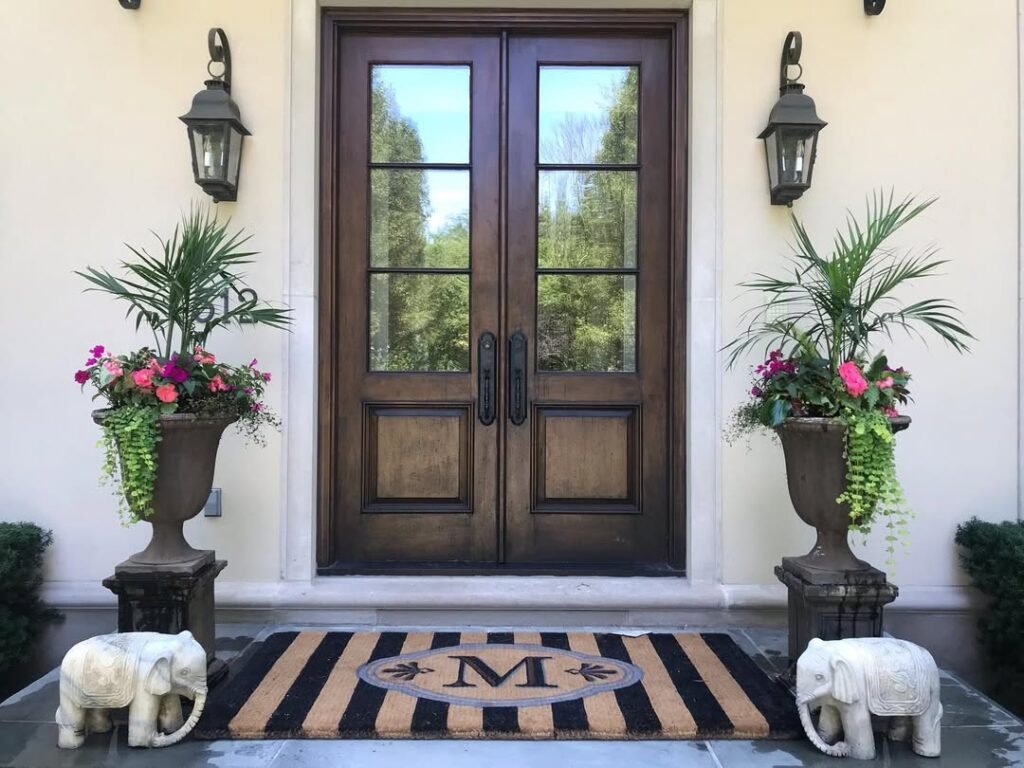
The Inspirations: Mediterranean villas and Hollywood estates cemented potted palms as emblems of exotic splendor. Those architectural plants turned Gilded Age conservatories and Art Deco hotel lobbies into tropical oases. The container palms of today bring vacation relaxation to your backyard picture yourself sipping morning coffee under swaying fronds on your own patio. Miami designers were the first to exploit containerized palms to establish instant resort atmospheres in urban penthouses, confirming that paradise does not require a passport when you cultivate tropical drama in movable vessels.
Why It Works: Tall Palm Containers Majesty palm containers provide the greatest vertical impact on the least amount of floor space a potted majesty palm can create drama where a full on garden plan won’t fit. Growing in containers allow palms to grow in temperate climates and periods of cold weather; simply bring indoors during the cold season. The confined root growth discourages spreading; making them easier to monitor, and it also makes feeding these hungry plants more manageable. What is surprising to most gardeners is how easy it is to care for palms in containers when they are established, considering their drought tolerance. Their architecture gives immediate structure and forms tropical microclimates beneath fronds. Studies have shown that the presence of palm trees will reduce perceived temperatures by 8-10° F through shade and evaporative cooling, therefore creating a more comfortable space on patios while reducing air conditioning costs to surrounding interior spaces.
Pro Tip: For stability, use a pot that is at least one third the mature height of the palm so an 6-foot palm would need a minimum 24-inch pot. You can use a premixed palm potting mix or amend plain soil with 30 percent sand for the sharp drainage palms crave. Water deeply but infrequently, and dry the top 2 inches of soil between waterings. Use quarterly slow release palm fertilizer with extra magnesium to prevent fronds from turning yellow, which is an indicator of nutrient deficiency.
Mixed Texture Container Arrangement
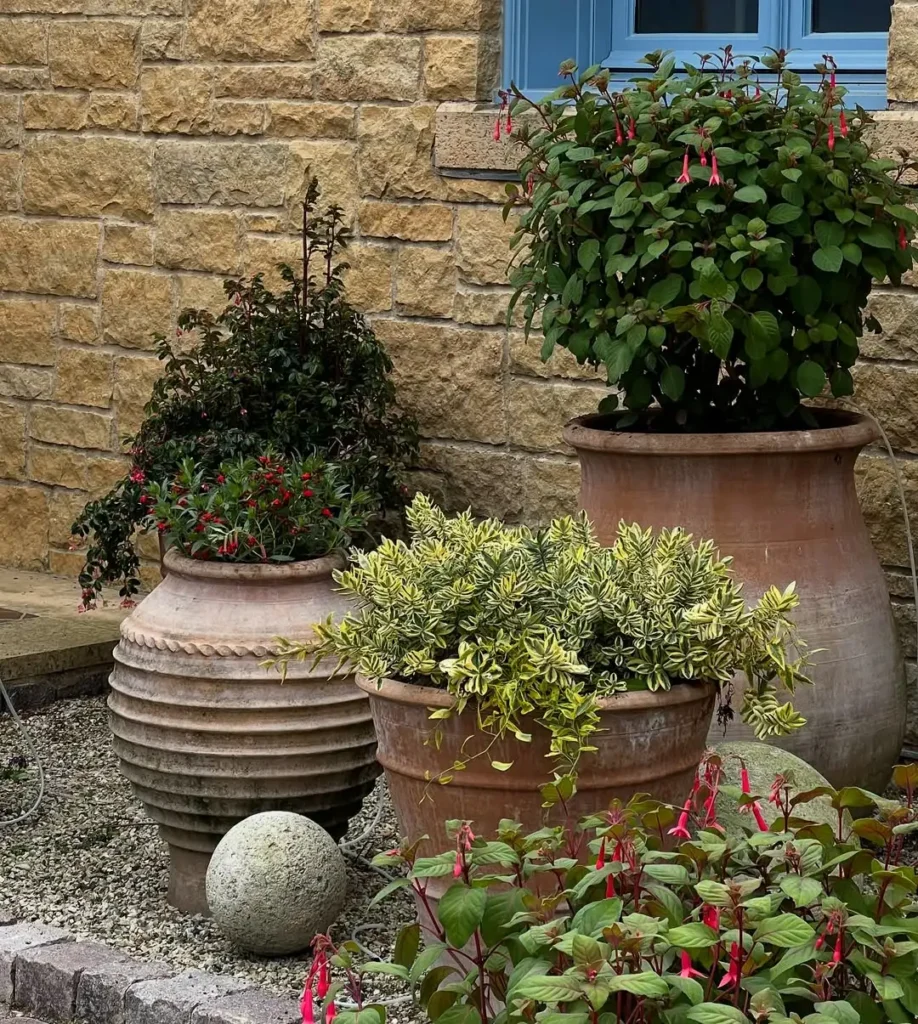
The Inspiration: Japanese gardens excel in contrasting textures smooth river stones alongside feathery grasses, rough bark next to delicate moss. Mixed texture containers embody this sensory philosophy in a portable format. Imagine velvety lamb’s ear against spiky ornamental grasses and succulent rosettes paired with airy ferns. Designers at the Chelsea Flower Show found that texture adds depth and interest, even in the absence of flowers. These tactile arrangements engage both touch and sight, transforming simple plantings into living sculptures that invite interaction and reflection.
Why it Works: Mixed texture arrangements create visual complexity that monochromatic or single texture plantings cannot offer, capturing attention for longer and revealing new details with each viewing. The interplay of fine, medium, and coarse foliage enhances depth perception, making containers appear larger and more dimensional. Texture contrast thrives in shaded areas where flowers struggle foliage takes center stage through variations in leaf shape, surface quality, and growth habits. These combinations require less maintenance than designs reliant on blooms, as foliage interest persists throughout the growing seasons. Research indicates that textured plantings enhance sensory engagement by 45%, which is particularly advantageous for therapeutic and meditation gardens. This diversity naturally fosters balanced compositions, as contrasting elements complement rather than compete, guiding novice designers toward professional outcomes.
Pro Tip: Adhere to the “rule of three textures” in each container: combine one bold/coarse plant, one fine/delicate specimen, and one medium texture for transition (such as coleus or heuchera. Position the boldest texture off center as the focal point, surround it with medium textures, and use fine textures to soften the edges. Avoid using more than three distinct textures too many can create visual chaos rather than sophisticated complexity.
Cottage Style Container Arrangement
The Inspiration: English countryside gardens are filled with a romantic abundance hollyhocks leaning against picket fences and roses intertwined with lavender. Cottage container arrangements embody this charming informality in a portable way. Imagine mismatched pots overflowing with sweet scented blooms; their seemingly haphazard beauty is actually carefully planned. Gertrude Jekyll was a pioneer of this “organized chaos” aesthetic in the 1900s, demonstrating that artful disorder can evoke more romance than strict formality. These arrangements evoke memories of simpler times when gardens nourished both body and soul.
Why it Works: Cottage style containers favor a forgiving, low-maintenance informality plants naturally fill spaces without the need for precise shaping or deadheading. This dense planting style helps suppress weeds while generating lush abundance from modest investments. Mixed heights and bloom times provide ongoing interest as different elements peak throughout the seasons, in contrast to formal arrangements that demand simultaneous perfection. The romantic aesthetic complements both vintage and modern settings, seamlessly bridging design eras. Fragrant selections such as lavender, sweet alyssum, and stock engage multiple senses, creating memorable experiences that go beyond visual appeal. Research indicates that cottage garden styles can reduce gardening anxiety by 38% due to their “imperfect” nature, which encourages experimentation without the fear of making mistakes. The biodiversity attracts beneficial pollinators while also providing cutting flowers for indoor arrangements, maximizing the utility of the garden.
Pro Tip: Fill cottage containers with 50% more plants than traditional spacing suggests this creates an immediate sense of fullness and authentic abundance. Combine herbs like thyme and sage with flowering perennials such as dianthus and campanula, along with self seeding annuals like alyssum and forget me nots that will naturalize over time. Opt for a soft color palette of pastels with accents of deeper tones think pink, lavender, white, and deep purple to achieve a cohesive cottage charm without strict color blocking.Best Container Gardening Vegetables for Maximum Harvest in Pots
Linear Row Container Layout
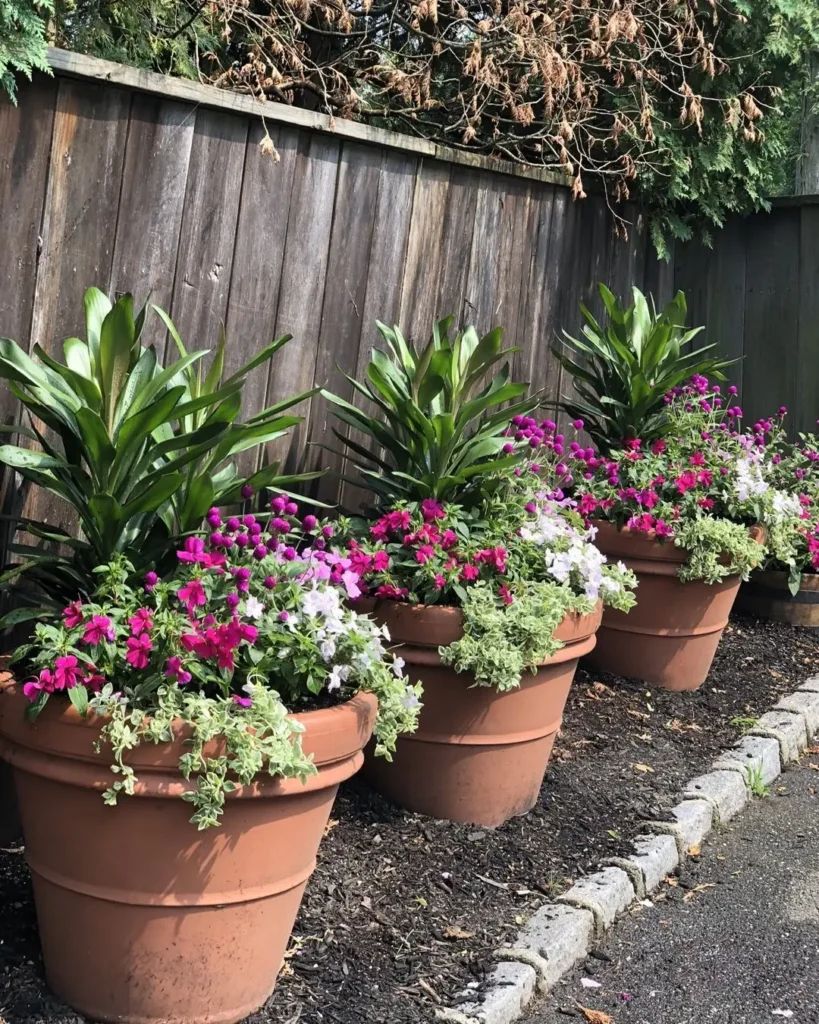
The Inspiration: French formal gardens exhibited disciplined beauty through geometric precision, exemplified by the symmetrical parterres and aligned potted citrus trees of Versailles. Linear container arrangements translate this classical elegance into modern settings. Imagine matching planters aligned along balcony railings or outlining pathway edges, where their rhythmic repetition creates visual order out of chaos. Contemporary rooftop restaurants have embraced this technique, utilizing identical containers to convert exposed areas into sophisticated dining terraces, where clean lines enhance urban skylines and architectural geometry.
Why it Works: Linear row layouts offer a strong visual structure that directs movement and defines spatial boundaries without the need for physical barriers. The repetition fosters rhythm and unity, making various elements appear intentionally designed rather than haphazardly arranged. This method simplifies plant selection and maintenance, as uniform containers receive the same care on consistent schedules, minimizing decision fatigue and errors. Linear arrangements optimize narrow spaces such as balconies, walkways, and deck edges, where length is plentiful but depth is limited. The predictable spacing prevents overcrowding while ensuring that each container receives adequate light. Research indicates that linear garden elements can reduce spatial anxiety by 28% due to their organizational clarity. These layouts also photograph exceptionally well, enhancing property listings and social media presence while providing a professional polish accessible to novice gardeners.
Pro Tip: Space linear containers using the “two thirds rule” position pots at intervals that equal two thirds of each container’s width to achieve a balance between visual connection and individual plant space. For a 12-inch pot, space the centers 16-18 inches apart. Use identical containers and repeat the same plant combination in each for maximum impact, or alternate between two complementary plantings for subtle variation that maintains cohesion without becoming monotonous.
Simple Three-Plant Container Arrangement
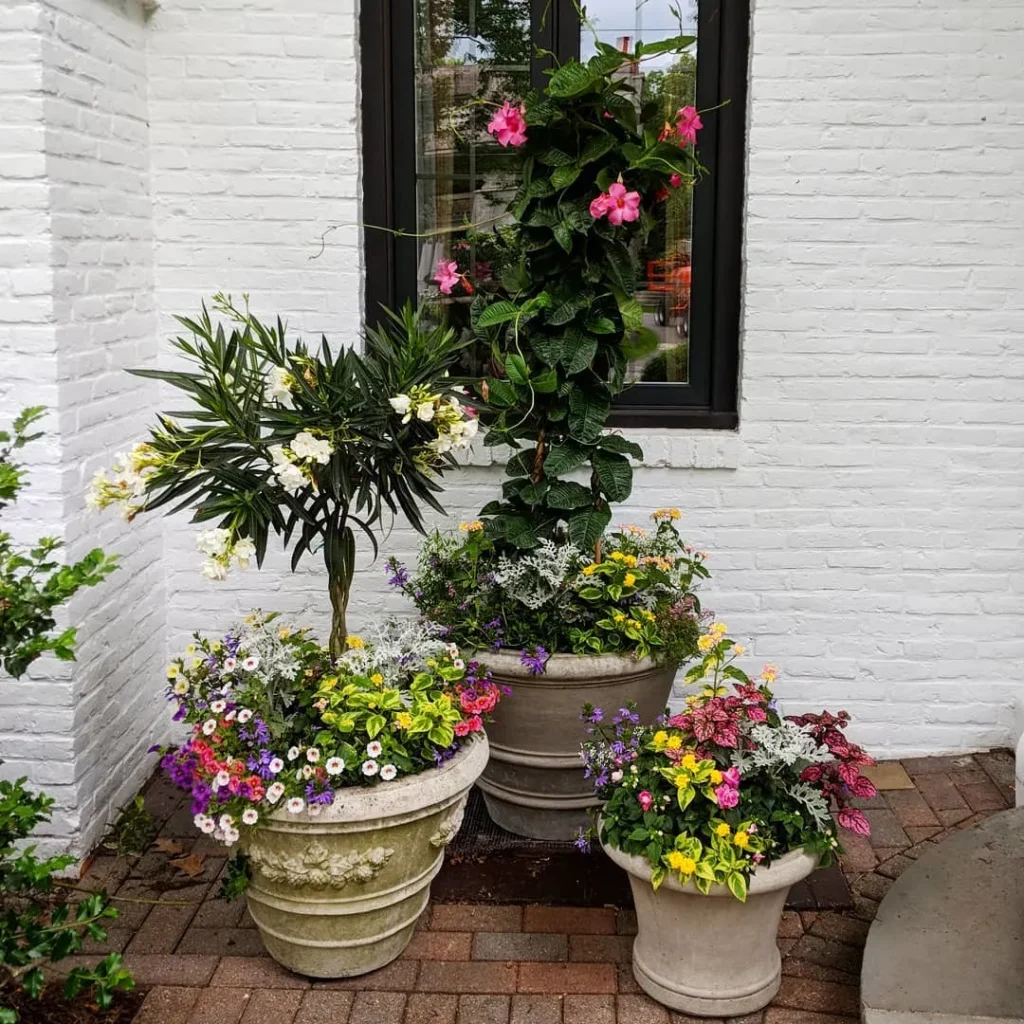
The Inspiration: Ikebana masters found deep beauty in restraint, demonstrating that three carefully selected stems can have a greater impact than abundant bouquets. Simple containers with three plants embody this “less is more” philosophy. Imagine a single thriller plant accompanied by complementary companions, with each element shining and breathing without competition. Modern minimalist designers have embraced this concept in Scandinavian courtyards, showing that intentional simplicity can provide sophistication while avoiding the clutter of complex plantings. Sometimes, three perfect choices can be more effective than dozens vying for attention.
Why it Works: Three plant arrangements adhere to design’s “rule of odds,” fostering visual interest and natural balance that even numbers fail to achieve. This simplicity makes plant selection easier for beginners, allowing each specimen’s unique qualities to shine without overcrowding. Maintenance is simplified as one only needs to monitor the needs of three plants instead of managing complex combinations with competing requirements. This approach significantly reduces costs while offering a polished look through intentional design. The limited color palette creates cohesive stories and prevents the chaotic “everything bagel” syndrome common in overstuffed containers. Research indicates that minimalist plantings can cut decision fatigue by 52% and enhance maintenance compliancepeople are more likely to care for simpler gardens consistently. Three plants establish themselves more quickly with less root competition, resulting in fuller displays within weeks instead of months.
Pro Tip: Use the classic “thriller, filler, spiller” formula with one plant for each role: select one tall centerpiece like a cordyline or spike, one mounding plant such as petunias or coleus for mid level fullness, and one trailing variety like ivy or sweet potato vine to cascade over the edges. Position the thriller slightly off center for a dynamic asymmetry that feels natural rather than rigid.
Colorful and Tropical Container Garden
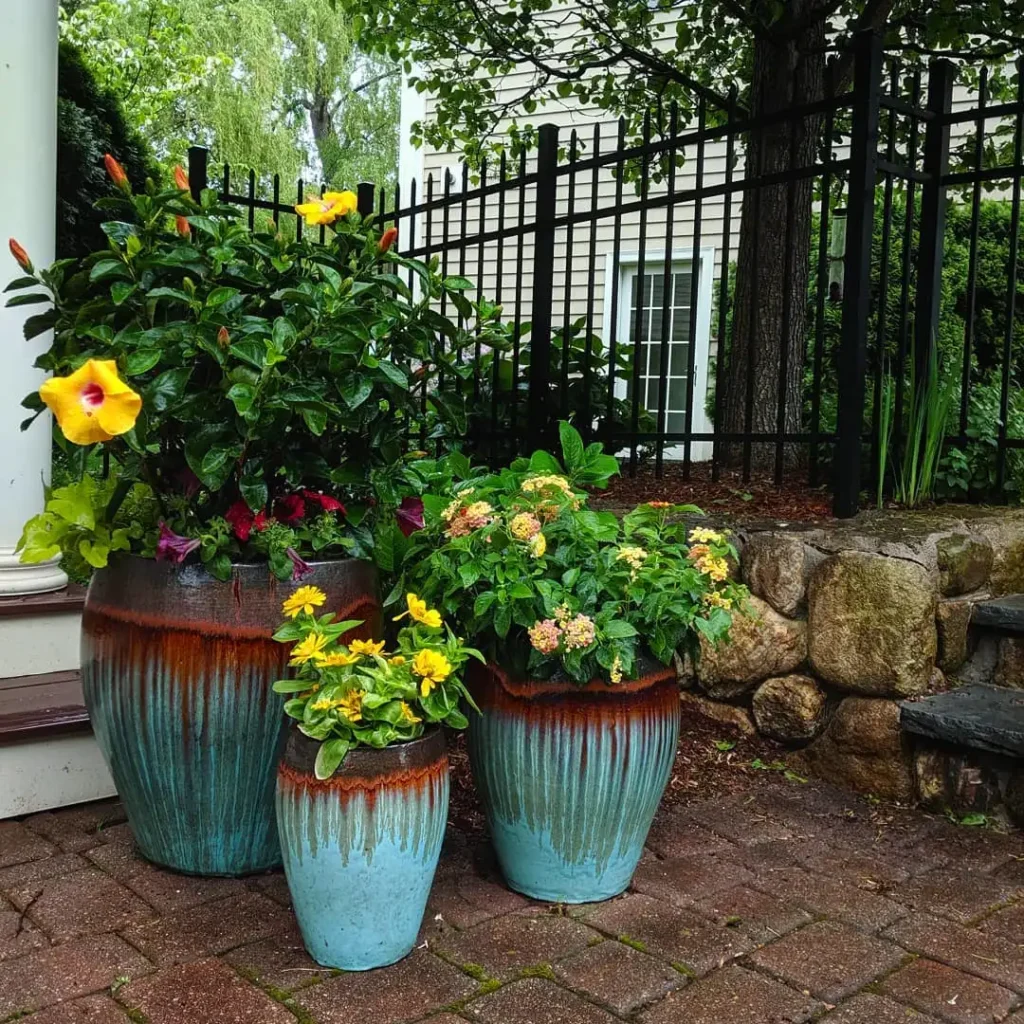
The Inspiration: Caribbean gardens burst with vibrant colors scarlet hibiscus against green banana leaves, orange birds of paradise next to magenta bougainvillea. Tropical container gardens capture this exuberance for any climate. Imagine bold foliage and bright blooms transforming dull patios into vacation retreats. Hawaiian resort designers introduced containerized tropical plants in the 1950s, demonstrating that paradise can be portable. These arrangements embody island energy, providing daily doses of “sea” and sunshine, no matter your location or winter forecast.
Why it Works: Tropical containers offer drama with oversized foliage and vivid colors that temperate plants often lack elephant ears, cannas, and crotons add architectural presence that traditional bedding plants cannot match. Container gardening allows for climate control; you can bring delicate tropicals indoors during colder months, enjoying summer vibrancy year round. The striking aesthetic creates immediate focal points that enhance landscape design while requiring surprisingly low maintenance once established most tropicals thrive on neglect better than demanding perennials. These plants grow quickly, filling containers within weeks for instant gratification. Research indicates that exposure to tropical colors boosts energy levels by 34% and alleviates symptoms of seasonal affective disorder. The lush growth also provides privacy screens and noise barriers on balconies and patios, adding practical value beyond beauty.
Pro Tip: Group tropical containers to form humid microclimates arrange at least three pots together so that transpiration from one plant benefits the others, reducing watering frequency by 40%. Select containers with wide openings to accommodate the vigorous root systems of tropicals. Feed every two weeks during the growing season with a high nitrogen fertilizer diluted to half strength tropicals are heavy feeders that require consistent nutrients for lush foliage and abundant blooms.
Succulent Container Garden Design
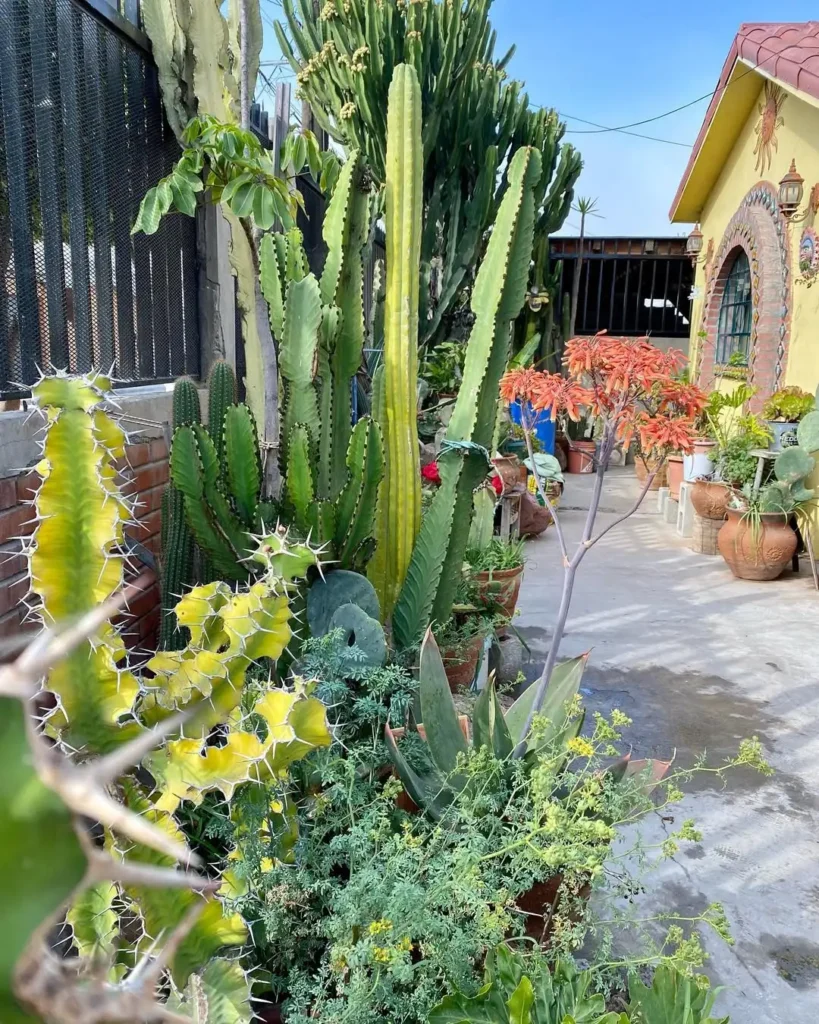
The Inspiration: Desert botanical gardens showcase nature’s artistic brilliance, with succulents transforming into living art through adaptation. These water efficient plants inspired modernist landscapes in California, where form and function coexist. Imagine geometric rosettes, ethereal blue gray hues, and architectural spikes forming miniature desert scenes. For centuries, Mexican artisans have nurtured succulents in clay pots, appreciating their meditative beauty and resilience. Today’s succulent containers blend ancient drought wisdom with modern design, demonstrating that sustainability can indeed be stunning.
Why it Works: Succulent containers need minimal water, surviving weeks of neglect that would harm traditional plants, making them ideal for busy lifestyles or forgetful gardeners. Their shallow root systems flourish in compact containers, optimizing small spaces like apartments and offices. The remarkable variety of succulents offers limitless design options through diverse colors , textures, and growth habits. Containers help prevent aggressive plants from taking over gardens while highlighting individual specimens as living sculptures. Succulents adapt to indoor conditions better than most plants, adding greenery to windowless offices and dim corners. Research indicates their presence can reduce workplace stress by 37% and enhance air quality. Propagation is simple a single leaf can produce new plants, allowing for cost free expansion and providing satisfaction for beginners looking to build gardening confidence.
Pro Tip: Choose terra cotta or unglazed ceramic containers with drainage holes these porous materials absorb excess moisture, preventing root rot that can occur in plastic pots. Create a custom soil mix by combining equal parts potting soil, coarse sand, and perlite to ensure the excellent drainage that succulents require. Water only when the soil is completely dry two inches down; set a monthly watering schedule instead of a weekly one to prevent overwatering.
Doorway Container Garden Arrangement
The Inspiration: European villages have mastered the art of hospitality, with doorways adorned by flowering containers that signify warmth and pride. Homes on Greek islands display vibrant blue pots against whitewashed walls, while Tuscan entrances are filled with fragrant herbs. These doorway gardens make strong first impressions, turning thresholds into welcoming invitations. Imagine guests pausing to admire the blooms before knocking, their anticipation heightened by the beauty around them. These carefully curated plantings pay homage to ancient traditions, where doorway gardens were believed to ward off evil spirits and reflect the character and care of the household.Creative Container Gardening Ideas with Everyday Household Items
Why it Works: Arrangements of containers at doorways beautifully frame the architecture while softening the hard edges of doors, walls, and concrete. Thoughtful placement creates natural pathways, guiding visitors to entrances and clearly defining the boundaries between public and private spaces. These prominent locations encourage regular maintenance, as any neglect is immediately noticeable to guests and passersby. Symmetrical container arrangements add a formal elegance that can enhance perceived property value by 10-15%, according to real estate studies. Fragrant plants, such as jasmine, gardenia, and herbs, engage visitors’ senses before they enter, creating lasting memories. The containers also shield doorways from the elements while allowing for seasonal flexibility making it easy to change plantings without major landscaping work. Elevated or ground-level placements ensure accessibility for all mobility levels, and focused care simplifies watering routines compared to scattered garden beds.
Pro Tip: Use symmetrical pairs of containers flanking doorways for a formal look, or opt for asymmetrical groupings (one large container beside the door and two smaller pots on the opposite side) for a relaxed cottage feel. Ensure that the containers are proportional pot height should be one-third to one-half the height of the door for a balanced appearance. Choose evergreen plants, such as boxwood or dwarf conifers, for year-round structure, and enhance seasonal interest with interchangeable flowering annuals planted around their bases.