
Imagine coming home to a living tapestry that breathes life into your walls. Indoor wall gardeins whether you cover an entire wall or have slim pockets, a living wall, or the pared-down version of hanging pots is a beautiful way to add depth and interest to your walls, not to mention plants do wonders for your health. They were pretty inventions to solve one of the great challenges of modern living: how to make nature part of your life when you’re tight on floor space. If you live in a small apartment, bustling family home or minimalistic loft wall gardens are a sensible solution to maximizing every square inch and delivering incredible wellness.
vertical wall garden
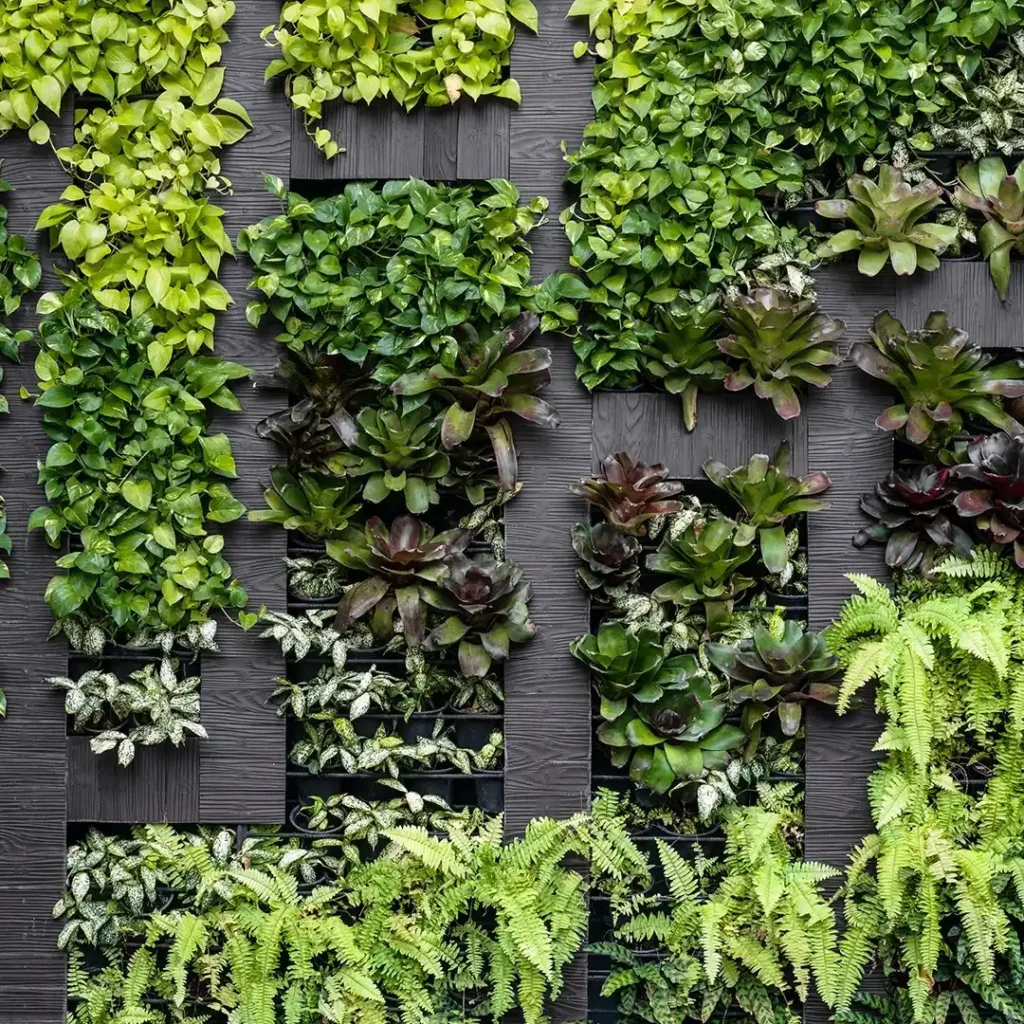
The Inspiration : Vertical wall gardens grew from overviewing Patrick Blanc’s groundbreaking 1988 green wall at the cité des Sciences in Paris. His living tapestries were a means of turning the concrete jungle into breathing art, modeled after tropical cliff dwelling plants he saw in Thailand. The Bosco Vertical towers in Milan, today, realized that vision of 900 trees along residential high-rises at scale.
Why it Works : Vertical gardens make the most of limited space, growing upwards instead of outwards ideal for the small balconies, patios or root-tangle corners of your garden. They clean the air by filtering pollutions and generate oxygen, as well as helping to lower the temperature around them by as much as 10°F with evapotranspiration. They are the ultimate in green wall insulation, helping to reduce energy usage by 23% so says University of Plymouth studies. They provide benefits beyond function, as well: maintaining vertical gardens lowers cortisol levels and establishes meditative routines. Geodesic assembly systems ensure anyone can put them together no professional landscaping experience necessary. They are perfect for growing everything from herbs, succulents and edible flowers to trailing plants or decorative foliage with steady watering which creates a piece of wall art that increases your property value.
Pro Tip : Opt for a felt pocket or modular panel system over individual planters for less maintenance and more even moisture distribution. Put in drip irrigation on a timer so that your vertical gardens dry out evenly and don’t get too much water. Place your garden wall where it gets 4-6 hours of indirect sunlight and cluster like-plants with similar watering requirements to make maintenance easier.
wooden indoor wall garden
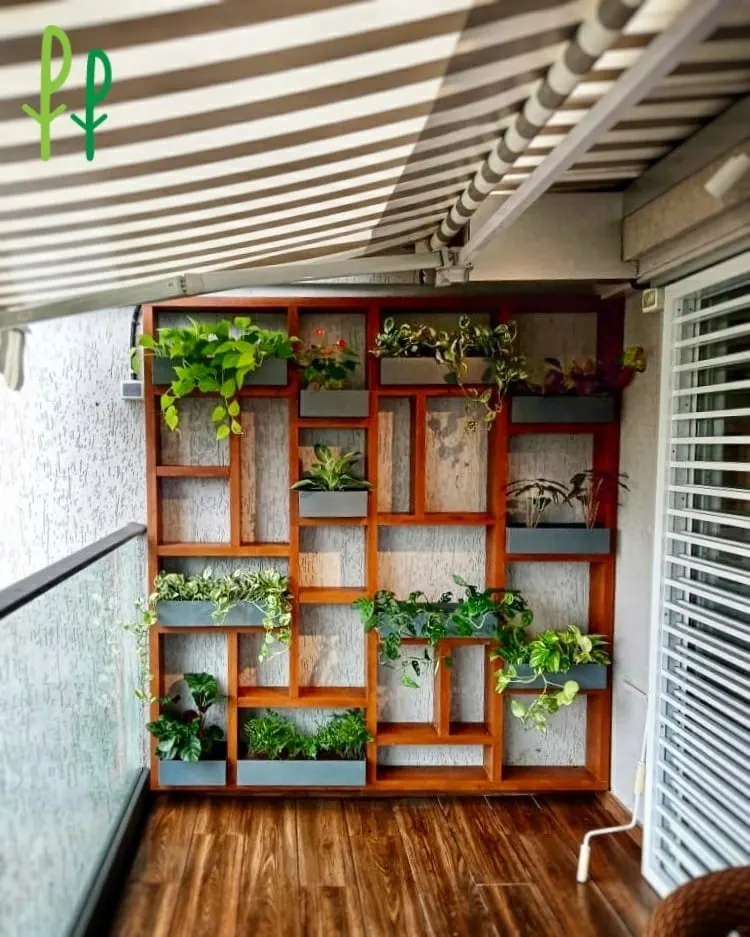
The Inspiration : Interior indoor wall-mounted gardens reanimate the Japanese tradition of kokedama and Scandinavian biophilic design, in which materials used also incorporate nature to bring the outdoors in. Artisans in Portland’s artist markets hand-make cedar ladder planters reminiscent of monastery herb walls in medieval Europe. Reclaimed barn wood juxtaposed with trailing pothos or ferns turns the heat up on living art that’s feeling rustic, too.
Why it Works : Wood’s natural porosity absorbs and releases moisture more naturally than plastic or metal, for healthier plants and an organic touch of warmth to modern interiors. These gardens clean indoor air according to NASA research pothos and spider plants remove 87% of formaldehyde and benzene in the air within 24 hours. The upright design reduces floor space and increases humidity levels by 5-10%, which makes plants happier, and helps decrease respiratory illnesses. The beauty of wood compliment any décor style from farmhouse to minimalist. Wooden systems don’t need to be professionally installed (just fit a few brackets on the wall), and can hold around 15-30 plants without being too heavy, so they’re accessible for renters as well as homeowners.
Pro Tip : Wooden planters can be sealed with a food-safe waterproofing finish such as tung oil or marine varnish to prevent rot and water damage. Opt for cedar, redwood, or pressure-treated pine to naturally resist moisture. Space planters 12-18 inches apart in rows up and down to keep bottom plants from being shaded.
ceramic dome wall planters
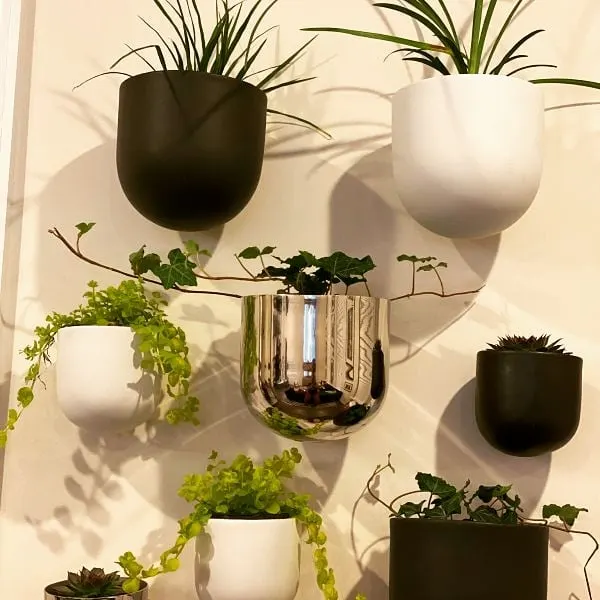
The Inspiration : Ceramic dome wall planters reflect ancient Moroccan zellige tile traditions and the grecian amphoras that turned clay into functional art. Young ceramicists in Oaxaca are hand-glazing these half-spheres with earthy terracottas and ocean blues, resulting in sculptural pockets that cushion succulents like they’re precious jewels. Their naturalistic curvilinear shapes resemble organic rock fissures.
Why it Works : The porous structure of ceramic provides roots with the ability to breathe, while also regulating moisture equally throughout the vessel and protects plant roots from rot in plastic pots. The dome shape offers superior drainage and soil depth over flat wall planters allowing for healthier root development of trailing plants such as string-of-pearls or burro’s tail. Glazed ceramic remains relatively stable in terms of temperature and won’t expose your roots to the erratic swings in indoor temperature caused by heaters. Their sculptural effect is architectonic all by itself each planter stands as a piece of art, empty or not. The 2-4 pound ceramic weight is heavy enough to keep it in place but light enough to hang on a small hook without drooping. UV resistant glazes will keep the vibrant colors bright for many years. Love that these little planters work with a bohemian or contemporary decor.
Pro Tip : Hang dome planters with heavy-duty wall anchors rated for 10+ pounds, not regular picture hooks: Ceramic gets even heavier when filled with damp soil. Opt for planters with pre-drilled drainage holes, then position them at staggered heights to establish visual rhythm.
artificial green wall
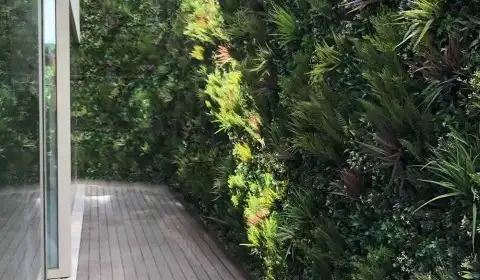
The Inspiration : Suddenly, urban concrete jungles were bursting with vertical gardens after Patrick Blanc’s living walls turned gray buildings into breathing works of art. But maintenance became a problem watering systems broke down, plants died, costs kept mounting up. Artificial green walls became the answer, capturing that biophilic magic without the vulnerability.
Why it Works : Faux green walls provide the same visual impact without the need for irrigation, light or costs of continued maintenance. They filter the aesthetic in windowless places where real plants would not fare well, like basement offices or interior bathrooms. The emotional payoff is reminiscent of real plants (studies indicate that greenery can reduce stress by 15 percent and increase productivity), but without the stress of plant death. They are customizable in ways living walls aren’t: fireproof versions for adhering to commercial codes, UV-resistant panels for outdoor environments, modular designs that can conform to any size wall. It takes hours to install, not weeks, and you never have to worry about pests or mold.
Pro Tip : Opt for panels that contain a variety of leaf textures and shades of green rather than one-dimension coverage – not only will this add depth, but it stops the artificial look. Incorporate elements of plants in bloom to add a point of visual interest, but not so much that it competes with your natural palette. Interlocking in 3-4month sections for personal convenience when detaching to keep smell fresh.
dark green leaves garden
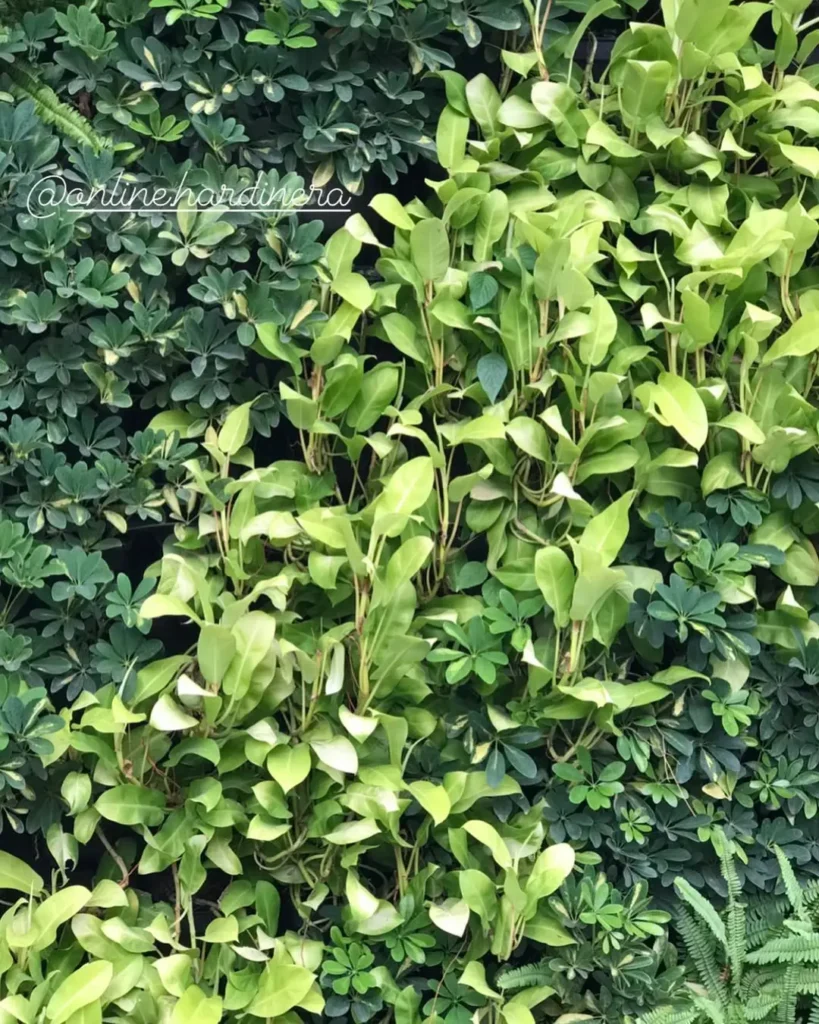
The Inspiration : Victorian gardeners knew what contemporary designers had only lately discovered: dark emerald foliage makes sedate, sophisticated spaces that transcend fleeting blossoms. Japanese temple gardens figured this out centuries ago, employing shade loving ferns and hostas to cultivate serenity. While forest floors and clandestine groves conjure up primal associations with sheltered, nurturing places in which we can feel safe.
Why it Works : Dark green foliage offers visual depth that can’t be accomplished as well with light, making “rooms” within gardens. They are higher in anthocyanin and tannins natural deer, rabbit, and most insects repellant so they require far less maintenance. These intense colors serve as “pause plants”, slowing movement of the eye and keeping visual chaos at bay in busy landscapes. Dark leaves set off lighter plants and flowers by the contrast it provides, and give us something to look at when they’ve stopped blooming. On a psychological level, deep greens offer calmness and elegance. They turn yards into places of meditation.
Pro Tip : “If you put dark leafed plants in the sun, they’ll really shine,” Mr. Knox said, “but if you stick them in shade, they get lost in the shadows.” Layer them against lighter green or chartreuse foliage for dramatic depth perception, allowing contrasting color to direct visitors’ eyes around your garden. The technique is especially effective in shade gardens where depth is difficult.
greenery wall garden
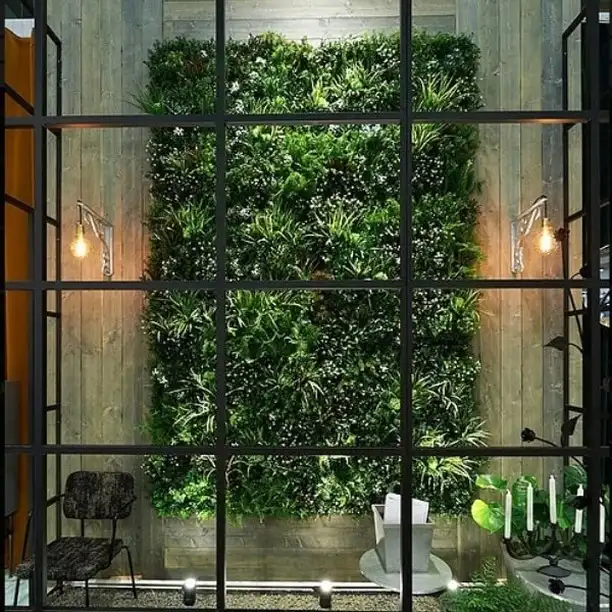
The Inspiration : Humanity’s earliest obsession with the vertical greens was likely inspired by the legendary hanging gardens of Babylon built around 600 BCE by King Nebuchadnezzar II to soothe his homesick wife through cascading plant walls. It was French botanist Patrick Blanc who reignited this affair in 1986, turning Paris museums into living tapestries that showed us that walls weren’t just lifeless boundaries. Greenery wall gardens respond to our ancestral need to soften all the hard surfaces with a gentle caress of nature.
Why it Works : Greenery walls eliminate one of the biggest constraints to growing in crowded city spaces with no horizontal square footage they transform unused, vertical surfaces into productive ecosystems. They act as natural temperature regulators indoors and even help to reduce noise pollution by up to 8 decibels, while cleaning toxins through plant respiration in the air. The biophilic effect is quantifiable plants and greenery are known to increase mood, productivity and cognitive function while reducing stress horomones. In contemporary hydroponic systems the worry of soil weight is non-existent, allowing for easy installation on interior walls without needing reinforcement. They can turn empty perimeters into areas that people remember, emphasize and increase property values.
Pro Tip : Begin with a modular pocket system instead of high-maintenance hydroponics for your first greenery wall fabric pockets let you easily swap out and experiment with plants without any permanent infrastructure commitment. Opt for shallow-rooted plants, such as pothos, ferns and philodendrons that do well in a vertical position.
small decor wall garden
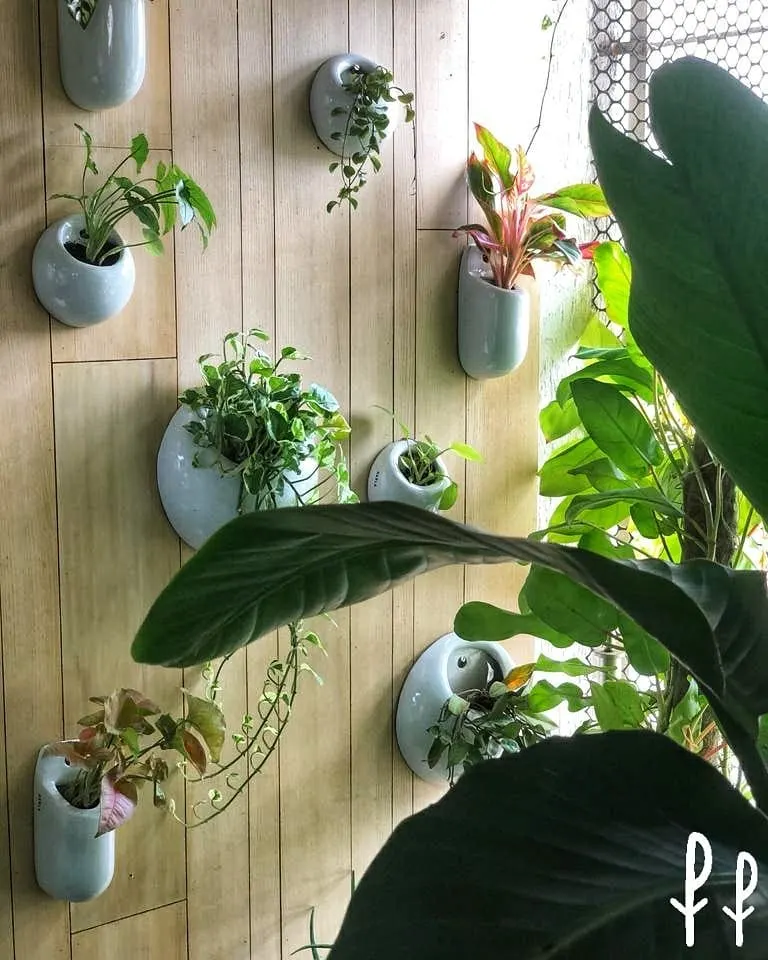
The Inspiration : Apartment dwellers in space-starved cities like Tokyo and Paris were the original inventors of small scale, using single walls as personal nature sanctuaries when floor real estate disappeared. They’re roughly medieval monastery herb walls in miniature. A petite decor wall garden shows you needn’t own acreage to tend green life ó just one inspired square of vertical real estate.
Why it Works : Tiny wall gardens pack maximal biophilic impact into a minimal footprint great for renters or novices leery of ambitious projects. They are focal points in neglected areas narrow hallways, kitchen backsplashes, bathroom accent walls where traditional furniture will not fit but visual interest is sorely wanted. The manageable scale can be maintained without breaking the bank: watering is a few minutes, not hours, and plant costs remain under $50 for a whole installation. And then, of course, there is the psychological benefit: tending to a tiny living wall helps build gardening confidence and creates daily rituals of nurturing that can counteract the kind of urban disconnect so many of us feel.
Pro Tip : No matter how small your wall garden, mount it at eye level in a high-traffic area such as near your coffee station or bathroom mirror you’ll notice changes soon and grow accustomed to regular care. Combine three to five plants with a similar water requirement so you can maintain them easily while achieving visual impact without overloading the space.
round metal and glass wall garden
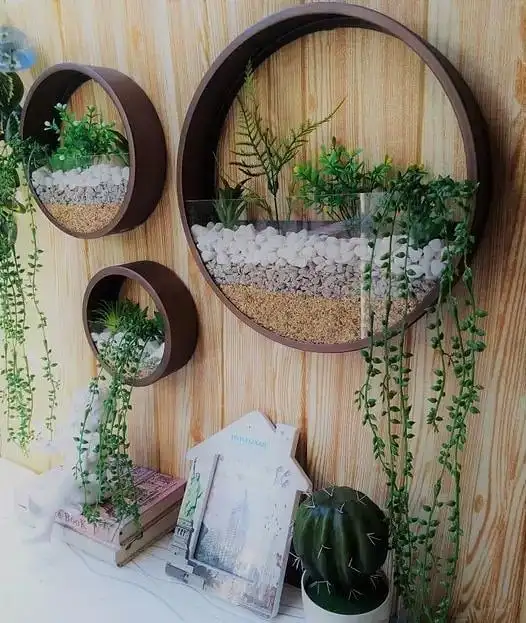
The Inspiration : Round metal and glass wall gardens are a play on the old Wardian cases, those Victorian glass terrariums that used to cradle exotic plants as they made their way on ships across oceans. Contemporary architects transformed this idea into a form of vertical art, combining metal industrial scaffolds with transparent glass to become living sculptures.
Why it Works : Round metal and glass wall gardens make the most of vertical space, this time with an eye toward focusing attention upwards and out to distant views that will help take rooms measuring mere feet beyond their walls. The enclosed environment also keeps humidity stable for plants that love moisture such as exotic ferns, succulents and air plants so overall watering is decreased by 40-50% compared to regular pots. Glass protection protects your plants from the draft and your pets while metal frame gives an industrial yet simple elegance that goes with any décor including farmhouse. These gardens turn empty walls into three-dimensional art, and provide year round greenery in homes without floor space.
Pro Tip : Opt for succulents or air plants for your south-facing installations so they do not overheat behind glass. Put a small humidity meter inside to monitor without need to open up the frame often. Turn your wall garden every quarter to ensure even growth: if one side sees more light, the plants will want to grow toward it.
Blume wall planters
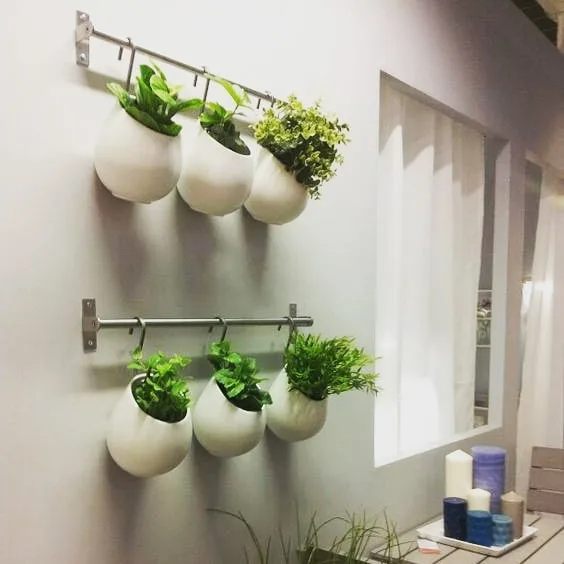
The Inspiration : Blume wall planters originated from the aspiration of urban apartment residents to nurture greenery without compromising floor space. Drawing inspiration from traditional Japanese kokedama and Scandinavian minimalism, these vertical solutions convert plain walls into living art displays. Envision a 1960s Parisian courtyard where herbs flowed from wrought iron balconies this same vertical charm is now suitable for contemporary studios, elevating nature to eye level where it is most appreciated.
Why it Works : Blume wall planters optimize vertical space, making them ideal for compact areas where every square foot is valuable. They enhance air quality while establishing visual focal points that conventional pots cannot provide. The modular design permits customization suspend three for herbs or twenty for a striking living wall. Research indicates that greenery at eye level can decrease stress by 37% compared to plants placed on the floor. The drainage systems safeguard against wall damage, addressing the concerns of renters. Their lightweight design accommodates a variety of plant types, from succulents to trailing pothos, adapting to different lighting conditions. Installation is quick with the right anchoring, making botanical transformation achievable even for novices.
Pro Tip : Begin with drought resistant plants such as pothos or philodendron in your initial three planters to build your confidence. Arrange them 18-24 inches apart at eye level to create a cascading effect. Water from the bottom to the top, allowing excess water to drain completely before rehanging to avoid moisture damage and preserve wall integrity.
vertical vegetable garden
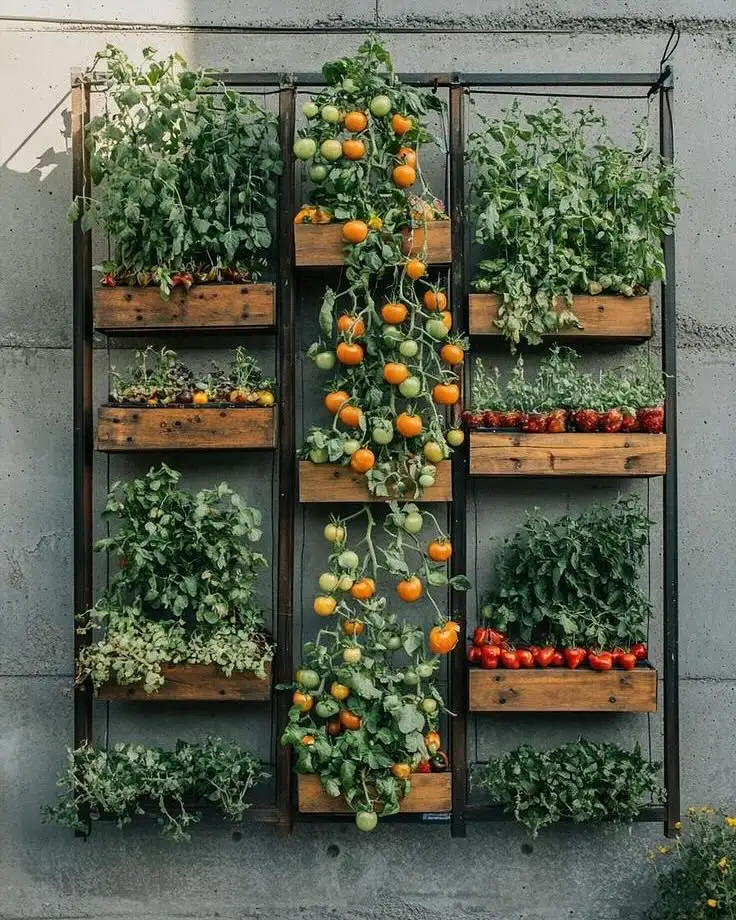
The Inspiration : Vertical vegetable gardens have their origins in the ancient hanging gardens of Babylon and the walls of medieval monasteries, where monks cultivated medicinal herbs in an upward manner. The modern concept gained traction during World War II with victory gardens, as families sought to make the most of their limited yard space. Envision a fire escape of a Brooklyn brownstone converted into a tower of tomatoes, or a suburban fence overflowing with climbing beans vertical gardening effectively utilizes wasted airspace, transforming barriers into abundant harvests that nourish families from remarkably small areas.
Why it Works : Vertical vegetable gardens can increase the growing area by 300% in comparison to conventional plots, making them perfect for urban balconies and small yards. The elevated setup enhances air circulation, which can decrease fungal diseases by as much as 60% while also keeping ground pests like slugs at bay. Harvesting becomes more ergonomic eliminating the need for bending thus making gardening more accessible for seniors and individuals with mobility challenges. Research from NASA indicates that vertical systems can reduce water usage by 90% through the use of efficient drip irrigation. Sunlight exposure is naturally optimized as plants are not overshadowed by neighboring structures. Additionally, succession planting is easier in tiered designs, allowing for extended harvest seasons from spring to fall, providing a continuous supply of fresh produce.
Pro Tip : Place heavy feeders such as tomatoes and peppers on the lower tiers with deeper containers (12+ inches), while reserving the upper levels for lighter herbs and lettuce. Set up a drip irrigation timer for early morning watering this helps to minimize moisture loss while ensuring consistent hydration throughout all levels without the need for daily manual intervention.
stylish plant wall
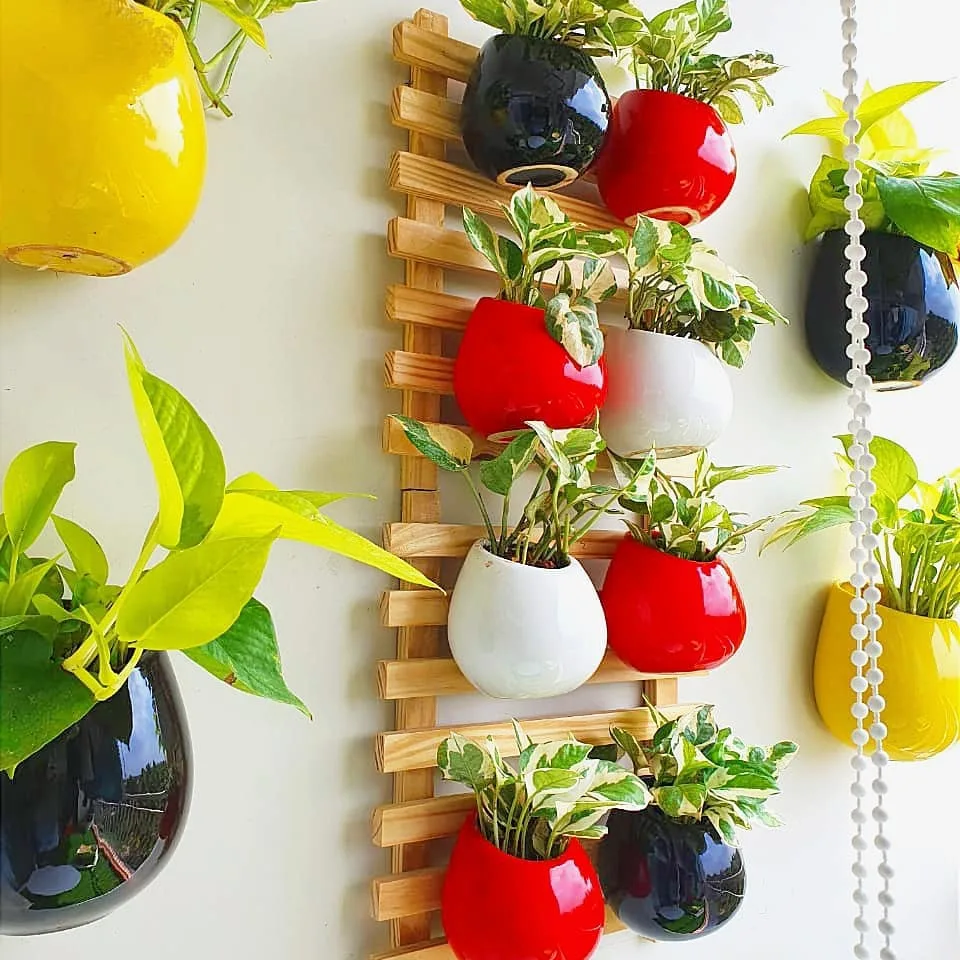
The Inspiration : Innovative plant walls reinvent Patrick Blanc’s trailblazing vertical gardens that turned Parisian museums into breathing ecosystems. These installations take inspiration from the tropical rainforest canopy, where orchids cling to tree trunks, and bring biophilic design indoors. Imagine a minimalist Copenhagen café with ferns tumbling down repurposed wood frames, or even a Manhattan loft where succulents mosaic the concrete walls these living tapestries bring architecture and interior design to life.
Why it Works : Trendy plant walls double as natural air purifiers, clearing up to 87% of indoor pollutants in less than a day, as reported by NASA. They offer acoustic dampening to reduce noise by 8 decibels turning echoey spaces into peaceful oases. Unlike their static counterparts, living walls will change with the seasons providing interest on an ongoing basis. Cooling of rooms by up to 10°F this way makes temperature higher, allowing you to reduce your air conditioner usage thus saving on your energy bill. Mental side-effects include a 15% boost in personal productivity for those working in offices with plants and improved feelings of general well-being. “Decorator friendly”, our modular systems are ideal for renters since there is no damage upon removal and nothing to store away; it’s a designer look that static art can’t match.
Pro Tip : Build in depth with layers of plant texture: trailing, pothos on upper rows, medium-height ferns through the middle and compact succulents along the bottom. Opt for odd groupings (3, 5, 7) to balance the visual. Opt for a unified color palette: all greens for a minimalist feel, or varied foliage for a strong contrast.
living wall garden
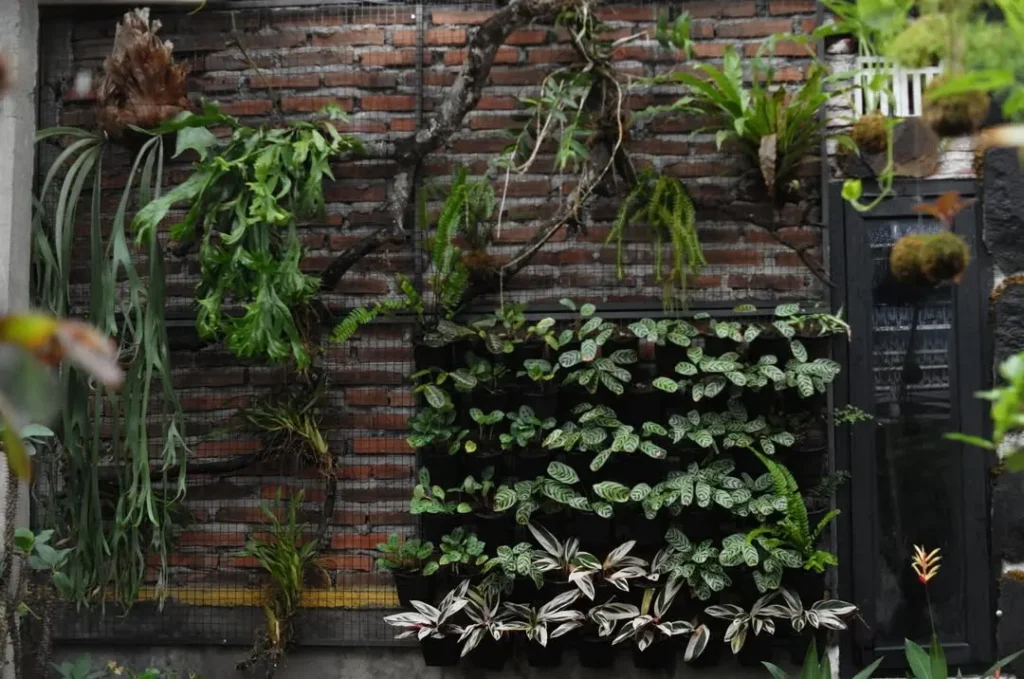
The Inspiration : With a living wall garden, you’re practically borrowing a slice of forest and attaching it to your home; a vertical take on Babylon’s fabled terraces or Patrick Blanc’s lush city façades. It transforms blank walls into a soft, breathing tapestry that brings birds and butterflies not to mention a sense of peace into your daily routine.
Why it Works : A living wall garden adds cool insulation & pares down pernicious overheating, putting waste vertical area to good, productive use. While adding oxygen and humidity, it filters airborne pollutants, promoting a healthier microclimate in your home or on your patio. With automatic irrigation systems and porous, lightweight substrates, maintenance is not all that time consuming, even for novices when it comes to time. A visually layered mix of textures, foliage colors and blooms that serves as living art by softening harsh architecture and lifting moods. In small homes or apartments, it brings with it the advantage of a garden, without giving up floor area and making nature feel closer in daily life.
Pro Tip : Organize your living wall garden by grouping plants according to their light and moisture requirements, choosing shade-tolerant species for the bottom layer with more sun-loving varieties up top. Opt for plants with deep roots and that are hardy, not delicate. Before planting turn it on for a week to verify coverage, leak and timer precision.
Multistorey wall garden
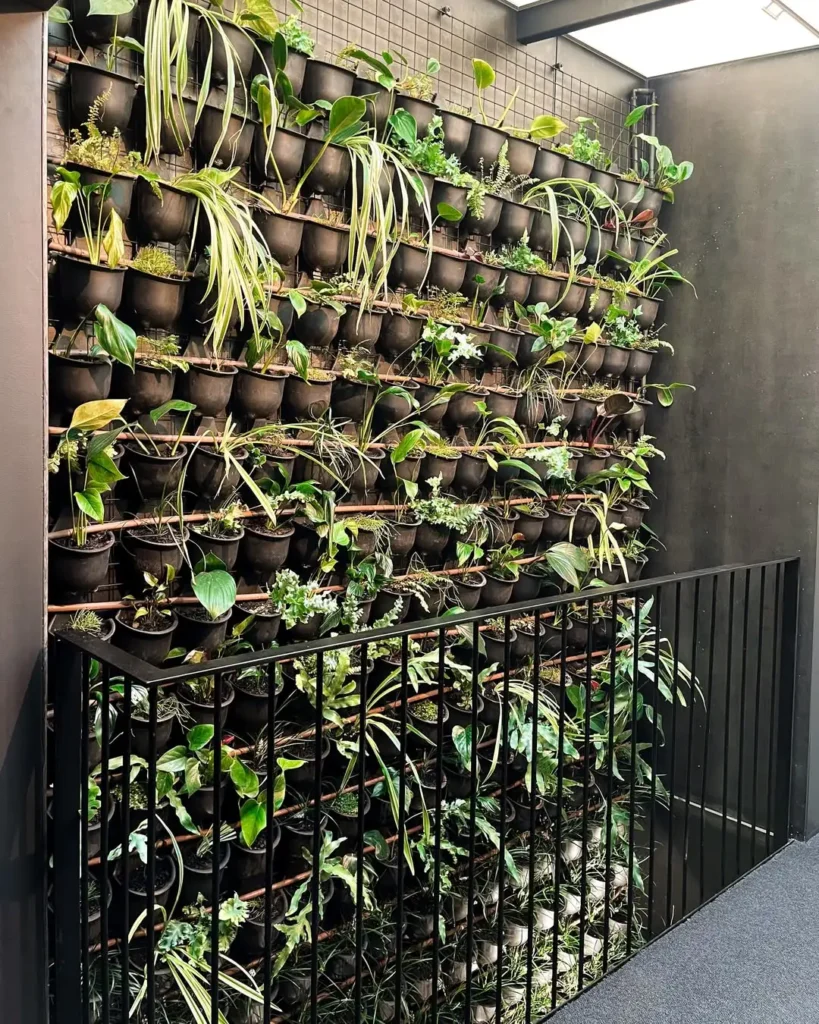
The Inspiration : The roots of multistorey wall gardens extend all the way back to ancient civilizations, where from Egyptian courtyards covered in climbing vines to Roman villas embellished with roses tumbling over walls. The French botanist Patrick Blanc transformed this way of thinking in the 1980s with his contemporary hydroponic systems. Today, they hang like living tapestries, turning otherwise barren concrete into lush vertical ecosystems.
Why it Works : Maximize space by growing vertically in our multi storied wall garden, up to 130 plants in one unit less than 4 Sq. Ft., as opposed to 16 plants the traditional way per poda pyramid They save water with sophisticated drip irrigation systems that deliver moisture directly to roots, the better not to waste it. These vertical systems make it possible to carry-out production every month of the year with no seasonal restrictions, which supports food sovereignty in urban environments. They are not only functional; they also look great, help to purify the air and create a sense of well-being by introducing nature into potentially sterile settings. Their modular construction makes personalization and use simple for everyone, from casual gardeners to experts.
Pro Tip : A moisture-resistant back board and waterproof lining is already added now before adding your vertical garden structure in order to protect walls against water damage. Add drip irrigation with timers to provide uniform, efficient watering for all levels of plants. Always check for structural integrity before adding in the plants by pushing down with some pressure.
white wall planter
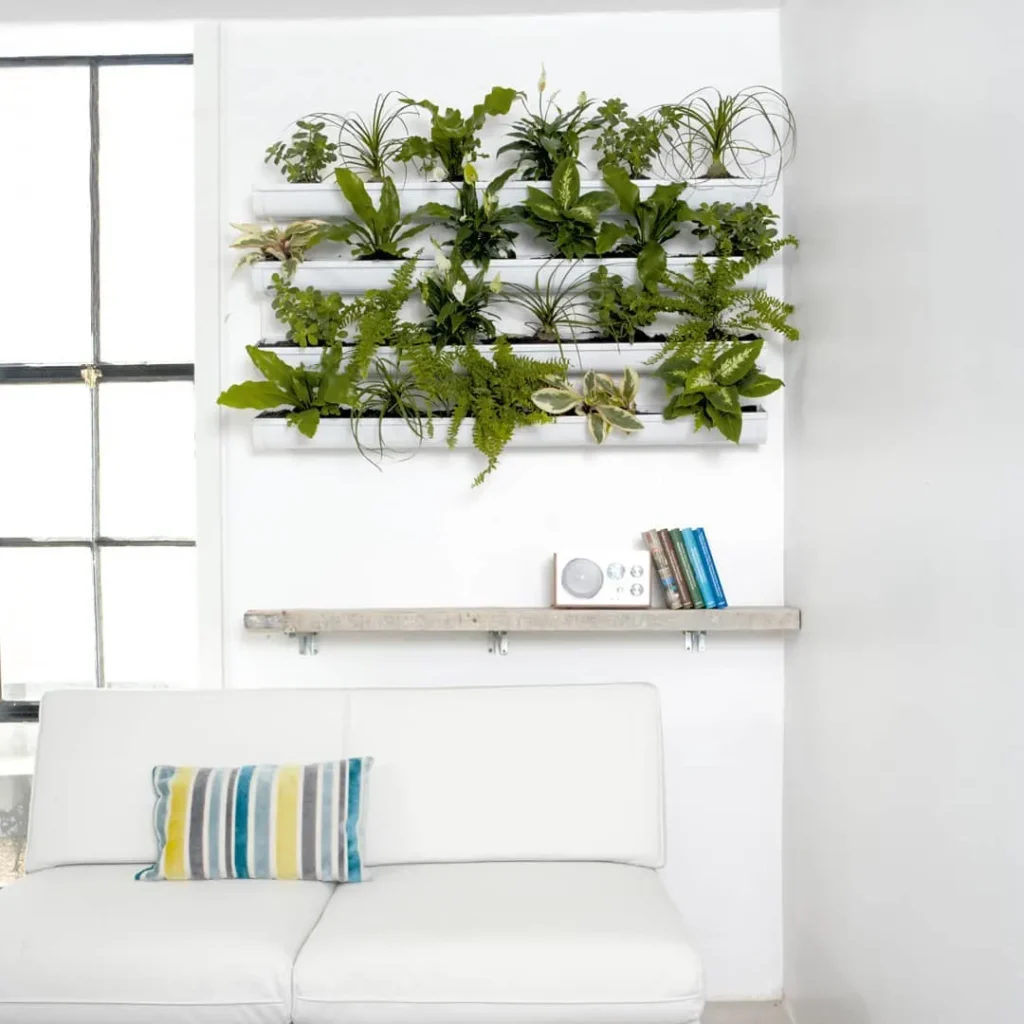
The Inspiration : White wall planters embody the enduring charm of Mediterranean courtyards and Scandinavian minimalism, where simplicity and light converge with living greenery. Drawing inspiration from the point where tree branches extend outward, contemporary ceramic designs convert blank walls into clean, airy focal points. They welcome nature indoors without overpowering subtle design aesthetics.
Why it Works : White wall planters provide visual adaptability, seamlessly complementing vintage, contemporary, and modern styles while reflecting light to illuminate spaces. Their neutral color scheme fosters cohesive gallery-style displays when utilizing various sizes and shapes, preserving harmony among diverse plant textures and foliage hues. The space-saving wall-mounted design liberates floor space, making it ideal for compact apartments or kitchens that require functional herb gardens. The crisp finish of white directs attention to the plants themselves rather than the container, allowing greenery to take center stage. Psychologically, white signifies cleanliness and tranquility, enhancing the biophilic connection between indoor settings and nature’s restorative attributes.
Pro Tip : When designing a white wall planter gallery, opt for low-light plants such as pothos or philodendron that can endure varying conditions, thus avoiding gaps caused by wilted specimens. Combine trailing vines with upright varieties like dieffenbachia for a dynamic visual flow. Ensure to use wall anchors rated for more than your planter’s filled weight to avert damage.
DIY vertical herb garden
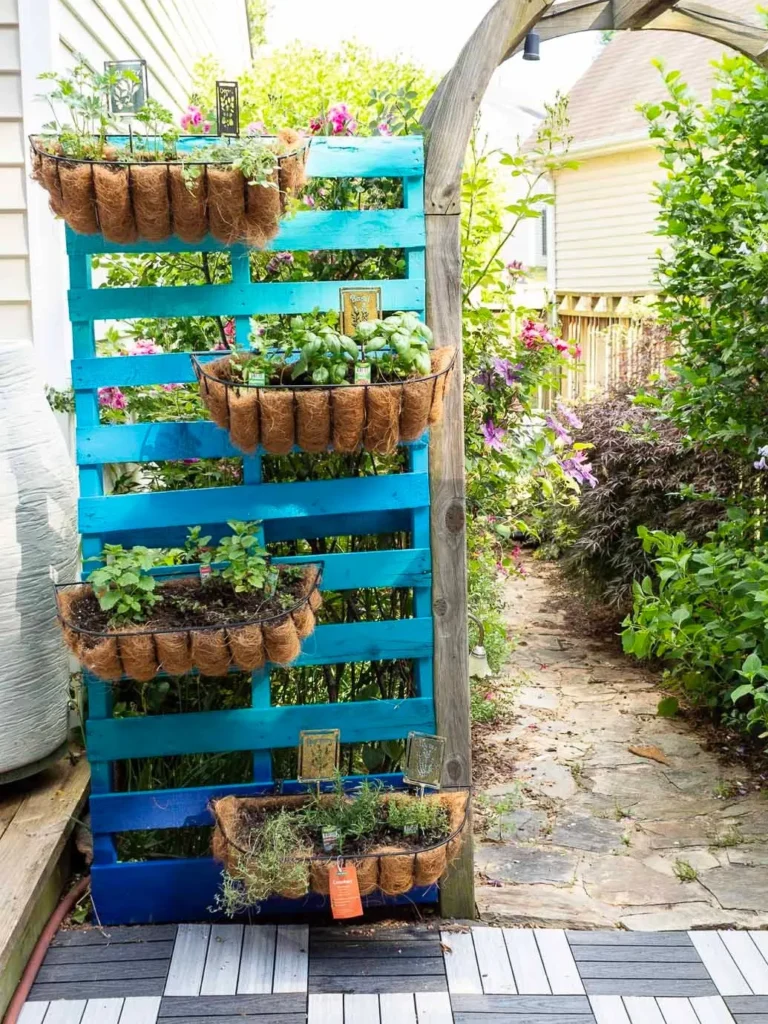
The Inspiration : A DIY vertical herb garden seems to stitch a living recipe book onto your wall, echoing old kitchen gardens where cooks would snip steps of thyme from an arm’s length away from the stove. Pallets, terracotta pots or upcycled tins become miniature theaters in which your basil, mint or rosemary sprout into a things that transform everyday meals to aromatic, hands-on rituals.
Why it Works : Using wall or balcony space that might otherwise go unused, a DIY vertical herb garden provides a small-space solution to growing herbs in any size dwelling, from full blown apartments to cramped kitchens. Stacking herbs vertically, where you can grab them easily, not only diminishes food waste because you’re taking what you need when you need it, but also allows for convenient mixing (temperatures and textures) and mingling of leaves and delicate stems without bruising them. Herbs that like to be baked in full sun come up with better health when elevated toward the brighter light; plus, stacked containers allow air to pass through and avoid mildew or bugs. Constructing it yourself also means you can keep costs low and the design flexible think rustic crates or a sleek rail system. Emotionally, caring for a living wall of flavor is a tactile reminder every day of your creativity and self-sufficiency.
Pro Tip : When plotting out your vertical herb garden, consider light conditions: Most people choose to plant Mediterranean herbs near the top of a hanging wall garden for maximum heat and resistance to drought (think rosemary, thyme and oregano); mint, chives and parsley are best positioned toward the bottom. Use one well-draining potting mix, and incorporate slow-release organic fertilizer to prevent from feeding constantly.
Leafy Nook wall garden
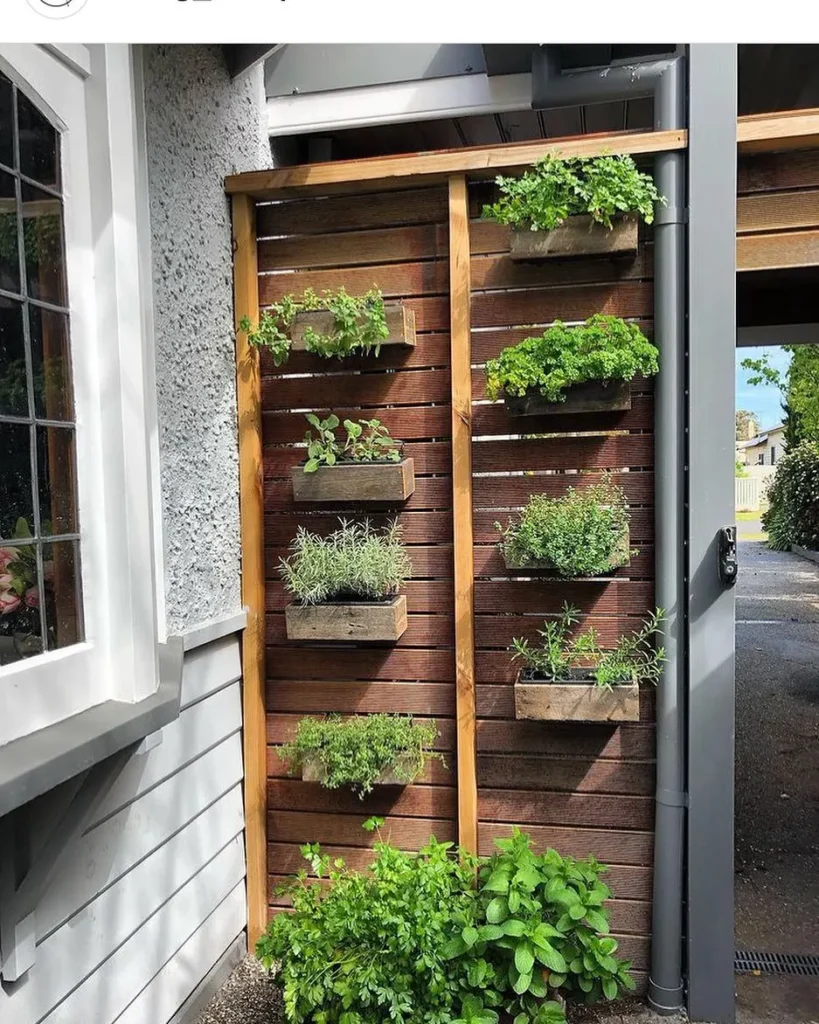
The Inspiration : wall garden The inspiration for these was the secret boudoirs of English cottage gardens and the tokinoma space in a japanese home where nature and reflection meet reductions in your output, use these surfaces as potential bond between types With a concentrate. Imagine tucked away reading nooks framed with cascading ferns, or breakfast nooks sweetened by trailing pothos, transforming unused walls into private retreats.
Why it Works : A Leafy Nook wall garden makes the most of neglected corner spaces, adding depth and visual interest to unloved or awkwardly furnished spots. Fold away colour to create a microclimate The more plants the better when it comes to having indoor air as clean as possible, and pooling them in one corner of your room helps create a little bit of atmosphere for both the conifers hanging out there (they’ll feel less isolated) and for you (the higher concentration of greenery makes you suck up all that extra humidity). The small scale, easy to maintain with fewer plants than full-wall installations but equal punch. In psychological terms, enclosed greenspaces make people feel like they can trust in and relax within them and decrease stress through the principles of biophilic design. A nook garden is ideal for renters or anyone with a small house A nook garden doesn’t require any permanent structural changes – try using removable shelving, hooks or modular systems that can be added to over time.
Pro Tip : Layer plant heights with this wall mounted garden: set trailing varieties, such as string of pearls, at eye level, medium plants, like pothos, mid-height and compact species such as peperomia below. An optional small LED grow light with timer can be hung above for uniform growth on all shelves if you have a lack of natural light.
wall-mounted grow bags garden
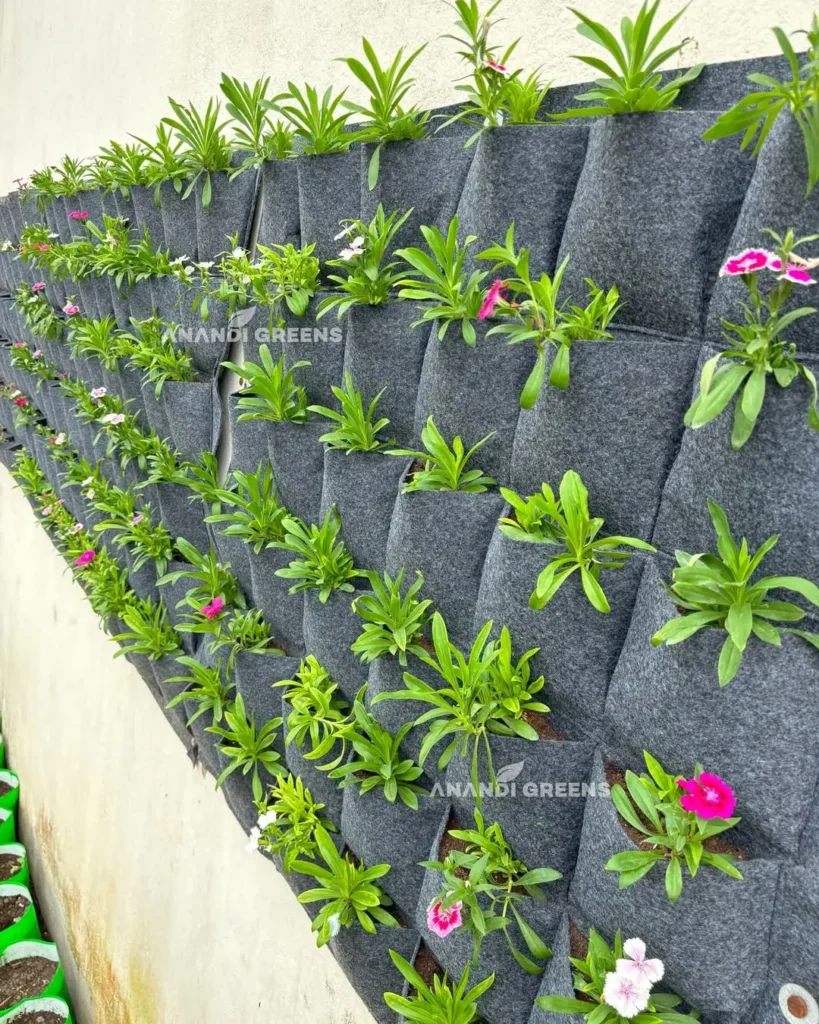
The Inspiration : A wall-mounted grow bags garden seems a bit like patchworking a living quilt onto your fence or balcony, drawing on the tradition of farmers hanging sacks of soil along walls to conserve space. Soft pockets filled with aromatic herbs, lettuce and flowers transform flat, uninspiring walls into pliable, living canvasses that can be reborn from season.
Why it Works : Why a wall-mounted grow bags garden works Because cheap, light fabric pockets allow affordable, adaptable and renter friendly vertical gardening. The breathable fabric allows for air to circulate around the roots and helps prevent issues such as root rotting, and over watering while producing larger and healthier plants. Readily mounted on fences, balconies or sunny walls, the bags turn otherwise dead vertical space into productive zones for herbs, greens or strawberries. And because the pockets are modular, you can swap, rotate or remove individual ones as the seasons change or plants finish. Emotionally, there’s the thrill of seeing edible leaves spill out from modest fabric pockets, a great affirmation that you don’t have to have all the resources in the world to be self-reliant and grow your own food.
Pro Tip : On a wall-mounted grow bags garden, I would line the back of the bed with thin plastic sheeting or an old tarp, pads of cardboard perhaps and then punch small holes low down for drainage. Fill those pockets with potting mix not garden soil, which can wash away in a rainstorm and water from the top row so overflow trickles down.
balcony wall gardening
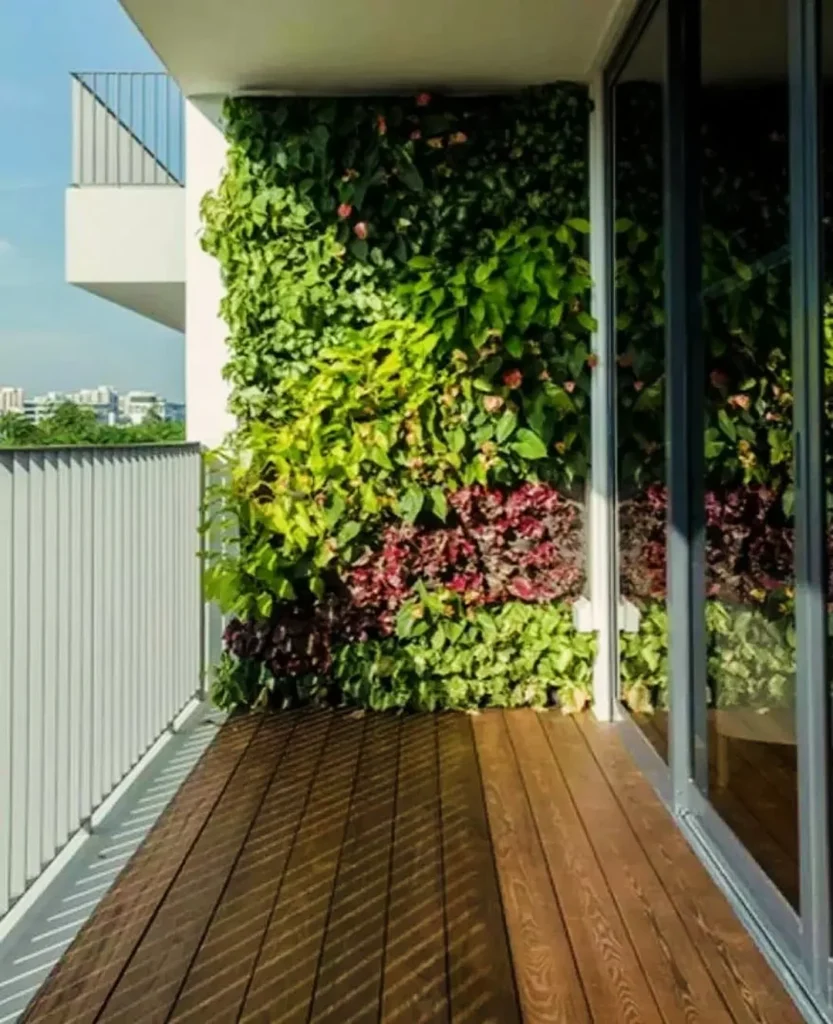
The Inspiration : Balcony wall gardening turns pokey city perches into floating gardens: a nod to the Italy of geranium-draped terrasses and Bombay vertical kitchen plots, in which apartment-dwellers grow coriander and chilies. It’s the rebellious performance of privatizing vertical real estate, turning handrails and empty walls into green horizon lines above the concrete.
Why it Works : The systems can pack plenty of plants into one small space, as they enable walls to become growing surfaces, turning even the smallest balcony corner into a productive garden and saving negligible floor space for the patio-sized table. Tall plants also get more air and sunlight, which means fewer pests and less mildew if you are home to brave a container garden. Soil, pots and watering are contained with wall-mounted systems to avoid soil spillage and damage from water run-off to floors below. A green wall, in psychological terms, becomes privacy screening from neighbours as well as softening harsh urban views and creating your own oasis. For those in cities who don’t have access to a yard, it provides the therapeutic benefits of gardening of nurturing living things and harvesting fresh herbs and connecting with nature without ever leaving your home.
Pro Tip : Prior to setting up wall balcony gardens, be sure to consult with building management about your balcony’s weight limits and drainage restrictions. Planters should be mounted hung on the wall side of railings instead of on the wind-facing outside to prevent plants from being damaged by strong winds or falling. If your balcony gets fierce afternoon sun or bone-dry winds, select drought-tolerant plants, such as succulents or herbs.
traditional wall gardening
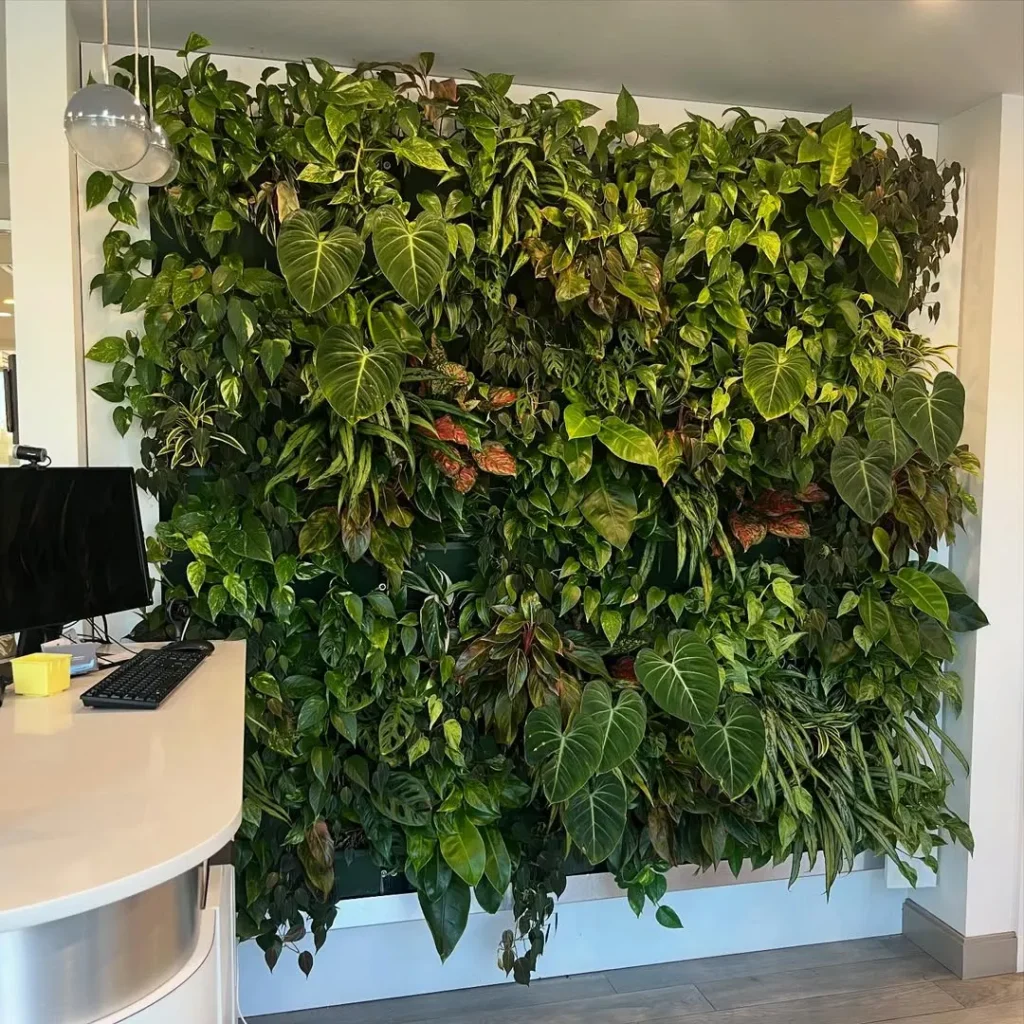
The Inspiration : Its lineage harks back to the ancient courtyard walls of Persia hung with jasmine, English walled kitchen gardens espaliering their fruit trees and Mediterranean villages where climbing roses or grapevines moderate stone. It’s gardening as architecture, walls and shelters to protect, warm and lean against the sides of plants while making living delineations between the wild world and the cultured one.
Why it Works : In classic wall gardening, thermal mass is the name of the game: The heat conducted by stone or brick walls warms in daytime hours and gets released during the night to stretch growing seasons and shield tender plants from frosts. Walls hold up climbing vines, fans espaliered trees and trained shrubs reducing the need for staking while maximizing square footage per pound of produce. The vertical shelter screens the wind, generates microclimates and privacy screening from boundaries are put to work as productive elements. By tradition, this time honored approach links contemporary gardeners with centuries of horticultural wisdom in which plants and spaces are formed by patience and pruning.
Pro Tip : For traditional wall gardening, a south-facing wall is best for the heat-loving tomatoes, figs and peaches, while a north wall favors ferns, hostas and climbing hydrangea. Install horizontal wires or a trellis 18 inches off the wall to promote air circulation behind plants, which in turn helps minimize mildew as well as aid with espalier training and vine growth.
Golden Pothos wall garden
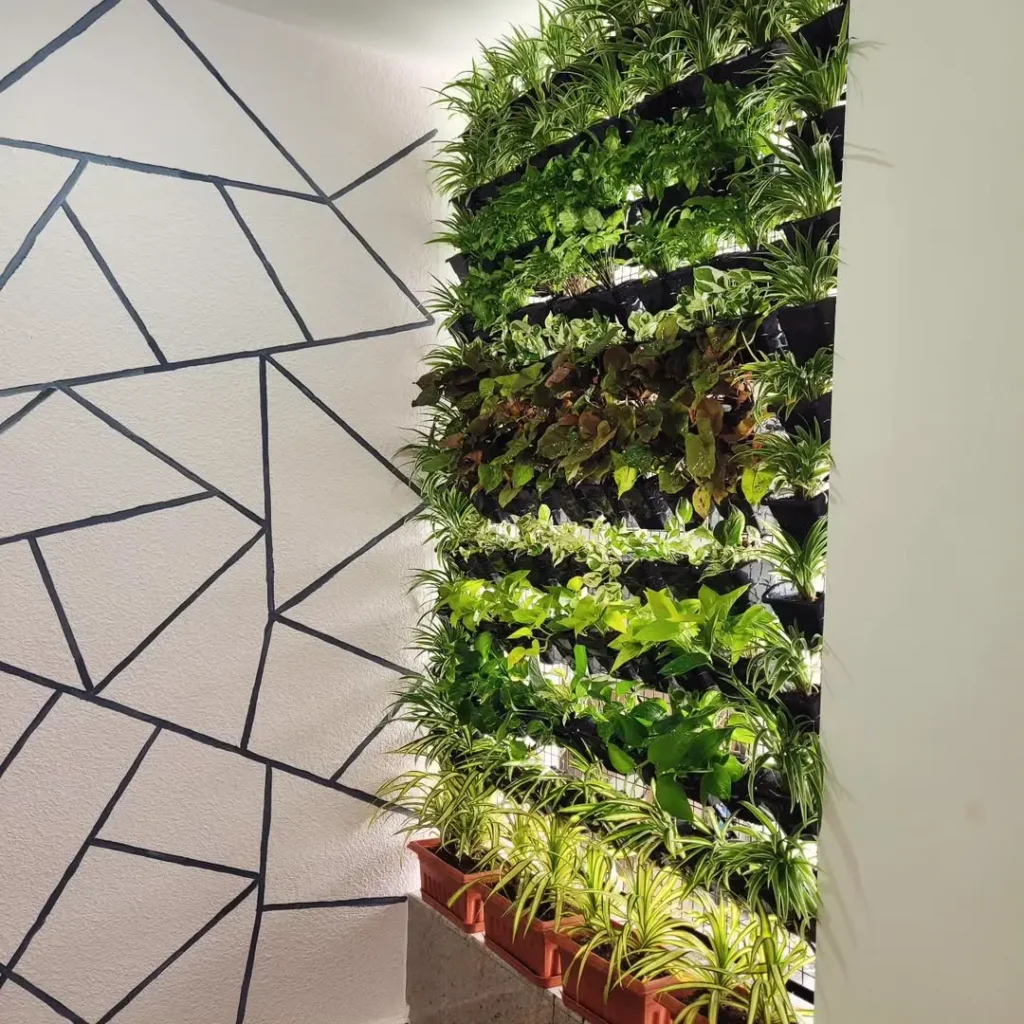
The Inspiration : A wall garden made from planted Golden Pothos grasps the wild elegance of tropical forests where vines cascade down tree trunks, and their heart-shaped leaves draw in filtered light. This houseplant hero fills blank walls with a golden green waterfall once favored by mid-century modern designers, and it has charmed its way into offices, cafes and homes for its forgiving cascading beauty.
Why it Works : A Golden Pothos wall garden is easy to care for and can tolerate periods of neglect, the appreciate low to bright indirect light or artificial light and do not grow quickly, despite what you may have heard. Growing as much as 12 inches a month, it quickly fills towering vertical spaces with leathery, striped foliage that cleans the air by devouring toxins such as formaldehyde and benzene. The tangle of trailing vines creates dynamic visual movement and softens hard architectural lines without the need for soil heavy systems; all you need are some simple hooks, shelves, or mounted pots. Emotionally, to see golden pothos climb .
Pro Tip : For a fuller Golden Pothos wall garden, propagate cuttings by cutting just below a leaf node and rooting in water for two weeks before putting several rooted strands per pot. Mount pots at varying heights and train vines along adhesive hooks or fishing line to allow a cascade of natural patterns to run down your wall.
lush wall garden
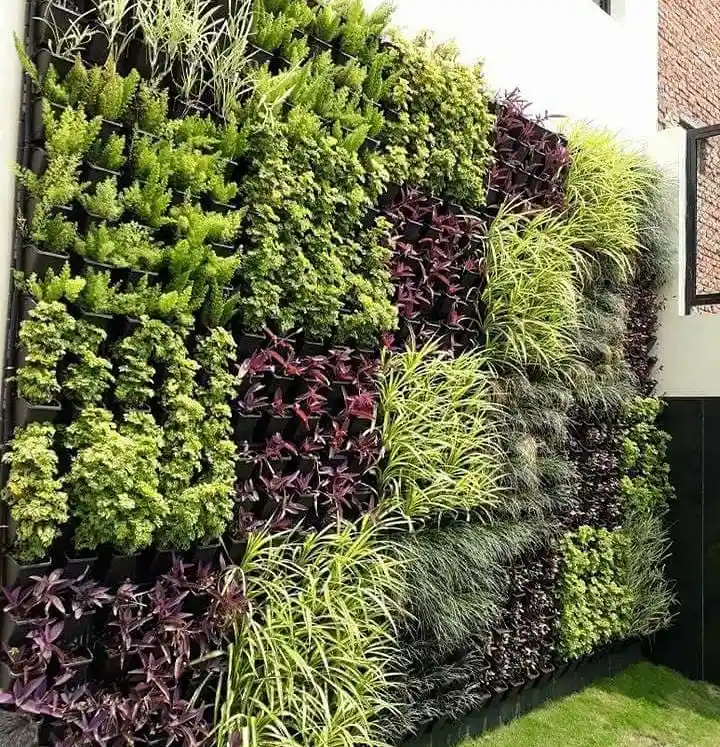
The Inspiration : But a wall garden supports luxurious growth that models the verdant cliffs of cloud forests, where moss and ferns and orchids drape high rock faces with layered profusion. Closer to Patrick Blanc’s jungle-like botanical murals, and Singapore’s verdurously planted green walls, it turns architecture into a living tapestry that throbs with biodiversity and tropical exuberance.
Why it Works : When filled with everything from maidenhair ferns to trailing vines to for generously proportioned tropical foliage, the dense visual effect of a wall garden based on variation in texture as well as leaf shape and growing habit is something that sparse plantings can’t touch. This variety of organismal life enhances the stability of a microclimate, interlocking in complementary root systems and moisture retention. “Heat can be reduced through the evapotranspiration effects of foliage, but there is only space available for a small amount of trees per square foot in an urban area.” The multi-layered canopy provides habitat for natural predators and wildlife.
Pro Tip : For a dense wall garden, choose plants that have contrasting leaf sizes and textures: combine large-leafed Philodendron with fine-leaved maidenhair ferns and trailing string-of-hearts. Plant thickly, at two-thirds the maximum spacing to create fullness faster. Plant in drip irrigation with adjustable emitters that can be set to deliver the precise amount of water each plant needs.