
Beautiful Flower Pot Garden Arrangements to Brighten Your Space Lovely flower pot garden arrangements provide a simple way to make a big impact whether used on your patio, deck or even indoors without the need for direct planting of flowers or plants in the ground. Baskets are as versatile as they come, turning balconies, patios, doorsteps and simply windowsills into colourful focal points that lift your home’s look while ensuring you have the truly therapeutic benefit of nurturing living plants. There’s a secret to great flower pot settings It doesn’t just happen. Beautiful Flower Pot Garden Arrangements to Brighten Your Space Combine flowering plants of different heights, textures and bloom times for color that lasts throughout the seasons. Use tall statement plants: geraniums or petunias make a strong focal point; midsize flowers, like marigolds or zinnias provide body; and trailing varieties that spill over pot edges such as sweet alyssum or lobelia add visual depth and movement. Color coordination imparts intentionality to arrangements rather than a sense of haphazardness. Opt for color schemes that complement each other purple and yellow, pink and white for more cohesive displays that pop. Beautiful Flower Pot Garden Arrangements to Brighten Your Space Or on the other hand, monochrome style arrangements in different tints of one colour make for a cool, sleek effect. Selection of container is a key factor in visual aesthetics. Terracotta pots provide a rustic, classic look to your garden while glazed pottery can be used for the modern garden gardener. Clustering pots in odd numbers at different heights groups of three, perhaps, or five makes for dynamic groupings that are more visually appealing than lone containers. This user friendly gardening style let’s nature bring its beauty indoors to your living areas without much maintenance and provides maximum visual impact that adds some cheer to every day life.
Seasonal Color Flower Rotation
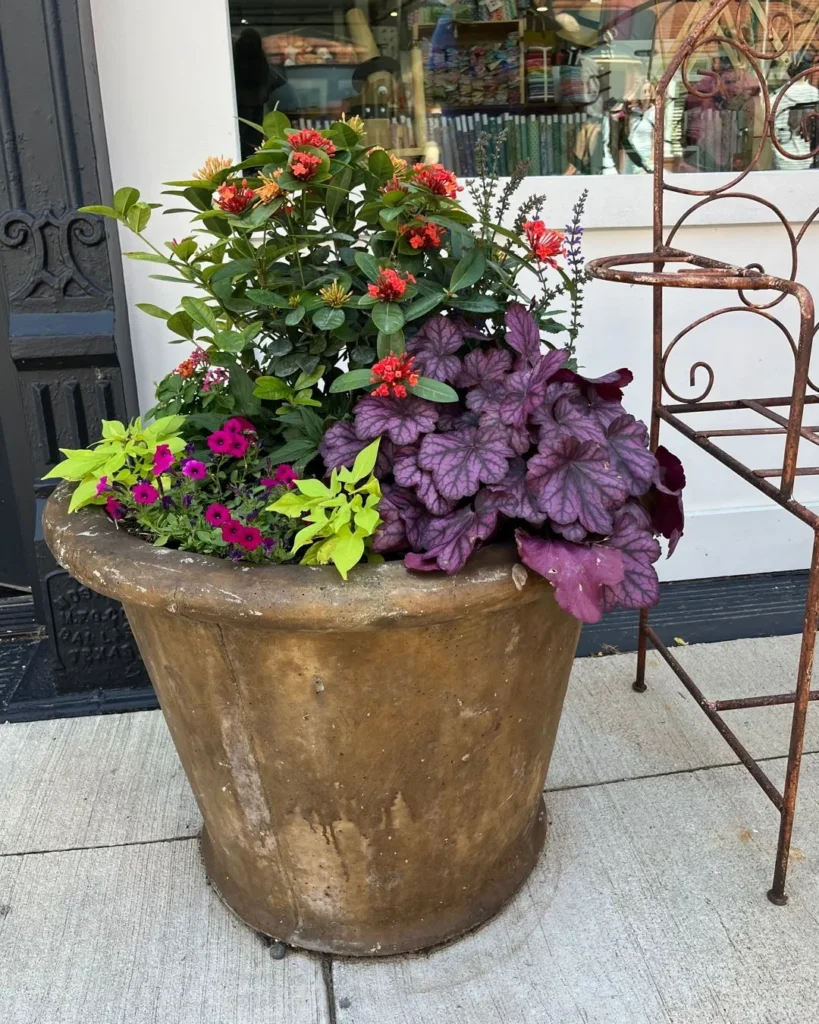
The Inspiration: Seasonal color flower rotation gardens reflect Victorian public park traditions, where head gardeners arranged striking seasonal displays that transformed landscapes throughout the year. Imagine tulips giving way to summer dahlias and then autumn chrysanthemums a living calendar that signifies the passage of time. This orchestrated approach brings that municipal splendor to your home, celebrating nature’s rhythms through intentional, ever changing beauty.
Why it Works: Seasonal rotation keeps gardens consistently fresh and visually appealing, preventing the tired look of wilted blooms or empty pots during off seasons. Financially, investing in successive waves of affordable annuals is less expensive than maintaining struggling plants in unsuitable conditions. Each season’s flowers flourish because they are planted during optimal growing periods cool season pansies in autumn and heat loving zinnias in summer resulting in healthier plants that require less intervention. This method gradually teaches gardening skills as you learn the specific needs and behaviors of plants each season. Emotionally, rotation fosters anticipation and ritual: spring planting feels hopeful, summer deadheading is meditative, and autumn transitions are bittersweet. Your garden becomes dynamic rather than static, offering constant novelty that keeps you engaged throughout the year.
Pro Tip: Maintain permanent “backbone” containers with evergreen foliage or perennials, and then rotate seasonal color pots around them. This approach reduces replanting labor while ensuring year round structure. Keep a simple calendar to note what bloomed when and how well, making next year’s planning easier. Purchase end of season plants at nursery clearances for budget friendly experimentation.
Herb and Flower Mix Pot Garden
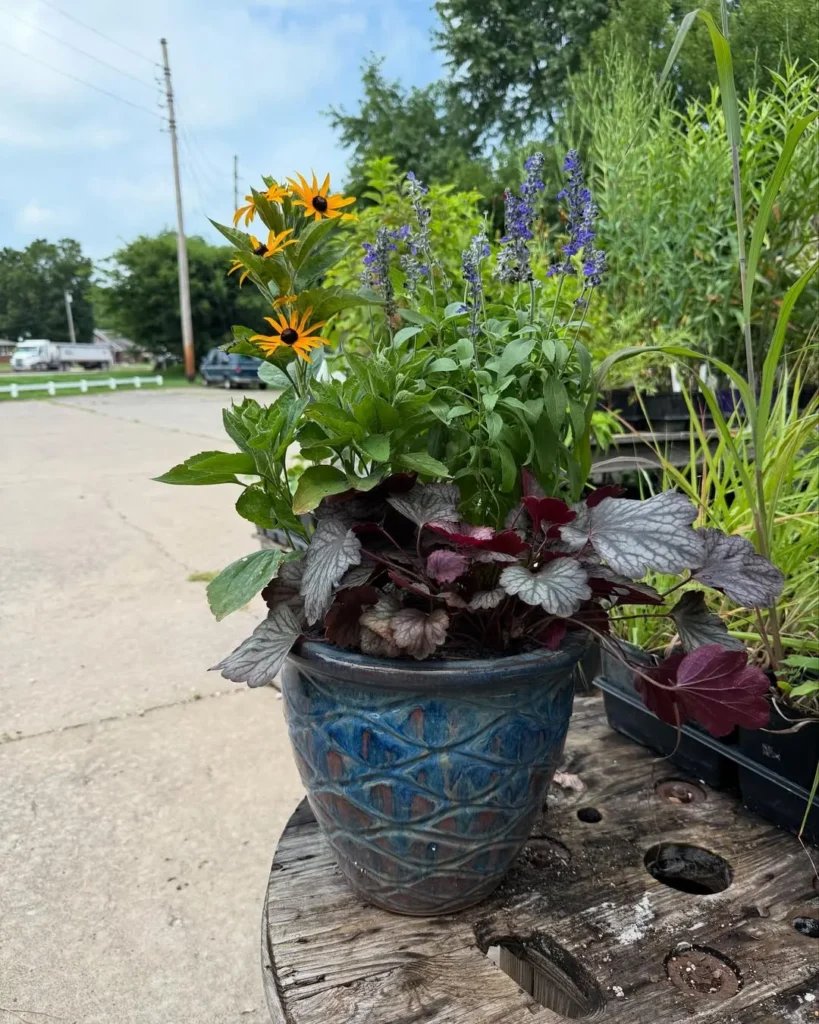
The Inspiration: Herb and flower mix pot gardens revive the traditions of medieval monasteries, where monks grew culinary herbs alongside medicinal blooms in raised beds and containers. These potager-style gardens blurred the lines between utility and beauty, featuring lavender next to lettuce and nasturtiums with basil. This harmonious approach celebrates gardens that nourish both the body and the soul simultaneously.
Why it Works: Mixed herb flower pots maximize limited space by serving dual purposes: beauty and harvest from the same area. The benefits of companion planting emerge naturally marigolds deter aphids from basil, nasturtium flowers attract pollinators while their leaves add a peppery flavor to salads, and lavender repels pests from neighboring cilantro. Visually, colorful blooms elevate herbs from being merely functional to decorative, making kitchen gardens worthy of prominent placement on patios or balconies instead of being hidden away. Harvesting becomes more enjoyable when surrounded by beauty, encouraging frequent cutting that promotes bushier herb growth. Emotionally, these gardens feel abundantly generous, allowing one to gather dinner ingredients while also cutting flowers for the table, doubling the satisfaction from a single container.
Pro Tip: Pair herbs and flowers based on their water and sunlight needs plant drought tolerant rosemary with calendula, or moisture loving basil with petunias. Position taller flowers like zinnias toward the back of the pot to prevent them from shading shorter herbs. Choose edible flowers such as nasturtiums, violas, or borage that serve both decorative and culinary purposes.
Rustic Wooden Box Flower Garden
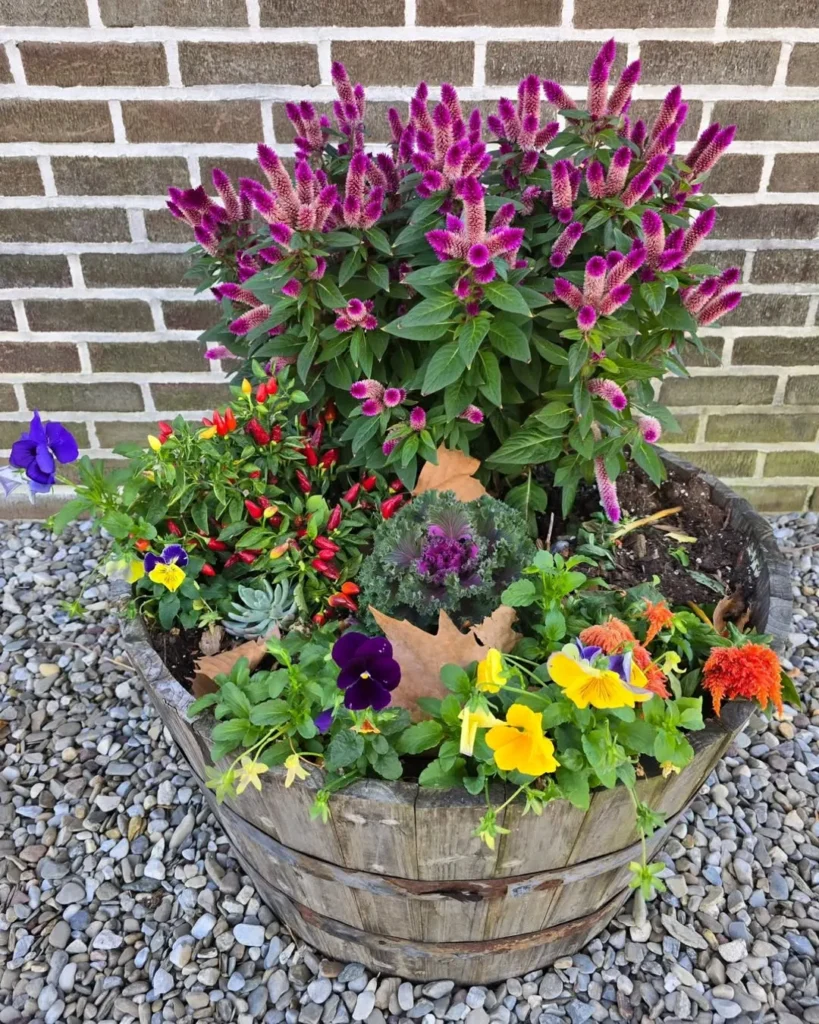
The Inspiration: Rustic wooden box flower gardens reflect pioneer homesteads, where repurposed apple crates and weathered barn wood served as makeshift planters outside frontier cabins. Imagine sun-bleached boxes brimming with wildflowers on the windowsills of Provence farmhouses or reclaimed wine crates adorning Napa Valley patios simple materials transformed into delightful vessels that emphasize resourcefulness and natural beauty.
Why it Works: Wooden boxes provide natural breathability, allowing air circulation around root systems, which helps prevent waterlogging more effectively than sealed plastic containers. Their rectangular shape optimizes planting surface area on narrow balconies, ledges, or along fence lines, where round pots can waste space. The insulating properties of wood protect roots from temperature fluctuations during hot afternoons and cool nights. The weathered, rustic look complements cottage gardens, farmhouse styles, or even modern spaces that seek organic texture. Wooden boxes age gracefully; the silvering wood and slight warping enhance character rather than appearing damaged. Practically, they are often DIY friendly or available at low cost from salvage yards, making beautiful gardens accessible to all budgets while promoting waste reduction through creative reuse.
Pro Tip: Line wooden boxes with landscape fabric before adding soil to prevent direct contact between wood and soil, which can accelerate rot while still allowing for drainage. Elevate boxes slightly on pot feet or thin wooden strips to promote air circulation underneath, significantly extending their lifespan. Apply food safe wood sealant annually to maintain the weathered appearance while preventing premature deterioration.
Colorful Window Box Flower Garden
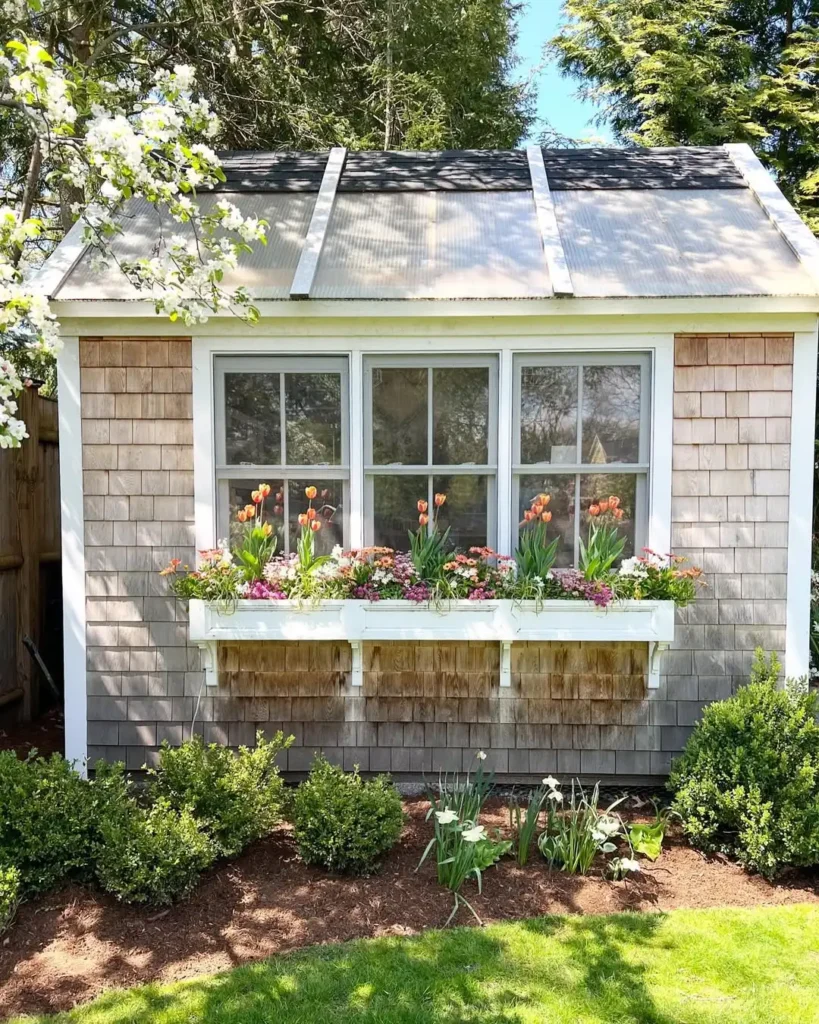
The Inspiration: Colorful window box flower gardens are inspired by Alpine chalet traditions, where abundant geraniums and petunias spill from every windowsill, transforming mountain villages into floral displays. Imagine Bavarian towns competing for awards for the best blooming window boxes or Parisian balconies overflowing with color a gardening tradition that enhances streets while bringing joy to both passersby and residents.
Why it Works: Window boxes optimize vertical gardening space, making them ideal for apartment residents or homes with limited ground areas, converting otherwise unused architectural features into productive growing zones. Their elevated position brings flowers to eye level, fostering intimate connections with blooms that might be overlooked at ground level while significantly enhancing curb appeal. Window boxes benefit from heat and light reflected off building walls, which extends growing seasons and boosts flower production. The contained space makes maintenance easy tasks like deadheading, watering, and fertilizing can be done conveniently from both inside and outside. Emotionally, window boxes frame views with living beauty, making every glance outside feel purposeful and uplifting. They signal to neighbors that your home is well cared for and inviting.
Pro Tip: Install sturdy brackets rated for twice the weight of your filled window box, as soil and water add considerable weight. Plant trailing flowers such as petunias or lobelia at the front edges, upright geraniums or snapdragons in the center, and filler plants like dusty miller in between for a professional looking layered display that blooms continuously throughout the season.
Mini Rose Pot Collection
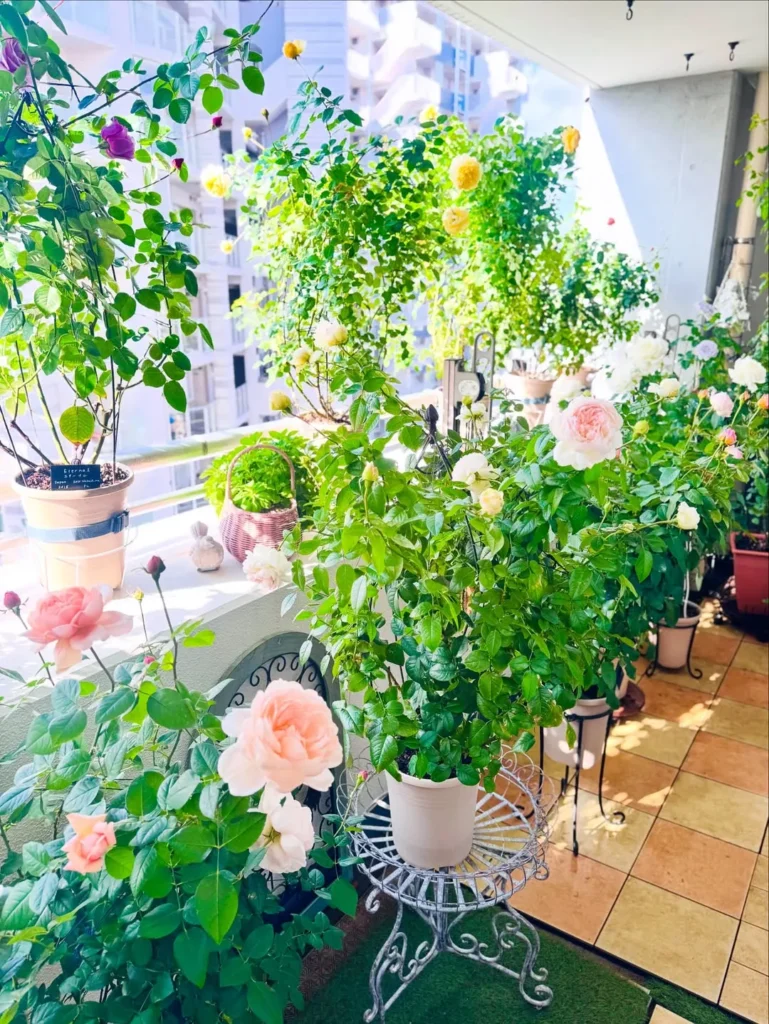
The Inspiration: Mini rose pot collections embody the elegance of traditional rose gardens, designed for contemporary living spaces. Drawing from Victorian conservatory specimens and Japanese bonsai aesthetics, these compact flowers provide the romance of full sized roses in apartment friendly sizes. Imagine jewellike blooms adorning sunny windowsills or balcony tables, offering the luxury of a rose garden without the need for expansive estates or complex maintenance.
Why It Works: Miniature roses present genuine rose beauty complete with fragrance, classic petal shapes, and repeat blooming without the space demands or intensive care required by garden varieties. Their compact root systems thrive in containers, making them easily portable to follow sunlight or bring indoors during severe weather. Collections enable a variety of colors that single large roses cannot provide arrange coral, pink, yellow, and white varieties for vibrant displays. Unlike cut roses that wilt within days, potted miniatures bloom continuously for months with simple deadheading. Their manageable size minimizes pest issues and facilitates easier disease detection. Emotionally, caring for miniature roses feels both luxurious and attainable you’re nurturing romance and beauty without overwhelming commitment, ideal for beginners seeking sophisticated results.
Pro Tip: Opt for terracotta or unglazed ceramic pots with excellent drainage, as mini roses dislike excessive moisture. Position pots to receive six hours of direct sunlight each day morning sun with afternoon shade is optimal in hot climates. Regularly deadhead spent blooms by cutting just above the five leaflet leaves to promote ongoing flowering throughout the season.
Vintage Tin Flower Pots
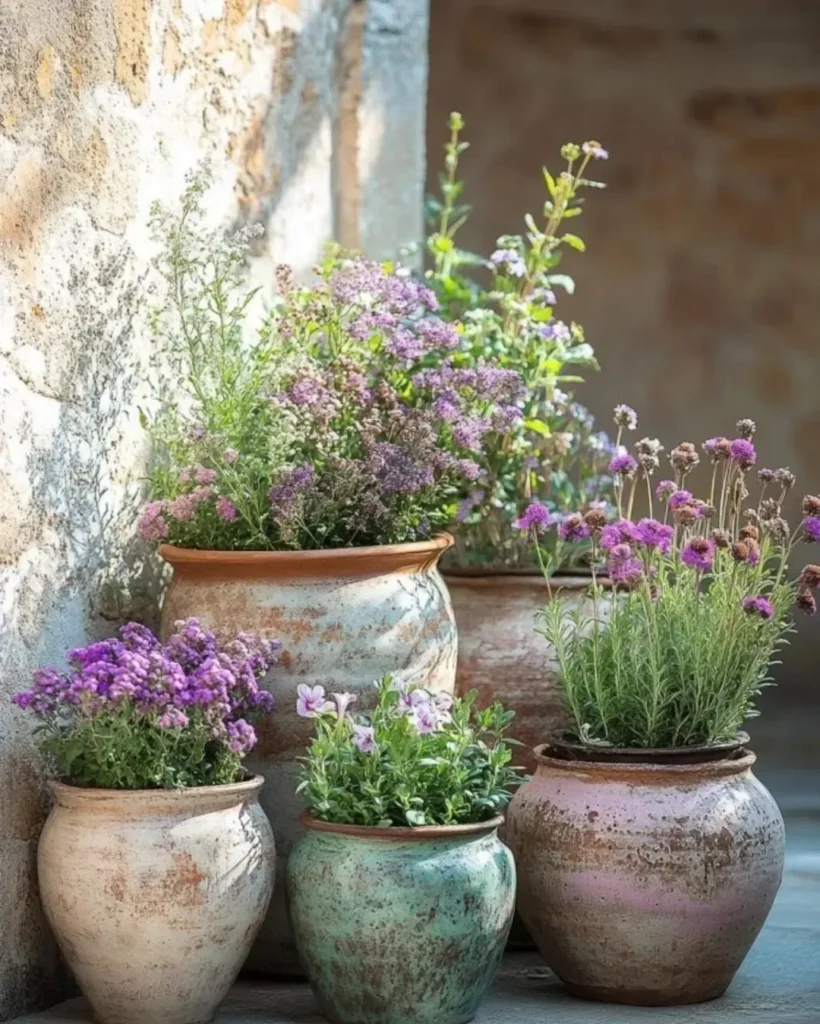
The Inspiration: Vintage tin flower pots celebrate the resourcefulness of the Depression era, when families repurposed cookie tins, coffee canisters, and biscuit containers into cheerful planters that brightened windowsills during tough times. Imagine faded floral labels and dented corners that tell stories, with rust patina adding unexpected beauty these humble vessels transform thrifted treasures into nostalgic garden art that honors creative ingenuity.
Why it Works: Vintage tins are inexpensive at thrift stores, flea markets, or estate sales, making beautiful container gardens accessible for any budget while keeping items out of landfills. Their compact sizes are perfect for shallow rooted annuals like pansies, petunias, and marigolds. The eclectic mismatched aesthetic creates curated collections that feel personally assembled rather than store bought, adding an authentic character that is difficult to replicate with new containers. Metal conducts warmth, benefiting heat loving flowers during cooler springs. Their lightweight nature allows for easy rearrangement as you experiment with different arrangements. Emotionally, vintage tins evoke memories and spark conversations each container’s faded graphics, foreign languages, or retro designs serve as storytelling elements that make your garden uniquely meaningful rather than generically attractive.
Pro Tip: Carefully drill drainage holes using a hammer and nail or a drill with a metal bit to prevent root rot. Add one inch of pebbles beneath the potting soil for extra drainage. Group vintage tins by color family such as all pastels, all primary colors, or all metallic tones to create cohesive displays despite their mismatched designs.
Hanging Basket Flower Garden
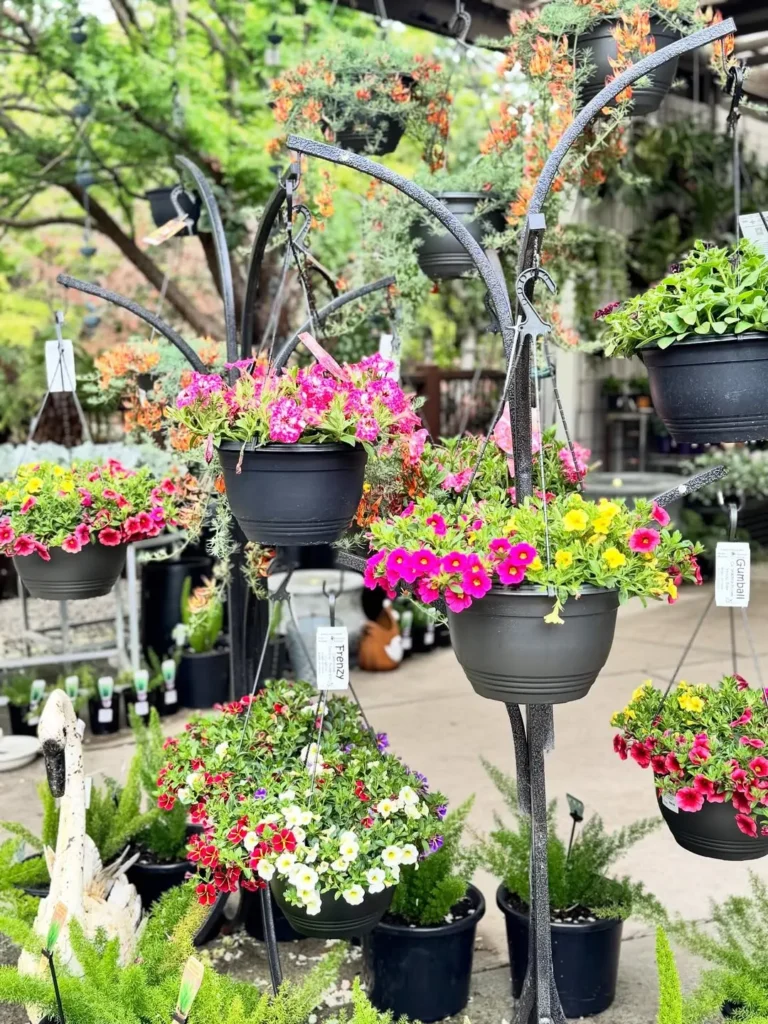
The Inspiration: Hanging basket flower gardens reflect the traditions of English pubs, where overflowing baskets filled with petunias and fuchsias greet guests at every entrance. Imagine Victorian conservatories adorned with cascading orchids overhead, or Spanish courtyards where geranium baskets frame doorways raising flowers to eye level transforms walkways into immersive floral tunnels that celebrate abundance and vertical beauty.
Why it Works: Hanging baskets optimize growing space without occupying valuable floor, counter, or ground area essential for small balconies, patios, or yards. Elevated placement protects flowers from ground pests like slugs and soil borne diseases while allowing blooms to be at eye level, making colors, fragrances, and details easily noticeable. The 360-degree visibility promotes full, rounded plantings that appear impressive from all angles. Trailing varieties such as petunias, lobelia, and sweet potato vine naturally cascade downward, creating living sculptures that soften hard architectural features like posts, eaves, and fences. Emotionally, hanging baskets convey a welcoming and generous feel they beautifully frame entrances, making homes appear well cared for while offering guests vibrant greetings that express warmth before the doors even open.
Pro Tip: Line wire or coco fiber baskets with sphagnum moss before adding soil to retain moisture longer, which reduces daily watering needs. Plant trailing flowers around the edges of the basket and upright varieties in the center for a professional looking dimension. Install swivel hooks to rotate baskets weekly, ensuring even sun exposure and symmetrical growth on all sides.
Butterfly Friendly Flower Pot Garden
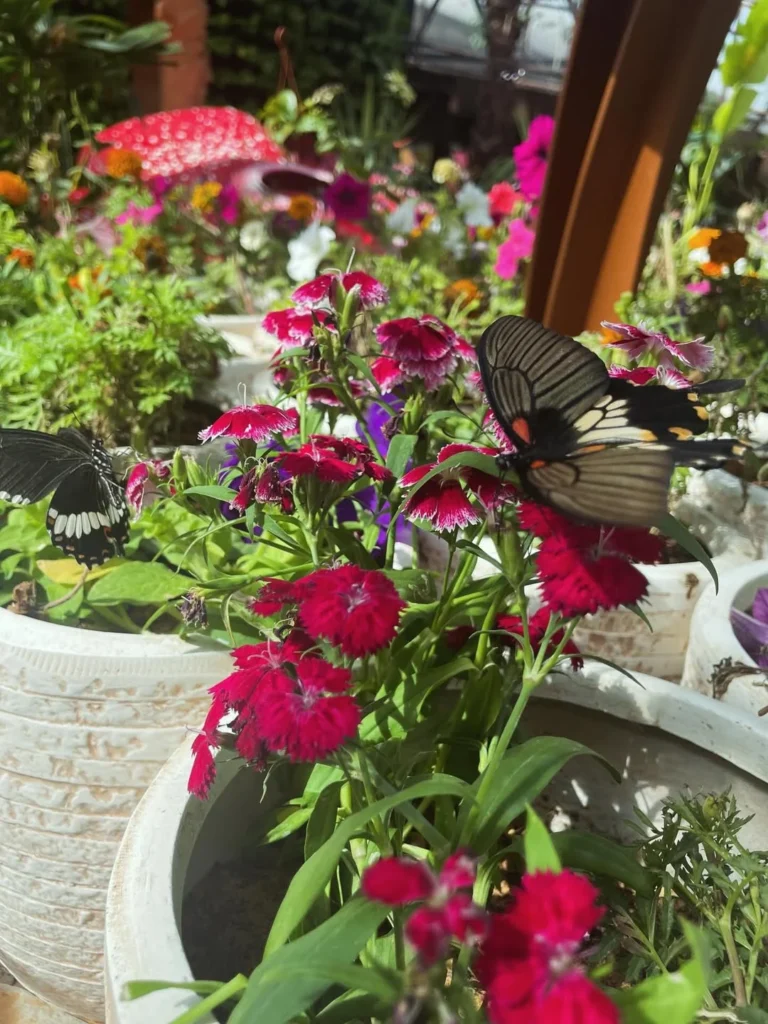
The Inspiration: Butterfly friendly flower pot gardens celebrate conservation efforts inspired by the decline of monarch populations. Drawing from the work of naturalists like Rachel Carson and community pollinator gardens, these intentional plantings transform balconies into essential feeding stations. Imagine painted ladies fluttering among zinnias and swallowtails sipping nectar from lantana your small container garden becomes a lifeline that supports delicate ecosystems while adding delightful movement to urban areas.
Why it Works: Butterfly focused pot gardens tackle significant habitat loss by offering concentrated nectar sources in concrete heavy environments where butterflies struggle to find food. Thoughtful flower selection such as zinnias, pentas, verbena, and butterfly bush provides high nectar rewards in compact spaces, making small gardens surprisingly effective for butterfly survival. The mobility of containers allows you to reposition gardens according to sunlight patterns that butterflies prefer. Observing butterflies visit daily fosters moments of mindfulness and connections to nature that are unattainable through passive gardening you become an active participant in conservation instead of a distant observer. Children particularly benefit from witnessing pollination firsthand, naturally cultivating environmental stewardship. These gardens also attract beneficial insects that enhance the health of surrounding plants, creating mini ecosystems that support broader biodiversity beyond just butterflies, significantly amplifying positive ecological impacts.
Pro Tip: Plant nectar flowers in color blocks rather than scattering single plants this makes it easier for butterflies to spot large patches of purple, orange, or red from the air. Include flat topped flowers like zinnias where butterflies can comfortably land while feeding. Additionally, place a shallow dish with wet sand or pebbles for “puddling,” providing essential minerals that butterflies need beyond nectar.
Zinc Flower Planter Collection
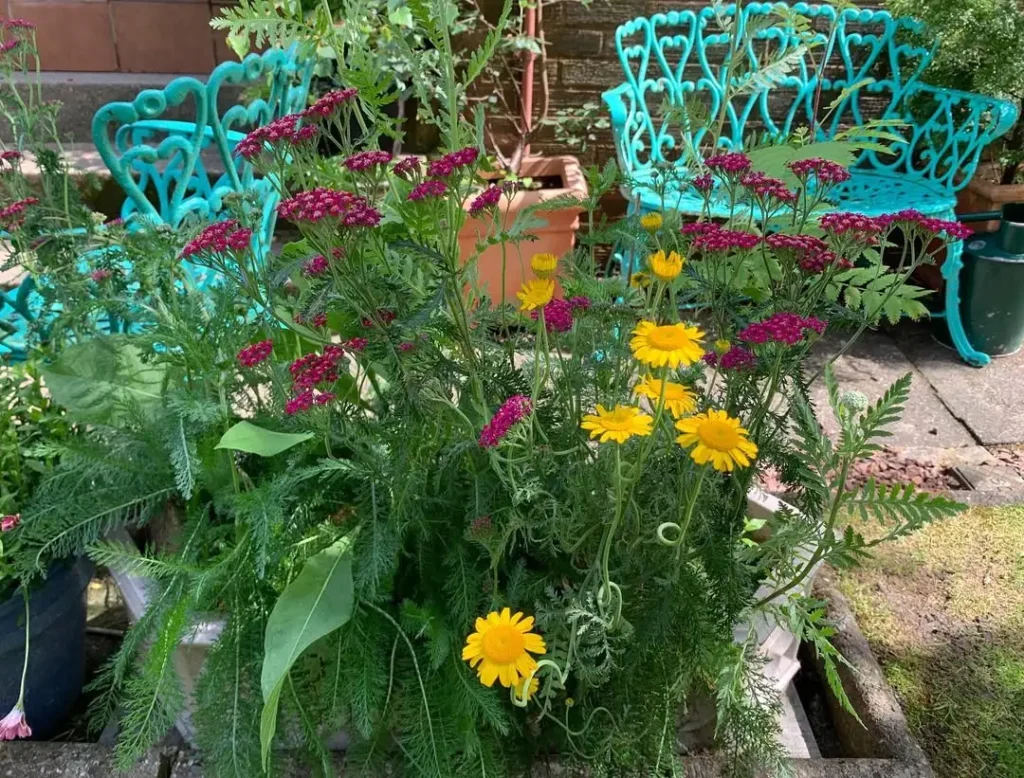
The Inspiration: The Zinc Flower Planter Collections evoke the charm of French flower markets, where florists arranged blooms in weathered zinc buckets and window boxes that developed a beautiful silvery blue patina over the years. Imagine Parisian balconies adorned with aged zinc containers or Belgian café terraces featuring matching zinc planters an industrial elegance that combines rustic charm with contemporary sophistication through time worn metallic beauty.
Why it Works: Zinc planters naturally resist rust and corrosion, ensuring decades of outdoor use without degradation or maintenance beyond occasional cleaning. Their silvery gray tones provide neutral backdrops that enhance the vibrancy of flower colors reds appear richer, purples deeper, and whites crisper against zinc’s cool metallic sheen. The evolving patina adds character over time, meaning planters become more aesthetically pleasing with age rather than looking worn. Zinc’s lightweight properties make it easy to reposition compared to ceramic or concrete alternatives. The collections create cohesive displays with matching finishes, even when combining different sizes and shapes. The refined industrial aesthetic complements various design styles, from modern farmhouse to urban contemporary, making zinc planters versatile investments that adapt as your aesthetic evolves without appearing outdated or style specific.
Pro Tip: Line zinc planters with plastic nursery pots instead of planting directly to facilitate seasonal changes and protect the zinc from soil acidity that can speed up patina development. This approach also prevents soil staining and simplifies drainage management. Arrange zinc planters at varying heights using plant stands or inverted crates for dynamic, gallery like displays.Simple & Stunning Rose Garden Inspirations for Beginners
Edible Flower Pot Set
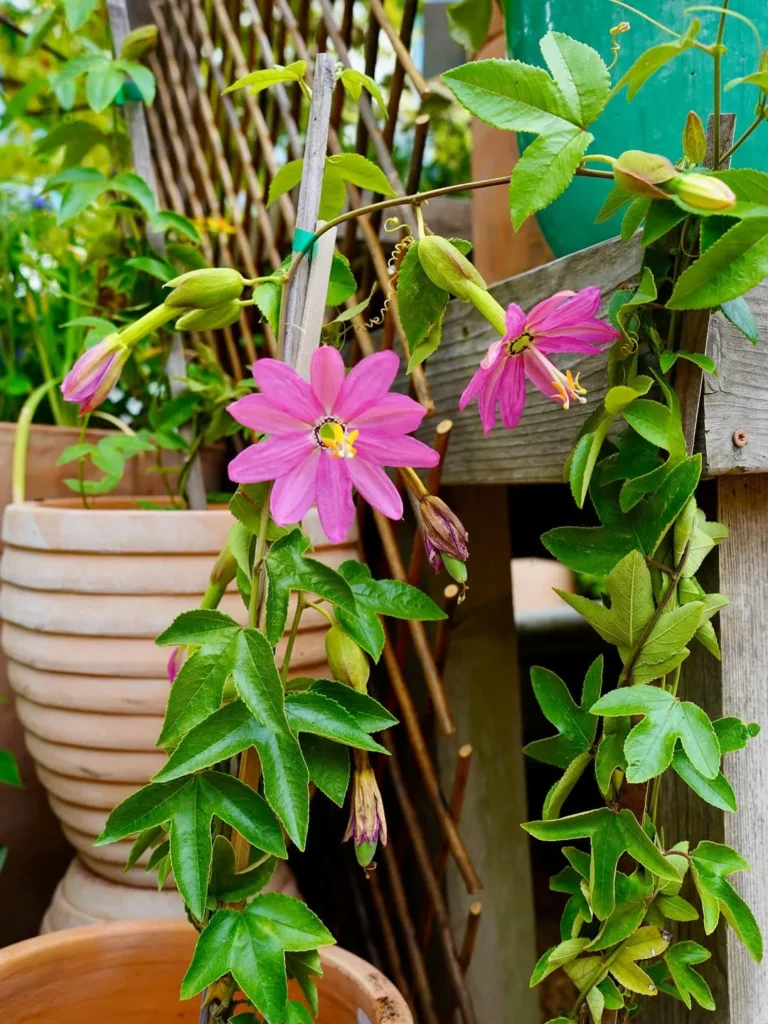
The Inspiration: Edible flower pot sets revive the culinary gardens of the Renaissance, where European nobility adorned dishes with candied violets, borage blooms, and nasturtium petals. Modern farm to table restaurants continue this tradition by plating microgreens and edible pansies to enhance presentation. These dual-purpose gardens bring gourmet chef techniques into the home, transforming ordinary meals into visually stunning, flavor enhanced experiences through accessible backyard cultivation.
Why it Works: Edible flower pots provide both aesthetic beauty and culinary functionality within the same square footage, maximizing productivity in small spaces. Growing your own edible blooms costs only pennies compared to grocery store prices a single nasturtium plant yields dozens of peppery flowers throughout the summer, unlike expensive, small clamshells. You have complete control over growing conditions, ensuring that the blooms are pesticide free and truly organic, unlike commercially grown flowers. The unique flavors such as viola’s wintergreen notes, calendula’s saffron like taste, and lavender’s perfume elevate everyday cooking into creative experimentation. Visually, these gardens inspire conversations and teach children that flowers are not just decorative but also functional food sources. Harvesting blooms for dinner creates mindful rituals that connect gardening directly to nourishment, making meals feel more intentional and celebratory.
Pro Tip: Begin with easy to grow edible flowers nasturtiums, pansies, calendula, and borage thrive with minimal care while yielding abundant blooms. Harvest flowers in the cool morning hours when flavor compounds are at their peak, and rinse them gently before use. Remove the stamens and pistils from larger flowers, using only the petals. Freeze individual blooms in ice cubes for beautiful cocktail garnishes throughout the year.
Ceramic Flower Pot Lineup
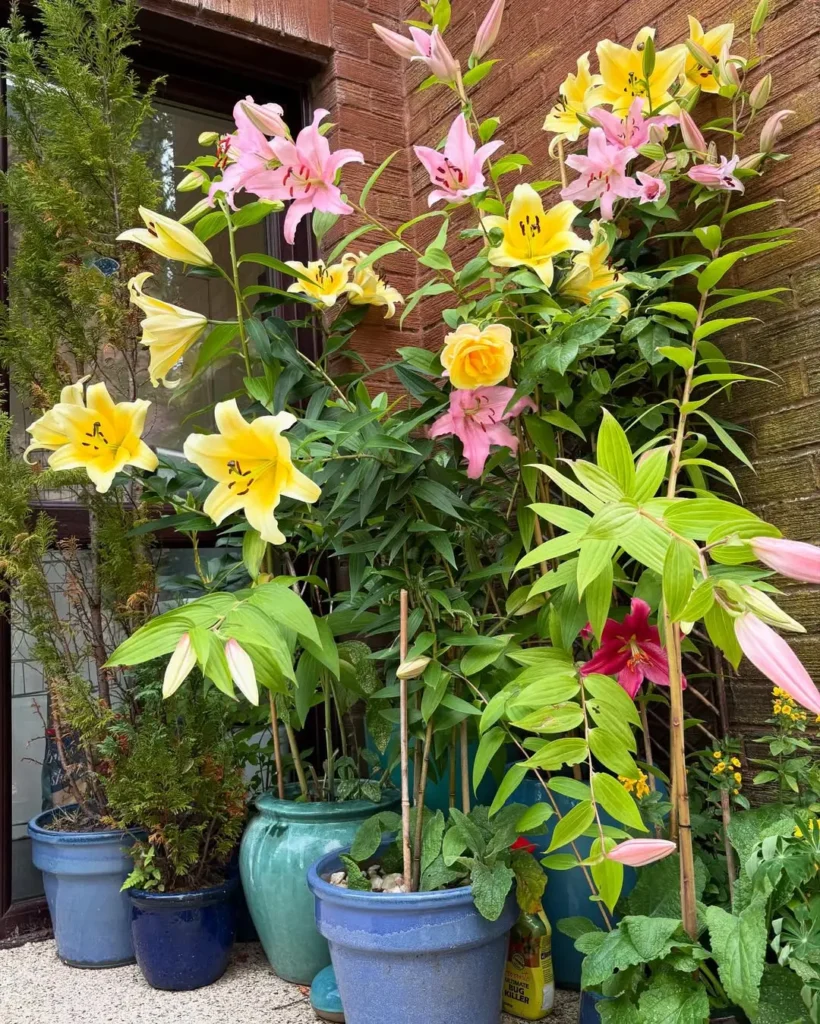
The Inspiration: The Ceramic Flower Pot Lineups draw inspiration from ancient pottery traditions that range from Chinese porcelain dynasties to Mediterranean terracotta artisans. Imagine Greek island doorsteps adorned with matching blue glazed pots or Japanese temple gardens showcasing seasonal blooms in coordinated ceramic vessels. This timeless approach honors the craftsmanship of artisans while establishing a visual rhythm transforming individual containers into cohesive living installations that feel deliberately curated.
Why it Works: Ceramic pots provide excellent breathability due to their porous walls, facilitating oxygen exchange that supports healthier root systems and prevents the waterlogging often seen in plastic containers. Their thermal mass helps regulate soil temperature fluctuations, safeguarding delicate roots during extreme weather conditions. Matching ceramic lineups foster visual unity through repeated shapes, colors, or textures even mixed flower varieties appear organized rather than chaotic. The weight of ceramic pots offers stability against wind or accidental bumps while enhancing their perceived value compared to lighter alternatives. Glazed ceramics resist fading and maintain their beauty throughout the seasons without cracking or discoloring. Emotionally, ceramic vessels convey a sense of permanence and worthiness of investment caring for flowers in beautiful handcrafted pots turns routine maintenance into a meaningful ritual, transforming gardening from a chore into a cherished practice.
Pro Tip: Opt for ceramic pots with drainage holes and matching saucers to prevent water damage on surfaces. Create dynamic lineups by varying pot sizes while keeping consistent color families group three to five pots in graduated heights instead of identical sizes. This approach generates visual interest and accommodates flowers of different mature sizes while maintaining a cohesive aesthetic.
Tiered Flower Pot Stand
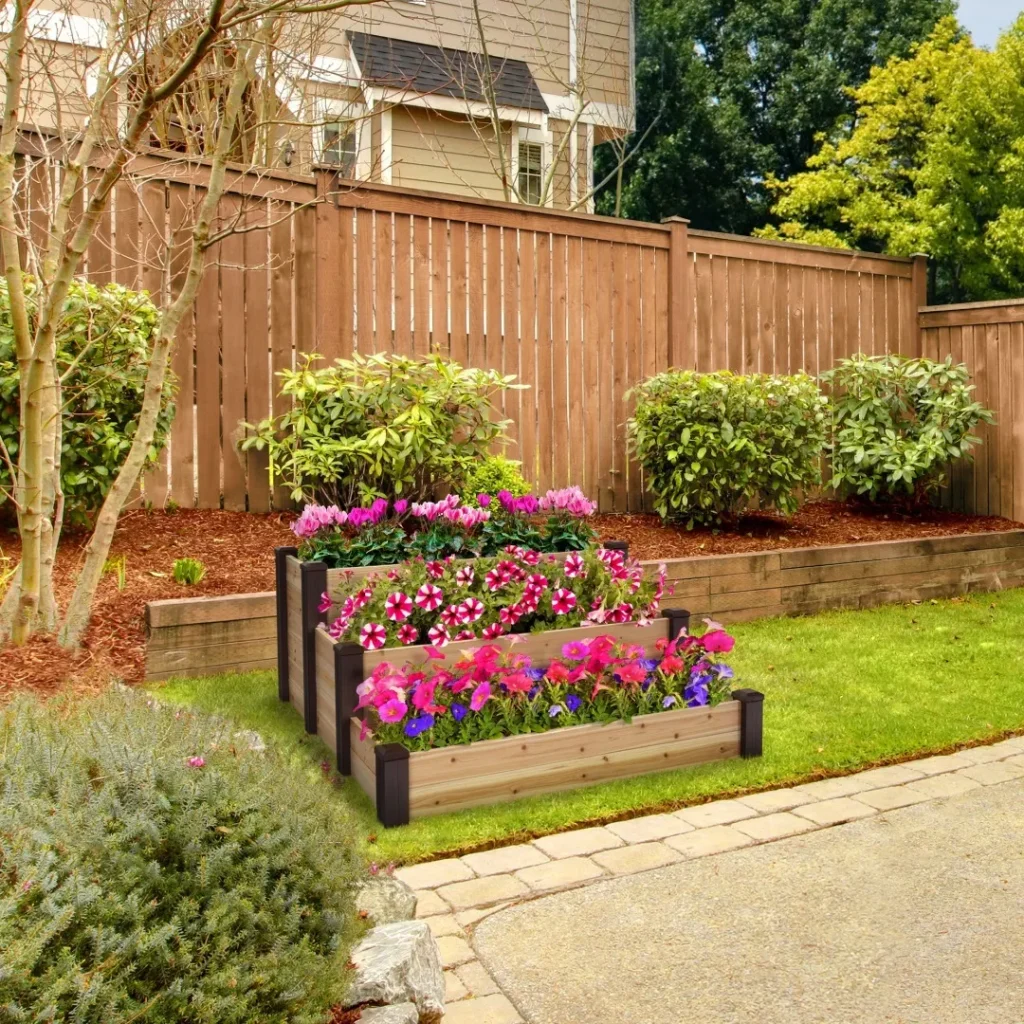
The Inspiration: Tiered flower pot stands resemble Victorian conservatory étagères, where aristocrats showcased prized orchids and exotic plants on ornate multi-level stands. Imagine grand estate orangeries adorned with cascading plant displays, or modern botanical gardens utilizing vertical staging for maximum visual appeal. This architectural method transforms flat surfaces into striking living sculptures, celebrating flowers through an elevated presentation that deserves a gallery display.
Why it Works: Tiered stands increase growing space vertically without taking up extra floor area, making them ideal for compact balconies, patios, or porches where horizontal space is limited. Each level receives different light exposure, enabling the placement of sun loving flowers higher up while shade tolerant varieties thrive below, thus maximizing plant diversity within a single footprint. The staggered arrangement ensures that every plant is visible and accessible for watering, deadheading, and harvesting, rather than being obscured by taller neighbors. Visually, tiered displays create dimensional focal points that draw the eye upward, making small gardens appear larger and more impressive. The varying heights also photograph beautifully, resulting in Instagram worthy garden scenes. Emotionally, tiered stands make even modest flower collections feel abundant, curated, and thoughtfully designed rather than randomly arranged.
Pro Tip: Arrange the tallest and most dramatic flowers on the upper tiers to command attention without obstructing the lower levels. Place trailing varieties like petunias or ivy on the middle shelves to soften the structure with cascading foliage. Position heavier pots on the bottom tiers for stability. Water from the top down to prevent dripping onto lower plants and avoid disease issues.
Terracotta Patio Flower Garden
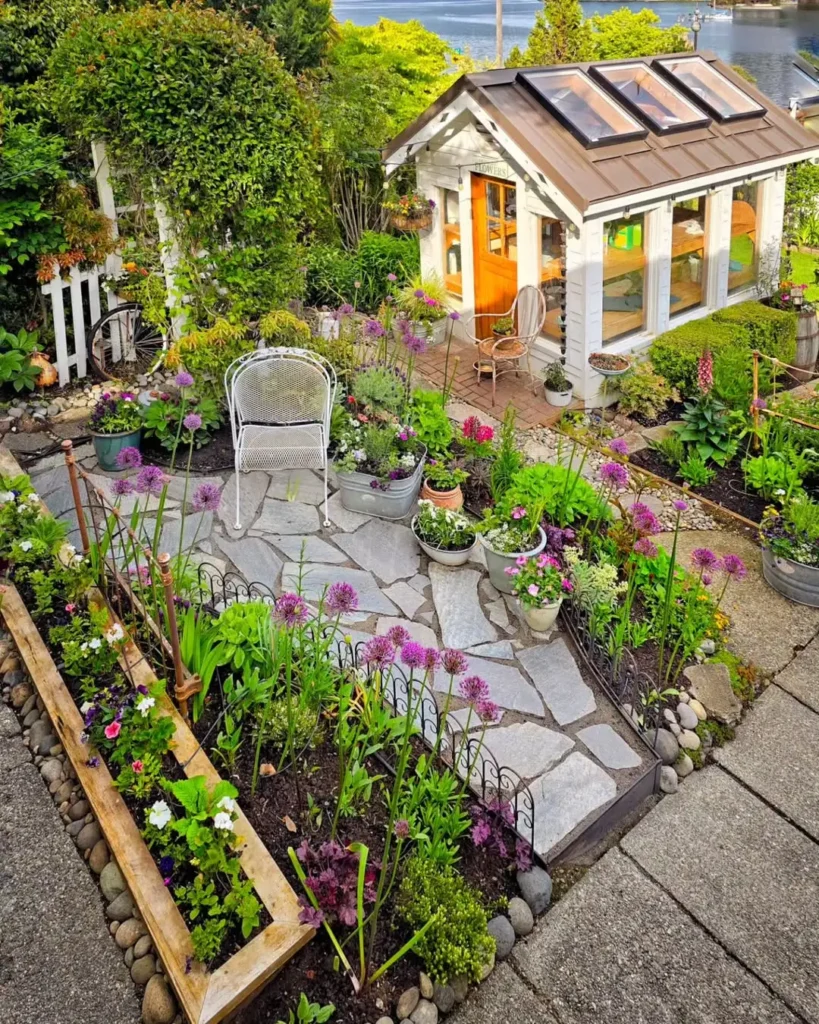
The Inspiration: The warm, earthy glow of terracotta has adorned Mediterranean gardens for thousands of years, from ancient Greek rooftops to Tuscan villa courtyards. This timeless material brings life to modern patios, transforming concrete expanses into vibrant sanctuaries. The porous clay evokes images of Italian grandmothers tending to geraniums, Spanish courtyards overflowing with bougainvillea, and artisan potters crafting vessels by hand each pot containing not just soil, but also heritage and potential.Creative Flower Pot Ideas to Transform Your Garden Space
Why it Works: Terracotta pots foster thriving microclimates for flowers through their natural breathability their porous walls regulate moisture and reduce the risk of root rot more effectively than plastic or glazed containers. The thermal mass of the clay moderates soil temperature during heat waves, safeguarding delicate roots. Visually, their russet hues complement every flower color while developing a beautiful weathered patina over time. Practically, the weight of terracotta provides stability in windy patio corners, and its affordability allows for expansive displays. Research indicates that porous containers enhance plant health by 30% compared to non-breathable options, while their aesthetic flexibility suits both cottage gardens and modern minimalist spaces.
Pro Tip: Soak new terracotta pots in water for 30 minutes before planting this prevents the dry clay from drawing moisture away from your soil and plant roots. Arrange pots in odd numbered clusters at varying heights using plant stands or inverted pots underneath to create dynamic visual depth that captures the eye throughout your patio space.
Corner Balcony Flower Garden
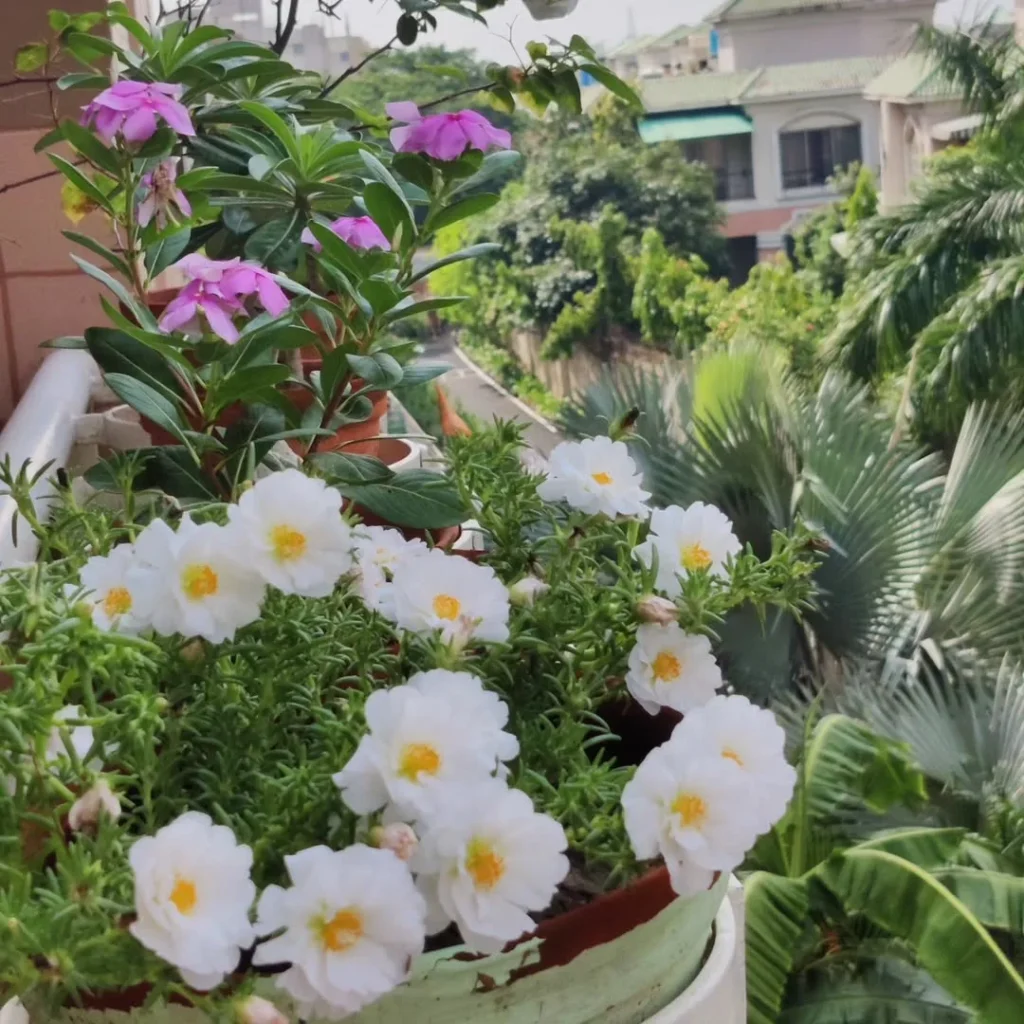
The Inspiration: Parisian balconies overflowing with geraniums, Bombay street corners embellished with jasmine, Tokyo’s micro gardens flourishing in overlooked spaces corners possess a magic that often goes unnoticed. These disregarded 90 degree areas can become focal points of sanctuary when filled with flowers, transforming awkward architectural afterthoughts into vibrant destinations. The corner garden draws on ancient courtyard traditions, where limited space inspired creativity, demonstrating that beauty thrives not in spite of constraints, but because of them, forming intimate botanical retreats.
Why it Works: Corner balcony gardens optimize underused triangular space through vertical layering and tiered designs, enhancing planting capacity by as much as 40% compared to linear arrangements. The dual-wall nature of corners offers natural wind protection and creates a microclimate that retains moisture and warmth, which is beneficial for delicate blooms. Visually, corner placements serve as focal points that guide the eye through outdoor areas, anchoring the design cohesively. Practically, taller plants at the back corner add depth while smaller flowers cascade forward, producing a “jungle effect” without blocking walkways or seating areas. This arrangement also protects plants from harsh afternoon sunlight while allowing morning light to reach them.
Pro Tip: Arrange tiered corner stands or stacked planters in triangular formations to effectively use the 90 degree angle position your tallest flowering plants at the top, mid height blooms on the middle tiers, and trailing flowers at the base. This setup creates cascading visual depth while ensuring easy access for watering and maintenance.
Succulent and Flower Combo
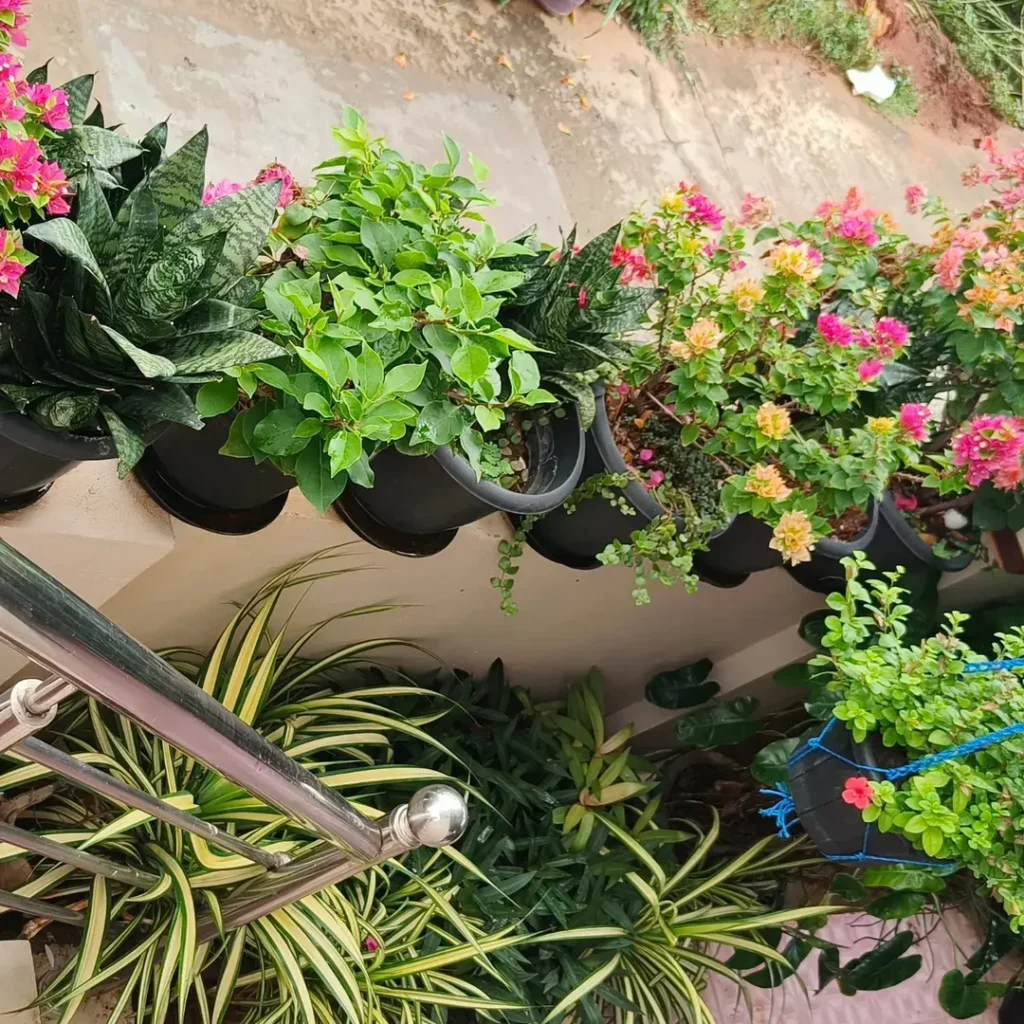
The Inspiration: Desert gardens convey ancient wisdom: survival intertwines with beauty as resilient succulents coexist with fleeting blooms. California’s coastal gardeners were the pioneers of this combination, framing architectural agave rosettes with drifts of wildflowers fleshy permanence mingling with delicate colors. This combination reflects nature’s contrasts: in the Mexican highlands, sedums cover volcanic rock while salvias flourish above, demonstrating that texture and temporality create magic when planted together, each enhancing the other’s subtle drama.
Why it Works: Combinations of succulents and flowers address the ongoing gardening challenge of balancing beauty and maintenance, providing year round structure from drought tolerant succulents alongside seasonal bursts of color from companion blooms. Both types thrive in similar conditions full sun, well draining soil, and minimal watering removing care conflicts often found in mixed plantings. The textural contrast between the fleshy leaves of succulents and the delicate petals of flowers adds visual depth and architectural interest that neither can achieve alone. Flowering companions such as lavender, yarrow, and geraniums attract pollinators, while succulents offer an evergreen backbone, maintaining garden interest during dormant seasons. This pairing can reduce water consumption by 60% compared to traditional flower beds.
Pro Tip: Select flowering companions with similar water requirements pair echeverias with drought tolerant geraniums, salvias, or yarrow instead of moisture loving annuals. Begin by planting succulents in strategic clusters to establish your structural foundation, then loosely fill the surrounding areas with flowering companions, ensuring proper drainage for both by amending the soil with coarse sand or perlite in the planting area.
Bright Entrance Planters Flower Garden
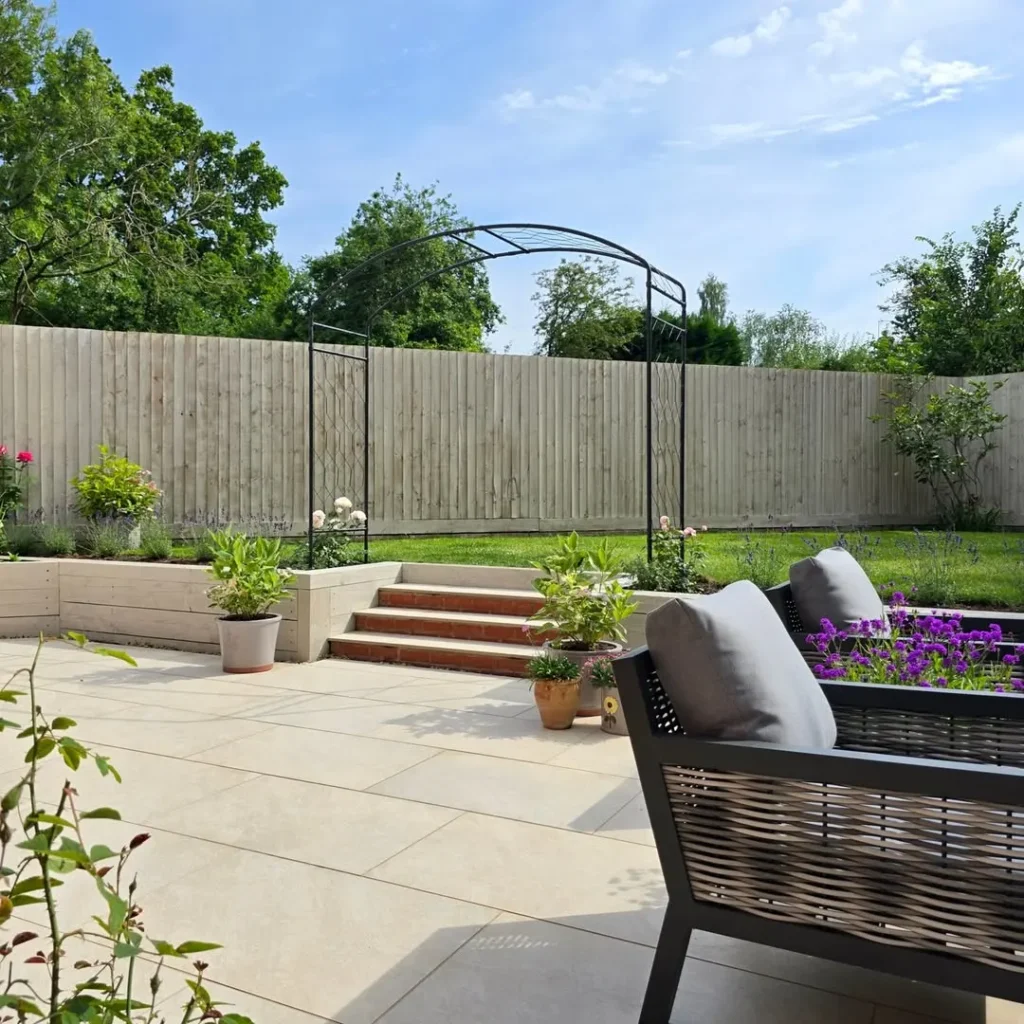
The Inspiration: From English cottage doorsteps overflowing with geraniums to Indian homes adorned with urns filled with marigolds during festivals, bright entrance planters celebrate the tradition of welcoming. They frame the doorway like a living garland, transforming a simple threshold into a joyful first impression that conveys, “You’re home now come in, exhale, belong.”
Why it Works: Bright entrance planters create an immediate focal point, visually directing guests to the door while making even small or plain facades appear intentional and styled. Tall thriller plants provide structure, mid height fillers add lushness, and trailing spillers soften hard edges, giving depth in minimal space. Color psychology indicates that warm hues like yellow, orange, and red are inviting and energizing, while white blooms evoke calm and cleanliness. Seasonal rotation keeps the entrance fresh without needing a complete garden overhaul. Practically, containers are movable, adaptable to changes in light, and perfect for renters who desire impact without permanent landscaping.
Pro Tip: Select oversized, weather resistant planters that are at least 30–40 cm deep, and repeat the same plant and color combination on both sides of the door for a polished, hotel style appearance. Layer a thriller filler spiller trio, and always include slow release fertilizer pellets at planting for long lasting blooms with minimal effort.
Galvanized Bucket Blooms Garden
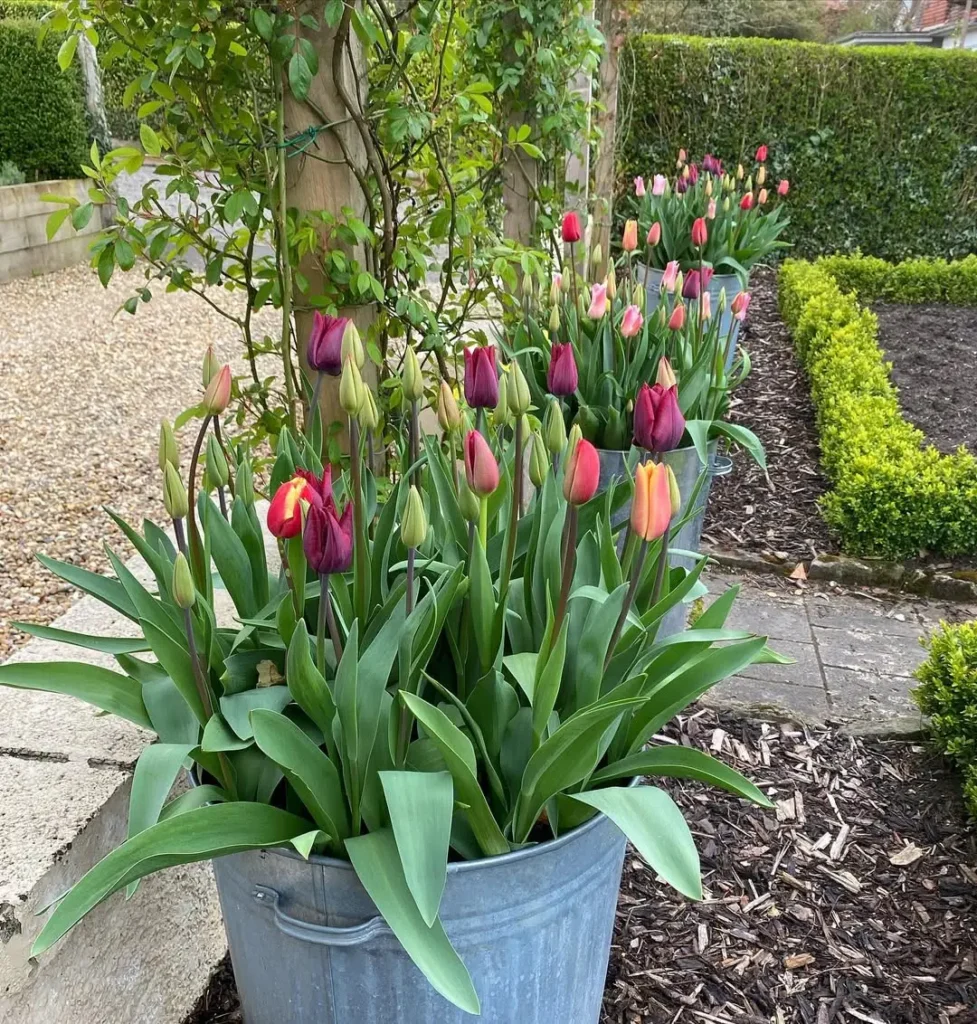
The Inspiration: There is something delicate about flowers overflowing from old galvanized buckets, reminiscent of a farmhouse memory left at the doorstep. They evoke vintage milk pails, European market stalls, and rural Indian water vessels, where metal met morning dew. This garden style celebrates humble containers that are transformed into blooming narratives of reuse, nostalgia, and everyday beauty.Vibrant Fall Home Gardening Ideas for Stunning Flower Displays
Why it Works: A Galvanized Bucket Blooms Garden is effective because it converts inexpensive, durable containers into adaptable mini-gardens that can be moved to areas with optimal light. The metal retains heat but, when lined appropriately, protects roots and extends the life of the planters. Buckets are straightforward to drill for drainage and can be grouped into charming arrangements on patios, balconies, or doorsteps. Their silvery grey hue enhances the brightness of flower colors, from petunias to daisies. Emotionally, they convey rustic simplicity and sustainable living, repurposing everyday items into artistic displays. This blend of practicality, portability, and story rich aesthetics makes them perfect for renters, beginners, and experienced gardeners seeking character.
Pro Tip: Drill several drainage holes in the base of the bucket, then add a thin layer of gravel and a breathable liner or burlap before adding potting mix to prevent root scorch. Choose compact, sun loving blooms with trailing edges, and arrange three buckets at varying heights to create a relaxed, farm stand style focal point.
Ladder Shelf Flower Pot Garden
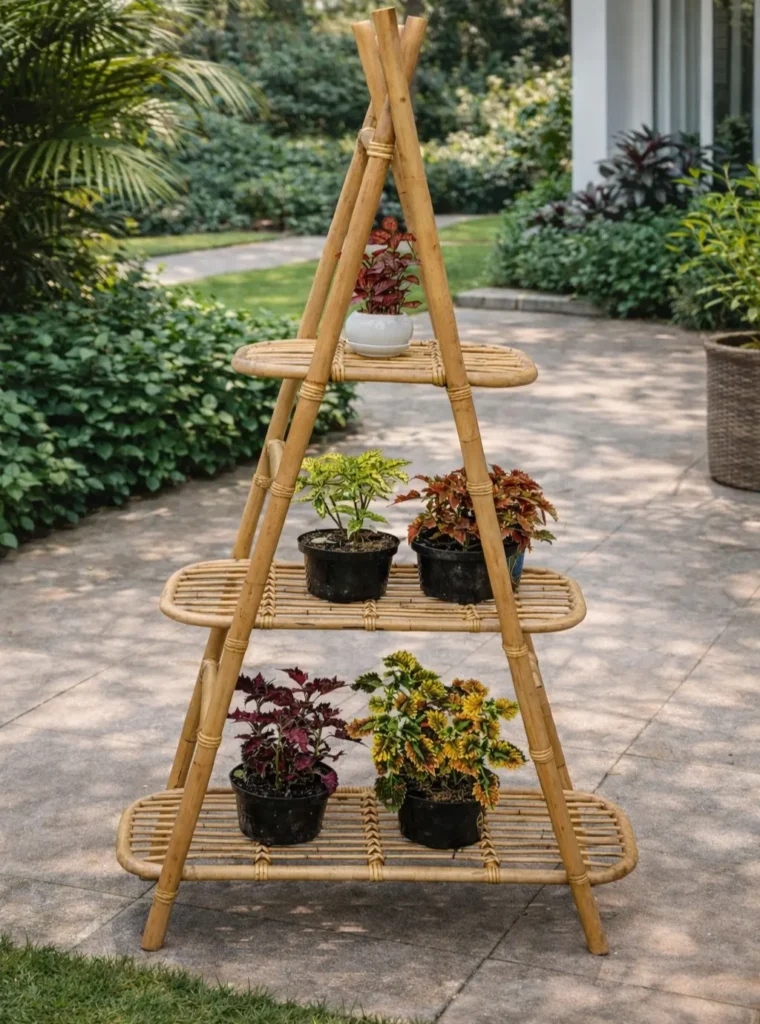
The Inspiration: The ladder shelf flower pot garden resembles a storybook illustration come to life, with each step showcasing a miniature world of blooms. It reflects the charm of cottage porches, vintage library ladders, and shop displays where plants ascend in tiers, transforming a simple framework into a vertical display of color, fragrance, and daily joy.
Why it Works: A ladder shelf flower pot garden is effective because it utilizes vertical space for planting, making it ideal for balconies, patios, and compact courtyards. Each tier captures light uniquely, allowing you to position sun loving plants at the top and shade tolerant varieties below, creating a natural gradient of foliage and flowers. The stepped design offers built in layers, ensuring that even basic plant selections appear thoughtfully arranged. Practically, it elevates pots off the ground, enhancing drainage and minimizing pest problems. Emotionally, it resembles a curated plant collection on display, transforming your garden into a dynamic exhibit that can be rearranged, refreshed, and enjoyed throughout the seasons.
Pro Tip: Secure the ladder shelf firmly against a wall or railing, and arrange plants based on their light and watering requirements placing thirstier, shade tolerant pots on the lower shelves and drought tolerant sun lovers on the upper levels. Opt for matching or coordinated pots for a serene, cohesive appearance, and position trailing varieties at the edges to gently soften the structure.
Drought Tolerant Flower Container Mix
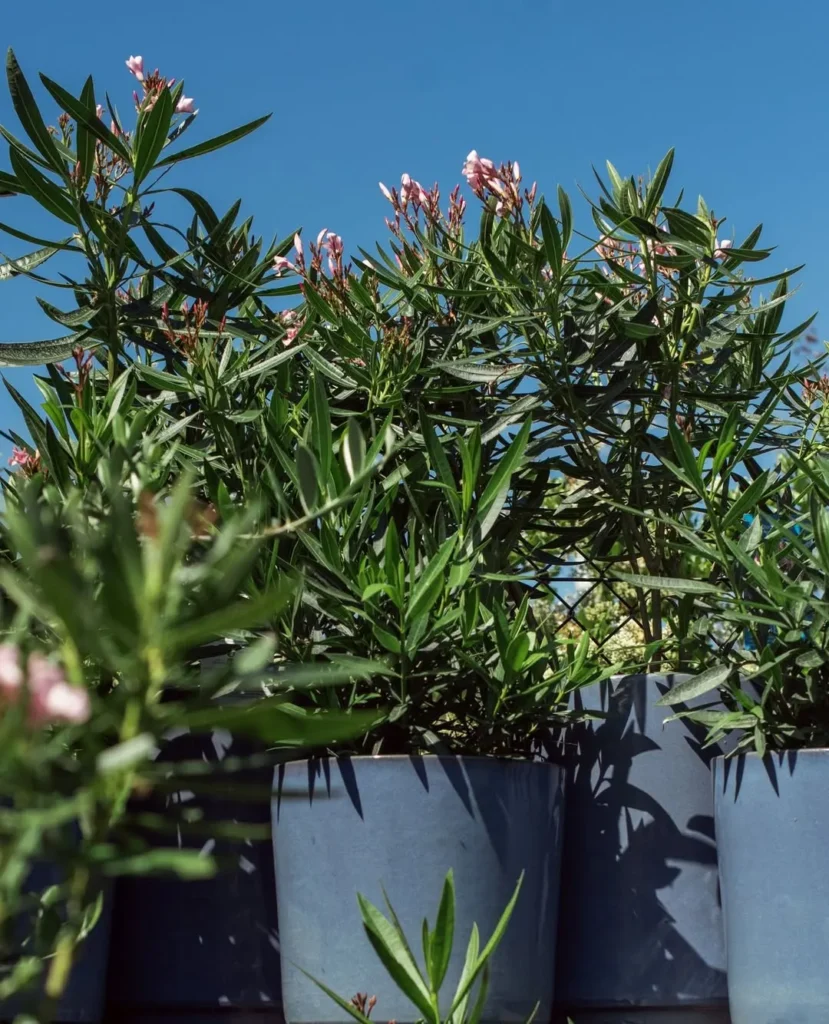
The Inspiration: The essence of a Drought Tolerant Flower Container Mix is straightforward: beauty that requires minimal water. Drawing inspiration from Mediterranean hillsides, desert wildflower patches, and cottage gardens enduring long summers, it showcases resilient blooms that continue to thrive during heatwaves, catering to gardeners who seek color without guilt, waste, or ongoing maintenance.
Why it Works: A Drought Tolerant Flower Container Mix combines plants with similar low water requirements, ensuring that every drink is utilized efficiently rather than overwatering some plants while undernourishing others. Deep rooted, sun loving flowers withstand heat, wind, and occasional missed watering days, making containers much more forgiving for busy or novice gardeners. Their waxy leaves, silvery foliage, or small blooms naturally retain moisture, resulting in fewer wilted surprises after hot weekends away. Emotionally, these containers convey a sense of reassurance and sustainability lush, vibrant, and lively without the need for constant attention. They allow for long lasting displays on balconies, patios, or doorsteps, even in challenging climates or during water restrictions.
Pro Tip: Select a wide, deep container with ample drainage, then fill it with a gritty mix potting soil combined with coarse sand and perlite to replicate dry, native conditions. Group at least three drought tolerant plants together, and water deeply but infrequently, allowing the soil to dry between soakings to promote stronger and more resilient root growth.
Wildflower Container Mix
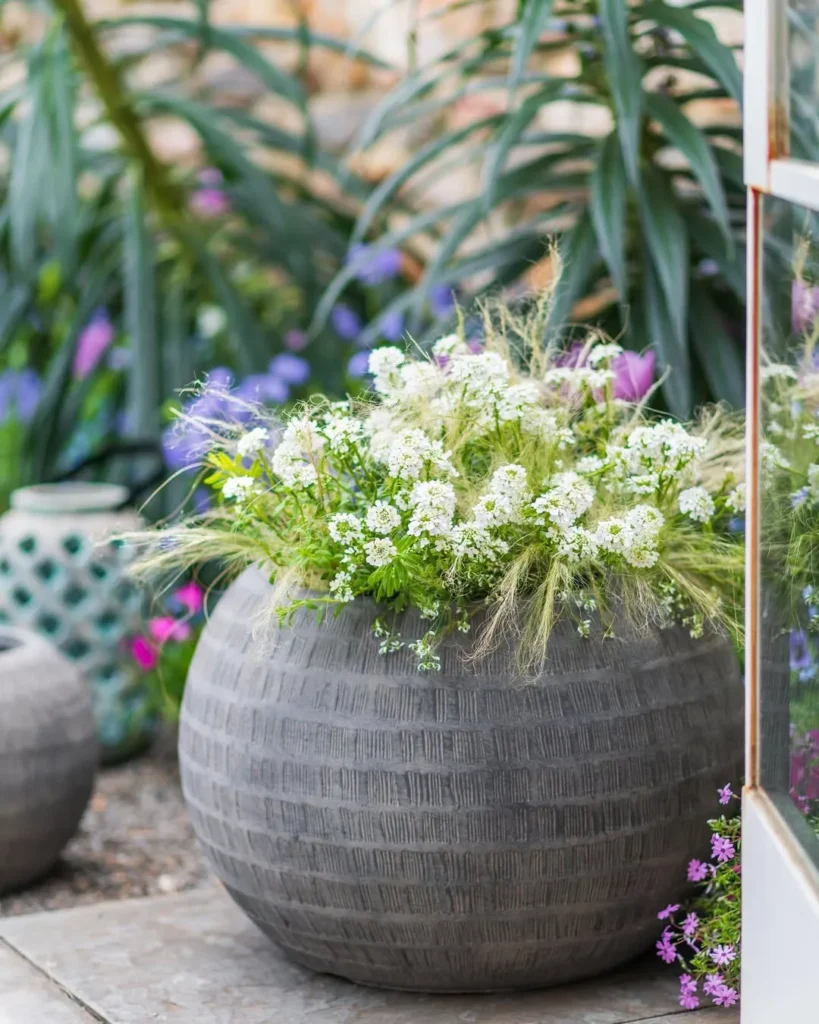
The Inspiration: A Wildflower Container Mix gives the feeling of gathering a meadow and placing it at your doorstep. It reflects the blooms found along roadsides, cottage paths, and sunlit fields filled with buzzing bees. This gardening concept captures that carefree, wind swept beauty in a pot, allowing nature’s “happy accidents” to flourish in even the smallest urban spaces.
Why it Works: A Wildflower Container Mix is effective because it combines many compatible species, ensuring that something is always budding, blooming, or setting seed. Fast growing plants quickly fill gaps, naturally shading the soil and reducing weed growth, while varied root depths utilize water and nutrients more efficiently. The mix attracts bees, butterflies, and beneficial insects, transforming a simple pot into a miniature ecosystem. Visually, the changing array of colors and heights keeps containers engaging for months without requiring meticulous planning. Emotionally, it provides a sense of freedom and surprise more akin to watching a living painting develop than maintaining a formal display, making it ideal for relaxed, nature loving gardeners.
Pro Tip: Select a wide, shallow container with excellent drainage and fill it with a light, well draining mix. Scatter wildflower seeds densely, then gently press them into the surface instead of burying them deeply. Water with a gentle spray until the seedlings are established, and avoid over thinning controlled crowding encourages upright growth and that lush, meadow like effect.
Modern Minimalist Flower Pot Garden
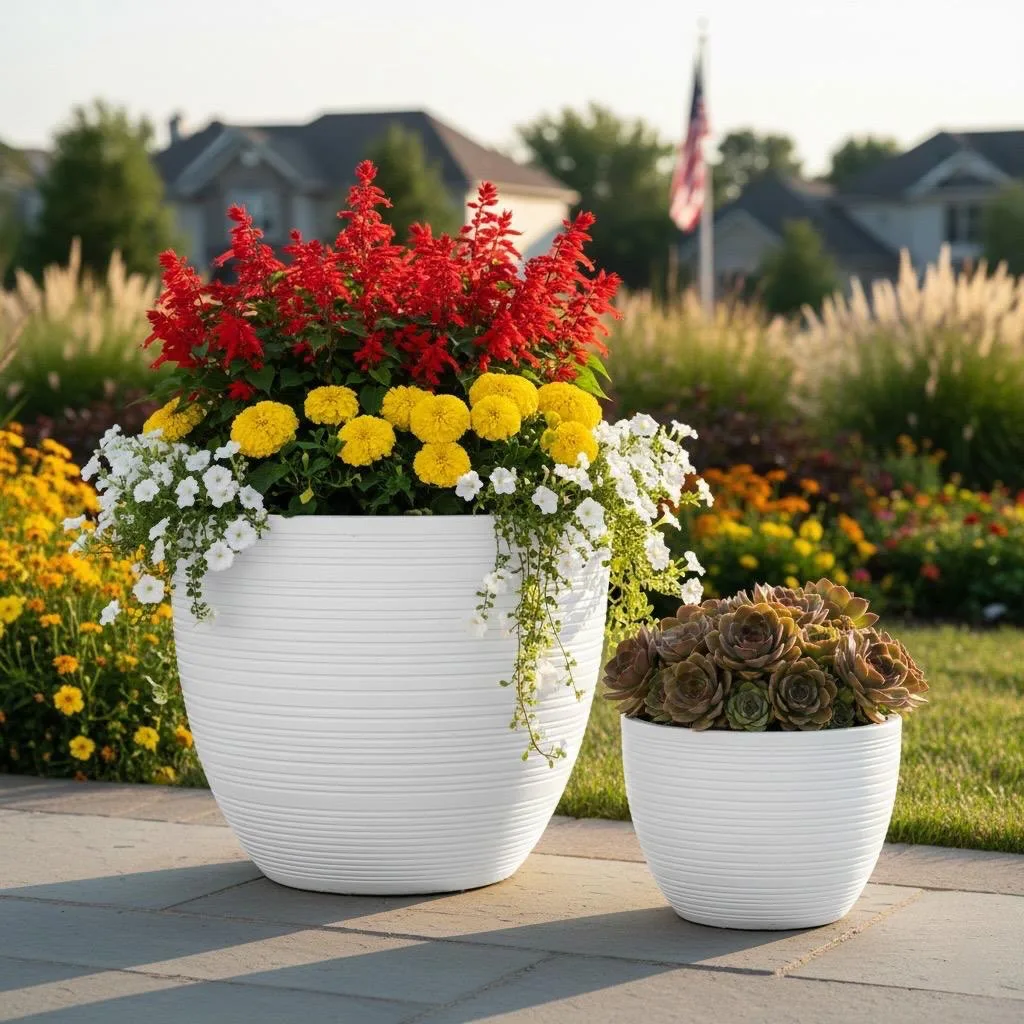
The Inspiration: The Modern Minimalist Flower Pot Garden is influenced by Japanese Zen gardens, Scandinavian design, and mid century architecture, where simplicity enhances beauty. Clean lines, subdued color palettes, and intentional spacing allow each bloom to stand out. It resembles a serene room: uncluttered, calming, and focused, demonstrating that elegance is found in simplicity rather than abundance.
Why it Works: A Modern Minimalist Flower Pot Garden is effective because it minimizes visual clutter while maximizing impact through thoughtful selection. Using matching or monochrome pots fosters unity, and limiting plant varieties to two or three species helps maintain order and simplifies care. This clean aesthetic complements contemporary homes, small spaces, and urban balconies, where every element must justify its presence. Practically, fewer plants result in reduced water usage, easier maintenance, and less overcrowding, allowing each specimen to thrive more healthily and dramatically. Emotionally, the minimalist design exudes a restful and sophisticated vibe a calming space that soothes rather than overwhelms, ideal for modern lifestyles that seek clarity and beauty.
Pro Tip: Choose uniform pots in a single neutral color such as matte black, concrete gray, or crisp white and plant with repeating varieties like white petunias, single color geraniums, or architectural grasses. Arrange them in odd numbered groups with ample negative space between pots, and resist the temptation to fill every gap; emptiness enhances the design’s subtle power.