
Differences in outdoor views are the result of a clear and ordered garden layout. It also can give you a call to come outside. Whether you start with bare soil or have to rethink an existing garden, it never quite looks right until starting from the way is right. The arrangement of paths, beds, seating and plants the layout-shapes both daily usability and long-term maintenance. Good garden design isn’t about following rigid rules or hiring expensive landscapers. It’s about knowing your space, deciding what you want from it and then making intentional choices that balance beauty with function. A thoughtful layout can make a small garden feel spacious, a narrow plot inviting and angle yard like a hidden retreat.
colorful flowering plants garden
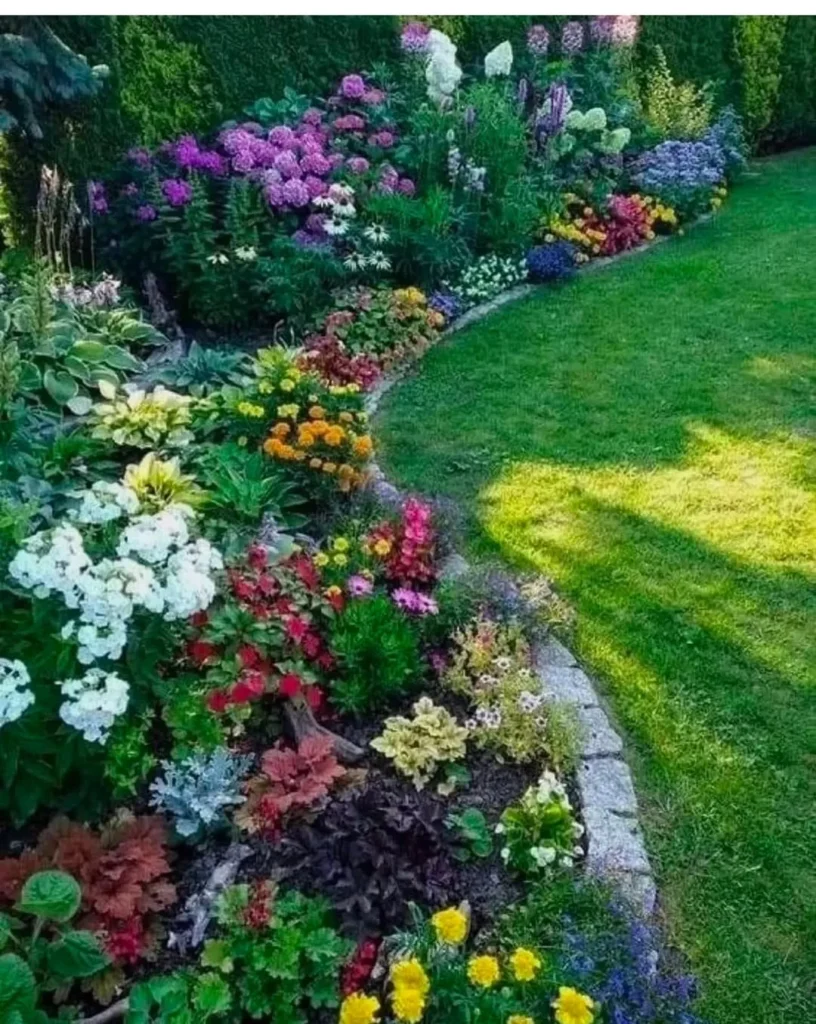
The Inspiration : Colorful gardens of flowering plants go back to the English cottage garden, where working families tucked bright blooms amid vegetables for beauty and practicality. These joyously layered spaces inspired modern pollinator gardens and cut flower borders. Today’s gardeners rediscover this tradition, creating living palettes that change with the seasons and attract beneficial wildlife all year long.
Why it Works : Colorful flower gardens do deliver multiple benefits beyond visual appeal. They support pollinators like bees and butterflies essential for healthy ecosystems as well as vegetable output. Research shows that just looking at colorful flowers helps to reduce stress and lifts people’s spirits, transforming the garden into a therapeutic space. Practically, mixed flower plantings extend bloom seasons when one variety starts to fade, there’s always something else waiting in line behind it. So there’s continuous color from spring through autumn in your own yard. They’re also good at hiding faults: gaps, too much of one kind or even the wrong kind of plant. With an abundance of blooms, mistakes disappear. Diversified flowers also offer natural pest control by attracting beneficial insects. Finally, cutting gardens yield fresh bouquets for your home, bringing wafts of fragrance and beauty indoors while prompting plants to produce more and more blooms outside.
Pro Tip : Rather than single plants, plant in color drifts. Group 5 to 7 of the same kind of flowers in a group and repeat this grouping all throughout your border. This creates impact or unity rather than a hodgepodge of “plants”. Choose a maximum of three complementary colors for any one bed so that it won’t be overwhelming.
landscaped garden
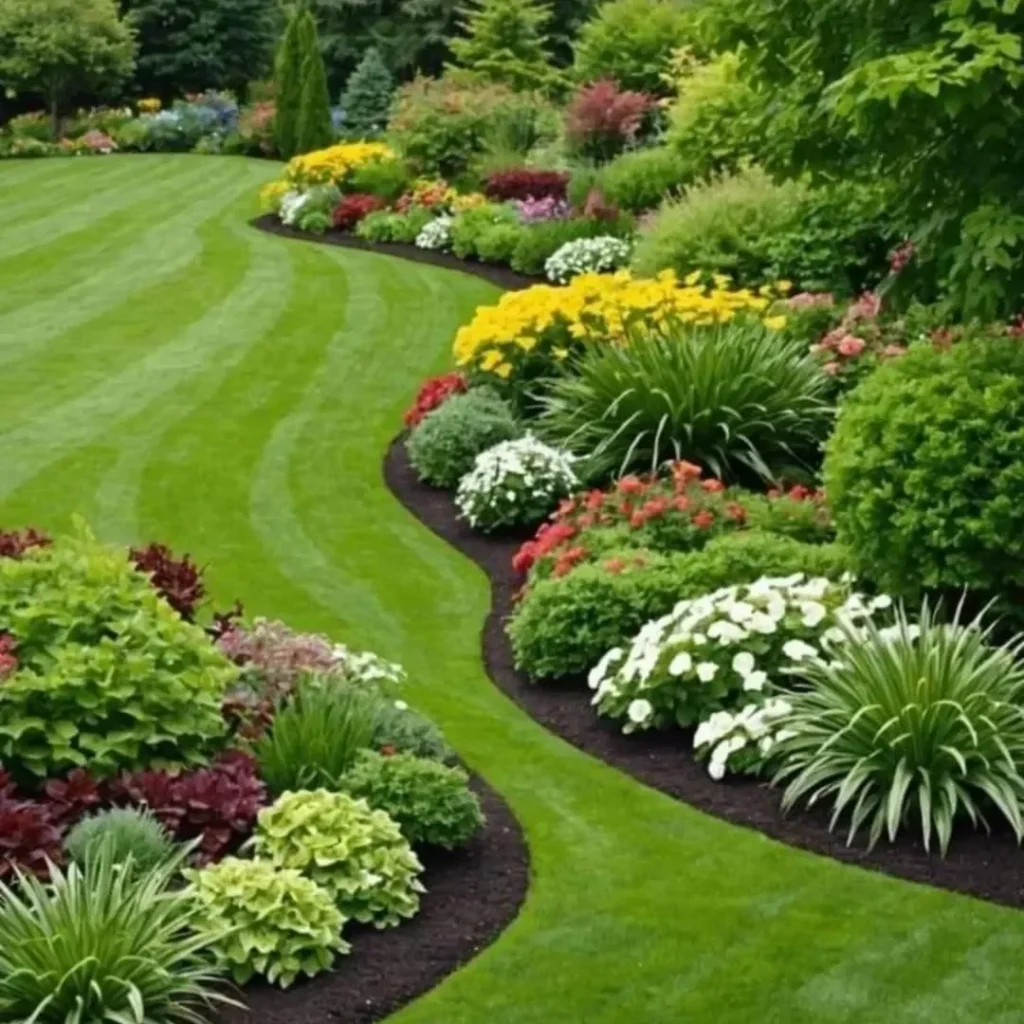
The Inspiration : Landscaped gardens are a product of grand European estates where, by the seventeenth-century designers had carved nature into living art. Persian paradise gardens, Japanese zen spaces and Italian Renaissance villas were all clear on how conscious design creates a fortress from raw acreage. Rethought for the here and now, modern landscaping demonstrates that any patch whether it’s in a small suburban backyard or on a high rise balcony can become an elaborately conceived oasis.
Why it Works : Properly maintained landscaping adds 15% to the value of a home, and enhances community health & quality of life. Power-saving trees are also strategically placed to shade homes in summer and block wind in winter. Thoughtful layouts can also reduce the maintenance burden in other ways, by taking advantage of smart zoning putting plants with similar water and care needs near one another. The mature landscaping is more effective at cleaning the air, blocking noise pollution and managing stormwater runoff than bare lawns. On human well-being, regimented outdoor areas facilitate repeated use and thereby encourage outdoor physical activity and mental health. Unlike the cookie cutter lawns, landscaped gardens express individual style while addressing issues such as drainage, privacy or uneven terrain with creative design and planting.
Pro Tip : Begin with your hardscape first paths, patios, edges before you plant anything. This ‘bones’ approach prevents expensive miss-steps and plant-wracking later. Spend 60 percent of your budget here; over time, plants will quickly and economically fill in. For those high traffic areas, use permanent materials like stone or good quality pavers to reduce future maintenance.
curved garden border
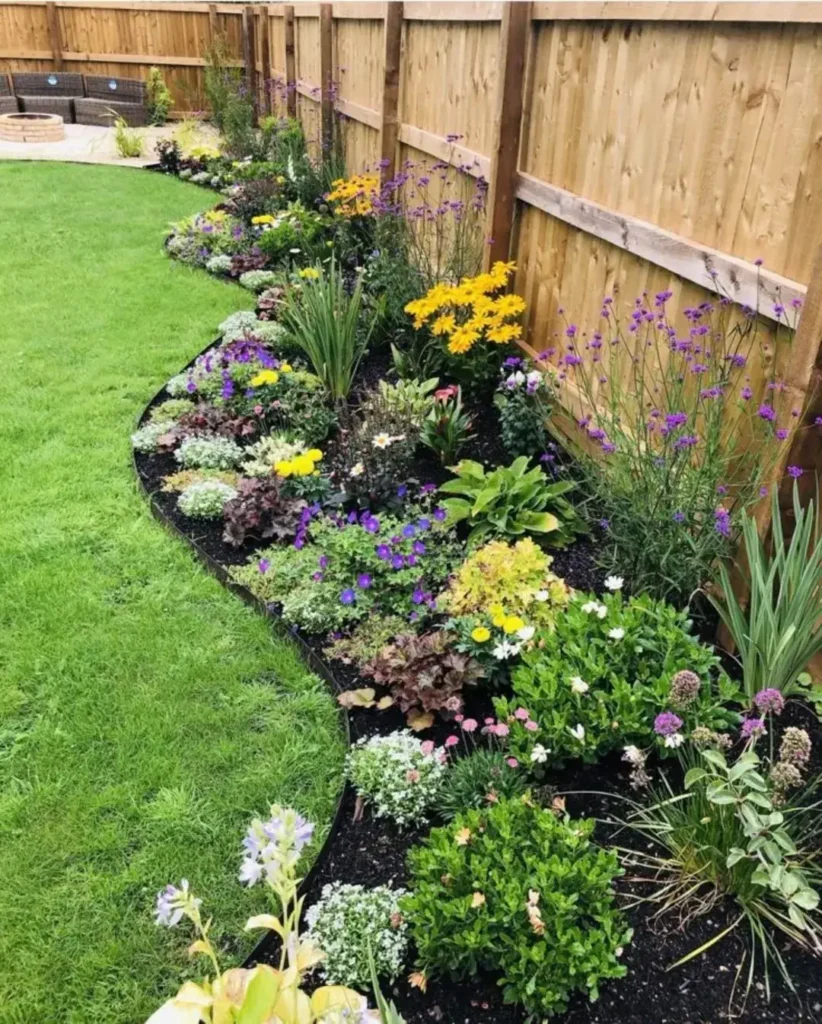
The Inspiration : Curved garden edges emulate the sinewy shapes of natural land, in which rivers curve and fiddlehead ferns sprout up on the edge of a forest. The legendary 18th-century English landscape designer Capability Brown revolutionized gardening by discarding rigid geometric borders for flowing curves that looked as if they were made without effort. His philosophy that gardens should complement nature, not battle against it is still the bedrock of relaxed, inviting outdoor spaces to this day.
Why it Works : Curved edges provide visual flow, leading the eye effortlessly through a garden instead of crashing into hard stops as one does when they see straight edges. They create the illusion of more space in small areas by obscuring what is around the bend, introducing mystery and depth. Curves break the straight lines of architecture, fences and buildings and should be used to create pleasing transitions between plantings and structures. As a matter of practical fact, curved beds have more planting space than straight borders of the same width, and therefore make better use of finite growing space. They are forgiving for novices small imperfections mix naturally, in contrast to a geometric bed, where every misalignment is obvious. Curved edges also increase mowing efficiency by eliminating sharp corners where plant trimmers can leave grass that’s hard to reach and requires extra attention.
Pro Tip : Lay out your curve with a garden hose or rope before you dig. Take a few steps back and look in from different angles, particularly through windows and seating areas. And lean toward gentle, undulating curves instead of tight wiggle sweeping vs. fussy, overwrought wiggles seem less affected and hold up better.
well-maintained vegetable garden
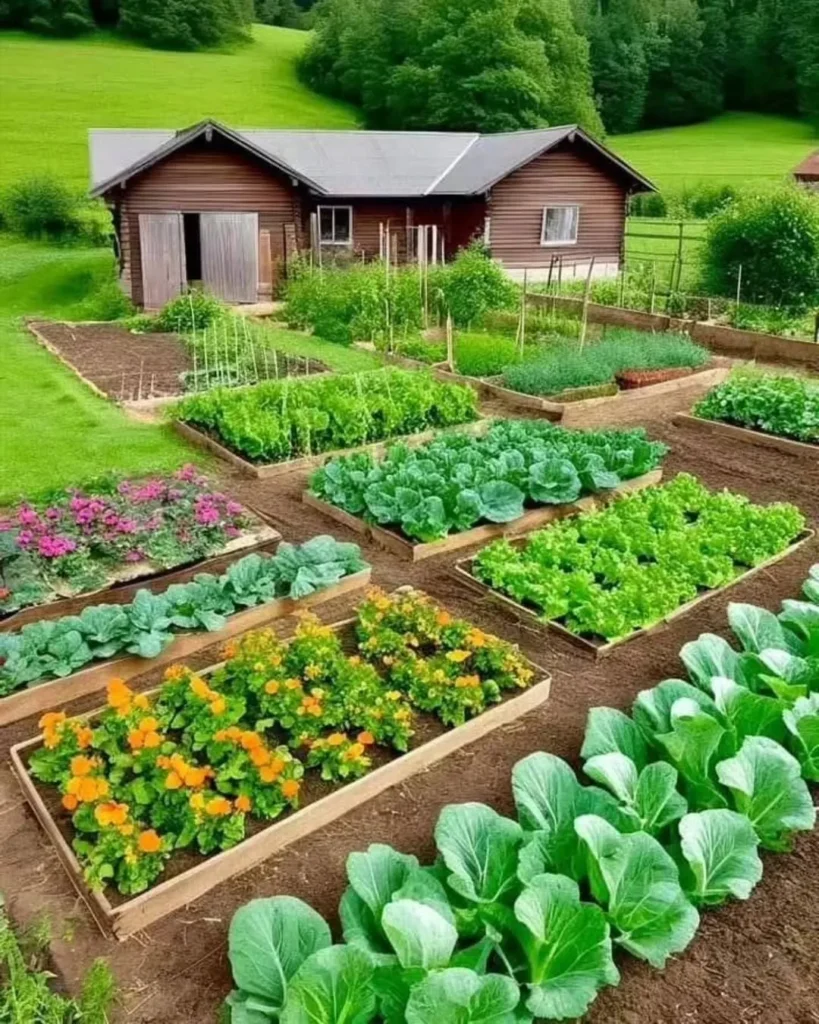
The Inspiration : Well-tended veggie gardens bring us back to the era of ancient agrarian wisdom when tended plots nourished families for generations. French potager gardens transformed vegetables into decorative art, merging beauty and bounty. During war, victory gardens had shown that ordinary people could produce plenty of food in small spaces. Today’s kitchen gardens embody this spirit of self-sufficiency, a combination of productivity and attentive nurturing.
Why it Works : Well-tended vegetable gardens can yield several times more than neglected ones, with schedules of consistent watering, weeding and pest monitoring tripling harvests. Scheduled maintenance catches problems early: spotted leaves, nutrient deficiencies or pest damage may be treated and avoided before a whole crop is lost. Blooms help to increase air flow between plants which then reduces the likelihood of fungal diseases typical among overcrowded, unkempt beds. Mulching and appropriate spacing, an essential of good maintenance both save water and repress weeds, leading to less future work saved time in the long run. Psychologically, tended gardens inspire daily interaction; you see ripe tomatoes, and pick them regularly, and actually make use of what you grow instead of letting it rot. It’s also a strategic way to maximize your space through succession planting and companion groupings.
Pro Tip : Take a garden tour, of about 15 minutes each morning. Walk every bed, pulling obvious weeds when they’re tiny, checking soil moisture levels and harvesting whatever is ready. This daily practice alleviates the catch-up of the weekend and allows you to stay connected to plant growth. The morning visit also allows you to observe things like pest damage, before insects hunker down from the heat of the midday or crawl under leaves.
Evergreen Curves garden
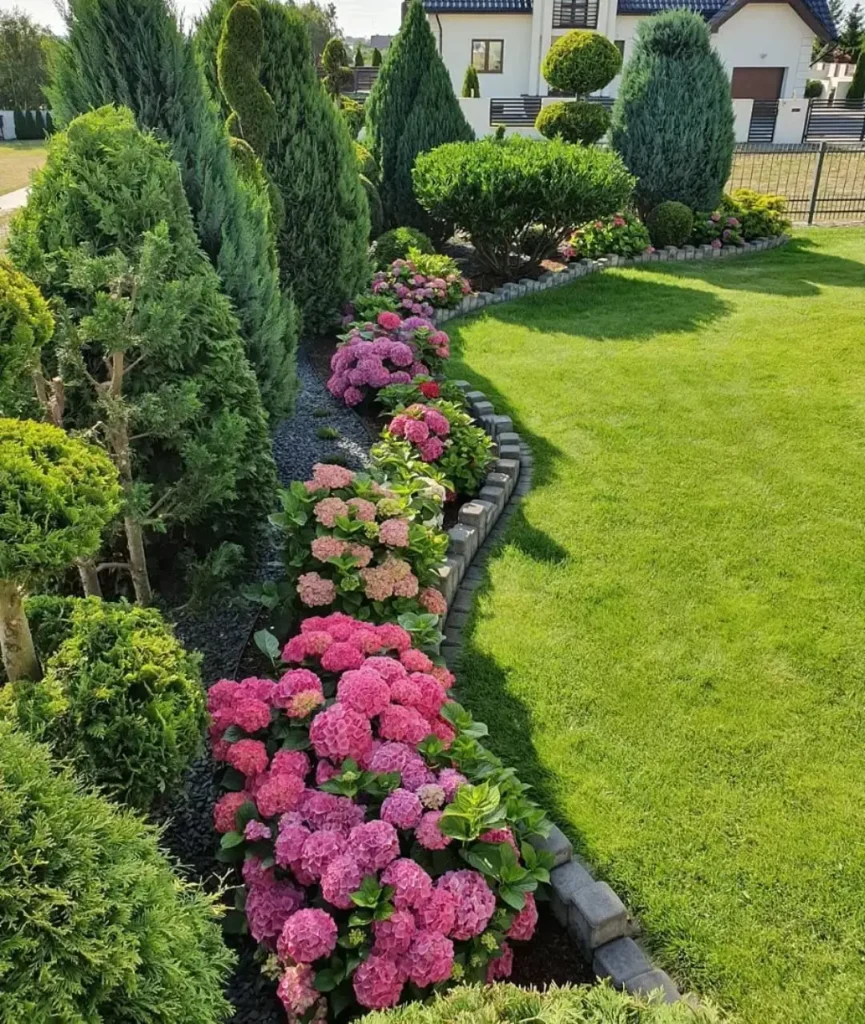
The Inspiration : The design of Evergreen Curves gardens is inspired by the serpentine landscapes of England and the philosophy of Japanese gardens, where flowing lines reflect the organic patterns found in nature. Envision the herb gardens of medieval monasteries, where curved borders formed contemplative pathways, or clearings in meadows that naturally wind through forests. This design approach transforms rigid boundaries into gentle, welcoming journeys that promote exploration and evoke the enduring beauty of natural landscapes shaped by wind and water.
Why it Works : Curved evergreen borders create visual illusions that make smaller gardens appear more spacious by directing the gaze along sweeping lines instead of abrupt endings. They soften the impact of harsh architectural features such as fences and patios, allowing man-made structures to blend harmoniously with natural environments. Evergreens offer year round structure with minimal upkeep eliminating the need for constant deadheading or replanting as required with herbaceous borders. The curves also lessen mowing challenges and enhance mulch retention, while their roots effectively stabilize slopes. The contrast in foliage between spiky yuccas, rounded boxwood topiary, and flowing grasses generates dynamic visual interest that captivates throughout the seasons.
Pro Tip : Begin by positioning tall structural evergreens such as Ficus or columnar yews as anchor plants, then surround them with lower-growing varieties. To highlight the flowing line, plant single species continuously along the entire curves; catmint, ornamental grasses, or spreading junipers are excellent choices. Ensure proper spacing according to mature width to avoid overcrowding and maintain a lasting impact.
striking pink blossom garden
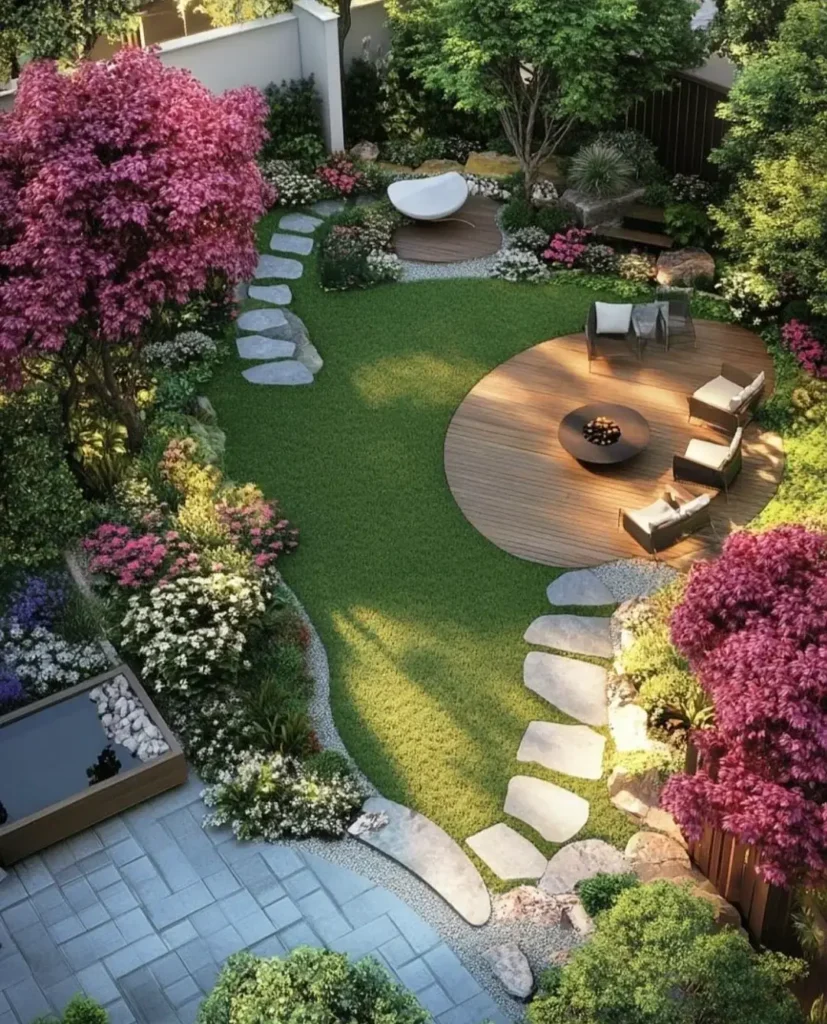
The Inspiration : Vibrant pink blossom gardens have their origins in the Japanese hanami traditions, where cherry trees represent renewal and the transient nature of beauty. Victorian cottage gardens are adorned with pink hollyhocks and phlox, set against whitewashed fences. In Scottish Highland folklore, encounters with wild cherries are seen as auspicious and significant events. These gardens evoke the awakening of spring nature’s proclamation that winter has concluded crafting emotional landscapes where fragile petals evoke joy, wonder, and reflective strolls beneath vibrant clouds of color.
Why it Works : Pink blossom gardens help alleviate stress hormones and reduce blood pressure through immersion in nature, with research indicating significant physiological relaxation during cherry blossom viewing experiences. They serve as visual focal points that enhance the perception of space, making areas appear larger and brighter through the principles of monochromatic color theory, particularly in smaller yards. Pink flowering trees such as cherry blossoms, magnolias, and redbuds bloom precisely when gardens require rejuvenation the most during late spring to summer thereby prolonging seasonal interest. The blossoms draw in pollinators while necessitating minimal upkeep once they are established. Their cultural significance of new beginnings bolsters emotional resilience and offers therapeutic benefits that extend beyond mere visual appeal.
Pro Tip : Position pink flowering trees in locations that receive six hours of direct sunlight each day, in well-draining soil enriched with organic matter. Achieve layered blooms by mixing early-spring cherry blossoms, mid-season magnolias, and late summer crepe myrtles for a continuous display of color. Apply two to three inches of organic mulch around the base, ensuring it is kept away from the trunks to avoid rot.
potager garden
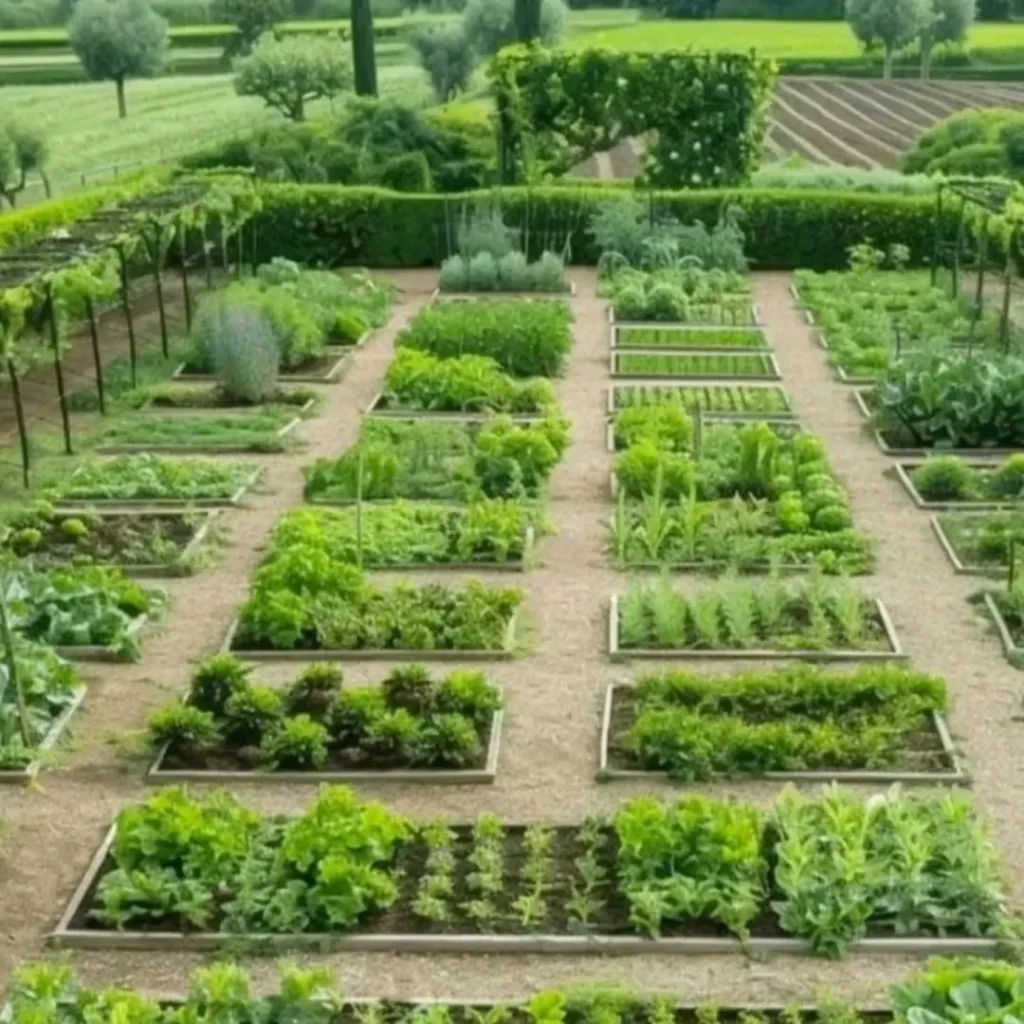
The Inspiration : Potager gardens derived from medieval French monasteries, where monks designed geometric vegetable plots to feed bodies and represent spiritual order. Versailles, King Louis XIV’s kitchen garden at the famous palace produced exotic pineapples and out-of-season fruits on 25 sprawling acres. These places prove that food gardens don’t have to cower behind a shed.
Why it Works : Potager gardens make better use of space through intercropping, leaving little ground between rows so more plants can be packed in while naturally deterring weeds and pests. Their classical geometric designs, with raised beds and symmetrical paths, create easy-access picking zones that can be reached from all sides, preventing back strain. Daily they provide the kitchen with fresh vegetables, herbs for tea, flowers for cutting and medicinal plants all within a few steps of the door. The formal design serves as decorative landscape architecture, which adds value to your property, as you cut down on grocery bills. Enclosing walls create microclimates that warm up growing seasons enough to grow tender crops.
Pro Tip : Make raised beds no more than 5 feet wide for all-around access, or up to 2-1/2 feet next to walls so you can reach into the center of the planting. Plant heat-loving crops such as tomatoes and eggplant in full-sun areas, leaving shaded spaces for leafy vegetables. Intermingle colored lettuces and chards in repeating colors for bold visual rhythm.
wildflower garden path
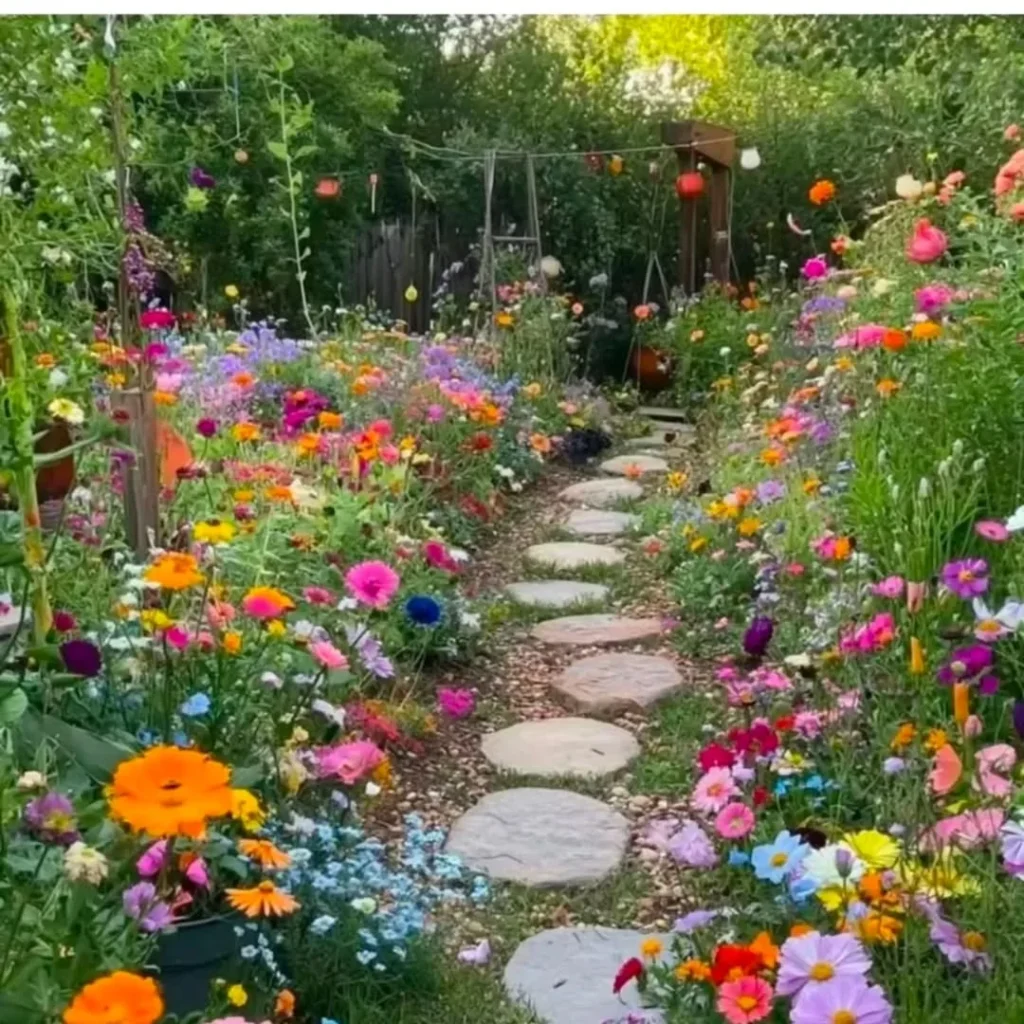
The Inspiration : A wildflower garden path calls up shepherd trails across alpine meadows and Impressionist paintings in which dappled sunlight plays across tangles of blossom. It’s like doing an impromptu shortcut through the countryside: gravel under your feet, bees humming through flowers, seedheads brushing your legs and calling for you to wander back slowly, mornings that require no shoes and memories of childhood holidays spent exploring different versions of this road less travelled.
Why it Works : A meadow-focused approach like this wildflower garden path will transform bare, nonproductive ground into a functional, living hall that chokes out weeds, cools the soil and cuts back on mowing. From deep-rooted perennials (better for soil structure, more supportive of insects and drought-resilient) to annuals (color where short-term gaps open up), they are designed to ensure something in flower. A vertical corridor of taller flowers serves as a visual depth charge, leaving you unable to discern their endpoint and making the space feel larger. Ecologically, it serves as a pollinator highway, to increase the yields of fruit and vegetables that grow nearby. Mentally, rubbing against scented leaves stimulates more senses and promotes walking and daily observation.
Pro Tip : Outline your path with a hose, then create a clear, compacted walkway before sowing or planting wildflowers on both sides. Select a variety of native wildflowers suitable for your region, with at least half being native species, and maintain the path itself frequently mowed or mulched to preserve its outline.
side yard garden
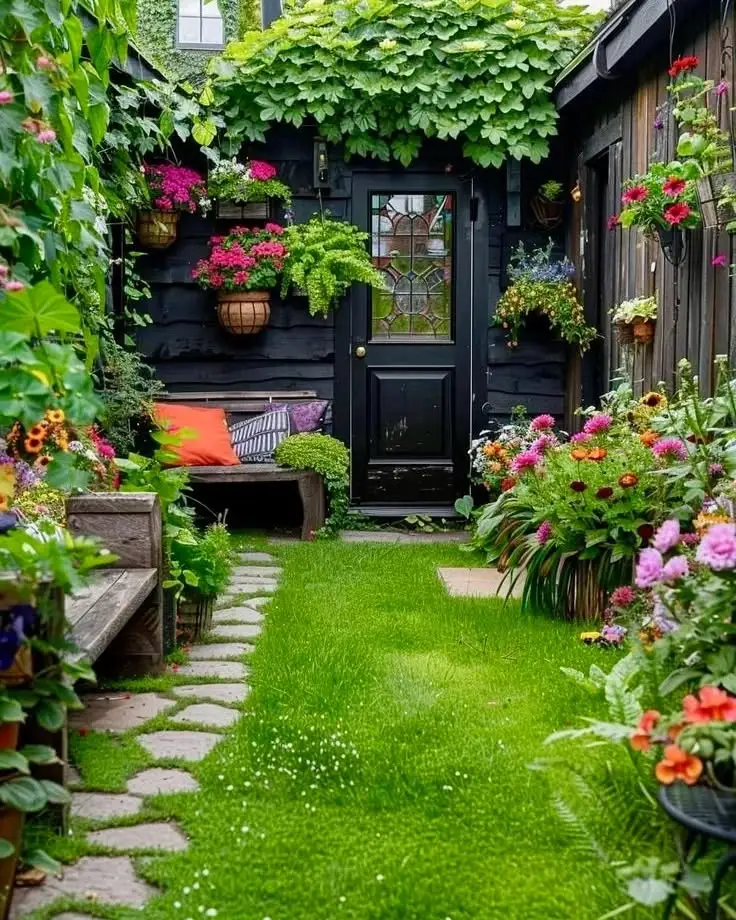
The Inspiration : Side yard gardens whisper of passages from Victorian service times, converted to secret escapes pullman lanes for maids to stop between tasks and inhale jasmine. Wars had Brooklyn brownstone owners declaring every inch of soil when campaigns for wartime Victory Gardens were waged. These neglected passages between buildings summon the discoveries of alleyways: a fern leans toward your shoulder, you press against cool brick, stepping stones lead in a direction you hadn’t anticipated. They show that beauty can flourish within constraints, transforming overlooked walkways into small green galleries.
Why it Works : A side yard garden solves drainage issues by soaking up runoff before it collects close to foundations, thus minimizing soil erosion and foundation cracking as well as lawn mowing. They add value to your property by eliminating dead zones and creating a seamless visual connection of front-to-back landscapes. Vertical gardens and raised beds make the most of planting potential in three-foot-wide spaces, including over fifty plants while maintaining walkability. Side-Yard Design: Contrasting Textural Plants Shade-tolerant hostas, ferns and astilbe love the low-light conditions found in side yards and need little care to maintain year-round textural interest. These leading places allow for a private path of reflection, somewhere to store tools and even provide an herb garden just steps from the kitchen.
Pro Tip : Constructed raised beds need not be deeper than 18 inches, and there should be at least a 30-inch path between boxes to comfortably walk or push a wheelbarrow. Opt for shade lovers like hostas to serve as bold foliage anchors, Japanese painted ferns for interesting texture and coral bells to provide year-round color contrast. And don’t forget to throw in a few solar pathway lights for nighttime safety and mood.
cozy outdoor garden
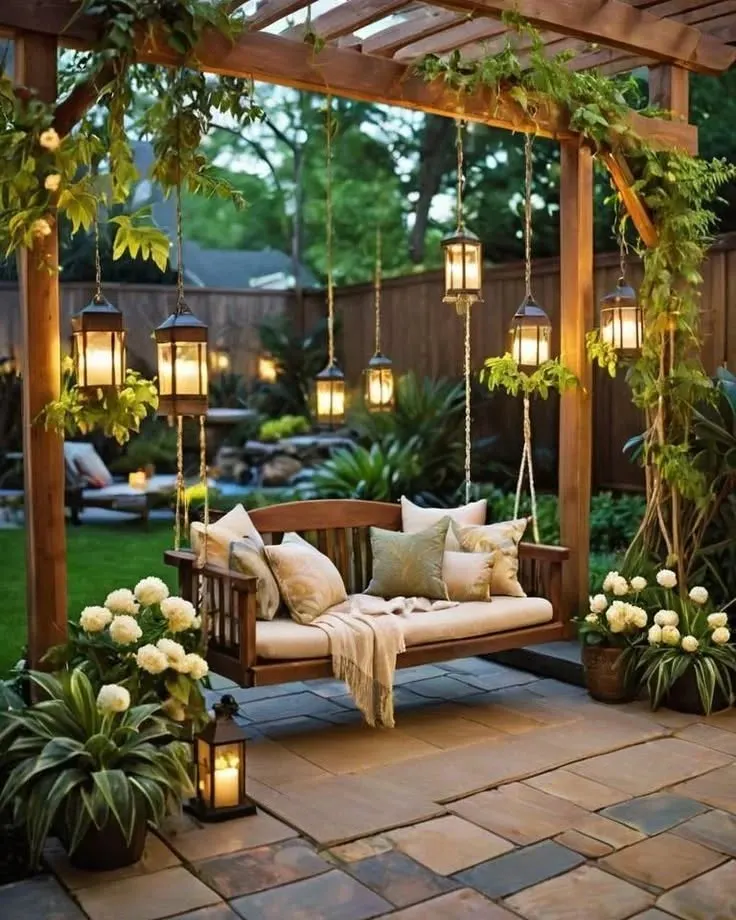
The Inspiration : Cozy outdoor gardens are inspired by the Danish concept of hygge and the Japanese philosophy of niwa environments where intimacy harmonizes with nature. Envision English cottage gardens adorned with cascading roses and secluded benches, or Parisian courtyards where bistro chairs are nestled among pots of lavender. These havens arose as urbanization led individuals to seek personal retreats. The enchantment resides in their scale: small enough to provide a sense of embrace, yet thoughtfully layered to stimulate the senses through texture, fragrance, and gentle rustling.
Why it Works : Cozy gardens convert yards into living rooms beneath the open sky. From a practical standpoint, they expand usable space without incurring construction expenses while enhancing property value by 15-20%. Their intimate dimensions necessitate less upkeep than expansive lawns resulting in fewer weeds, focused watering, and manageable pruning. String lights and layered seating establish natural gathering areas that promote outdoor activities, which have been shown to alleviate stress and increase vitamin D levels. In contrast to formal gardens, cozy spaces exude an immediate sense of welcome; low walls, pergolas, or tall grasses delineate boundaries without creating isolation. The sensory richness aromatic herbs underfoot, the rustling of ornamental grasses, and textured cushions emotionally engages visitors, transforming these gardens into memorable retreats where individuals tend to linger longer.
Pro Tip : Strategically layer your lighting: place solar stake lights along pathways at ground level, hang string lights overhead at a height of 7-8 feet, and use battery operated lanterns on tables. This three tiered approach adds depth and ambiance without the need for an electrician. Incorporate a weatherproof outdoor rug to anchor seating areas it instantly imparts a room like and intentional feel to spaces, turning generic patios into curated destinations.
purple flowering plants garden
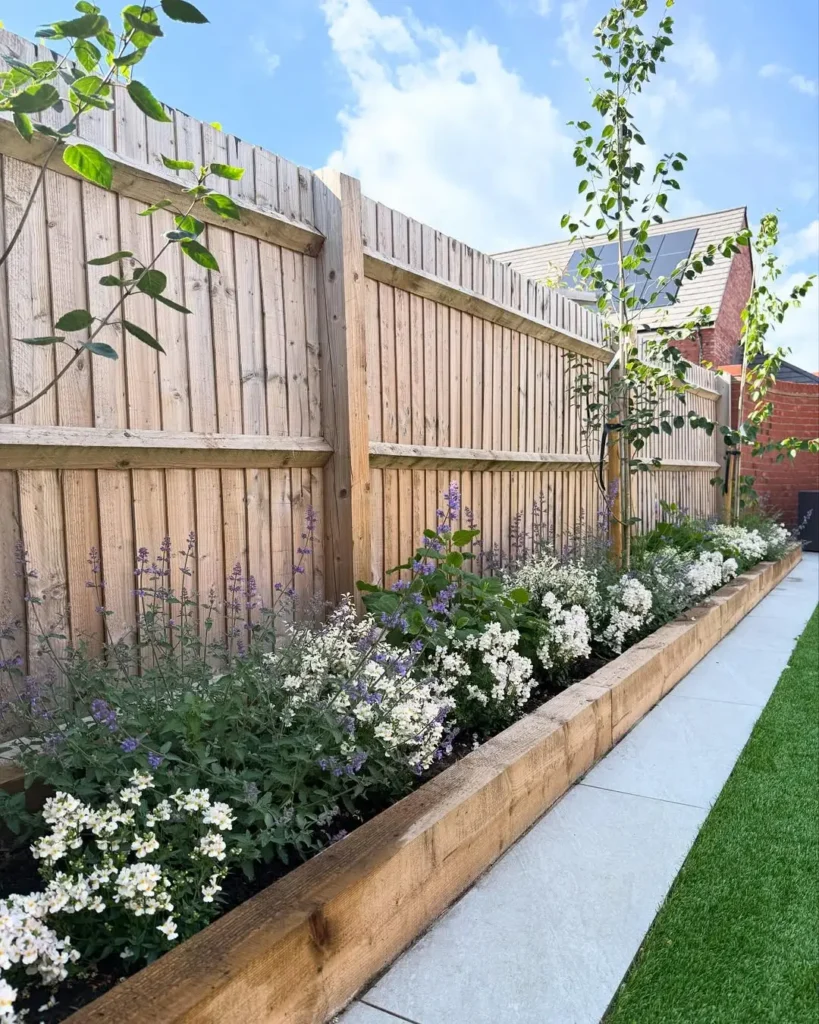
The Inspiration : Purple flowering gardens have their origins in ancient royal estates, where emperors nurtured lavender and iris as emblems of power and opulence. Prince Charles’s Highgrove House features shimmering mauves of alliums and wild orchids scattered across its meadows. This noble heritage serves as a muse for contemporary gardeners, encouraging the creation of serene, elegant spaces that link the legacy of nobility with the soothing essence of nature.
Why it Works : Gardens filled with purple flowering plants provide numerous well-documented advantages. From a scientific perspective, purple blooms are more effective at attracting pollinators compared to other colors bees and butterflies show a preference for violet and blue shades. These gardens ensure year-round visual appeal through their foliage and flowers, effectively closing seasonal gaps. On a psychological level, lighter purples such as lavender foster relaxation and alleviate stress through color therapy, while establishing tranquility and harmony in outdoor environments. From a practical standpoint, purple perennials like salvia, coneflower, and verbena produce blooms continuously for several months with minimal upkeep, flourishing in a variety of conditions. This combination offers emotional, ecological, and functional benefits.
Pro Tip : To achieve continuous color, layer purple shades according to their bloom times: start with early-blooming aquilegia, followed by mid-season salvia and alliums, and conclude with late-blooming monkshood and asters. Combine deep purples with silver foliage or lighter lavenders against green backgrounds to create a striking contrast and visual depth. Regularly deadhead salvia to prolong the blooming period.
Palm Paradise garden
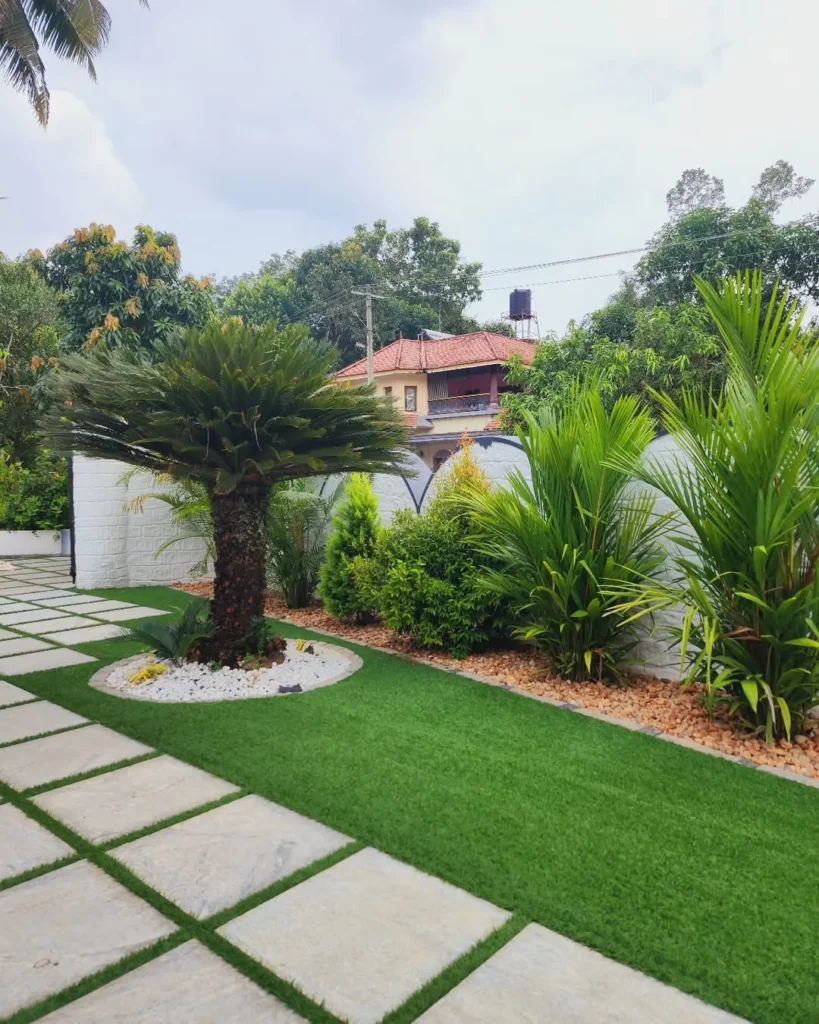
The Inspiration : Palm paradise gardens are inspired by the age-old oasis traditions of the Middle East, which were established as far back as 5000 BC when date palms turned barren deserts into paradisiacal havens. The fabled Marrakesh Palmeraie was born when the soldiers of Sultan Yusuf ibn Tashfin threw away date seeds which turned into forests over hundreds of years. These venerable refuges serve as models for today’s urban tropical retreating: places that are cool, quiet and green year-round.
Why it Works : Ecology and Life Style Benefits of Palm paradise gardens. Palms are natural air purifiers, removing tens of millions of tons of carbon dioxide and the world’s most lethal airborne pollutants with their broad leaves a massive boost to outdoor health. With their shadow and water vapour production (transpiration), their sheltering covering generates quantifiable cooling effects on average by 1 to 5°C, thus providing for a comfortable outdoor living climate in hot climatic zones. Palms are incredibly easy to care for, and they can withstand prolonged drought, grow in a variety of soils, and offer year round beauty. Layered tropical look -tall palms with medium height plants and ground covers resort style feel that adds value to properties and turns backyards into private holiday getaways.
Pro Tip : To create a real sense of tropical layers, mix heights: tall canopy palms such as Canary Date or Bismarck, head-height species like bamboo or Bird of Paradise, shoulder-level gingers and ferns, and then groundcover bromeliads. First, look at the sunlight patterns sunny varieties of palm love light and find sun-loving palms for bright areas, or Fishtail Palms that can tolerate shade onto darker spots.
moon gate garden
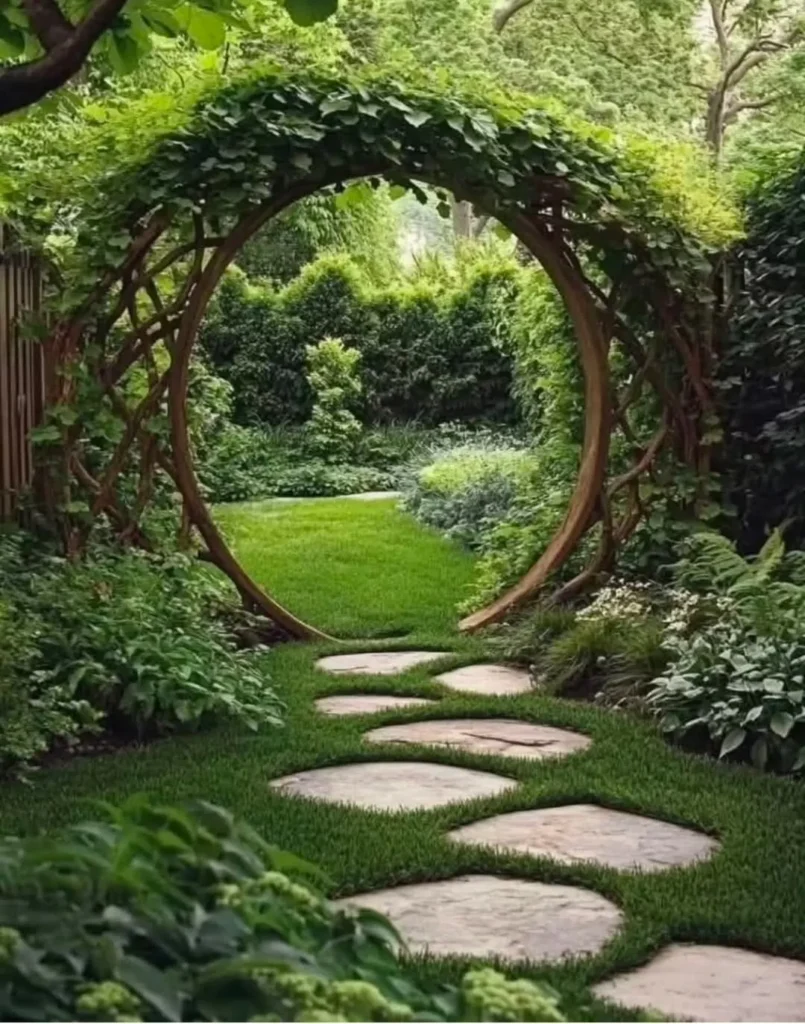
The Inspiration : Moon gates were found in the Gardens of Ellora, built in 700 AD by the Sarg dynasty. During the T’ang dynasty, in China, moon gates became a part of garden architecture. Moon gates are round windows cut into doors or walls and can be seen in several Hindu temples, such as Angkor Wat. Template Cite book In medieval Chinese gardens which also had mountains at some locations overseas. These are different from simple circular windows. Scenic gardens were living art and this was nature captured through these windows, little microcosms of the planet. Today’s garden designers mine this legacy, creating backyards from modest to meditative in which every framed glimpse urges halt and linger.
Why it Works : A moon gate functions like a hypodermic needle of focal acuity that enables you to see around and through the structure. The round opening frames views like a telescope, pulling the eye toward specific plantings, sculptures or seasonal changes beyond. The symmetry of the circle offers subliminal satisfaction and a sense of finality, evoking a deep sense of calm. The Moon gate garden, delineates garden rooms and paths and serves as a symbol for passage or transition between spaces. Even when there are no blooms, they offer architectural interest. It heightens sense perception by juxtaposing formality with wildness, the structured with the natural, and causes gardens to appear larger, more intentional.
Pro Tip : Instead, use your moon gate to frame the destination view: a specimen tree, a fountain in the distance, or that other-feature you want more color and texture around. Provide a clear height of not less than 7 feet for ease of passage and unobstructed width of at least 36 inches for access. Install with concrete footings in loose soil for best results, especially when supporting climbing plants. Extensive Consideration Do think about borrowing the views of your neighbors.
lush garden
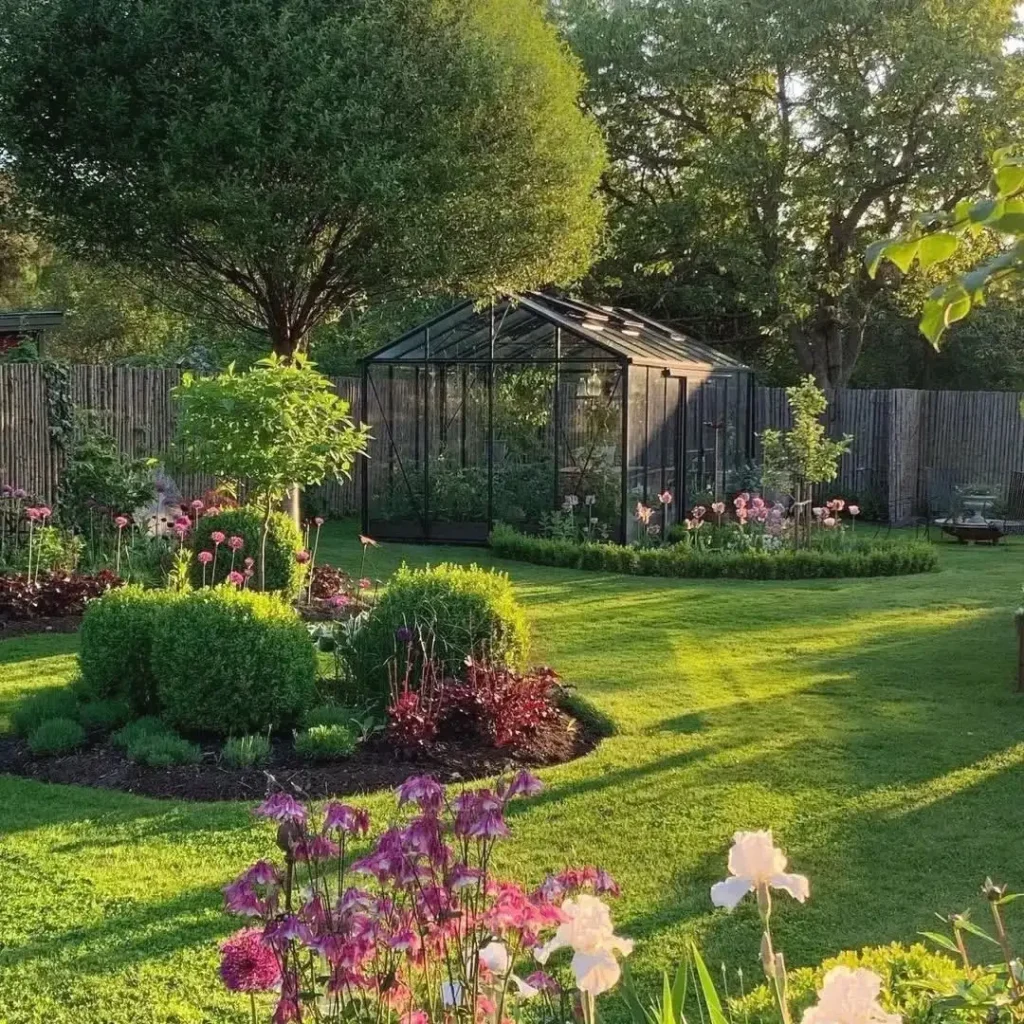
The Inspiration : Lush gardens reflect the ancient paradises of Persia and the borders of English cottages, where abundant greenery signifies prosperity, protection, and blessings. Consider Monet’s Giverny, where paths are softened by layers of foliage and flowers. A lush garden resembles entering a living embrace, with every perspective rich in texture, color, and a sense of life.
Why it Works : A lush garden is effective because dense planting provides shade to the soil, which minimizes evaporation and inhibits weed growth, thereby reducing the need for watering and maintenance. Layered canopies act as buffers against heat and wind, fostering cooler and more comfortable microclimates for both people and plants. Diverse plantings draw in pollinators, birds, and beneficial insects, nurturing a resilient mini-ecosystem. Visually, the interplay of textures and heights conceals boundaries, making compact spaces appear more expansive and immersive. Psychologically, the surrounding greenery alleviates stress and promotes a slow, mindful exploration of the area. Functionally, lush borders soften harsh edges, enhance privacy, and help absorb noise, transforming even urban spaces into restorative outdoor “rooms” for daily rejuvenation.
Pro Tip : Create lushness in layers: begin with structural shrubs and small trees, incorporate mid-height perennials, and finish with groundcovers, maintaining a cohesive palette of foliage shapes and two to three colors. Plant 20–30 percent closer than the labels recommend, then apply a deep layer of mulch; only adjust spacing if airflow or disease issues arise.
courtyard design garden
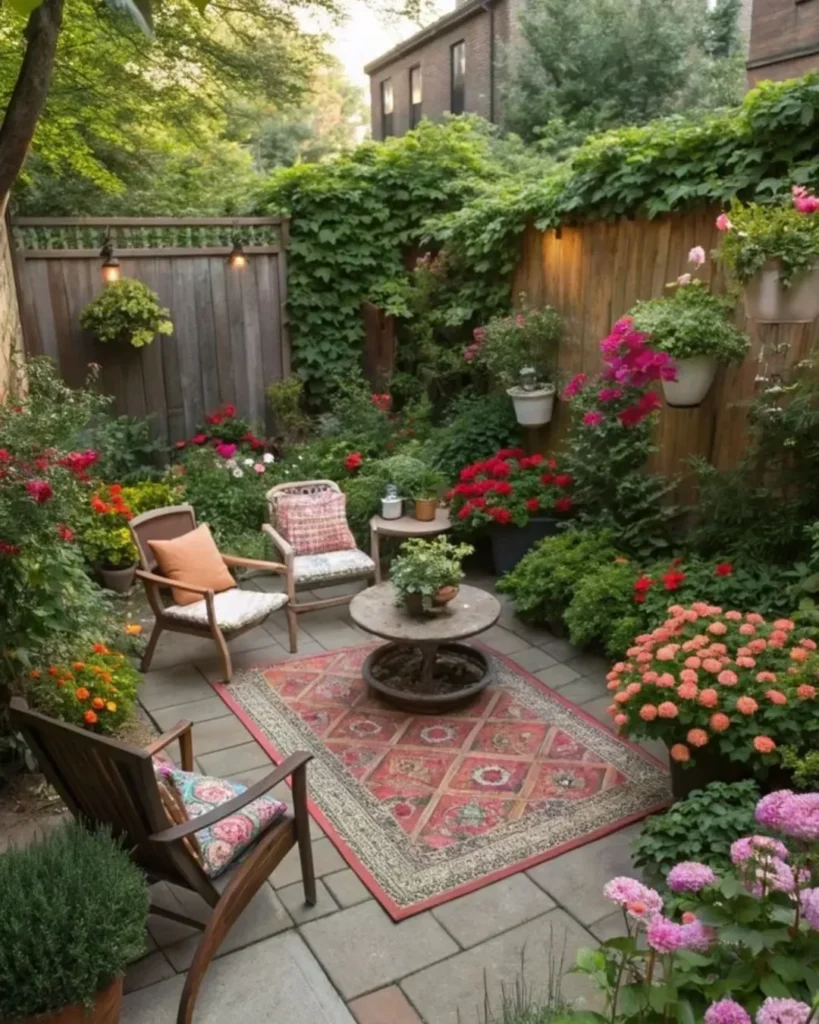
The Inspiration : Courtyard gardens can be traced back to ancient Mesopotamia, Egypt and Persia, where enclosed sanctuaries provided relief from brutal native climates. Roman peristyles featured polished, colonnaded spaces that bridged outdoor and indoor living, while Moorish workers took the idea to another level with intricate tilework and geometric designs as well as cooling water displays. These timeless styles make private residences feel like sensory escapes.
Why it Works : Courtyard gardens lead the way with multi-purpose value adding to lifestyles. They produce secluded soundproofed outdoor spaces perfect for relaxation without intrusion. Their walled courtyards create unique microclimates that provide natural cooling through ventilation and features such as fountains to lower the temperature of even hot foreign lands, thus saving energy. The walls also serve as noise abatement, creating quite retreats. Needing less than expansive gardens because space is less, they are perfect for time-poor owners. Furthermore, well-planned courtyards boost property values by creating life-enhancing, usable outdoor living spaces. That’s what makes courtyard gardens so effective – that mix of privacy, climate control, calm and convenience.
Pro Tip : Make the most of vertical surfaces by covering walls with climbers trained on trellis or thin pergolas to turn narrow spaces into lush secret gardens. Opt for one big gesture as a focal point, such as a statement fountain or an architectural element, rather than many little things. Go for quality containers with dramatic plantings for shaded corners.
Hakuro-Nishiki garden
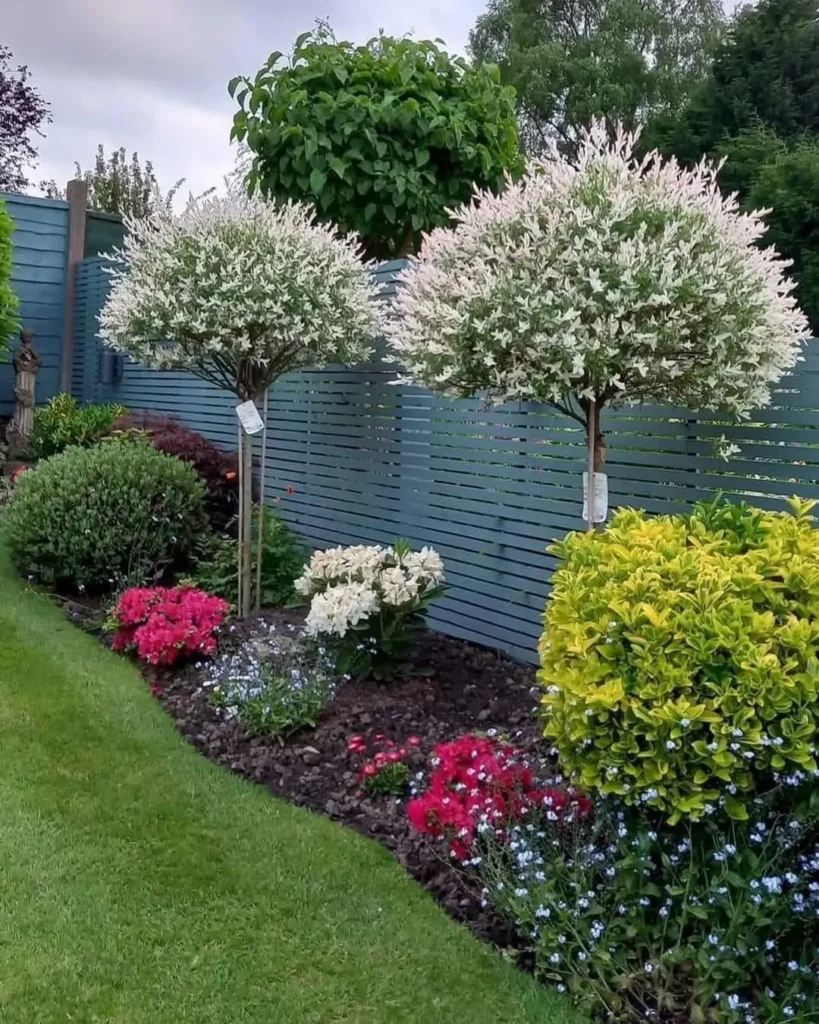
The Inspiration : Courtyard gardens have their roots in ancient Mesopotamia, Egypt and Persia, where enclosed sanctuaries provided respite from the environment. Roman peristyles served as elegant colonnaded spaces transitioning from indoors to out, with Moorish craftsmen taking the tradition to new heights thanks to elaborate tilework, geometric designs and refreshing pools. These classic designs provide a sensory sanctuary for those who inhabit private spaces.
Why it Works : Such gardens of the courtyard work best, as it offers not only privacy and security but also a classic look to your small patio. They provide intimate, secluded outdoor rooms for you to curl up with a good book and even better company. Enclosed walls create distinctive microclimates that cool, making natural ventilation systems less expensive than air conditioning and elements such as fountains inherently cooling. The walls also reduce noise pollution, creating sanctuaries of calm. They are also lower maintenance than sprawling gardens because they are contained, making them perfect for owners with busy schedules. Well-designed courtyards also provide attractive, usable outdoor living spaces that contribute to the property value. The mixture of seclusion, climate control, peace and practicality makes courtyard gardens a really effective design.
Pro Tip : Dress walls with climbers on trellis or narrow pergolas to turn tight spaces into overgrown secret gardens. Go big with one dramatic focal point a showy fountain, say, or a sculptural element instead of many small ones. Fill them with top-quality containers, such as those featured on walkways, and dramatic plantings (large-leaved ferns look great in a shaded corner).
A Productive Garden
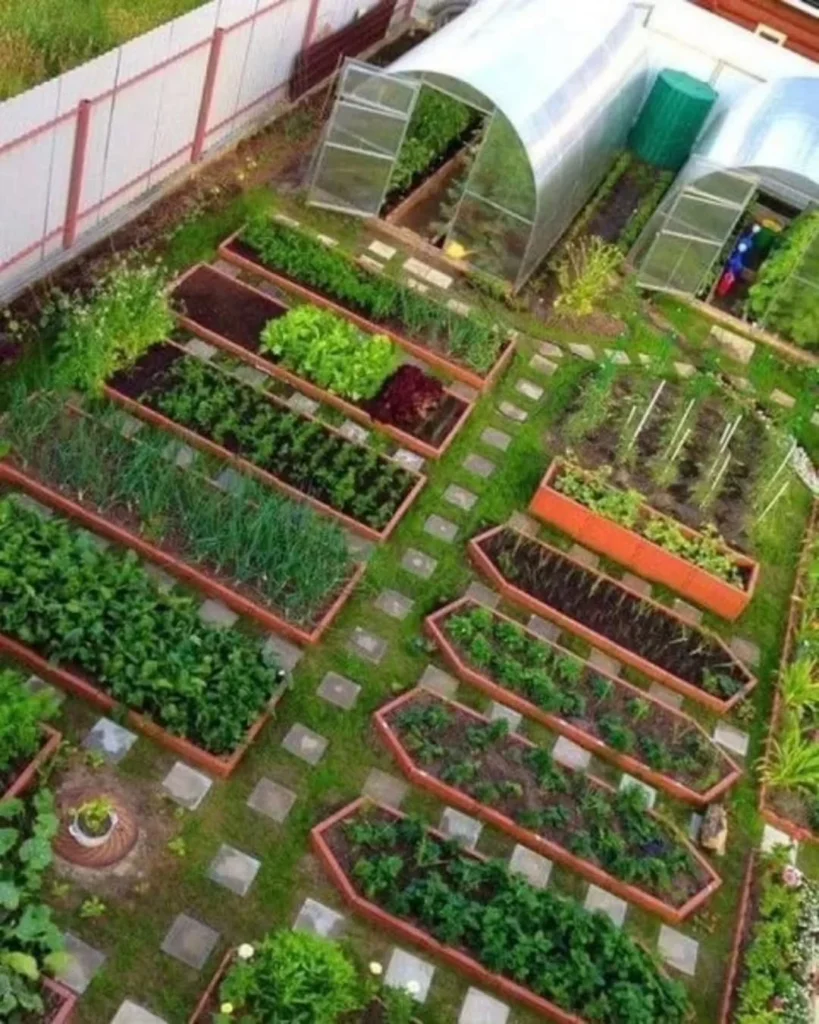
The Inspiration : Productive gardens became huge again during World Wars I and II, as Victory Gardens allowed millions to reclaim backyards, rooftops and vacant lots as food-producing sanctuaries. By 1944, twenty million American families were growing eight million tons of produce forty percent of the nation’s fresh vegetables. This patriotic ritual was a representation of self-reliance, communal adaptability and intentional place-based engagement.
Why it Works : Working gardens provide a wide number of great benefits, all of which are research backed. Meta-analyses demonstrate that gardening significantly lower depression, anxiety and stress, as well as reduces body mass index, enhances life satisfaction and quality of life and brings a greater sense of community. Economically, homegrown vegetables save on weekly grocery bills and provide food security through a supply of fresh produce. Productive gardens are also friendlier to the environment since there are no transportation emissions and no packaging waste. Families build critical food self-sufficiency skills while bonding over a common cultivation venture. The exercise itself, creates cardiovascular and cognitive benefits. This range of health, economic, social and environmental benefits makes productive gardens some of the world’s most powerful investments.
Pro Tip : Get the maximum harvest with a combination of succession planting and vertical gardening. Replant quick-growing vegetables like lettuce, radishes and microgreens every two weeks while trellising vining varieties up to make use of space. Soil should be amended with 1 to 2 inches of compost or manure per years, concentrating nutrients in specific raised beds.
grassy lawn garden
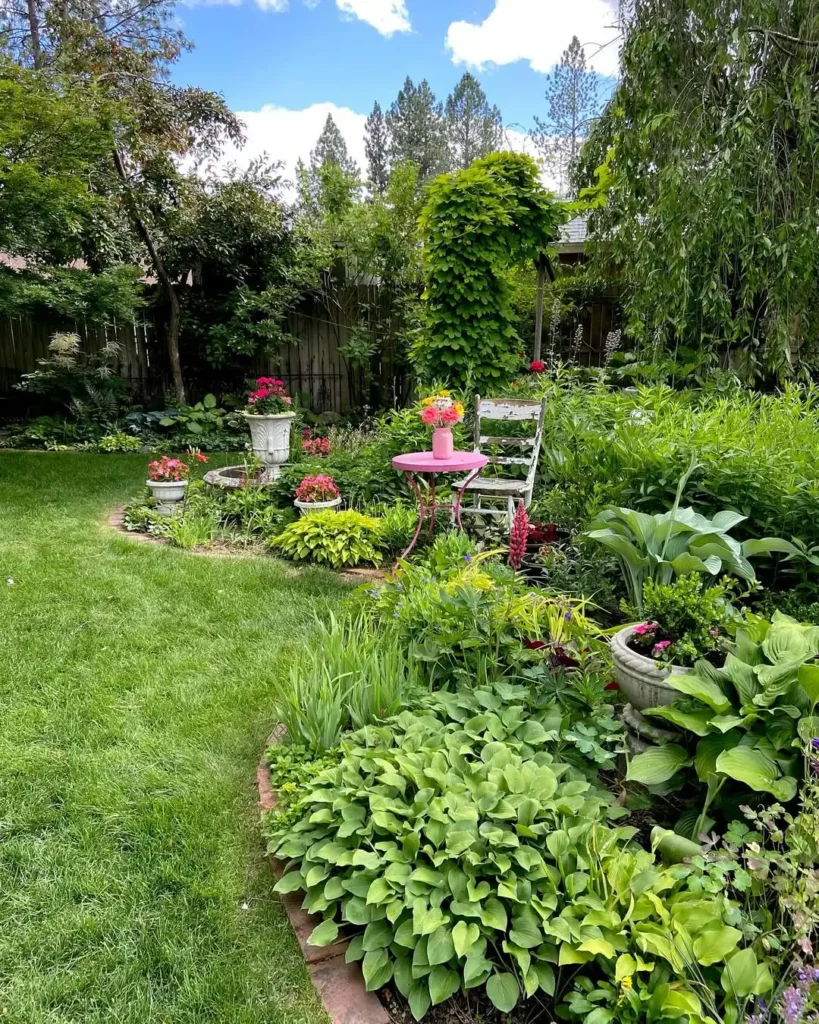
The Inspiration : Lawn and grass gardens are a vestige of the sweeping greens of England’s stately homes, where expertly groomed turf became an instant shorthand for living well. Think of cold blades beneath her bare feet, fresh-cut green scent, after it rains and children playing freely like an appealing canvass that puts every tree, edge and bloom into perspective.
Why it Works : Grassy lawn garden covers a flexible, multi-use stage for daily life from play to picnics, pets and outdoor parties. Its level, open surface visually quiets the landscape, allowing the eye to take a restful pause between planting beds and structures. The green ties elements together different color schemes wouldn’t work, but the repetition makes even a small garden feel cohesive and spacious. Lawns, too, provide immediate access without paths, making it easy to shift furniture around quickly; swap out flowers and other seasonal decor accents; or throw up temporary play structures. A well-tended, properly sized lawn for the climate is a soft, sensuous, emotionally reassuring stage for outdoor living and looking.
Pro Tip : Size your grassy lawn garden purposefully: Create the smallest rectangle or oval to suit your needs, then surround it with mixed borders. It cuts down on maintenance and water consumption, yet the lawn remains full. Select the right kind of grass for your region and mow high in order to promote deeper root systems and reduce weeds.
Dream Garden
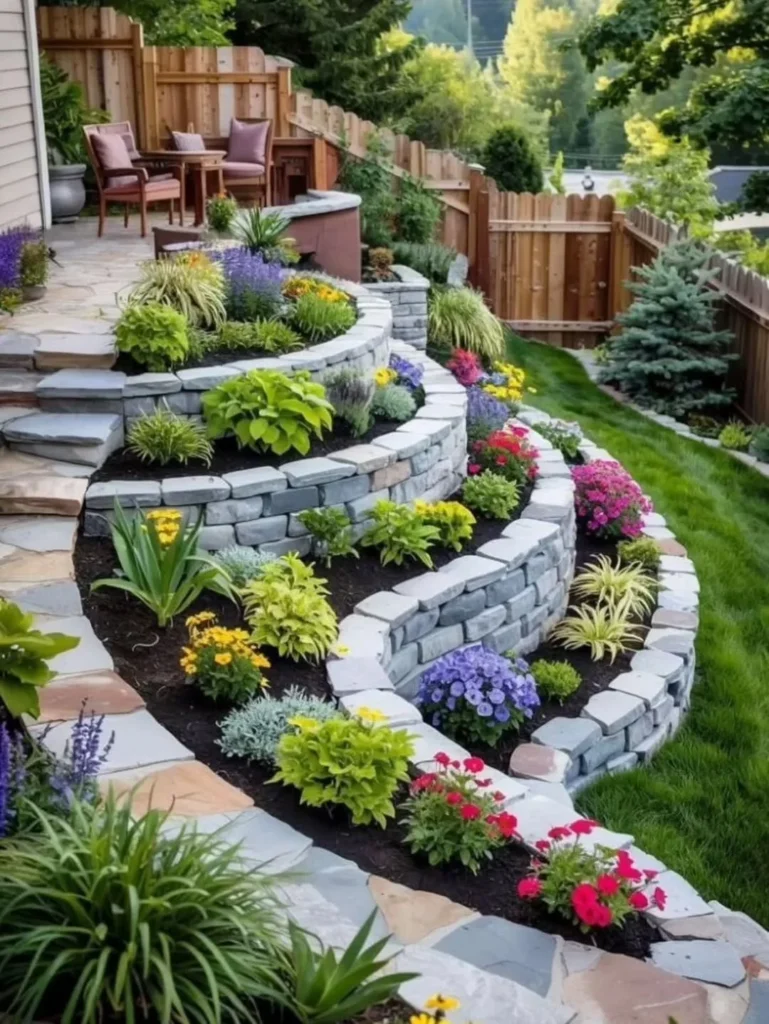
The Inspiration : A Dream Garden starts as a half-recalled place: the jasmines centered courtyard of your childhood, Monet’s water lilies, an evening stroll through a lantern lined path. And less about trends and more about interpreting those personal, golden memories into living color, fragrance and underfoot texture you can sink into every day.
Why it Works : A Dream Garden succeeds because it calibrates space to specific, deeply felt desires rather than conventional arrangements. It combines comfort and character with function shaded seating, child-safe play corners, wildlife-friendly planting and productive beds so every bit earns its keep. Including trees, shrubs, perennials and groundcovers in thoughtful layers to provide year-round interest and sensory delight. Paths and focal points direct movement and attention, making even small gardens seem like novellas. When a garden reflects a person’s stories, habits and beliefs, it’s only natural for them to want to be in outdoor spaces more often, creating restorative rituals throughout each day. It comes from the emotional conviction of “yard” as a cherished, life-giving sanctuary.
Pro Tip : Design your Dream Garden: Work from the inside out Create a list of five feelings you want to have in your garden, like calm, creativity, playfulness and designate where on your property and what activities will evoke that feeling. Let them determine layout, seating, planting style and lighting rather than beginning with plants or decorative objects.
Rock Pathway garden

The Inspiration : Rock pathway gardens grow directly out of ancient temple grounds and Japanese strolling gardens, where stone underfoot forced anyone walking across it to move slowly, with quiet awareness. Think hopping rocks in a river as a kid playful yet grounding. The creative impulse is to choreograph movement, texture and shadow in such a way that every footstep feels both intentional and exploratory, close to the earth.
Why it Works : A Rock Pathway garden is successful because it directs both feet and eyes, transforming a simple movement into an experience. Stones naturally drive circulation, curbing lawn/soil/planting bed compaction while preventing shoes from grass stains and dirt. Their different forms and textures create a subtle pattern for the eye, breaking up monotonous expanses and providing four-season structure. Well placed rocks will anchor slopes and edges, cutting down on erosion, as well as muddiness following rain. As light moves through the day and shadows play upon each stone, it forms depths; even relatively narrow areas feel layered and engaging. Emotionally, walking a stone path is grounding, meditative and a bit adventurous.
Pro Tip : Place each stepping stone at a comfortable stride, typically about heel to toe plus the width of your hand, and try it out by walking over the path several times before securing anything permanently in place. Sink stones to only where tops sit slightly above surrounding soil or gravel, which keeps edges from being trip hazards while avoiding puddles and making it easy to mow or edge around.
fairytale cottage garden
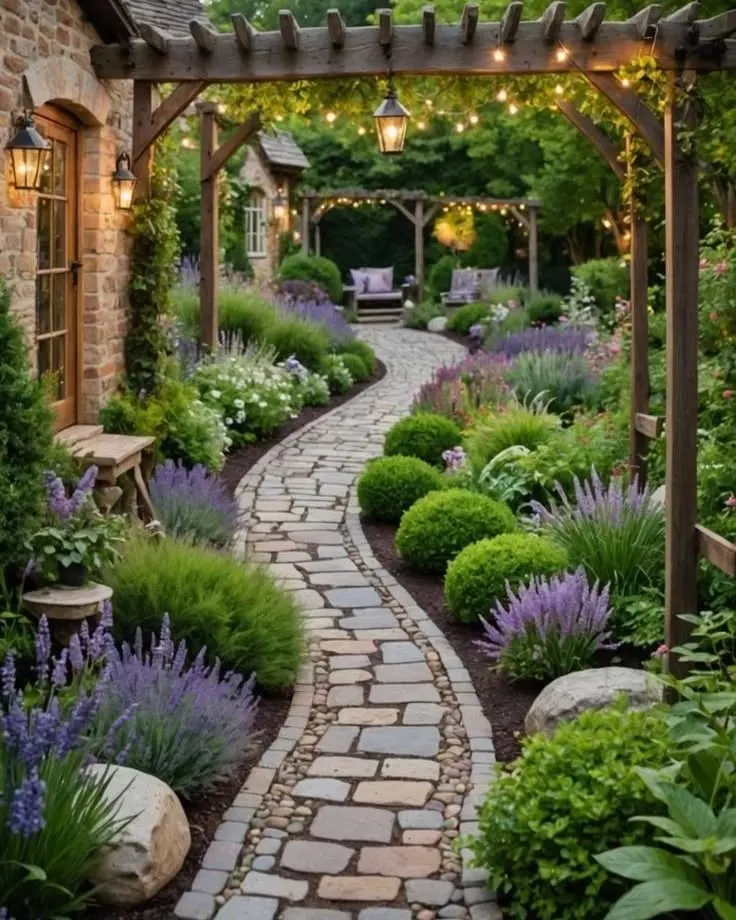
The Inspiration : Trailing roses cluster on crooked picket fences, hollyhocks sway higher than children today: herbs hanging down around ancient flagstone paths. Its origins are in the modest dream plots of English workers; it has roots, but no fixed form. Not tentatively suggesting, “Plant Me” rather, altogether natural and abundant. Really, it might already just be growing now.
Why It Works : A fairytale cottage garden works because it turns small, ordinary spaces into immersive, romantic worlds. Dense, layered planting naturally suppresses weeds and shades soil, helping retain moisture and reduce maintenance. Mixing perennials, annuals, herbs, and shrubs extends color from early spring to late autumn, keeping the garden enchanting for months. Curved paths and overflowing borders visually blur boundaries, making even tight urban plots feel deeper and more mysterious. Pollinator-friendly blooms attract bees and butterflies, adding movement and life. Emotionally, the unstructured, flower-rich style feels nostalgic, handmade and welcoming. This is perfect for gardeners who value charm over perfection and delight in surprises each day.
Pro Tip : Choose a soft, limited color palette two main hues plus white and give those plants a good showing along paths and around your cottage for a delightful contrast. Let tall spires like foxgloves or delphiniums stand in back, medium, classic cottage flowers around them, and low, spreading plants overflow the edges of every bed.