
Herb Garden Aesthetic: Cozy, Lush Ideas for Dreamy Green Corners Turn your home into a botanic haven Indoor House Plant Decor with Slice of Seashell’s herb garden look, which adds warm greenery to any room. This popular style marries functional herb growing and dreamy visual appeal, to create spaces that stimulate your senses fragrant basil, trailing rosemary and feathery dill become living decor that’s as beautiful as it is useful. The snug herb garden look depends on plenty and layering. In the kitchen, group terracotta pots in a variety of heights on windowsills, cluster ceramic planters on floating shelves or cover walls with vertical gardens of herbs spilling over with greenery. Herb Garden Aesthetic: Cozy, Lush Ideas for Dreamy Green Corners Combine textures by mixing big leafed herbs such as sage with fine parsley and architectural thyme that spills over the side of a pot. And warm, natural materials such as wood, clay and wicker help up the homey feel while keeping the look organic and approachable. Lighting is key in capturing a dreamy quality: place herbs close to windows where morning sun filters through leaves, casting soft shadows and gilding them with highlights. Herb Garden Aesthetic: Cozy, Lush Ideas for Dreamy Green Corners Tuck in some small, warm toned grow lights to set a stage for evenings when you’d otherwise cook by candlelight. This look is lovely in kitchens, sunrooms, reading nooks or corners of the bathroom where humidity is good for Mediterranean herbs. The product The end result is a lived in, gathered over time look that feels effortlessly curated your very own apothecary garden that feeds both body and soul while adding real, living beauty to your interior design.
Kitchen Window Herb Display
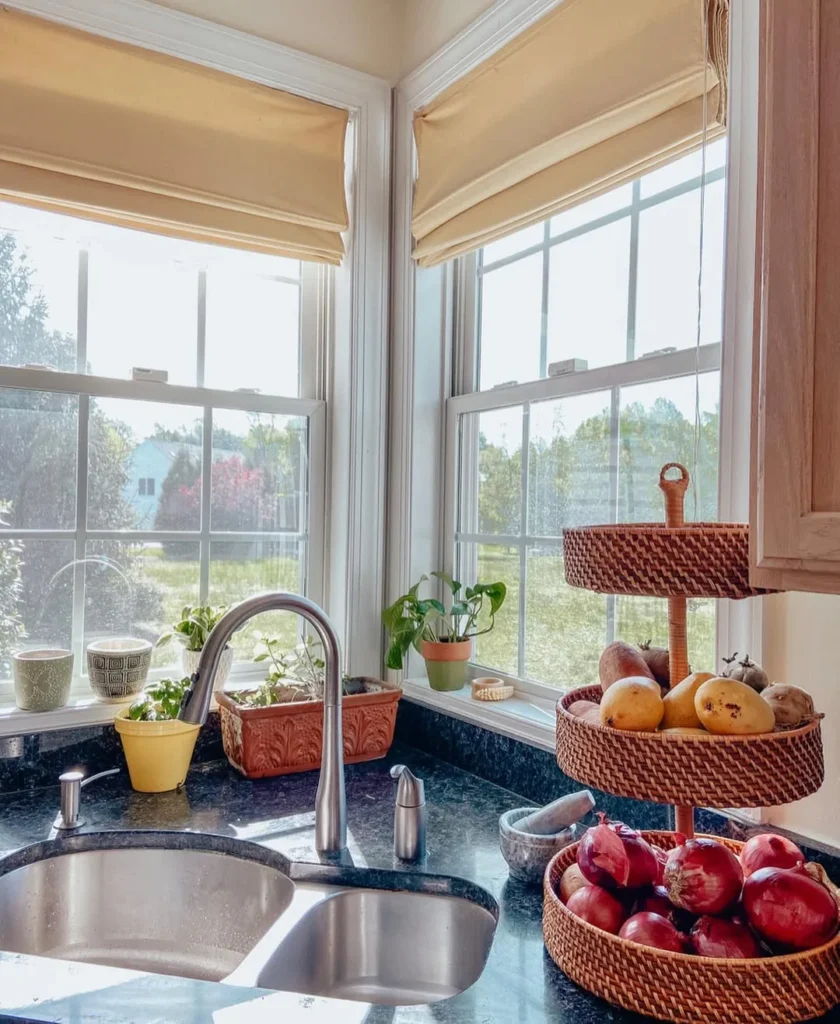
The Inspiration: For centuries, European cottage kitchens have featured windowsill herb gardens, where Italian grandmothers snip basil while cooking sauce and French chefs pinch thyme without leaving their stoves. These sunlit displays have transformed cooking from a chore into a sensory ritual. Victorian kitchen gardens brought this tradition indoors, filling bay windows with fragrant medicinal and culinary herbs. Today, home chefs are rediscovering this timeless practice, turning ordinary kitchen windows into living spice racks that link cooking with growing.
Why it Works: Kitchen window herb displays place fresh ingredients exactly where they are needed, reducing trips to grocery stores for wilted, overpriced herb bundles and significantly cutting down on food waste. A south or west facing kitchen window offers optimal light for Mediterranean herbs like basil, oregano, and rosemary, which thrive in 6-8 hours of direct sunlight. Having herbs close to your cooking space makes harvesting easy you will use herbs 300% more often when they are within arm’s reach compared to when they are stored in a garden. The visual greenery and natural fragrance enhance the kitchen atmosphere, making cooking feel more inspired and intentional. Research indicates that indoor plants lower kitchen stress and improve air quality by naturally filtering cooking odors. These displays also educate children about food origins, creating valuable learning moments during meal preparation while herbs grow noticeably faster than those in outdoor gardens.
Pro Tip: Opt for compact herb varieties that are cultivated for containers: ‘Spicy Globe’ basil, ‘Greek’ oregano, dwarf sage, and creeping thyme remain manageable on windowsills. Plant them in 4-6 inch pots with drainage holes, grouping herbs with similar water requirements together. Rotate pots 180 degrees every three days to ensure all sides receive equal sunlight, preventing uneven, leggy growth toward the window.
Rustic Herb Shelf Garden
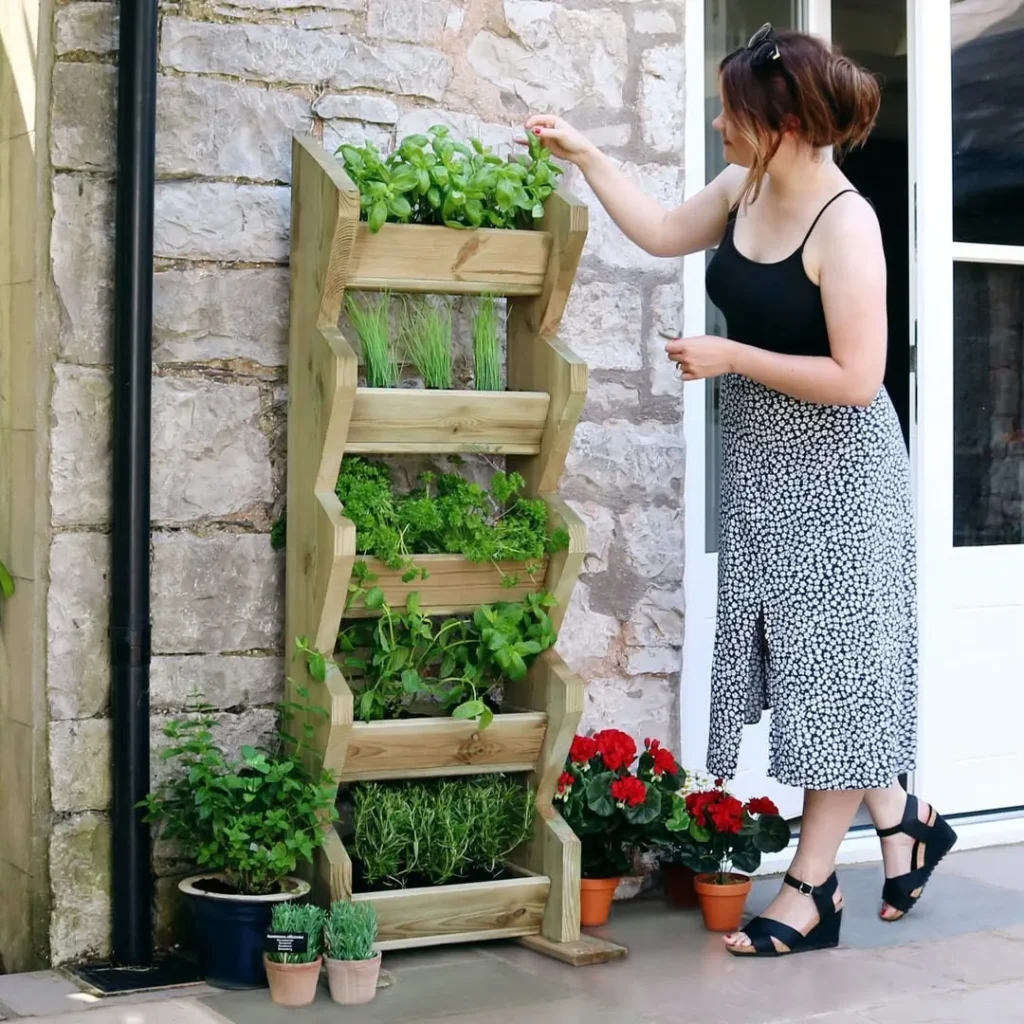
The Inspiration: Medieval monastery gardens featured rustic wooden shelving where monks organized medicinal herbs by their healing properties, creating fragrant apothecaries that served entire villages. Colonial American kitchens displayed dried and fresh herbs on hand hewn shelves, blending functionality with farmhouse charm. Today’s rustic herb shelf gardens reflect these humble origins, utilizing reclaimed barn wood, weathered planks, and vintage brackets to create walls of living greenery that feel collected over generations rather than recently acquired.
Why it Works: Rustic herb shelf gardens effectively maximize vertical space, transforming blank walls into productive growing areas that yield significantly more herbs per square foot than countertop arrangements. Multiple shelf levels accommodate different light requirements placing sun loving basil on the top shelves and shade tolerant mint lower down. The open design ensures excellent air circulation, preventing fungal issues that often affect crowded windowsill gardens, while allowing easy access for harvesting from all angles. Weathered wood adds immediate character and warmth that sterile modern shelving cannot replicate, creating focal points that anchor kitchen or dining room designs. The tiered arrangement allows for grouping herbs by culinary use Italian herbs together, tea herbs nearby making cooking intuitive. Studies indicate that vertical gardens reduce perceived clutter while enhancing feelings of organization and control, significantly improving overall kitchen satisfaction.
Pro Tip: Install shelves 12-15 inches apart to accommodate herb height while allowing for airflow. Use reclaimed wood sealed with food-safe mineral oil to prevent water damage while preserving the rustic patina. Add small drainage trays under each pot to protect the shelves. Position your highest shelf 5-6 feet up, where warm air rises, making it ideal for heat loving herbs.
Tiered Herb Garden Tower
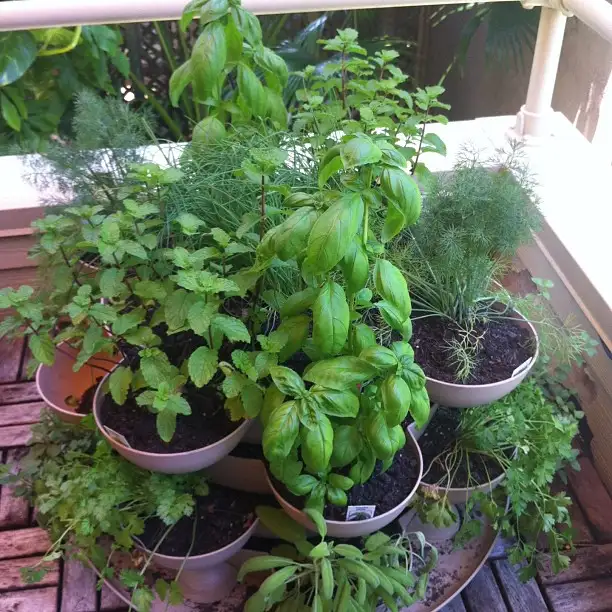
The Inspiration: Historic Babylon’s hanging gardens practiced vertical farming, tiered terraces stacked tall with greenery and herbs employed in royal kitchens and medicine. Victorian era plant stands had this vertical ample size indoras, with décorous tiered displays trumpeting prized specimens in cramped parlor space. 20th century urban gardeners reclaim this upright growing wisdom, forming tower gardens to multiply the growing footprint without increasing sprawl. These high rise sculptures show that you can cultivate abundance, even in studio apartments.
Why It Works: Tiered herb garden stands enable you to multiply 3-5X growing area for herbs by taking single-pot footprint and stacking them vertically. Great space solutions prevents dirt more friendly than hydroponic system. The vertical design ensures proper downward drainage for the lower plants and upward moisture distribution for the higher ones; you’ll never over water or under water your plants your herbs will thrive even if you forget to water them! Various tier heights capture plants at different levels of light, making it easy to combine sun worshipping basil on top with shade tolerant parsley below while showing off both simultaneously. The tower design brings your herbs to eye level and significantly reduces the efforts required in order to move, water, harvest and maintain your favorite herbs, Hand pick fresh herbs from your indoor garden. Architectural presence; makes these towers statement pieces that organize beautiful space, the compact base keeps walkways clear. Studies reveal that accessibility of herbs increase use by 400%, so you get a return on your investment immediately through grocery savings.
Pro Tip: Opt for towers with separate drainage for each tier, not shared soil columns this eliminates root competition and allows specific soil mixes for each type of herb. Plant trailing types such as thyme and oregano on top tiers so they spill over lusciously. Position your tower close to an east facing window for a soft morning light that will help avoid scorching delicate, top tier herbs.
Windowsill Herb Tray
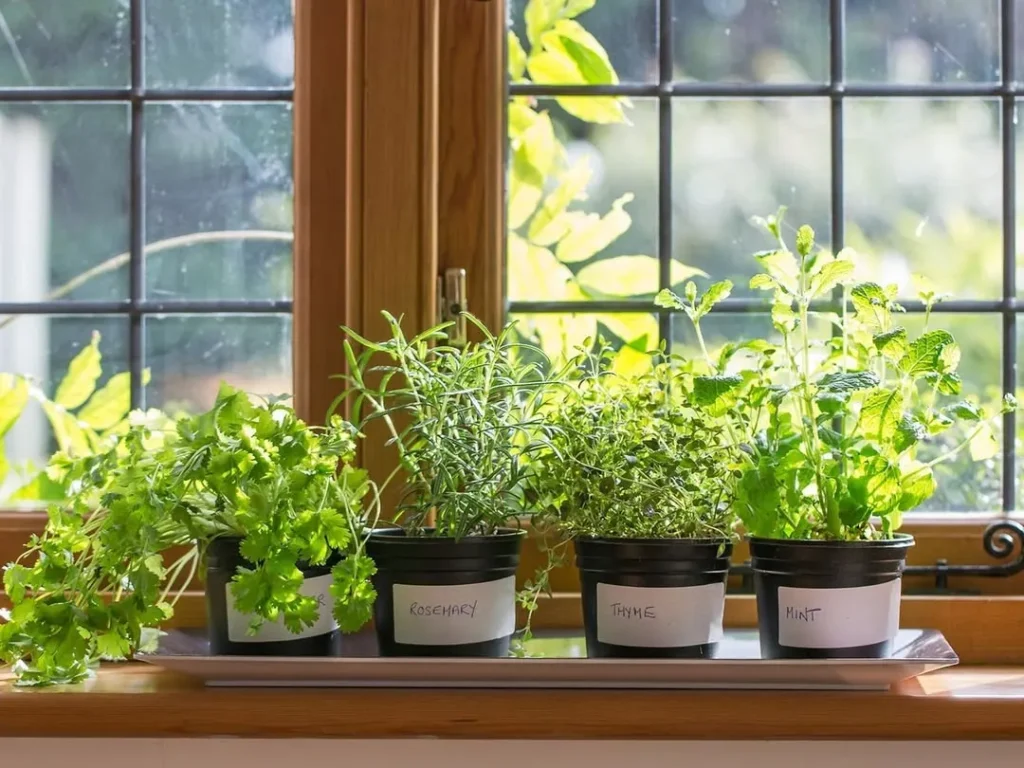
The Inspiration: Seventeenth century Dutch painters immortalized kitchen windowsills adorned with herb pots, showcasing how ordinary cooks transformed narrow ledges into fragrant gardens. These simple arrangements appeared in countless still life masterpieces, demonstrating that humble windowsill displays had artistic value worthy of canvas. English cottage kitchens refined the windowsill herb tray galvanized metal or wooden boxes that held multiple pots in neat rows, catching drips while maximizing precious sunlight. This understated elegance persists because it respects space limitations with practical beauty.
Why it Works: Windowsill herb trays consolidate multiple pots into a single cohesive unit that appears intentionally designed rather than haphazardly clustered, instantly enhancing kitchen aesthetics while maintaining full functionality. The unified base collects water overflow, protecting windowsills from damage and eliminating unsightly water rings that individual saucers create. Trays with handles facilitate easy repositioning for cleaning windows or rotating herbs towards optimal light without the risk of juggling multiple pots. The contained footprint respects narrow windowsill dimensions while maximizing usable width most trays accommodate 4-6 herb pots, while individual placements typically manage only 2-3. Unified color schemes and materials create visual calm, significantly reducing the perception of kitchen clutter. The raised edge of the tray prevents pots from accidentally toppling during window operations or enthusiastic cooking movements. Studies indicate that organized growing spaces increase care consistency by 70% because grouped plants are harder to neglect than scattered ones.
Pro Tip: Measure the depth of your windowsill accurately before purchasing most range from 4 to 6 inches deep. Choose trays that are 1 inch narrower than your sill to prevent overhang that may cause tipping. Select materials that match your kitchen style: galvanized metal for a farmhouse look, bamboo for a modern aesthetic, and aged wood for a rustic feel. Line trays with pebbles under pots to enhance drainage and humidity.
Hanging Herb Planter Wall
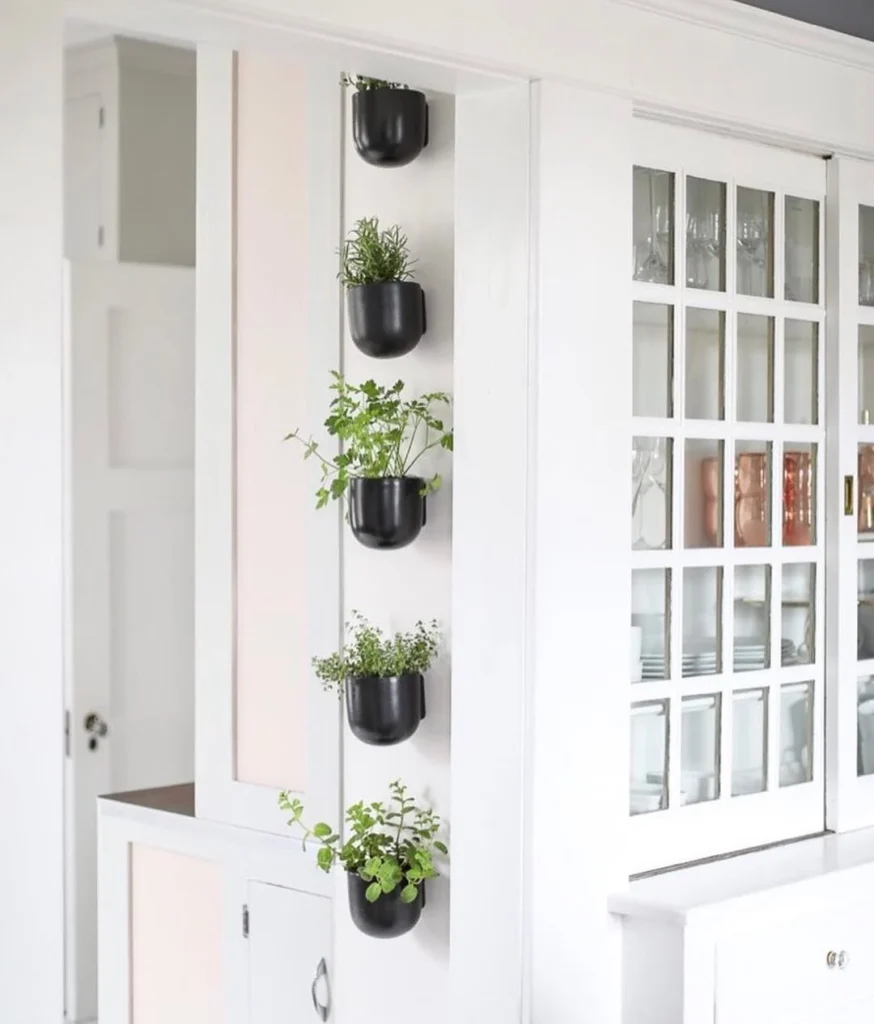
The Inspiration: French Quarter courtyards in New Orleans are home to spilling herb walls where Creole cooks have for generations dangled iron planters from balcony railings, creating vertical gardens that scent alleyways. Terra cotta pots tied up with rope garland white washed Mediterranean villiages, turning bare walls into something good enough to eat. Inspired by Japanese kokedama moss ball hanging garden, it is a self contained display of plant and flowers plants are suspended in the air, exhibited as if these were floating sculpture. These flying gardens suggest that growing spaces are not only on surfaces, but in the dimension to which we rarely apply the skill of cultivation.
Why It Works: Hanging herb planter walls free up much needed counter and floor space while making the most of vacant vertical real estate that isn’t doing anything for your habitat. Its elevated raw design recreates its original habitat and is also used as a barrier to prevent small pets or children from touching them. The hanging format allows for 360-degree air movement to alleviate moisture buildup and fungal problems common on shelf bound plants, while the superior root structure means you will never again have to suffer a faded out plant due to poor watering habits. The staggered heights provide both visual interest and depth; a flat arrangement of herbs on the wall wouldn’t be nearly as dynamic.A living work of art, it changes daily as your plants grow. Natural light hits all the sides evenly, putting an end to lopsided growth from a stationary windowsill. Research indicates, furthermore, that vertical greenery transpires like air conditioning, cooling interiors by 5 degrees as it does so and absorbing sound too: Good for keeping kitchens cooler and quieter. Its modular design allows for unlimited rearrangement and adding on easily as your herb collection grows.
Pro Tip: Mount strong wall hooks rated for at least 10 pounds apiece, placing them one after the other horizontally, 8 to 12 inches apart on the wall. Employ self watering hanging planters, or attach saucers to avoid leaks on floors. Opt for lighterweight materials, such as ceramic or resin in lieu of heavy concrete pots. Plant herbs with similar water requirements on the same section of wall to facilitate maintenance.
Cute Little Witchy Herb Garden
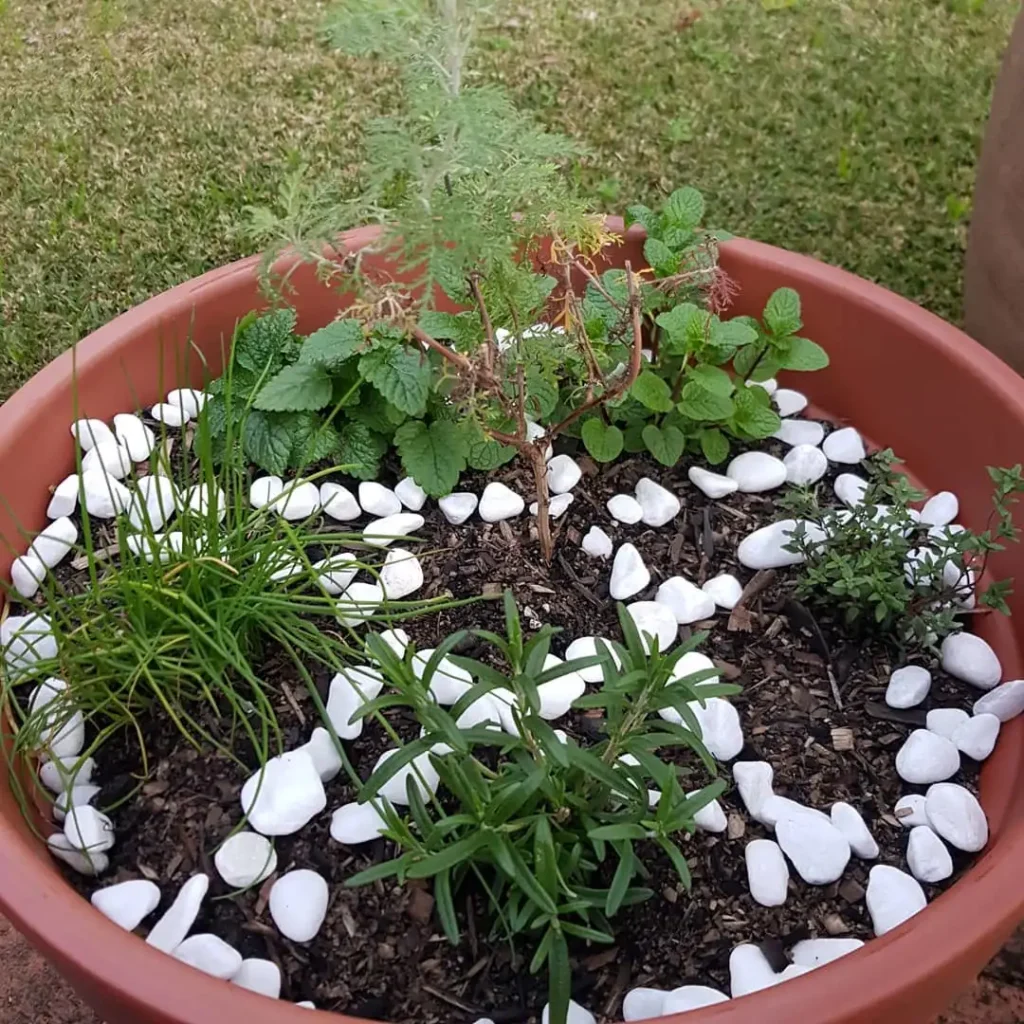
The Inspiration: Medieval women reputed to have been wise possessed secret herb gardens containing plants known as “witches’ herbs” mugwort for dreaming, lavender for protection and rosemary for remembrance. These cottage healers knew what science has since proved: Plants pack powerful substances that go beyond fuel. Today’s modern witchy gardeners are resurrecting this magical practice by planting enchanted herb corners of the moon soaked liquid, accompanied by crystal allies and magical herbs chosen for both their magic correspondence and culinary purposes. These fantastical gardens are a nice fusion of fantasy and function, homage to the lore-steeped herbalists of old who were just early botanists with good branding.
Why It Works: Sweet witchy herb gardens turn routine plant care into custom ritual, saving your soul with mindfulness gardening practices that promote relaxation with purposeful herb production. The aesthetic dark pots, vintage apothecary labels, dried botanicals, moon phase calendars provides the visual cohesion necessary in order for a collection of unassuming windowsill sized planters to be transformed into curated installations worthy of both social media and self image. And selecting herbs for symbolic value adds layers of personal meaning that raise rates of care commitment and plant survival considerably. The charming, tongue in cheek tone is what really sets the herb properties lessons apart from just being boring herbal studies and results in increased retention of medicinal and culinary knowledge. New purchases are great, but vintage or thrifted containers save money and add a real lived in realness newbies can’t fake. “Studies have shown that when people give some meaning and set intentions for their daily routines, it increases the likelihood of follow-through by nearly 80 percent,” says Olivarez.“Witchy rituals actually make for an incredibly effective tool to help take care of your in-door plants.
Pro Tip: Stick with classic “witches’ herbs” that are also used in cooking: rosemary, sage, thyme, bay laurel and lavender. Identify pots with hand lettered labels indicating cooking applications and magical properties. Add tumbled crystals such as clear quartz or green aventurine to soil for visual interest. For an added dose of the magical ready to wear herb that can become a year-round care schedule, harvest your herbs on full moons.
Raised bed Herb Garden
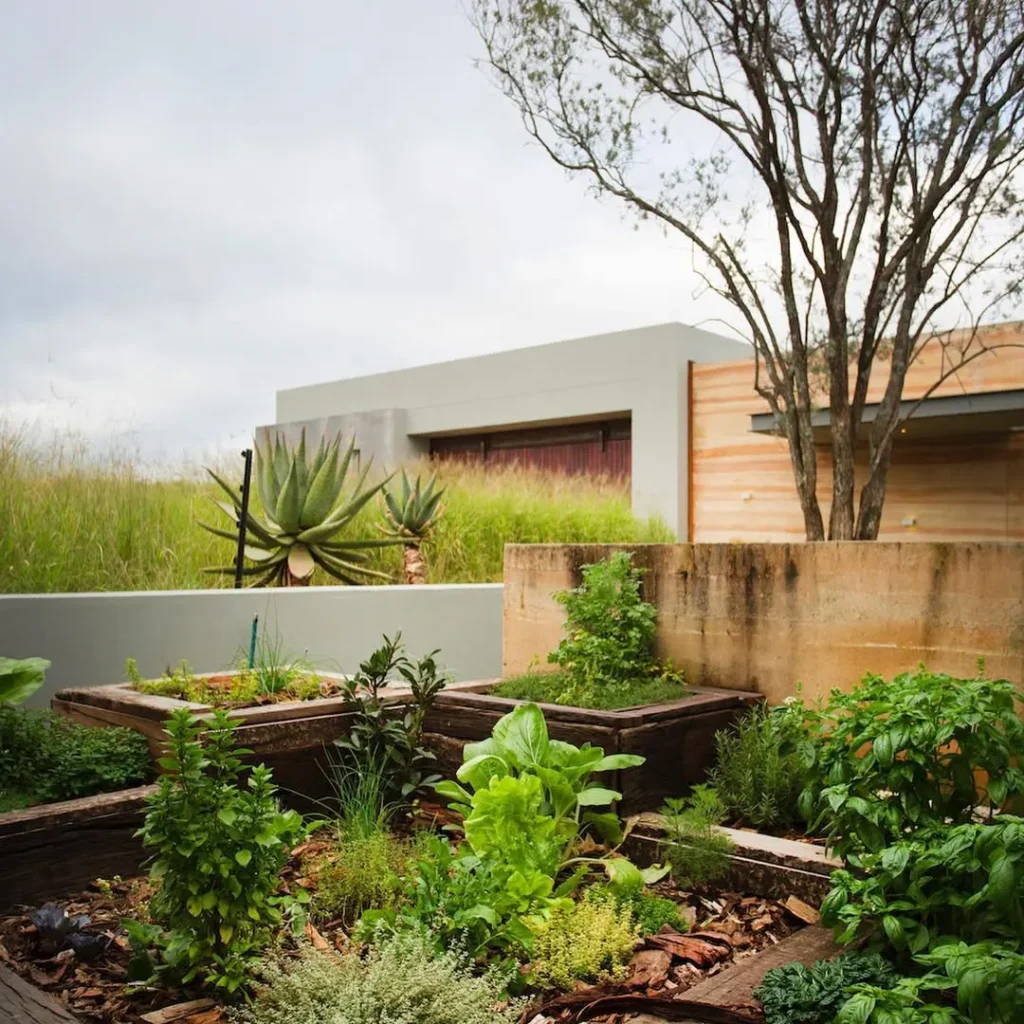
The Inspiration: French potager gardens, which have raised bedded herb culture down cold in their sixteenth-century estate development garden plans systematically arranged compartments that let chateau chefs harvest set quantities of aromatic flavor steps away from their kitchen door. This is how English manor gardens took their cue, building brick edged beds that warmed soil earlier each spring. Accessible raised beds, once established in American victory gardens during war time, demonstrated for many that even with lousy native soil anyone could grow copious amounts of herbs. This raised gardens demystified food production, turning bad lots into good yields with the simple elevation of a structure.
Why It Works: Raised bed herb gardens get you gardening now by enabling you to fill beds with the perfect growing medium despite what’s underneath your yard clay, sand or maybe contaminated soil. Stands at the ideal height to eliminate bending or kneeling so you stand up to do all your planting! and its deep cells prevent bend/over’s so you’ll enjoy gardening without back strain, joint pain, or any effort at all. Superior drainage rids you of waterlogged roots, the kiss of death for Mediterranean herbs; contained borders keep things neat and tidy while directing soil amendments exactly where they’re needed with no waste. Soil warms quicker in spring, and stay warm and productive a couple weeks longer on each end of the season. The structured design discourages weeds, slugs and other garden pests that thrive in loose root areas and also provides a striking visual impact that makes herbs easy to find and harvest. Studies indicate that raised bed gardens produce 400% more per square foot than row crops due to the optimization of the space used and the planting process.
Pro Tip: Make beds at least 10-12 inches deep to accommodate the roots of herbs; use untreated cedar or composite lumber that won’t leach chemicals into edible crops. Fill with an even mix of good garden soil, compost, and perlite for the excellent drainage herbs crave. Site beds in full sun and well drained site where tree roots will be no competition.
Wooden Crate Herb Box
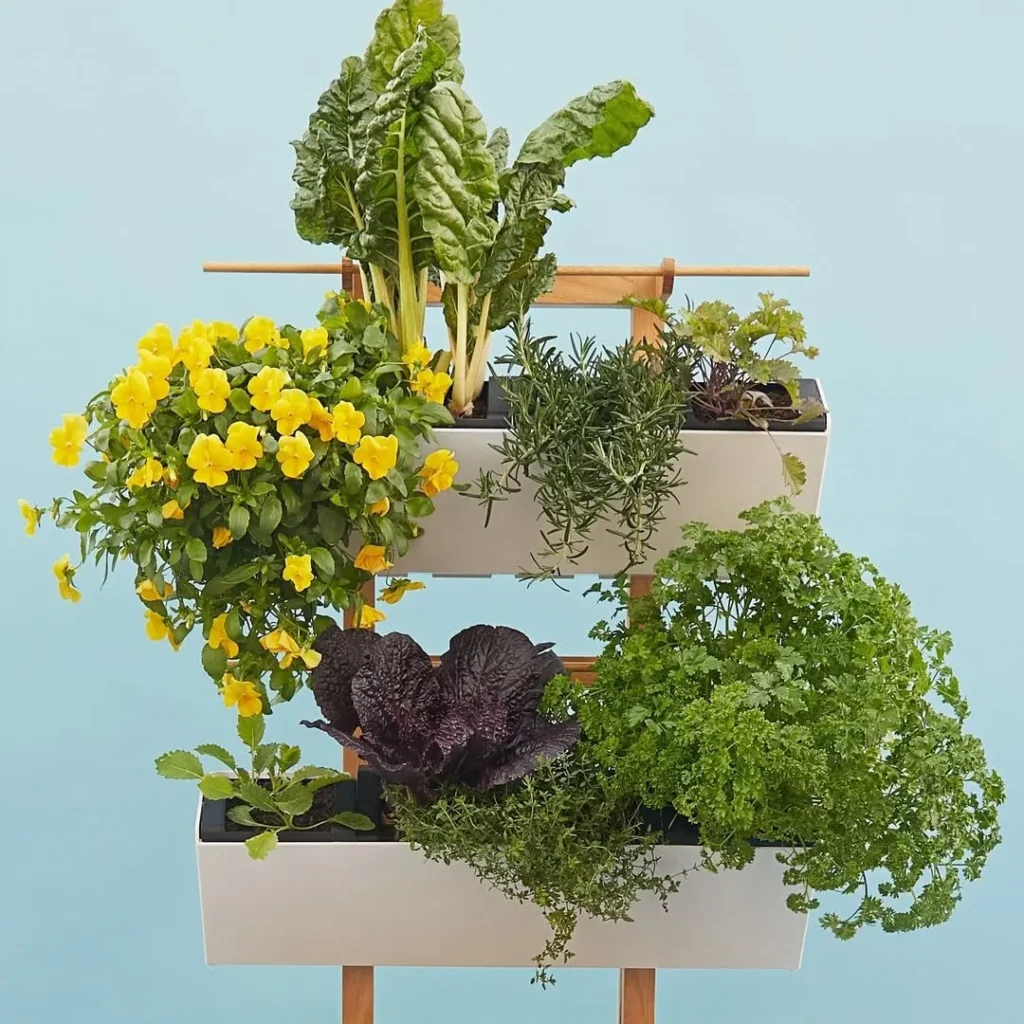
The Inspiration: During the Depression era, gardeners transformed discarded wooden produce crates into makeshift planters, turning scarcity into resourceful beauty. European market vendors showcased fresh herbs in weathered crates, which later found new lives on customers’ windowsills, bringing stories of open air bazaars into home kitchens. Today’s farmhouse aesthetic celebrates these humble origins, where stamped logos and worn wood grain recount tales of past vegetables while nurturing present herbs. Wooden crate herb boxes honor sustainable living by minimizing waste and cherishing history with every planting.
Why it Works: Wooden crate herb boxes offer immediate rustic charm that expensive planters often cannot match, providing authentic character at a fraction of the cost through thrifted or free materials. Their slatted design ensures excellent drainage and air circulation, preventing root rot and making them ideal for beginners who may overwater. Natural wood insulates roots from temperature extremes more effectively than plastic or ceramic, safeguarding herbs during seasonal changes, while the porous material naturally wicks away excess moisture. Their portability allows for easy repositioning to follow the sun or to bring herbs indoors during harsh weather without the need for replanting. The rectangular shape fits neatly along deck railings, patio edges, and balcony floors, maximizing linear space efficiently. Crates can house multiple herb varieties in one container, creating diverse culinary collections within easy reach. Research indicates that sustainable upcycling projects can increase gardening satisfaction by 65% due to the creative fulfillment they provide beyond simple plant care.
Pro Tip: Line the interiors of crates with landscape fabric instead of plastic to retain soil while allowing for drainage. If necessary, drill additional 1-inch drainage holes. Use lightweight potting mix instead of garden soil, as the latter compacts in containers. Elevate the crates on bricks or pot feet to ensure water drains freely and to prevent wood rot from constant contact with the ground.Beautiful Herb Garden Outdoor Designs You’ll Love
Ladder Herb Garden Stand
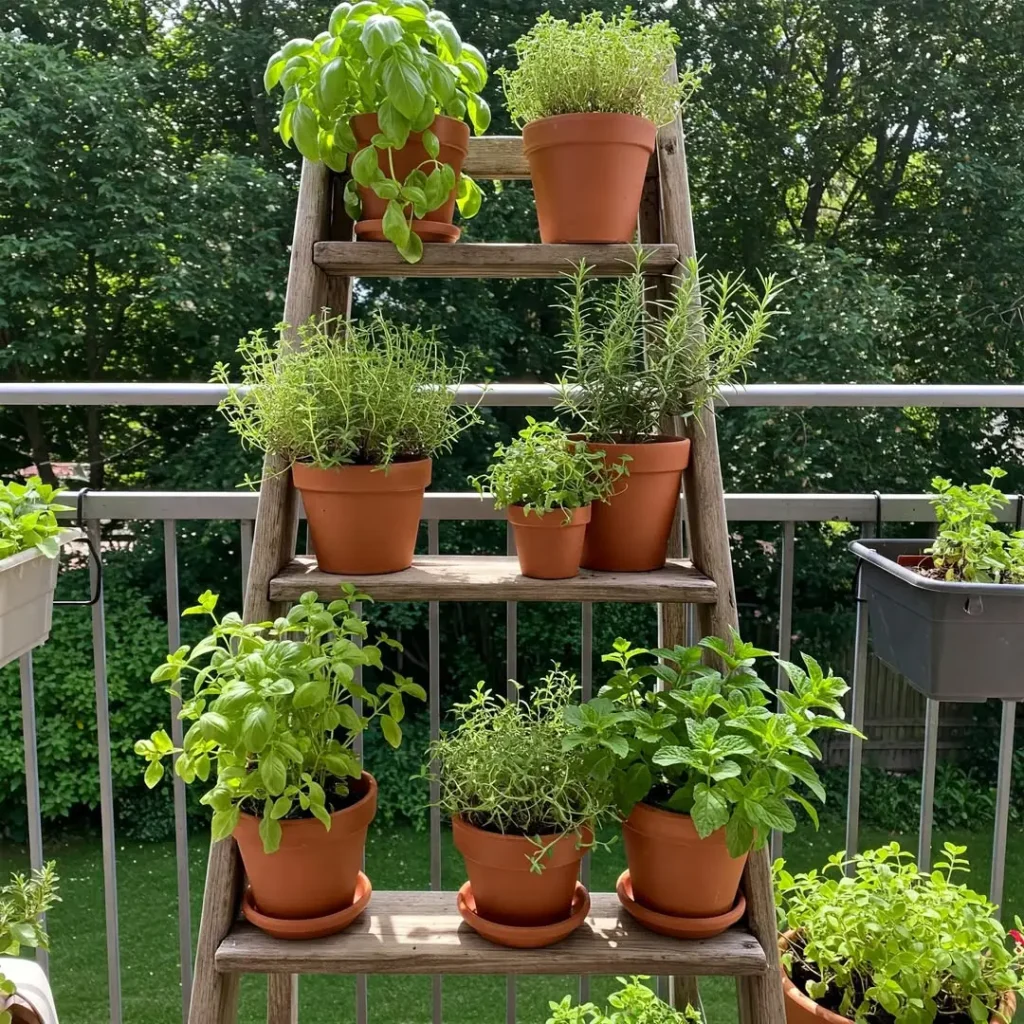
The Inspiration: Victorian conservatories included decorative plant ladders where gardeners showcased exotic specimens at different heights, creating dramatic botanical displays. Old wooden orchard ladders found new life as porch plant stands in rural America, with their worn rungs supporting mason jar collections of herbs. The contemporary upcycling movement saves vintage ladders from barns and estate sales, transforming these functional tools into eye catching planters. These repurposed stands pay tribute to objects that once helped harvest apples, now nurturing basil a full circle celebration of agricultural heritage and modern homesteading.
Why it Works: Ladder herb garden stands optimize vertical growing space while occupying a minimal floor area just two square feet can support 4-6 tiers of herbs, effectively addressing space limitations on balconies and patios. The angled design allows each tier to receive light without upper plants overshadowing lower ones, eliminating the competition issues that flat shelving can create. Visual interest significantly increases through dimensional layering that draws the eye upward, making these stands architectural focal points rather than simple plant holders. Their portability enables seasonal repositioning entire herb collections can be moved to sheltered areas before frost or adjusted for optimal sunlight without the need for replanting. The rustic aesthetic instantly adds farmhouse charm and accommodates various pot styles, from terracotta to modern ceramic. Ladder rungs facilitate natural drainage and air circulation between levels, promoting healthier growing conditions compared to solid stacked shelving.
Pro Tip: Secure freestanding ladders by attaching L-brackets to the top rung and mounting them to walls, or use rope to tie upper rungs to railings for added stability. Place heavier pots on lower rungs to avoid top-heaviness. Opt for ladders with 10-12 inch rung spacing to comfortably fit standard 6-8 inch herb pots with room for growth.
Mason Jar Herb Garden
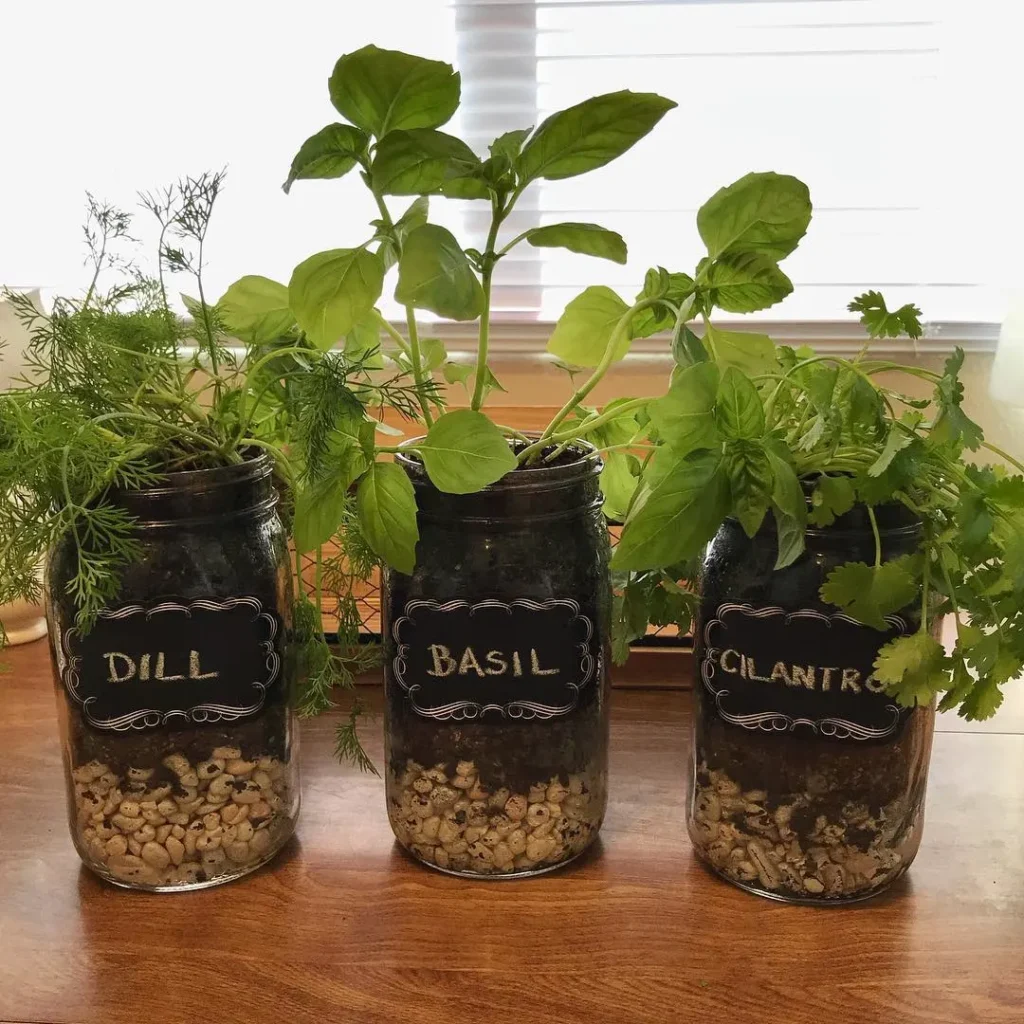
The Inspiration: John Landis Mason’s invention of the canning jar in 1858 preserved American harvests for generations, becoming kitchen staples that stored everything from pickles to coins. During the Depression, homemakers rooted herb cuttings in mason jars on windowsills, creating free starter plants that helped stretch tight budgets. Today’s cottage core revival celebrates the versatility of these humble jars, transforming vintage blue glass and clear quart jars into charming herb planters. Their widespread presence in thrift stores and grandmothers’ pantries makes them accessible vessels for those with a green thumb and a sense of nostalgia.
Why it Works: Mason jar herb gardens are virtually cost-free, utilizing jars already owned or thrifted for under a dollar, thus removing budget barriers to indoor gardening entirely. The transparent glass allows for monitoring the roots you can identify issues like root rot or binding before they manifest above the soil, significantly improving plant survival rates for beginners learning proper watering techniques. Standardized jar sizes create visual unity when grouped together, providing a curated aesthetic effortlessly, regardless of mismatched lids or age differences. The compact format fits perfectly on narrow windowsills, while the straight sides maximize soil volume compared to tapered pots of similar height. Mason jars are suitable for both soil based planting and hydroponic water growing, offering flexibility as gardening skills develop. The nostalgic aspect enhances the emotional connection to the plants herbs growing in grandmother’s canning jars feel like living family heirlooms, promoting consistent care through sentimental value.
Pro Tip: Drill drainage holes using a ceramic or glass drill bit with water lubrication to avoid cracking, or create drainage layers with 1-inch pebbles at the bottom of the jar beneath the soil. Add activated charcoal above the pebbles to prevent odors in jars without drainage. Use pint jars for compact herbs like thyme, and quart jars for robust basil and mint growth.
Terracotta Herb Cluster
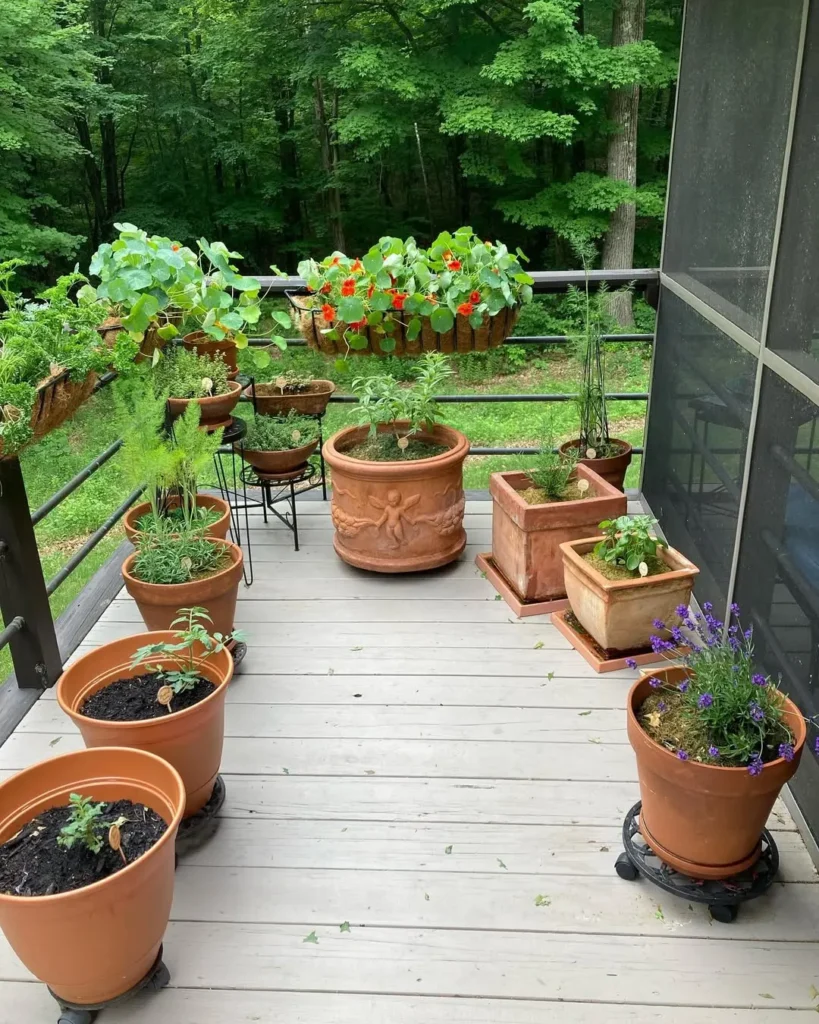
The Inspiration: Mediterranean villas had clusters of terra-cotta pots on sun-baked patios for millennia, Greek grandmothers grouped oregano, thyme and sage by the kitchen door. In ancient Roman herb gardens, rows of earthenware vessels absorbed the morning dew and released it gradually on hot afternoons. Whether in an ancient Italian forager’s market or at a modern garden supply emporium, I never tire of seeing the colossal hand thrown pots that still house olives, rosemary and lavender while remaining virtually unchanged in form since they were dreamed up by some long-dead Etruscan master potter. These age old clusters are linking modern kitchens to cooking of old that crossed continents and generations.
Why It Works: Terracotta herb clusters are made for all of this porous clay breathes and that utility runs up one side and down the other, with airflow reaching roots while wicking away excess moisture, which in turn prevents the 90% overwatering caused by plastic planters that kills indoor herbs. This material’s thermal properties protects roots from extreme temperatures while the iconic design makes it an attractive way to house living indoor plants Adding an industrial look, it complements all sorts of decor from farmhouse to modern minimalist and everything in between Timeless never outdated but always fashionable. By grouping a couple of pots together you create microclimate humidity whilst those plants transpire with one another, and that’s great for Mediterranean herbs which ideally like dry soil but moderate air humidity. The warm terra cotta tones provide a great backdrop for mismatched herb varieties, giving them a consistent look that packs well together; the varying pot sizes create depth and interest without making it feel jumbled or chaotic. Natural aging mineral deposits, moss and patina adds to beauty as opposed to breaking down a la plastic. Studies have found that the weight of terracotta imparts stability that helps prevent tipping accidents, but just as importantly, the heft conveys quality and encourages plant owners to invest more time in their plants, caring for them.
Pro Tip: Soak new terracotta pots in water for 30 minutes ahead of time, so that the clay absorbs moisture before it steals it from soil immediately after planting. Arrange pots in an odd number or group of three or five for the most pleasing visual layout. Combine pot sizes marry 6-, 8- and 10-inch diameters for dynamic heights that don’t look contrived.
Floating Shelf Herb Bar
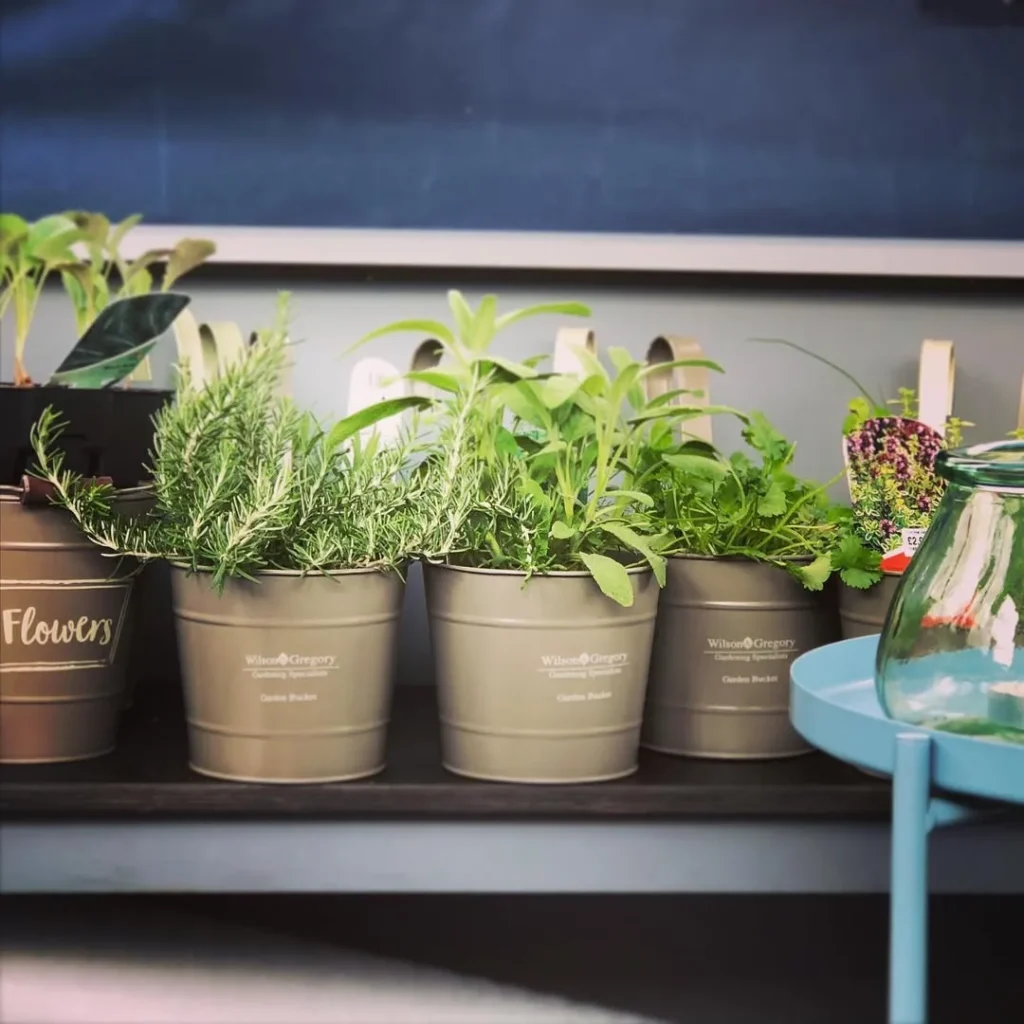
The Inspiration: Scandinavian minimalism has transformed home design with floating shelves that seem to defy gravity, creating clean lines where functionality meets artistry. Cafés in Stockholm feature herb bars above espresso machines floating wooden planks adorned with basil, mint, and rosemary that baristas select for their signature drinks. This design elevates herbs from being hidden in kitchens to displayed ingredients that deserve attention. The floating shelf herb bar proudly declares: here resides a cook who appreciates fresh flavors enough to make them beautiful, accessible, and integral to daily routines.
Why it Works: Floating shelf herb bars make optimal use of wall space at eye level, where herbs are likely to be noticed and used, rather than being forgotten on windowsills or cluttered counters. The sleek, hardware-free look creates a sophisticated visual impact that enhances kitchen design while ensuring full herb functionality achieving a perfect balance of form and function. Strategically placing them above prep areas or near stoves positions fresh ingredients right where cooking occurs, minimizing the critical “too much effort” barrier that hampers herb usage. The open shelf design allows for 360-degree air circulation, preventing mold and promoting healthy growth, while the linear arrangement intuitively organizes herbs by type for easy selection. The flexibility in installation permits placement at any height, seamlessly accommodating various light sources from windows to grow lights. Research indicates that prominently displayed fresh ingredients can increase the frequency of healthy cooking by 55% through constant visual reminders and inspiration.
Pro Tip: Mount shelves 12-15 inches deep to fit standard herb pots, leaving space for decorative items like small watering cans or herb scissors. Install them 48-60 inches above the floor for easy access while standing. Use concealed brackets rated for over 50 pounds to support the weight of soil when pots are freshly watered. Position the shelves near, but not directly above, heat sources.
White Ceramic Herb Lineup
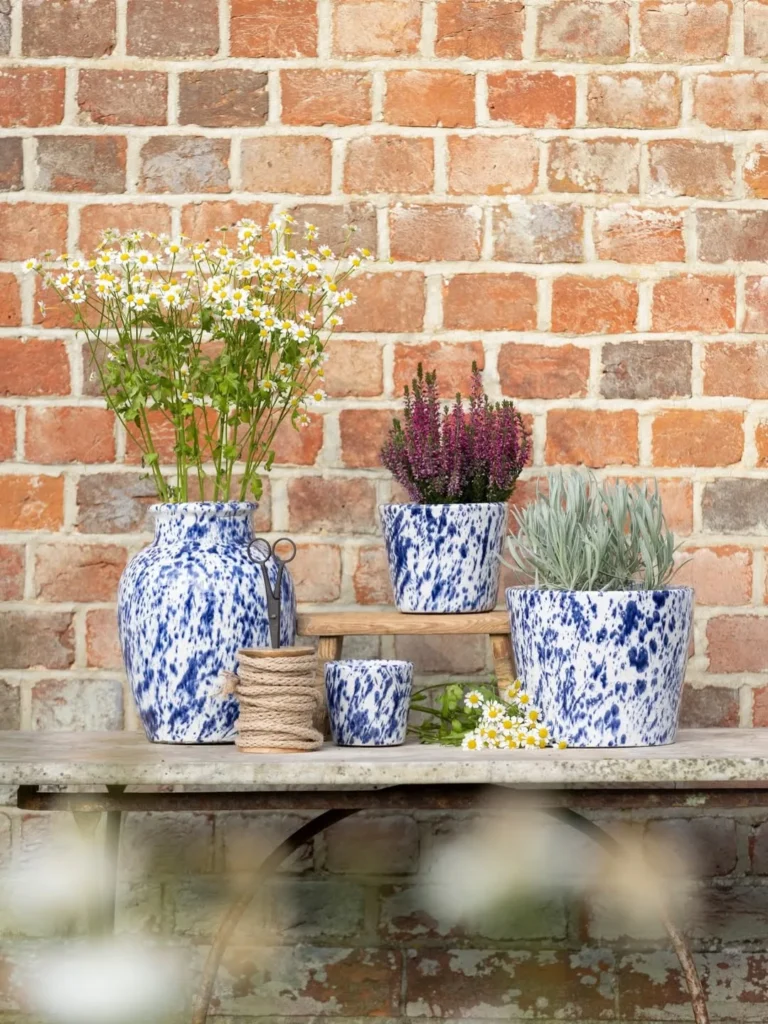
The Inspiration: White ceramic herb lineups are inspired by centuries of European apothecary traditions, which showcased collections in matching vases for a functional and beautiful example. The lily white setting emphasizes the individual green of each herb, and provide soothing visual consolation in any kitchen windowsill. This design converts basic kitchen staples into beautiful life size sculptures in homage to traditional decorative pottery.
Why it Works: White ceramic herb pots work so well because of their porosity that provides the right amount of airflow to roots and moisture retention to ensure optimal hydration with less risk of over watering. The thick walls of the ceramic planter serve as a thermal buffer for your precious herbs ensuring their roots don’t get over heated and hence keeping them more healthy against less frequency watering. Their neutral hue allows for monochromatic coherence while plant colours can offer natural variation, especially when you combine up herbs of the same ilk. It is more durable than any plastic-like alternative, immune to weathering and cracking yet equally at home in your living room or on the back deck. These planters include drainage with the right choices for well-drained soil herbs.
Pro Tip: Organize your white ceramic herb lineup thoughtfully by height and light needs: Tall guys like lemongrass go in the back, while shorter types such as thyme take the front row. Group your sun loving herbs away from the shady mint. It makes visual space and minimizes the need to rearrange your herbs for light exposure.
Copper Pot Herb Display
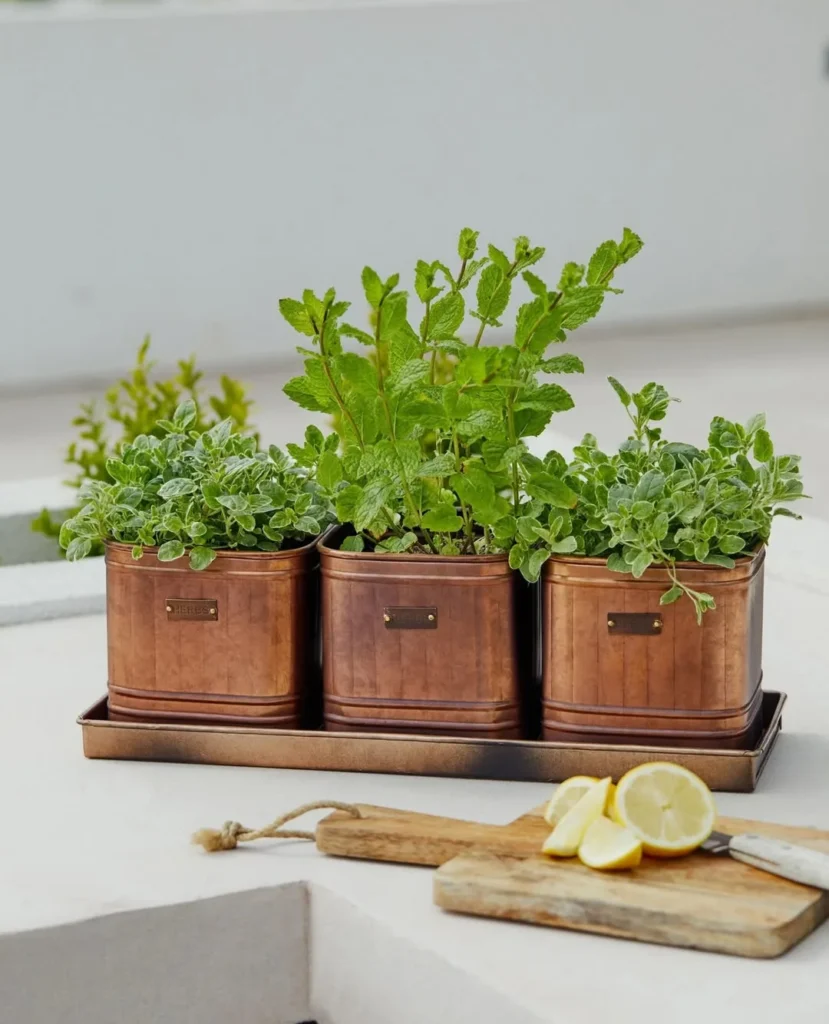
The Inspiration: Copper pot herb displays evoke the charm of old-world French kitchens, where shiny pans hung above fresh bundles of thyme and bay leaves. They combine farmhouse appeal with chef level functionality, transforming everyday herbs into a warm, inviting centerpiece. It feels like inheriting a cherished kitchen from a beloved grandmother, gently worn by time.
Why it Works: Copper naturally reflects warm light, enhancing the richness and vibrancy of green herbs, making even a small kitchen corner feel thoughtfully designed. Its classic patina develops a story over time, adding character rather than appearing worn. Grouping herbs in copper pots creates visual continuity, unifying mismatched countertops or appliances. Additionally, sturdy metal containers resist breakage and fit beautifully on shelves, racks, or window ledges. The chef like aesthetic subtly inspires more frequent cooking, fresh garnishing, and flavor experimentation. This daily engagement transforms your herb corner into a cherished ritual, rather than mere decoration.
Pro Tip: Line copper pots with plastic nursery pots or a thin inner container to ensure proper drainage for herbs without water sitting directly against the metal. This approach makes repotting, cleaning, and rearranging much easier, while also preserving the copper’s finish and preventing staining on shelves, window sills, or countertops over time.
Boho Herb Garden Nook
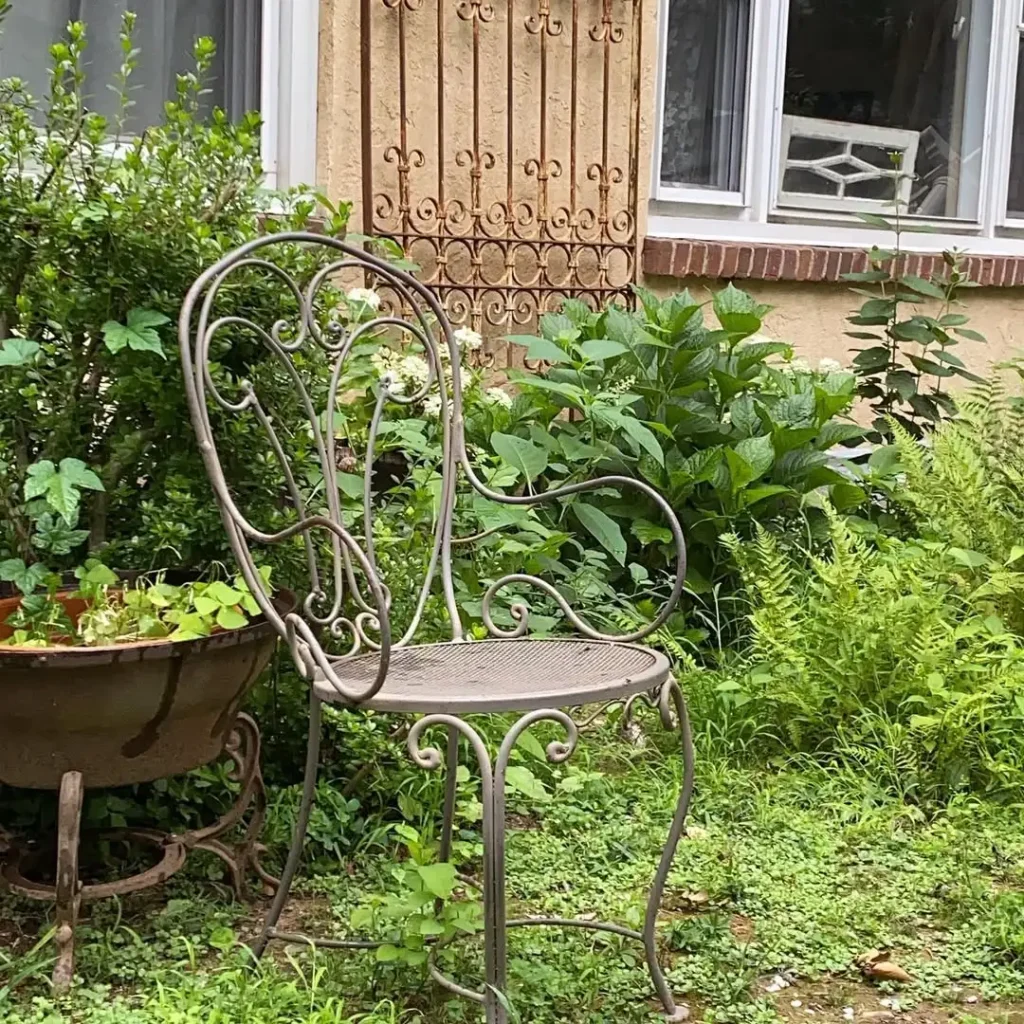
The Inspiration: Boho Herb Garden Nook is inspired by the quirky corners of balconies in Moroccan riads as well we bright and sunlit cafes of Goa, where there’s a easy feeling clutter with textiles thrown about, baskets and pots all over the place. It celebrates mismatched planters and trailing herbs, cozy seating that makes it a soulful little sanctuary not perfectly styled but curating-ly loved.
Why It Works: A Boho Herb Garden Nook works because it’s all about flexibility containers can be thrifted, repurposed or even handmade, allowing you to put one together gradually without a large budget. Layered textures, such as woven baskets, macramé hangers and clay pots, also help soften hard corners and give small spaces a big dose of charm. A variety of mixing heights, from floor pots to hanging planters, makes the most of vertical space and light for herbs. And the laid-back, easygoing vibe ensures that a few ragtag leaves or mismatched pots never seem out of place. For your mind, it’s a mini vacation where you can relax, take in some refreshing scents and commune with nature amid the sprawl of your daily front of mind tasks.
Pro Tip: Select three items to repeat say, rattan, terracotta and one accent color so your Boho Herb Garden Nook feels cohesive versus cluttered. Organize herbs by water needs in shared trays or baskets, simplifying daily watering. Bring in one soft light source, such as a warm lantern, if you want to hang out in the nook after dark.
Vintage Tin Herb Collection
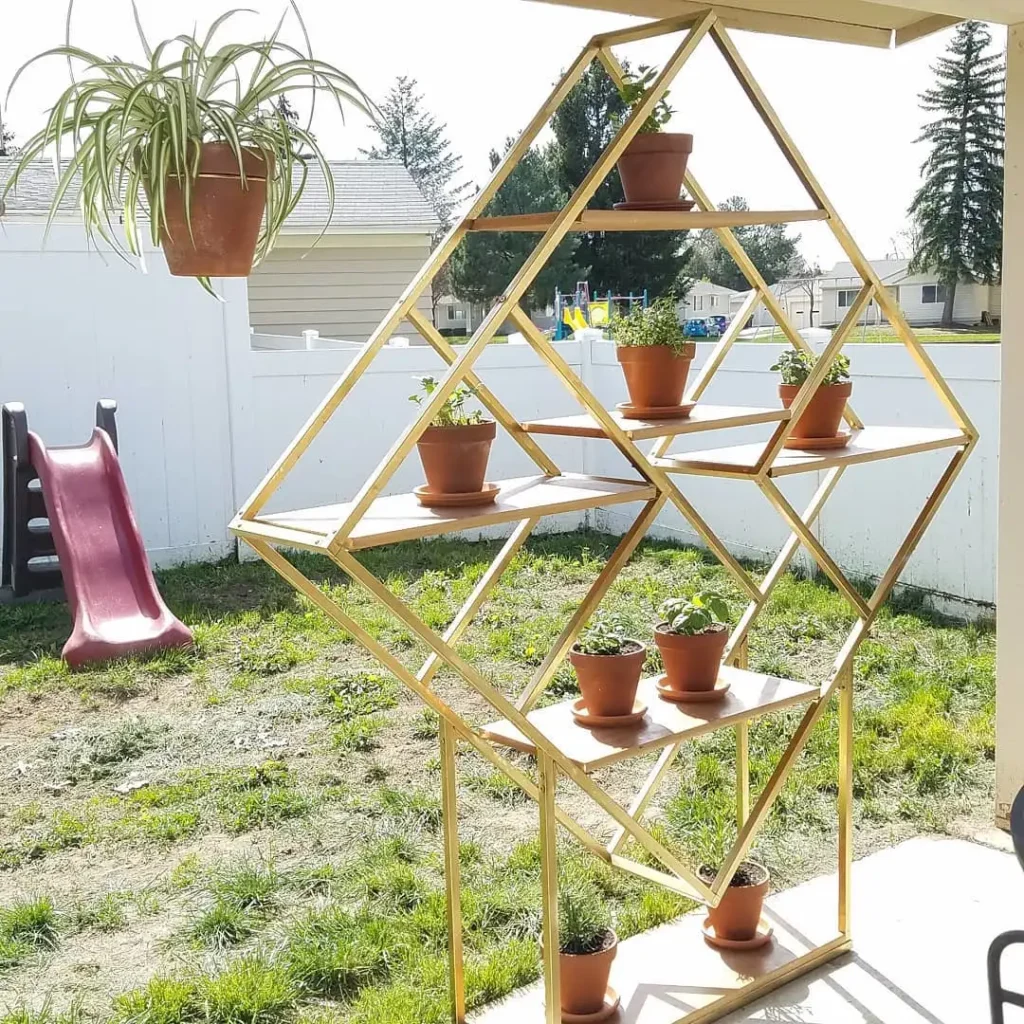
The Inspiration: Vintage tin herb collections reflect old farmhouse traditions, where recycled biscuit tins, tea canisters, and coffee containers were repurposed as kitchen gardens. Imagine weathered English cottages with herb filled tins adorning sunny windowsills, each container narrating stories through faded labels and gentle rust patina that celebrate resourcefulness and nostalgia.Dreamy Kitchen Herb Garden Ideas You’ll Wish You Tried Sooner
Why it Works: Vintage tins serve as surprisingly effective herb containers because metal retains warmth, promoting root development during cooler months while shielding plants from temperature fluctuations. Their compact size is ideal for shallow-rooted herbs like thyme, oregano, and chives. The rustic, lived in aesthetic instantly adds character without the need for expensive planters each dent and rust spot provides authenticity that new containers cannot replicate. Functionally, tins are lightweight for easy rearrangement, stackable for space efficiency, and readily available at thrift stores or flea markets for minimal cost. Emotionally, they transform everyday cooking into a connection with simpler times, making herb care feel less like a chore and more like the preservation of cherished heirlooms.
Pro Tip: Drill three drainage holes in the bottoms of tins using a hammer and nail before planting to avoid waterlogging and root rot. Add a thin layer of pebbles beneath the soil for additional drainage. Arrange tins on vintage wooden crates or trays to catch excess water and create cohesive displays that protect the surfaces underneath.
Macrame Hanging Herb Garden
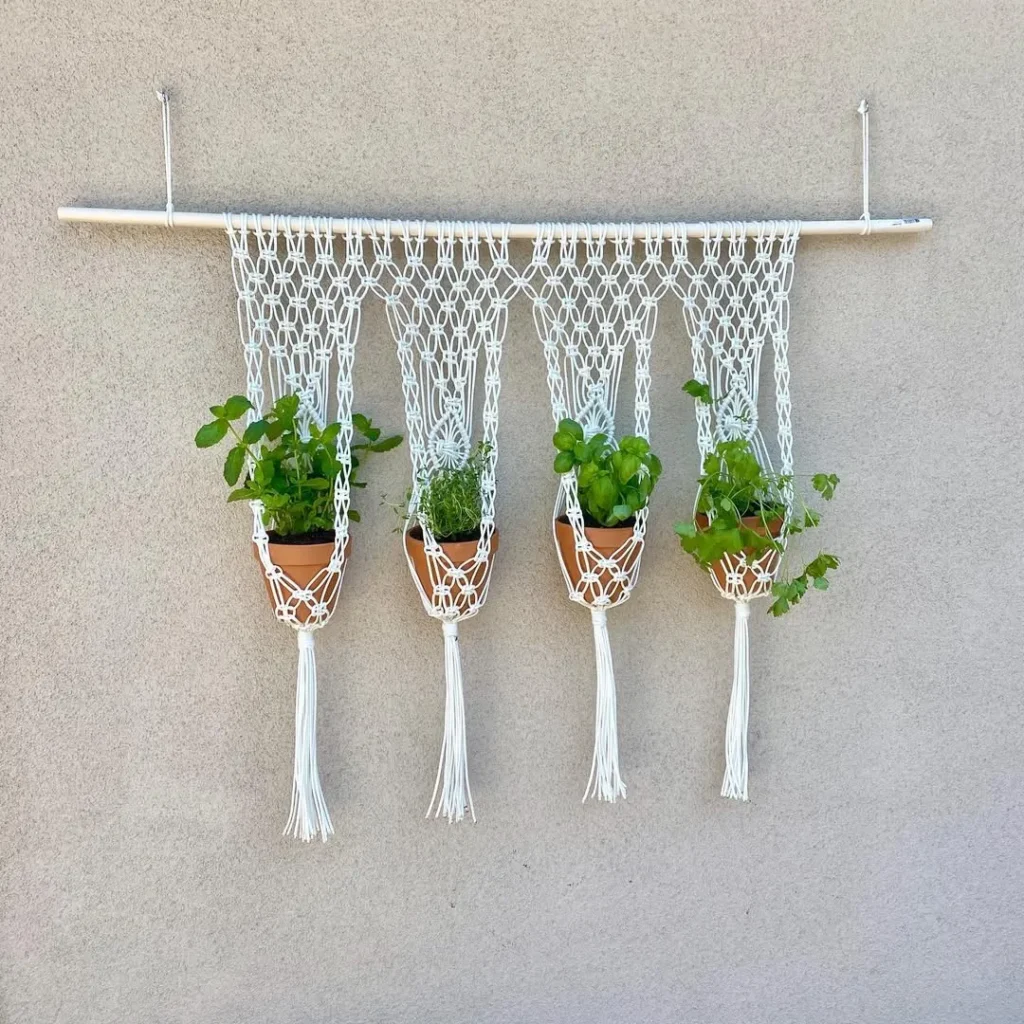
The Inspiration: Macrame Hanging Herb Gardens 1970s bohemian craft chic is back in a big way with hand-knotted cord taking plain pots on a floating journey of botanical bling. Inspired by a tradition of decorative knotting in ancient Arabia and China, these woven holders put your herbs at eye level for cascading greenery that evokes the Babylonian hanging gardens, but downsized for urban living.
Why It Works: Macrame hangers make the most of vertical space in compact kitchens or on balconies where there’s not a lot of counter or floor space. Pulling herbs along windows allows the most sun exposure and help keep crowded counters free, while natural cotton or jute cords let air flow around pots to prevent water retention and fungus. The handmade look adds a layer of textural warmth that tames the hard finishes found in most kitchens, where we spend so much time surrounded by tile and stainless steel. In practical use the hanging positions get herbs out of reach from pets and toddlers whilst remaining convenient to harvest. Emotionally, the knotted rhythm of patterns serve as a visual hook that separates herbs from mere working plants to three dimensional sculpture, lending daily cooking an air of intention and reminding users they are cooking in an artisan tradition.
Pro Tip: Opt for macrame hangers with adjustable cord lengths, so you can dial in height based on each herb’s light requirements sun worshiping basil up high, shade dwelling mint below. Stagger hang positions at multiple heights to avoid upper plants shadowing light from lower ones. Employ swivel hooks to make rotation easy, encouraging balanced growth on all ends.
Enamelware Herb Collection
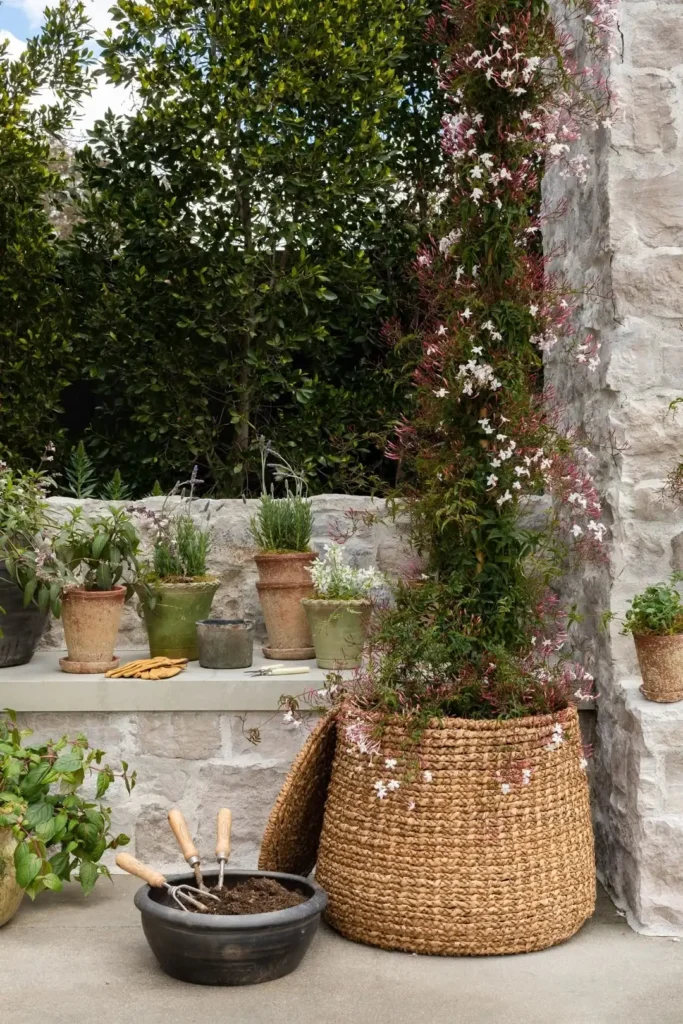
The Inspiration: Enamelware Herb Collections An ode to rustic European countryside kitchens, a place where generations before you stored their coffee in speckled blue and cream enamel mugs, pitchers, and bowls, now used as herb containers for your friends to inherit. These chipped, nostalgic offerings summon memories of summer trips to the farmhouse and grandma’s garden shears hanging nearby; the satisfying clang of metal against window sill practical beauty that ages well.
Why it Works : Enamelware Good enamelware marries metal’s strength with porcelain’s protective layer, so you get no-fuss containers that don’t rust, fade or crack and wash up easily in the sink. The surface of the enamel stays cool in direct sunlight, meaning that the soil will not heat up and burn delicate herb roots on hot afternoons. Classic speckled patterns in blue, cream, or mint green match any kitchen decor and lend a vintage hue that doesn’t seem old. Enamelware’s non absorbing surface resists staining and cleans easily after repotting. Emotionally, it’s also an act of saving and repurposing it feels satisfyingly sustainable to turn old camping mugs or thrifted coffee pots into herb containers you can actually use. Each chip has stories to tell and the imperfections are what adds to the realness of a collection, not take away.
Pro Tip: Be cautious when drilling drainage holes with a carbide drill bit at slow speed to ensure the enamel coating doesn’t crack. Apply masking tape over drilling spots prior to use to keep the bit from slipping. Place enamelware on cork coasters or felt pads to catch drainage and prevent scratching underneath.
Stone Planter Herb Corner
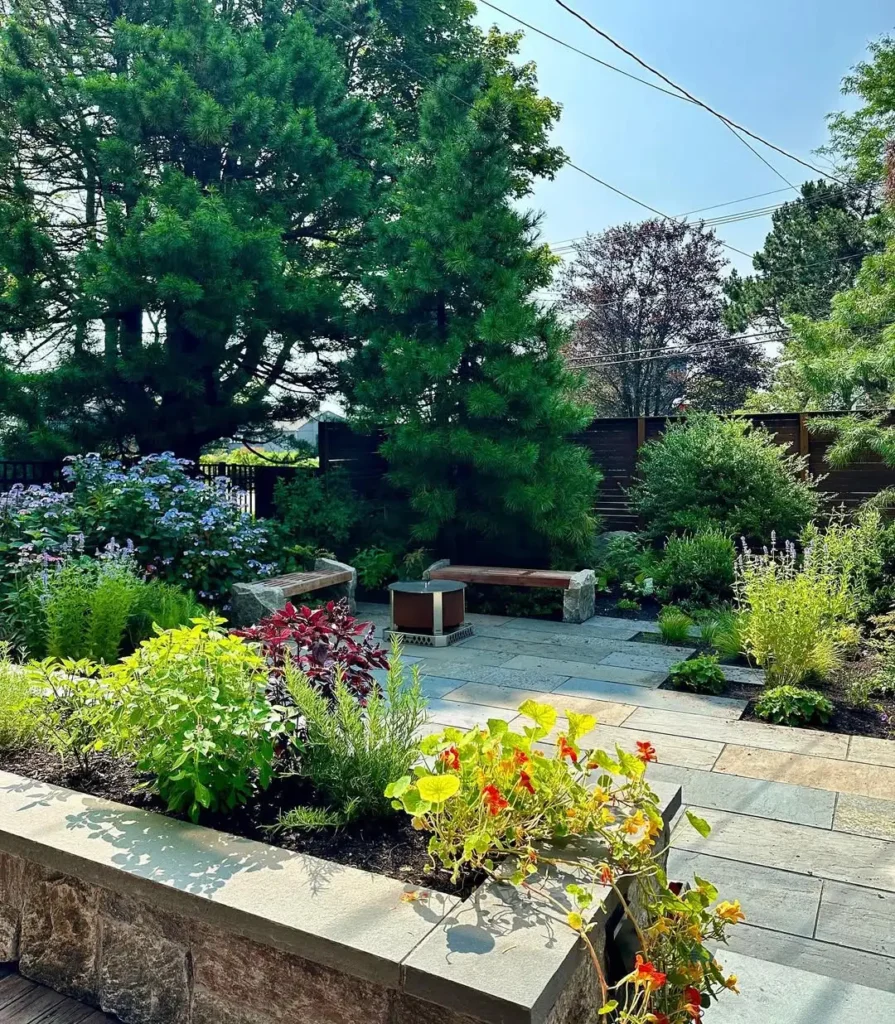
The Inspiration: Stone Planter Herb Cornersare inspired by the ancient monastery gardens of our past, where carved stone troughs contained medicinal herbs in quiet cloistered courtyards. Think weathered limestone vessels in Tuscan villas or granite basins beside the entrances to Indian temples enduring, elemental vessels that link us to earth’s permanence while lashing fleeting herb seasons together with timeless, grounding beauty.
Why It Works: Stone planters make the most of thermal mass, soaking up heat and giving it back slowly at night, which helps guard against extreme temperatures that stress plants. Their heft will prevent tipping on a windy balcony or in a busy kitchen where lighter pots get knocked over. Porous natural stone absorbs excess moisture from roots to keep them in optimal hydration and reduce overwatering and drought stress. The neutral gray, cream or terracotta colors won’t compete with the foliage of any herb and make refined plantings that look better and more age appropriate as stone accrues a little moss or patina. Emotionally, stone planters are forever and deliberate; they turn our little temporary herb growing into something meditative, rooted and worth tending in seasons to come.
Pro Tip : Opt for lighter weight pumice or cast stone replicas rather than solid granite or marble when placing planters indoors or on balconies that have a maximum amount of load. These options provide stone’s visual and thermal properties without being as heavy. Seal porous stone once a year with food grade mineral or sealer to help prevent staining and make it easier to clean.Cozy Herb Garden Plans for Small Spaces and Balconies
Galvanized Bucket Herb Set
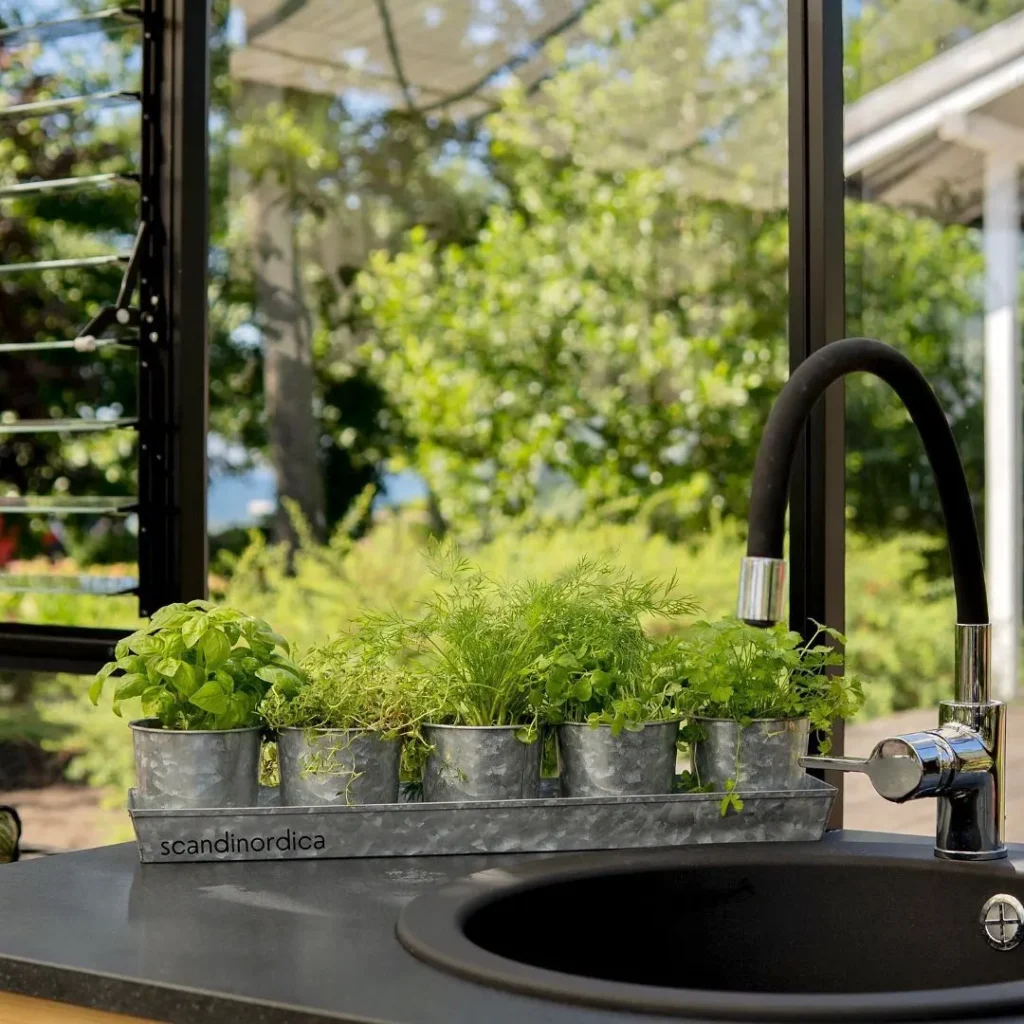
The Inspiration: Galvanized bucket herb sets evoke the traditions of American farmhouses, where metal pails were used to haul water from wells before becoming essential tools for gardening. Imagine weathered buckets placed by barn doors or on porch steps, filled with freshly cut herbs for Sunday dinners. This practical charm celebrates resourcefulness, transforming simple farm tools into rustic kitchen gardens with genuine, unpretentious character.
Why it Works: Galvanized metal is resistant to rust and corrosion, ensuring that these buckets can be used outdoors or indoors for decades without deterioration. The reflective silver surface brightens dark corners by reflecting available light onto the herb foliage, benefiting plants in less than ideal locations. The depth of the buckets accommodates deep rooted herbs like rosemary and lemongrass, and the handles make it easy to move them as sunlight shifts with the seasons. Their industrial aesthetic complements modern farmhouse, rustic, or minimalist kitchens, adding texture without being overly complicated. Galvanized buckets are affordable and readily available at hardware stores, making them accessible for budget conscious gardeners. Emotionally, they convey a sense of honesty and hard work caring for herbs becomes rooted in practicality rather than elaborate styling, encouraging experimentation without the pressure of perfection.
Pro Tip: Before planting, drill five drainage holes with a metal bit, spacing them evenly across the bottom of the buckets to prevent waterlogging. Place the buckets on saucers or trays filled with gravel to protect floors from rust stains over time. Arrange the buckets in odd numbers three or five at varying heights using inverted crates for a dynamic, farmhouse style display.
Farmhouse Herb Garden
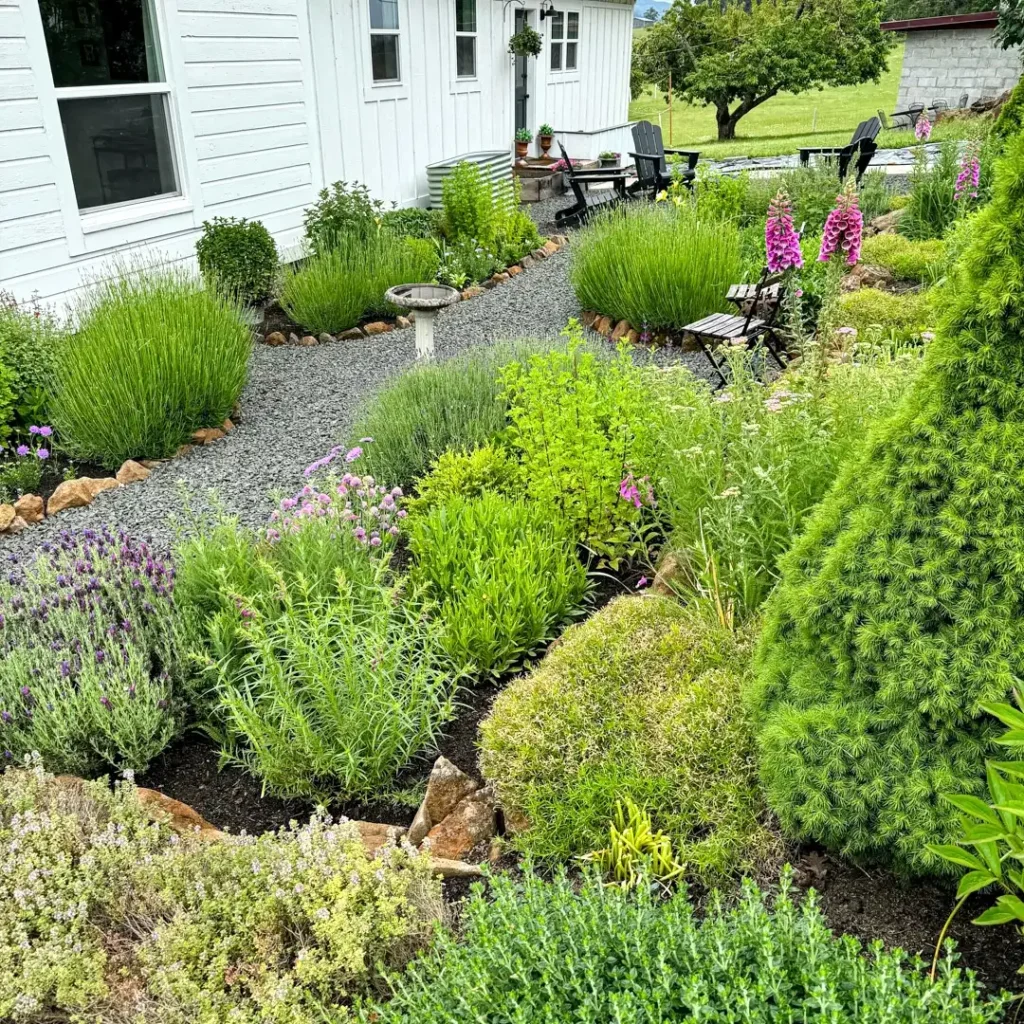
The Inspiration: Farmhouse herb gardens originate from colonial kitchen gardens, where every homestead grew culinary and medicinal herbs close to the kitchen door. Imagine whitewashed fences, weathered wooden boxes, and herbs mingling with flowers practical abundance that nourished families throughout the year. This enduring method celebrates self sufficiency, simplicity, and the fulfilling ritual of gathering dinner ingredients just steps from your stove.
Why it Works: Farmhouse herb gardens succeed because they emphasize functionality over formality mixed plantings in accessible containers or raised beds cater to real cooking needs rather than ornamental aesthetics. The cottage style look embraces natural growth, so leggy basil or sprawling oregano adds charm rather than appearing untidy. Grouping herbs near kitchen entrances minimizes barriers to daily harvesting, making fresh flavors genuinely convenient rather than merely aspirational. Rustic materials like reclaimed wood, galvanized metal, and terracotta are cost effective and age beautifully, promoting expansion without financial strain. Emotionally, these gardens feel lived in and generous herbs flourish freely, overflow containers, and encourage sharing cuttings with neighbors, fostering community connections alongside fresh meals.
Pro Tip: Plant perennial herbs such as rosemary, thyme, and sage in permanent containers or garden spots, then fill in gaps with annual basil, cilantro, and dill each spring. This layered strategy provides year round structure while allowing for seasonal variety. Position taller herbs like dill at the back to prevent shading shorter plants like parsley and chives.