
More than a doorway into your home, the entryway is the first chapter of your home’s story. The plants you select for the space speak volumes and can make an unfussy entrance into a beautiful statement or inviting site to round off your property’s professional appearance. Entrance plants Outdoor entrance plants do more than just look pretty. They define your door with natural beauty, soften harsh architectural lines and add layers of color, texture and life to an otherwise nondescript facade. If you want to elevate curb appeal for your home’s resale value, build a private oasis or just make returning home feel more special, choosing the right plants makes all the difference.
classical style entrance plants
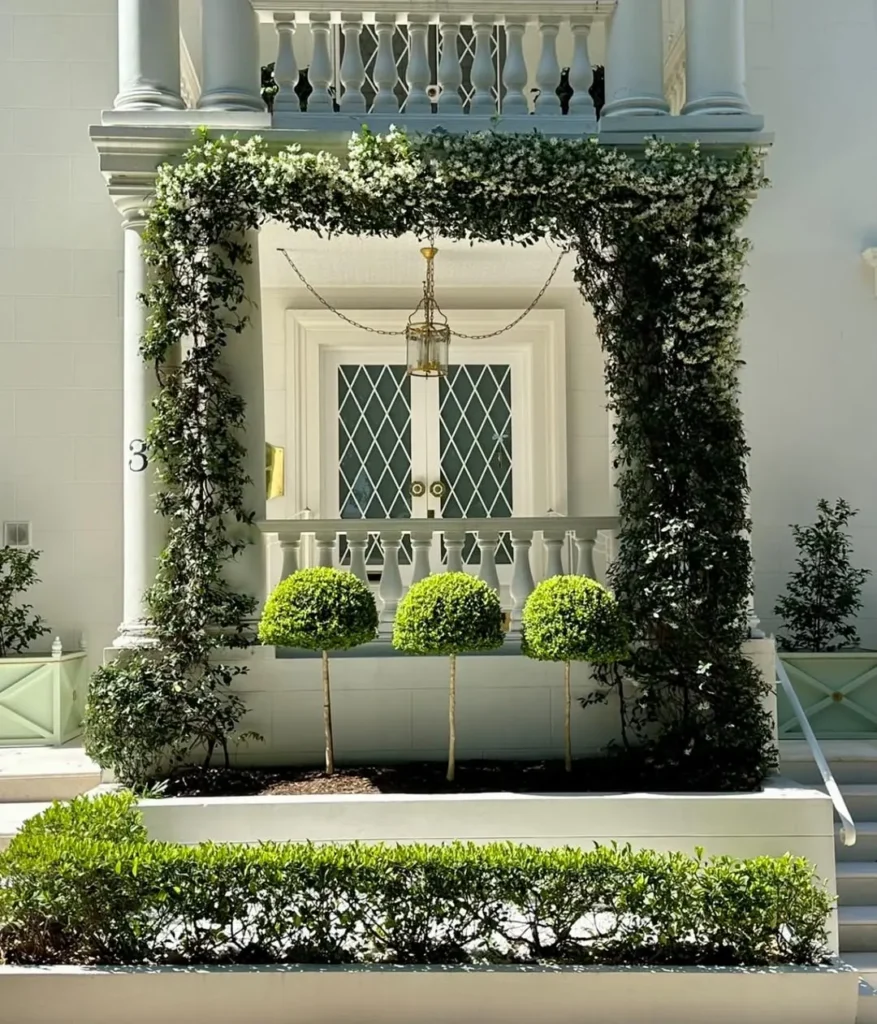
The Inspiration : Classical entrance plants have their roots in the ancient Roman villas and European estates, where symmetrical topiaries and manicured boxwoods telegraphed a life of leisure and refinement. It became an art form in the Renaissance, when architects finally perfected how to use matched pairs of evergreens for architectural symmetry in gardens. Today’s homeowners carry on this old-world grandeur, turning everyday doorways into dramatic portals which beckon back to a centuries long tradition of fine design and bold statement.
Why it Works : Classical style entrance plants work so well because they immediately reconcile the eye with symmetry and balance. Staples such as boxwood, yew and bay laurel have a four-season presence that can eliminate the seasonal gaps in your landscape. Their formal forms offer architectural structure that works with any home style, from colonial to modern. Symmetrical plantings have been shown to increase a home’s perceived value by as much as 15 percent. Beyond plantsmanship, they are low-maintenance once established and only need to be pruned seasonally. Their full spread makes them natural privacy screens Their well-formed shapes draw eyes to the entrance, creating an intuitive impression of welcome and dignity.
Pro Tip : Spend money on complementary 18 inch wide planters to make sure your classical plants have strong roots. Position them precisely equidistant from the middle point of your door, carefully measuring to ensure perfect symmetry. Feed with a slow release fertilizer twice yearly and prune during late-spring to keep the shape crisp, architectural and classically elegant.
pergola arch entrance
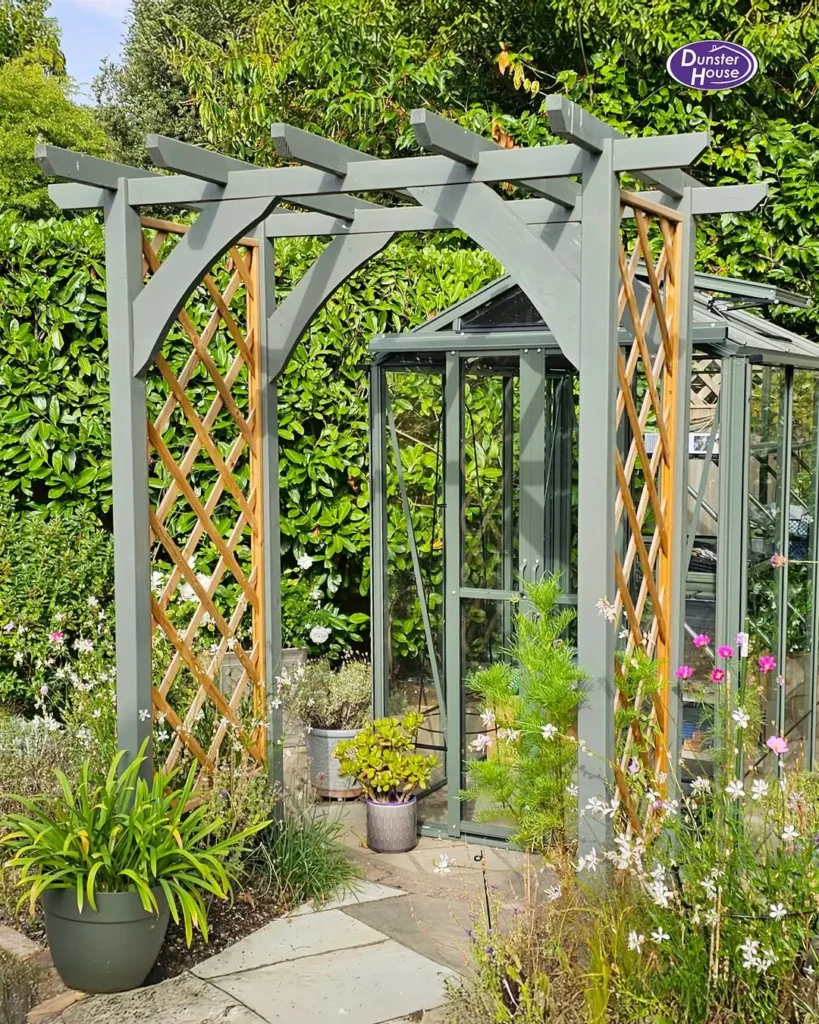
The Inspiration : Pergola arch entrances originated from Italian Renaissance gardens, loggia adorned with climbing plants created a romantic flow from space to space. Japanese torii gates and Moorish archways serve to frame door thresholds as sacred journeys. Today’s homeowners are carrying on this architectural tradition, adorning their ordinary walkways with pergola arches into magical paths of arrival and departure.
Why it Works : Pergola arch entrances work by creating vertical drama and defining boundaries without blocking the view or casting a shadow. They add architectural interest that photographs beautifully, and you need great curb appeal. The overhead cover shade structure reduces the entering temperature up to 20 degrees and protects patrons from the elements. Climbing plants, like wisteria, roses or clematis, soften the hardscape and offer a seasonal pop of color and fragrance. Your door’s curve is naturally framed by the arch, drawing focus to your entrance while forming a transition space. The data is clear that covered doorways make visitors feel more welcome, 17% longer in fact than under exposed-doorway shelters.
Pro Tip : Owing to its longevity, consider cedar or pressure-treated lumber; also space overhead slats one foot apart for the best plant growth and dappled shade. Put the arch in at least 8 feet high to allow for trailing vines with head room. Grow fast-growing climbers, e.g. climbing hydrange
parlour palm plant entrance
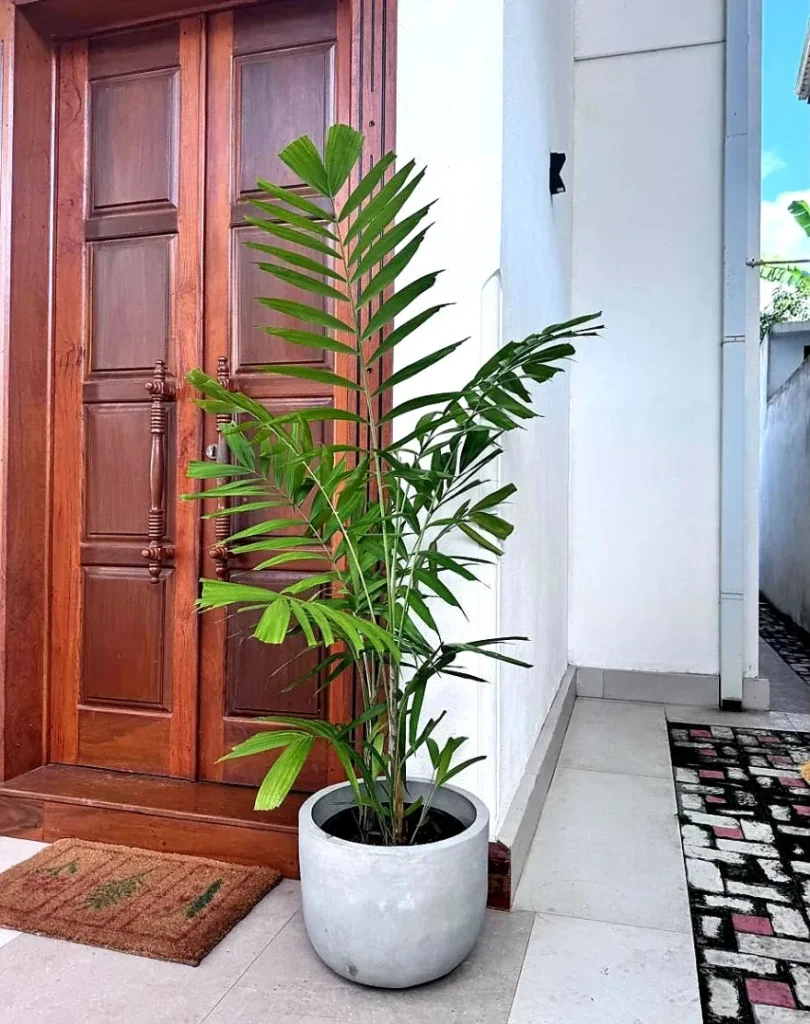
The Inspiration : Worlds apart from the present situation trapping us indoors, Victorian-era parlour palms were used in grand entrances to represent hospitality and good taste. This tradition lives on; after all, the plant’s delicate, cascading fronds form instant tropical beauty that turns any entrance into an inviting oasis. Your palmed entrances will physically ground us to nature, whist impacting on guests memorable first impression.
Why it Works : Parlour palms are also great for around entrances (ie: the door of a client) because they are down to earth and look good. They do best in low to medium light, which is ideal for a covered entryway as they have very low maintenance. Their foliage, which is dense as well as feathery, purifies the indoor air by eliminating toxins, whereas providing you with a luxurious texture and height. Its symmetrical habit and refined tropical appearance balance out entryways, so place it on each side of a set of doors. In addition to beauty, parlour palms can help with emotional stability and act as a stress reducer, they are both physically air cleaning and psychologically calming for both home dwellers and guests.
Pro Tip : Place parlour palms in large pots at different heights next to your front door to add depth and interest. Cluster them with Boston ferns or smaller, potted selections on shelves for a layered, textured effect and maximum tropical impact. For best growth in low-light conditions, choose a shaded spot near your front door.
biophilic design entrance plants
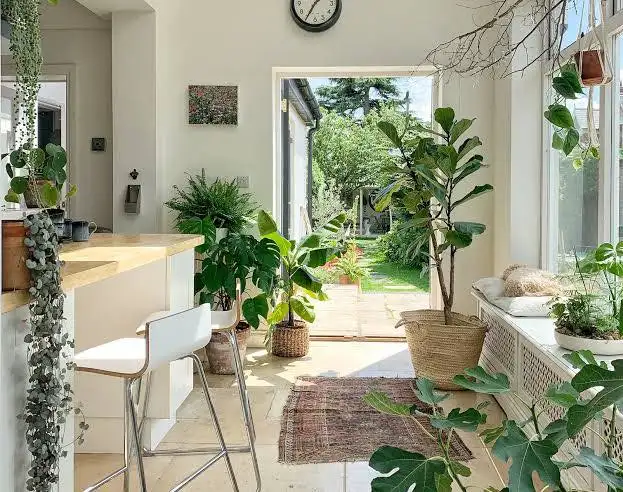
The Inspiration : It dates to ancient traditions like the Hanging Gardens of Babylon, and yet, civilizations seemed instinctively to green entrances in order to help bridge outdoor and indoor worlds. Biologist Edward Wilson coined this word, “biophilia,” in 1984 our natural desire to affiliate with living systems. What the entrance plants are doing today is evoking that emotional first impression, turning sterile foyers into breathing spaces and not wanting to go through.
Why it Works : Biophilic entry plants provide quantifiable health benefits correlated with Stress Reduction Theory and Attention Restoration Theory.” Research finds that exposure to greenery lowers the level of cortisol, a stress hormone, in our blood and brings on lower blood pressure and heart rate within minutes. Plants such as snake plants and pothos filter the air by pulling in formaldehyde and benzene, and giving off oxygen. Less work and more cultural identity with entrances of indigenous plants. And then there is the non-functional consideration of plants that provide texture and color, and are pleasing to the eye. The entrance serves as a sort of decompression chamber, marking passage from urban mayhem to private oasis.
Pro Tip : For a high impact, low maintenance entrance design, layer plant heights to make the most of limited space: tall snake plants or ficus for vertical drama; medium-height peace lilies as a focal point; and trailing pothos on shelves for cascading texture. Pick specimens suited to the light conditions of your entryway ZZ plants for shadowy hallways, say, or succulents for bright sunlit spaces.
Butterfly Palm plant
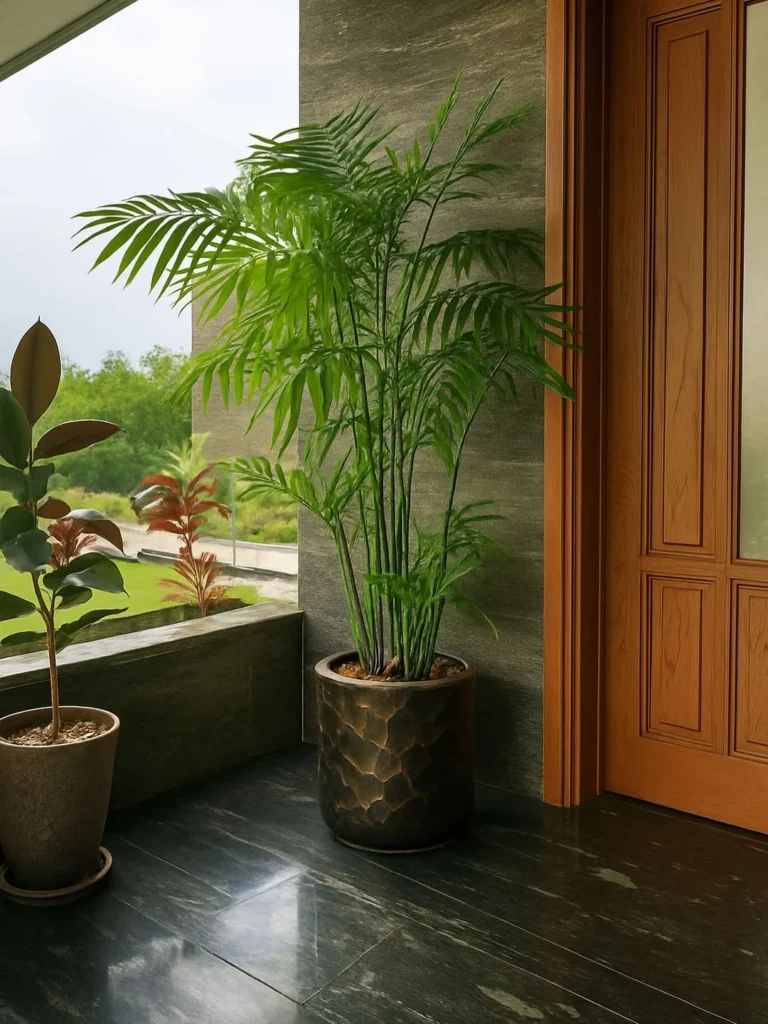
The Inspiration : Originating from lush rain forest and island environments the Butterfly Palm has been regarded as a popular houseplant worldwide for it’s durability and exotic beauty. Palms were considered as signs of peace and abundance; they had been used traditionally in tropical societies. Today NASA’s Clean Air Study regarding this plant has lifted it up to scientific stardom by demonstrating that age nold wisdom comes from the Indian people, namely: nature’s beauty brings measurable health.
Why it Works : The Areca Palm was voted NASA’s number one air purifying plant, filtering out formaldehyde, xylene, benzene and toluene from our indoor air. It never stops producing oxygen, even at night, Rubber plant is a perfect home and office plant. It also serves as a natural humidifier, adding moisture to the atmosphere–an especially useful function in arid regions. Research shows it lowers stress and elevates mood by increasing oxygen production. The tropical style it contributes also makes biophilic design benefits and it’s low maintenance compared to other types of palms. It’s the air purification, humidity control and virtually proven psychological advantages that make it so good.
Pro Tip : Place your Butterfly Palm near east or west facing windows for best oblique sunlight exposure Don’t allow excesses of harsh direct sunlight as it can scorch the leaves. Water when the top two inches of soil are dry, and keep humidity levels above 50 percent by misting fronds once a week or using a pebble tray. Plant in free-draining soil to avoid waterlogging the roots.
rock wall plant
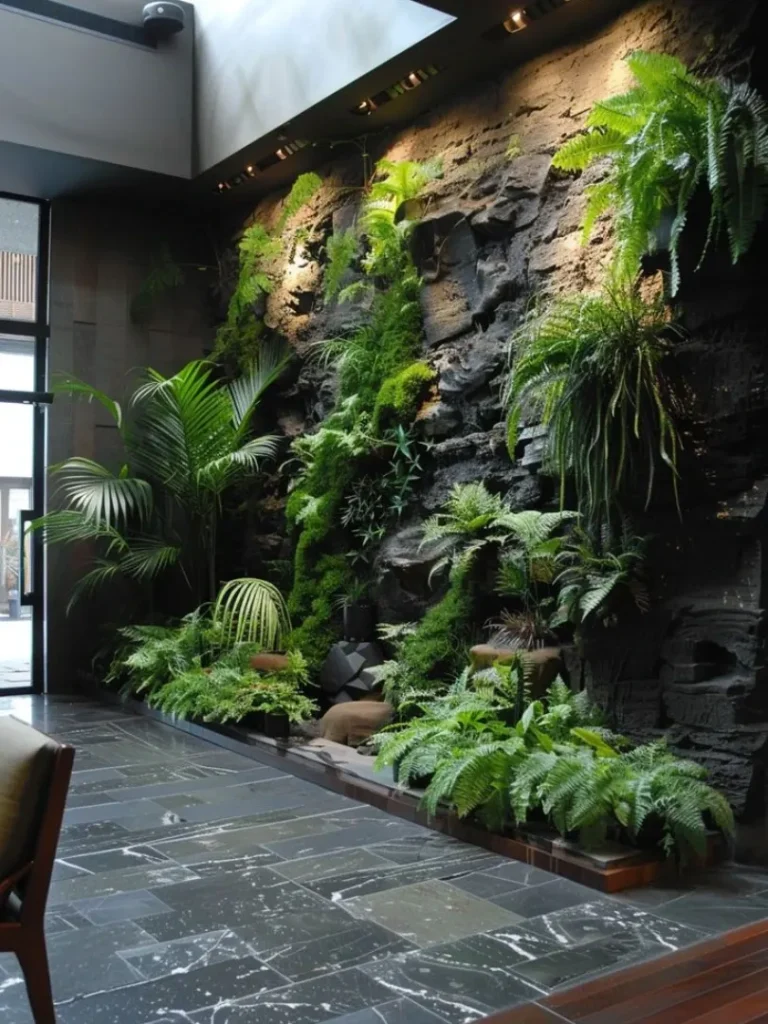
The Inspiration : Planted rock walls are rooted in old alpine traditions, where tough little plants colonized the crevices of mountains free of gravity and all harsh weather. The earliest known rock garden, opened in 1774, is that at St. Petersburg designed by Tsar Peter the Great’s daughter to house and grow alpine plants. European and Asian stonemasons had seen nature’s artistry sedum, saxifrage and other hardy groundcovers taking root in the cracks of stone and replicated that resilient beauty in walls around gardens.
Why it Works : Rock wall plants provide excellent erosion control, rooting in soil and preventing runoff on hillsides. The roots help break up compacted soils, which becomes negative for your vegetable garden and other plants because it leads to poor drainage and aeration unless the soil is worked (tilled) to aerate & encourage water movement while also adding organic matter as a decomposition by-product. The plants are happy in a better drained environment, which is naturally provided when the crevices provide an extra depth to grow into, they succumb less often to the rot that so many of ours go through in standard beds. Rock walls give rise to microclimates hot and dry on the sunny side, cool and shady on the back making it possible to plant disparate things in a single structure. They offer bio-diversity by drawing beneficial insects and pollinators. Specifically, what are noteworthy is the way that they allow structural elements to metamorphose into living habitats in both function and appearance.
Pro Tip : Match your plants to that microclimate: put an inch or three of Rock ’N Low sedums and lewisia in shallow, sun baked south-facing crevices; go a little deeper with campanula and saxifrages in cooler north facing pockets. Plant while building, tucking roots into horizontal crevices with lean, well-draining soil not humus-rich compost that will lead to rot in alpine species.
topiary plants entrance
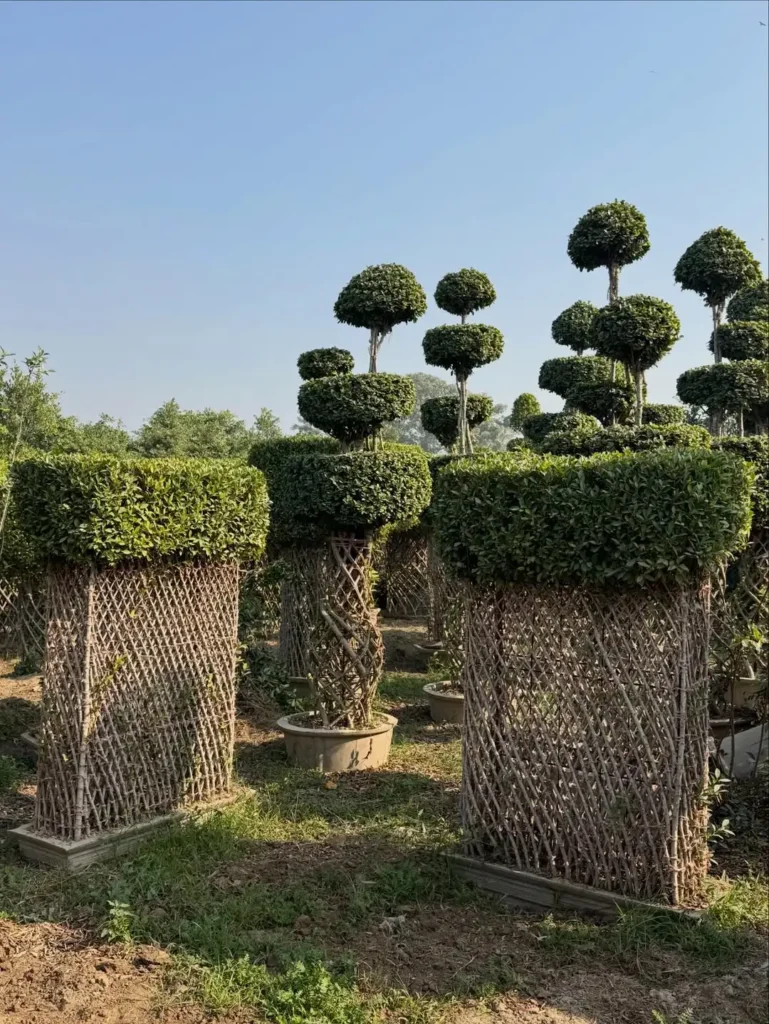
The Inspiration : Topiary’s heritage traces back to ancient Rome, where affluent citizens shaped plants into geometric spheres and obelisks to exhibit sophistication. The Renaissance in Italy saw a revival of this art form at villas such as Florence’s Boboli Gardens, where lush pyramids marked corners and hedges framed idyllic views. In contemporary times, adorning entrance doors with sculpted topiaries evokes the same enduring grandeur and architectural elegance.
Why it Works : Topiary plants at entrances provide immediate formal structure and symmetry, signaling care and sophistication to guests. Evergreen species like boxwood, holly, and bay offer year round visual appeal without seasonal interruptions. Their architectural shapes create prominent vertical accents that frame doorways and delineate pathways. The dense foliage is resistant to diseases and requires minimal upkeep aside from seasonal pruning. Psychologically, the geometric accuracy conveys order and permanence, giving entrances a sense of establishment and intention. When paired, these specimens create a symmetrical balance that resonates with the human preference for proportion. They elevate ordinary entrances into striking thresholds worthy of grand estates.
Pro Tip : Select slow growing species such as holly or camellia for low-maintenance topiary that necessitates only occasional trimming, in contrast to fast-growing boxwood. Position paired standards (lollipops or spirals) symmetrically at doorways for optimal effect. Ensure planting in well-drained, fertile soil in partially shaded areas to avoid stress and sustain dense foliage throughout the year.
Cycas revoluta
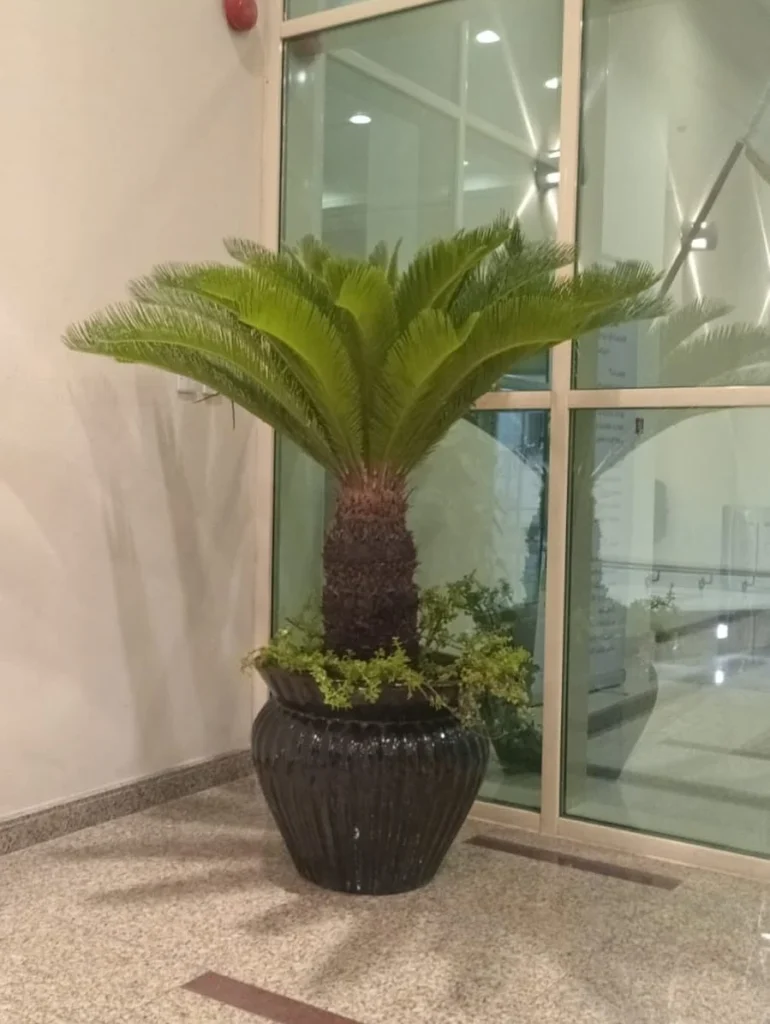
The Inspiration : In Japan Cycas revoluta is called “Sotetsu” or “Sago Palm”, and this magnificent plant has been on earth for more than 200 million years It’s a true living fossil! The plant is native to Kyushu’s volcanic slopes and Ryukyu Islands, where it has been a symbol of long life in Japanese gardens for centuries. A survivor from prehistoric times and mistaken for a palm, Cycas bridges the modern world with Earth’s ancient cycad forests, symbolizing timeless resistance and an otherworldly architectural beauty.
Why it Works : Cycas revoluta flourishes on minimal watering and reduced growth rates, including no water once established perfect for low-maintenance landscapes. Its coralloid roots use symbiotic bacteria to fix nitrogen and fertilize the soil around it. The plant is also tolerant of full sun or partial shade and will adjust to your lighting needs, provided indoors or out! The dense, shiny fronds are evergreen throughout the year; They do not drop off during any season. It has won the Royal Horticultural Society’s Award of Garden Merit as an ornamental. The architectural rosette shape makes strong impact outdoor focal points that stay small for decades, providing traditional style with no fuss care.
Pro Tip : Plant in sandy, fast draining soil, and water once only the top inch feels dry overwatering leads to fatal root rot and yellowing. Place in bright, indirect light indoors or partial-to-full sun outdoors with temperatures ranging from 65-85°F. Feed during growing season with potassium-magnesium-rich formulas to keep the soft, luscious fronds a lush, deep green.
lush planting entrance
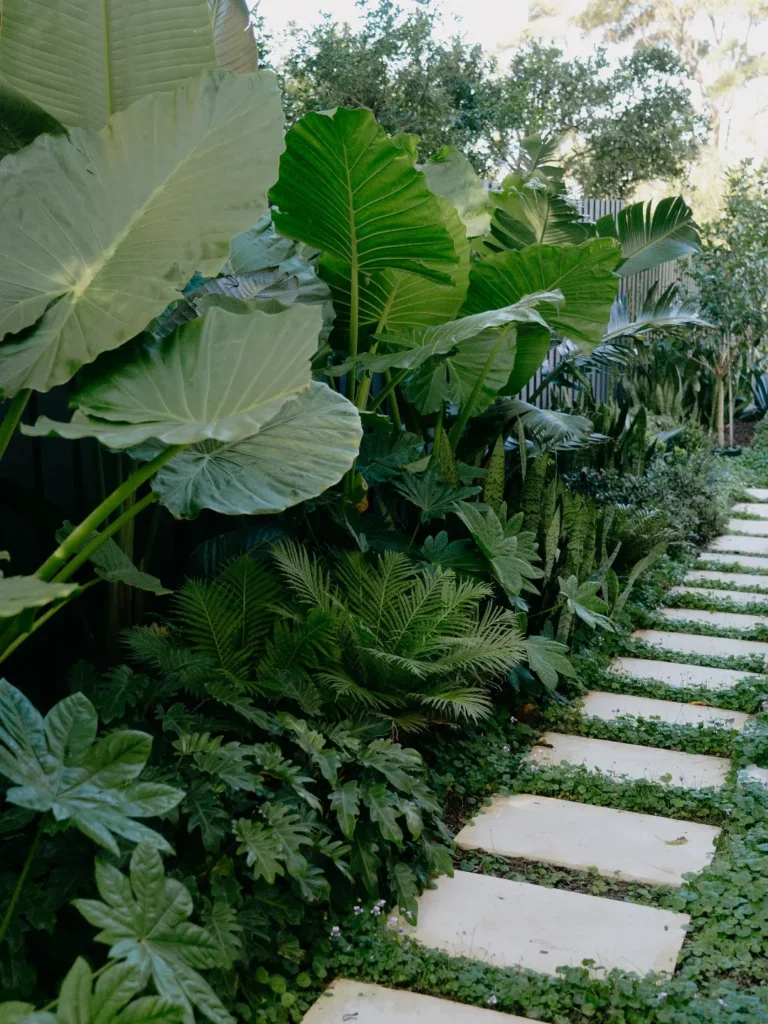
The Inspiration : Lush plantings at entrances are inspired by centuries old European courtyard gardens, where layers of greenery welcomed visitors into grand estates. Imagine hedged walkways from the Victorian era or Mediterranean villas adorned with cascading vines and fragrant herbs. This design establishes an emotional threshold transforming a mere doorway into a sensory journey where texture, scent, and lush foliage indicate a sanctuary and meticulous care even before guests enter.
Why it Works : Lush entrance plantings provide a significant impact that extends beyond mere aesthetics. Properties featuring professionally designed entrance landscaping tend to sell more quickly and achieve higher market values by creating strong first impressions that foster emotional connections with potential buyers. On a functional level, layered plantings offer natural privacy screening, soften harsh architectural lines, and intuitively guide visitor movement through their framing and texture. Thoughtful plant selection ensures year-round structure while requiring minimal upkeep when suited to site conditions. Dense groundcovers inhibit weed growth, vertical elements contribute spatial definition, and carefully selected foliage fosters inviting environments that turn routine arrivals into soothing rituals. The entrance serves as both a visual focal point and a lived experience.
Pro Tip : Incorporate three plant heights for a professional appearance: tall structural specimens such as podocarpus for the backdrop, mid-level flowering shrubs or ornamental grasses for color, and dense groundcovers to complete the edges. Opt for silver-leafed varieties like helichrysum or lavender for their low-water resilience and year-round visual appeal. Allow plants to cascade over hardscape boundaries to create natural transitions.
modern pedestal plant entrance
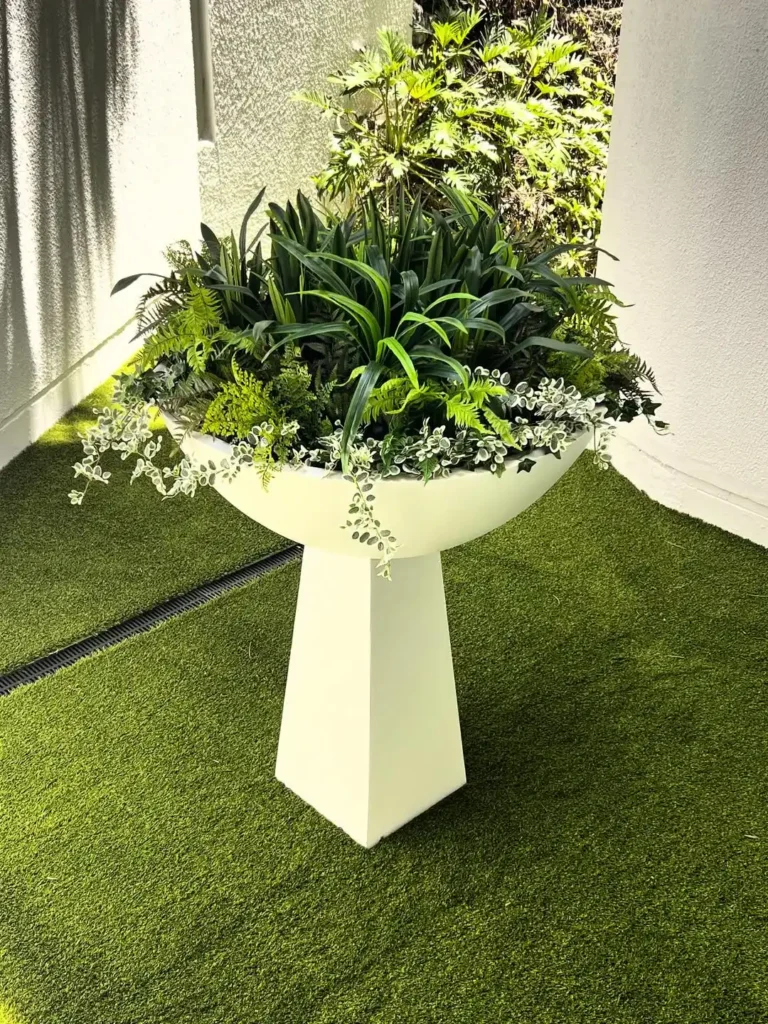
The Inspiration : Modern pedestal plant entrances bring back the traditions of ancient Roman atriums, where elevated potted plants signified status and cultivation. Contemporary designers have combined minimalist geometry with classical column designs, resulting in sculptural focal points that connect architecture with nature. These raised displays turn plants into living art installation drawing attention upward while preserving clean floor lines. The pedestal serves as both a stage and a statement.
Why it Works : Pedestal planters address significant spatial challenges while enhancing visual impact. Elevating plants to eye level fosters an immediate connection and allows architectural details to remain visible beneath. This vertical approach conserves valuable floor space crucial for compact entryways while creating striking focal points that intentionally direct visitor attention. Symmetrical pairs of pedestals on either side of doorways establish psychological balance and a sense of order, subtly conveying care and intentionality. From a functional perspective, raised planters enhance drainage, limit pest access, and simplify maintenance by reducing the need for bending. The pedestal itself introduces layered texture and material contrast, transforming individual plants into design installations.
Pro Tip : Utilize the “rule of threes” with varying heights: place a tall architectural plant such as a fiddle leaf fig or bird of paradise on a pedestal, accompanied by mid-height plants on smaller stands. Select pedestal materials that contrast with your doorframe such as bronze metal against white trim, or natural wood against stone to achieve maximum definition and visual separation.
elephant ears plant entrance
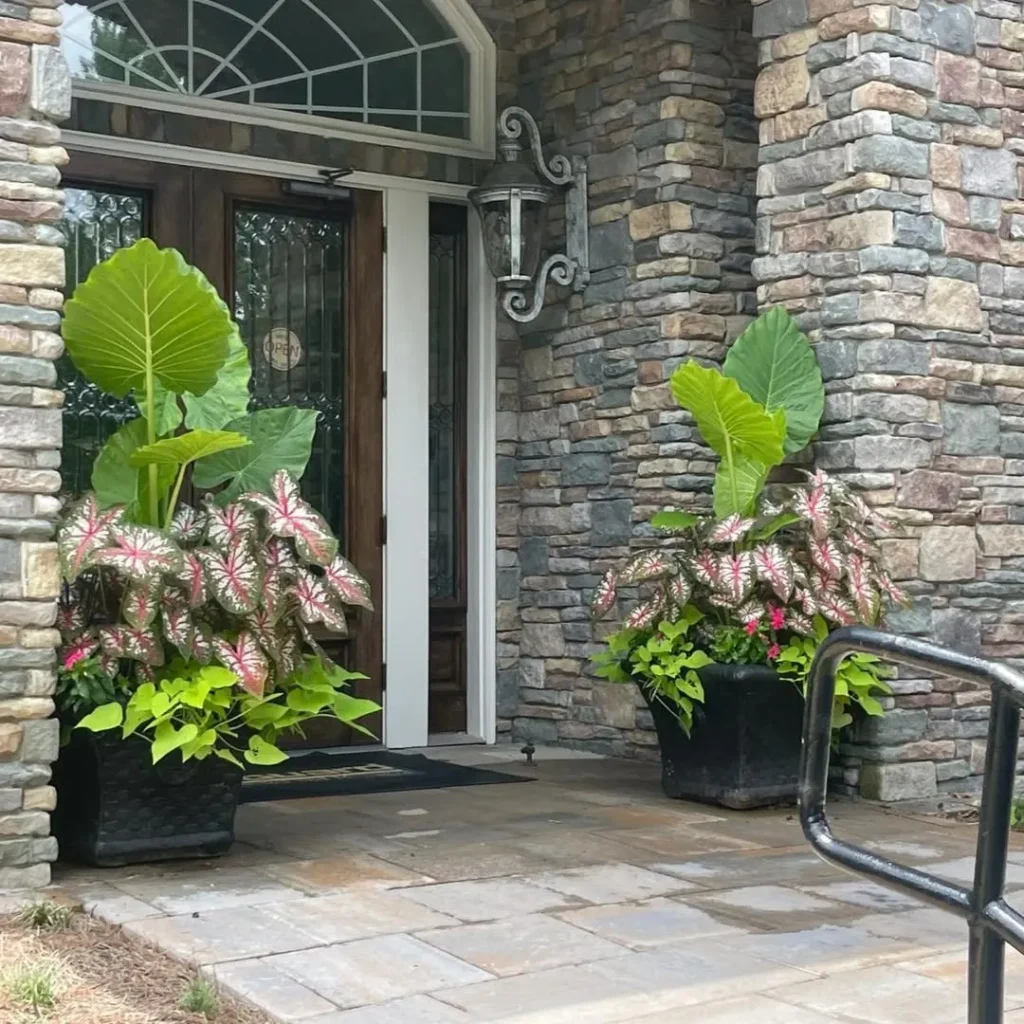
The Inspiration : Elephant ears have the ring of Victorian-era conservatories in which British horticulturists curated their own exotic tropical specimens to show off in displays of cultivation affluence. Their giant, heart-shaped leaves evoking jungle canopies in Southeast Asian forests will turn heads right away. When you stand these bold foliage plants at entrances, you channel the historical “grand reveal” taking ordinary doorways and turning them into pathways to a lush, tropical world that portend hospitality and botanical expertise.
Why it Works : No other plant commands attention the way elephant ears do, simply because nothing else comes close to offering their imposing size and interesting structure. Their massive leaves, which can be several feet wide, provide instant focal points that demand attention and frame entrances with living sculpture. Functionally their crowns also form natural screens, which add privacy to the garden and soften hard architectural lines. They are container loving plants, great for those who rent or have seasonal arrangements to bring indoors in cooler months. Their upright species such as Alocasia add vertical interest without a sprawling frame are perfect for a small entryway space. In the realm of appearances, they are representations of growth, forward progress and vibrant living in Feng Shui thought, generating very inviting portals.
Pro Tip : Opt for upright Alocasia varieties such as ‘Odora’ or ‘Portora’ in containers that flank doorways, since their strong stems don’t droop and they catch breezes so beautifully. Grow in large pots to help stabilize the growth habit and match with bright indirect light sites. Use distilled water, to avoid spotting the leaves with the minerals in your tap water.
Boston fern plant
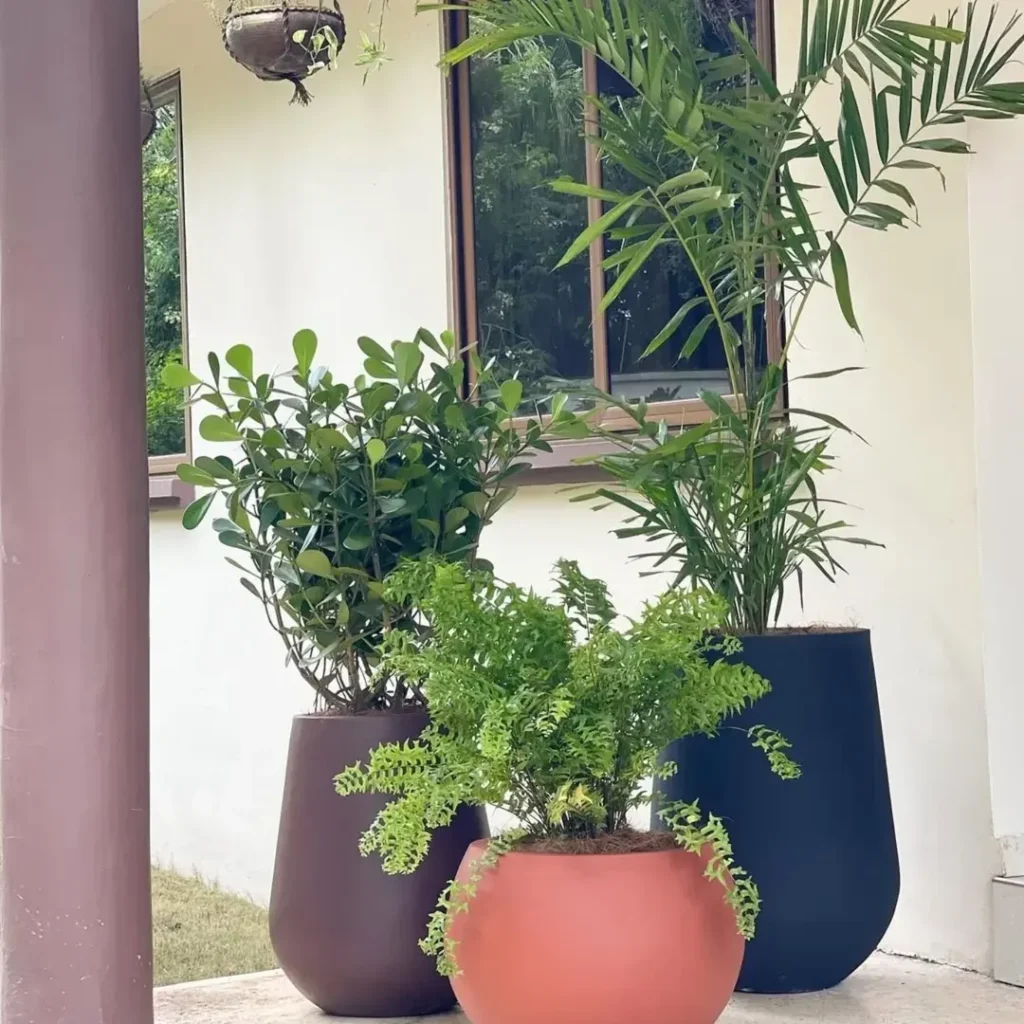
The Inspiration : Boston ferns are the quintessential representatives of that 1800s fern craze known as “pteridomania” when these cascading beauties were draped over every parlor and front porch. Their elegant mutation was found in a consignment of plants sent to Boston in 1894, and quickly became a sensation. These rich, curving fronds represent hospitality and sophistication that turns an entry into a romantic space where the beauty of nature meets lavish luxury greeting friends and family with feathery soft green whispers of yesteryear.
Why it Works : Not only are Boston ferns appealing to the eye, they also provide some scientifically proven benefits. NASA studies show they’re super effective at removing formaldehyde, benzene and trichloroethylene from the air, while also acting as natural humidifiers increasing humidity by 10%, which can not only help with dry skin but various respiratory woes. The fronds’ waterfalls of green soften architectural lines and create a strong vertical next to doors, so they’re perfect in hanging baskets either side of an entryway. The swooping structure beckons eyes downward in an open armed display while making thoughtful use of odd upper spaces. The low-maintenance plants do well in partial shade ideal for covered porches and their evergreen silhouette is a classic, matched equally with traditional and modern design schemes.
Pro Tip : Keep the soil evenly moist without waterlogging by testing the first inch daily Boston ferns wouldn’t slide themselves into an afternoon of dehydration, but they’ll wallow equally in soggy roots. Increase humidity by misting fronds twice a week or setting pots on of pebble trays filled with water. The good news is that when they get unsightly, you can simply trim the brown fronds to encourage lush new growth and keep that signature cascading silhouette.
archway covered in greenery
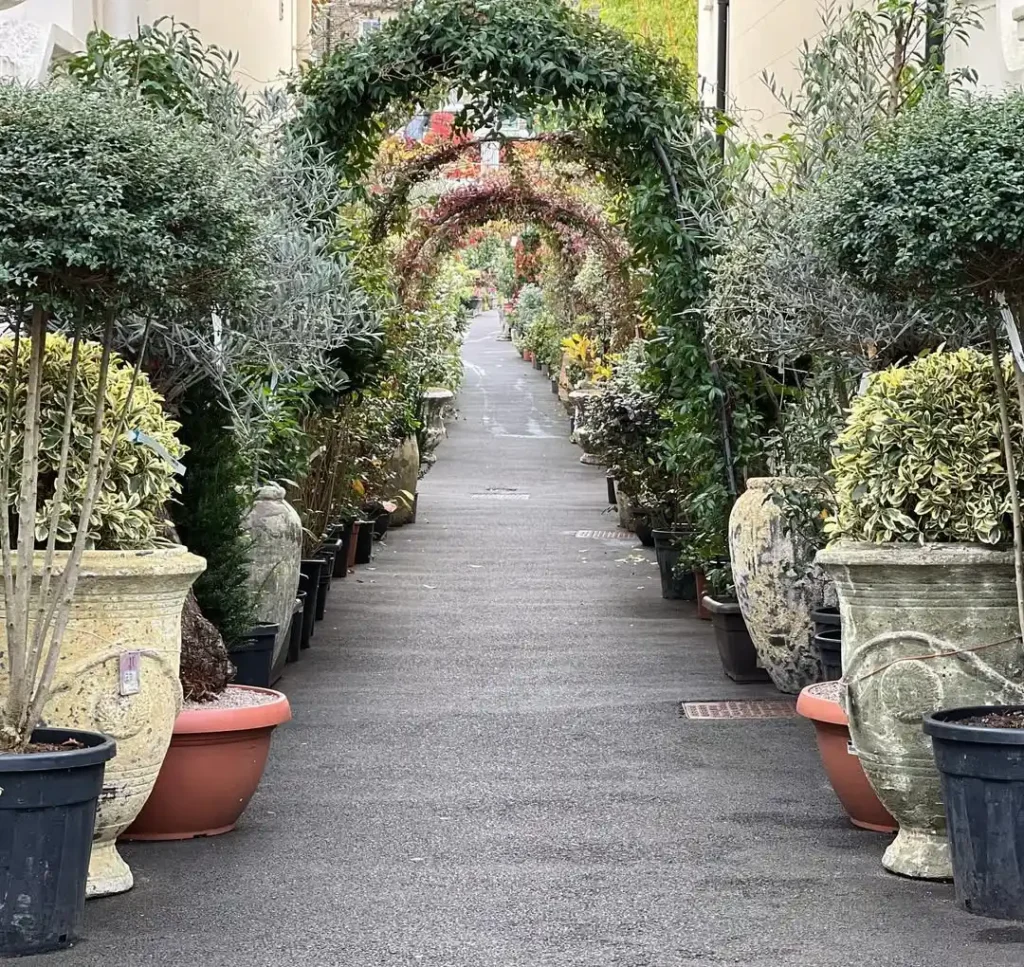
The Inspiration : Green archways have their origins in ancient Egypt, where structures adorned with vines welcomed visitors while offering shade. In the medieval period, monastery gardens refined the concept of living tunnels by training plants over stone frameworks to form contemplative pathways. These lush thresholds symbolize transition and transformation, mentally preparing guests to move from public areas into private sanctuaries. The archway itself frames nature as a piece of art, inviting individuals to traverse through this living sculpture.
Why it Works : Green archways serve as striking focal points that instinctively attract attention and direct movement throughout landscapes. Their vertical design optimizes limited space while establishing clear boundaries and defining entrances without the need for harsh fencing. From a functional perspective, mature archways offer cooling shade and privacy as the density of the canopy increases. The overhead foliage creates intimate, enclosed experiences that elevate ordinary pathways into unforgettable journeys. Studies indicate that framed views of gardens significantly boost perceived value and emotional ties to properties. Architecturally, they contribute three dimensional depth and sophistication, harmonizing structural components with organic growth. This living framework conveys a sense of intentional design and ongoing maintenance to visitors.
Pro Tip : Align plant vigor with the size of the arch: use vigorous climbers such as wisteria or climbing roses for large, permanent arches, and opt for lighter varieties like clematis or sweet peas for smaller structures. Ensure arches are positioned at least 8 feet wide along pathways to allow for plant spread without overcrowding the walkways. Train the growth horizontally from the outset to promote even coverage and avoid bare lower sections.
simple lush plants entrance
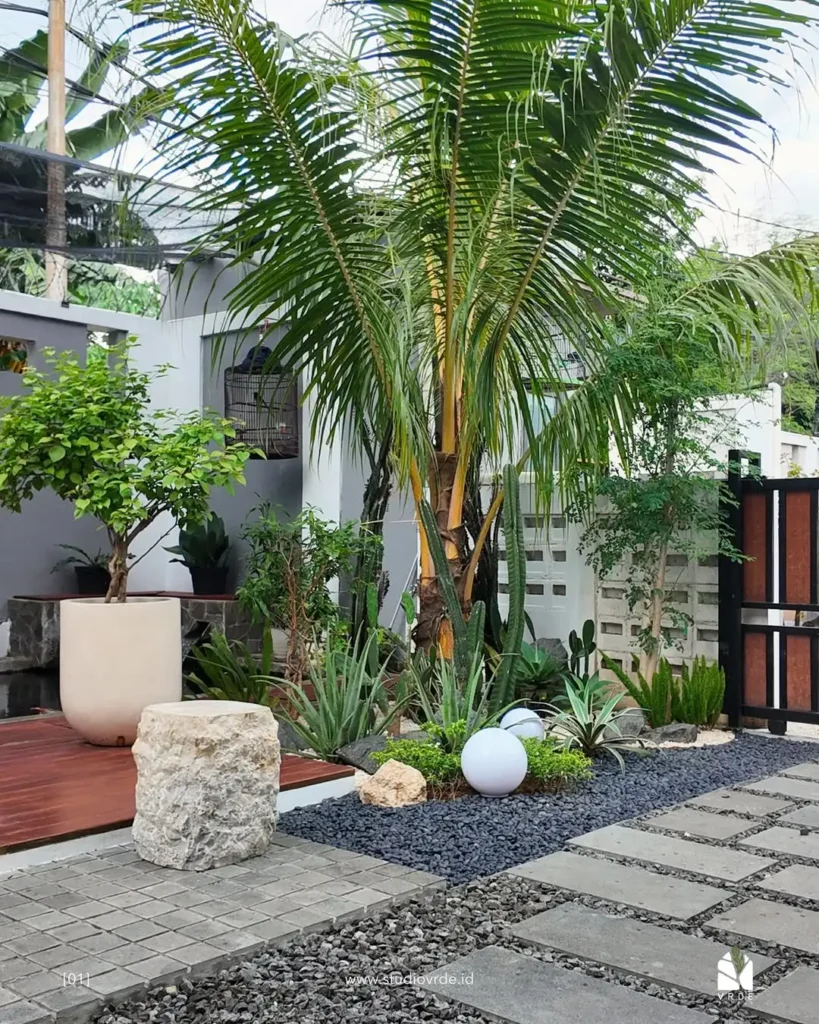
The Inspiration : Lush, simple plants positioned at entrance areas draw inspiration from ancient biophilic design principles found in Japanese gardens and Mediterranean courtyards. This concept reflects nature’s inviting threshold, featuring dense groundcovers that resemble lush carpets, complemented by upright specimens such as palms and ferns. This arrangement fosters an immediate emotional connection, transforming ordinary doorways into verdant sanctuaries that promise tranquility within.
Why it Works: Lush plantings at entrances provide numerous well documented benefits. They purify indoor air, with snake plants emitting oxygen even during the night, while also alleviating stress and anxiety levels upon arrival. The combination of layered textures, featuring tall specimens like areca palms alongside trailing golden pothos, creates visual depth in limited spaces. Low-maintenance varieties flourish with minimal care, making them ideal for busy homeowners. Psychologically, greenery at thresholds conveys care and hospitality, leaving a lasting impression on visitors while enhancing the mood and productivity of residents. The straightforward palette of greens is universally appealing, harmonizing with any architectural style without overwhelming small entryways.
Pro Tip : For an instant professional look, layer three different plant heights: ground hugging pothos or creeping kidney weed at the base, mid-height snake plants or ZZ plants for vertical interest, and a standout piece such as a fiddle leaf fig or areca palm. Opt for matching simple containers to ensure cohesion without cluttering your entrance.
layered planting entrance
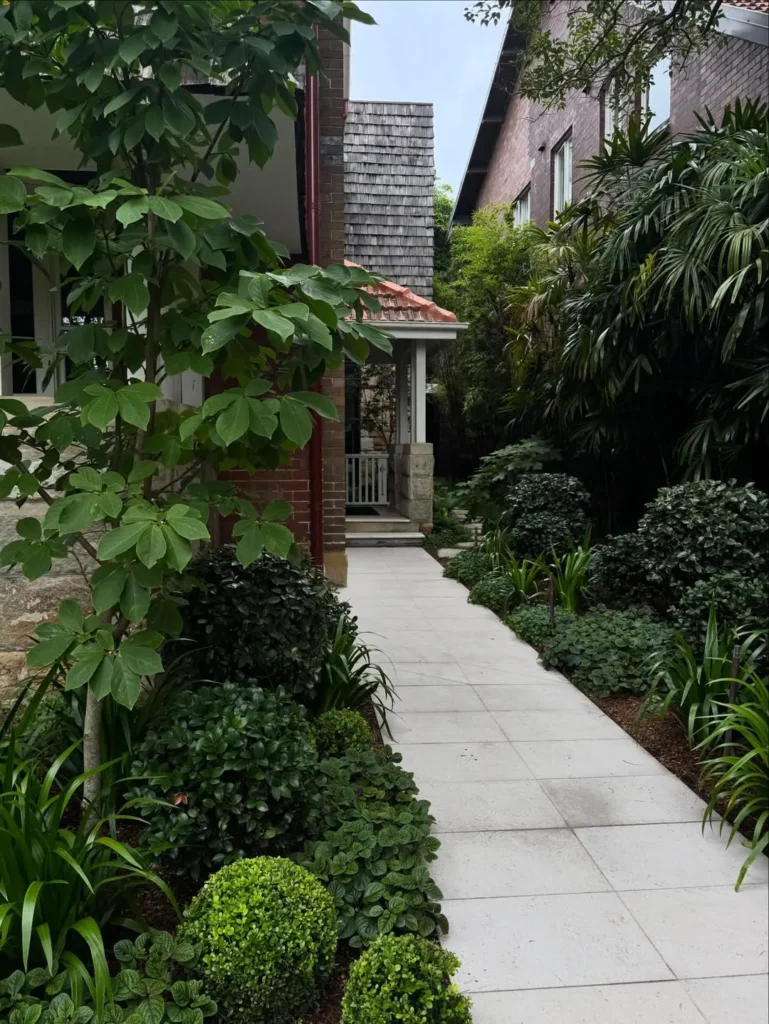
The Inspiration : Tiered entry way planting design is taken from old English garden setting where Memorable impressions can be done in foreground to mid ground and background of the design. This is similar to what happens in natural forest edges where low growing groundcovers change into shrubs and then into trees. The off kilter design turns flat doorways into dimensional preludes, giving just about any door even a small broom closet’s architectural heft and emotional warmth.
Why it Works : Layered entrance plantings provide 3D visual interest with varied heights tall plants in the back, such as Ligularia mid height plants for structure like Pittosporum or Asparagus Meyersii and a carpet of low covering groundcovers like Dichondra. This configuration directs the visitors to move spontaneously and at the same time maximizes the density of planting without over growning along tight area. It offers year-round screening and privacy with interlacing plant masses that allow openness. As a practical matter, their layered designs produce microclimates in which taller plants shield more delicate groundcovers, meaning less work for the gardener. The different textures and shapes alleviate the boredom and maintains the viewers interest much longer than uniform-height plantings. This method works well with any modern or rustic style of architecture.
Pro Tip : Follow the 3-2-1 rule for no-fail layering: three low groundcover plants, two mid-height architectural plants and one tall focal plant per entrance side. Install in a triangular patterned manner rather than straight, to add some natural depth and not such a cold institutional look.
patio plants entrance
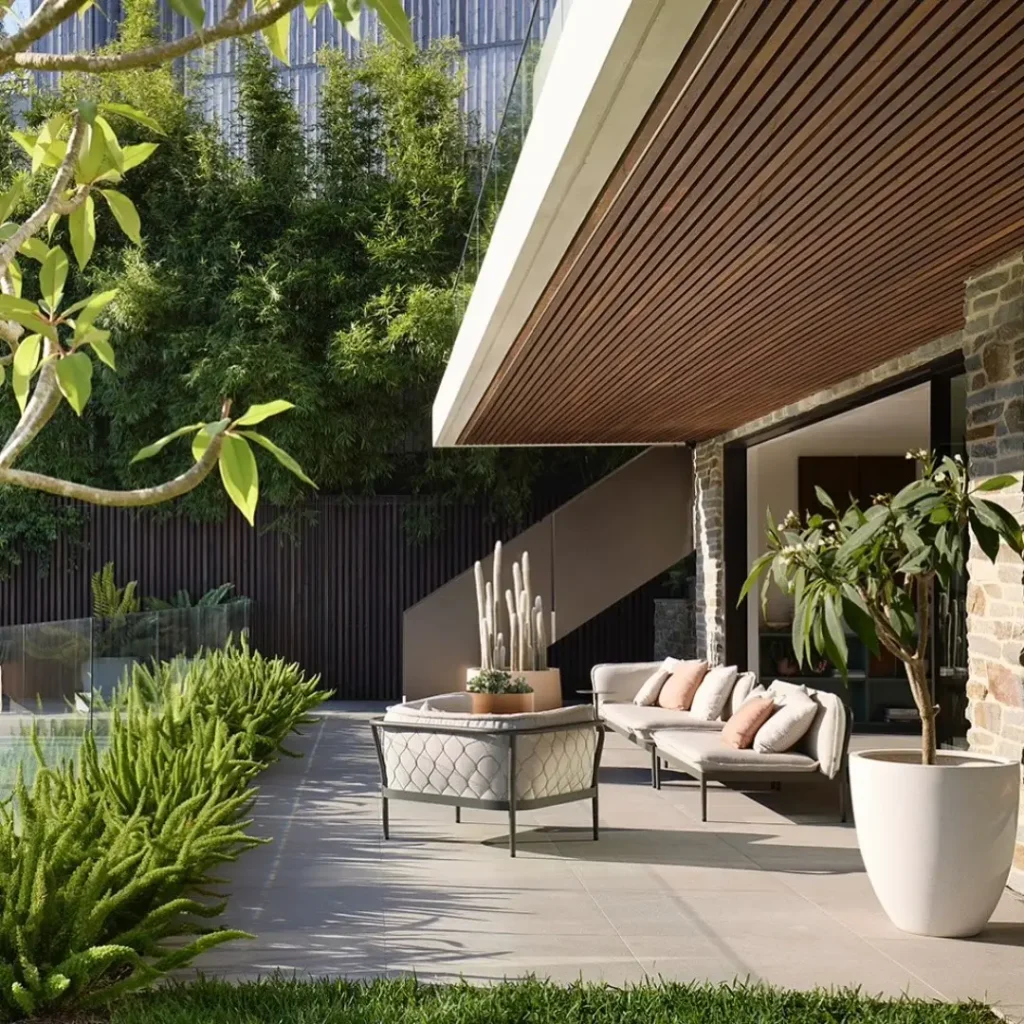
The Inspiration : Patio plants gate design is inspired by Mediterranean courtyards and Asian temple gardens with potted specimens that highlight transitional barriers indoors and outdoors. That tradition turns patios into “verdant oases,” through the use of containers as supple design elements. The design achieves a natural transition between the home and the garden that makes you feel at home, wherever you are.
Why it Works : Patio entry and entrance plantings Container gardening containers that are mobile providing increased versatility for seasonal refreshes without the permanence factor. They offer specific points of interest that help to shape outdoor living space, softening the edges of hardscapes. K) can be used to provide privacy barriers as well us create cozy spaces to dine or relax near an entrance. In a more practical sense, containers remove the need to worry about the quality of your soil as you would be able to add any amendments, help reduce watering needs and enables vertical gardening solutions such as hanging baskets which are perfect for smaller spaces. The open space and greenery promote mental well-being and connectivity with nature on your doorstep. Container versatility allows for sun and shade-loving varieties to perform on any patio orientation.
Pro Tip : Layer three plant forms per container to achieve a cohesive “tapestry of color” : an upright thriller, mid-height fillers and a trailing accentuator. Place the largest containers on either side of where you enter the patio to anchor the space, clustering the smaller pots unevenly nearby to round out corners and focus your attention on what’s blooming in the garden.
Threshold planted entrance
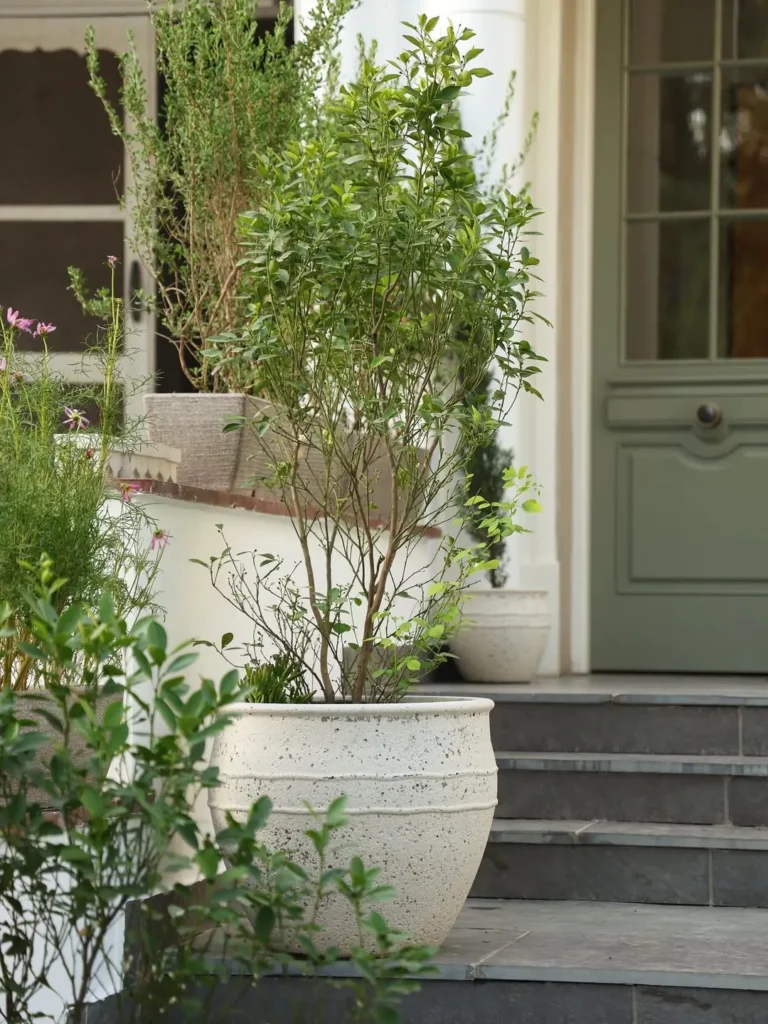
The Inspiration : Doorway planted entrances are channeling long held traditions in which doorways encapsulated threshold plantings to symbolize sacred transition from the Japanese genkan garden practice to the European stoop planting that softened stone passages. This model recognises thresholds as potent ‘primary links’ between realms. By constructing vertical tubes with ground-level plantings, it creates a ceremonial gateway where ordinary doorways become ritualized passages in which movement is delayed and one’s attention intensified.
Why it Works : Threshold plantings establish the psychological edge that indicates movement from public space to private space. A variation in ground plane materials the soft foliage giving way to hard paving naturally slows down pedestrian movement paths, one of many yield gaining features that helps promote thoroughfares as safe and conscious entry points. Plants at the borders, such as lady’s mantle, catmint and creeping thyme smooth harsh architectural lines to offer up tactile sensations and delightful scents. The plantings edge vistas and direct movement without walls or edges, keeping a sense of openness but providing privacy through lines of sight. In practice, plants that are low growing (i.e., at or below the scaled threshold) can still be reached for maintenance and are able to withstand occasional foot traffic. The plant form is vertical to horizontal in a balanced relationship to the design and surrounding site.
Pro Tip : Plant drought resistant, low border species directly next to threshold pavers within six inches, at minimum for an instant underfoot contrast in texture. Plant with taller “gatepost” plants such as a few stems of witch hazel, or small conifers placed three feet back on either side to flank the doorway without impeding traffic.
potted hydrangea plants
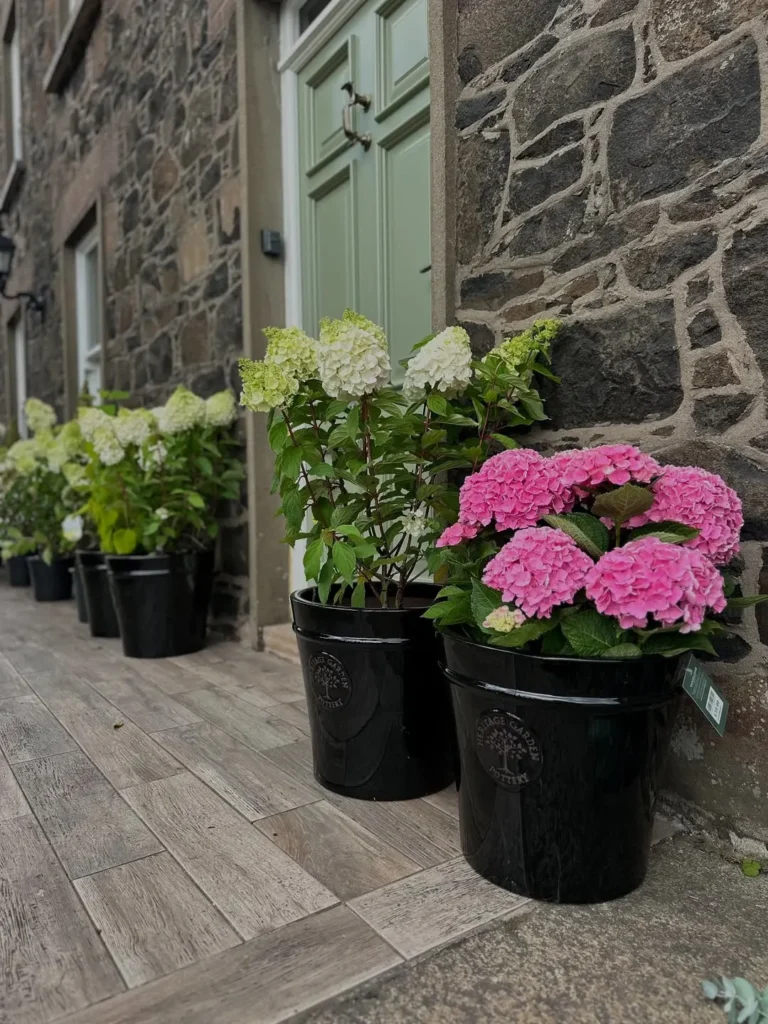
The Inspiration : Potted hydrangea plants are living watercolor paintings, evoking romantic French countryside gardens and New England porches spilling over with blooms. Chameleon blooms that change from pink to blue with soil chemistry, they immediately conjure memories of childhood visits to grandmother’s shaded verandas when oversized flowers in clay pots transformed the front steps into enchanted places.
Why it Works : Potted hydrangeas provide lots of color in relatively small spaces, which makes them perfect for doorsteps, patios and balconies. Their large, showy mophead or lacecap blooms create instant focal points and flower for months when cared for properly. Containers provide ample opportunity to tweak the soil pH, enabling you to deliberately change color from pink to blue or purple a fun and customisable aspect. Potting also helps to regulate moisture for such water hungry plants, warding off root rot in denser garden soils. Emotionally, the lush, nostalgic flowers say welcome and ease, softening hard architecture as they frame entrances with a cottage-garden allure that looks great in photos and feels inviting to guests.
Pro Tip : Select a pot at least 40cm wide with good drainage, fill it using an acidic, moisture-retentive mix and plant the hydrangea in a position where it will receive morning sun and afternoon shade. Save the date for deep watering and a light monthly feed (fertilizer) during growing season, for a steady supply of full blooms.
beautifully structured plants
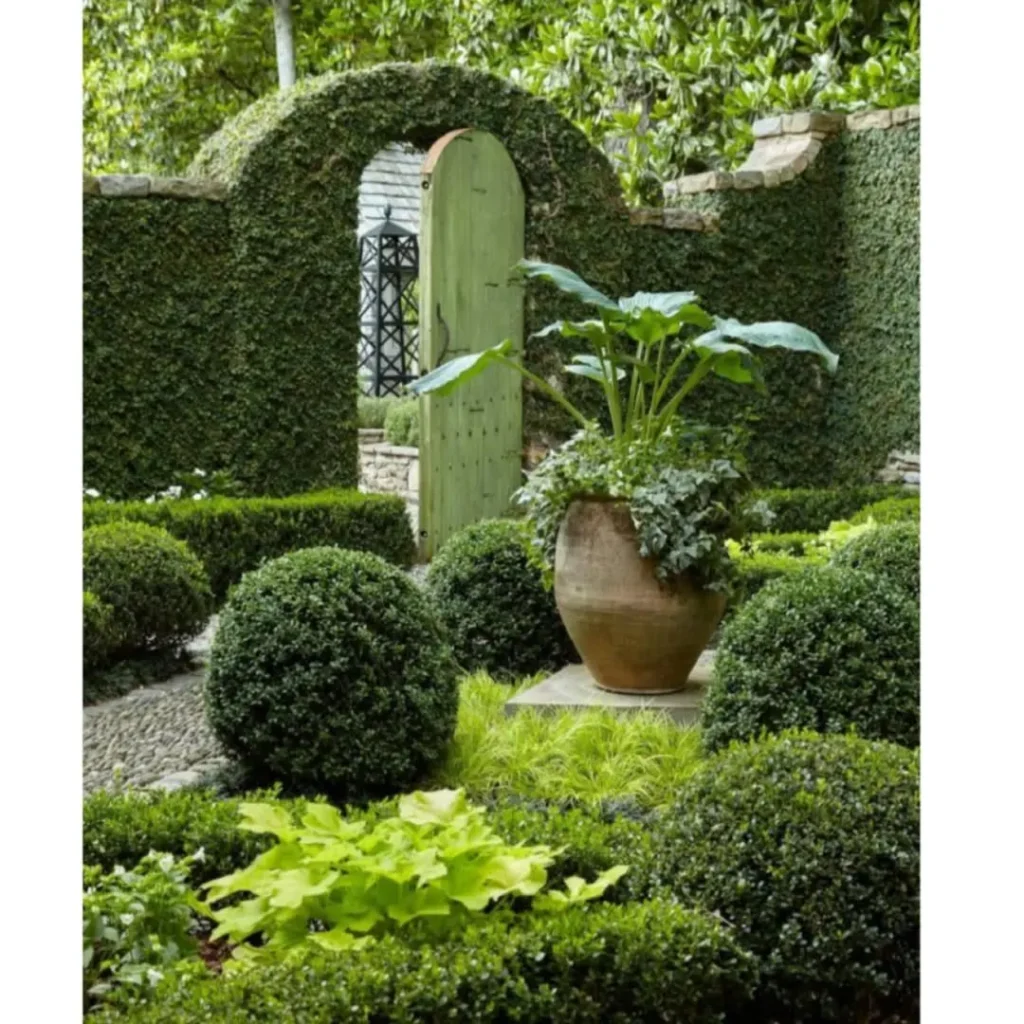
The Inspiration : Cleverly shaped plants function like live sculpture, evoking Japanese niwaki pruning and French parterre gardens as well as midcentury modern courtyards. The strength of their silhouettes, arched or columnar or cloud pruned, pulls the eye like architecture. They make routine corners into galleries, in which every leaf and bough seems purposeful, composed and quietly dramatic no matter the season.
Why it Works : The beauty of a structured little plant is that it provides instant order and rhythm, serving as a nifty visual anchor that can make spaces feel designed even when they’re accidental. Their crisp details register at a distance, defining entrances, patios and pathways even without flowers. And strong structure also enhances legibility in small or busy places, making it easy for the eye to settle and move. In reality, once shaped, these plants are only lightly pruned occasionally to keep them in shape. Emotionally, the strong silhouettes lend a calm, almost meditative energy like a frame around a painting to everyday scenes, inadvertently elevating the ordinary views into more curated scenes that are as photogenic as they are timeless.
Pro Tip : Choose one hero plant that has a strong line like, say, a columnar shrub, an architectural grass or even just a loosely clipped sphere and use it three times instead of adding all kinds of varied shapes. Space each at least one plant-width apart to maintain their distinct silhouettes, then keep the underplanting low-key so that structure can truly shine.
crocodile fern plant
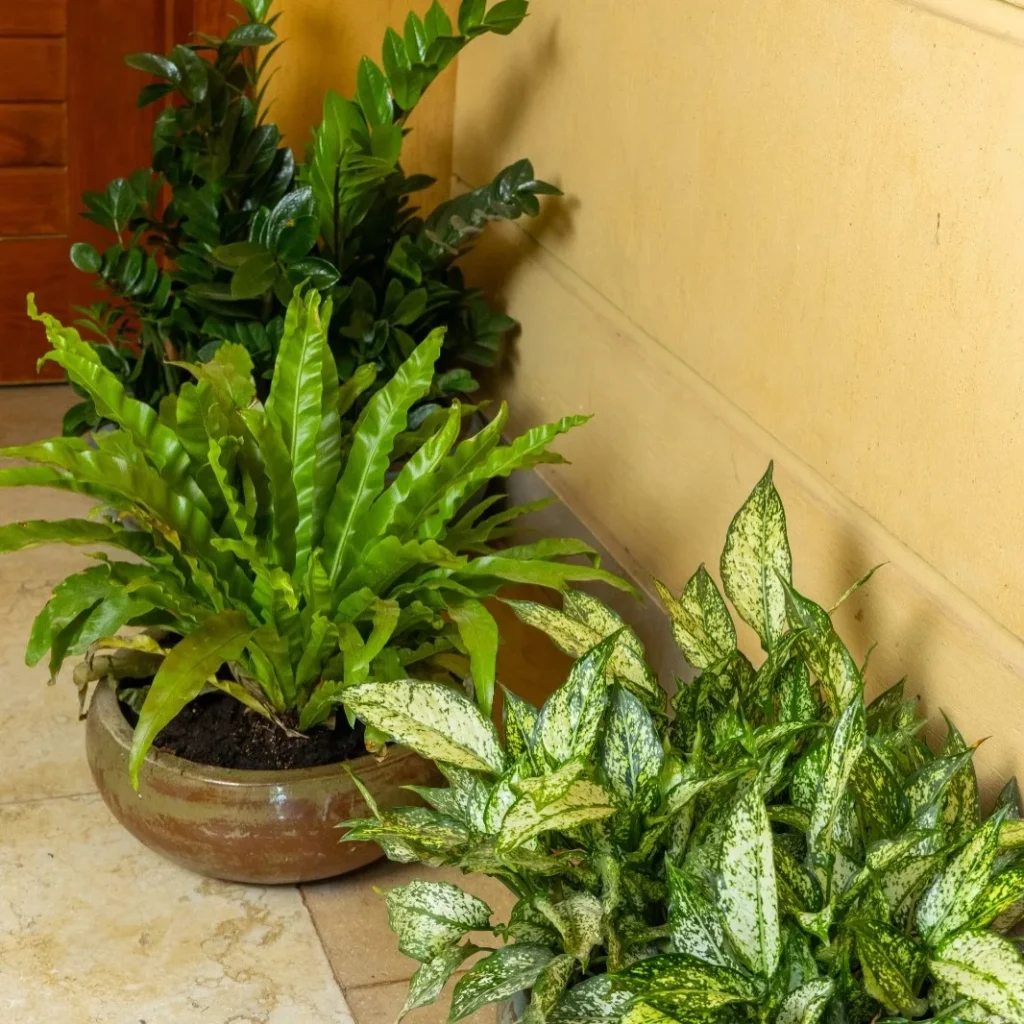
The Inspiration : Crocodile fern plants call to mind the primordial rainforests of Southeast Asia, where textured fronds unfold under thick canopies. Their namesake leather-like skin is glossy green, with raised, emerald veins that resemble reptile scales, and they turn any space into a living terrarium. This living relic of days when vast assemblages of prehistoric plants covered the warm, wet Earth serves to connect those long-lost worlds with our contemporary indoor sanctuaries, helping to bring a bit of a tropical wonderland into any room at any time of year.
Why it Works : Crocodile ferns provide an amazing tactile experience and visual impact with their crocodilian texture, growing fronds up to 2 ft long in a compact habit. Emits volatile organic compounds (VOCs), including formaldehyde, xylene and toluene and increases ambient humidity naturally which comes in handy during the dry winter months. They are non-toxic and safe for pets, homes and gardens. Shallow, in terms of function: they mostly gather what they can from the air and can be potted up for terrariums and containers without demanding much space. The rich dark evergreen foliage offers interest all year and works really well in low-light areas where other statement plants would fail.
Pro Tip : Find a home for your crocodile fern next to an east or north facing window where it will receive bright, indirect light and make your own humidity station with a tray filled with pebbles topped with water placed under the pot. Mist with water one to three days a week, but dry leaves thoroughly after.
Verdant Archway entrance
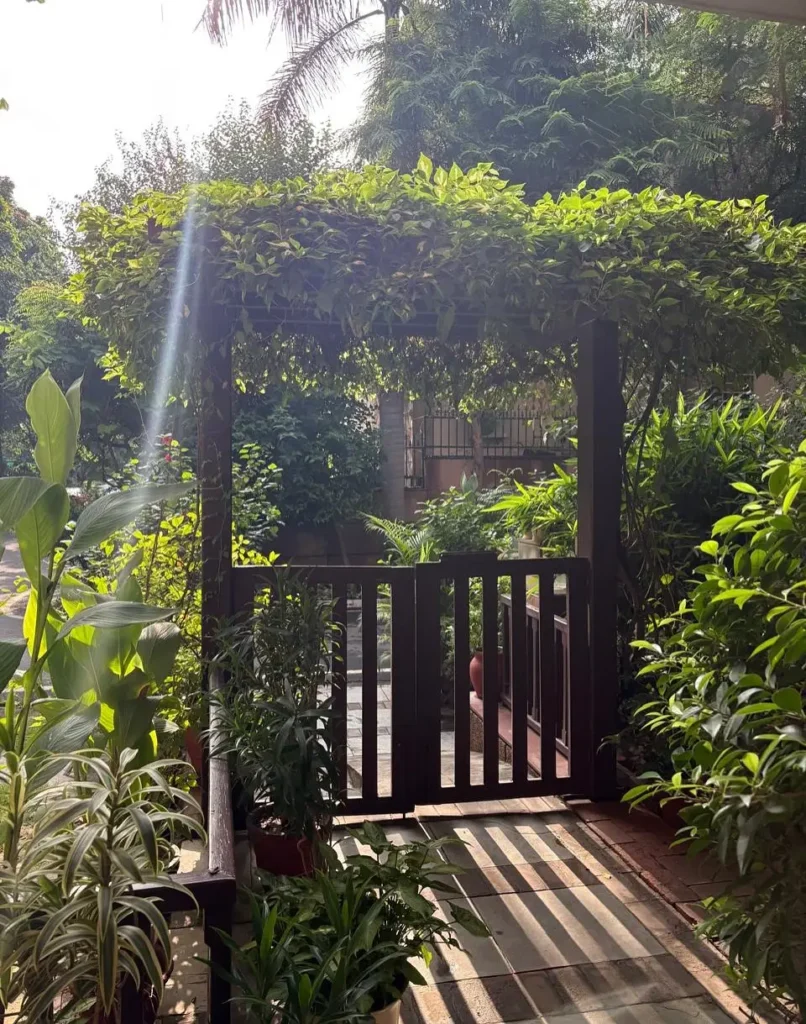
The Inspiration : Lush archway entrances resonate with the essence of ancient Roman garden gateways, medieval monastery cloisters, and English pergolas adorned with roses, where climbing vines elevate simple structures into vibrant cathedrals of life. This practice establishes ceremonial thresholds that decelerate movement, encouraging visitors to linger beneath the draping foliage. The arching greenery frames vistas akin to nature’s own picture window, transforming the act of arrival into a sacred ritual.
Why it Works : Lush archways facilitate significant psychological transitions that enhance spatial awareness, rendering even modest entrances more impressive and expansive. The curved design directs attention upward and forward, fostering a seamless connection between outdoor and indoor spaces while softening boundaries. From a functional perspective, the arch shape enhances air circulation and the distribution of natural light compared to traditional square doorways, thereby cultivating healthier microclimates. Living archways also offer vertical growing opportunities that optimize greenery within limited spaces. On an emotional level, traversing beneath lush canopies elicits biophilic responses diminishing stress and creating unforgettable “arrival moments” that elevate ordinary doorways into magical thresholds. In Vastu practices, arched entrances are believed to attract positive energy and abundance.
Pro Tip : Construct a robust metal or wooden arch frame that stands at least seven feet tall to guarantee adequate clearance, then cultivate fast growing climbers such as jasmine, clematis, or climbing roses on either side. Guide the vines across the top using horizontal wires spaced six inches apart, achieving complete overhead coverage within a single growing season while preserving walkable space.