
Small Zen Garden Ideas for Peaceful Spaces transform limited spaces into tranquil meditation sanctuaries inspired by traditional Japanese rock gardens. Desktop zen gardens offer the simplest entry point miniature sand trays with carefully raked patterns, smooth stones, and tiny Buddha figurines create portable peace on office desks or bedside tables. Balcony zen corners utilize shallow containers filled with white gravel, strategically placed rocks representing islands, and minimal plantings like bamboo or Japanese maple bonsai to establish serene outdoor retreats. Indoor tabletop versions incorporate succulents, smooth river stones, and fine sand in wooden trays, allowing for mindful raking during meditation breaks. Small Zen Garden Ideas for Peaceful Spaces Backyard zen gardens, even in compact 4×6 foot spaces, feature stepping stones meandering through gravel beds, weathered lanterns, and water features like small bamboo fountains that provide soothing sounds. The minimalist aesthetic emphasizes negative space and careful element placement rather than abundance three perfectly positioned rocks convey more tranquility than cluttered arrangements. Small Zen Garden Ideas for Peaceful Spaces Vertical zen gardens mounted on walls combine air plants with driftwood and sand in shadow boxes, bringing contemplative design to apartments. The raking ritual itself becomes a meditative practice, creating temporary patterns that symbolize water ripples or waves. Materials remain neutral grays, whites, and natural woods promoting mental clarity. These scaled down sanctuaries demonstrate that peaceful retreats require intention and thoughtful design rather than expansive square footage, making daily mindfulness accessible regardless of living situation.
Desktop Miniature Zen Garden
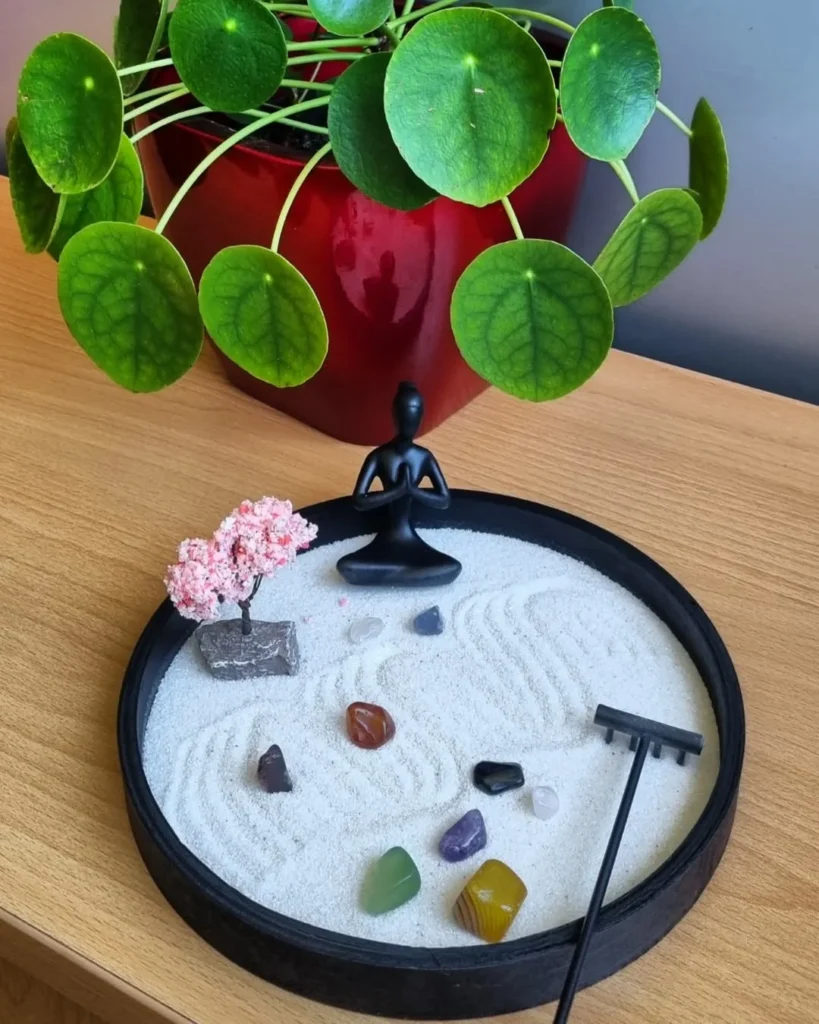
The Inspiration: The ancient Japanese karesansui rock gardens at Ryoan ji Temple in Kyoto inspired miniature desktop adaptations centuries old meditation tools transformed into workplace sanctuaries. Buddhist monks raked gravel into patterns that symbolized water ripples, achieving mindfulness through repetitive motion. Desktop zen gardens make this contemplative practice accessible, encapsulating entire philosophies in compact wooden trays. Picture finding tranquility between conference calls, using a miniature rake to create temporary mandalas in sand, transforming cubicles into personal meditation spaces whenever stress becomes overwhelming.
Why it Works: Desktop miniature zen gardens offer immediate stress relief during demanding workdays without the need to leave your desk. The tactile raking motion stimulates the parasympathetic nervous system, reducing cortisol levels and heart rates in just minutes similar to the effects of meditation but without requiring training. The compact 6×8 inch size fits beside keyboards without compromising workspace, while the minimalist design complements any office décor. Unlike fidget toys, zen gardens create visible artistic patterns that provide creative expression during problem solving breaks. The ritualistic aspect arranging stones and creating new sand designs offers mental resets between tasks, enhancing focus and productivity. Research indicates that brief tactile meditation breaks can reduce workplace anxiety by 23%. These portable sanctuaries require no maintenance, needing neither water nor sunlight, and only occasional sand smoothing.
Pro Tip: Opt for fine white sand or crushed marble instead of colored sand, as neutral tones promote better mental clarity than distracting colors. Arrange three rocks asymmetrically to follow the Japanese “heaven earth human” positioning rather than in symmetrical patterns. Keep a small brush handy for smoothing the sand completely flat between raking sessions, ensuring that each pattern creation feels intentional. Store your rake horizontally to avoid bending the tines, maintaining crisp line quality.
Tabletop Rock Zen Garden
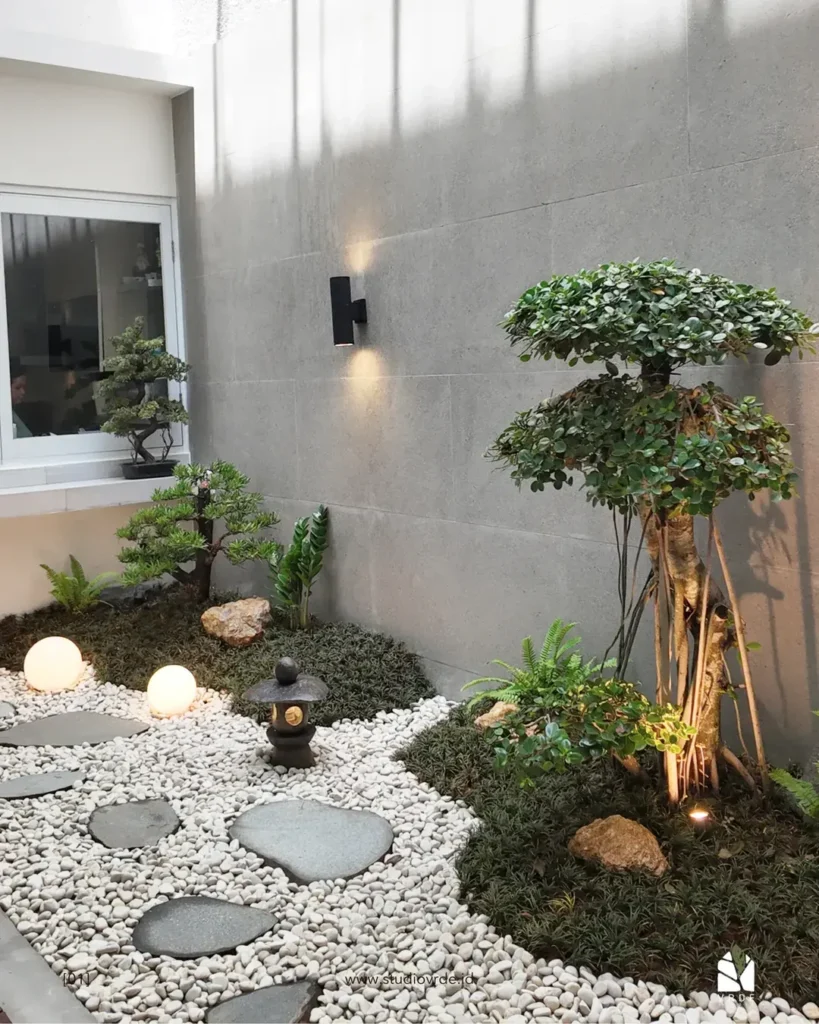
The Inspiration: Suiseki, the Japanese art of appreciating viewing stones, raises rocks to the status of spiritual objects worthy of contemplation. Zen masters dedicated their lives to selecting the perfect stones that represent mountains, islands, or animals. Tabletop rock gardens condense this tradition into living room centerpieces, where carefully chosen river stones, lava rocks, and quartz crystals become sculptural meditations. Each placement of a stone reflects intentional artistry, transforming coffee tables into galleries that celebrate nature’s patient craftsmanship and geological wonder.
Why it Works: Tabletop rock gardens provide flexibility beyond sand based designs, allowing for creative arrangements without the need for daily maintenance. The substantial stones offer tactile grounding physically rearranging smooth river rocks during stressful moments fosters calming, meditative engagement. Unlike fragile sand patterns, rock arrangements remain intact despite household activity, making them safe for families and pets. The geological diversity granite’s speckled texture, slate’s layered striations, and quartz’s crystalline sparkle creates visual interest from every angle. Rocks require no upkeep and last indefinitely, making them the most sustainable option for a zen garden. Their weight and permanence provide psychological anchoring, symbolizing stability during chaotic times. Swapping seasonal elements such as moss, succulents, or driftwood around core stones keeps displays fresh without needing complete redesigns, allowing for creative expression within minimalist frameworks.
Pro Tip: Follow the Japanese principle of odd numbers arrange three, five, or seven rocks instead of even groupings for natural asymmetry. Choose stones with contrasting textures and colors but similar geological origins for cohesion. Position your largest “anchor” stone first, then arrange smaller stones in relation to it. Raise the display on bamboo mats or wooden platforms to create defined boundaries that separate the sacred garden space from everyday surfaces.
Balcony Zen Corner Garden
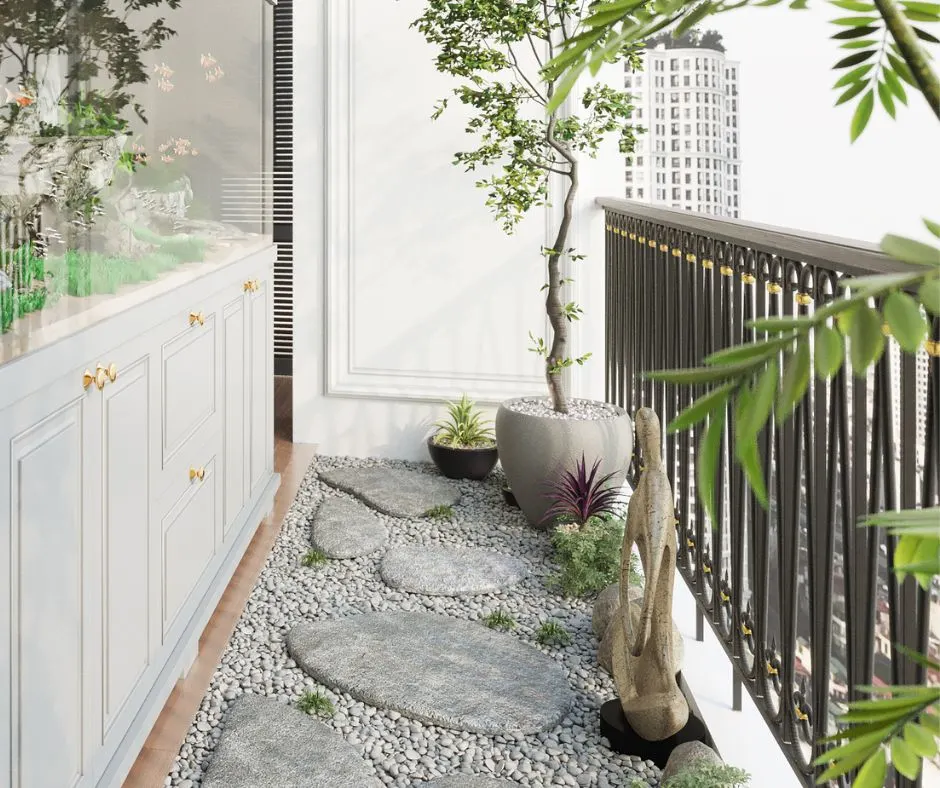
The Inspiration: Urban Japanese apartments introduced balcony gardens known as “tsuboniwa,” which serve as small sanctuaries away from the chaos of the city. Kyoto’s machiya townhouses included tiny courtyards where residents could meditate despite limited space. Balcony zen corner gardens adapt this need for tranquility into modern apartment living, turning neglected outdoor corners into personal retreats. Picture enjoying morning coffee surrounded by bamboo, smooth stones, and the soothing sounds of water, experiencing the serenity of a mountain temple while skyscrapers loom above an intersection of urban poetry and ancient tranquility.
Why It Works: Balcony zen corner gardens make the most of underutilized outdoor spaces while offering apartment residents easy access to nature. The corner location naturally creates intimate enclosures that shield against urban noise and the visual clutter of neighboring units. Outdoor elements are resilient to the weather rain cleans the gravel, wind creates music through the bamboo, and sunlight alters shadow patterns introducing dynamic changes that indoor gardens cannot provide. Fresh air and natural light allow for the growth of more resilient plants, such as dwarf Japanese maples, ornamental grasses, and evergreen shrubs. A dedicated meditation area promotes regular outdoor time, helping to counteract urban isolation and screen fatigue. Container based designs are renter-friendly and can be easily moved. Weather resistant materials like river rocks, ceramic pots, and stone lanterns require minimal maintenance while developing attractive patinas over time, enhancing their aesthetic appeal as they age.
Pro Tip: Create vertical layers in your corner by using weatherproof bamboo screens as backdrops, medium height potted plants at mid level, and ground level gravel beds with stepping stones. Incorporate a small solar powered water feature for calming sounds without electrical complications. Select cold hardy bamboo varieties or ornamental grasses that thrive in your climate zone. Add outdoor rated LED uplighting beneath key features to create a magical evening ambiance for twilight meditation sessions throughout the year.
Succulent Zen Garden
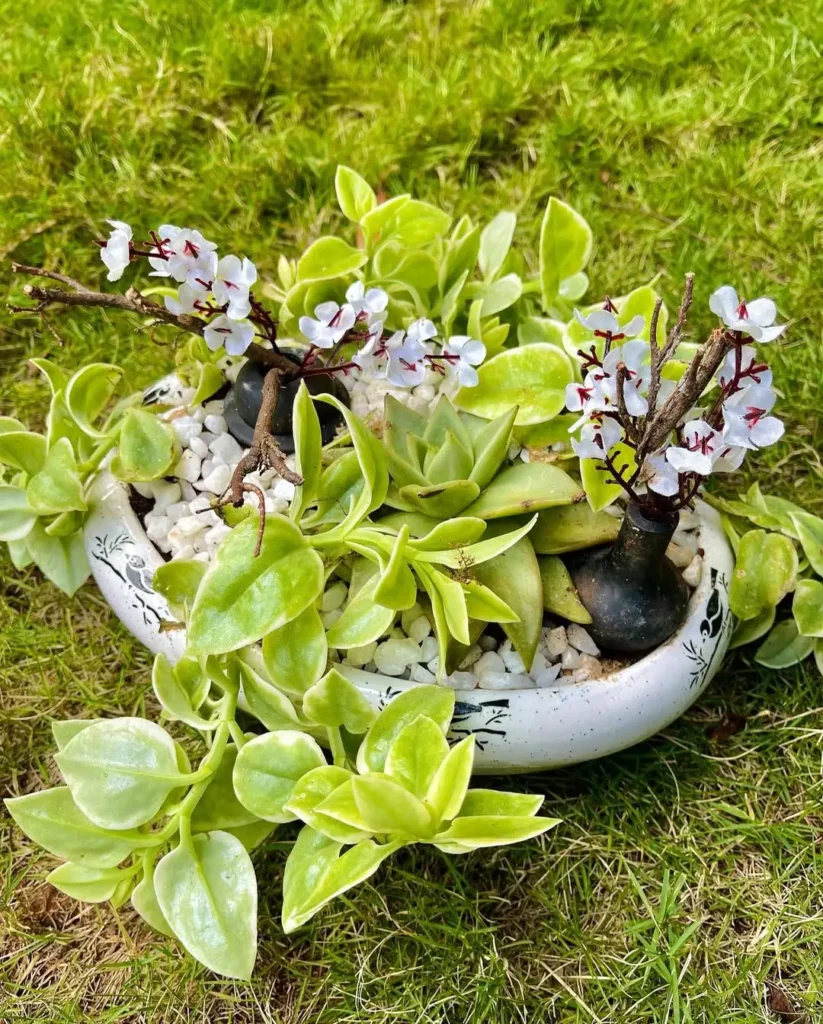
The Inspiration: For centuries, Japanese rock gardens have fostered serenity in temple courtyards with finely raked gravel and strategically placed stones that reflect moving water. I’m particularly in love with modern versions of succulent-filled Buddhist meditation gardens that offer a new, low output twist for busy lives, replacing the traditional high maintenance side effects of moss at your dojo, for instance. These little landscapes blend Eastern contemplative design with low water gardening, the living art that can survive in your house. The marriage feels natural succulents’ sculptural shapes are like an echo of the intentional rocks in traditional zen gardens.
Why It Works: Succulent zen gardens thrive where typical gardens wither inside. They need to be watered only once in 2-3 weeks, ideal for busy folks or those who are frequently out of town. Drought-resistant plants release oxygen at night, as well, which supports better overall air quality while you sleep. Psychologically, creating sand patterns and plantscapes provides the same stress-reduction benefits as regular meditation practices research has found 15 minutes of mindful gardening reduces cortisol levels by 12%. These little ecosystems will do well in the smallest spaces, from desktop containers to shallow ceramic bowls. Unlinke bonsai trees that take years to train, succulent arrangements provide instant visual impact. The tactile tension of smooth stones, raked sand, and undulating succulent forms provide the opportunity for dynamic compositions over time as plants grow in without the need for particular expertise.
Pro Tip: Build a great base for your zen garden: Accessorize with activated charcoal to keep soil smelling sweet, cactus mix so plants can drain excess water, then decorative sand. You can also get an impression in the sand with a small rake or fork representing ripples around succulents, as if water were flowing over rocks. Rotate your garden every three months, so all of your plants receive the same amount of light and grow equally.
Small Backyard Zen Garden
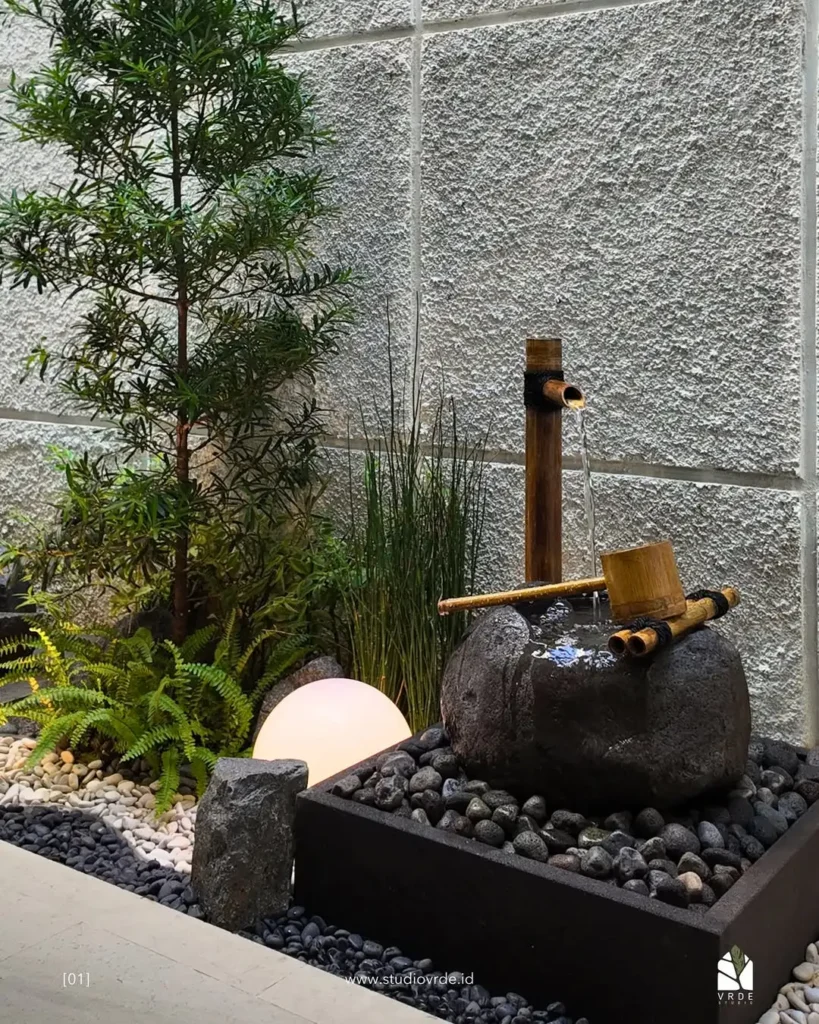
The Inspiration: Ryoan-ji, Kyoto’s temple garden taught us that profound peace need not come from a large swath of acreage. Just fifteen carefully placed rocks in raked gravel makes one of the world’s most contemplative spaces. A 15th-century masterpiece has encouraged modern homeowners to turn their petite yards into private paradises. Small zen gardens in the backyard pay homage to the Japanese concept of “ma” which is about meaningful emptiness and where empty space is as important as planted elements. This transcendent simplicity can even be captured by the smallest urban plot.
Why It Works: Tiny backyard zen gardens work in small spaces, using an air of restraint that feels natural. They scratch lawn maintenance off the to-do list freeing up 30-40 hours per year and cut water usage by up to 70% compared to grass yards. The curated elements gravel pathways, specific evergreens, strategic boulders help to establish visual depth, which can make small areas seem more expansive through devices of perspective. Studies in environmental psychology have demonstrated that simply looking at zen garden compositions for even as little as ten minutes reduces blood pressure and heart rate. These gardens offer year round appeal without the practice of seasonal replanting, and act as outdoor meditation chambers just steps from your door. The no maintenance style is ideal for time-crunched professionals who want a weekend retreat, without the work. Well placed zen gardens also add 5-10% to property values by boosting curb appeal.
Pro Tip: Define your zen garden boundaries with bamboo edging or natural stone borders before laying landscape fabric and gravel. Select no more than three focal points like one statement rock, a dwarf Japanese maple and a stone lantern and place them based on logic of the “rule of odds” to help create visual balance. Oscar recommends 3″ of gravel for good coverage and comfortable raking.
Chill Corner Zen Garden
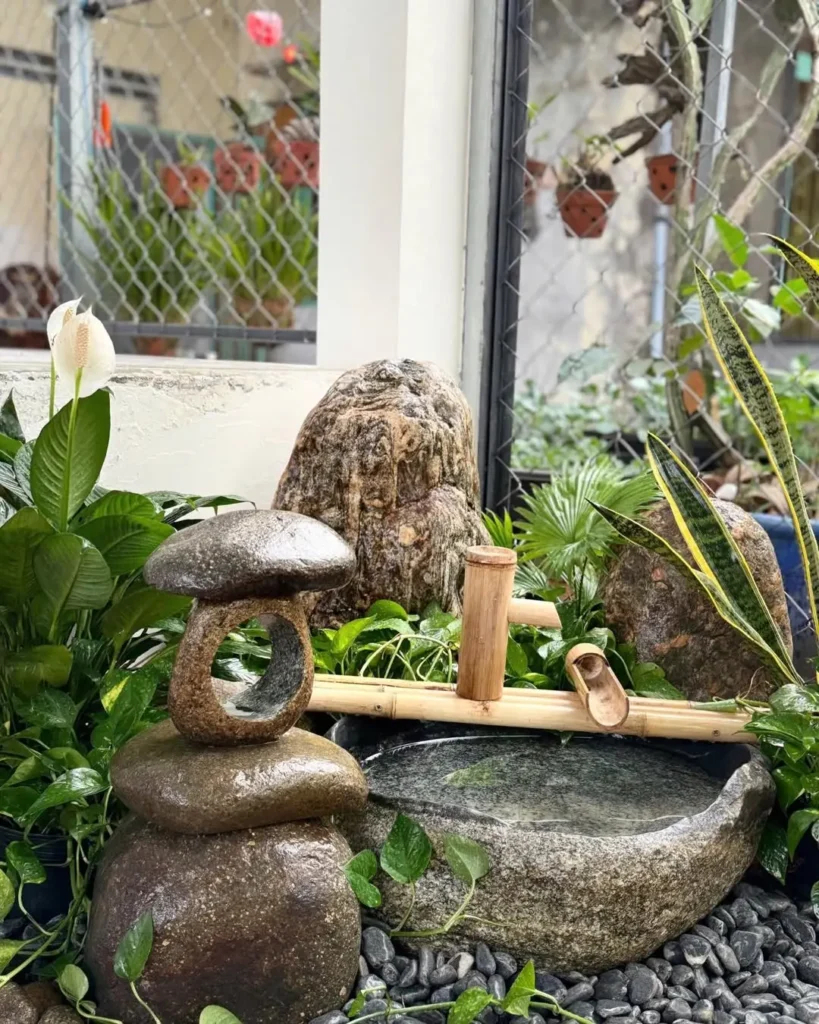
The Inspiration: Every home harbors forgotten corners awkward alcoves beside staircases, unused patio edges, neglected bedroom nooks. Korean temple gardens demonstrate how even cramped spaces can become sanctuaries through thoughtful design, transforming leftover footage into contemplative retreats. The chill corner zen garden concept reclaims these overlooked areas, creating personal decompression zones exactly where you need them most. Picture arriving home stressed, then sinking into your dedicated calm corner surrounded by peaceful greenery and gentle water sounds.
Why it Works: Chill corner zen gardens solve the modern challenge of finding mental space in crowded homes. They require minimal square footage as little as 3×3 feet while delivering maximum stress relief impact. Neuroscience research shows that designated relaxation zones trigger faster parasympathetic nervous system responses than randomly chosen spots, helping you unwind 40% quicker.These micro sanctuaries adapt to any architectural quirk: indoor corners near windows, shaded outdoor alcoves, or balcony edges. Strategic plant selection creates natural privacy screens without construction costs. The contained design prevents garden sprawl while concentrating calming elements smooth river rocks, compact bamboo, tabletop fountains within arm’s reach of your favorite chair. Unlike full room renovations costing thousands, corner gardens transform spaces for under $200 while adding functional square footage to daily life.
Pro Tip: Anchor your chill corner with a comfortable floor cushion or low meditation bench before adding garden elements. Position a small water feature at ear level when seated to maximize the calming sound effect. Use vertical elements like hanging planters or wall mounted shelves to layer greenery upward, creating an immersive cocoon without encroaching on limited floor space.Small Garden Design Ideas for Tiny Yards and Spaces
Cup and Saucer Zen Garden
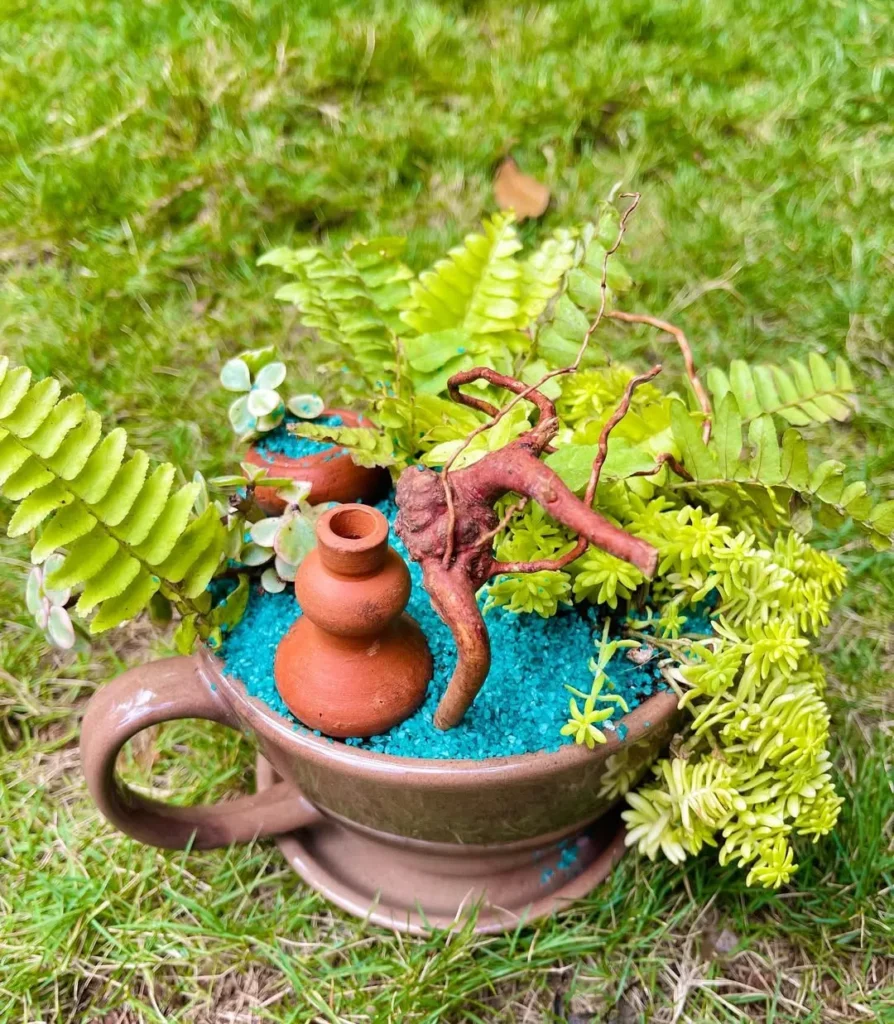
The Inspiration: Victorian England popularized teacup gardening when resourceful gardeners transformed cracked china into miniature landscapes rather than discarding treasured heirlooms. This thrifty tradition meets Japanese wabi-sabi philosophy finding beauty in imperfection through cup and saucer zen gardens. Vintage china pieces become tiny meditation spaces, honoring both grandmother’s forgotten tea service and ancient contemplative practices. Each miniature garden preserves memories while creating new moments of calm at your desk or bedside table.
Why it Works: Cup and saucer zen gardens deliver portable tranquility anywhere you need grounding. Their compact 4-6 inch diameter fits perfectly on crowded desks, nightstands, or windowsills without requiring dedicated space. Studies show brief visual breaks focusing on natural elements even miniaturized ones reduce eye strain by 25% during screen heavy workdays and lower stress hormones within three minutes.These micro gardens cost under $10 to create using thrifted china and basic craft supplies, making mindfulness accessible without investment barriers. The raised saucer edge contains sand perfectly while providing drainage when drilling a small hole. Unlike larger gardens demanding ongoing maintenance, teacup versions need attention just once weekly a quick rake of the sand, repositioning tiny stones. They’re ideal gifts combining personalization with practicality, and multiple cups create calming collections across your home.
Pro Tip: Select vintage china with interesting patterns or colors that evoke calm soft blues, greens, or neutral tones work best. Layer fine aquarium sand over small pebbles for drainage, then add miniature elements like tiny succulents, polished gemstones, or a single air plant. Use a toothpick as your zen rake to create ripple patterns, storing it inside the cup between meditative moments.
Indoor Sand Tray Garden
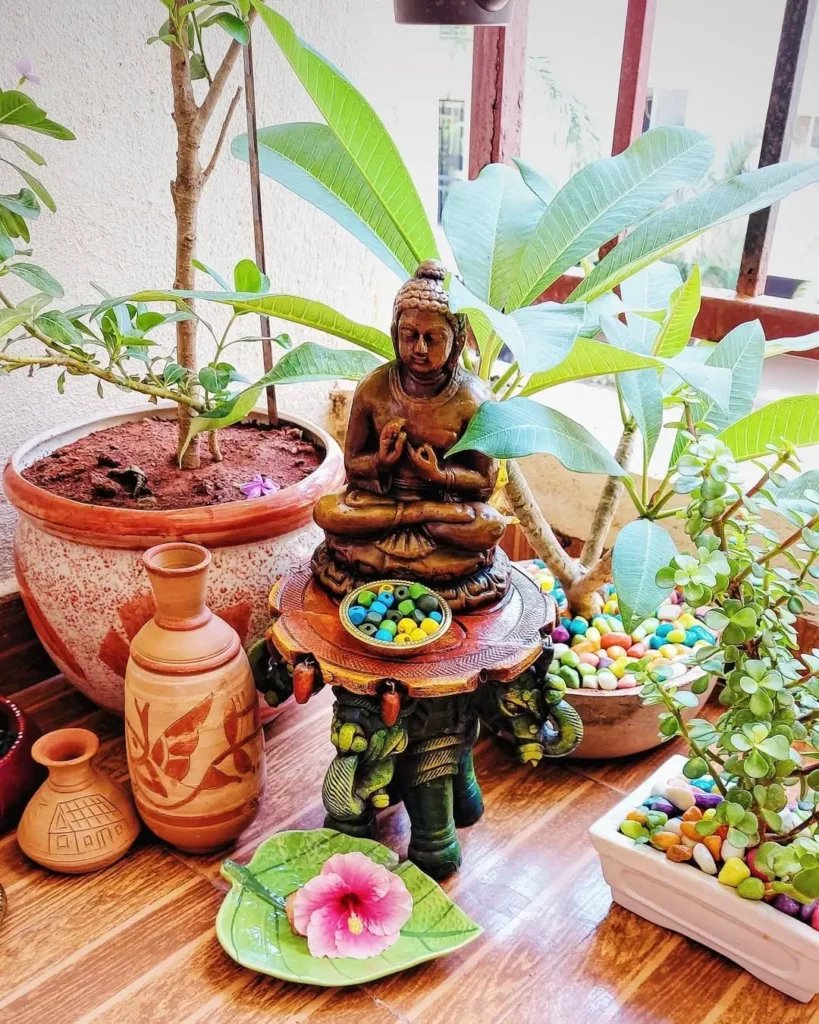
The Inspiration: The indoor sand tray garden is inspired by centuries-old Japanese Zen gardens, where monks raked sand into meditative patterns around carefully placed stones. This ancient art of crafting small interior landscapes, adds a connexion to the outside world and serenity. Today’s apartment dwellers have resurrected this art, turning shallow trays into tranquil desktop sanctuaries that marry gardening and mindfulness, providing a tangible respite from screens-filled days.
Why it Works: Indoor sand tray gardens work because they need very little space, water or maintenance and yet provide a big visual punch. Its sand base offers great drainage for succulents and cacti, preventing the bottom root rot often found in traditional pottings. These Zen gardens will help alleviate stress by involving your hands in the process of decorating, placing and organizing miniature plants as well as decorative elements on their surface. Studies find that desk plants increase our attention span by 15% and the part where we get to personalise something, it gets us all foxy, no? Unlike traditional houseplants, sand gardens are forgiving of sporadic neglect and ideal for busy lives, but they still offer the mental health benefits of caring for living things.
Pro Tip: Use a coarse horticultural sand rather than beach sand, which contains salt and organic matter that can be damaging to plants. Add 30% perlite for best draining. Then, layer activated charcoal beneath the sand. Choose plants that can tolerate drought, such as lithops, haworthia or air plants, which grow in the desert.
Bonsai Zen Garden
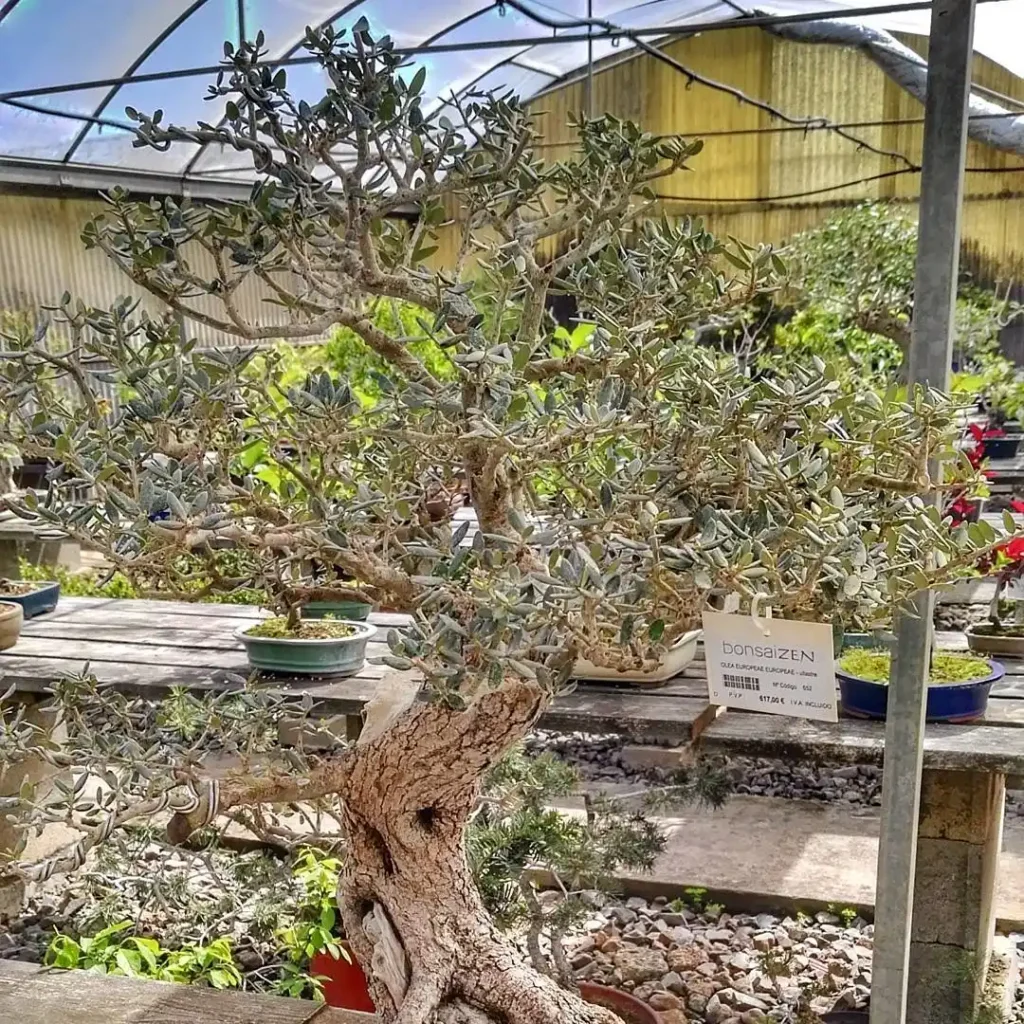
The Inspiration: Bonsai zen gardens Artfully blended cultures Two ancient Japanese arts meld in bonsai zen gardens Bonsai cultivation, which has been honed for more than a millennium, and karesansui dry landscape gardens found in 11th-century Kyoto temples. Over the centuries, monks cultivated these tiny worlds to echo nature on a grand scale in their meditative refuges. Today’s urban gardeners replicate that harmony, combining carefully pruned trees with raked patterns in sand that evoke the flow of water and will hopefully bring monastic calm into your suburban semi.
Why It Works: Bonsai zen gardens turn any area into a place of meditation that’s unexpectedly small. Together, the two offer a double dose of wellness: bonsai pruning increases patience and mindfulness, while raking the sand using a small mount of force to create patterns in this case provides immediate relief from stress in the form of repetitive motion. Research shows gardening reduces cortisol levels by 47%, while the creative arrangement also encourages creativity. The difference between this and large gardens is that you can place these compact displays on a desk or shelf, giving you the greenery all year-round without the restrictions of seasons. The living bonsai brings home air-purifying benefits, while the zen garden part needs no watering, providing a low maintenance haven that grows with your care and personal style.
Pro Tip: Opt for bonsai trees easy enough for beginners, such as ficus, jade or Chinese elm that can handle indoor settings and the occasional cutting blunder. Place your display near eastward facing windows for soft morning light. Employ fine white sand or crushed granite for raking and invest in a small bamboo rake to make traditional wave patterns that refresh your mind between bouts of work.
Bamboo Meditation Garden
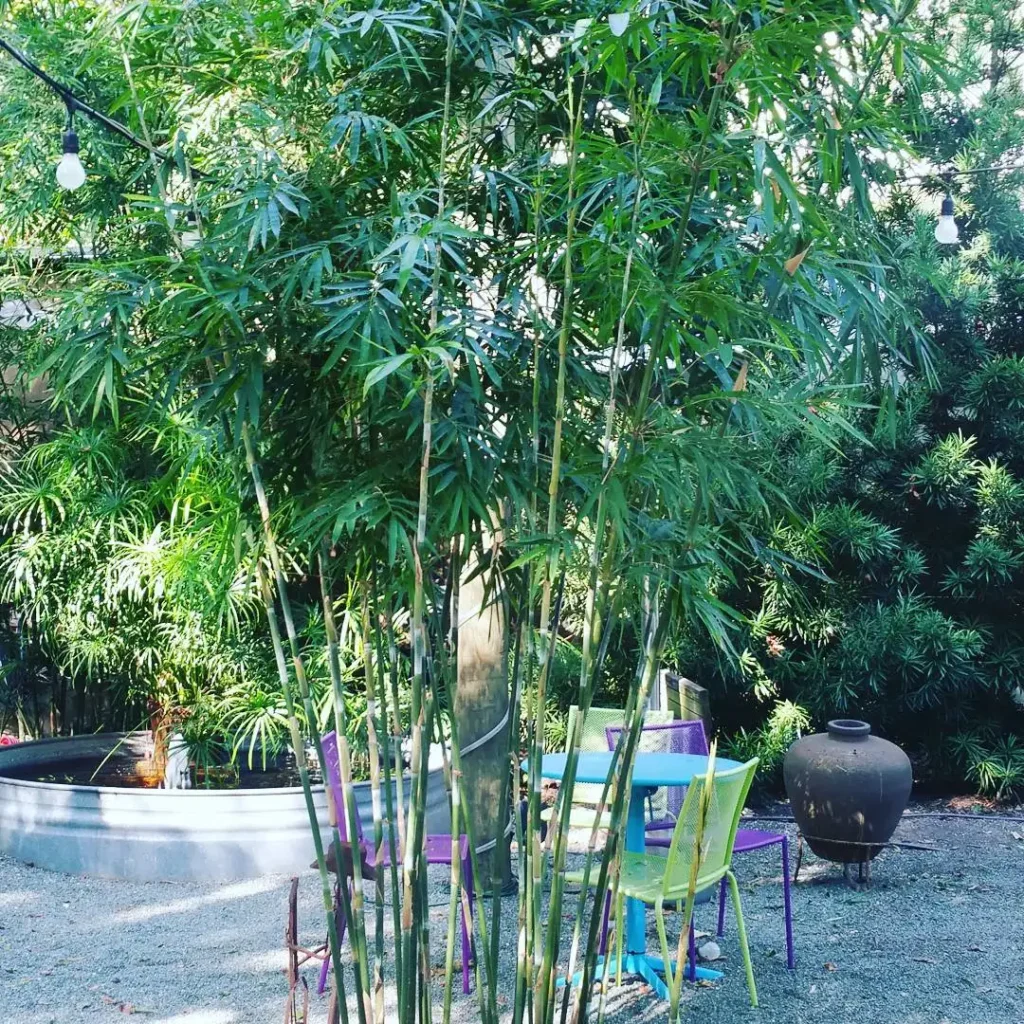
The Inspiration: Bamboo has long been a metaphor for strength and flexibility in Asian philosophy. Chinese scholars planted them outside their studios and solaced in the rustling stalks that bend but never break. Japanese tea masters used bamboo in their meditative gardens, where the wind music of the leaves is made. Today’s wellness warriors are replicating these peaceful bamboo sanctuaries inside their homes, turning corners into private hideaway niches.
Why It Works: “You don’t need to have a green thumb, as bamboo meditation gardens are very hardy plants,” says Nicolai Bailey, program manager of Bloomscape, an online garden center that delivers houseplants directly to your door. The vertical lines guide the eye upward, visually enlarging and opening up what may be a small space. Bamboo releases 35% more oxygen than your average houseplant and offers a natural way to humidify indoor air. Even a slight breeze will make it rustle, giving you the soothing white noise that blocks out background sounds to help you concentrate. Some Lucky bamboo species grow only in water, which is mess-free from soil and clumping bamboo varieties stay put and won’t invade. This living wall reduces stress through a biophilic connection and is easy to care for, even with limited knowledge.
Pro Tip: Choose varieties that clump, like bambusa multiplex, for containers, and never running bamboo that takes over. Plant in a pot at least 18 inches deep which has drainage holes and filled with good quality potting mix, such as one that contains added compost. Position near bright indirect light and mist leaves weekly to simulate their natural humid habitat and avoid those browning tips.
Moss Zen Garden
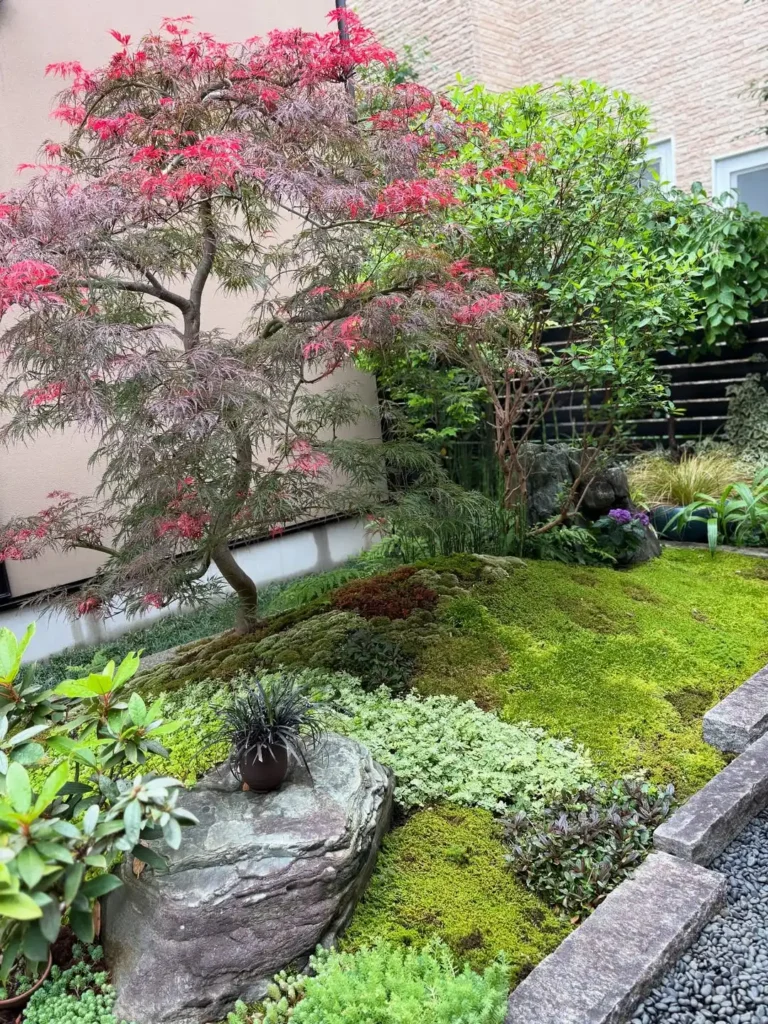
The Inspiration: In Kyoto, at the Saihoji Temple otherwise known as the moss temple 120 varieties of moss, sheared close like a three day old beard, carpet its grounds in radiant green velvet. For 700 years, the monks have tended these modest plants that are emblems of age and patience and natural beauty. And these days, modern gardeners capture that timeless tranquillity on the smallest of scales: desktop moss landscapes which can bring images of the temples’ calm to homes anywhere in the world.
Why it Works: Moss zen gardens are perfect for low light settings that prohibit blooming plants, such as under fluorescent office lights or north facing windows. No soil, no fertilizer and hardly any watering, just a well placed misting now and then to keep the living carpet bright. Moss acts as a natural air purifier, releasing oxygen and filtering out harmful pollutants from the air while providing sound absorption resulting in quieter spaces. Its soft and tactile texture gives sensory experience and brings comfort to decrease anxiety while you roll your fingers across the ‘bumpy’ Braille like imprints. Unlike conventional gardens, moss grows slowly and in a predictable manner, leaving the garden perfectly groomed for months without having to be pruned. Studies have proven green environments increase productivity by up to 15%, and the deep, rich color saturation of moss provides the optimal biophilic benefits in small sizes designed for apartments or work-spaces.
Pro Tip: Spread glue and cover with sheets of moss or carpet moss varieties sold at garden centers, never wild-harvested specimens. Start with a foundation of dampened sphagnum moss in a shallow tray, pressing small pieces of live moss firmly onto the surface. Spritz with distilled water every three days and keep in indirect light. Add tiny figurines or small stones for interest.
Water Feature Zen Garden
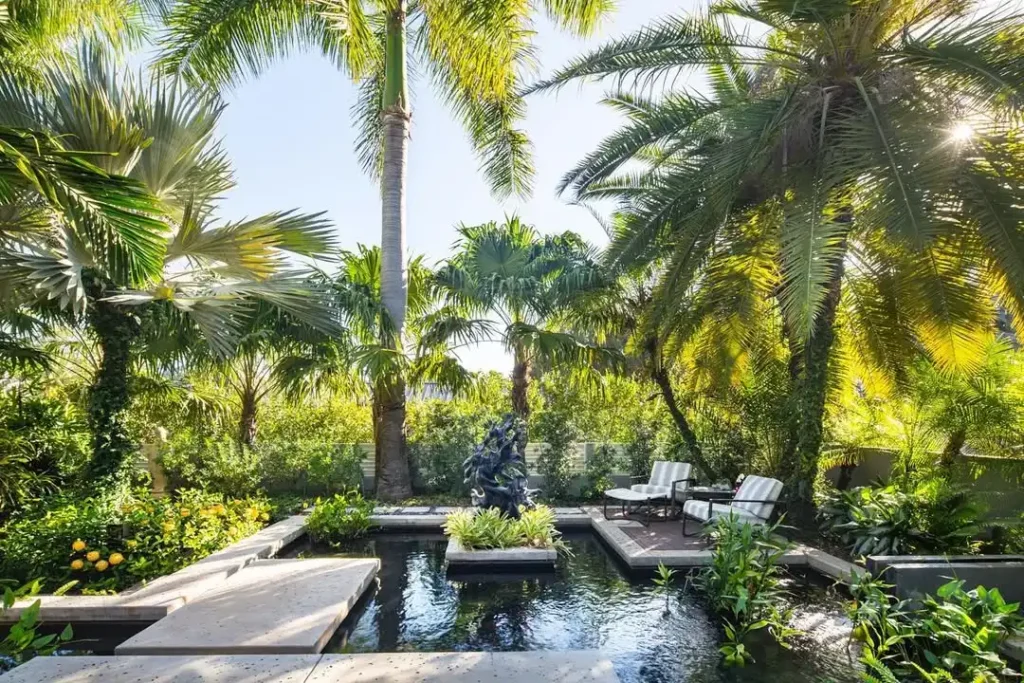
The Inspiration: The ancient Japanese garden masters knew that water had the power to transform, so they created tsukubai stone basins for samurai to cleanse their hands in before tea ceremony induced calm. The soft plop and lazy rings of the water represented life’s ebb and flow, impermanence. The courtyard of Ryoan-ji Temple has water basins that have calmed visitors for five centuries. Indoor water feature zen gardens of today tap into this timeless wisdom, inviting the soothing sound of flowing water into contemporary lifestyle.
Why It Works: Water feature zen gardens bring instant peace through sound therapy, and flowing water provides pink noise which has been known to help block out unwanted sounds like traffic. And it’s believed reduce blood pressure up to 10 points according to studies on wellness. The eye speed itself commands drifting thoughts into a more focused kind of presence, and all of those gardens make great meditation anchors. The vapors gushing up from your stacked art will raise the humidity level in your home 5-10% and is good for your respiratory health and cuts down on that static electricity. Water features offer a contrast to silent ornaments, as they engage the senses in more ways and allow for deeper relaxation. The recirculating pumps are energy efficient and maintain 24/7 ambiance and the evaporating water cools naturally so they can be used even in warm months. It’s these benefits of sound, vision and atmosphere that make such strong stress reduction in a portable, easy to keep clean format.
Pro Tip: Opt for tabletop fountains that come with a flow control knob so you can adjust the intensity of sound as you like. Minerals will not build up in stones and pump mechanisms when distilled water is used. Once a month, add some white vinegar to keep the water fresh and clear. Set your fountain away from electronics and close to where you will enjoy its soothing sounds say, near seating or a desk.
Buddha Statue Zen Garden
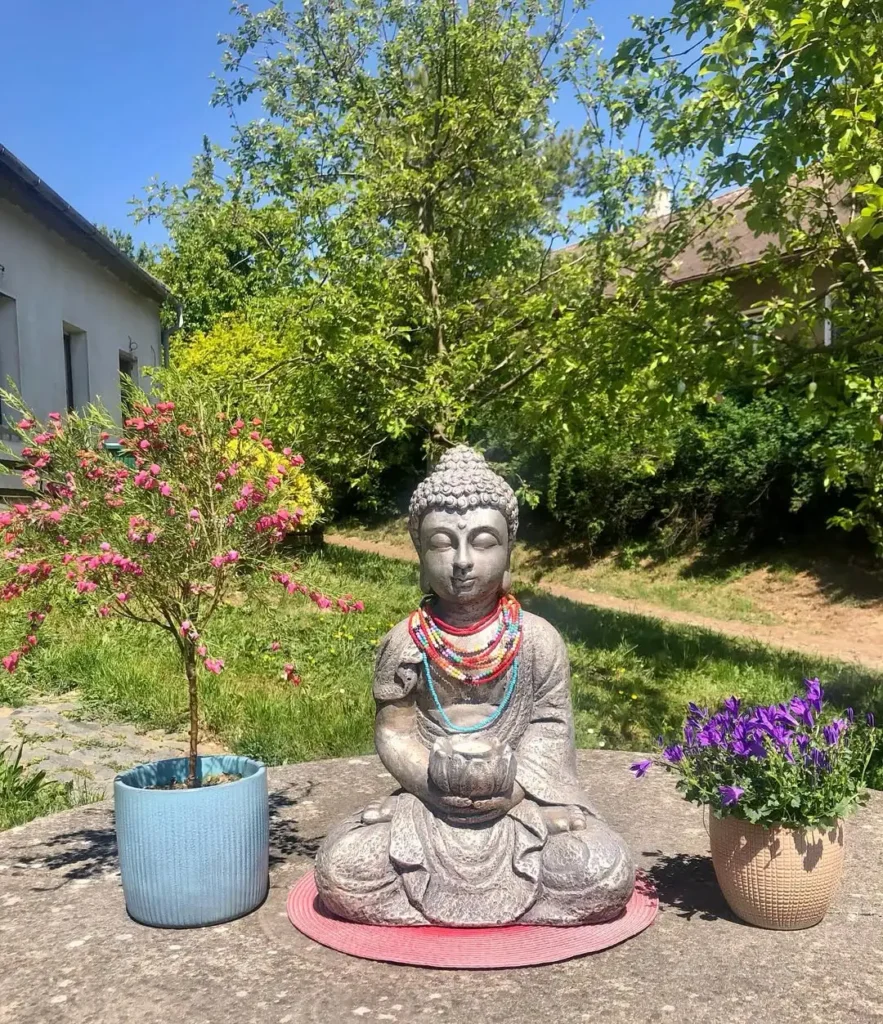
The Inspiration: For more than 2,500 years, Buddha statues have occupied meditative spaces in settings as varied as Himalayan monasteries and Vietnamese temple gardens. These peaceful figures, hand carved by artisans, feature ancient mudra hand gestures that symbolize peace, protection and enlightenment. Coupled with the serene look and stable stance, I find these instantly meditative points of focus. Contemporary enthusiasts use these ancient sculptures to create peaceful sanctuary spaces in their homes, anointed with calm and ritual, charging the environment with a sense of silence.
Why It Works: Zen gardens in the likeness of a Buddha statue present an intentional focal point to train your mind to come into meditative mindset immediately when seeing the known shape. The statue’s serene expression triggers mirror neurons, which in turn causes the facial muscles to relax and decreases levels of stress hormones. Add a statue with raked sand, stones and very little in the way of plantings and you have what psychologists call “attentional restoration” using focused contemplation of simple and harmonious elements to allow your brain to recover from mental fatigue. Unlike busy décor, these intentional arrangements send a message to your mind that this space is here for relaxation and contemplation. The process of tending the garden raking designs, setting up stones is a moving meditation shown to improve focus and emotional regulation in research studies with just five minutes a day.
Pro Tip: Opt for statues in particular mudras that align with your intention: Dhyana mudra promotes meditation; Abhaya mudra provides protection and fearlessness. Set your Buddha at eye level sitting down & looking toward the entrance of the room. Encircle with unscented items, so you can keep the conscience and contemplative mind without disturbing your senses.
Japanese Maple Zen Garden
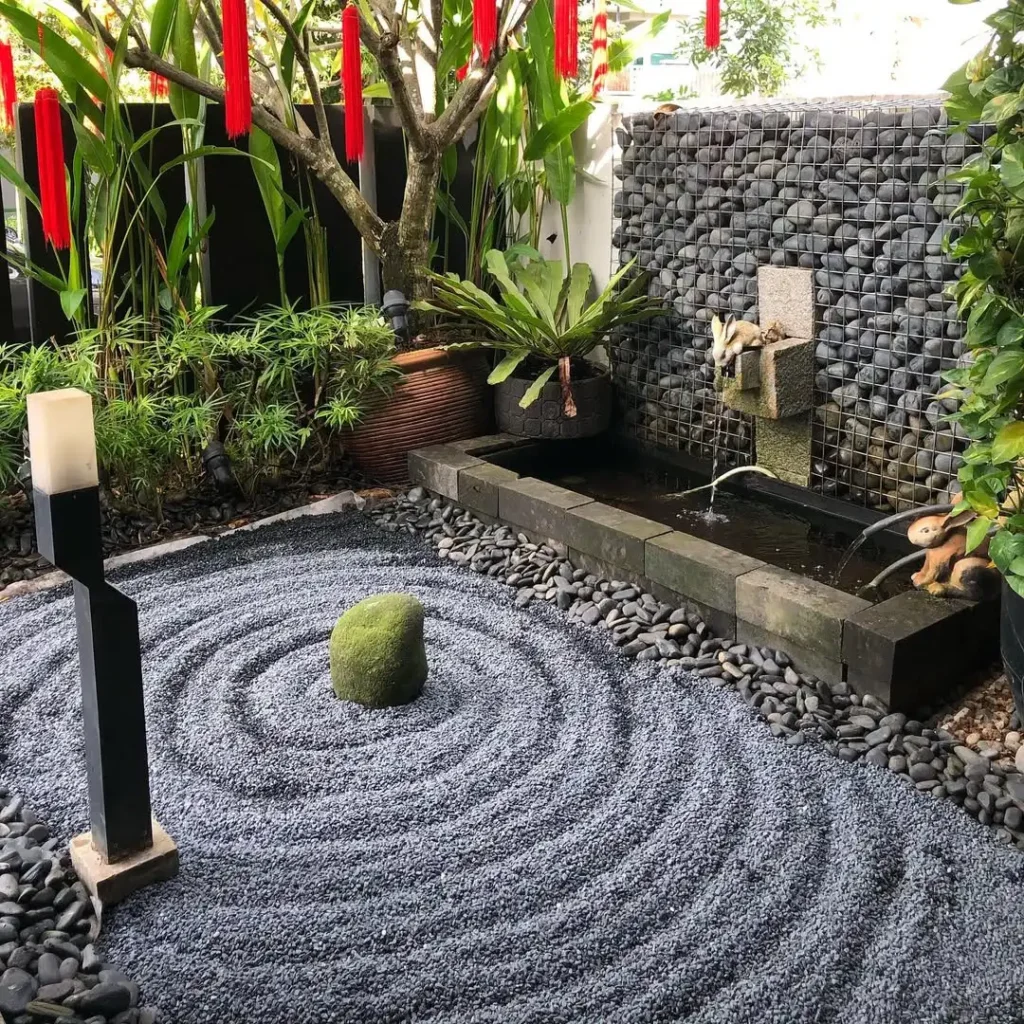
The Inspiration: Japanese maples have adorned temple gardens since the 8th century, their delicate leaves and supple branches exemplifying wabi sabi the beauty of imperfection and impermanence. Millions flock to Kyoto for the autumn tradition of viewing the city’s maple trees turn into spectacular scarlet masterpieces: momijigari. Garden masters have bred dwarf varieties that extend this seasonal drama indoors, becoming living sculpture that transforms from spring’s bright green to summer’s burgundy and then into fall’s fireworks.
Why It Works: A Japanese maple zen garden provides year round visual interest through its dramatic seasonal transitions and helps us feel more in tune with nature’s cycles even from indoors. Dwarf varieties such as ‘Shaina’ or ‘Crimson Queen’ remain compact, at 3 to 5 feet tall, and they’re just the right size for containers while still delivering plenty of impact. The complexity of the leaf forms and branching add interest to the composition and invite meditative observation. It has been reported that viewing seasonal changes lowers anxiety and worsens the sense of time. This group of maples take to pruning with great gusto and I have been able to carve my own artistic representation, if you will, that becomes a kind of meditation. Unlike fixed decorations, your maple will react to your nurturing, strengthening that emotional connection as it clears the air and provides humidity into the indoor environment naturally.
Pro Tip: Choose varieties bred for container growth, and opt for pots that are a minimum of 16 inches wide with good drainage. Plant in acidic soil that’s been amended with peat moss and perlite. Display in indirect bright light by an east or west window, and rotate weekly to encourage even growth. Avoid harsh, hot sunlight that will burn the tender leaves giving a tattered appearance.
Raked Sand Garden
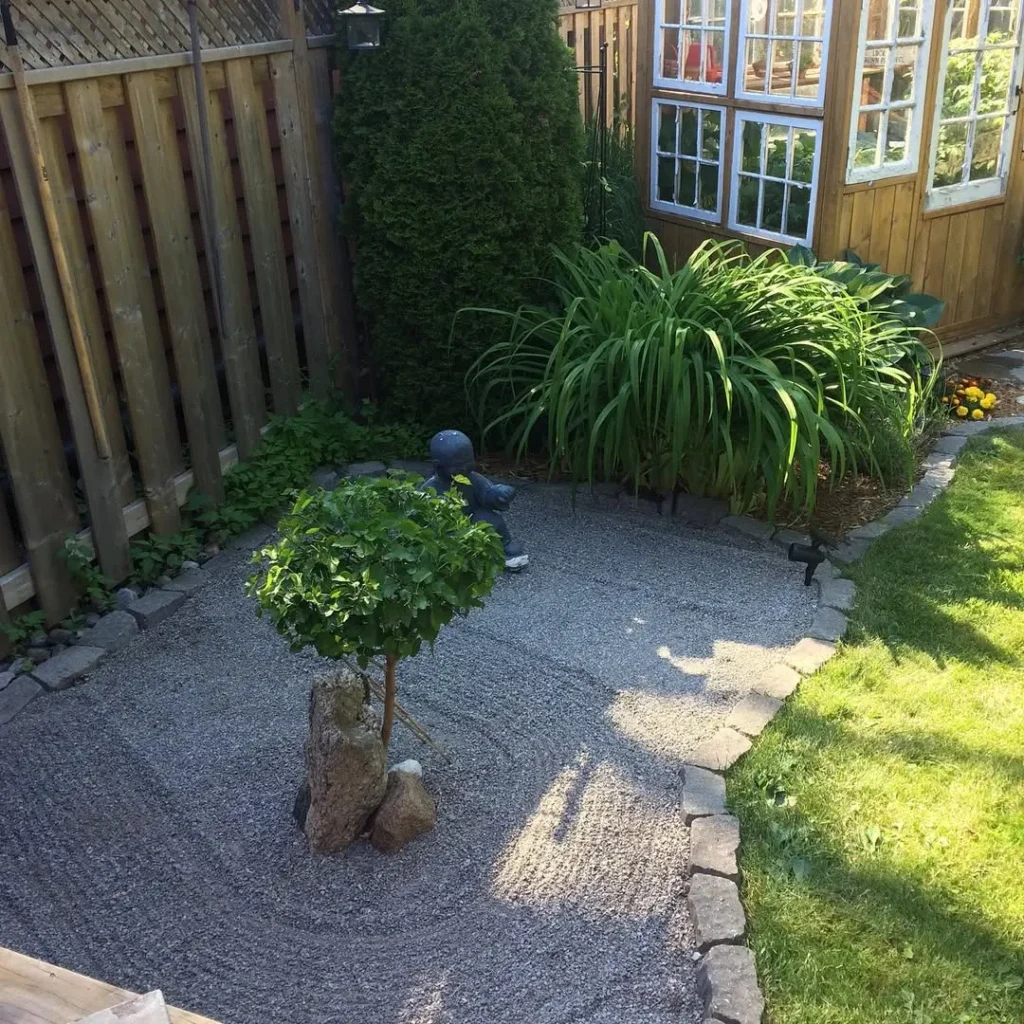
The Inspiration: Japan’s most famous raked sand garden, created in Kyoto’s Ryoan-ji Temple during the 15th century. Zen monks create carefully raked patterns in white gravel that evoke water rippling around stone islands, converting bare earth into meditation art. They wipe away yesterday’s patterns every morning and start over, in a gesture of surrender to impermanence. That same age old mongering daily creation and re-creation now inspires desktop versions around the globe, providing contemporary seekers with the same meditative work out monks perfected ages ago.
Why It Works: A raked sand garden is an active kind of meditation that keeps restless hands busy while calming a looping mind; the repetitive movement of raking can trigger the “relaxation response,” which in turn lowers cortisol levels within a few minutes. While passive stress release is essentially a happy pill for your brain, chasing patterns will force you to engage your prefrontal cortex through focused creativity, effectively shutting down the loops of anxiety. They don’t need to be watered, fed or given any sunlight, and yet they are the ultimate low maintenance mindfulness tool. It is a lesson in impermanence each new pattern lasts but for a brief moment before it vanishes, and this reflects life’s continuous changes. Studies in neuroscience reveal that 30% of emotional distress is alleviated through bilateral, rhythmic left and right brain stimulations, such as side to side eye movements. Your sand garden is a tactile nice reset button, accessible whenever stress reaches its peak; that only takes a couple of minutes to clear your mind.
Pro Tip: A shallow wooden tray filled with fine white sand or crushed granite is ideal for raking. To get clean, accurate lines use a mini bamboo rake with wide intervals between the tines. Arrange the smooth river stones in an appealing design, and then rake parallel lines or concentric circles around them, shifting patterns daily to preserve the meditative effects.
Container Zen Garden
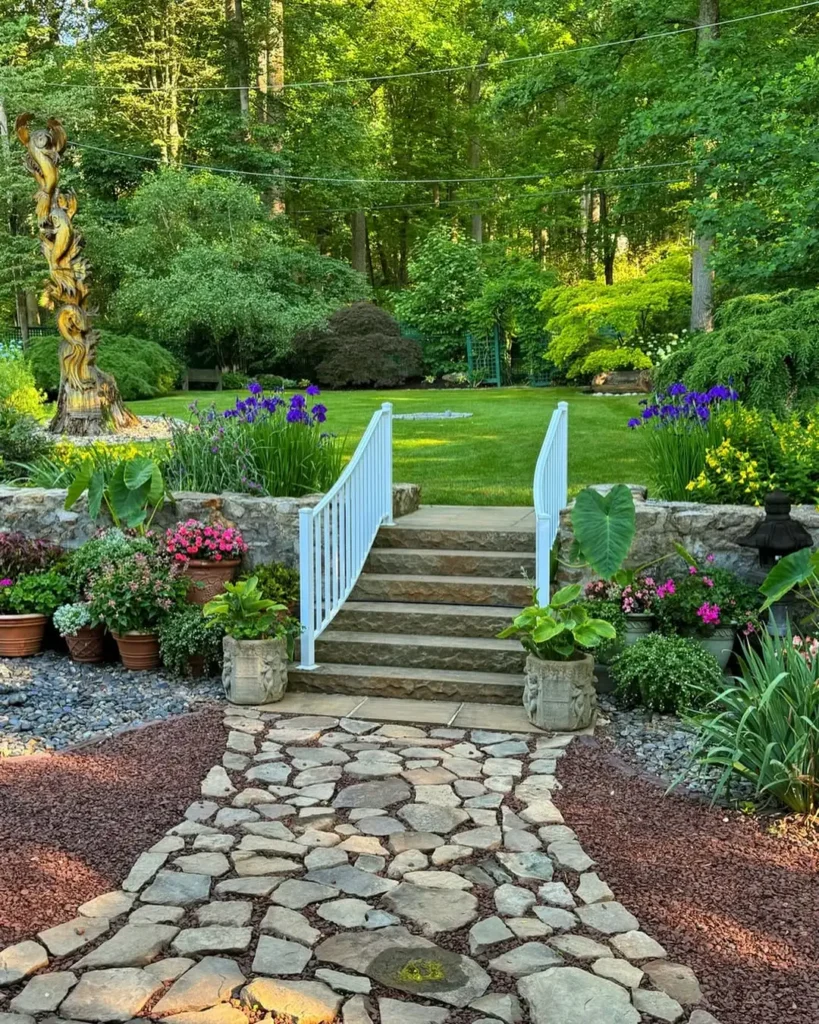
The Inspiration: Japanese tea masters developed tsubo-niwa, intimate courtyard gardens nestled in small urban spaces between Kyoto townhouses. These “jar gardens” demonstrated that tranquility doesn’t require large areas only thoughtful design. Modern apartment residents are adopting this idea, converting ceramic bowls, wooden boxes, and shallow trays into complete zen landscapes. A carefully selected container can serve as a portable sanctuary, showing that peace can exist wherever intention and artistry are present.
Why it Works: Container zen gardens make contemplative gardening accessible by removing barriers related to space, budget, and expertise anyone with a shallow dish can create one in less than an hour. The defined boundaries channel your creative energy and minimize overwhelming choices, making design decisions simpler and more rewarding. Their portability allows your garden to adapt seasonally, following optimal light or moving with you to new homes without the need for replanting. These miniature ecosystems impart essential design principles balance, negative space, and focal points that enhance overall aesthetic appreciation. Research indicates that completing small creative projects significantly increases dopamine levels and self efficacy. The contained size makes maintenance feasible even for busy schedules, while the closed composition creates a visual completeness that larger gardens often lack, providing maximum meditative benefits per square inch.Lush Indoor Plants: Transform Your Home with Greenery
Pro Tip: Select containers that are 2-3 inches deep with drainage holes, or use waterproof trays for sand only designs. Create a triangular composition with three elements of different heights a taller plant or stone, a medium accent, and low groundcover to establish a natural visual flow. Leave 40% of the space empty to embody the zen principle of ma, which celebrates the beauty of emptiness.
Stone and Gravel Zen Garden
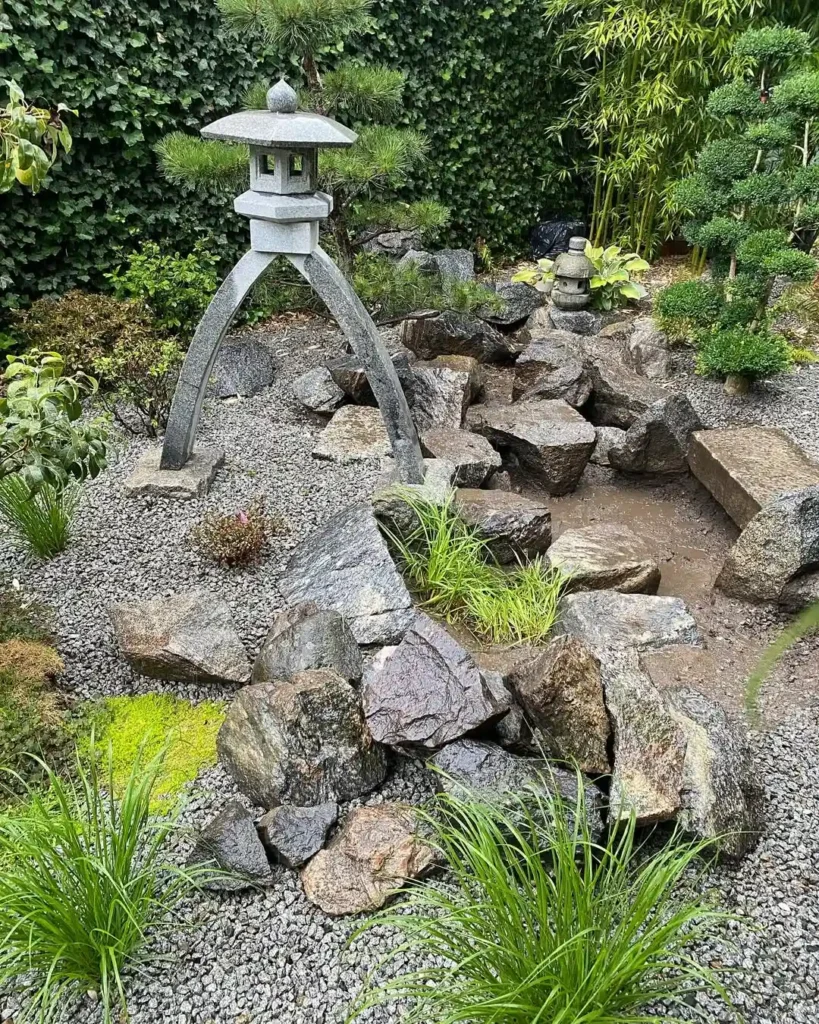
The Inspiration: In the fifteenth century, Zen priest Musō Soseki transformed Japanese gardens by eliminating all plants and using only stones and gravel to symbolize mountains rising from oceans. His karesansui “dry landscape” gardens at Tenryū-ji Temple distilled nature to its most fundamental essence rough stones representing permanence and raked gravel mimicking flowing water. This radical minimalism conveyed that emptiness encompasses everything. Today, stone and gravel gardens carry on this profound tradition, demonstrating that beauty does not require color or foliage, but rather thoughtful arrangement.
Why it Works: Stone and gravel zen gardens eliminate all maintenance concerns no need for watering schedules, pruning, fertilizing, pest control, or dealing with seasonal die back. These enduring installations can withstand neglect, travel, dim lighting, and forgetfulness while maintaining a pristine appearance indefinitely. The contrast between smooth river stones and crunchy gravel creates a tactile interest that engages senses beyond just sight. Psychological studies indicate that observing natural stone patterns can reduce mental fatigue and enhance concentration within three minutes. The intentional placement of stones serves as a problem-solving meditation that improves spatial reasoning and decision making skills. Unlike living gardens that require ongoing commitment, stone arrangements offer flexibility allowing for rearrangement whenever inspiration strikes without harming any plants. This makes them ideal for both commitment-phobic beginners and experienced gardeners, providing zen aesthetics without the need for botanical knowledge.
Pro Tip: Adhere to the Japanese “rule of thirds” by choosing stones in three different sizes with diverse shapes and textures. Place the largest stone off center as the main focal point, then arrange smaller stones asymmetrically to create visual tension. Use crushed white granite or pea gravel as your base, raking it in straight lines or concentric circles around the stones.
Corner Floor Zen Garden
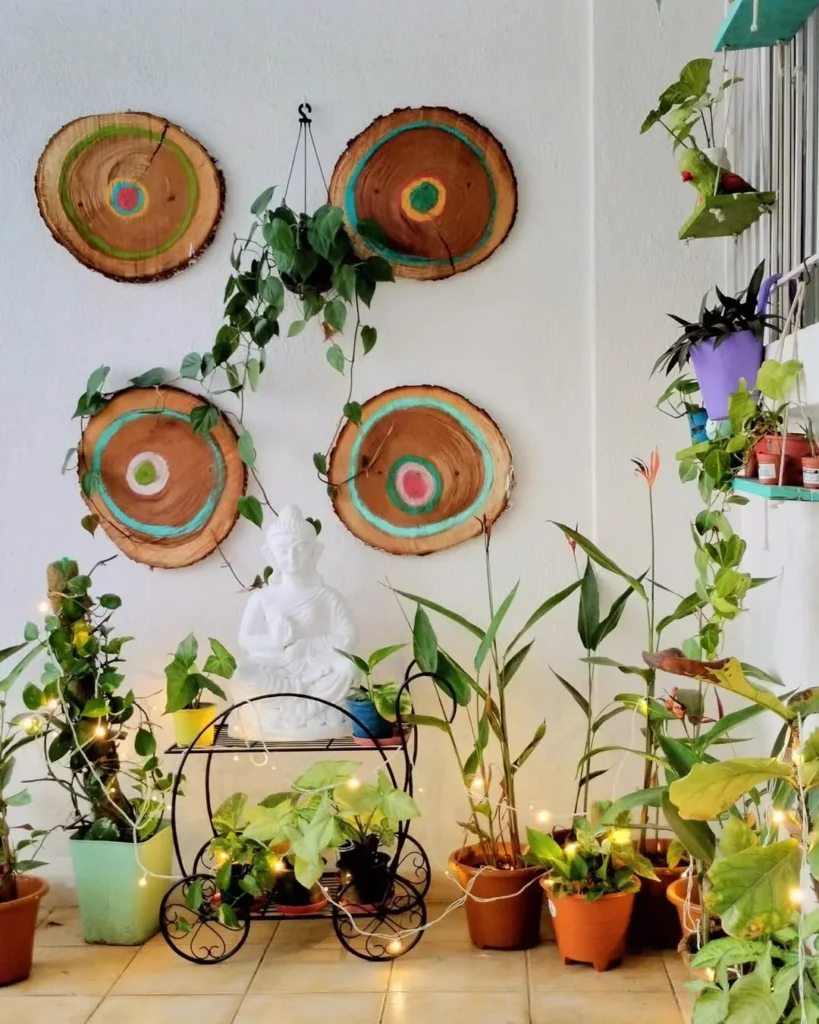
The Inspiration: Traditional Japanese homes include tokonoma alcoves recessed areas that showcase seasonal flowers, scrolls, or stones, which help to ground the room’s spiritual energy. These sacred spaces transform often ignored architectural corners into meaningful focal points. Modern designers apply this concept to Western homes by creating floor level zen gardens in neglected corners. What once gathered dust and became wasted space now evolves into the essence of your room a calming sanctuary that encourages you to disconnect from screens and mental clutter.
Why it Works: Corner floor zen gardens make the most of unused areas that furniture cannot occupy, enhancing the potential for meditation at home without compromising living space. The placement at floor level promotes a physical ritual of sitting or kneeling to care for the garden, naturally encouraging mindfulness through changes in posture and gaze. Architectural corners provide natural boundaries and backgrounds, removing the need for elaborate framing while fostering an intimate, sheltered atmosphere that deepens reflection. These permanent features become destinations within your home intentional places you visit for moments of reset rather than mere decorative items that you glance at. Research indicates that designated meditation spaces can increase practice consistency by 60%. The corner positioning also enhances energy flow in the room according to feng shui principles, while a larger scale accommodates a wider variety of plants and more intricate arrangements than smaller desktop versions allow.
Pro Tip: Establish the boundary of your corner garden with low wooden edging or stone borders to prevent gravel from spreading while offering visual clarity. Place a waterproof tray or pond liner underneath to safeguard the flooring. Select a corner that receives indirect natural light, and consider adding a small spotlight above for evening ambiance and plant health if necessary.
Pebble and Stone Garden
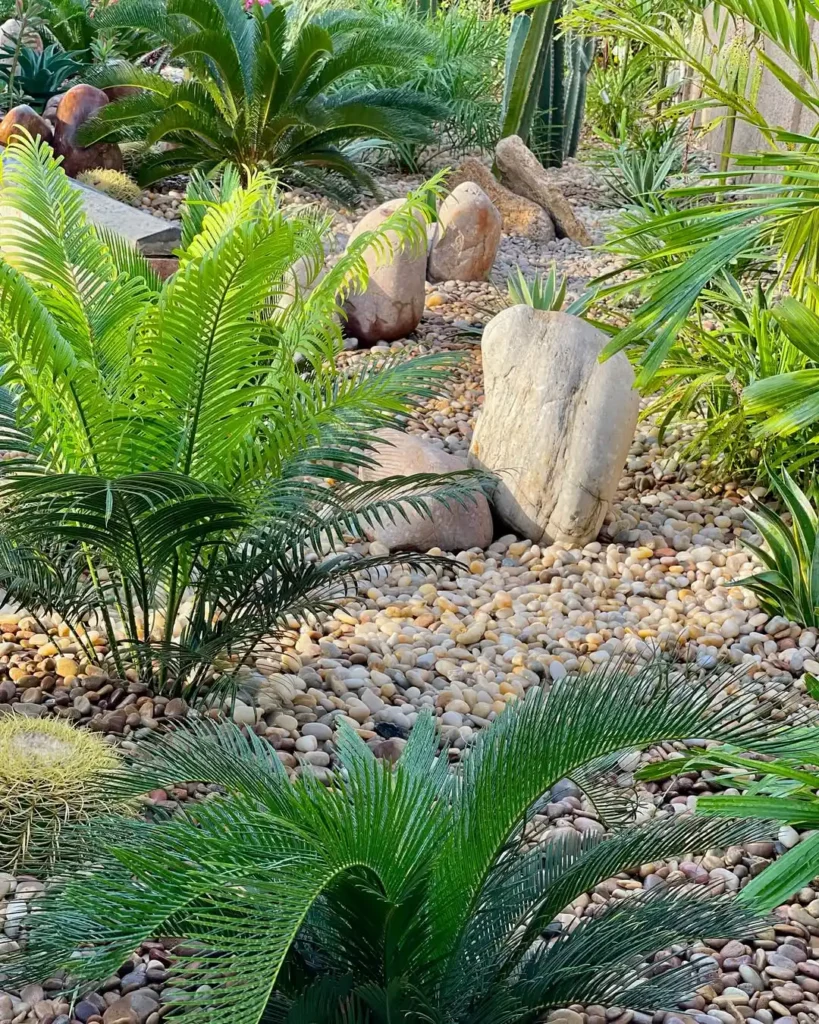
The Inspiration: For centuries along Kyoto’s temple pathways, master gardeners have spent lifetimes choosing and setting individual river stones, understood to each carry unique character the smoothness earned by those that borne witness to centuries of water’s patient sculpting. Korean suseok scholars gather stones naturally worn by the elements as objects of meditation, finding entire mountain ranges in their palm sized shapes. These customs place value on stone as a living art. Today’s pebble gardens carry on that tradition, turning spare pockets of stone into artful worlds that echo ancient tales of the earth and the water.
Why it Works: A pebble and stone garden provides endless flexibility!Set up, take down, move your rocks to make a fresh look without the waste or start up of new plants ideal for changeable folks who like rearrangeing every other day. Its various sizes and colors and textures add depth and visual interest that can not be found in single materials alone, while its sensory input from racing thoughts is lessened by the comforting feel of a smooth stone in your hands. They work wonders in high traffic areas where plants would be trampled, and those that I have seen thrive in lighting conditions from full sun to complete darkness. Safe for children and pets to play on with no toxic chemicals or damage risk. The thermal mass of the stone helps maintain a comfortable climate in these spaces cooling them during summer and passively releasing heat on those sunny days. Studies have found that simply touching natural materials reduces stress hormones within seconds, so the simple act of rearranging pebbles is surprisingly meditative.
Pro Tip: Gather your pebbles of complementary color families blacks, grays, whites for a high contrast look or earth tones for warmth. Combine three different sizes: big anchor stones, middle fillers and little pebbles for varied texture. Wash stones well before placing to expose true colours and remove any dust, which can dull their natural lustre and tactile appeal.
Minimalist Courtyard Zen Garden
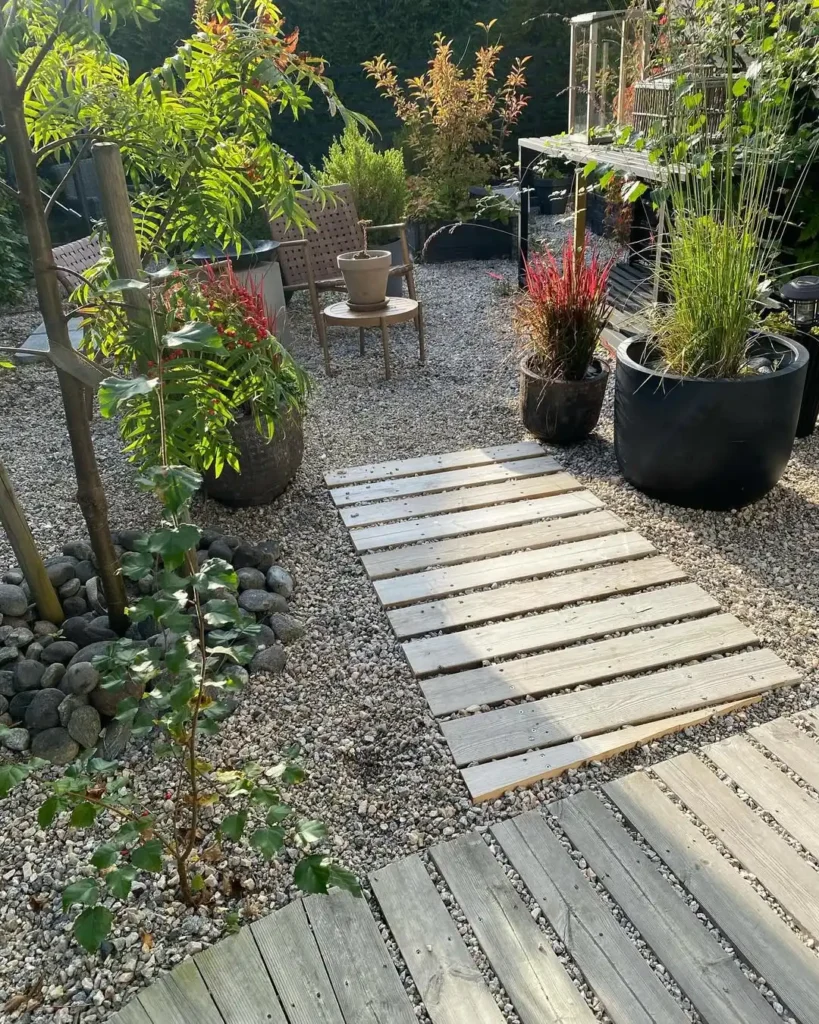
The Inspiration: Medieval Kyoto’s machiya townhouses included inner courtyards no larger than a tatami mat, yet garden masters transformed these limited spaces into lively sanctuaries. Through radical restraint such as a perfectly placed stone, a single bamboo stalk, or raked gravel reflecting the sky they demonstrated that abundance exists within emptiness. Architect Tadao Ando continues this tradition by designing concrete courtyards where minimal elements create maximum serenity. These spaces illustrate that tranquility arises not from accumulation but from intentional subtraction.
Why it Works: Minimalist courtyard zen gardens counter visual overstimulation by creating controlled environments where every element has a purpose and beauty. The outdoor setting offers full spectrum natural light and fresh air circulation that indoor gardens cannot provide, benefiting both plant health and human well being. Courtyards act as transitional decompression zones between public streets and private interiors, psychologically preparing individuals for the restful refuge of home. Studies indicate that viewing nature through windows reduces stress by 20%, while physically entering outdoor gardens triples that benefit. The minimalist approach significantly decreases maintenance hours while maximizing design impact fewer plants allow for greater attention to each specimen, achieving showcase quality with less effort. These gardens also substantially increase property values while offering year round visual interest visible from multiple interior rooms.Maximize Your Tiny Yard: Stunning Small Garden Designs
Pro Tip: Apply the “less is more” principle strictly choose only three to five elements in total. Use the golden ratio for proportions if your courtyard is 12 feet wide, position your primary focal point approximately 7.4 feet from one edge. Opt for evergreen plants like Japanese black pine or boxwood that maintain their structure year round without requiring seasonal cleanup.
Backyard Zen Garden
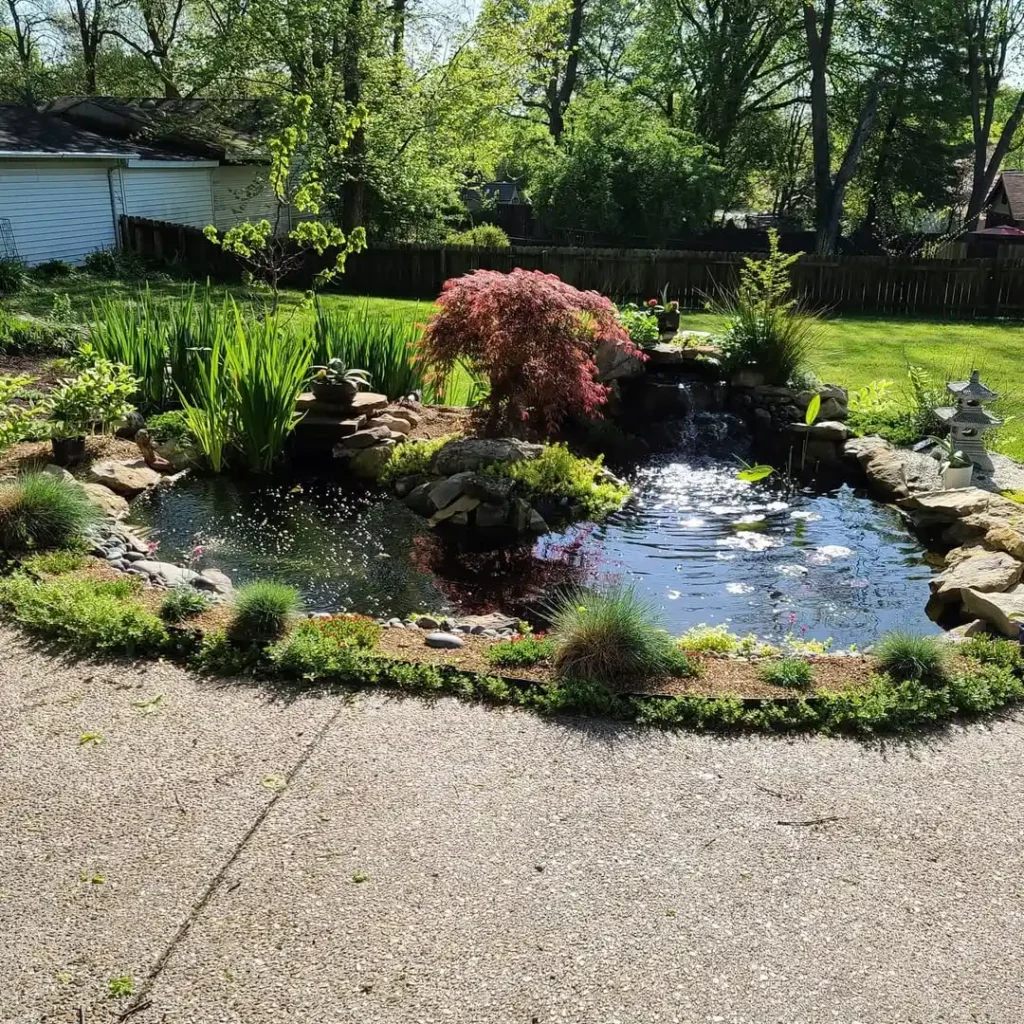
The Inspiration: In the 1950s in California, landscape designer Isabelle Greene discovered the philosophy of Japanese gardens and transformed suburban backyards into meditative retreats, demonstrating that zen principles can transcend cultural boundaries. Her work echoed the centuries old temple gardens where monks nurtured enlightenment alongside azaleas. Today, homeowners are reclaiming yards dominated by lawns, replacing high maintenance grass with serene stone pathways, carefully pruned evergreens, and flowing water features. These backyard transformations create private sanctuaries where daily stress dissipates before you even reach your door.
Why it Works: Backyard zen gardens offer dedicated outdoor spaces for meditation, immersing you in the therapeutic effects of nature engaging all your senses with rustling leaves, flowing water, earthy scents, and dappled sunlight that indoor environments cannot replicate. The larger scale allows for walking meditation paths, seating areas, and a diversity of plants that is not possible in containers, while physical work in the garden provides exercise disguised as contemplation. Property values can increase by 15-20% with professional landscaping, and zen gardens require much less water, mowing, and chemical treatments than traditional lawns, significantly reducing maintenance costs. These gardens also create privacy from neighbors through strategic plant placement and attract beneficial wildlife such as butterflies and birds, enhancing your connection to nature. Research shows that spending just 20 minutes in garden settings can measurably lower cortisol levels and blood pressure.
Pro Tip: Begin by defining clear pathways with stepping stones or gravel, as movement through space is essential to the zen garden experience. Create intentional sightlines by placing focal elements like specimen trees or stone lanterns at turns in the paths, rewarding exploration with moments of discovery. Utilize odd numbers when grouping plants or stones, adhering to the Japanese principle that asymmetry feels more natural and contemplative.