
Residing in a limited area does not necessitate relinquishing your aspiration for a lively, colorful garden. Regardless of whether you have a small backyard, a slender balcony, or merely a few square feet of outdoor area, compact flower gardens present limitless opportunities for establishing your own flourishing sanctuary. The charm of reduced-size gardens is found in their ease of access they demand less upkeep, require a lower financial commitment, and can be maintained even by busy gardeners with restricted time. Small flower gardens deliver maximum visual appeal within minimal space, converting neglected corners, bare walls, and unused alcoves into breathtaking focal points that enhance curb appeal and offer daily delight. They are ideal for renters, city residents, and anyone wishing to enjoy the therapeutic advantages of gardening without an overwhelming obligation. This guide unveils inventive, practical suggestions that demonstrate you do not need vast expanses of land to nurture beauty. From vertical designs to container arrangements, you will learn how thoughtful planning and intelligent plant selections can transform the tiniest spaces into remarkable garden displays that rival any expansive landscape.
vibrant garden
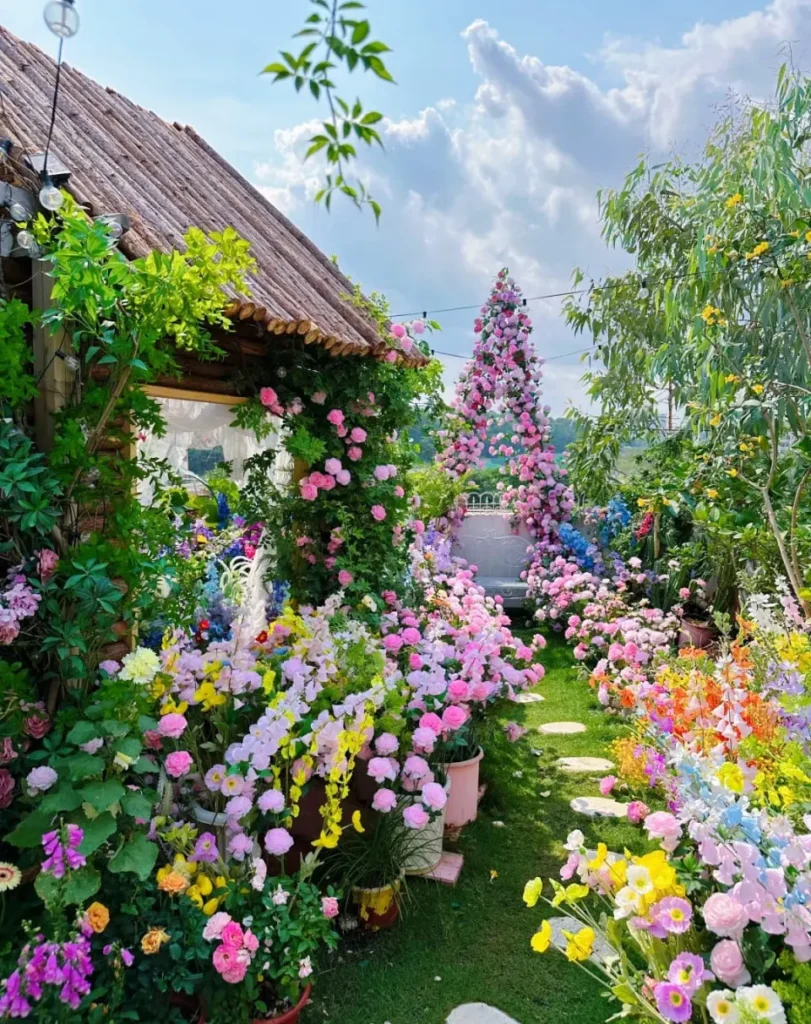
The Inspiration : Lively gardens have their origins in English cottage gardens, where a variety of colorful blooms such as dianthus and phlox were closely arranged in small areas. Contemporary urban residents have adapted this practice, turning balconies and compact yards into vibrant displays using lantana, marigolds, and butterfly weed that draw in pollinators while optimizing limited space.
Why it Works : Vibrant gardens thrive because they engage multiple senses at once while occupying minimal space. Striking flowers like orange lantana, red marigolds, and purple alyssum create a visual effect that enhances the perception of small spaces, making them feel more inviting. They attract helpful pollinators, such as butterflies and bees, thereby supporting local ecosystems. Scented varieties like lily of the valley and mini tagar contribute aromatic charm. Practical advantages include low upkeep with plants like kalanchoe that flower throughout winter, and ongoing color variation with seasonal blooms. The emotional benefits are significant vibrant gardens elevate mood, alleviate stress, and offer daily happiness.
Pro Tip : Arrange flowers by their blooming periods to guarantee year round vibrancy. Begin with early blooming dwarf lilac, move to summer lantana and marigolds, and conclude with winter blooming kalanchoe. Combine warm hues in one area and cool shades in another for optimal visual contrast and a polished design.
hybrid tea roses garden
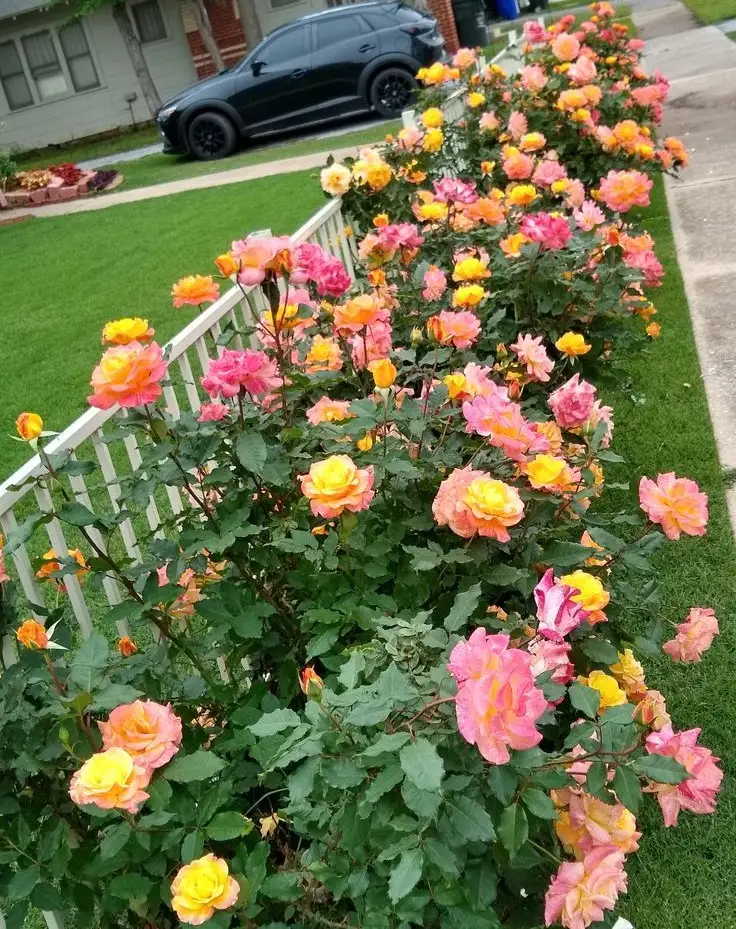
The Seed from Which Orangery Sprouts How did hybrid tea roses change the world? This 50-word passage gives the whole story. Hybrid tea roses came up in 1867 when French breeder Jean-Baptiste Guillot crossed a tea rose with a hybrid perpetual, creating ‘La France’. This revolutionary bloom combined beauty and hardiness. Victorian gardeners imagined the perfect blossom out of bud. Here were the acrid exhalations of paradise itself, embodied in a flower. Every garden could aspire to become an earthbound heaven.
Why It Works : Let yourself be romanced by the sight of high-centered flowers, each with 30-50 velvety petals in colors ranging from crimson to apricot. Long stems make hybrid teas an ideal choice for cutting and floral arranging gardens. Unlike floribundas, each single statement bloom gets seen by itself. In zones 5-9 with proper care, these roses can be comfortable in various climates. They bloom from late spring through fall, giving a touch of color throughout the season. Outwardly, where hybrid teas are concerned, they add a touch of sophistication and romance. Thanks in part to the curb appeal they provide as well as unique outdoor spaces, surveys suggest that gardens planted with hybrid teas are seen an asset to homeowners’ property values.
Pro Tip : Instead of just one, visually dramatic results are achieved by planting them in groups of three or five. For neighbors, consider planting catmint or salvia 18 inches away to create an utterly beautiful backdrop that’s free from competition between the two of them. It naturally provides a considerable boost of nitrogen and encourages robust flowering throughout the entire season- performing better than synthetic fertilizers.
marigold flowers Garden
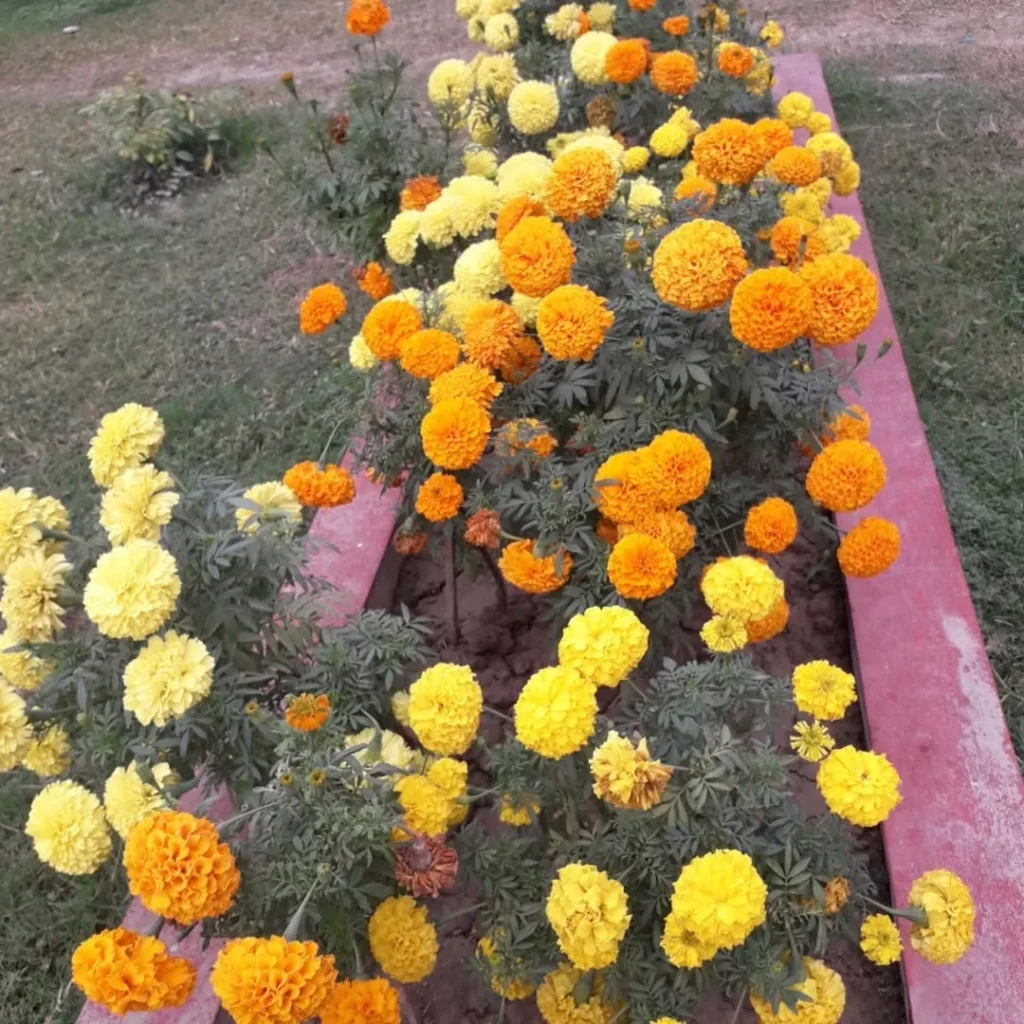
The Inspiration : Marigolds first came from Mexico and Central America, where the Aztecs used them in food and medicine.In the 16th century, Spanish conquistadors took seeds to Europe and the marigold then spread around the world. Their bright orange and yellow petals have been adopted as a sign of the sun’s warmth which has enriched our flowers with a taste that is rich but fresh; their abundant, resilient gardens.
Why it Works : The ancient marigold garden was organic pest control at its best, soaking up aphids and whiteflies.A seedling begins to flower in 45-50 days. Thus, bean gardeners are able to harvest marigolds all summer long. Unlike difficult perennials, marigolds grow well in poor soil and slow hardening off. They bloom continuously from spring until frost without deadheading, requiring minimal effort to keep up. French marigolds are ideal for edging while African varieties provide striking backgrounds. Their peppery flavor enhances salads with that bit of bite peculiar to flowers. Emotionally, their happy blossoms dispel garden fatigue in all but the most exhausted.
Pro Tip : Pinch off the top of the plants at about 4 inches, above the second set of leaves; this encourages a bushier plant with twice as many flower stems. Plant African marigolds 12 inches apart and French varieties 8 inches apart to promote air circulation and prevent powdery mildew.
Black-eyed Susan flowers Garden
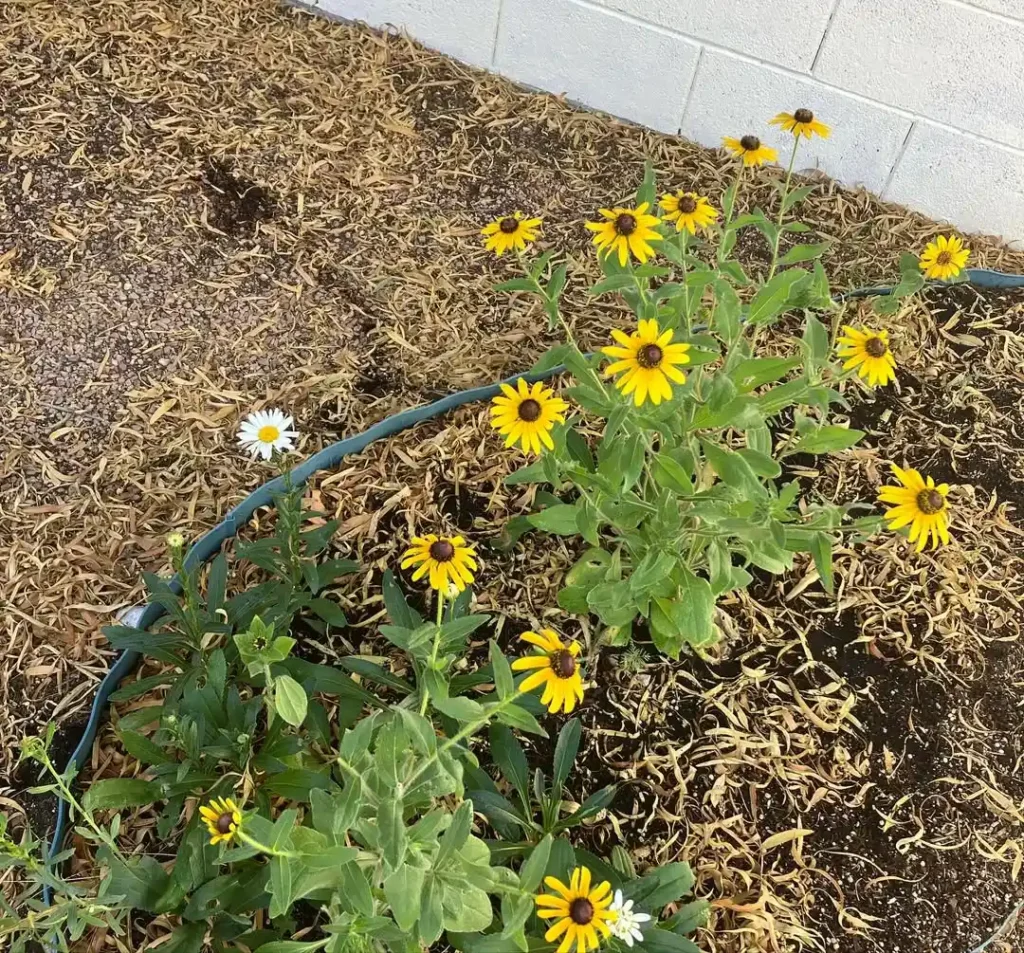
The Inspiration : Native American prairies once extended infinitely, adorned in gold by wild Rudbeckia flowers. These hardy wildflowers endured severe droughts, harsh winters, and poor soil conditions, resulting in stunning natural displays that motivated early gardeners to grow them. Their sunburst petals emanating from chocolate brown centers became emblems of prairie heritage and lasting beauty.
Why it Works : Gardens featuring Black eyed Susans thrive because these plants merge aesthetic appeal with ecological wisdom. Their deep root systems stabilize soil and avert erosion, making them perfect for slopes and difficult landscapes. The nectar laden blooms draw vital pollinators such as bees, butterflies, and hummingbirds, while the seedheads nourish songbirds throughout winter. Their resilience to heat, drought, and poor soils allows them to flourish where other flowers struggle. Furthermore, they attract beneficial insects that naturally manage garden pests like aphids and whiteflies. This self-sustaining characteristic necessitates minimal watering and fertilizing once established, enhancing visual rewards while reducing upkeep.
Pro Tip : Sow Black eyed Susans when the soil temperature hits 70°F for the best germination results. Plant seeds closer together than suggested to form dense, sprawling colonies that self sow and naturalize over time. Opt for full sun areas and enhance planting holes with compost for vigorous growth and prolonged blooming periods.
Delphinium Flower Garden
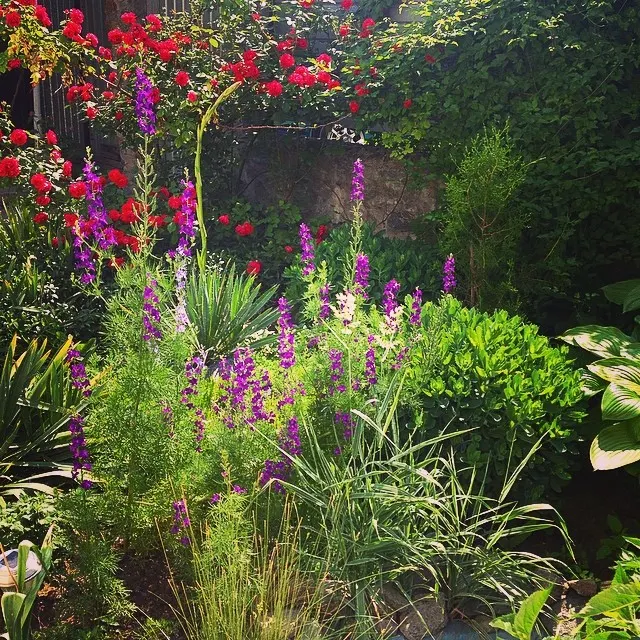
The Inspiration : Victorian English cottage gardens have immortalized delphiniums as the quintessential backdrop plant, with their towering spikes of sapphire blooms creating a grandeur reminiscent of cathedrals. Medieval gardeners referred to them as “Larkspur,” believing the flower buds resembled the shape of dolphins. For centuries, these majestic perennials have symbolized dignity and grace, transforming ordinary borders into breathtaking floral tapestries.
Why it Works : Delphinium gardens thrive due to their unparalleled vertical drama and architectural presence. Their tall spikes, which can reach heights of three to six feet, create stunning focal points that draw the eye upward and add depth to layered planting schemes. When positioned at the rear or middle sections of borders, delphiniums anchor compositions while allowing lower growing companions to shine. Their densely-packed blooms provide extended color from June through July, and deadheading promotes second flushes that prolong the display. Beyond their aesthetic appeal, delphiniums attract beneficial pollinators to wildlife-friendly gardens. Their value as cut flowers offers indoor enjoyment, while their stately presence elevates ordinary beds into sophisticated cottage garden masterpieces.
Pro Tip : To achieve optimal results, plant delphiniums in clusters of two or three, spacing them sixty centimeters apart to ensure adequate air circulation that prevents powdery mildew. Stake the plants as soon as growth begins, rather than waiting until they have grown tall. Feed them weekly with high potash fertilizer and enrich planting holes with compost for spectacular blooms.
Blush Hydrangea Flower Garden
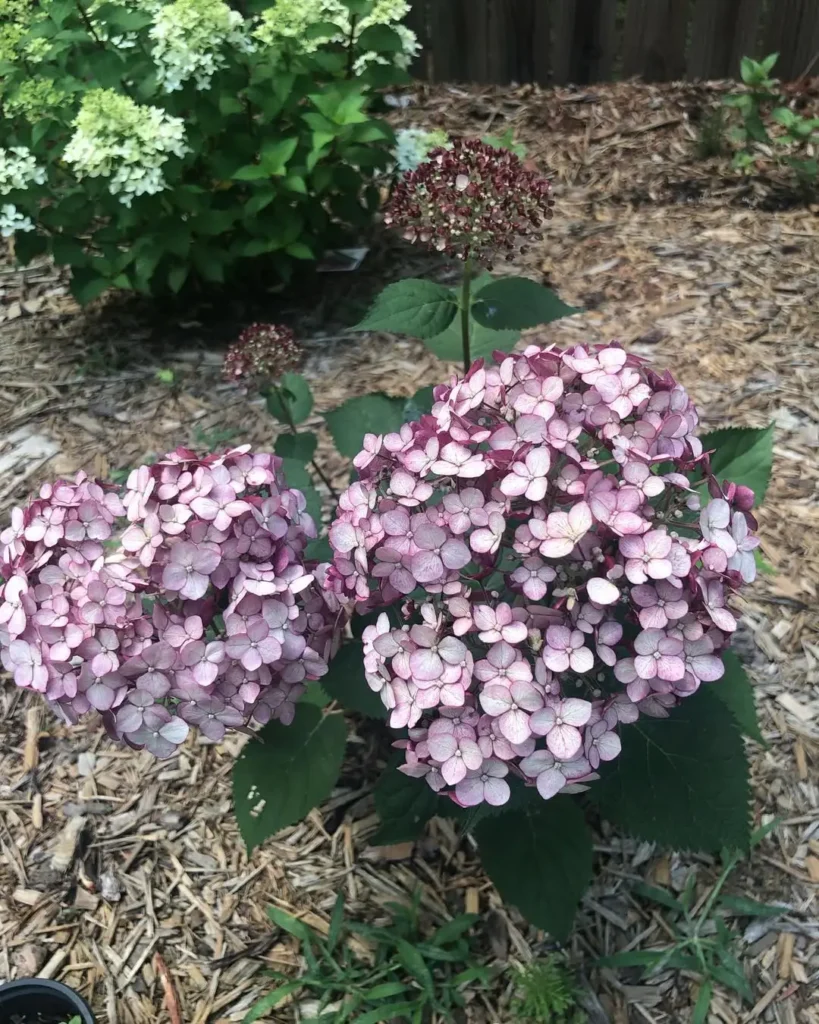
The Inspiration : Victorian gardens turned pink hydrangeas into emblems of deep emotion and appreciation, their large blush flowers forming romantic focal points in meticulously designed landscapes. Brought from East Asia in the 1730s, these exotic shrubs became esteemed additions to gardens. Their ability to shift colors from pink buds to silvery blooms has enchanted gardeners through the ages.
Why it Works : Blush hydrangea gardens thrive due to their prolonged multi month color displays, starting with dark pink buds that transition into large silvery pink blooms during summer and autumn. These adaptable shrubs fit various landscape uses, including borders, hedges, accent plantings, and container gardens. Their resilience to urban pollution and capacity to flourish in city settings render them suitable for a range of environments. The large blooms provide a striking visual effect while necessitating only moderate upkeep once established. Pink hydrangeas evoke emotional connections through their romantic hues and plentiful flowers, elevating ordinary areas into elegant garden spaces. Their twenty year lifespan offers lasting value and a structural base for layered plantings.
Pro Tip : Irrigate blush hydrangeas thoroughly but infrequently, allowing the topsoil to dry out between waterings while ensuring consistent moisture levels. Apply a thick layer of mulch around the root zones to conserve soil moisture and regulate temperature throughout the year. Prune only in early spring when buds begin to swell, trimming plants back by one-third just above the buds.
Hydrangea Flower Garden
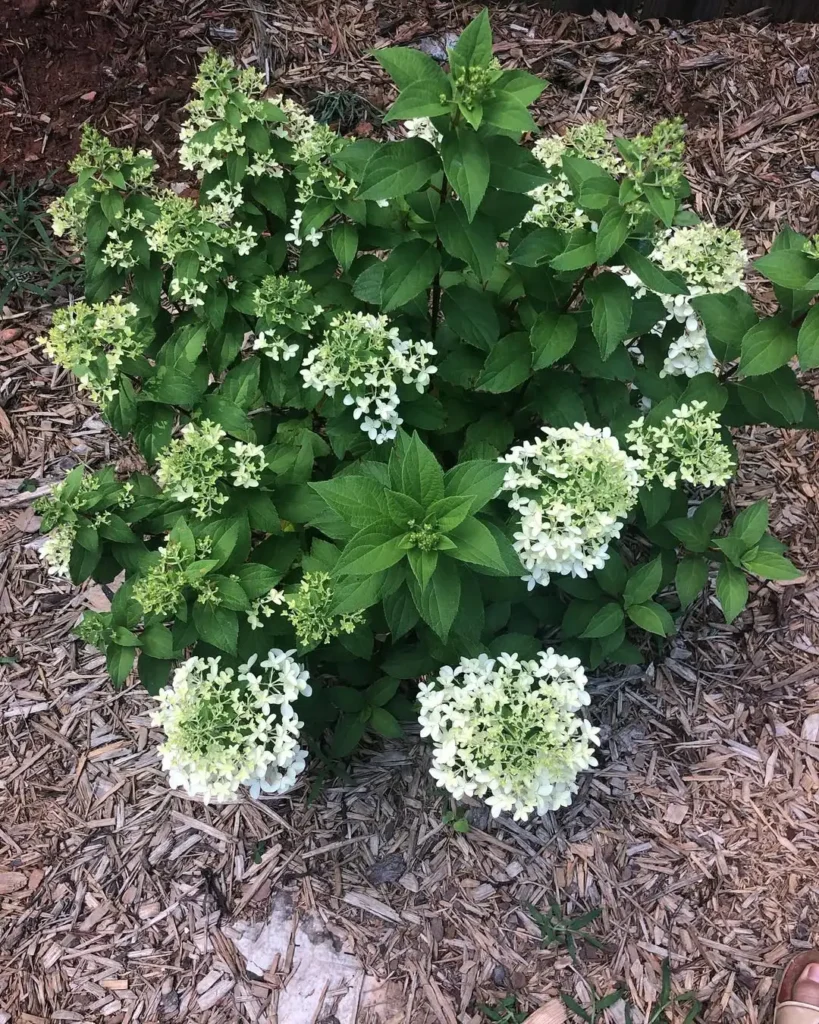
The Inspiration : Japanese temple gardens have nurtured hydrangeas for centuries, with their evolving blooms symbolizing gratitude and deep emotions. When European botanists brought these exotic shrubs to Western gardens in the 1730s, they became esteemed additions to both estates and cottage landscapes. Their transformative quality changing colors based on soil chemistry fascinated gardeners in search of living artistry.
Why it Works : Hydrangea gardens thrive due to their exceptional adaptability and enduring visual appeal. These adaptable shrubs flourish in a range of conditions, from full sunlight to partial shade, making them ideal for various landscape placements. Their large blooms last for months, offering continuous color from early summer through fall and even winter interest when dried. The distinctive ability to alter bloom colors through soil pH modifications allows for creative personalization acidic soils yield blues while alkaline conditions produce pinks. Once established, hydrangeas require minimal upkeep, tolerating urban pollution and difficult growing environments. Their structural form contributes to garden architecture while attracting pollinators and providing opportunities for cut flowers.
Pro Tip : Before planting, test your soil pH to identify natural bloom colors, then amend as needed add aluminum sulfate for blue flowers or garden lime for pink shades. Position hydrangeas in areas that receive morning sunlight and afternoon shade to avoid leaf scorch while enhancing bloom production. Apply mulch generously to conserve moisture.
lush and vibrant Flower Garden
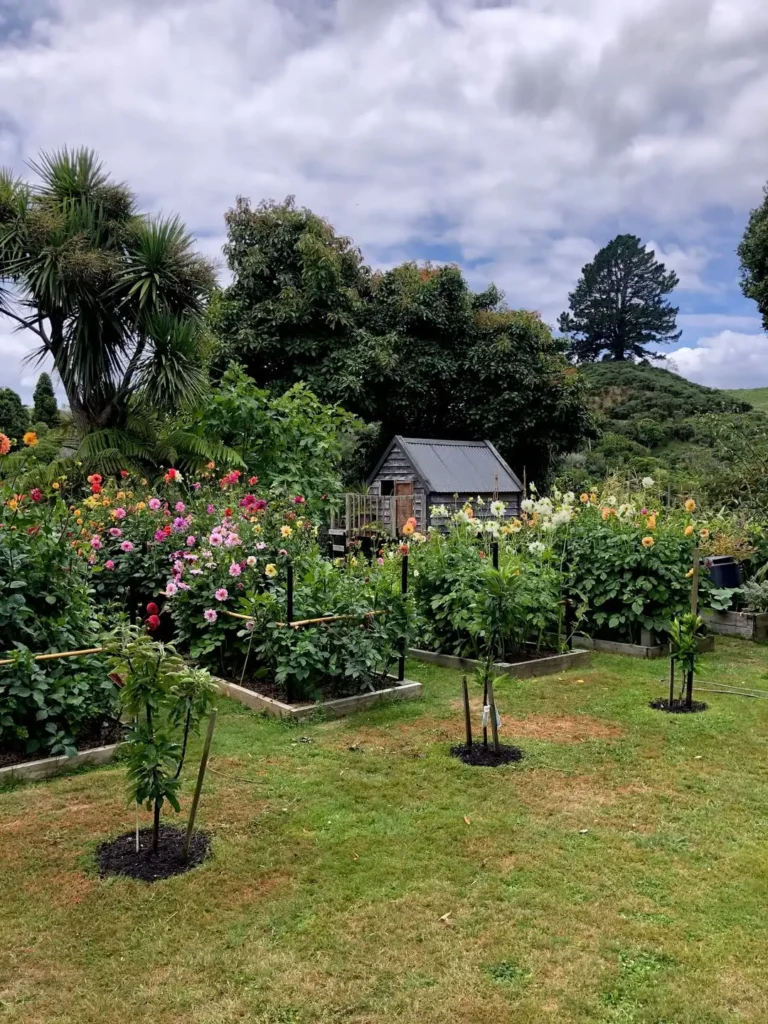
The Inspiration : English cottage gardens set the standard for lush aesthetics in the 18th century, where skilled gardeners intertwined roses, delphiniums, and flowering perennials into rich tapestries. These working-class gardens turned away from formal Georgian styles, opting instead for vibrant color displays and dense plantings that enhanced beauty in confined areas, inspiring countless gardeners across the globe.
Why it Works : Lush, colorful flower gardens thrive through careful layering and succession planting, ensuring a continuous display of blooms from spring until frost. Dense plantings foster microclimates that inhibit weeds, conserve soil moisture, and lessen maintenance while enhancing visual appeal. By mixing flowers of different heights, bloom times, and colors, depth and ongoing interest are achieved throughout the growing seasons. These gardens draw a variety of pollinators, such as bees, butterflies, and beneficial insects that help manage pests naturally. The emotional benefits are significant abundant blooms alleviate stress, elevate property values, and create welcoming outdoor areas for relaxation and social gatherings. Well crafted vibrant gardens offer limitless cut-flower possibilities while transforming ordinary yards into stunning living art.
Pro Tip: Achieve continuous color by planting in groups of three, five, or seven plants per variety, spacing them closer than the recommended distances. Select plants with staggered blooming periods early, mid, and late season varieties to ensure overlapping displays. Enhance soil with compost prior to planting and apply a thick layer of mulch to promote vigorous growth.
Bougainvillea Flower Garden
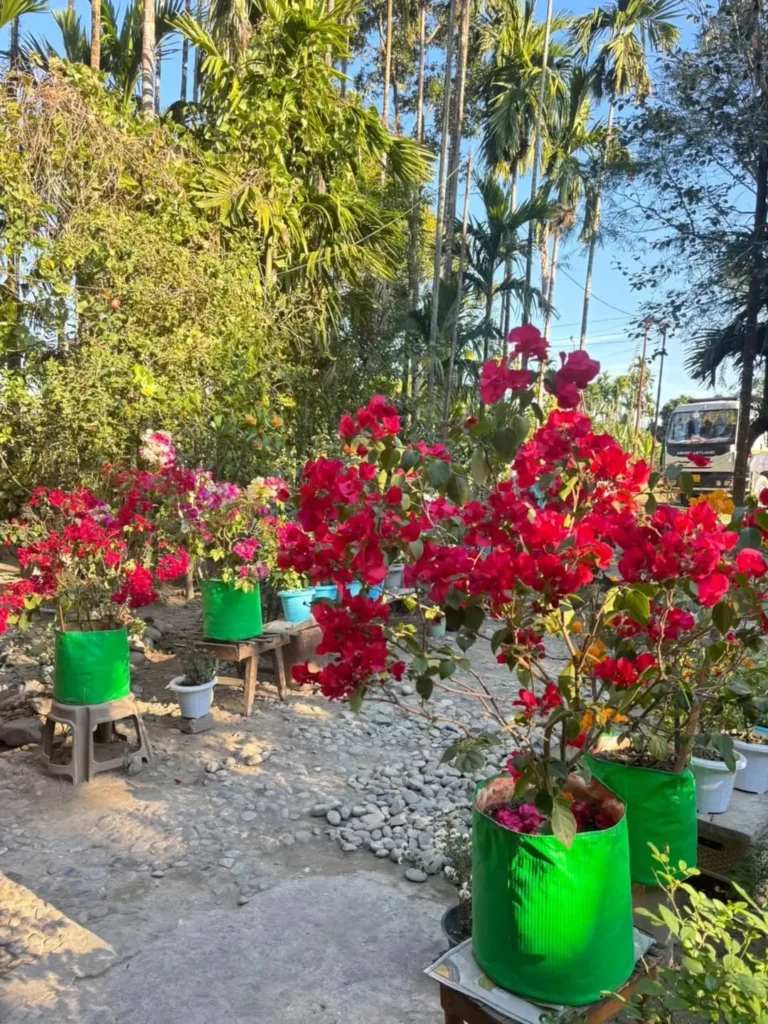
The Inspiration : French botanist Philibert Commerçon discovered brilliant magenta-bracted vines in Rio de Janeiro during a 1767 global expedition, naming them for Admiral Louis Antoine de Bougainville. Mediterranean gardeners embraced these South American treasures, draping ancient walls with cascading violet blooms. Today, bougainvillea symbolizes passion and resilience across cultures worldwide.
Why it Works : Bougainvillea gardens excel through exceptional drought tolerance, requiring minimal watering once established ideal for water conscious and arid regions. Their versatile growth habits suit diverse applications including climbing walls, privacy screens, hedges, container displays, and sprawling backdrops. The vibrant, papery bracts create year-round color in tropical and subtropical climates while attracting hummingbirds and butterflies that enhance ecosystem health. Fast-growing vines provide dense coverage for natural barriers and vertical interest. Beyond practical benefits, bougainvillea’s bold, saturated colors evoke emotional responses transforming ordinary spaces into dramatic Mediterranean-inspired landscapes. Their ability to thrive on neglect makes them perfect for low maintenance gardens that deliver maximum visual impact.
Pro Tip : Plant bougainvillea in well-draining containers with adequate drainage holes, as waterlogged soil causes root rot. Select locations offering full sun exposure for at least six hours daily to maximize bloom production. Water deeply but infrequently, allowing top inches of soil to dry completely between waterings.
Fragrant Spring Display
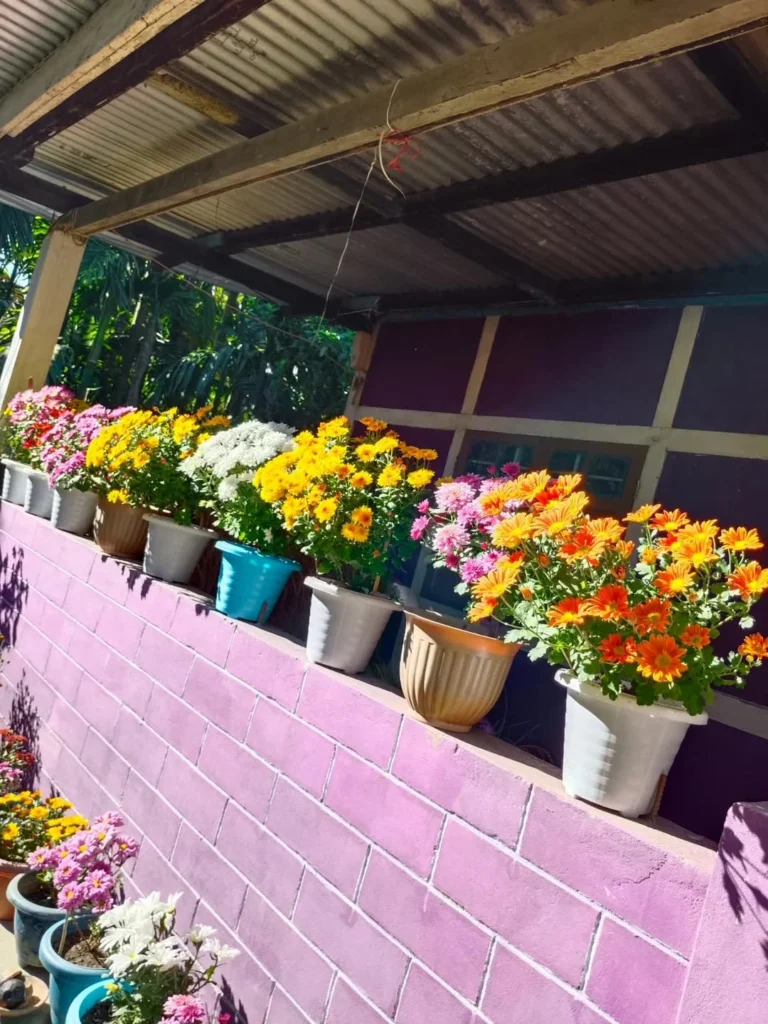
The Inspiration : Madame Pompadour nurtured hyacinths throughout her palace gardens in the eighteenth century, captivated by their intoxicating fragrance. Ancient Persian horticulturists crafted aromatic spring displays to represent renewal and stimulate the senses after the dormancy of winter. These olfactory customs transformed gardens into sensory havens where narcissus, lily of the valley, and peonies provided unforgettable aromatic experiences.
Why it Works : Fragrant spring displays thrive by offering early season color and scent while most plants remain inactive. These bulbs and perennials demand little upkeep while drawing essential pollinators such as bees and butterflies that emerge from winter slumber. Thoughtfully positioned fragrant plants near entrances, windows, and outdoor seating areas convert ordinary spaces into multisensory experiences. Scientific studies indicate that floral scents foster relaxation and emotional wellness, alleviating stress and uplifting mood. The practical benefit lies in their dependability bulbs like daffodils, hyacinths, and lily of the valley reappear annually, providing remarkable value. Their delightful fragrances create unforgettable garden moments that dispel winter gloom and signal seasonal renewal.
Pro Tip : Arrange fragrant spring bulbs in layered clusters near high traffic zones where you will experience their scent daily next to front doors, under bedroom windows, or along walkways. Pair early bloomers like narcissus and hyacinths with late-spring peonies to prolong fragrance from March to May. Opt for full sun areas to maximize bloom vibrancy.
chrysanthemum Flower Garden
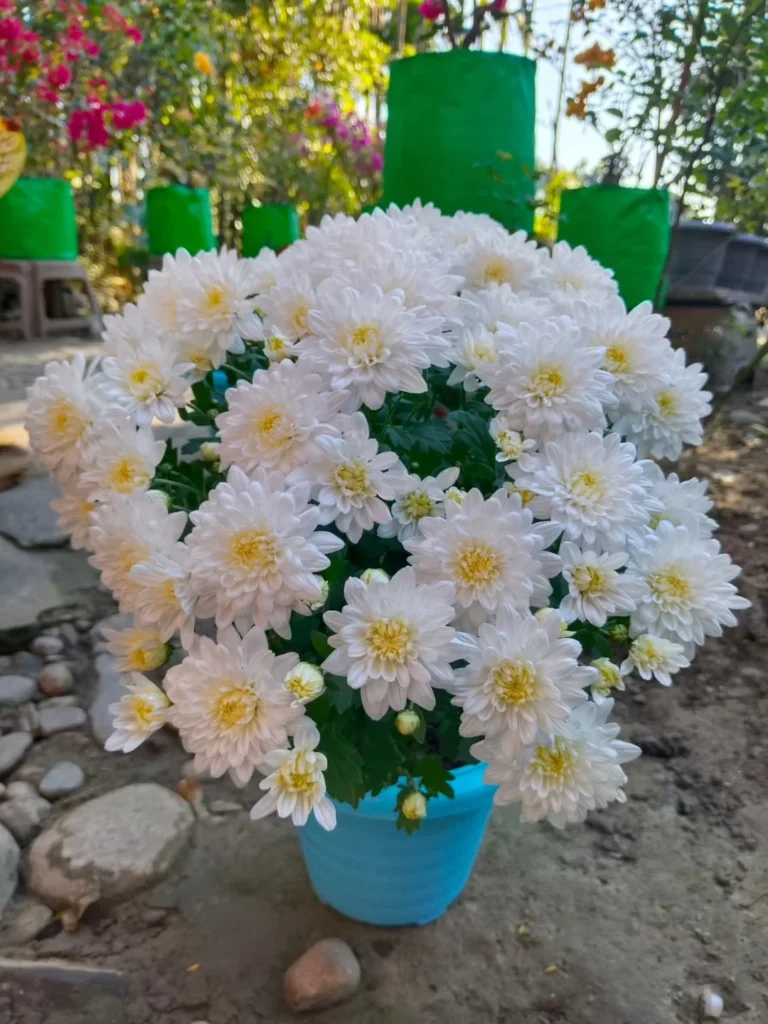
The Inspiration : Chrysanthemum gardens have their origins in 15th-century BCE China, where by 1630, artisans had cultivated over 500 varieties. During the Japanese Edo period, growers refined training techniques into forms of living art. In 1921, Pierre S. du Pont of Longwood Gardens introduced this ancient tradition to America, enhancing autumn landscapes with brilliant late-season blooms.
Why it Works : Chrysanthemum gardens offer remarkable value due to their prolonged blooming periods, providing vibrant colors from late summer until frost when other flowers have faded. They flourish in well-drained soil with 6-8 hours of sunlight daily, making them suitable for various garden conditions. With over 20,000 cultivars globally, they present limitless design options in diverse colors, shapes, and sizes. Their shallow root systems are perfect for containers and borders, requiring only 18-24 inches of spacing for optimal airflow and disease prevention. Additionally, the flowers have antibacterial properties and symbolize longevity and honor in various cultures.
Pro Tip : To promote bushier, sturdier plants that resist flopping, pinch stem tips every 2-3 weeks from spring until mid July. This straightforward technique encourages lateral branching and results in more plentiful blooms. Cease pinching once buds begin to show color, then administer half strength bloom fertilizer biweekly until flowering commences.
Flower Mix Garden
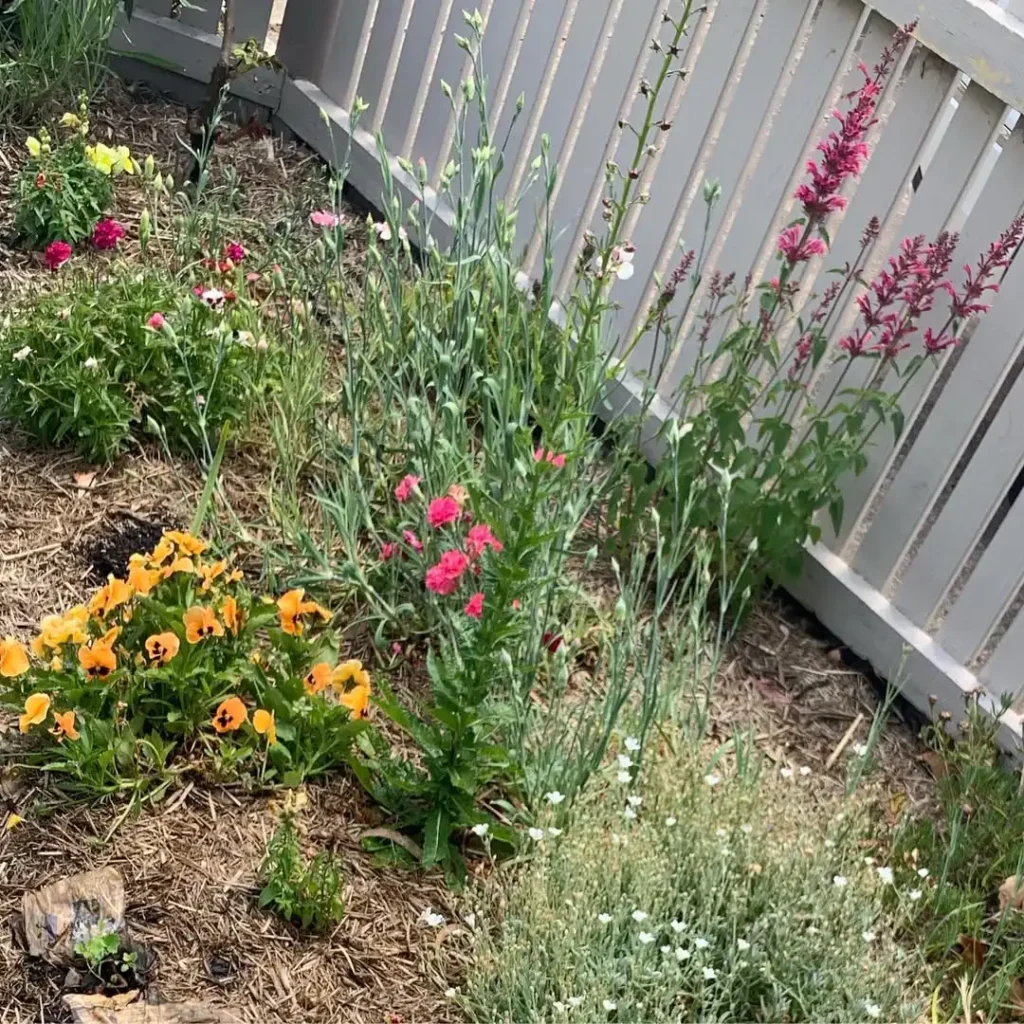
The Inspiration : Cottage gardens from 18th century England inspired the concept of flower mix gardens. Farm laborers artfully combined vegetables with roses, delphiniums, and hollyhocks, resulting in a beautiful chaos. This tradition has evolved into contemporary seed mixes, where wildflower meadows blend with carefully curated color palettes. Envision Claude Monet’s Giverny garden where intentional randomness fosters artistic harmony. Today’s mixes pay tribute to this legacy, transforming suburban yards into painterly landscapes.
Why it Works : Flower mix gardens address several challenges at once. They eliminate design paralysis by pre-selecting compatible species with staggered bloom times, ensuring a continuous display of color from spring through fall. Biodiversity is enhanced as various flower shapes attract different pollinators flat landing pads are favored by butterflies, while hummingbirds are drawn to tubular blooms. Maintenance requirements decrease significantly, as mixed plantings foster natural competition, effectively suppressing weeds more than monocultures. Additionally, cost-effectiveness is evident: one $8 seed packet can cover 100 square feet, compared to over $50 for individual transplants. The random planting pattern emulates nature’s resilience, where genetic diversity helps prevent total crop failure due to pests or diseases.
Pro Tip : Prepare your planting area by scarifying it before broadcasting seeds. Rake the soil surface to form shallow grooves, then combine seeds with sand for uniform distribution. Water gently using a mist setting to prevent seed displacement. For optimal germination, sow your mix six weeks prior to your last frost date, allowing cold stratification to naturally break seed dormancy.
Fragrance Flower Garden
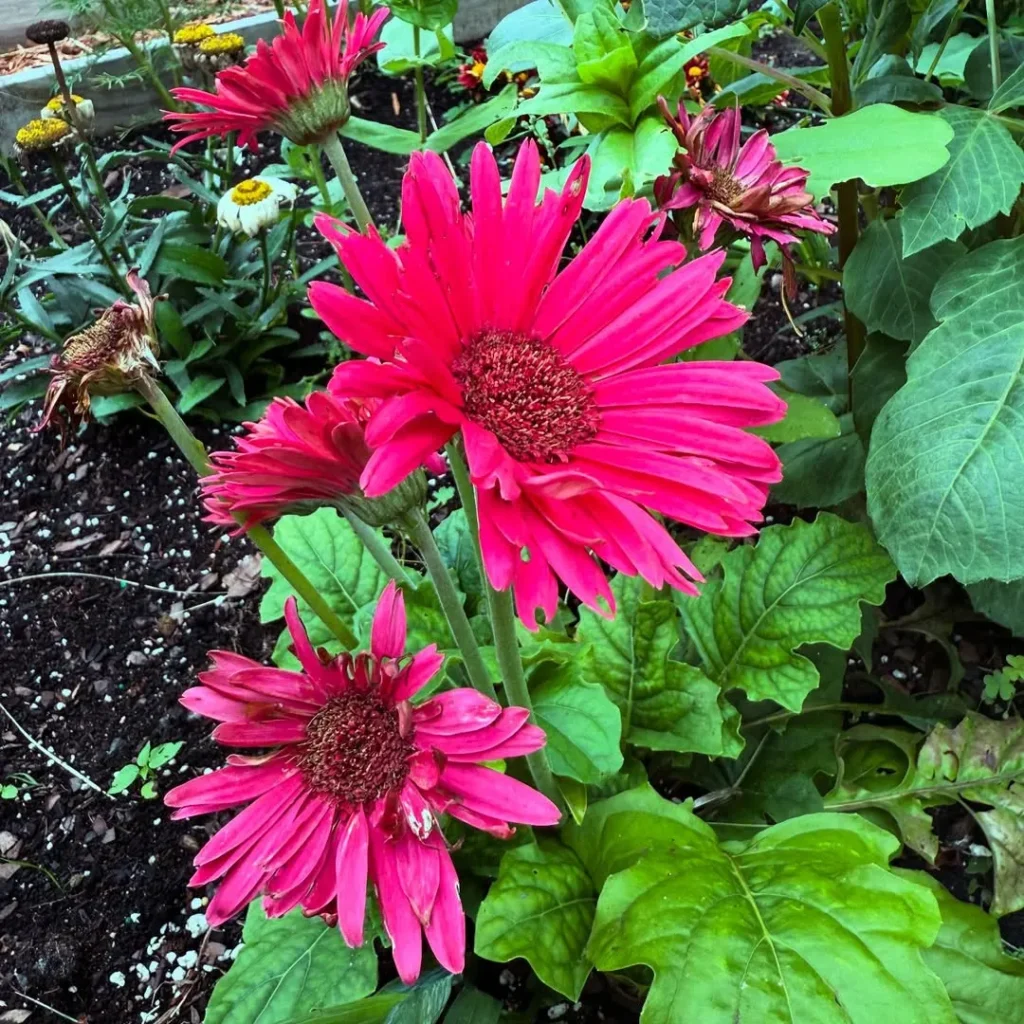
The Inspiration : Persian paradise gardens introduced the idea of scent focused design 2,500 years ago. Emperors strategically planted jasmine along pathways and positioned rose arbors close to seating areas to enchant visitors with their fragrance. Later, French perfumeries in Grasse cultivated lavender fields and tuberose gardens, demonstrating the commercial value of scent. Contemporary fragrance gardens revive this sensory tradition, transforming typical yards into aromatic sanctuaries that evoke memory and emotion beyond mere visual appeal.
Why it Works : Fragrance gardens stimulate powerful memory centers in the brain research in neuroscience indicates that scent triggers recall with 65% greater accuracy than visual cues. The practical benefits are numerous: aromatic plants such as lavender and mint naturally deter mosquitoes while attracting beneficial pollinators. Thoughtful placement near windows, patios, and walkways enhances enjoyment indoors without the need for potpourri or candles. Evening bloomers like nicotiana and moonflower emit stronger scents after sunset, creating a rich, multidimensional garden experience. Additionally, therapeutic benefits arise studies reveal that lavender can lower cortisol levels by 20%, while the scent of rose enhances sleep quality. In contrast to visual gardens that peak seasonally, fragrance gardens provide year-round value through dried flowers and sachets.
Pro Tip : Layer scents according to bloom time and intensity zones. Plant strong fragrances such as gardenias and oriental lilies 10-15 feet away from seating areas to avoid overwhelming the senses. Position more subtle scents like sweet alyssum along pathways where foot traffic can release their fragrance. Opt for morning bloomers like roses near breakfast patios and evening bloomers like stock near dining areas for a timed aromatic experience.
multiple raised wooden garden
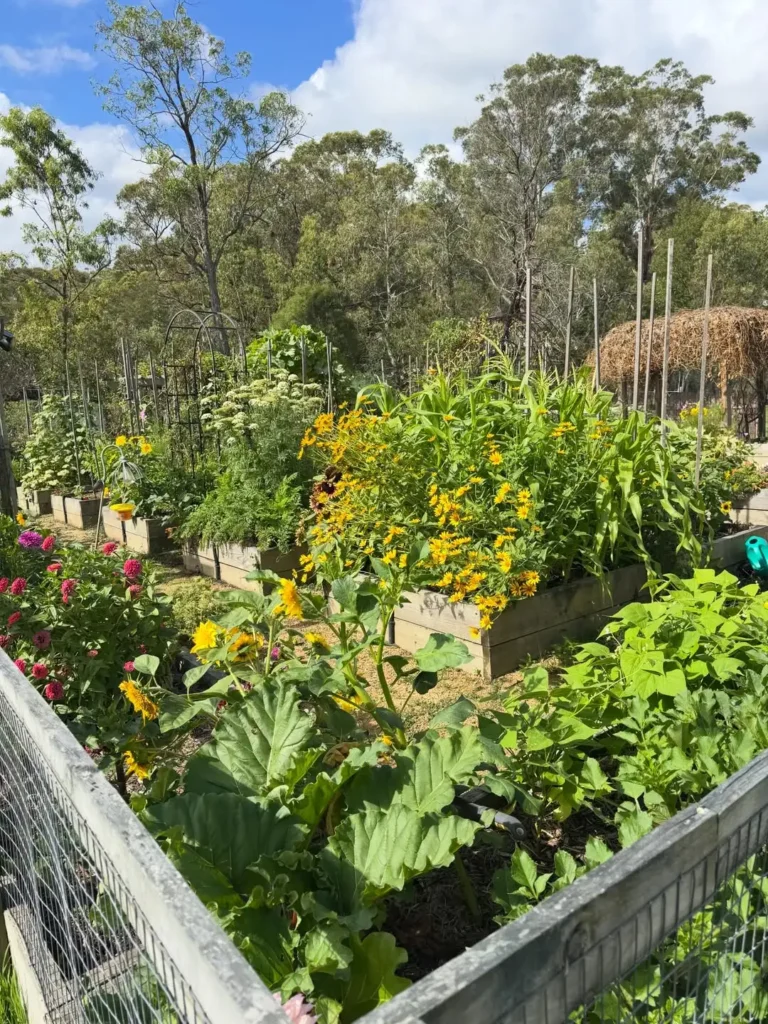
The Inspiration : Medieval monastery gardens were the pioneers of raised bed systems, which elevated herbs and vegetables for elderly monks who had limited mobility. Carpenters constructed waist high wooden frames, transforming stone courtyards into productive gardens. This practical innovation disseminated throughout Europe’s kitchen gardens, where families stacked multiple beds to optimize small urban plots. The contemporary renaissance of wooden raised beds pays tribute to this heritage, merging timeless craftsmanship with modern ergonomic design to facilitate accessible and productive gardening.
Why it Works : Multiple raised wooden gardens effectively address critical space and soil challenges at the same time. They prolong growing seasons by warming the soil 5-10 degrees faster in the spring, resulting in earlier harvests. The elevation creates natural barriers against pests slugs find it difficult to climb vertical wood, while rabbits encounter physical obstacles. Back strain is eliminated with waist-high configurations, reducing the need for bending by 80% compared to traditional ground-level gardening. Customizable bed heights allow for companion planting strategies: tall tomatoes can be positioned in the rear beds without casting shade on front lettuce. Wood insulation offers better protection for roots against temperature extremes than metal alternatives. Additionally, productivity increases significantly intensive planting in controlled soil yields four times more vegetables per square foot than conventional rows, as demonstrated by square-foot gardening studies.
Pro Tip : Opt for untreated cedar or redwood for durability, as they naturally resist rot for 10-15 years without the need for chemical treatments. Line the interiors with landscape fabric to prevent soil from contacting the wood, thereby extending the lifespan by an additional 3-5 years. Ensure that multiple beds are spaced 24-36 inches apart to allow for wheelbarrow access and comfortable harvesting. Install drip irrigation between the beds before filling them with soil to facilitate effortless maintenance.
well maintained perennial garden
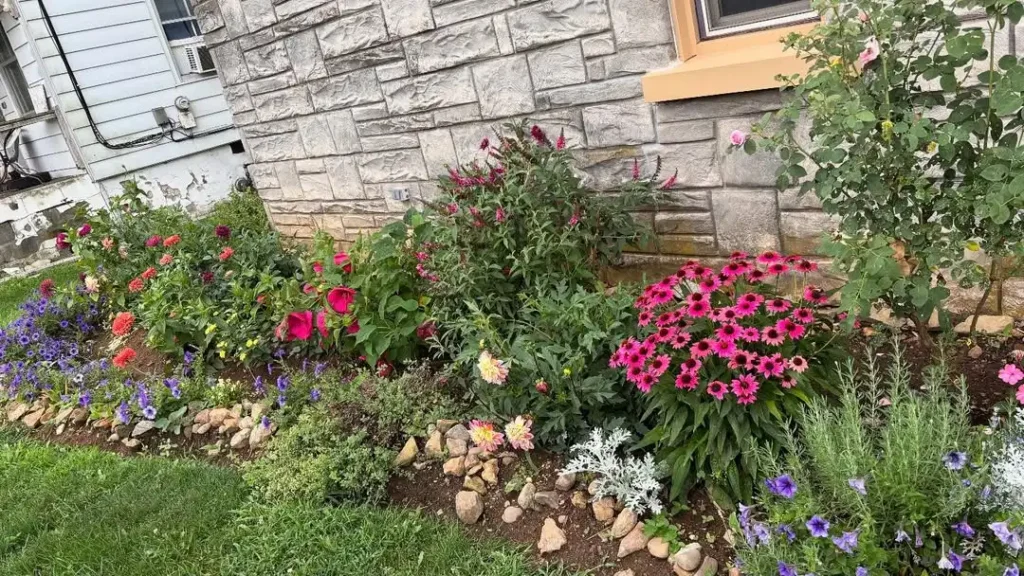
The Inspiration : The English estate gardens designed by Gertrude Jekyll transformed perennial gardening during the 1890s. Her careful maintenance schedules and color theory turned wild borders into vibrant tapestries that gracefully evolved through the seasons. Jekyll’s philosophy “a garden is never finished” asserted that ongoing care fosters cumulative beauty. Contemporary well maintained perennial gardens embody this artisan tradition, where seasonal deadheading and division rituals become meditative practices that yield increasingly impressive displays.
Why it Works : Well maintained perennial gardens provide significant returns on minimal investment. In contrast to annuals that necessitate yearly replanting, perennials proliferate one $12 hosta can be divided into eight plants within three years, generating a value of $96. Consistent maintenance significantly extends bloom periods: deadheading coneflowers prompts reblooming, effectively doubling flower production from 4 to 8 weeks. Established root systems are more resilient to drought than shallow rooted annuals, decreasing water requirements by 40% after the second year. Maintenance routines help avert issues spring cleanup eliminates overwintering pests, while fall division revitalizes overcrowded clumps before they deteriorate. Research indicates that maintained perennial borders support five times more pollinator species than lawns, contributing ecological benefits that surpass mere aesthetics.
Pro Tip : Develop a seasonal maintenance calendar featuring four essential tasks: spring cleanup and fertilization in March, early summer deadheading in June, midsummer division of spring bloomers in July, and fall cutting back following the first frost. Capture monthly photographs of your garden to monitor which plants require division and to identify gaps that need new additions for the upcoming season.
Zinnia varieties flower garden
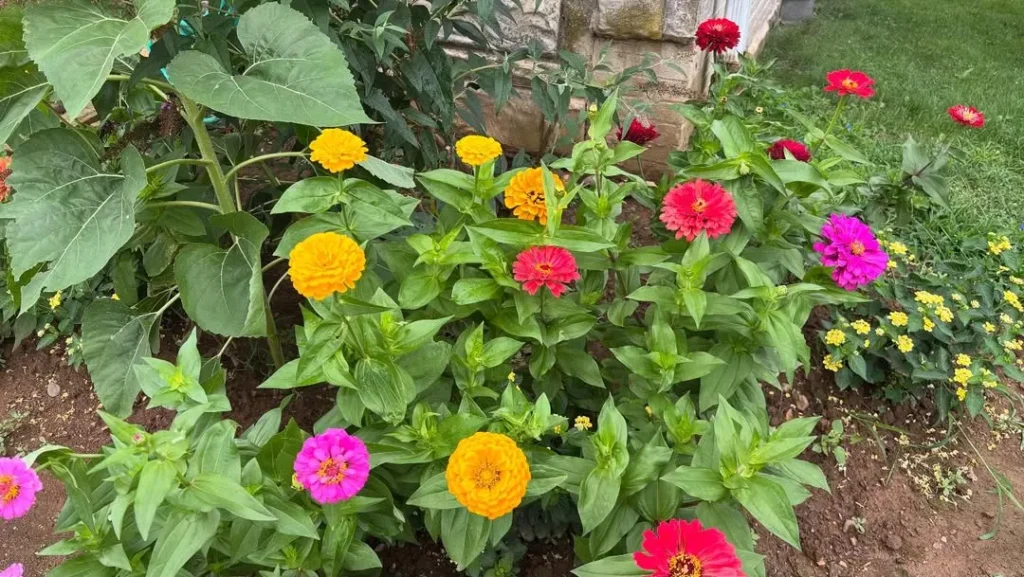
The Inspiration : Aztec healers nurtured zinnias within the medicinal gardens of Tenochtitlan, referring to them as “mal de ojos” (cure for eyesores) due to their vibrant colors. In the 1500s, Spanish explorers transported seeds to Europe, where Victorian horticulturists bred the stunning varieties we see today. Contemporary zinnia gardens showcase this genetic richness from the pompon ‘Lilliput’ to the cactus-flowered ‘Whirligig’ creating colorful borders that pay tribute to centuries of gardening expertise.
Why it Works : Gardens featuring a variety of zinnias enhance both visual appeal and practical benefits. By varying plant heights, one can achieve dimensional interest dwarf ‘Thumbelina’ stands at 6 inches while ‘Benary’s Giant’ reaches 4 feet, layering colors naturally. Succession blooming is achieved by pairing early varieties like ‘Profusion’ with late-season types such as ‘Queen Lime’, prolonging the display from June until the October frost. Zinnias are particularly resilient, thriving in temperatures exceeding 90°F when other flowers may struggle. The production of cut flowers increases significantly with a mix of varieties: harvesting ‘Oklahoma’ pincushions alongside ‘California Giant’ doubles yields weekly bouquets and encourages further blooming. Studies indicate that diverse zinnia plantings attract three times more butterflies than single-variety gardens, thereby supporting pollinator populations while providing striking visual effects.
Pro Tip : For optimal visual impact, plant varieties in color blocked groups of 7-9 plants instead of random assortments. Select one tall variety for the back, a medium one for the midground, and a dwarf variety for the edges. Regularly deadhead spent blooms every 3-4 days to redirect energy towards new flower production, which could potentially double your total bloom count throughout the growing season.
Rose flower Small garden
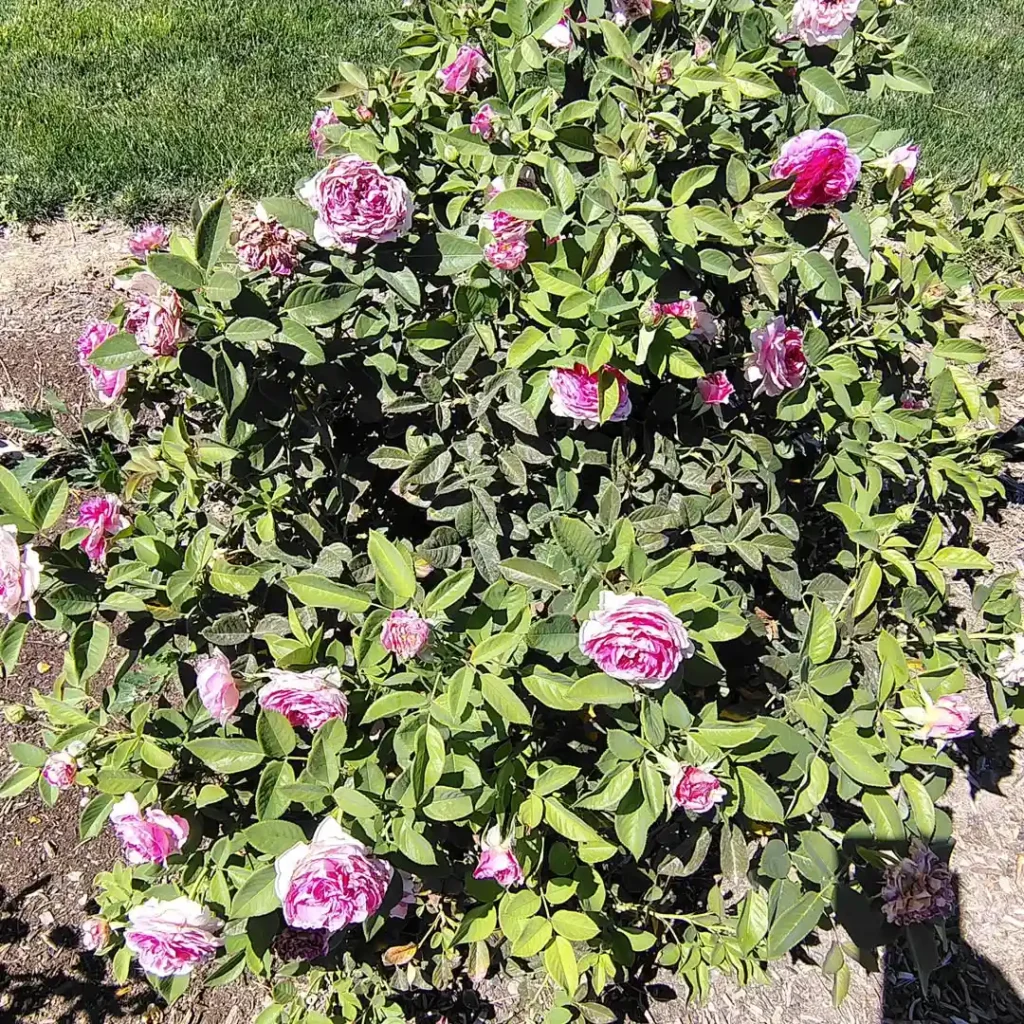
The Inspiration : Japanese tea garden designers perfected the technique of “shakkei” the art of incorporating borrowed scenery through miniaturization. They nurtured dwarf roses in compact courtyards of Kyoto, demonstrating that magnificence does not necessitate vast land. Similarly, European cottage gardeners embraced these methods, training climbing roses on small trellis walls. Contemporary small-space rose gardens pay homage to this legacy, converting balconies and urban plots into aromatic havens where individual specimens exert a significant romantic influence through meticulous selection and arrangement.
Why it Works : Small rose gardens thrive due to careful variety selection and dedicated care. Compact floribundas such as ‘Knock Out’ provide continuous blooms within 3 foot spaces while demanding less pruning than sprawling hybrid teas. Vertical growth enhances capacity—one climbing ‘New Dawn’ on a 2×6-foot trellis can yield over 100 blooms, whereas ground space permits only two bush roses. Container gardening allows for flexibility: potted ‘Drift’ roses can be relocated to optimize sunlight exposure or shielded from storms. Focused maintenance is more feasible caring for five premium roses effectively produces superior results compared to neglecting twenty. Small gardens also amplify fragrance: ‘Mr. Lincoln’ planted near entryways can scent entire patios. Studies indicate that intimate rose gardens alleviate stress 30% more efficiently than larger, impersonal gardens.
Pro Tip : Select disease resistant varieties specifically developed for small spaces, such as the ‘Easy Elegance’ or ‘Oso Easy’ series, to reduce maintenance challenges. Plant in containers that are at least 18 inches deep with drainage holes, utilizing a 50-50 blend of quality potting soil and compost. Place roses in locations where they will receive over 6 hours of morning sunlight to ensure optimal growth and maximum blooms in limited areas.
Shade Flower Garden Nook
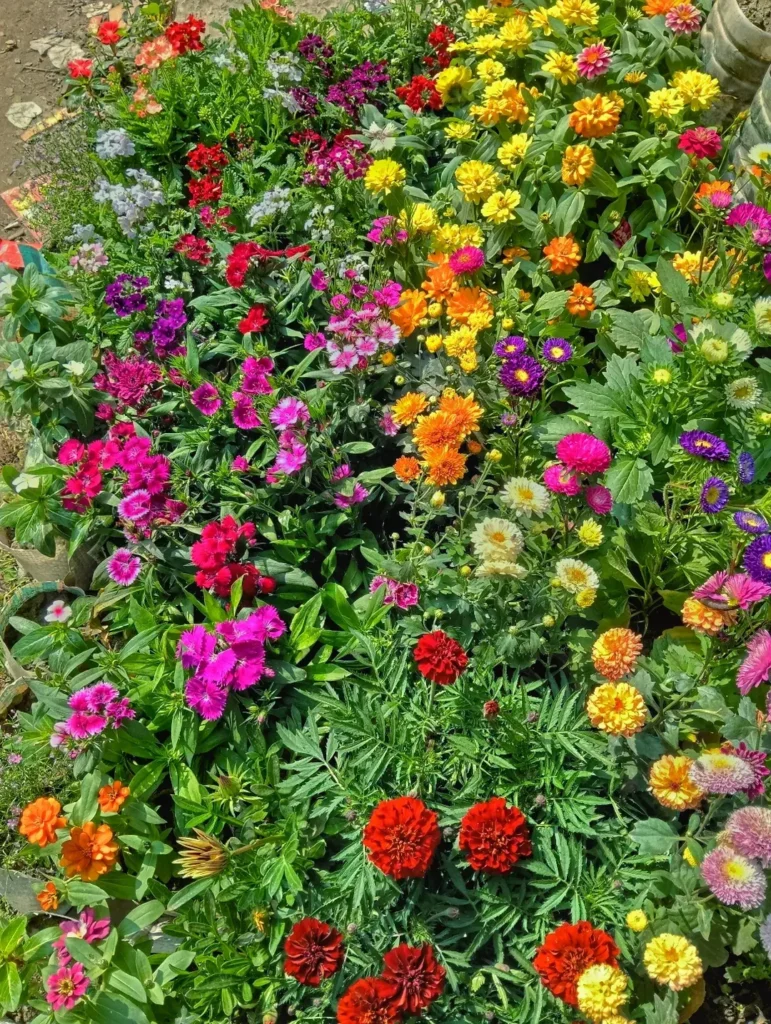
The Inspiration : Victorian ferneries concealed beneath the oak trees of estates inspired the concept of shade garden nooks. Affluent landowners crafted enigmatic grottos where fragile ferns and woodland flowers flourished away from the harshness of direct sunlight. Japanese moss gardens refined this art form, turning shaded corners of temples into spaces for contemplation. Contemporary shade nooks revive this tradition, transforming neglected corners of yards situated beneath towering maples or adjacent to north facing walls into refreshing retreats where hostas and astilbes present unexpected beauty.
Why it Works : Shade garden nooks address challenging landscape issues while establishing functional outdoor rooms. They make use of overlooked areas where sun-loving plants struggle, converting liabilities into assets. Temperature benefits arise shade nooks remain 10-15 degrees cooler than sunlit regions, providing comfortable summer retreats without the need for air conditioning. Moisture retention in shaded soil increases, leading to a 50% reduction in watering requirements compared to exposed beds. Shade tolerant flowers such as impatiens and bleeding hearts offer vibrant colors that stand out against dark backgrounds, creating a dramatic effect unattainable in sun drenched areas. The lower maintenance demands are attractive to busy gardeners shade plants grow at a slower pace, require less deadheading, and experience fewer pest issues. Psychologically, enclosed shaded areas evoke biophilic responses, resulting in a 12% reduction in blood pressure, as indicated by studies in environmental psychology.
Pro Tip : Layer textures instead of depending solely on flowers for visual appeal. Merge bold hosta leaves with delicate fern fronds and shiny heuchera foliage. Introduce white or chartreuse varieties such as ‘Sum and Substance’ hosta to illuminate dark corners they reflect available light more effectively than deep green plants. Include a simple bench or seating to convert your nook into a functional destination.
Corner fulva Flower
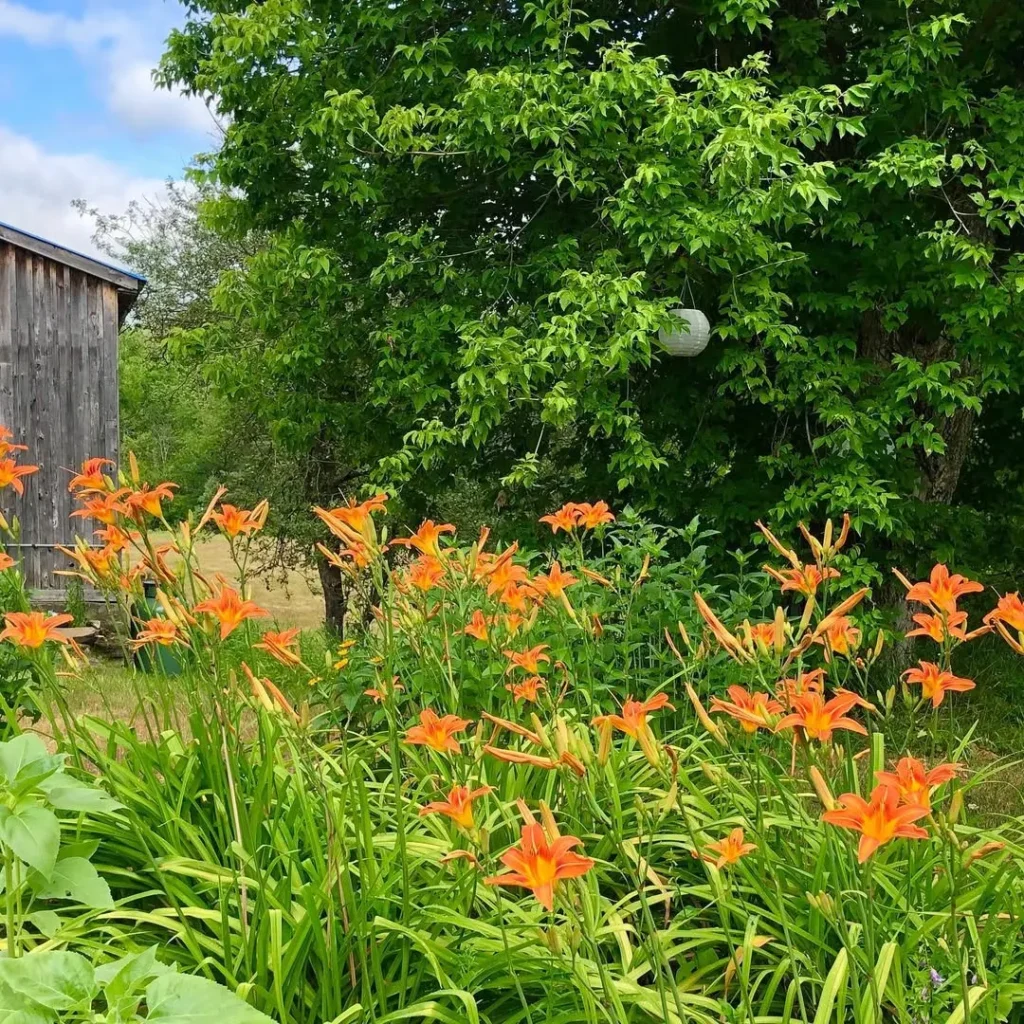
The Inspiration : Roadside ditches throughout rural America display Hemerocallis fulva the tawny daylily that flourishes in conditions where other plants struggle. These resilient orange flowers were introduced by Asian immigrants to their homesteads in the 1800s, planted in overlooked areas where their robust rhizomes stabilized the soil and delineated property lines. Contemporary corner plantings pay tribute to this pioneering legacy, converting neglected yard angles into self sustaining focal points that demand minimal care while providing maximum visual appeal.
Why it Works : Corner fulva plantings address several landscaping challenges at once. These hardy perennials thrive in poor soil, endure summer heat, and withstand drought conditions where more delicate plants falter, making them perfect for challenging corner locations. Each clump expands 2-3 feet, effortlessly filling awkward angles without the need for constant upkeep. The trumpet shaped, tawny orange flowers, measuring 3-4 inches, bloom from mid to late summer, with each flower lasting 24 hours but being replaced daily by new blooms on 3-foot stalks. The vigorous growth of rhizomes helps suppress weeds and manage erosion on sloped corners. Additionally, their attraction to butterflies and hummingbirds enhances ecological value. Once established, these naturalizers propagate independently, needing only occasional division when they become overcrowded.
Pro Tip : For immediate impact and rapid coverage, plant three to five fulva rhizomes spaced 24-30 inches apart in your corner. Select full sun locations for optimal flowering, although partial shade is also acceptable. These low maintenance plants can tolerate any soil pH and drainage conditions, requiring watering only when the soil is partially dry. To maintain tidiness, deadhead spent blooms daily.
Pretty Belinda Garden
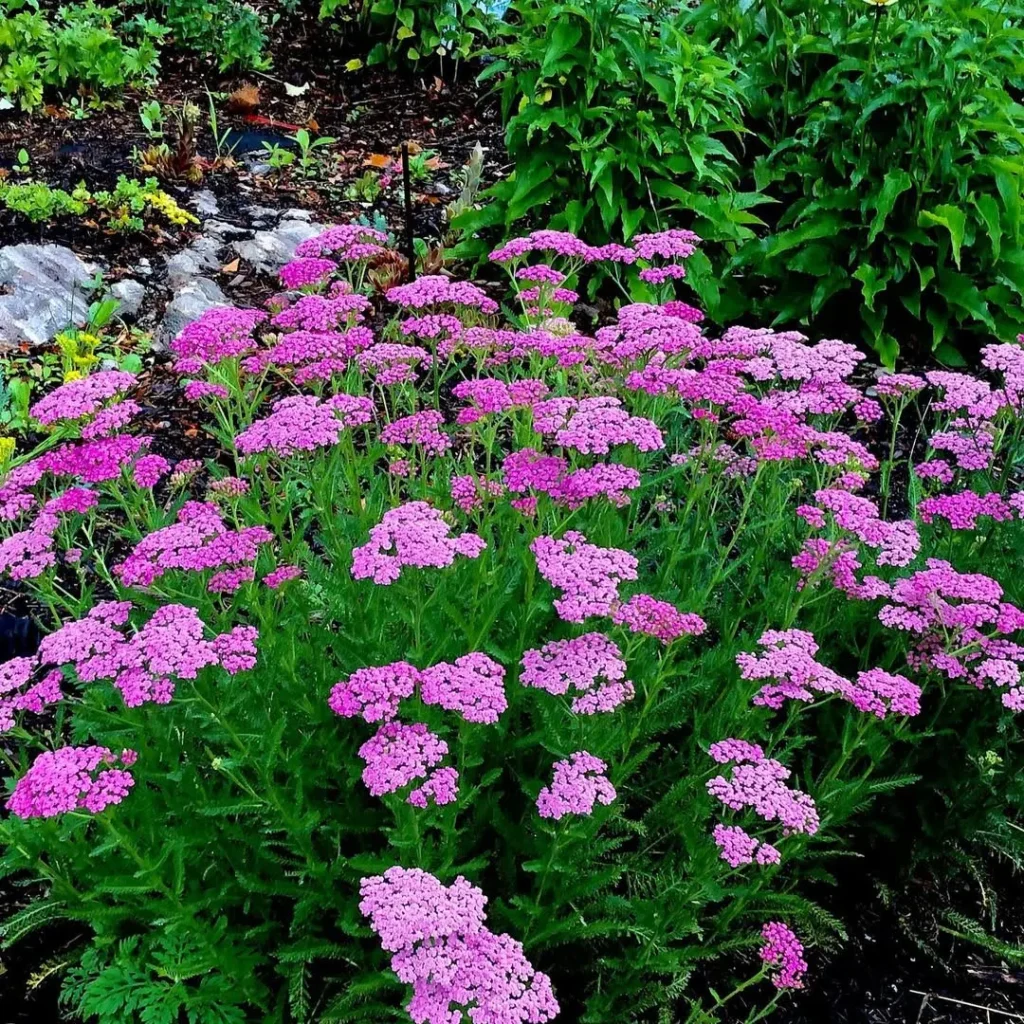
The Inspiration : The name of the Achillea genus is derived from ancient Greek warriors, as Achilles utilized yarrow to stop the bleeding of soldiers’ wounds during the Trojan Wars. European cottage gardeners have cultivated this medicinal herb into decorative varieties, such as ‘Pretty Belinda,’ which showcases vibrant lilac pink flowers. Contemporary gardens pay tribute to both historical practices: the fern-like, fragrant foliage serves as a reminder of its healing origins, while the flat-topped clusters of flowers evoke a romantic cottage aesthetic that has proven to be both visually appealing and resilient in difficult conditions.
Why it Works : The ‘Pretty Belinda’ yarrow gardens stand out due to their remarkable durability and multifunctional benefits. This compact perennial, reaching heights of 18-24 inches, flourishes in heat, drought, poor soil, and pollution, thriving where more delicate plants struggle, making it an excellent choice for low maintenance borders. The dense, flat lilac pink flower clusters, measuring 2-4 inches in diameter, bloom continuously from early summer to fall, maintaining their color better than other yarrow varieties. Its attractiveness to pollinators enhances biodiversity, as bees, butterflies, and beneficial insects are drawn to the blooms, while deer and rabbits tend to avoid the aromatic leaves. The versatility of this plant is evident: the flowers can be used fresh or dried in floral arrangements, the ferny gray-green foliage provides texture throughout the year, and the rhizomatous growth habit naturally fills in gaps. Once established, it requires minimal watering.
Pro Tip : For optimal growth, plant ‘Pretty Belinda’ in full sunlight with spacing of 12-16 inches in well-drained soil, as it can tolerate a wide range of pH levels from acidic to alkaline. Regularly deadhead spent flowers to prolong blooming into the fall and to prevent excessive self-seeding. To maintain plant vigor and manage spreading, divide clumps every 2-3 years in the spring. Cut back the entire plant in early spring before new growth begins.
potted perennial Garden
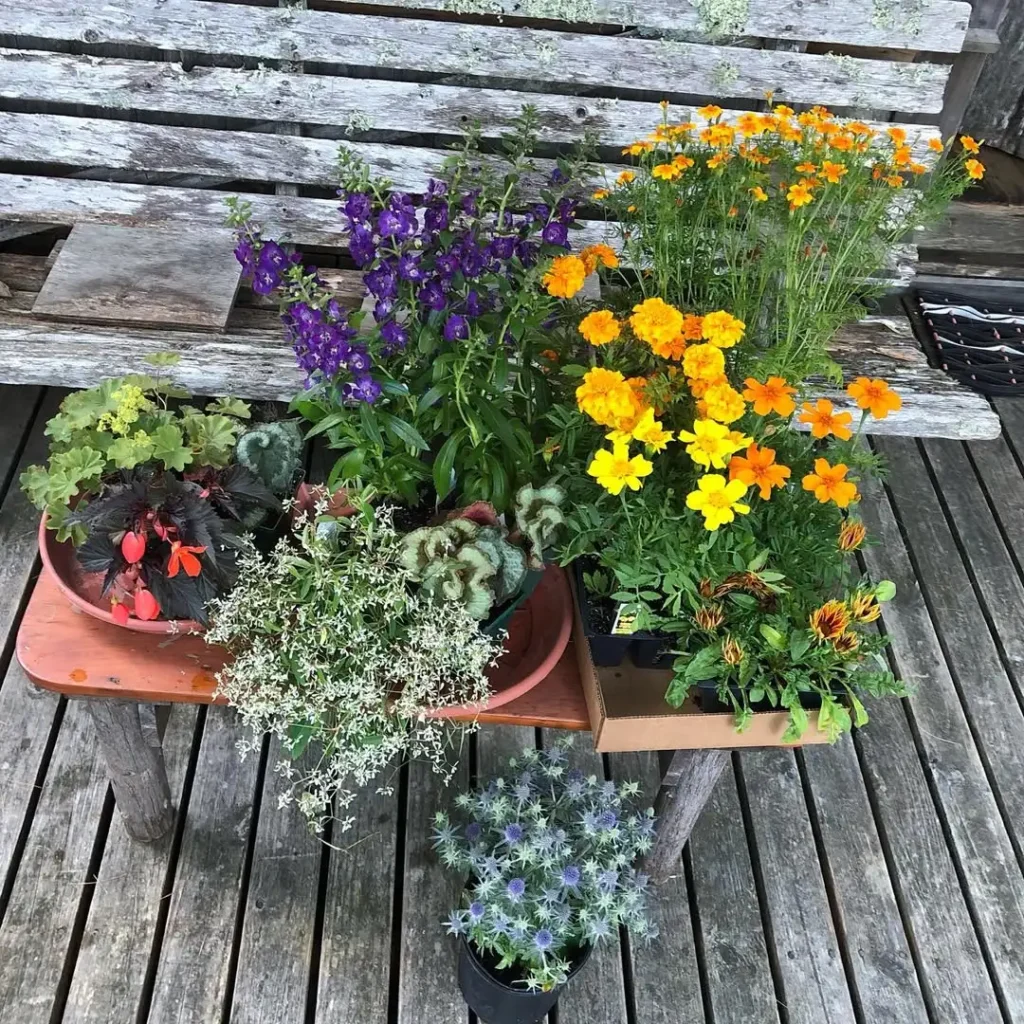
The concept of a potted perennial garden originated from balcony gardeners residing in densely populated European cities, transforming limited stone ledges into small courtyards brimming with lavender, geraniums, and hostas. As time progressed, the container gardening practices from Mediterranean terraces and Japanese courtyard pots converged—demonstrating that even those who rent can cultivate enduring, evolving plant collections in portable vessels that accompany them.
Why it Works : Potted perennial gardens combine adaptability with long term cost savings. Perennials return year after year, meaning that one time plant investments outlast seasonal annuals, thereby minimizing replanting expenses and labor. Containers enable gardeners to optimize soil composition, drainage, and light exposure, allowing for the simultaneous growth of alpine, shade, and sun loving plants in the same compact space. The ability to move pots is a distinct benefit: they can be repositioned to capture sunlight, avoid heatwaves, or instantly rejuvenate a tired display. On an emotional level, familiar plants that endure through the seasons provide a sense of continuity for renters and those living in small spaces, transforming balconies, steps, or rooftop corners into stable, personal retreats.
Pro Tip : Organize pots according to their water and light requirements, rather than solely by color or design. Opt for containers that are at least 14–16 inches wide for perennials to ensure that roots can comfortably survive the winter, and utilize a well-draining mix topped with 2–3 inches of mulch. In colder regions, group pots against a wall and wrap them in burlap to shield roots from freeze thaw damage.