
Your backyard ought to serve as a personal sanctuary where you can relax without feeling exposed to neighbors or passersby. Backyard privacy landscaping converts open, vulnerable outdoor areas into intimate retreats that harmonize seclusion with natural beauty. In contrast to stark fences that establish fortress-like barriers, strategic plantings provide living screens that change with the seasons while offering ecological advantages. The significance of privacy landscaping cannot be overstated, as outdoor areas diminish in value when you feel uneasy using them—research indicates that homeowners tend to avoid patios and decks that lack screening from adjacent properties. This method presents numerous benefits: evergreen hedges obstruct unwanted sightlines throughout the year, dense foliage mitigates traffic noise and conversation sounds, and layered plantings draw in beneficial wildlife while enhancing property values. Whether you are designing tranquil meditation spaces, safeguarding children’s play areas, or simply savoring morning coffee without an audience, privacy landscaping enables you to reclaim your outdoor environment. The investment yields returns in comfort, usability, and the liberty to genuinely unwind at home.
xeriscape backyard landscaping
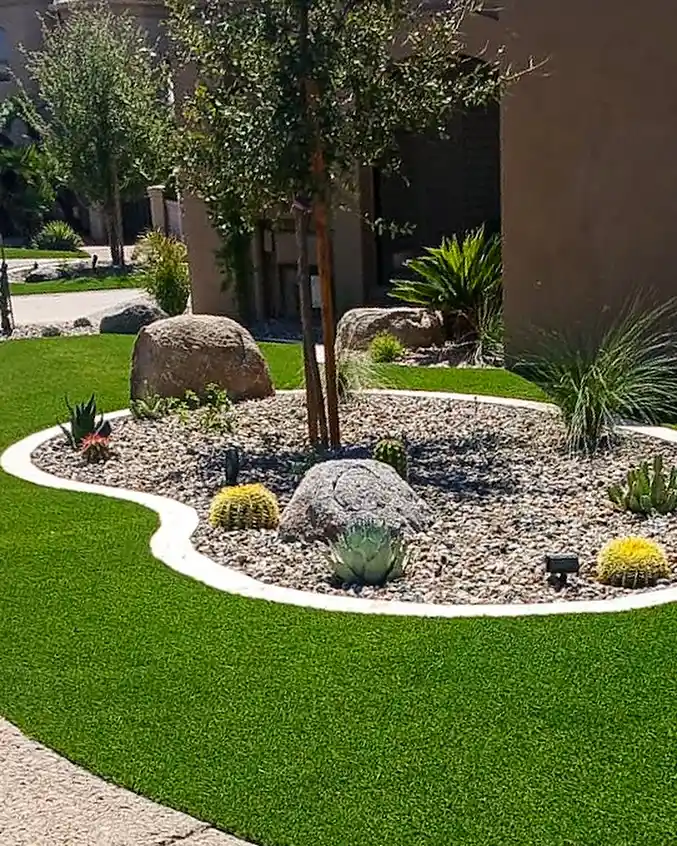
The Inspiration : Xeriscape backyard landscapes have their origins in Greek terminology—”xirós” which translates to dry—developed in the water-scarce areas of the American Southwest during the drought crises of the 1970s. The term was introduced by the Denver Water Department, encouraging homeowners to appreciate the native desert beauty rather than maintaining water-intensive lawns. These sustainable gardens demonstrate that it is possible to harmonize conservation with striking aesthetics, transforming desolate yards into resilient havens.
Why it Works : Xeriscape landscaping offers exceptional efficiency, achieving a reduction in water usage by 50-75% when compared to conventional lawns. More than 50% of household water in the Western U.S. is allocated for outdoor irrigation, which underscores the necessity of xeriscaping for conservation efforts. Native drought-resistant plants flourish without the need for fertilizers or pesticides, thereby preventing chemical runoff into waterways. The maintenance demands are cut by at least half—from 8 hours per month to merely 4 hours or less. Homeowners benefit financially from lower water bills, and annual maintenance expenses decrease by 87%. These landscapes also bolster local ecosystems by providing habitats for pollinators while remaining robust during periods of drought and heat waves. This approach not only enhances property values but also fosters environmental sustainability.
Pro Tip : Utilize hydrozoning by categorizing plants into zones according to their similar water and sunlight needs. This strategy helps avoid the issue of overwatering some plants while neglecting others. Opt for drip irrigation or soaker hoses in place of traditional sprinklers to ensure water is delivered directly to the roots, thereby reducing evaporation. Additionally, apply organic mulch to help retain moisture, suppress weed growth, and keep soil temperatures cooler.
minimalist backyard landscaping
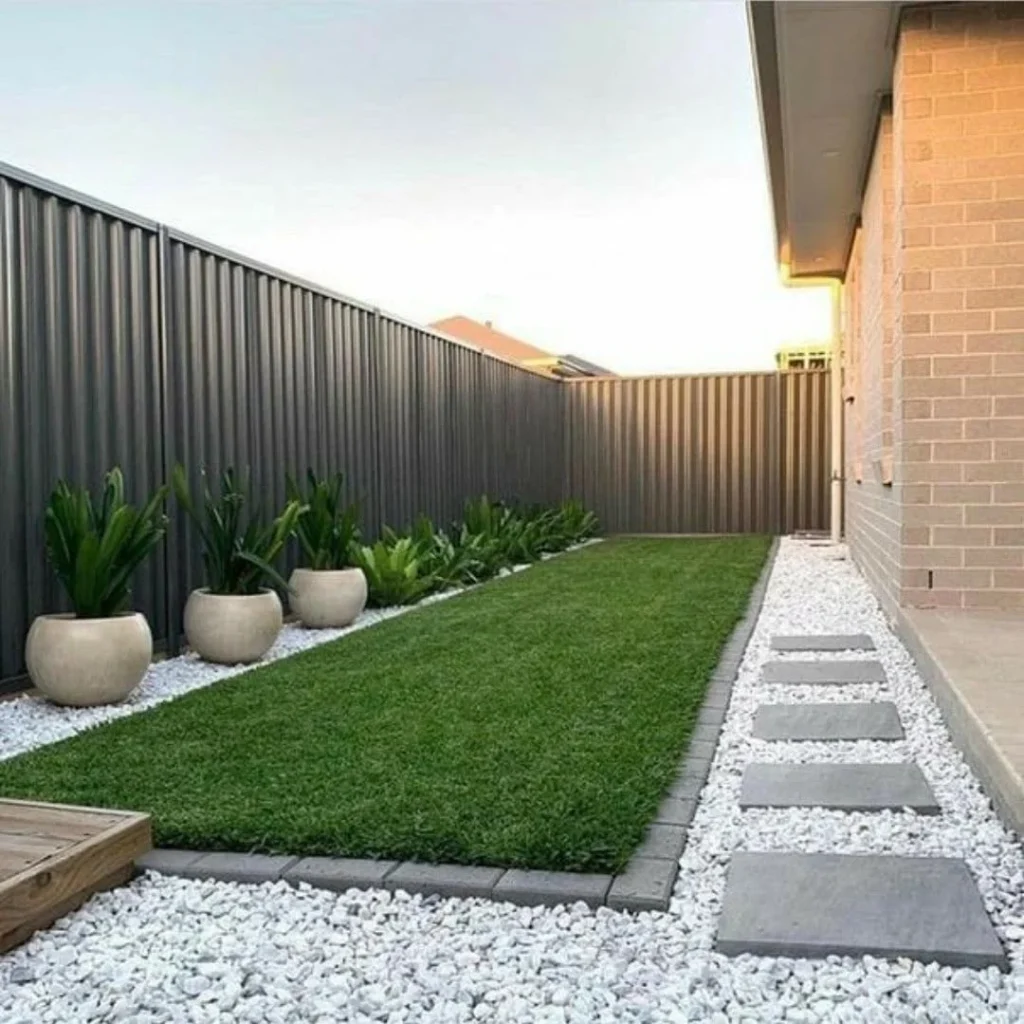
The Inspiration : Minimalist backyard landscaping is influenced by Japanese Zen gardens and Scandinavian design principles, where deliberate emptiness fosters significant beauty. Buddhist monks refined the art of raked gravel patterns and strategically placed stones to facilitate meditation. Mid-century modernists adopted the philosophy of “less is more,” demonstrating that restraint enhances impact. These tranquil environments reject clutter, honoring simplicity through clean lines, negative space, and intentional plant choices.
Why it Works : Minimalist landscaping is effective as it simultaneously minimizes visual clutter and maintenance requirements. A limited selection of plants—usually three to five species—yields a cohesive and sophisticated aesthetic while simplifying care routines. Clean geometric lines and open areas create an illusion of larger, more organized small yards. This method alleviates the burden of overwhelming choices regarding plant combinations, hardscape materials, and color palettes by embracing restraint. Negative space offers visual resting spots where the eyes can pause, alleviating stress and fostering tranquility. Fewer plants result in lower water usage, decreased fertilizer requirements, and minimal pruning. High-quality materials such as natural stone, concrete pavers, and architectural plants provide lasting impact without the need for frequent replacement. This efficiency is appealing to busy homeowners who desire beautiful outdoor spaces without demanding weekend maintenance obligations.
Pro Tip : Select statement plants with strong architectural forms such as Japanese maple, ornamental grasses, sculptural agave, or bamboo as focal points against neutral backdrops. Limit hardscape materials to a maximum of two types, such as concrete and wood or gravel and stone. Repeat elements in odd numbers throughout the area to establish rhythm while preserving the uncluttered minimalist aesthetic you are developing.
remodeled backyard
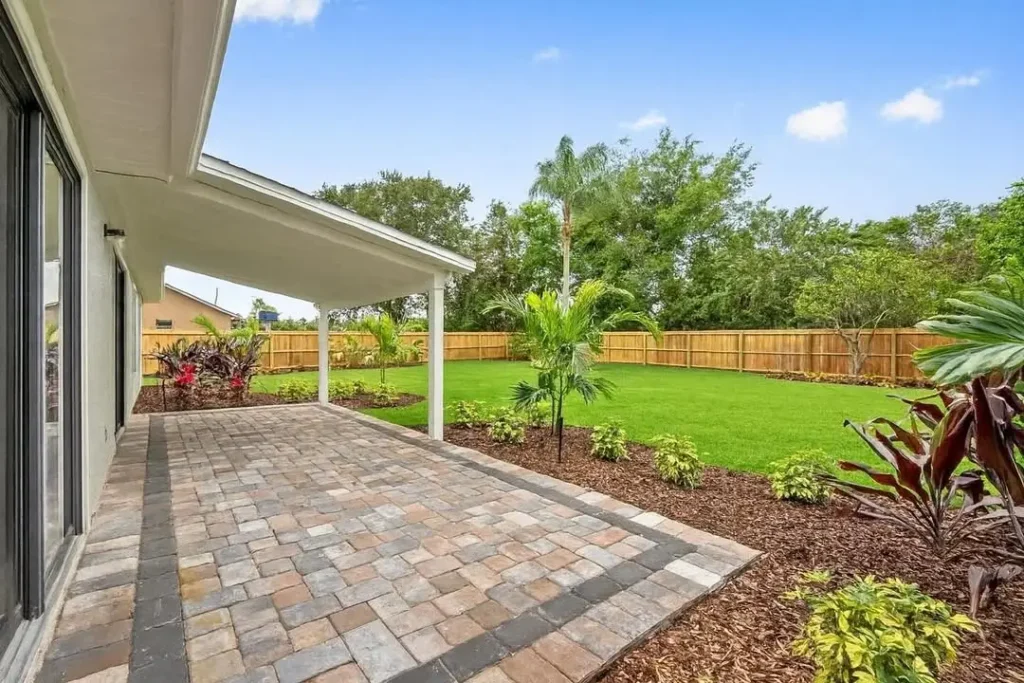
The Inspiration : Transformed backyards narrate stories of change inspired by HGTV’s outdoor renovations and garden rescue programs, where overlooked areas evolve into family retreats. Renovations from the Victorian era illustrated how rethinking layouts reveals untapped potential. Modern homeowners are adopting remodels as their lifestyles evolve growing families require play spaces, while empty nesters desire areas for entertaining. Renovation respects existing beauty while rectifying years of inadequate planning or neglect.
Why it Works : Backyard renovations provide an outstanding return on investment by simultaneously addressing functional shortcomings and aesthetic issues. Thoughtful renovations enhance property values by increasing usable outdoor living space, creating attractive selling points for prospective buyers. Remodeling resolves drainage issues, replaces overgrown or unhealthy plantings, and updates outdated hardscapes that no longer meet current requirements. This process enables homeowners to integrate contemporary features such as outdoor kitchens, fire pits, and lighting systems that were not initially included. Environmental enhancements through native plantings and water-efficient irrigation systems lower ongoing maintenance expenses. Most importantly, remodels convert underused yards into cherished extensions of indoor living, promoting families to enjoy quality outdoor time throughout the year.
Pro Tip : Prior to demolishing existing elements, evaluate what should be preserved—mature trees, quality pavers, and established perennials can save significant amounts of money. Develop a phased remodeling strategy that addresses hardscaping first, followed by major plantings, and concluding with accessories. This approach helps avoid budget overruns and allows you to adapt to changes before finalizing details and finishing touches.
upgraded backyard paver patio
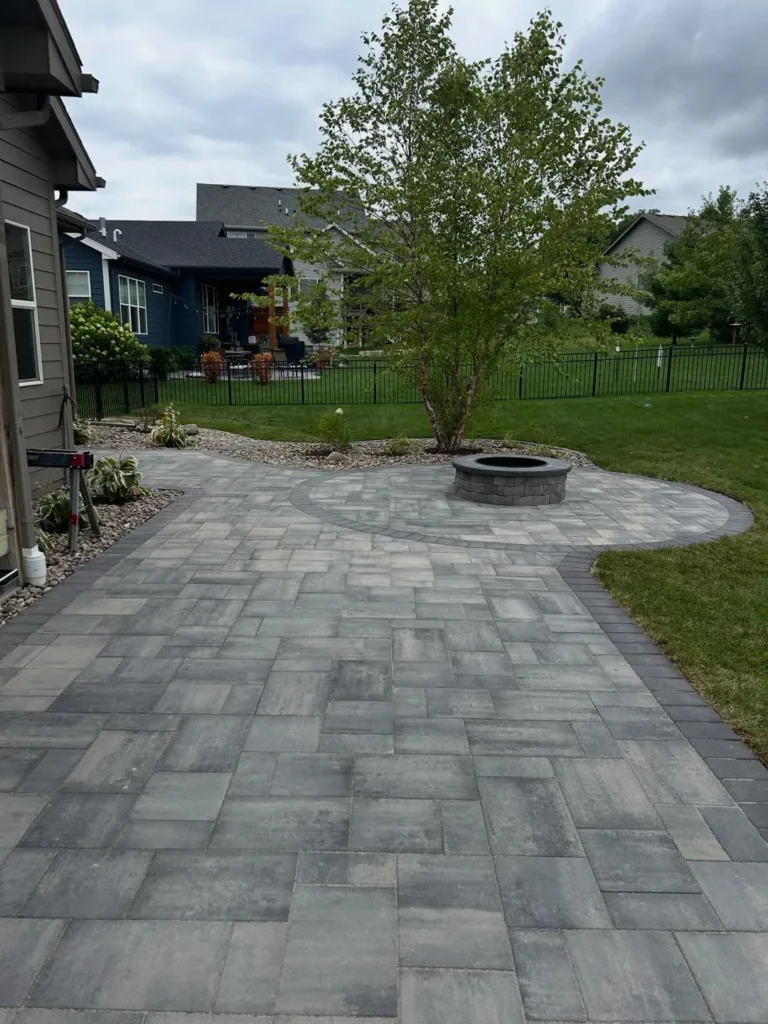
The Inspiration : It was European courtyards that inspired the backyard paver revolution. Italian piazzas and French garden paths showed examples of how shaped stone can turn boring ground into living art. The builders of ancient Roman roads knew paving stones last for hundreds of years while looking good. Contemporary homeowners found it’s a timeless way to create stylish outdoor rooms for family meals and parties — converting wasted grass into spaces worthy of magazine spreads.
Why it Works : Paver Patios Are A Jack of All Trades Paver patios are a rock star product that does many things well at once. Unlike poured concrete, which cracks and stains, pavers flex with ground movement and can be easily repaired. They add 10-15% to home value and extend usable living space by creating separate outdoor rooms. The porous surface minimizes water runoff, pooling and standing effects. Installations is less expensive than natural stone and provides the same look. Color and pattern choices coordinate with any architectural style, from Mediterranean terracotta to modern gray. Not least of all, pavers turn backyards into entertainment spaces that’ll expand your home’s footprint without costly bump-outs.
Pro Tip : Opt for pavers with rough textures instead of smooth finishes—They offer better grip when they’re wet, and can hide slight flaws. Following, the 4-6 inches of compacted base material should be set at a proper slope (1/4” per foot away from structures building) so as they drain and don’t settle. This base layer is what actually sets the life span, as opposed to the paver quality.
transitional style backyard
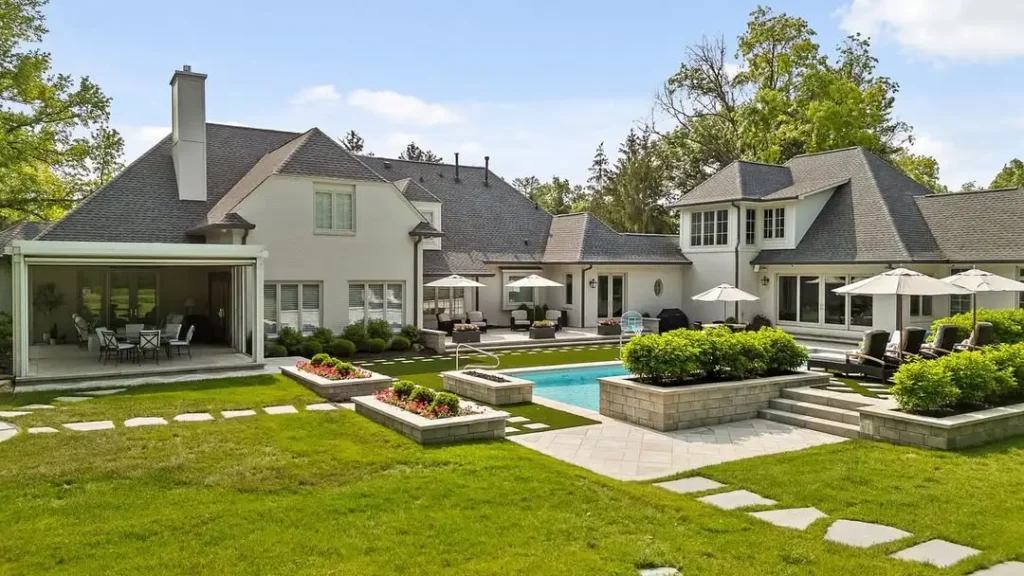
The Inspiration : Transitional backyards started with homeowners who wouldn’t have to decide between traditional charm and modern edge. Like midcentury furniture that mingles with the old, these spaces pay homage to classic garden principles while accommodating clean lines. Imagine English cottage gardens by way of California minimalism — curved pathways softened by geometric planters, ornamental grasses next to structured hedges. This measured sensibility results in outdoor rooms that feel timeless, not dated or overly trendy.
Why it Works : Transitional design takes the anxiety out of choosing to be traditional or contemporary. It grows as your taste does — add modern furniture or traditional arbors without it turning into a hot mess. This versatility means it has more value on the resale market, as a single purchase will appeal to lovers of classic and current styles. It’s a style that complements any home architecture, from craftsman to colonial. By combining materials such as natural stone with metal accents, you can add visual interest without feeling like it’s too much. Transitional backyards never seem to age because they avoid design choices in the extreme that can grow old-fashioned. And the balanced palette and simplicity of the lines require less upkeep than fussy traditional gardens, while providing more warmth than a minimalist modern landscape.
Pro Tip : Employ the 60-30-10 rule: 60% traditional design elements, like arced beds and natural materials; 30% modern furnishings, such as clean-lined furniture and geometric hardscaping; and 10% statement-making pieces that blur those lines — think midcentury benches in perennial borders or modern art in classic gardens. This ratio is perfect because it’s clear and not confusing.
modern backyard
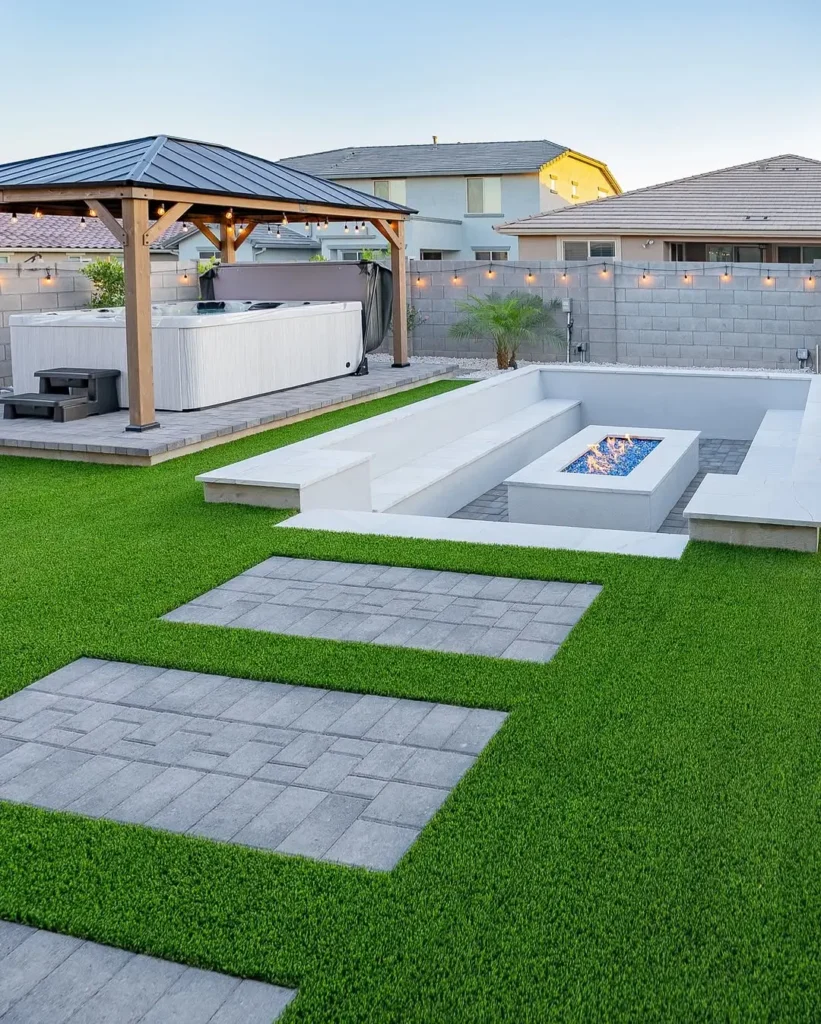
The Inspiration : Bauhaus architecture and Japanese Zen gardens gave birth to the modern backyard movement. Mid-century modern designers, including Thomas Church, changed the way outdoor areas were treated by cutting out all that clutter and focusing on function. His California gardens demonstrated that calm retreats can result from the use of simple geometric forms, clean horizontal planes and well-placed plants. This dynamic has carried over into today’s modern backyards, which heed the philosophy that “less is more,” and have turned once disorderly yards into minimalistic sanctuaries wherein every aspect has functionality.
Why it Works : Contemporary back yards are a maintenance low but impact high look. Plant palettes simplified by using architectural specimens such as ornamental grasses are easier to prune than traditional perennial borders. Clean lines and well planned sections of space help to organize small spaces for an efficient feel and larger look. Durable materials such as composite decking, concrete pavers and metal accents need not be treated for weathering. The minimal look is also conducive to mental clarity — research has found that simple outdoor spaces relieve stress better than complex gardens. Bench seating and planter walls are built in, so no furniture shopping needed. This efficient model reduces landscape costs by 20-30% compared to other more complicated models.
Pro Tip : Griffin recommends establishing strong areas of focus with the help of the “rule of three materials”—stick to a triad of main material choices such as wood, concrete and steel. This limitation avoids teleporting mayhem and keeps the viewer engaged. Repeat along hardscaping, furniture and planters for non-stop flow that will bring up your modern design.
resort-style backyard
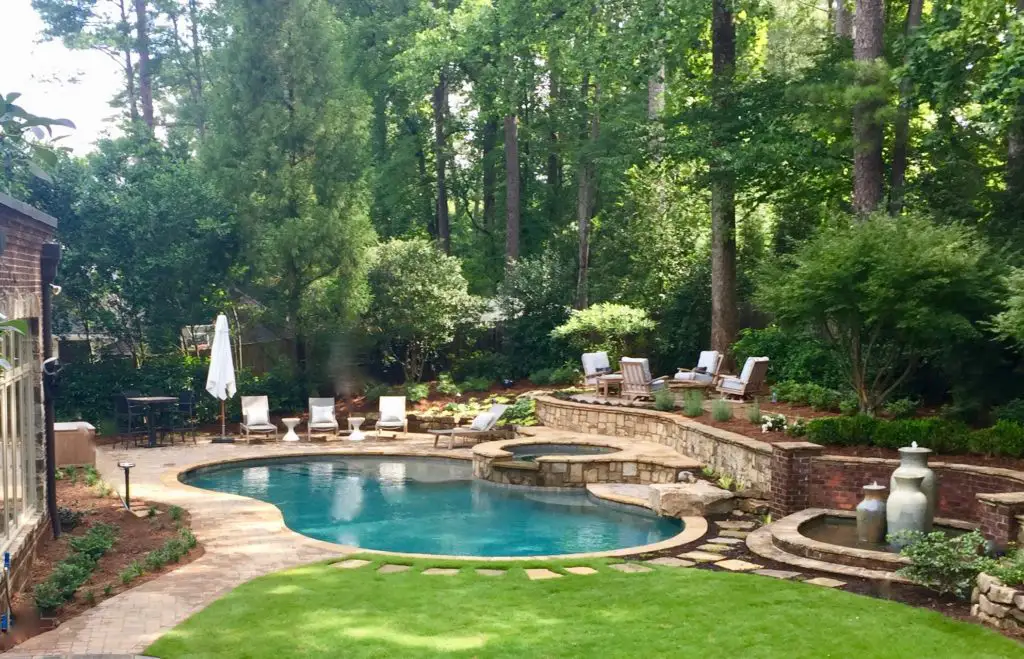
The Inspiration : inspired by five-star resorts like the tropical oases of Bali and the villas of the Mediterranean, resort-style backyards are built around lavish foliage and standout water designs. The idea rose out of consumer demand, with homeowners looking to develop their own staycation oasis – they wanted to take everyday outdoor spaces and convert them into a spa-like sanctuary that offers the emotional escape of vacation without having to leave home.
Why it Works : Resort style backyards provide value in so many ways. They help maximize homeowners’ investment in luxury estates with high ROI all while making year-round entertaining possible with their covered patios and fire features. The health advantages are enormous — spa-like features like plunge pools and lush landscaping encourage relaxation and rejuvenation, the types of attributes that are so attractive to health-conscious buyers. Functionally, they make layered outdoor rooms with distinct zones for dining, lounging and contemplation that are meant to evoke boutique resort terraces. The resulting effect of infinity pools, tropical plantings, smart outdoor lighting systems and high-end materials such as travertine is an immersive one that competes with world-class resorts.
Pro Tip : Make content into distinct zones by layering rugs, mixed plantings and groupings of furniture that school the dining, lounging and “chilling out” spaces. A smart irrigation system combined with a professional landscape lighting system for little maintenance and incredible nighttime ambiance. Make sure to select a natural material such as travertine, limestone or stone for warmth and genuine resort texture.
residential landscaping
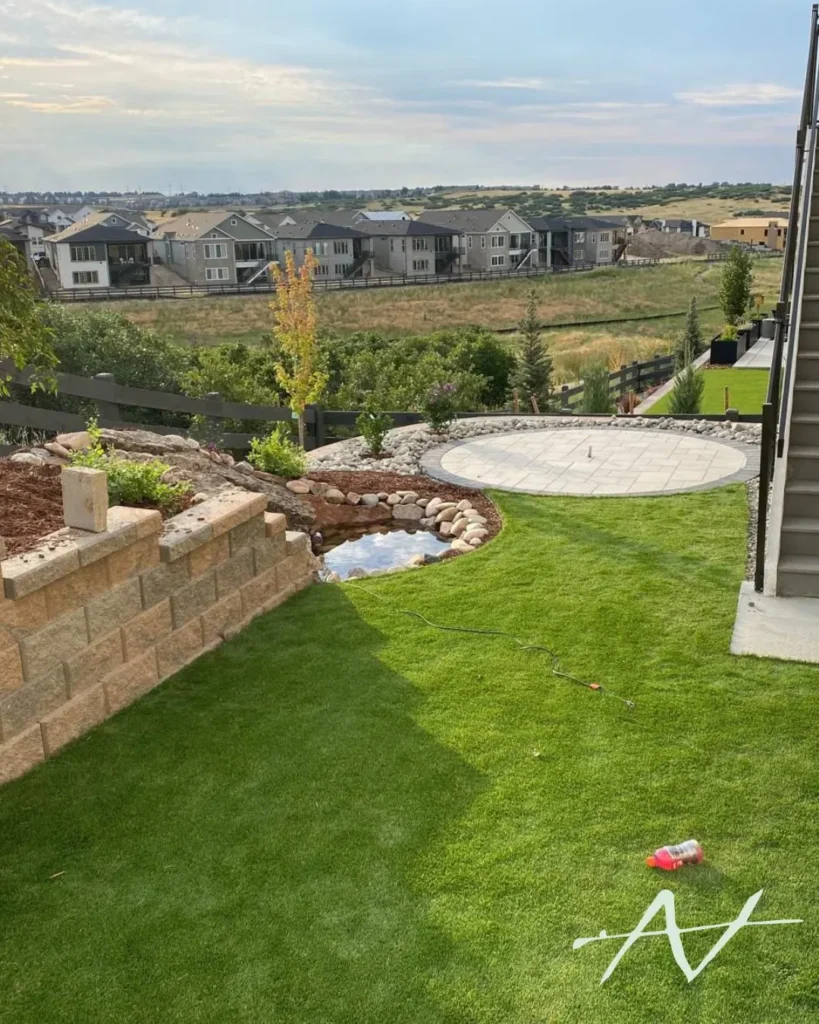
The Inspiration : Home landscaping was born out of the ancient courtyard gardens of Persia, Japan and Rome where families molded the earth, stone and water to construct their own small paradise at home. Every front yard, sinuous path and blooming border becomes an intimate canvas, gently whispering about the seasons, culture and residents.
Why it Works : Residential landscaping is efficient because it tackles several problems at once. Considered planting naturally cools homes, filters air, dampens noise and controls rainwater, and accordingly lowers maintenance and utility bills. Layered trees, shrubs and ground covers form welcoming privacy screens instead of walls, and clear paths lead visitors naturally from the street to the front door. “As beautiful as a well-designed outdoor space is,” says the writer Julie Carlson, “it’s not just about what we see but nurturing everything around you and creating that mood.” The garden ripens with time, its roots and memories growing deep.
Pro Tip : Before you ever stick a single shrub in the ground, map your sun, shade and traffic patterns for at least one full week. Take note of where you walk, sit and stop naturally. Then design beds and paths to accommodate those habits, filling high-traffic routes with durable, native plants that will require less maintenance and make the landscape more resilient.
Lush green landscaping
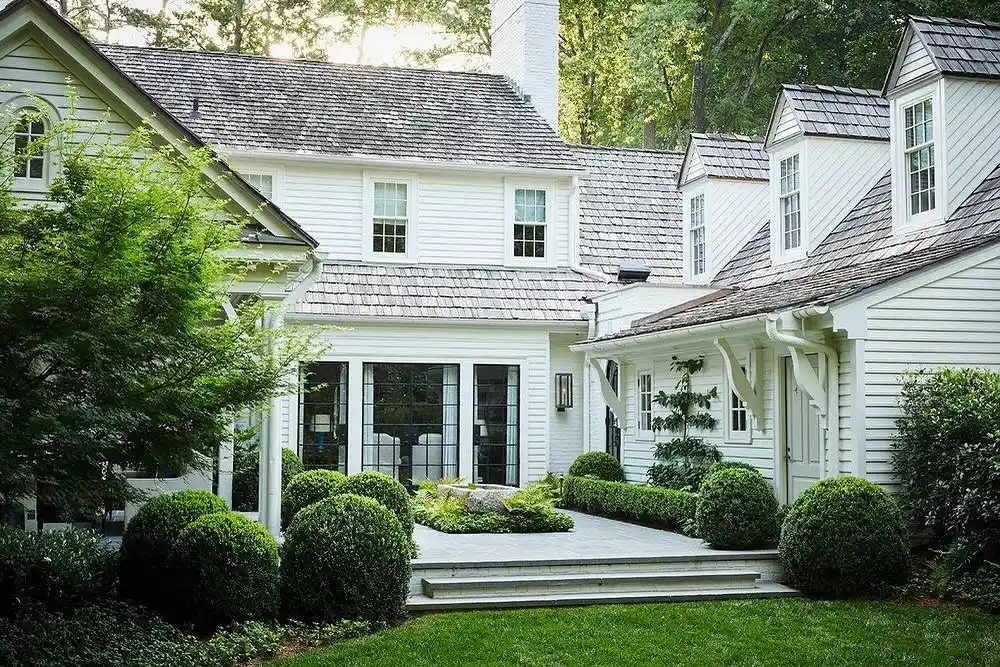
The Inspiration : The lush green landscaping appears to echo monsoon-soaked tea estates, Balinese rice terraces and English cottage gardens where layered foliage seems fathomlessly deep and alive. It is the impulse to bring back that first rain smell — cool, shaded, breathing earth enfolding home in softness, privacy and a sense of being quietly cradled by nature.
Why it Works : Lush green landscapes succeed because densely planted vegetation cools the air around it, shades hard surfaces and makes good microclimates, which makes outdoor spaces more comfortable for longer stretches of time. Foliage is thick, and this buffers traffic sounds, filters dust and creates soft edges that define private zones without solid walls. Contrasting textures and leaf shapes add a sense of depth to small spaces, so even postage-stamp patios have the illusion of vastness and range. Green views lower stress and mental fatigue, psychologically encouraging people to spend more time outdoors and to use patios, balconies or gardens as social spaces. As the plants grow and mature, they weave together to create biodiversity-stabilizing soil, turning a typical plot into a living paradise.
Pro Tip : For the lushest results, design in layers: tall stuff in back (or center, if you’re going to look at it from all sides), midsize shrubs in the middle, and groundcovers along the front or top — plug every visible soil patch with something. Plant the evergreen framework plants first, and then weave seasonal color between them. Water deeply less frequently, and mulch with thick organic material so that water remains sealed in to support dense, healthy, low-stress growth.
artificial grass landscaping

The Inspiration : Artificial grass landscaping has evolved from the meticulous design of sports stadiums and rooftop gardens, where an immaculate green landscape year-round seems almost like a vision from the future. It appeals to busy homeowners who yearn for the nostalgic experience of playing barefoot on the lawn—without the issues of mud, bare spots, or the need for constant mowing transforming compact urban areas into consistently tidy, vibrant environments.
Why it Works : Artificial grass landscaping is effective because it provides a reliable, low-maintenance green space in climates or areas where natural grass struggles to thrive. It removes the need for mowing, fertilizing, and most watering, thereby reducing long-term maintenance expenses while remaining lush during heatwaves, in shaded areas, or under heavy foot traffic. In contrast to natural lawns that may turn brown or develop patches due to pets and children, high-quality synthetic turf retains a uniform color and density, ensuring that small yards, terraces, or pool areas appear immaculate every day. On an emotional level, it offers the comforting visual of a flawless lawn whenever desired, allowing homeowners to devote their time and energy to genuine outdoor enjoyment rather than endless lawn maintenance tasks.
Pro Tip : To achieve realistic and durable artificial grass, prioritize proper base preparation: excavate, compact crushed stone, and create a slight slope for effective drainage. Opt for multi-tone blades with varying heights instead of flat, single-color rolls. Lastly, brush infill into the fibers to keep the blades upright and enhance cushioning, cooling, and the overall natural look.
low maintenance backyard
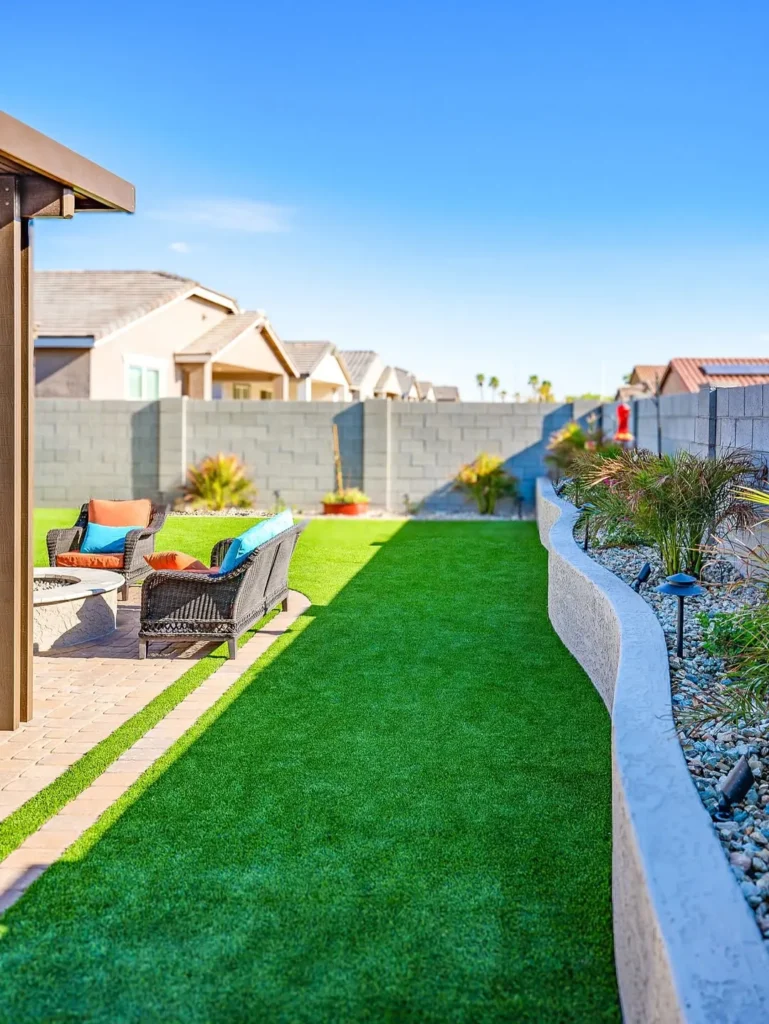
The Inspiration : The low-maintenance backyard emerges from the demands of busy lifestyles and gardens suited to dry climates, where gravel courtyards, native flora, and patio spaces have taken the place of water-intensive lawns. It embodies the serene aspiration of stepping into a beautiful environment rather than facing chores—areas that exude a sense of completion, warmth, and tranquility, even when weekends are too packed for gardening.
Why it Works : A low-maintenance backyard is effective because it reduces repetitive tasks such as mowing, pruning, and extensive watering, allowing for more time and resources to be devoted to genuine enjoyment. The use of resilient, climate-suitable plants and robust materials like gravel, pavers, or composite decking minimizes the need for replacements and decreases susceptibility to pests or drought. Organizing plants according to their water requirements streamlines irrigation and enhances system efficiency. Fewer intricate elements lead to reduced clutter, fewer tools, and diminished long-term fatigue. On an emotional level, the space feels attainable and sustainable, encouraging homeowners to frequently utilize patios, seating areas, and fire pits, transforming the yard into a soothing everyday sanctuary.
Pro Tip : Begin by meticulously listing every task you dislike—mowing, edging, leaf-raking, trimming hedges—then eliminate them from your design. Substitute lawn areas with gravel or pavers, replace hedges with slow-growing shrubs, and implement drip irrigation systems on timers. The fewer tasks you need to remember each week, the more your backyard will genuinely embody low-maintenance principles.
backyard bliss landscaping
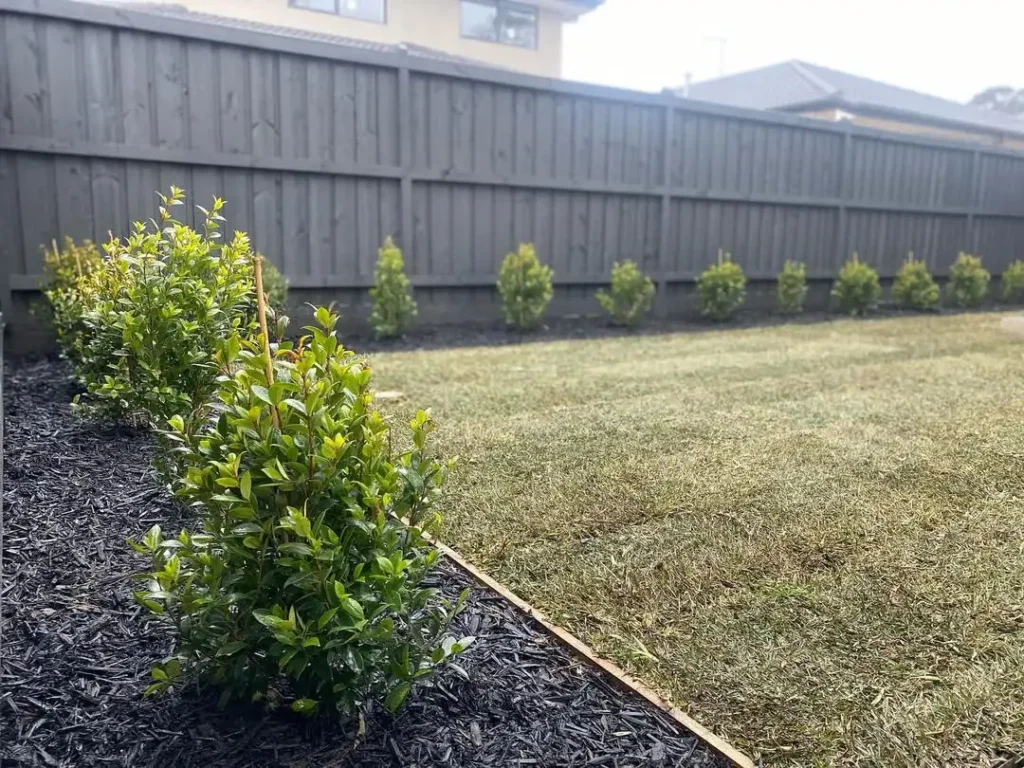
The Inspiration : Backyard bliss landscaping draws its essence from nostalgic childhood recollections of evening breezes, twinkling fairy lights, and family gatherings that lingered well into the night. It takes cues from intimate courtyard gardens and snug cottage patios, transforming ordinary spaces into everyday sanctuaries where hammocks, gentle lighting, and the sound of rustling leaves quietly rejuvenate the mind.
Why it Works : Backyard bliss landscaping is effective because it emphasizes the emotional experience of a space rather than merely its visual appeal. Comfortable seating, dappled shade, and soft pathways promote a sense of lingering rather than a hurried return indoors. Layered plantings, subtle lighting, and small water features contribute sensory depth—movement, sound, and fragrance—that alleviates stress and fosters relaxation. Versatile areas for dining, reading, and casual conversation allow the yard to seamlessly transition from solitary mornings to lively weekend gatherings. By focusing on low-maintenance features and durable materials, homeowners can relish the advantages of a welcoming retreat without the burden of extensive upkeep, making regular outdoor enjoyment a natural and pleasurable routine.
Pro Tip : Begin by selecting one “bliss anchor”—be it a lounge chair beneath a tree, a swing, or a small fire pit—and design the surrounding elements to enhance that experience. Incorporate soft lighting, side tables, and nearby plants that offer soothing movement or fragrance, ensuring that the space instinctively becomes your preferred spot to unwind after hectic days.
luxurious backyard
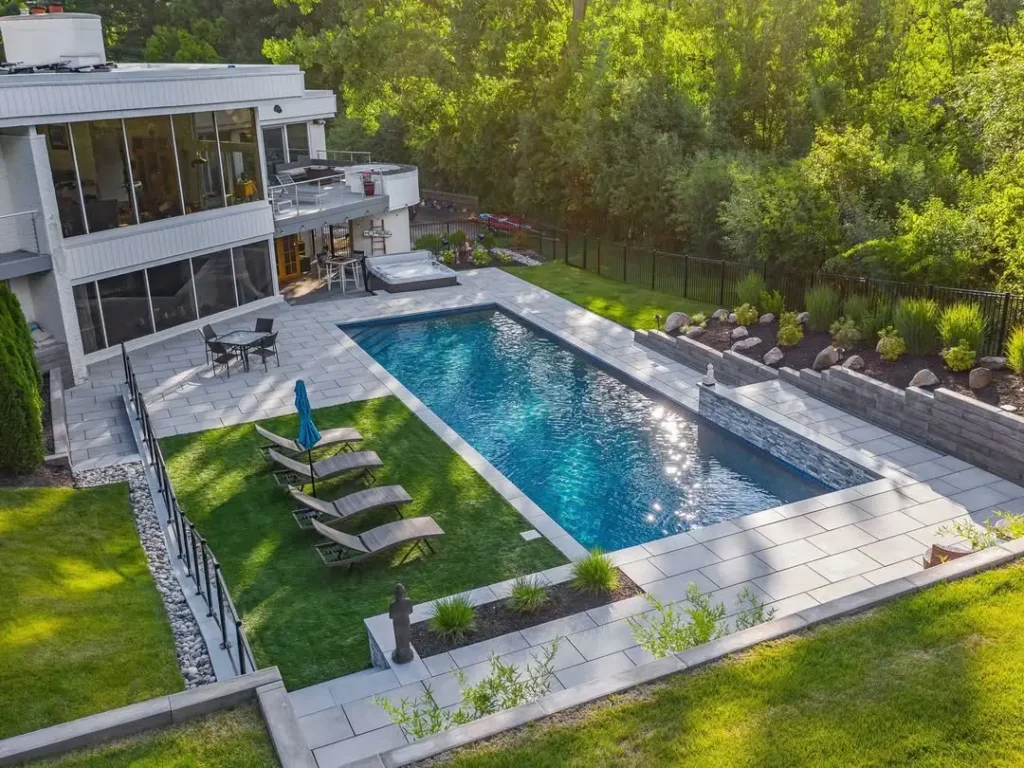
The Inspiration : A lavish backyard draws its allure from five-star resorts and historic villa gardens, where stone terraces, flickering firelight, and shimmering water envelop intimate seating areas. It embodies the fantasy of stepping out your back door and feeling as though you have been transported—surrounded by texture, warmth, and comfort that softly conveys, “you’ve arrived.”
Why it Works : A lavish backyard is effective because it harmonizes visual impact with everyday comfort, transforming underutilized square footage into a valuable living area. High-quality materials, layered lighting, and bespoke features—such as pools, pergolas, or outdoor kitchens—expand entertaining space and accommodate larger gatherings without overwhelming the home. Thoughtful zoning delineates cooking, lounging, and quiet retreat areas, rendering the space adaptable for both social events and solitude. On an emotional level, rich textures, curated decor, and lush plantings foster a sense of occasion even during ordinary evenings, promoting more time spent outdoors and enhancing the perception that home is a personal sanctuary, rather than merely a functional shelter.
Pro Tip : Select one signature luxury element—a fireplace wall, striking water feature, or fully equipped outdoor kitchen—and design the entire yard to highlight it as the focal point. Subsequently, invest in layered lighting and comfortable, weather-resistant seating to ensure the space feels equally welcoming at night, when the true luxury ambiance truly comes to life.
crushed stone backyard
The Inspiration : Crushed stone backyards are inspired by Japanese Zen gardens, Mediterranean courtyards and dry river beds inside desert landscapes, where gravel prevents thirsty grass with a welcome texture and crunch underfoot. The genius is simplicity — clean lines, weatherproof surfaces and a color palette of earth tones that feel timeless, putting sculptural plants and furniture in the spotlight.
Why it Works : Crushed stone yards work, because they’re practically zero maintenance; they don’t need mowing, they don’t fade and decompose in place like organic mulch. The stone doesn’t create as much clogs as mulch and placed with landscape fabric underneath, it can reduce water runoff uses Polypropylene weed barrier products. Comes in a variety of colors and textures, crushed stone is the perfect option to contrast your lush greenery and establish distinctive areas for patios, pathways and other stylized factors. It holds up to all weather without fading or decomposing, so the yard looks tidy all year. Aesthetically, the textural unevenness and delicate crunch curate a sensual zone space that feels intentional and effortlessly modern.
Pro Tip : Always put down landscape fabric underneath stone to prevent weeds and install edging around borders — metal, brick or stone are most common. Select a firm, yet porous, base layer of compacted sand or gravel can ensure better drainage and little to no sagging over time, keeping your design looking fresh and contained for years.
beautiful backyard
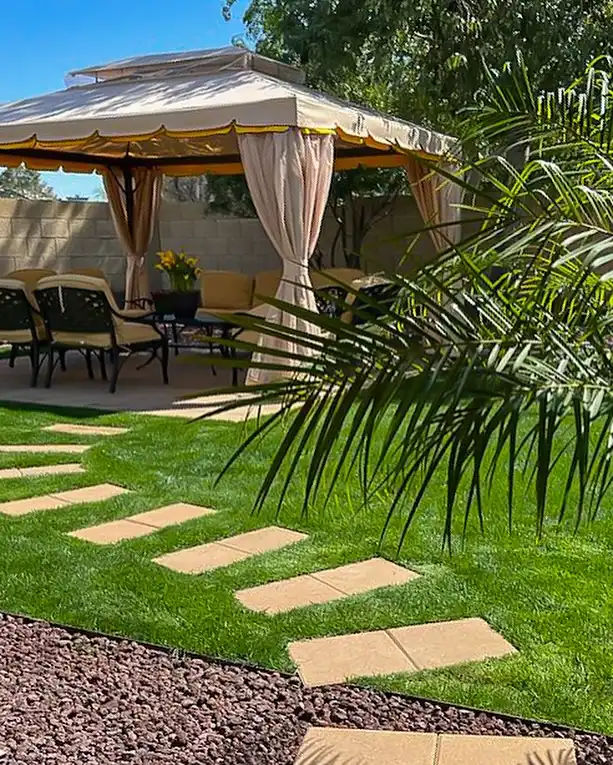
The Inspiration : A stunning backyard draws its essence from the very first garden that captured your heart—be it a grandmother’s rose border, a hidden gem in the neighborhood, or a picturesque vacation view adorned with flowers. It embodies that emotional connection to create a space where color, shape, and light harmoniously come together to form a visually pleasing experience.
Why it Works : A stunning backyard is effective because visual harmony alleviates mental clutter and promotes relaxation, enhancing the restorative quality of outdoor time. Careful selection of plants, well-balanced proportions, and focal points such as unique trees or architectural elements naturally guide the observer’s gaze, adding depth and intrigue even in compact areas. Aesthetic appeal boosts property value and curb appeal while fostering frequent use—individuals are drawn to environments that exude intention and care. Seasonal flowers, diverse textures, and layered greenery offer visual enjoyment throughout the year, turning ordinary tasks or morning coffee into moments of serene delight. A thoughtfully designed backyard evolves into a living artwork that continuously surprises and rejuvenates.
Pro Tip : Begin with a prominent focal point—whether it be a striking tree, an artistic sculpture, a cozy seating area, or a water feature—then organize planting beds, pathways, and lighting to guide the eye towards it. Implement the “thriller, filler, spiller” layering technique in your beds: tall statement plants, medium-height companions, and low groundcovers to achieve a polished, magazine-worthy depth.
charcoal tones backyard
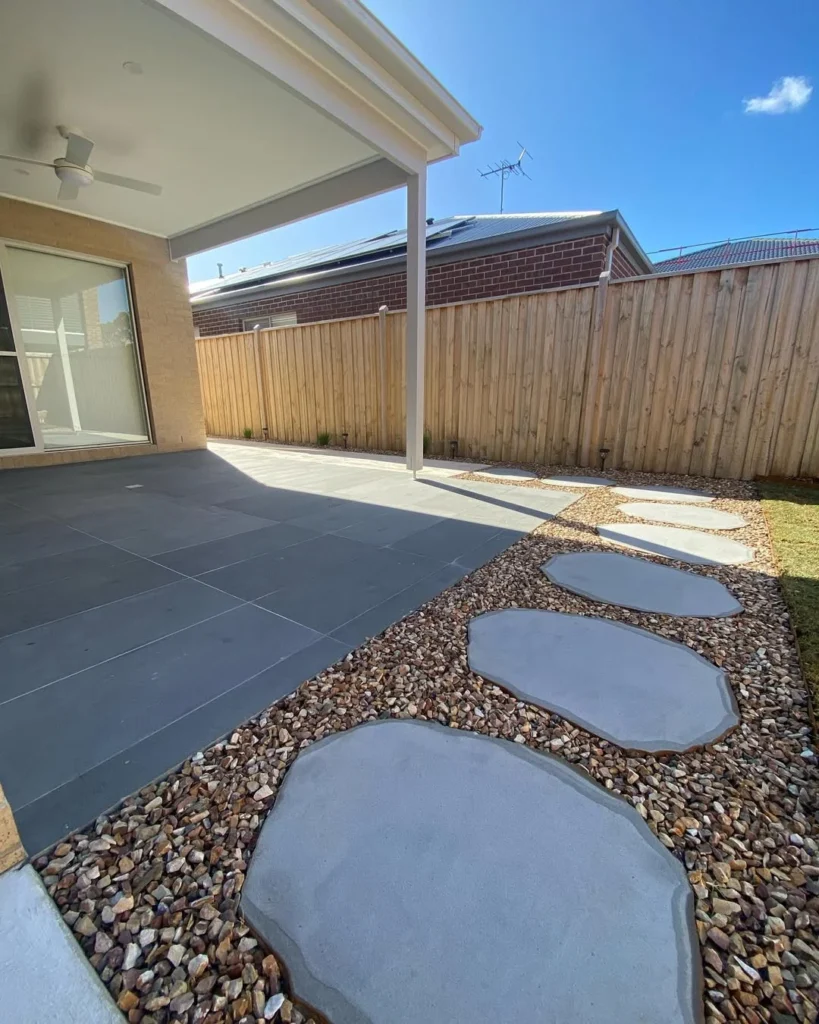
The Inspiration : Charcoal back yard design is influenced by modernist architecture, Scandinavian minimalism and Japanese aesthetic of reduction, dark surfaces provide a stunning contrast backdrop for green planting. It’s sultry, inspired by the cool feel of the art world — gallery walls, midnight patios and craftsman blacksmiths molding iron into sculptural benches — and turning outdoor spaces into moody, space-as-gallery retreats that manage to look both forward-leaning and time-worn.
Why it Works : Charcoal shades backyards work because dark surfaces recede visually, expanding tiny yards and making them feel open while showcasing displays of bright plantings and colorful furniture. Dark-colored decks, fences and outdoor furniture mask dirt, stains and signs of aging better than lighter pieces; it’s a small detail that reduces visible maintenance and makes the yard look kept day in and out for longer. The neutral colour scheme lends a splendid background blanc canvas that effortlessly evolves from season to season and with any design style without being overwhelming. Emotionally, dark shades read dramatic, intimate and modernly luxurious — turning everyday back yards into high-contrast settings that feel decorated, intentional and unlike old-school brown-and-beige outdoor spaces.
Pro Tip : To keep it from feeling cold or sterile, balance charcoal’s hard surfaces with warm wood elements, soft fabrics, and plenty of greenery. Use layered lighting up lights, string lights and lanterns because charcoal soaks up light by day but pops dramatically at night, helping to establish a welcoming mood that makes dark tones feel rich not heavy.
outdoor landscaped backyard
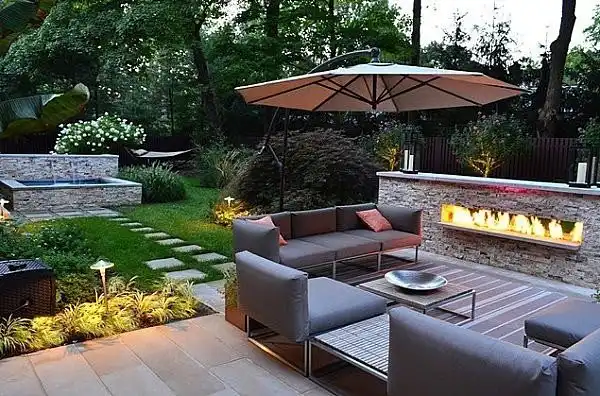
The Inspiration : An outdoor landscaped backyard draws inspiration from the innate human desire to organize nature into a harmonious and beautiful form—from the French parterre gardens to the English cottage gardens, where structure harmonizes with seasonal abundance. It embodies the aspiration to extend the home beyond its physical walls, crafting intentional outdoor spaces where pathways, plantings, and gathering areas feel organically interconnected.
Why it Works : An outdoor landscaped backyard is effective because deliberate design converts chaotic, underutilized areas into functional outdoor spaces for dining, recreation, relaxation, and gardening. The strategic arrangement of trees, shrubs, and hardscaping manages drainage, minimizes erosion, and establishes microclimates that enhance comfort throughout the seasons. Layered planting ensures year-round visual appeal while supporting pollinators and beneficial insects. Thoughtful circulation—clear pathways and defined areas—promotes regular use and mitigates lawn damage from random foot traffic. On an emotional level, a carefully designed yard feels like an extension of the home, increasing usable square footage and providing a daily backdrop that evolves with the seasons, thereby deepening the connection to the environment and its rhythms.
Pro Tip : Prior to planting, develop a straightforward bubble diagram that outlines activity zones—dining, play, quiet seating, utility—considering factors such as sun exposure, privacy, and existing trees. Subsequently, design pathways that logically connect these zones, ensuring a seamless transition from the house to key areas. This foundational plan will inform all future planting and hardscaping choices, helping to avoid expensive redesigns in the future.
natural backyard landscaping
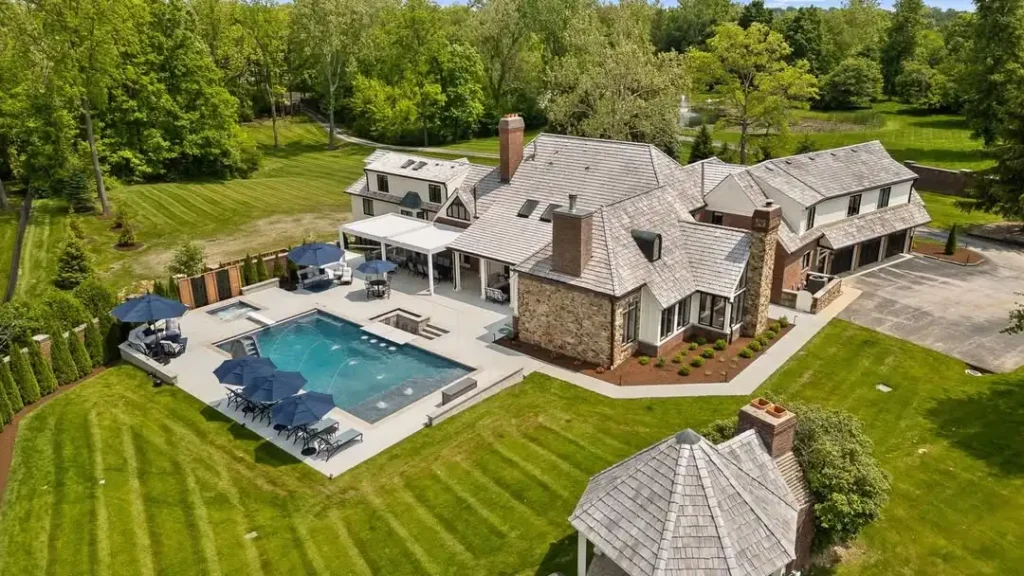
The Inspiration : Landscaping Design Ideas for a Natural Backyard are inspired by wild meadows, woodland edges, and prairie grasslands in which native plants flourish with very little human assistance. It resonates with conservation movements and indigenous land stewardship traditions, paying tribute to the beauty of what is already native to the soil. The creative spark is straightforward: cooperate with nature, not fight it, and let ecosystems repair themselves.
Why it Works : Natural backyard landscaping is successful because native plants are pre-adapted to local climate, soil and pests so need very little water, fertilizer and maintenance compared to their exotic cousins. They provide habitat for native pollinators, birds, and beneficial insects that help restore natural areas and make them healthier. Hardy native plants do not allow erosion, naturally filter rain water, and sequester carbon better than a grass lawn. Emotionally, natural landscapes are alive and dynamic — changing with the seasons, drawing wildlife and linking homeowners to local ecology.
Pro Tip : Begin small with a single native planting area: a corner meadow or woodland edge, and see what thrives before further expanding. Pull out any invasive species that are already on your land; then, plant in drifts of three to five of those same varieties for naturalistic impact. Don’t be too tidy: if you leave seed heads and leaf litter, it will feed wildlife and self-seed for the next generation.
synthetic grass backyard
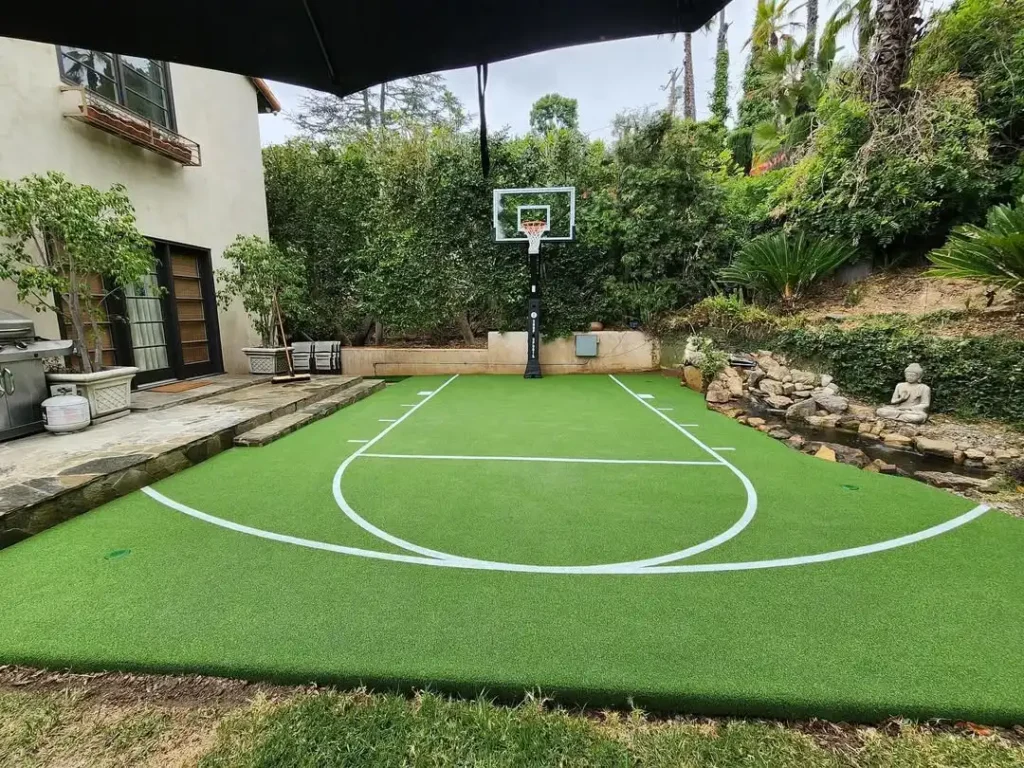
The Inspiration : Synthetic grass backyards originated from innovations in stadium design and the needs of drought-sensitive cities, where the lack of water rendered perfect lawns unattainable. The essence of this innovation is resilience—providing that nostalgic feeling of walking barefoot on grass throughout the year without the need for soil, seeds, or sprinklers. It converts rooftops, pet areas, and shaded gardens into consistently green, immediately usable outdoor spaces that transcend climatic limitations.
Why it Works : Synthetic grass backyards are effective because they remove the most labor-intensive outdoor chore—lawn maintenance—resulting in significant time savings each week on mowing, edging, fertilizing, and watering. They maintain a uniform green appearance during droughts, heavy usage, and in deep shade where natural grass struggles, making them perfect for high-traffic play areas, pet zones, and regions with water restrictions. Contemporary synthetic turf drains effectively, resists fading, and offers a soft feel underfoot, accommodating barefoot activities and outdoor furniture without leading to mud or bare patches. On an emotional level, synthetic grass provides immediate satisfaction and reliability—no brown patches, no seasonal die-back—creating a neat, inviting environment that is always prepared for gatherings, games, and relaxation.
Pro Tip : Invest in high-quality turf featuring multi-toned fibers and varied blade heights to avoid the flat, artificial appearance of less expensive alternatives. Ensure adequate drainage with a compacted gravel base, and regularly brush silica sand or antimicrobial infill into the fibers to keep the blades upright, enhance cooling, and significantly prolong the lifespan.
simple backyard
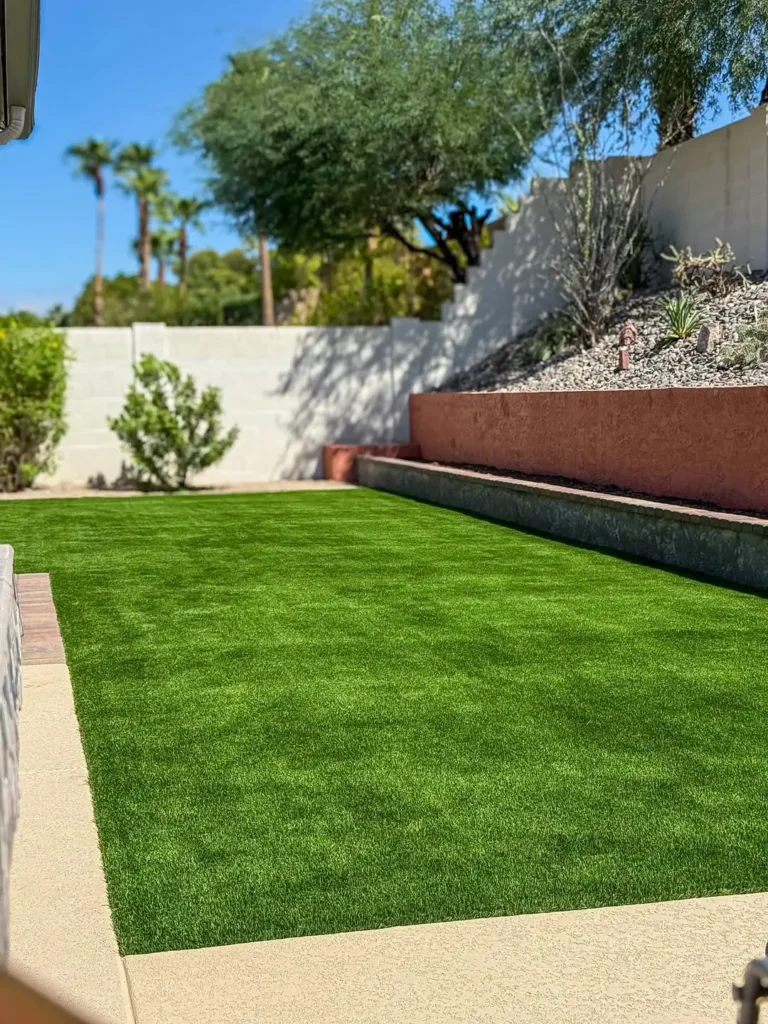
The Inspiration : The minimalist design of the simple backyard is inspired by Japanese gardens and European cottage gardens, where less is more. Visualize converting a messy yard into a serene oasis of native plants, river rock and curved border to show that less is indeed more; providing sanctuary in the garden, without featuring excessive maintenance or complexity for any homeowner.
Why it Works : Simple backyards work best when less maintenance is required, yet looks can still matter. By reducing plant variety and hardscape elements, homeowners weed less and spend more time in their outdoors. This enables you to add value to the property with curb appeal and first impact. straightforward designs that seamlessly integrate with the indoor-outdoor dining area in order to maximize functional square footage. The psychological advantages include less stress and better mental health from serene, uncluttered living space. Real world advantages range from water savings by drought-resistant natives, to critters being kept at bay in well-kept areas to affordable hardy perennials and groundcover taking the place of more expensive installations.
Pro Tip : Begin with curved borders caps using metal or concrete edging to divide lawn from garden beds for visual appeal and to minimize grass invasion. Pick three to five native perennial species that flower in different months, and repeat them throughout the space, for a design motif. Lay down some mulch or river rock as your ground cover.
artificial turf backyard
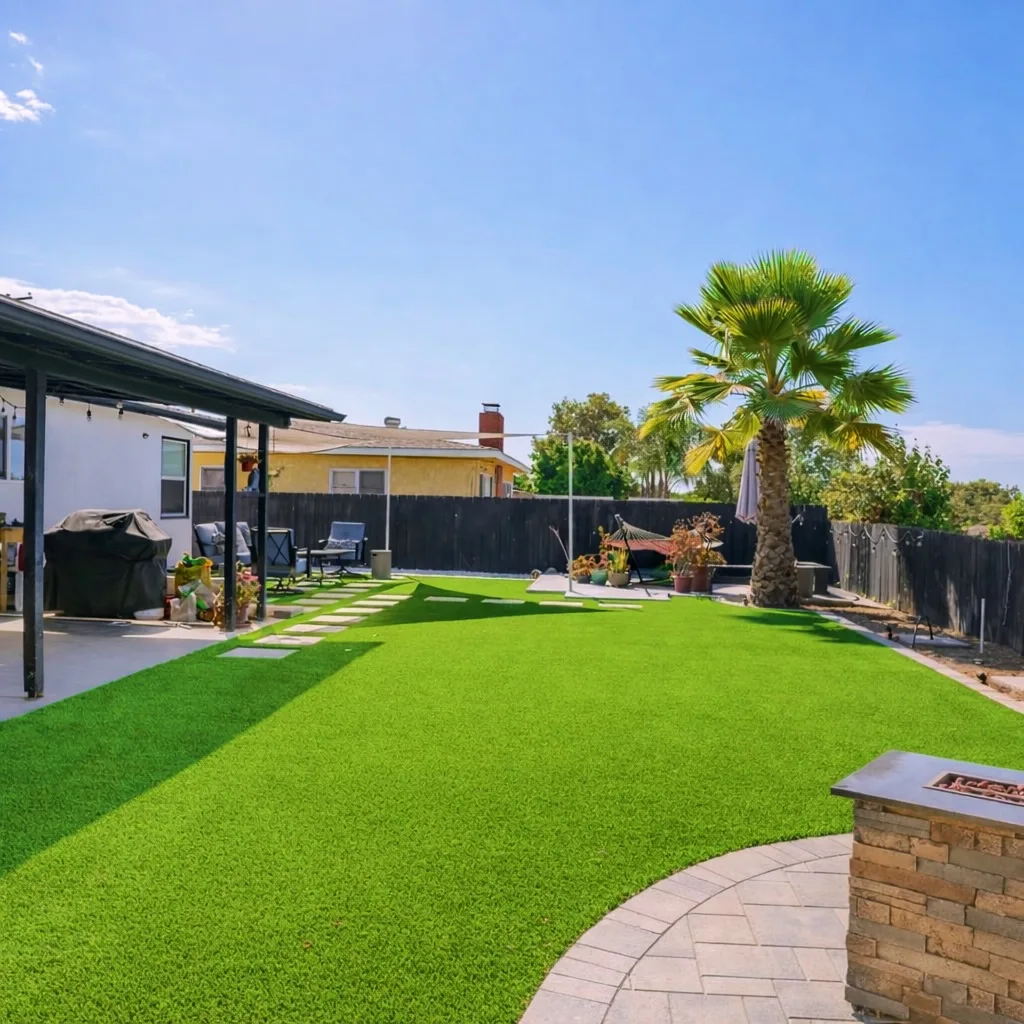
The Inspiration : The artificial turf backyard was the result of a longing for an unblemished and always-green lawn, one that didn’t require weekend skirmishes with weeds or mud, or end up thin and bald in spots. Imagine a formerly dusty yard transformed into a lush, playable version of indoor/outdoor carpeting that welcomes playing kids and pets (and friends) ‘round the year, in an echo of the stadium grade sports fields reduced to size for a small residence.
Why it Works : An artificial turf back yard can work because you get an all green flat surface with low maintenance required (save maybe some occasional hosing or limited blow drying), without the costs of mowing, fertilizing and re- seeding. It uses far less water than a natural lawn would, which is helpful in areas prone to drought or where water consumption is limited. These days turf systems feature draining layers which means minimal mud, puddles and slip risk following the rain. Families get all-weather usability for kids’ play, pets and outdoor entertaining without worrying about bald spots. Those that have allergies find themselves less exposed to pollen with lower maintenance costs while homeowners gain a better looking yard and predictable monthly maintenance, increasing the overall enjoyment of their property and perceived value century after century.
Pro Tip : No, no and do not install artificial grass before a thorough base is prepared: removal of soil, compaction of crushed stone and establishing proper drainage to avoid odors and standing water when it rains. Opt for a turf with the realistic shape of the blade, textured multitone colors and high enough face weight for comfort, also infill with an antimicrobial sand to help keep your turf cleaner and fibers standing up.