
Limited space shouldn’t limit your gardening dreams. Mini greenhouses have revolutionized urban and small space gardening, allowing anyone with a balcony, patio, or sunny corner to cultivate fresh herbs, vegetables, and flowers year round. These compact growing stations deliver all the benefits of traditional greenhouses extended growing seasons, pest protection, and climate control without requiring a sprawling backyard. Whether you’re an apartment dweller craving homegrown tomatoes, a beginner gardener wanting to start seedlings successfully, or an experienced green thumb looking to overwinter tender plants, a mini greenhouse opens new possibilities. These versatile structures protect your plants from unpredictable weather while creating the perfect microclimate for growth. Best of all, they’re affordable, easy to set up, and require minimal maintenance. Ready to discover how a mini greenhouse can transform your gardening experience? Let’s explore everything you need to know to get started.
cold frame mini Greenhouse
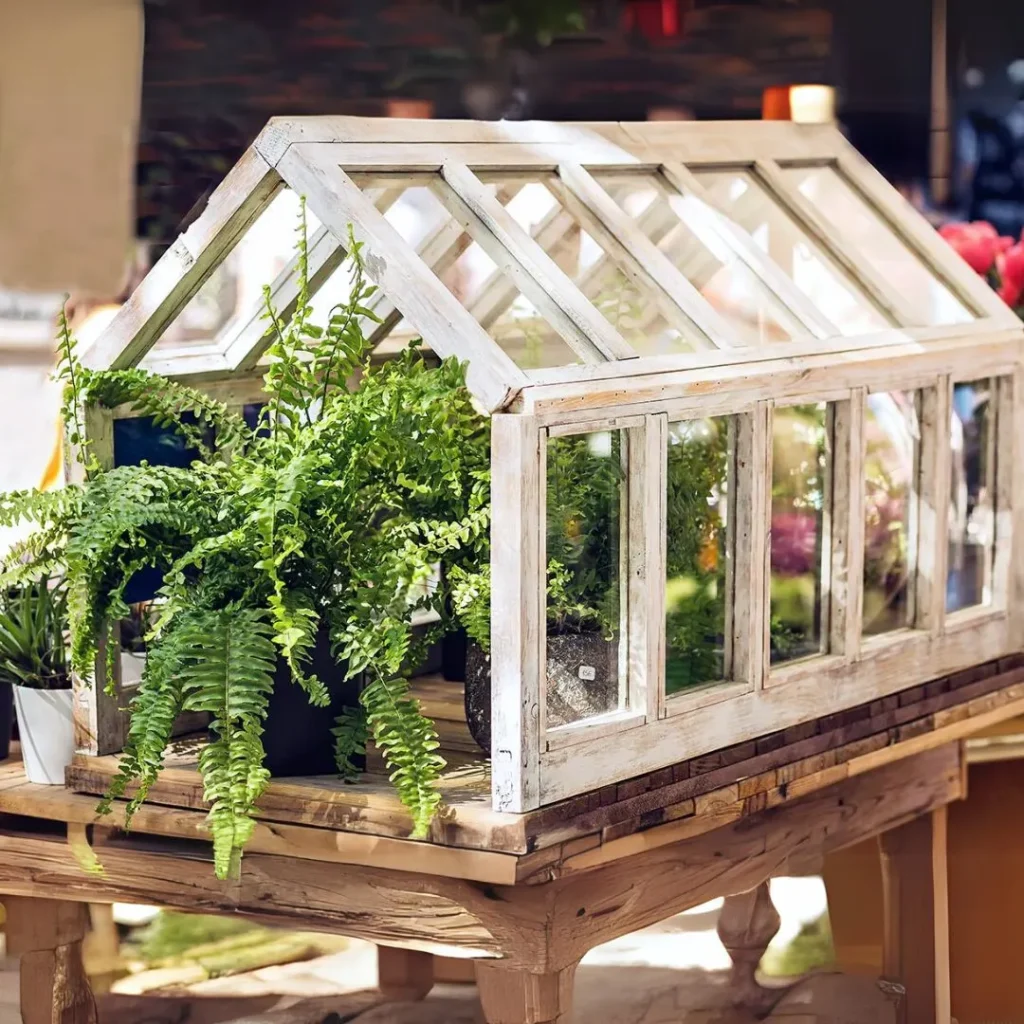
The Inspiration : Cold frames have a history that dates back centuries to the market gardens of Europe, where innovative farmers utilized simple glass topped boxes to prolong their harvests. These modest structures effectively captured solar heat during the day and safeguarded seedlings from frost during the night. The contemporary cold frame mini greenhouses embody this enduring knowledge, merging traditional designs with modern materials to enable gardeners to overcome seasonal constraints.
Why It Works : Cold frame mini greenhouses are particularly effective due to their passive solar heating capabilities requiring no electricity. The slanted transparent lid collects sunlight, warming both the soil and air within, while the insulated sides help retain heat throughout the night. This results in a microclimate that is 10-20 degrees warmer than the external temperatures, making it ideal for hardening off seedlings or cultivating cool-season crops such as lettuce and kale during the winter months. In contrast to heated greenhouses, they are low maintenance and economical. Their low profile also offers protection to plants against wind damage, and their robust construction can endure snow loads. Consequently, you will be able to harvest fresh greens several months earlier in the spring and prolong your growing season well into the fall, thereby enhancing your garden’s productivity in a natural manner.
Pro Tip : For optimal sun exposure, position your cold frame facing south with a slight tilt. On sunny days when the internal temperatures exceed 70°F, prop the lid open utilizing a notched stick for adjustable ventilation. Additionally, painting the interior back wall black will help absorb and radiate heat during the night, increasing nighttime temperatures by several vital degrees.
raised garden Greenhouse
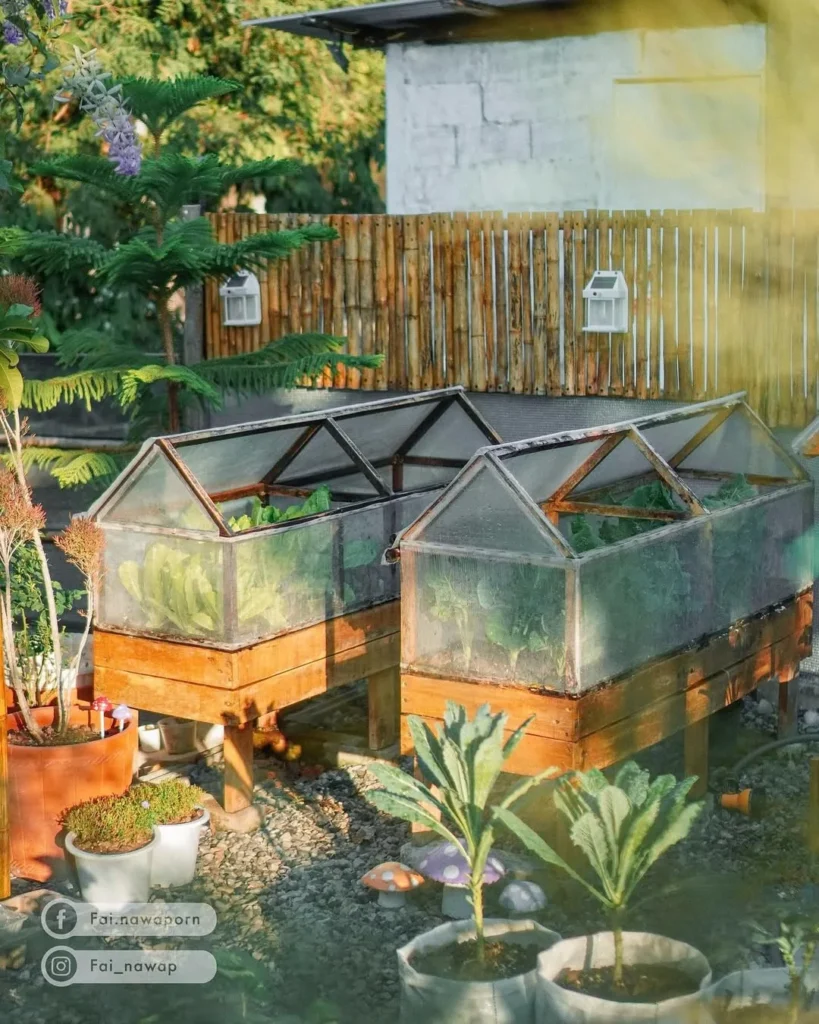
The Inspiration : Raised garden greenhouses originated from a straightforward observation: gardeners facing mobility issues found it difficult to bend down to ground level. By elevating the growing beds to waist height and incorporating protective covers, innovators have developed accessible gardening solutions. What began as therapeutic garden designs in rehabilitation facilities has evolved into a popular option, merging ergonomic comfort with enhanced drainage and pest management.
Why It Works : Raised garden greenhouses address several gardening challenges at once. The elevated design ensures excellent drainage, which prevents the waterlogging of roots and soil compaction that is often seen in ground-level gardens. You will experience fewer back issues due to the reduced need for constant bending, allowing for longer periods of enjoyable gardening. Additionally, the height of the beds naturally deters rabbits, slugs, and other ground dwelling pests. Soil in raised beds warms more quickly in the spring, thereby extending your growing season by several weeks. When combined with greenhouse protection, you gain complete control over soil quality an essential factor in regions with poor native soil or contamination issues. The outcome is healthier plants, simplified maintenance, and increased yields within a compact area.
Pro Tip : When filling your raised greenhouse bed, layer the materials: start with cardboard at the bottom to suppress weeds, then add coarse materials such as twigs for drainage, followed by a mixture of compost and quality topsoil in equal parts. This layering technique mimics the composition of a forest floor, resulting in rich, well-draining soil that retains moisture effectively while supporting beneficial microorganisms.
aluminium and glass mini greenhouse
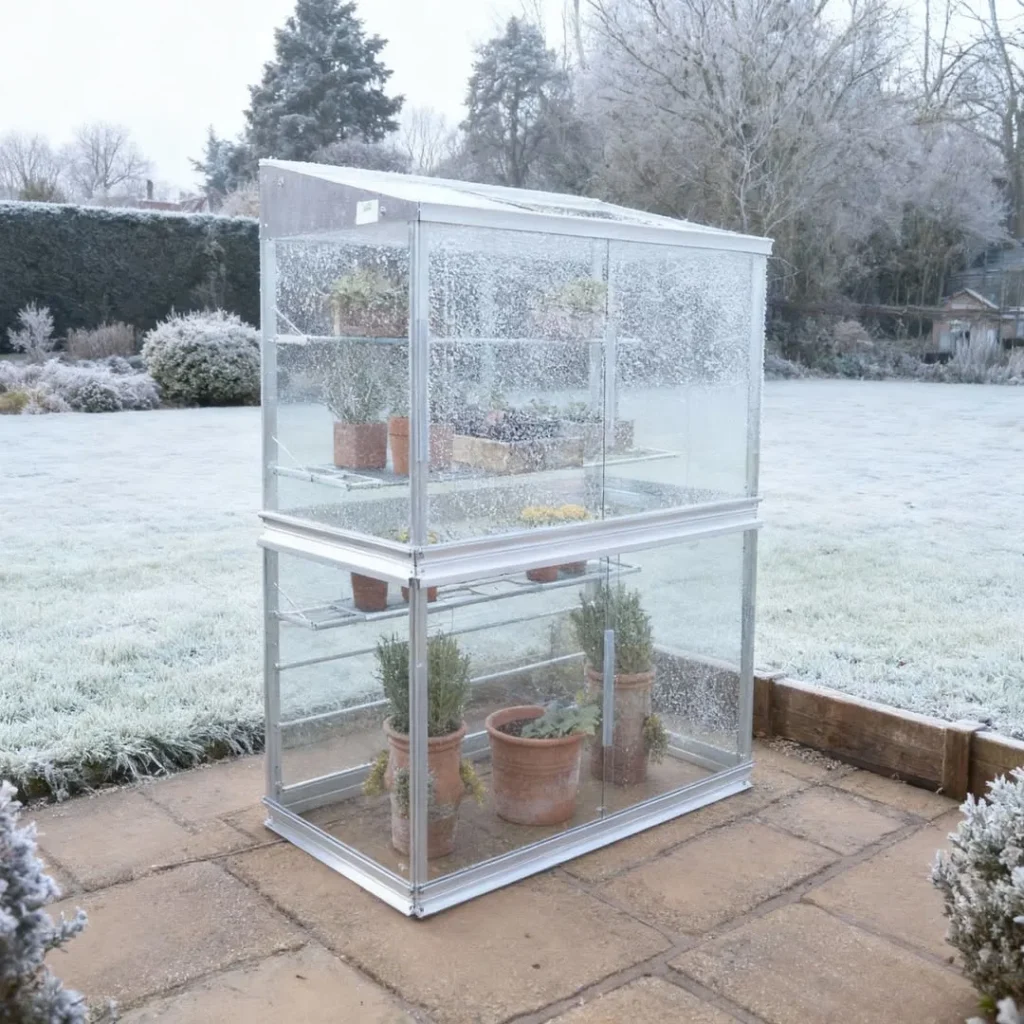
The Inspiration : Victorian era conservatories have served as the inspiration for contemporary aluminium and glass mini greenhouses. Once, affluent estates displayed elaborate glass structures that housed exotic plants, representing both sophistication and a passion for botany. Today’s designs make this elegance accessible to a wider audience, transforming grand conservatories into smaller units that provide architectural beauty and professional grade growing conditions for everyday gardeners who desire both functionality and aesthetic charm.
Why It Works : Aluminium and glass mini greenhouses provide unparalleled durability and exceptional light transmission. The glass panels permit 90% of sunlight to pass through far exceeding the performance of plastic alternatives thereby fostering vigorous plant growth and vibrant colors. The aluminium framework is resistant to rust, warping, and UV degradation, ensuring longevity with minimal upkeep. Their superior insulation properties help maintain stable temperatures, alleviating stress on plants during fluctuations in temperature. The professional appearance enhances the visual appeal of properties, while the sturdy construction can endure heavy winds and snowfall. You will value the crystal-clear visibility for observing your plants, along with the timeless design that harmonizes with any garden style, whether it be modern minimalist or traditional cottage gardens.
Pro Tip : Consider installing automatic vent openers that utilize temperature-sensitive wax cylinders to open panels when heat accumulates. These devices operate without electricity and help prevent overheating damage while you are away. Additionally, apply UV filtering film to south facing glass during the summer months to mitigate intense afternoon heat without significantly compromising light levels.
Tomato glass mini greenhouse
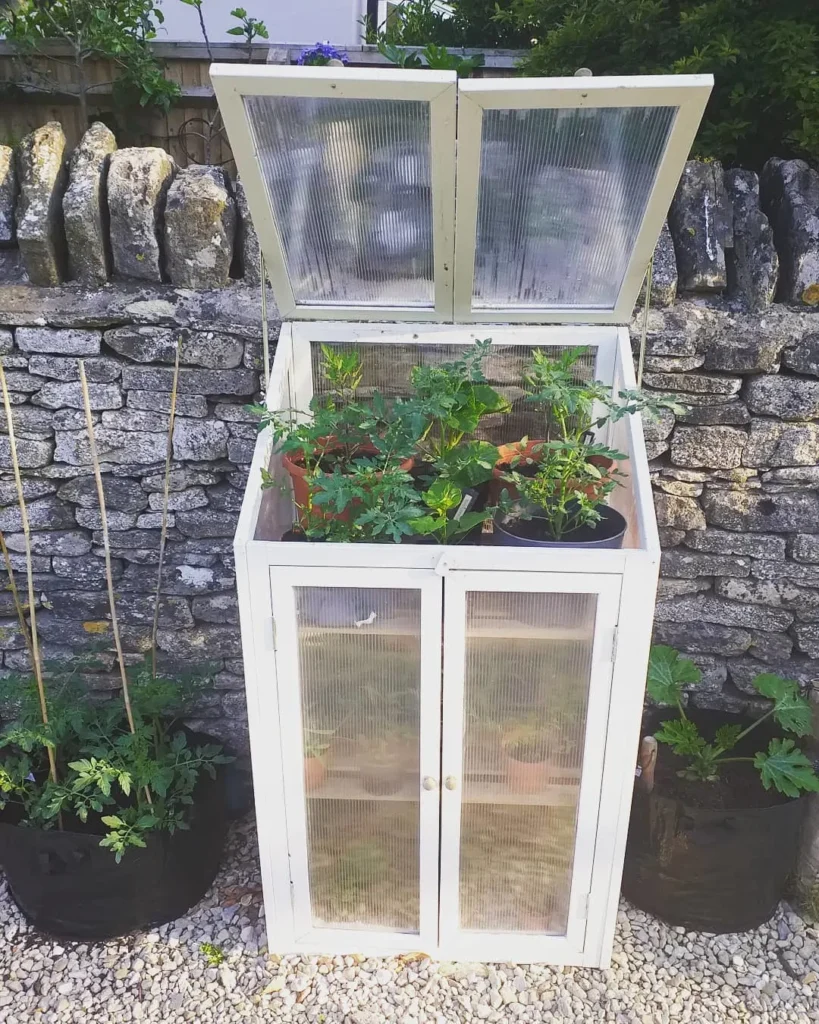
The Inspiration : In the 1800s, British gardeners were the first to establish dedicated greenhouses for tomatoes, as Mediterranean varieties struggled to thrive in the cooler, damp climates. These specialized glass structures created warm microclimates that replicated the sunny hillsides of Italy. The modern tomato mini greenhouses pay tribute to this legacy, providing home gardeners with the same climate-controlled conditions that once yielded prized homegrown tomatoes for Victorian estates throughout the summer.
Why It Works : Tomato glass mini greenhouses cater perfectly to the specific requirements of tomatoes. The clear glass optimizes sunlight exposure, which is essential for the development and sweetness of the fruit, while also shielding the plants from rain that can splash soil onto the leaves and cause blight. The consistent warmth within these structures accelerates the ripening process, allowing for harvests that occur weeks earlier than those from outdoor plants. The vertical growing space is ideal for tall indeterminate varieties, and the excellent ventilation helps to prevent humidity buildup that can lead to fungal diseases. Additionally, the enclosed environment protects plants from tomato hornworms and other prevalent pests. As a result, you will enjoy superior flavor from sun-ripened fruit, increased yields per plant, and prolonged harvests from late spring through early fall transforming ordinary tomatoes into produce of restaurant quality.
Pro Tip : For optimal space efficiency in tomato greenhouses, plant determinate bush varieties. Space the plants 18 inches apart and install horizontal support wires at 12 inch intervals up to a height of 5 feet. It is advisable to prune suckers aggressively and gently shake the plants during flowering to enhance pollination, as beneficial insects have limited access to the greenhouse.
walk-in mini greenhouse
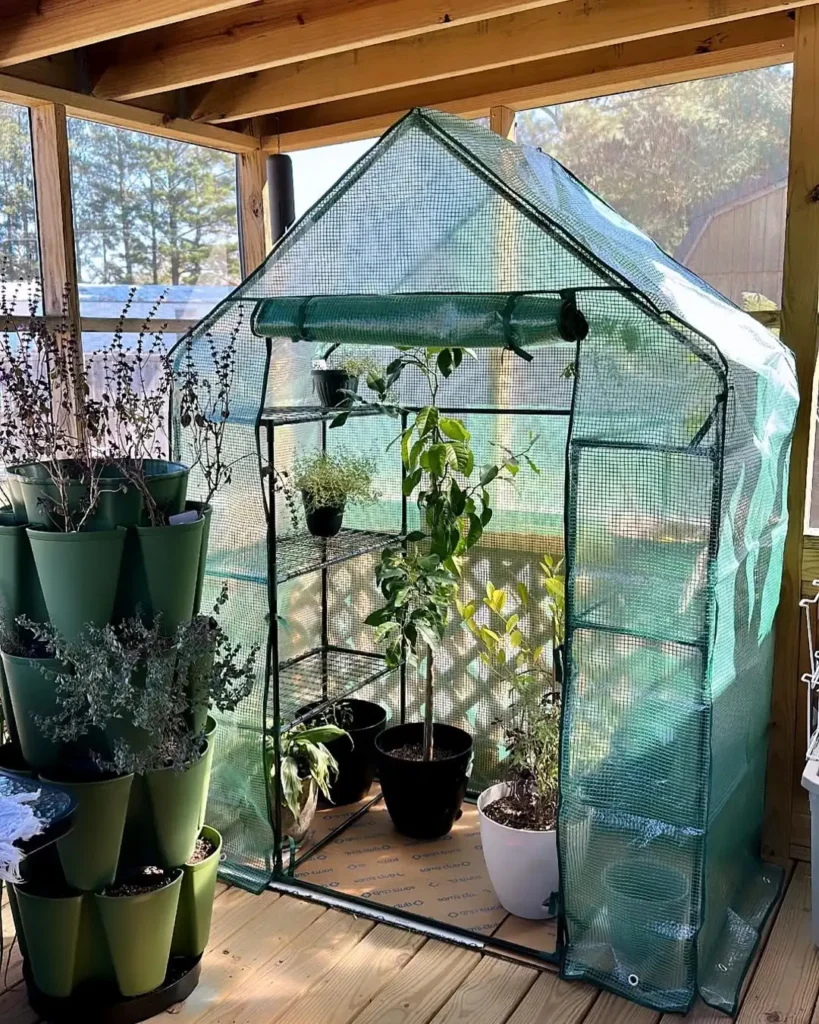
The Inspiration : Mini walk-in greenhouses have emerged from the requirements of community gardens, where space-conscious gardeners sought the advantages of a full greenhouse without the need for permanent structures. Innovators designed tall and narrow models that facilitate comfortable standing and movement while preserving compact footprints. These accessible greenhouses have democratized serious gardening, demonstrating that one does not require extensive land or construction permits to cultivate plants like professionals in commercial settings.
Why It Works : Walk-in mini greenhouses have transformed plant care by enhancing accessibility and organization. Tending to plants while standing upright alleviates back strain during activities such as watering, pruning, and harvesting. The inclusion of multiple shelving tiers optimizes vertical space, allowing for the accommodation of numerous plants within just a few square feet. The enclosed structure fosters a genuine microclimate with consistent humidity and temperature, in contrast to tabletop models that experience significant fluctuations. You will operate more efficiently with tools and supplies conveniently stored within reach. The human-scale environment also promotes adequate air circulation around plants and simplifies pest monitoring. For dedicated hobbyists, the experience closely resembles professional greenhouse operations, making gardening feel less like a chore and more akin to entering a personal botanical sanctuary.
Pro Tip : Securely anchor walk-in greenhouses using ground stakes and guy wires, particularly in areas prone to wind. Incorporate concrete pavers or landscape fabric beneath to inhibit weed growth and establish stable flooring. Install battery powered LED grow lights on the upper shelves to enhance natural light for lower-tier plants during the shorter days of winter.
blue mini greenhouse
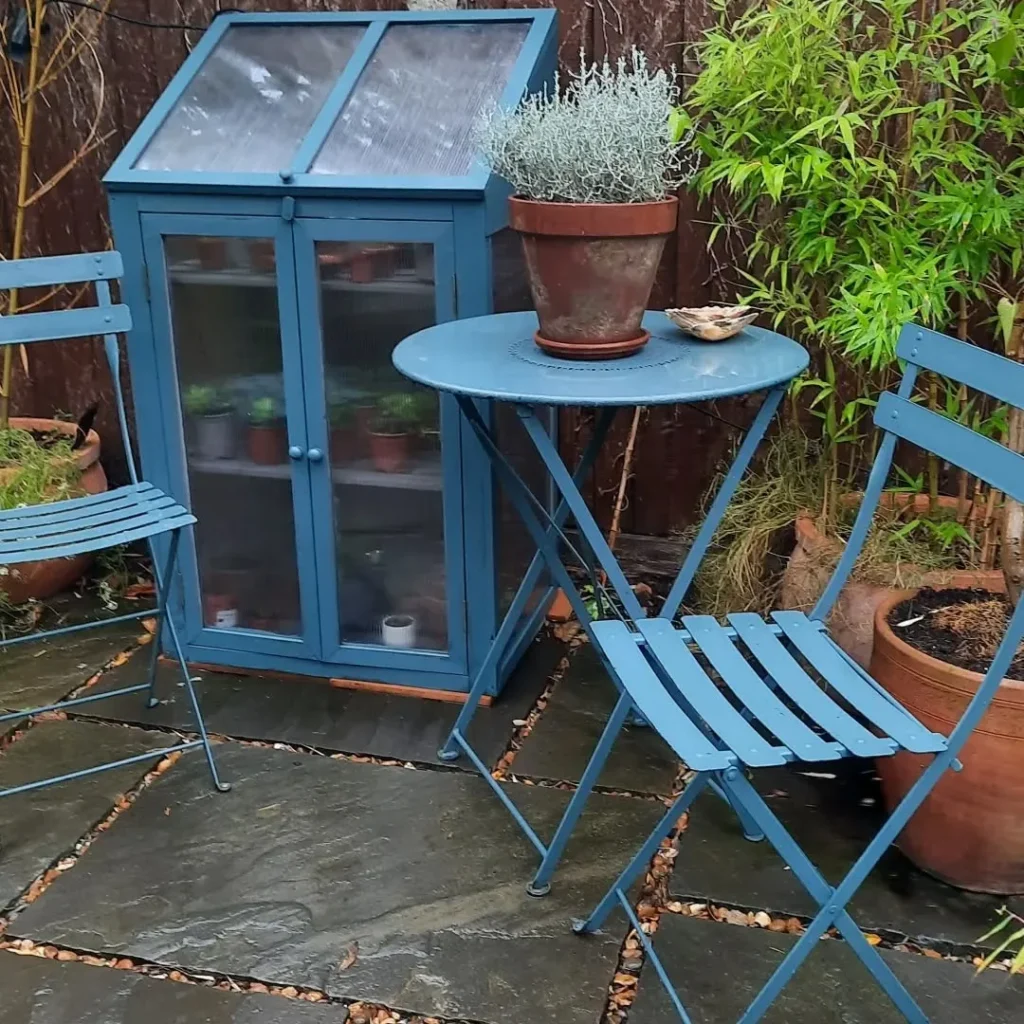
The Inspiration : The idea is inspired by the classic conservatories of the Victorian era, where colorful glass structures served as both practical growing areas and ornamental garden elements. Contemporary blue mini greenhouses reflect this legacy while addressing modern spatial limitations. The soothing blue color relates to historical European glasshouses that utilized tinted glass to soften the intensity of the afternoon sun. Current models combine a sense of nostalgia with functionality, providing urban residents and small-space gardeners with their own compact growing haven.
Why it Works : Blue mini greenhouses are effective because they capture solar heat, while the tinted panels regulate light intensity, establishing ideal conditions for seedlings and plants sensitive to temperature. The enclosed space ensures stable humidity levels, shielding plants from wind damage, frost, and pests that frequently threaten outdoor gardens. The compact design usually featuring 2-4 tiers with several shelves optimizes vertical growing space without overwhelming limited yards or patios. Unlike larger greenhouses, these portable structures do not require permits, foundations, or permanent setups. The blue tint specifically aids in minimizing light stress during the peak midday sun while still permitting adequate photosynthesis. This blend of protection, space efficiency, and visual charm renders blue mini greenhouses especially beneficial for initiating spring seedlings weeks ahead of what outdoor planting would permit.
Pro Tip : Place your blue mini greenhouse facing south or southeast to maximize morning sunlight exposure while the tinted panels shield against intense afternoon rays. Incorporate a small thermometer inside and ventilate the structure when temperatures surpass 80°F to avoid overheating. Utilize the bottom shelf for water trays to naturally enhance humidity levels for seedlings and tropical plants.
MCombo wooden greenhouse
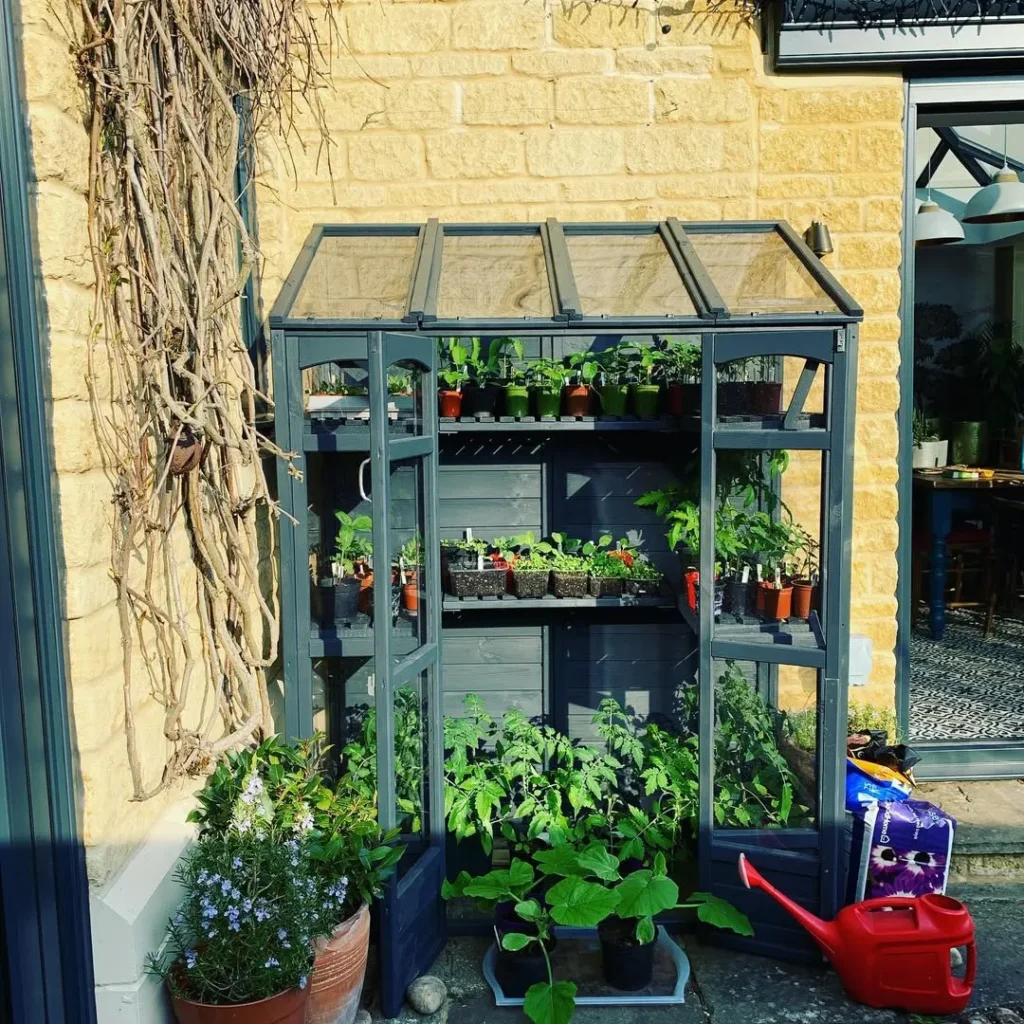
The Inspiration : MCombo’s wooden greenhouse design combines traditional craftsmanship with contemporary functionality, inspired by the cold frame methods utilized by European gardeners for centuries. The natural fir wood construction reflects rustic cottage gardens and artisan potting sheds, where generations of growers have nurtured seedlings through harsh winters. It elevates practical gardening into an aesthetic experience that respects heritage while addressing modern space challenges.
Why it Works : MCombo wooden greenhouses stand out because fir wood offers natural insulation that manages temperature more efficiently than metal or plastic options, minimizing heat fluctuations that can stress plants. The clear polycarbonate panels enhance sunlight exposure while preserving vital warmth for seed germination and initial growth. Adjustable shelving caters to plants at various growth stages, and the openable roof system provides precise ventilation control to avert overheating and fungal problems. Unlike synthetic materials that may release harmful chemicals, natural wood fosters a toxin-free environment perfect for edible crops. The robust construction endures outdoor conditions while harmonizing with garden landscapes.
Pro Tip : Annually apply a weatherproof wood sealant to your MCombo greenhouse frame to prolong its lifespan and avert moisture damage. Orient the openable roof away from prevailing winds to ensure better ventilation control. Set the unit on level ground and utilize the included metal brackets for improved stability in exposed areas.
custom built mini greenhouse
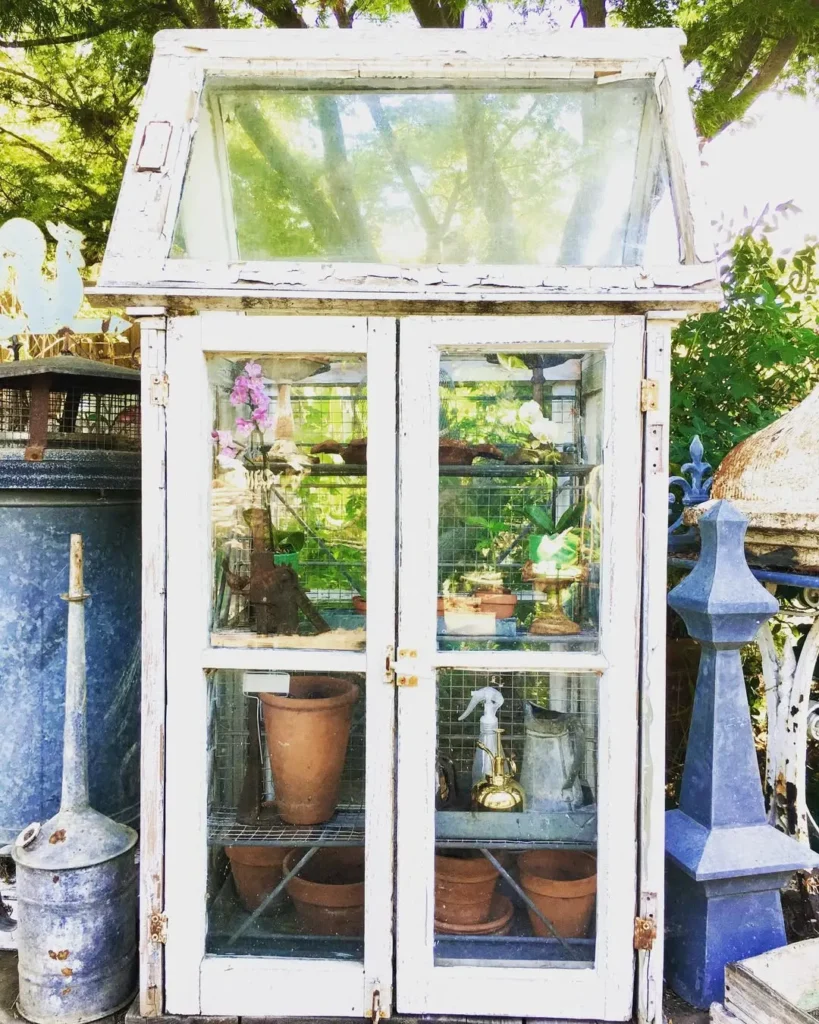
The Idea : The concept of a custom designed mini greenhouse originated from gardeners who repurposed old windows, doors, and scrap wood to protect their beloved seedlings from erratic weather conditions. Garden allotments, cottage gardens, and urban balconies served as inspiration for DIY structures customized to suit particular climates, spaces, and plant varieties. Each creation transforms into a personal haven where creativity, resourcefulness, and a passion for plants harmoniously converge.
Why it Works : A custom designed mini greenhouse is effective because every aspect, including dimensions, materials, and features, can be customized to meet the gardener’s specific space, climate, and plant requirements. Adjusting shelf sizes for seed trays, selecting polycarbonate for insulation, or incorporating vents and automatic openers allows for superior control over temperature, humidity, and airflow compared to standard models. This level of precision minimizes transplant shock, prolongs the growing season, and shields seedlings from wind, pests, and unexpected frosts. On an emotional level, it fosters a deeper connection to the garden, transforming the construction and ongoing adjustments into a creative, evolving endeavor that mirrors personal style and growth aspirations.
Pro Tip : Prior to construction, observe sun patterns in your area for a complete day, then position the greenhouse to optimize morning sunlight while preventing excessive heat during the afternoon. Ensure at least one side or roof section is fully operable for quick cooling and convenient access for watering, pruning, and rearranging plants.
Oasis Greenhouse
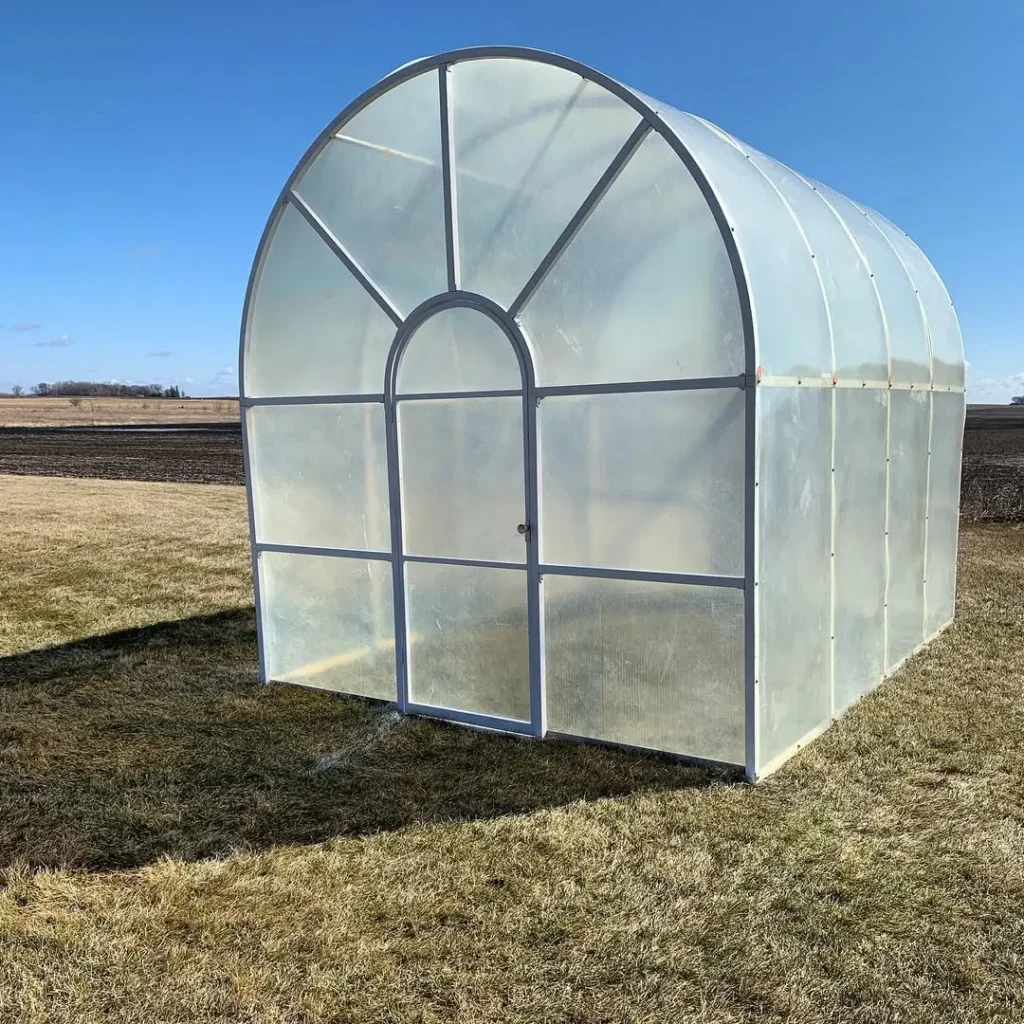
The Inspiration : The concept of the Oasis Greenhouse originated from the desire to create a personal retreat where gardeners can escape the stresses of daily life and nurture plants throughout the year. Its unique hexagonal structure is inspired by Victorian glass pavilions, merging architectural beauty with practical growing areas, providing 360 degree views that deeply connect gardeners with their environment.
Why it Works : The Oasis Greenhouse stands out due to its effective light exposure clear polycarbonate walls allow over 90% light transmission, while twin wall roof panels shield against intense overhead sunlight. Its nearly indestructible polycarbonate material offers complete UV protection without discoloration over time, ensuring long lasting use. The hexagonal shape optimizes headroom and growing area while maintaining structural strength, withstanding winds of up to 56 mph and snow loads of 15.4 lbs/ft². Built-in gutter systems facilitate rainwater harvesting for eco-friendly irrigation. The corrosion resistant aluminum frame paired with a galvanized steel base guarantees a maintenance free lifespan, while side louver windows effortlessly control temperature and humidity.
Pro Tip : Place your Oasis Greenhouse in a location that captures morning sunlight while providing some shade in the afternoon during the hottest summer months to enhance the heat management features of the twin wall roof. Immediately install the optional bi level galvanized workbench its 45-inch width and dual-tier design efficiently utilize your 76+ square feet of growing space.
polycarbonate panels Greenhouse
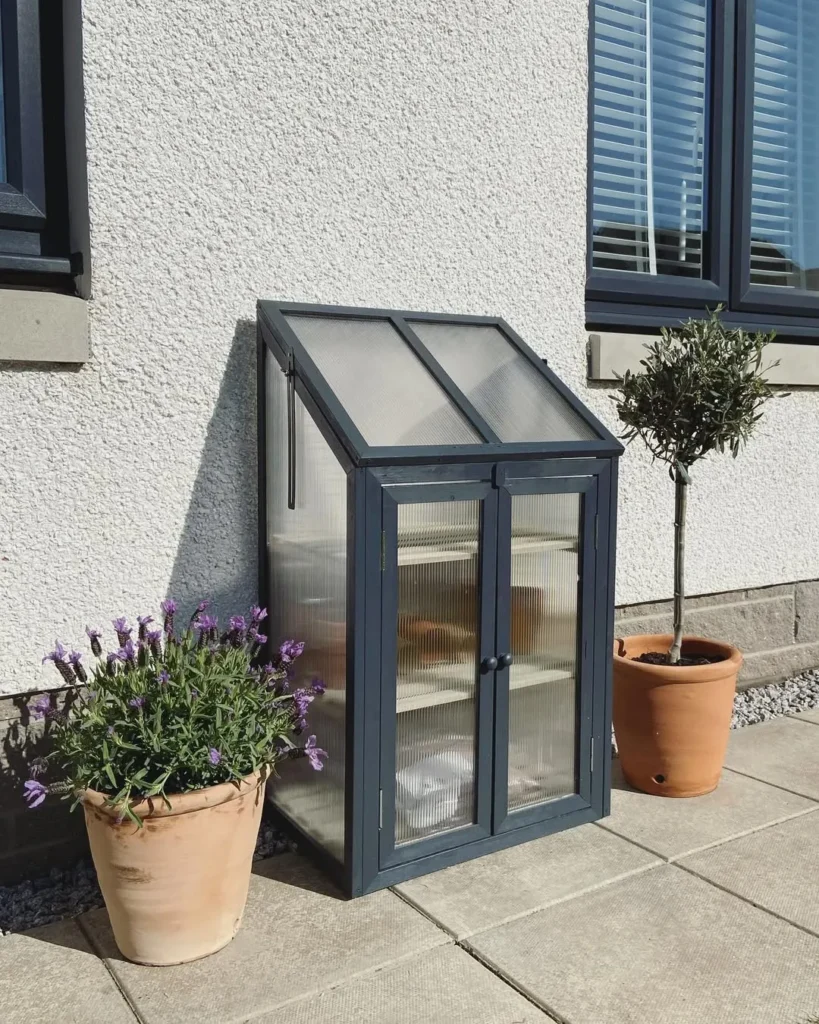
The Inspiration : Polycarbonate panel greenhouses were developed when aerospace engineers adapted lightweight, impact-resistant materials that were initially intended for aircraft canopies and cockpit windows. This military-grade innovation revolutionized backyard gardening by substituting fragile glass with nearly unbreakable panels capable of enduring hailstorms and falling debris. The advancement made year-round gardening accessible by providing durable, energy efficient structures at affordable prices for both hobbyists and commercial growers.
Why it Works : Polycarbonate panels are highly effective due to their twin-wall structure, which traps air pockets between layers, resulting in thermal insulation that is 10 times more efficient than single-pane glass while significantly lowering heating expenses. The material boasts a strength 200 times greater than glass, enduring hail and impacts that would break conventional glazing. Its light diffusion characteristics evenly distribute 70-90% of sunlight throughout the greenhouse, preventing hot spots and shadows that lead to uneven plant growth. Integrated UV coatings block 99.9% of harmful radiation, safeguarding panels from yellowing or degradation over many years. Their lightweight design less than half the weight of glass facilitates installation and minimizes structural support needs.
Pro Tip : Opt for 8mm twin wall polycarbonate panels to achieve the best balance of light transmission, insulation, and cost they offer superior R-values compared to thinner 4mm alternatives without the light reduction associated with triple-wall options. Always ensure that panels with UV protective coating are installed facing outward and seal all edges with aluminum tape to avert moisture infiltration and algae growth.
portable greenhouse
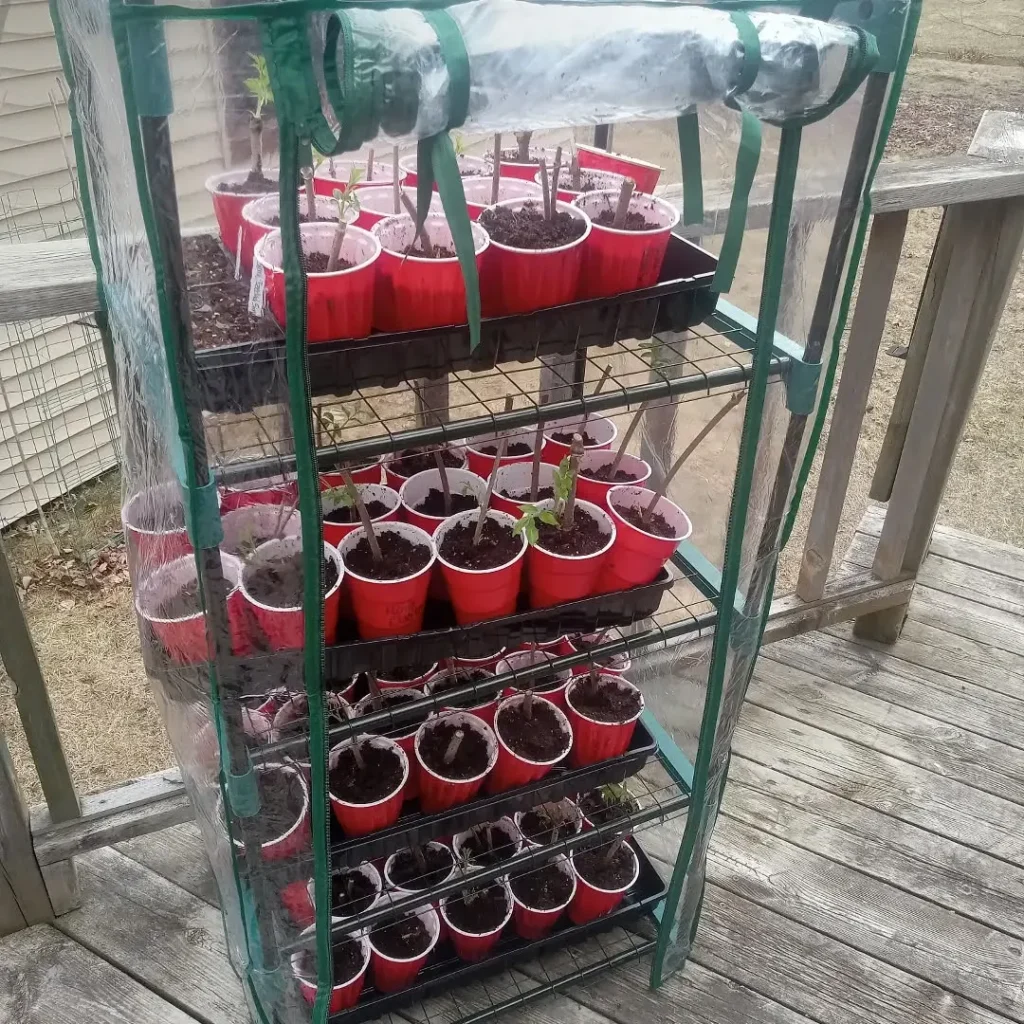
The Inspiration : Portable greenhouses originated from military field operations where soldiers required temporary shelters that could be relocated with encampments. This practicality motivated post war gardeners particularly renters and urban residents who desired growing areas without permanent foundations. The idea democratized gardening by eliminating property ownership barriers, transforming balconies, patios, and rented yards into productive growing areas that could be moved anywhere.
Why it Works : Portable greenhouses are effective because they prolong growing seasons by 3-6 months while enhancing crop yields by up to 30% compared to traditional open field gardening. Their lightweight structures and pop up designs facilitate quick assembly in 15-30 minutes without tools or permanent installation, making them perfect for renters needing relocation flexibility. The enclosed space protects plants from pests, severe weather, and wind damage while ensuring optimal temperature and humidity levels throughout the year. Mobility enables gardeners to follow sunlight throughout the day or seasons, maximizing photosynthesis. Lower maintenance costs compared to permanent structures along with decreased grocery expenses from homegrown produce render them financially sustainable solutions.
Pro Tip : Prior to establishing your portable greenhouse, observe sun movement across your area for an entire day to determine the best location. Place it on level ground with southern exposure for optimal light, and utilize the adjustable leg features to accommodate minor ground irregularities. Securely anchor it with ground stakes to avert wind damage.
Vintage mini Greenhouse
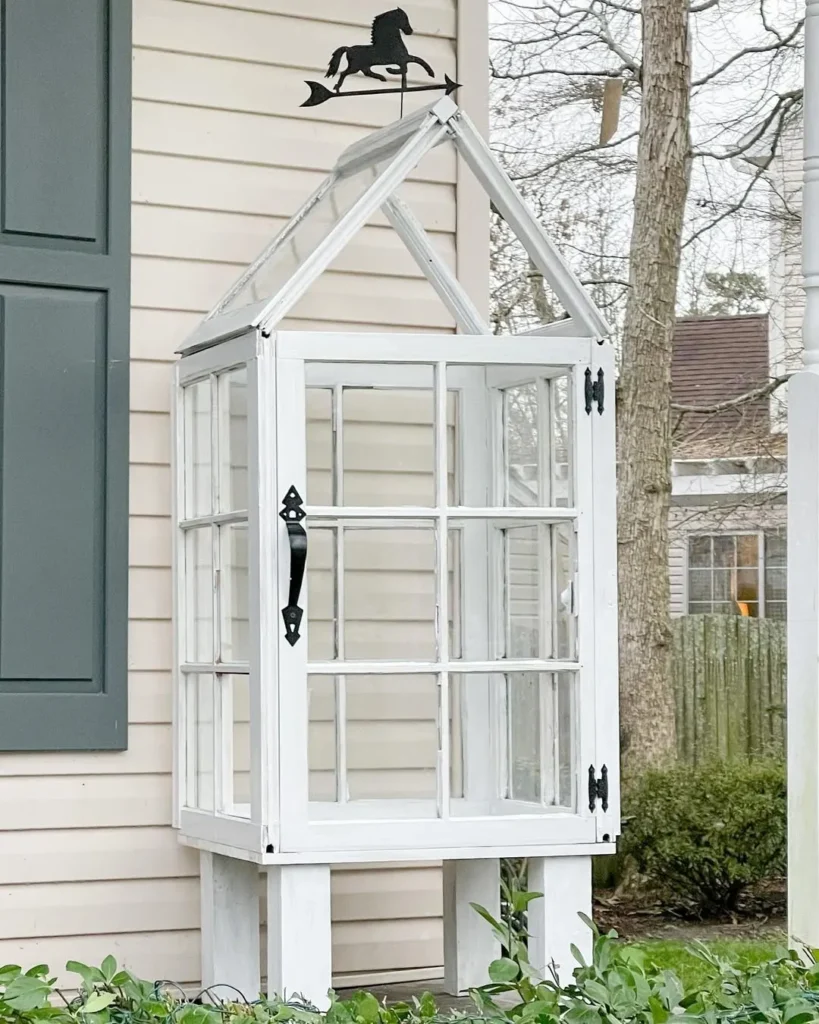
The Inspiration : Vintage mini greenhouses reflect the Victorian-era Wardian cases glass terrariums created by Dr. Nathaniel Bagshaw Ward in 1829 for the purpose of transporting delicate ferns across oceans. These delightful structures encapsulate that same magic, turning windowsills into botanical havens. Envision frost kissed mornings where tiny panes amplify dewdrops on seedling leaves, forming living jewelry boxes that merge nostalgia with functionality.
Why it Works : Vintage mini greenhouses thrive due to their ability to provide concentrated climate control within compact areas. Their enclosed structure sustains 60-80% humidity while retaining warmth, thereby prolonging growing seasons by 4-6 weeks for herbs and seedlings. The vintage aesthetic weathered metal frames, rippled glass panels contributes decorative appeal beyond mere function, transforming ordinary seed starting into an artistic display. The emotional resonance is profound: they fulfill both practical gardening requirements and our desire for a slower, handcrafted lifestyle. Research indicates that indoor gardening can reduce stress by 37%, and vintage items evoke nostalgia, thereby enhancing the therapeutic effect. Their modular design is ideal for renters and those living in small spaces, while antique markets provide genuine treasures starting at $40-80.
Pro Tip : Choose greenhouses equipped with removable panels or adjustable vents to avoid mold in humid environments. Position them to face south for over 6 hours of light, but incorporate sheer curtains to soften the harsh afternoon sun. Begin with cold-hardy herbs such as thyme or parsley they are forgiving of novice errors while helping you establish your micro-climate rhythm.
tabletop Greenhouse
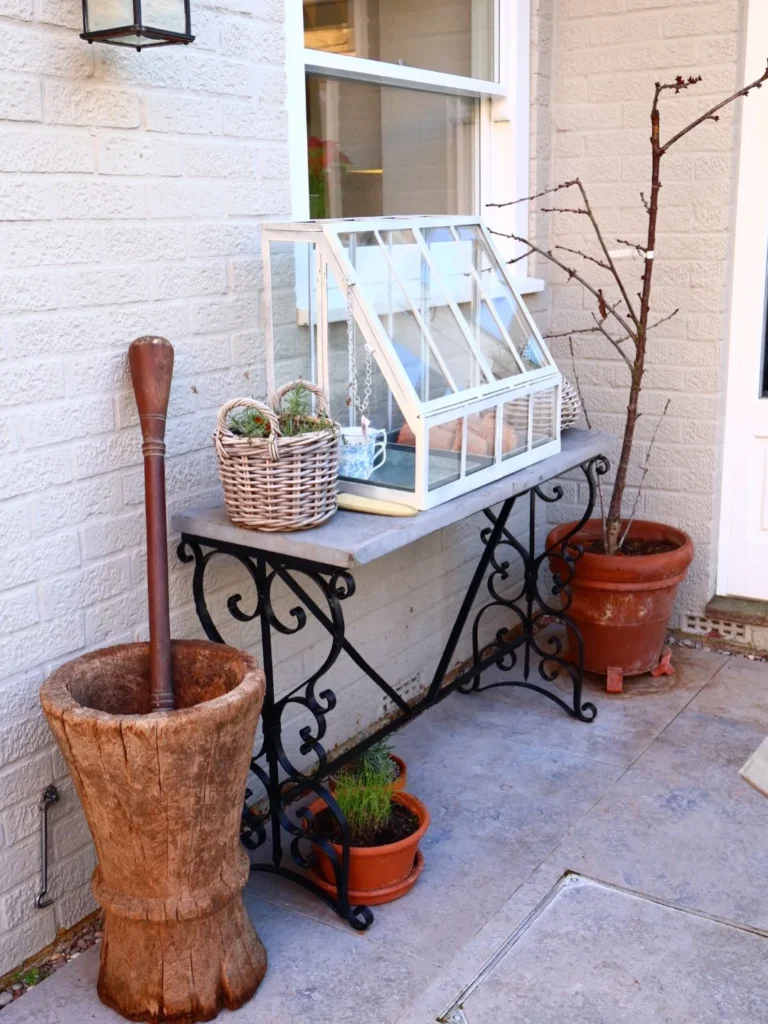
The Inspiration : Tabletop greenhouses reinterpret the cloches used by French gardeners in the 18th century to shield melons from spring frosts. These small glass structures provide that same protective care indoors, fitting seamlessly next to kitchen windows or dining tables. Envision enjoying your morning coffee alongside sprouting basil, where the transparent walls showcase green growth like a living piece of art, blending cultivation with daily rituals.
Why it Works : Tabletop greenhouses address the space light control dilemma that apartment gardeners often face. Their compact size allows them to fit on counters and desks while creating optimal microclimates for plant propagation. The transparent design enhances light exposure from all directions, increasing photosynthesis efficiency by 40% compared to setups with single-sided windowsills. The convenient height promotes daily engagement research indicates that gardeners who observe their plants at eye level achieve 85% higher success rates with seedlings. The practical advantages include protection from pests, retention of humidity for tropical plants, and the ability to harvest herbs year round. On an emotional level, they turn cooking ingredients into observed companions, strengthening our bond with food sources.
Pro Tip : Select models equipped with drainage trays and adjustable roof vents to avoid waterlogging and excessive heat accumulation. It is advisable to place a small humidity gauge inside the ideal range for most herbs and seedlings is between 50-70%. Additionally, rotate the greenhouse 180 degrees weekly to ensure even light distribution and prevent uneven, leggy growth patterns.
compact mini greenhouse
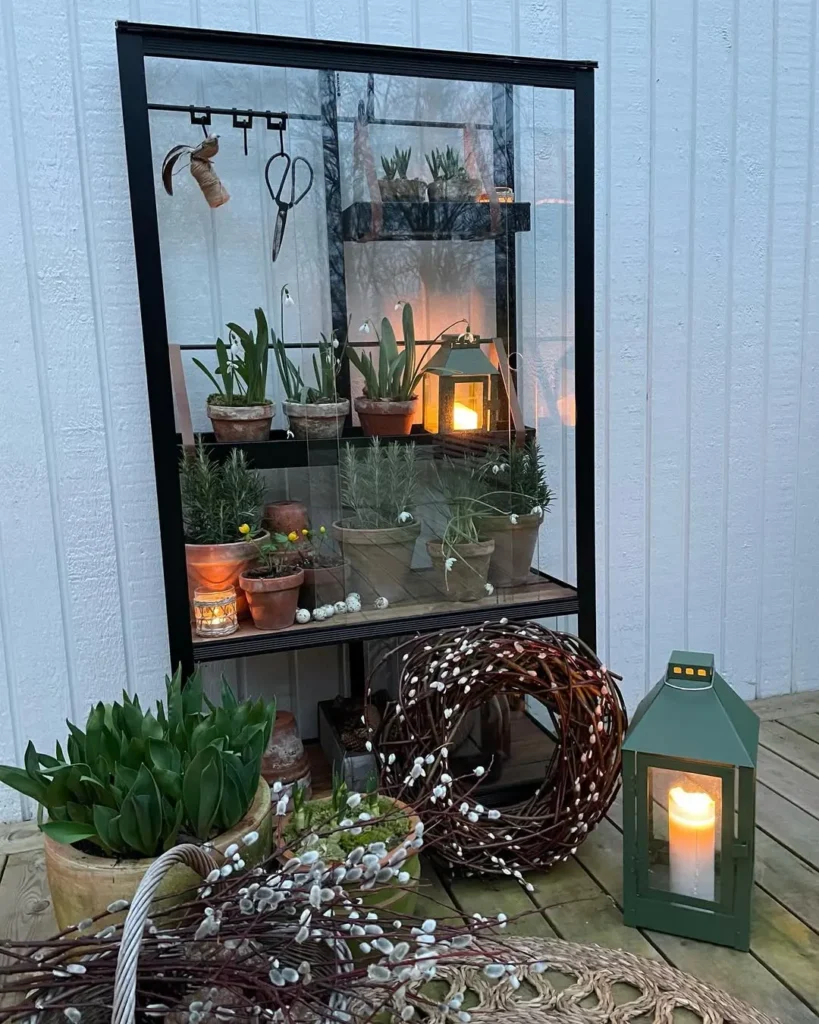
The Inspiration : Compact mini greenhouses are derived from Japanese bonsai cultivation boxes meticulously designed structures where every inch is utilized effectively. During the housing boom of the 1970s, urban gardeners in Tokyo were the pioneers of these space efficient designs, demonstrating that balconies and corners could produce bountiful harvests. Envision converting a vacant apartment shelf into a flourishing microclimate, where limited space reveals boundless growing possibilities.
Why it Works : Compact mini greenhouses optimize vertical space while reducing their footprint, typically featuring 2-4 tiers within an 18-inch width. This vertical arrangement enhances growing capacity by 300% in comparison to flat trays, making them ideal for seed starting or propagating cuttings. The removable shelves can be adjusted to accommodate plant heights as seedlings grow. Temperature regulation is particularly effective in smaller volumes enclosed air can heat up to 15-20°F above ambient temperature within minutes of sunlight exposure, thereby accelerating germination. The controlled environment significantly decreases pest exposure by 90% and reduces watering frequency by half due to moisture retention. From a psychological perspective, compact designs diminish intimidation for beginners while integrating effortlessly into contemporary minimalist aesthetics, thus making gardening accessible regardless of one’s living conditions.
Pro Tip : Position your compact greenhouse perpendicular to windows instead of parallel this guarantees that all shelf levels receive direct light rather than just the top tier. Additionally, consider installing a small battery powered fan to operate for 15-minute intervals twice daily to strengthen stems and prevent damping off disease in densely populated seedling trays.
wooden mini-greenhouse
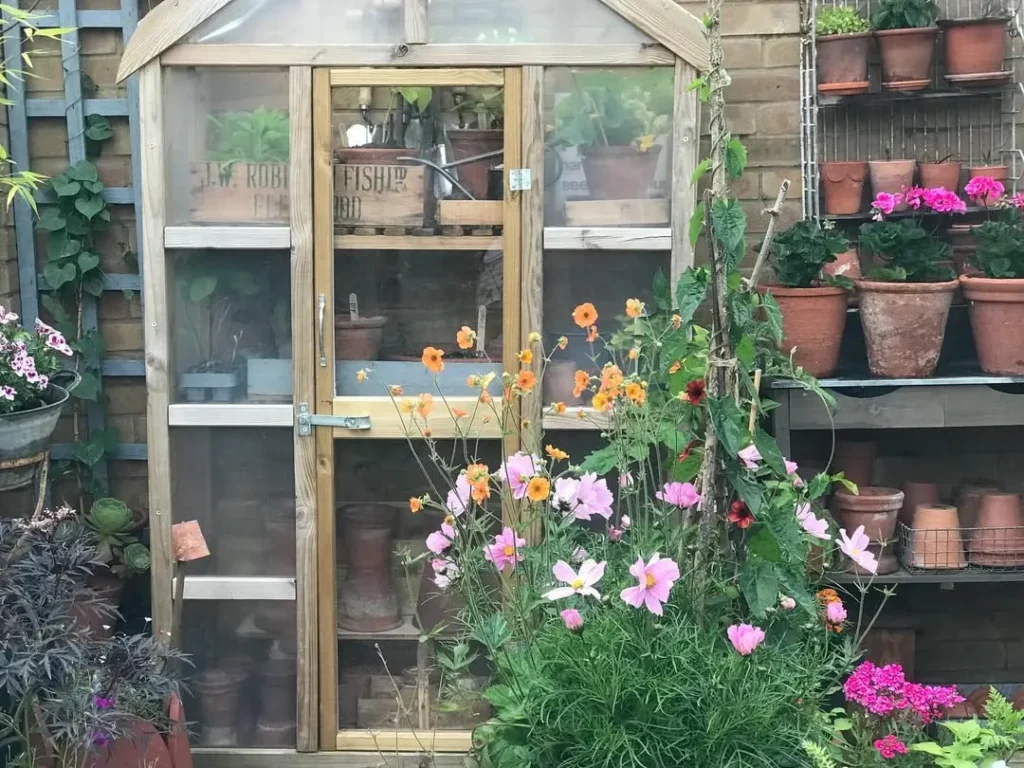
The Inspiration : Wooden mini greenhouses pay tribute to the cold frame traditions of Scandinavia, where artisans crafted cedar boxes to prolong the cabbage growing season during severe winters. The combination of wood grain warmth and glass panels evokes a farmhouse charm that is reminiscent of English cottage gardens. Envision hand-planed frames gracefully aging on patios, developing a silvery patina while providing shelter for heirloom tomato seedlings where functionality meets timeless craftsmanship.
Why it Works : Wooden construction provides superior insulation compared to metal alternatives, mitigating nighttime temperature drops by 8-12°F to safeguard delicate seedlings. The natural properties of wood allow for moisture regulation through breathability, which prevents the condensation accumulation that often afflicts plastic models and leads to fungal problems. Varieties such as cedar and redwood inherently resist rot for over a decade without the need for treatment. The aesthetic integration enhances garden environments wooden greenhouses harmoniously blend with decks, patios, and raised beds, avoiding the discord often associated with industrial materials. Environmental advantages include biodegradability and reduced carbon footprints during manufacturing. Research indicates that gardeners experience a 65% increase in satisfaction with wooden structures due to their tactile warmth and visual appeal, transforming practical growing into decorative centerpieces.
Pro Tip : Annually apply food safe linseed oil to untreated wood frames to improve weather resistance without introducing toxic chemicals near edible plants. Raise the base on brick pavers or rubber feet to avoid ground contact and prolong the lifespan by preventing moisture wicking that can lead to rot at contact points.
glass terrarium mini greenhouse
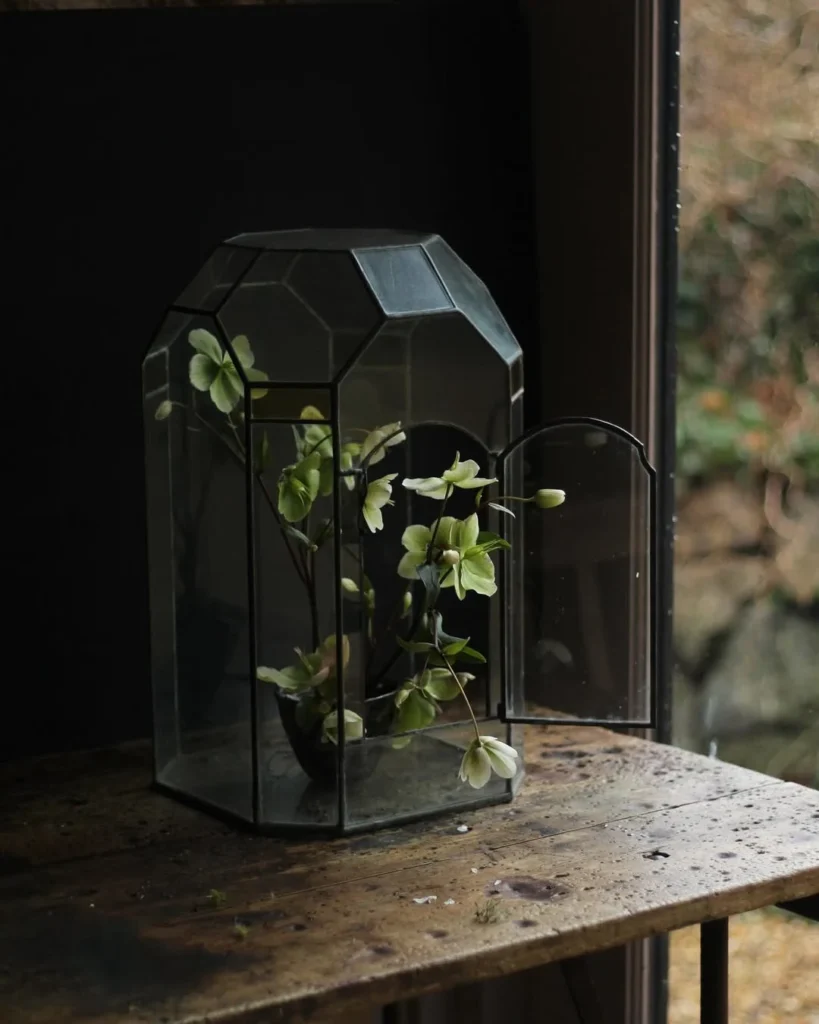
The Inspiration : Glass terrarium mini greenhouses bring back the Victorian era’s fascination with botany, where affluent collectors showcased exotic ferns in elaborate Wardian cases during the 1850s. These transparent enclosures turned plant care into a visual delight, enabling the observation of entire ecosystems beneath glass domes. Envision delicate moss gardens suspended within geometric structures, encapsulating the enchantment of rainforests on tabletops living artworks where condensation cycles foster captivating, self sustaining environments.
Why it Works : Glass terrariums establish closed or semi closed ecosystems that require minimal maintenance once they are balanced. Their transparent design allows for 360 degree light exposure, removing the need for rotation that opaque containers necessitate while displaying plants from all perspectives. The enclosed setting automatically sustains 80-95% humidity, ideal for tropical species such as fittonia and selaginella that find dry indoor air challenging. Water recycling through condensation minimizes watering to monthly intervals compared to the weekly needs of open pots. The compact structure is perfect for desks and shelves, offering biophilic advantages studies indicate that visible greenery within 10 feet can lower cortisol levels by 23%. Visually, glass transforms plants into art pieces, with geometric designs and crystal clarity appealing to contemporary aesthetic preferences.
Pro Tip : Place activated charcoal beneath the soil to absorb excess moisture and inhibit bacterial growth in closed systems. Open the lid for two hours each week to refresh the air and prevent mold this simulates natural atmospheric exchange while preserving the humidity that your tropical plants desire without fostering stagnant conditions.
3-tier mini greenhouse
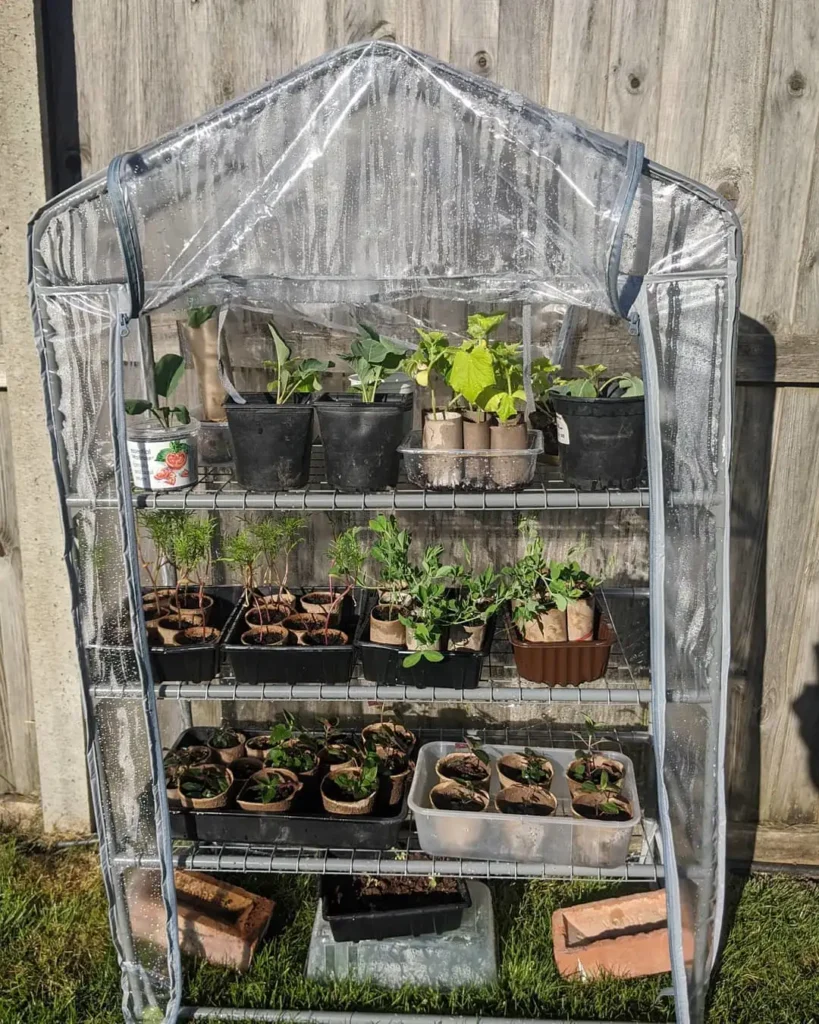
The Inspiration : Three-tier mini greenhouses reflect the philosophy of Japanese bento boxes, featuring organized compartments that optimize limited space. In the 1960s, commercial nurseries innovated vertical propagation racks, discovering that stacked shelves could increase output by five times per square foot. Envision converting a narrow corner of a balcony into a flourishing nursery tower, where seedlings rise like green staircases towards sunlight, demonstrating that abundance is achieved through height rather than sprawl.
Why it Works : Three-tier designs enhance growing capacity by 400% while occupying the same footprint as single level arrangements, making them perfect for urban gardeners facing space limitations. The vertical configuration fosters natural microclimates upper shelves maintain temperatures 5-10°F warmer for heat loving peppers, whereas lower tiers remain cooler, suitable for lettuce and herbs that thrive in moderate conditions. Organizational efficiency is evident through improved workflows. The transparent zippered covers shield against frost while providing easy access. Research indicates that vertical gardening enhances engagement proximity and visibility encourage daily observation habits, allowing for early problem detection and increasing success rates to 80% compared to 55% for dispersed container gardens.
Pro Tip : Strategically load shelves by placing heavier seed trays on the bottom tiers to avoid tipping, reserving the top shelf for lighter seedling trays. Position the greenhouse against a wall instead of leaving it freestanding, and secure it with bungee cords during windy conditions to ensure stability without the need for permanent fixtures.
curio cabinet mini green house
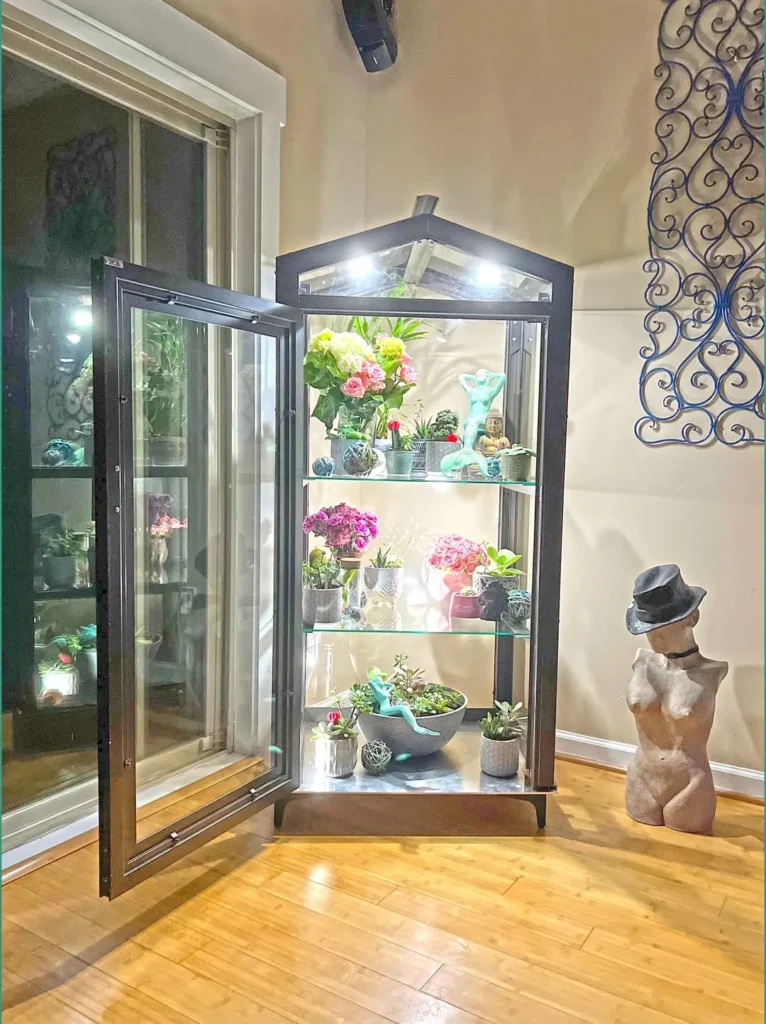
The Inspiration : Vintage curio cabinets have historically safeguarded cherished collections behind glass doors. Contemporary plant enthusiasts have recognized that these overlooked items serve as ideal miniature greenhouses merging Victorian charm with regulated growing conditions. This idea originated from urban residents in search of indoor gardening solutions. Glass shelves display botanical wonders akin to treasured heirlooms, while humidity loving ferns and orchids flourish in the enclosed environment, transforming into living art displays.
Why it Works : Curio cabinet greenhouses thrive due to their enclosed glass design, which naturally sustains consistent humidity levels without the need for misting systems. The vertical shelving optimizes limited floor space while presenting plants at eye level for convenient observation. Glass doors retain warmth and moisture while permitting filtered light to enter. These cabinets shield delicate tropical plants from drafts, pets, and temperature variations that can adversely affect sensitive species. The visual appeal elevates functional growing areas into decorative furniture. Adjustable shelves cater to different plant heights, and integrated lighting can easily adapt to existing fixtures. Cabinet greenhouses are significantly more affordable than commercial terrariums, providing enhanced customization and capacity.
Pro Tip : Incorporate a small USB fan on a timer to avert mold growth caused by stagnant air. Position it to facilitate gentle airflow for two hours each day. Additionally, place a shallow water tray on the bottom shelf to naturally increase humidity through evaporation, thereby negating the necessity for electronic humidifiers or daily misting routines.
glass mini greenhouse
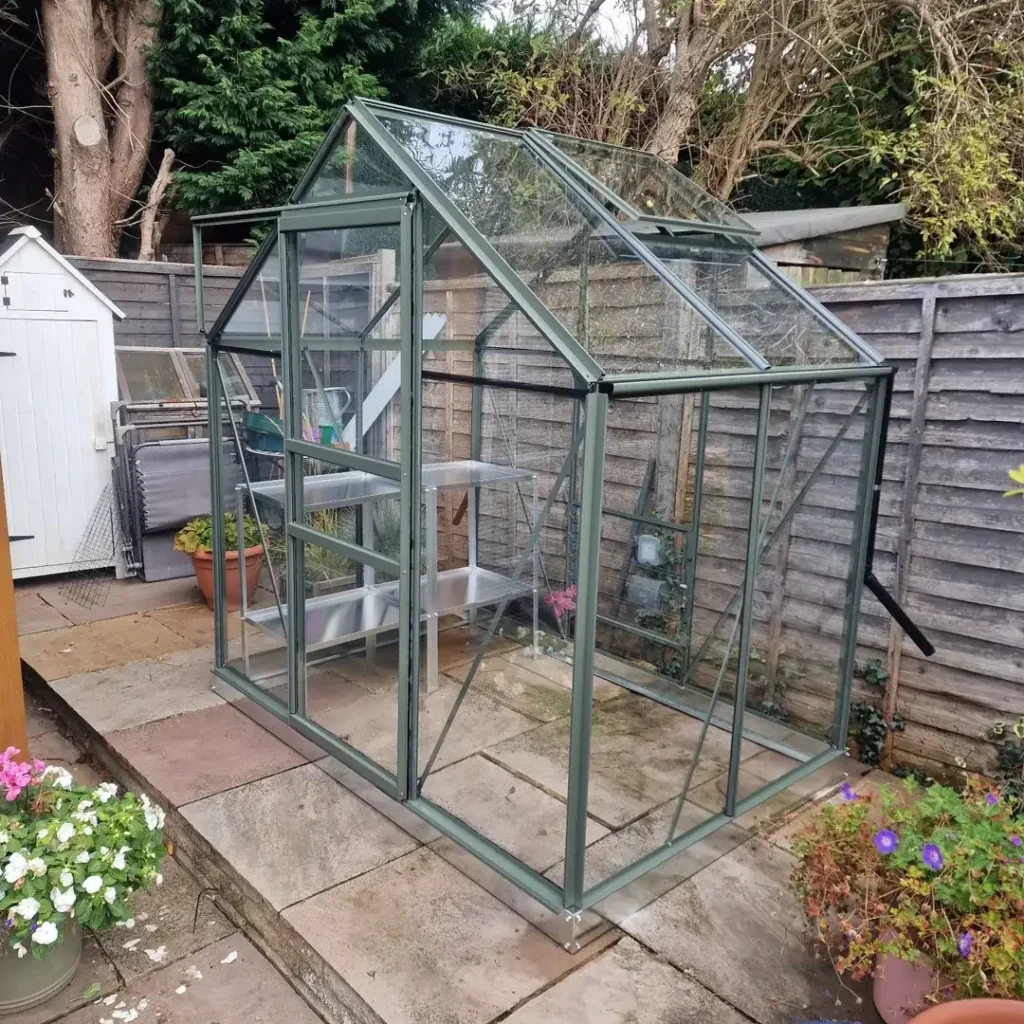
The Inspiration : Glass mini greenhouses have their origins in Victorian wardian cases elaborate glass containers that enabled explorers to transport exotic plants across vast oceans. The modern iterations embody that same protective charm on windowsills and tabletops. This design captures sunlight from every angle while establishing a self-sustaining ecosystem. Observing seedlings sprout behind glass panes or tropical plants thrive in miniature structures brings the allure of conservatory gardening into limited spaces.
Why it Works : Glass mini greenhouses foster ideal microclimates through exceptional light transmission and heat retention. Their transparent design permits 90% of sunlight to reach plants from various angles, thereby enhancing photosynthesis in comparison to plastic alternatives. The enclosed environments maintain consistent temperatures and humidity levels, extending growing seasons by shielding seedlings from cold snaps. Their compact size is perfect for balconies, countertops, and small patios, eliminating the need for permanent installation. The durability of glass surpasses that of plastic alternatives while remaining simple to clean and sterilize between plantings. These structures are particularly effective for seed starting, propagating cuttings, and overwintering delicate herbs. The visibility aspect promotes daily observation and serves as an appealing focal point in living areas.
Pro Tip : Place your glass greenhouse to capture morning sunlight instead of the intense afternoon rays. An eastern exposure offers gentle warmth without causing the enclosed area to overheat. Open the door or vent during peak heat hours to avoid temperature surges above 85°F, which can harm delicate seedlings even on mild days.
wooden mini greenhouse

The Inspiration : Traditional cold frames, originally constructed by European gardeners, served as the inspiration for wooden mini greenhouses robust structures designed to safeguard vegetables during severe winter conditions. Artisans merged the natural rot resistance of cedar with glass panes to produce heirloom quality growing environments. The aesthetic of the wooden frame integrates effortlessly into garden landscapes, paying homage to cottage gardening traditions. These delightful structures conjure images of English kitchen gardens, where generations nurtured seedlings in handcrafted boxes prior to the spring planting season.
Why it Works : Wooden mini greenhouses offer superior insulation when compared to metal or plastic alternatives, effectively stabilizing internal temperatures during overnight cold spells. Natural wood allows for air circulation, which prevents the accumulation of condensation that can lead to fungal diseases in completely sealed environments. Frames made of cedar and redwood resist decay without the need for chemical treatments, ensuring safety for organic cultivation. Their robust construction endures wind and weather conditions more effectively than lighter options, while also supporting heavier glass panels. The thermal mass of wood absorbs heat during the day and gradually releases it overnight, thereby protecting delicate plants from temperature fluctuations. These structures age gracefully, developing an appealing patina while remaining functional for many years. The natural look complements garden settings without the industrial feel of metal frames.
Pro Tip : To improve weather resistance and prolong the lifespan of untreated cedar frames, apply linseed oil biannually. Pay particular attention to joints and bottom edges where moisture tends to accumulate. This natural treatment penetrates the wood fibers, helping to prevent splitting and warping while preserving the non-toxic environment that is crucial for seed starting and organic farming.
Plantpak mini greenhouse
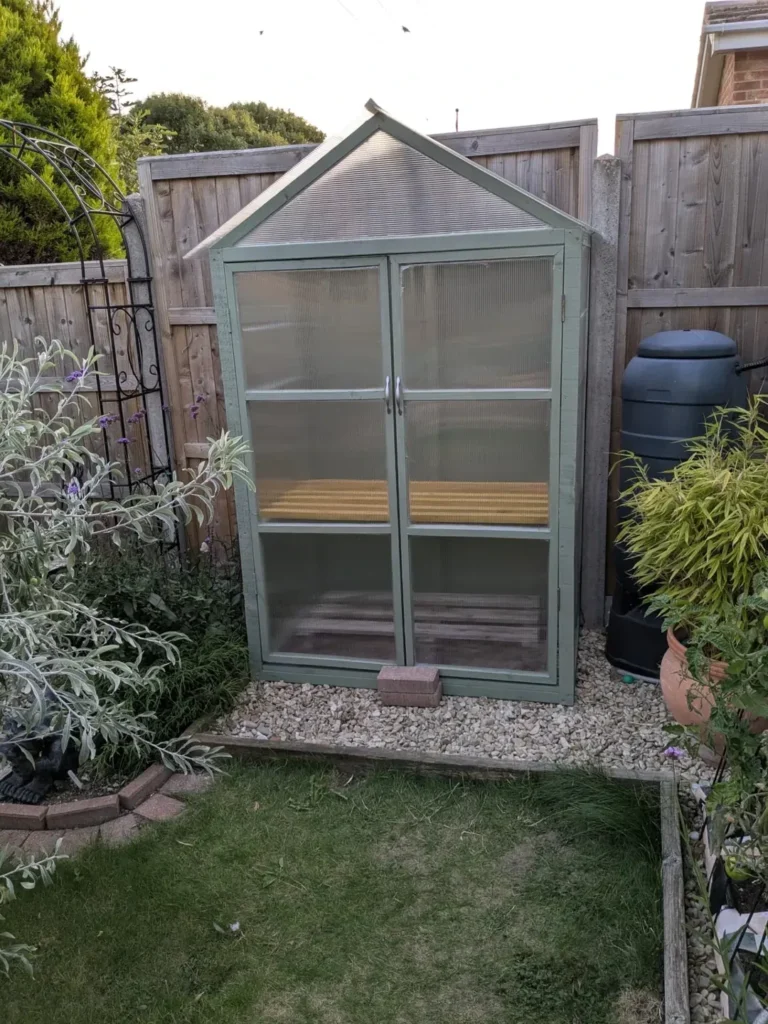
The Inspiration : Plantpak’s Grow House was developed in response to the demand from British gardeners for compact propagation areas suitable for urban environments. Its dove grey wooden structure embodies the charm of a cottage garden while addressing contemporary space limitations. By utilizing UV-treated polycarbonate glazing instead of fragile glass, it upholds the principles of traditional cold frames with enhanced weatherproof durability. The split lid design reflects the elegance of Victorian greenhouses, scaled down to fit balcony spaces, allowing even those living in apartments to enjoy the rewarding experience of nurturing seedlings.
Why it Works : The robust wooden construction of Plantpak offers superior insulation when compared to plastic options, while the UV treated polycarbonate glazing shields plants from intense sunlight without obstructing necessary light. The dual hinged lids can be tilted independently, allowing for precise control of ventilation, which helps prevent overheating while preserving humidity levels. French doors that open from the center grant simultaneous full access to the interior, and the adjustable removable shelves can hold eight full sized seed trays or accommodate taller plants such as tomatoes. The freestanding design can be placed directly on soil for early vegetable crops or on patios for seedling propagation. The dove grey finish integrates seamlessly into garden environments, and the durable wooden frame is more resilient against wind than lighter alternatives.
Pro Tip : It is advisable to apply an extra coat of weather resistant paint or wood sealer right after assembly, as the factory finish tends to be relatively thin. Pay special attention to joints and bottom edges where moisture can infiltrate. This straightforward measure significantly prolongs the lifespan of the greenhouse and preserves its appealing appearance throughout numerous growing seasons and exposure to harsh weather conditions.