
Still, just because you live in a tiny home or apartment doesn’t mean you can’t pursue your gardening dreams. In truth, the small garden has numerous advantages that the larger space often does not they are wonderfully low maintenance (always appealing) and very budget-friendly as they don’t generally need a great deal of plants or materials to transform them into beautiful spaces. Whether you have a tiny balcony, a narrow set of steps along your driveway or just a few square feet to spare on the patio, porch or deck, you can make a space where beauty flourishes and fresh herbs by perhaps vegetables, too are ready for harvest right outside the door.
well-stocked back garden
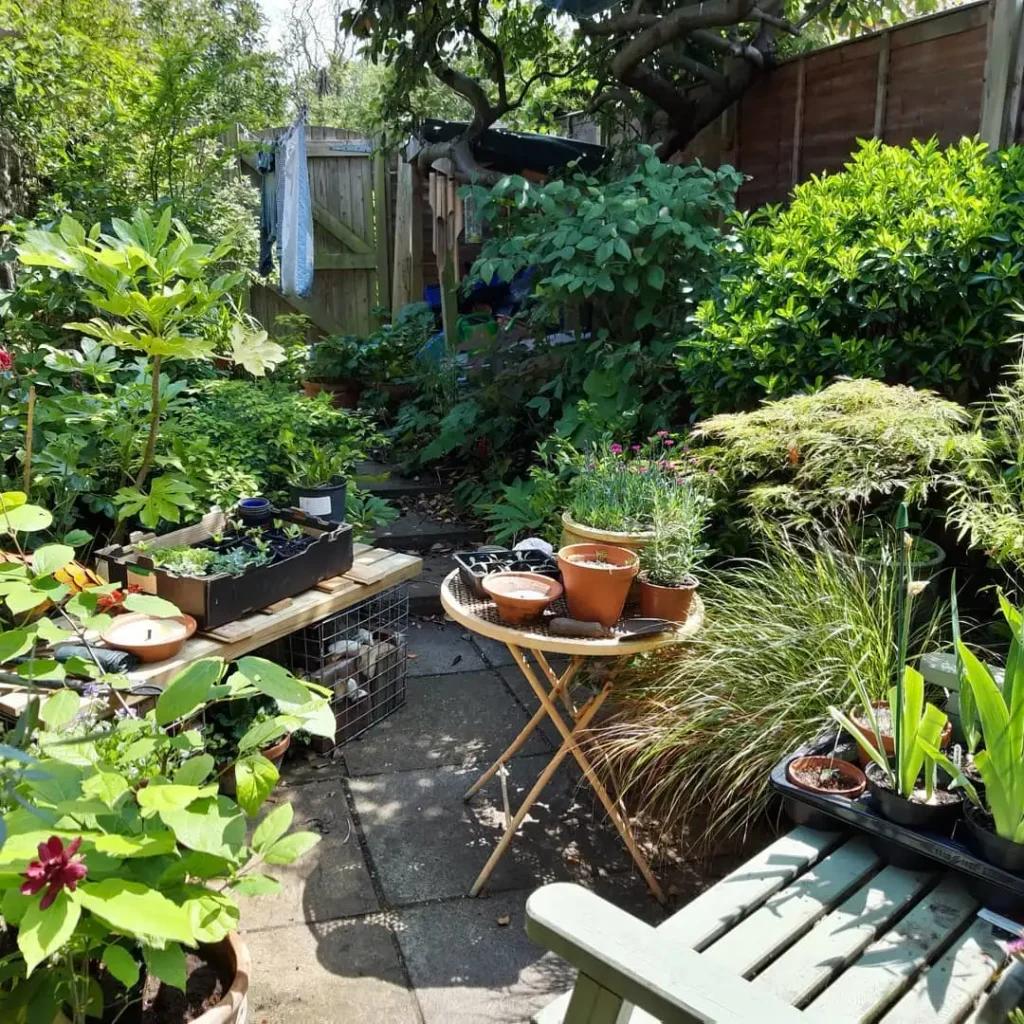
The Inspiration : The well-stocked back garden is an ode to traditional English cottage gardens and European kitchen gardens, where generations have grown everything from fresh vegetables to cutting flowers at arm’s reach. These gardens were more than just decorative, however they were practical pantries and medicine cabinets. And now, homeowners rediscovering the timeless approach are establishing self-sustaining spaces that yield fresh produce, herbs and beauty 365 days of the year while also cutting down on grocery bills.
Why it Works : An abundant backyard provides several benefits at once. It saves you money on groceries by giving you fresh herbs, vegetables and fruits at your fingertips. You’ll have better taste and nutrition than what you’d find in store-bought produce, not to mention the added pride of eating something that you grew yourself. Environmentally, it reduces packaging waste and emissions from transportation. The garden is also used as outdoor therapy, for stress reduction and physical activity. Plants must be planned out year-round so that gardeners have continuous harvests, from spring greens to summer tomatoes and on to fall root vegetables and winter hardy greens. It is in essence a life investment, one that pays dividends in health and savings and sustainability.
Pro Tip : Try succession planting to extend your harvest. Rather than plant, say, all of your lettuce or beans in the ground at once, start sowing a couple of small batches every two weeks throughout the season. This creates a consistent flow rather than too much followed by complete insanity. Keep a simple garden journal with notes on what you planted when, so that you can be successful next year.
Container Patio Garden
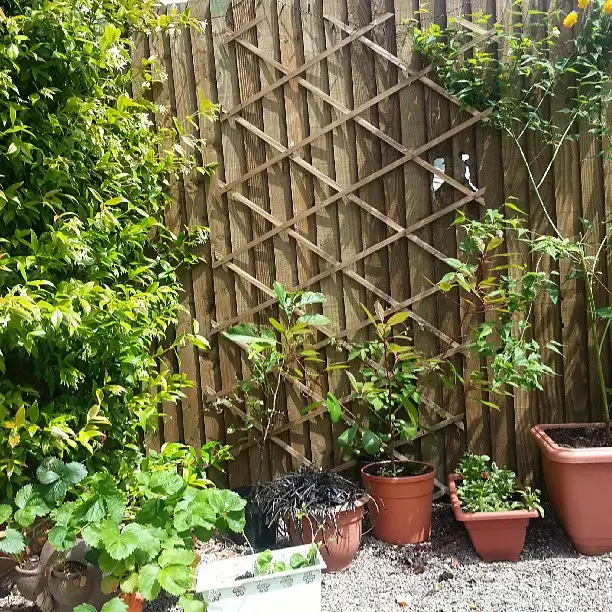
The Inspiration ; The concept of container patio gardens can be linked to the ancient Greeks and Romans who had pots with plants in courtyards. The Renaissance gave us the European balcony garden, which turned small urban areas into personal Edens. Container Gardening Today.Combine this heritage with today’s portability and you’ll find renters and homeowners at leisure crafting flexible, lovely gardens that move when the sun does, or when the seasons shift or even when life simply takes them somewhere else.
Why it Work : Potted patio gardens are incredibly adaptable to small areas. With container gardening, you have control over the quality of soil and drainage along with where it is placed advantages that are vital for raised in-ground beds when local soil isn’t very good. Mobility allows you to follow the sun, protect tender plants from frost and make contemporary design statements during each season and so much more all without losing the investment in a beautiful garden space. Containers also keep invasive roots from expanding, and they are easier to harvest when it can be done at a more human level. They’re great for renters who are restricted from changing landscapes and yet want fresh herbs and vegetables. Pest control is easier because you can separate infected plants. What’s more, the containers can extend the growing season by letting you bring frost-sensitive plants inside and harvest all year long.
Pro Tip : Plant when the plants are in odd numbers, three, five or seven′′, for interest combine different heights and pot sizes. Lean on the “thriller, filler, spiller” approach: one tall focal plant, mid height plants to fill in some space, and trailing ones that cascade over the edges. The pro designer’s trick behind the look: Random pots become visually cohesive and eye catching.
herbs and ornamental species
The Inspiration : The valid point of origin, which is not bestowing any exaggeration on it, for the modern ornamental treatment of herbs was found in monastery gardens of medieval Europe who were first to combine them with other plants: “physic gardens,” they were called, where healing and medicinal plants coexisted with roses and flowering perennials. French potager gardens raised this to an art, threading lavender, rosemary and thyme between robust marigolds and salvias. The historic gardens were alive with examples that showed beauty and utility are not forced in such designs, but complementary forces that create sensory-rich spaces where fragrance, flavor, color and texture offer themselves at once.
Why it Works : Combining herbs with decorative plants is excellent value for a small garden. Herbs including basil, cilantro, parsley supply fresh ingredients for the kitchen and decorative companions offer seasonal color and visual interest. A lot of herbs lavender, sage and catmint among them are inherently attractive with foliage that is appealing; flowers as lovely, even showy or colorful, as those on purely ornamental plants. This mix is attractive to beneficial pollinators such as bees and butterflies, but repels pests with its aromatic oils. Ornamentals provide extra bloom times during those periods when herbs aren’t in flower, to contribute year-round interest. The practice is economical, because herbs tend to be cheaper than ornamentals and serve a dual function. Spending just a few minutes every day picking fresh herbs from a garden that looks like this offers up the warm and fuzzies that most any highly decorative or highly utilitarian bed does not.
Pro Tip : Select herbs that have similar water and sunlight requirements to your ornamentals. Mix Mediterranean herbs like rosemary, thyme, oregano with drought-tolerant ornamental plants such as lavender, echinacea or sedum. Pair herbs that thrive in moist ground, such as mint and parsley, with ferns or hostas. To provide a level playing field, make sure that all of your plants match growing conditions so none have an unfair advantage over the others or need to be cared for at different times.
Evergreen Climber Gardens
The Inspiration : Evergreen climbers This is a category English gardens in the Victorian era helped make popular.Train them for years to cover unsightly walls and create year round privacy screens. Manor houses smothered in ivy and pergolas swathed in jasmine emerged as architectural shorthand for grace. Contemporary small-space gardeners have revived this tradition, employing evergreen climbers to provide vertical greenery year-round, even when everything else has gone dormant. These living, breathing tapestries turn bare fences and walls into sumptuous permanent backdrops for garden designs no matter the season.
Why it Works : Evergreen climbers offer year-round visual impact, whereas deciduous plants reveal bare stems in winter. Because they grow upward instead of outward, they climb fences, trellises and walls without taking up valuable space on your patio or in the garden. These plants form as natural screens and protect against the wind, urban noise, and even dust. Once established, evergreen types are relatively low maintenance no cleaning up seasonal leaf drop or replanting each year. They scrub the air, host wildlife and naturally cool buildings by shading walls in summer. Scented flowering climbers such as English ivy, star jasmine and evergreen clematis provide fragrant blooms and stay green year round, while adding beauty and value to your home.
Pro Tip : Put up strong supports before planting wire grids, wooden trellises, or cable systems on walls. Evergreen climbers are heavy when mature, and adding supports will do damage to established plants. air flow between walls to keep them dry. Train young shoots as they grow throughout the first growing season to provide a pattern of coverage.
brickwork and steps garden
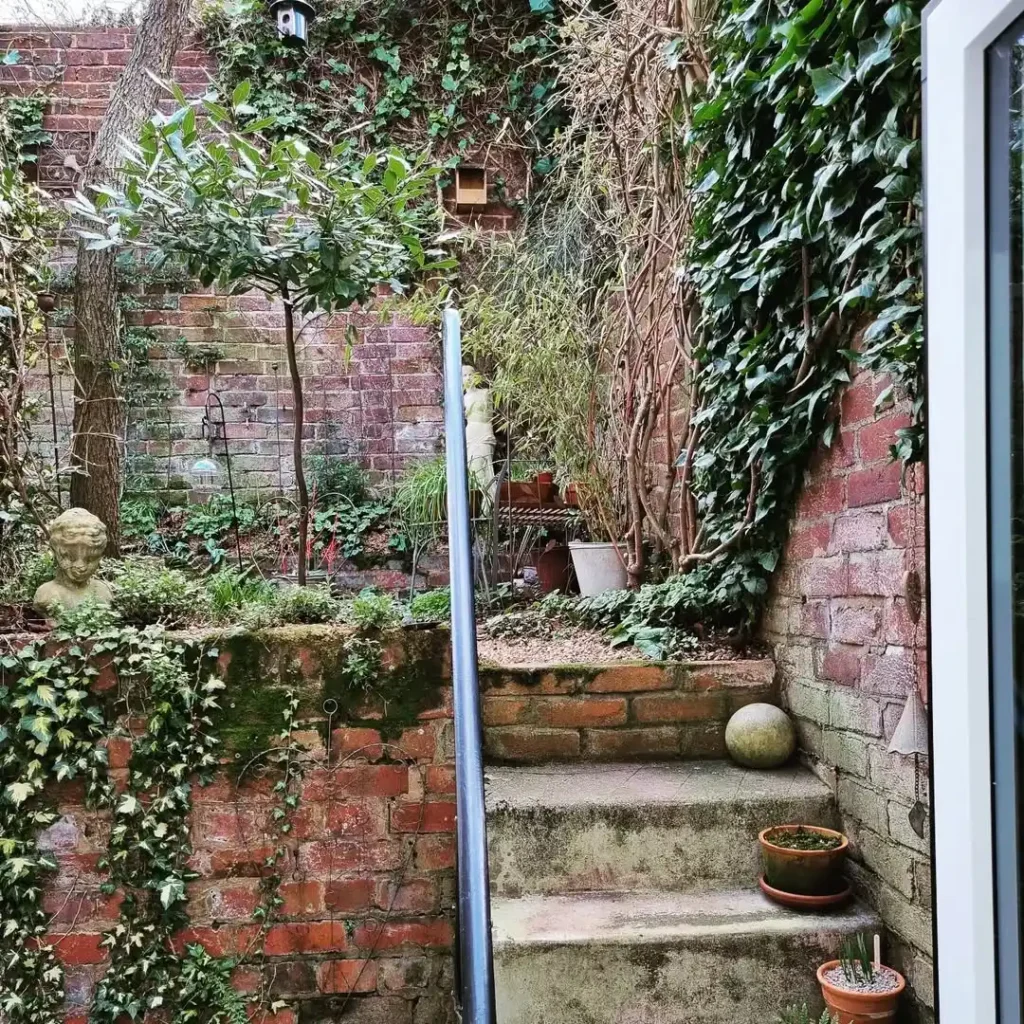
The Inspiration : Colonial Revival brickwork and steps gardens borrow from Italian Renaissance terraced estatates and English formal gardens, where workmenship was used to tame the slope of land by brick masonry, bringing architectural structure to what would otherwise have been a steep hill. In historic Charleston gardens, classic brick pathways take visitors to raised planting beds; Japanese temple gardens rely on stone steps to lead guests up and down elevations. Transforming difficult-to-use slopes into easy to care for, attractive beds where the hardscape serves as a backdrop for foliage with seasonal color is one of the ways that we reinvigorate challenging sites; providing rhythm and flow while connecting garden spaces in their own natural stylish way.
Why it Works : Brickwork and steps resolve practical issues in sloping gardens and provide architectural interest. Staircases open up intense terrain and make it safe, reducing erosion by confining boot traffic to predetermined routes. Brick is built to last for hundreds of years with no additional maintenance and can withstand weather and feet walking all over it. The tiered design makes several different planting zones at different elevations, so you can grow plants with varying sunlight and drainage requirements. The warm tones of brick look good with greenery, and can offer year-round visual interest when plants are dormant. Steps and retaining walls help to provide dimension in a flat space, serve as accents and boundaries for garden rooms. The semi-formal look adds value to the property yet maintains its timeless ambience year in and year out.
Pro Tip : For easy and safe maneuvering, plan on step risers measuring between four and seven inches in height; tread depths should be about 11 inches deep. Under brickwork lay landscape fabric and gravel base to prevent shifting and weeds. Angle slightly forward for water run off, keep ice from building up in the winter. Edge steps with low plants like thyme or sedum to soften hard lines.
rusty metal garden
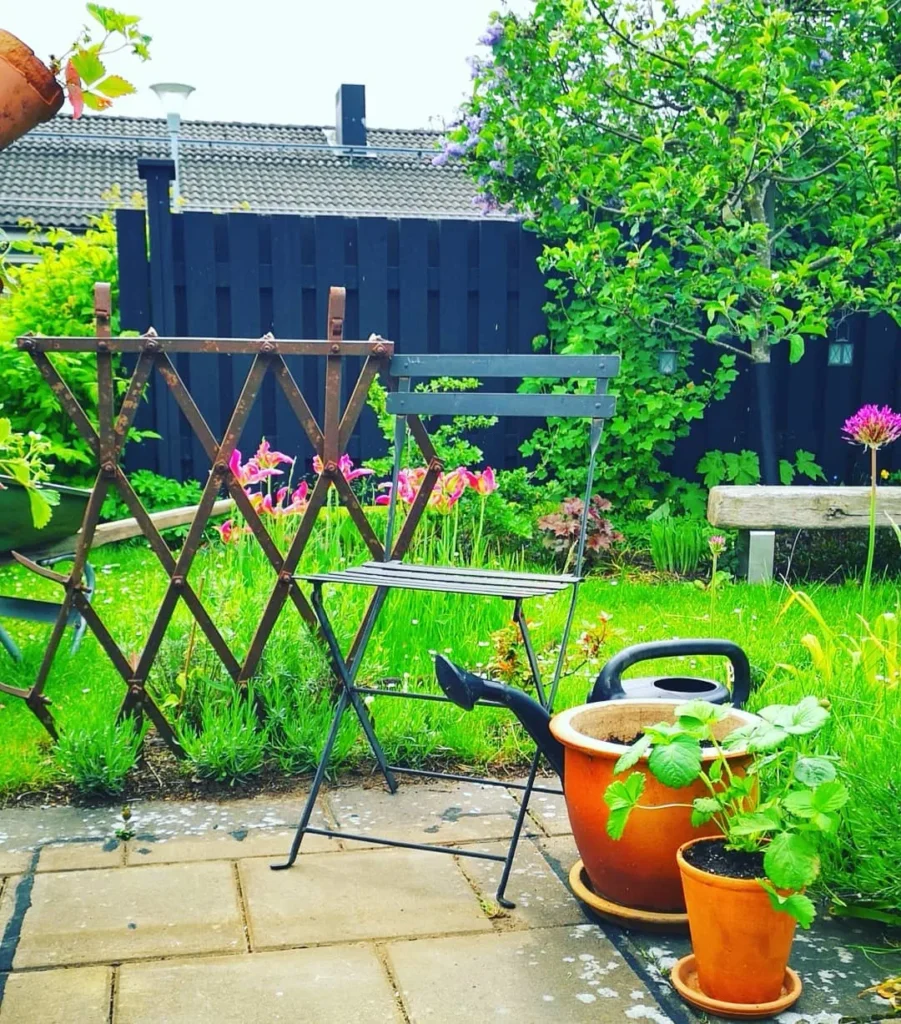
The Inspiration : Rusty metal gardens Developed from American farmstead traditions where modified farm implements were transformed into garden art. Antique watering cans, wheelbarrows and metal troughs were reborn as planters. Modern designers have been influenced by industrial salvage yards and European flea markets to preserve the organic patina of weathered metal. A raw, earthy aesthetic that values imperfection and sustainability forms nostalgic links to agrarian lineage while splashing on the warm, oxidized hues that play well against green vegetation and colorful blossoms.
Why it Works : Rusty metal adds texture and contrast to gardens with its warm tones of amber, orange and red-brown patinas that infuse naturally the garden colors. The worn look gives a garden instant character and an old-world feel that new products simply don’t offer, resulting in gardens with substance and authenticity. Metal accents are very hardy, aging for decades out in the open and receiving more interesting patinas the longer they’re exposed. Upcycled vintage metal goods are an opportunity to recycle and support a niche market of recycled home decor. The juxtaposition between industrial and natural makes for visual intrigue, combining the two in a style that imbues a modern edge. Rusty metal works in many styles (farmhouse to modern minimalist) and serves as structural elements including edging, raised beds, trellises and planters. It is zero maintenance as all you want is to leave it to rust and not repaint or add a renovation coat.
Pro Tip : If you’d like to lock in a particular patina stage and prevent rust from staining adjacent surfaces, seal the rusty metal with clear matte finish spray. Planters: For planters, you can line the inside of the pots with a landscape fabric or plastic to keep wet soil from touching and speeding up decay. Opt for corten steel if you want the look of intentional rusting — it forms a stable patina that will not keep eating away at itself like standard steel.
terraced backyard garden
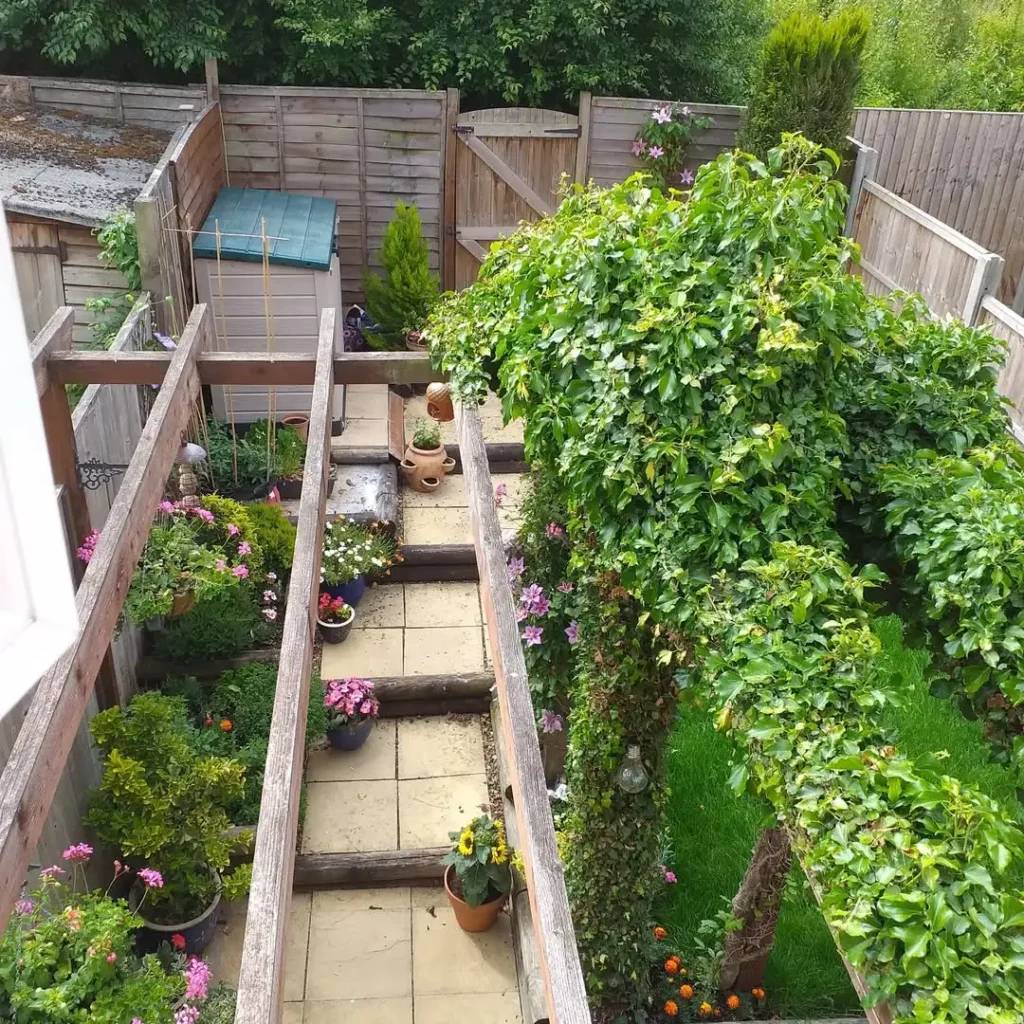
The Inspiration : The concept of the terraced backyard garden can be traced back to ancient agricultural societies — from Incan mountainside farms in Peru, to Asian rice paddies cut into hillsides. These societies excelled at terracing steep inclines so that they could grow crops on them using tiered retaining walls. Today’s home owners use this proven approach to create the ultimate usable space, they transform unusable sloped yards into multi-leveled sanctuaries. Each terrace is it’s own garden room, adding dimension and drama while solving water problems and making steep spaces usable for traffic and the eye.
Why it Works : Terraced garden beds change difficult slopes into easy-to-plant, easy-to-harvest ground that’s easy on the back by creating level planting areas. Retaining walls help keep soil in place and water from running off, to not only protect your landscape investment, but because of the retaining walls ability to provide drainage control. You can put plants with different light and moisture needs in a single level, based on its location. By terracing, steep yards become manageable and safe, dangerous slopes disappear and usable outdoor living spaces are established. The tiered design gives architectural interest and also height to a garden, which is something you don’t get in flat gardens, hence higher curb appeal and appraisal value. Terraces also diminish mowing challenges on hillsides and provide natural perimeters for various garden themes — vegetable beds on one terrace, ornamentals on another, then maybe a bench or other seating area. Vertical format optimizes space in smaller backyards.
Pro Tip : A retaining wall should be eight to twelve inches thick and constructed of heavy materials, such as stone or concrete blocks or treated timbers. Make sure there is a slight slope on each terrace so the water drains away from the front of the retaining wall to avoid pressure that will cause it to fall. Behind those walls, install drainpipes to carry excess water downhill safely, and it’ll mean long-lasting walls.
large-leaf foliage garden
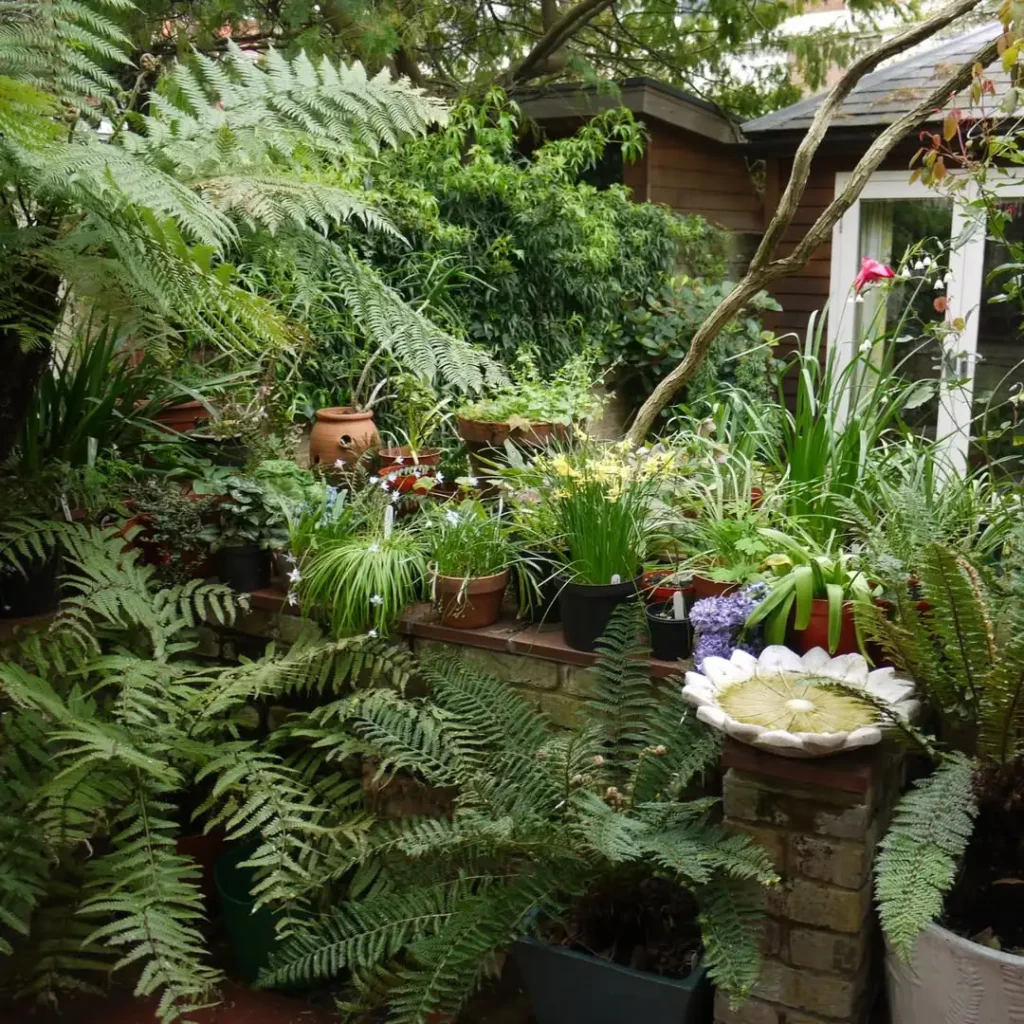
The Inspiration : Large-leaf foliage gardens nod to tropical rainforests and Victorian-era conservatories in which exotic plants like palms and elephant ears represented wealth and worldliness. Dramatic specimens from Southeast Asia, Africa and South America began arriving in European estates with botanical explorers. Today’s designers are somehow managing to squeeze the jungle into small urban spaces, using statement foliage to generate instant jungly vibes. The larger-than-life leaves bring vacation spots to mind and invite us into an immersive escapist spaces. This “tropical modernism” turns drab backyards into lush, dramatic retreats with sculptural plants serving as living architecture.
Why it Works : The sculptural foliage of large-leafed plants is sure to be a focal point in even sparsely planted gardens—a handful of strategically placed specimens can have an outstanding presence. The bold foliage offers year-round structure and interest that don’t depend on ephemeral flowers. Larger-sized leaves act as perfect natural focal points that catch one’s eye and provide a sturdy anchor around which to build garden designs. These are plants that give instant maturity so that your garden looks established in no time. The theatrical size provides an exotic feel and makes natural privacy screens with full foliage. Big leaves also have the benefit of being useful too—they shade the soil, keep it weed-free and prevent water from escaping. And container plants such as hostas, cannas and bananas do well which is perfect for smaller gardens. Against slim-leaved foliage the texture contrast is refined and the overall effect is layered and deep.
Pro Tip : Place these large-leaf plants as instantly recognizable background anchors or corner specimens, not centerpieces that can overshadow those in small spaces. Combine one or two bold leafy types with small, fine-textured plants for contrast and balance. Allow spacing for good air flow — overcrowding decreases air circulation and spurs fungal disease on large leaves. Shelter from brutal afternoon sun that may otherwise burn sensitive leaves.
Faux Green Wall Garden
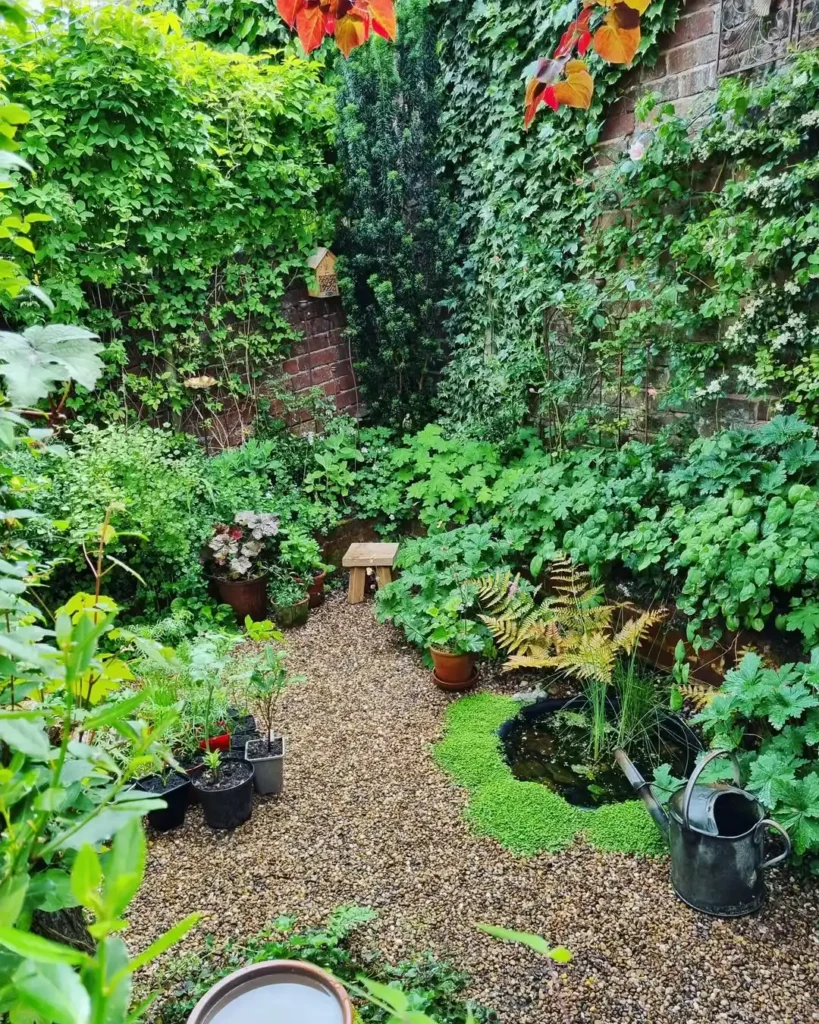
The Inspiration : Fake green wall gardens were born out of environmental design challenges in which adverse conditions deep shade, bad air quality and extreme heat — prevent living plants from thriving. High-end hotels and restaurants blazed a trail for realistic fake vertical gardens that made it possible to produce Instagram-worthy interior green walls where no irrigation system or maintenance crew was available. Nowadays, synthetic materials very closely mimic natural textures to provide apartment dwellers and otherwise busy homeowners psychological benefits of greenery sans plants. This is the revolution that enables anyone to take up vertical gardening with a fully-formed, instant (and permanent) lusciousness regardless of horticultural skill or geographical hindrance.
Why it Works : Artificial green walls bring zero-maintenance beauty to difficult locations where live plants are unable to grow or thrive. There’s no need to water, fertilize, trim or apply bug spray to them perfect for renters and travelers who are often on the go, or if you simply don’t have a green thumb. Easy installation panels easily attach to walls or fences without any concerns for plumbing and/or drainage. Today’s UV-resistant fabrics for outdoor use retain color and appearance less for years in high exposure to the sun. They offer instant privacy screens and visual interest in tight spaces such as balconies or alleys where a dirt garden isn’t possible. It becomes more cost-effective over time because there is no need to replace plants or add soil amendments or pay for water. Faux walls can even be used indoors, adding greenery to windowless bathrooms, basements or offices where there might not be natural light.
Pro Tip : Purchase high quality UV resistant artificial panels which have been crafted to withstand the outdoor elements rather than cheap indoor panels that wash out in colour quickly. Combine various panel textures and leaf types for a natural look. Get two treatments per year with a leaf blower or gentle hose spray to whisk away the dust and debris that can leave panels looking a little drab so they look fresh all year long.
brickwork and lush greenery garden
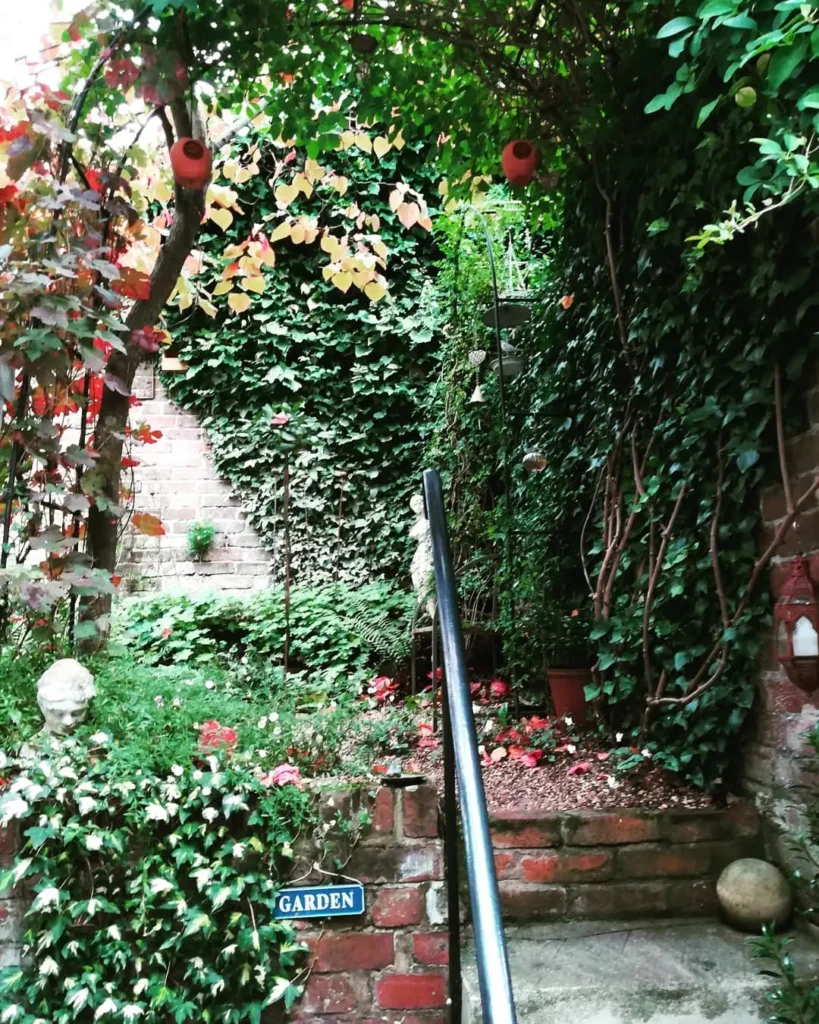
The Inspiration : Brickwork grounds and gardens that range from formal English courtyard traditions to cottage-garden exuberance. Masses of historic estates like those in the Cotswolds happen to also have brick walkways lined with spilling perennials and climbers mellowing the hard edges. This design aesthetic embraces the duality of controlled hardscaping and wild plant abundance. It’s a gorgeous marriage that offers up timeless romance warm, permanent brick provides the bones while verdant growth brings life, movement and the cyclical changes of seasons. This twosome acknowledges artistry and welcomes the natural beauty of the unpremeditated.
Why it Works : Mixing brick with soft green plantings provides a sense of contrast between the hard and soft. Mill meat: Brick offers year-round structure and definition, ensuring gardens don’t look shambolic in times of overgrowth. The solid surface has practical benefits durable pathways, patios and edging that resist weather and foot traffic indefinitely. Meanwhile, generous plantings temper brick’s stiffness, keeping sterile or stark looks at bay. This combination is suitable for any garden size, from small courtyards to vast estates. Neutral earth tone, easy to match with other color pots and flowers. The style is less precise than formal gardens because plants are allowed to spill liberally over edges, resulting in a charming informality. Brick is easy to maintain it just needs to be resealed occasionally and plants maintained as you would any others.
Pro Tip : Create planting pockets by purposefully omitting bricks in pathways or spaces between pavers. Plant low maintaining ground covers like creeping thyme, Irish moss, or chamomile in these spaces. These are plants you can walk on that release fragrance when you step on them, and they mix well with hardscaping, so the structure is already incorporated into the planting green and structure all in one plant effect.”
large green shrub garden
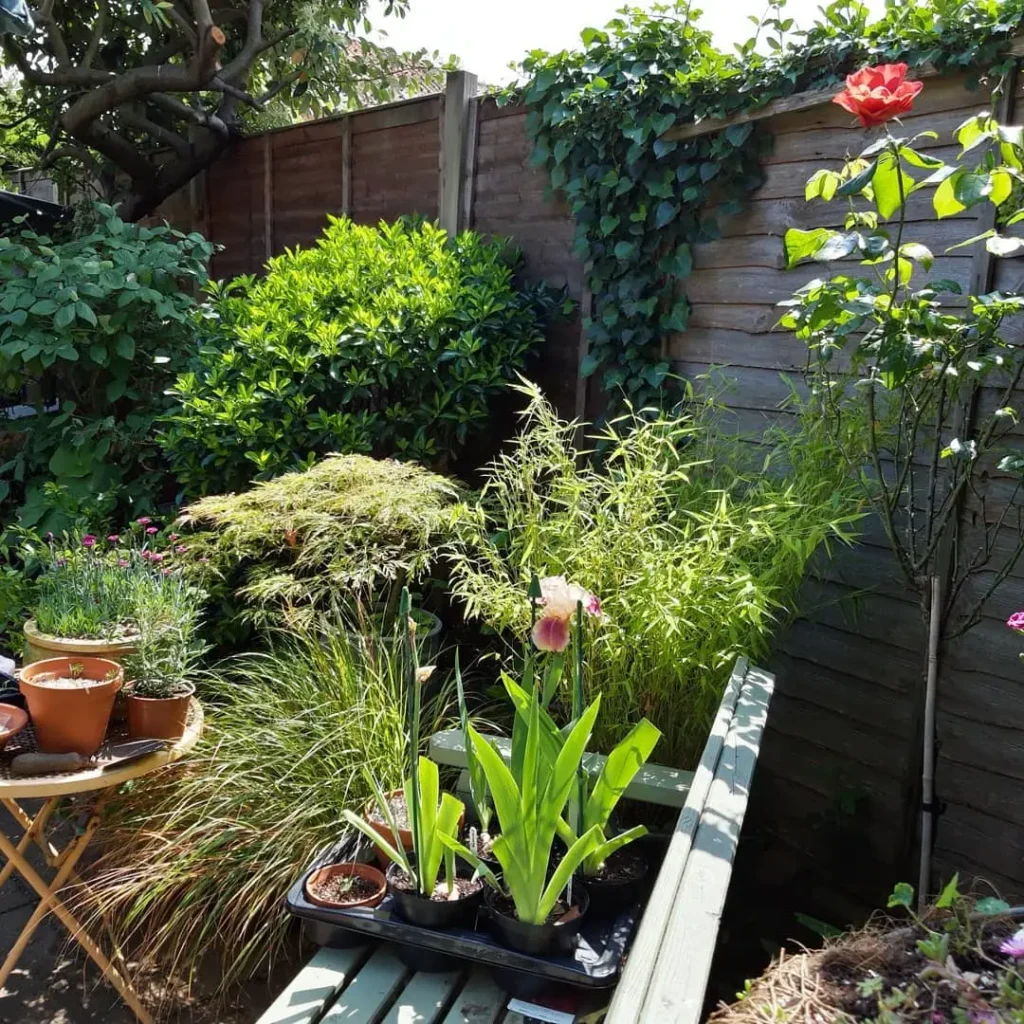
The Inspiration : Lush green shrub gardens rely on formal hedges from Europe and design principles from Japanese gardens where the sculptural forms of evergreen shrubs actually make a living architecture. In English estate gardens giant boxwood and yew hedges defined garden rooms, while in Asian temples the foundation of many a planting bed were azaleas and camellias. abidantina) fill the role of substantial green shrubs in contemporary minimalist landscapes, where monochromatic simplicity is prized and seasonal interest takes a back seat to year round presence. These robust brackets of leaves create grounding,steadiness and peaceful backdrops to any garden or landscape and once properly rooted in a spot require very little maintenance was lighter than or in contradiction to the other aspects that we ‘take’ from our gardens.
Why it Works : The bold green shrubs provide structural element and have ‘bones’ that stay in all seasons, maintaining recurring visual weight and arrest. Their dense growth forms natural barriers to privacy and noises, particularly if they are planted near roads or other areas with high levels of sound or wind. Green year round with evergreen species that never lose their color. These large-scale plants require less fuss than a perennial bed often requiring only an annual haircut rather than never-ending deadheading and division. Mature bushes shade out weeds by providing thick canopy and leaf coverage which will save a lot of work in the garden. They also raise property values by means of established landscaping that conveys a sense of maturity and quality. Large shrubs may also serve several purposes at once (e.g., privacy, habitat, erosion control) and so can be a good “value” investment for smaller gardens where every plant must earn its keep.
Pro Tip : Do your research on mature size before you buy most people underestimate growth and end up with monster shrubs they have to maintain or remove. Space shrubs based on their mature width, not the size of the plant you buy in the nursery. Select slow-growing plants such as dwarf conifers or smaller holly varieties for tight spots, steering clear of fast growers that will outgrow the space and make you a slave to regular shearing.
wooden deck garden
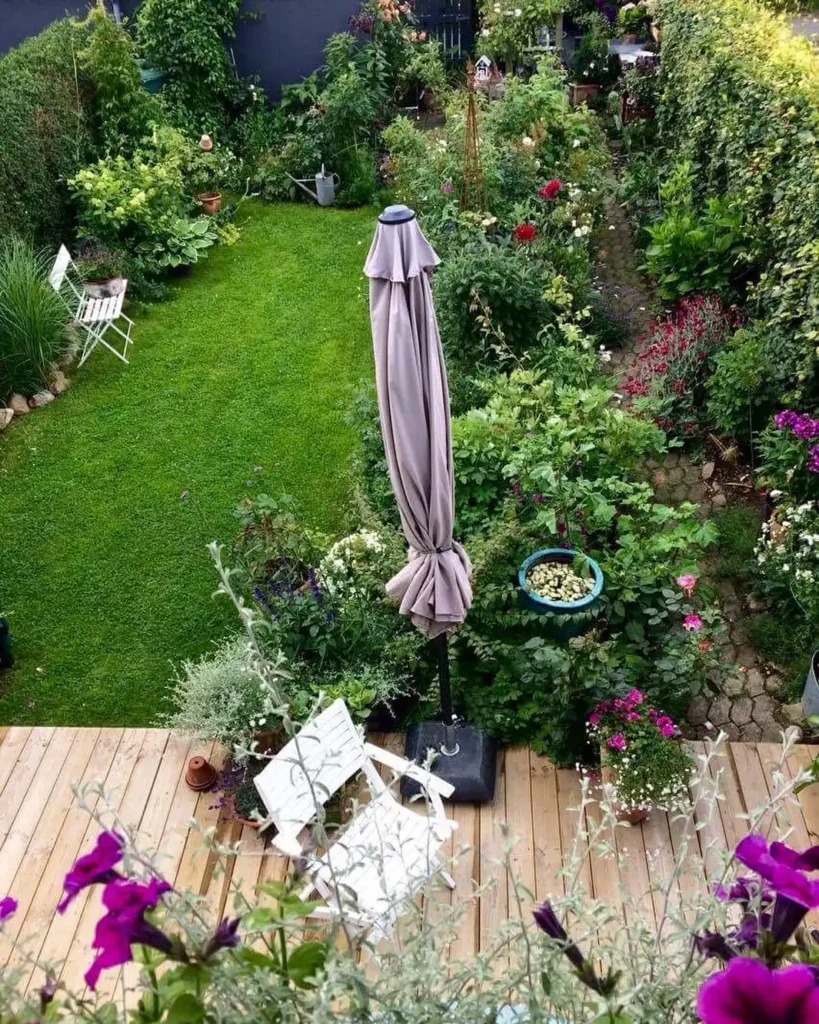
The Inspiration : Wooden deck gardens merge the Japanese engawa platforms with the Scandinavian philosophy of outdoor living, where wooden surfaces link the comfort of interiors with the beauty of nature. American coastal residences were the pioneers of combining decks with containers, thus creating adaptable garden areas on otherwise unusable land. Contemporary designers appreciate the warm aesthetic of timber and its natural grain patterns, which harmoniously complement greenery. This method transforms difficult slopes, bare patios, or awkward yards into welcoming outdoor spaces where the tactile warmth of wood underfoot promotes barefoot relaxation, while surrounding planters elevate gardens to accessible heights.
Why it Works : Wooden decks optimize otherwise unusable areas, especially on slopes where conventional gardening is challenging. They establish level platforms ideal for container gardens without the need for high-quality soil at ground level. Unlike concrete, timber does not absorb excessive heat, remaining comfortable underfoot even in summer. This natural material offers better traction than synthetic options, improving safety for families. Decks significantly enhance property value by broadening living space and fostering a desirable indoor-outdoor connection. They necessitate minimal landscaping disruption during installation compared to permanent hardscaping. Built-in planters can be incorporated during the construction phase, resulting in lasting garden features. The timber aesthetic naturally complements plants, providing design flexibility from modern to rustic styles.
Pro Tip : Select pressure-treated or thermally modified timber that is rated for outdoor use to guarantee durability and resistance to weather. Incorporate built-in planter boxes along the edges of the deck during the initial construction phase instead of adding containers later—this fosters a seamless design unity, prevents tipping, and avoids the hassle of moving heavy pots. Ensure deck boards are spaced with small gaps to allow for adequate drainage and air circulation underneath.
blooming flowers garden
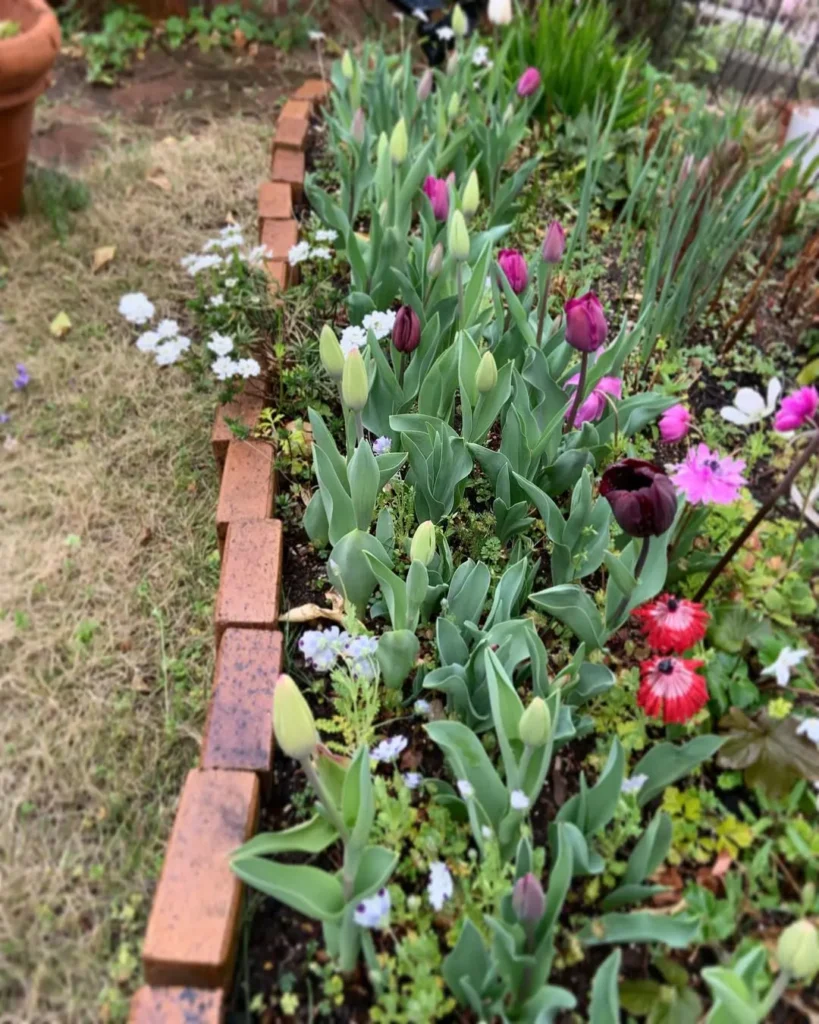
The Inspiration : Bloomy flower gardens pay homage to time-honored cottage garden traditions of English country estates that saw hollyhocks, roses and delphiniums spill over borders in wild, colorful exuberance. Monet’s Giverny gardens immortalized the flower bounty as a living, breathing art form, and demonstrated how blooms can turn everyday places into emotional sanctuaries. Persian garden design praised flowers as emblems of paradise and rebirth. But contemporary gardeners toil to thwart these natural stressors, each growing season charting seasonal color progressions as a way of fooling time itself producing daily infusions of beauty and the rhythm of nature in bloom and blossom through petals, fragrance and search-for-food pollinators.
Why it Works : Nothing else simultaneously offers such a beautiful combination of stunning beauty, radiantly colorful blooms, and an aesthetic that takes you to naturally relaxing place. Flowers encourage pollinators such as bees, butterflies and hummingbirds that are good for local ecosystems, and they also bring motion and life to a garden. The psychological benefits are deep research has shown that exposure to flowers reduces stress, impacts mood and even increases creativity and productivity. Cutting gardens provide fresh bouquets for enjoying indoors and extend beauty from the yard. Strategically scheduled bloom succession that keeps color across the seasons from spring bulbs and summer annuals to fall perennials and winter bloomers. They take up so little space and pack such a visual punch flowers. They come in all the possible colours, shapes heights scents, so you can express yourself. A significant number of flowering plants, once established are carefree and require only a small investment of time to deliver annual returns.
Pro Tip : Plan for bloom succession by choosing staggered blooming plants in all seasons. Pair early spring bulbs such as crocuses and daffodils with midsummer coneflowers and black eyed Susans, then throw in some fall asters and sedums. Plant one variety that blooms each month for year round interest. Remove spent flowers regularly to promote long flowering periods and discourage the plant from putting energy into seed production; instead, new bud growth.
raised garden
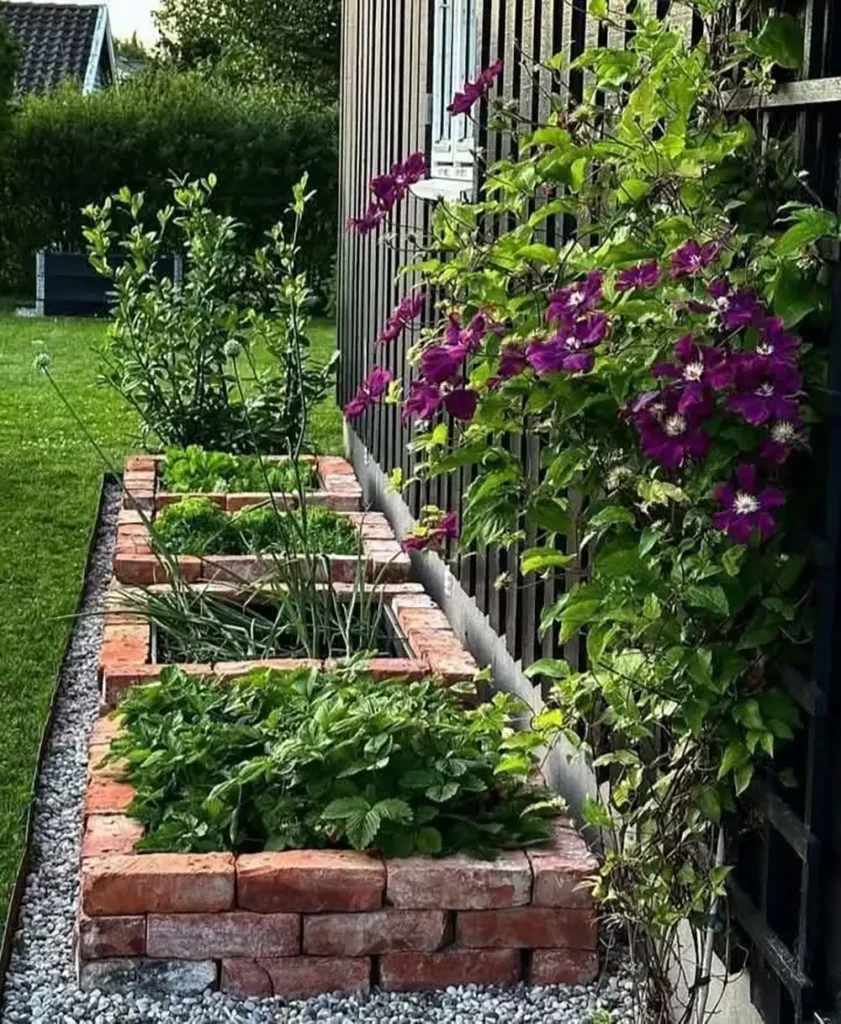
The Inspiration : Raised gardens have their roots in the gardens of medieval monasteries, where monks constructed elevated beds to facilitate easier maintenance and enhance drainage. Centuries ago, Native American agricultural practices, particularly the “Three Sisters” mounds, showcased the advantages of raised planting. During wartime, victory gardens popularized the concept of accessible raised beds for urban food production. In contemporary times, gardeners have revisited this ancient knowledge, understanding that elevating soil fosters optimal growing conditions while alleviating physical strain. The straightforward process of constructing wooden frames and filling them with high-quality soil can transform unproductive land into a flourishing paradise, making gardening feasible for individuals with mobility challenges or difficult terrains.
Why it Works : Raised gardens effectively address several issues at once by offering excellent drainage, preventing soil compaction, and warming up more quickly in the spring, allowing for earlier planting. You have complete control over soil quality, avoiding the pitfalls of poor native soil, contamination, or rocky ground. The increased height minimizes the need for bending and kneeling, making gardening more comfortable for those with back pain, knee problems, or mobility limitations. Additionally, raised beds prolong the growing season as soil temperatures warm up faster and maintain better regulation compared to ground level. They clearly delineate garden areas, reducing maintenance by containing plants and preventing grass from encroaching. Pest management is enhanced since barriers can be easily integrated. The organized appearance of raised beds contributes to aesthetically pleasing garden designs that enhance property value while maximizing yields in limited spaces through intensive planting techniques and improved soil conditions.
Pro Tip : Construct beds that are twelve to twenty-four inches deep for most vegetables and flowers, but consider deeper beds for root crops such as carrots and potatoes. Position the beds in a north-south orientation to optimize sunlight exposure on both sides. For improved drainage and decomposition, fill the bottom third with branches, leaves, or straw, and then top it off with a quality soil mix—this “hugelkultur” method enhances drainage, reduces soil requirements, and fosters self-fertilizing systems.
wooden pallets garden
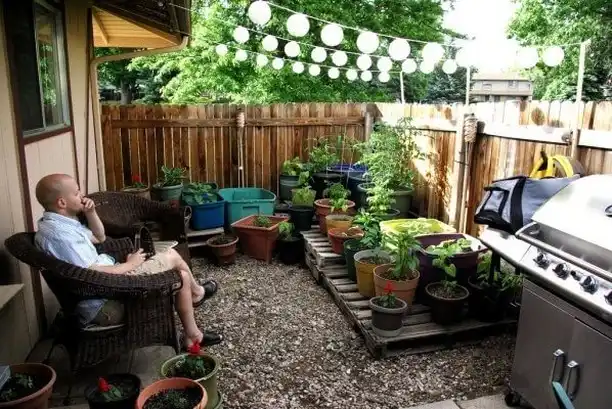
The Inspiration : Wooden pallet gardens originated from urban DIY and upcycling initiatives, where inventive gardeners repurposed discarded shipping pallets into vertical planters and raised beds. Communities engaged in guerrilla gardening and advocates for sustainability promoted the reuse of pallets, demonstrating that waste materials could be transformed into functional beauty. The rise of maker culture and the popularity of Pinterest further popularized pallet projects as accessible, budget-friendly options that require minimal carpentry skills. These unassuming industrial remnants have become symbols of creative ingenuity, providing free or low-cost garden infrastructure that merges environmental awareness with rustic aesthetic charm, thereby making gardening attainable for budget-conscious households.
Why it Works : Wooden pallet gardens are remarkably economical, as pallets are frequently available for free from businesses that discard them regularly. They offer immediate vertical growing space, ideal for compact areas such as balconies or narrow yards. The slatted design ensures natural drainage and airflow, preventing waterlogging, while the built-in compartments facilitate the organization of various plant types. When treated appropriately, pallets are surprisingly durable and can be arranged in multiple configurations—standing vertically for herb walls, stacked horizontally for raised beds, or disassembled for custom projects. The rustic look adds character and farmhouse appeal without the need for expensive materials. They are lightweight enough to be moved easily yet sturdy enough to support substantial plantings. The project requires only basic tools that most households possess, making the creation of a garden accessible regardless of carpentry skills or budget limitations.
Pro Tip : Always use heat-treated pallets that are stamped “HT”—never those that are chemically treated and marked “MB” (methyl bromide), as they contain toxins that are unsafe for food gardens. Sand down any rough surfaces to avoid splinters and line the interior slats with landscape fabric to hold soil while permitting drainage. Position vertical pallet planters against walls or fences for added stability before filling them with soil.
backyard garden
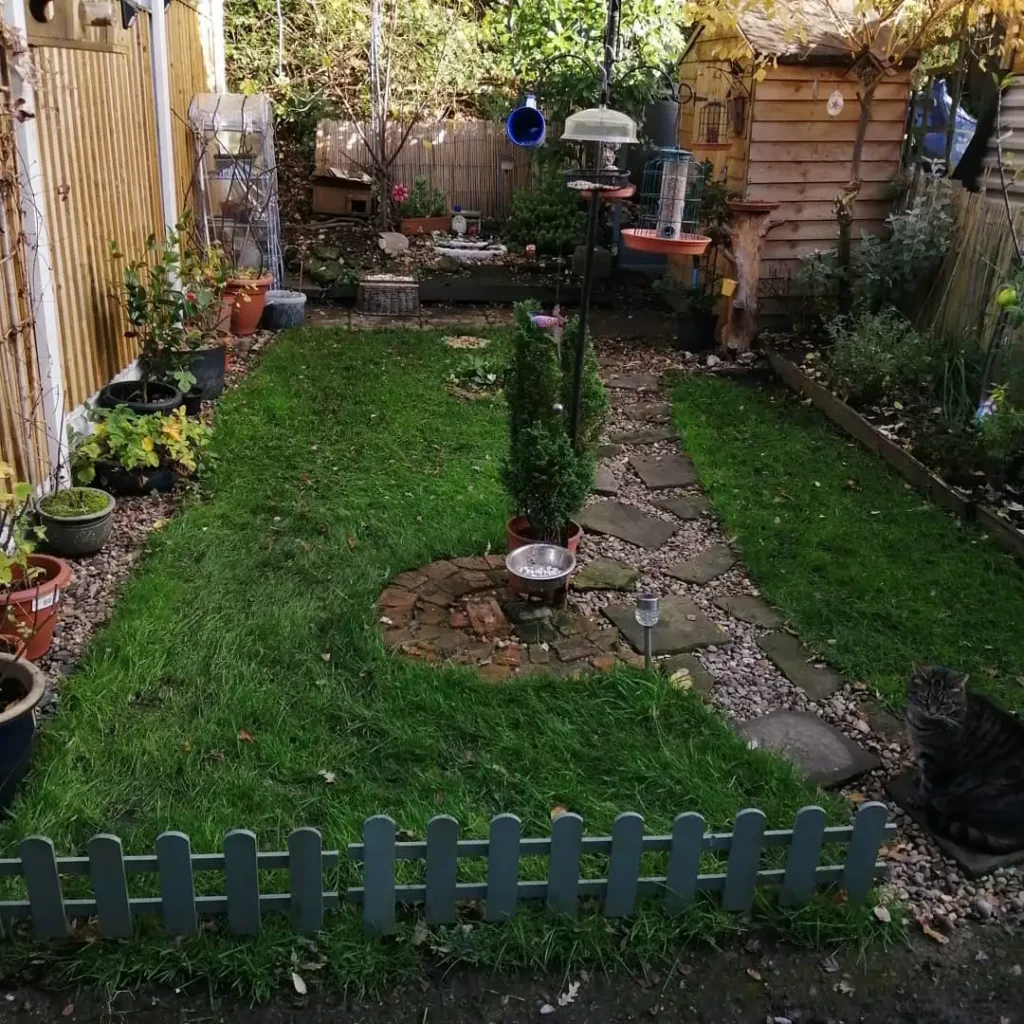
The Inspiration : Backyard gardens embody the oldest tradition of humanity—growing food and beauty just steps away from home. From the household plots of ancient Egypt to the victory gardens of America, families have turned their yards into productive havens. The resurgence of modern backyard gardening reflects a desire for food security, mental health benefits, and a reconnection with nature. Whether transforming expansive lawns into vegetable gardens or creating flower-filled retreats, backyard gardens celebrate the enduring human instinct to nurture growth, foster beauty, and claim outdoor spaces as a form of personal expression, merging ancestral wisdom with contemporary sustainability principles.
Why it Work : Backyard gardens optimize underused space, converting lawns into productive areas that yield fresh food, lower grocery expenses, and reduce transportation emissions. They provide immediate access to the outdoors without the need for travel, promoting daily interaction with plants and the rhythms of nature. The privacy of your own yard allows for experimentation without fear of judgment, making it an ideal setting for beginners to develop their gardening skills. Backyard gardens enhance property values while creating outdoor living areas for relaxation and entertainment. They offer mental health advantages through stress relief, physical activity, and a sense of accomplishment. You have control over every element—plant choices, design aesthetics, and maintenance routines allowing you to create personalized outdoor spaces that reflect your values and preferences. Children benefit from educational experiences as they observe growth, pollination, and harvesting cycles firsthand in safe, supervised environments.
Pro Tip : Begin with a small, manageable garden bed or a few containers instead of overwhelming yourself with large projects. Take the time to observe the sunlight patterns in your yard throughout the day before planting—most vegetables require six or more hours of direct sunlight, while shade-tolerant plants thrive in less. Build your success gradually, expanding only after you have mastered the initial areas, which fosters confidence and prevents the abandonment of projects due to overcommitment.
charming garden
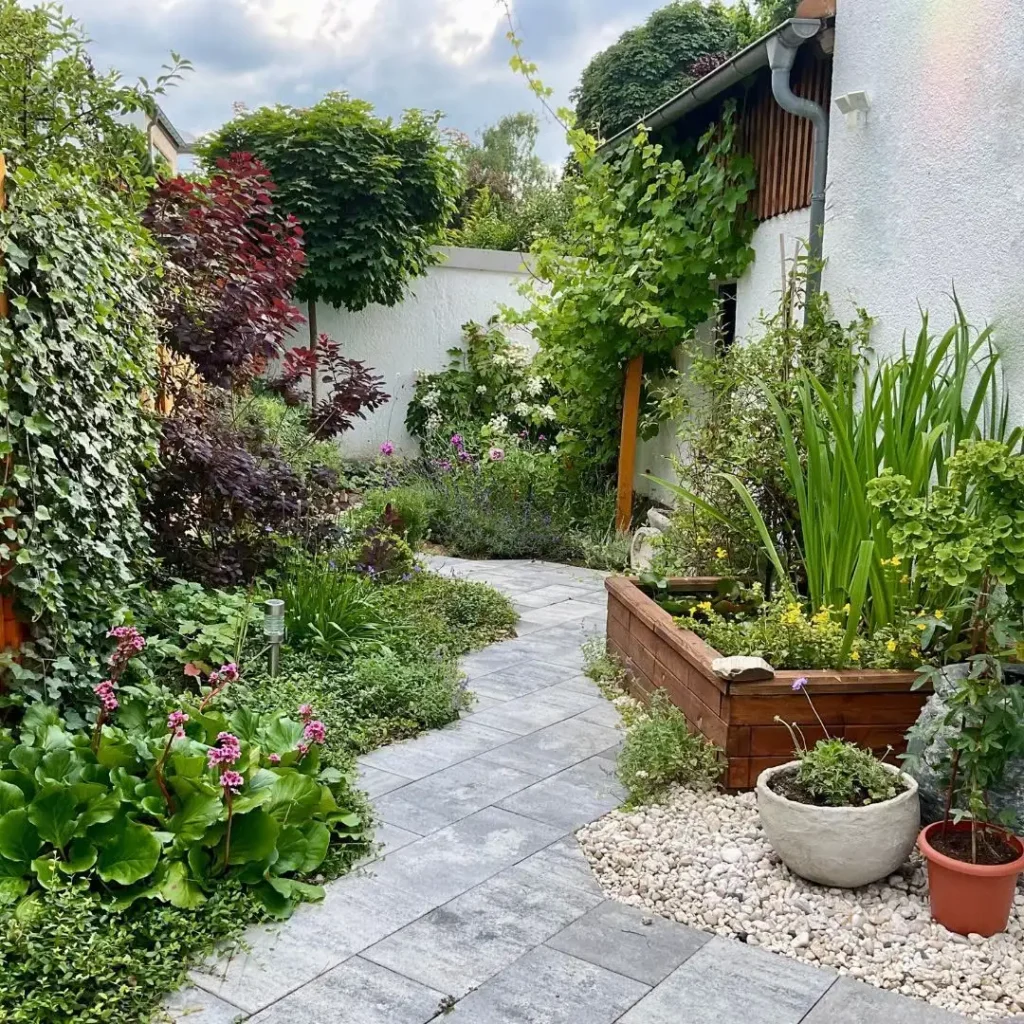
The Inspiration : Charming gardens have their origins in Elizabethan cottage gardens, where English laborers combined roses with vegetables and herbs in delightful abundance. These informal areas arose from practical needs yet captivated hearts with their “seemingly artless” beauty. The tradition values abundance over formality, resulting in gardens that appear to “ramble on forever”.
Why it Works : Charming gardens thrive due to their layered functionality and emotional resonance. They attract beneficial pollinators such as butterflies and honeybees while offering year-round visual appeal through evergreen structures and seasonal plantings. The key is to create intrigue meandering paths that obscure destinations from immediate sight naturally entice visitors further into the area. Dense, lush plantings with diverse textures and heights produce vibrant displays that feel both welcoming and secure. By integrating practical components like herbs and fruit-bearing plants with ornamental flowers in colorful drifts, these gardens provide beauty, productivity, and personal expression all at once.
Pro Tip : Craft charming garden paths so that “no matter where you stand in your garden, some areas should remain hidden from view”. Employ sweeping, bold curves instead of straight lines, and repeat three or more identical elements—plants, containers, or decorative items—to establish rhythm and visual coherence.
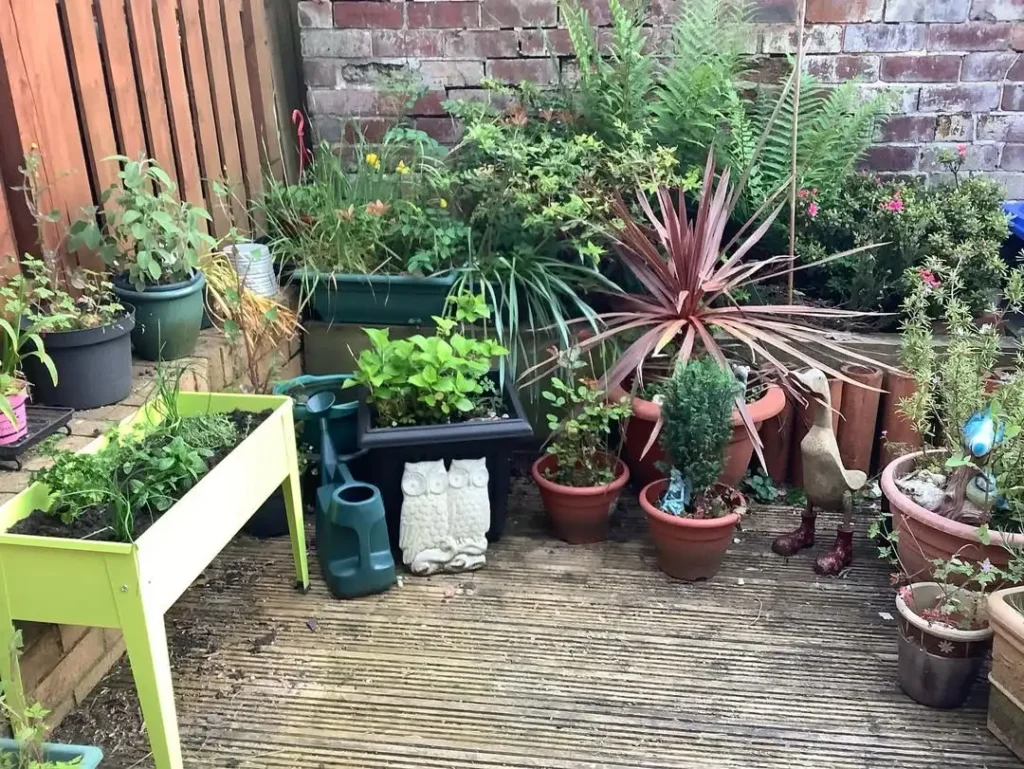
potted plants garden
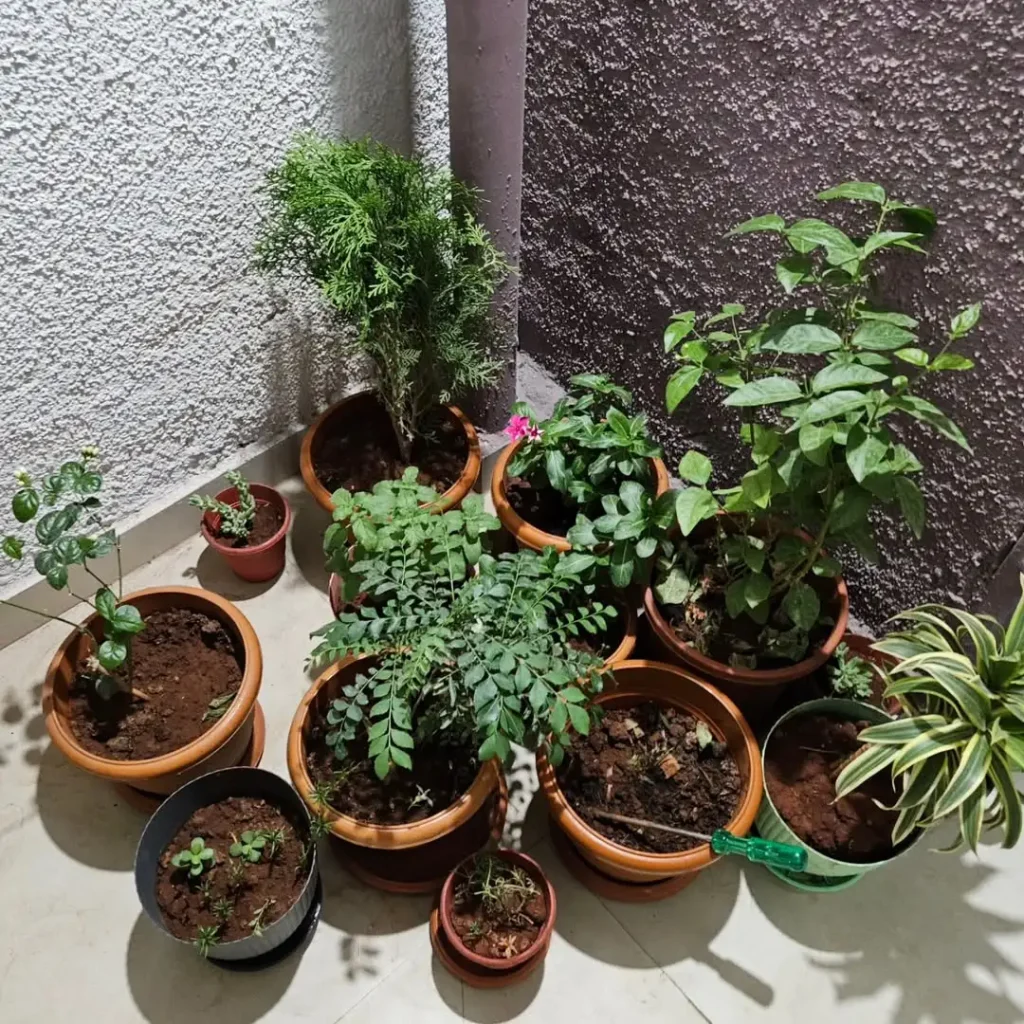
The Inspiration : The tradition of potted plant gardens dates back to ancient Persia and Babylon, where affluent individuals crafted portable paradises within elaborate containers. Mediterranean courtyards showcased terracotta pots brimming with herbs and citrus trees. Contemporary container gardens pay homage to this artisanal legacy, transforming balconies and patios into personal retreats where anyone can nurture beauty, irrespective of spatial limitations.
Why it Works : Potted plant gardens offer unparalleled versatility for today’s gardeners. They grant complete control over soil composition, drainage, and growing conditions—crucial for delicate plants or difficult climates. The ability to move pots allows gardeners to follow sunlight throughout the seasons, shield tender plants from frost, and rearrange layouts effortlessly without the need for digging. Container gardens alleviate back strain, making gardening more accessible for individuals with mobility challenges or aging joints. They are particularly suitable for renters who cannot alter their properties and urban residents who lack ground space. Additionally, pots reduce exposure to pests and competition from weeds while prolonging growing seasons through strategic placement. This adaptability merges aesthetic creativity with practical solutions.
Pro Tip : Always select containers that are one size larger than you believe is necessary roots require space to grow. Confirm that drainage holes are present, then place a layer of stones at the bottom before adding a high-quality potting mix, rather than using garden soil. Arrange containers in odd numbers at varying heights to achieve visual depth and create professional-looking displays instantly.
lush garden
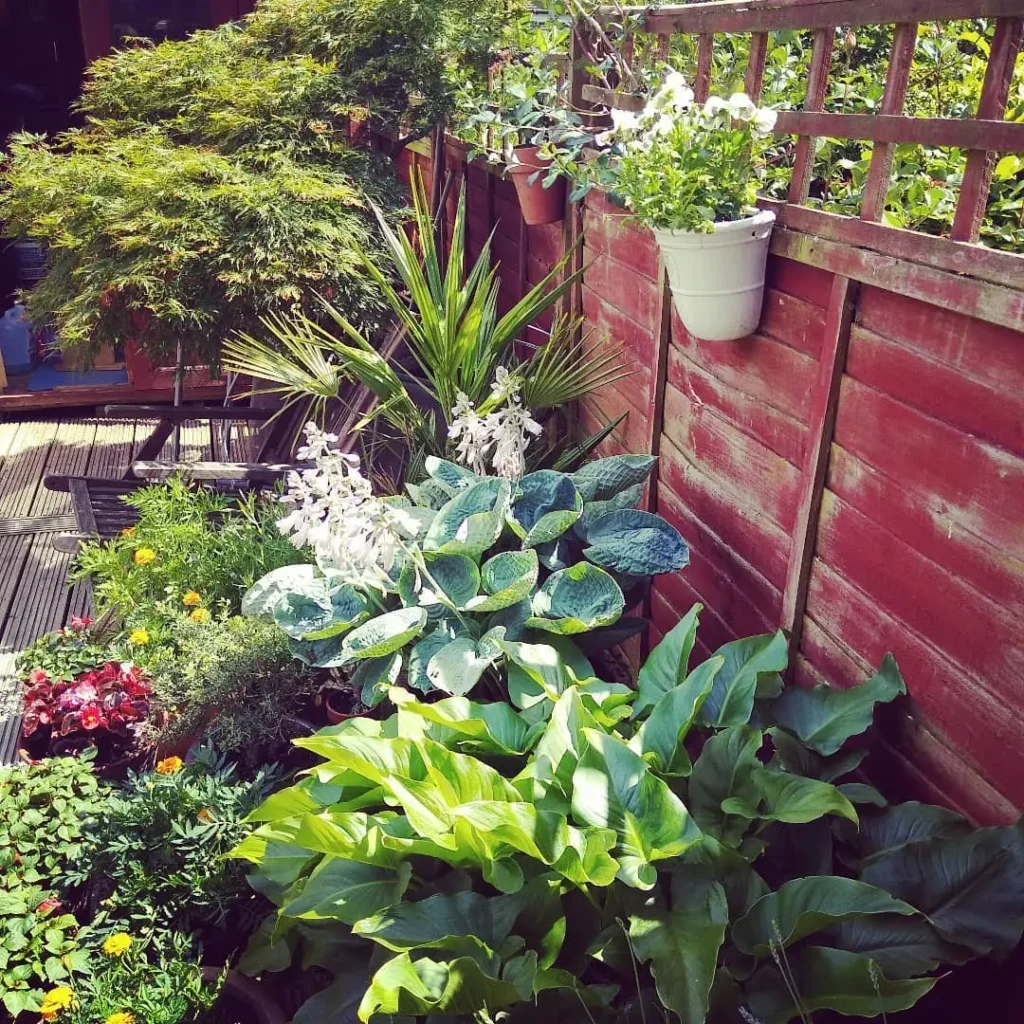
The Inspiration : Lush gardens take cues from tropical rainforests and Victorian conservatories, where layered canopies form immersive green sanctuaries. These rich environments reflect Balinese temple gardens and English woodland gardens, where thick foliage creates living tapestries. This idea celebrates nature’s abundance, transforming typical yards into lush retreats that evoke botanical journeys and hidden havens.
Why it Work : Lush gardens provide significant environmental and psychological advantages through their rich plant life. Dense foliage serves as a natural air purifier, filtering out pollutants while emitting clean oxygen and significantly enhancing air quality. The thick layers of plants offer natural insulation, keeping areas cooler in the summer and providing privacy from neighbors. These gardens alleviate stress through their tranquil ambiance, while attracting a variety of wildlife, including birds and butterflies, which boost biodiversity. The layered landscape approach creates visual interest by positioning low ground covers in the foreground, medium shrubs in the midground, and tall trees in the background, yielding professional results that feel both immersive and harmonious.
Pro Tip : Enhance soil with organic compost prior to planting—poor soil fails to yield lush outcomes. Spread three to four inches of shredded bark mulch around plants to conserve moisture, inhibit weeds, and contribute nutrients as it breaks down. This combination fosters nutrient-rich soil that supports thriving roots while ensuring a refined look.
white-flowering garden
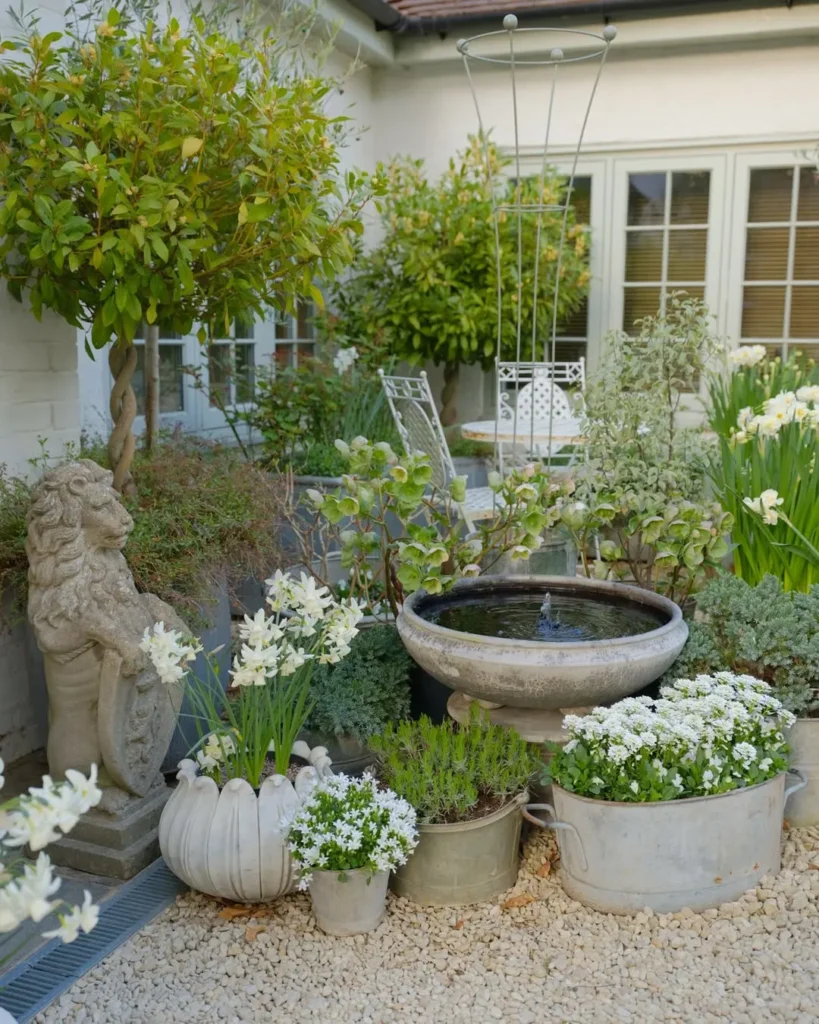
The Inspiration : The gardens adorned with white flowers draw inspiration from Vita Sackville West’s iconic White Garden located at Sissinghurst Castle, which was established in the 1950s. The concept of moon gardens has its roots in Mughal traditions, where pale blossoms mirrored moonlight, creating a serene atmosphere for evening walks. These monochromatic gardens evoke a sense of wedding sophistication, winter’s purity, and tranquil meditation. White flowers elevate gardens into radiant sanctuaries that emit an ethereal glow at twilight.
Why it Works : Gardens featuring white flowers foster a refined sense of unity without becoming overly complex. The use of a monochromatic color scheme guarantees harmony while permitting subtle differences in texture, shape, and plant heights to be highlighted. White blooms are adept at reflecting available light, making them perfect for illuminating shaded areas and prolonging the enjoyment of the garden into the evening when other colors may diminish, yet white flowers continue to be visible and often emit delightful fragrances. This color arrangement cultivates a serene and tranquil environment that minimizes visual clutter and establishes elegant focal points. White gardens provide consistent structure throughout the year with evergreen backgrounds and seasonal appeal as various plants come into bloom. The classic color scheme harmonizes with any architectural design while imparting a sense of spaciousness that can make smaller gardens appear more expansive.
Pro Tip : Incorporate various shades of white such as cream, ivory, pure white, and greenish-white to add depth instead of monotony. Introduce plants with silver, gray, or variegated leaves, such as dusty miller, lamb’s ear, and white-striped hostas, to enrich the color palette. Place fragrant white-flowering plants like gardenias, jasmine, and nicotiana close to seating areas to create multisensory experiences during the evening.
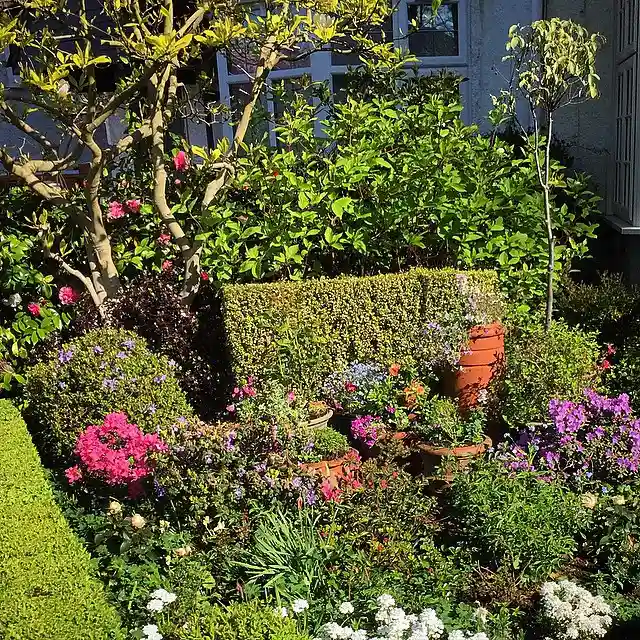
colorful garden
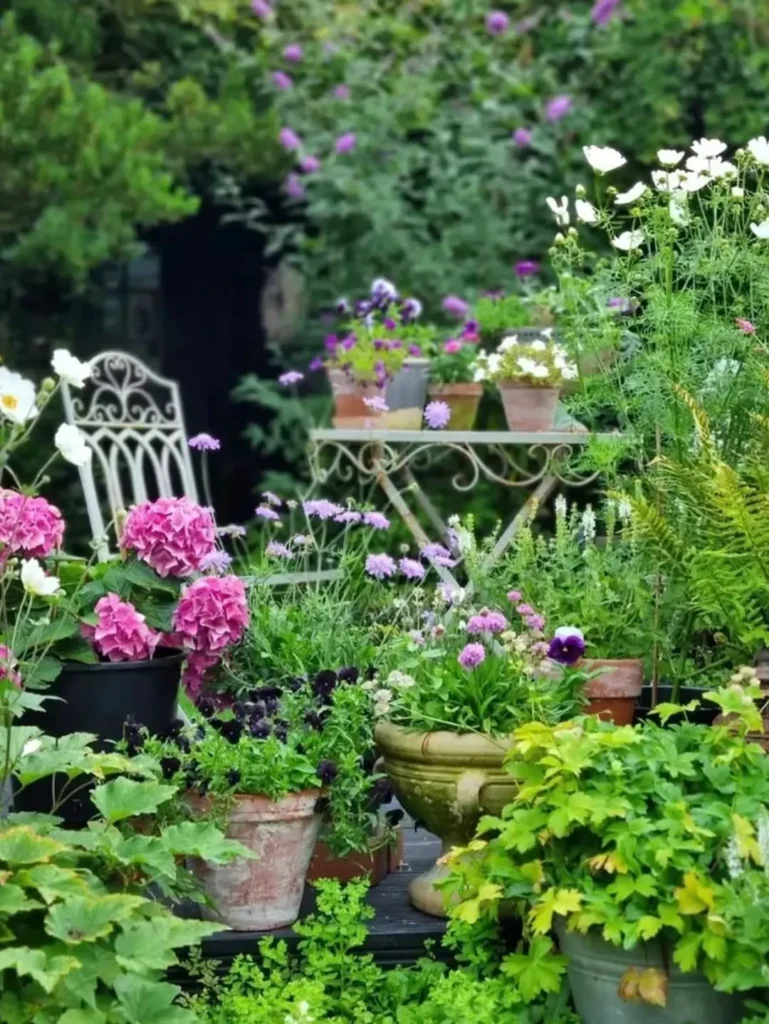
The Inspiration : Vibrant gardens embody the lively essence of Monet’s Giverny, where impressionist artists immortalized the full range of nature’s colors on canvas. The English borders, innovated by Gertrude Jekyll, employed color theory to establish harmonious transitions from cool blues to warm oranges. These lively environments celebrate the joy of life, transforming gardens into dynamic kaleidoscopes that evolve with the seasons and the sunlight.
Why it Works : Vibrant gardens evoke positive feelings and enhance mental well-being through a variety of colors. Thoughtful color arrangement directs the viewer’s gaze and establishes focal points that naturally organize visual flow. Warm hues such as reds, oranges, and yellows invigorate spaces and create the illusion of proximity, while cool tones like blues and purples offer soothing effects and visual depth. Pollinators, including bees, butterflies, and hummingbirds, are drawn to bright flowers, boosting garden biodiversity and plant productivity. The interplay of colors allows for personal expression, while seasonal changes ensure ongoing interest spring bulbs give way to summer perennials, followed by autumn foliage. This ever-changing palette avoids monotony and maintains excitement in gardens throughout the growing seasons, promoting outdoor interaction.
Pro Tip : Utilize the color wheel for reliable combinations: complementary colors positioned opposite each other generate drama, while analogous colors located next to each other foster harmony. Plant in clusters of three, five, or seven per color for greater impact instead of using solitary specimens. Incorporate dark foliage, such as purple heuchera, to make bright flowers stand out dramatically.