
Beautiful Herb Garden Outdoor Designs You’ll Love Lovely outdoor herb garden ideas combine the functionality of a space with fragrant green plants from everywhere.Small backyard trees bring fragrance and green leaves into your property. Clump terracotta pots, metal troughs or wooden crates on shelves at varying heights so rosemary, thyme and oregano tumble over the edges while basil and parsley pack the spaces with soft green texture. Beautiful Herb Garden Outdoor Designs You’ll Love Pop in a focal feature, such as a slender bay tree, flowering chives or a rosemary standard in the middle of a bed of gravel then edge with low edging herbs including creeping thyme for perfect pictures along paths and patios. Beautiful Herb Garden Outdoor Designs You’ll Love For small yards, a raised bed divided into geometric sections keeps each herb organized but ample in number and recalls classic monastery gardens. On small balconies, railing planters and vertical shelves filled with mint, coriander and chives become a living wall of color and flavor, especially if you add fairy lights or lanterns for dusk glow. Whatever style you pick whether formal, rustic or cottagey repetition of materials and colors make your pots and paths hang together, meaning that the diverse leaf shapes, flowers and scents become the real stars in your garden herb sanctuary. Add a basic bench or bistro set nearby, so you can take a seat, inhale the aromatic scents and pick within arm’s reach.
Herb Garden Outdoor Ideas for Beginners
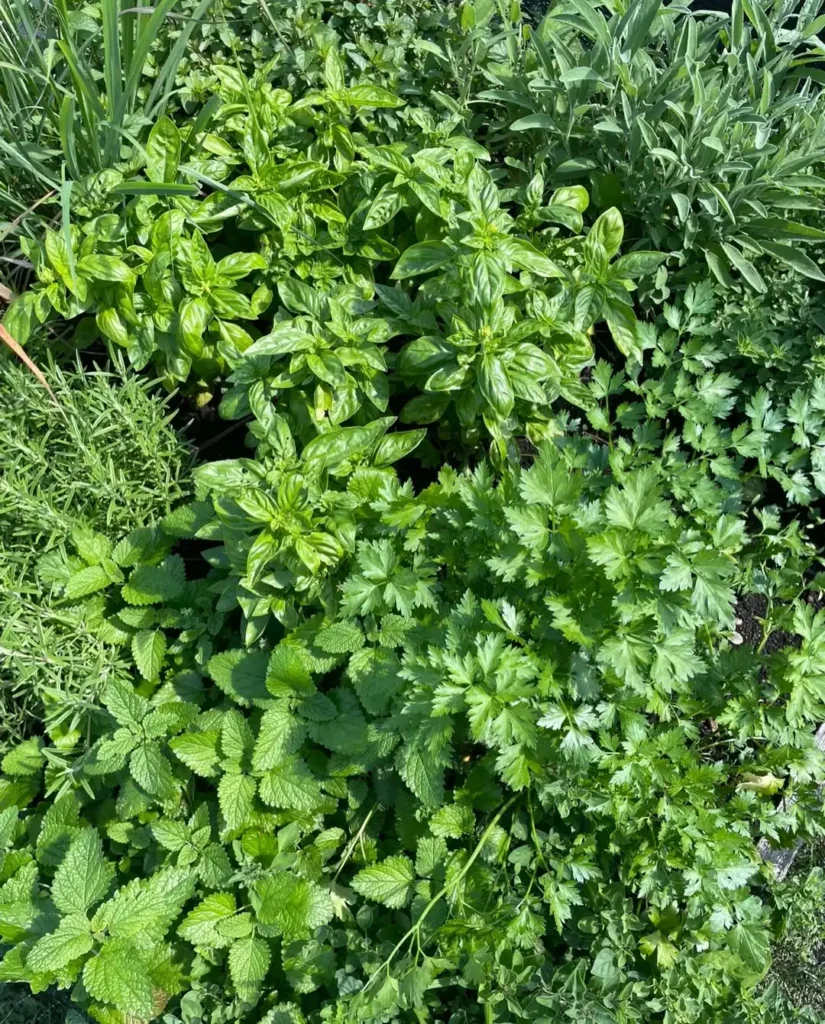
The Inspiration: Herb Garden Outdoor Ideas for Beginners It begins with a simple desire: to step outside your kitchen door and snip a few fresh basil leaves into the saucepan for pasta tonight. In a few pots near a sunny door, a small raised bed or a railing planter, the blank spaces of your life can become fragrant, useful mini kitchens for busy gardeners.
Why it Works: Outdoor herb gardens are perfect for beginners since most culinary herbs grow well in containers and only require minimal watering, forgiving small mishaps. Clustering a couple of pots where they receive at least six hours of sun provides plants with the light they need and care tasks are consolidated in one convenient location. Loose, well draining potting mix helps prevent waterlogging and root rot, leaves rosemary, thyme and oregano thriving in the rain or heat. K B Starting with young nursery plants instead of seeds allows beginners to enjoy success more quickly, gaining confidence while harvesting small bunches regularly throughout the season and getting familiar with what each herb looks and smells like as well as how easily it regrows.
Pro Tip: Begin with a single medium-size planter close to your kitchen door, and fill it with three of your most used herbs basil, parsley and thyme. Mark each spot, water when it feels dry on the top, and promise yourself that you’ll snip a bit every few days to keep everything growing strong.
Easy Herb Garden Outdoor Ideas in Pots
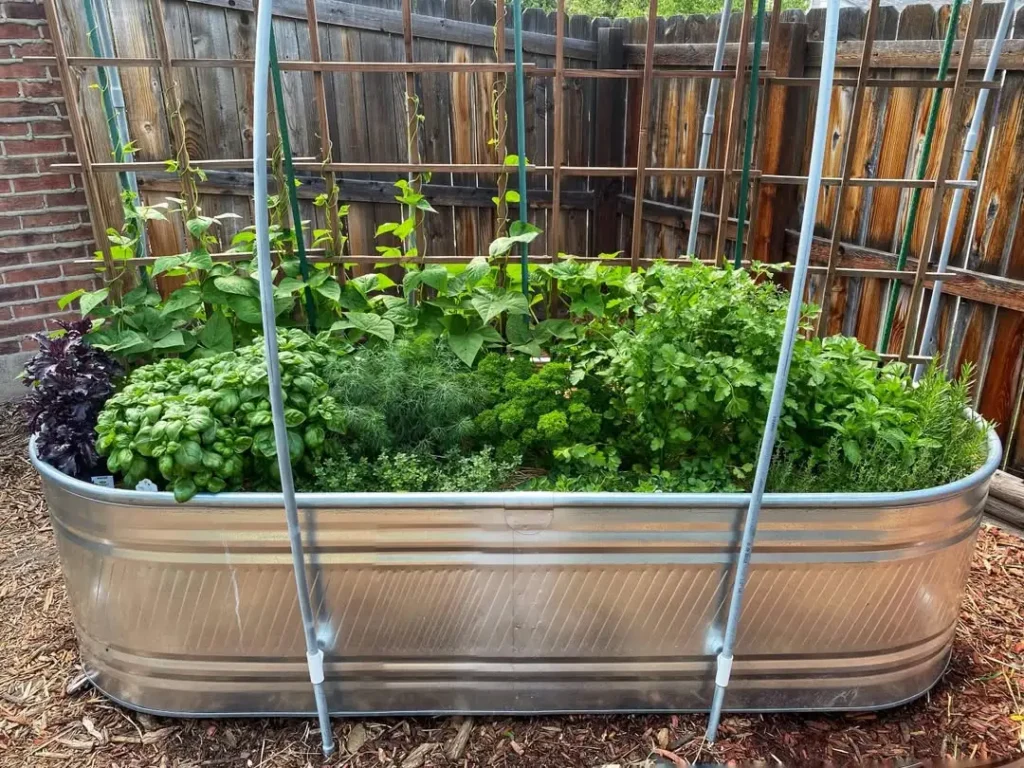
The Inspiration: A concept for Easy Herb Garden Outdoor Ideas in Pots was inspired by a vision of the bustling cook who dashes outdoors to snip basil, mint, or thyme from several pretty pots. Clustered by a sunny doorway or balcony rail, they turn unused corners into fragrant, flexible decor that feels instantly welcoming outside.
Why it Works: Herbs do well in pots outdoors because most popular herbs have shallow roots and prefer the loose, well draining soil that containers afford. Whether they’d like to grow their own fresh herbs or have a natural air purifier in the kitchen, this medium planter keeps compatible groups of herbs together and makes watering and feeding easier with drainage holes that help prevent root rot. Locate pots where they get at least six hours of sun for strong flavors and steady growth. They can be moved about to chase light, shelter tender plants from the wind or edge heat lovers close against a warm wall. Having herbs within arm’s reach of the kitchen also encourages regular harvesting, which is what keeps those plants bushy and lush and a constant source of fresh leaves for home cooking.
Pro Tip: Select one large, wide pot with holes in the bottom for drainage and fill it with a mixture of good quality compost. Put herbs that like similar sun and water, if not quite as much sun, closer to the door basil, parsley, chives. Label, then check moisture daily and trim lightly as needed once a week to keep new growth coming all season.
Small Space Herb Garden Outdoor Ideas
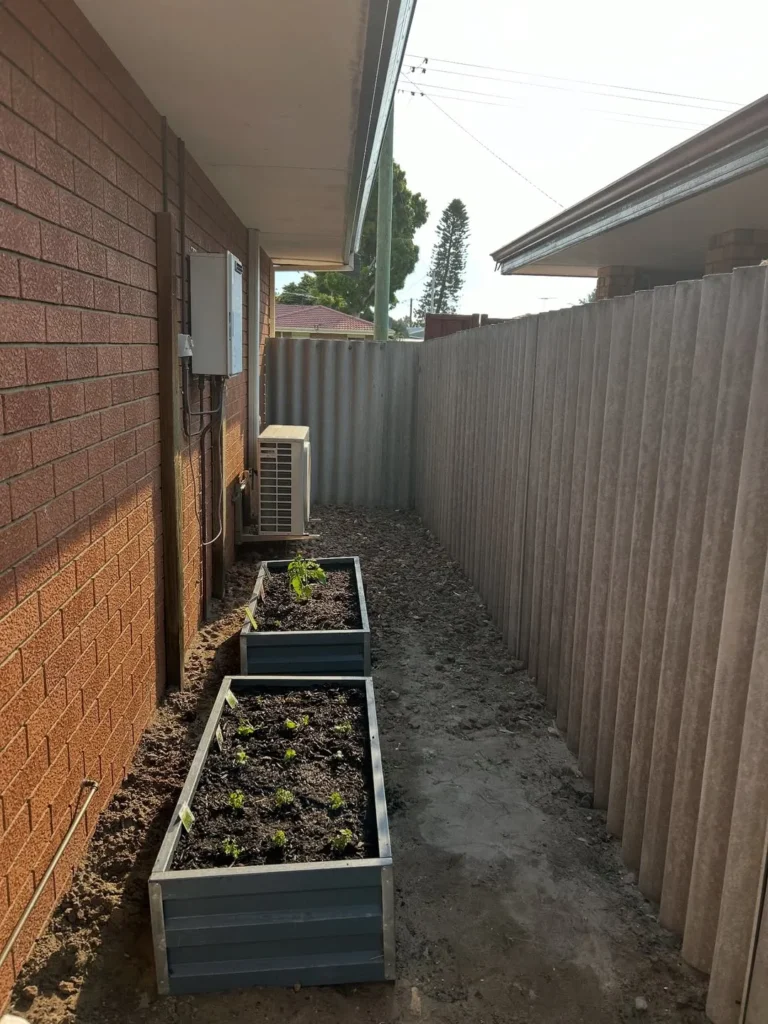
The Inspiration: Compact Herb Garden Outdoor Ideas have to start with the realization that even a balcony edge or doorstep has the potential to be a mini kitchen. A couple of cluster pots of basil, mint and thyme transform dead corners into fragrant living decor it’s an invitation to step outside, breathe deeper and season meals on the spot.
Why It Works: These ideas are successful because herbs grow uniformly, thrive in pots and require much less soil than vegetables. Group containers along a railing, wall or steps to simplify watering while ensuring that every inch of sun your space gets is being used. Seasonally swappable lightweight pots allow for flexible “herb zones” next to seating, grills or doors. There are vertical solutions, like tiered stands and wall pockets and hanging baskets, that lift plants off the floor, leaving precious square footage for a chair or your kids to play on while still providing generous harvests of leaves and flowers. But with skillful positioning, cramped balconies can become productive and beautiful rooms in the open air for you.
Pro Tip: Opt for one large, shallow trough or rail planter; fill it with high quality potting mix and plant three to five favorite herbs in repeating sets. Place it near your door, water when the top inch is dry, and snap off a few leaves every couple of days to encourage bushy, perennial growth all season long outdoors.
DIY Herb Garden Outdoor Ideas on a Budget
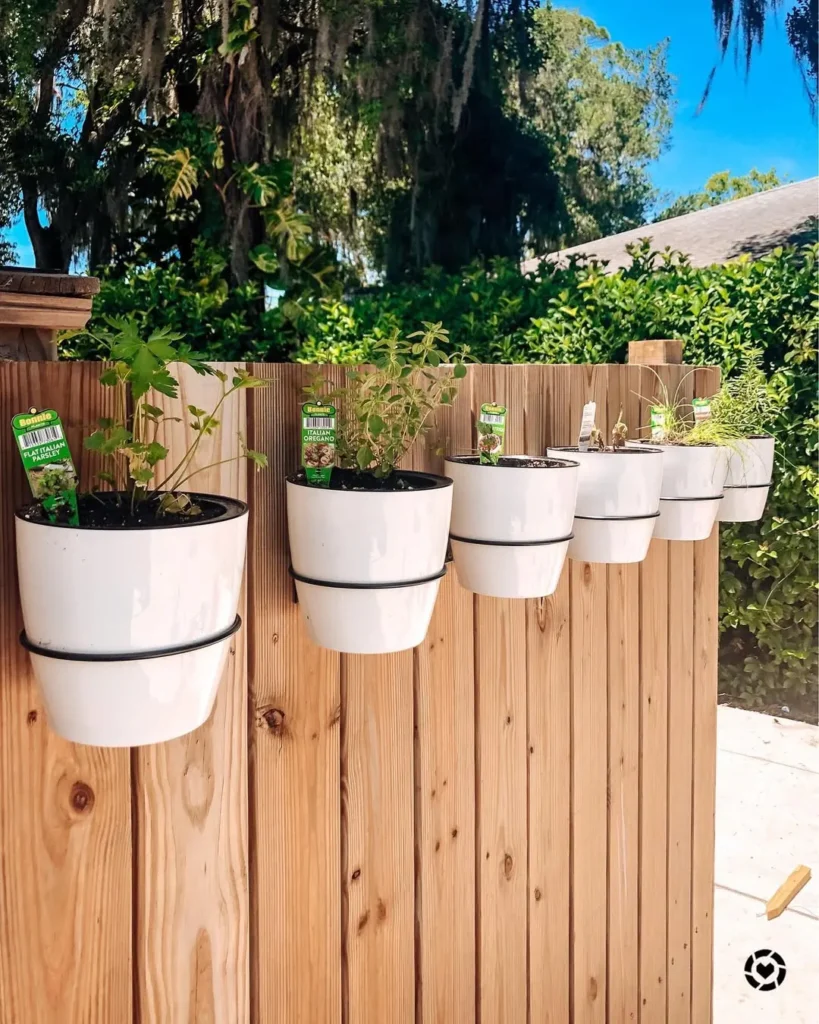
The Inspiration: Low-budget DIY herb garden outdoor inspiration has been born from the desire to season your dinner with fresh off-the-stem leaves grown in upcycled pots, crates and cans as opposed to more expensive planters. The scene of a dull looking balcony turned to a scented, cheap kitchen corner is another evidence for herb lovers that creativity is more important than money.
Why it Works: In general, herbs do well in pots since many species of them have small roots and they enjoy an airy planting mix that pots provide.The price of this is kept low by using recycled buckets, crates or tins, yet provides ample depth for basil, mint or coriander to grow. Clustering pots near a sunny doorway makes them less likely to be forgotten, and growing herbs for frequent picking will promote bushy new growth. Cheat: Inexpensive vertical options such as stacked planters, hanging baskets or a pallet leaned against a wall multiply the planting space without requiring expensive hardscaping. By starting with a few high use herbs, you can prevent waste and gain confidence or add extra flavor oomph into your cooking without spending much at all. Beginners gain skills and success.
Pro Tip: For a larger pot, try thrifted containers with drainage holes and line the bottom of one big container with small stones before layering compost rich mix. Plant three complimentary herbs, set the pot near your kitchen door, water as needed when the top soil is dry and trim lightly each day or two so growth will continue all summer.
Hanging Herbs Outdoor Ideas
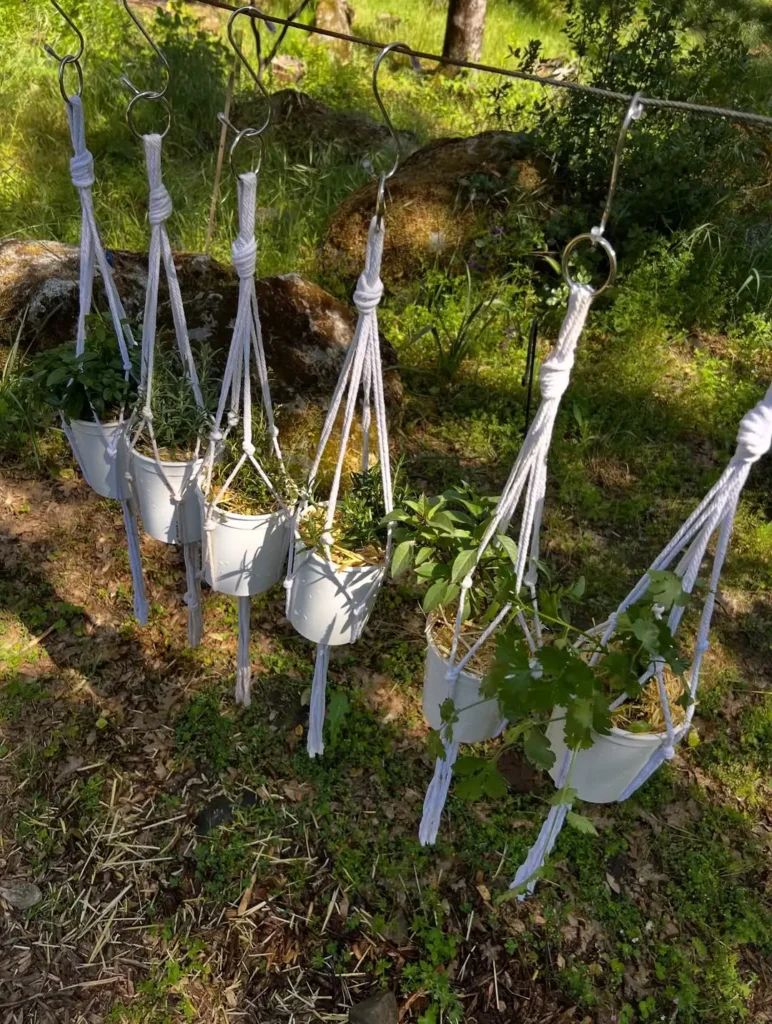
The Inspiration: Hanging Herbs Outdoor Ideas sprang from home cooks who craved basil, mint and thyme just outside the back door but had no ground to plant in. Repurposed baskets, mesh organizers and gutter planters on fences or balconies proved that with only vertical space and basic hardware, you can grow a fragrant, edible “curtain” of herbs.
Why it Works: Hanging herb gardens are effective because the majority of herbs are compact and perform well in well-drained pots like vertical systems offer. Allowing air to circulate around foliage makes leaves dry faster after it rains and helps prevent disease. Vertical designs maximise sun exposure by lifting herbs to rail height or wall height, which is particularly handy in narrow courtyards and on the balcony where light comes from one direction. Say that hanging containers are gathered near the kitchen means watering is a snap, feeding a cinch and harvesting quick and out the door rather than run-to-the-store. Lightweight planters, coco lined baskets, or hanging fabric pockets are not so heavy and yet can hold plenty of soil so plants develop healthy root systems and steady flavor through the season.Dreamy Kitchen Herb Garden Ideas You’ll Wish You Tried Sooner
Pro Tip: Pick out a sunny fence post or balcony rail, and hang a row of lightweight pots or a fabric pocket organizer with drainage holes. Fill with good potting mix, plant commonly used herbs like basil, parsley and oregano at eye level, and water thoroughly from the top so it drips through each pocket evenly.
Beautiful Herb Garden Outdoor Ideas for Balconies
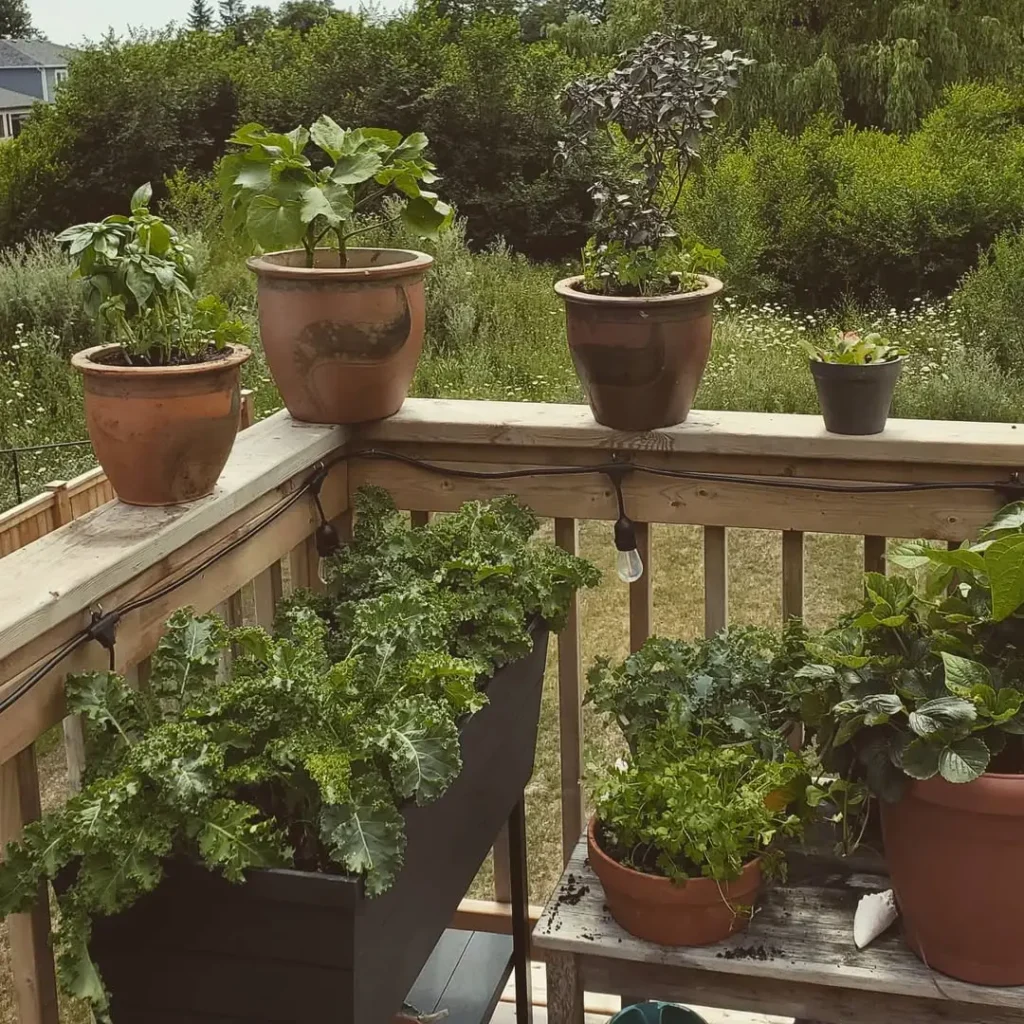
The Inspiration: Picture heading out onto your balcony and skimming past pots of rosemary, basil and mint; your early-morning coffee is wafting above city traffic noise. Charming herb garden ideas bring the joy of backyard greenery to cramped balconies, railings and windowsills, just a pinch away from supper, inspired by Mediterranean terraces, Parisian window boxes and today’s tiny-apartment lettuce growers (most in name only but all online).
Why it Works:Balcony herb gardens work because they are a consumption and organic groaning of smart values; functionality, aesthetics, and vertical creativity. Railing planters, tiered stands and wall-mounted pockets can provide these small spaces with verdant levels without taking up any floor area. Sun-worshipping herbs do well outside where good air circulation helps keep pests and diseases at bay. And it also reduces supermarket waste and increases flavor, inviting more home-cooked meals. Research connects access to green spaces with less stress, better moods and even improved focus, so every balcony herb garden seems like a tiny evidence-based refuge. And for the novice, containers heat up more quickly, stretching seasons by weeks and exposing inexperienced growers to experimentation with soil, styles and layouts.
Pro Tip: Group herbs by water and light needs only, not aesthetics. Mediterranean types like rosemary, thyme and oregano do best in drier soil and full sun; basil, parsley and mint prefer more moisture. Combining compatible species in the same pots results in low-maintenance care, avoids accidental overwatering and makes every single pot appear full and intentional.
Herb Garden Outdoor Ideas for Patios and Decks
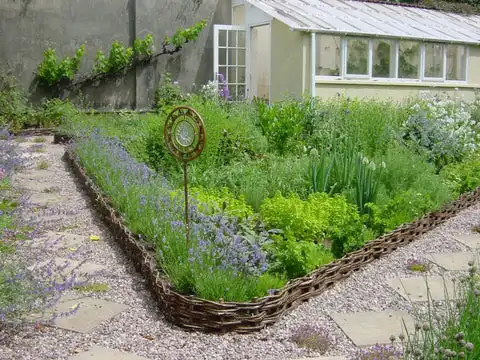
The Inspiration: Weekend dinners on the deck launched a little revolution: herbs at an arm’s length. From colonial kitchen gardens to the stylish new containers of today, patios become working rooms. Raised boxes, rail planters and wheeled troughs channel restaurant patios where the chefs are snipping fresh garnishes. Beauty joins utility, converting idle planks into fragrant, edible edges.
Why it Works: Patios and decks provide stable, even surfaces for modular containers; regular watering is easier to maintain, thanks to fewer hard-to-reach spots. Sun exposure is fairly consistent, and reflected warmth from boards helps them grow more rapidly. Vertical ladders, tiered shelves and railing boxes multiply square footage without suffocating seating. Data indicates proximity boosts use: Households with visible herbs cook at home more, which means reduced food waste and seasoning that tastes fresher. Containers minimize your soilborne disease; they let you control the mix, lighter for Mediterranean herbs and wetter for moisture lovers. Wheels and caddies allow you to tune the microclimate on hot days, or when storms are blowing in. Pollinator-friendly blooms like those on the thyme and chive flowers, are a magnet for bees, promoting biodiversity and transforming this serene space into a sensory wonderland.
Pro tip: Set up zoned composition: heat-tolerant, drought-loving herbs like rosemary and thyme where it’s rosy with sun on railings; basil, parsley, mint in a shadier partial exposure closer to doors. In larger containers, include a simple drip line on an electronic battery timer with a terracotta olla. Even in the summer heat, defined, directed watering stops plants from bolting and saves time while maximizing yields.
Low Maintenance Herb Garden Outdoor Ideas
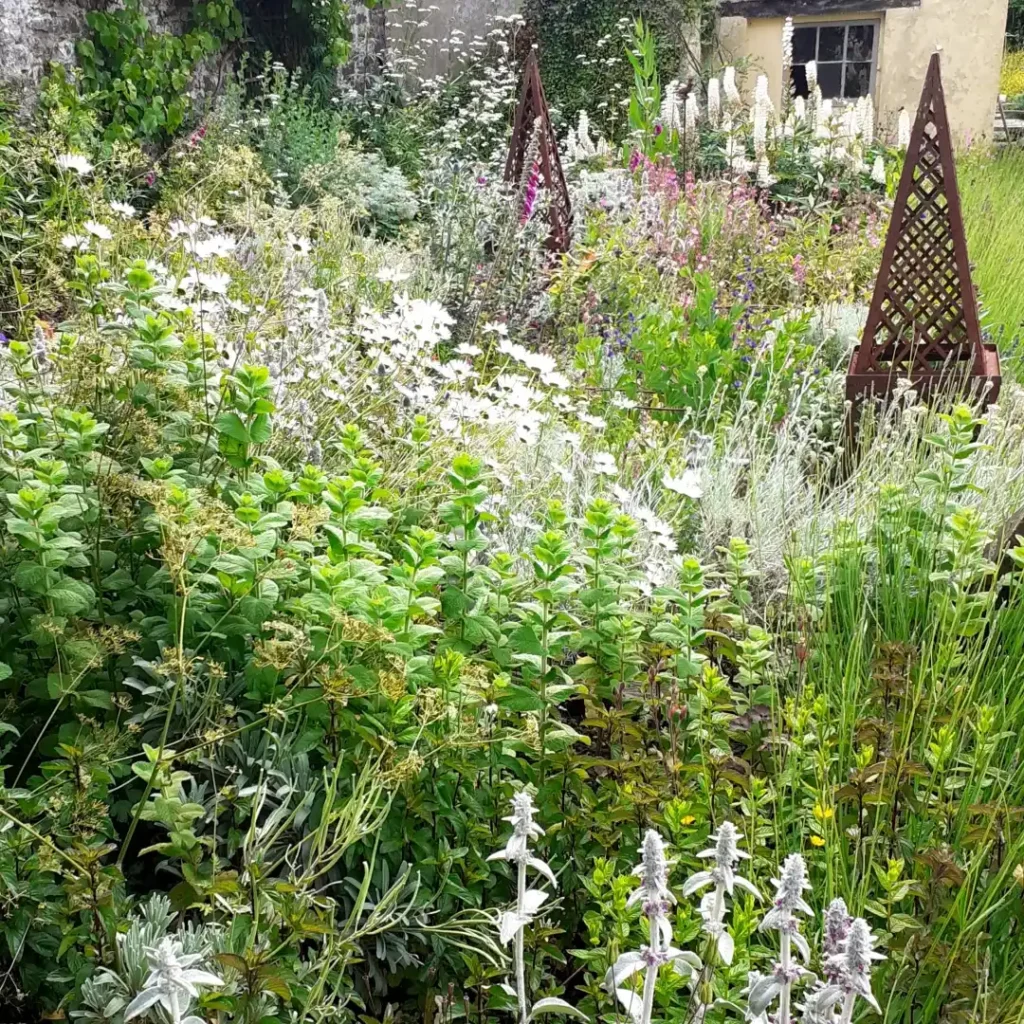
The Inspiration: Easy herb gardens begin with a wish: fresh flavor without fuss. Picture hardy, sun-loving rosemary, thyme and lavender basking in potbellied pots while you unwind. And finally, raised beds with gravel mulch and self-watering containers bust the myth that you can’t have fragrance or harvests during your busiest, most distracted weeks.
Why It Works: Low maintenance herb gardens start with hardy herbs, big pots and self-watering systems that do the work for you. Planting drought-tolerant herbs and vegetables in deep pots of gritty, well drained soil will cut down on water use. And perennial favorites like rosemary, oregano, chives and mint show up every year , while those close to the kitchen get snipped frequently (naturally shaping plants, preventing legginess, even if you’re a dreadfully casual gardener) so that darn near anyone can have an unending supply of fresh flavor all season long no matter how heavy your schedule or infrequent your watering habits.
Pro Tip: Choose no-fuss stars first Those star performers are rosemary, thyme, oregano, sage, chives and mint in big deep pots. Top-dress with a heavy layer of compost and gravel mulch, then install a basic drip line on a timer. Monitor soil weekly, giving a light trim as you harvest to maintain everything looking neat, compact and growing happily with very little hustle.
Vertical Herb Garden Outdoor Ideas to Save Space
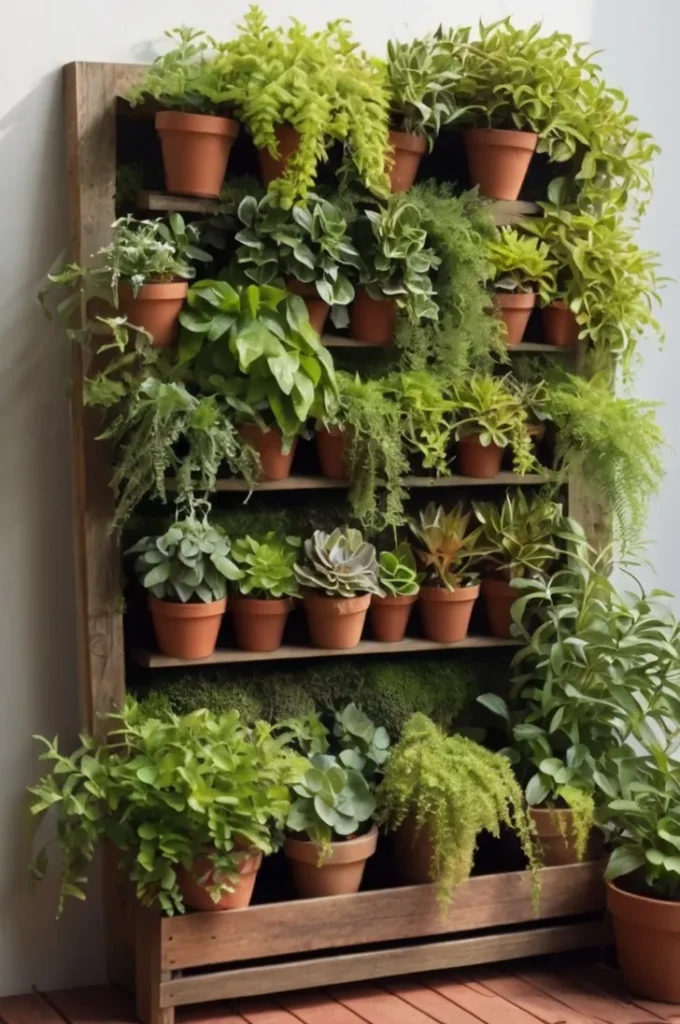
The Inspiration: Vertical herb gardens start with a simple problem: no floor space, but big culinary aspirations. You are borrowing from café walls and only a little bit from degree-the-mud-pie planters and hanging pots, then taking it all up, upward, you stack the basil, mint and thyme or whatever the hell those shorties were: chives. Suddenly, a blank fence, balcony or postage-stamp backyard takes on the life of a fragrant pantry at your doorstep.
Why It Works: Vertical herb gardens work by converting ignored vertical space into productive square footage and claiming the ground floor for seating, walking around. Wall-mounted pockets, tiered planters and trellises can support a wide variety of small rooted herbs that allow light to pass to every tier while providing better air circulation and reducing the incidence of disease. The plants sit at eye and hand level, making watering, pruning and harvesting seem almost effortless, so herbs are used more regularly in everyday cooking. Vertical systems make the most of compact urban spaces, doubling planting capacity over pots on a floor in quite some style: scent, color and privacy screening without cramping up tiny patios, balconies or side yards even rental courtyards for relaxed outdoor living today.
Pro Tip: Use a strong frame or even pallet to mount large planters that are spaced apart so each row receives sun and airflow. Fill the pockets of the containers with good quality potting mix and plant one herb in each. Whether or not you use a drip line , water at the top and it will trickle down nicely, feeding all levels season long.
Rustic Herb Garden Outdoor Ideas You’ll Love
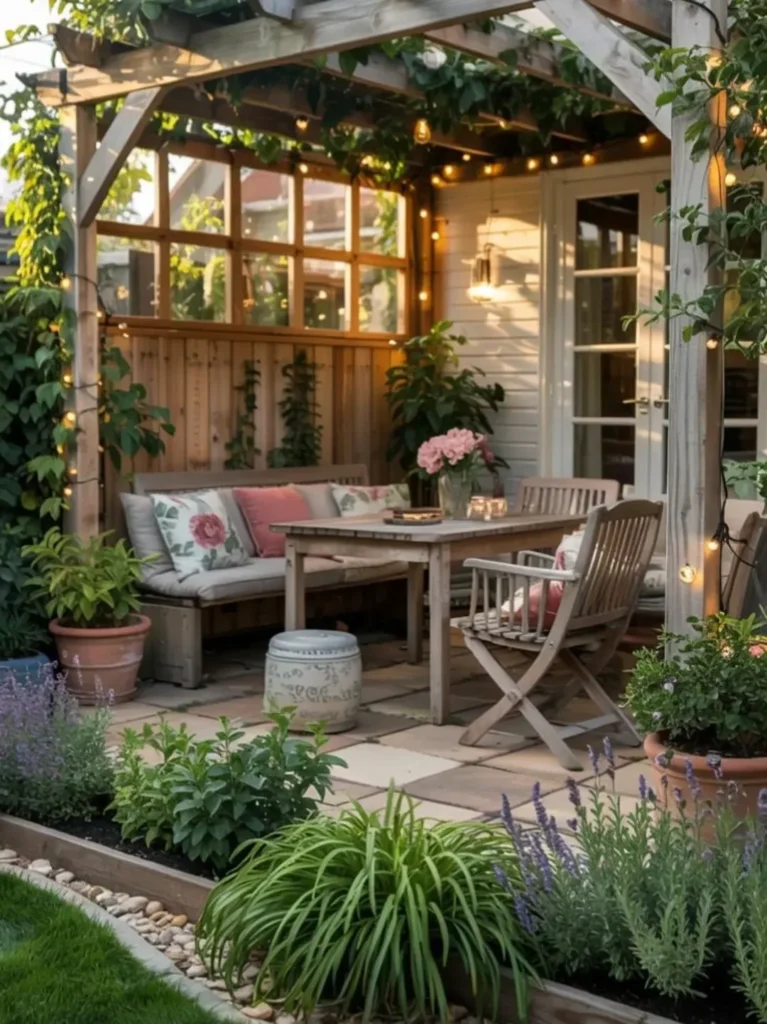
The Inspiration: Rustic herb gardens read as stepping into a warm countryside kitchen, even if you’re on the block. Tumbled, sawn or weathered wood as well as galvanized tubs and clay pots are used to turn those lost pieces into rustic homes for thyme and lavender. Imperfections tell a story, transforming common corners into nostalgic, good smelling retreats that you will always yearn to visit.
Why It Works: Rustic herb gardens work because they render hardy, forgiving plants in a simple, durable material. 1. Mediterranean herbs Rather than for one or two stands of these, you want enough to fill a deep container raised bed or edged container so that it will warm up quite quickly in spring thyme, rosemary, oregano etc. Reclaimed wood and metal acquire a patina, so exposure enhances the look. Organizing herbs as well according to water and sunlight demands keeps maintenance simple, too, while gravel or straw mulch minimizes weeding and watering. The result is a space that looks deliberately casual, remains productive all season and lures you outside to snip or breathe or slow down every now and then without requiring constant attention.
Pro Tip: Pick one rustic material weathered wood or galvanized metal, for example and use it consistently throughout containers, shelves and labels. Drill drainage holes, add loose potting mix and tuck in a combination of upright and trailing herbs. Allow pots to weather naturally, each chip and stain will help build more character over the years.
Modern Herb Garden Outdoor Ideas for Any Home
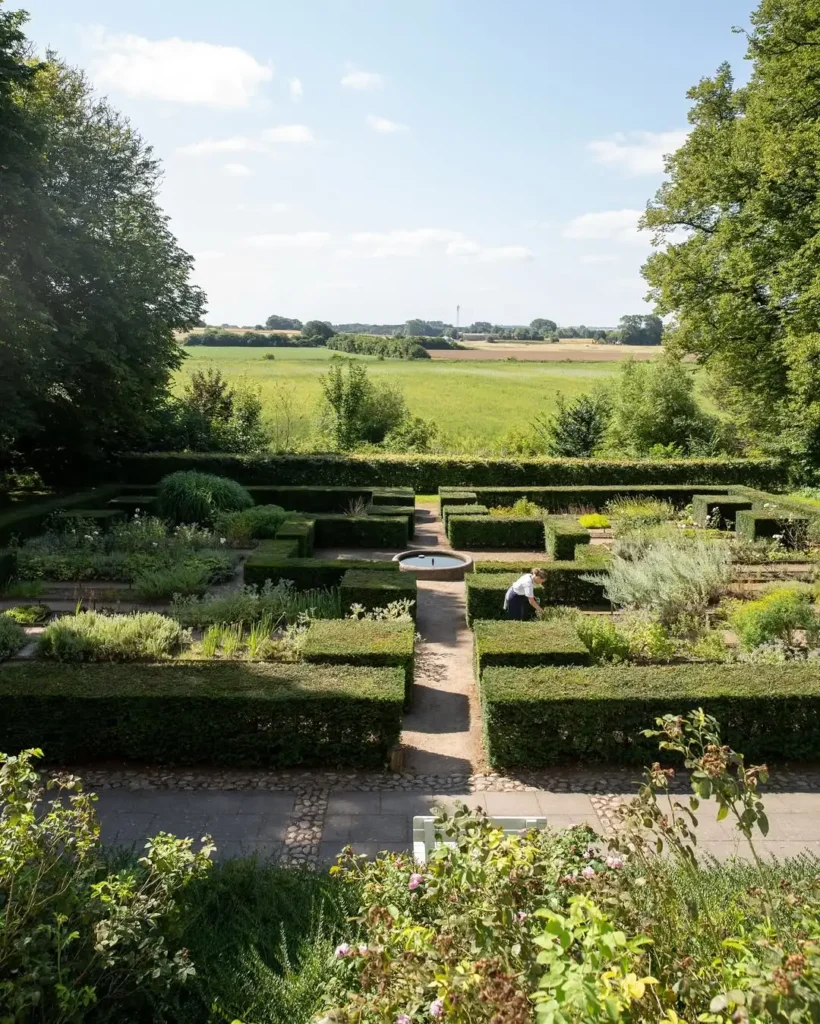
The Inspiration: Smart containers and fresh flavors call to mind the new city herb garden, making balconies, courtyards and even suburban backyards green with envy. The raised beds some shiny and modern, others made of wood are sleek: They function as grown-up examples of the troughs used for young tomato plants, or the rectangular planters bought at a big-box store for thyme or basil right outside dinner’s back door. So consider it outdoor decor that seasons dinner.
Why It Works: Contemporary herb gardens work because of the union of clean aesthetics with functional configurations that can accommodate both small and large spaces. Elevated planting even lines everything up and let the sun and air do their thing to keep things healthy and productive. Repeated shapes and colors provide a quiet, cohesive look that fits contemporary architecture, rather than overwhelming it with clutter. Containers and modular pieces let you easily customize it to fit renters, rooftops and even tiny courtyards, showing that anyone can harvest fresh basil, thyme and chives without having to compromise on style or sacrifice hard-won outdoor square footage in sleek modern backyards, patios and balconies not to mention tight townhouse entries.
Pro Tip: Stick with a simple, clean palette of cube-shaped planters in a single material black metal, concrete, matte ceramic and replicate it for an instant modern vibe. Plant one herb in each pot, then cluster them in threes at varying heights to fashion a tier of staged levels that photo gorgeously and remain simple to water and prune through the entire season.
Raised Bed Herb Garden Outdoor Ideas
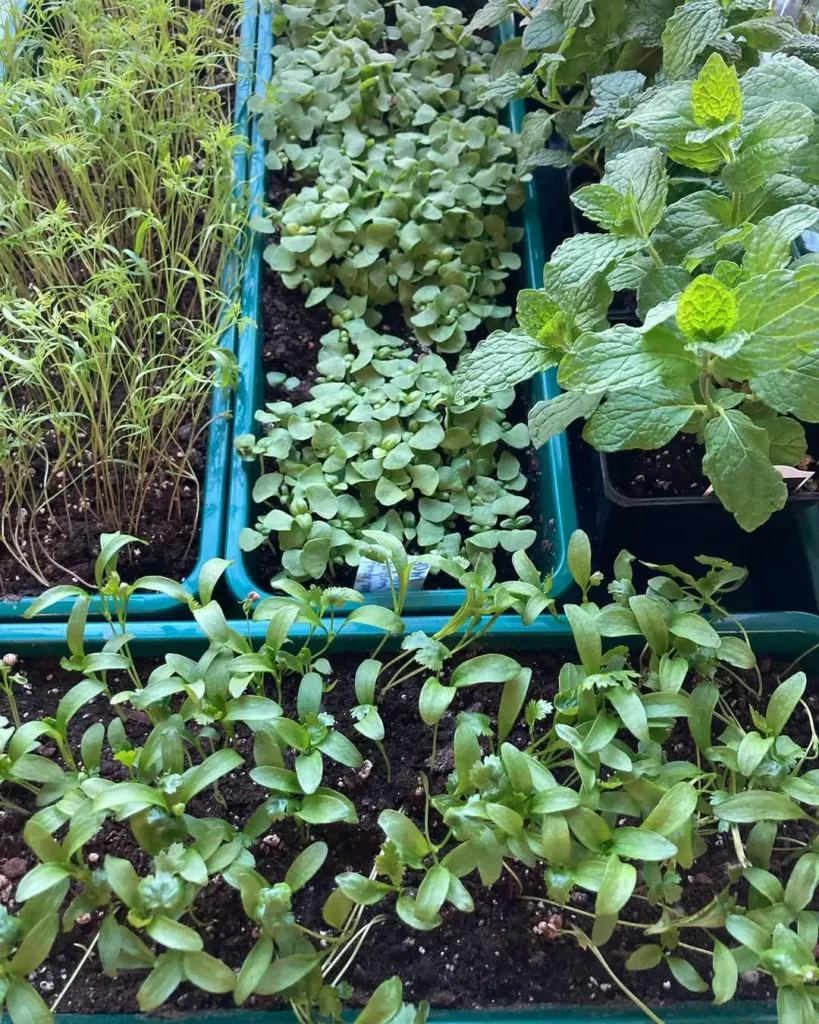
The Inspiration: Raised Bed Herb Gardens The Best Part: Fresh thyme, basil and rosemary fingertip distance to your hands and nose, no more stooping. In the tradition of monastery gardens, modern homesteaders and accessible design advocates, these elevated frames transform poor soil, tired lawns and concrete slabs into productive, gorgeously contained growing spaces that fit every age and ability just right today.
Why it Works: Raised beds work because you’ve been in control of the soil from Day 1, filling frames with rich, well-draining mix instead of trying to deal with clay or packable ground. The height warms soil more quickly in spring, lengthening the season and allowing you to plant herbs weeks before its time for an in-ground garden. Improved drainage diminishes chances of root rot, while defined borders act as sentinel to weeds as well as to soil beneath being compacted under foot. Accessibility is vastly enhanced: gardeners sit or kneel, stand and tend comfortably to harvest, water and prune -making daily herb care a snap. Higher beds also allow more intensive planting, enough to squeeze more basil, parsley and chives into a smaller space saving bigger, healthier harvests for you.
Pro Tip: Make beds at least 12 inches deep for herbs such as rosemary and lavender, which grow long roots. Fill with your own premium compost mix compost, loam and perlite for drainage. Cover the bottom with cardboard or weed barrier, and then apply a thick layer of mulch to seal in moisture and minimize weeding all season long.
Herb Garden Outdoor Ideas with Recycled Containers
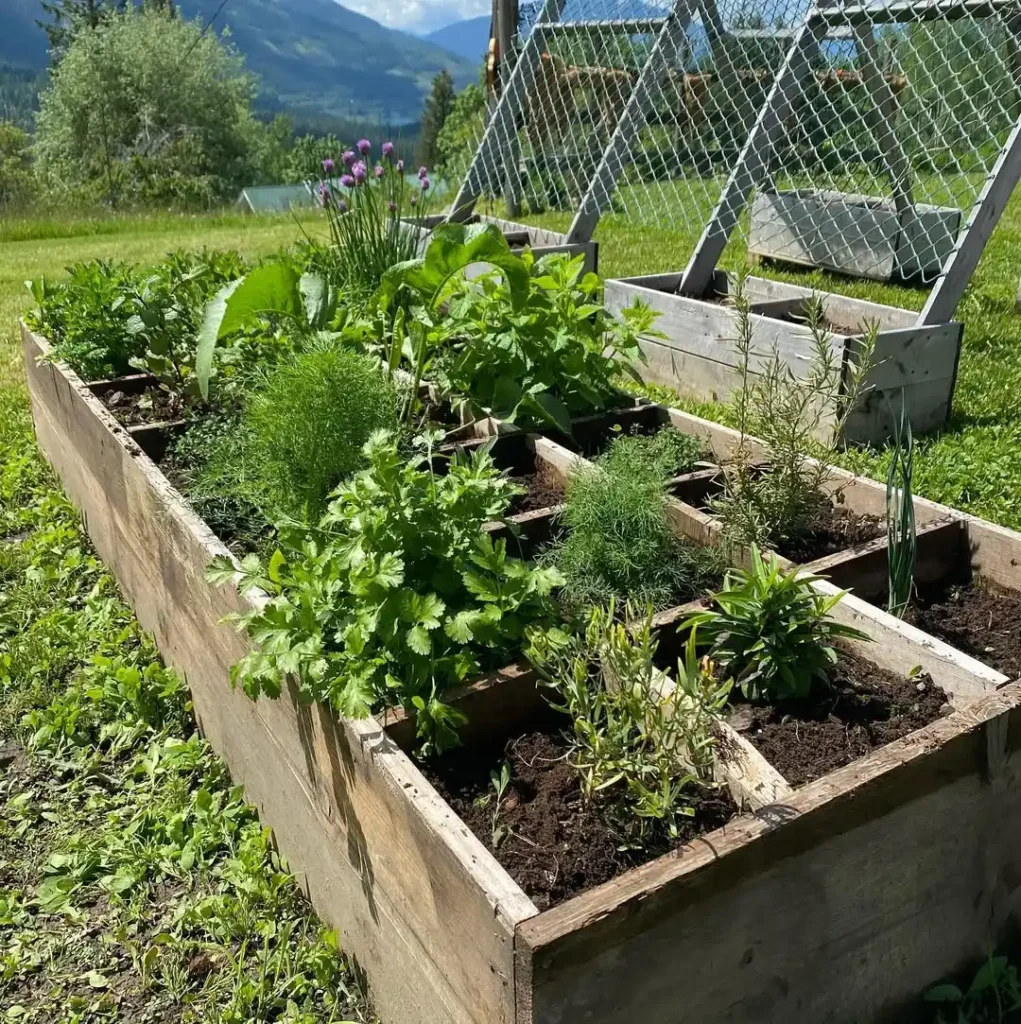
The Inspiration: The magic happens when you look at a tin can, wine cup or old bucket and imagine it filled with basil and mint instead of bric-a-brac. Along with being a thrifty and creative way to harvest your herbs, you also get to whip up something delicious when the sun sets.Recycled container herb gardens on balconies, steps or fences are recipe filled pockets of flavor in compact spaces that promote food sustainability everywhere easily and in style.
Why It Works: Recycled Container Herb Gardens work by combining sustainability, affordability and flexibility. Once cleaned and drilled to allow water to drain, cans, jars and bottles all become instant pots, so beginners can give the idea a shot without a purchase. Eves and Paul Hughes, recycled food packaging and household items to cut waste such as yogurt containers for pistachio shells or macaroni boxes for legumes also give your garden a delightfully quirky personality. Among its benefits are that herbs grow vigorously and produce strong roots, drainage is optimized because of small volumes of fresh potting mix, they warm up quickly with less vegetation to block the sun for a higher growth rate in springtime and it’s perfect for small outdoor areas such as balconies, tiny patios or shared courtyards for everyone.
Pro Tip: Use sturdy containers without cracks and scrub them well before planting. Add a few drainage holes in the bottom, then line with crushed gravel and lightweight potting mix. Devote a container to one herb, stemming it with kindred water sapiens to help deter overwatering and reduce care on your recycled garden throughout the season.
Balcony Herb Garden Outdoor Ideas for Renters
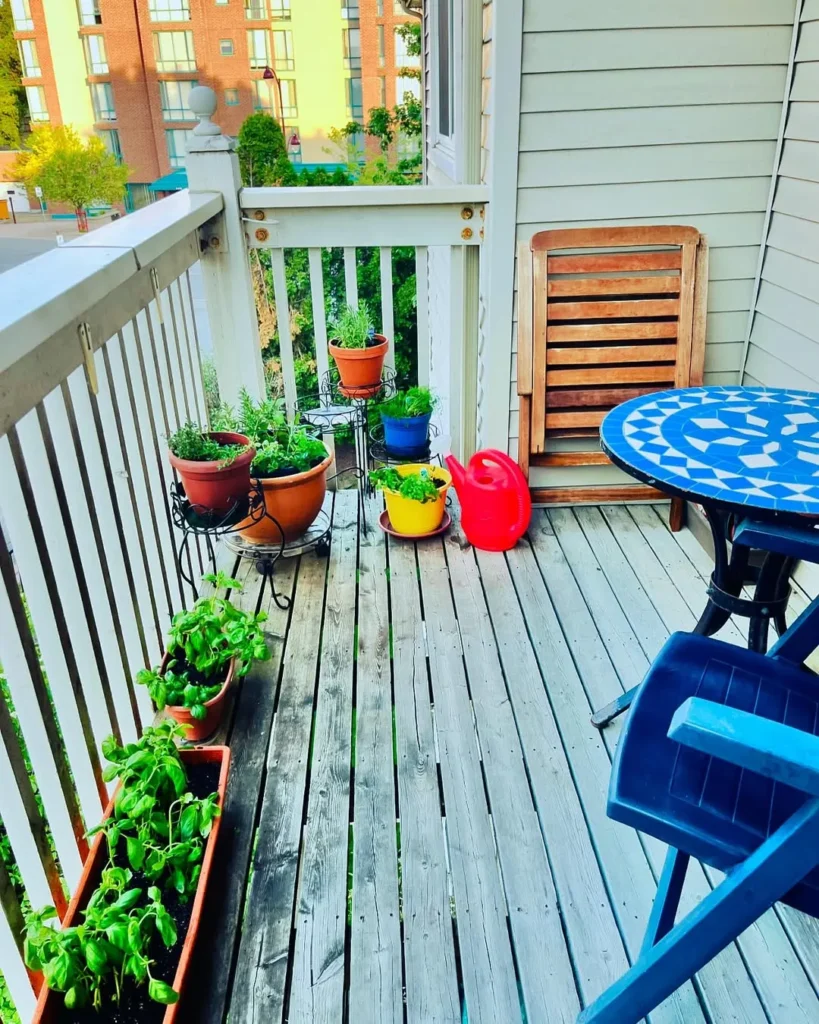
The Inspiration: Renters yearn for a small green refuge, even on the smallest balcony without losing their deposit. Light pots and clip-on railing planters and portable herb ladders allow basil, mint and chives to flourish. If you’re in the city, mornings with your morning coffee become magical when you slide open that door and you snip something fresh for breakfast.
Why It Works: Balcony herb gardens are renter-friendly because everything remains portable, reversible and soft on railings and walls. Lightweight containers, fabric grow bags and vertial shelves can go with you so that every plant is part of your home, rather than a product of your lease. Hanging baskets and clip on railing planters employ otherwise unused airspace, reserving floor space for chairs. Herbs do great in containers, as they only need sun, draining and consistent watering. By keeping them at eye level, it’s easy to spot something looking particularly parched or pest-ridden and tend to it posthaste. Fresh flavor a few steps away encourages more home cooking and cuts down on food waste from abandoned wilted supermarket bundles each week.
Pro Tip: Use only non permanent pieces: freestanding shelves, over the rail planters and pots in saucers nothing drilled or screwed. Check for wind and sun exposure on your balcony before planting, and group herbs according to their light and water needs. When you move, just box them up and bring your garden to your new home.
Cottage-Style Herb Garden Outdoor Ideas
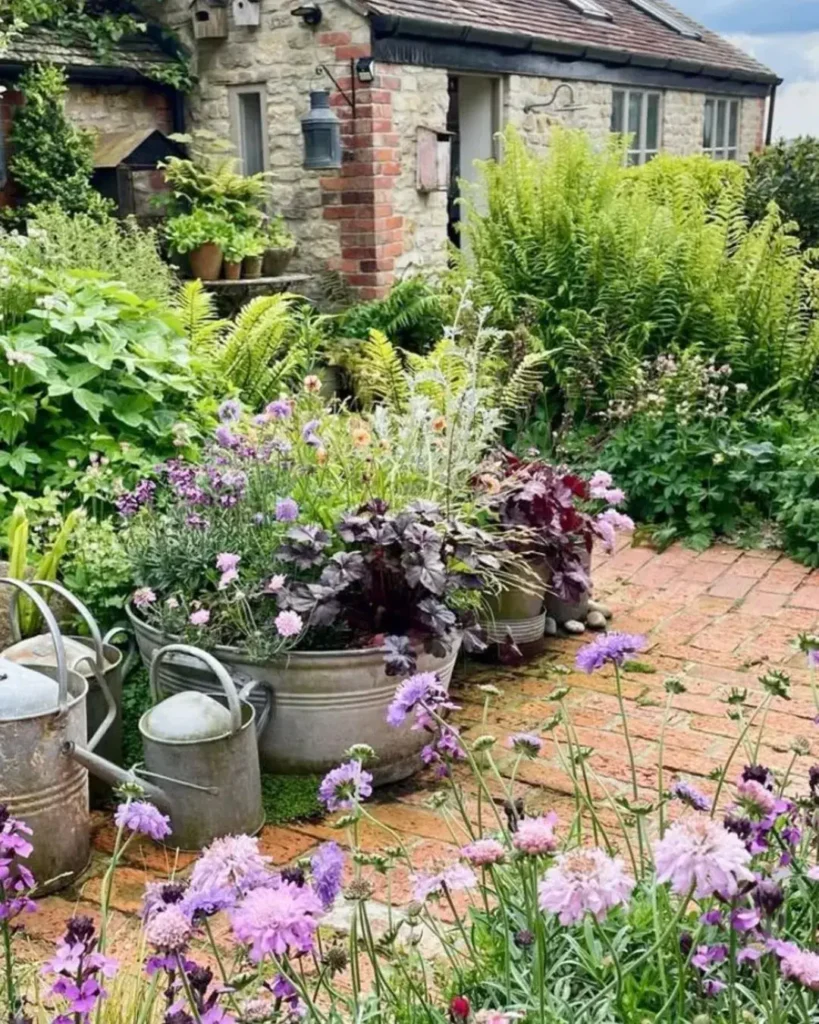
The Inspiration: Cottage style herb gardens are like walking into a fairy tale yard, with thyme cascading over paths and lavender brushing against your ankles when you walk by. Inter-plant barrels and coupes roses, chamomile and mint amongst some crooked stepping stones, wooden fences and vintage pots to recreate a soft romantic kitchen garden just outside your back door.
Why It Works: Cottage style herb gardens work because they blur the line between decorative and culinary, mixing herbs with flower beds for continuous color, smell and picking. Chokes out weeds and grooms bare soil, by blocking sunlight from the ground surface. Curved beds and informal edges encourage wandering, so you naturally see when a plant is thirsty or needs trimming. Blooming pollinator-friendly herbs such as lavender, oregano and chives also encourage visits from bees and butterflies, which is good for your garden at large. A combination of perennials and self-seeding annuals comes back every year, bringing the costs down not to mention the effort while keeping it delightfully unruly and with a steady supply of fresh ingredients for tea, salads and home cooking day in and day out.
Pro Tip: Instead of fixed rows, begin with a messier planting scheme. Curve a basic path, and position tallest herbs fennel, rosemary at the back, medium ones (sages, basils in the center and trailing thyme or strawberries at edges for a layered, filled-in feel that also looks naturalistic and easy to maintain.
Tiny Yard Herb Garden Outdoor Ideas
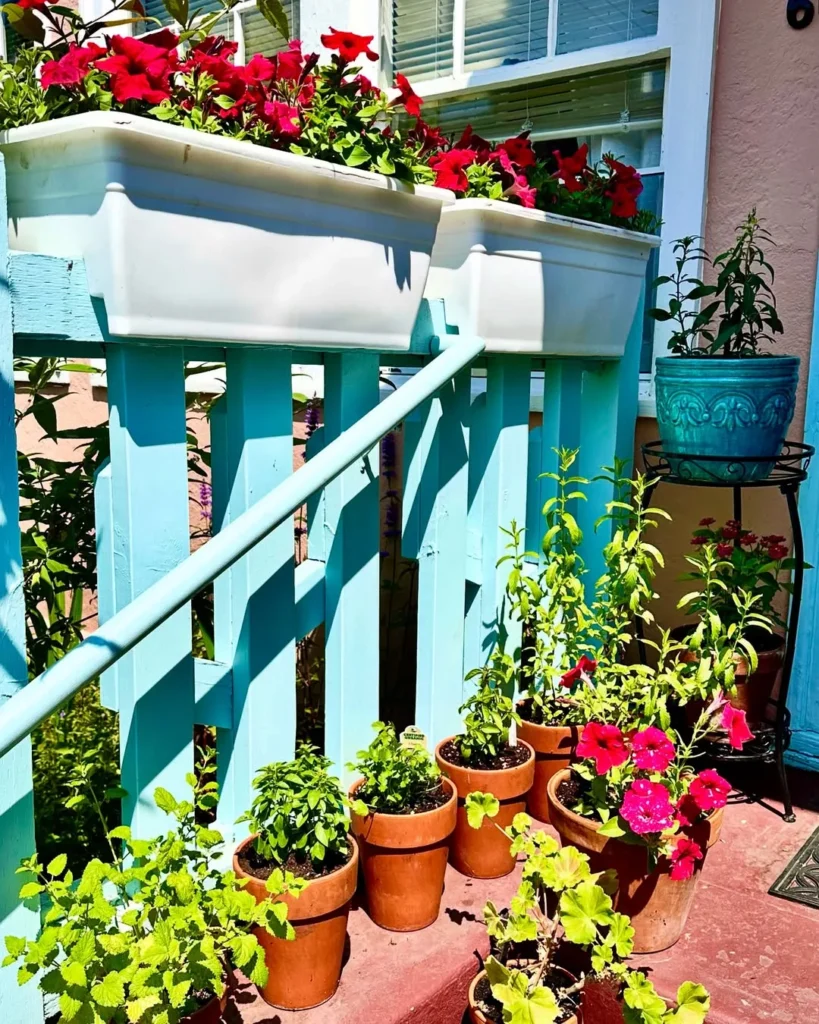
The Inspiration: Little yard herb gardens start with the realization that barely a side strip or postage stamp lawn can be a flavorful oasis. Raised corners, corner beds and container clusters slip into ignored areas to drape patios, sheds and fences in scent. Suddenly cooking is fresher, nearer, pleasurable every single day.
Why It Works: Small yards lend themselves to strong little herb designs rather than rambling beds. They are at home baking against fences, along paths and patios where radiant heat from hard surfaces retreats growth and drainage. Consolidate herbs in raised edges, corner triangles and big pots to minimize soil-compacting weeding while keeping everything within arm’s reach. Cuco’s close location to the kitchen means lots of harvesting, which naturally prunes the plants and results in thicker growth, both of which discourage bolting. Even a small plot can provide most everyday herbs, saving money and cutting down on food waste while converting formerly unused grass into a soothing green room for us all.
Pro Tip: So before heading to the store, sketch out your yard from above and mark the sunniest strips in it, plus any corners or doorways. Arrange tallest herbs, like rosemary or fennel, at back edges; medium basils and sages across mid bed and trailing thyme or strawberries along paths to ensure maximum light penetration and harvest visibility without turning your already limited front yard into a jumble.
Herb Garden Outdoor Ideas for Sunny Corners
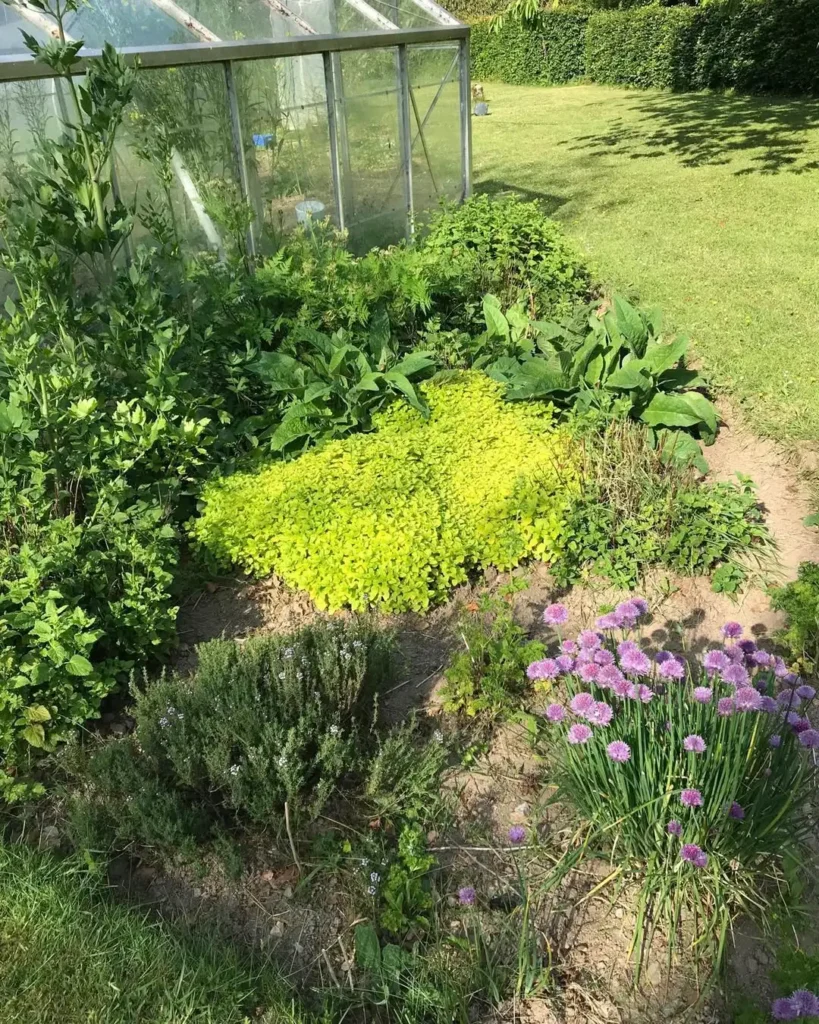
The Inspiration: What’s a gardener to do with a shaded corner or forgotten raised bed The sun drenched edges warm fast, and rosemary, thyme and lavender tumble over stone or gravel. A small bench, terracotta pots and a central sundial take it all one step further: Everyday cooking becomes an act of snipping, breathing, basking in light.
Why it Works: Sunny corners conspire to magnify light and reflected heat from walls and paving slabs, which accelerate the growth of plants and compound the intensity of their scent. Triangular raised beds, L shaped planters or grouped pots sit snugly, with the root depth maximised and no pathways blocked. Avoiding corners makes it less likely mildew will accumulate, but how much of this is due to avoiding corner shading or better air flow at the edges, Gravel or bark mulch help to keep weeds down and conserve moisture. Fast draining mixtures are infested with Mediterranean herbs and heat hardy so you’ve got less to do for a busy life. Plants at eye level get picked often; pinch them early and they’ll bulk up. Watering remains consistent and efficient using a hose or small drip system. The result is a small, productive space that feels airy and purposeful.
Pro Tip: Angle planters 10-15 degrees towards the sun to eliminate self shading, and space pots so foliage never touches walls. Plant in a gritty potting mix mixed with extra perlite, and top dress with light colored gravel mulch to reflect heat. Water deeply and less often; harvest weekly to keep herbs dense and flavorful longer.
Shady Spot Herb Garden Outdoor Ideas
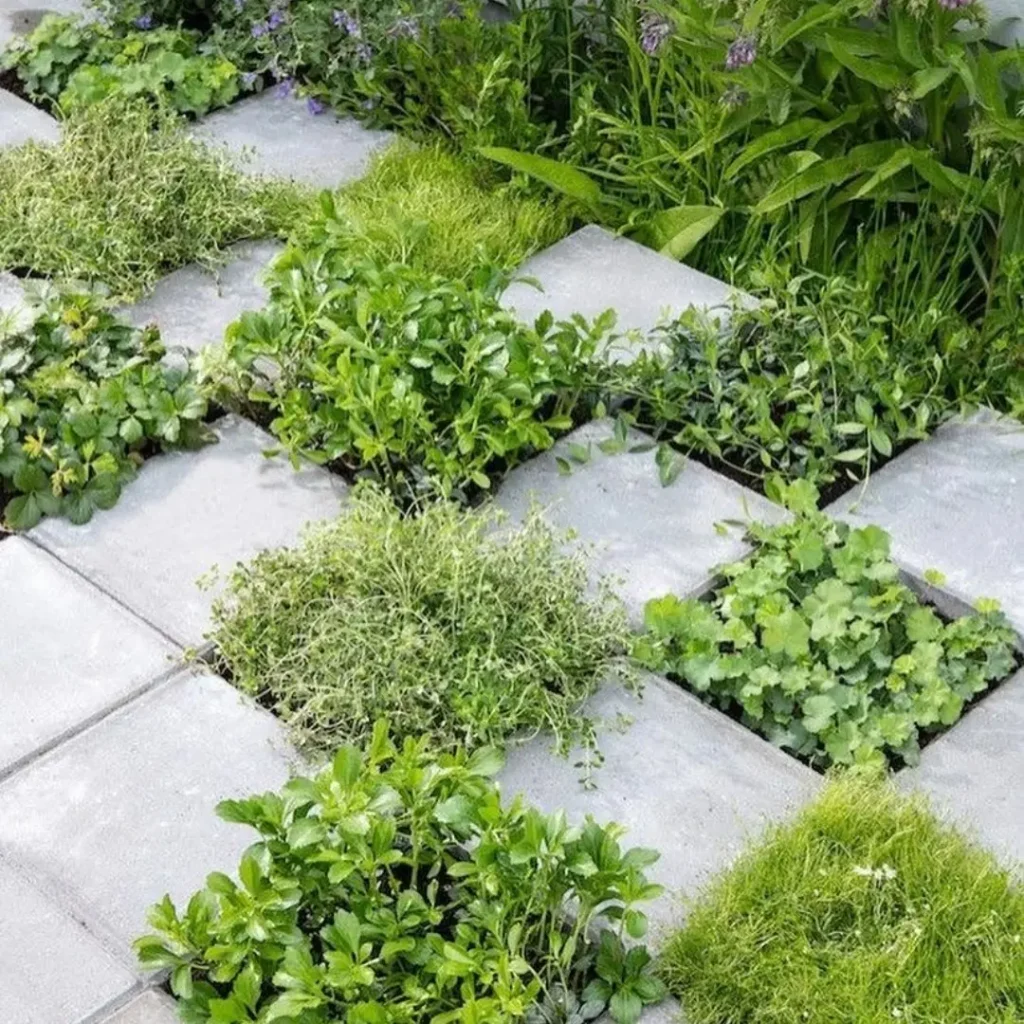
The Inspiration: The magic is when you notice even the darkest corner of your yard or balcony can grow flavor. Think of mint, parsley, chives and lemon balm growing in places where grass never succeeded. A cool green alcove for tea, garnishes and quiet breaks on sweltering summer days of everywhere out of doors.
Why It Works: Lush foliage filled herb garden in a shady spot works by recognizing shade on its own terms, rather than trying to force sun lovers to cope. Leafy greens: Mint, parsley, cilantro, chives, lemon balm and chervil all remain tender and fragrant in part shade because the soil dries more slowly and heat stress is reduced. Colder temperatures slow the tendency to bolt, so midseason herbs taste good longer into summer. Damp but not overly rich soil emulates woodland edges, where shallow roots find a permanemt moisture base without requiring perpetually soggy conditions. Shady seating nearby encourages regular harvests, and a bed or cluster of pots turns a dim corner into an abundant retreat.
Pro Tip: Plant in containers, not ground beds. Use wide, shallow pots or troughs filled with compost enriched mix, then select herbs that will tolerate a little bit of shade and position them so they get some morning sun. Water less frequently, but more deeply and mulch with leaf mold to hold in moisture and minimize weeding.
Herb Garden Outdoor Ideas for Busy Gardeners
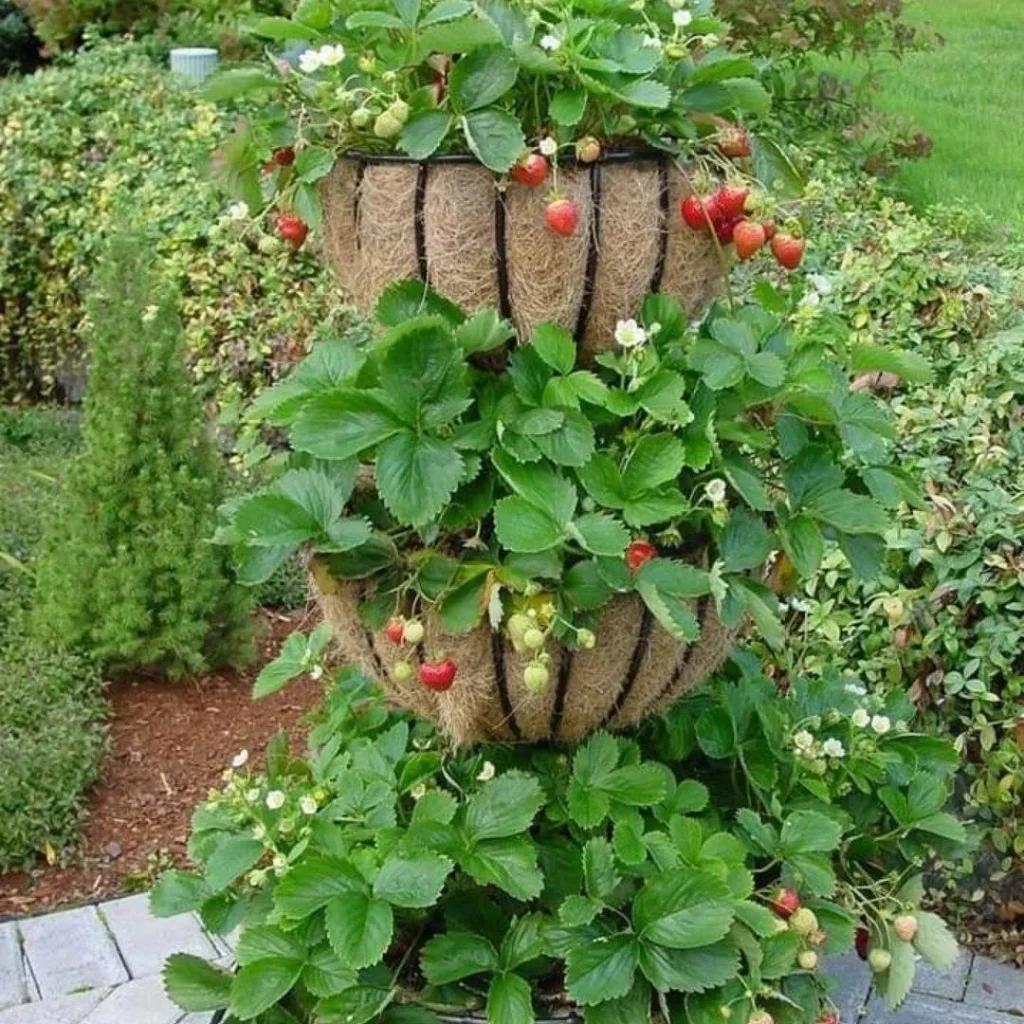
The Inspiration: Exhausting workdays and overly full weekends mean heartsick hasty meals and empty patios. Just imagine busy gardeners, stepping outside their back door, snipping a handful of herbs and getting on with life in minutes. Here’s how to make outdoor gardening a manageable part of even your busiest days with the help of compact containers by the door and a few hardy favorites.
Why It Works: These herb garden ideas for busy gardeners work because they are focused on low-maintenance herbs, space saving layouts, and projects that save time. All of the herbs with similar water requirements can be grouped together in bigger pots, saving time and effort on maintaining each individual herb. Positioning pots close to the kitchen or along a main path means that they are seen every day, and quick checks and harvests become part of daily patterns. The sprinkle of mulch, self-watering planters or timers means less weeding and hand watering, tasks can be divided into a few dedicated minutes each week. Opting for hardy, perennial herbs rather than fussy annuals results in less replanting and more dependable harvests. They turn gardening into a small, pleasurable habit instead of one more onerous task in contemporary life.
Pro Tip: Make one “herb hub” instead of scattering pots every which way. Pick a sunny place close to water, put in one large trough or a tight cluster of containers and install a simple drip line on a timer. Then make a weekly check-in to harvest, snip and top up moisture together each week.
Family Friendly Herb Garden Outdoor Ideas

The Inspiration: Kid-friendly herb gardens begin with curiosity: feeling mint leaves, sniffing basil, and helping pick pizza toppings from outside the back door. Low beds, containers at kid height, colorful tomato labels they all beckon little hands to play. Gardening is now a communal weekend ritual that instills patience, seasons and the beginning of food.
Why It Works: Family friendly herb gardens work for their ability to incorporate play, education and fresh food into one little area that can easily be controlled. Raised beds and large containers provide distinct boundaries, so kids can see where they can dig without treading. Mild, hardy herbs such as mint, chives, parsley and oregano will recover from the occasional rough treatment or overpicking. Herbs near the kitchen can involve children in cooking, which is associated in research with better eating patterns and more willingness to try new flavors. Little snippets of garden tasks that are just right for between homework and sports make it easy to care together out in the open air for everyone. Cozy Herb Garden Plans for Small Spaces and Balconies
Pro Tip: You may have 1 child friendly herb bed, or a cluster of containers filled with soft non toxic herbs ie mint, chives lemon balm and parsley. Then, make garden signs with brightly colored markers or painted rocks as labels, and assign each family member a “special” plant to water, prune and taste on a regular basis so everyone can claim ownership and be excited about your bounty.
Herb Garden Outdoor Ideas for Year Round Harvests

The Inspiration: The dream of snipping fresh herbs in every season, even when frost white smokes the lawn Serves as motivation for many outdoor herb gardens for year round harvests. By juggling hardy perennials, movable pots and modest protection cloches or low tunnels, cooks keep flavor close at hand, leapfrogging overpriced, flaccid supermarket bundles on cold evenings.
Why It Works: An Year Round Herb Garden works by combining pplant selection, microclimates and easy season extending. Sturdy evergreen herbs like rosemary, thyme and sage are still providing sprigs in light frosts. Pots placed near walls, steps or on south facing corners will benefit from some extra warmth and protection. In mild ones, hoops topped with fabric or plastic retain warmth and moisture while protecting plants from pests such as rabbits; in colder regions, low tunnels similar to high tunnels or cold frames cover whole beds to guard roots against air, wind and snow whiplashes so growth ticks along slowly. Succession sowing the likes of parsley, cilantro and chives every few weeks fills gaps when older plants poop out. Drying, freezing and overwintering pots indoors spans any lean months so meals can be distinctly garden fresh all year round without having to purchase bundles of energy-sapping produce.
Pro Tip: Think in terms of three areas of protection: toughest outdoor perennials, containers you can slide under cover, and a few favorites ready to transfer indoors. There’s nothing extra to do, just put your finger on the pulse of time by having herbs available at any time of year for you. Put an automatic drip or self watering pots to use, and then add a weekly reminder to harvest, trim check soil, so these baby herbs are always working hard for you all seasons through.