
Cozy Greenhouse Concepts: Compact Areas, Abundant Garden Energy infuses endless allure into small spaces, transforming patios, balconies, or tabletops into verdant havens. Choose lean-to glass structures with single aisles and vertical metal shelving for pots, seed trays, and cascading ivy optimizing light without mess, as illustrated in House Beautiful’s tidy arrangements. Incorporate rustic swings, mint-colored benches, or gravel patios outdoors for a secret-garden atmosphere; drape fairy lights across ceilings for enchanting evenings. Indoors, create layers with hanging terrariums, raised beds, and dirt paths without flooring for growth; repurpose photo frames into miniature tabletop domes for herbs or succulents encased in plastic wraps. Skylights in garages or sunrooms replicate conservatories; nursery-themed stones and greenery enhance hygge. These strategies produce year-round yields in spaces under 10×10 feet DIY projects under $100 for urban enthusiasts longing for nature’s touch.
Windows Green House
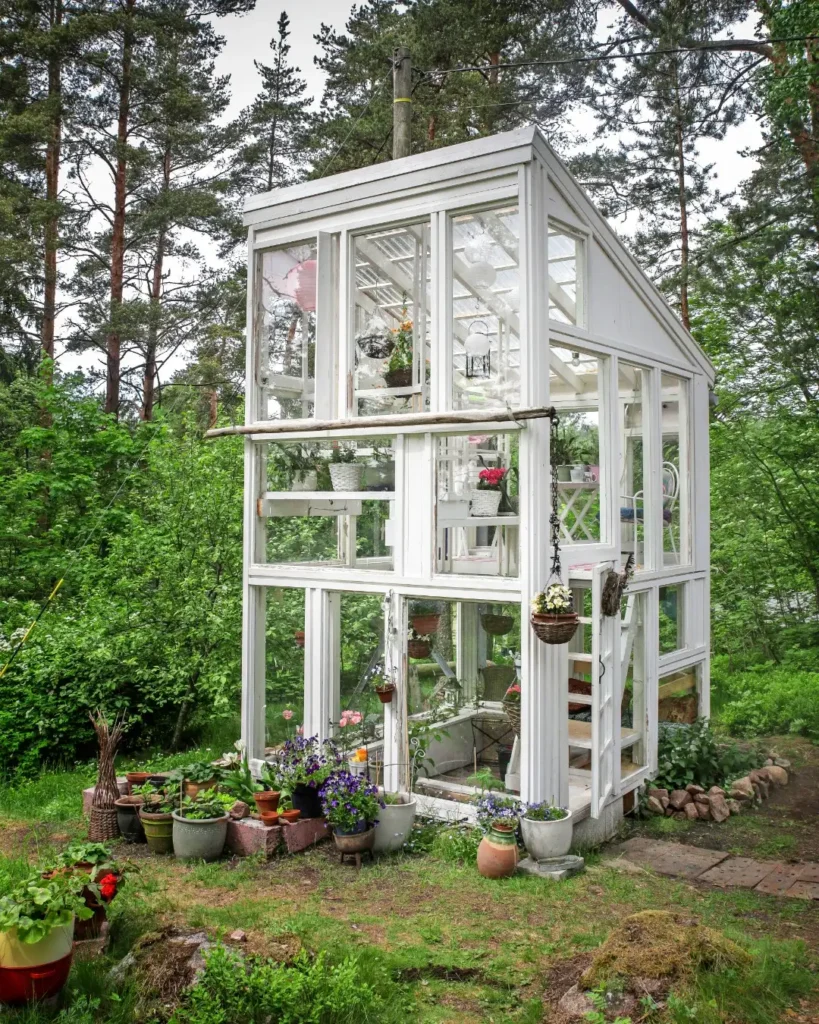
The Inspiration : Imagine collecting vintage windows from alleyways or salvage yards, converting discarded sashes into a sunlit haven. This Windows Greenhouse is inspired by DIY innovators like those featured on Instructables, who constructed delightful structures over several months for less than $300. Grounded in sustainable repurposing, it conjures images of cozy farmhouses and nostalgic gardens, captivating gardeners with its rustic charm and zero waste enchantment.
Why it Works : Upcycled window greenhouses thrive by utilizing recycled glass for excellent light diffusion, effectively trapping heat to support year round cultivation of tomatoes, herbs, and seedlings. The mechanics involve framing matched windows into reinforced walls on a stable foundation, sealing seams with caulk, and incorporating hinged vents for proper airflow preventing mold while maintaining warmth. The advantages are clear in terms of sustainability: projects like Sustainable Holly’s she shed demonstrate that controlled environments enhance yields, with one builder managing 15 seedling flats. The cost effectiveness is apparent total expenses range from $300 to $575 compared to thousands for pre-made kits while the rustic aesthetics improve curb appeal. Evidence from actual constructions indicates durability; painted frames and polycarbonate roofs endure harsh weather, producing plentiful crops even during winter.
Pro Tip : Begin by sourcing 10 20 uniform old windows from salvage yards or neighbors, labeling them by size. Construct matching side pairs on a level gravel base using 4×4 posts; hinge the tops for vents and apply caulk generously. Assess light conditions by planting heat loving plants inside.
Wooden Green House
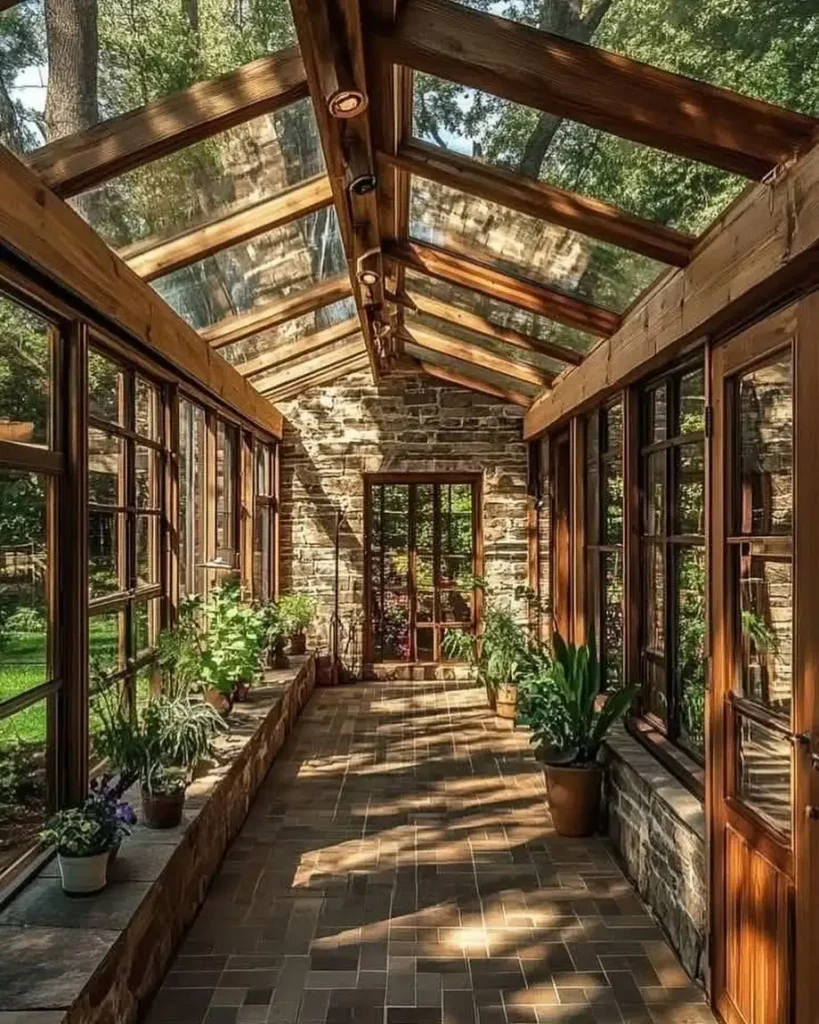
The Inspiration : Wooden greenhouses are inspired by the classic garden sheds found in Victorian estates, transforming into contemporary sanctuaries through the use of cedar frames that harmonize rustic elegance with the natural environment. Real life instances such as Crane Garden’s timber kits motivate DIY enthusiasts, providing inviting spaces for cultivating herbs and flowers throughout the year. This inspiration ignites a passion for sustainable warmth, conjuring visions of homesteads where the grain of wood narrates tales of lasting growth.
Why it Works : Wooden greenhouses excel due to the natural insulation provided by the cellular structure of timber, which retains heat more effectively than metal or plastic, ensuring stable temperatures and potentially lowering heating expenses by as much as 30% in colder regions. The construction features robust frames made of cedar or FSC-certified wood resting on concrete foundations, equipped with vents to facilitate airflow, thereby supporting the growth of vegetables and exotic plants year-round. The advantages include environmental sustainability as a renewable carbon storing resource, the ability to customize with shelves and hooks, and resilience against strong winds due to natural flexibility. Case studies from Sunshine Greenhouse demonstrate improved yields and reduced stress for gardeners, while lower long-term expenses and toxin-free environments foster organic success compared to other options.
Pro Tip : Choose cedar or treated FSC timber for its resistance to rot; construct on a level concrete slab using 4×4 posts. Annually apply two coats of a non-toxic preservative, install automatic vents, and incorporate bubble wrap insulation during winter months to maximize heat retention.
Glass Green House
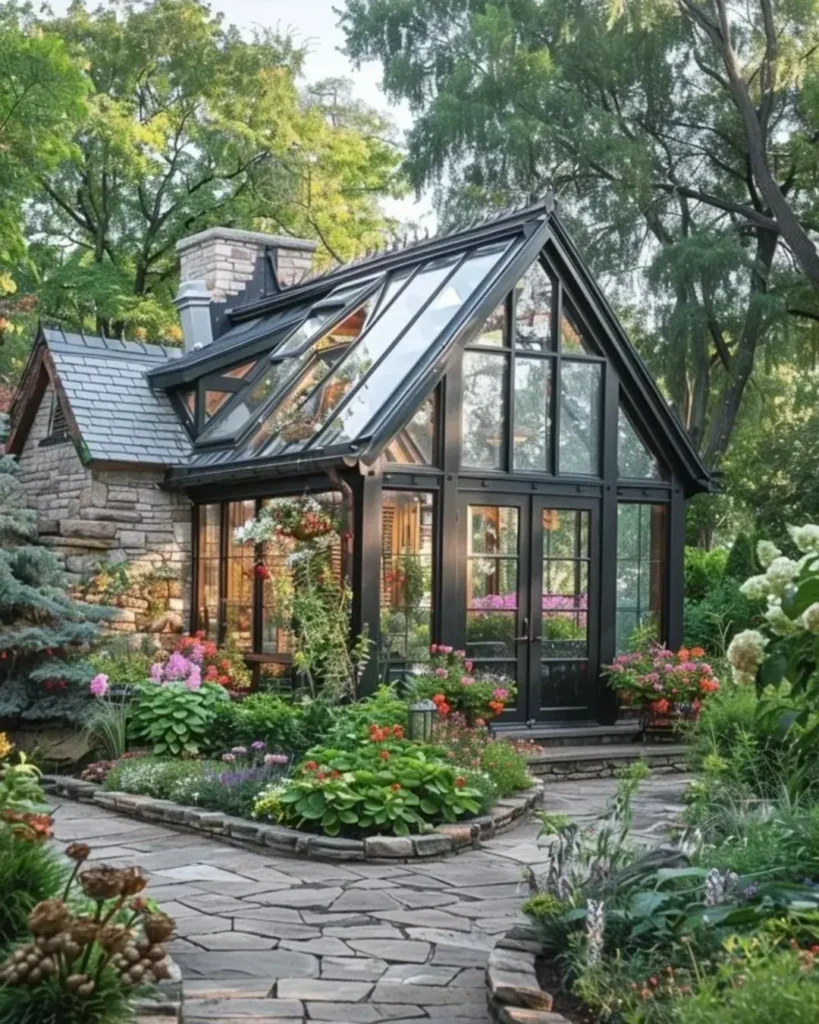
The Inspiration : Glass greenhouses have their origins in the orangeries of 17th-century European palaces, where they protected exotic citrus fruits from frost using crystal clear glass panels. Contemporary designs, such as those by Hartley, serve as inspiration for gardeners, who create radiant plant havens. This concept captivates with its timeless sophistication, transforming backyards into botanical sanctuaries where sunlight filters through robust sheets, conjuring a sense of grandeur and the promise of abundant harvests.
Why it Works : Glass greenhouses provide unparalleled light transmission of 90 – 100%, which is essential for optimal photosynthesis, surpassing the performance of plastics that tend to yellow over time. The structure is built with heavy, shatter resistant panels set in aluminum frames on sturdy bases, featuring vents and double glazing for insulation effectively retaining heat and reducing energy expenses by 20-30%. The advantages include durability that lasts for decades, pest barriers that significantly decrease the need for pesticides, and aesthetic enhancements that elevate property values. Data from Miilkiiagrow indicates a 20% increase in yields due to stable climates; Hartley case studies demonstrate that proper ventilation prevents overheating, allowing for the cultivation of tomatoes and orchids year-round, even in extreme weather conditions.
Pro Tip : Choose 4mm toughened glass within aluminum frames on a concrete foundation; incorporate automatic vents and thermal screens. Clean the glass panels annually with a vinegar solution to maximize light penetration, and add gravel around the perimeter to prevent weed growth while improving drainage.
Glass Garden Shed
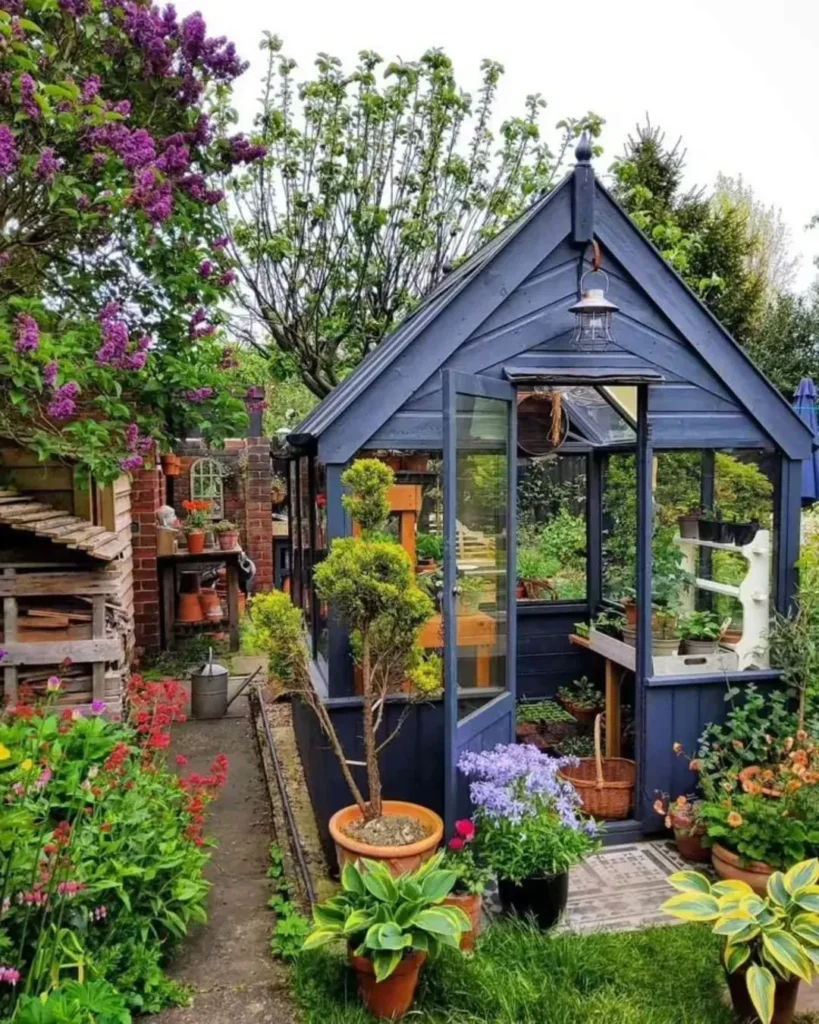
The Inspiration : Glass garden sheds have transformed from mere functional tool storage into radiant extensions of living space, drawing inspiration from contemporary glass rooms such as Azure’s backyard retreats that harmoniously blend indoor and outdoor environments. Real life instances illuminate these spaces with natural sunlight, making them ideal for potting or relaxation, and captivating users with biophilic design that converts sheds into tranquil havens surrounded by greenery.
Why it Works : Glass garden sheds operate through the use of shatter-resistant panels set within aluminum frames on stable foundations, resulting in weatherproof enclosures equipped with vents for proper airflow and humidity management. The advantages include over 90% natural light, which enhances mood and productivity, energy savings from solar gain that can lower bills by 20%, and a range of applications from storage to home offices. Data from Azure Outdoor indicates an increase in property values and a seamless transition between indoor and outdoor living; case studies from Panda Windows demonstrate that insulated glass significantly reduces heat loss, allowing for year-round enjoyment without the intrusion of insects or cold weather. The durability provided by tempered or laminated glass options ensures resilience against the elements, surpassing the performance of traditional opaque sheds.
Pro Tip : Opt for double glazed, low E tempered glass set in robust aluminum frames on a concrete slab; incorporate weatherproof seals and ventilation. Orient the structure to face south for optimal light exposure, clean it quarterly using vinegar, and consider installing frosted panels to ensure privacy in work areas.
Iconic Glasshouses
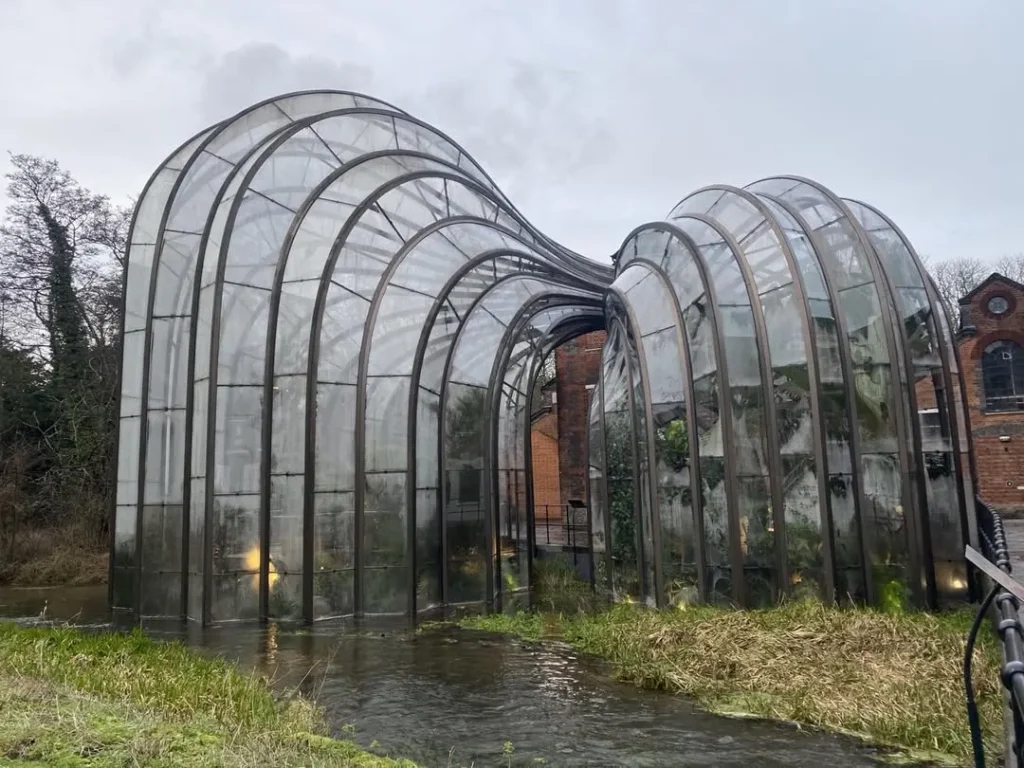
The Inspiration : Iconic glasshouses such as London’s Crystal Palace (1851), designed by Joseph Paxton, transformed architecture by hosting the Great Exhibition within expansive iron-and-glass structures. The Palm House at Kew Gardens and Philip Johnson’s 1949 Glass House evoke admiration, merging botanical elements with modernist design. This combination captivates with its transparent magnificence, converting enclosures into vibrant museums filled with light and exotic flora.
Why it Works : These iconic glasshouses utilize iron or steel frameworks paired with large panes that allow for over 90% light transmission, facilitating tropical plant growth in temperate climates through passive solar heating and ventilation. Their structural mechanics include ridge-and-furrow roofs that provide strength and effective water runoff, as exemplified by Kew’s Palm House, which has housed a variety of palm species since 1848. The advantages of such structures encompass prestige, educational opportunities, and increased yields Crystal Palace attracted 6 million visitors, enhancing interest in botany; contemporary replicas achieve a 30% reduction in energy consumption through double glazing. Evidence from Paxton’s designs illustrates their durability over centuries, while Johnson’s house, inspired by the Farnsworth design, demonstrates that aesthetic integration can elevate property values and support year round ecosystems.
Pro Tip : To emulate these iconic structures, use aluminum frames and tempered glass set on concrete bases; include ridge vents and thermal blinds. Position the site for southern exposure, add humidity trays for exotic plants, and ensure joints are sealed annually to replicate the efficiency of the Crystal Palace.
Glass Panel Structure Greenhouse
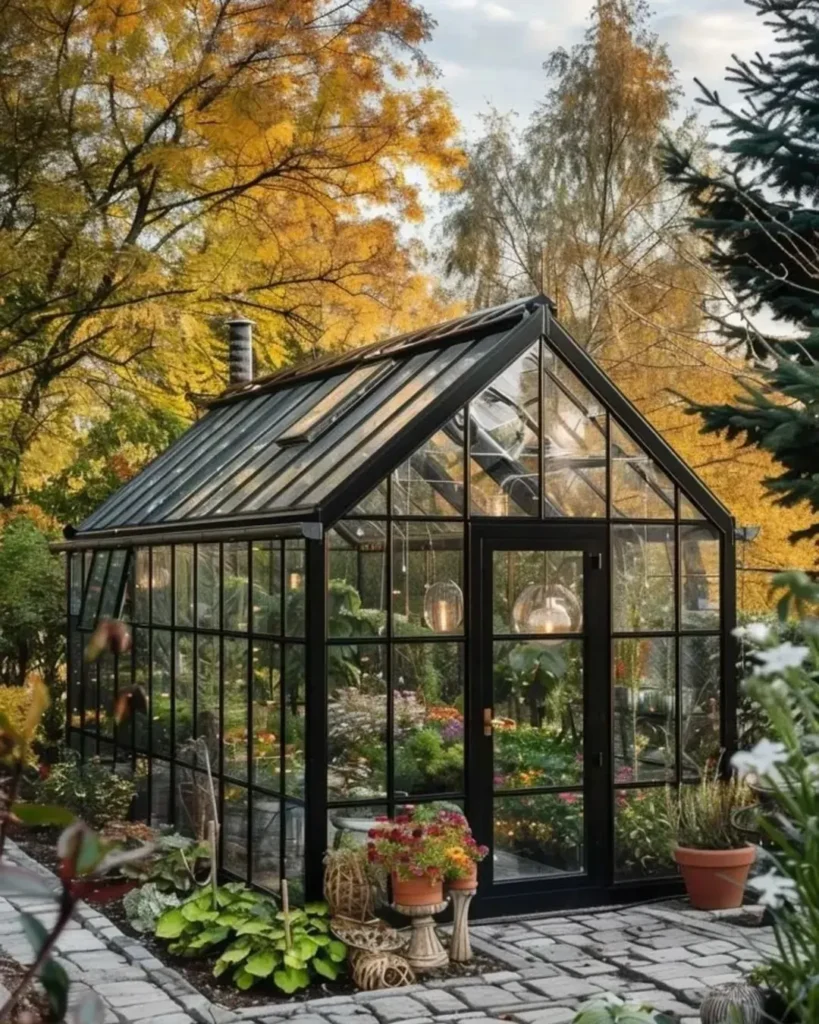
The Inspiration : Glass panel greenhouses are inspired by innovations from the Victorian era, such as Kew’s Palm House, where expansive tempered glass panes set in iron frames created sunlit havens for exotic plants. Contemporary kits from Gothic Arch motivate backyard enthusiasts, merging transparency with durability. This concept captivates with its crystalline beauty, ensuring vibrant growth within luminous shelters of light.
Why it Works : Glass panel structures utilize tempered or double glazed sheets within aluminum or steel frames resting on concrete foundations, achieving an impressive 90-97% light transmission that enhances photosynthesis compared to plastic alternatives. The design incorporates sealed joints, ridge vents, and thermal screens to manage heat effectively cutting losses by 50% in insulated models. Advantages include long lasting durability without discoloration, pest deterrents, and a 20% increase in yield according to Miilkiiagrow research. Huize Glass examples demonstrate energy efficiency through even light distribution, avoiding hot spots; Harnois verifies recyclability and minimal upkeep, surpassing polyethylene for consistent, high yield crops throughout the year.
Pro Tip : Choose 4-6mm tempered double glazed panels set in powder coated aluminum frames on flat surfaces; include automatic vents and shade cloth. Annually seal silicone joints, position southward for optimal light exposure, and incorporate perimeter insulation to enhance temperature regulation.
Rustic Greenhouse
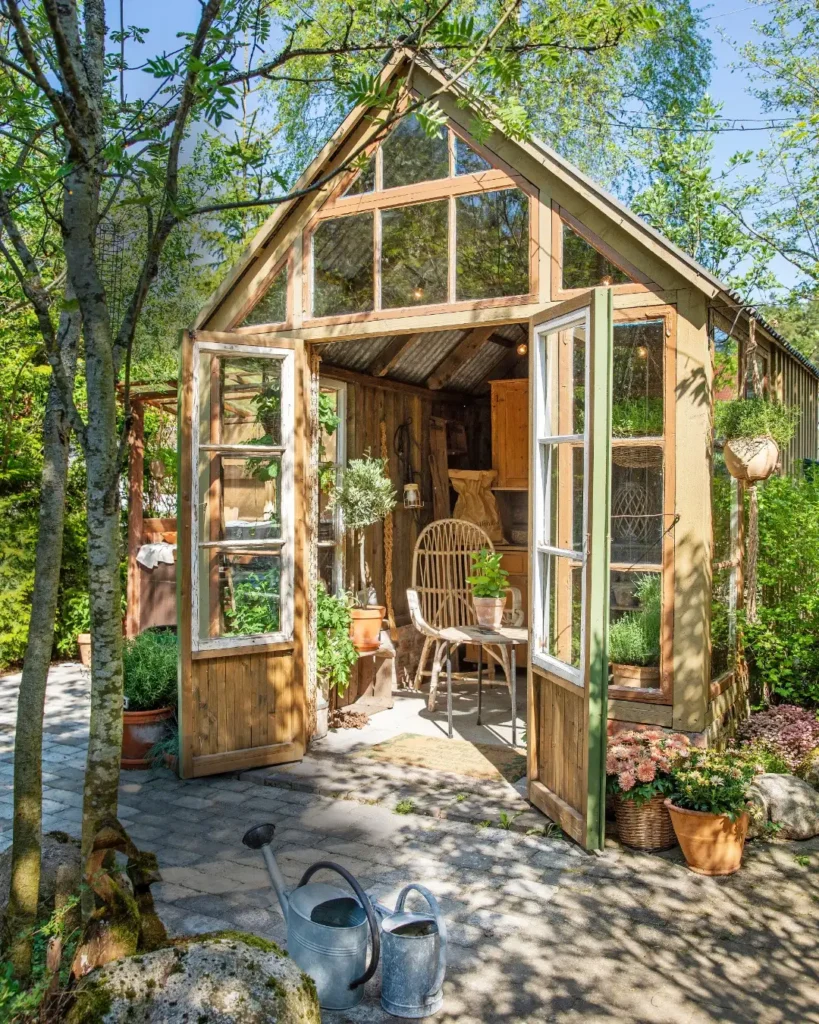
The Inspiration : Rustic greenhouses bring to mind the charming gardens of the 19th century, where wooden arbors with their bark intact and moss-covered stones harmonized with the natural environment, reminiscent of Victorian estates. Contemporary structures, such as the aged Hartley Botanic frames surrounded by ivy and gravel pathways, serve as inspiration for homesteaders. This allure captivates with its weathered beauty, transforming sheds into timeless sanctuaries draped in vines that tell stories of rural life.
Why it Works : Rustic greenhouses incorporate reclaimed wood, stone foundations, and roofs made of thatch or glass to provide natural insulation, effectively managing temperature through thick walls that retain heat more efficiently than metal. The design features flexible wooden frames equipped with vents to facilitate airflow, allowing for the cultivation of herbs and vegetables throughout the year without the use of synthetic materials. The advantages include eco sustainability through the use of recycled resources, aesthetic coherence that enhances the garden’s visual appeal, and long lasting durability Downing observed that these structures harmonize with landscapes that have stood the test of time. Research on English Victorian designs indicates that organic setups yield higher outputs; modern rustic constructions can reduce costs by 40% through upcycling while promoting biodiversity.
Pro Tip : Select weathered cedar or reclaimed barn wood for the frames on brick bases; incorporate mossy thatch roofs and gravel flooring. Apply linseed oil for sealing on an annual basis, install louvered vents, and plant climbing plants outside to achieve an authentic patina and effective shade management.
Tall Wall Greenhouse
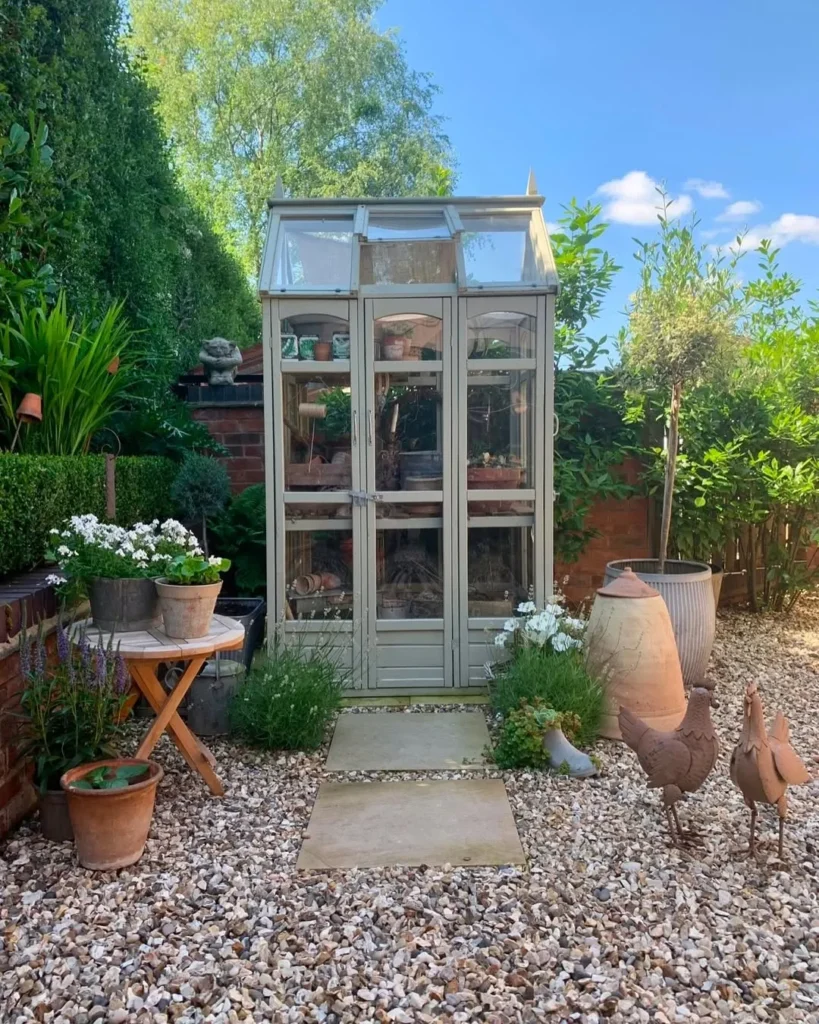
The Inspiration : Tall wall greenhouses, also known as lean to designs, are inspired by Victorian orangeries that are positioned against manors, utilizing high walls as heat sinks for cultivating exotic fruits. Contemporary examples from Griffin, which are built against 10 foot walls, motivate compact gardeners to optimize vertical space. This concept combines efficiency with elegance, transforming bare walls into towering plant sanctuaries filled with sunlight and warmth.
Why it Works : Tall wall greenhouses are affixed to pre existing high walls that serve as thermal mass, capturing sunlight during the day and releasing heat at night resulting in a reduction of heating expenses by 30-50% according to Griffin studies. The design incorporates sloped glass or polycarbonate roofs equipped with full ridge vents and side louvers to facilitate airflow, all on compact bases suitable for small gardens. The advantages include efficient use of space for growing peaches and kiwis in cooler climates, resilience against wind, and visually appealing home extensions that enhance property values. Data from users of lean to greenhouses indicates that stable microclimates can produce 20% more yield through passive insulation; Munchies highlights that easy access allows for early pest detection, surpassing the performance of freestanding models.
Pro Tip : Align the width of the greenhouse with the height of the wall utilize aluminum frames with toughened glass roofs placed on gravel bases. Implement automatic ridge vents and blinds; paint the interior of the wall white to maximize reflected light.
Charming Garden Greenhouse
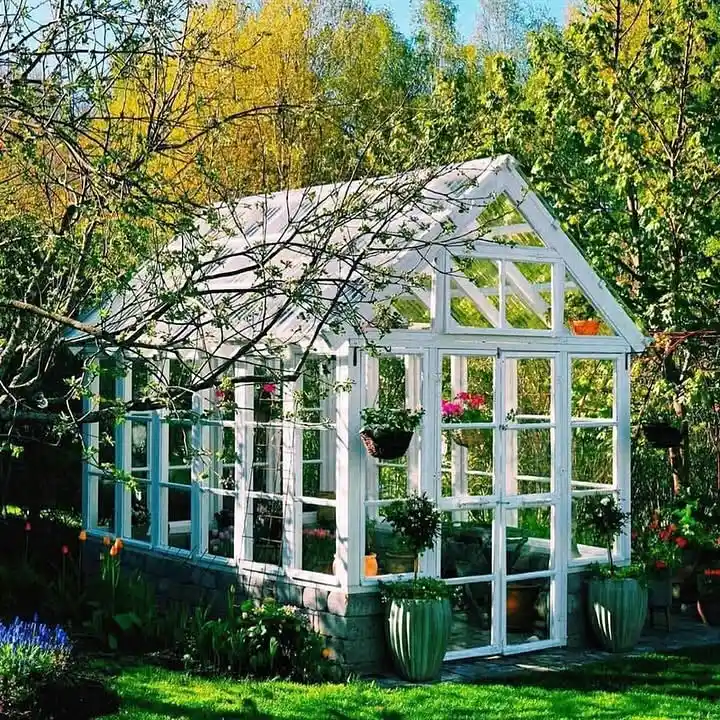
The Inspiration : Charming garden greenhouses are inspired by Victorian cottage orangeries, resembling the white washed havens of French Country Cottage adorned with chandeliers amidst blooming flowers. Publications such as Houzz and House Beautiful feature shingled sheds accompanied by brick pathways and swings, reminiscent of fairy tale retreats. This concept captivates with its whimsical charm, merging practicality and romance to create enchanting plant sanctuaries.
Why it Works : Charming garden greenhouses utilize wooden or aluminum frames with extensive glazing to allow for over 85% light penetration, in addition to vents and benches that facilitate microclimate management supporting the growth of herbs and ornamental plants throughout the year. The design incorporates raised beds and vertical shelving to optimize space, as seen in single aisle configurations that prevent overcrowding. The advantages include aesthetic enhancements through the use of string lights and seating areas that promote relaxation; Martha Stewart highlights a 20% increase in yield due to consistent humidity levels. Case studies from House Beautiful indicate that property values increase and biodiversity flourishes, with gravel patios improving drainage while rustic swings create inviting social spaces that surpass the appeal of stark designs.
Pro Tip : Construct the frame using white stained cedar on brick foundations; incorporate operable windows, hanging baskets, and a swing bench within. Encircle the area with gravel pathways and climbing plants to evoke a cottage like atmosphere, and install LED string lights to provide evening illumination and year round attractiveness.
String Lights Greenhouse
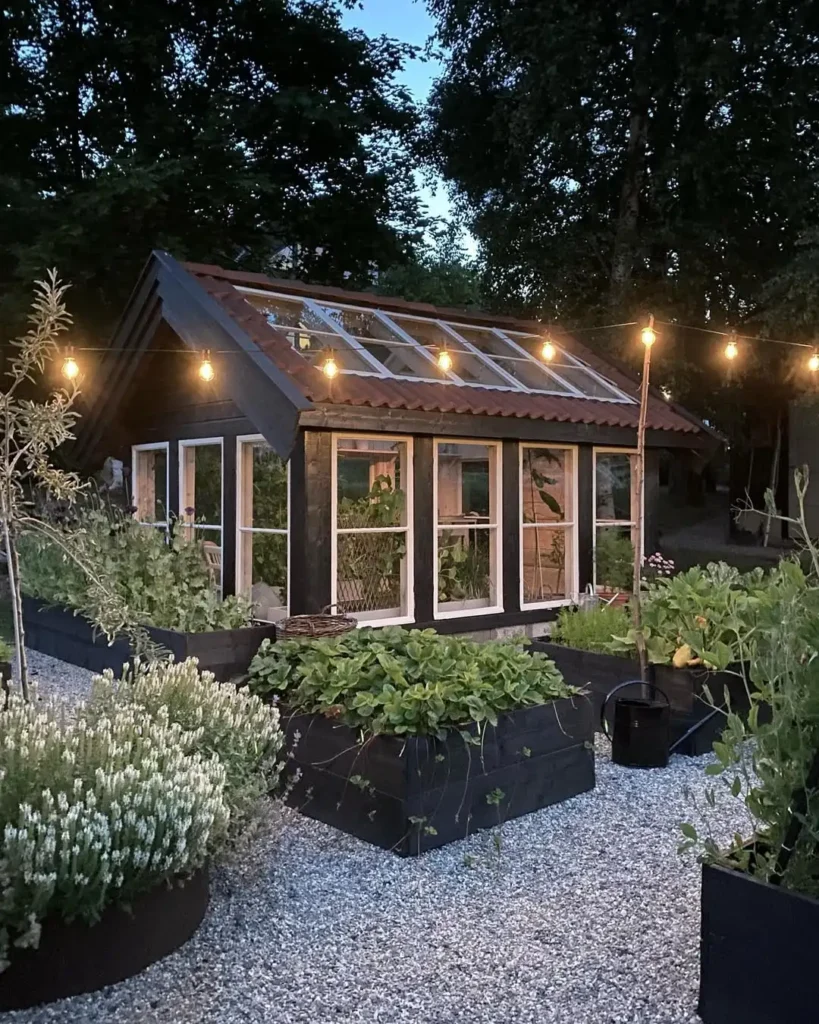
The Inspiration : String lights illuminate greenhouses, creating a picturesque ambiance reminiscent of Pinterest worthy farmhouses, where fairy lights elegantly adorn rafters among herbs, similar to the cozy sheds featured in House Beautiful. Originating from Victorian lanterns, these lights evoke a sense of evening enchantment in backyards. Their twinkling charm captivates, transforming plant sanctuaries into romantic getaways ideal for winter care or summer gatherings.
Why it Works : String lights in greenhouses not only enhance aesthetics but also provide additional warmth through their incandescent glow raising temperatures by 5-10°F around plants, as demonstrated by tests from Farm In My Yard while LED options deliver energy-efficient light spectrums that support photosynthesis. The setup involves draping waterproof strands along ceilings or shelves, with timers programmed to align with dusk for 12 hour cycles. The advantages include prolonged usability for nighttime activities, mood enhancement through soft lighting that alleviates stress, and versatility in showcasing features without harsh glare. Studies by Oclights indicate a 20% increase in outdoor usability; greenhouse scenarios confirm frost protection and a 15% increase in yield due to extended light hours, merging practicality with a fairy tale aesthetic.
Pro Tip : Hang solar LED string lights from roof beams using hooks, ensuring they are spaced 12 inches apart; incorporate timers for 4-6 hour nightly operations. Combine with reflectors placed under benches to enhance the glow for plants, fostering a cozy extended day growing environment.
Luxury Timber Greenhouses
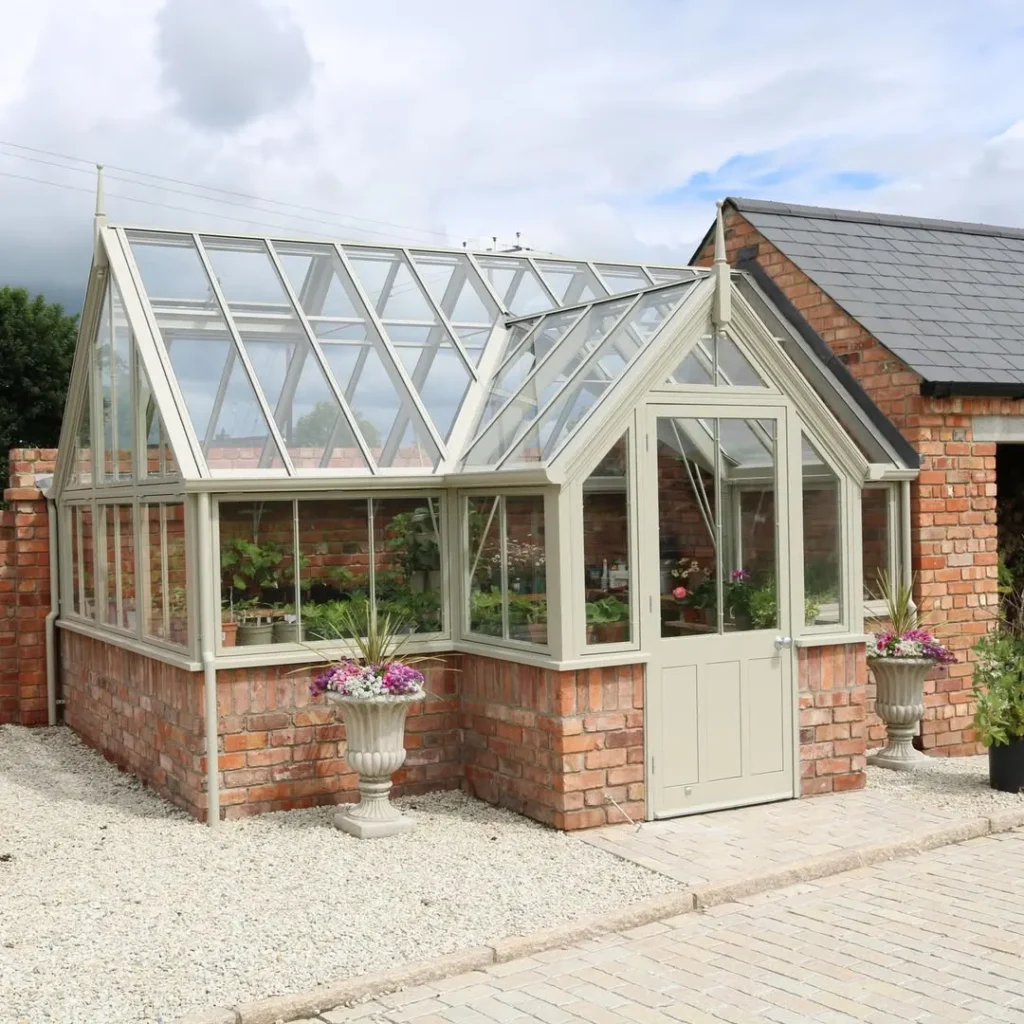
The Inspiration : Luxury timber greenhouses bring to mind the Victorian conservatories, such as the intricate cedar frames of Hartley Botanic found in English estates, merging exquisite craftsmanship with the natural environment. The custom Victorian kits from Gothic Arch inspire high end gardeners, showcasing finials and elegantly curved eaves. This allure connects with a rich heritage, offering tailored sanctuaries where rare orchids flourish amidst architectural magnificence.
Why it Works : Luxury timber greenhouses utilize the natural oils in cedar to resist rot and provide insulation, keeping interiors 5-10°F warmer than those made of metal due to their thick walls resulting in a 25% reduction in energy consumption according to Gothic Arch data. The construction features FSC certified frames with double glazed panels, automated vents, and radiant floors on concrete bases to create precise climate conditions. The advantages include enhancing property values by 15%, durability over many years, and versatility as spaces for entertaining. Examples from Cedar Built demonstrate superior yields for exotic plants; Country Living highlights the seamless integration into gardens, with custom designs producing 30% more through optimal light diffusion.
Pro Tip : Opt for Western Red Cedar frames paired with toughened glass on leveled slabs; incorporate underfloor heating and automatic vents. Apply a UV protectant oil stain quarterly, and consider adding dwarf fruit trees for luxurious touches, ensuring the durability of heirloom varieties.
Large Garden Greenhouse
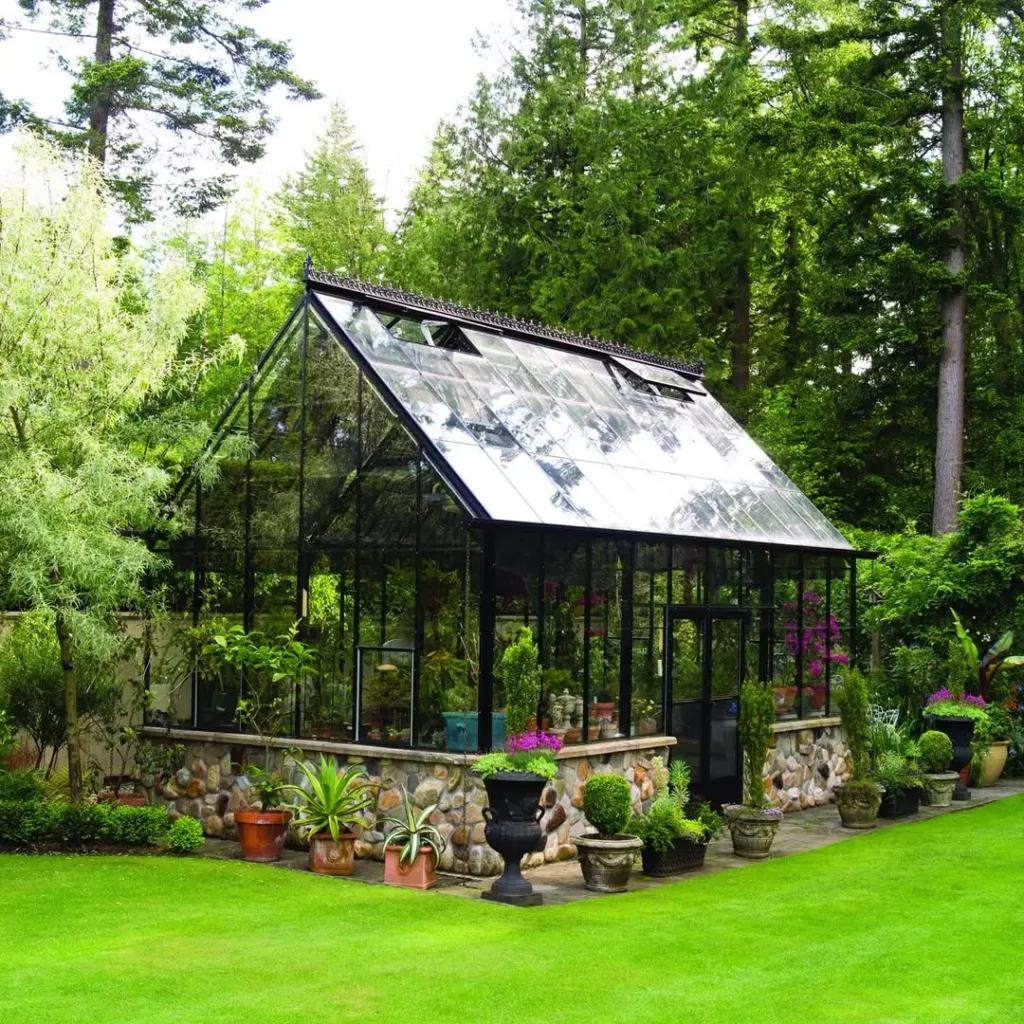
The Inspiration : Large garden greenhouses resemble the magnificent Victorian conservatories, such as Kew’s Palm House, allowing for extensive orchards to thrive under a single roof. The spacious kits from Planet Greenhouse motivate contemporary growers, accommodating both orchards and vegetable plots. This idea ignites interest with its vast possibilities, offering self-sufficiency where tomatoes, citrus fruits, and exotic plants can prosper throughout the year in abundant sunlight.
Why it Works : Large garden greenhouses maximize extensive spaces with automated vents, fans, and misting systems to create uniform microclimates maintaining temperatures between 70-85°F and humidity levels of 60-80% according to Jhuete data, which enhances yields by 30-50%. The structural mechanics include steel frames with polycarbonate glazing set on concrete slabs, allowing for zoned cultivation of various crops. Advantages encompass off season production, pest barriers that reduce losses by 40%, and resource efficiency through drip irrigation systems that conserve 70% of water. Case studies from Planet Greenhouse demonstrate doubled harvests; research from TNAU validates the viability of exotic crops in challenging climates, with scalability that supports food security for families.
Pro Tip : Position on level 20x30ft slabs oriented to the south; utilize galvanized steel frames and twin wall polycarbonate glazing. Segment into zones with rolling benches, and incorporate hydroponics and fans to enhance airflow, ensuring optimal light and humidity management.
Upcycled Window Greenhouse
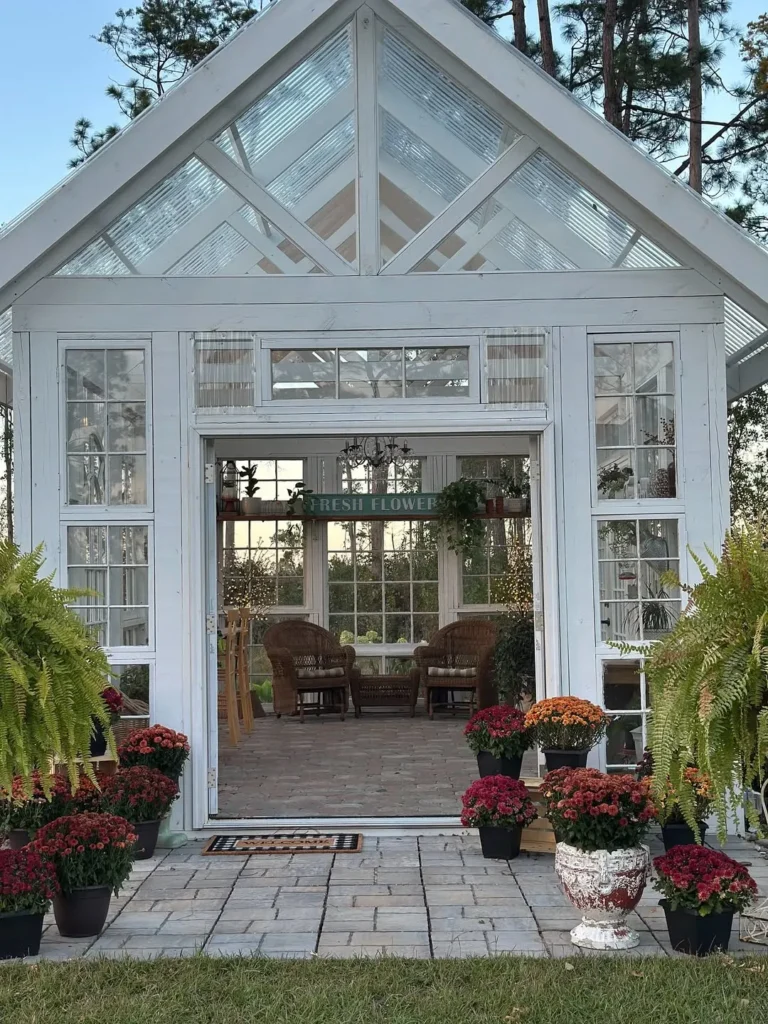
The Inspiration : Upcycled window greenhouses emerge from treasures found in alleyways, converting discarded materials from demolitions into sunlit retreats, similar to Instructables $300 constructions sourced from local finds. Sustainable Holly’s she-shed, featuring recycled sashes, serves as an inspiration for zero waste enthusiasts. This idea captivates with its resourceful charm, revitalizing vintage panes into delightful, narrative rich plant sanctuaries.
Why it Works : Upcycled window greenhouses utilize sashes within reinforced wooden frames set on gravel foundations, sealing seams with caulk for airtight integrity while incorporating hinged vents for proper airflow effectively capturing solar warmth. The advantages include remarkably low expenses ($300-575 compared to $5k kits), sustainability that reduces landfill contributions, and diffused light that enhances seedling production by 15 flats per construction. Instructables examples validate winter functionality; A Small Life’s initiative successfully nurtured delicate plants throughout the fall, with rustic designs enriching gardens. The durability of painted frames withstands the elements, surpassing new plastics in both aesthetic appeal and environmental impact.
Pro Tip : Gather 15-20 matching old windows; categorize them by size for paired walls on 4×4 post frames placed over gravel. Install hinges at the top for ventilation, apply caulk generously, and repaint exteriors annually consider adding fans for airflow to optimize light and heat retention.
Bespoke Greenhouse
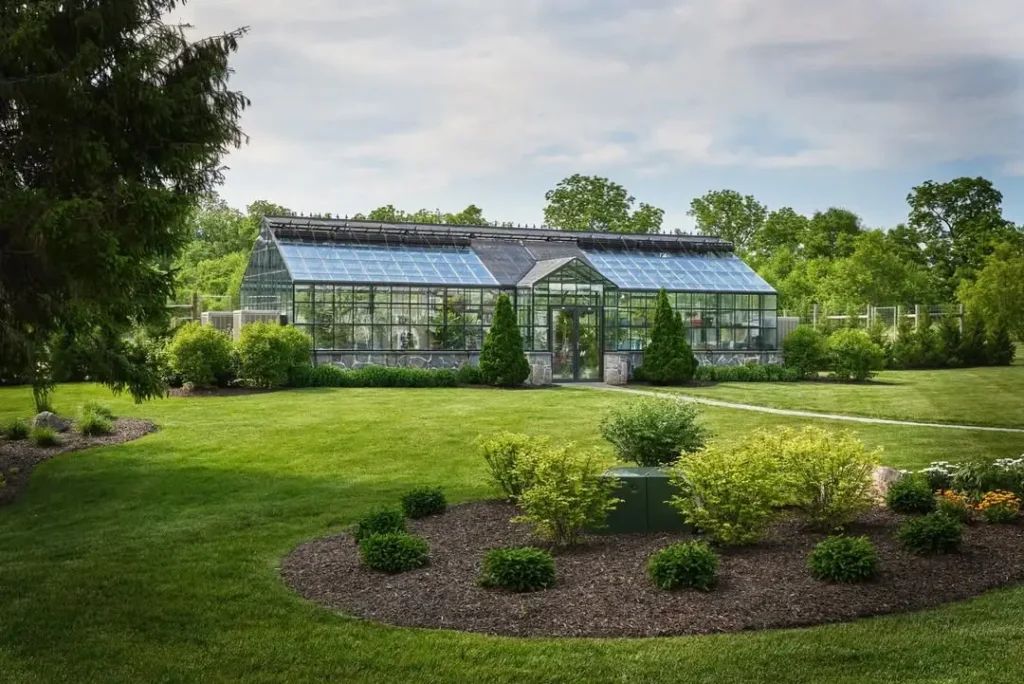
The Inspiration : Bespoke greenhouses originate from Victorian custom commissions, such as Hartley Botanic’s survivors from the 1950s, designed for estates featuring distinctive lean-tos and partitions. Alitex’s reproductions of the dilapidated glasshouses from 1904 serve as a source of inspiration for personalization. This concept aligns with made-to-measure luxury, creating ideal structures that fit perfectly, merging traditional craftsmanship with contemporary whimsy.
Why it Works : Bespoke greenhouses allow for the customization of aluminum or wooden frames according to site-specific dimensions, glazing, and features such as multiple doors or event lobbies based on precise measurements ensuring a seamless integration. The mechanics adapt Victorian ridges to optimize light and ventilation, achieving a 90% light transmission rate according to Hartley data. The advantages include durability, a 20% increase in yield through zoned climates, and enhanced property value. Alitex’s examples of recreated ruins are budget-friendly; Gothic Arch demonstrates versatility for orchids or spas, surpassing off the shelf options without compromising on space or aesthetics.
Pro Tip : Accurately measure the site; consult manufacturers like Hartley for aluminum frames equipped with toughened glass and automatic vents. Specify partitions and colors at the outset, incorporating benches ensuring heirloom quality through annual seals for a lasting fit.
Raised Bed Greenhouse
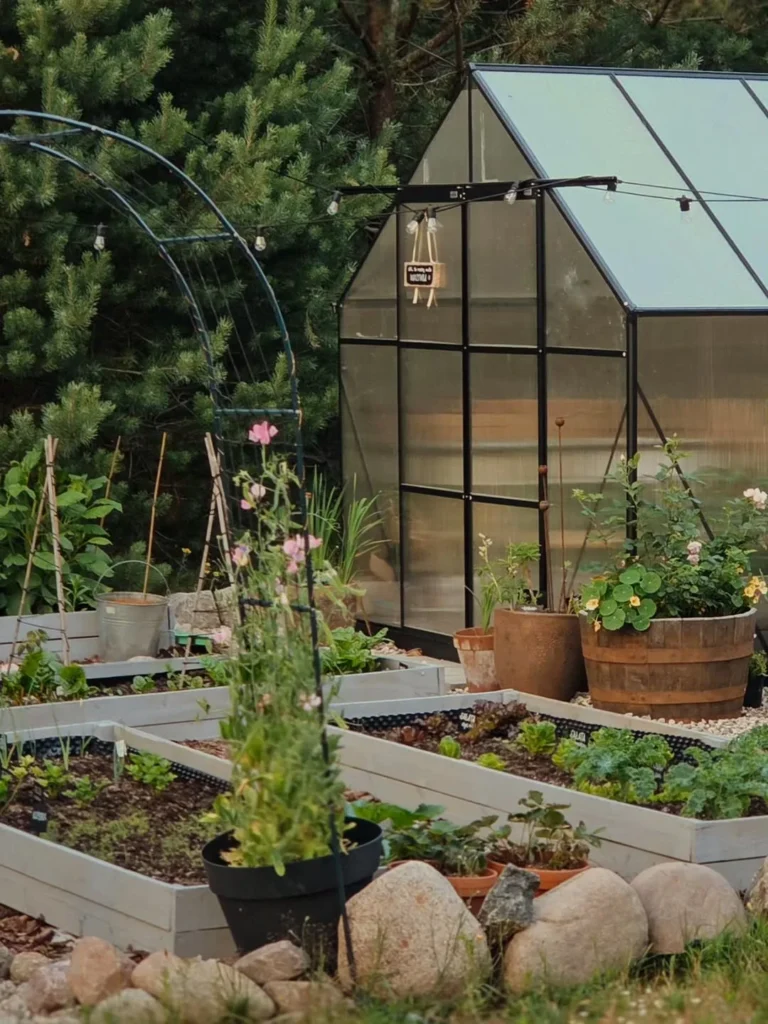
The Inspiration : Raised bed greenhouses originate from efficient homestead plots, elevating soil into framed mounds within glazed structures, similar to Plantagreenhouse’s adaptable designs. This concept is inspired by Victorian kitchen gardens, which maximize yields while minimizing back strain. The integration of smart elevation transforms greenhouses into ergonomic havens, facilitating abundant harvests throughout the year.
Why it Works : Raised bed greenhouses utilize wooden or metal frames filled with tailored soil mixtures on greenhouse floors, improving drainage to avert root rot while allowing for quicker warming, resulting in 2-4 week earlier planting. The mechanics involve heights of 12-18 inches for easy access, which reduces soil compaction and allows for crop rotation cutting pest populations by 40% according to Gardenary data. The advantages include enhanced soil management with compost additions, ergonomic designs that reduce strain, and a 30% increase in yields due to optimal airflow. Evidence from Planta cases indicates healthier root systems; studies from UNH reveal fewer weeds and longer growing seasons, surpassing flat floors in both productivity and sustainability.
Pro Tip : Construct 4x8ft beds at a height of 18 inches using untreated cedar on gravel bases; fill these beds with a mixture of 60% topsoil, 30% compost, and 10% perlite. Ensure they are spaced 18 inches apart to accommodate wheelbarrows, and incorporate vertical trellises rotate crops seasonally to maintain a pest free environment.
Potting Shed Greenhouse
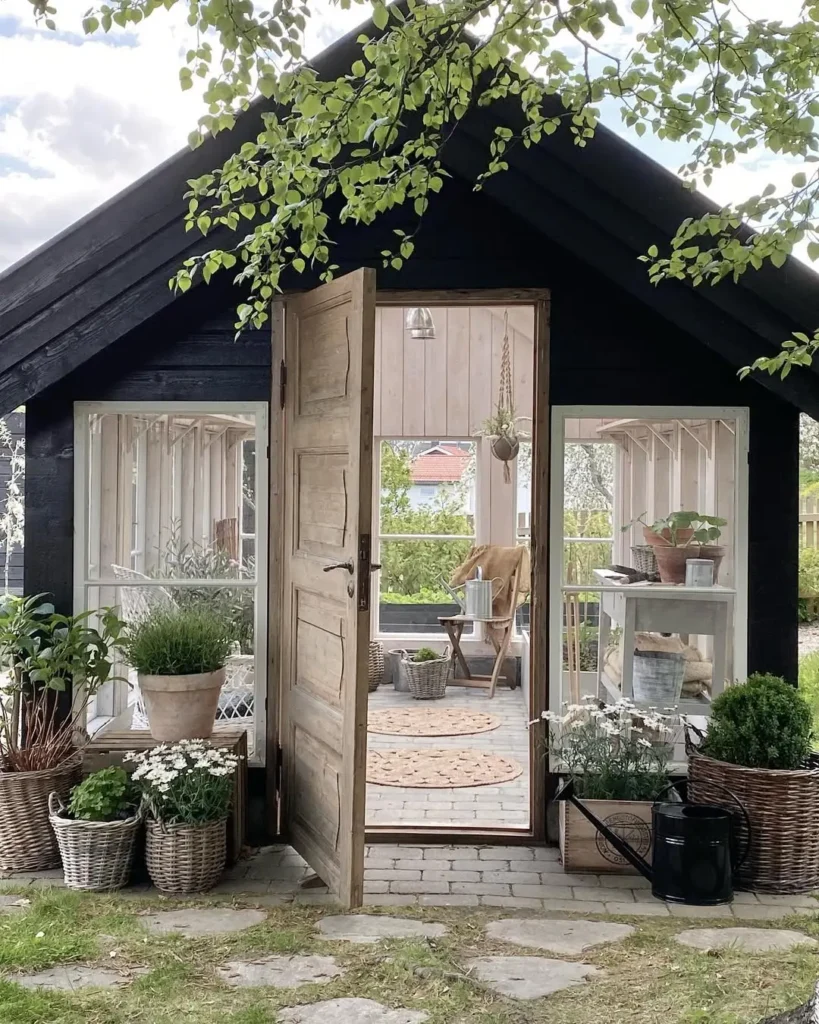
The Inspiration : Potting shed greenhouses combine the functionality of a workbench with the inviting warmth of glass, drawing inspiration from the lean tos of Victorian gardeners who started seeds among their tools. The designs from Horizon, featuring south facing windows, create inviting workspaces. This concept captivates with a dual purpose: it nurtures plants while providing storage for equipment, establishing year round sanctuaries for muddy hands and flourishing aspirations.
Why it Works : Potting shed greenhouses merge timber structures with expansive glazed fronts set on sturdy bases, offering benches, shelves, and ventilation for airflow these structures are warmer than traditional greenhouses due to insulated walls that retain heat 20-30% more effectively. The design facilitates potting, propagation, and storage without the need to venture outside, optimizing light for seedlings while protecting tools from the elements. The advantages include simplified maintenance, pest management, and year-round comfort; examples from Sutton Sheds demonstrate extended growing seasons for delicate plants, resulting in 40% less clutter from tools. Combinations from Liberty indicate increased productivity and tidier floors, surpassing the capabilities of standalone sheds or greenhouses in terms of versatility.
Pro Tip : Construct cedar frames with sloped glass roofs and potting benches on concrete slabs; incorporate hooks, shelves, and operable windows. Include drip trays beneath benches to manage spills, ensuring an efficient workflow and promoting plant health throughout the year.
Orangery greenhouse
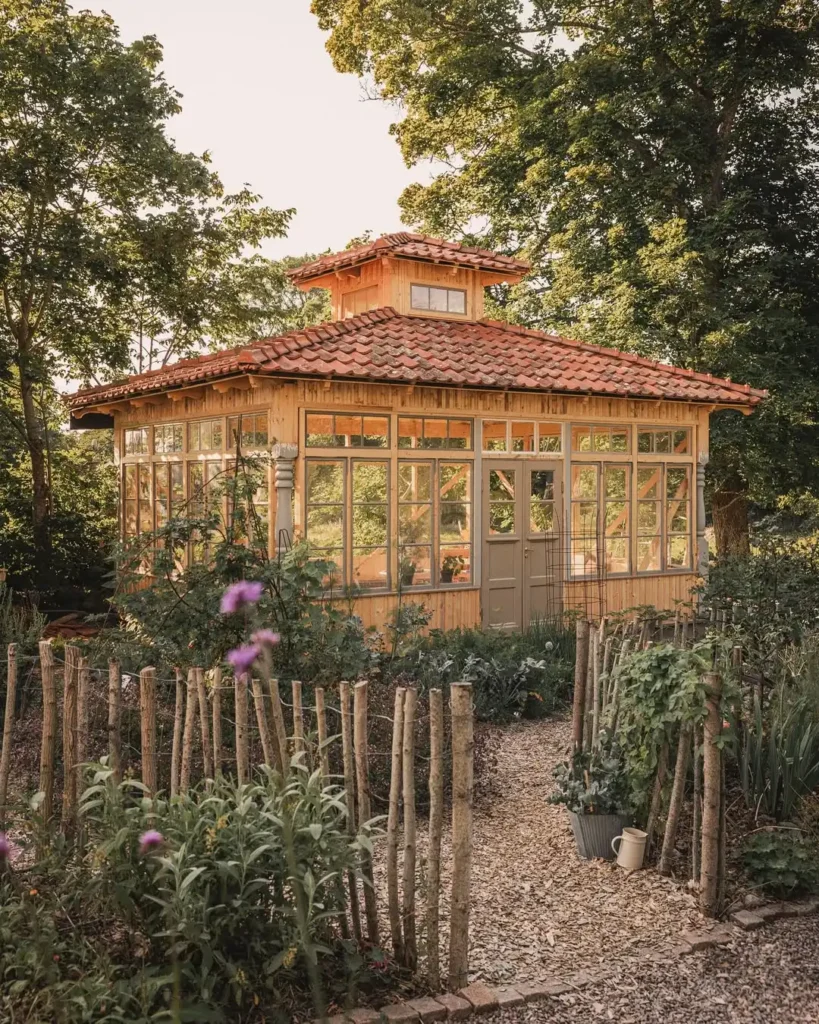
The Inspiration : Orangery greenhouses trace their origins back to 16th-century Italy and France, exemplified by Padua’s structure from 1545 and the expansive 1686 building at Versailles, which housed 3,000 citrus trees for Louis XIV. These structures evolved from mere status symbols with unglazed roofs into magnificent glazed constructions that continue to inspire contemporary gardeners. This connection to regal heritage provides a sanctuary for exotic plants within elegant, light filled environments.
Why it Works : Orangery greenhouses are constructed with brick or stone walls that provide thermal mass, allowing them to retain heat accumulated during the day throughout the night. The glazed roofs facilitate over 80% light transmission, making it possible to cultivate citrus and pines throughout the year. The design incorporates vaulted ceilings to enhance airflow, underfloor flues, and portable tubs for seasonal relocation, maintaining a stable temperature of 50-70°F in accordance with historical designs. The advantages of these greenhouses include prolonged growing seasons, enhanced prestige, and increased biodiversity; for instance, Versailles was home to a wide variety of flora, which contributed to advancements in botany. According to Britannica, early heating stoves were effective in preventing frost, while modern replicas have reduced energy consumption by 25%, resulting in superior fruit production compared to open gardens.
Pro Tip : Construct brick walls with south facing glazed roofs on sturdy foundations; incorporate radiant flues and vents. Utilize wheeled tubs for planting citrus to allow for easy mobility, ensuring that joints are sealed annually to replicate the efficiency and frost protection seen in Versailles.
Innovative Greenhouse
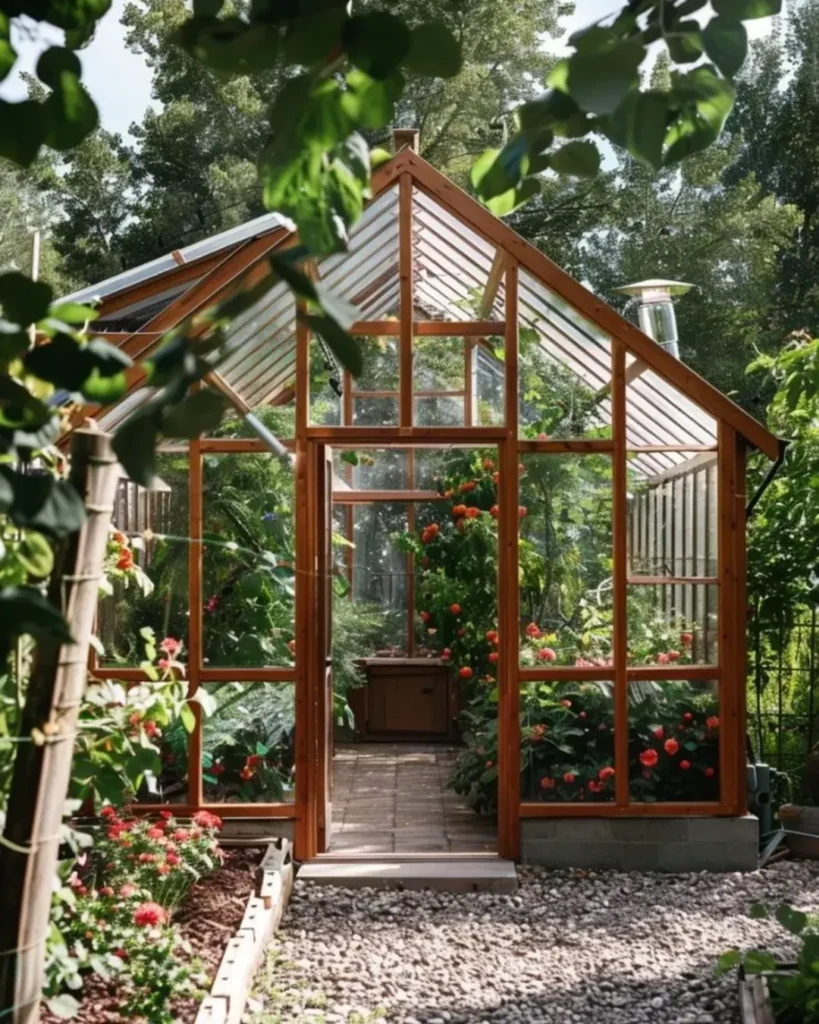
The Inspiration : Innovative greenhouses are inspired by experimental designs such as BIAS Architects “Greenhouse as a Home” in Taiwan, which seamlessly blend living spaces with plants across various climates. Plasma Studio’s Xi’an crystal integrates landscape and structure. This concept captivates with a futuristic blend, reimagining shelters as sustainable ecosystems that harmoniously combine architecture, technology, and nature.
Why it Works : Innovative greenhouses utilize smart sensors for real-time climate management, passive solar energy with thermal mass reducing energy consumption by 40%, and vertical hydroponics that increase yields by 300% in confined spaces. The mechanics involve biomimetic hexagons for enhanced strength, inflated double film insulation, and app connected automation as per Gothic Arch. The advantages include off grid functionality through solar and rainwater systems, as well as biophilic retreats that promote well-being. Arch2O examples demonstrate that Xi’an’s courtyard zoning improves airflow; Ecomena verifies that anti-fog panels mitigate condensation losses, allowing for year-round exotic cultivation with 50% less water.
Pro Tip : Incorporate IoT sensors with solar panels on geodesic structures; include hydroponic towers and thermal barrels. Position southward with automatic shades, and monitor through applications to maintain optimal conditions of 70°F and 60% humidity for enhanced efficiency.
𝗧𝘂𝗱𝗼𝗿 𝗚𝗿𝗲𝗲𝗻𝗵𝗼𝘂𝘀𝗲
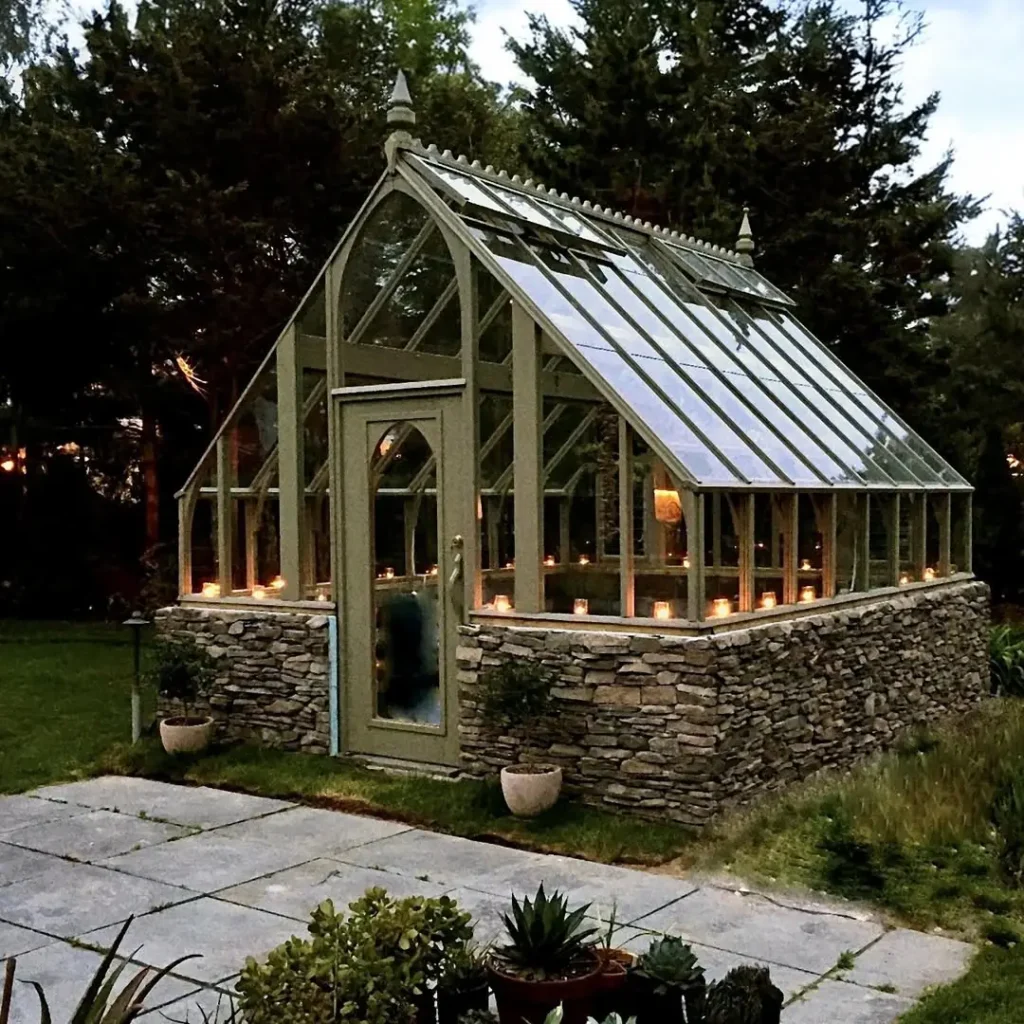
The Inspiration : Tudor greenhouses evoke the essence of 16th-century English manors, characterized by their steep gabled roofs and half timbered allure, while being modernized through Sturdi Built’s redwood kits that incorporate Gothic arches. Instagram features these ivy-covered structures that withstand snowy conditions. This concept captivates with its medieval sophistication, merging historical resilience and beauty to create enchanting, storybook environments for plants.
Why it Works : Tudor greenhouses utilize steeply pitched roofs to facilitate snow shedding and maximize light through handcrafted redwood arches set in galvanized frames, achieving 90% light transmission and wind resistance. Their design includes decorative ridge cresting, ventilation systems, and glass panels mounted on robust bases, effectively retaining heat. The advantages include durability against severe weather, aesthetic coherence that can enhance property values by 15%, and consistent year-round plant yields. Sturdi Built examples demonstrate exceptional performance; DIY Tudor constructions using recycled windows flourish organically, surpassing flat roofs in terms of improved airflow and visual attractiveness.
Pro Tip : Construct redwood kits on concrete slabs with a steep 45° pitch; incorporate galvanized vents and cresting. Apply a dark stain to the exteriors for a patina effect, and annually plant climbing plants on the arches to enhance Tudor charm and provide shade control.
Portable Mini Greenhouse
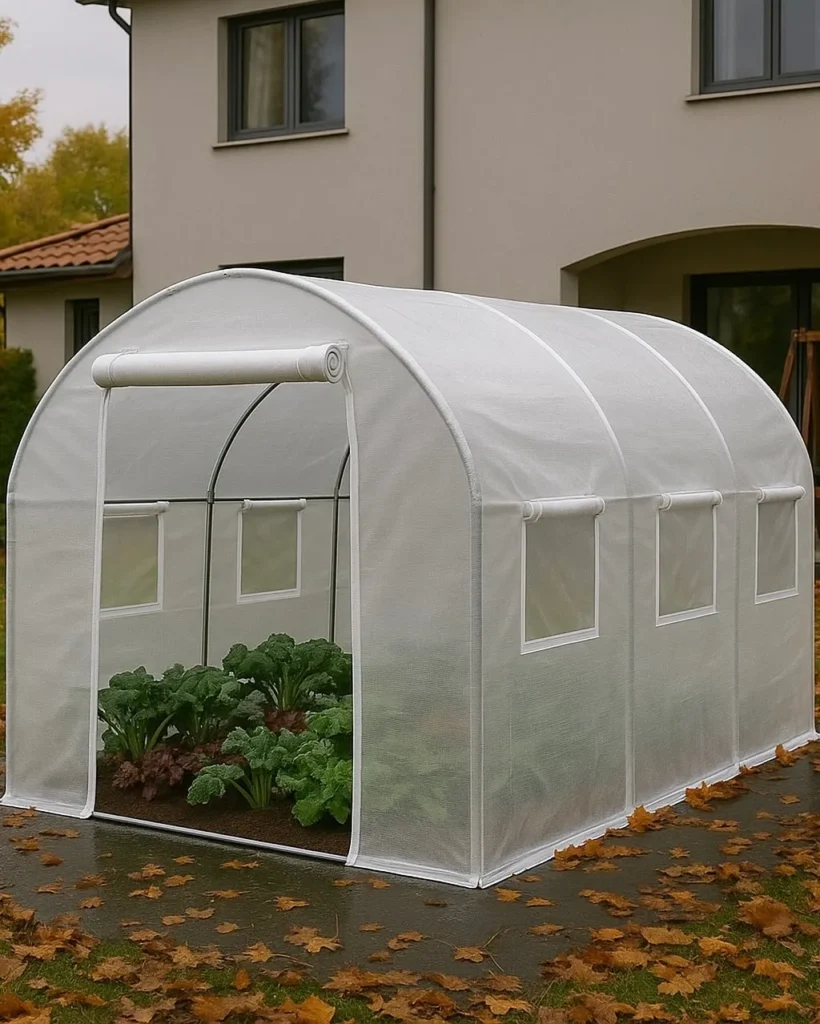
The Inspiration : Portable mini greenhouses originate from compact urban oases, such as Wayfair’s steel framed domes that protect balcony herbs from frost. Evolving from traditional cloches, Zejing’s pop up designs motivate renters and novices alike. This concept embodies a nomadic charm, providing immediate warmth for seedlings in various locations balconies, patios, or countertops facilitating growth without long-term commitment.
Why it Works : Portable mini greenhouses are constructed with lightweight steel and PE frames, featuring zippered covers on foldable bases. They effectively trap heat, raising temperatures by 5-10°F above the ambient level through solar gain, while roll-up vents help prevent mold. The design allows for quick assembly, making them suitable for seed-starting, overwintering, or propagation, accommodating 4-20 plants. The advantages include extending the growing season by 4-6 weeks, creating pest barriers that reduce losses by 50%, and providing space efficiency for urban dwellers. Green Citizen reports indicate that germination occurs twice as fast; Busy Beaver highlights their affordability at under $50, along with reusability, which surpasses open beds in terms of yields and low-waste sustainability.
Pro Tip : Opt for steel frame PE models equipped with roll-up vents; bury the edges in soil to enhance pest resistance. Place them facing south, ventilate daily for proper airflow, and consider adding solar fans relocate them seasonally to ensure optimal light exposure and frost protection.
Qube lean 𝗚𝗿𝗲𝗲𝗻𝗵𝗼𝘂𝘀𝗲
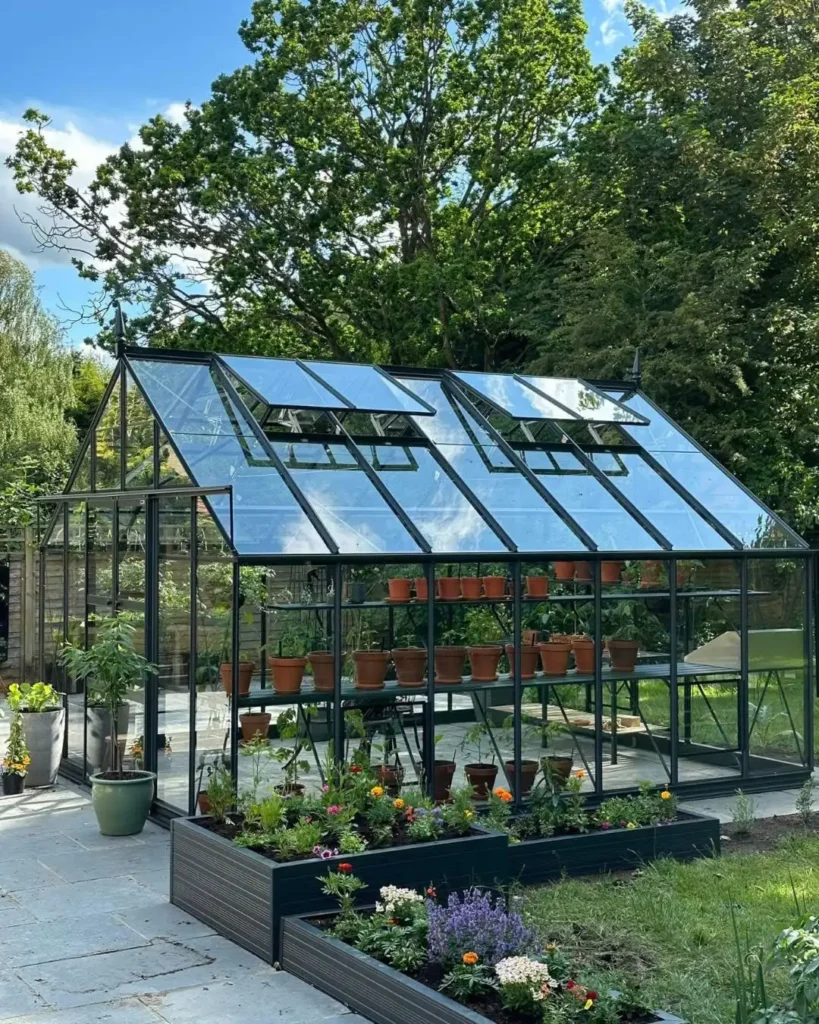
The Inspiration : Qube lean greenhouses are inspired by contemporary industrial glasshouses, introduced by Halls in 2019 as sleek lean tos positioned against walls. Featuring floating toughened glass and box-section aluminum, they optimize compact areas such as patios. This aligns with the minimalist movement, merging strength and subtlety for urban cultivators seeking elegant expansion.
Why it Works : Qube lean greenhouses are affixed to house walls to utilize passive heating releasing accumulated warmth during the night, resulting in a cost reduction of 20 30% according to Halls data employing square box profiles for storm resistance validated in wind tunnel tests. The mechanics include 3mm toughened glass, sliding doors, low thresholds, and optional polycarbonate roofs for enhanced insulation. Advantages encompass a timeless design that integrates seamlessly, space efficiency available in dimensions from 2×6 to 6x12ft, and unobstructed views that promote growth. Juliana’s tests verify durability; user experiences indicate optimal off-season yields through vents and rainwater gutters, surpassing the performance of freestanding models.
Pro Tip : Install on south facing walls over gravel bases; choose black powder coated aluminum paired with toughened glass and automatic vents. Incorporate integrated shelves and 40mm downpipes for effective water collection, ensuring maximum light diffusion and year-round efficiency.