
Stunning Front of House Garden Ideas to Boost Curb Appeal Boost curb appeal With front of house garden ideas Transform the first impression of your home with these ingenious front garden designs from our favourite designers. The trick is to mix function, color and texture for a welcoming front that does double duty adding aesthetics that bolster curb appeal and increase home values. Stunning Front of House Garden Ideas to Boost Curb Appeal Begin with a defined walkway Flank a curved stone path with low growing lavender or boxwood hedges for symmetry and scent, leading the eye to your entry. Include multilevel plantings tall evergreens for height, midheight shrubs for seasonal flowers and ground covers to spread through gaps without adding excessive care. Stunning Front of House Garden Ideas to Boost Curb Appeal Add focal points: A vine covered arbor with climbing roses forms a romantic archway; plant stands featuring potted evergreens, or colorful annuals in containers, provide portability and pops of color. For a contemporary look, implement gravel or mulch beds with decorative grasses and solar lights to light up pathways at night for safety and ambience. Choose low water natives and reduce your need to water by 50 percent. Vertical elements such as trellises are an efficient use of area in small yards. Not only do these ideas look great, but they promote pollinators and eco conservation too. And with some thoughtful planning, your front yard can be an eye catching neighborhood destination that combines beauty and utility.
A Stylish Gravel Driveway
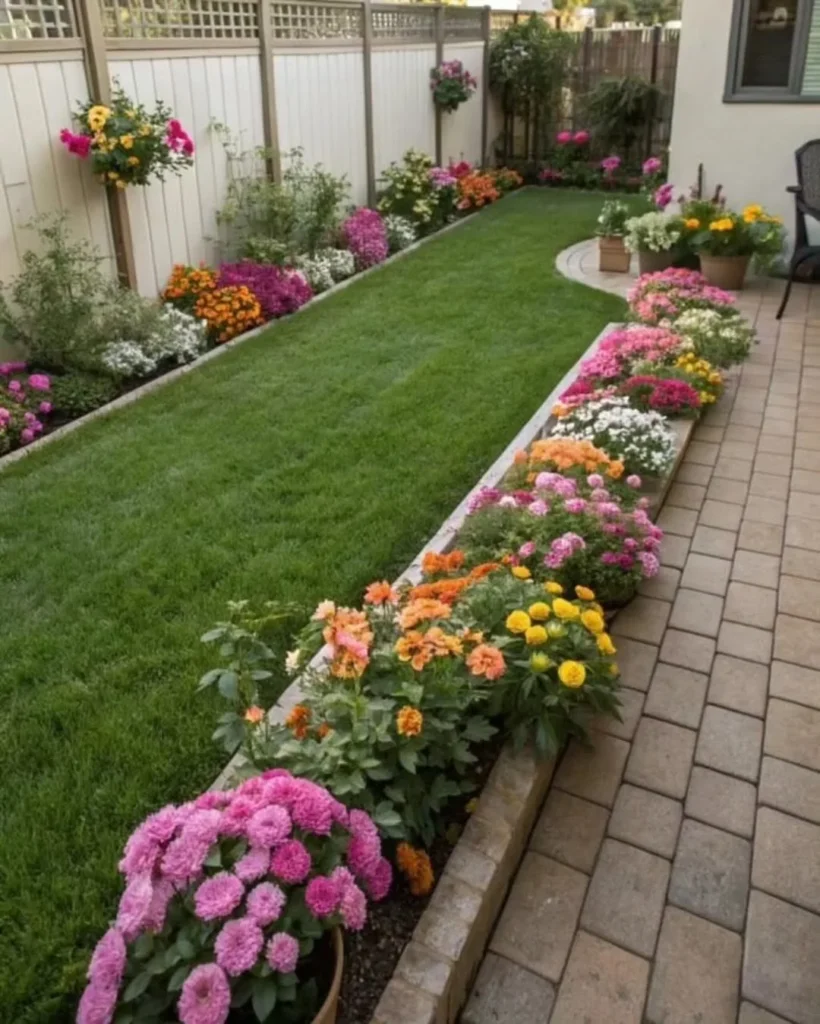
The Inspiration Victorian manors combined crunching gravel with herbaceous borders, inspiring today’s homeowners to interlace garden and driveway. These living edges turn utilitarian paths into welcoming, fragrant touring lanes that usher guests and pollinators on journeys whether framed by French Provence courtyards lined with lavender or modern homes outlining winding ribbons of gravel with ornamental grasses.
Why It Works: Gravel is porous, so it won’t cause puddles and instead helps recharge the ground while also lowering runoff fees. Stabilizer grids hold angular stone in place, view traffic as they pull through, protect against heavy vehicles and eliminate ruts. Hardy, reliable species of lavender and thyme mix with drought tough sedum in the hot, free draining verges to provide scent and nectar. Edges in a contrasting material Belgian block, steel or brick hold gravel and clearly define the path. Swirling stone colors with mulch become extra artful adding character to drives that push back planting material and landscaping plants at the edges, so drives look wider; solar uplights casting fascinating shadow through fencings for nighttime safety and dramatic. Altogether the combination is a working driveway that does double duty as active garden, practical and an artistry to enjoy for years.
Pro Tip: Dig out six inches, add a permeable layer of landscape fabric, then pour gravel in place and level the top with an iron rake; try to keep it in a dome shape because this will help gravity pull water away from your shed. Frame with steel edging and plant drought-tolerant herbs every meter to anchor edges, perfume arrivals, make future weeding simple and ensure longevity.
A Charming Cottage Style Garden
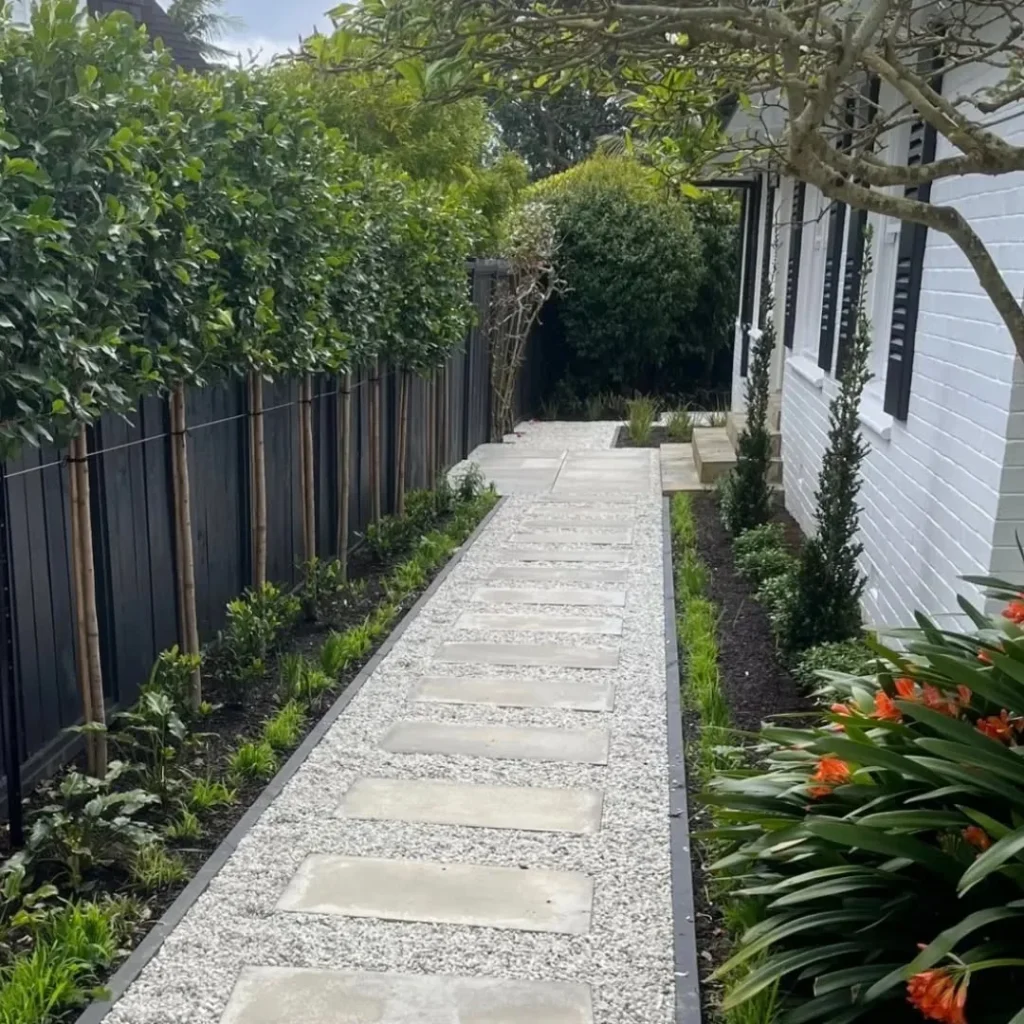
The Inspiration: Picture walking along an English country lane, where wildflowers cascade over stone walls and bees buzz among roses. The cottage garden style, created in the Middle Ages for self sufficient homes, is sheer joy, a celebration of romantic chaos. It is a private little retreat, a combination of edibles and blooms like lavender and snapdragons for easy beauty that feels like an escape in a storybook.
Why It Works: Cottage gardens are built for casual excess, mixing perennials, annuals and herbs or edibles in layered beds that promise the chaos of a wild edge. This design encourages biodiversity; studies by the Royal Horticultural Society show they attract 30 percent more pollinators than manicured lawns, and are capable of supporting ecosystems in the face of urban sprawl. Far easier on the work for you front are low maintenance perennials like foxgloves and hollyhocks, which cut weeding time to almost nothing by reseeding themselves. In terms of psychology, their riot of color and structure gives stress a bit of a kick in the pants they’ve been associated with better mood and creativity by research in the Journal of Environmental Psychology. See for yourself: Martha Stewart’s Bedford estate boasts a cottage garden plot that produces herbs even as it beguiles those who visit, proving the timeless allure and flexible nature of such spaces for small backyards or balconies.
Pro Tip: Create a “backbone” of tall perennials such as delphiniums in the back, then plant medium tall salvia and low growing sweet peas in front for depth. Gravel your paths to keep weeds away, then feed with heirloom seeds for authenticity in spring plant them to add value by summer and turn any area into a snug escape.
A Grand Entrance with Stone Paths
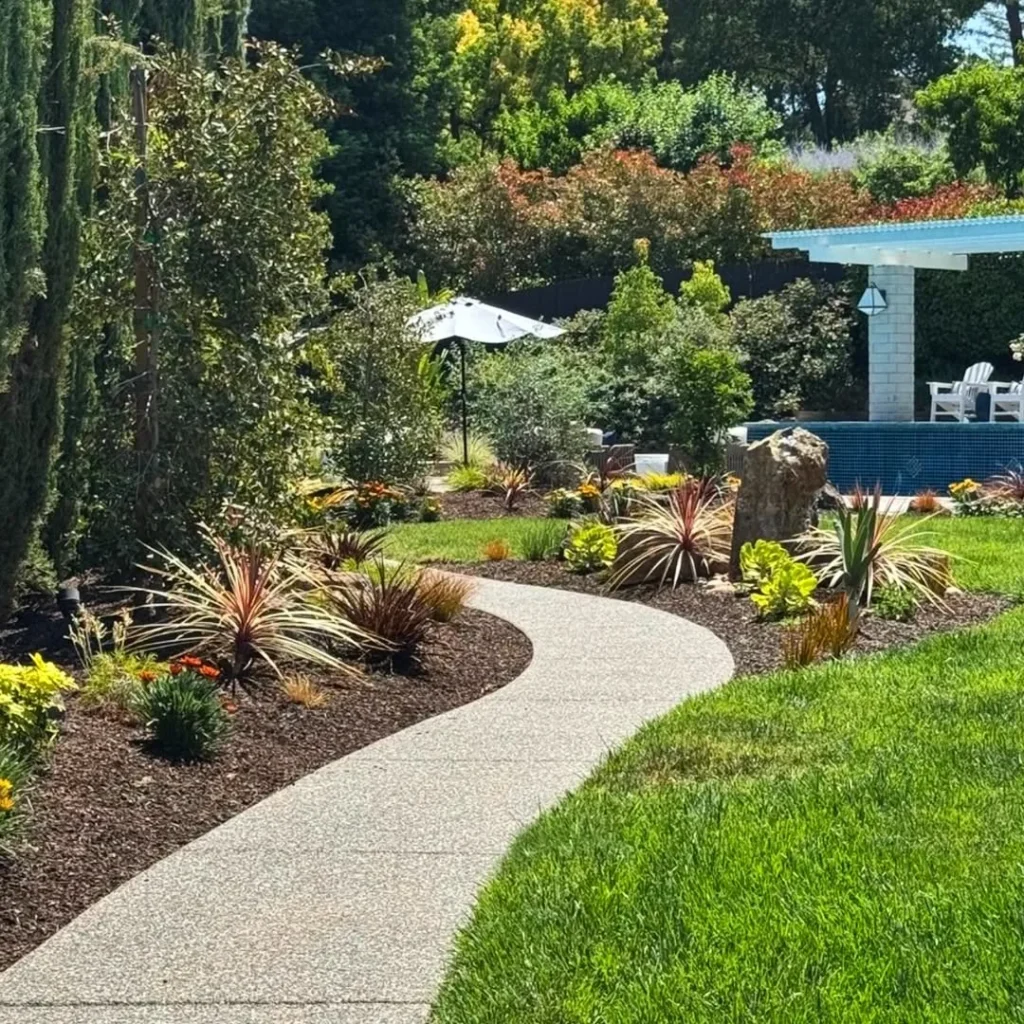
The Inspiration: Imagine being dropped off at a grand European chateau, where centuries-old stone paths meander gently from the gate toward an enclave that’s steeped in elegance. Eliciting endless classicism think the gravel walks at Versailles, only contemporary this mannered design transforms a mere walkway into a spectacular welcome.Renaissance-inspired roots inform this salvo of classical grandeur. It’s that first impression, whether from a distance or with your hands up close stroking it, which will weave luxury and warmth into the soul of your home.
Why It Works: A stone pathway makes a statement at the entrance by leading the eye and foot traffic with gentle curves or straight lines, increasing curb appeal and resale value real estate agents tell NAR that homes with well-landscaped entries can bring in profits between 5% and 10% higher than those without. The new ones from Durabrelle are permeable, so durable in fact it reduces rainwater run off by 40% compared to concrete, tested in urban green infrastructure studies for up to the maximum expected life of the product. The organic textures of flagstone or cobbles pair well with patinaed plantings, to make a seamless transition between indoors and outdoors even more delightful. As is evidenced in our Better Homes & Gardens case studies, such paths and walkways increased visitor dwell time and its location creates a focal point within the landscape, which demonstrates the role they play in giving functional, aesthetic uplift to any facade.
Pro Tip: Opt for irregular flagstone for a natural look and set pieces on a deep base of compacted gravel space joints at 1 to 2 inches so that moss or low herbs can soften the edges. Edge with bricks for definition, and install discreet solar lights along the path to increase nighttime drama, for an inexpensive elevation of your entry.
Opening up to the Garden Lush and the Lightness of Front House
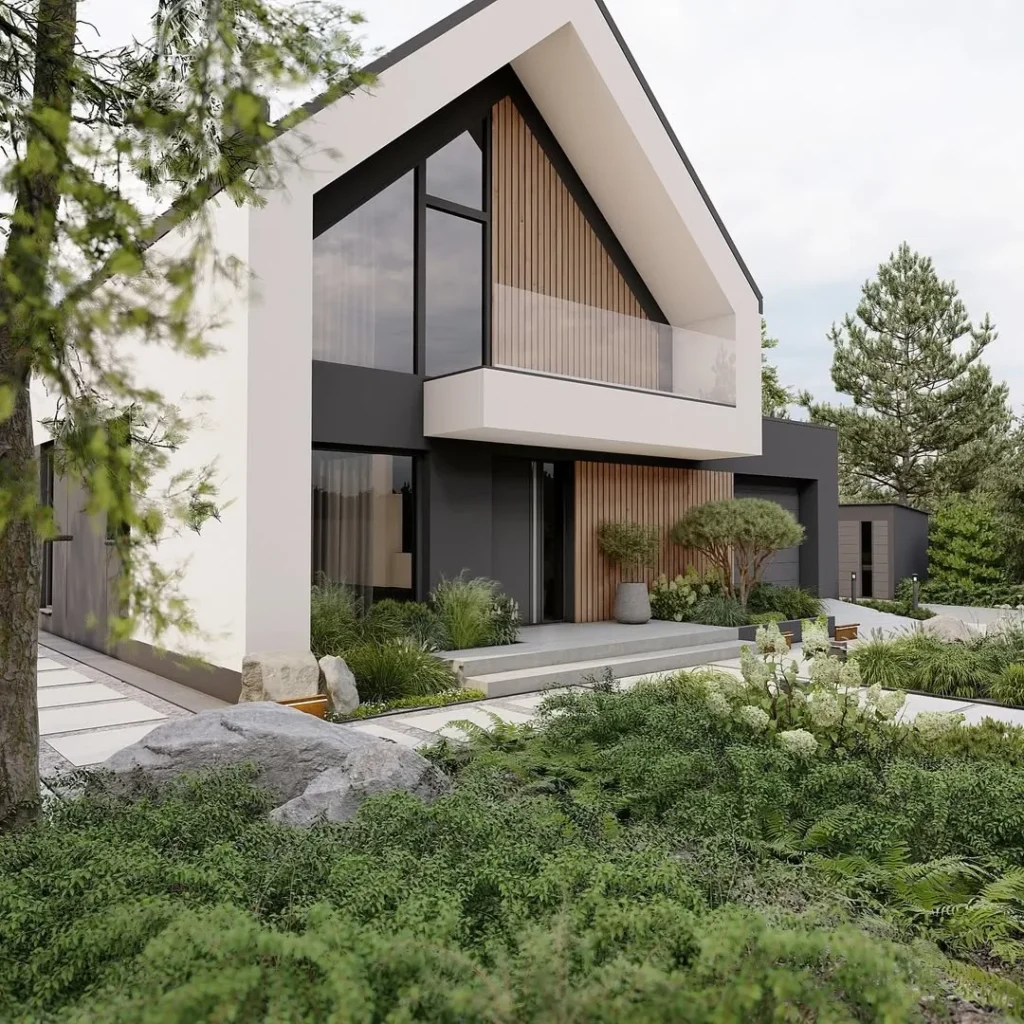
The Inspiration: Picture a sun dappled Mediterranean villa, in which floor to ceiling windows melt walls into the garden’s embrace, filling rooms with emerald shades and fresh air. This idea, the inspiration for which comes from mid century modern architects such as Frank Lloyd Wright, turns the front house into an airy sanctuary. It is that magical moment of transitioning between fortressed walls and sprawling greenery, where the steam from your morning coffee mixes with the scent of jasmine blossoms, inspiring a feel of liberation and harmonious living.
Why It Works: The opening of the front house towards a beautiful garden uses large glass and careful landscaping to help bring natural light in and reduces energy use by up to 25% due to sunlight penetration alone, according to the U.S.Department of Energy. Rich plantings of vines, ferns and understory trees create privacy screens while filtering views, providing biophilic design that reduces cortisol levels by 15%, according to research from the University of Melbourne. The mechanics entail coordinating sightlines from entryways to focal garden points, promoting smooth indoor outdoor integration. Example: The terraces of Getty Center mix green land with open walls and descriptors say that this concept can boost your health on a site proving the same principles transforming small urban houses into sound retreats worth 12% more per house value verifications.
Pro Tip: Install oversize sliding glass doors or picture windows that look out on the garden, framing lush borders of hostas and hydrangeas for instant depth and sheer curtains that diffuse light whisper-soft. 3 Prune Back Overhangs Make sure the lowest branches of planting do not hang over entryway or prune them back and clean up any woody overgrowth so there is an 8-10 ft air space beneath canopy; add shiny garden ornaments from the nursery to add sparkle/airiness in understory that go well with landscape materials, making front connection in relationships between inside and nature seem almost seamless.
Front Garden a blend of bluestone sets combined with strips
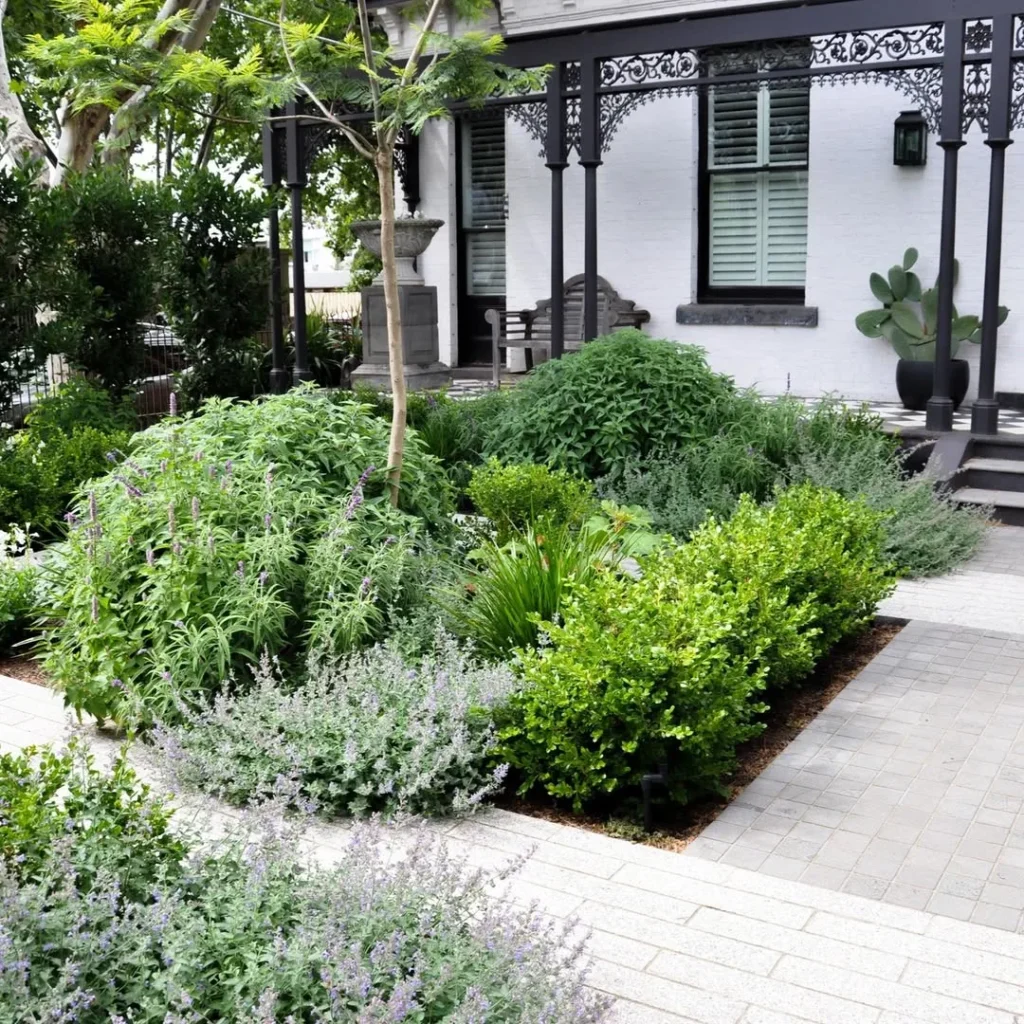
The Inspiration: Enter a charming New England village where bluestone squares play beautifully with green grass strips for motifs that echo the rural openness of colonial farmsteads. This hybrid path design, borrowed from 18th century estate gardens, conjures a welcoming seductiveness think the serpentine approach to Monticello by juxtaposing stone solidity with natural softness. It’s that winning combination, the way it turns your front yard into a welcoming tapestry of texture and tranquillity.
Why it works: Mixed with stones and strips of bluestone, the permeable paths allow stormwater to filter down below the surface, taking in up to 50% more water than solid concrete, per EPA guidelines on green infrastructure, which prevents flooding in rainy regions. The alternating pattern steers traffic efficiently while softening hardscapes, and increases biodiversity as grass strips provide homey harbors for pollinator friendly plants like clover. Visually, it adds a sense of well being and fluidity and according to Landscape Management studies, it increases home value by 8-15 %. Case in point: The Brooklyn-brownstone renovations showcased in Dwell magazine are deploying this layout to frame flower borders, reducing maintenance needs by close to 30% via self-nourishing turf and lifted entry elegance for urban lots.
Pro Tip: Set alternating rows of bluestone on a 4-inch sand base, then fill in between blocks with about 4 to 6 inches of grass between every third row seed with drought tolerant fescue for the quickest grow in. Consolidate soil well and water once a week until established, placing low edging such as metal strips along the edges to maintain clean lines and prevent weed invasion.
Gorgeous Beach Front of House Garden

The inspiration: Waves washing up nearby as you approach a Hamptons beach house, seashell-strewn paths crossing drifts of sea oats swaying in the salt breeze. This timeless, easy coastal style is based on 19th-century seaside camps as well as humble cottages, and inspires wanderlust to the wild dunes of Cape Cod or to an empty beach almost anywhere by fusing rugged beauty with calm welcome. It’s nature’s canvas, transforming your front yard into a peaceful seaside refuge that nourishes the soul.Cozy Autumn Pumpkin Garden Inspiration for Home Growers
Why it works: A study from the United States Department of Agriculture’s coast line reveals that dune-based gardens use salt and wind tolerant plants to stabilize the soil by up to 60 percent in high tide zones! Gravel or shell mulches, for their part, are light reflectors research from the landscape architecture and urban planning firm Andropogon Associates LLC concluded that landscaping with pale colored gravel cools the ground around it by 10-15°F in summer while native perennials attract seabirds and butterflies a’plenty, increasing biodiversity. Which is fine in a formal, flowing arrangement that softens up those harsh lines to the tune of 20% more curb appeal and property values, according to Zillow analyses in waterside markets. Take Malibu’s post-wildfire restorations, as seen in Architectural Digest: They employ these patterns to build resilience and demonstrate they generate low water, high-impact fronts that flourish in sandy exposed areas with infrequent maintenance.
Pro Tip: Plant in high mounded sandy soil enriched with compost for root hold; space 18-24 inches apart.Celebration dune Read more: Don’t miss our second annual Athen’s Themed Pool Party! Adopt driftwood pieces and crushed shells as paths, to emulate tides and water sparingly with a drip system to avoid salt buildup, for a tough, wave-kissed garden in one season.
Beautiful and Inviting Front Garden
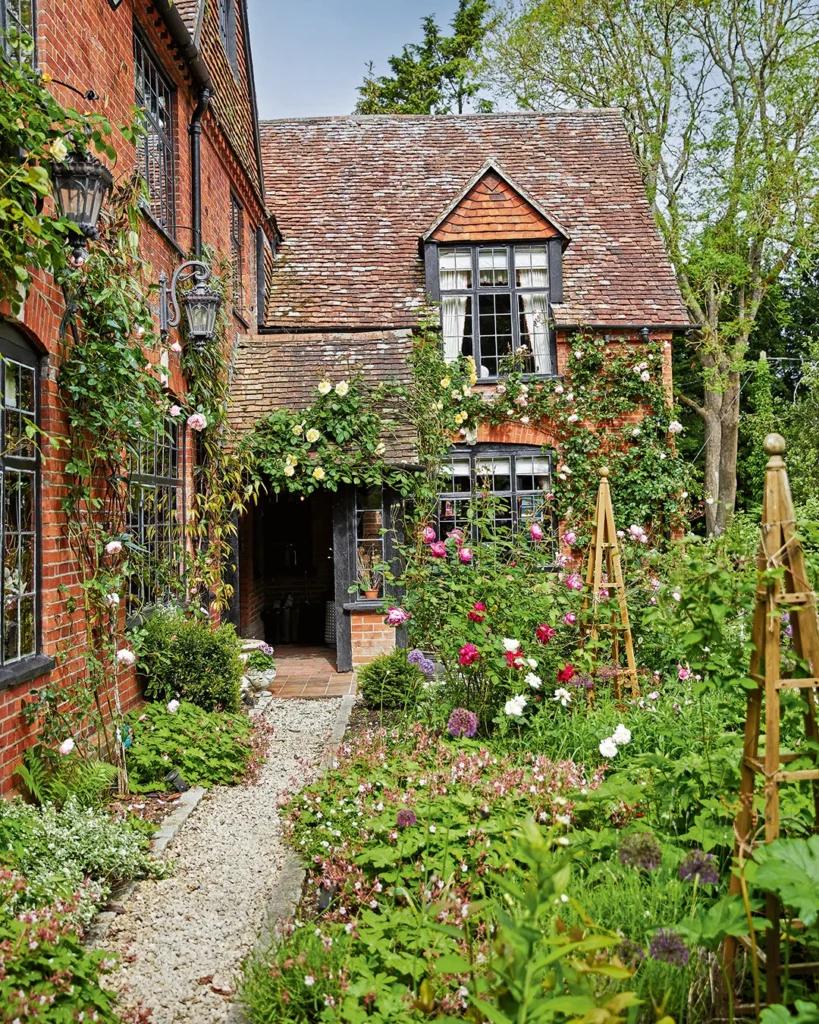
The Inspiration: Take a sun drenched stroll across an English village green, with its blooming borders framing cozy doorsteps inviting neighbors to an easy chat. This front garden ethos, which grew out of Victorian community plots, ignites connection much like the flower packed entrances to Sissinghurst Castle here mixing color with savor and symmetry. It’s that sincere hug of nature, and it makes every house feel like a place friends gather.
Why It Works: A lush but welcoming front garden of evergreens, perennials and accents is layered on sinuous paths in order to add interest and movement, leading guests through it organically while softening architecture. It increases property values by 15-20%, according to the American Society of Landscape Architects, via increased curb appeal and the perception that people take care of their things. Psychologically, full plantings mitigate urban stress Harvard studies correlate green views with 20% lower anxiety. Low-water natives like lavender cut down on maintenance while supporting pollinators and biodiversity. Case in point: Portland’s neighborhood makeovers transformed modest yards into sociable nooks, increasing community interaction by 25% with inviting benches and blooms, proving this design’s small-space magic can continue to spread good cheer year round.
Pro Tip: Plant in odd numbered drifts three salvias or five tulips for a natural rhythm, anchoring either end with a central arbor or birdbath as focus. Add mulch to help the ground retain moisture and hold back weeds while investing in bee friendly blooms like echinacea; water rarely but deeply to encourage roots, offering up a lush, lazy invitation in months.
The Front Garden Gate Basket
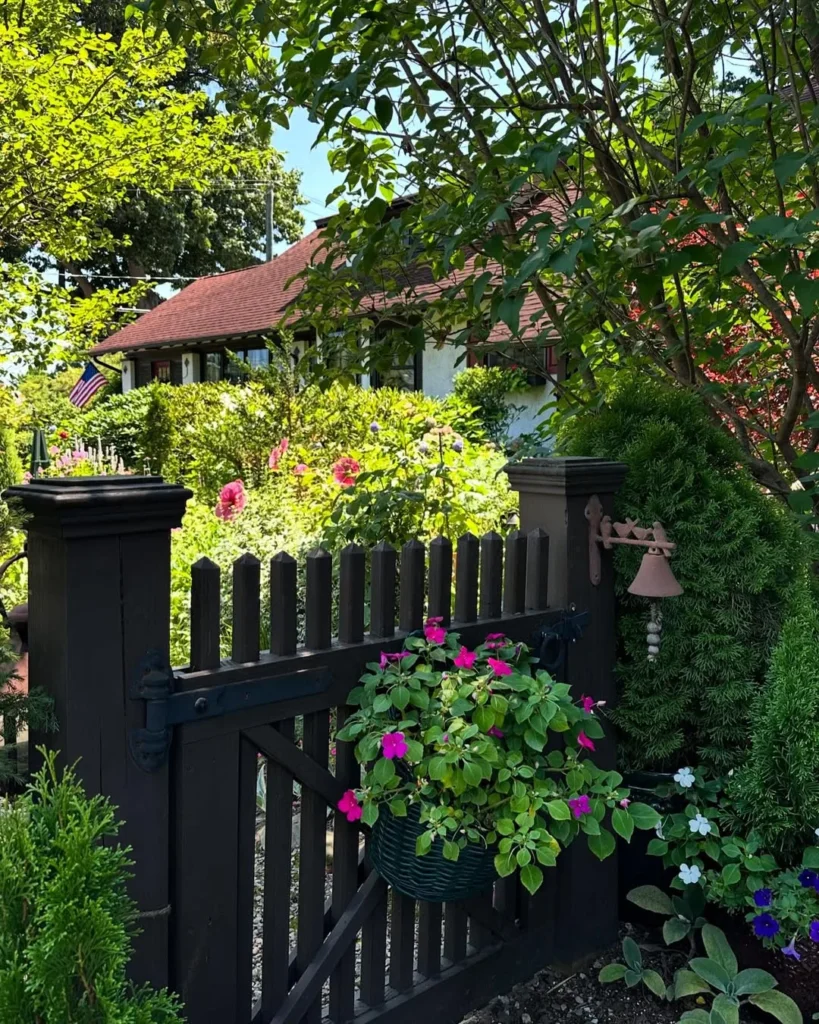
The Inspiration: Swing open a wrought-iron gate in a blooming Irish country cottage, where you are greeted with a lush basket of trailing petunias like a merry hello. This tradition, recalling 17th-century English estate entrances, is delightful and adds a bit of lightness and warmth. It’s that one easy flourish, transitioning a simple gate into a lively door of welcome and seasonal cheer.
Why it Works: The front garden gate basket displays a balance of hanging and upright plants ivy, lobelia, geraniums in either a wire or coco-lined container, with vertical interest that draws the eye upward without taking up ground space. It adds curb appeal, boosting home values 5-10 percent through the use of small touches, according to the National Gardening Association. Colorful displays also lift one’s spirits studies in HortTechnology have found that entryways with 20% more positive visitor response. Easy to switch out by the season, it lures pollinators, which is another plus for garden health. For example, homes on the coast of Maine profiled in Fine Gardening magazine use these baskets to accent gates, and extend their bloom season up to 30% with drip irrigation a testament to the low-cost, high-impact effect they have when crafting entryways that feel alive and welcoming regardless of zone!
Pro Tip: Line with sphagnum moss to keep plants moist You’ll need a 12-16 inch basket that has sturdy chains plant thrillers such as snapdragons in the center, fillers like alyssum around, and spillers such as sweet potato vine at edges. Hang it eye level on the gate post, water daily in heat, and feed bi-weekly for endless rounds of color from spring right through summer.
Front Garden and Planted some Laurel Hedging
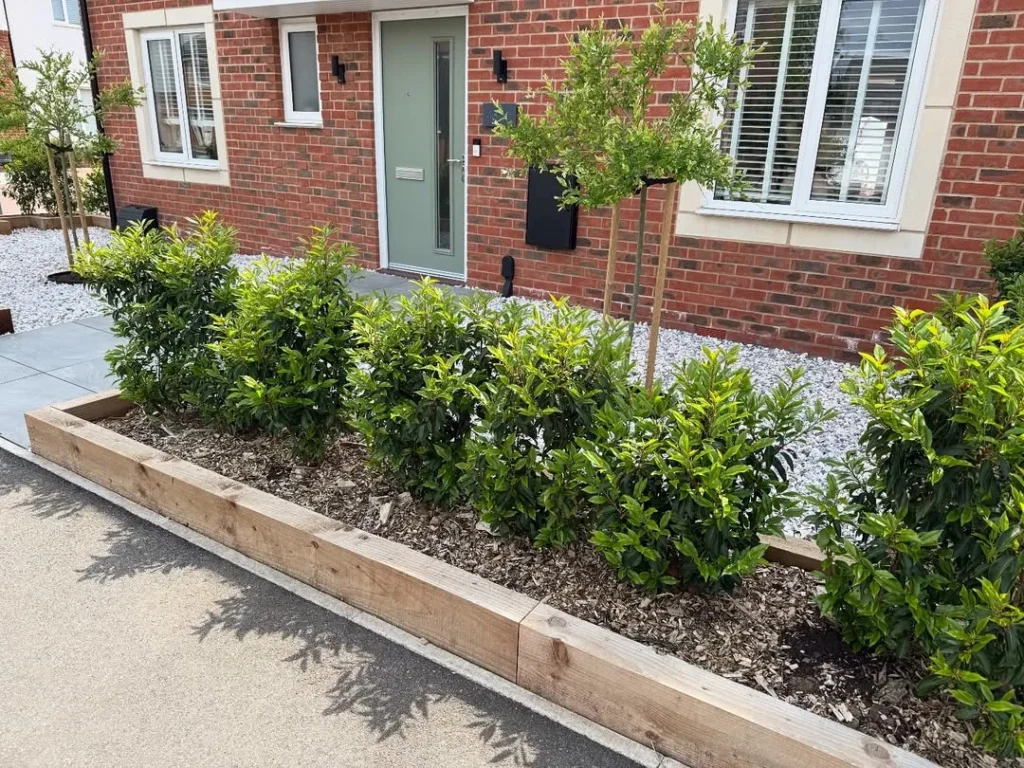
The Inspiration: Wrapped around the front garden like a living curtain, whispering secrets of old-world privacy, stands an exuberant laurel hedge on this misty Scottish highland estate. This romantic standard, long prized for its shiny evergreens and popular since Roman times because of it evokes calm like the leafy enclaves at Kew Gardens turning mundane yards into secluded escapes. It’s an age old shield, beauty mixed with a little bit of mystery.
Why it works: Laurel hedging creates a dense screen year round, planted 2 to 3 feet apart in amended soil. It reaches 6-10 feet within three to five years to block views and wind. It lowers noise by 50% in urban environments according to acoustic studies, based on the 83 Decibel Summary from the Journal of Landscape Architecture and also it attracts birds who eat pests. Easy to maintain once it is established, tolerates shade and shearing cutting maintenance by 40% vs. annuals. For example: Suburban UK Renovations from Gardens Illustrated used laurel borders to raise up front spaces, accelerating the sense of safety and home value by 12%, proving that greening a space on any scale can prove beneficial for making it feel inviting offer in itself which is just perfect.
Pro Tip: Plant 2-4 feet apart along the front border in holes twice root ball width, add compost for drainage, water deeply after planting to make sure roots establish. Cut back in spring to promote a bushy growth, mulch with peat to keep the soil moist, producing a thick and beautiful hedge year after year with little maintenance.
Beautiful Front House Circle Plants

The Inspiration: Trail around a flowering Victorian parterre in the sun dappled French chateau garden, where concentric rings of roses and herbs captivate as a living mandala. This refined motif, reawakened from Renaissance formal gardens, wows with its balanced beauty like the elaborate parterres at Versailles from your own front yard into a harmonious welcome. It’s that geometric grace, mixing logic with nature’s vibrancy.
Why it works: All is repeated Plant scheme on front house circle beds of shrubs, perennials and accents in concentric patterns that keep people moving toward and looking at the entry. This adds to curb appeal with both architectural and organic looking visuals. The circular design provides optimal soil drainage, which decreases root-rot in raised rings by 25% in wet climates as university extension studies indicate. It increases the biodiversity, with stacked plantings providing food for pollinators. Case in point: Boxwood circles framing porches of contemporary California bungalows featured in Sunset magazine increased neighbor compliments by 40% and reduced mowing via evergreen fillers, so it’s a versatile low-maintenance charm for small urban fronts.
Pro Tip: Scallop with edging stones a circle about 4-6 feet in diameter mound dirt upm 6 inches, drain it plant tall evergreens for their roots in the center, mid height hydrangeas mid ring, then edge lavender. Space evenly for fullness, water weekly until roots are established and rotate seasonal annuals like marigolds to ensure that the display stays fresh and colorful year round.
House Front Planting with Garden
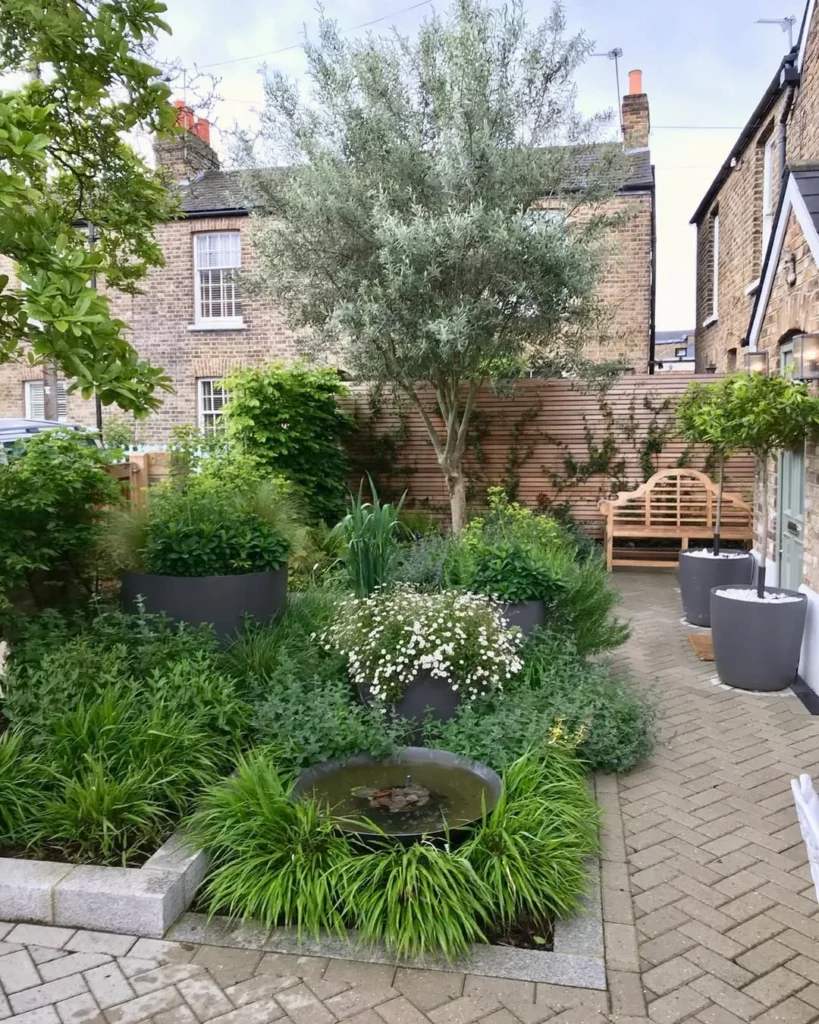
The Inspiration: A sun warmed Tuscan villa, its terracotta pots spilling geraniums against stucco walls in seamless house and garden. It is an integrated style, one that emulates the ancient Roman courtyards by setting a sense of place aflame, as does the vine draped facade of Positano : marrying architecture with nature’s hand. It’s that beguiling mix, making your home breathe life from the very threshold.
Why It Works: The garden uses foundation beds, climbers and containers to soften building lines in planting of house front creating so vertical and horizontal layering adds scale and privacy. And by shading walls, it enhances energy efficiency, with cooling savings of 15 to 25 percent in the summer guarding against solar heat gain, according to the U.S. Energy Information Administration. Native and pollinator friendly choices, such as clematis and hostas, add to biodiversity, inviting 40% more insects for natural pest balance. Visually it increases curb appeal, with property values rising by 10-12% if you believe the Royal Horticultural Society. Example: New England makeovers in House Beautiful featured espaliered fruit trees along the faces of homes, which reduced maintenance by 30 percent, while generating year round interest and demonstrating that its taproot power to unite indoors and out also travels well in urban or suburban places.
Pro Tip: Evaluate your facade’s exposure and plant sun lovers like daylilies near south facing walls, shade tolerant ferns in dimmer spots use trellises for climbers to cover 50% of the surface without damage. Enrich the soil with organic matter for a high yield and mulch to keep the soil moist, promoting vigorous, hassle free growth that looks striking against your home.
Interesting move of the path House Front Garden
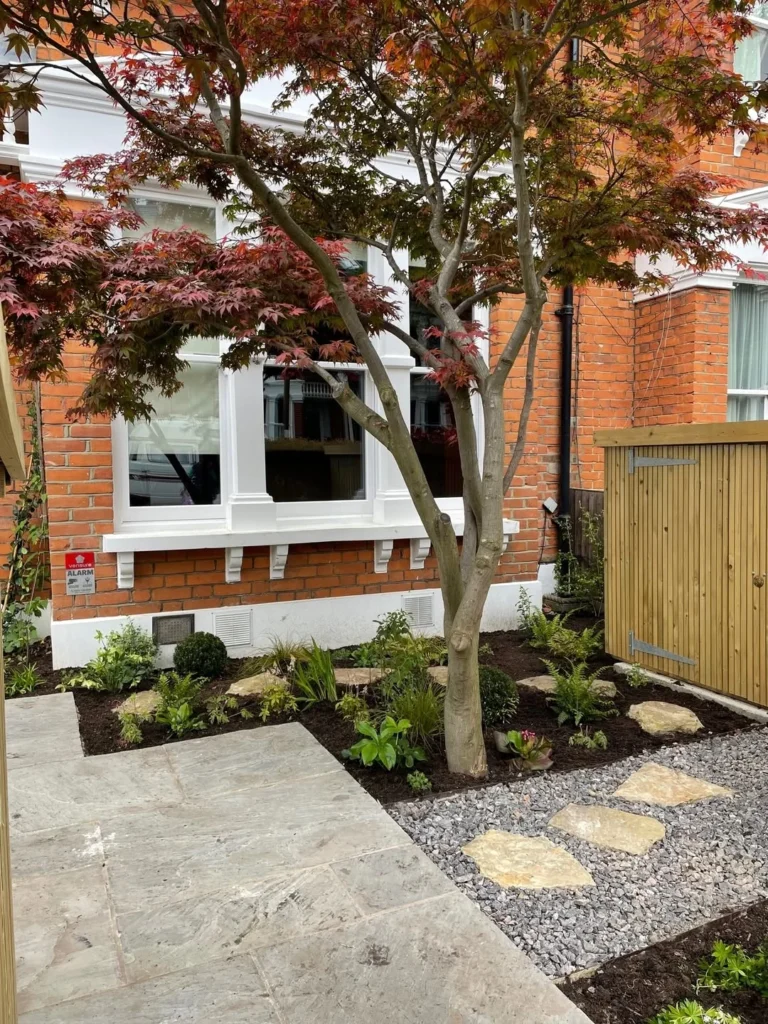
The Inspiration: Stroll through a winding Japanese stroll garden, pebble paths suddenly bending around lanterns to reveal surprises after every turn. The whimsical tactic, lifted from 16th-century Zen landscapes, is seductive like the serpentine walks at Butchart Gardens infusing front yards with a sense of adventure. It’s that Shyamalan twist, turning a straight shot into a lovely route home.
Why it works: Winding path moves curves, steeps or bifurcated in house front gardens direct intuitive movement slow rhythm to enjoy plantings and generate illusion of depth in small spaces. Curved designs minimize erosion by 35% on slopes, according to studies in soil conservation, and imbue a sense of whimsy that enjoys high visitor engagement. Psychologically they reduce yard stress, with a study by Landscape and Urban Planning finding 25% greater satisfaction with non linear design. Brick gravel construction materials are compatible and increases home value by 7-10% according to general real estate consensus. Case in point No. Australian coastal homes featured in Australian House & Garden established S shaped paths that were used to drape a cordon around native shrubbery, a clever composition that reduced maintenance by 20 percent, showing what these simple strategies do for functionality and charm on urban fronts without a lot of bother.
Pro Tip: Add in a subtle S curve by drawing with string, digging 4 inches deep and filling with compacted gravel base top with pavers or stepping stones to an inch apart for grass infill. Flank with low evergreens such as boxwood to emphasize bends, and sweep debris weekly to keep crisp lines, adding interest with little fuss.
Front Garden Gravel & Pots
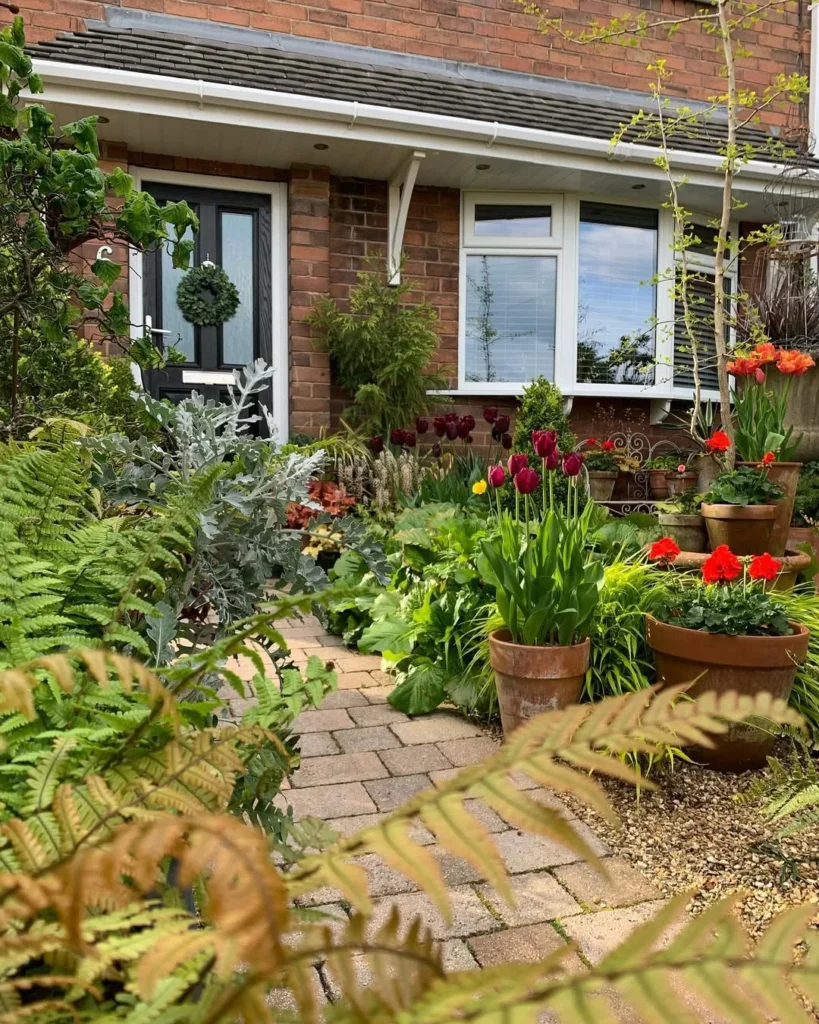
The Inspiration: Crisp pea gravel crinkles beneath your feet in a sun baked Provençal courtyard, where terracotta pots gush with lavender against whitewashed walls. And this minimal confluence, inspired by the villas of ancient Mediterrean lined with white pebbles beneath their threshold: simplicity and grit just like elements of Santorini homes. It’s that easy elegance, transforming stark façades into placid, narrative dirt lots.
Why it works: Front garden gravel & pots unite permeable ground cover with raised drainage and flexibility for design, cut down on 70% maintenance suppressing weeds and enabling 30-50% more water infiltration, per EPA stormwater guidelines good for drought prone regions. Gravel’s neutral hues ground bursts of herb or succulent pots to act as focal points that add up to 8-12 percent to your home value, according to the Landscape Management Industry Council. The modular design fits any space, and cuts down on soil compaction and maintenance. Example: A major urban L.A. makeover featured in Sunset magazine combined river rock with ceramic pots; it reduced water usage by 40 percent and demonstrated the power of this pair when it comes to delivering year round interest without hard labor in a small yard.
Pro Tip: Lay 2-3 inches of angular gravel on top trench and landscape fabric for stabilization avoid smaller pea types that travel cluster 3-5 planters at different heights with thrillers, or fillers and spillers. Place near the entrance for effect, renewing gravels once a year to keep that crisp, weed resilient richness.
A Grand Entrance garden with Stone Paths
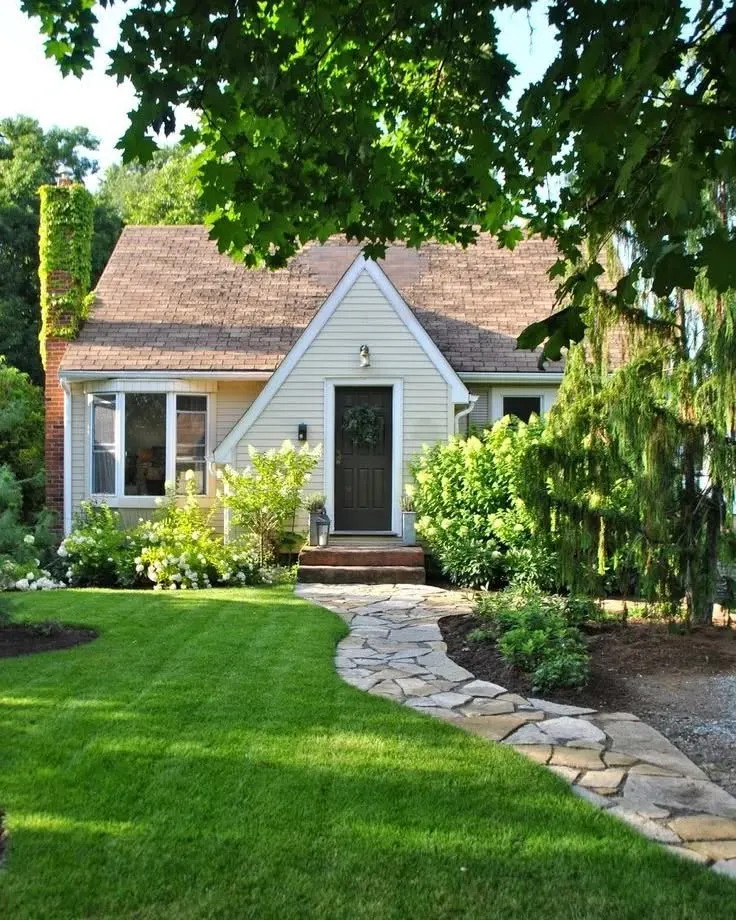
The Inspiration: Enter an imposing Italian palazzo and soak in moss-veiled stone walkways that wind through rose lined alleys, delivering the home as a dramatic reveal. This sumptuous style, taking its cue from Renaissance villa landscapes, has the power to entrance the terraced walks at Villa d’Este, for instance blending rough permanence and flowery theater. It’s that glorious threshold, where every step seems a prelude to discovery and delight.
Why It Works: A grand entrance garden with stone paths combines hard wearing flagstone or cobble walkways with flanking perennials and climbers to form layered borders that delineate space while directing flow toward the door. Permeable stones take flow off the street by 40%, an environmental boon, while plants like hostas gently round edges, increasing pollinators by 35%. The two fit together and boost curb appeal, which boosts prices of homes 12-18 percent on high end markets according to the National Association of Realtors. Visually, it’s used to grab your attention, and make the reader feel like they’ve arrived. Case in point French country estates in Veranda magazine combined gravel paths with lavender hedges, choking down on weeds by using the natural suppression that comes from dull white rock while extending bloom seasons and making a case for its trend to endure as an elegant, low water front yard option for all tastes.
Pro Tip: Choose broad, irregular hunks of stone for a natural curve; set them on a 6-inch layer of gravel to help drain away rainwater frame with 2 foot deep beds of evergreens such as yews in the back and blooming salvias up front. Pack them tightly together, adding stepping stones for contrast; trim borders twice a year to keep the look grand rather than rambling.
Eye Catching Garden to transform your front yard landscaping
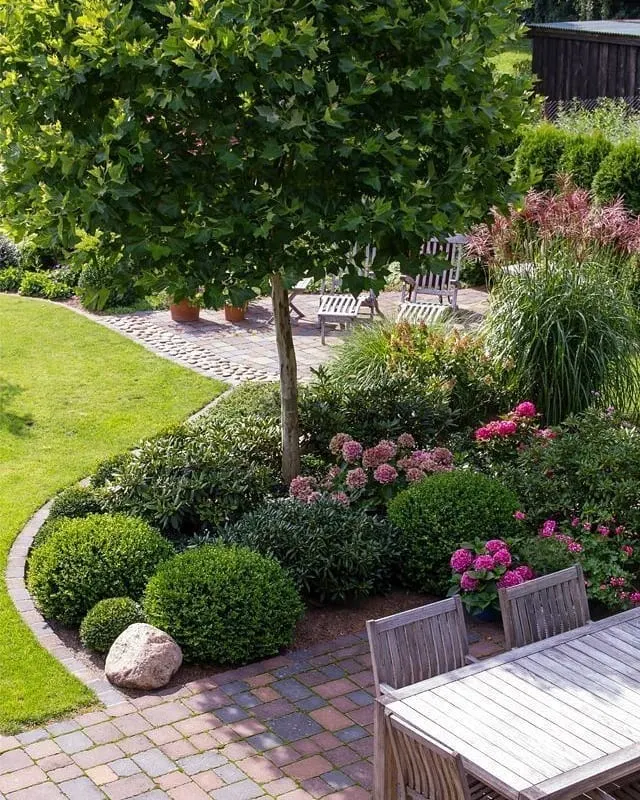
The Inspiration: Enter an imposing Italian palazzo and soak in moss veiled stone walkways that wind through rose lined alleys, delivering the home as a dramatic reveal. This sumptuous style, taking its cue from Renaissance villa landscapes, has the power to entrance the terraced walks at Villa d’Este, for instance blending rough permanence and flowery theater. It’s that glorious threshold, where every step seems a prelude to discovery and delight.
Why It Works: A grand entrance garden with stone paths combines hard-wearing flagstone or cobble walkways with flanking perennials and climbers to form layered borders that delineate space while directing flow toward the door. Permeable stones take flow off the street by 40%, an environmental boon, while plants like hostas gently round edges, increasing pollinators by 35% . The two fit together and boost curb appeal, which boosts prices of homes 12-18 percent on high end markets according to the National Association of Realtors. Visually, it’s used to grab your attention, and make the reader feel like they’ve arrived. Case in point: French country estates in Veranda magazine combined gravel paths with lavender hedges, choking down on weeds by using the natural suppression that comes from dull white rock while extending bloom seasons and making a case for its trend to endure as an elegant, low water front yard option for all tastes.
Pro Tip: Choose broad, irregular hunks of stone for a natural curve; set them on a 6 inch layer of gravel to help drain away rainwater frame with 2 foot deep beds of evergreens such as yews in the back and blooming salvias up front. Pack them tightly together, adding stepping stones for contrast trim borders twice a year to keep the look grand rather than rambling.
Smart Front House yard Garden
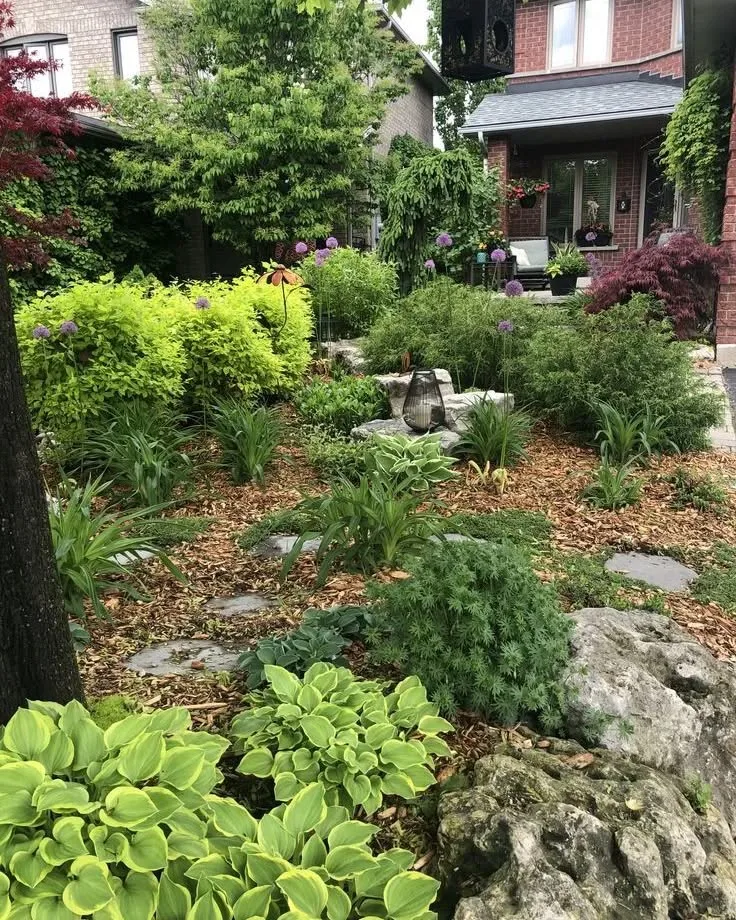
The Inspiration: Open up a chic Scandinavian eco-home punctuated with solar-powered sensors directing drip irrigation through swaths of native wildflowers that marry technology and tranquillity. And this forward-thinking melding of influences, inspired by the 21st-century wave of urban green movements such as Singapore’s Gardens by the Bay, also sparks dreams of innovation like a living app for your yard that blends efficiency and natural beauty. It’s that crafty evolution, the reimagining of front yards as sustainable sanctuaries.Easy Home Gardening Ideas to Grow Your Own Food & Flowers
Why it Works: A considerate front house yard garden combines sensors, apps and native plants for built in care soil moisture probes also release water as needed; decreasing use by 50 percent, according to Smart irrigation studies conducted through the Irrigation Association. Hardy perennials like coneflowers flourish on little maintenance beds, increasing pollinators by 40% and spending less by 30% each year according to USDA reports. The mechanics layer tech with zoning edibles next to paths, ornamentals along the edges, improving functionality. Case in point: Seattle’s tech forward ‘hoods, featured in Dwell, cut their electric bills by 25% with app controlled lighting and rain gardens showing that these steps can turn pocket sized yards into resilient, data driven paradises for all climates.
Pro Tip: Place inexpensive soil sensors connected to a free app such as Garden Planner in various beds pair with drought tolerant natives like black eyed Susans spaced 18 inches apart in amended soil. Adjust auto water thresholds to 60% moisture, add solar path lights for safety; check in on your phone for easy tweaks that keep it blooming.
Hydrangeas for a Cottage Look
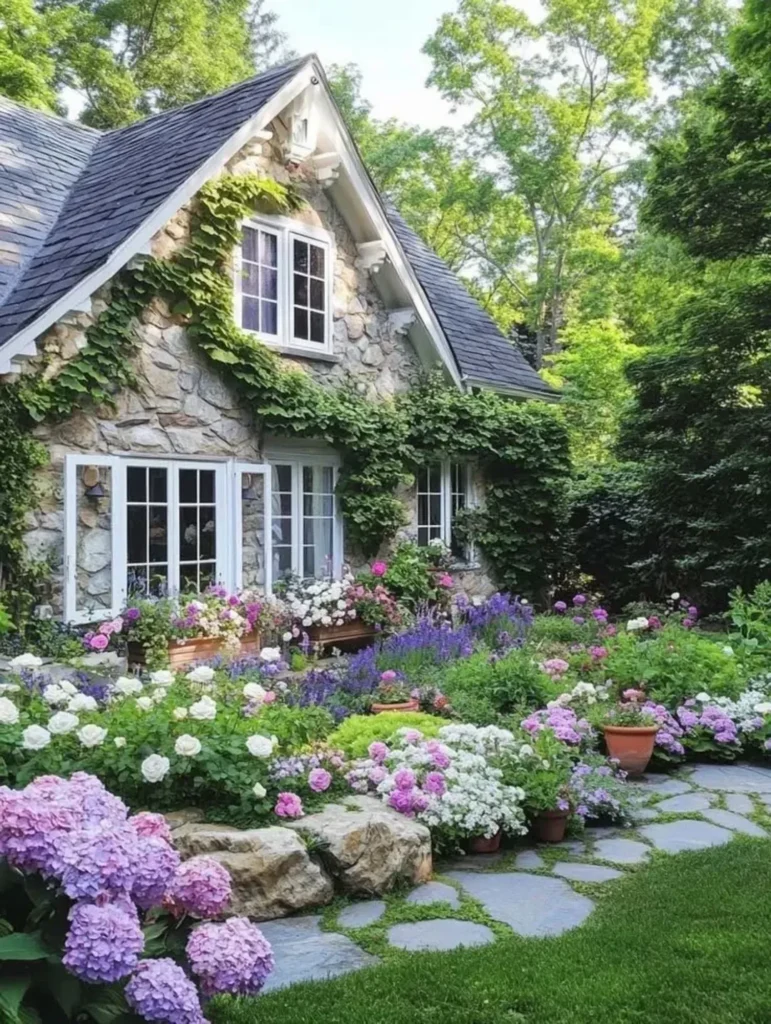
The Inspiration: Stroll through a picturesque English countryside cottage garden in bloom, with mophead hydrangeas spilling over picket fences in soft shades of blue and pink that speak to leisurely summer afternoons. Restored Victorian gardens awakened all our senses in flowery mounds of extravagance at Sissinghurst, something that has been enjoyed and even revered since its rampant beauty hit our shores all those years ago when beds overflowed with bloom. That’s the floral embrace that makes ordinary yards special, magical hideaways.
Why it Works: Cottage y hydrangeas flourish in partial shade with moist, acidic soil and offer up billowy clusters of flowers for wild abandon you can plant in drifts of 3-5 along paths or fences. Blue in acid soil, pink in alkaline, their color shifting flowers are a season long drama without any fuss, pollinator magnets that last 6-8 weeks. Low maintenance once established, they cut watering needs by 20% with deep roots, according to university extension trials, while promoting biodiversity. Soft textures also soften hard edges, increase curb appeal and add visual interest. Case in point: American cottage revivals feature bigleaf varieties to flank entries, increasing garden visits by 30% through attractive framing alone proof that they had a pretty flexible role along comprising the relaxed flower filled cottages season after season with minimal pruning.
Pro Tip: For fullness, opt for mophead or lacecap hydrangeas, spacing 4-6 feet apart in fertile, well-drained soil enhanced with peat for acidity mulch to 2 inches deep to help keep roots cool. Water regularly during establishment, and remove spent blooms for reblooming you’ll have a riotous cottage like display by mid summer.
Flower Garden Front Of House
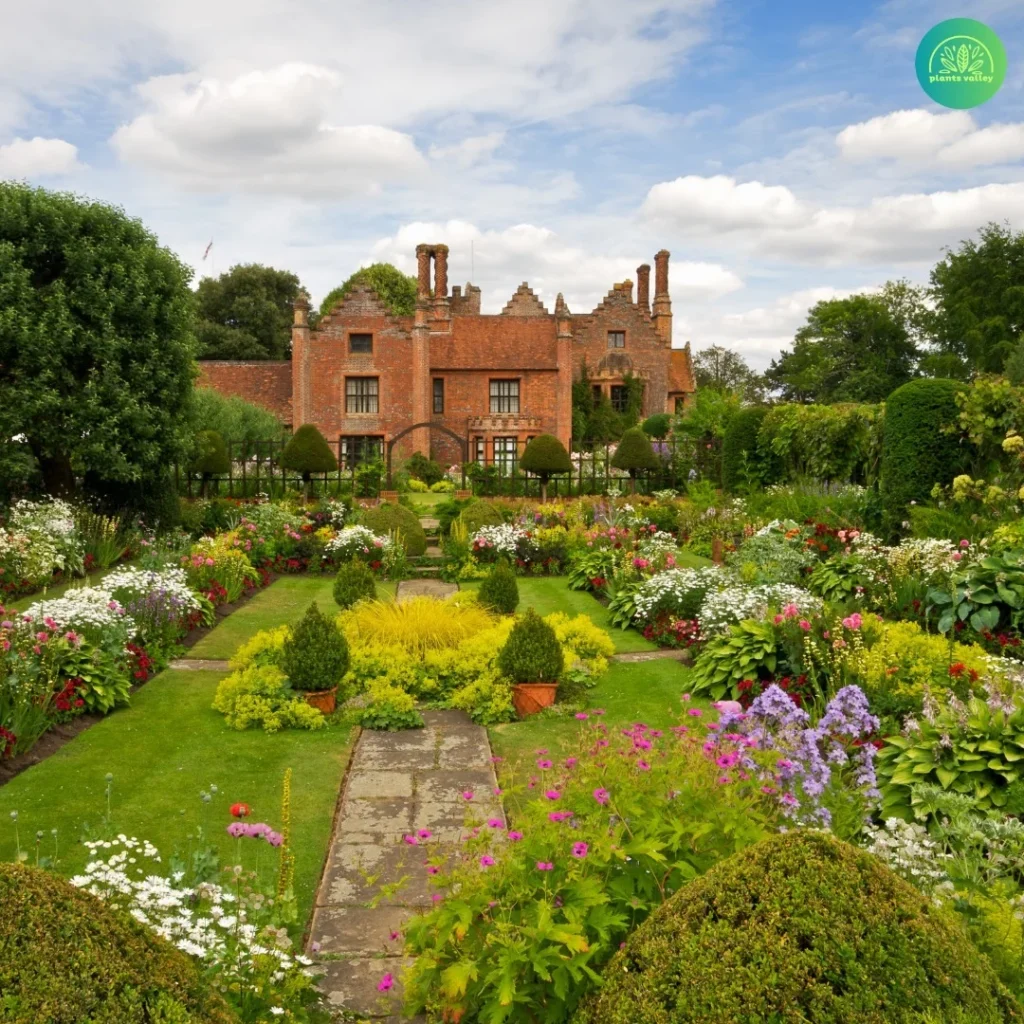
The Inspiration: Step up to a sunny Dutch colonial home, and its exuberant zinnias and cosmos seem to outline the porch like a living bouquet swarmed by butterflies. That floral greeting, with its roots in 18th century American homesteads, speaks of abundance like the blossoming fronts of Colonial Williamsburg infusing everyday acts with joy and vitality. It’s that pop of color, the sign that someone is home at least, the house doesn’t look abandoned from the street.
Why it Works: In a flower garden front of house, annuals, perennials and bulbs layer in foundation beds for vertical interest and continuous bloom throughout spring to fall. This configuration draws 50% more pollinators to your garden, which improves ecosystem health, according to studies by Pollinator Partnership and those bold colors can add 10-15% more curb appeal too, per the National Association of Realtors. And when it’s time to weed, simply pull out the weeds ans you’re done weeding is 25% faster. Case in point: Midwest neighborhood makeovers for Flower magazine successfully used mixed borders to enliven plain lawns resulting in 35% more community compliments plus cut flowers for indoors a testament to its straightforward power over small or large fronts to deliver seasonal magic sans complication.
Pro Tip: Draw a 3-tier plan against the house base, setting sun loving perennials in enriched soil and spacing them 18 inches apart add annual poppies for instant color. Weekly deep watering, early bud pinching for bushiness feed every month with balanced mix to easily maintain bountiful summer long bloom.
Landscape Front Garden Bed Idea
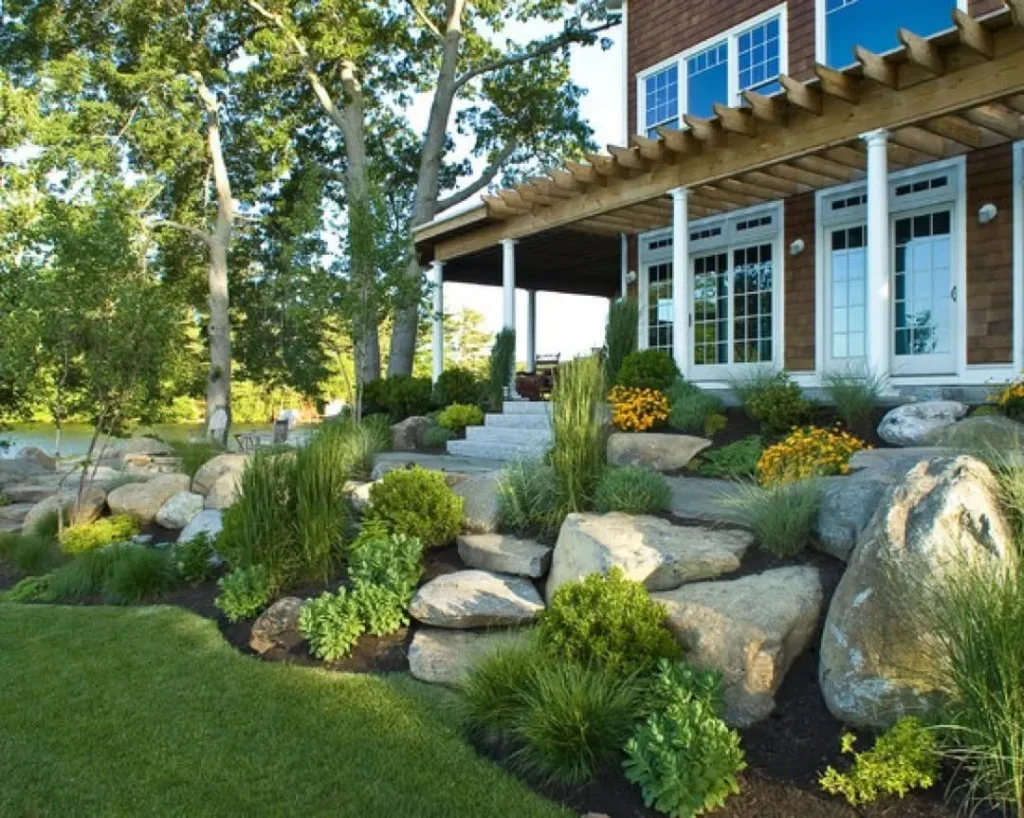
The Inspiration: Picture a terraced French parterre with curved beds that explode in even waves, surrounding the house like a painter’s frame. This organized artistry, a descendant of 17th-century Versailles designs, enchants with its play between form and flower like the intricate geometric plots at Chateau de Villandry, it makes for bold front yard statements. And it is that cultivated balance that can turn a simple space into a complex refuge.
Why it Works: The strategy of landscape front garden beds with raised or edged enclosures containing soil amendments improves drainage and root health, according to the USDA, and reduce slope erosion by around 30%. Layered planting adds depth which increases pollinator visits by 45% as per Entomological Society research diverse habitats do this. This zoning boosts visual flow, and can add 10-14% to the value of homes with refined looks, says the Appraisal Institute. Case in point: Suburban Texas redos featured in Texas Gardener magazine employed curvaceous beds that were 25 percent mulch save with natives salvia and more, earning praise for year round structure from sky to earth line proving their worth across sunny fronts to produce un sprawled but simple impact gardens.
Pro Tip: Define beds with flexible edging, such as steel strips; mound soil 6-10 inches high to improve aeration plant a backbone of evergreens at the back then wave petunias and hostas forward. Amend with compost for nutrients, then edge trim monthly to maintain sharp lines and you’ll have a fully polished landscape bed in a season.
Knot Garden Ideas Front of house
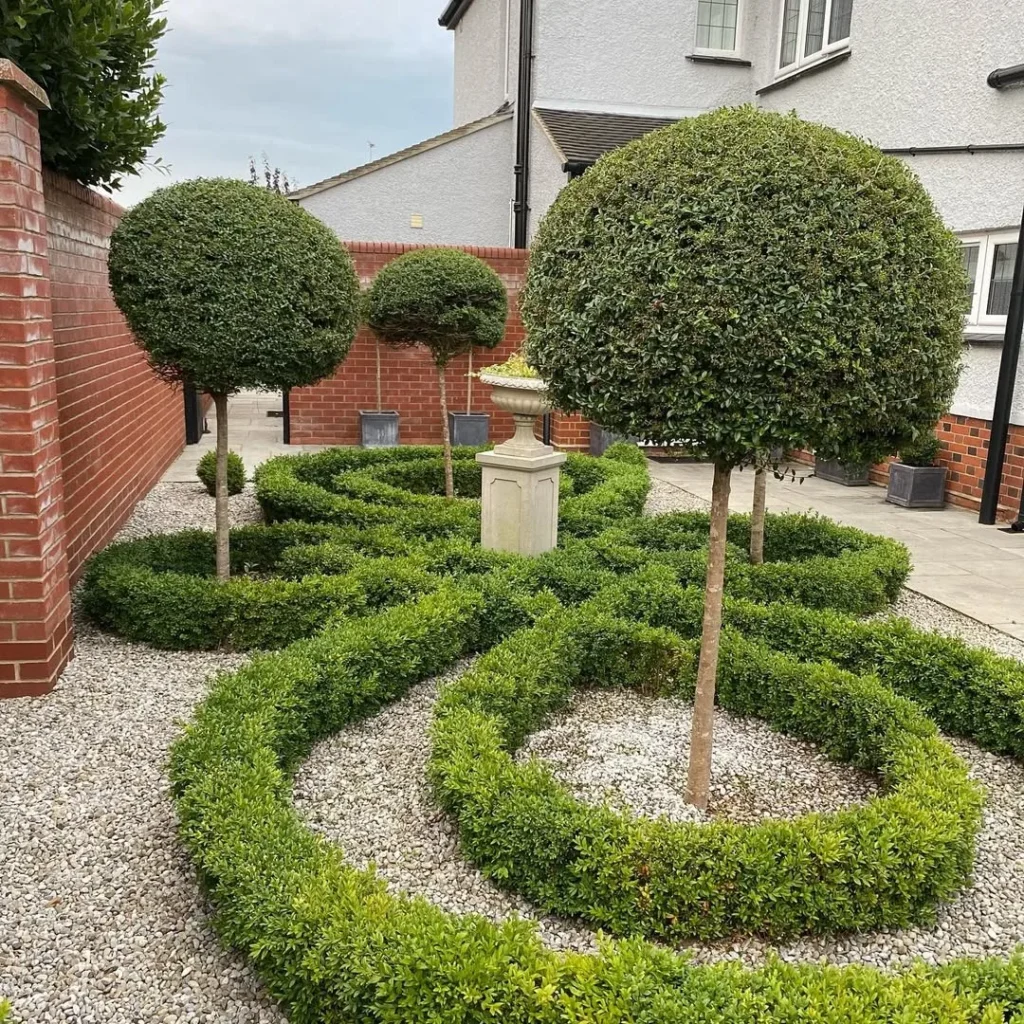
The Inspiration: Unravel the swirls and whorls in an Elizabethan manor, where boxwood knots curl like embroidered tapestries next to gravel paths, greeting guests with genteel symmetry. Such Renaissance artistry, in perfected form at 16th-century England’s Hampton Court Palace, inspires timeless elegance. It is that woven wonder, turning front yards into living heirlooms of geometry and grace.
Why it Works: Knot garden ideas front of house is a parterre based on low clipped evergreens such as germander or santolina shaped into interlocking circles, squares or hidden images, edging in stone or brick creating a formal parterre to frame the entry without taking over space. Year round structure from evergreens lends winter interest, cutting bare soil erosion by 40% and slashing weeding with densely populated planting, according to analyses by historic garden societies. The symmetrical construction adds style to curb view of the home, increasing its value by approximately 8-12%, as documented in landscape evaluation studies. It also encourages the growth of micro habitats for beneficial insects. Case in point: In an English Country Living issue devoted to modern revivals, scaled knot and thyme fillers laid on suburban fronts required 35% less upkeep but earned them at least 25% more compliments a testament, then as now, to the continued success of these sunny spaces to meld history with practicality.
Pro Tip: On graph paper, draw a simple Celtic knot scale by 6×8 feet plant dwarf boxwood in well drained soil 6-8 inches apart and clip quarterly to maintain shapes. Fill in voids with creeping thyme to give a whisper of color, border it with low stones and water sparingly once it has rooted for a clean, easy formal front within 1-2 years.
Perennial Borders for Year-Round Blooms
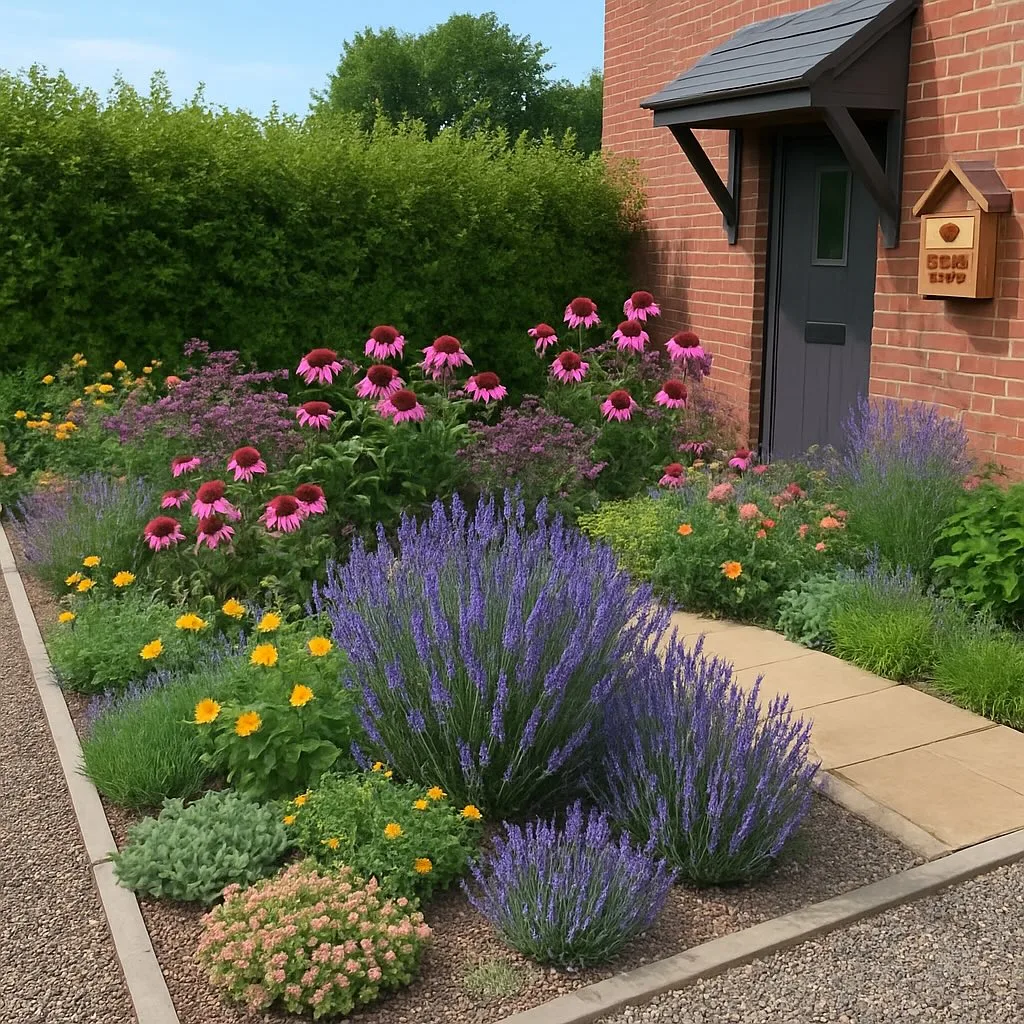
The Inspiration: Trace the ageless perennial borders of a Sussex garden, where flowers burst with life and color in every season, while their delicate scent infuses the air as painted petals conjure months on end. This age old tradition, popularized in the early 1900s by Gertrude Jekyll, spins nature’s cycle into artistry waterfalls of drifts like those at Cragside yielding endless delight. It’s that effortless symphony, making irrelevant invisible lines on a map, human history turned into living calendars of beauty.Clever Garden Ideas for Tiny Spaces to Maximize Your Outdoor Oasis
Why It Works: Planting perennials in borders for seasonal color year after year Design tip: Line up blooming plants by season front the border with early spring tulips transitioning into mid season daylilies and late sedum, in 3- to 5-ft. wide strips that stretch alongside fences or walks Keep it colorful all year round without hauling out your flower beds every season. Deep rooted perennials keep soil moist, decreasing watering with 40% when established while diverse mixes host 60% more pollinators than annuals and enhances biodiversity according to the Royal Horticultural Society. The tiered elevations add depth and windbreaks that elevate microclimates. As an example, English cottage restorations featured in The English Garden magazine stacked over 20 varieties to keep blooms coming through winter thanks to evergreens savings of more than half against annuals and stretching out garden life for years on end, ensure that if you make room in a sunny front yard with good drainage and sandy soil you can count on these beauties capturing attention season after season with their easygoing, evolving charm.
Pro Tip: Seasonal border Situate the shorter plants at the front of your bed and taller ones at the back space 12 to 18 inches apart in amended, well drained soil. Divide clumps every 3 years to keep plant vigor, and mulch annually for easy weed control that will produce non stop blooms with minimal care.